
Achioté
Costa Rica
Personalities
Lovers of architecture. Creatives in need of quiet. Slow travelers. Nature seekers. Surfers. Couples drawn to simplicity. Solo travelers looking inward.
Moments
Dawn surf sessions along the Pacific. Hiking into Corcovado’s edge, where jungle meets near-wild coastline. Humid jungle roads. Boat rides through mangroves. Swimming beneath hidden waterfalls. Sunset walks on long empty beaches shaped by strong tides.
Best Visiting Months
The most rewarding time to experience Achioté is during Costa Rica’s dry season, from December through April, when days are bright and humid with clearer skies and easier access to surrounding hiking trails and coastal areas. This period allows for longer explorations and more consistent wildlife sightings. The green season from May to November brings heavier rains that deepen the intensity of the jungle, enriching the landscape with lush vegetation, flowing rivers, and a more immersive, sensory experience. Travel during this time feels quieter and more introspective, with fewer visitors and a stronger connection to the rhythms of the rainforest.

Why Stay
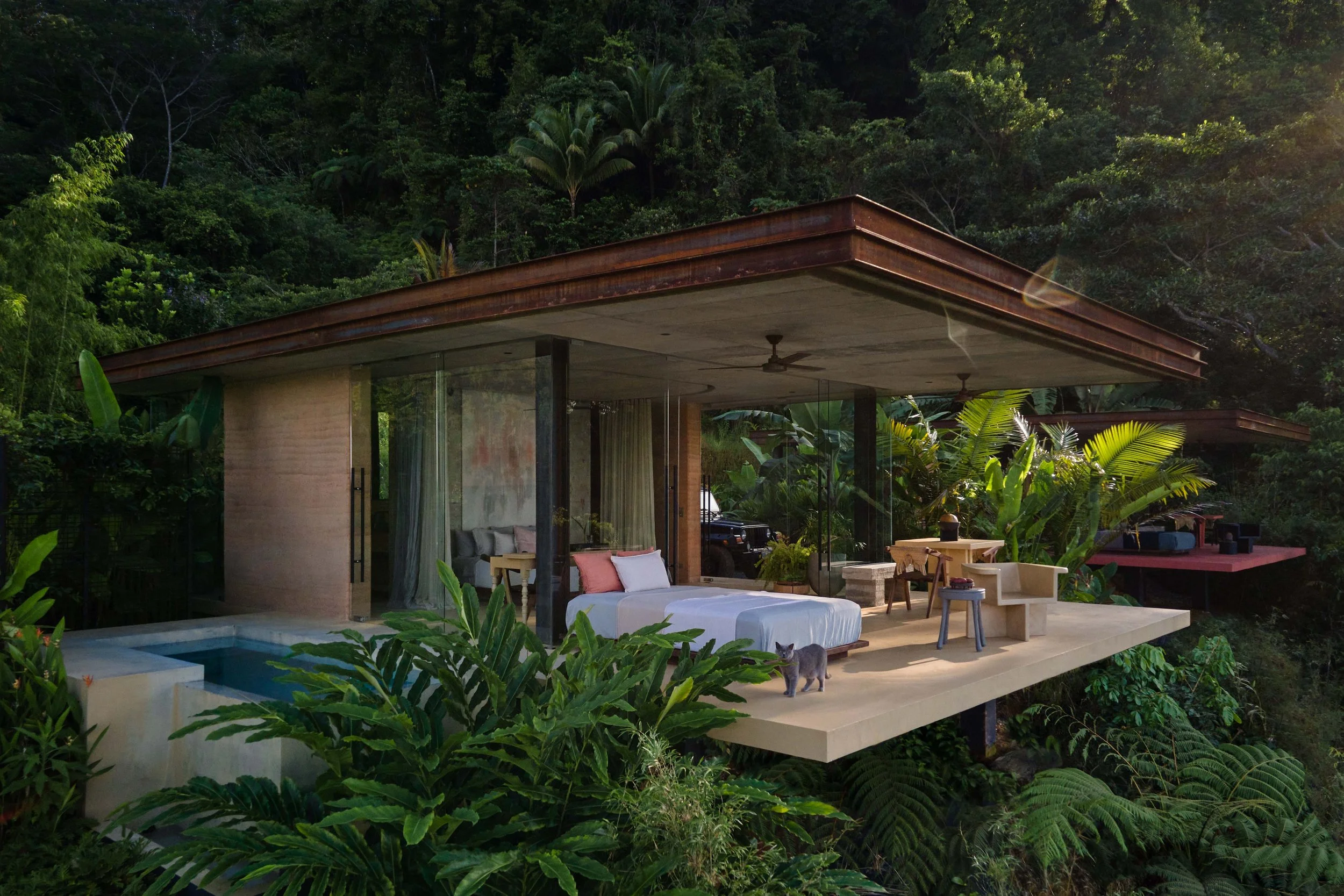
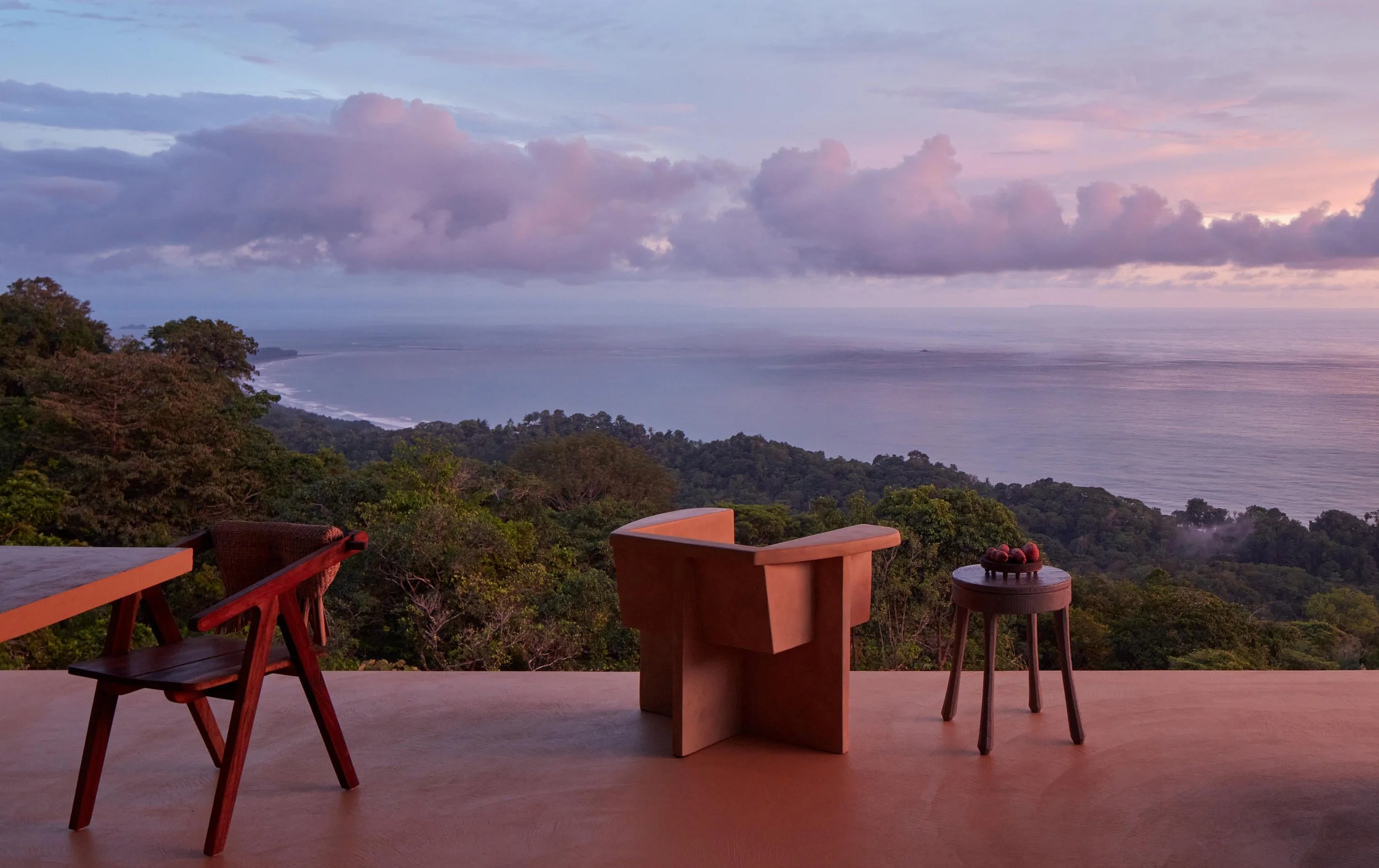
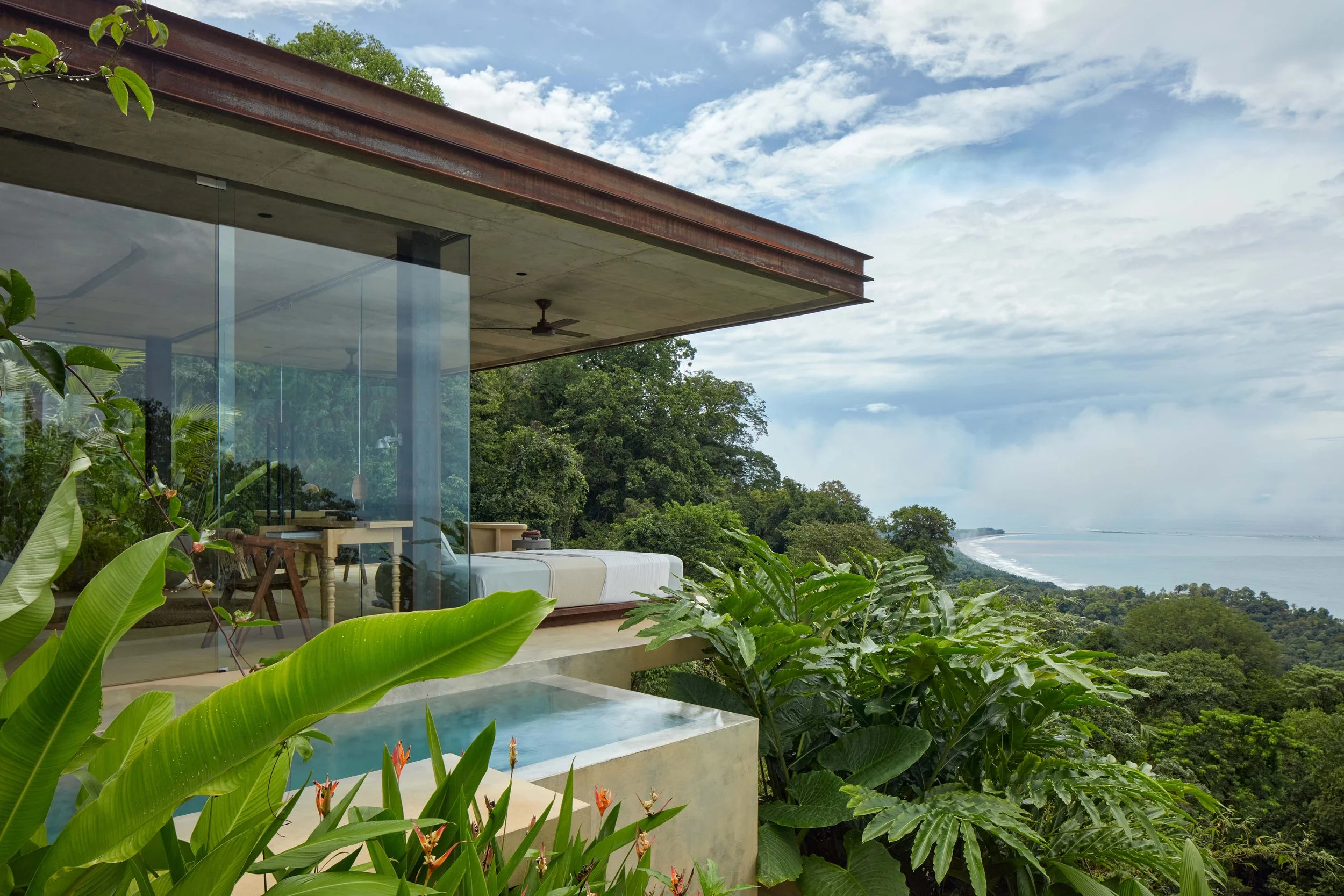
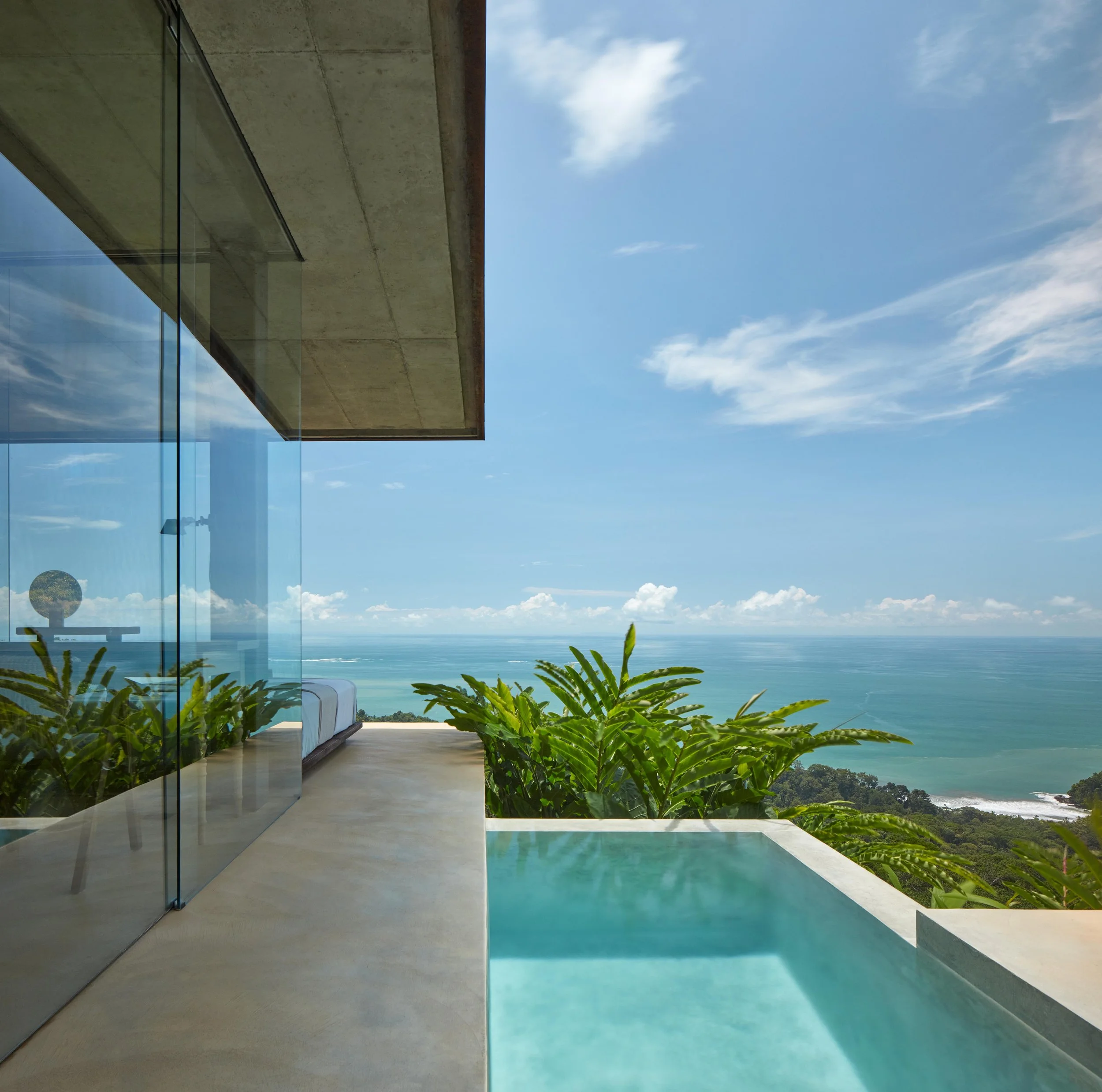
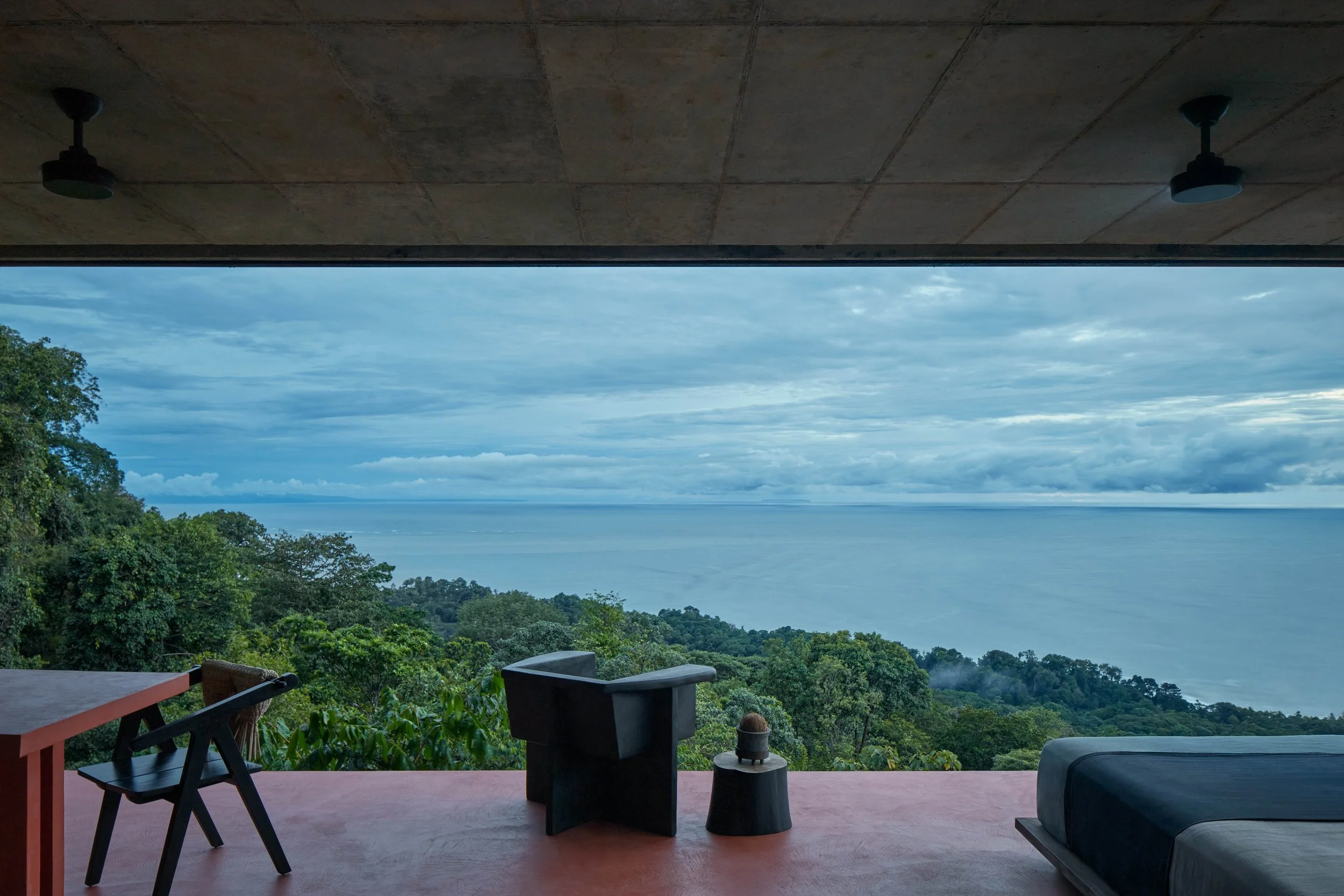
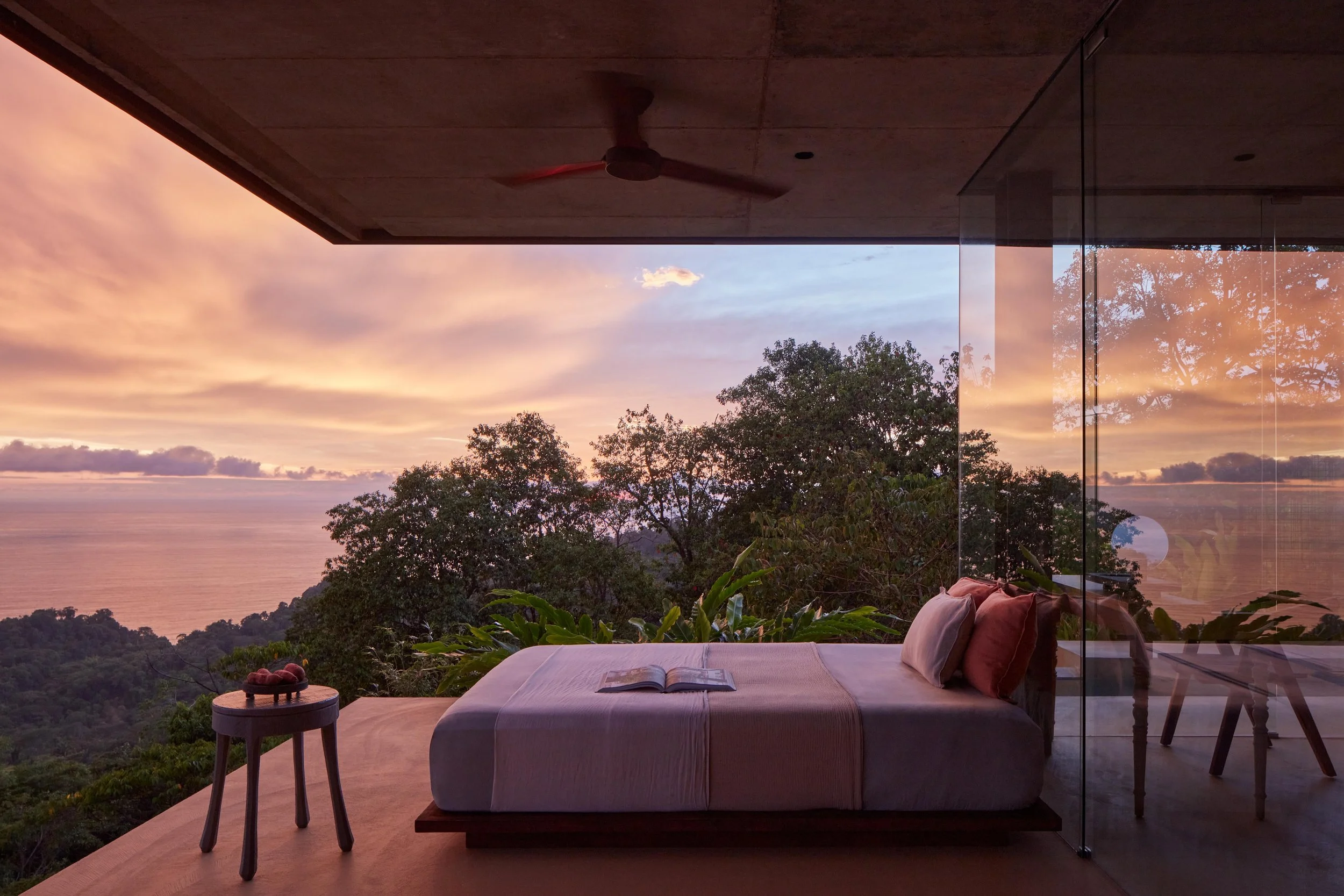
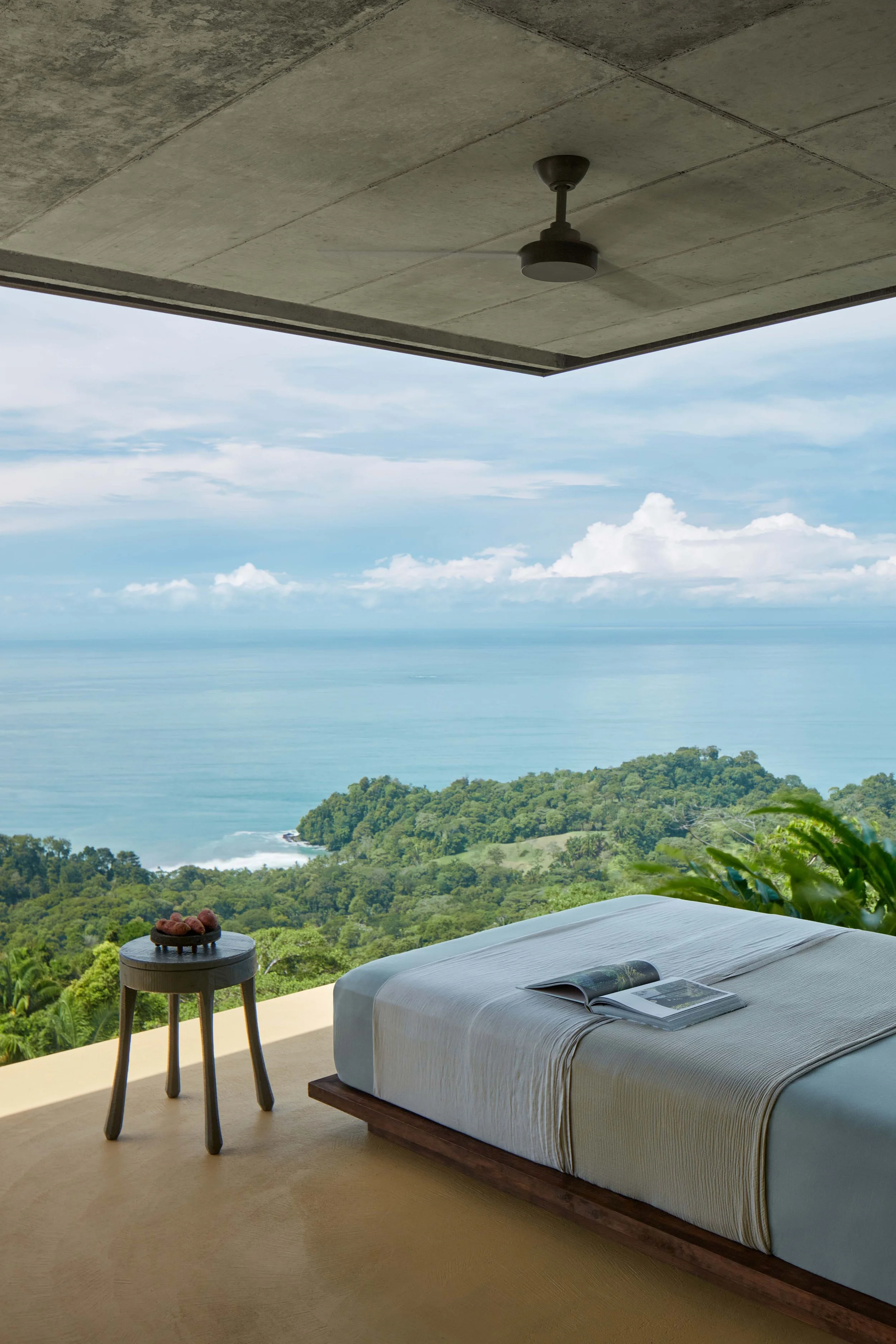
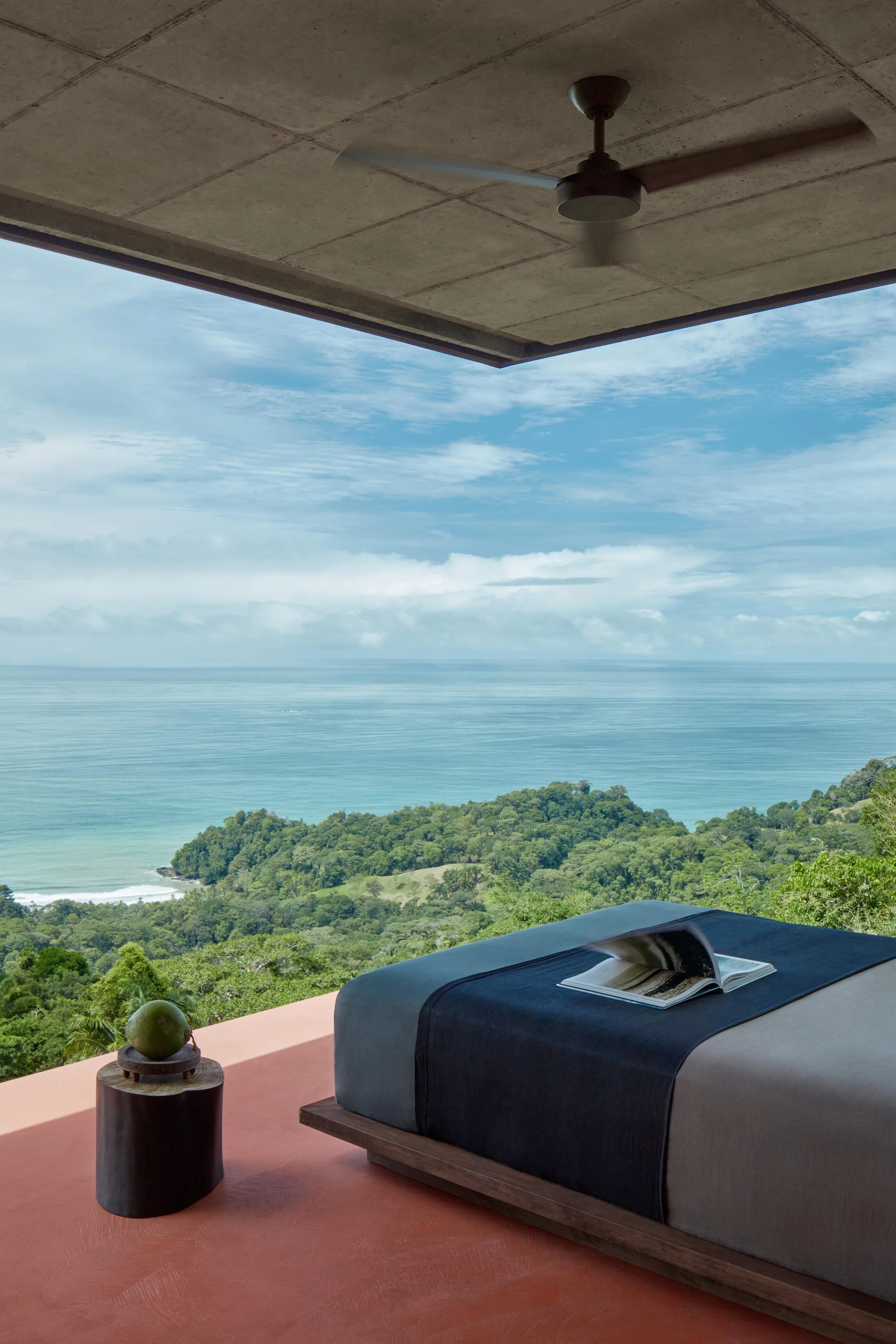
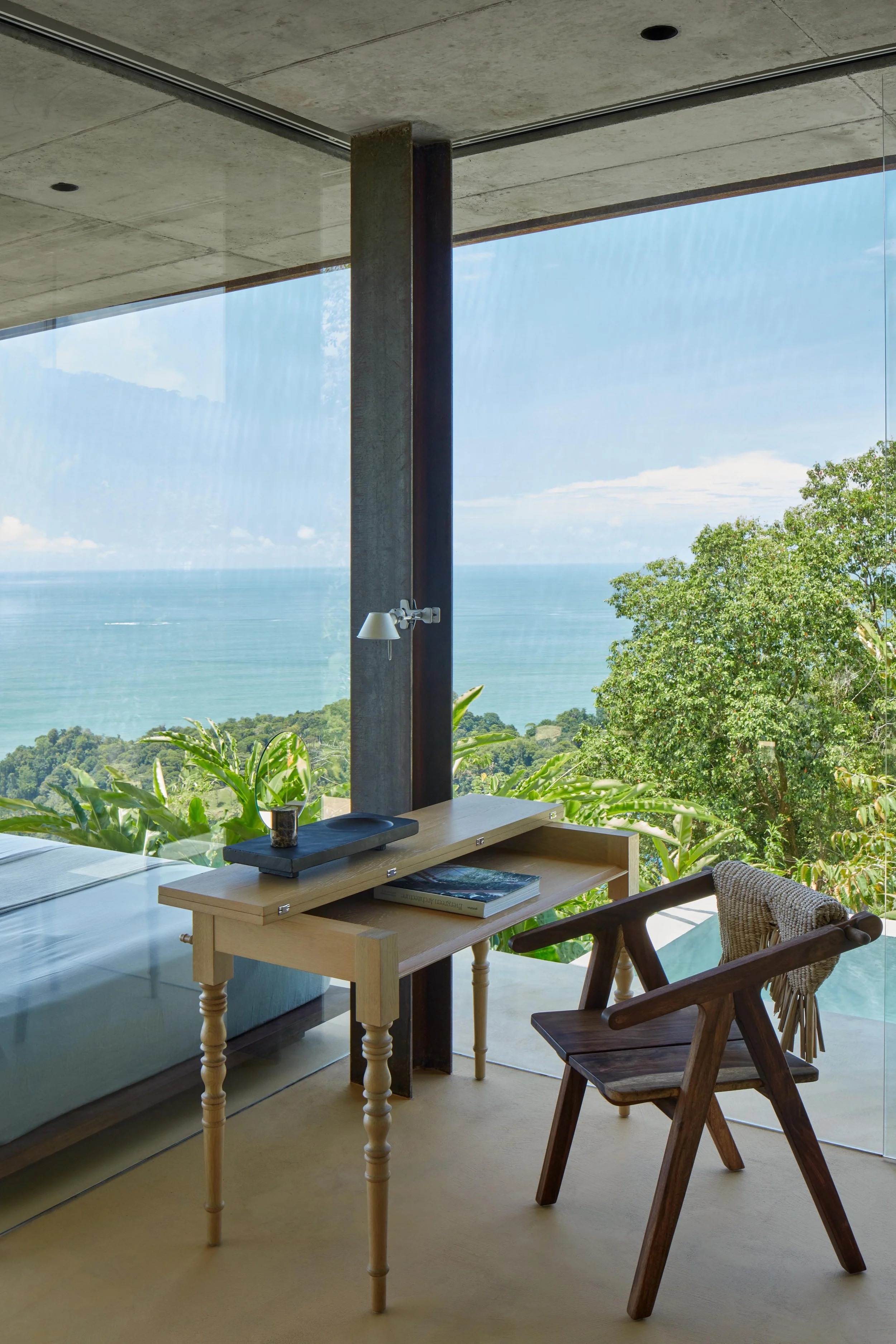
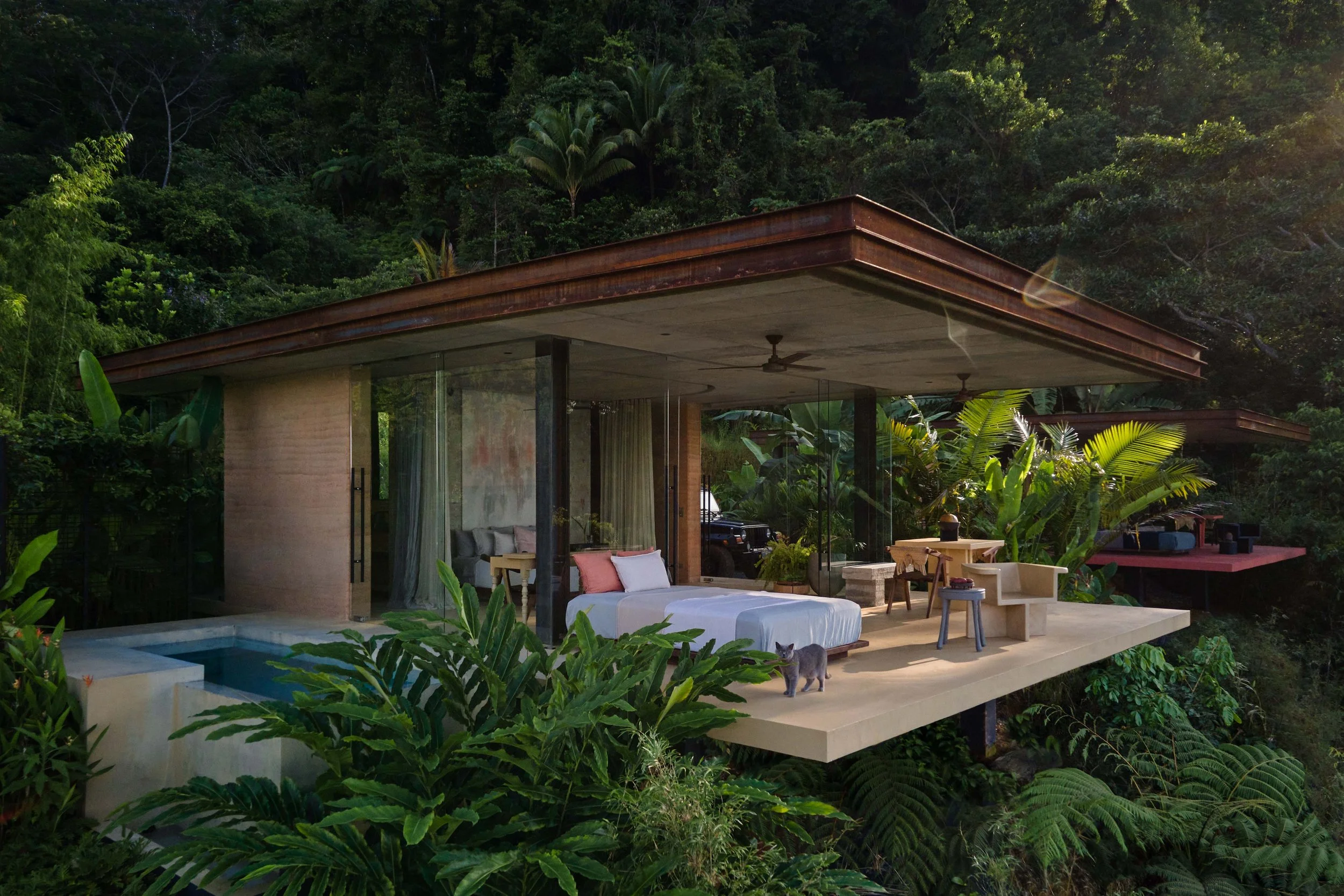
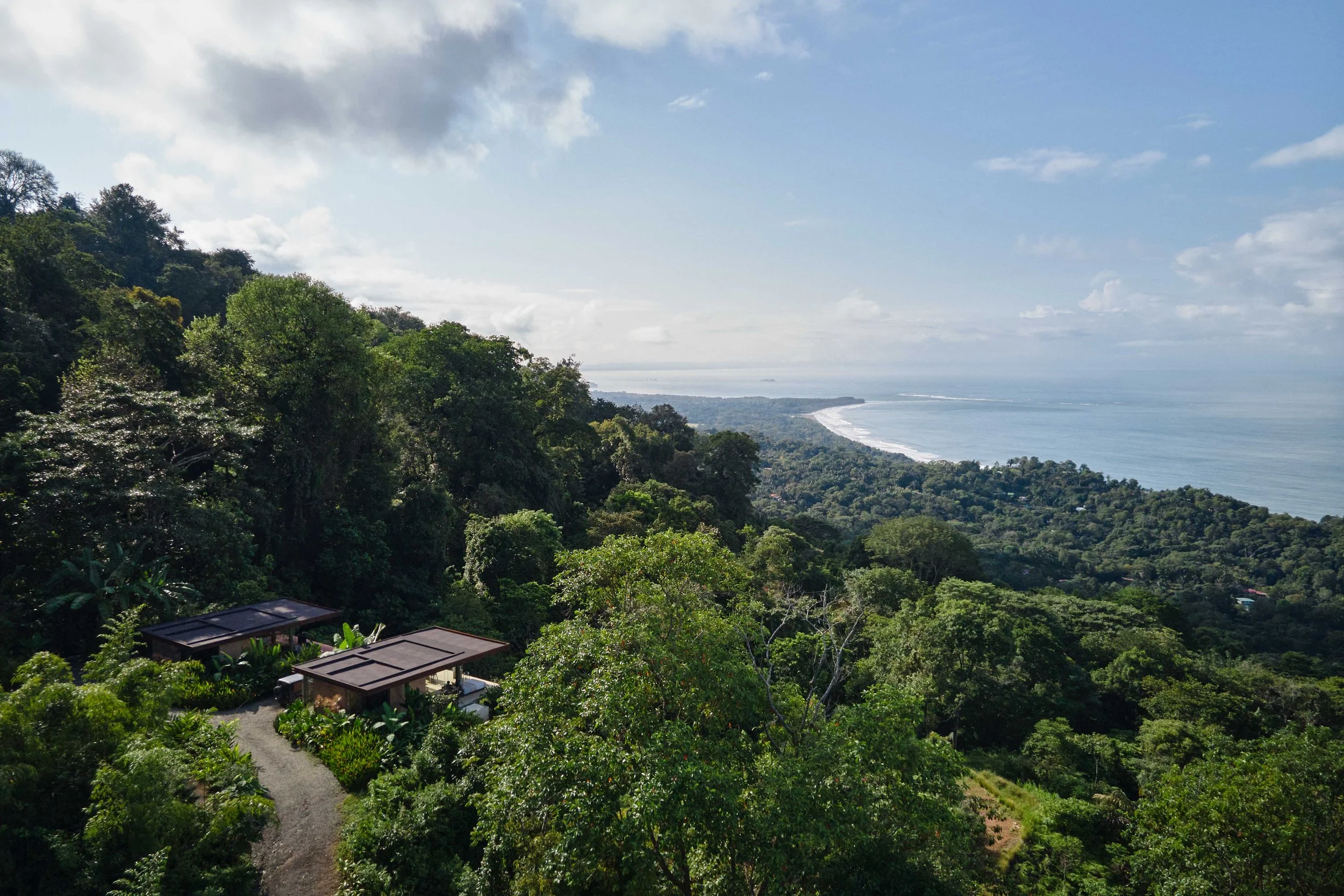
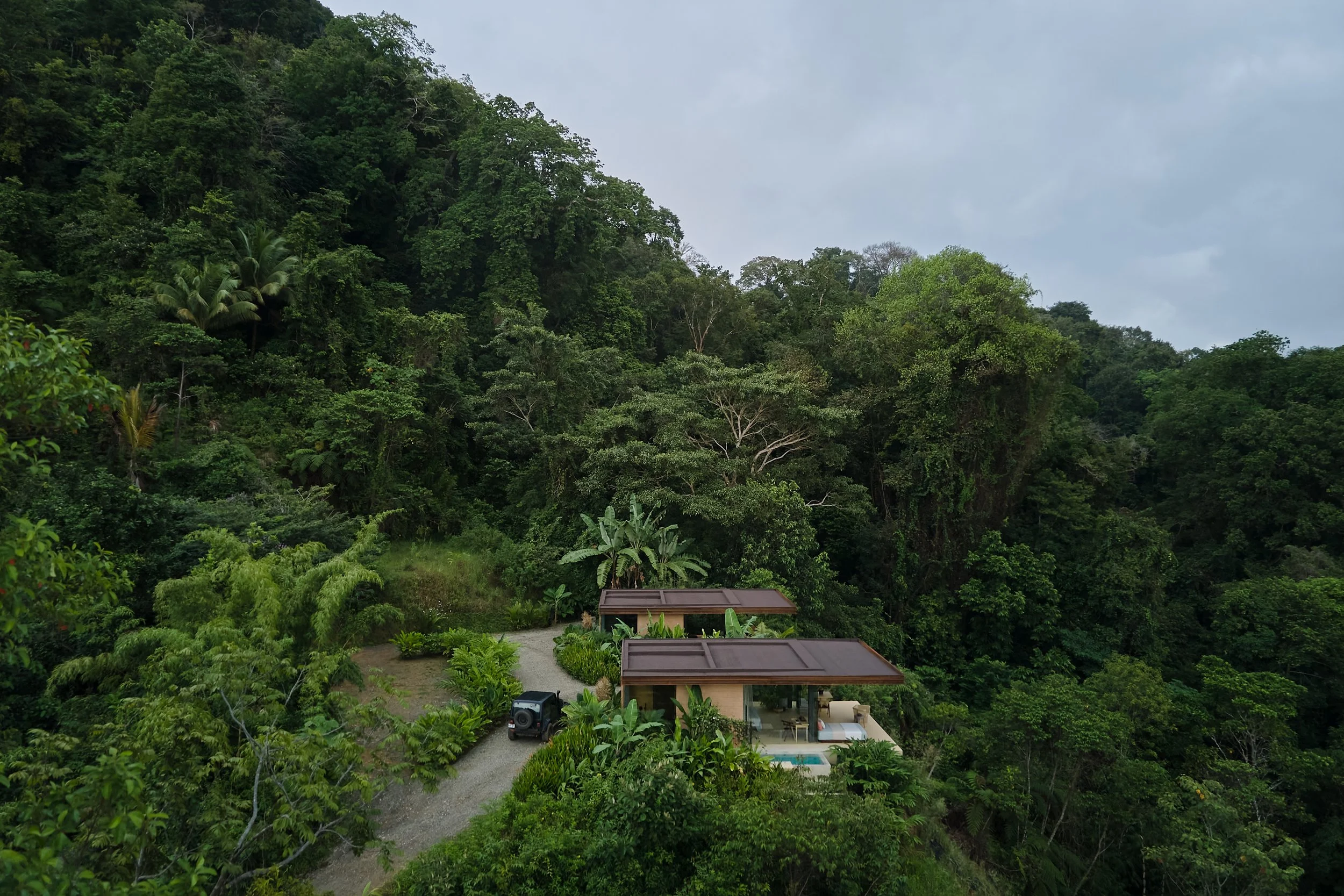
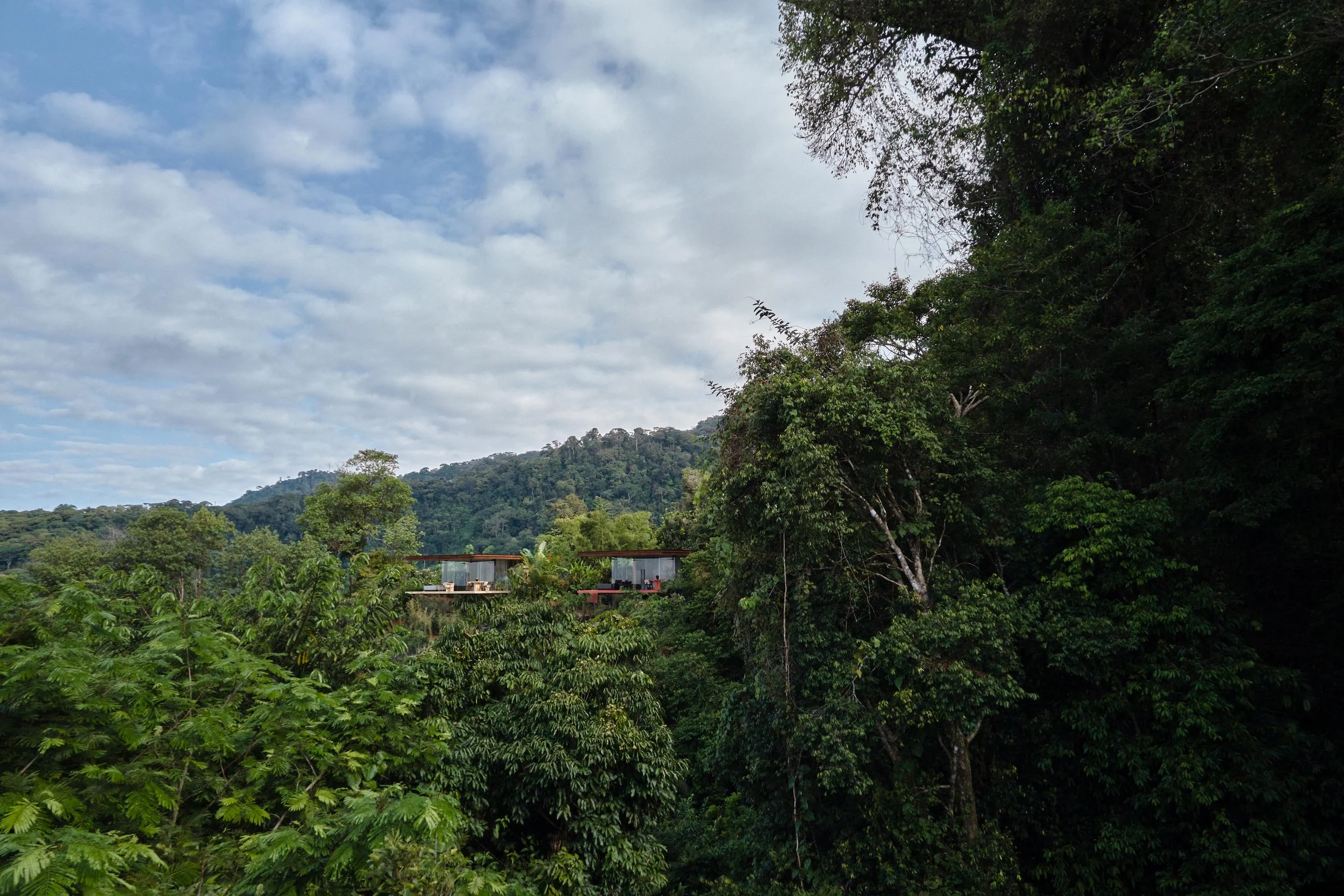
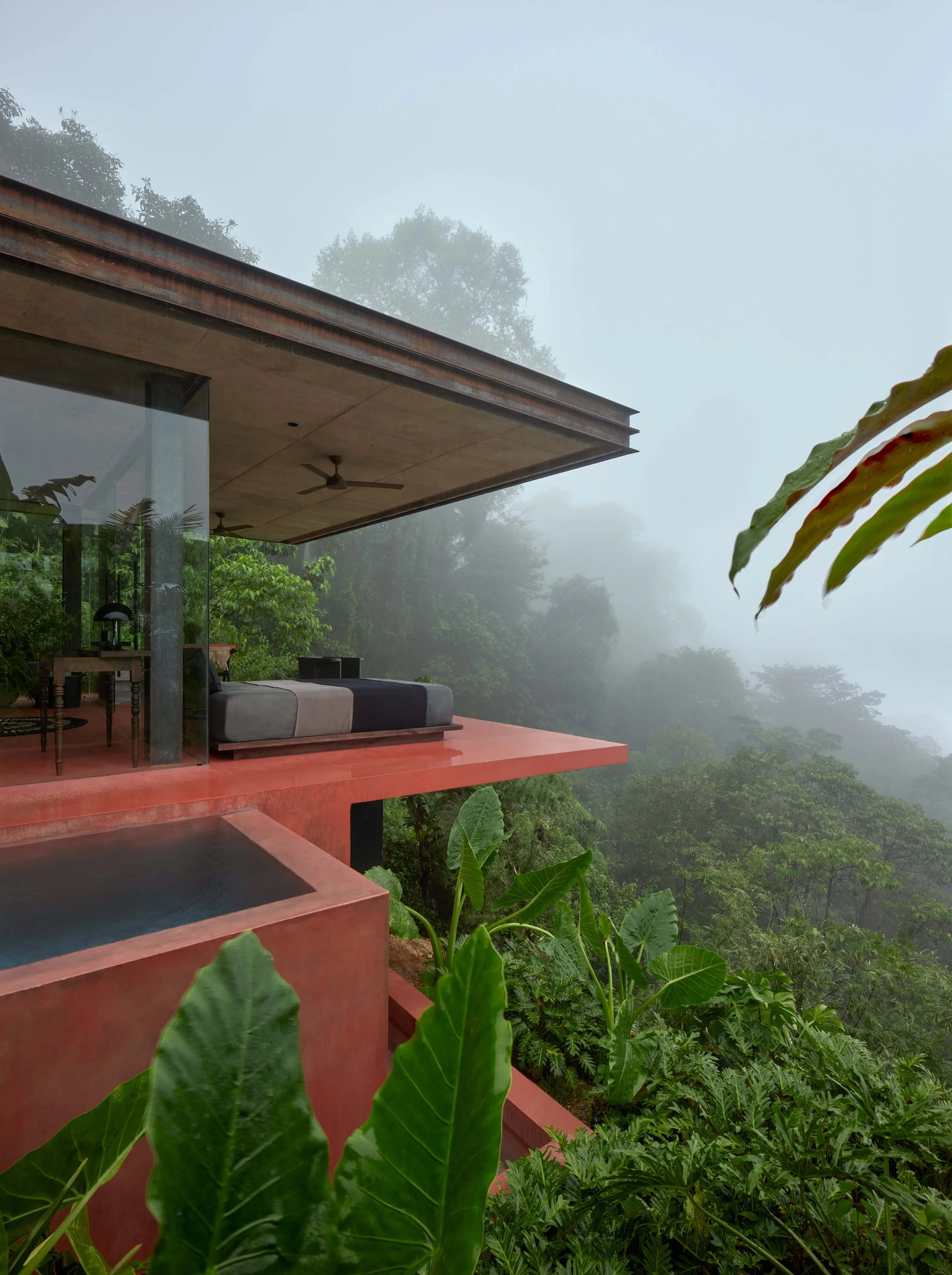
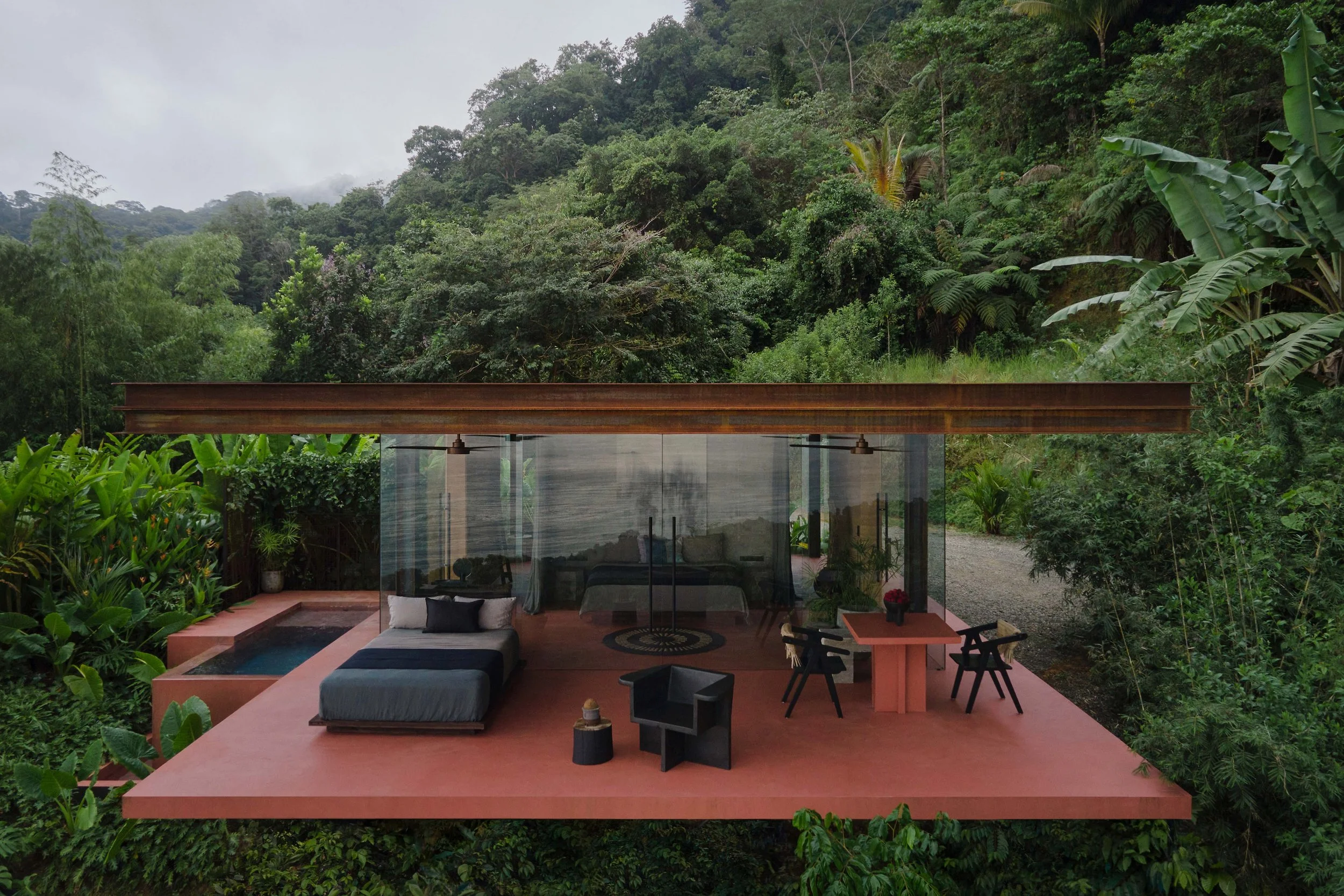
Located in the Southern Zone of Costa Rica, near the coastal jungle landscapes of the Osa Peninsula, Achioté exists as a system of two private villas immersed in dense rainforest. The geography is raw and expressive, shaped by tropical humidity, rich soil, and a layered canopy that filters light throughout the day. The setting feels both remote and deeply connected, where jungle and ocean exist in close proximity and define the rhythm of each day.
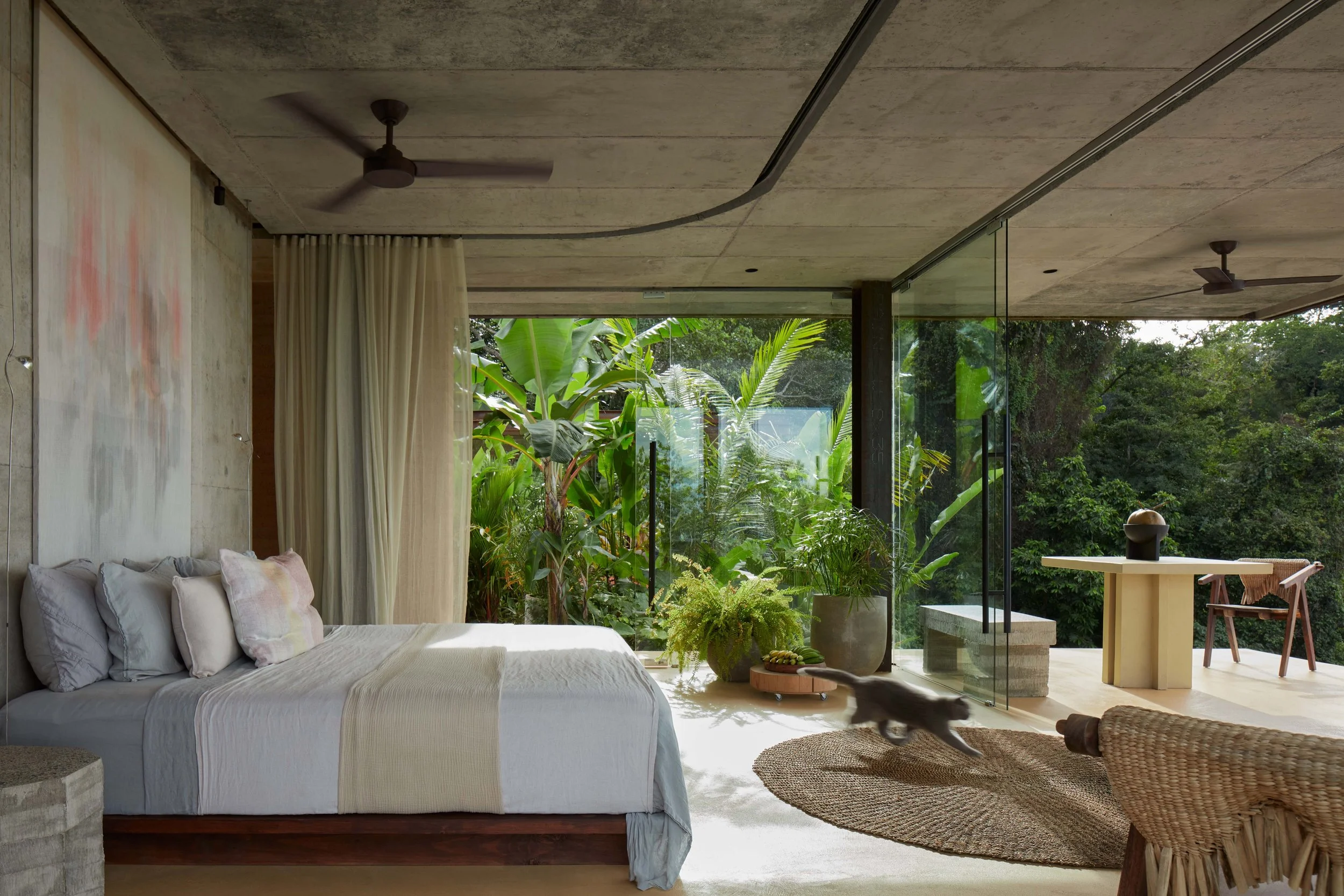
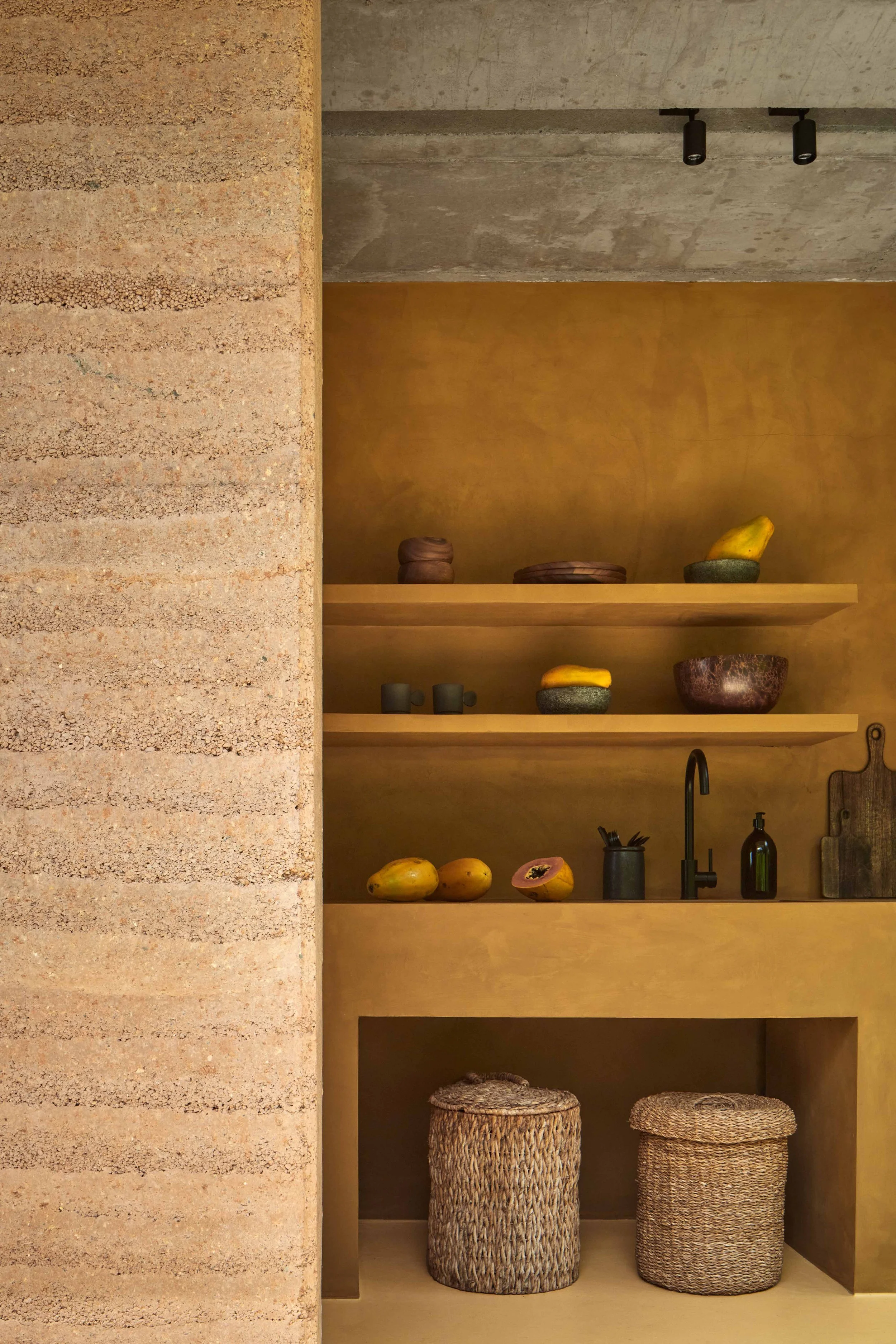
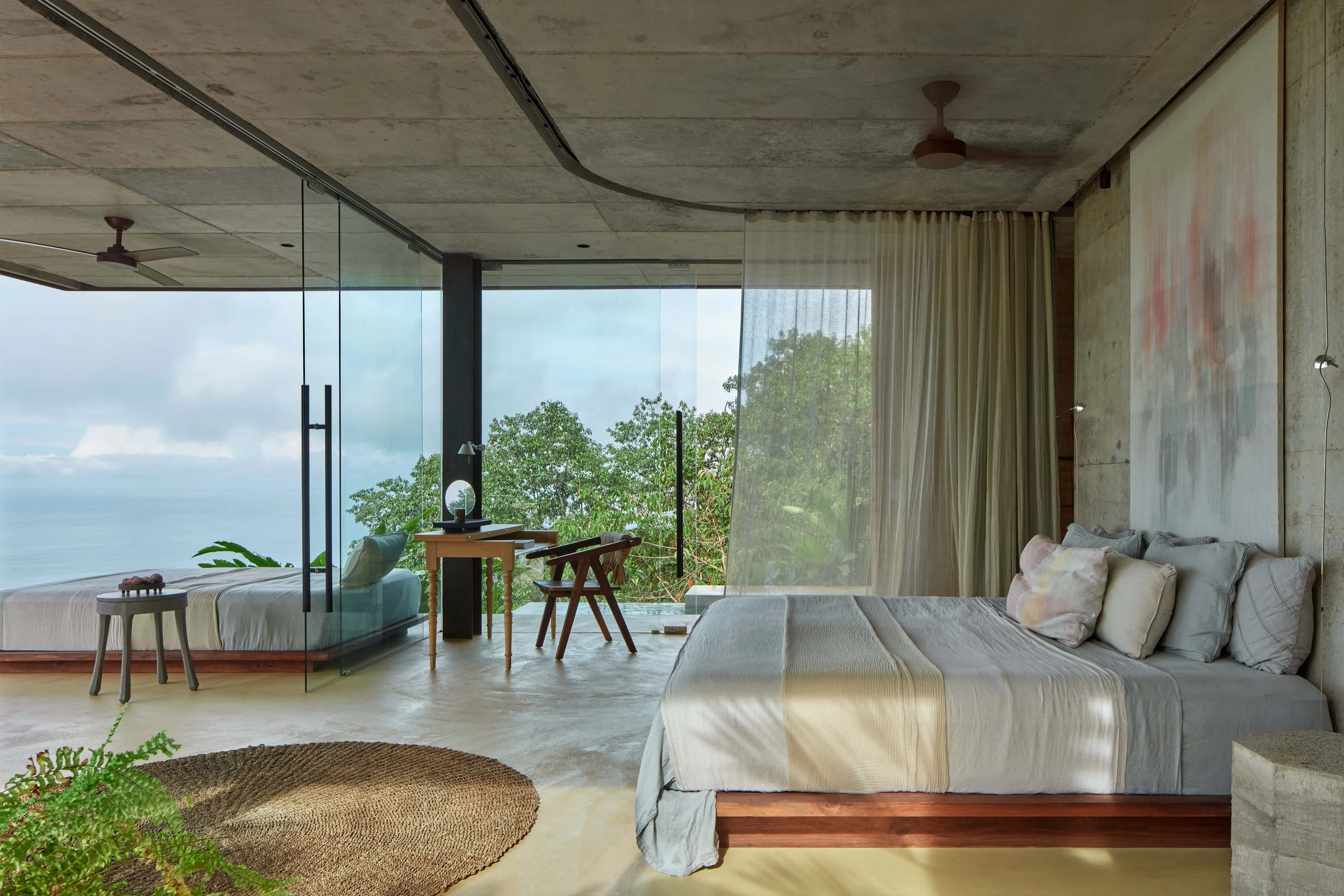
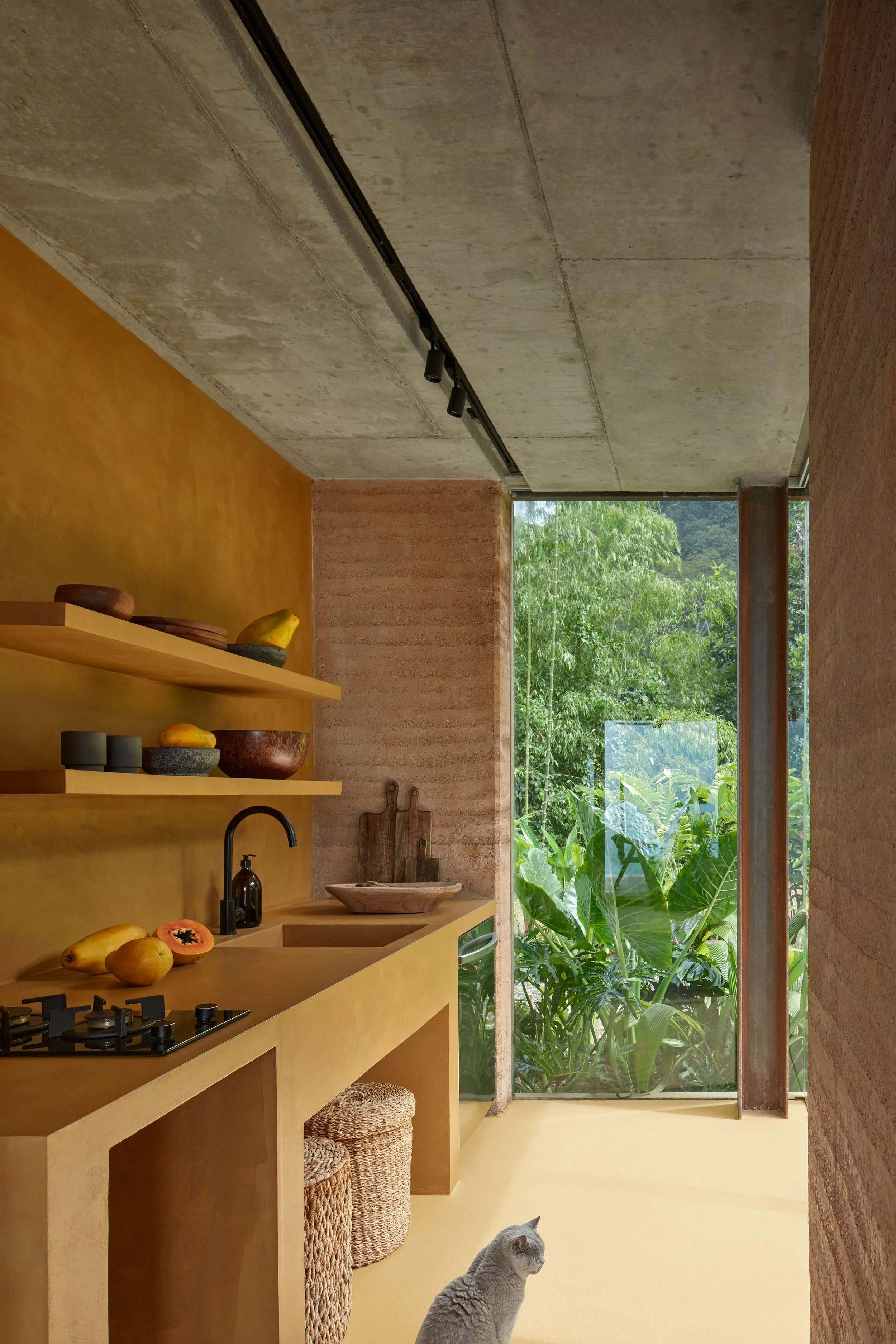
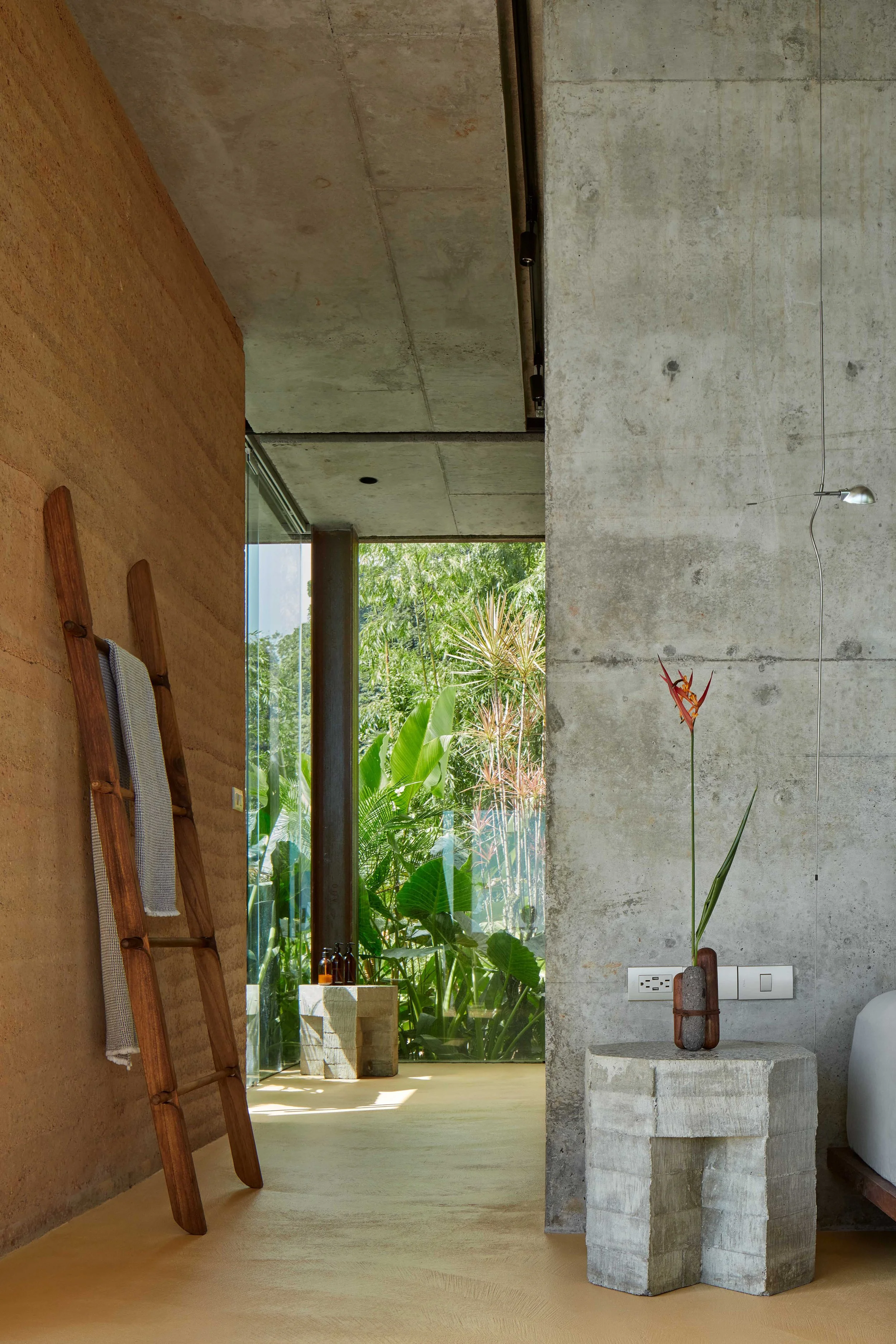
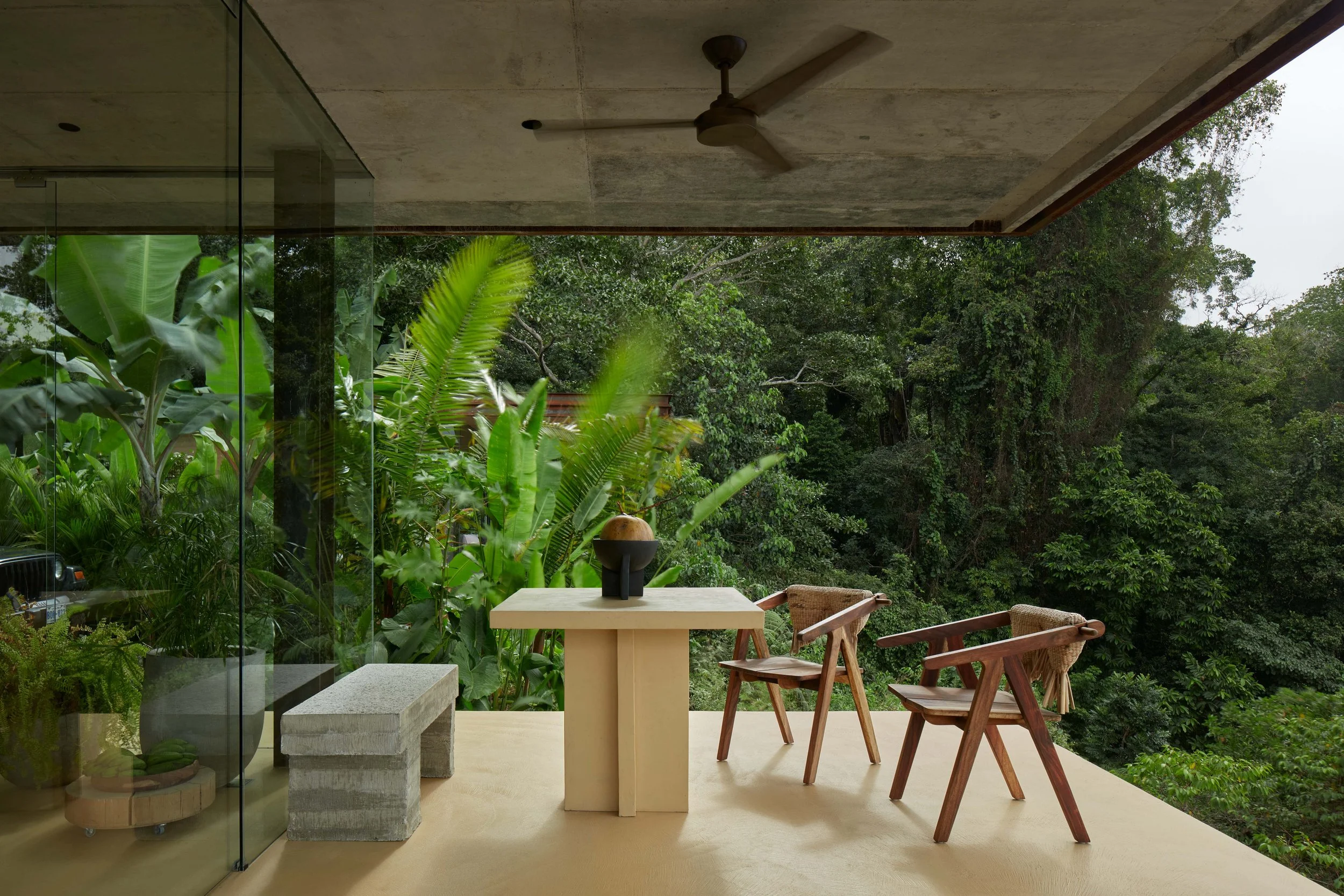
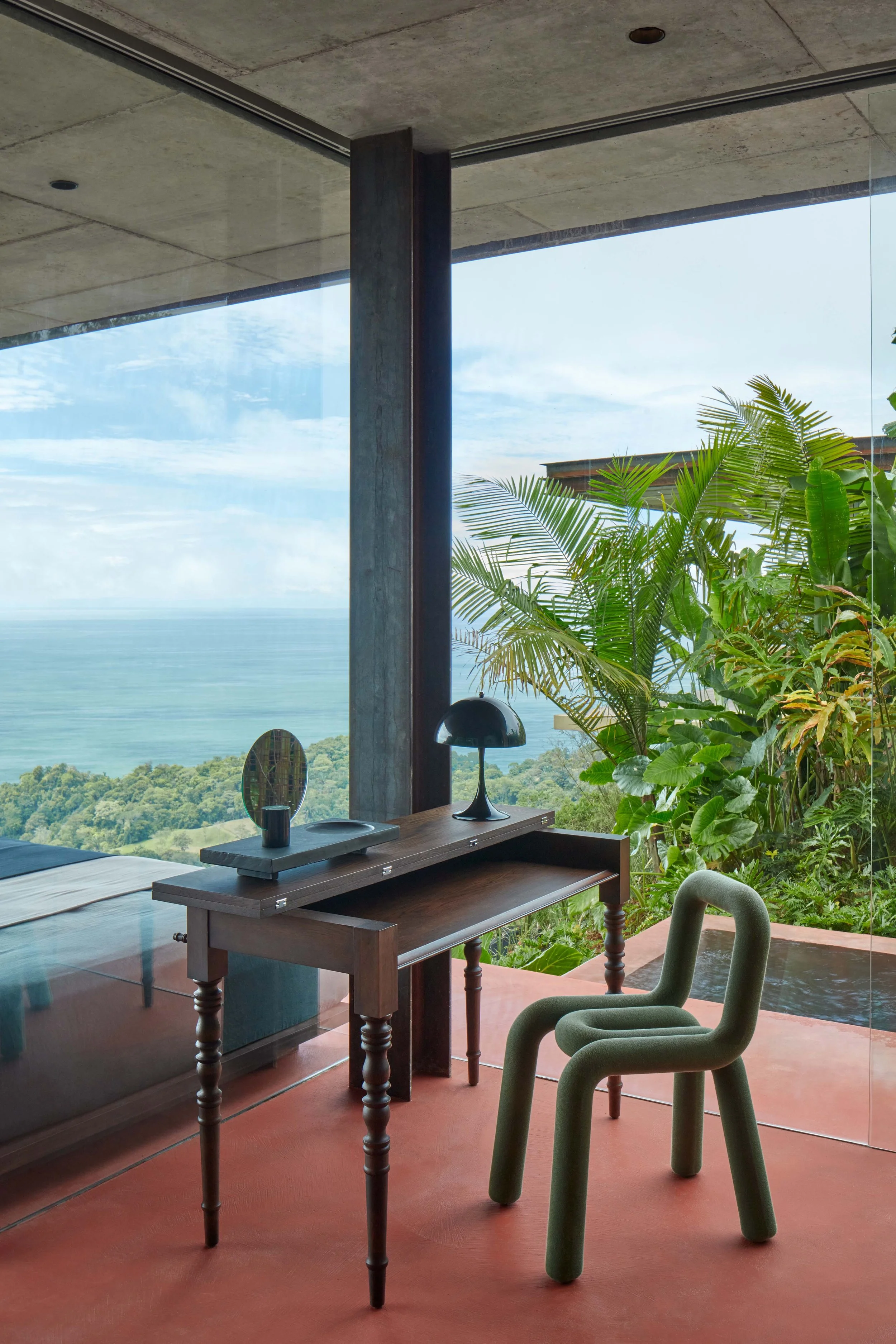
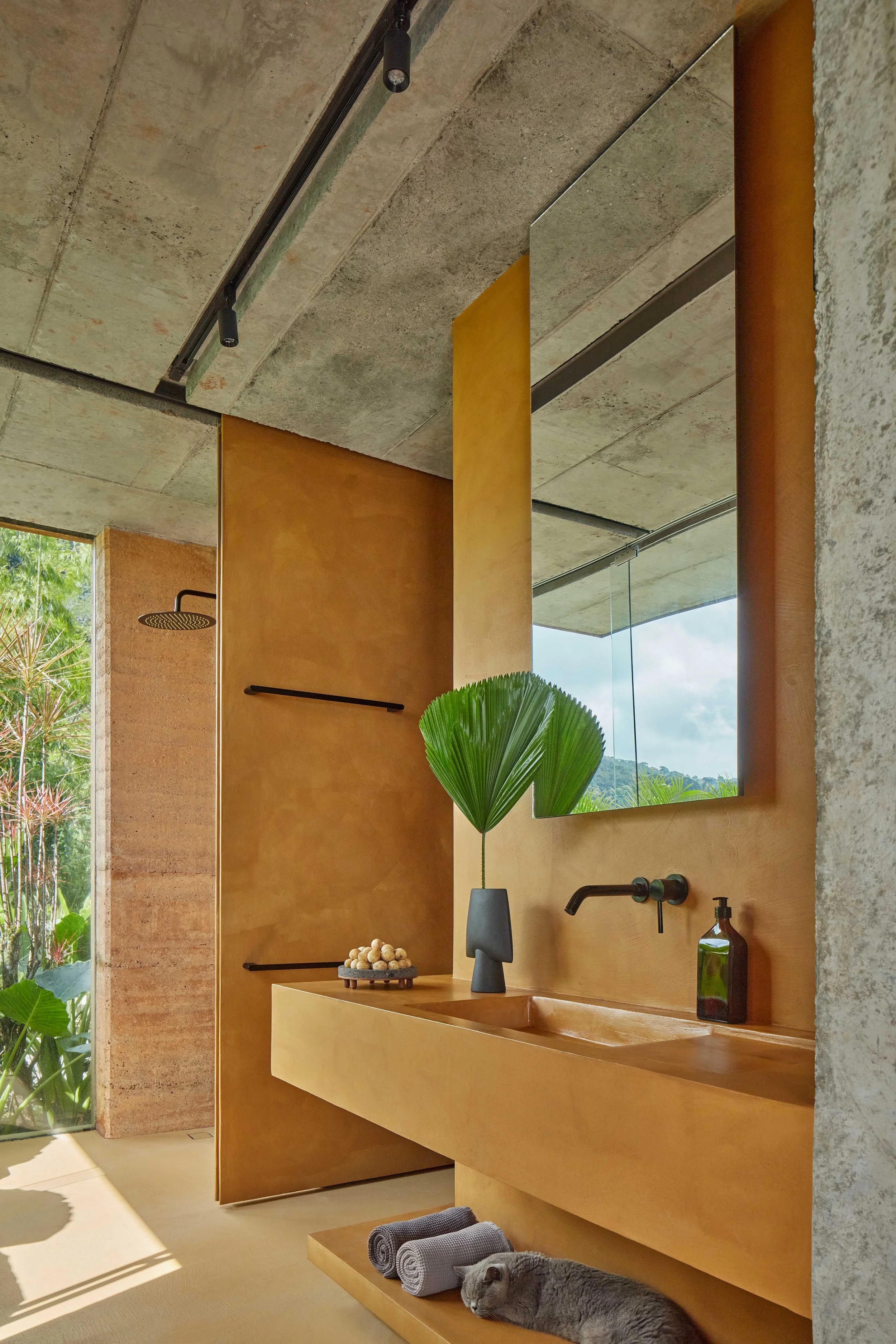
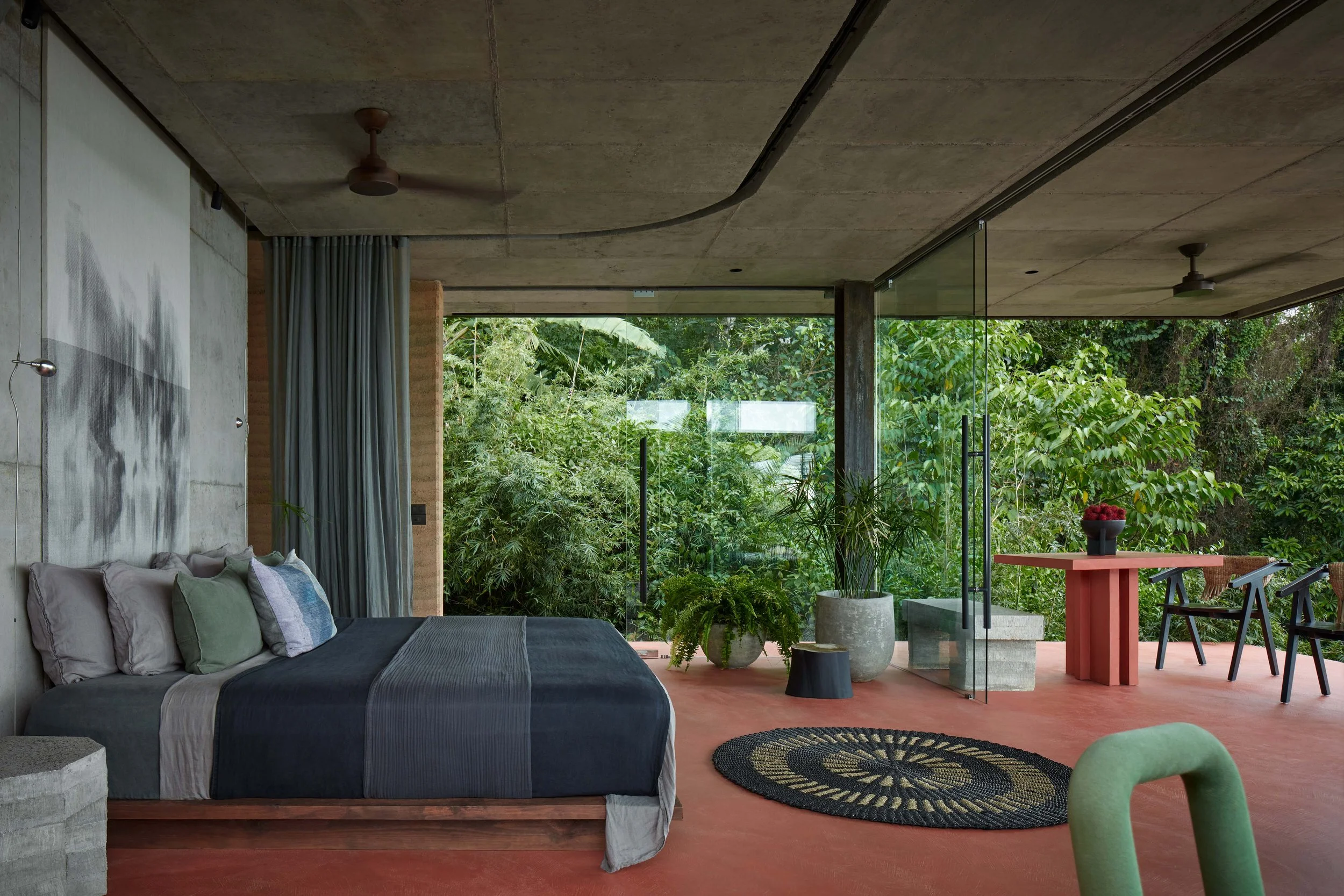
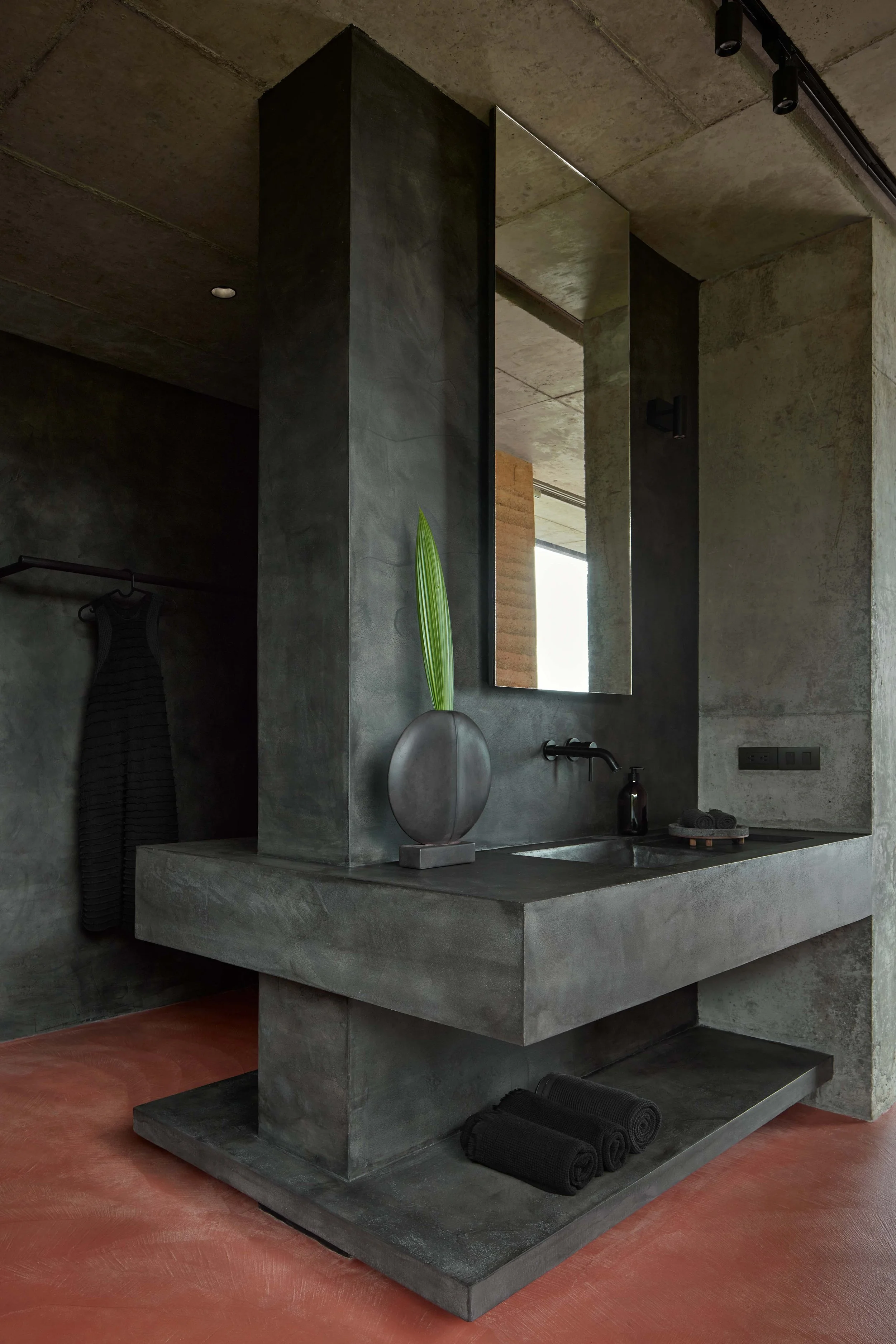
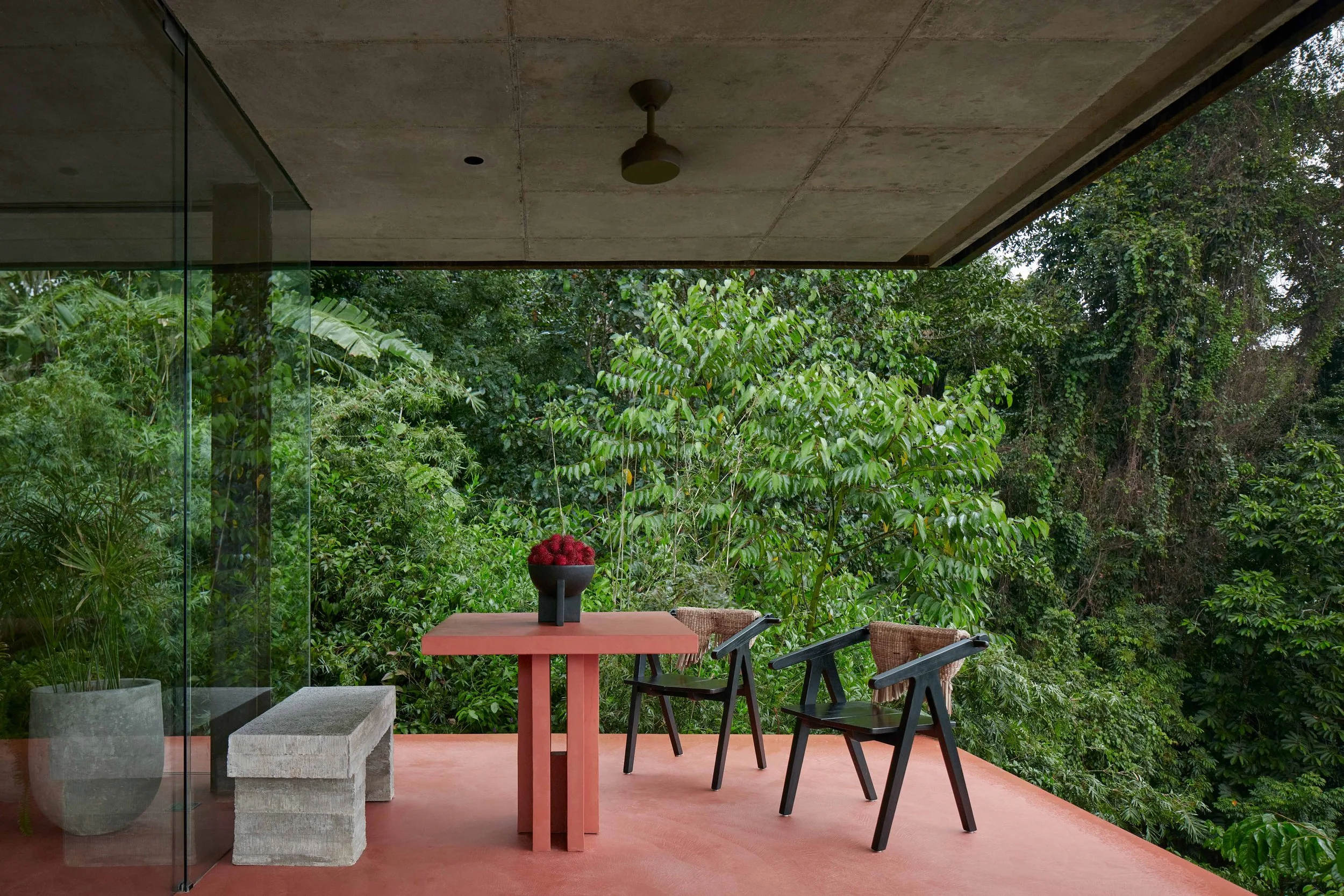
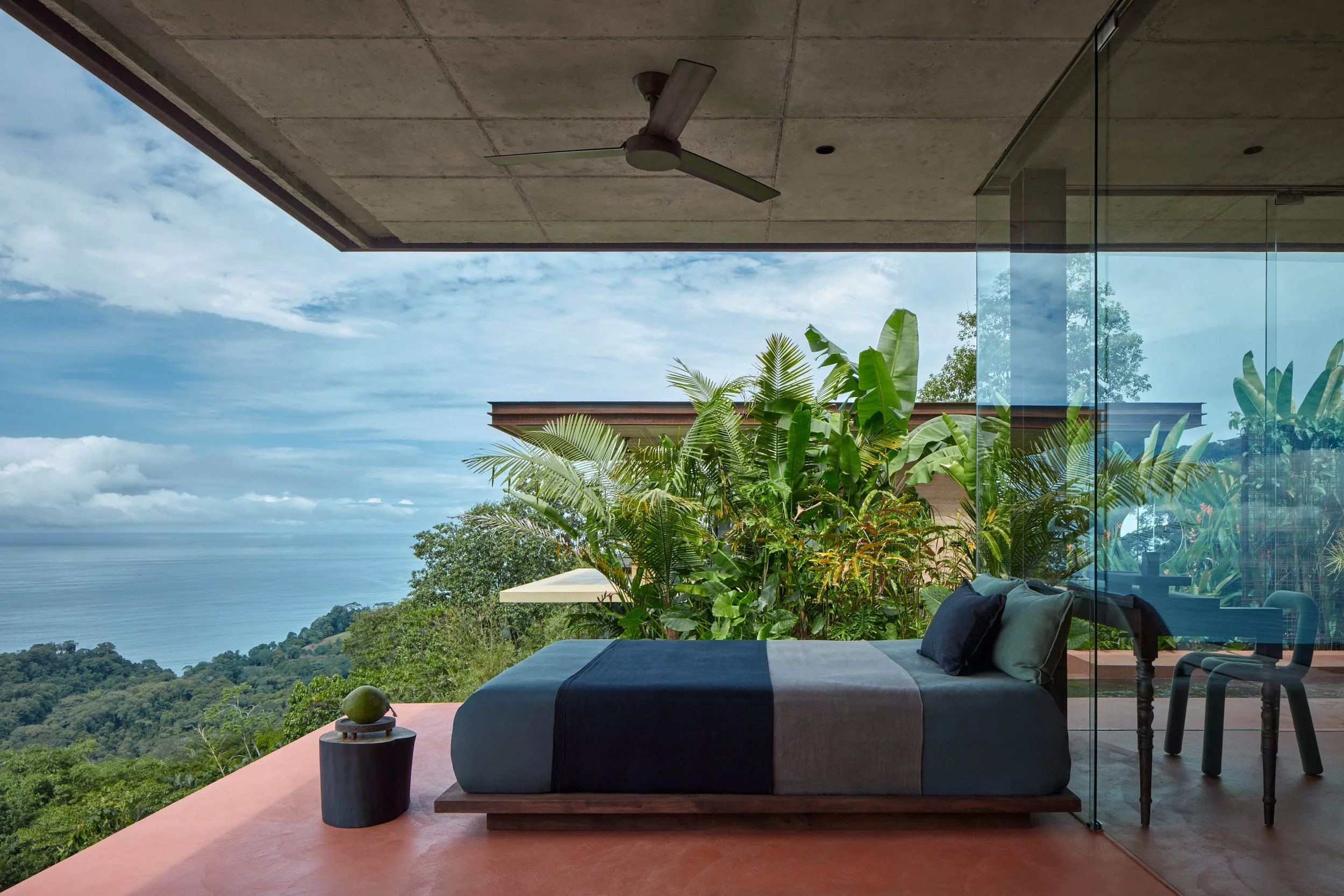
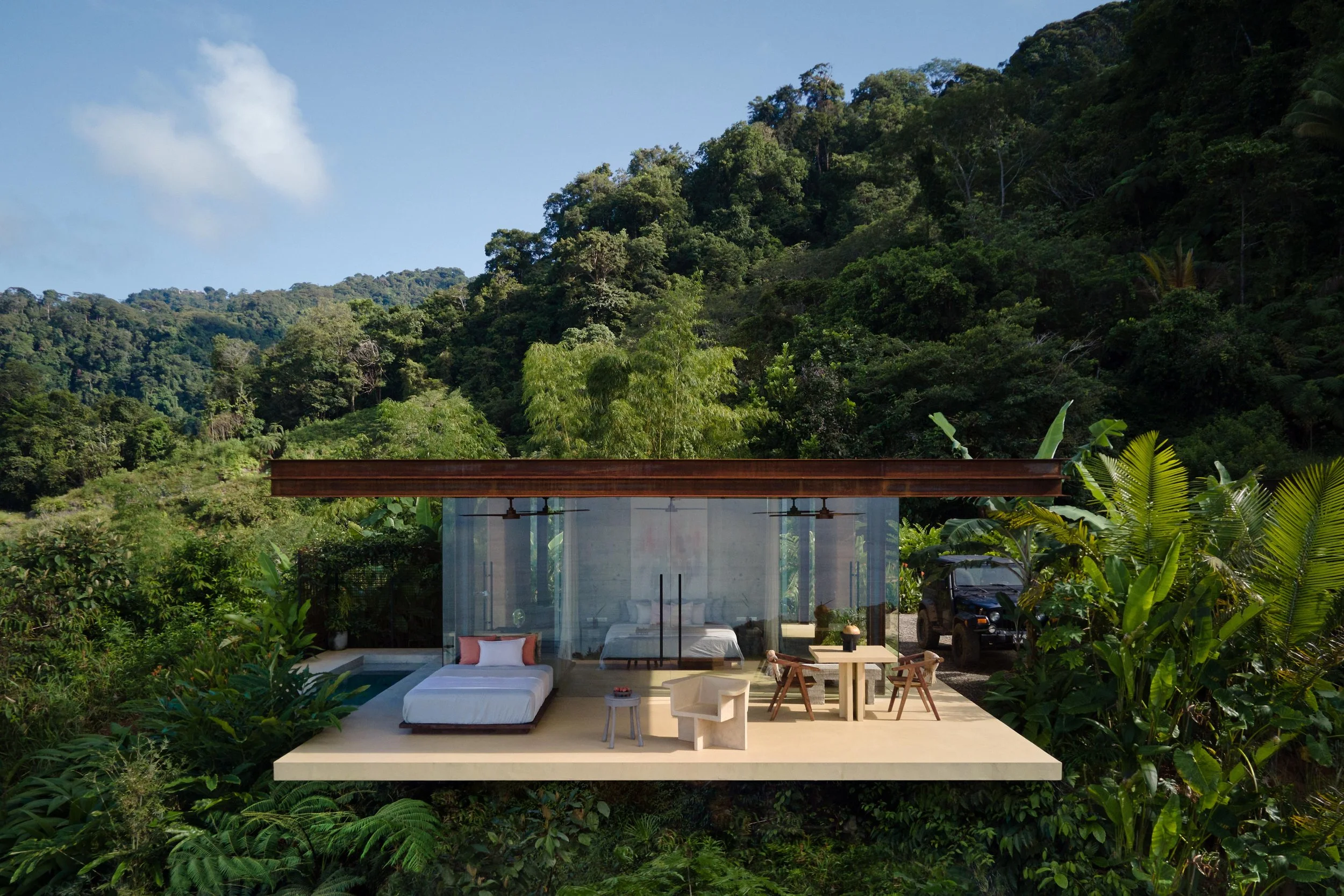
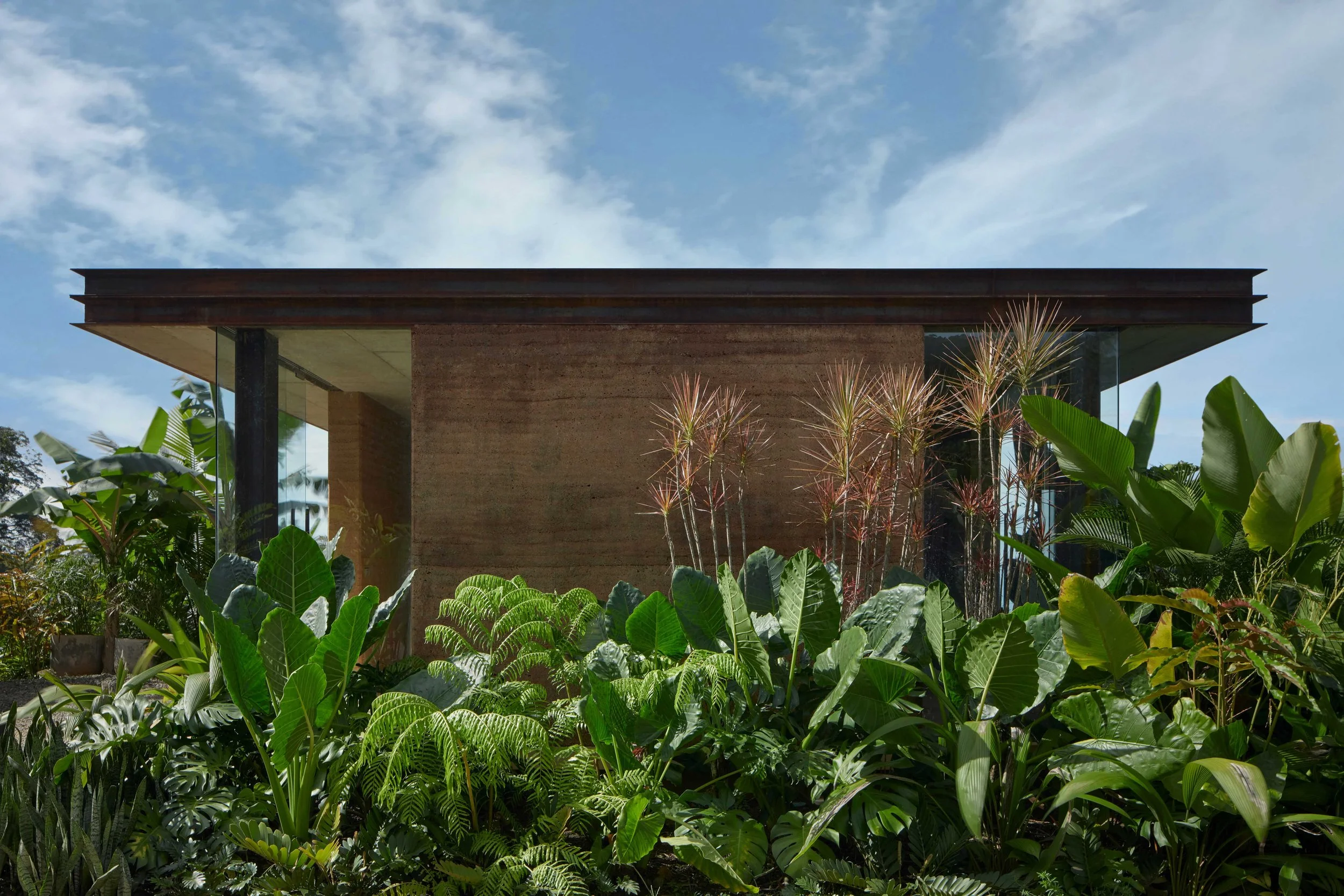
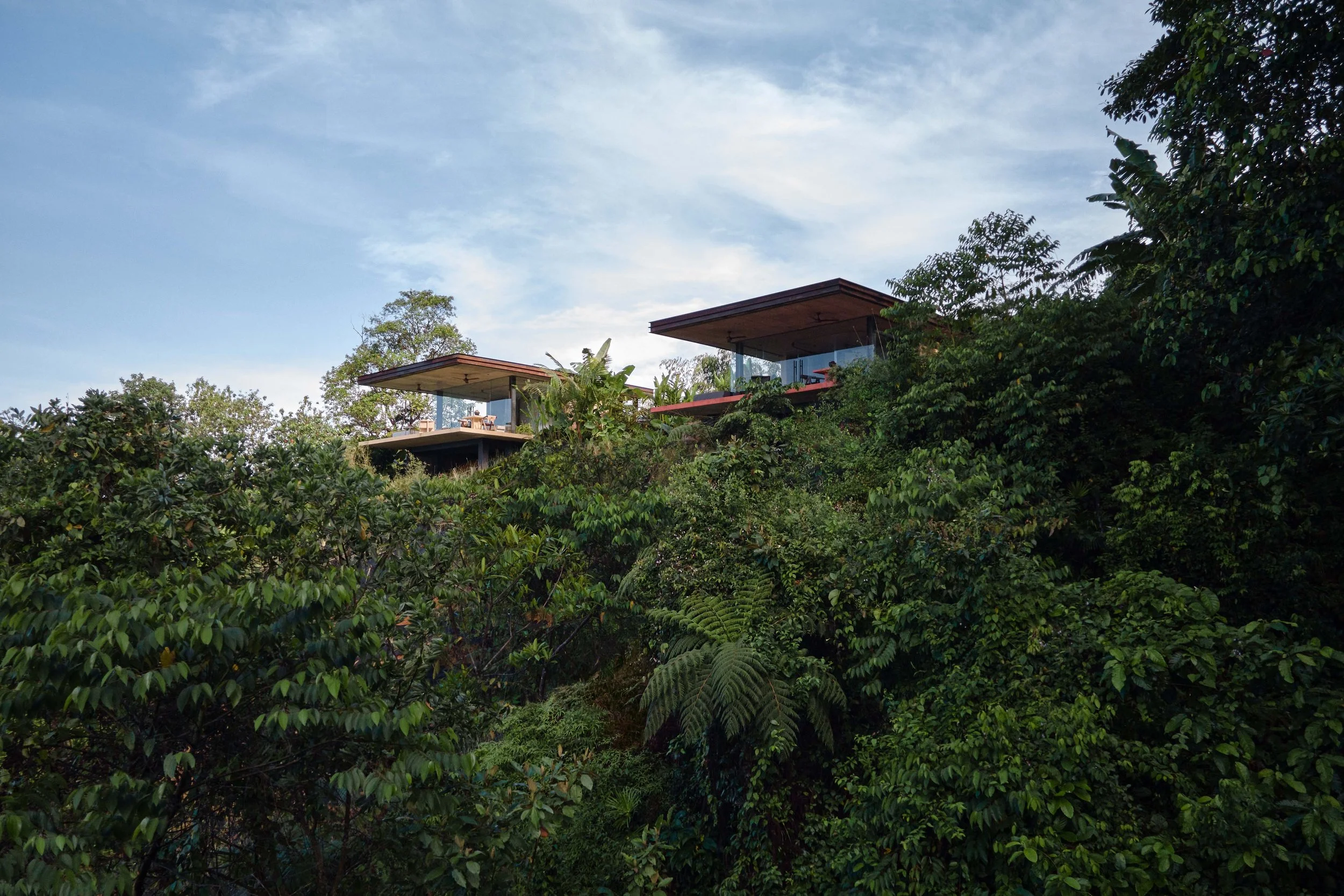
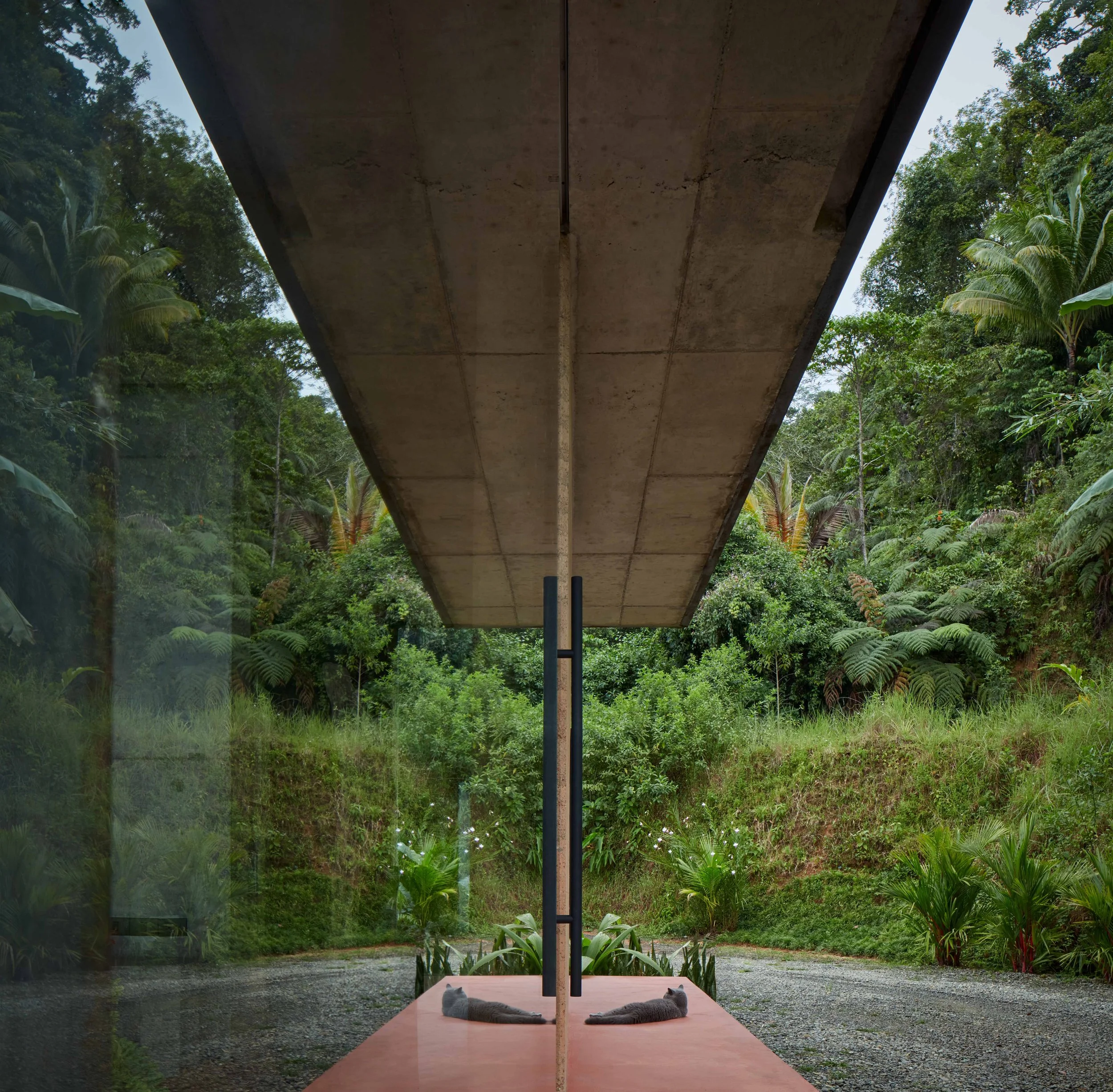
The architecture, developed by Formafatal in collaboration with a local Costa Rican studio, is grounded in climate responsiveness and material honesty. The two villas are conceived as open, breathable structures built from wood, palm, and regionally sourced materials. Spaces remain minimal yet warm, dissolving boundaries between inside and outside as airflow, shade, and light guide the experience. Elevated forms and careful positioning allow the buildings to sit lightly within the landscape.
Achioté reflects a philosophy tied to culture and land. The name references the achiote plant, long used across Costa Rica for food, dye, and ritual. This connection informs the project’s deeper intention, creating a stay that feels rooted, regenerative, and quietly immersive, where architecture, nature, and heritage exist in balance.
Why Wander
The surrounding region offers a layered landscape of jungle, coastline, and small communities that invite exploration. Days can unfold through guided forest walks, waterfall visits, or time spent observing wildlife that moves freely through the canopy. Sloths, monkeys, and tropical birds are part of the everyday rhythm, encountered not as spectacle but as presence.
Beyond the forest, the Pacific coast is within reach, where wide beaches meet powerful ocean currents and long stretches of sand remain largely undeveloped. Surfing, swimming, or simply walking along the shoreline creates a contrast to the density of the jungle. Nearby villages offer glimpses into local life, where markets, small cafes, and artisanal practices reflect the slower pace of the region.
Cultural experiences deepen the connection further. Visits to cacao farms, coffee producers, and local growers reveal the agricultural traditions that shape the landscape. These moments are intimate and grounded, offering insight into the relationship between people and land in Costa Rica.
Indulge In
Food at Achioté is rooted in locality and seasonality. Ingredients are often sourced nearby, with an emphasis on fresh produce, tropical fruits, and traditional Costa Rican flavors. Meals feel nourishing and unhurried, often shaped by what is available rather than fixed menus. Cacao, in particular, plays a central role, appearing in both culinary and ceremonial contexts, connecting guests to one of the region’s most significant cultural ingredients.
Getting There
Achioté is typically reached via Juan Santamaría International Airport in San José. From there, the journey continues by domestic flight or overland transfer into the rainforest region, depending on the exact location of the property. The final stretch often moves through smaller roads surrounded by dense vegetation, marking a gradual transition from city to jungle.
Wild Initiatives
Sustainability at Achioté is embedded in its daily operations. The property emphasizes low-impact design, working with local materials and minimizing disruption to the surrounding ecosystem. Efforts often include water conservation, responsible waste management, and support for local farmers and producers. There is a clear intention to preserve the integrity of the land while creating a space that allows guests to engage with it more consciously.
Photos by BoysPlayNice