
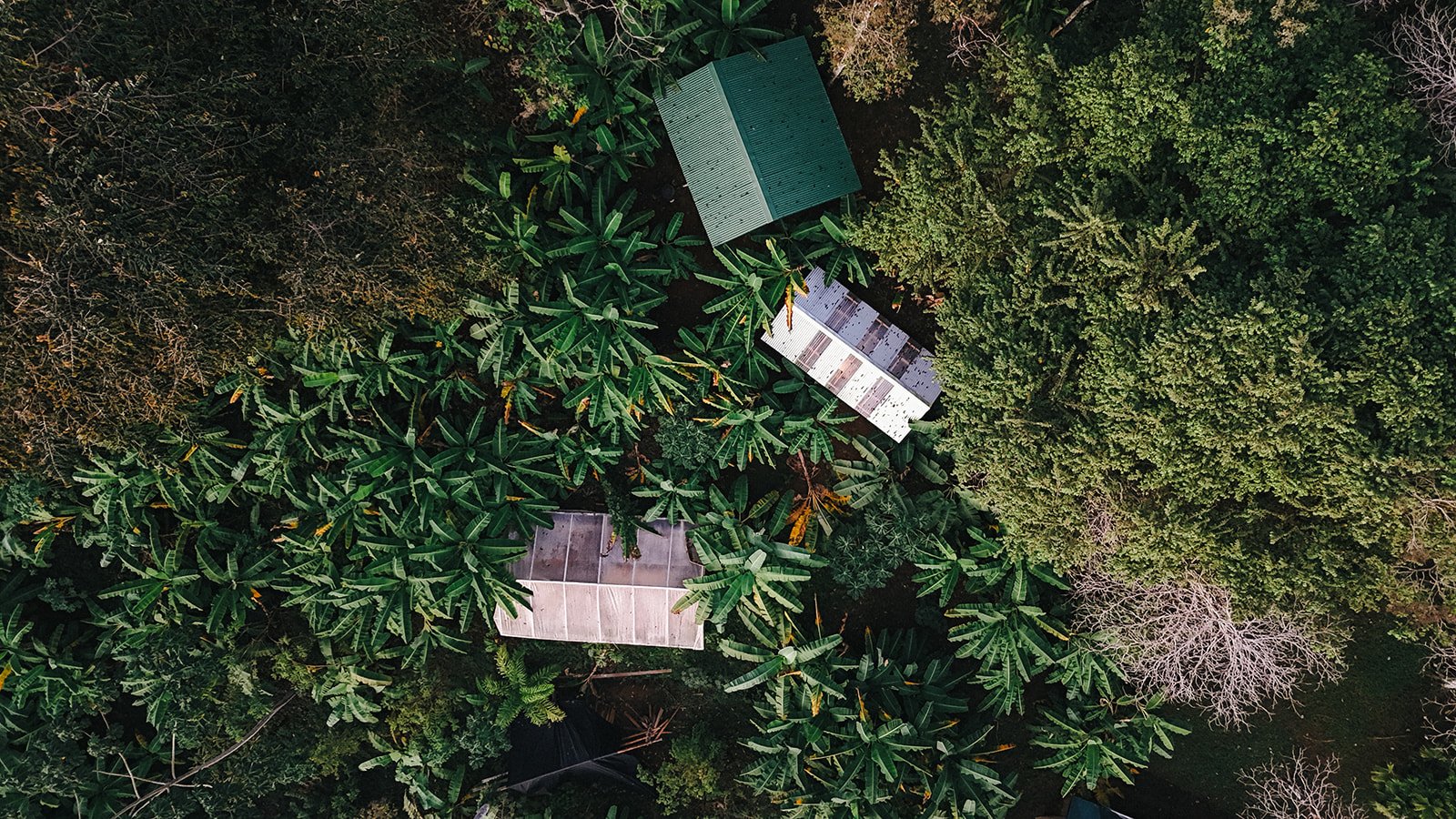
Balsa Nueva Lodge
Costa Rica
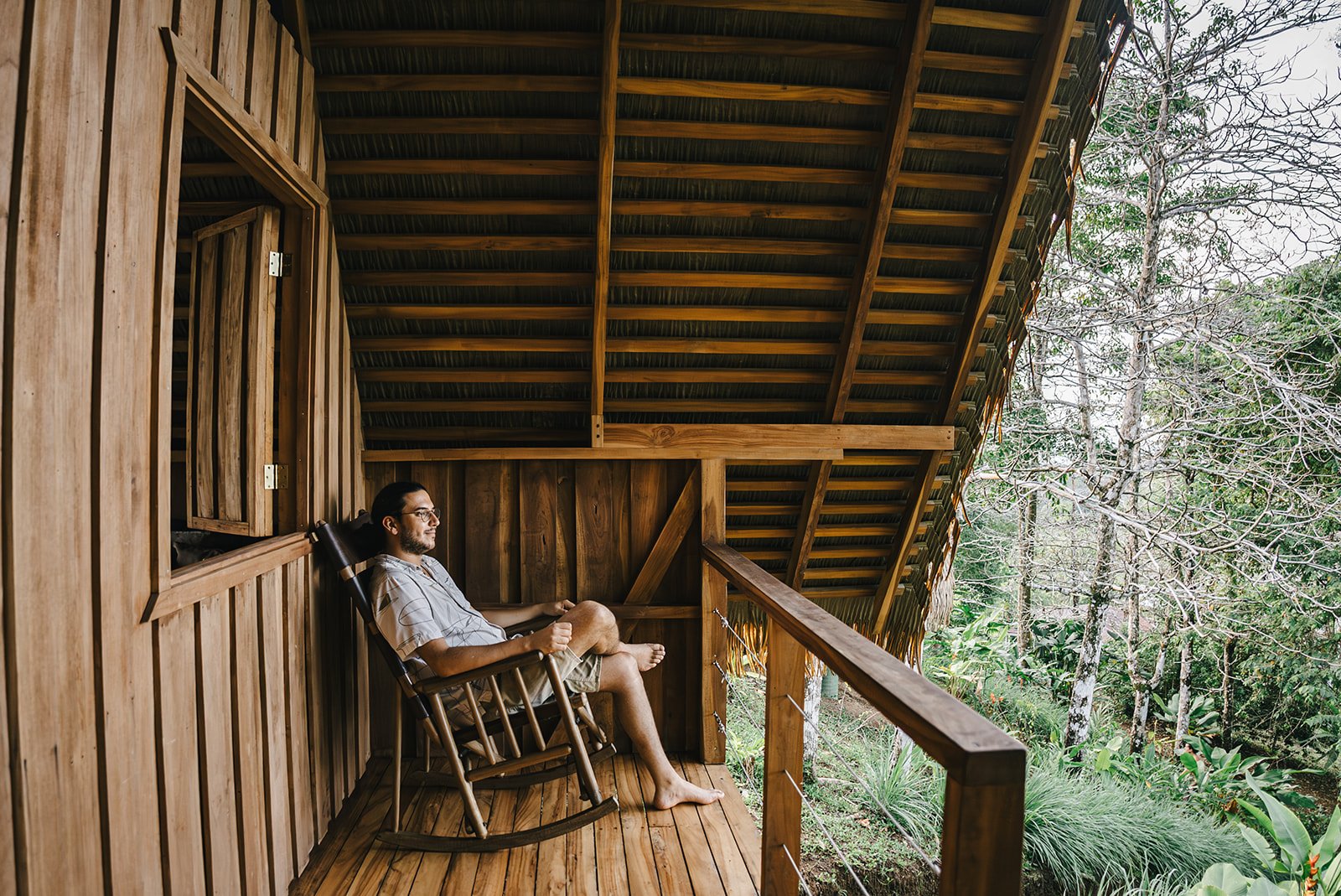
Personalities
Regenerative explorers. Slow adventurers. Wildlife photographers. Conscious escapists. Birding enthusiasts. Nature-first families. Creatives on retreat. Farm-to-table travelers.
Moments
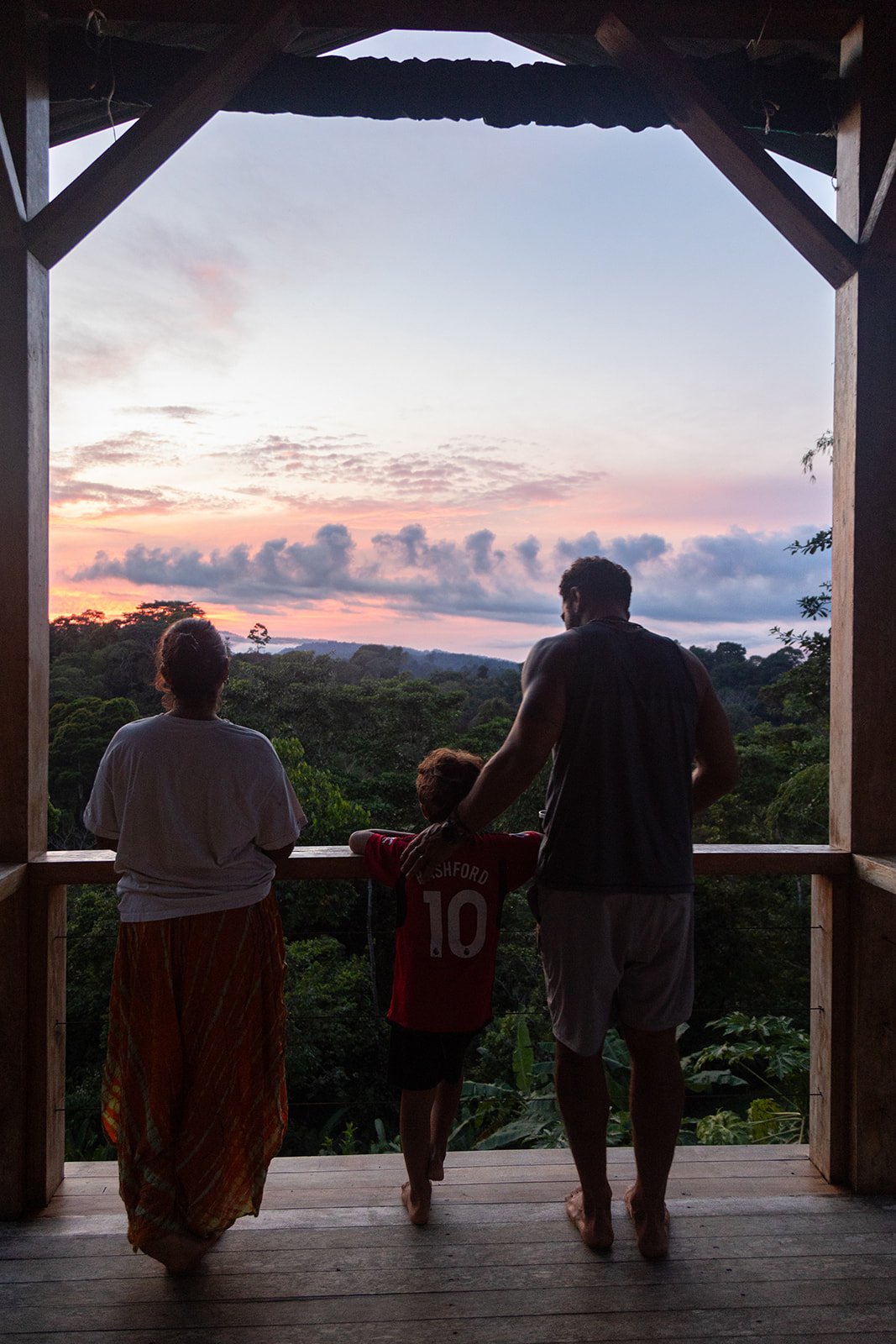
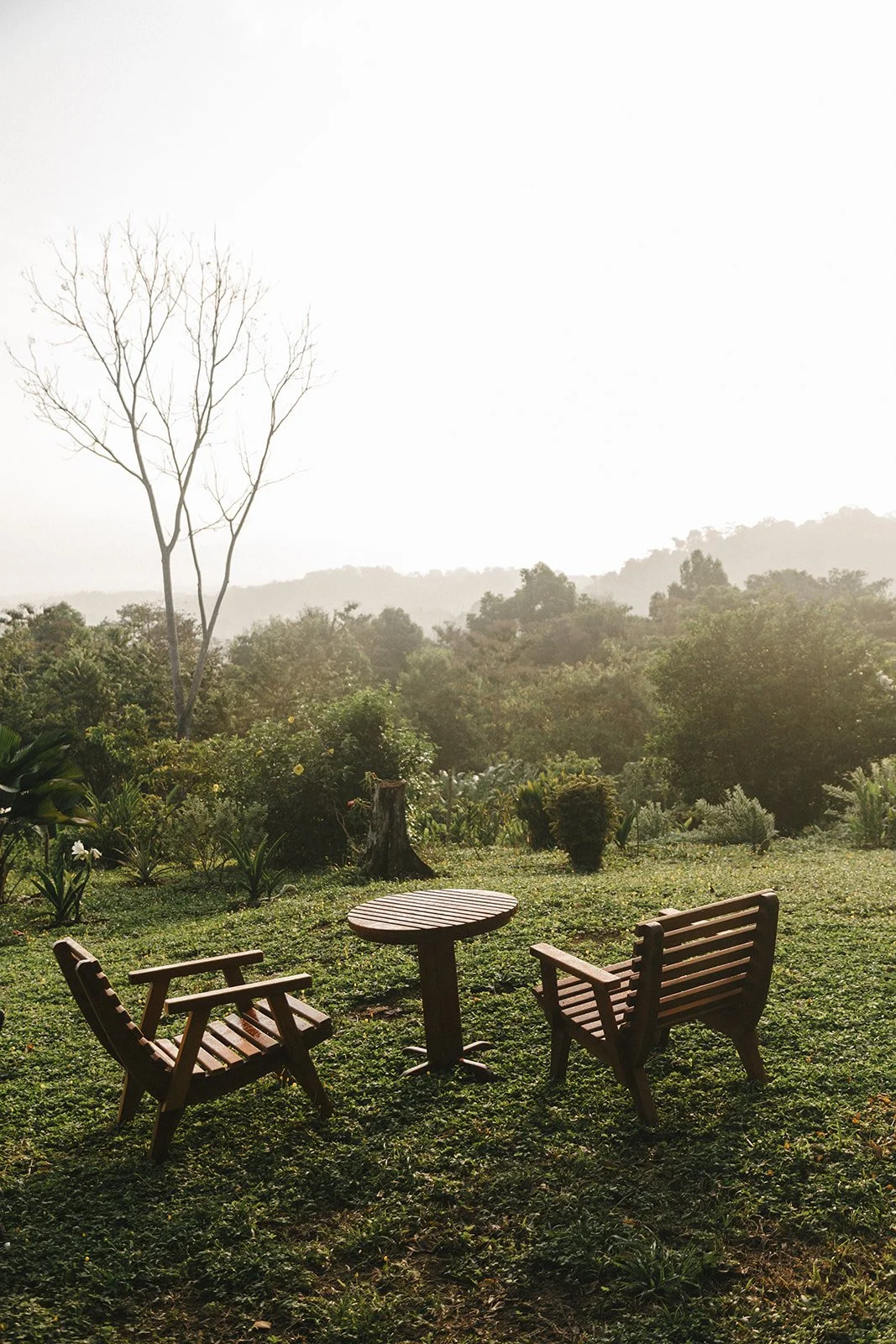
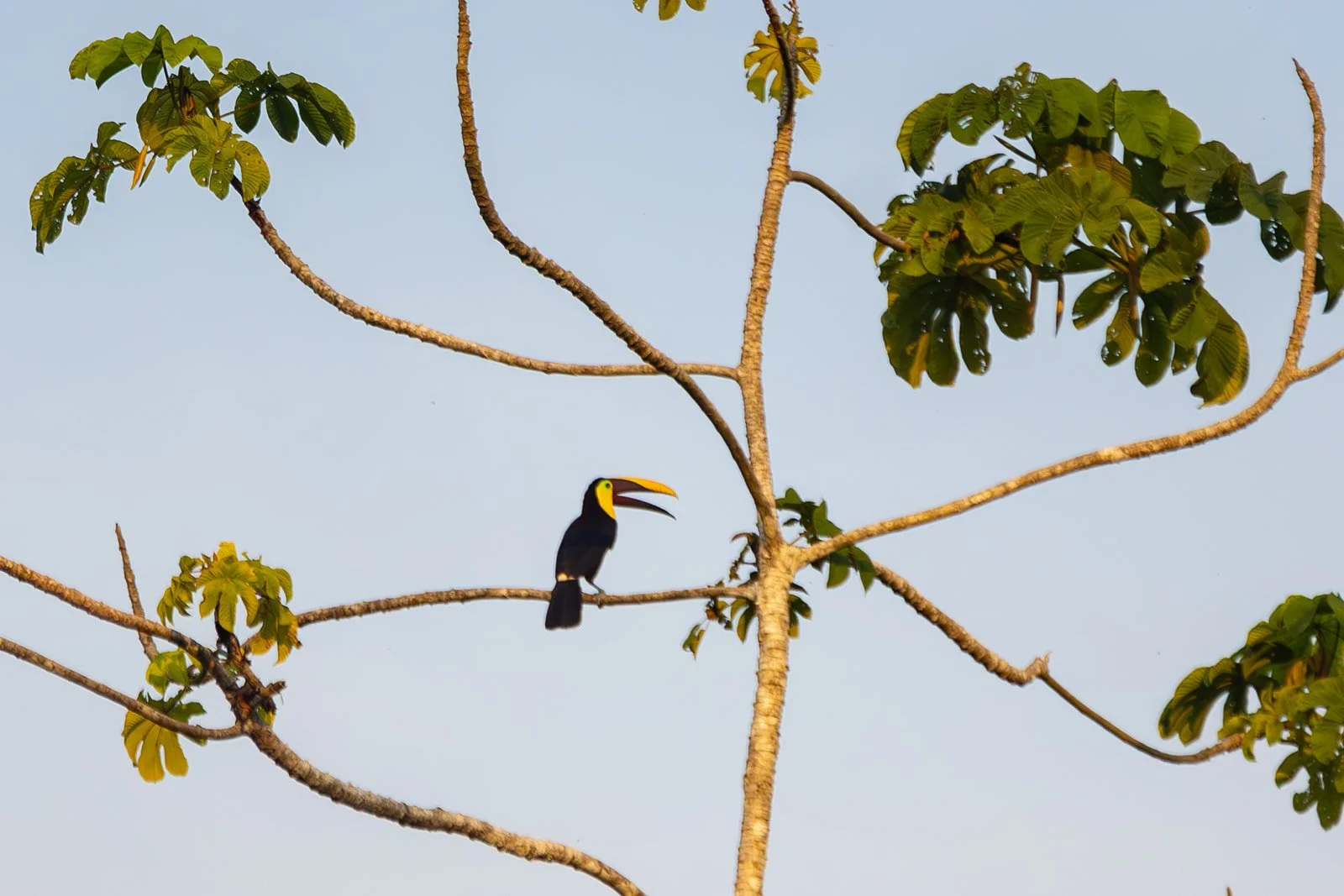
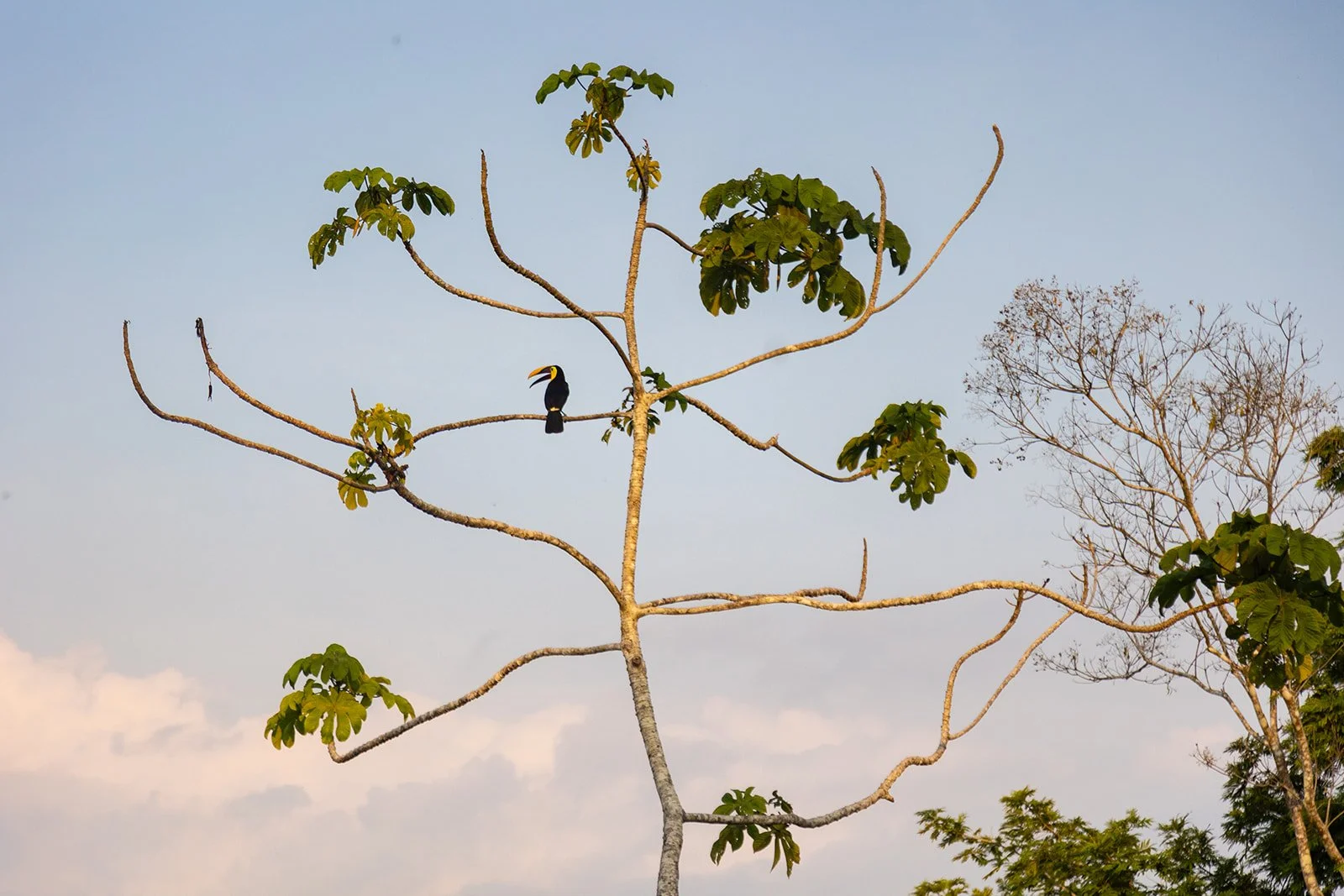
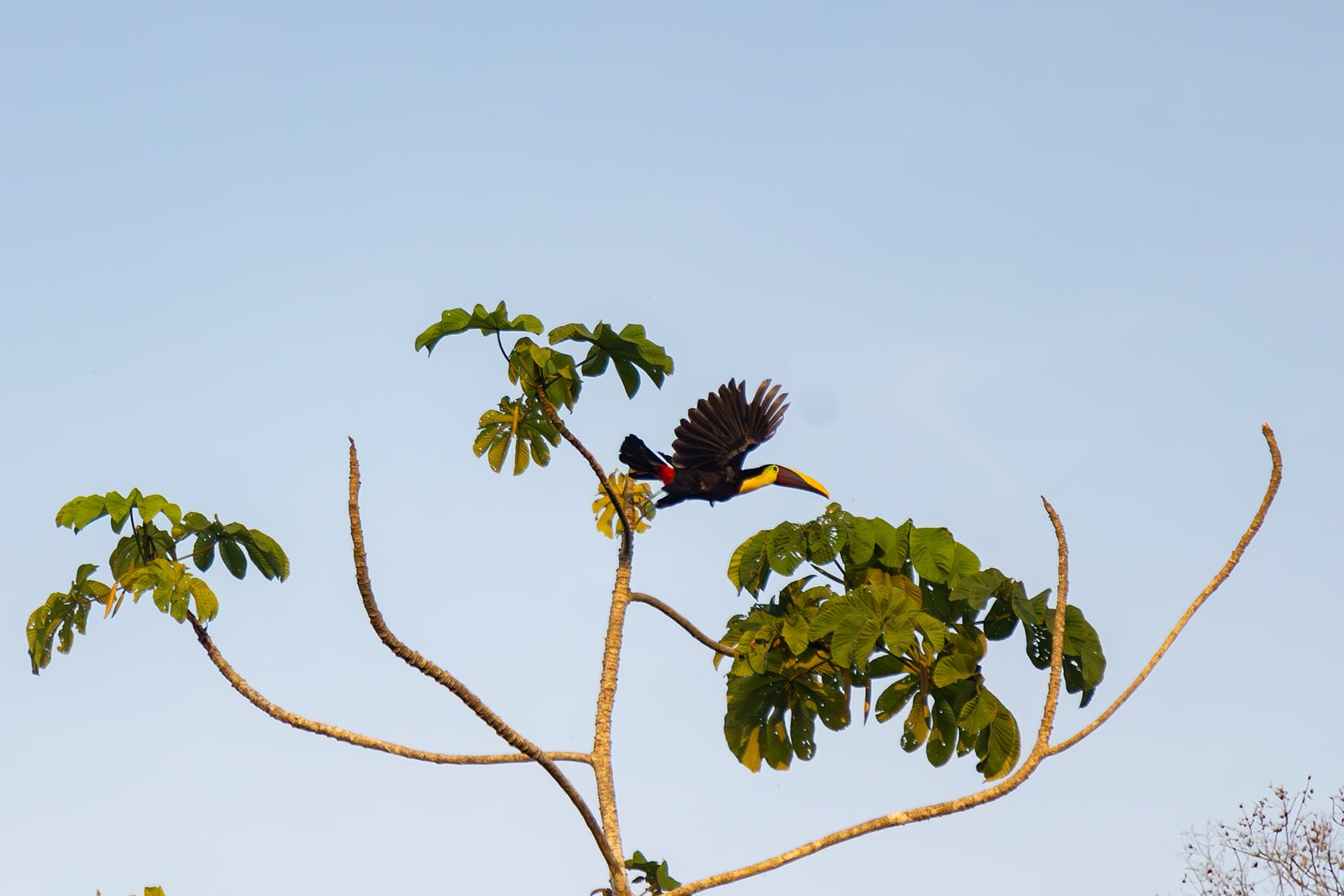
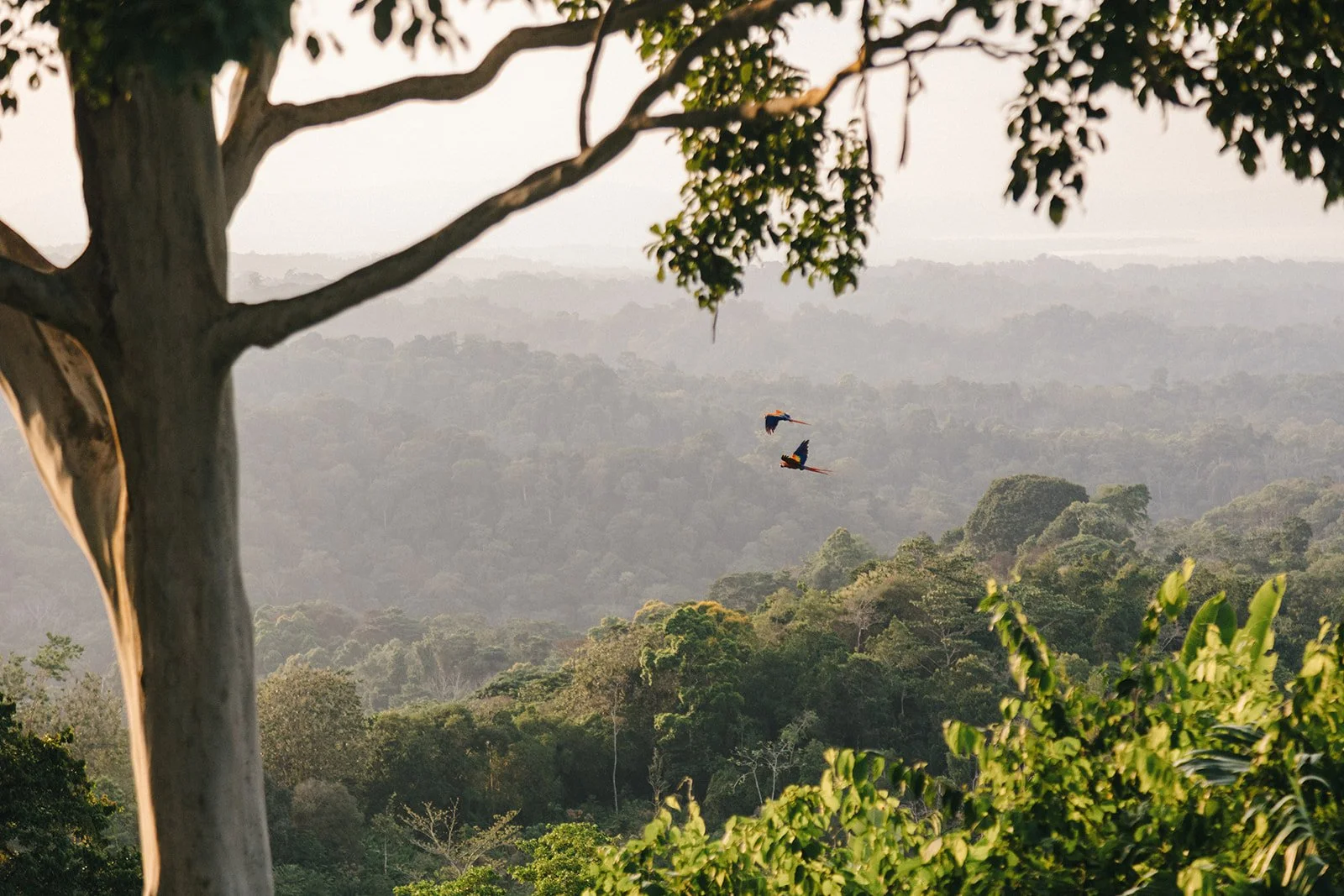
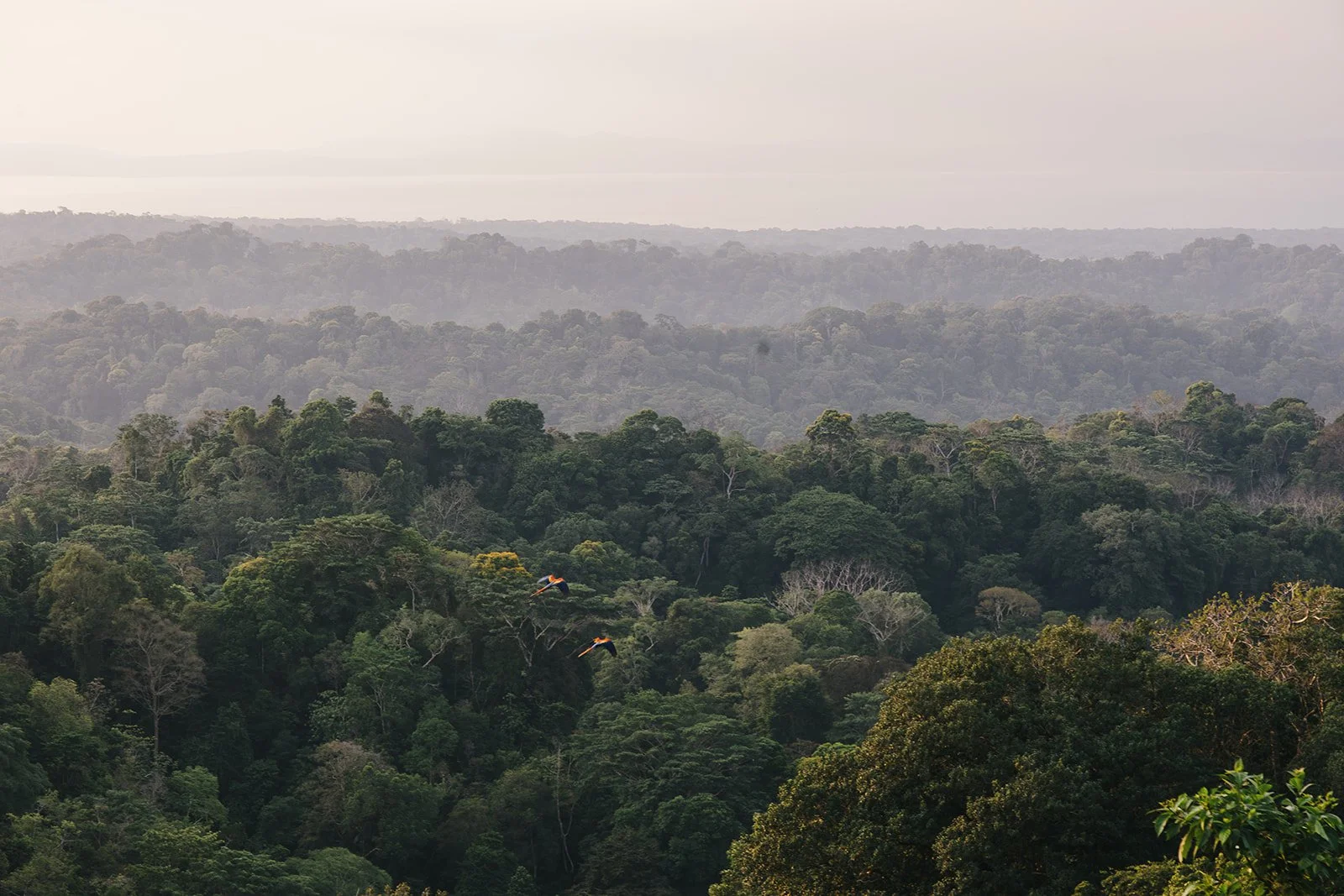
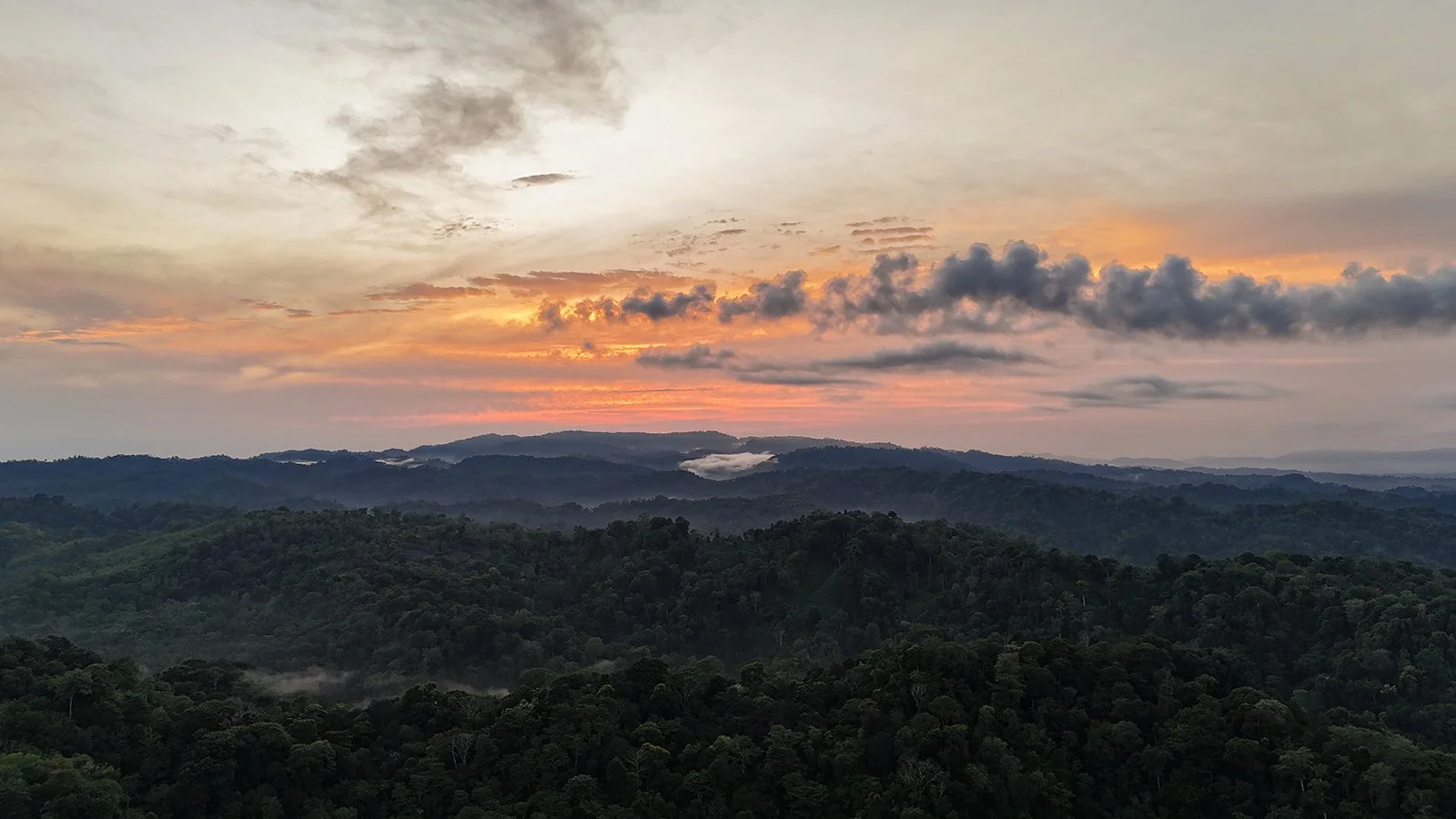
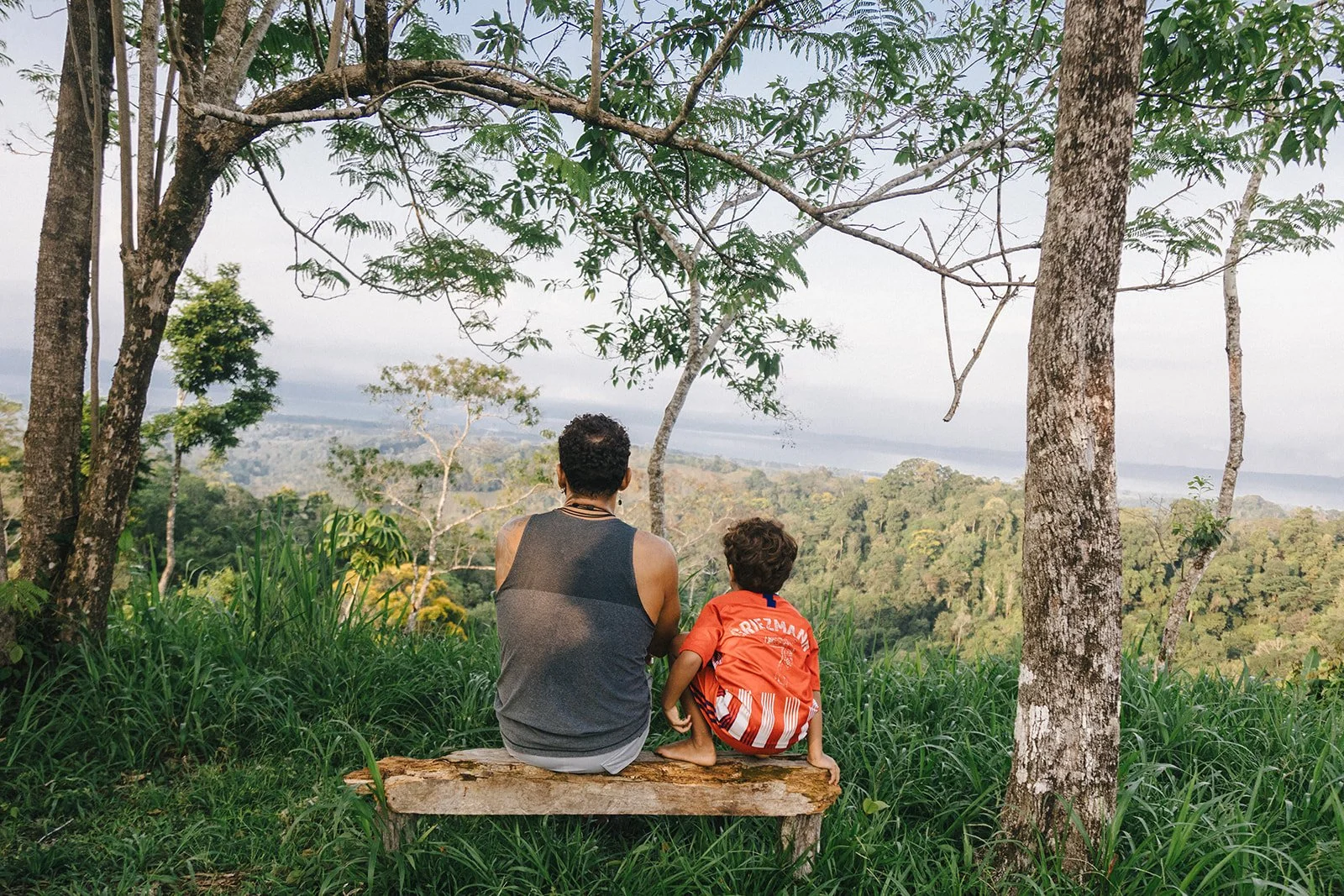
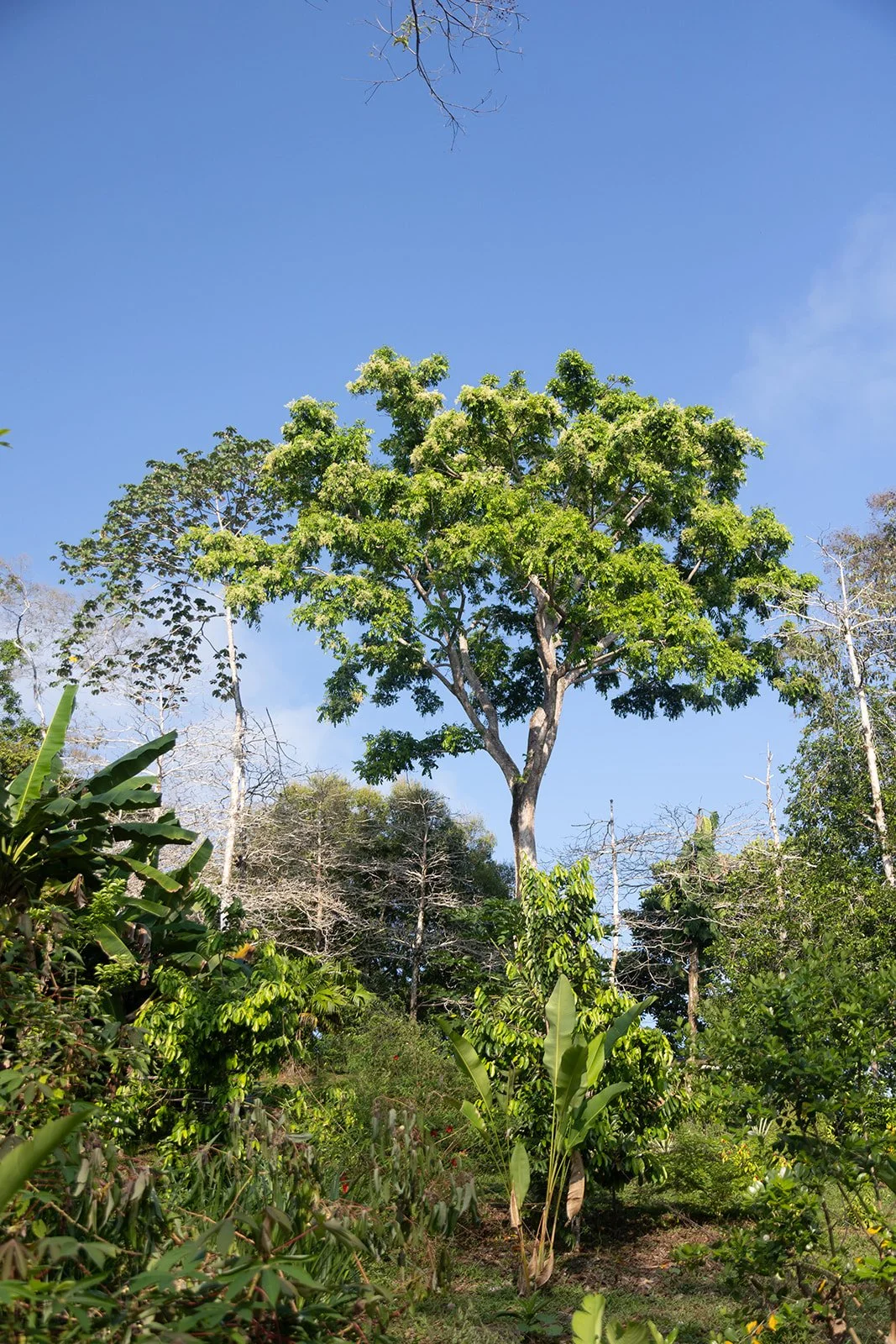
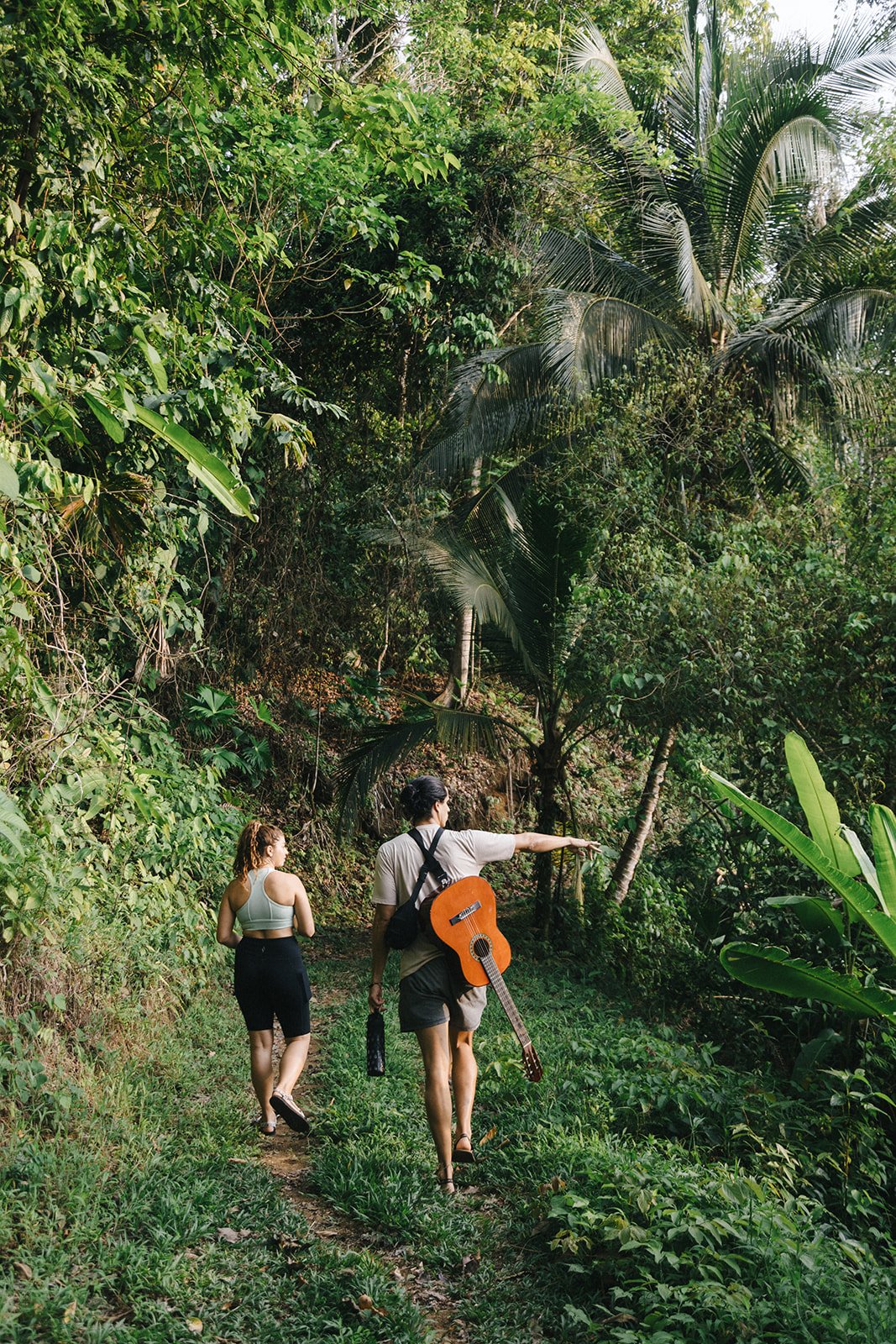
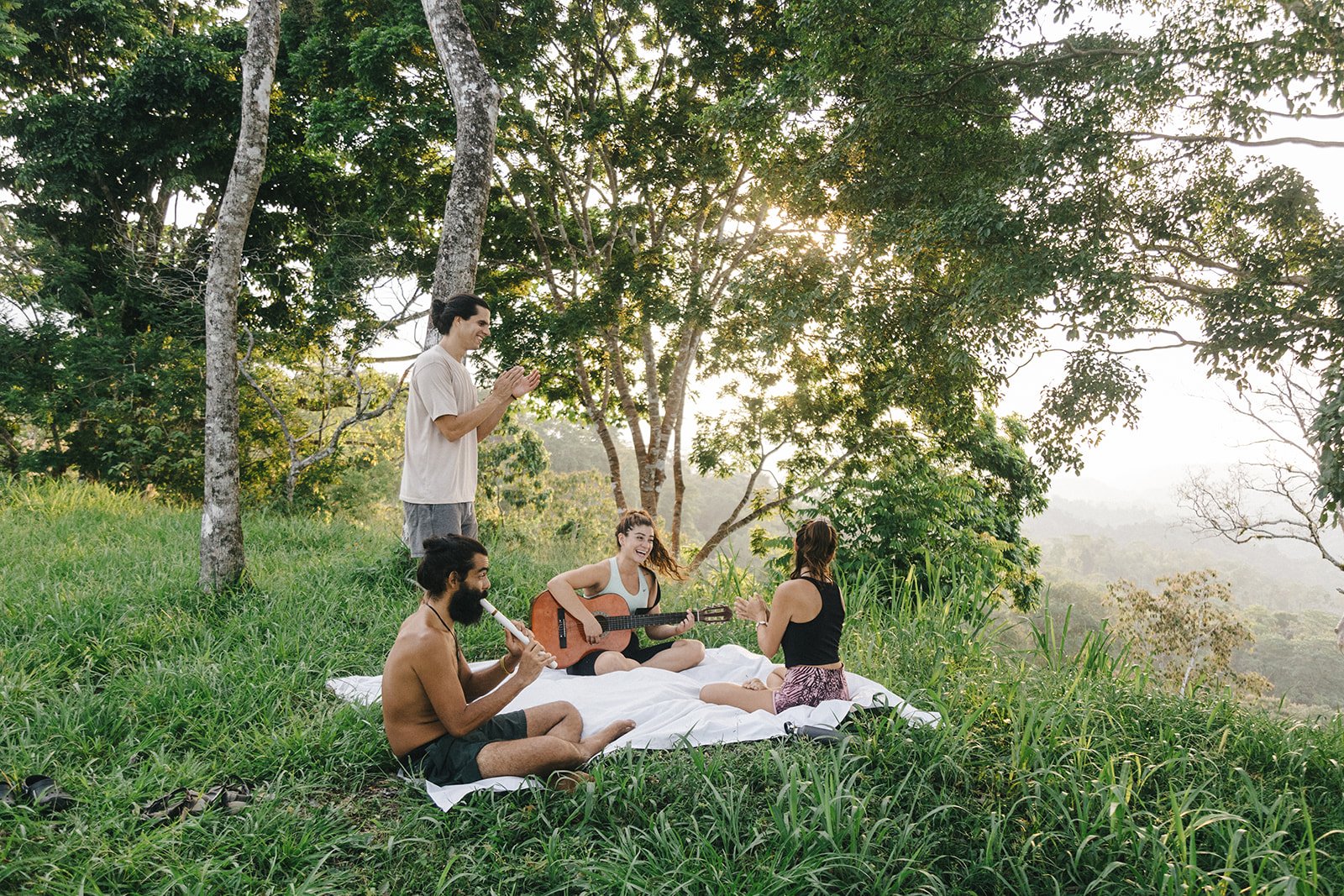
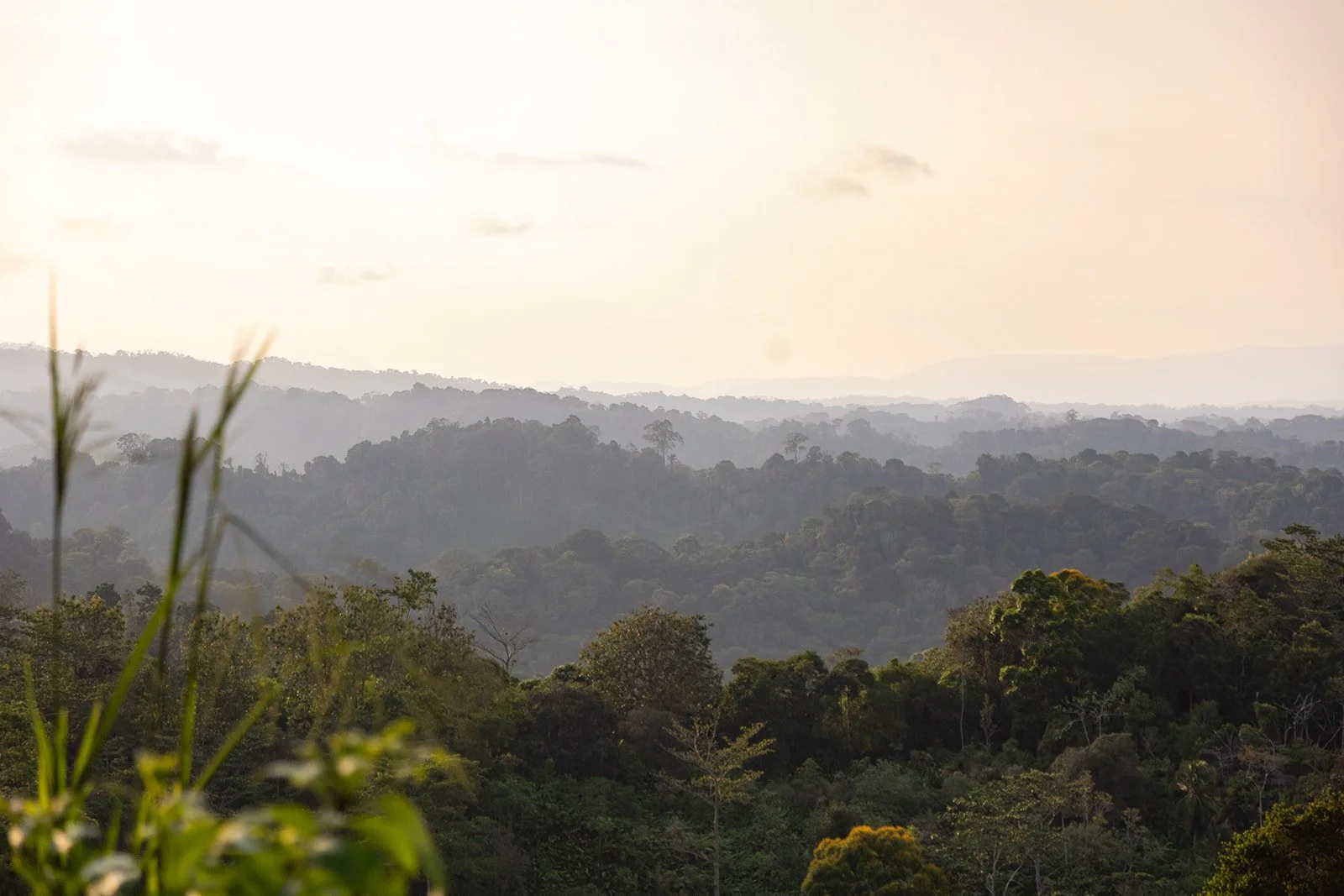
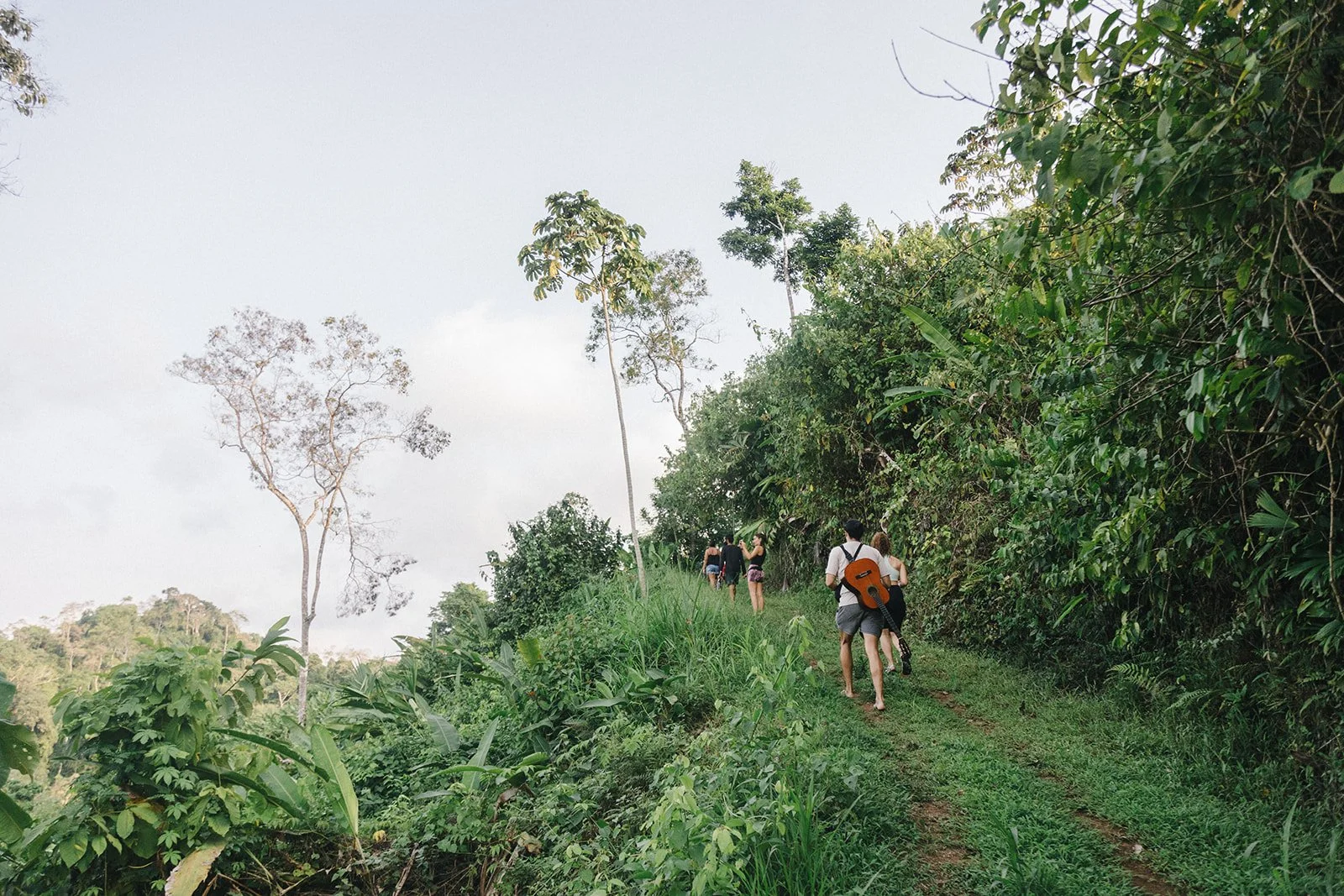
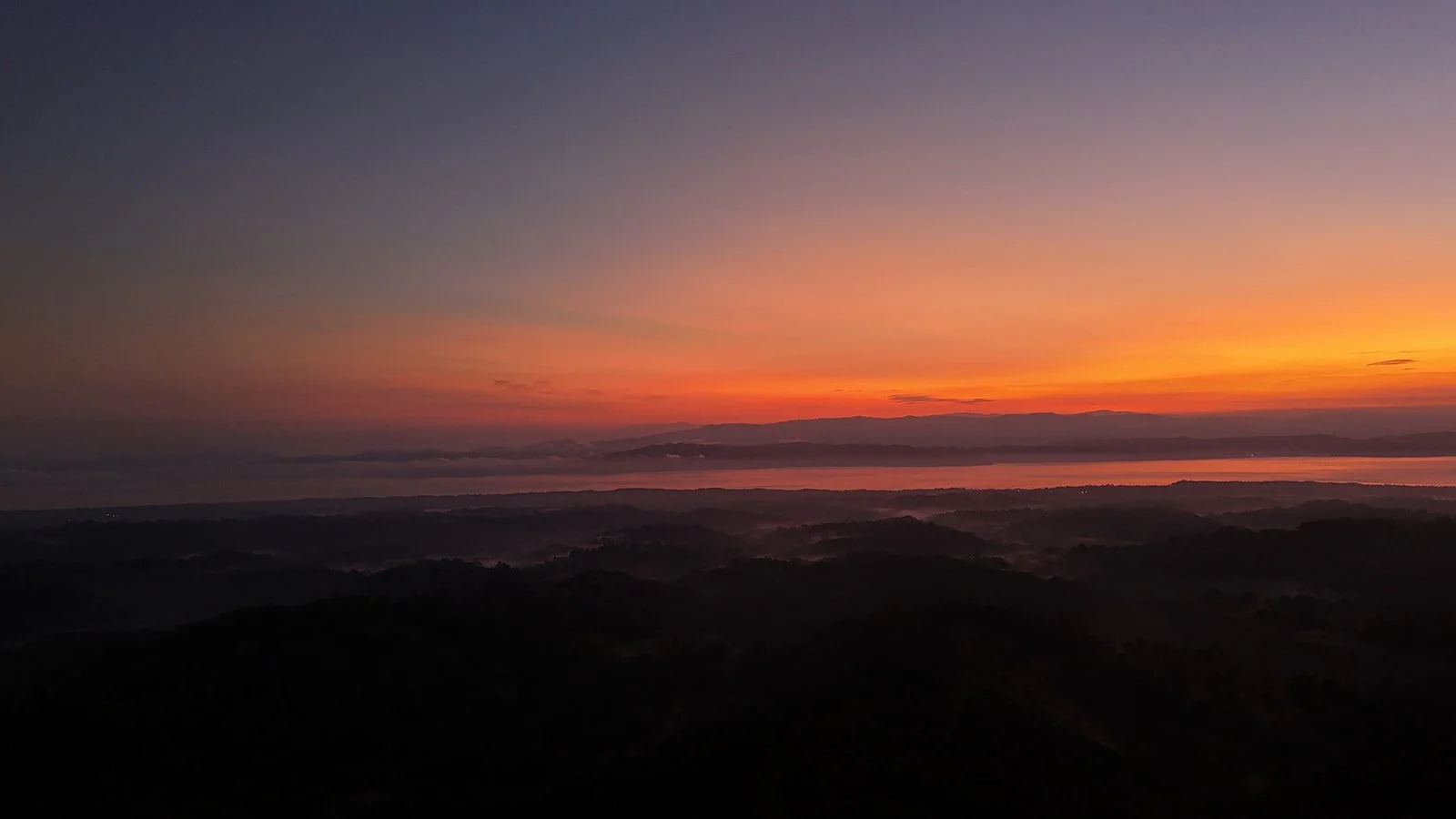
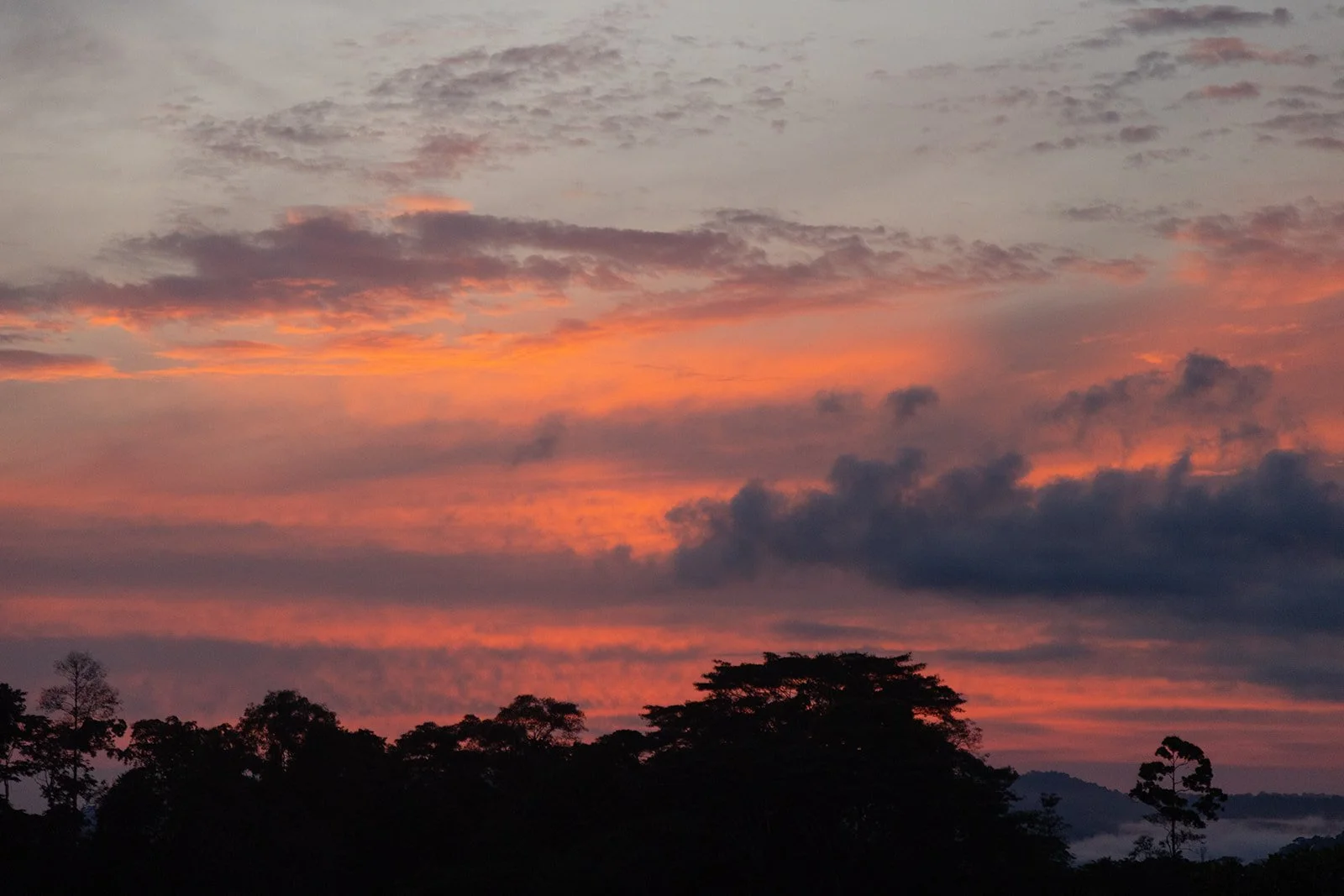
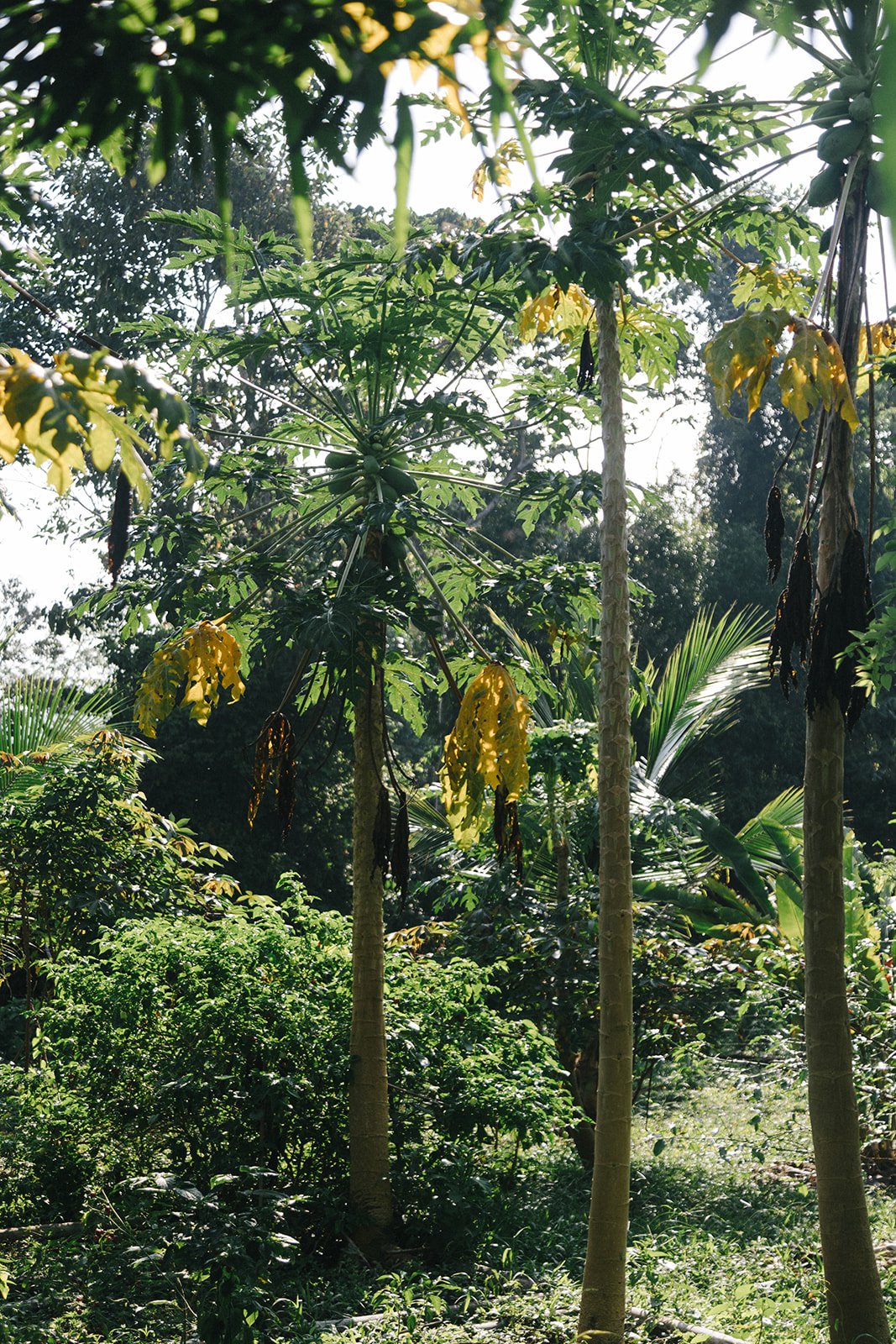
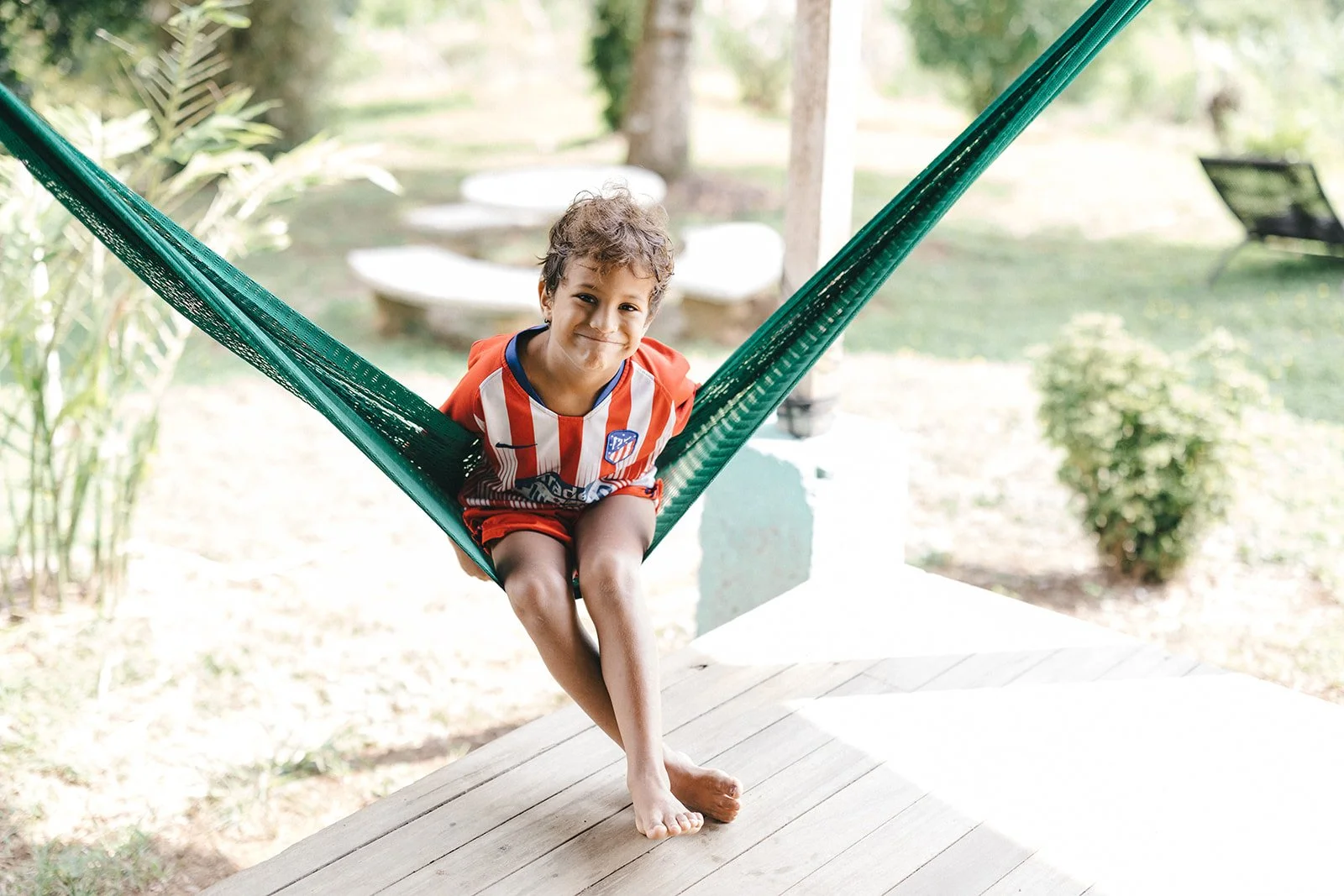
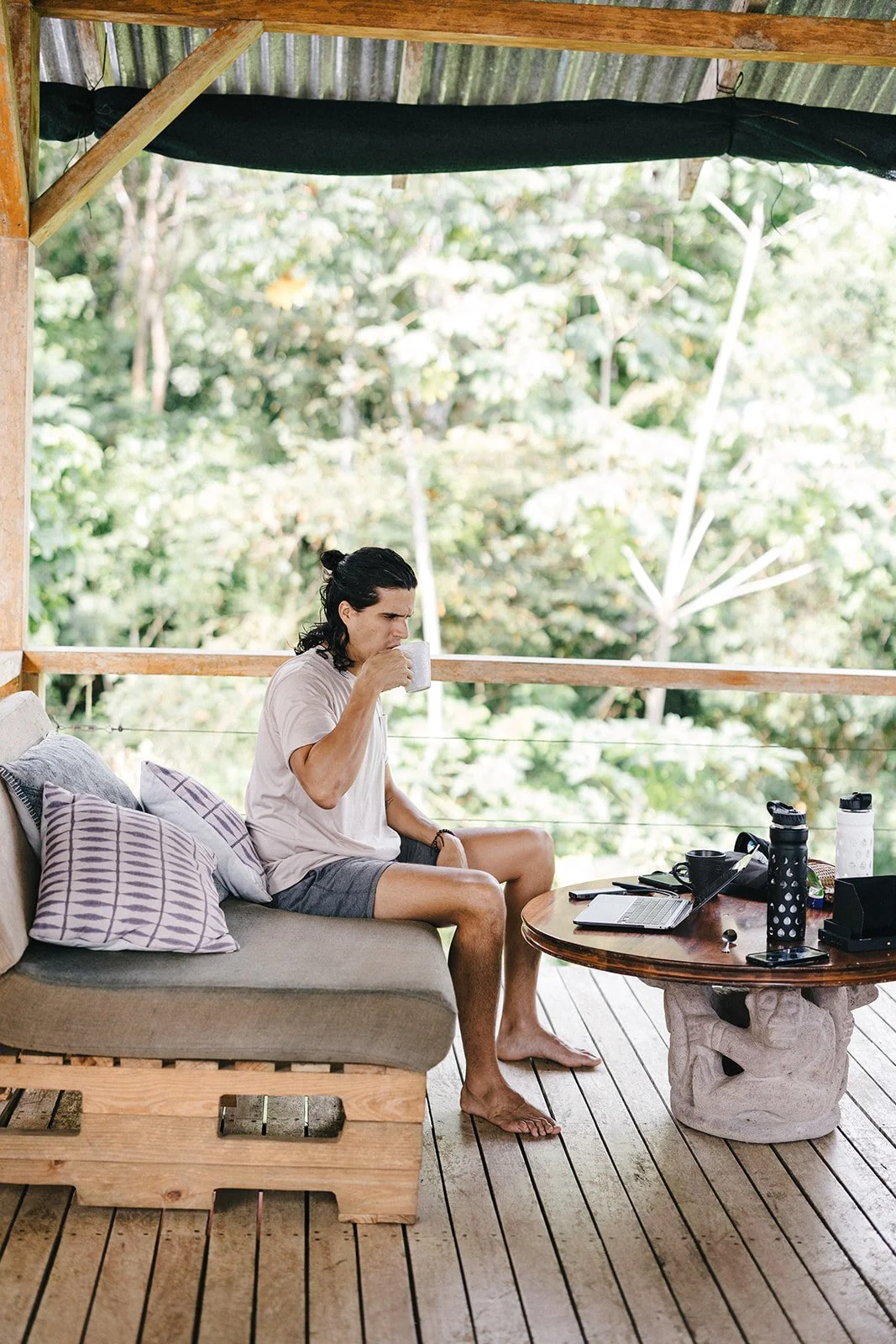
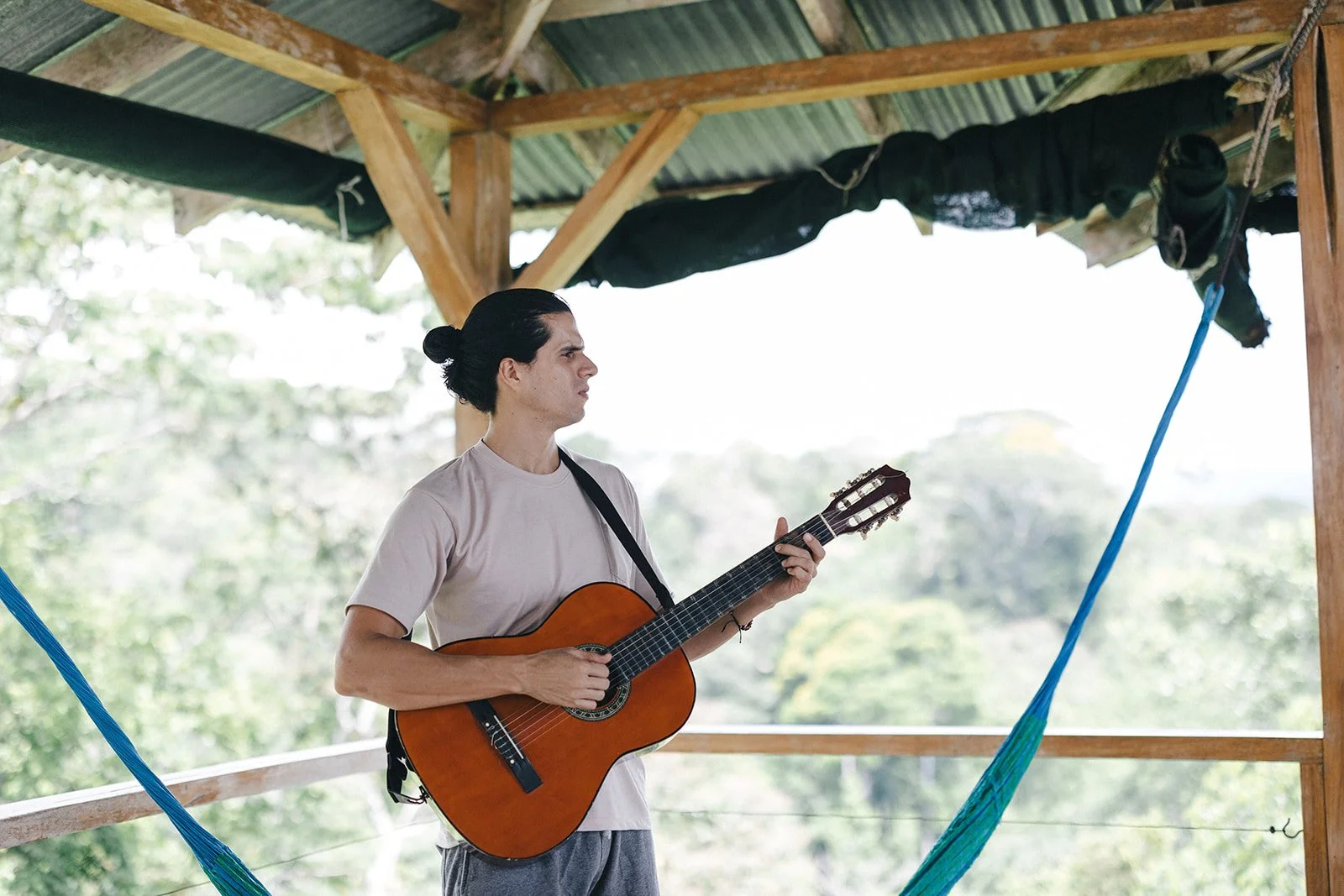
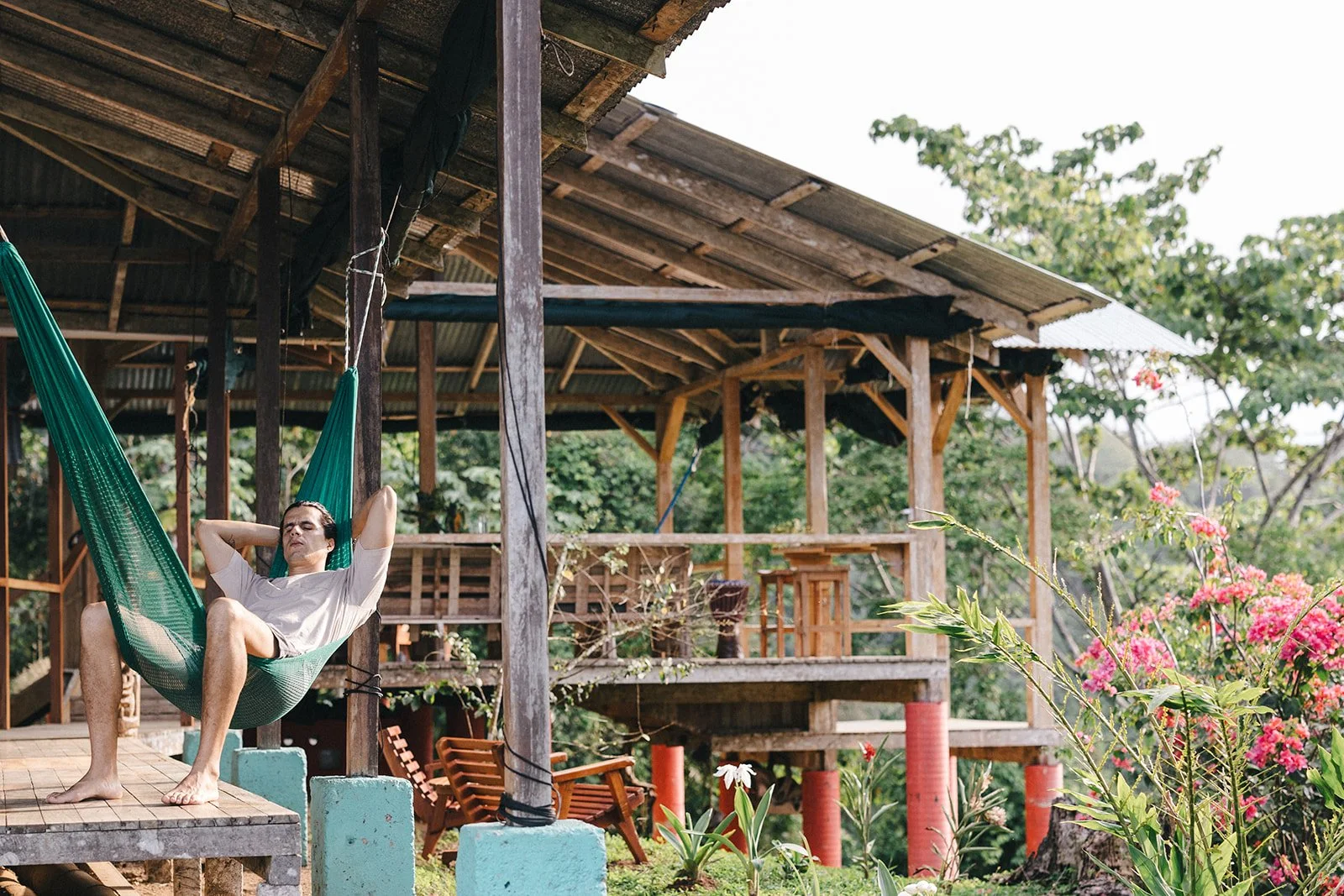
Coffee at sunrise as mist rises through the rainforest. Watching toucans and scarlet macaws from your private terrace. Feeding the chickens at first light and gathering fresh eggs for breakfast. Slicing into tropical fruit harvested that morning. Wandering beneath towering ceiba trees. Meeting Dahlia and Aries, the farm's two horses. Hiking to the highest point of the property as the sun sets over the Golfo Dulce and the Pacific Ocean. Cooling off beneath a jungle waterfall. Listening to rain drum softly on the roof. Losing track of time in a hammock beneath the palms. Falling asleep to the chorus of frogs, cicadas, and the living rainforest.
Best Visiting Months
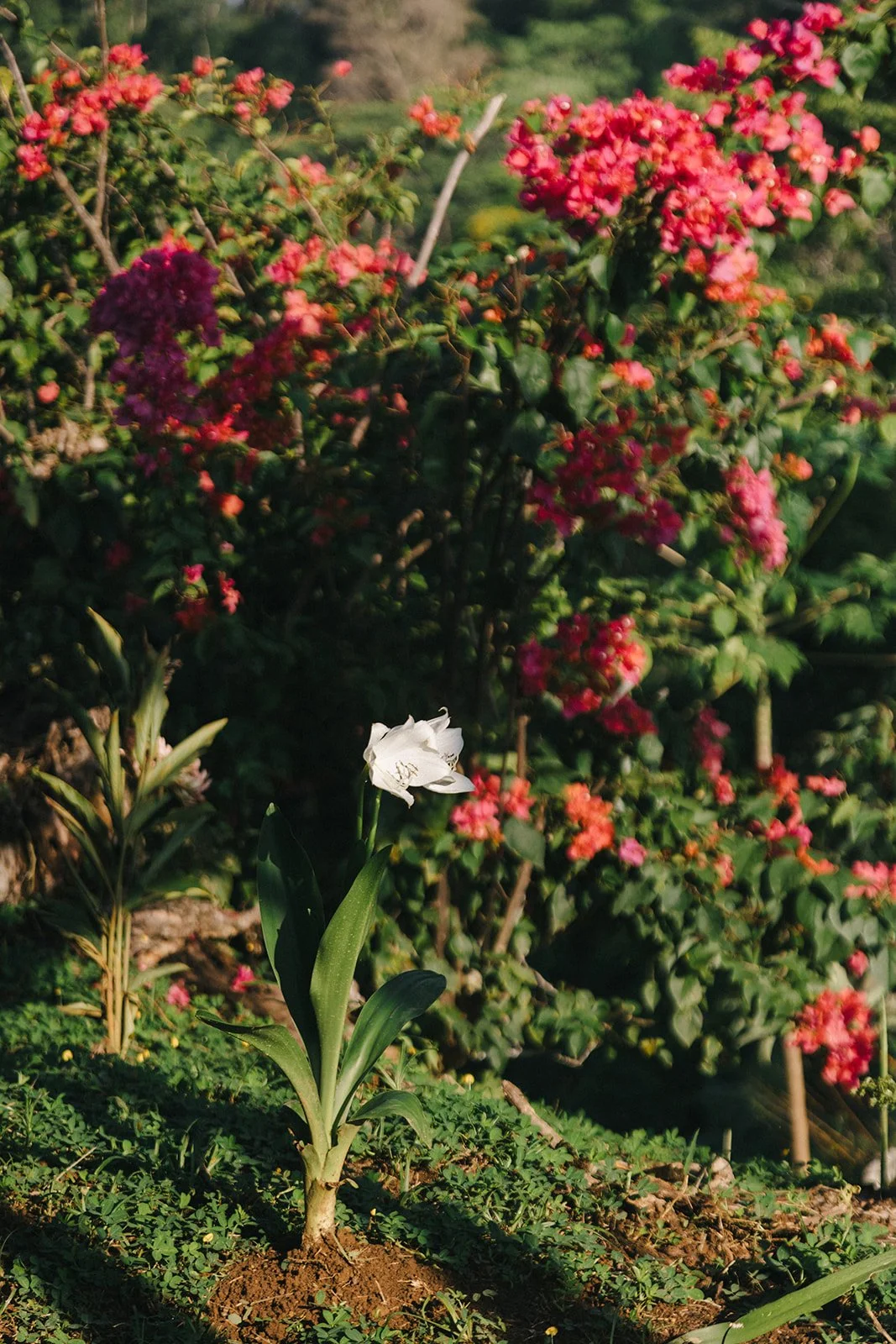
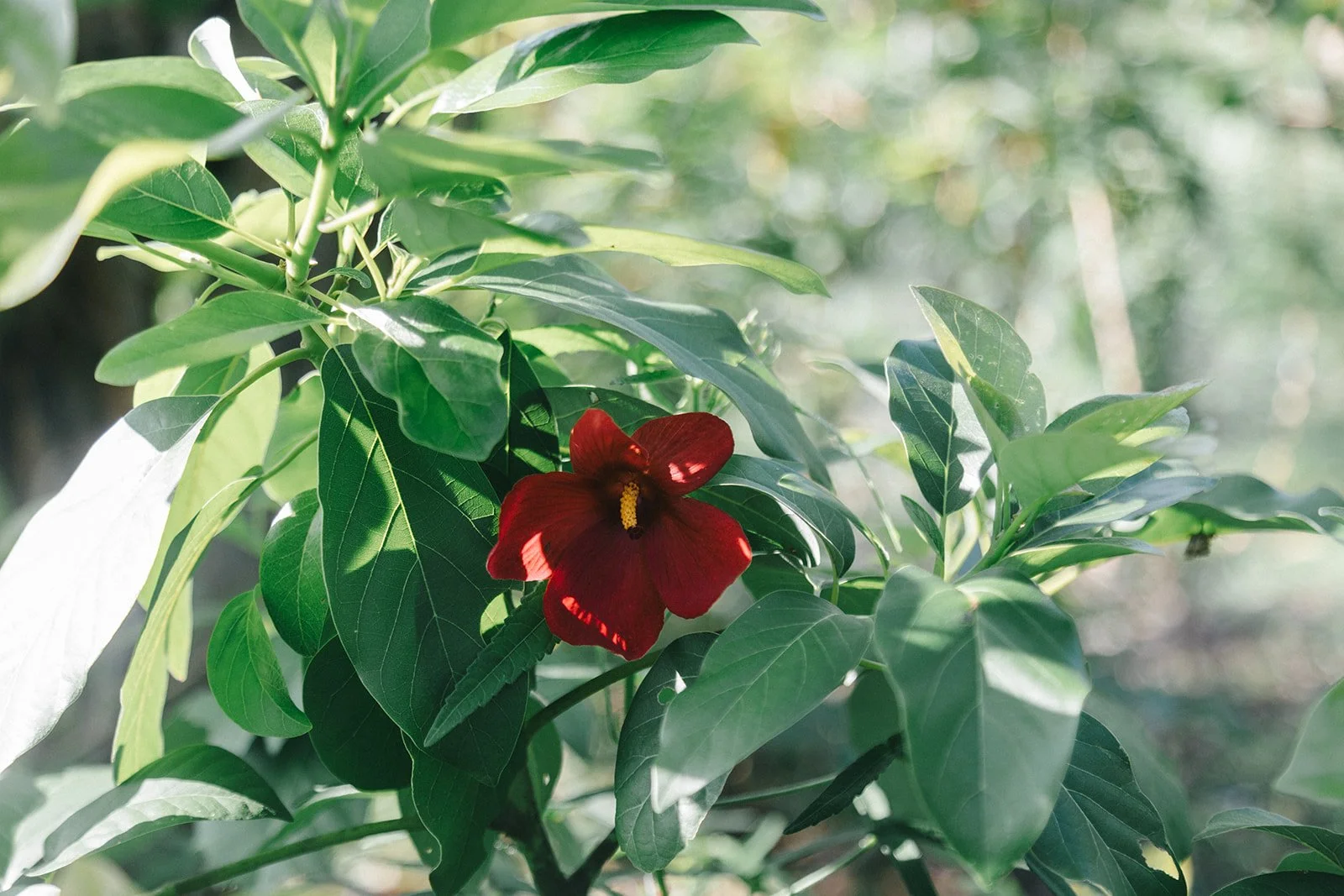
The best time to visit Balsa Nueva Lodge is between December and May, when Costa Rica's dry season brings long golden days, warm Pacific waters, and clear skies stretching across the Golfo Dulce. Wildlife is abundant, the surrounding rainforest is alive with birdsong, and the working farm is at its most productive, overflowing with tropical fruit, herbs, vegetables, and flowers that find their way onto every plate.
COST

WHY STAY
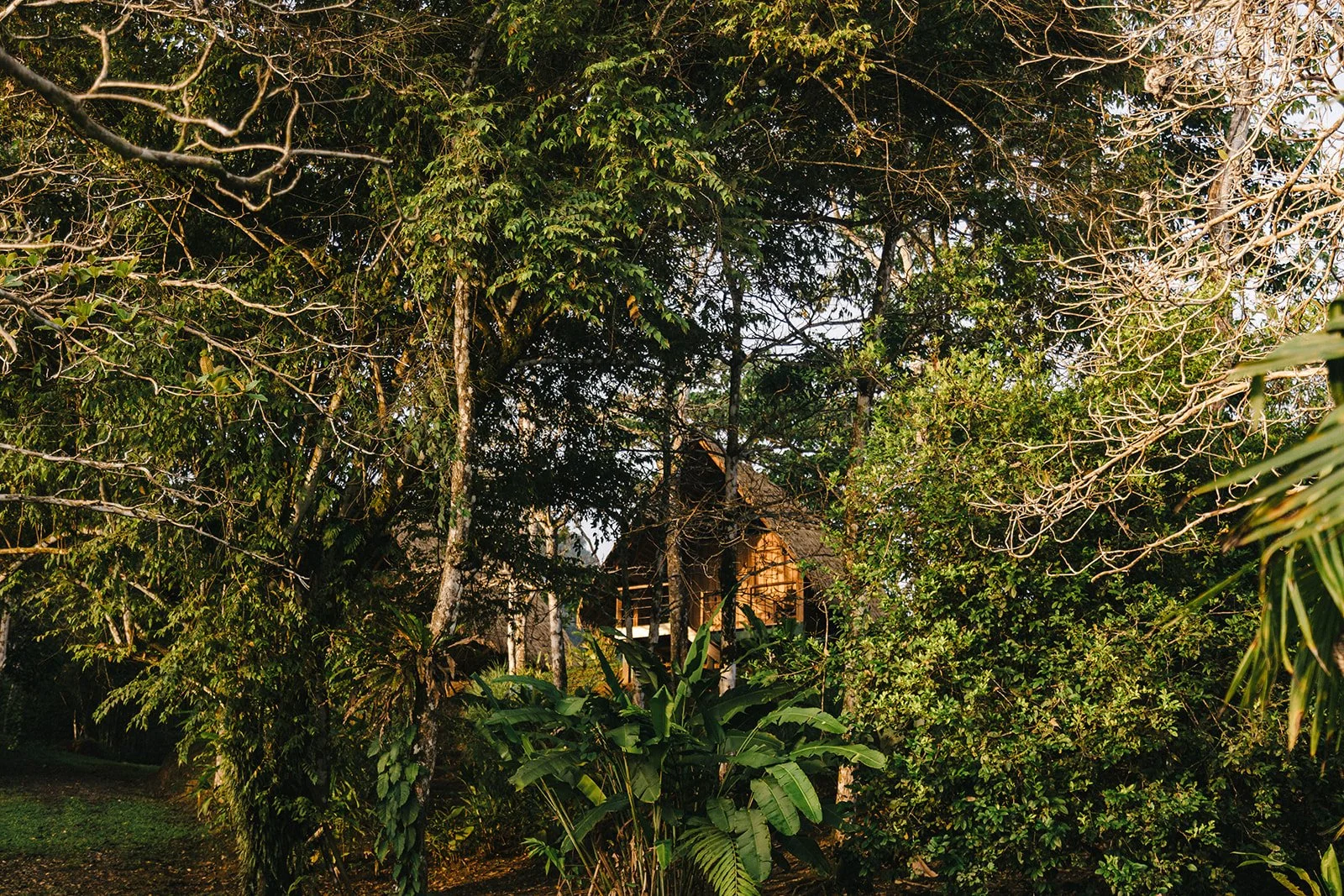
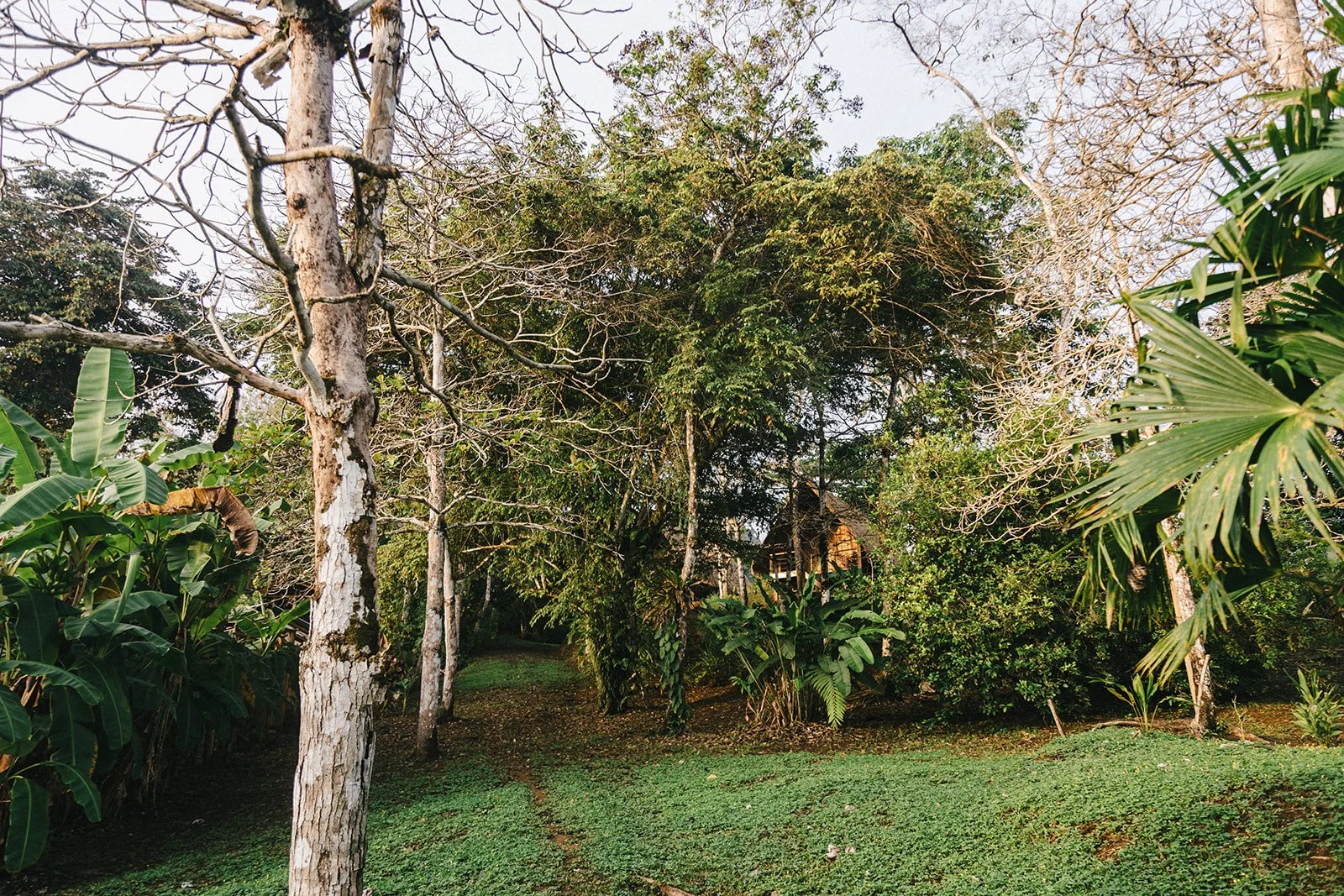
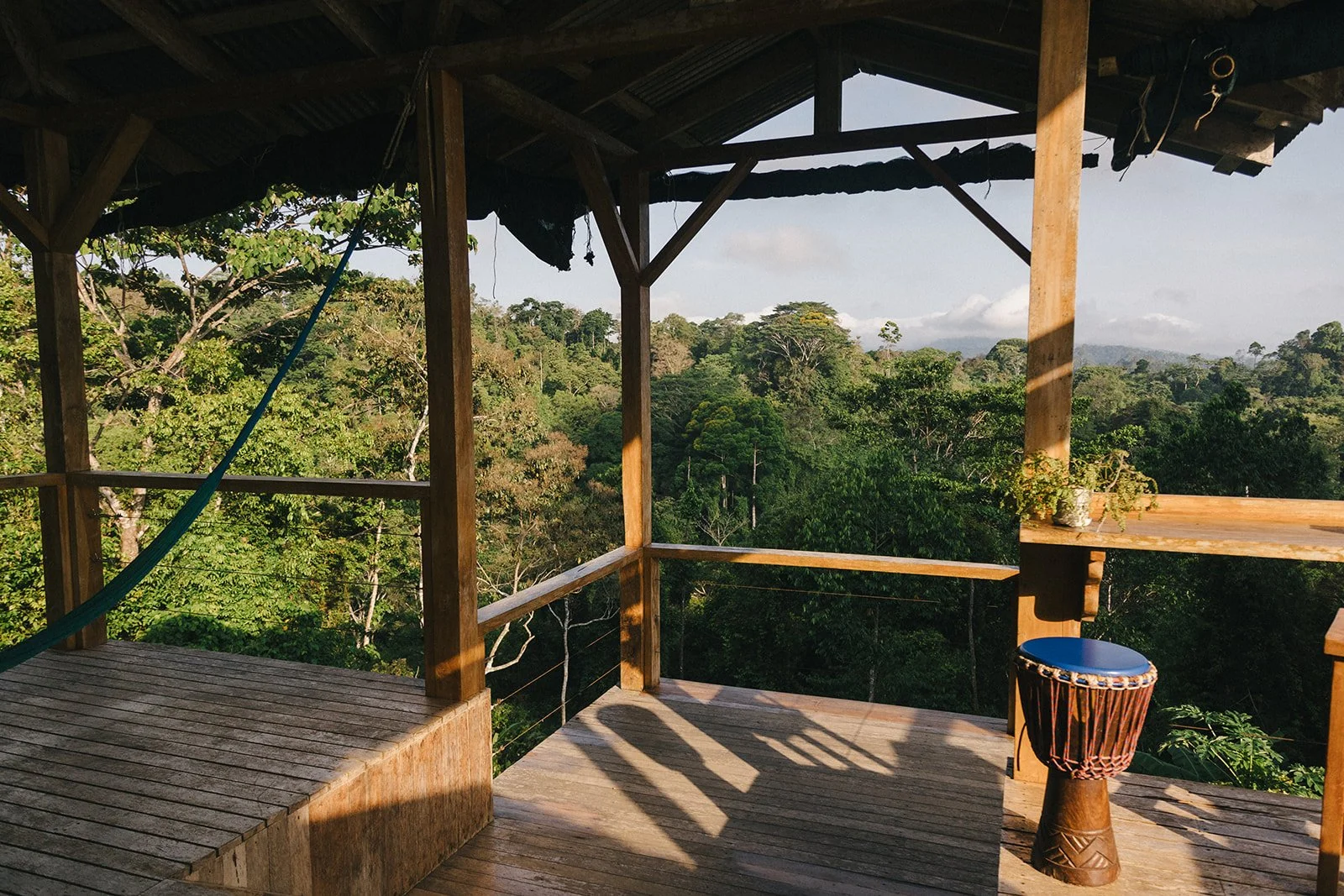
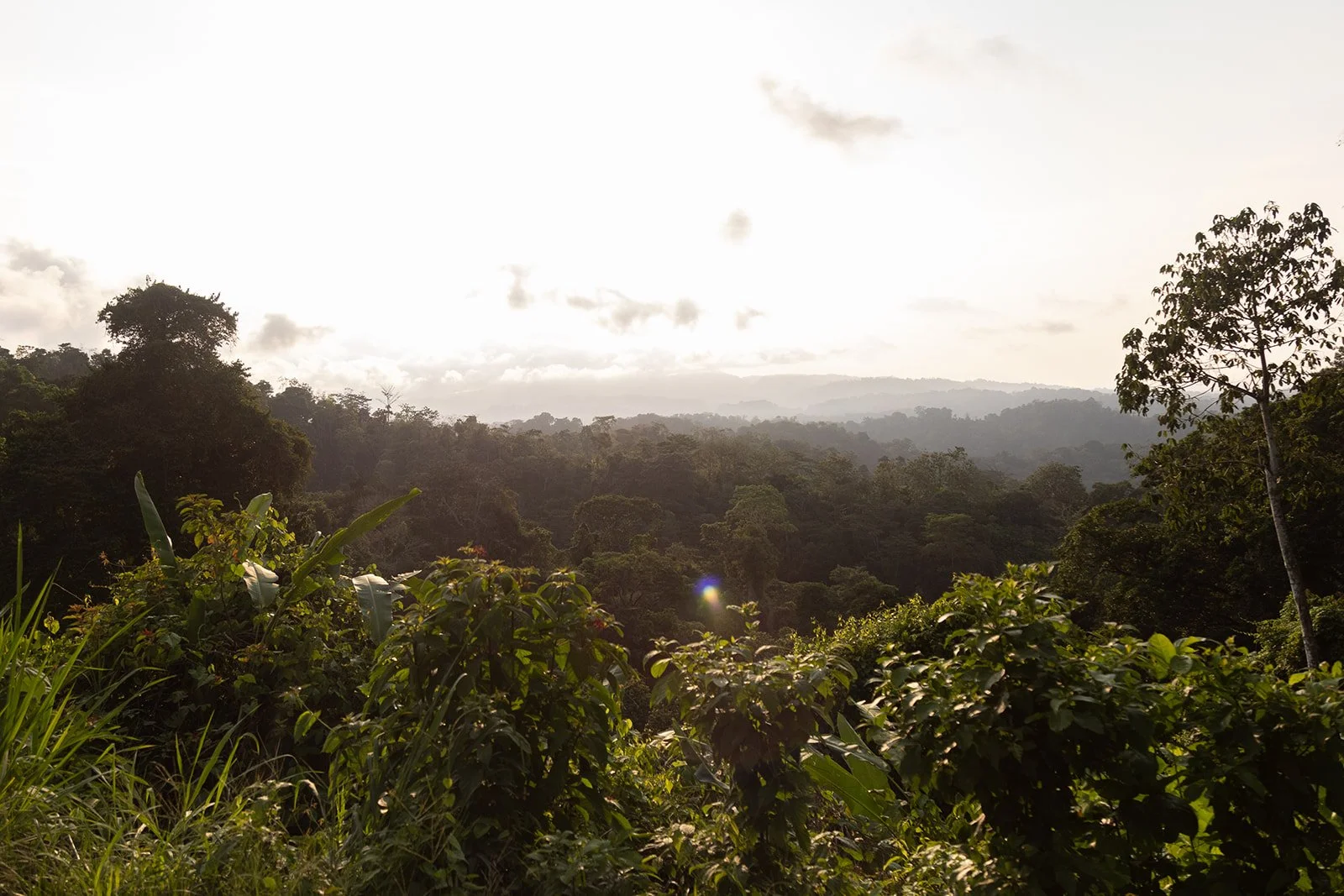
Hidden in the jungle-covered hills of the Osa Peninsula, just 12 kilometres from Puerto Jiménez, Balsa Nueva Lodge looks across the calm waters of the Golfo Dulce, one of only four tropical fjords in the world. This is one of Costa Rica's wildest corners, where rainforest tumbles toward the sea and scarlet macaws, monkeys, sloths, and toucans are regular neighbours rather than rare sightings. Far from the country's busier beach towns, the landscape sets the pace, inviting guests to slow down and experience the peninsula as locals have for generations.
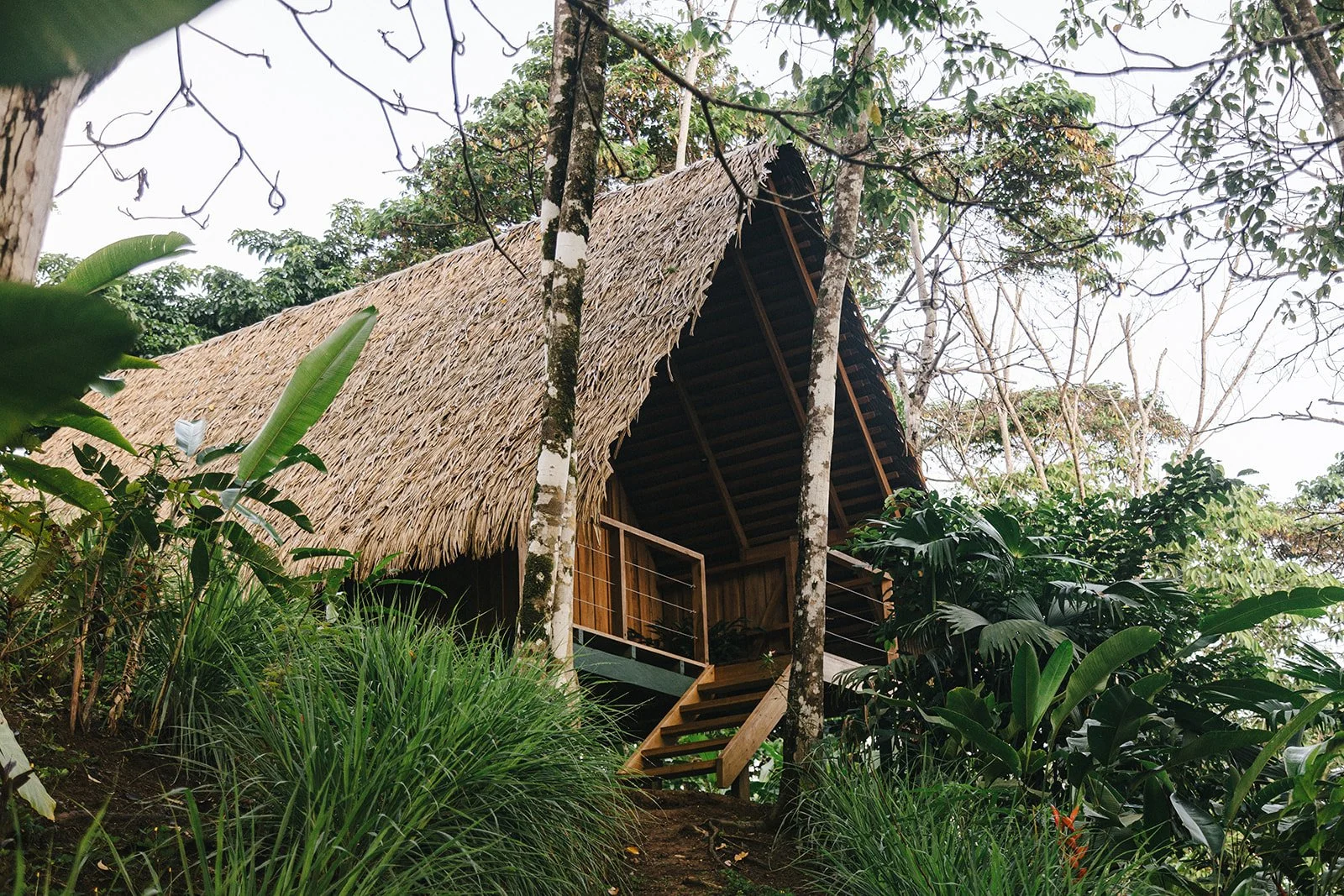
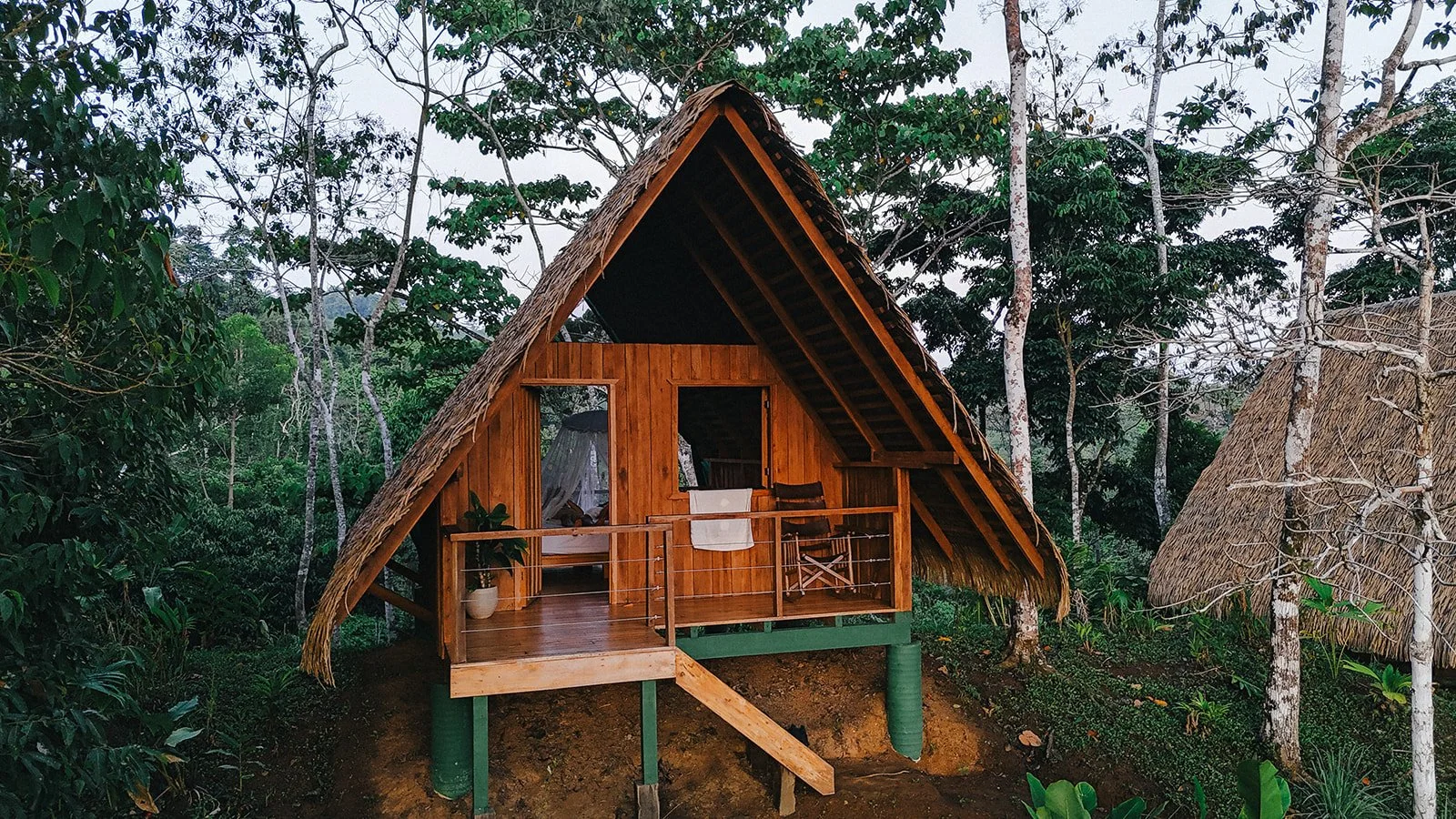
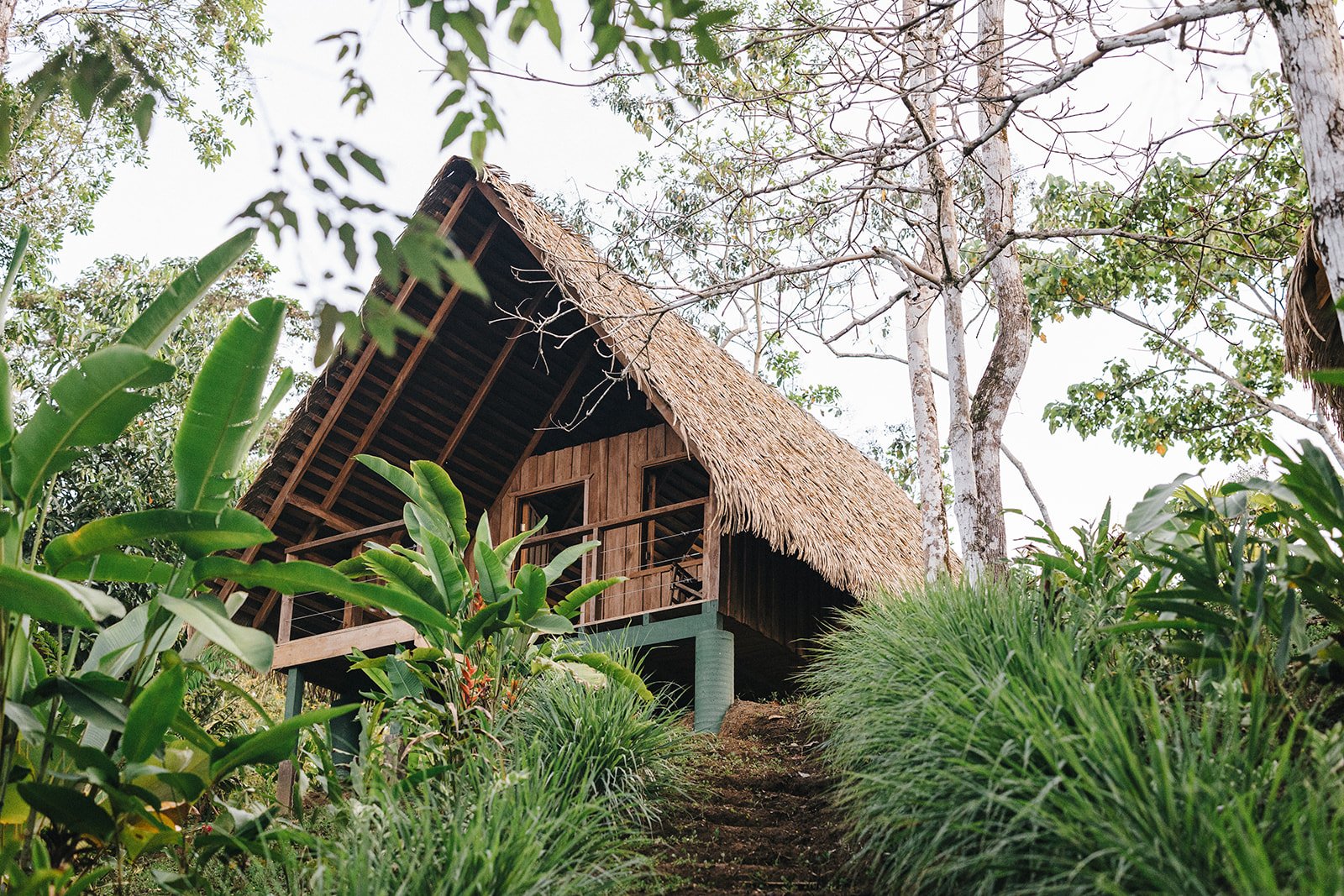
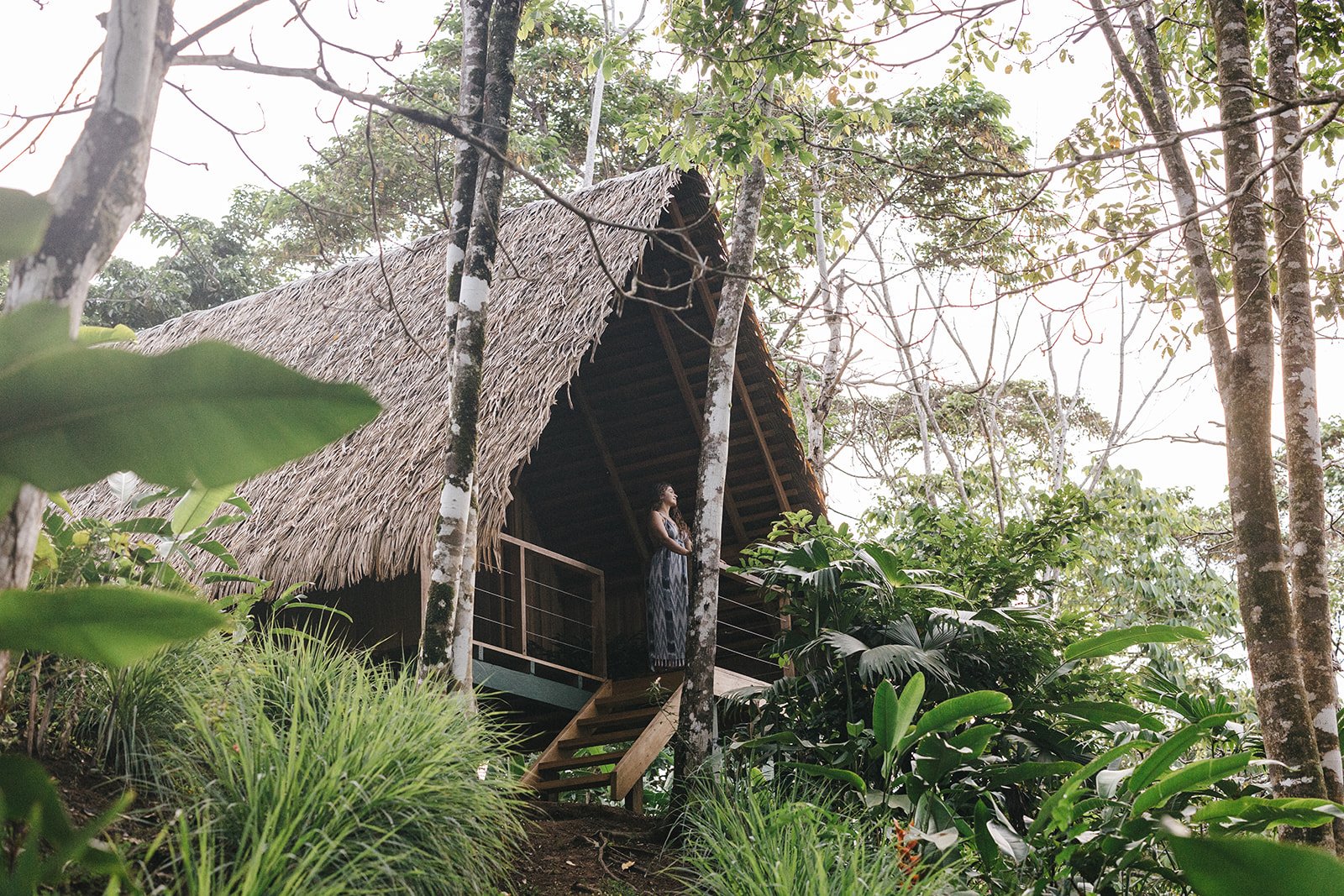
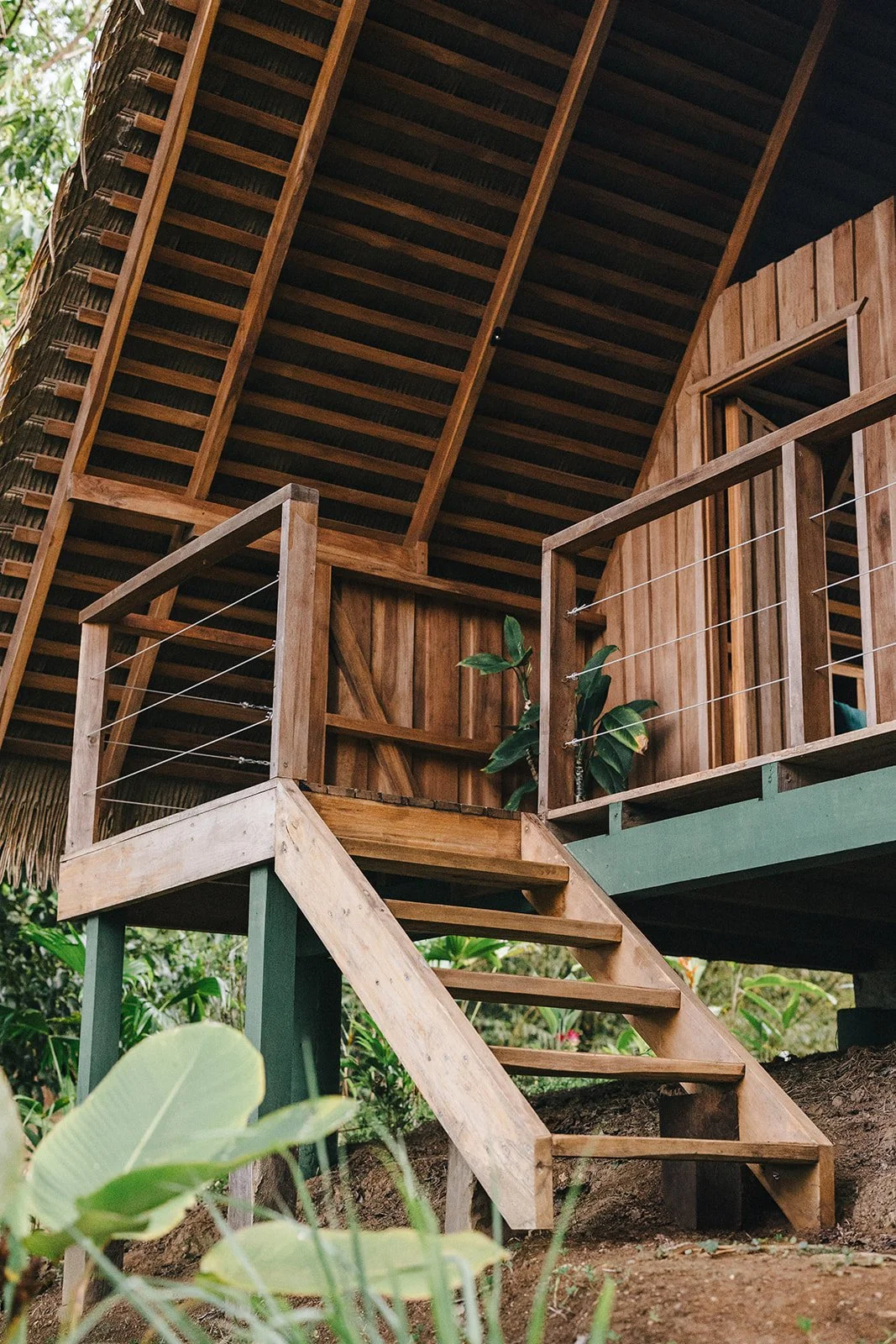
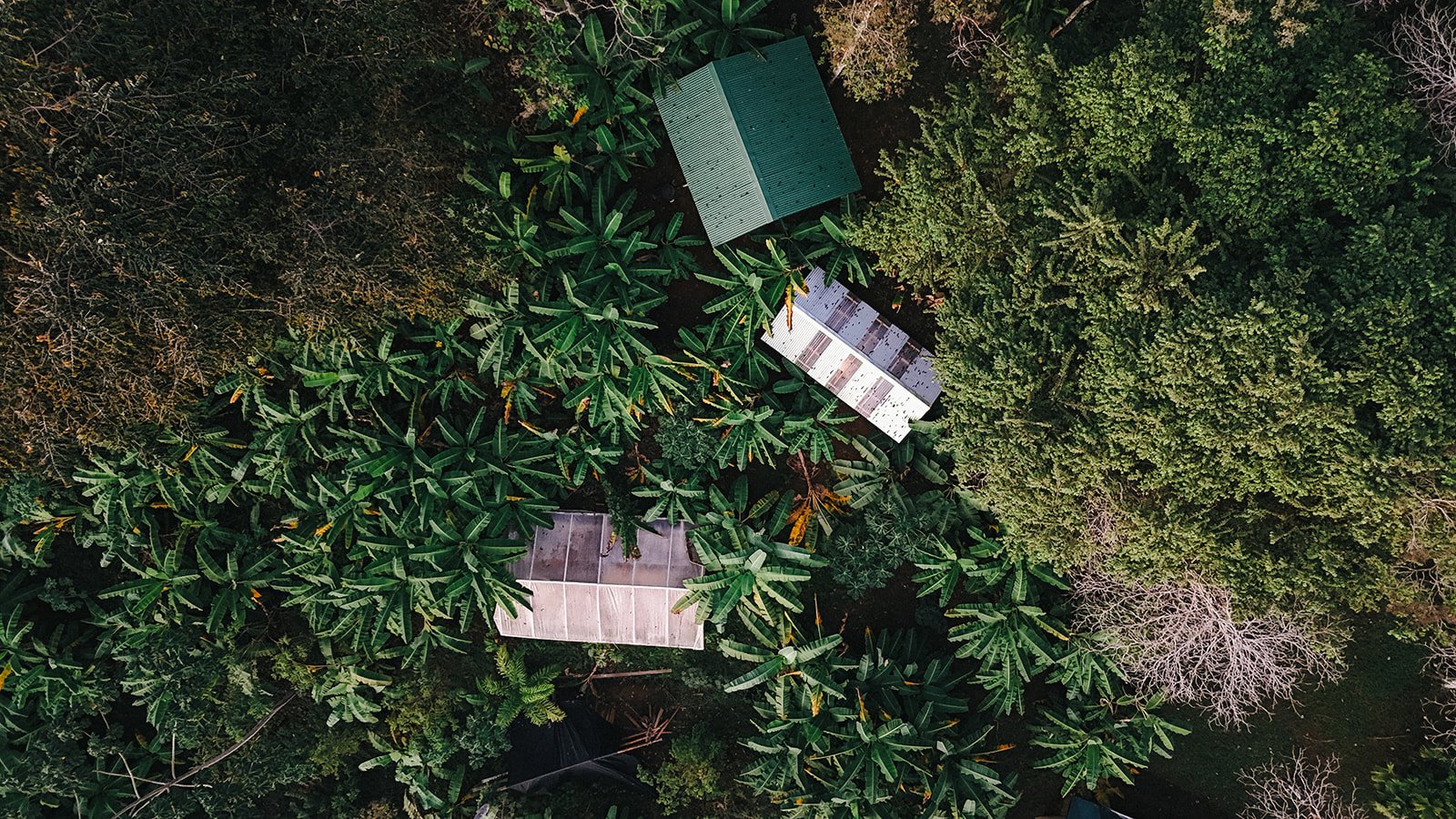
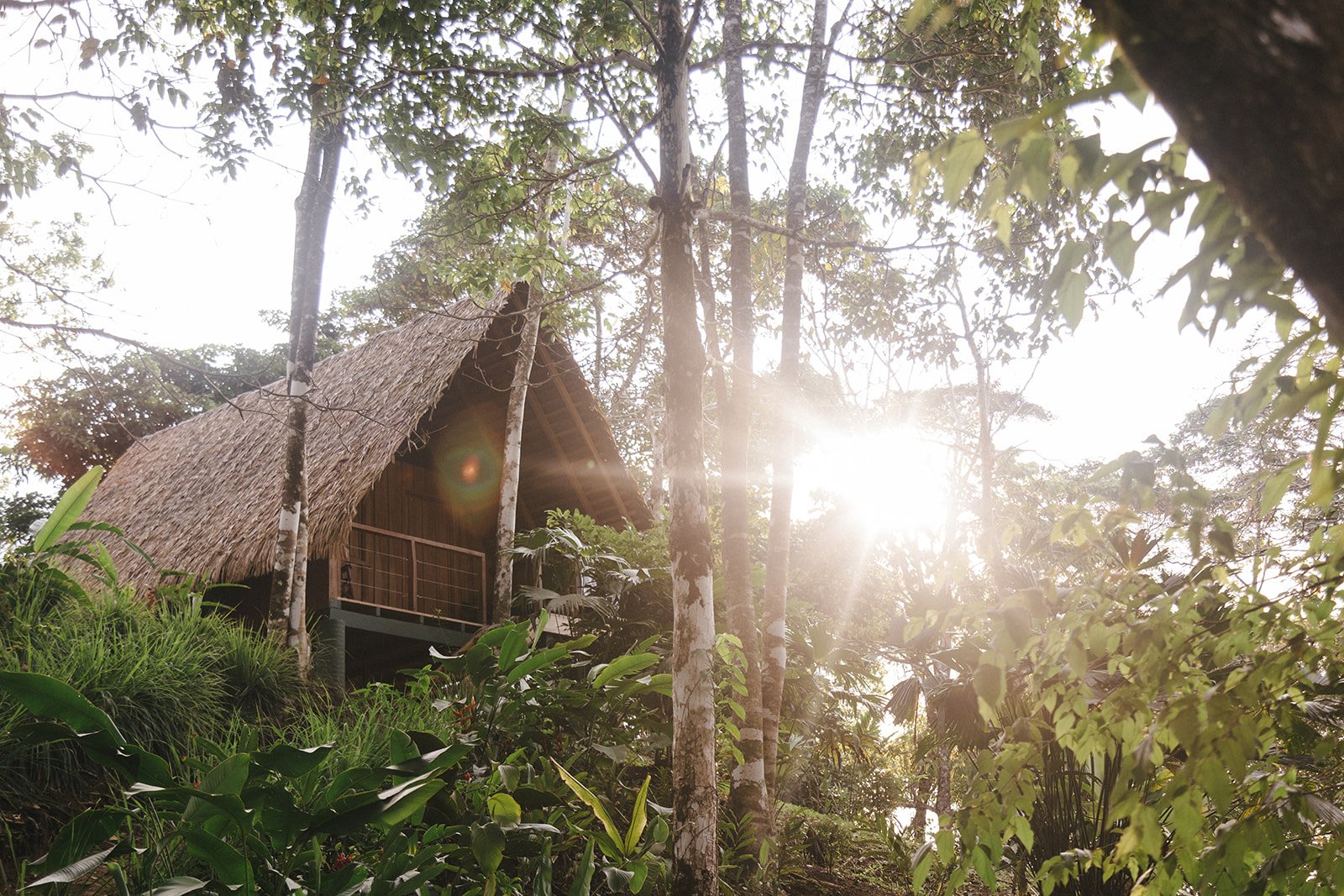
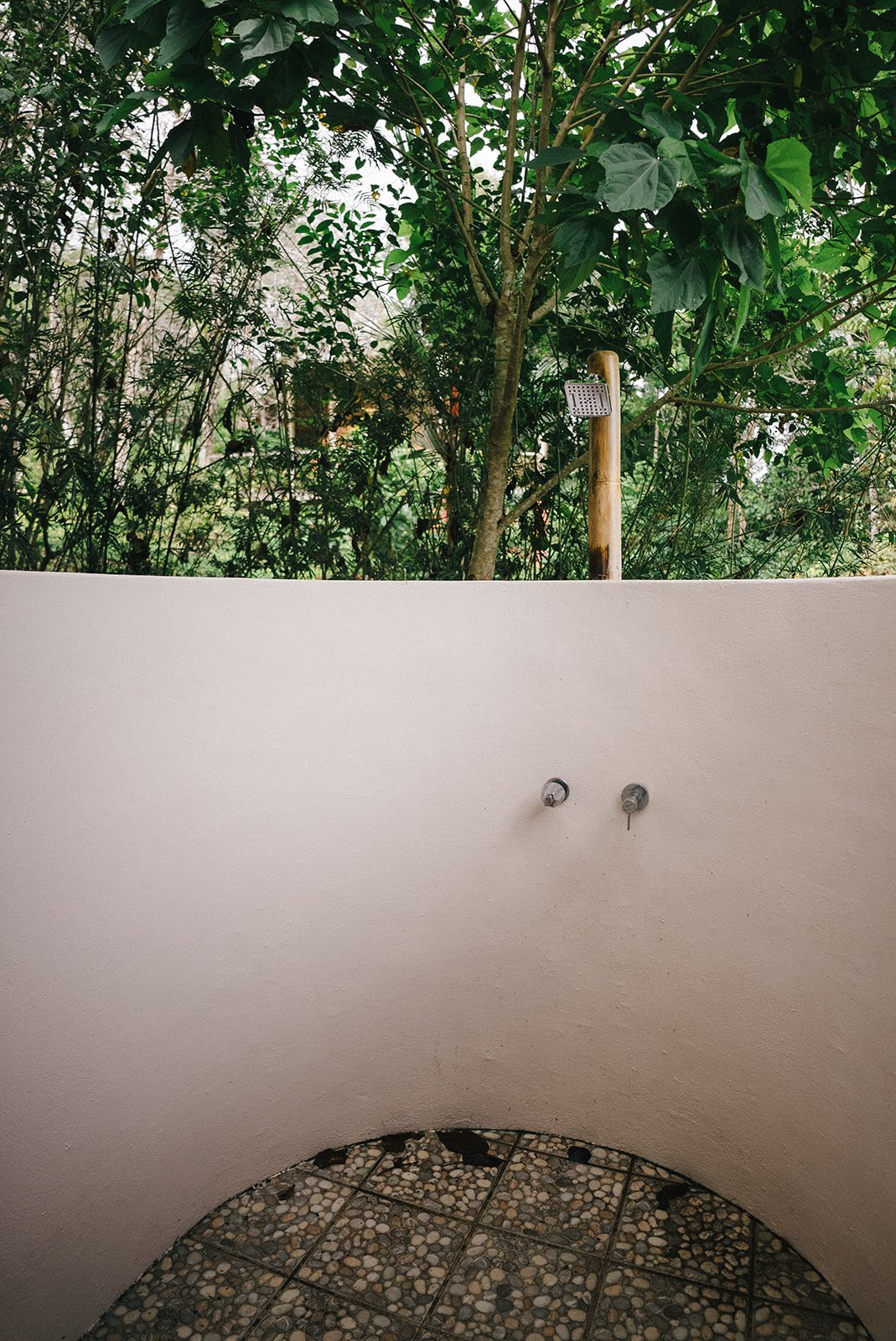
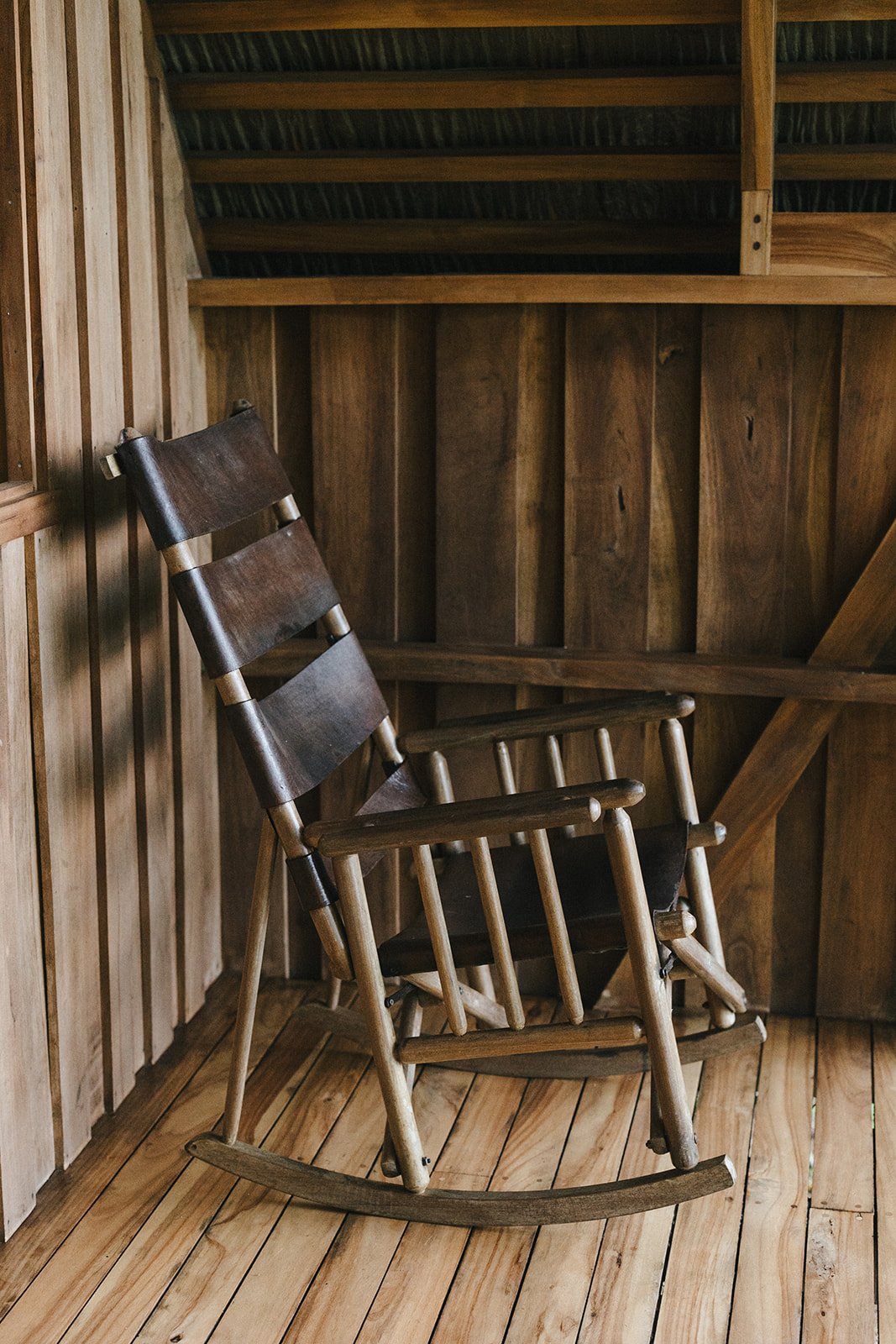
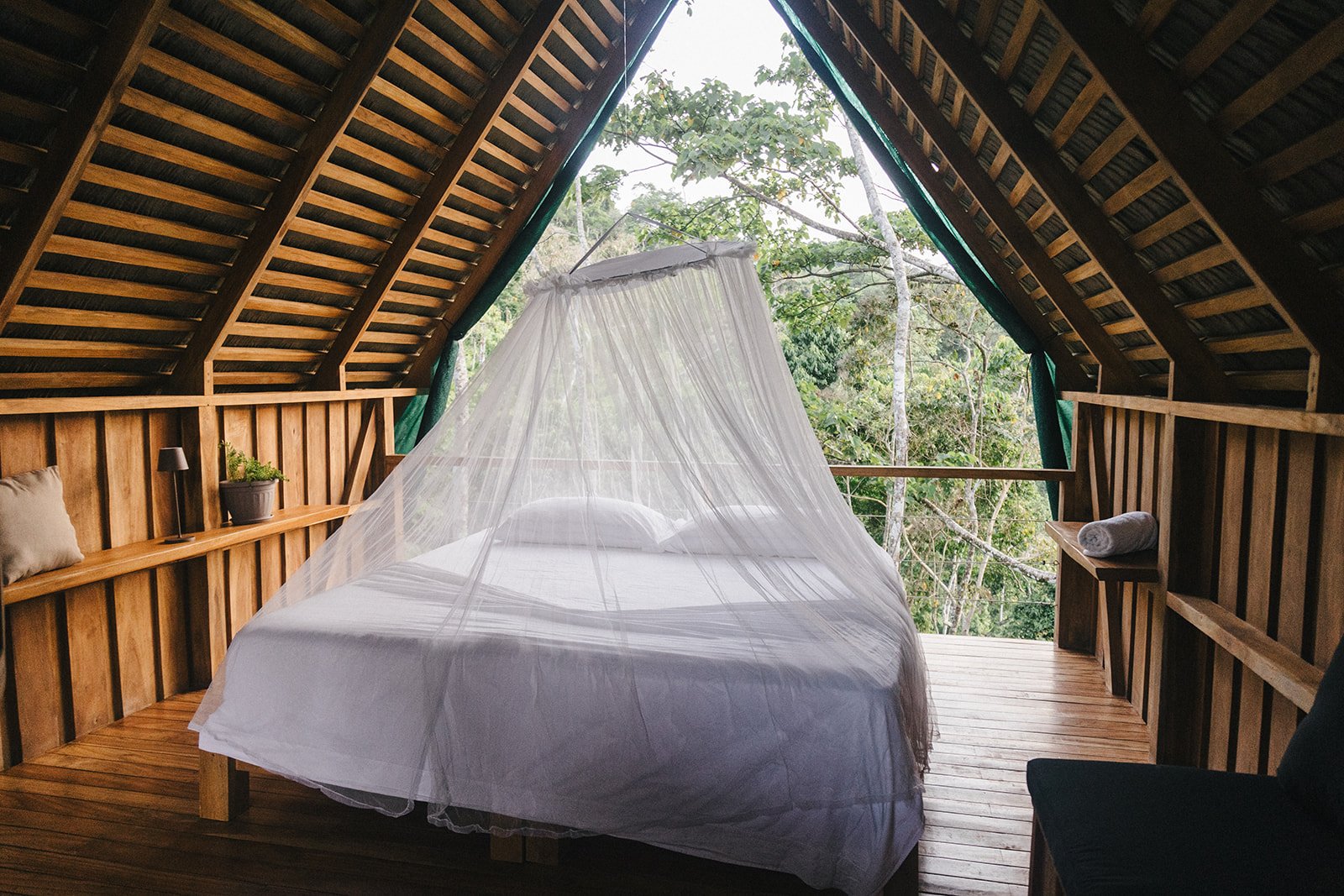
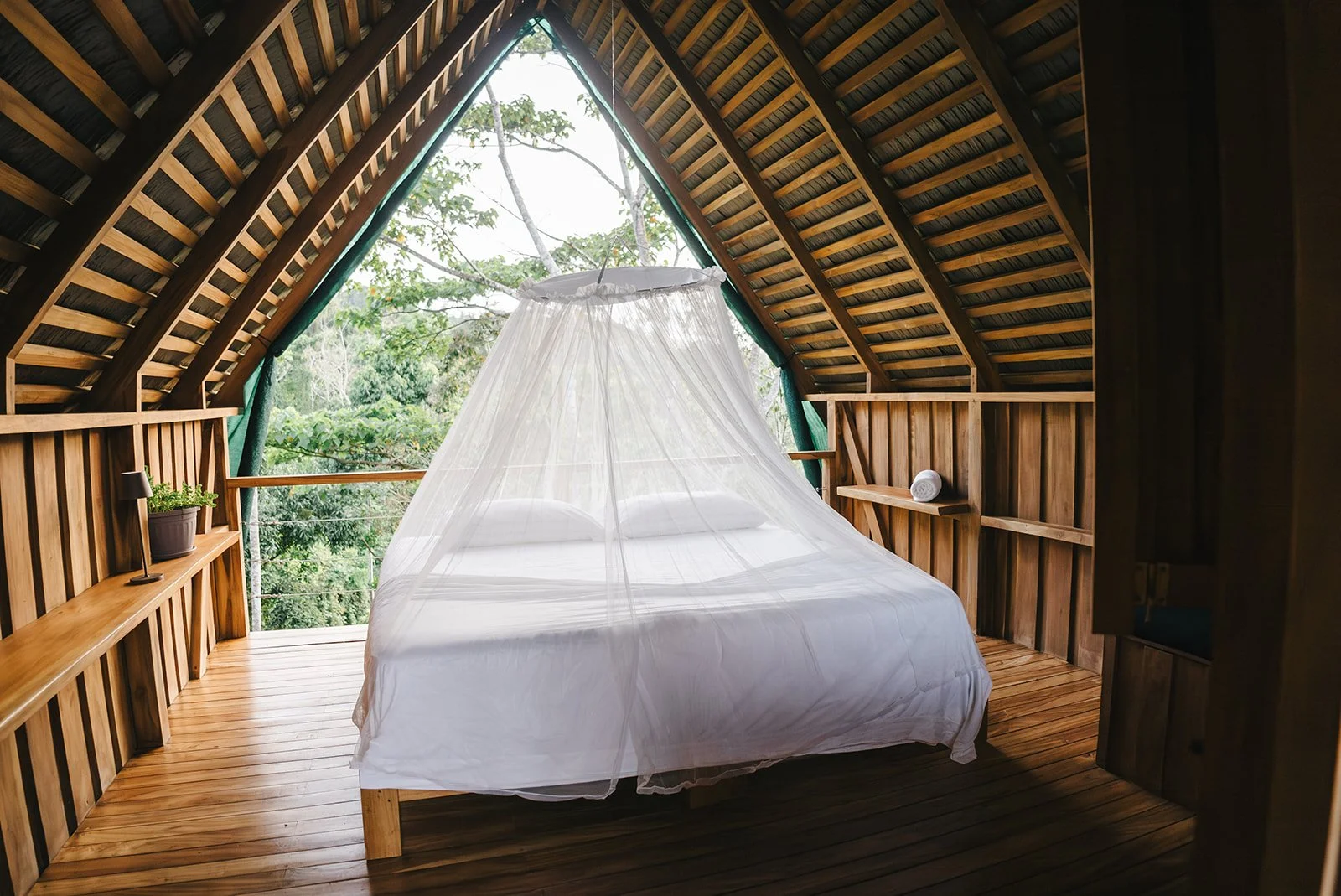
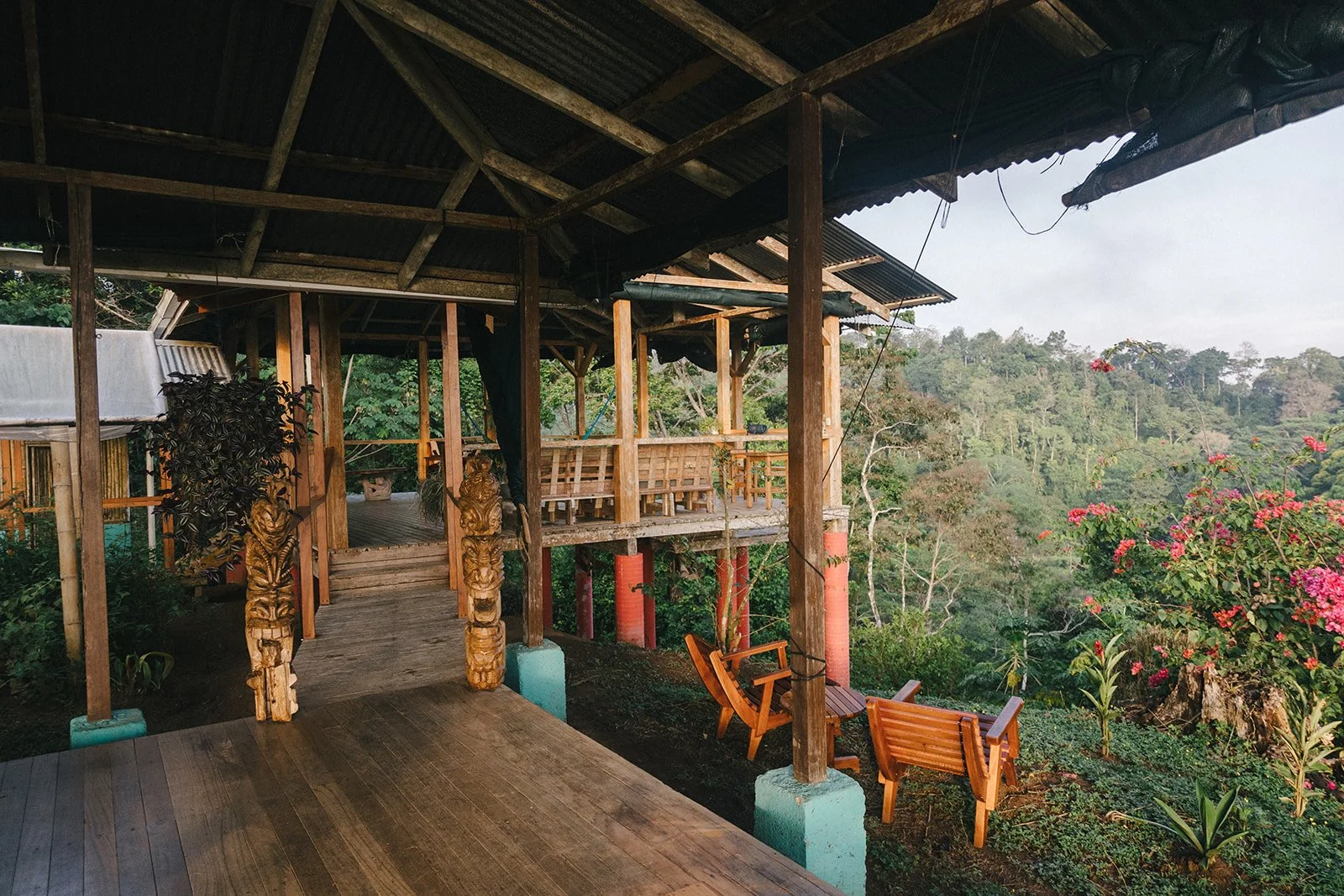
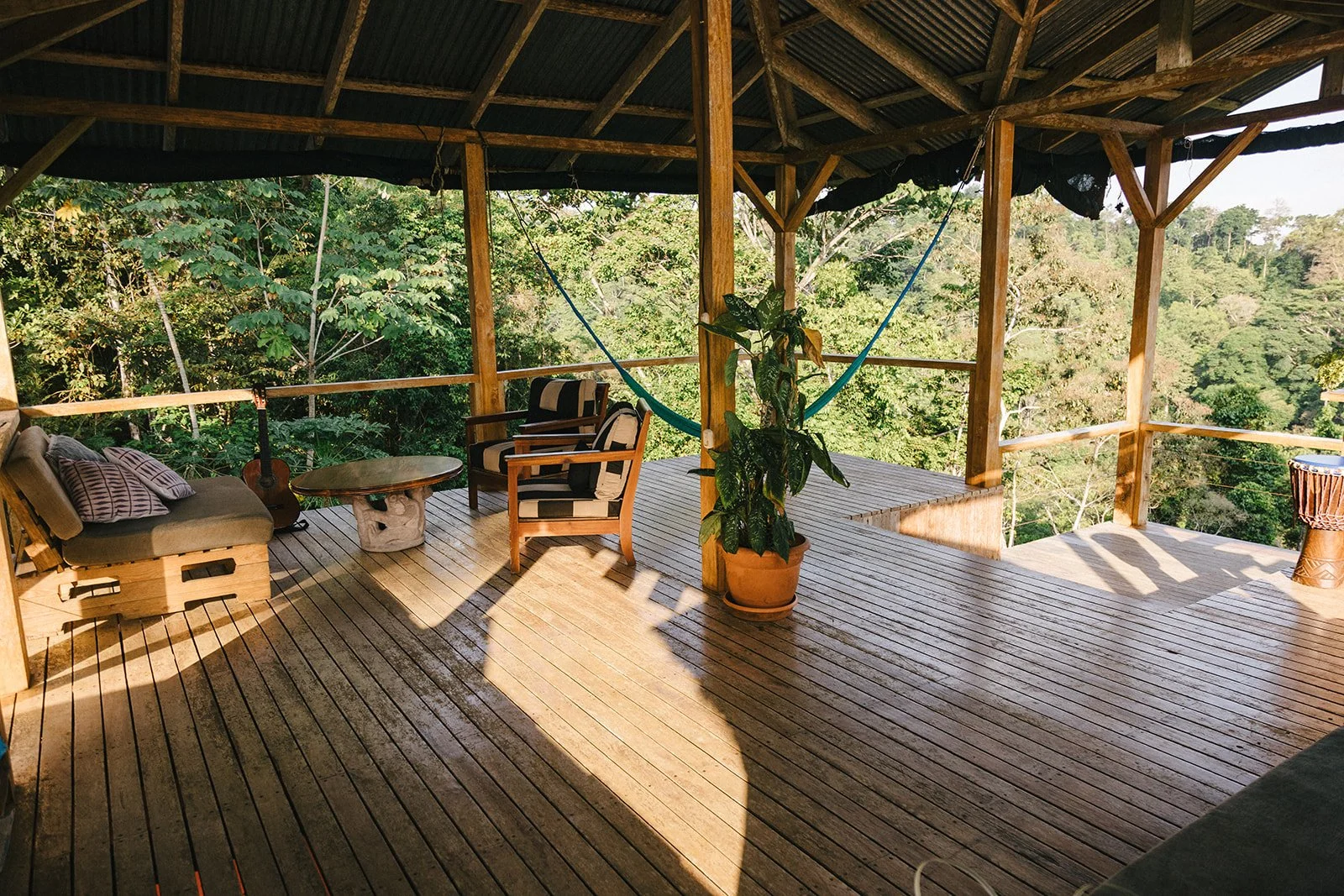
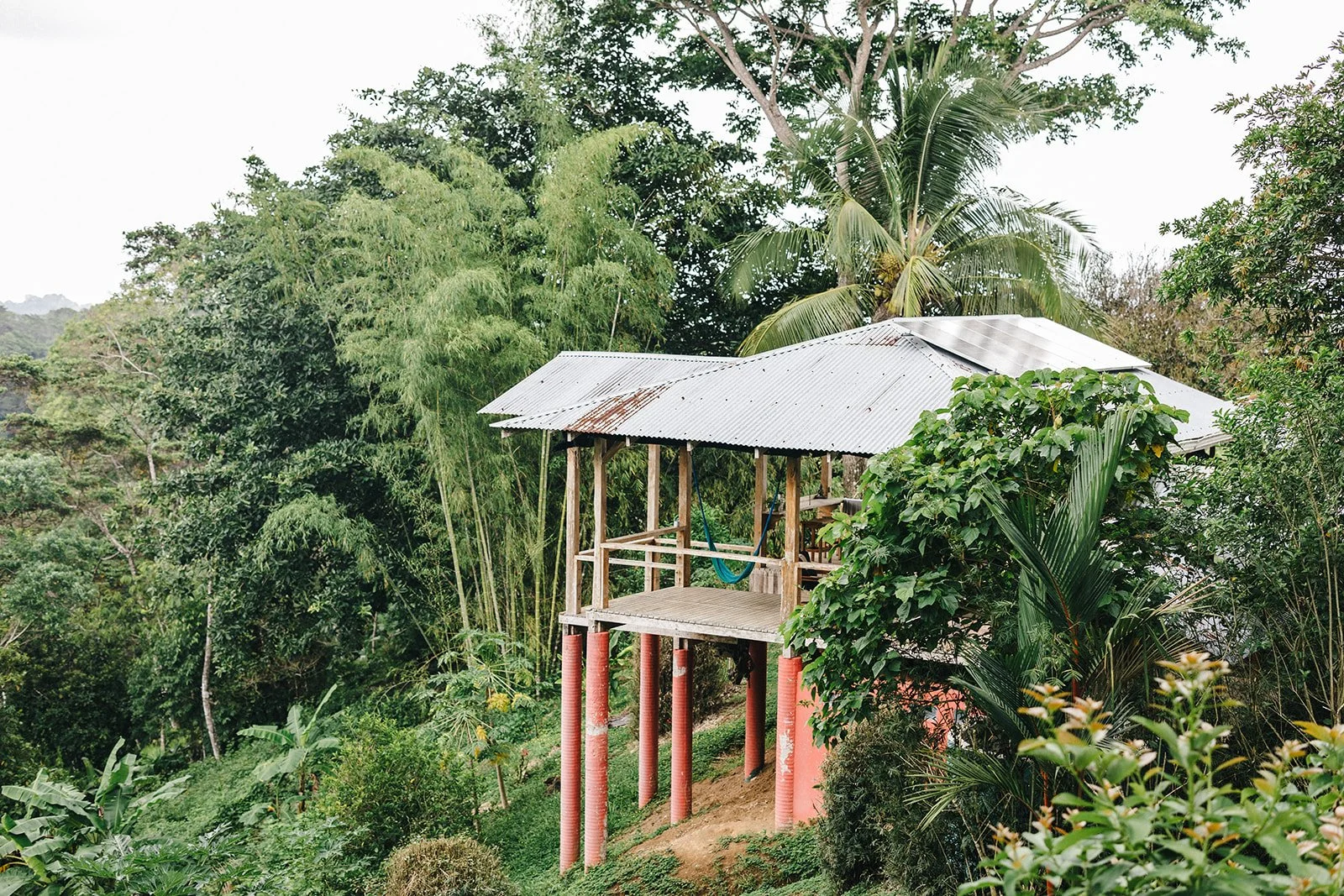
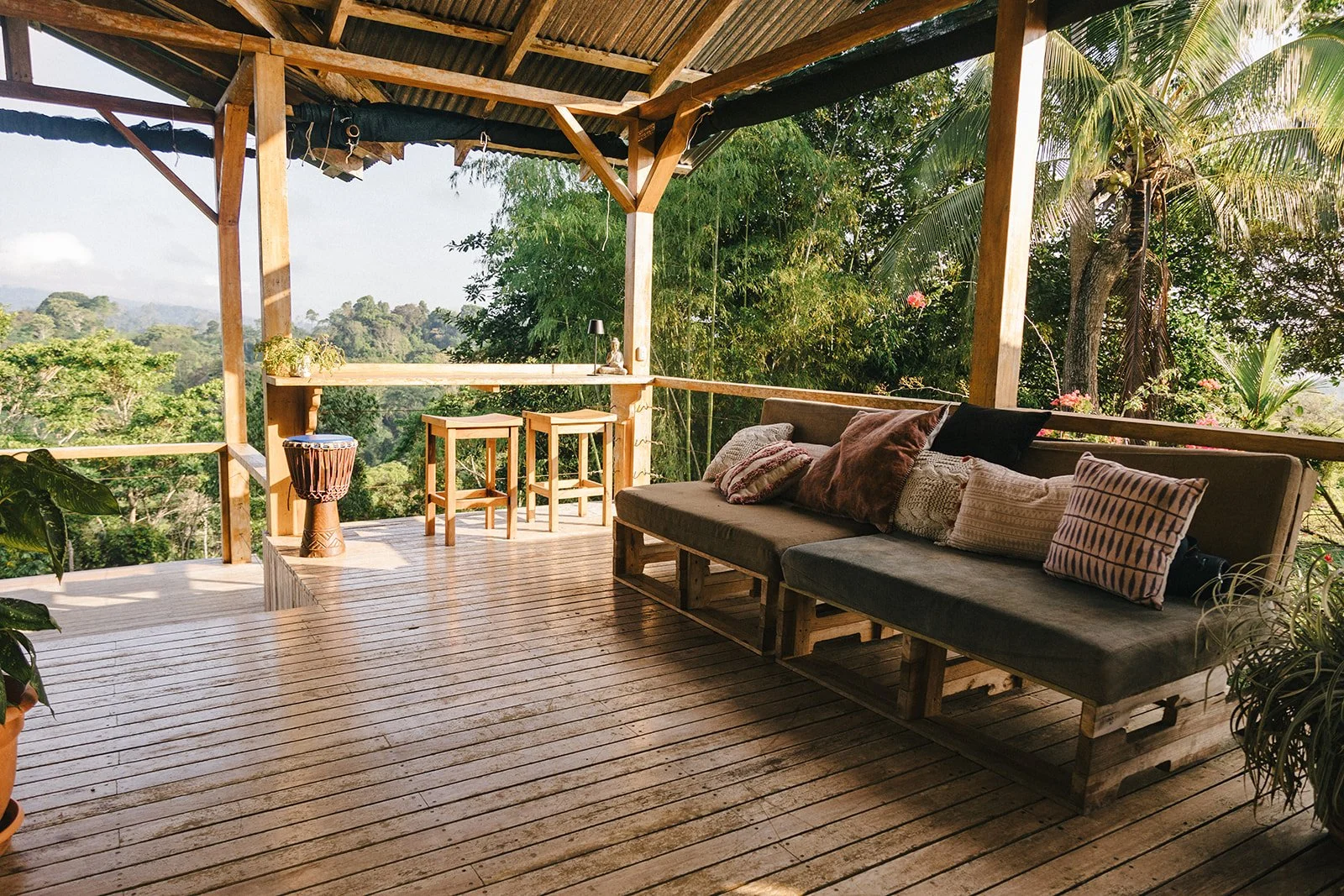
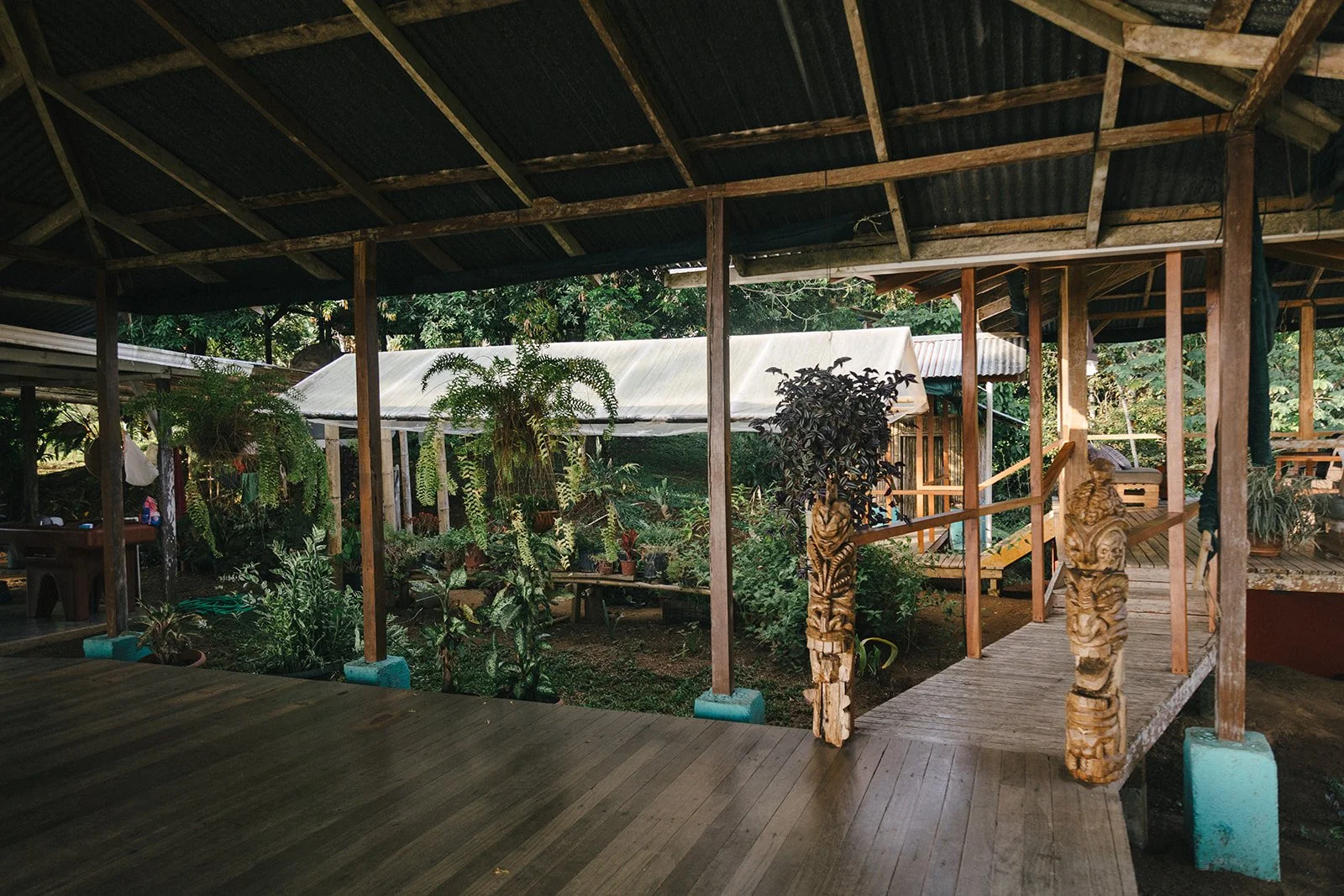
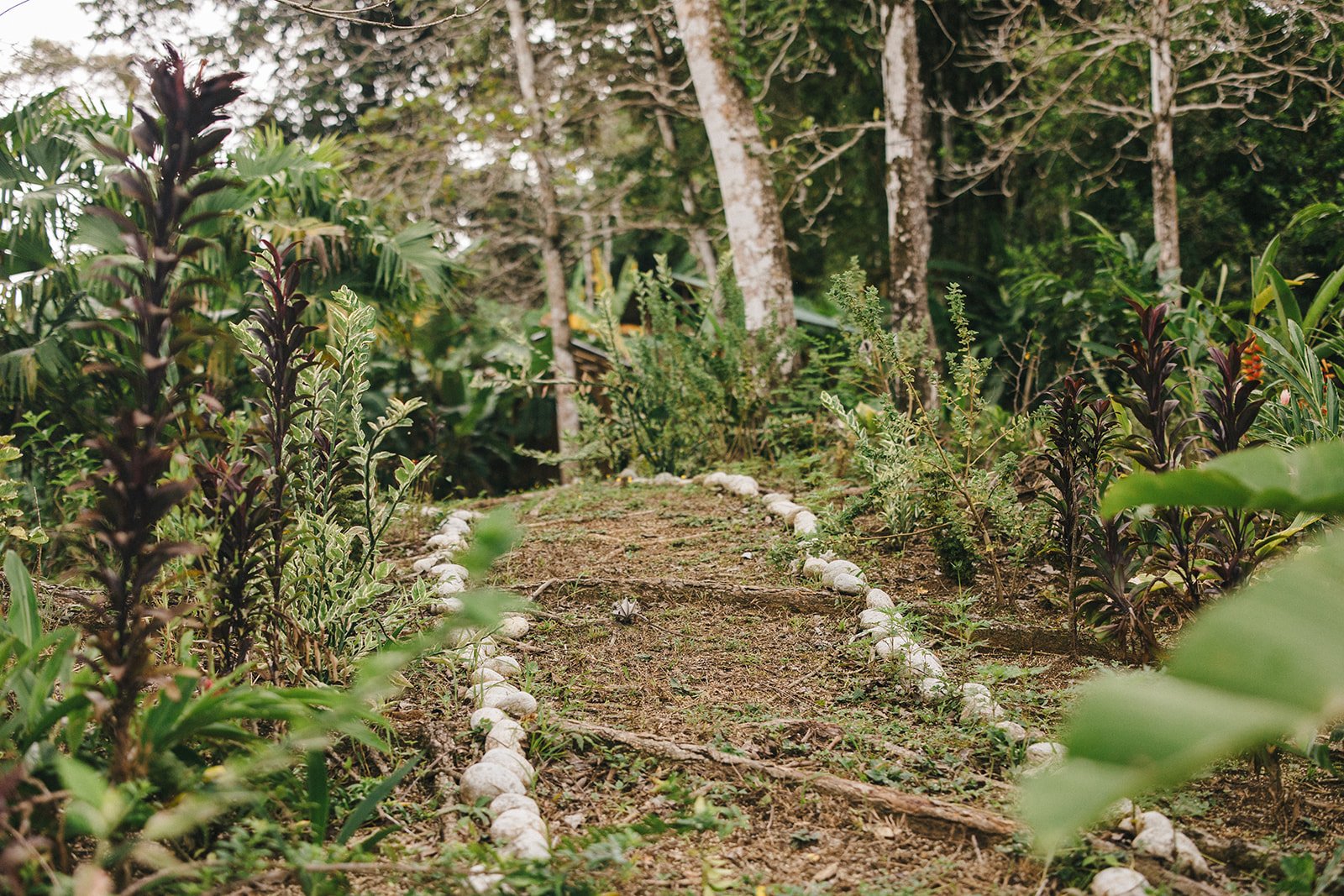
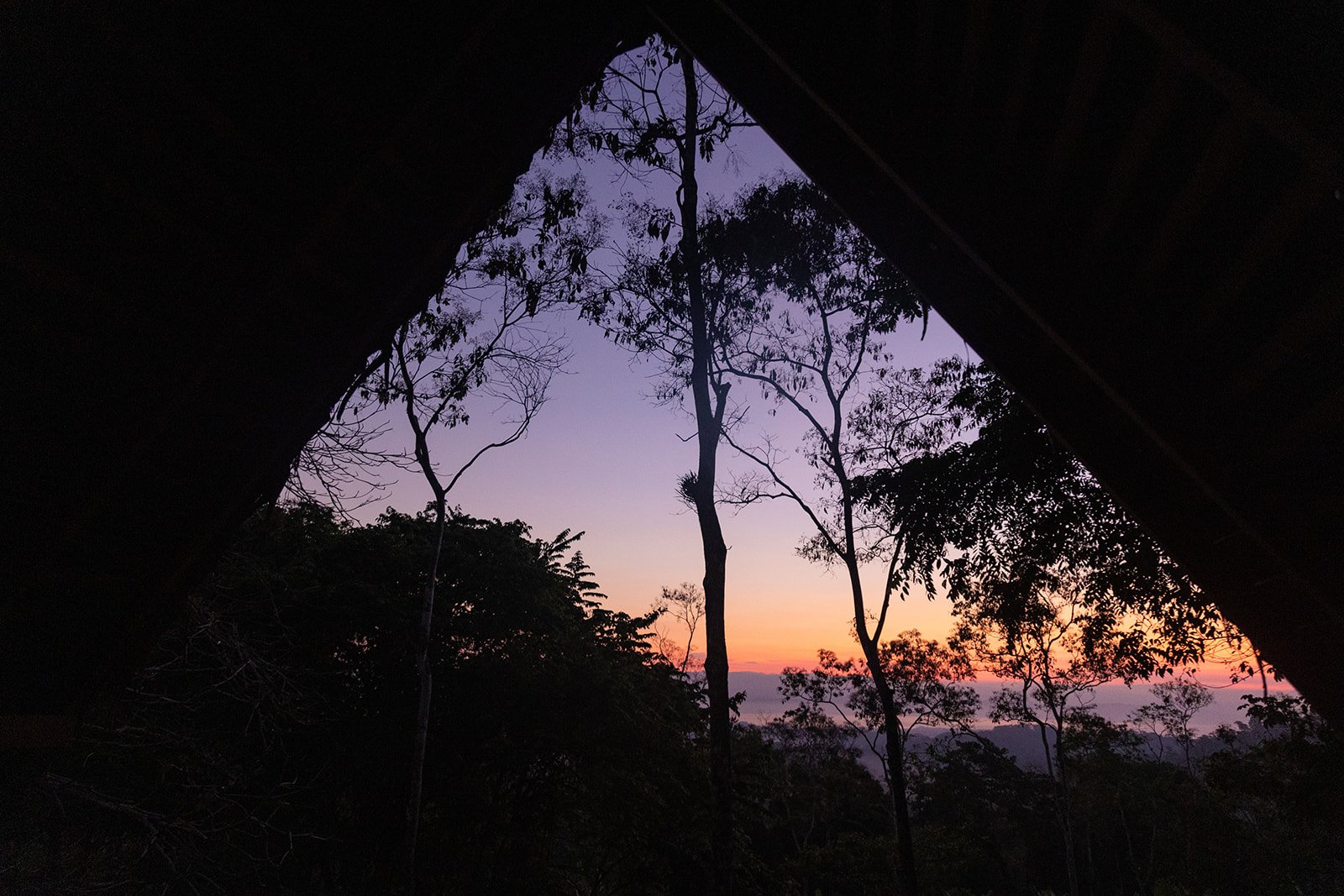
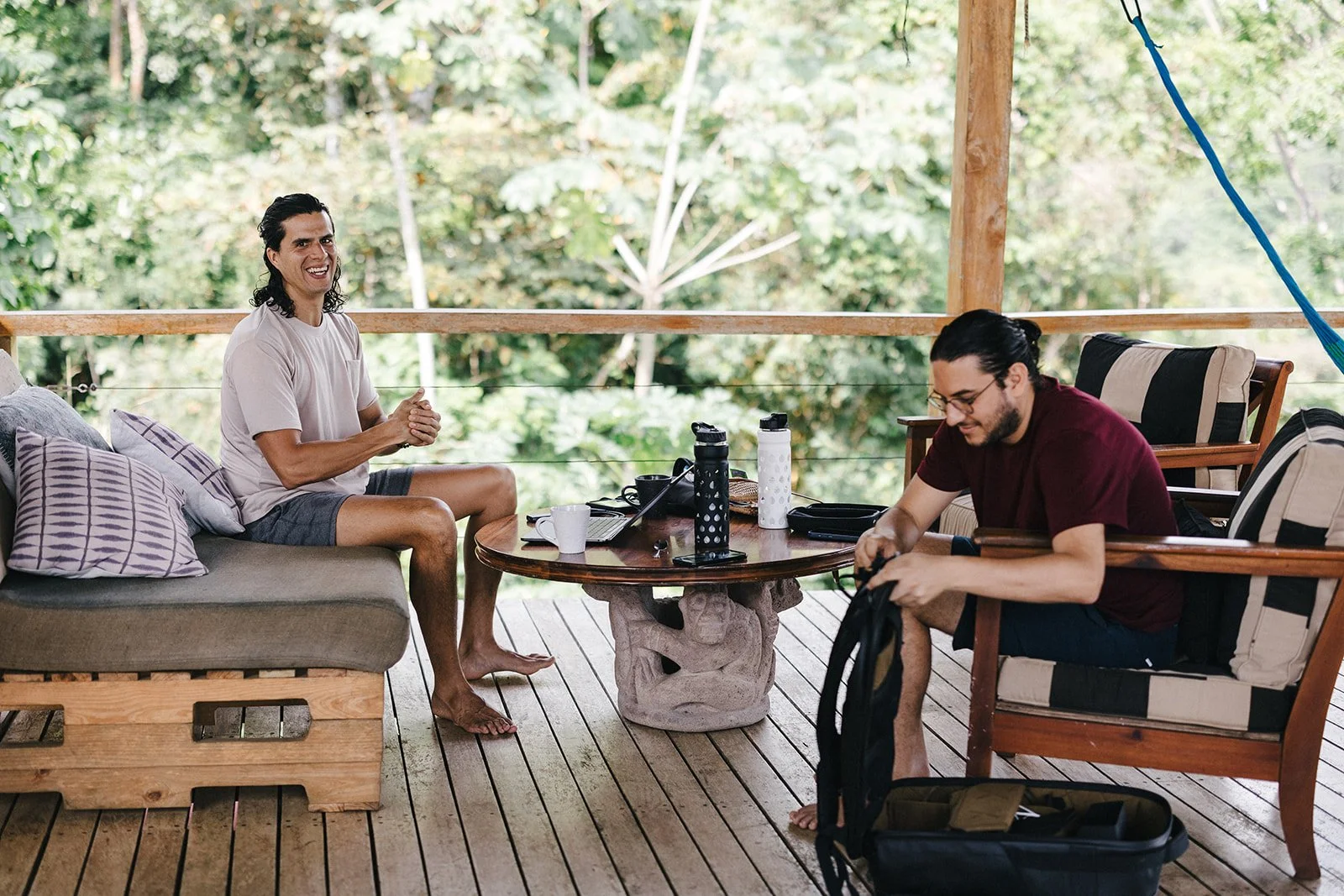
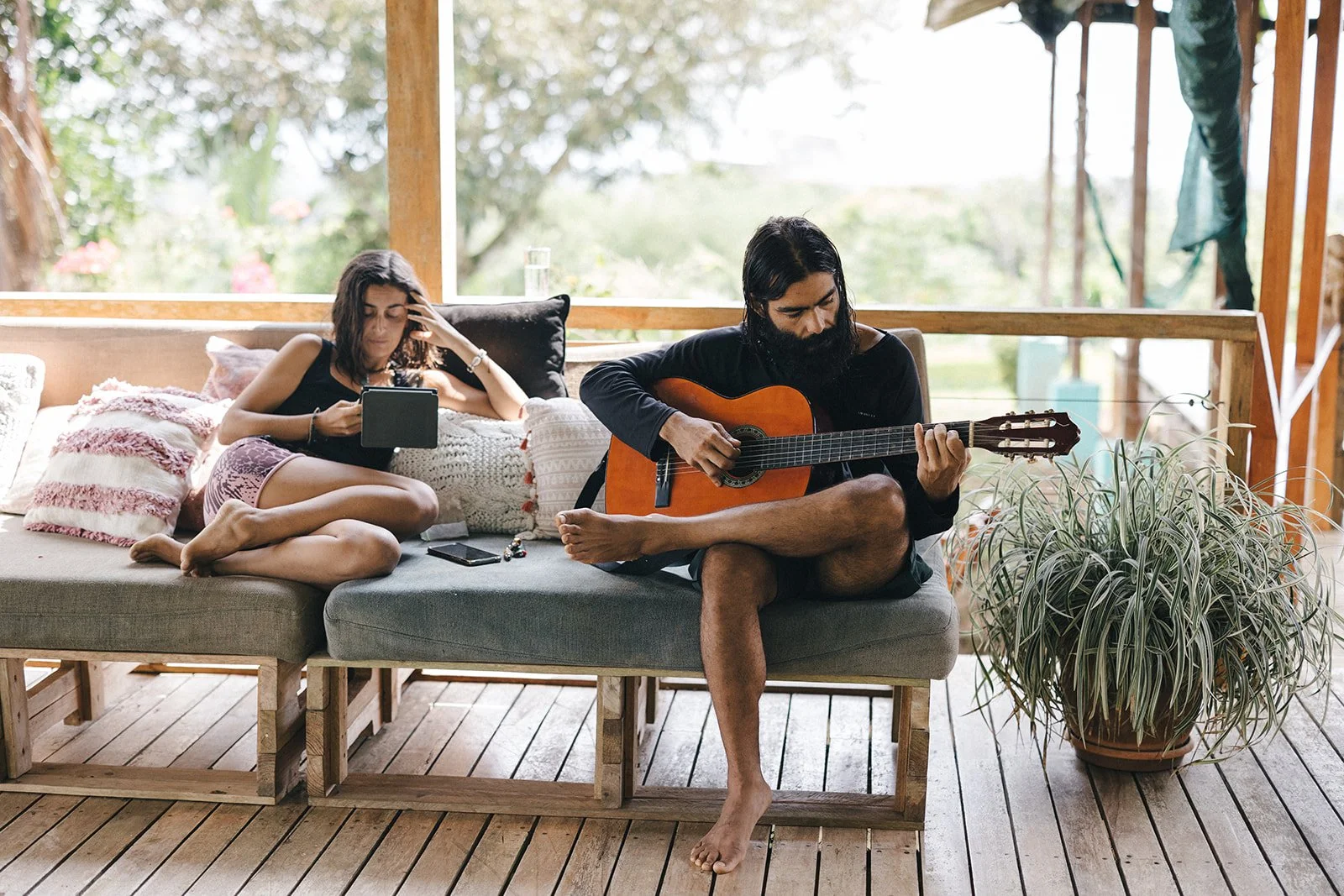
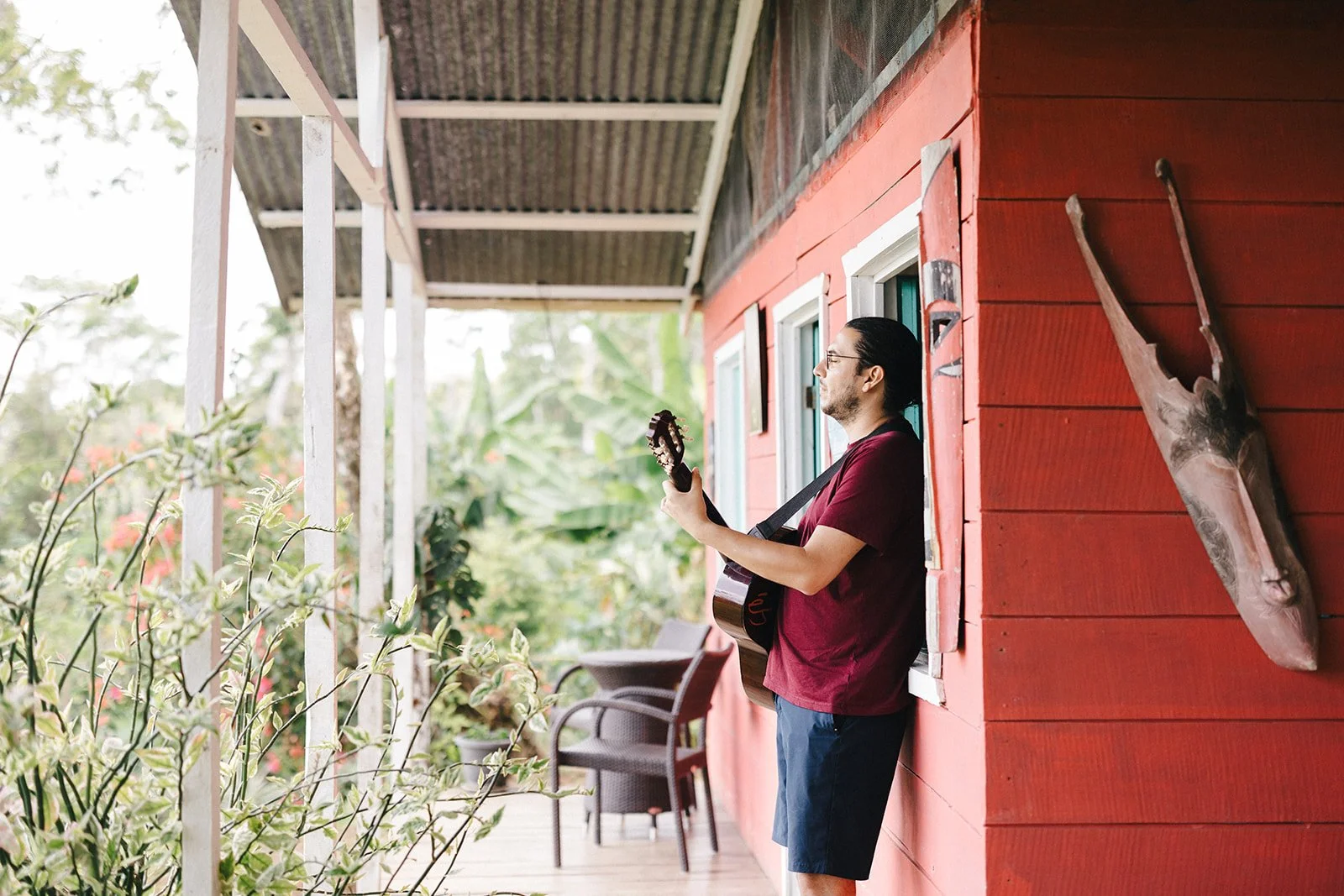
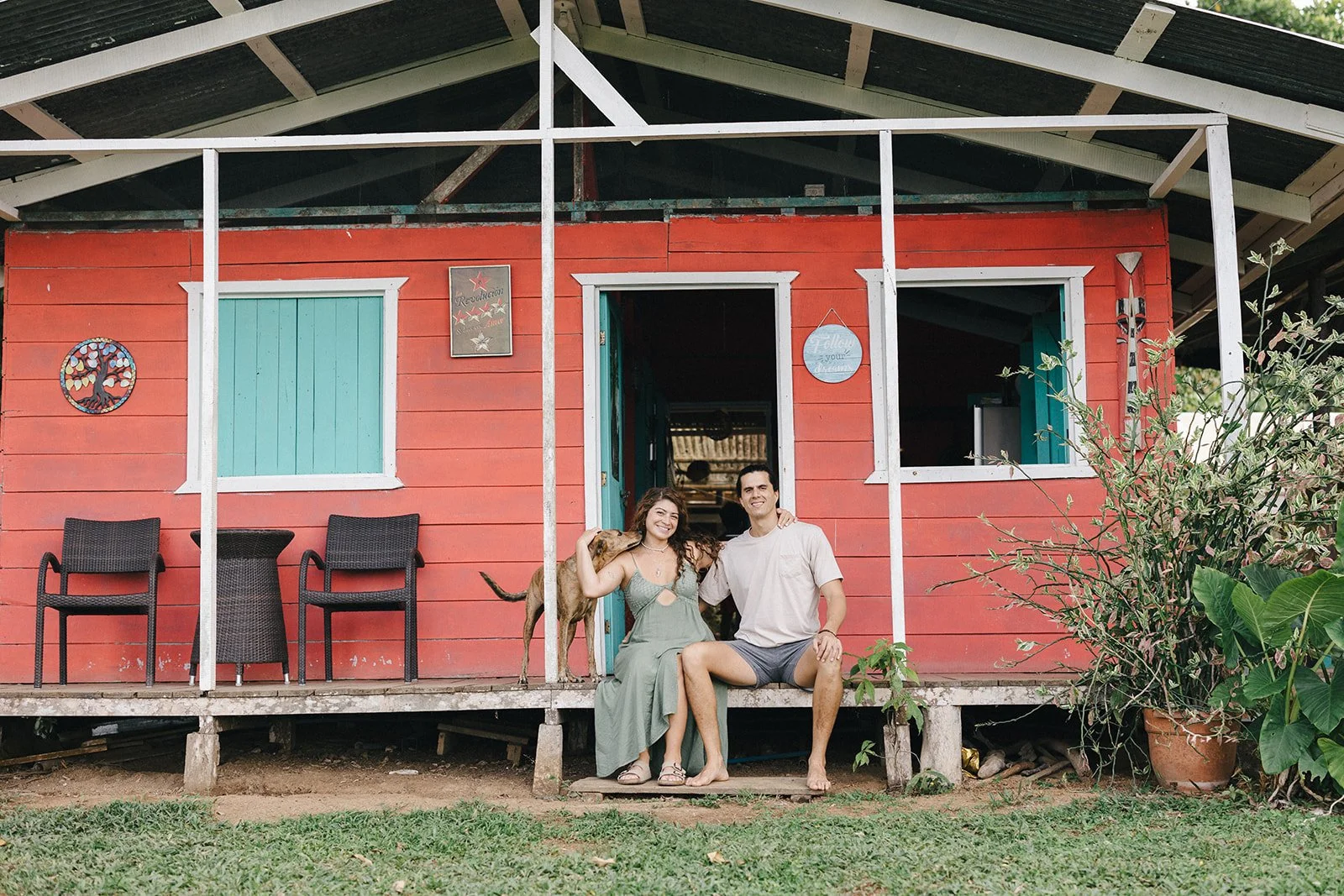
The lodge is home to just four open-air cabins, each built from locally sourced materials and designed with simplicity in mind. Timber, natural textures, and generous openings allow fresh air, birdsong, and filtered jungle light to move freely through the spaces, dissolving the boundary between indoors and out. The architecture quietly frames the landscape, allowing the surrounding rainforest to remain the main attraction.
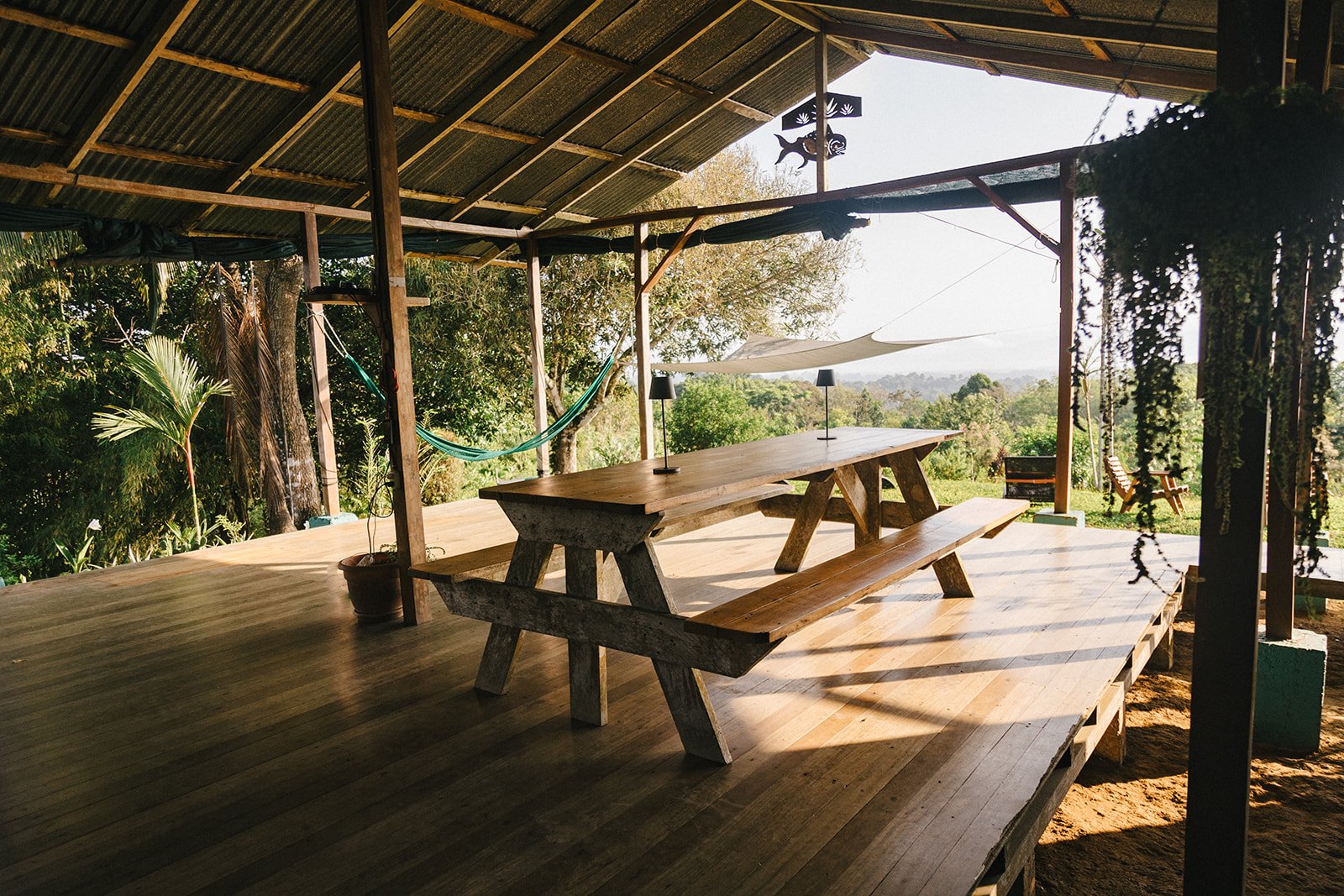
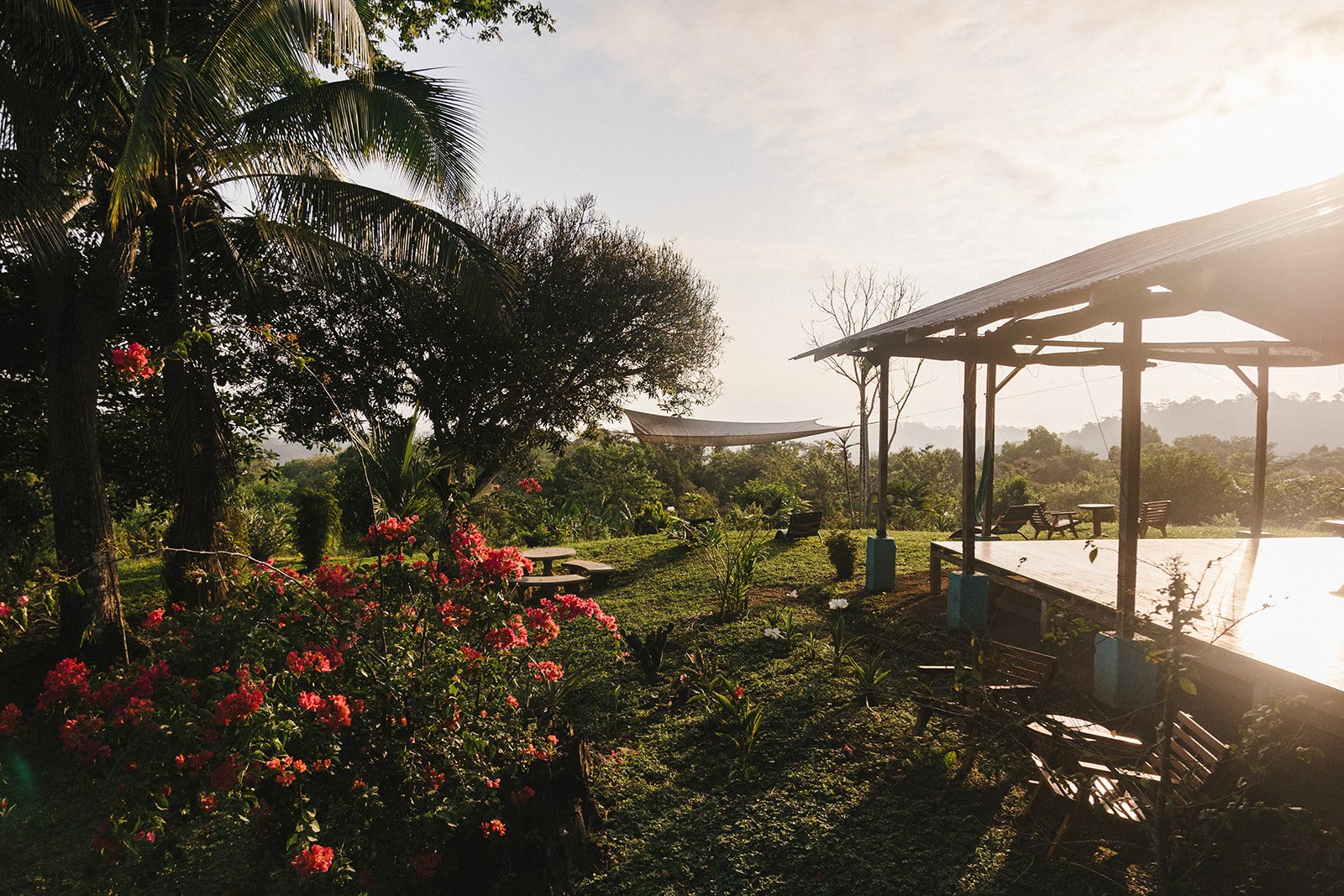
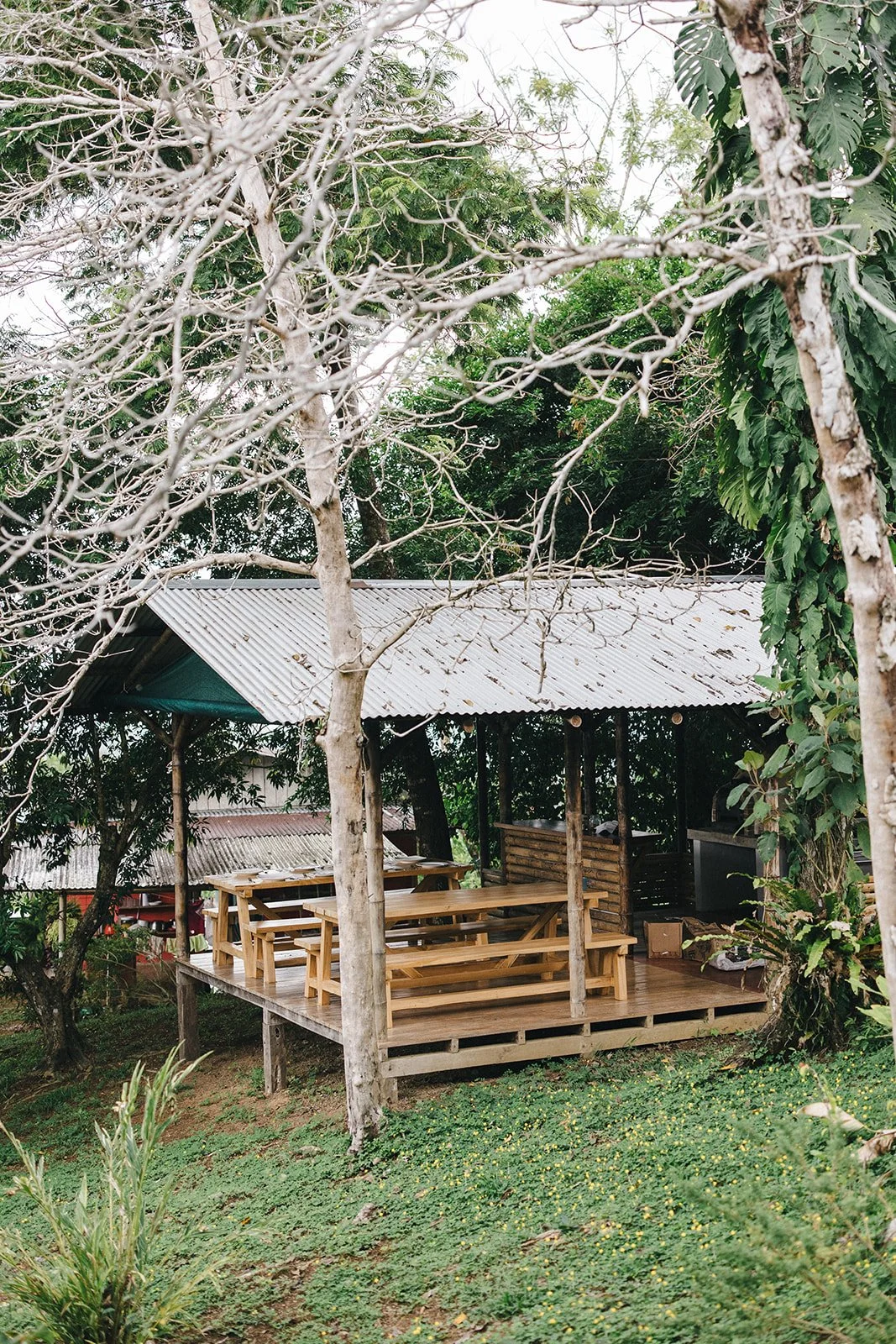
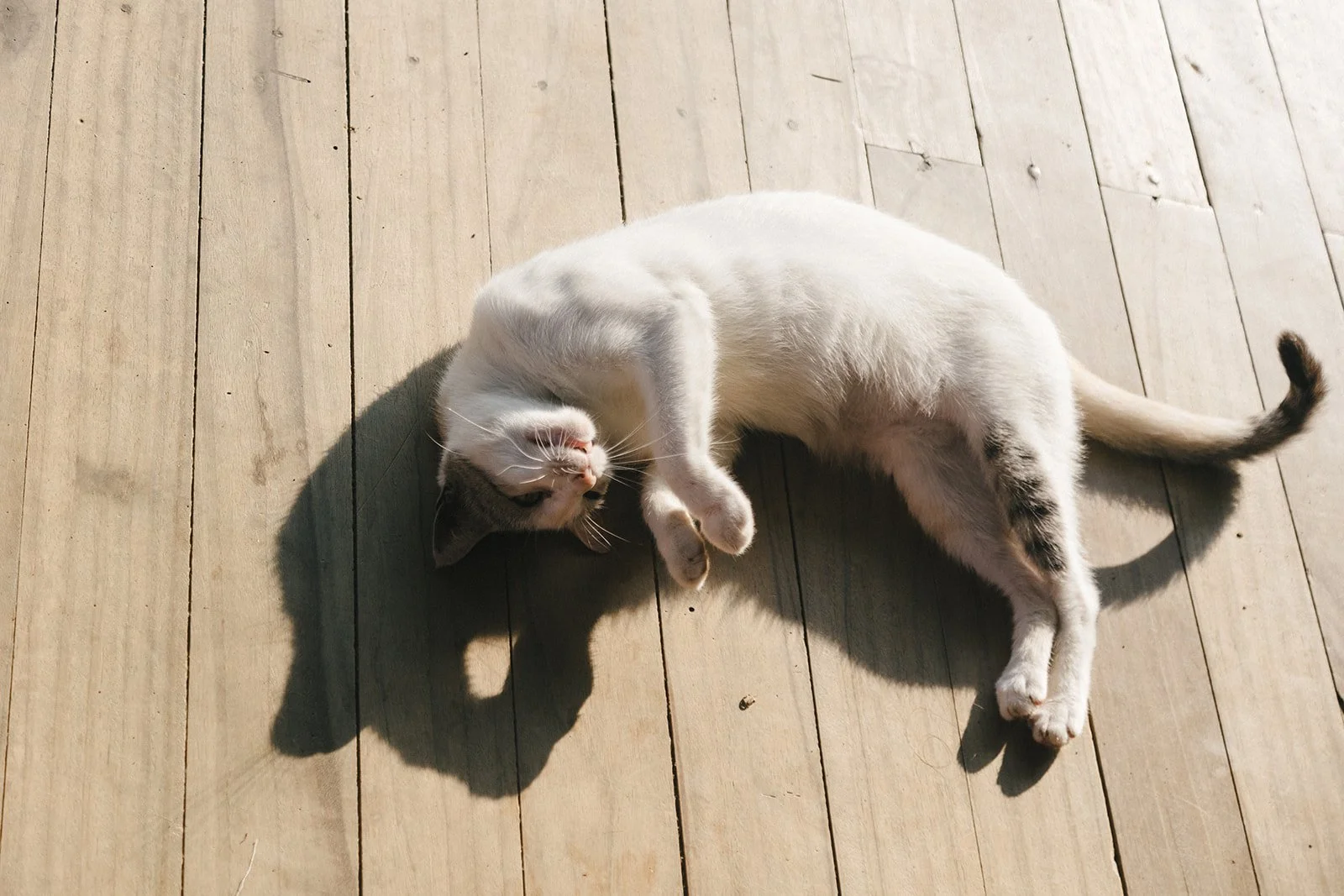
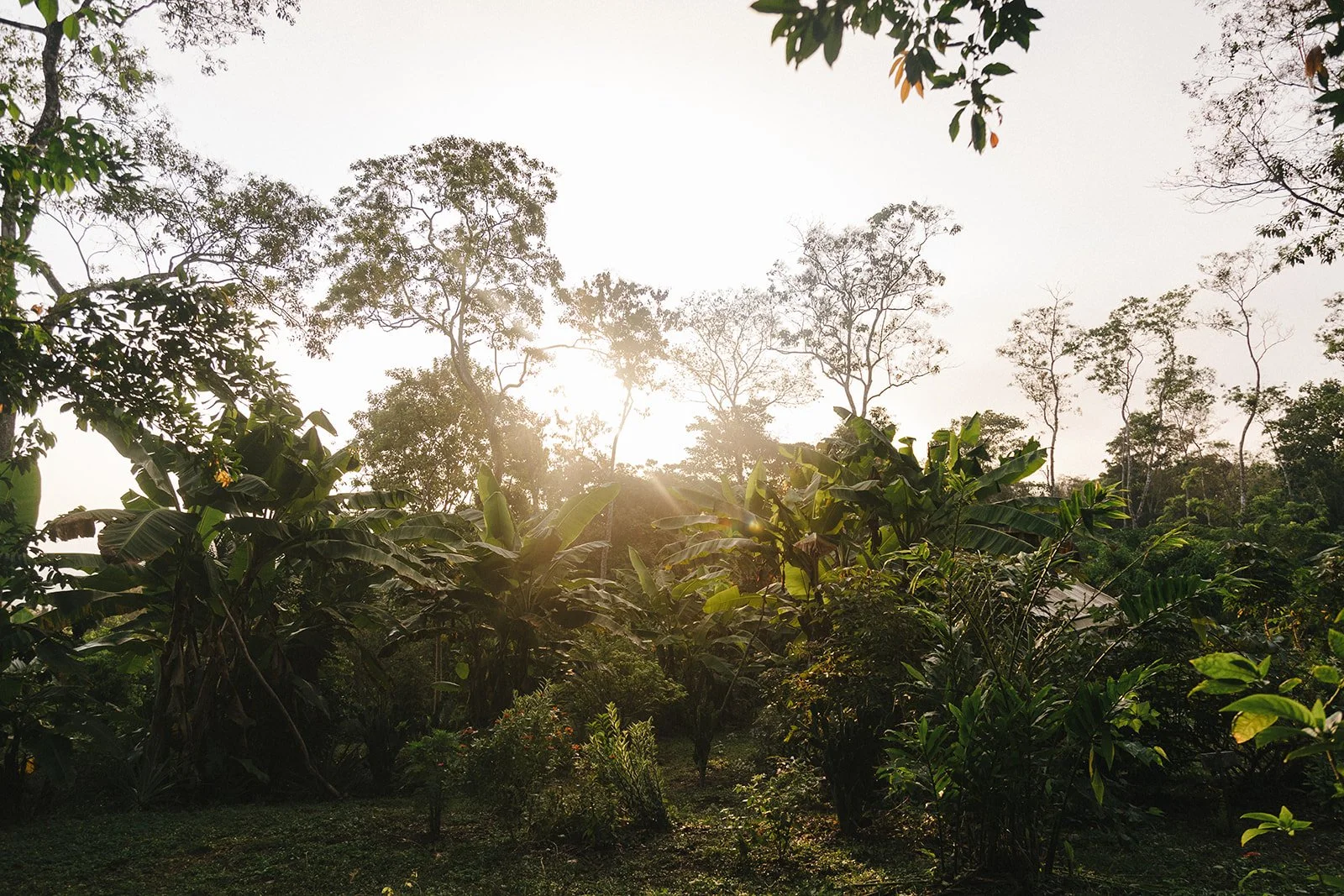
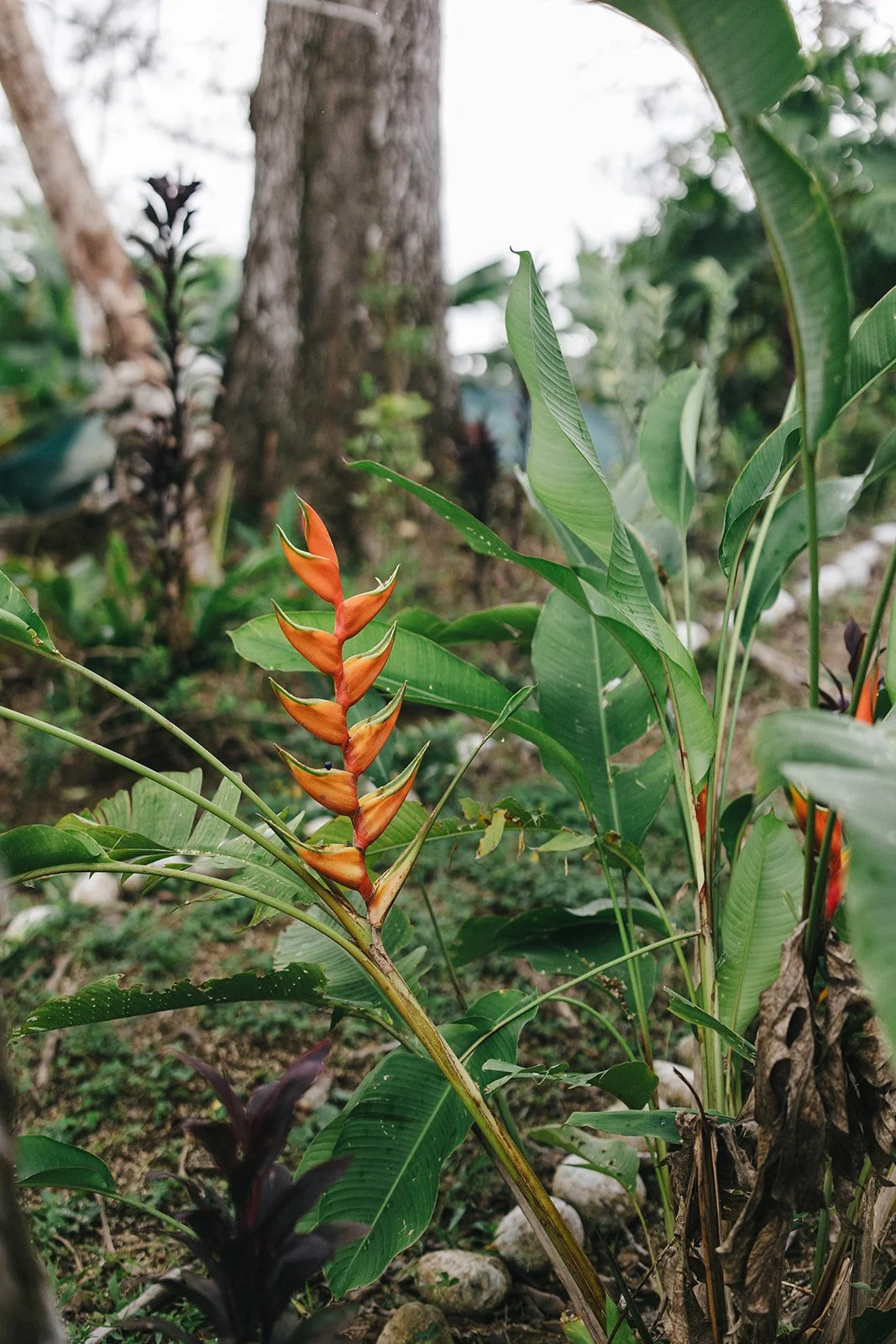
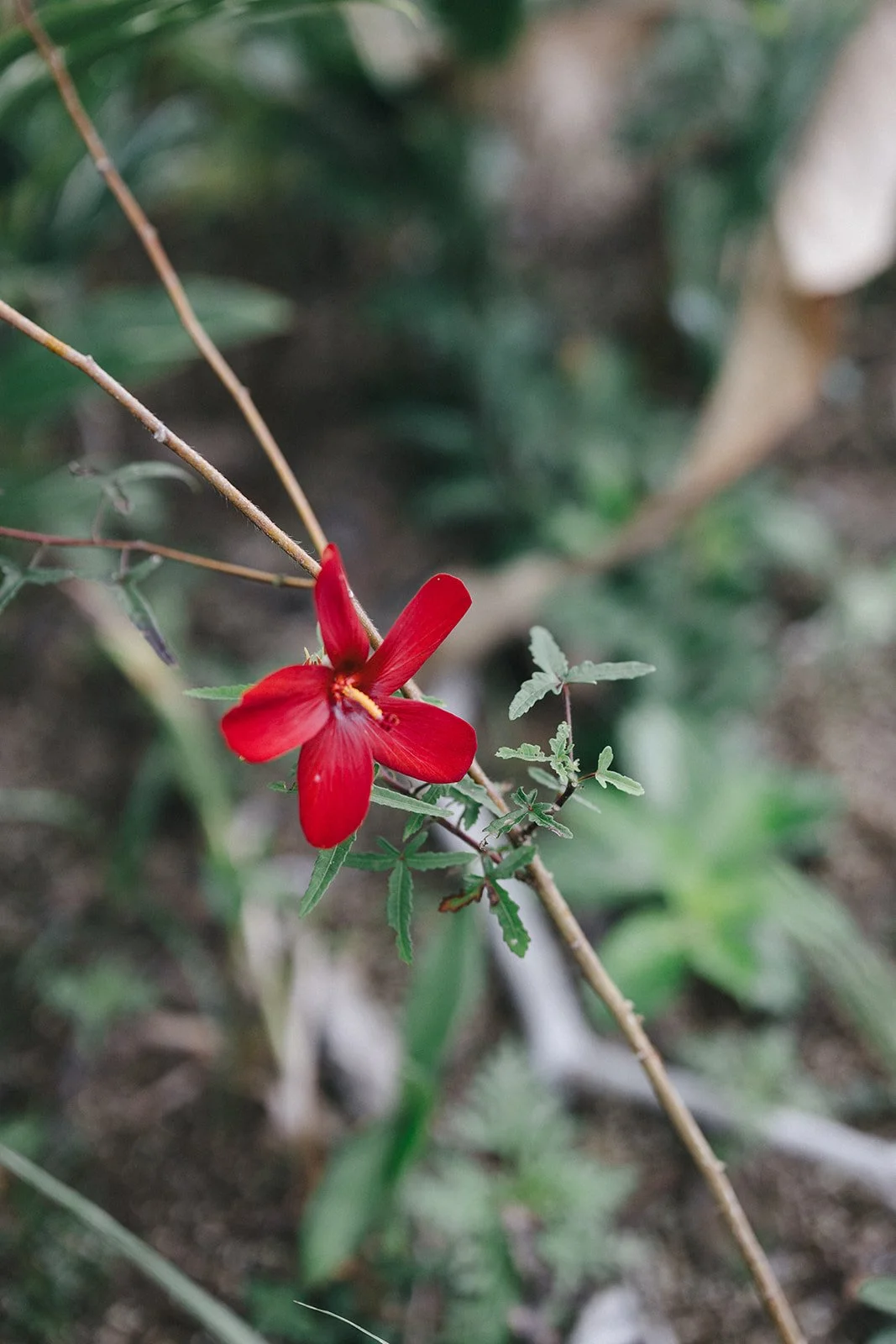
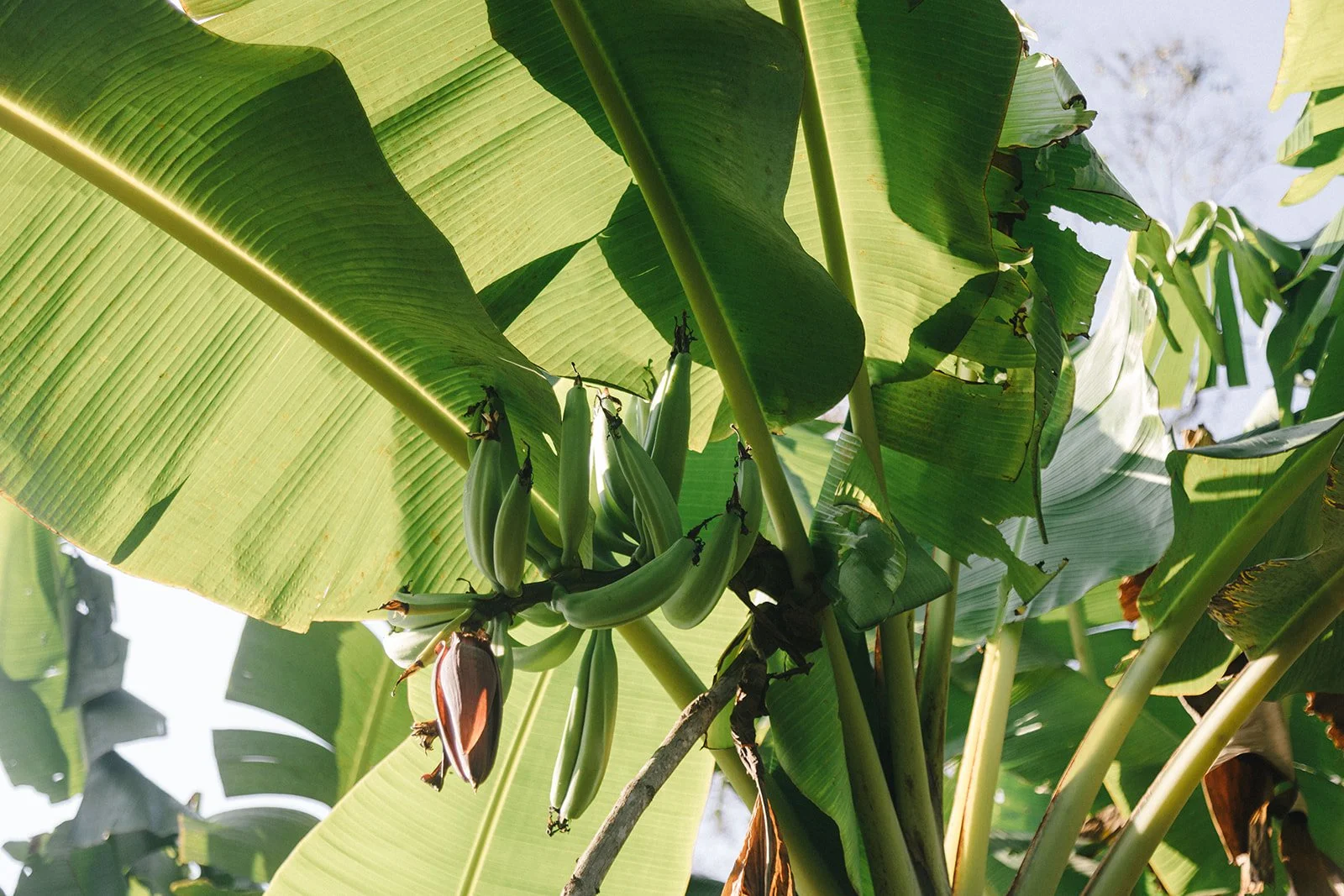
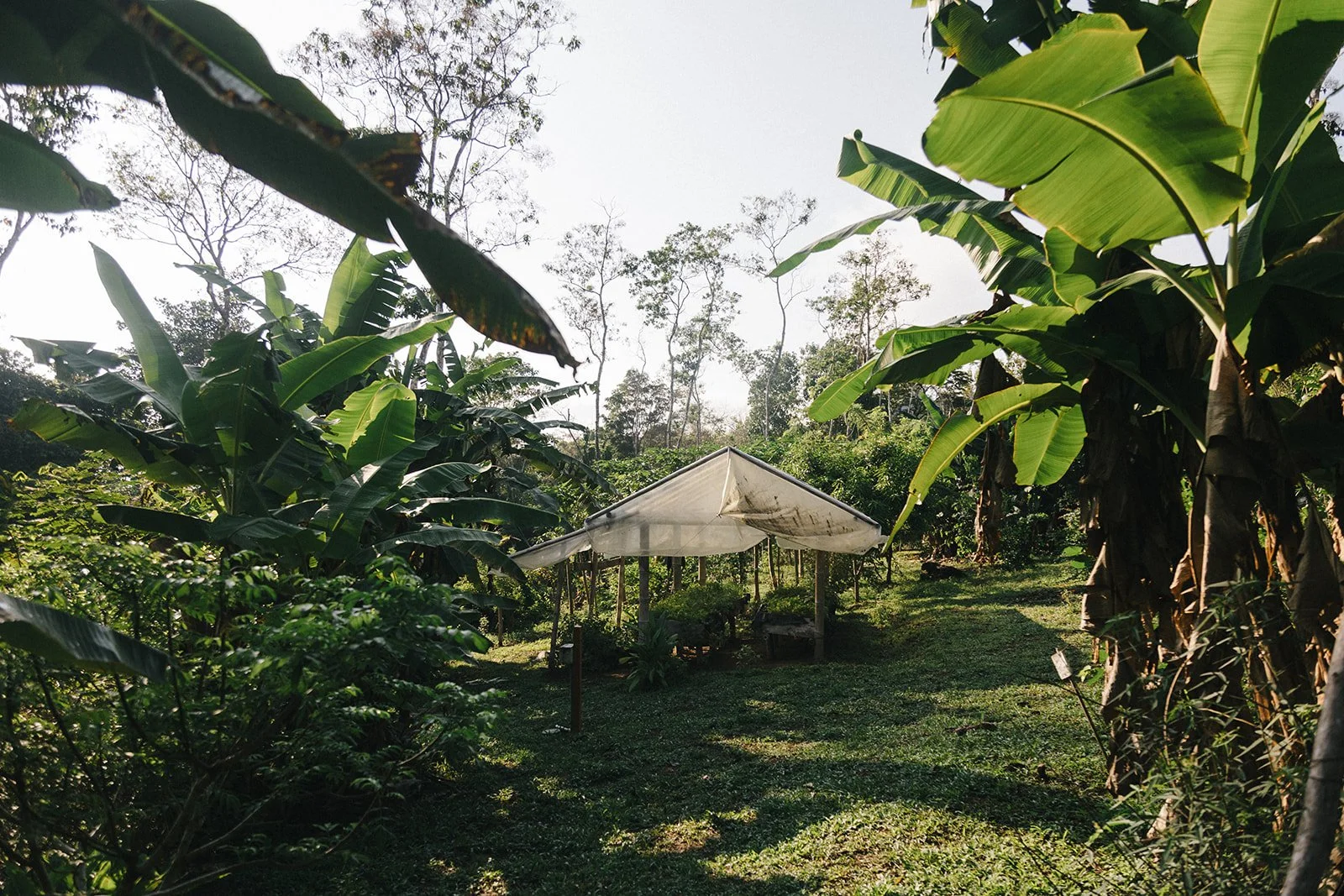
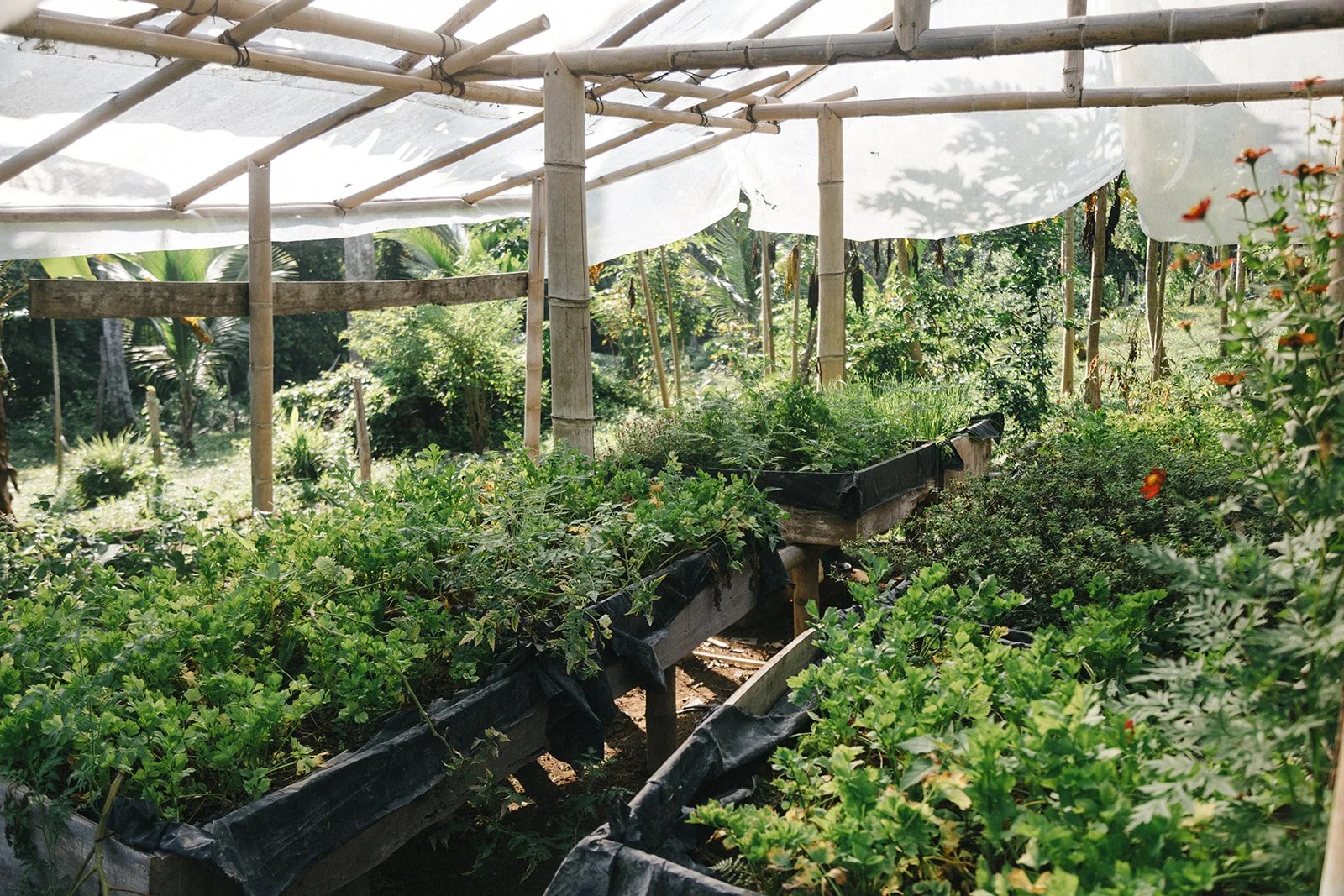
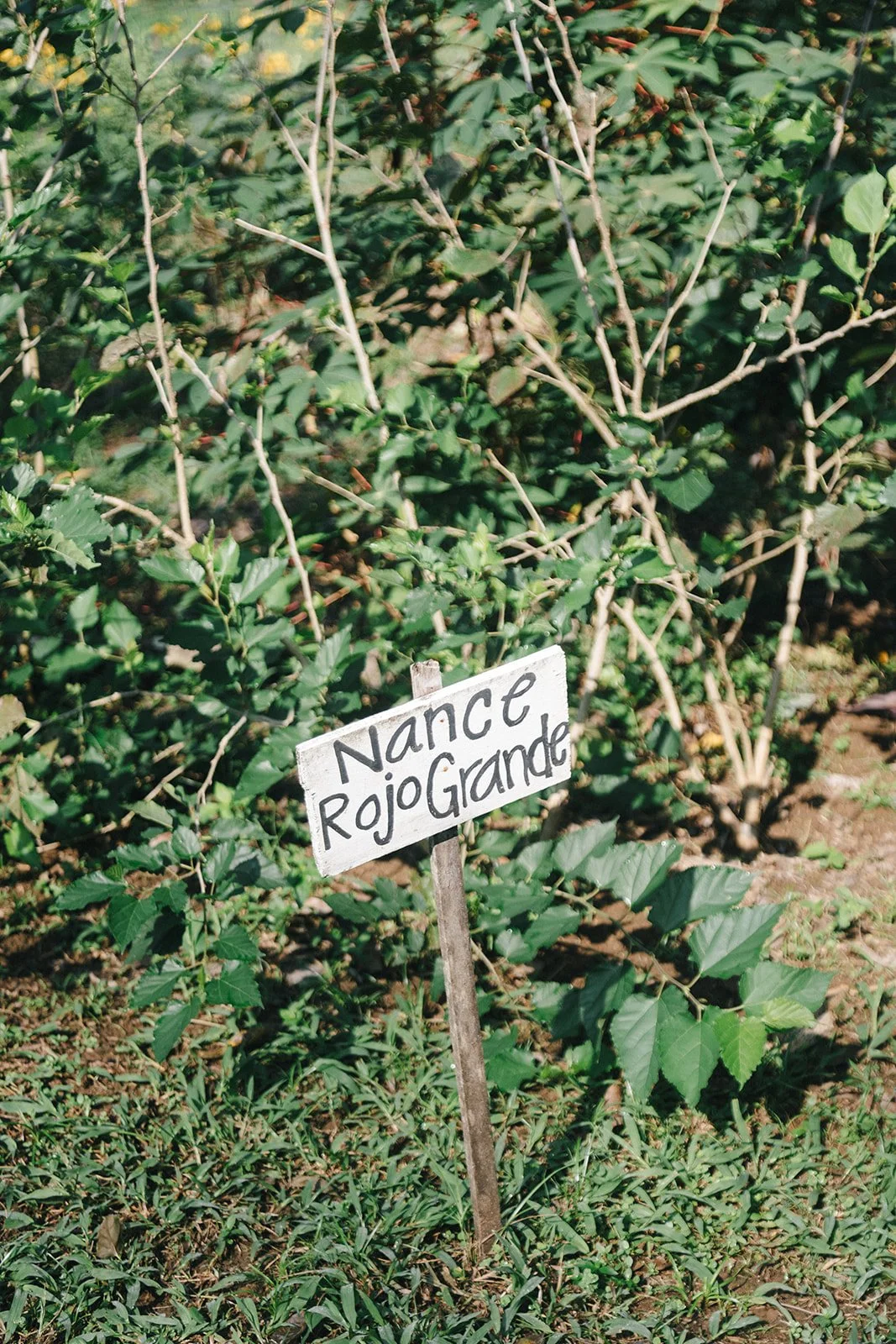
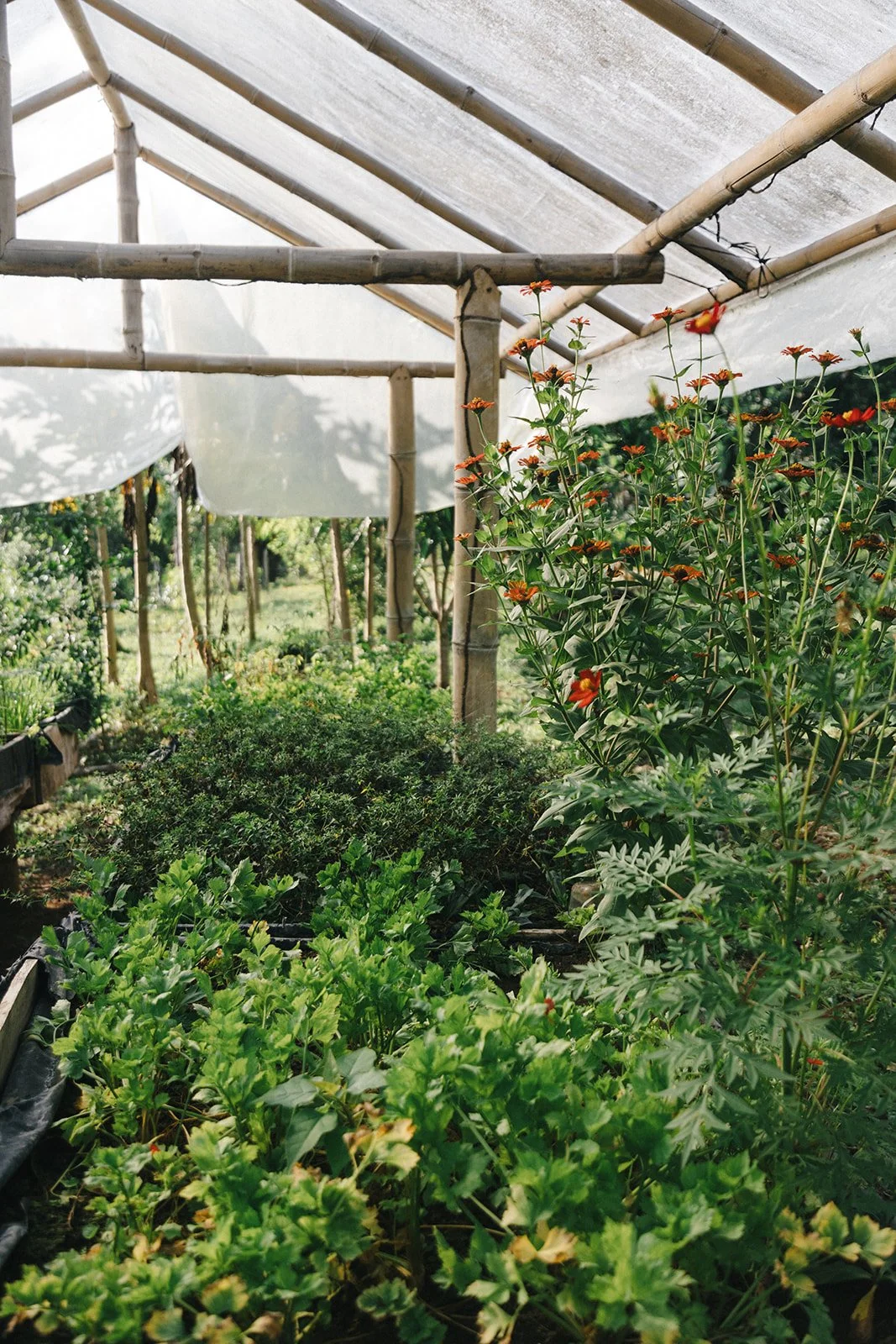
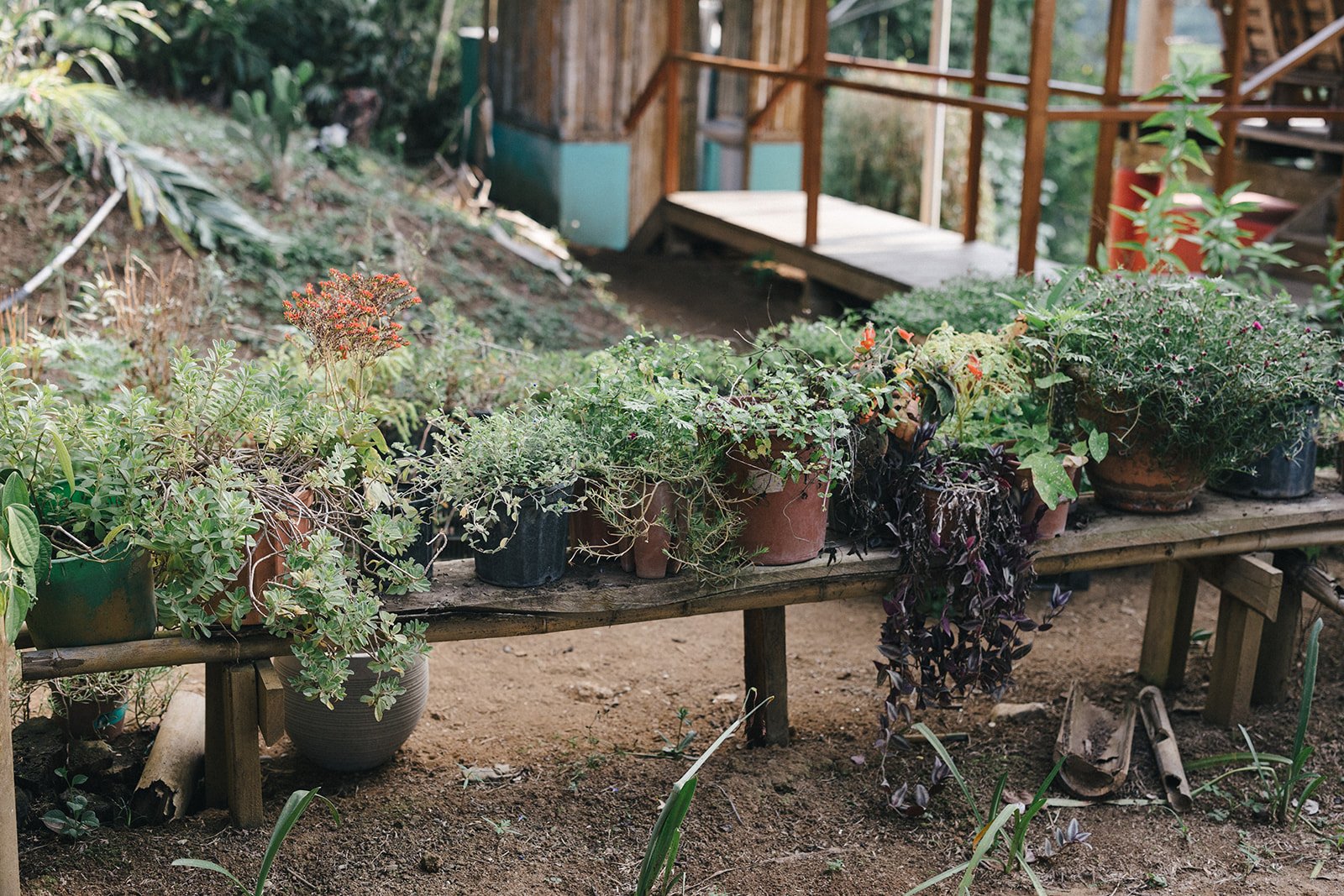
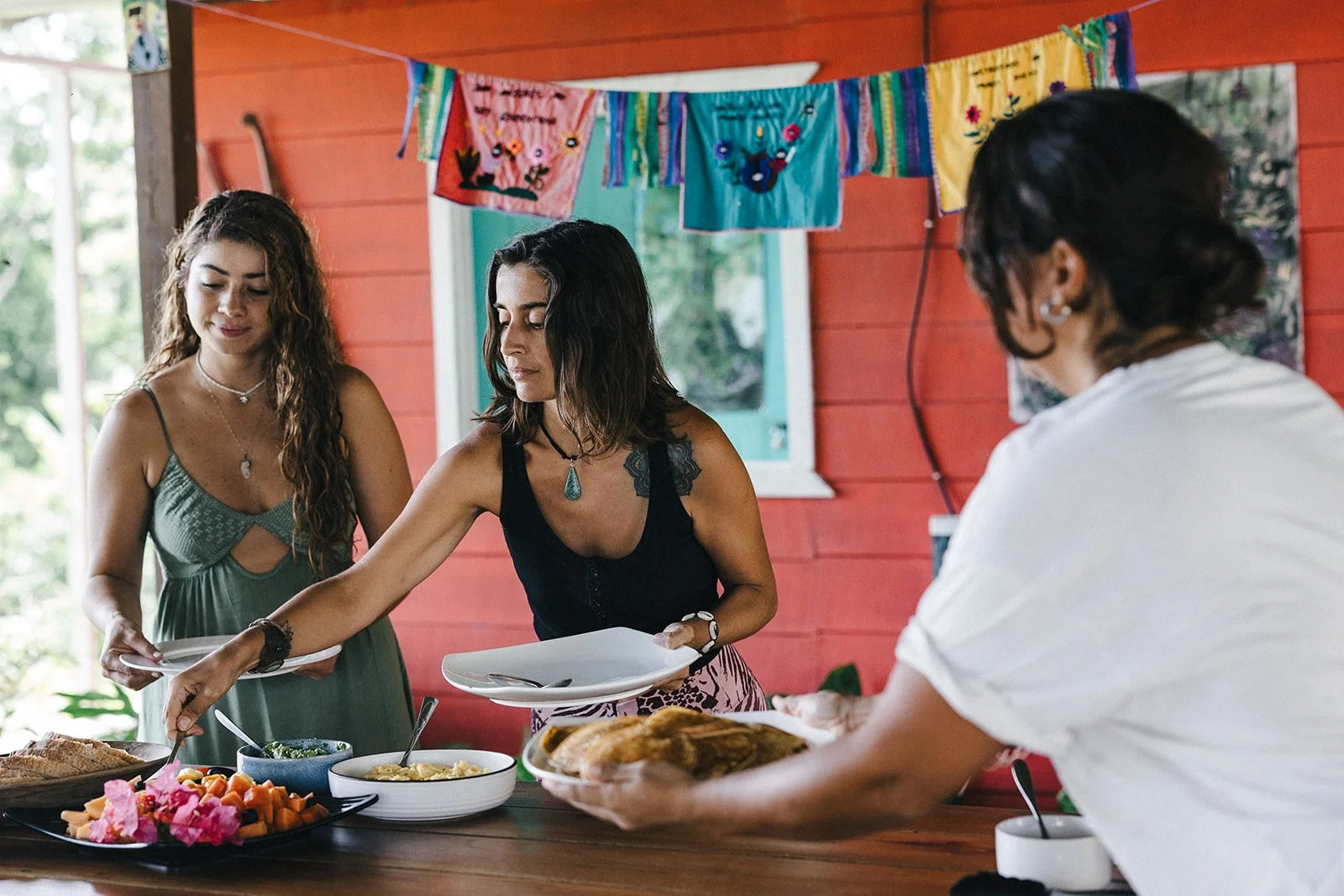
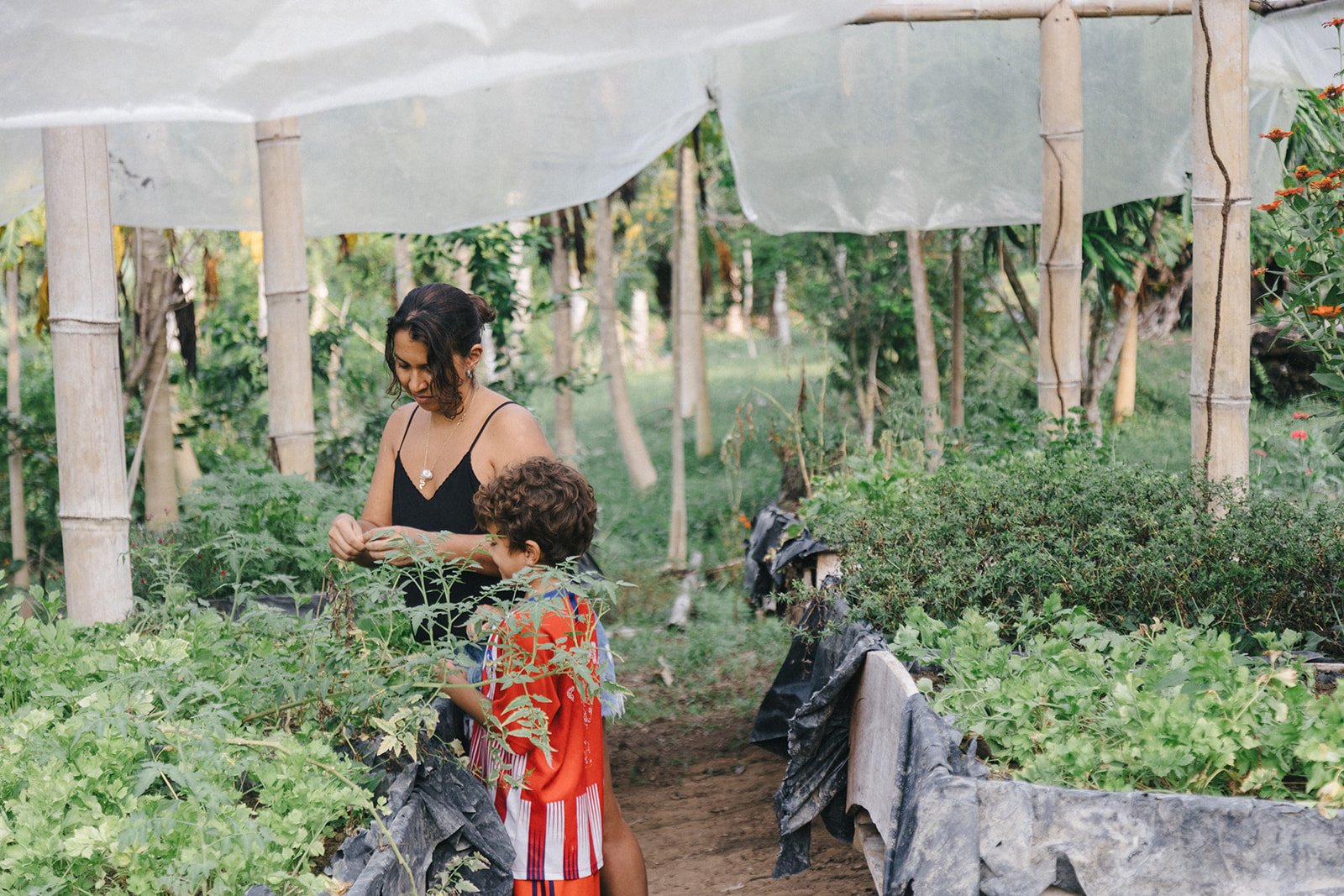
Life at Balsa Nueva revolves around the rhythms of a working farm. Goats, lambs, horses, chickens, and ducks wander the property, while an edible garden supplies much of what appears on the table at Alma Tierra Café. Mornings begin with Costa Rican coffee overlooking the jungle, afternoons unfold beneath swaying palms, and evenings settle into a chorus of frogs and insects. There are no crowds or scheduled entertainment here, only the quiet satisfaction of spending time in a place where hospitality grows directly from the land.
WHY WANDER
The Osa Peninsula rewards those willing to take the slower route. Horseback rides led by a neighbouring family farm wind through the forests and farmland of La Balsa, offering an authentic glimpse into everyday life while directly supporting the local community. Hidden back roads continue toward Carate and the edge of Corcovado National Park, revealing a quieter side of the peninsula that few visitors experience.
Corcovado National Park lies within easy reach and protects one of the most biologically intense places on Earth. Guided hikes reveal towering primary rainforest, elusive tapirs, monkeys, scarlet macaws, and an astonishing diversity of plants and wildlife. Back on the water, the sheltered Golfo Dulce offers mangrove kayaking, bioluminescence tours where each paddle stroke illuminates the water after dark, and seasonal whale watching between July and October as humpbacks migrate through the gulf.
For a taste of local life, nearby Puerto Jiménez offers small markets, cafés, and a welcoming community that serves as the gateway to the peninsula. It is a place to linger rather than rush, where conversations happen over coffee, fishermen return with the day's catch, and the rhythm of life remains closely tied to both the rainforest and the sea.
Indulge In
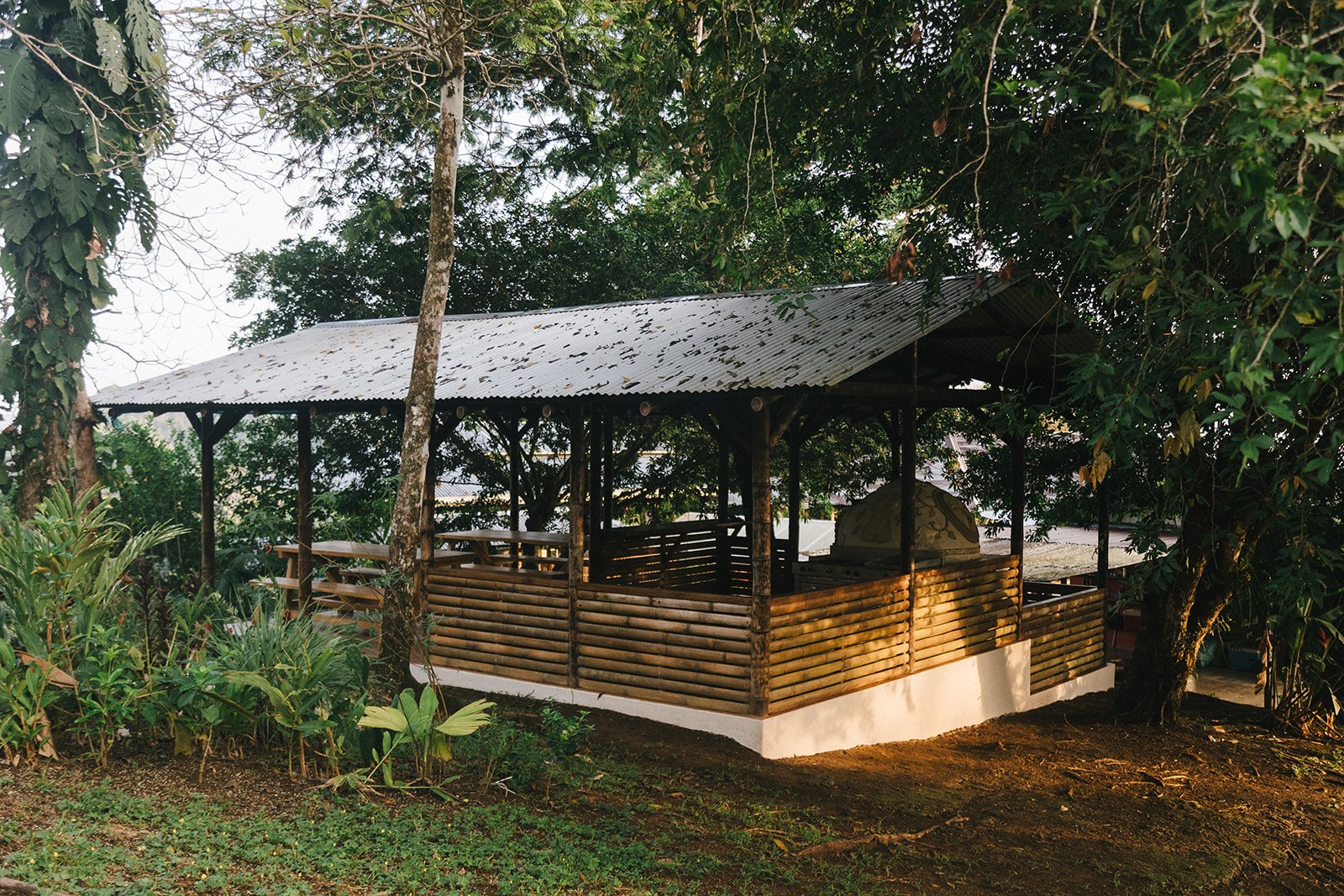
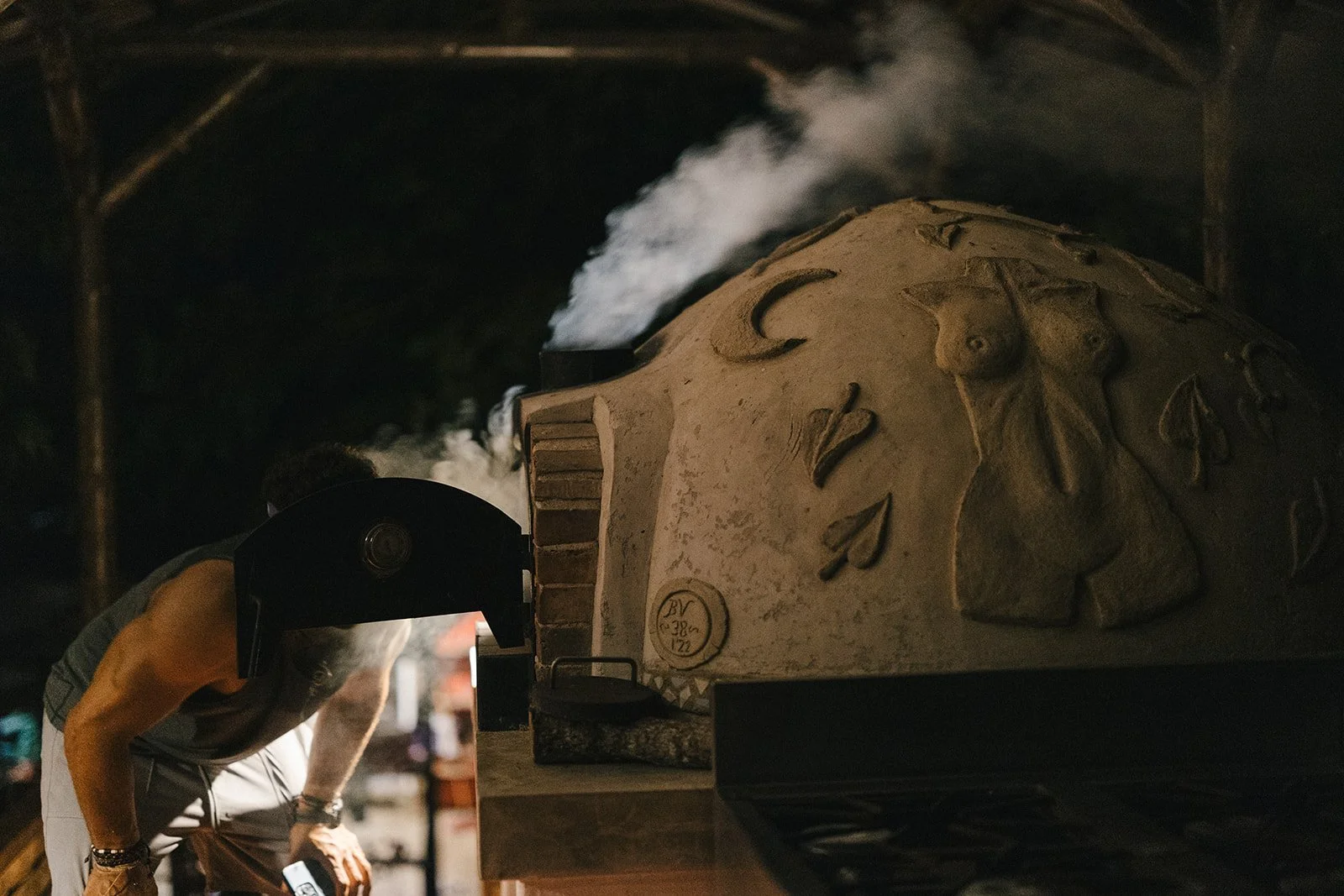
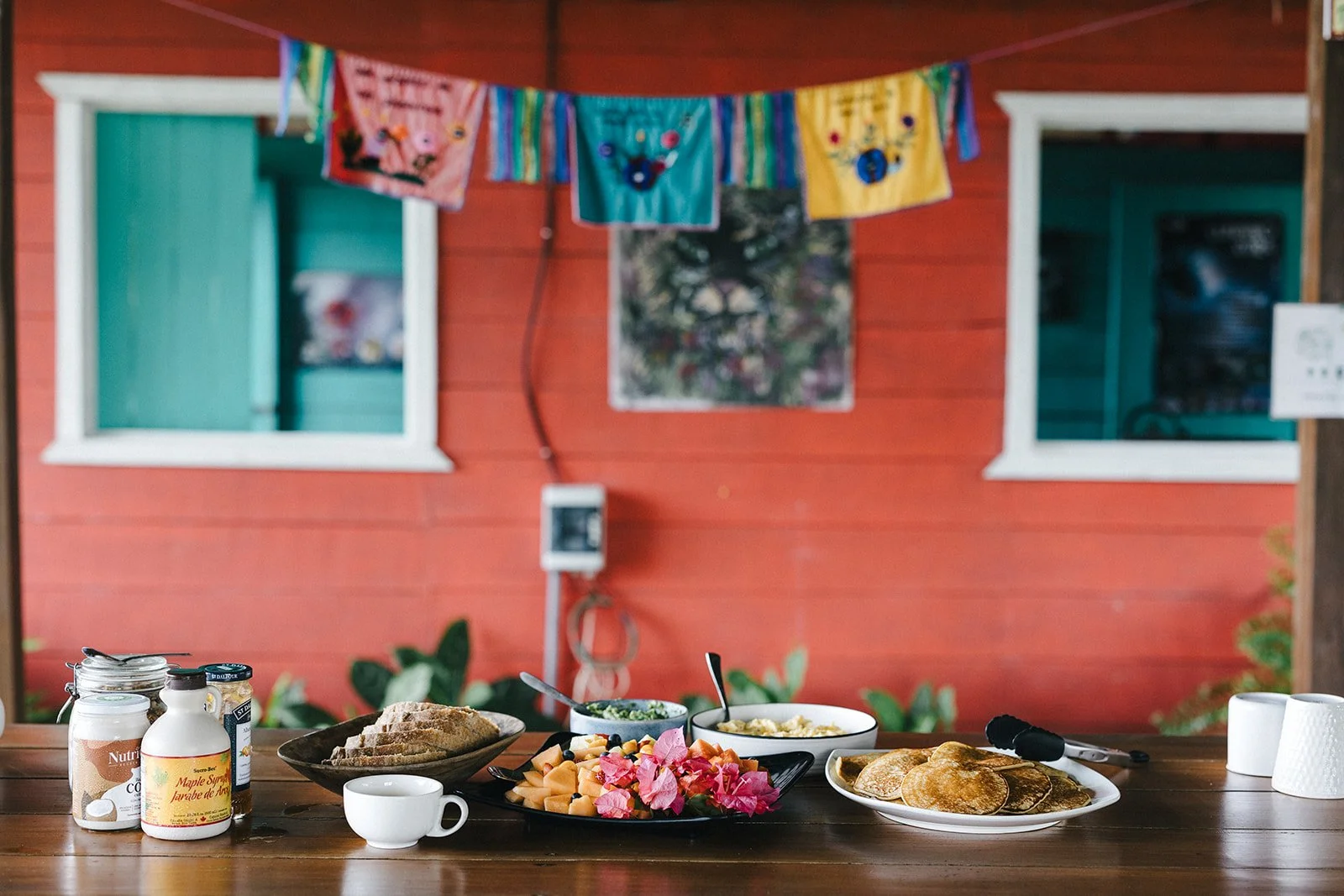
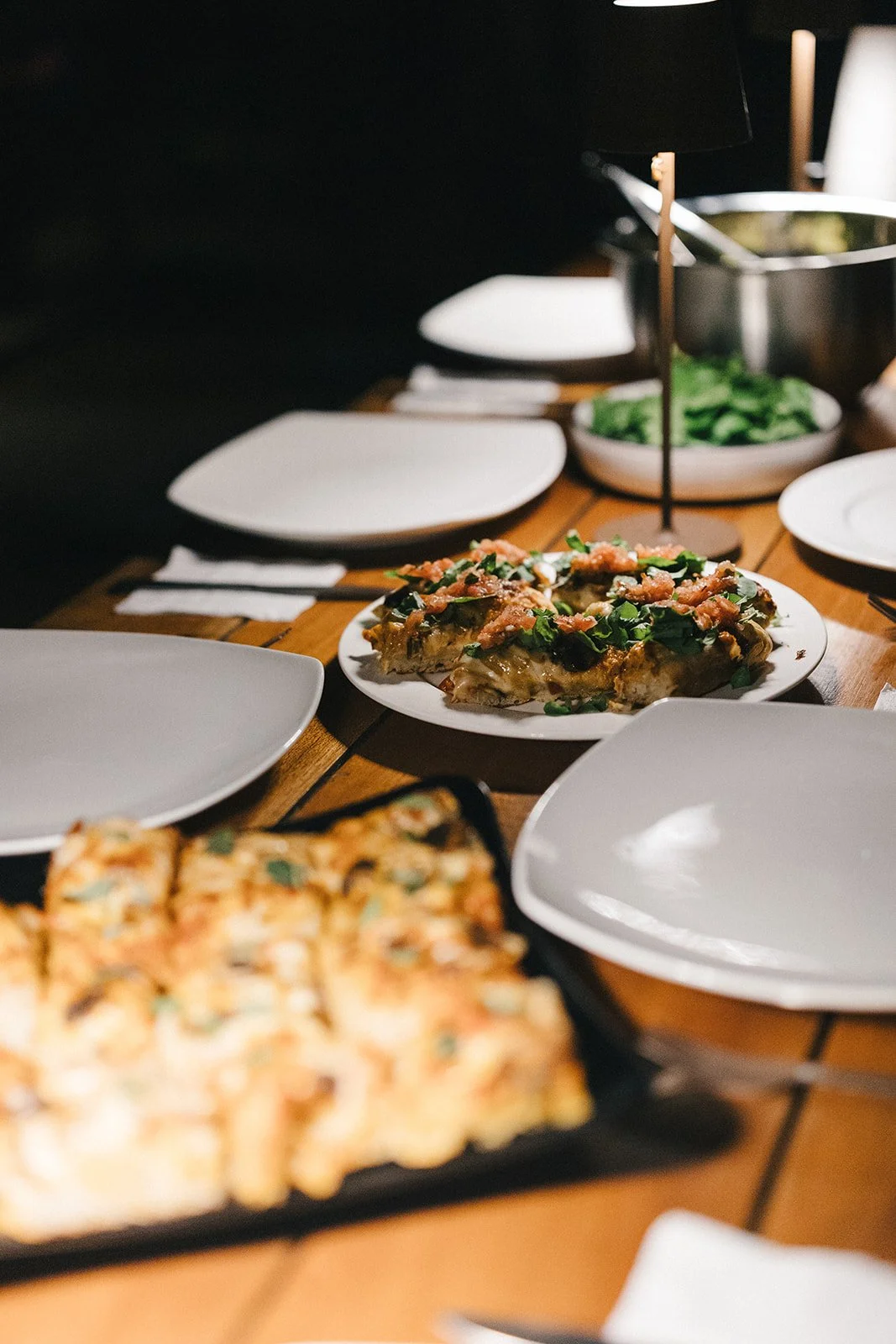
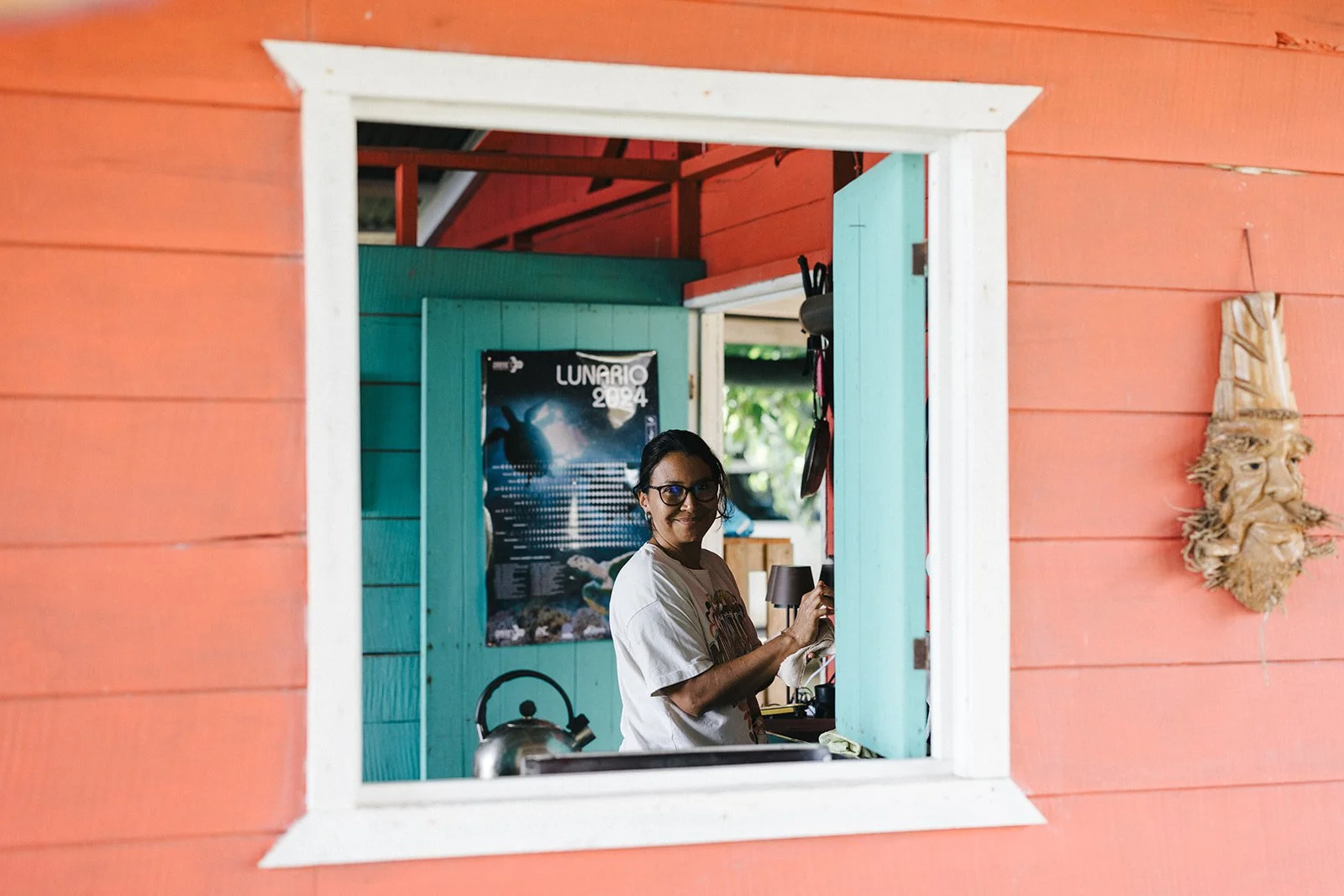
Alma Tierra Café is the heart of the farm, serving breakfast and dinner in an open-air setting overlooking the jungle. Seasonal menus are shaped by whatever the gardens, orchards, and surrounding landscape provide that day, creating meals that feel deeply connected to place. Guests can also reserve El Fogón de María, where native Costa Rican María Durán prepares traditional wood-fired recipes with hand-patted corn tortillas using techniques passed down through generations. Del Campo a la Mesa, hosted by Angélica, offers another intimate farm-to-table experience built entirely around the day's harvest. Both meals begin with a walk through the farm and gardens, welcoming guests into the story behind every ingredient. When the cows are producing, fresh butter, cheese, and sour cream are also made on the farm, making each visit slightly different from the last.

Getting There
Balsa Nueva Lodge is located 12 kilometres from Puerto Jiménez on the Osa Peninsula. The easiest route is a 45-minute domestic flight from San José to Puerto Jiménez with Sansa or Green Airways, followed by a short drive to the property. Guests can also travel overland from San José by shuttle or bus combined with the ferry through Golfito, a journey of approximately six to eight hours. A four-wheel-drive vehicle is recommended, particularly during the rainy season, and private transportation can be arranged upon request.
Wild Initiatives
Balsa Nueva Lodge is built around the idea that caring for the land begins with living alongside it. The working organic farm and edible gardens provide much of the produce served daily at Alma Tierra Café and during the property's immersive dining experiences, while neighbouring farms supply additional seasonal ingredients, creating a food system rooted in the surrounding community. Even the cabins tell the story of the land, having been constructed with teak, cedar, and naturally fallen cristóbal trees harvested directly from the property.
When the owners first acquired the land, much of it had been degraded by pasture and previous logging. Rather than forcing restoration, they allowed the rainforest to regenerate at its own pace over the past two decades. Today, the returning forest surrounds the lodge, creating habitat for countless species within one of the most biodiverse regions on the planet. Farm animals are raised on a small scale with care, dairy is produced only seasonally, and every stay offers guests the opportunity to experience conservation not as an idea, but as a living landscape.