
CASA NA TERRA
PORTUGAL

THE PERSONALITIES
Grounded minimalists.Design purists. Slow travelers with an eye for detail. Couples seeking quiet immersion. Architectural pilgrims.
MOMENTS
Light filtering through clay walls. Bare feet on cool stone. Wind moving through cork trees. Afternoons dissolving into stillness.Firelight and long shadows. Silence that feels intentional.
BEST VISITING MONTHS
Set in Portugal’s Alentejo region, Casa Na Terra unfolds with the seasons in a way that rewards timing. Spring from April to June brings wildflowers, soft temperatures, and a brief moment when the landscape turns green and alive. Autumn from September to October offers a similar balance with warm days, cooler evenings, and a slower rhythm across the region. Summer is defined by intense heat and golden plains stretching under an endless sky, while winter invites solitude, softer light, and a more introspective experience rooted in stillness.
COST

WHY STAY
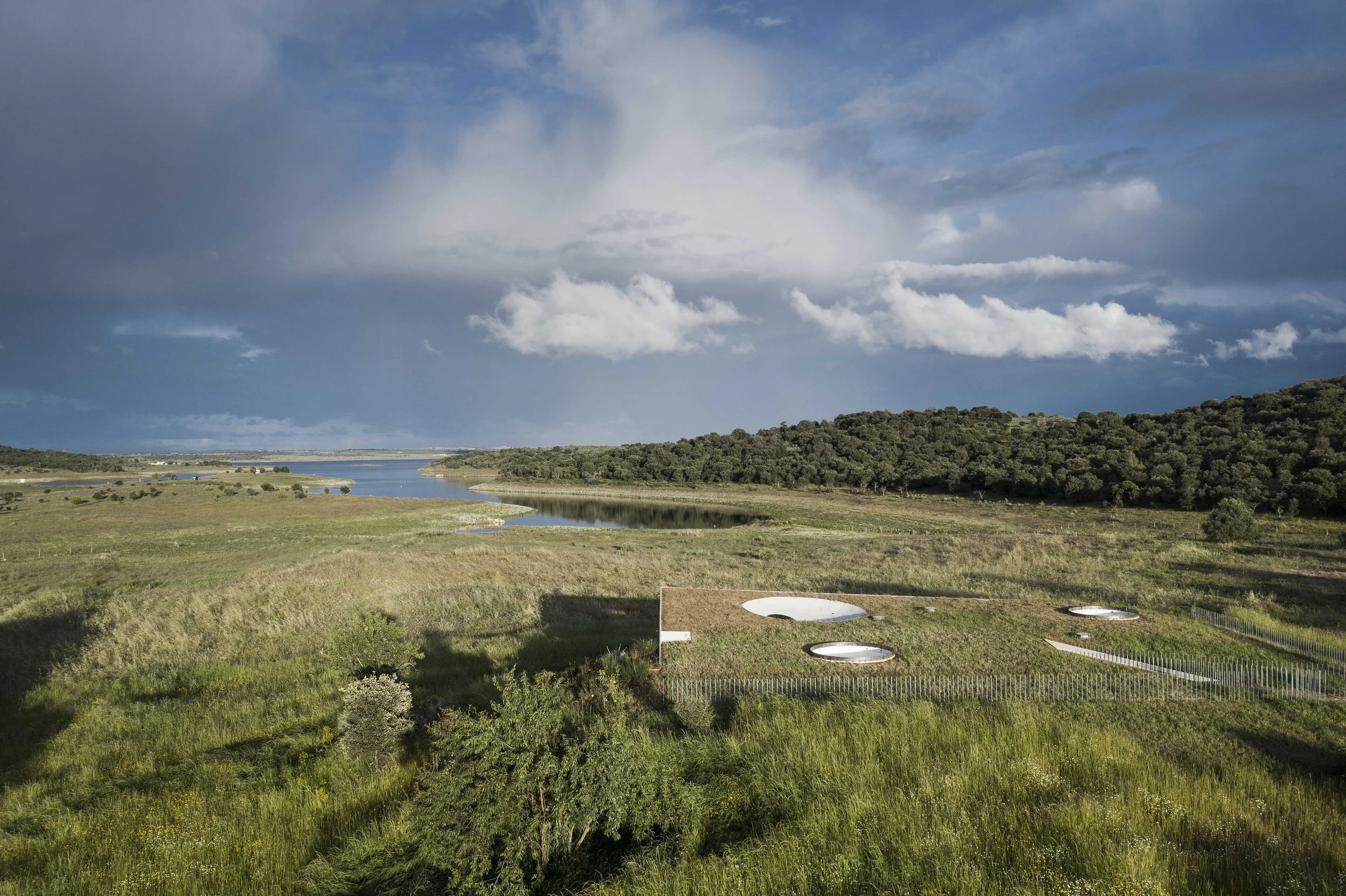
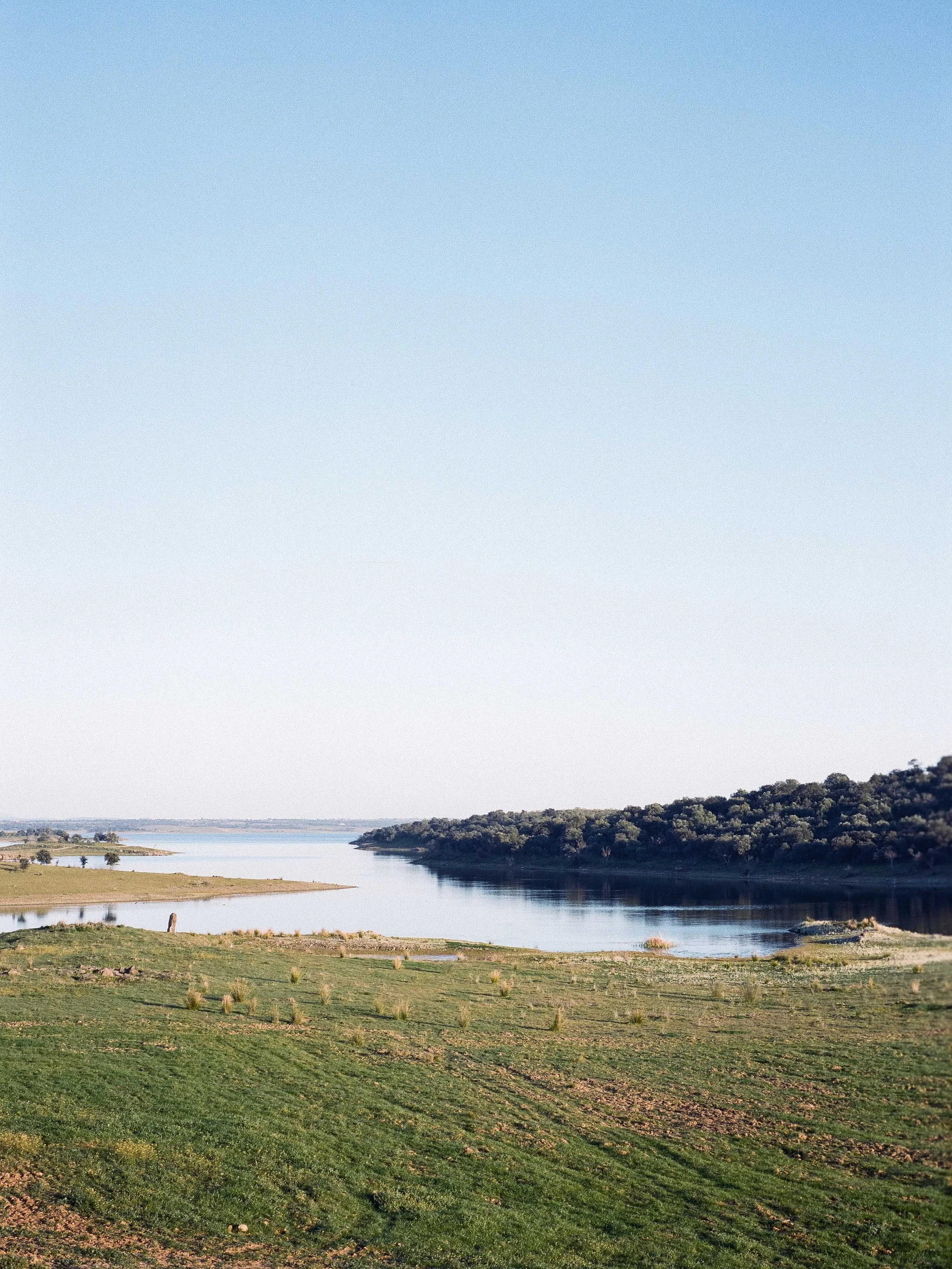
Casa Na Terra is immersed in the vast openness of the Alentejo, where cork oak forests, rolling plains, and expansive skies shape a landscape that feels both raw and deeply calming. Removed from the coastal energy of Portugal, the setting is quiet and elemental, allowing space to disconnect and settle into a slower pace that mirrors the land itself.
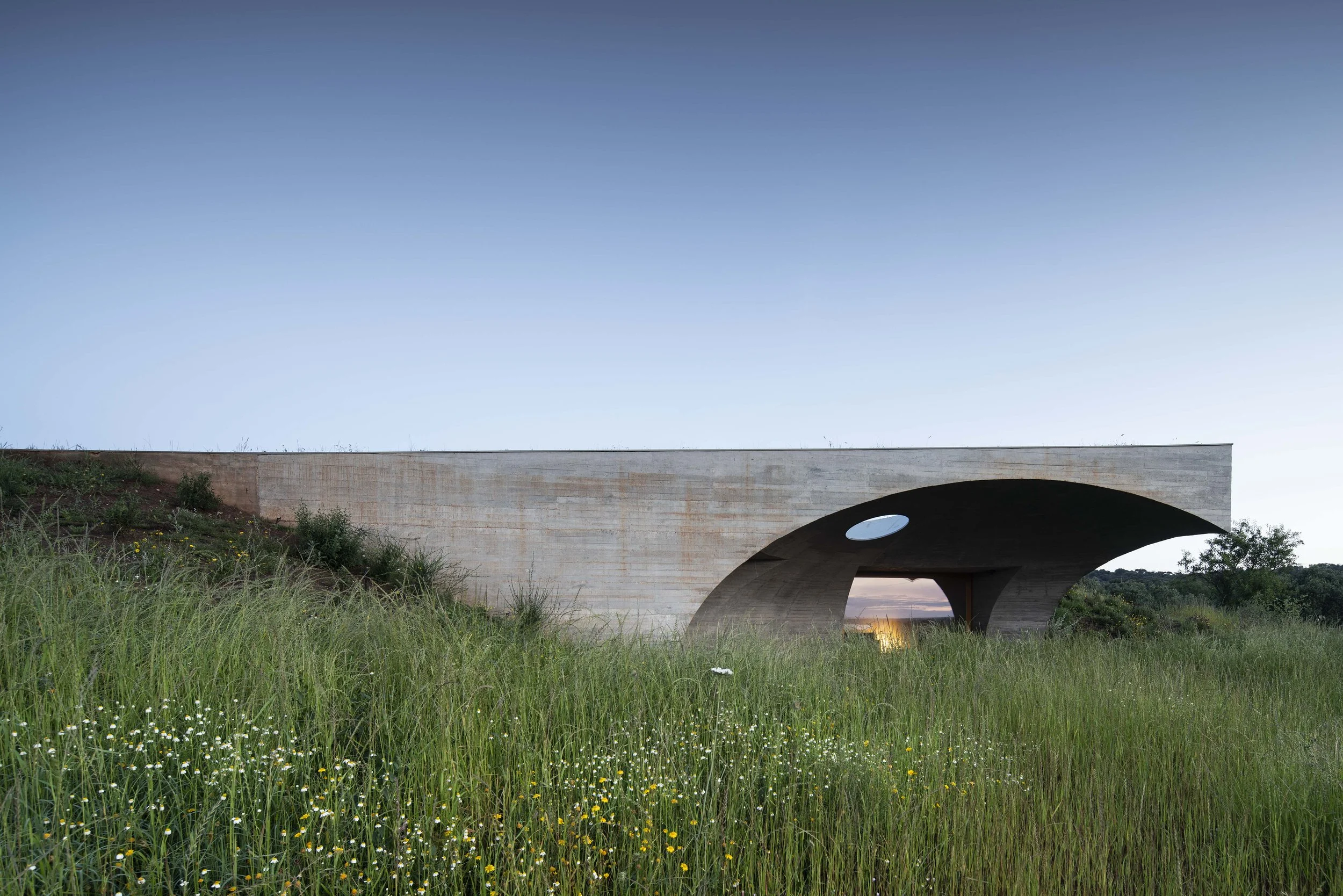
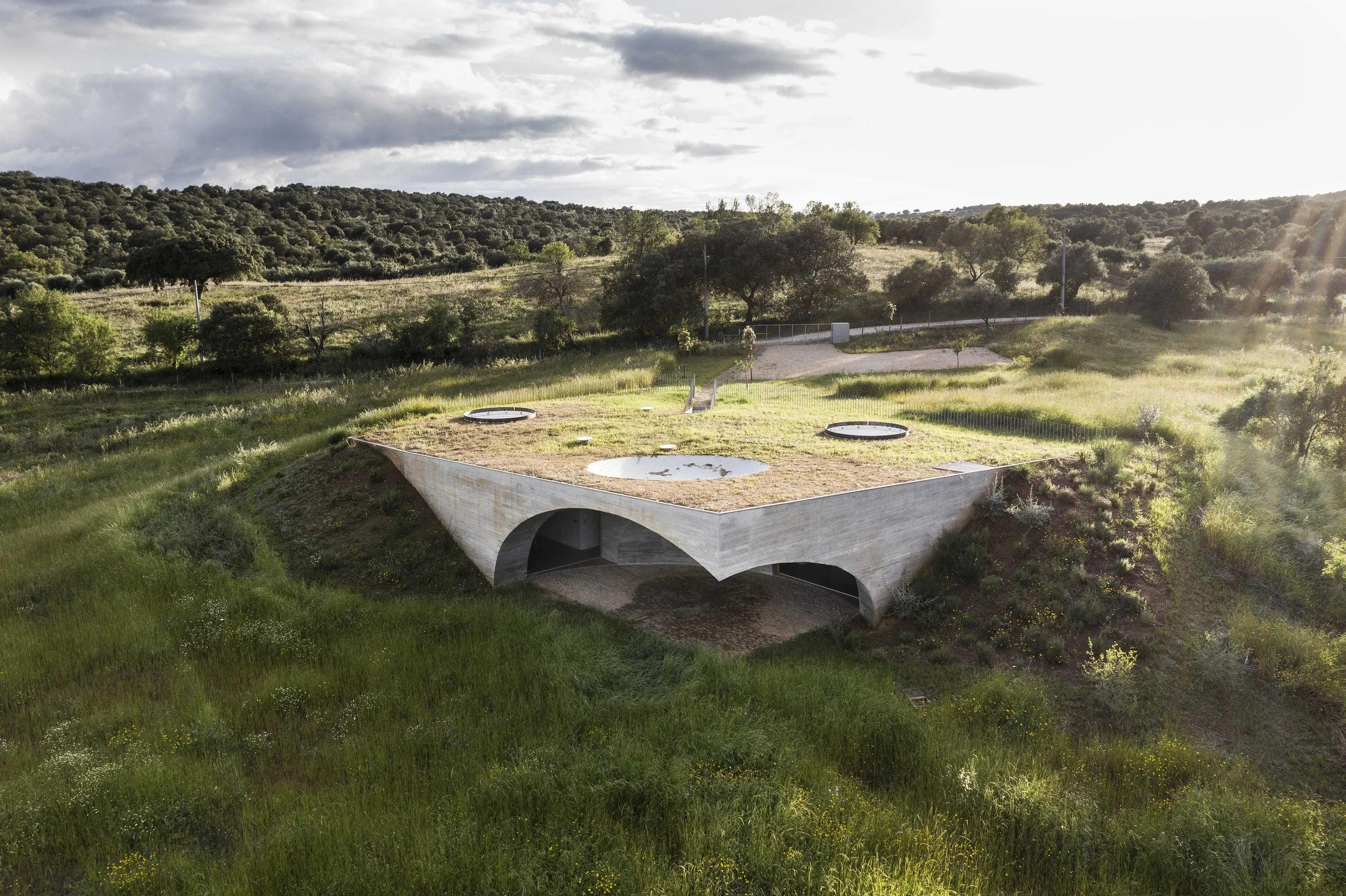
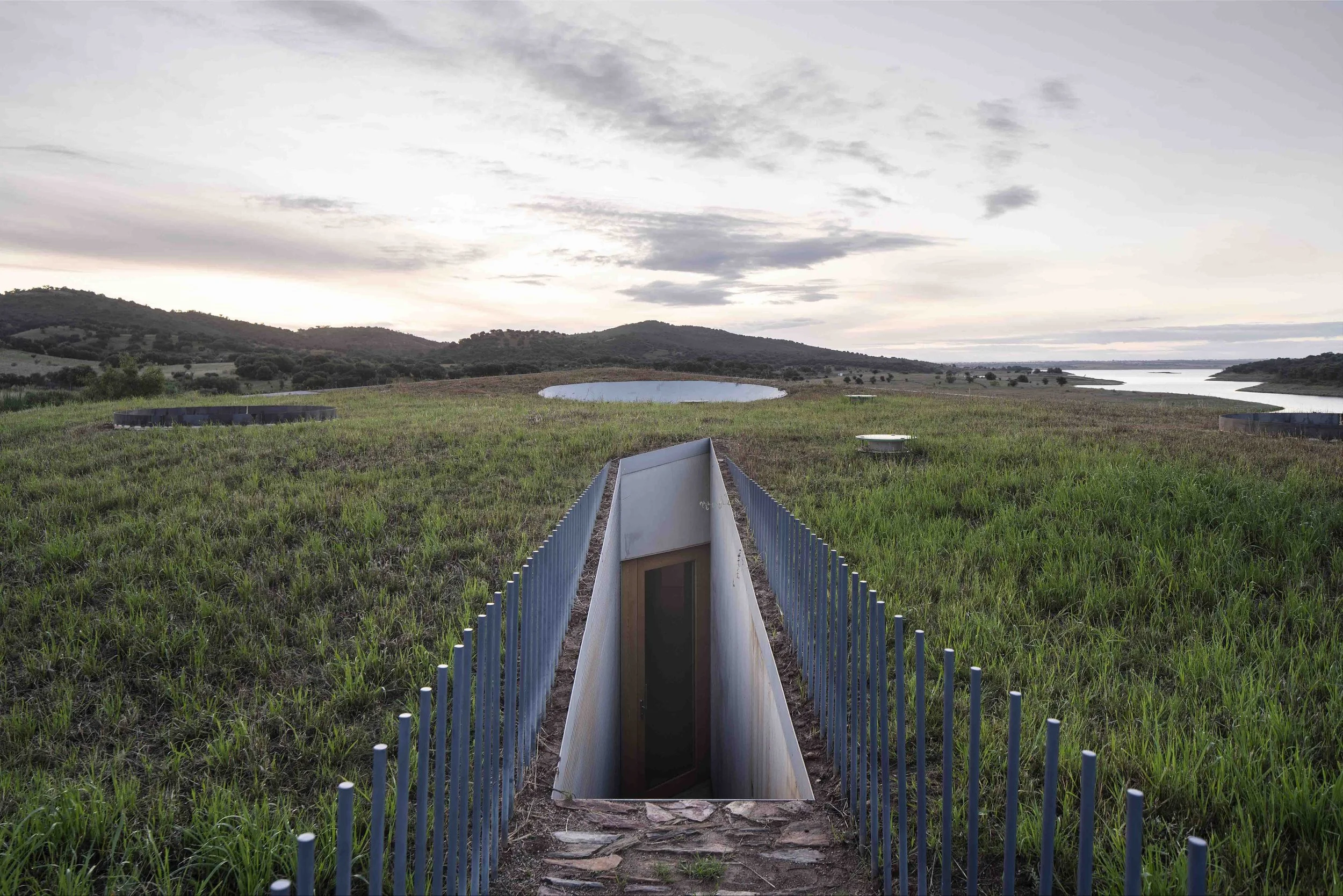
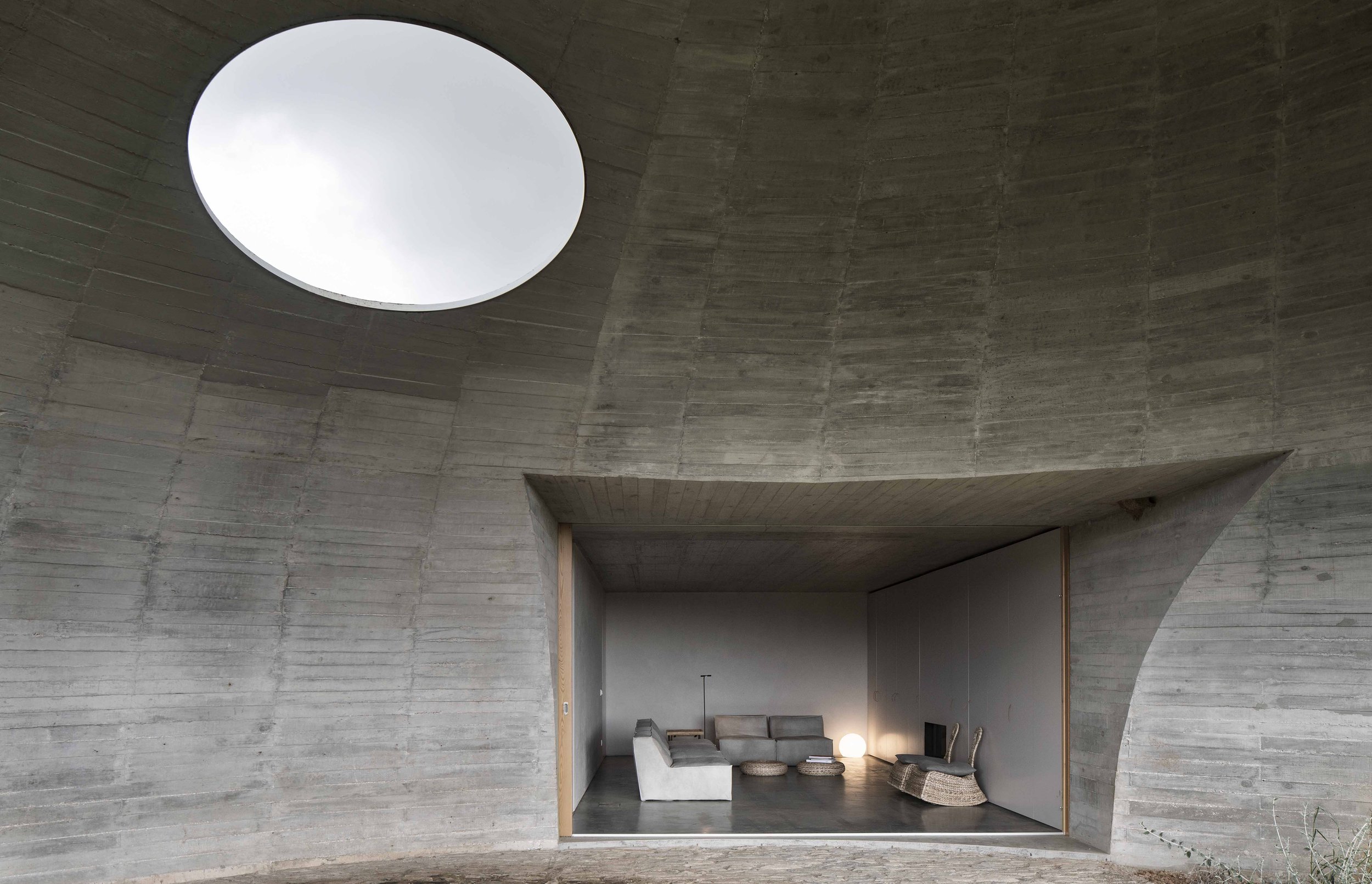
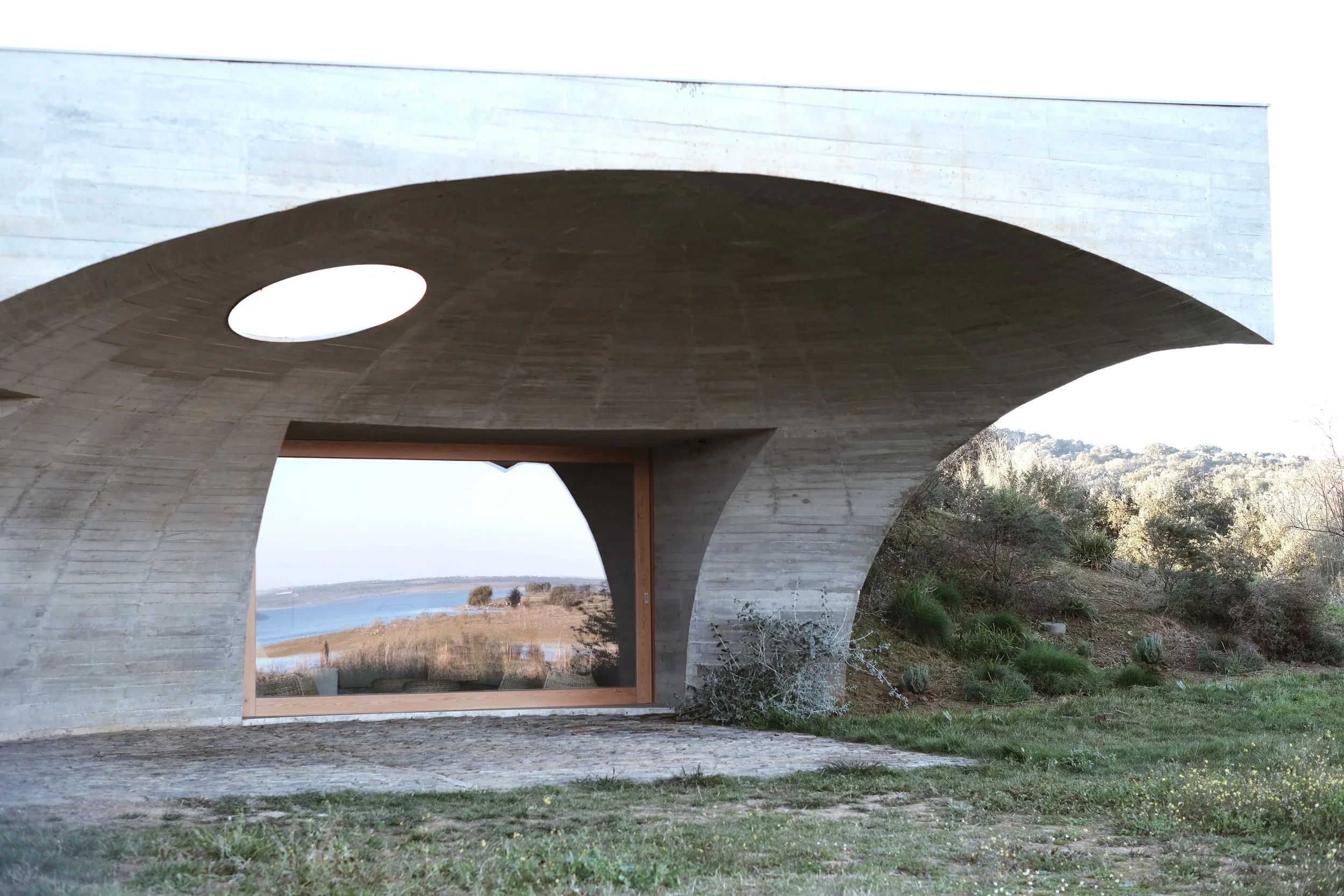
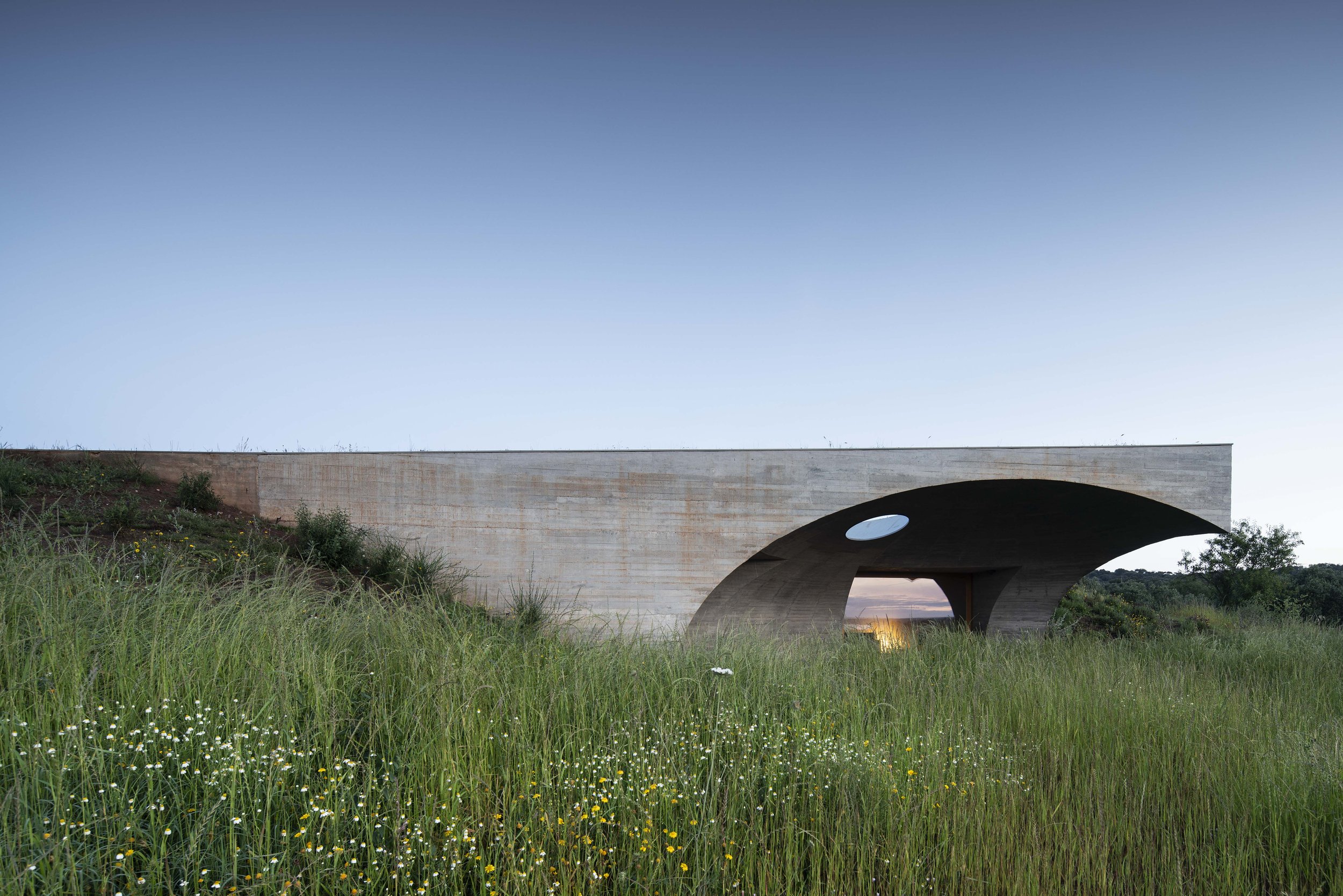
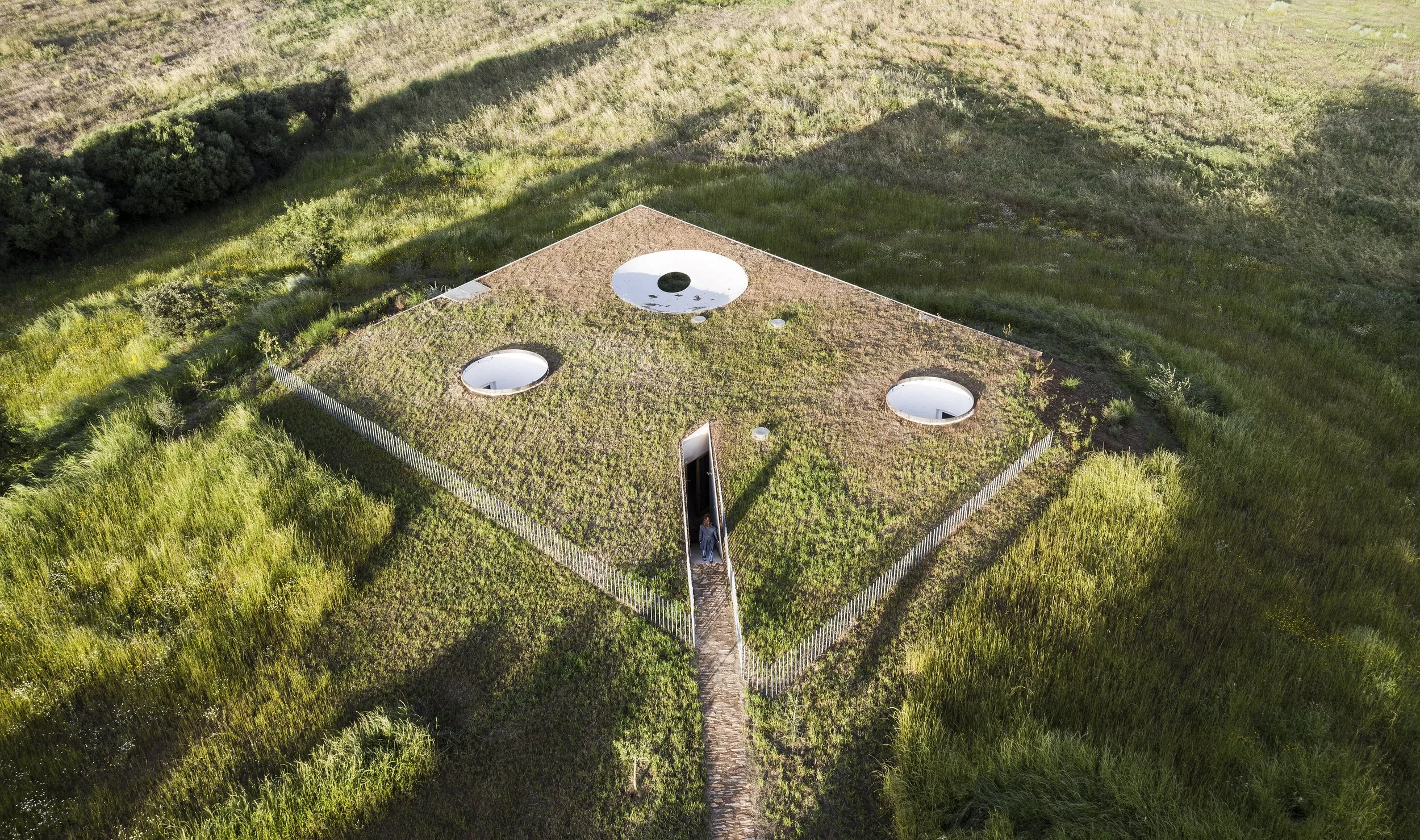
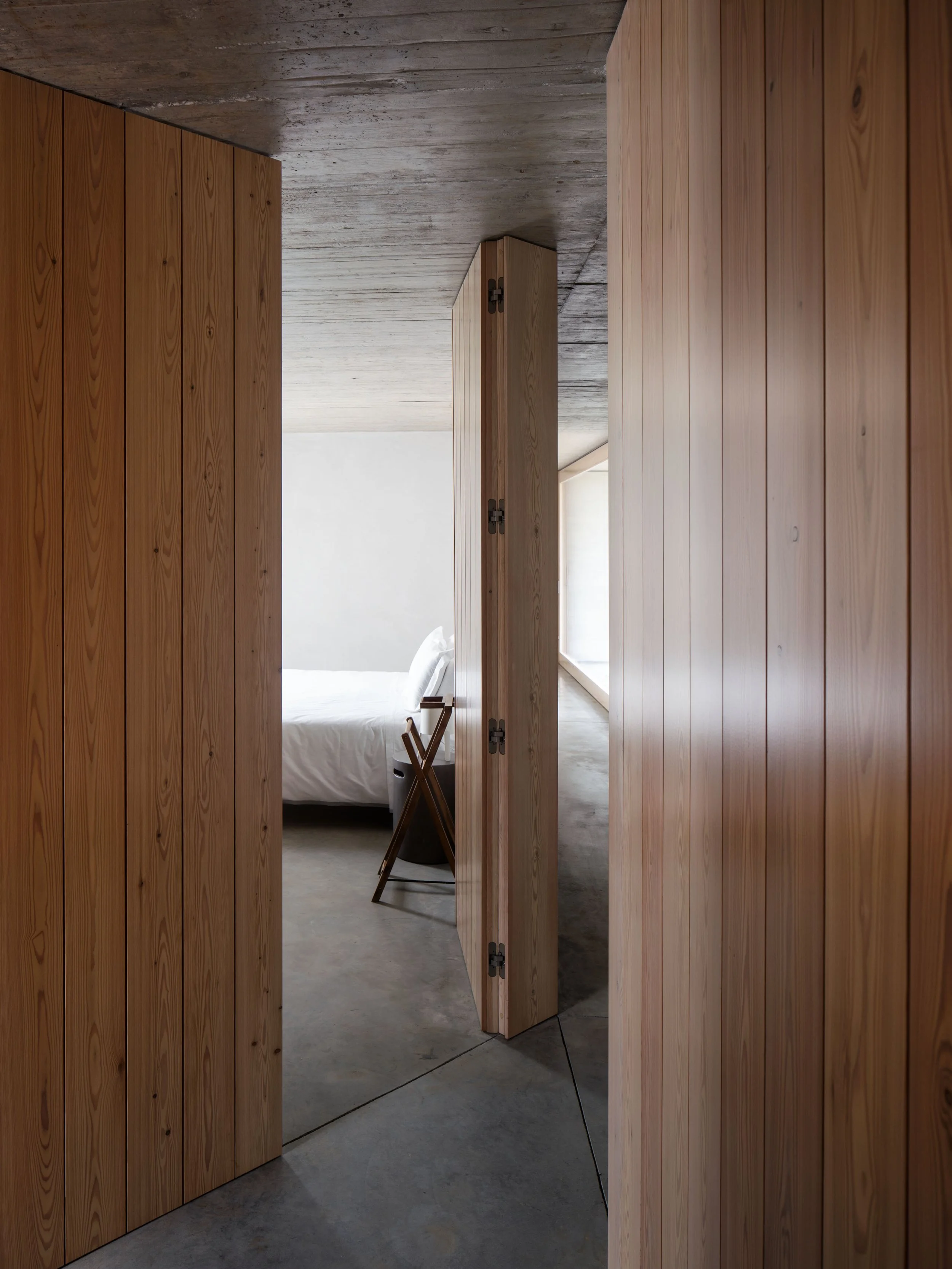
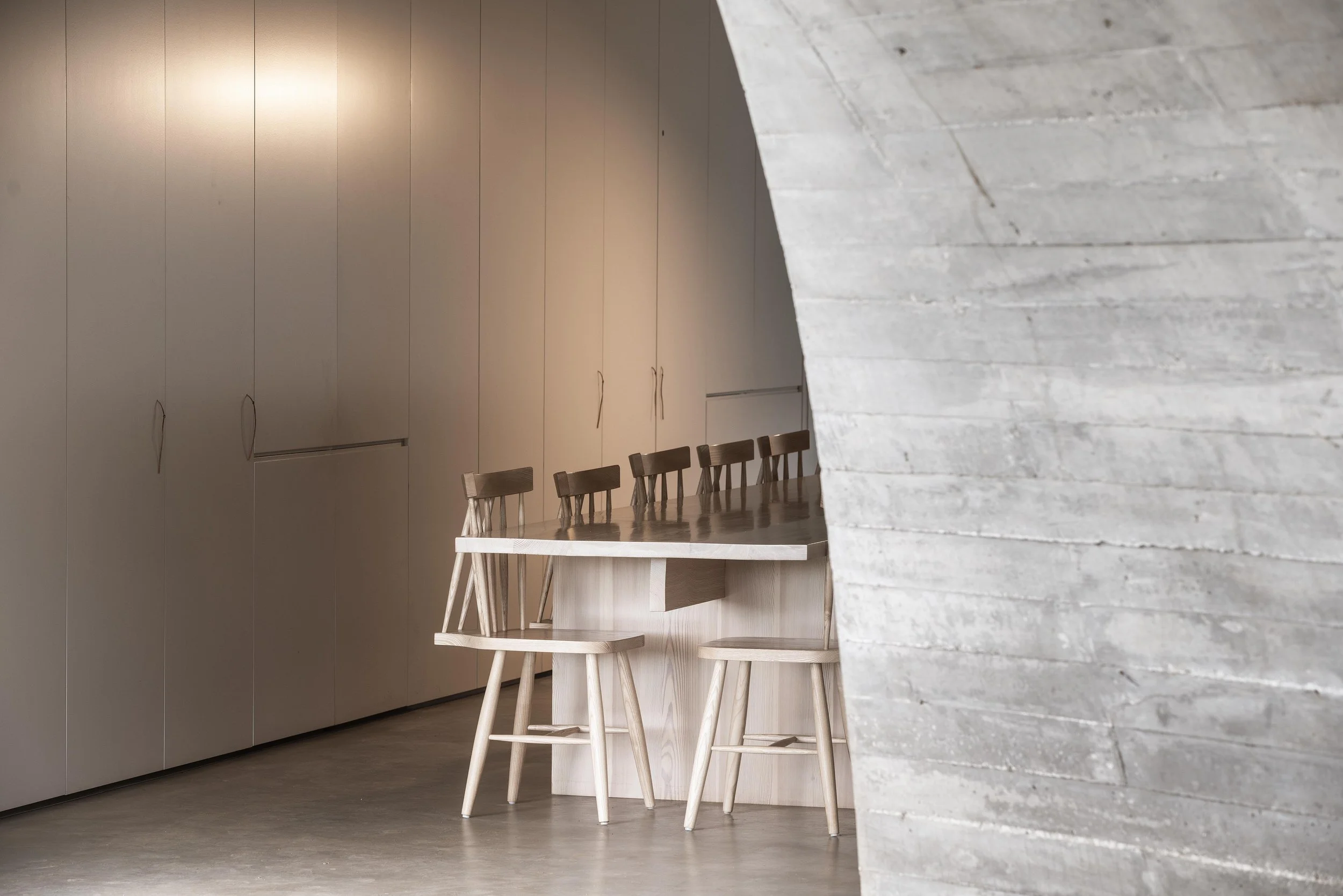
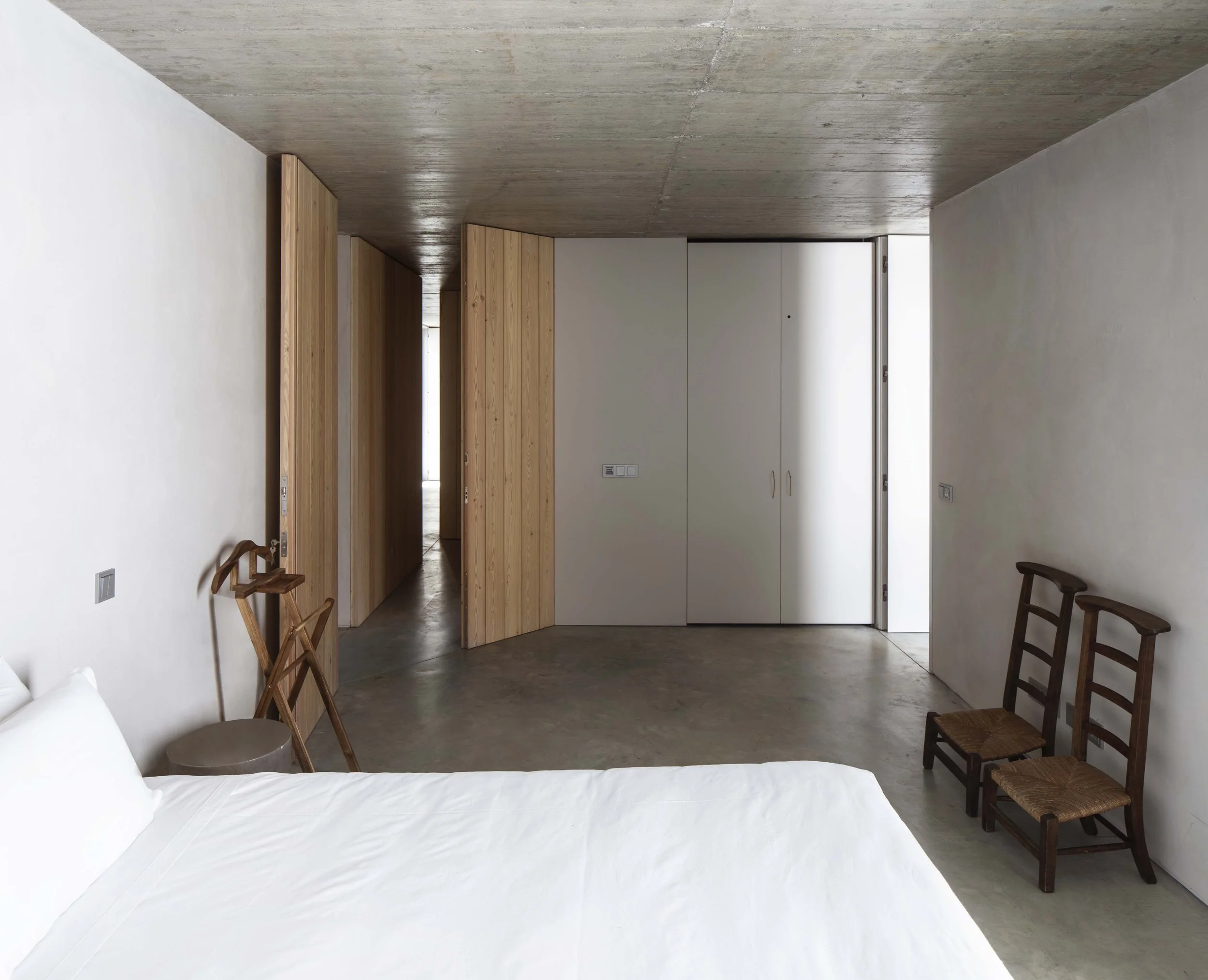
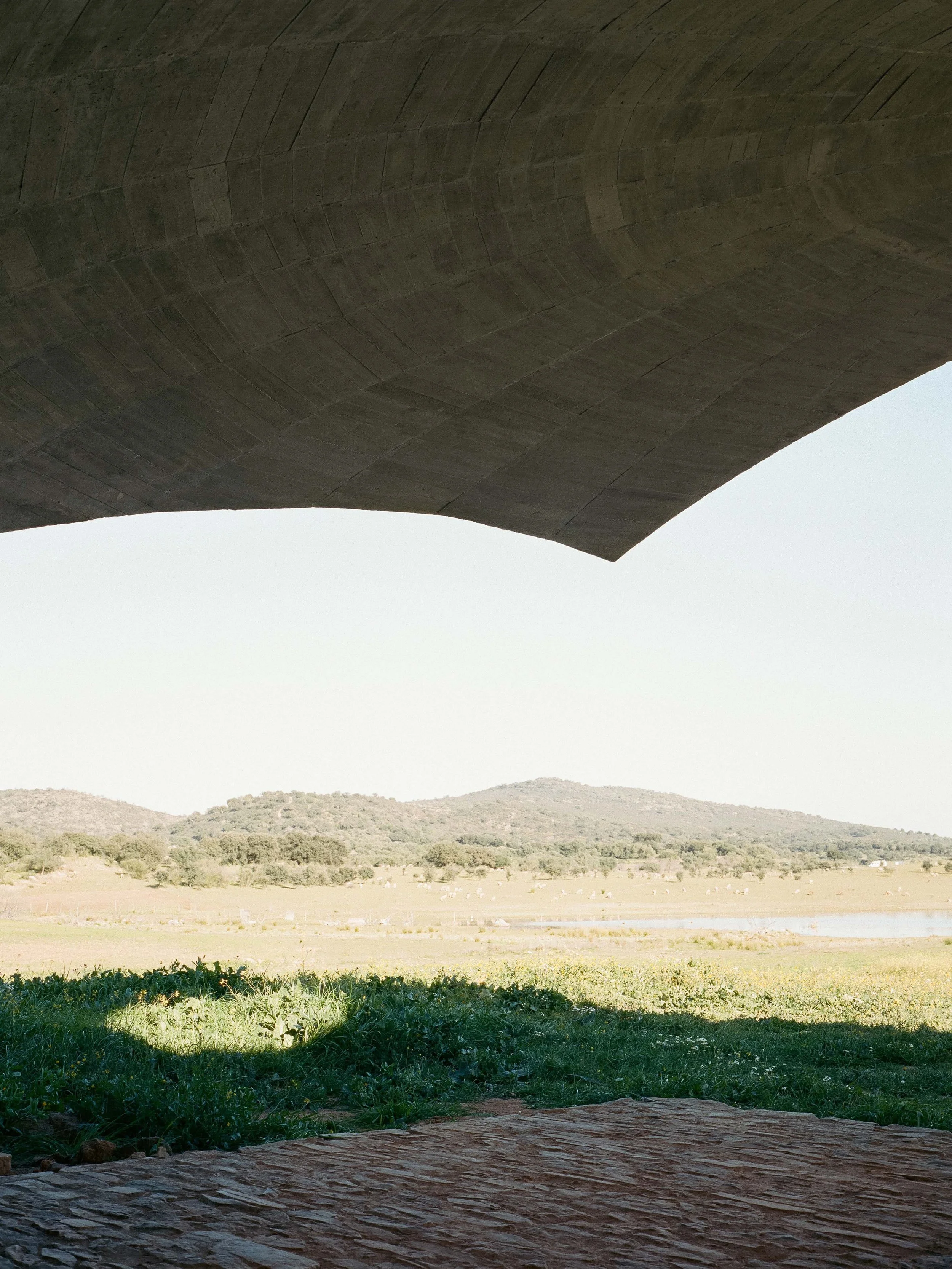
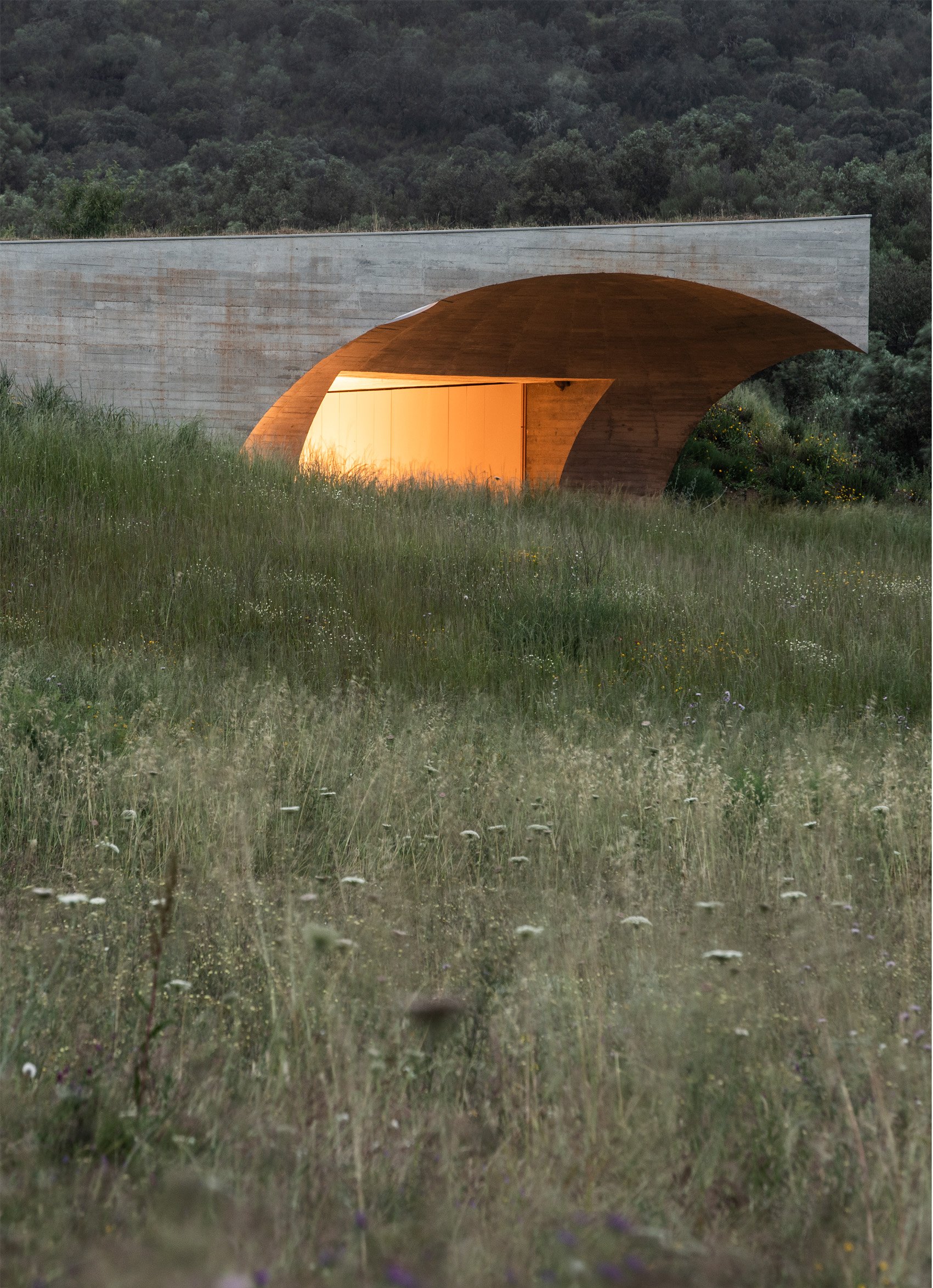
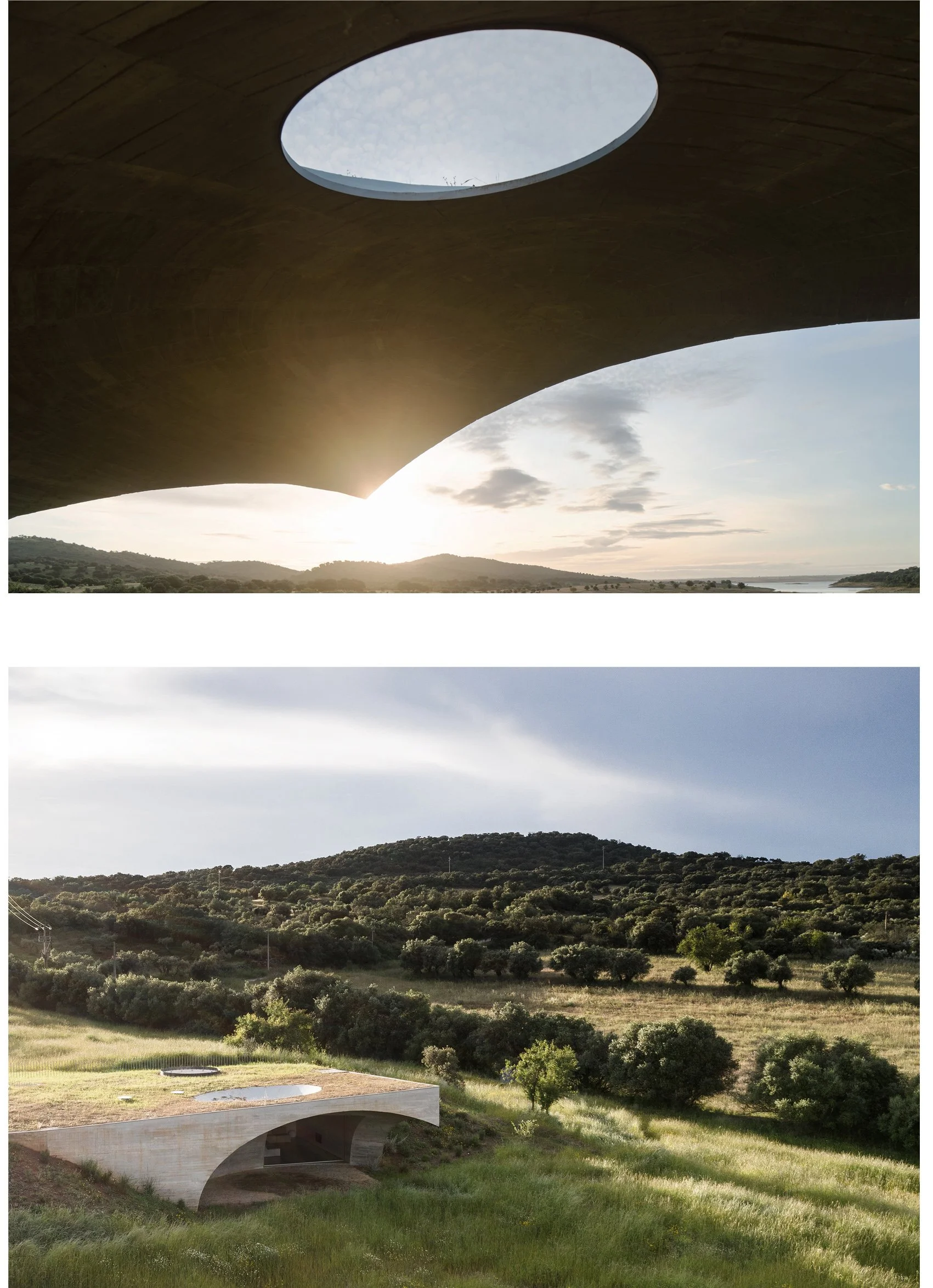
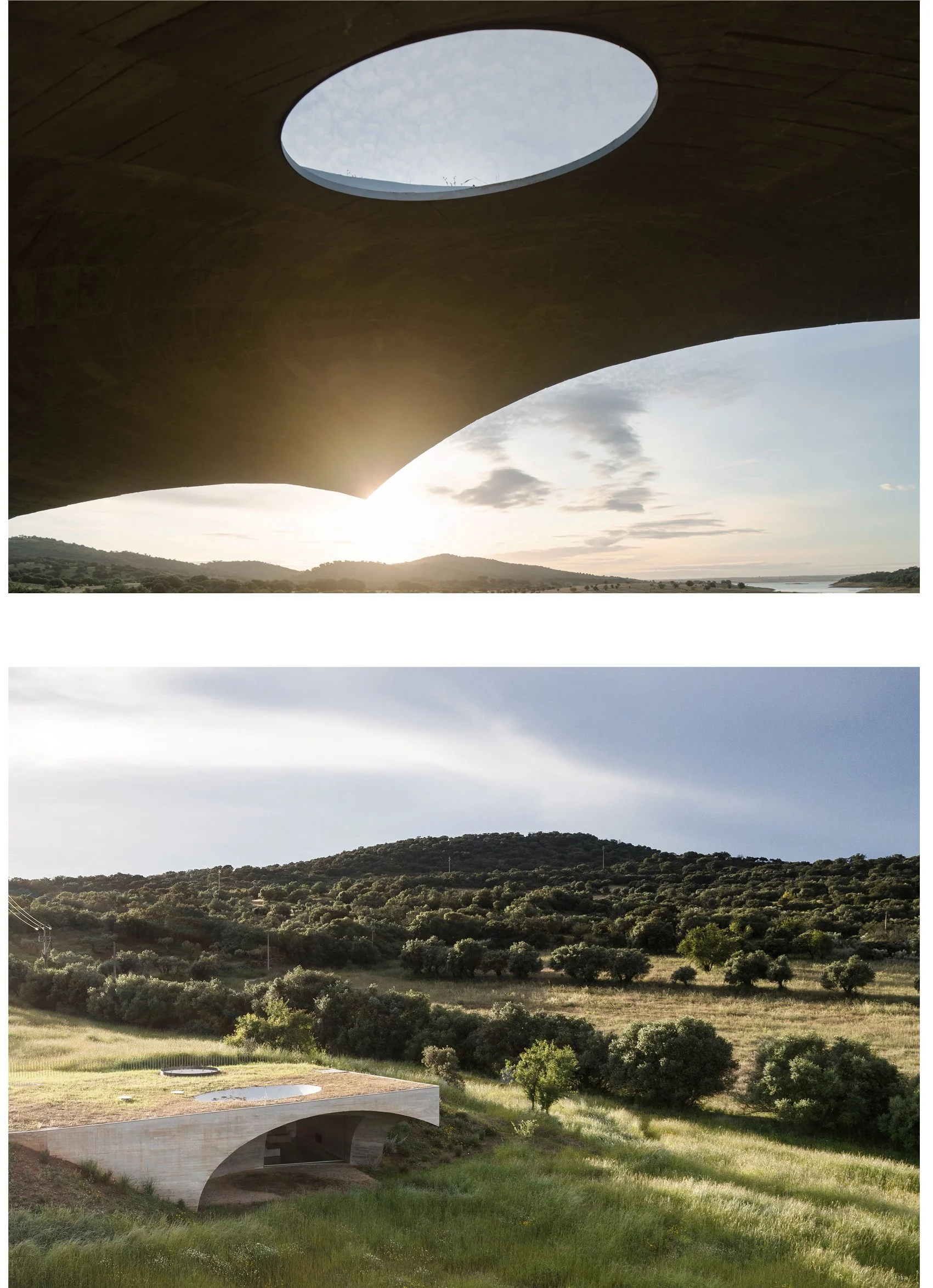
The architecture, designed by Manuel Aires Mateus, is both bold and restrained. Built into the landscape, the house feels hidden rather than placed, with circular skylights and carved openings allowing light to move gently through the interiors. Materials are natural and tactile, with raw plaster and stone creating a space that feels grounded and intentional. The accommodation is singular and private, offering a rare sense of exclusivity where design becomes the experience.
Created by the founders of Silent Living, Casa Na Terra reflects a philosophy of quiet luxury rooted in simplicity. There is no traditional wellness program, yet the space itself restores through silence, temperature, and materiality. What defines it is its restraint, where every element has been reduced to its essence, allowing guests to reconnect with place through stillness rather than stimulation.
WHY WANDER
The Alentejo region offers a quiet form of exploration shaped by distance and simplicity. Nearby, Monsaraz rises above the plains, its whitewashed streets and medieval walls overlooking the vast Alqueva Reservoir. Time here feels slowed, with small villages, local markets, and open landscapes inviting unstructured wandering.
Nature is subtle but expansive. The Alqueva Dark Sky Reserve offers some of the clearest night skies in Europe, where stargazing becomes an experience in itself. Walking trails move through cork forests and fields, while the reservoir allows for swimming, kayaking, or simply pausing at its edge. The rhythm of the region encourages observation rather than activity.
Further out, the Alentejo coastline introduces a different energy, where rugged cliffs meet the Atlantic and beaches remain largely untouched. Day trips toward Comporta offer a contrast of sand, sea, and laid-back coastal culture, though the inland stillness remains the anchor of the experience.
INDULGE IN
Food at Casa Na Terra is rooted in the traditions of the Alentejo, where simplicity defines flavor. Meals are built around local ingredients such as olive oil, fresh bread, seasonal vegetables, and slow-cooked meats. Dining feels intimate and unhurried, often reflecting the same quiet rhythm as the house. In nearby villages, small family-run restaurants serve regional dishes like açorda and migas, offering an authentic taste of place.
GETTING THERE
Casa Na Terra is located in the Alentejo, around a 1.5 to 2 hour drive from Lisbon. A car is essential. The journey gradually shifts from city streets to open landscapes, setting the tone for the experience ahead.
Wild Initiatives
Casa Na Terra approaches sustainability through design rather than statement. Built into the land, the structure benefits from natural insulation, reducing reliance on artificial climate control. Materials are locally sourced, and the minimal footprint allows the surrounding ecosystem to remain largely undisturbed. As part of Silent Living, the project reflects a broader commitment to low-impact hospitality, where simplicity, longevity, and respect for place guide every decision.
*Photos property of Casa Na Terra Silent Living, by Nelson Garrido