
Wild Initiatives: Mount Congreve GardenS
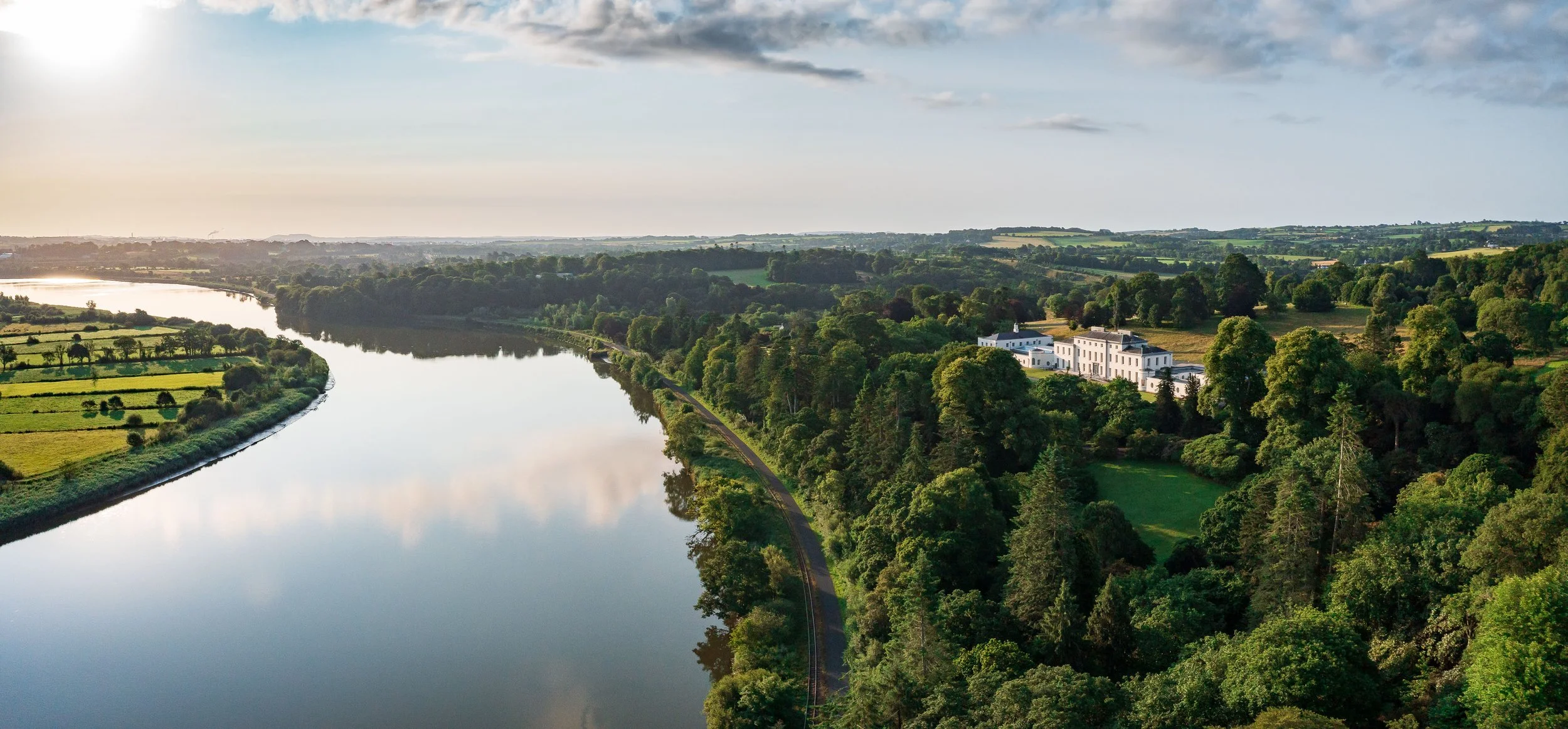
Set in the southeast of Ireland, Mount Congreve Gardens unfolds along the banks of the River Suir, where a mild, moisture-rich climate and sheltered geography create ideal conditions for plant diversity. The 70-acre estate sits within a wider historic demesne, its layered woodland gardens shaped by generations of careful planting. Here, Atlantic air, fertile soil, and a gently sloping landscape come together to support one of the most significant private plant collections in the world.
Originally established as a curated garden, Mount Congreve has evolved into something more dynamic. Thousands of species, from rare magnolias to extensive collections of camellias and rhododendrons, are not only preserved but continuously grown and adapted within the landscape. The garden reads as both designed and organic, where structure and wildness exist in balance, and where geography plays a defining role in what can thrive.
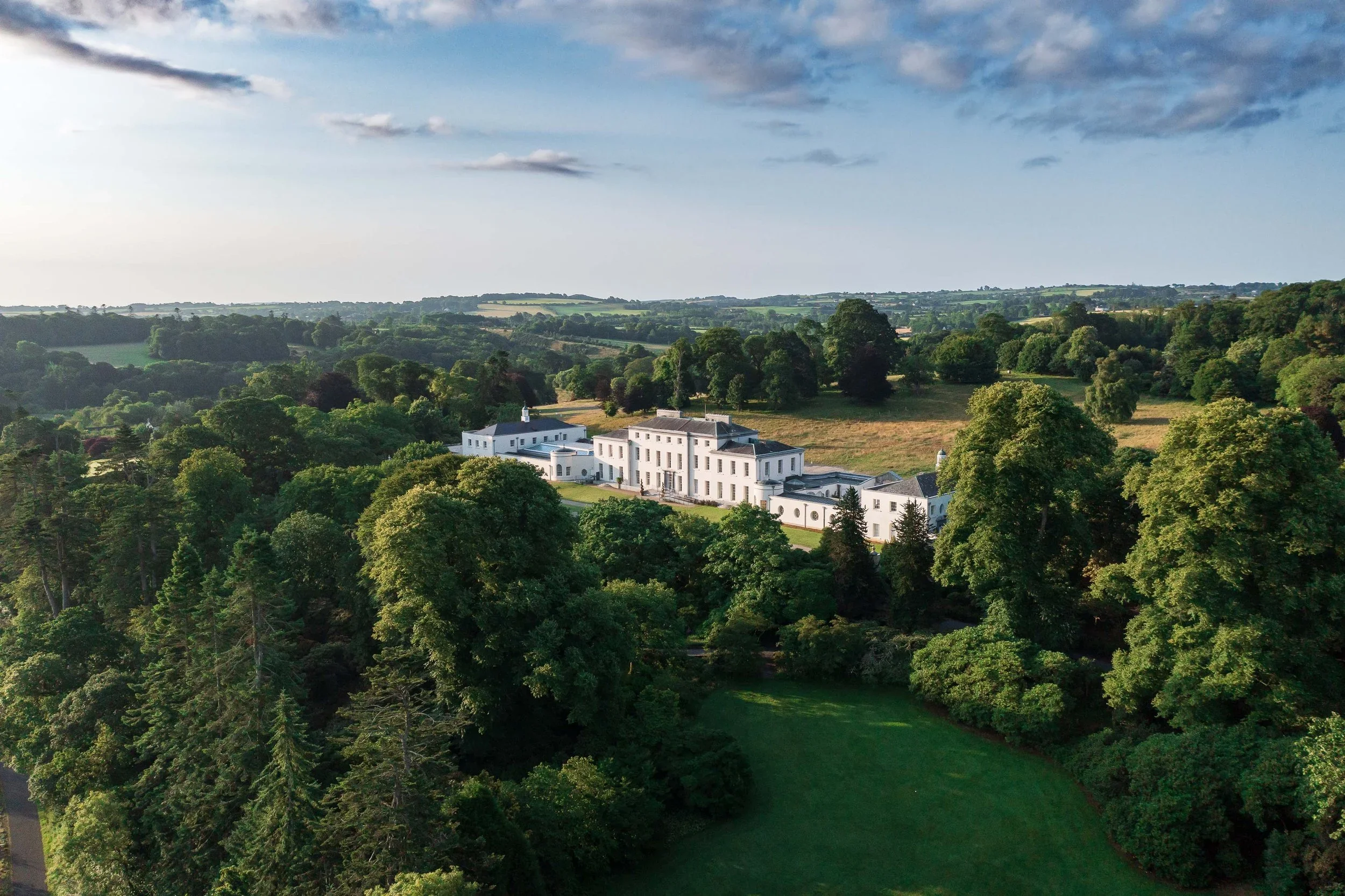
Photo by Mount Congreve Gardens
Sustainability here is inseparable from this setting. The estate operates as a living system, where land, water, and climate inform every decision, from how plants are propagated to how resources are managed. Rather than applying sustainability as an external layer, Mount Congreve allows its geography to lead, creating a model where ecology, heritage, and hospitality are deeply interconnected.
Living Landscape
Set within 70 acres of densely planted woodland, the estate operates as a living ecosystem. Home to thousands of species, from rare magnolias to extensive collections of rhododendrons and camellias, biodiversity is central to its identity. Mature tree canopies create natural microclimates, protecting soil moisture and reducing the need for irrigation, while on-site propagation preserves plant heritage and limits external impact. What exists here is not static display, but continuous regeneration.
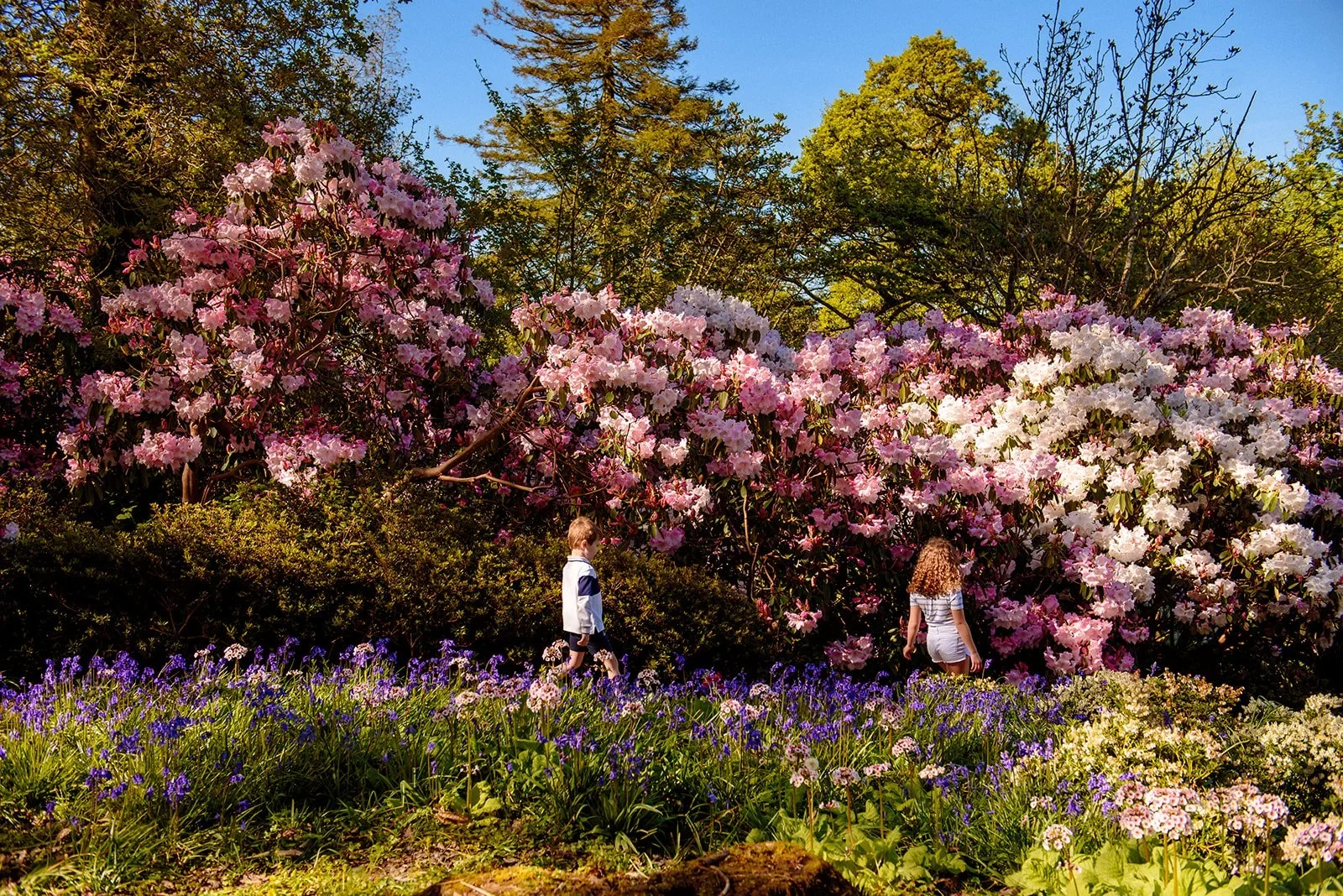
Photo by Mount Congreve Gardens
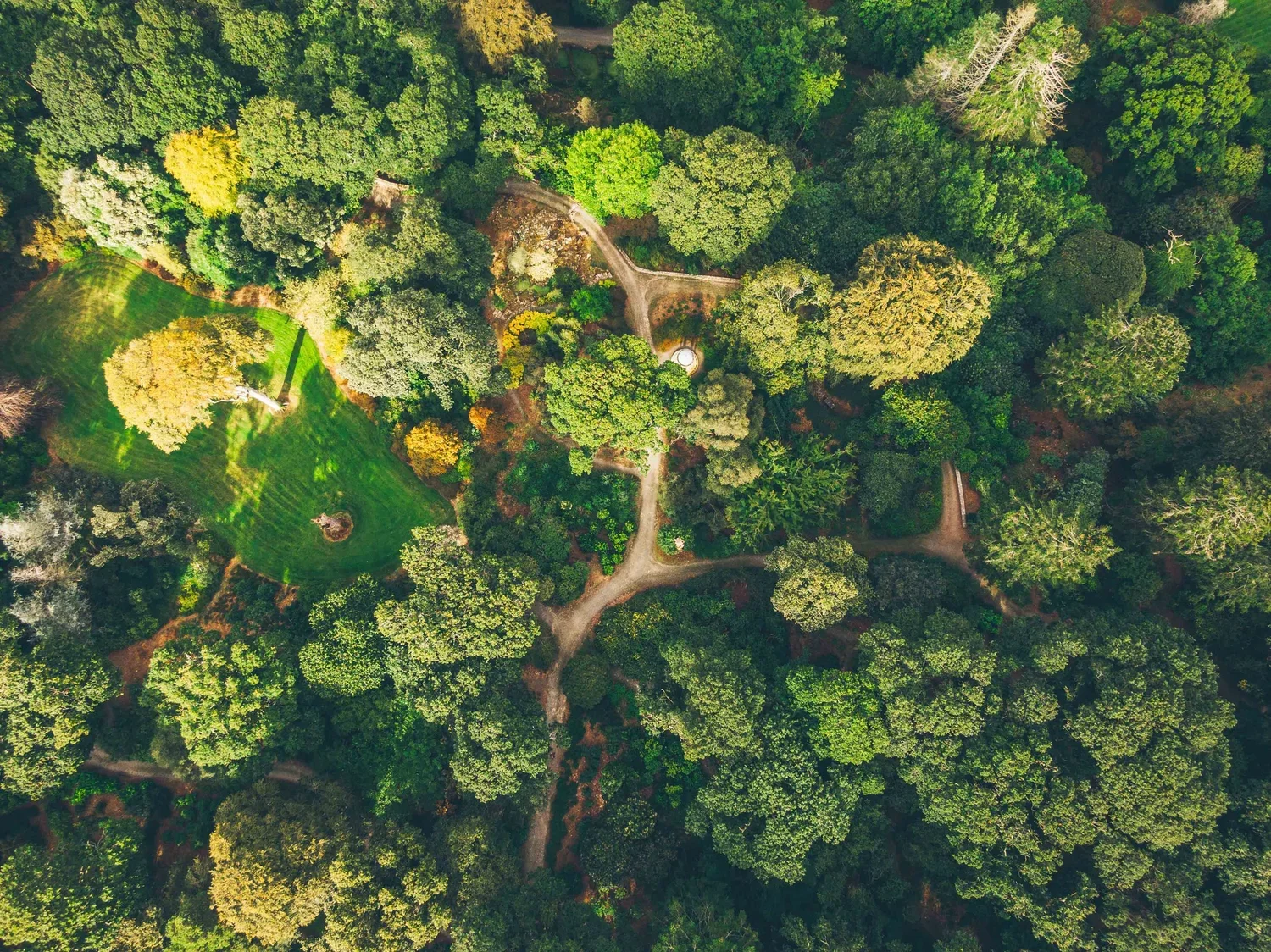
Photo by Mount Congreve Gardens
Water as Infrastructure
Water management is embedded directly into the landscape through an integrated wetland system that treats wastewater naturally. Instead of relying solely on mechanical processes, water moves slowly through planted reed beds, where native species filter, cleanse, and restore it before re-entering the environment. These wetlands act as a living system within the estate, supporting biodiversity, storing carbon, and strengthening resilience against flooding, all while remaining visually and ecologically part of the garden.
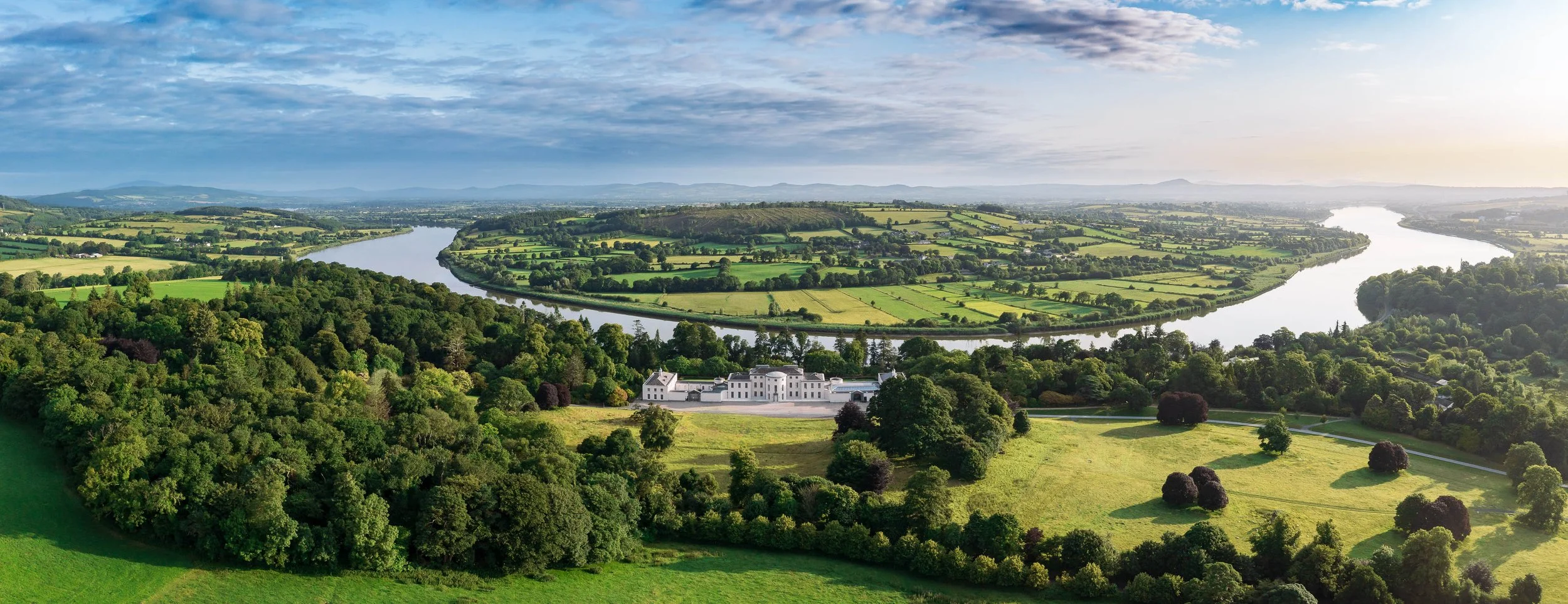
Photo by Mount Congreve Gardens
Estate to Plate
Food follows the same logic of proximity and seasonality. At the estate café, ingredients are grown, harvested, or foraged within steps of the kitchen, creating a direct relationship between land and table. Even when sourcing extends beyond the grounds, distances are made visible, reinforcing transparency and connection to the wider region. Seasonal cycles dictate what is served, naturally reducing waste, energy use, and excess, while grounding the dining experience in place.
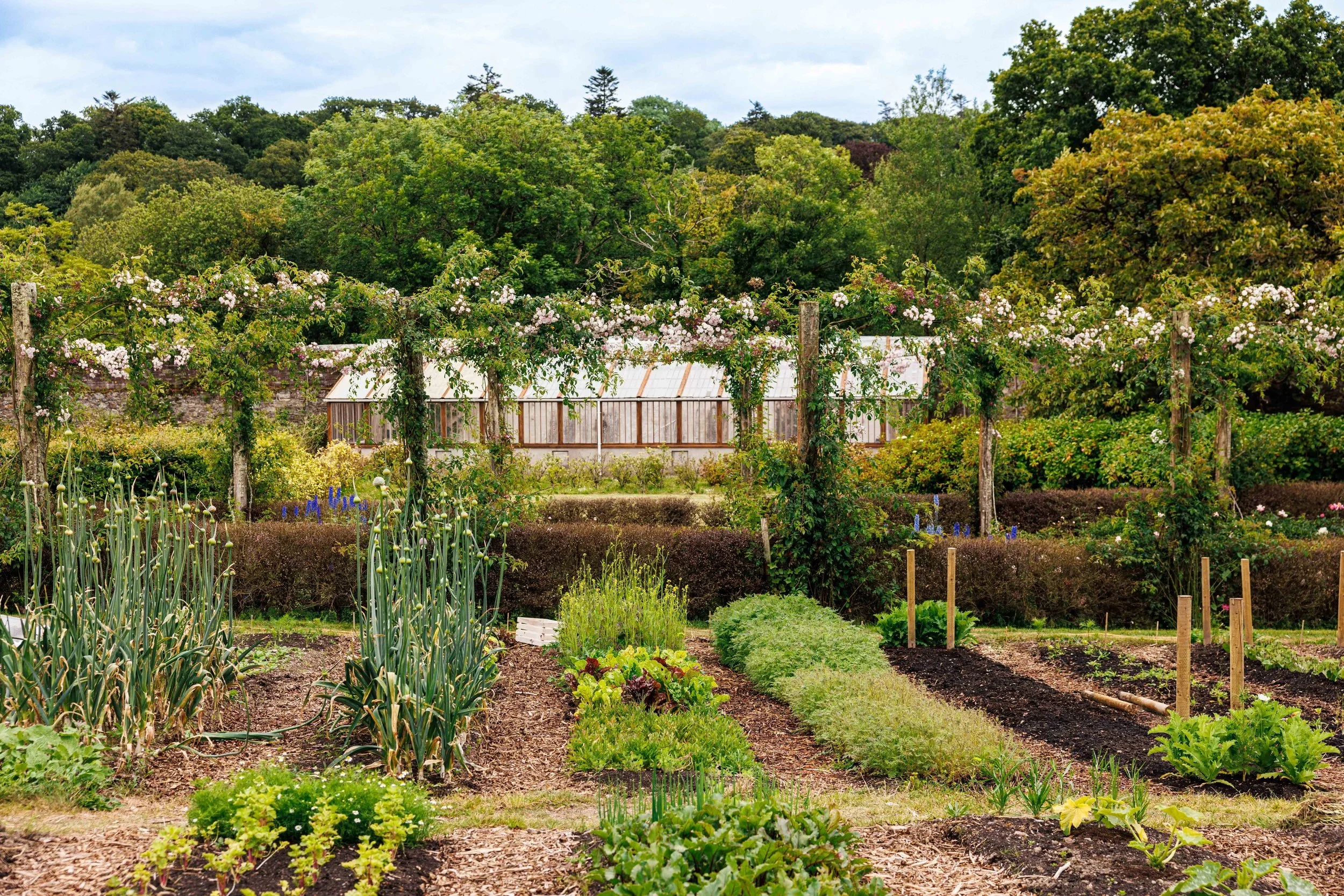
Photo by Mount Congreve Gardens

Photo by Mount Congreve Gardens
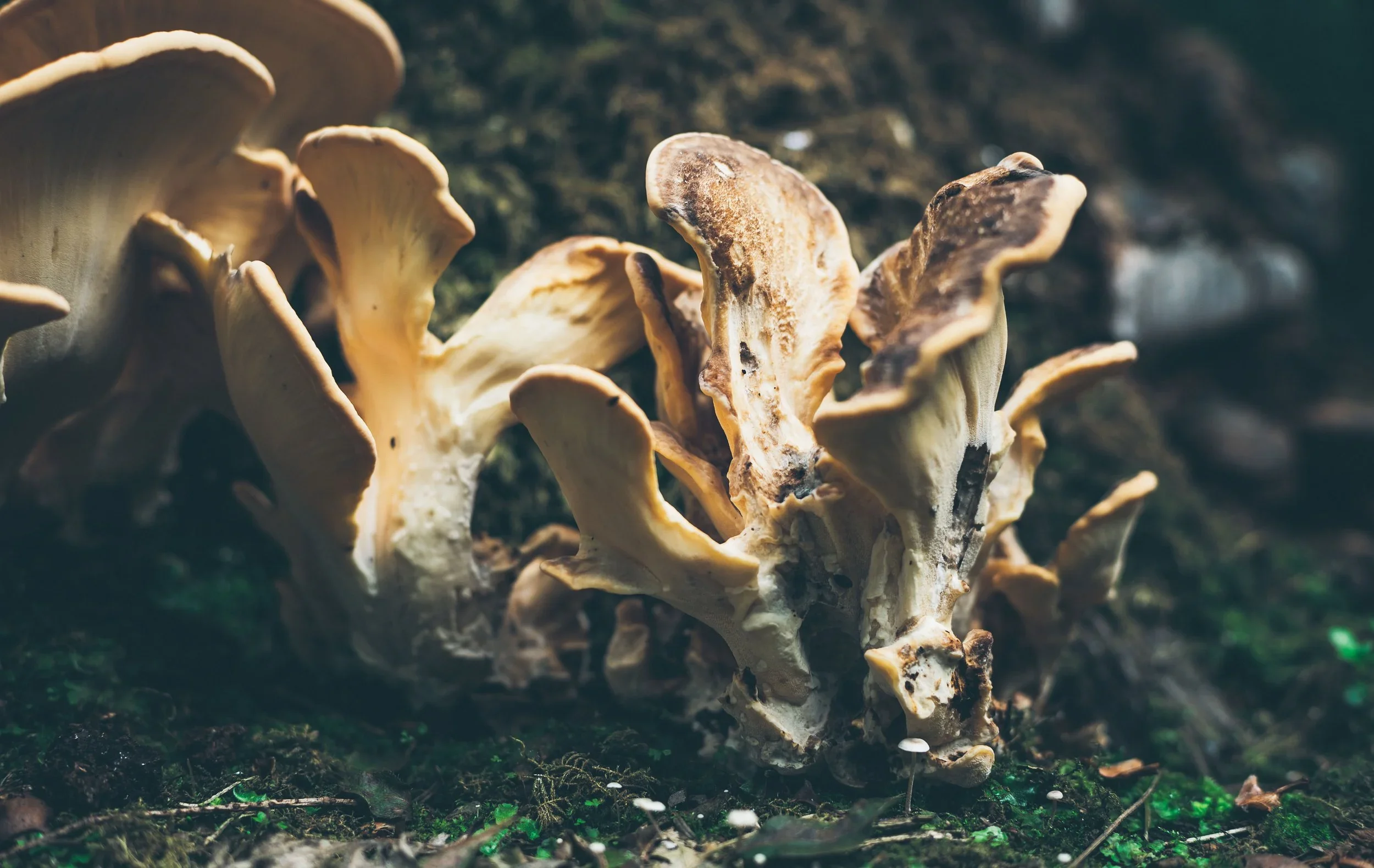
Photo by Mount Congreve Gardens
Built with Restraint
Rather than expanding outward, the estate focuses on restoration and reuse. Historic buildings are carefully preserved, with their original fabric maintained wherever possible, while accommodation is introduced lightly within existing clearings. The approach encourages a slower way of moving through the property, where walking replaces transit and the landscape remains uninterrupted.
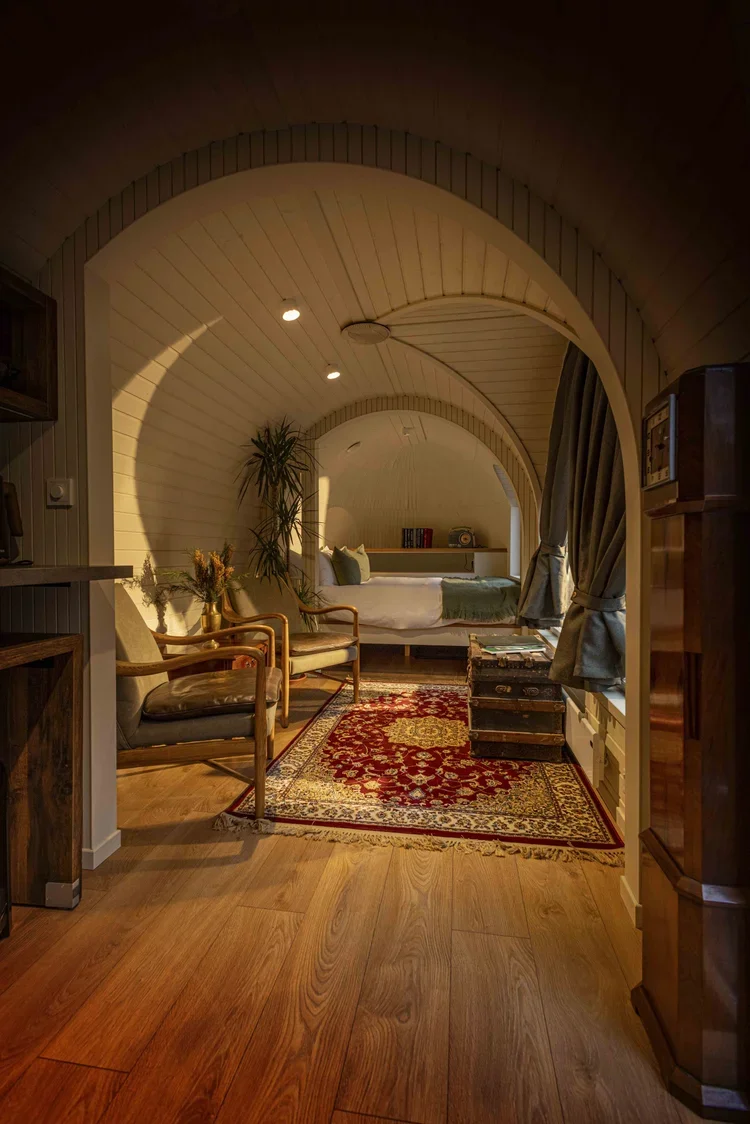
Photo by Mount Congreve Gardens
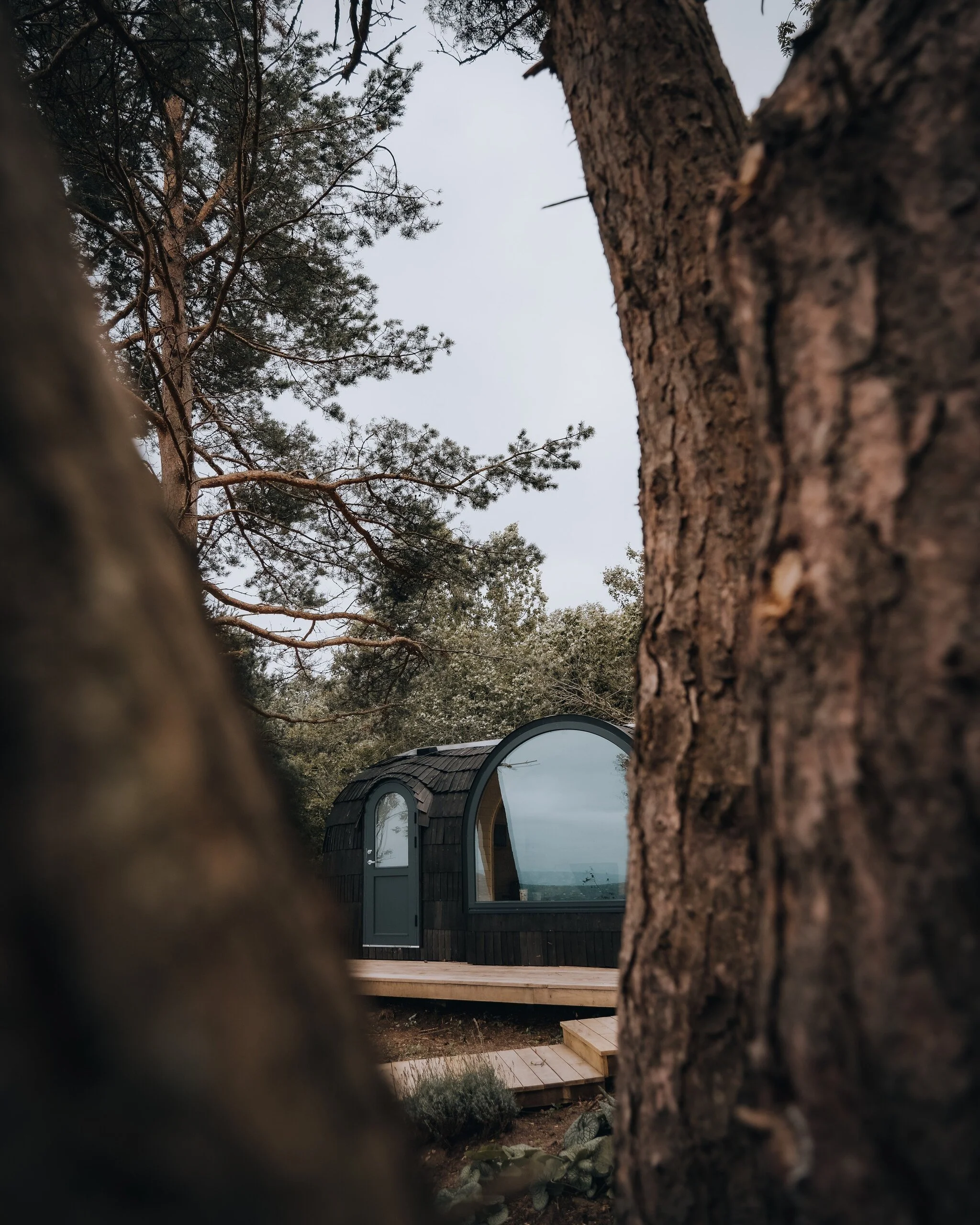
Photo by Mount Congreve Gardens
Growing Knowledge
Sustainability here extends beyond land to education. In partnership with Waterford & Wexford Education and Training Board, the estate established a horticultural school that trains students directly within the grounds. Through hands-on learning across gardens, woodlands, and wetlands, a new generation of growers is developed in situ, ensuring that knowledge evolves alongside the landscape it supports.
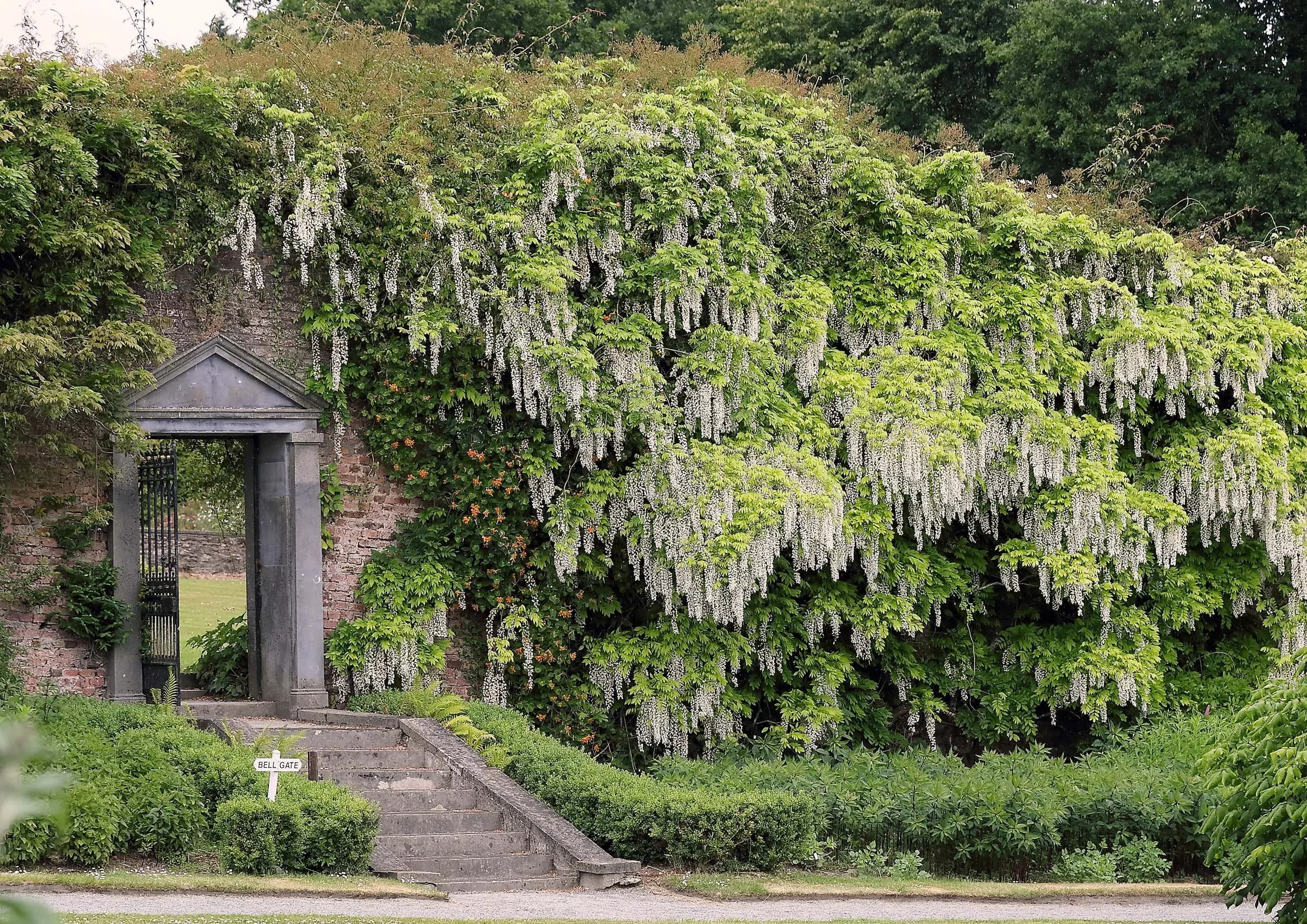
Photo by Mount Congreve Gardens
A System, Not an Addition
At Mount Congreve, sustainability is not layered onto the experience but built into its foundation. Land, water, food, and learning operate as one interconnected system, where each element supports the next. The result is a historic estate that feels both preserved and forward-looking, demonstrating how hospitality, ecology, and culture can exist in quiet alignment.
