


Manshausen
NORWAY
Manshausen
NORWAY
Manshausen Island Resort
Manshausen Island, norway
PERSONALITIES
Design and architecture lovers. Northern Lights chasers. Explorers. Fishermen. Adventurous families.
MOMENTS
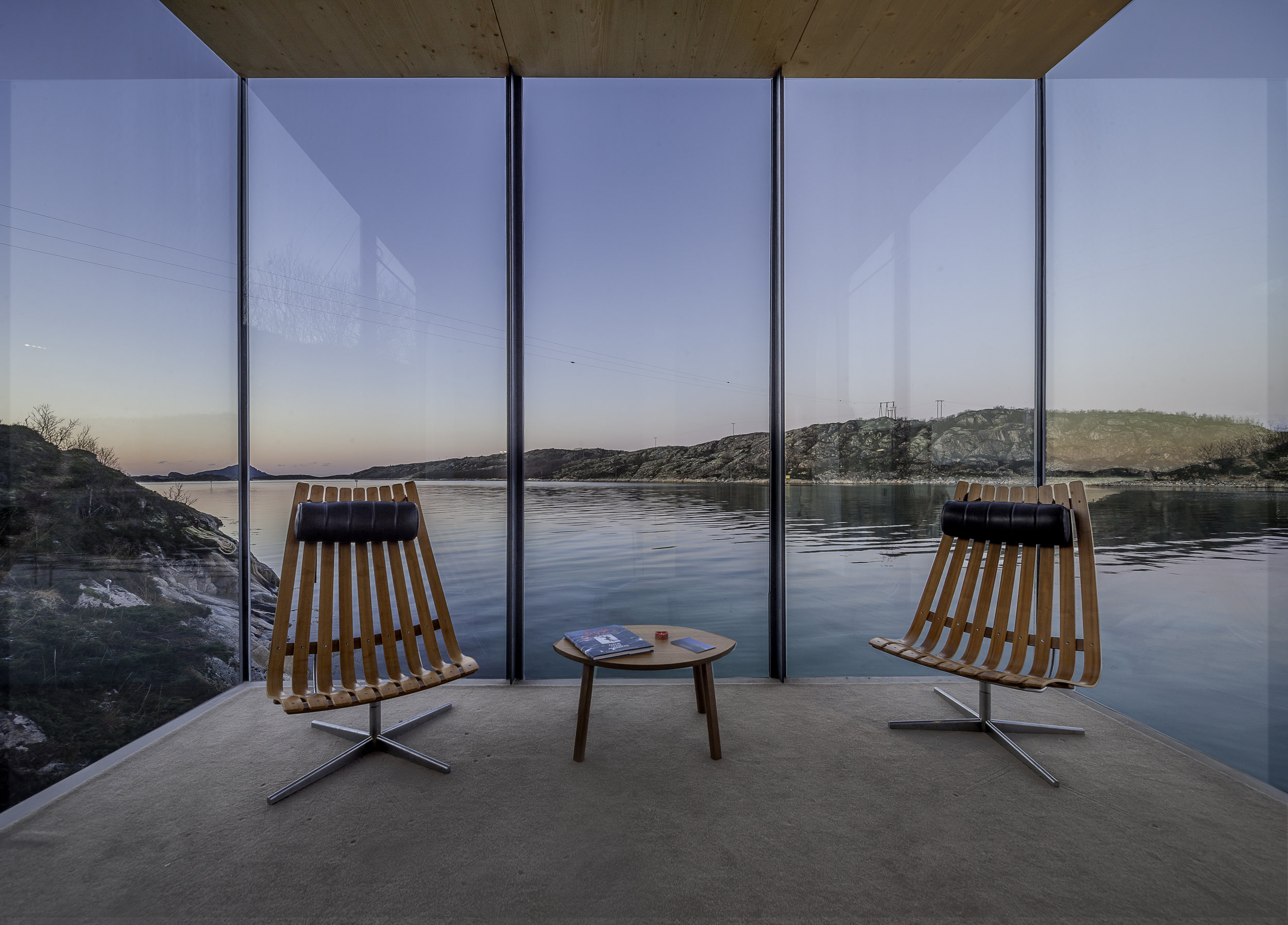
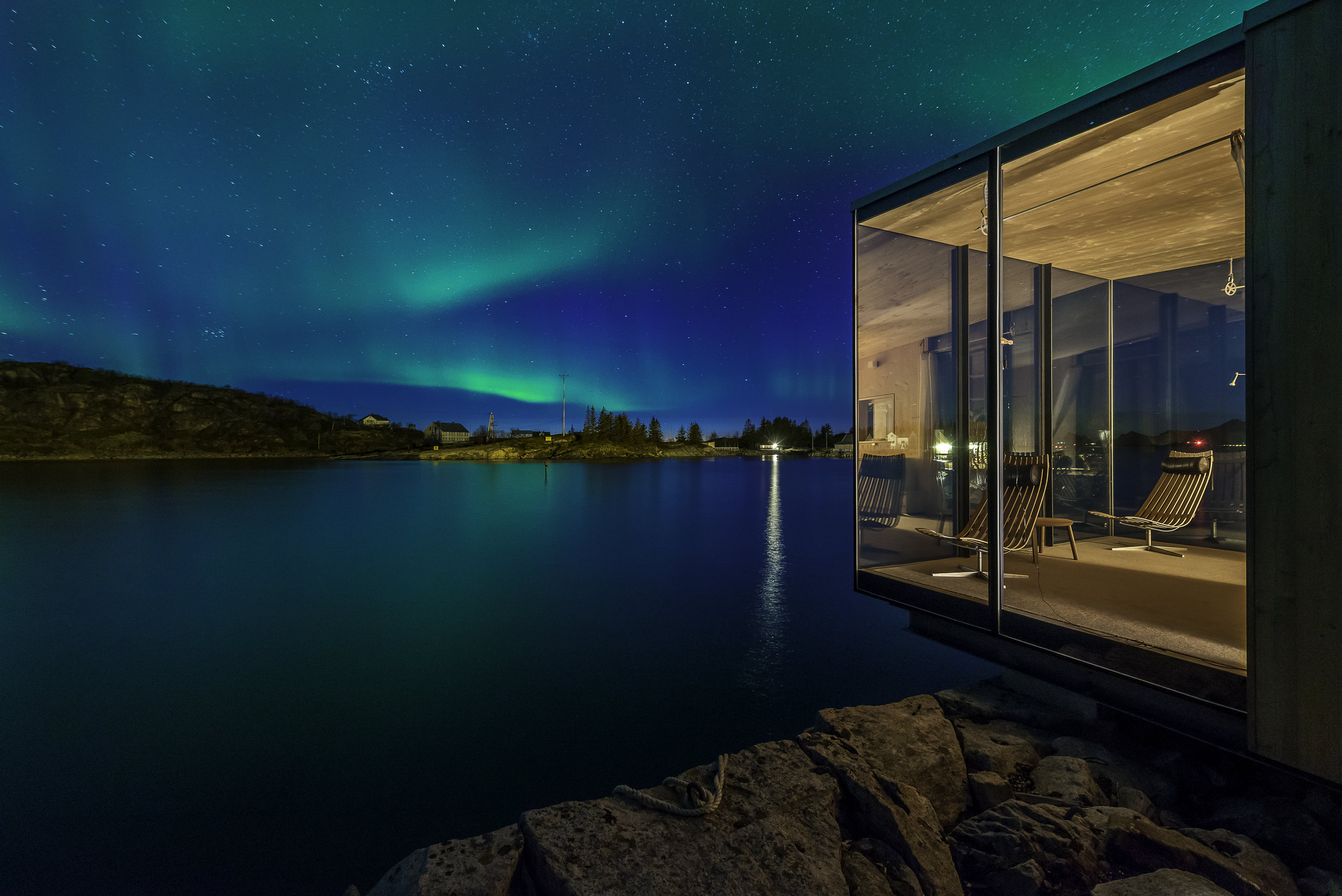
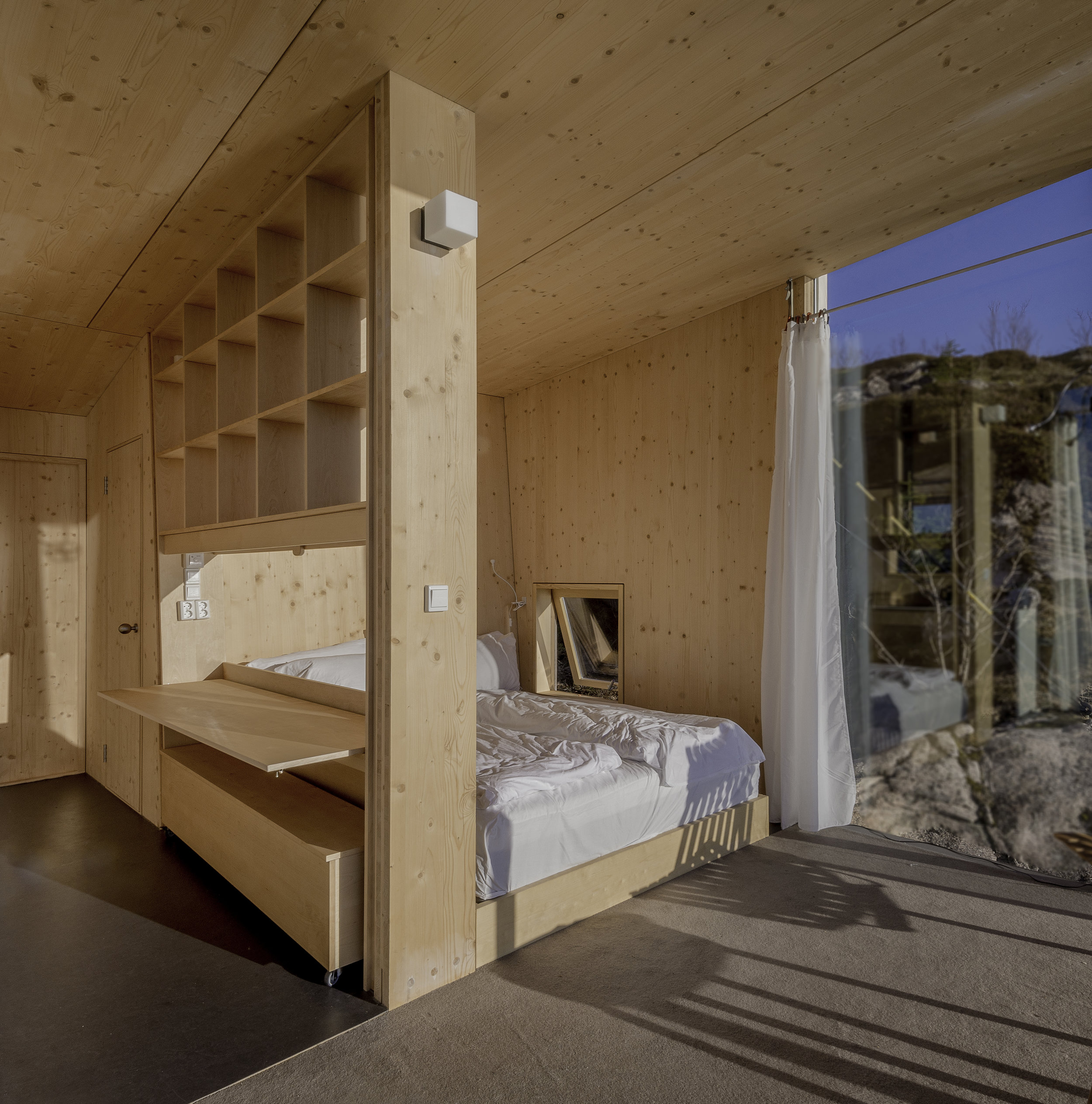
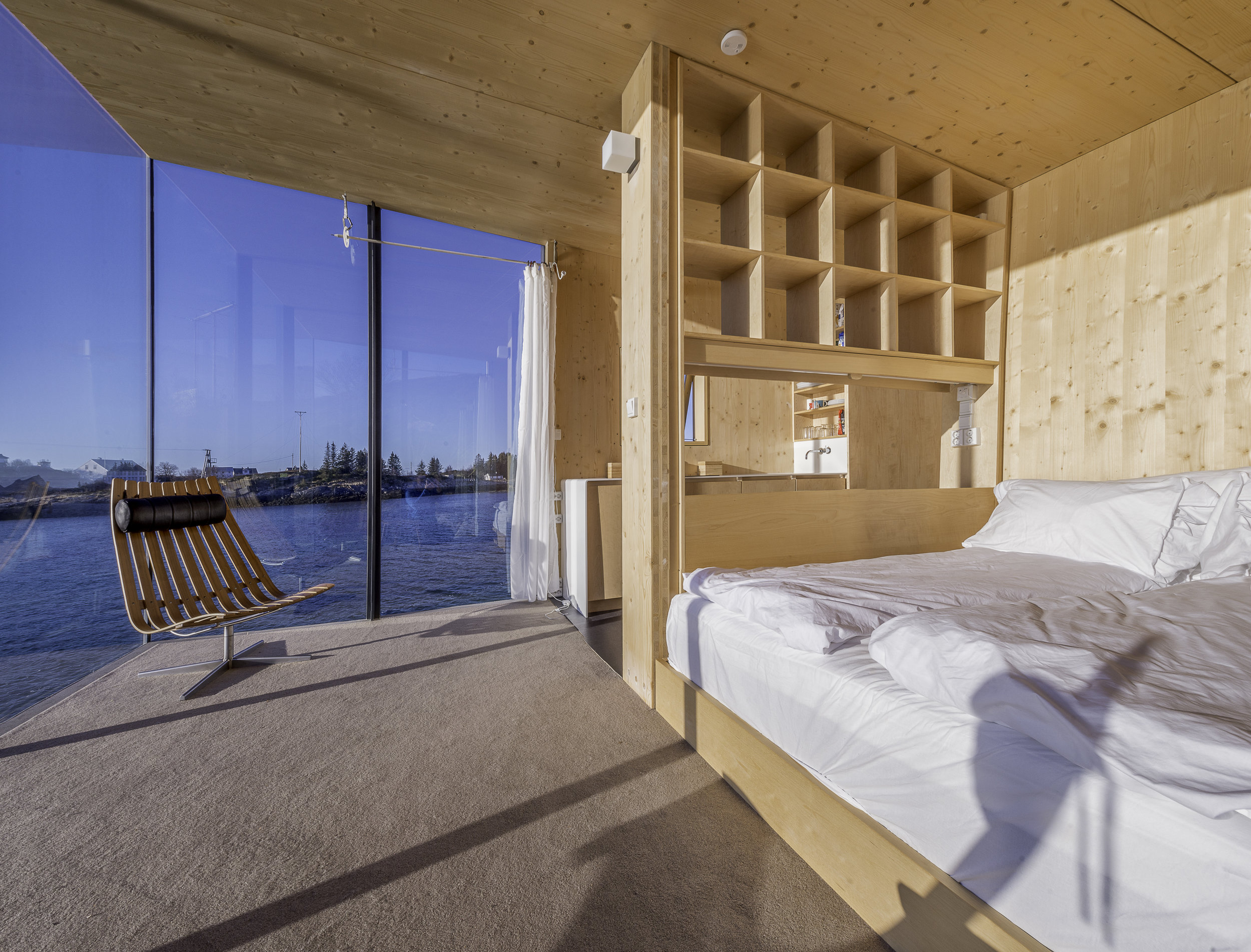
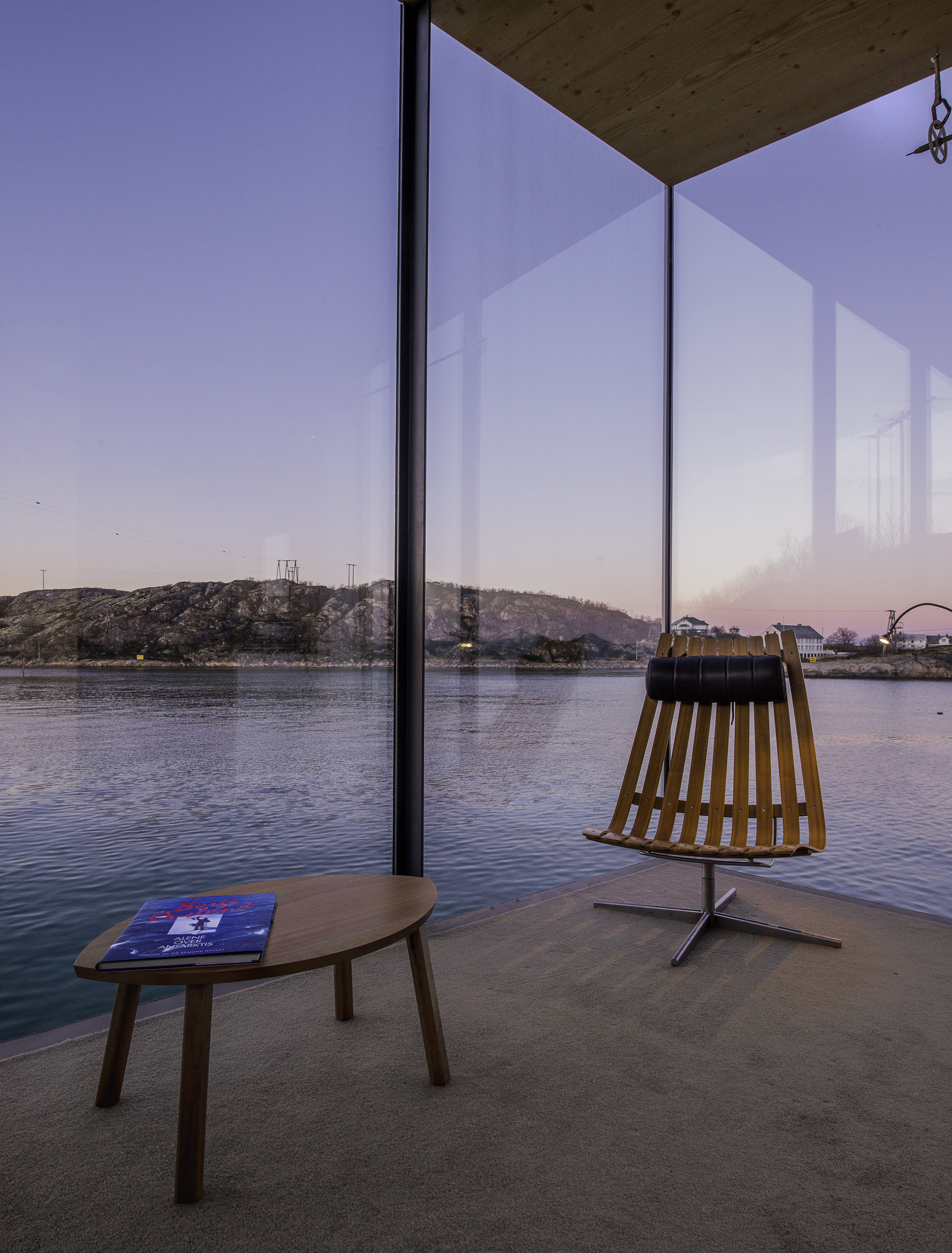
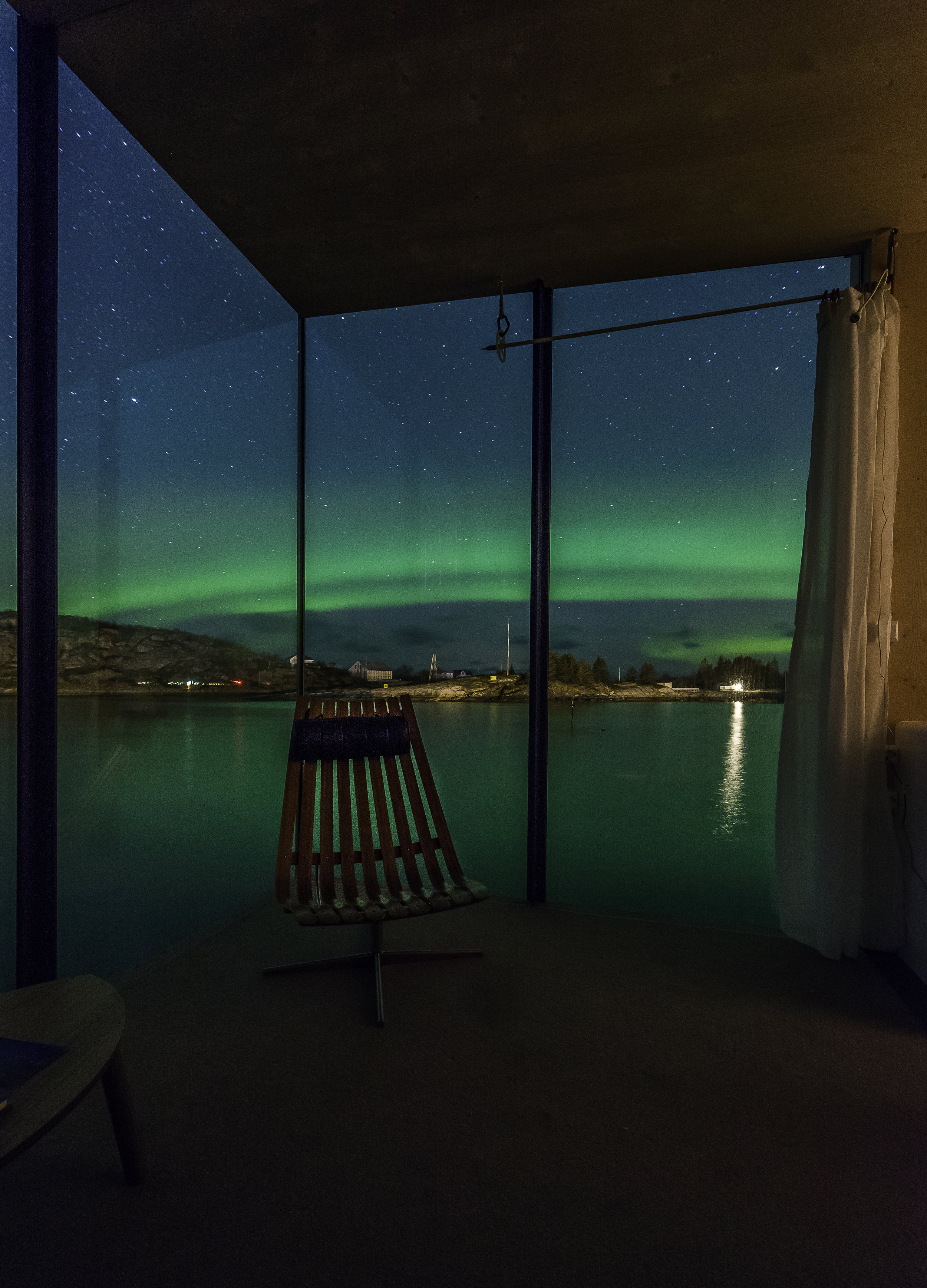
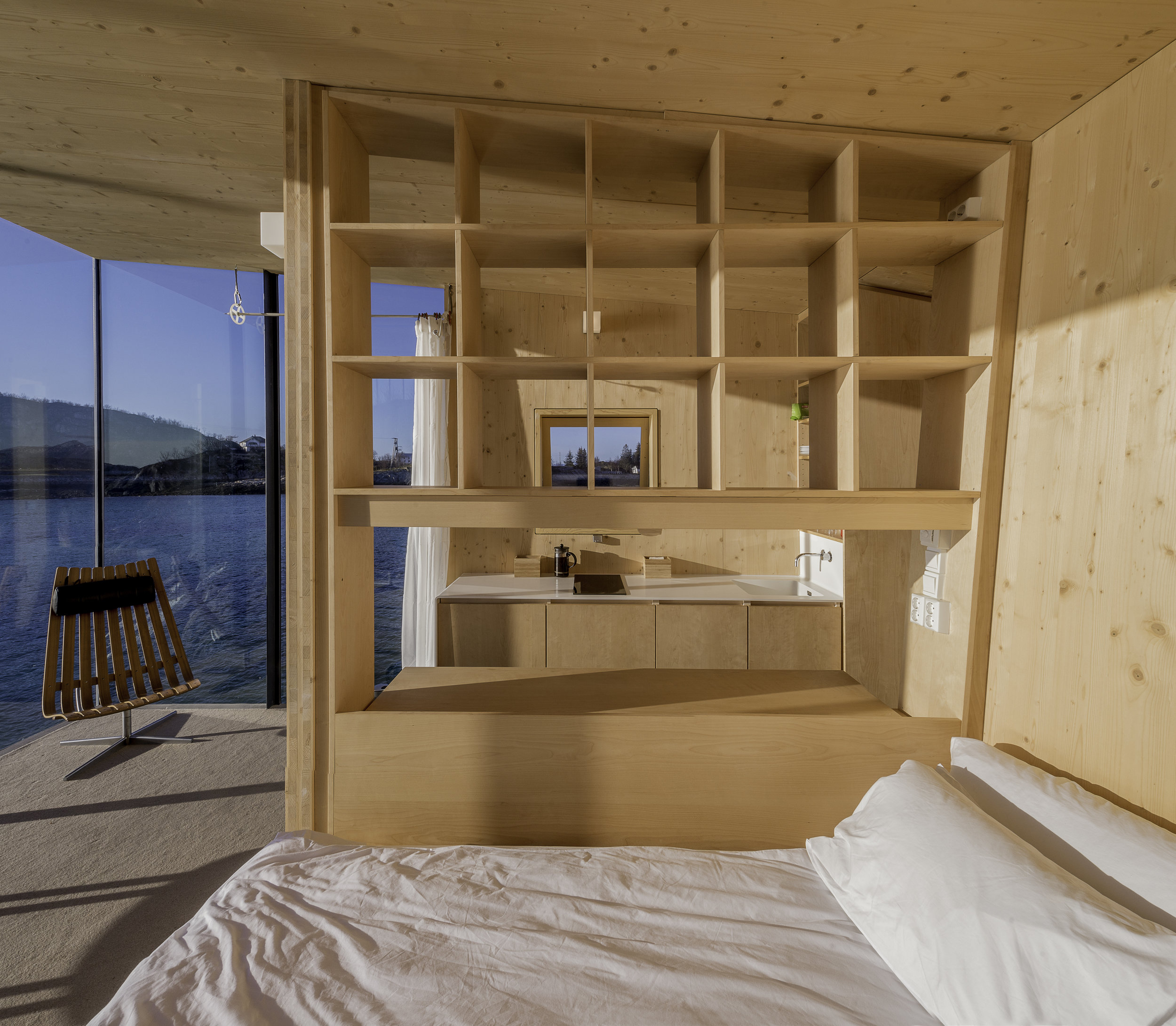
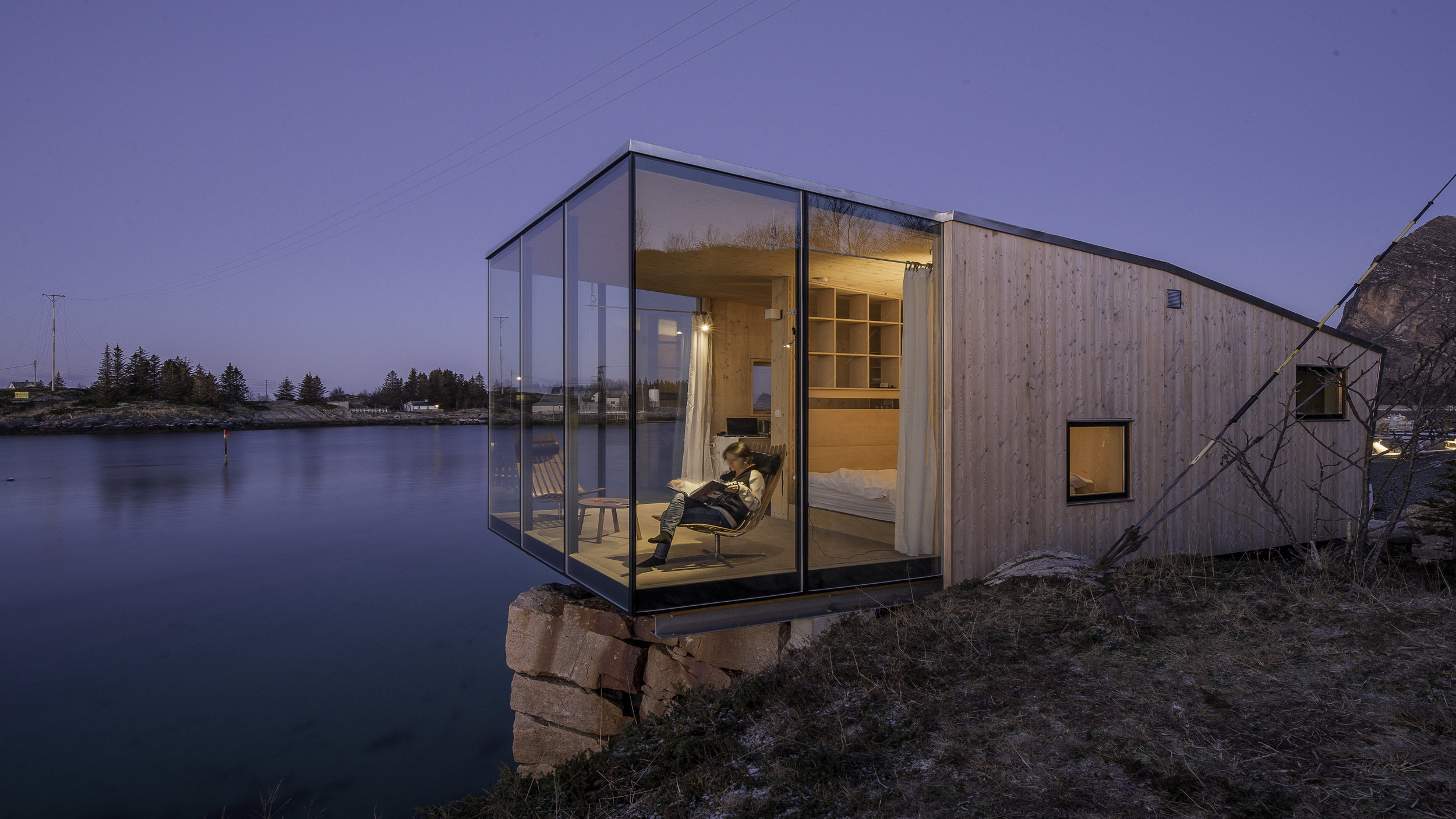
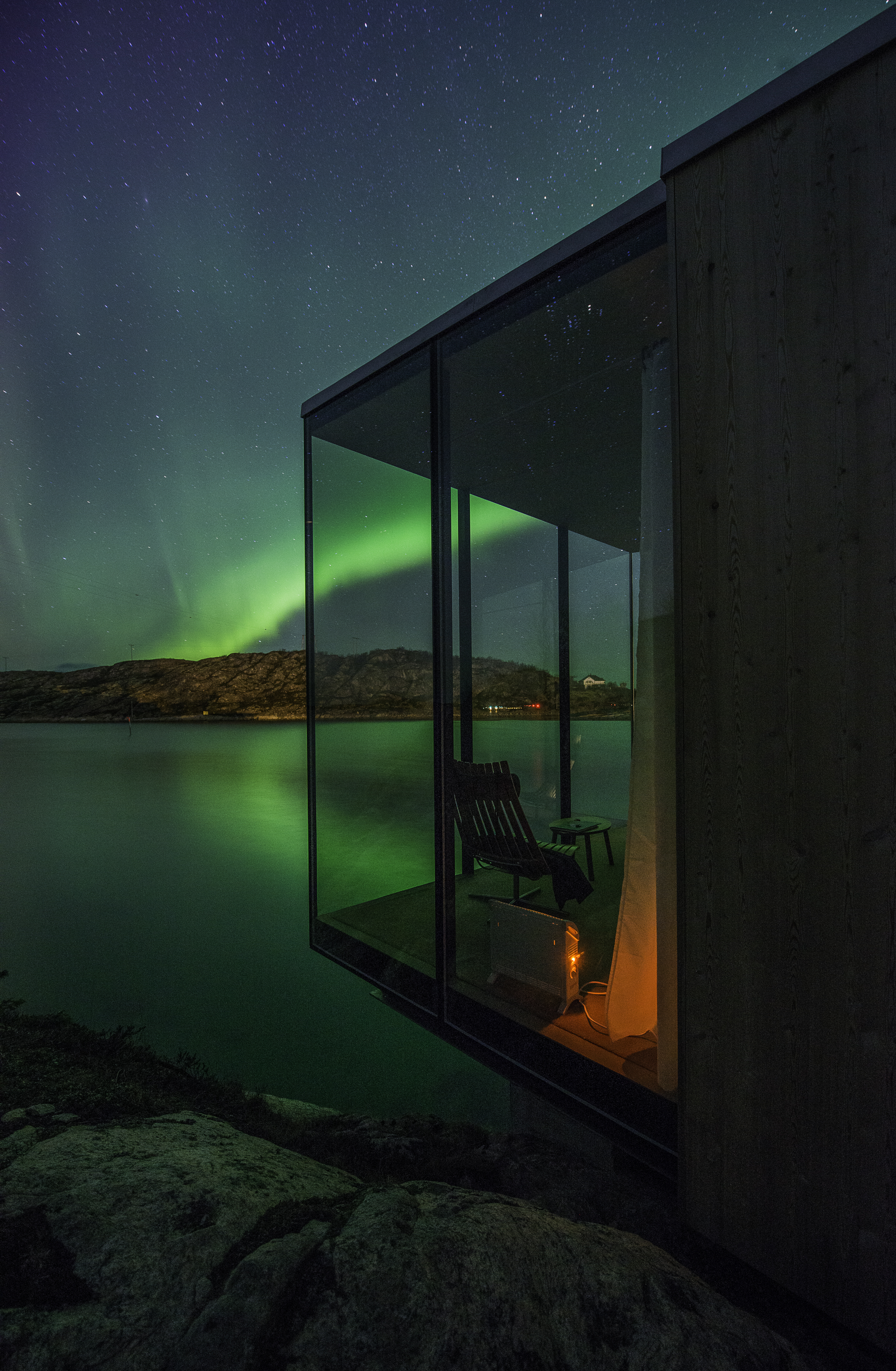
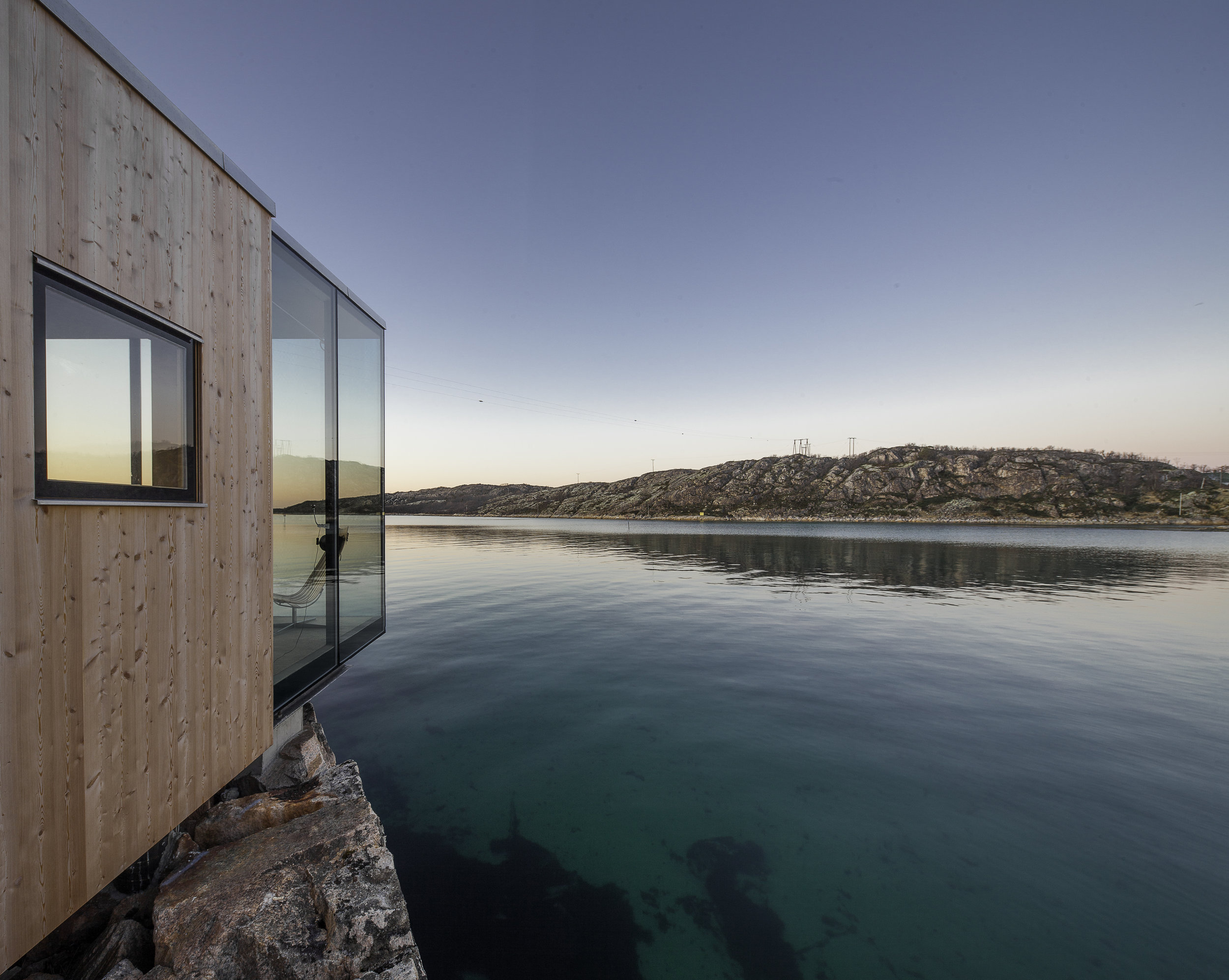
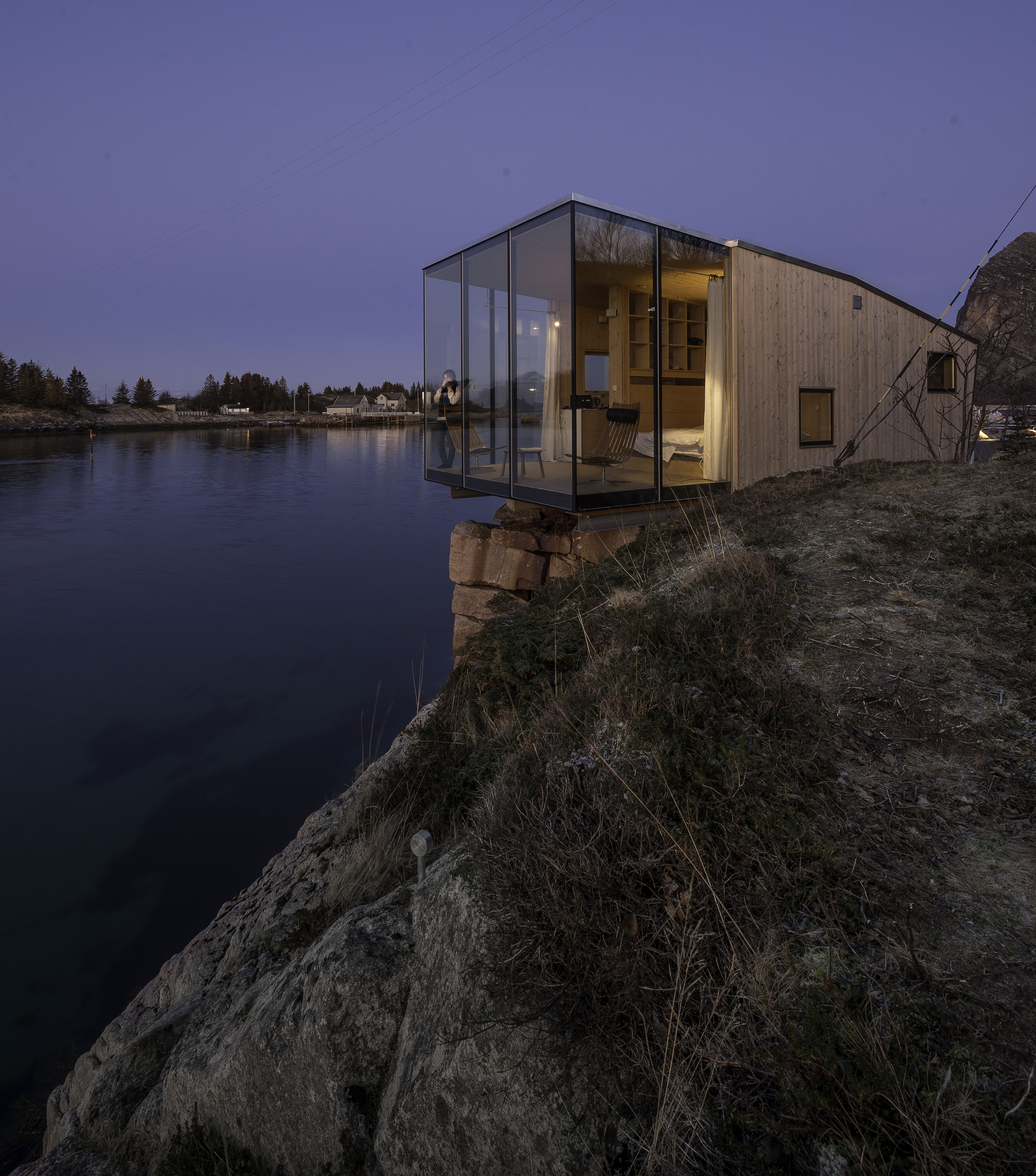
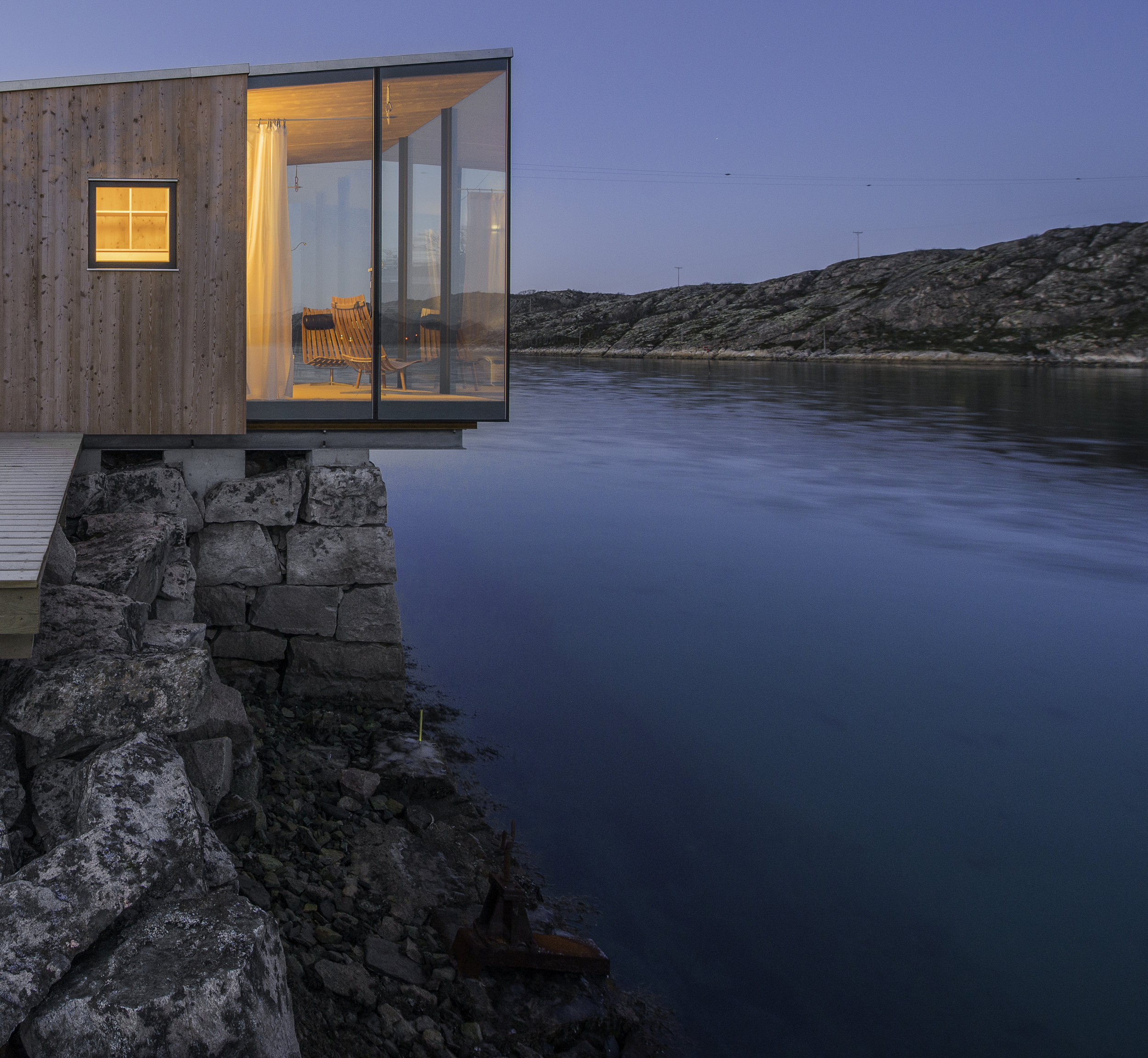
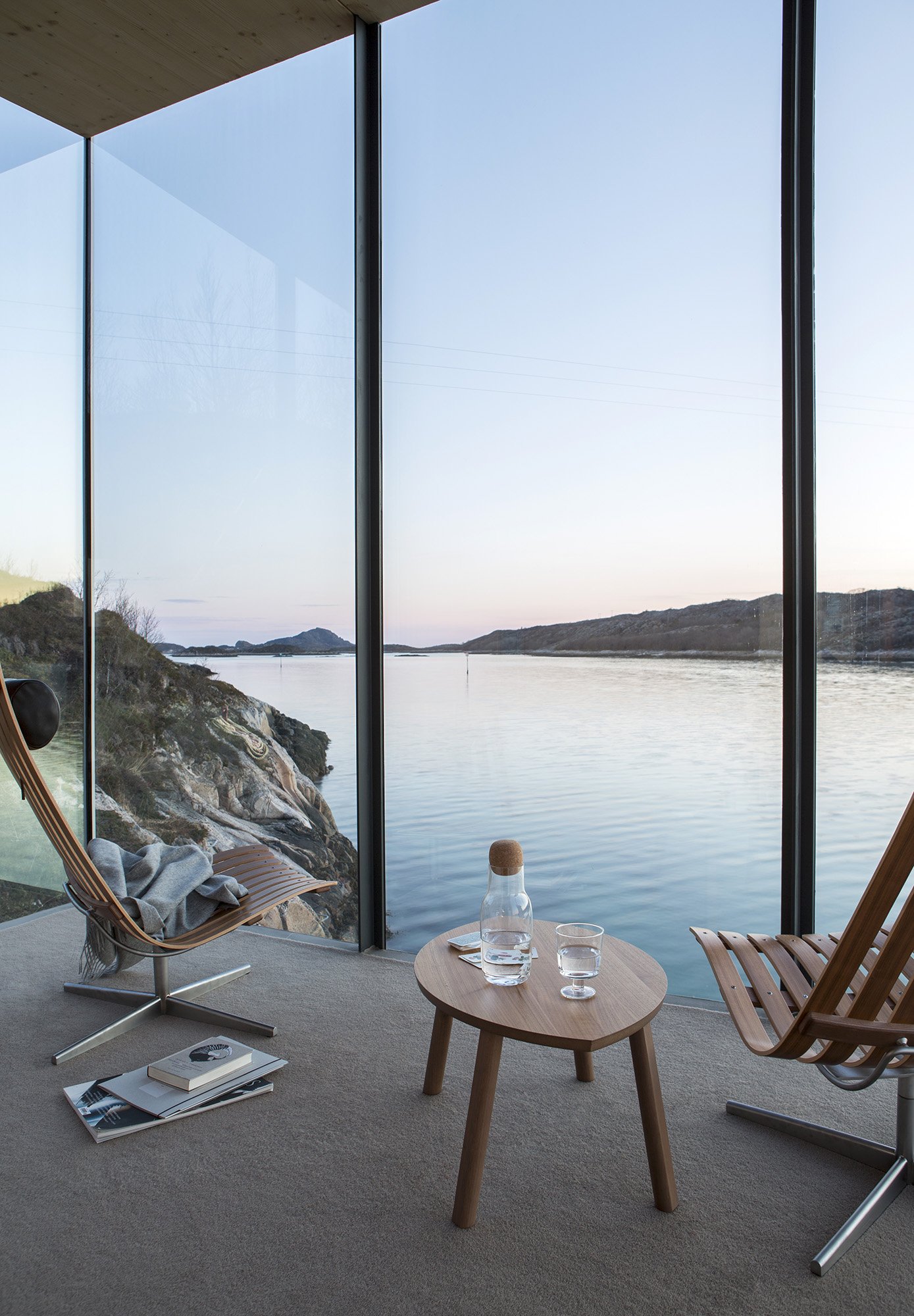
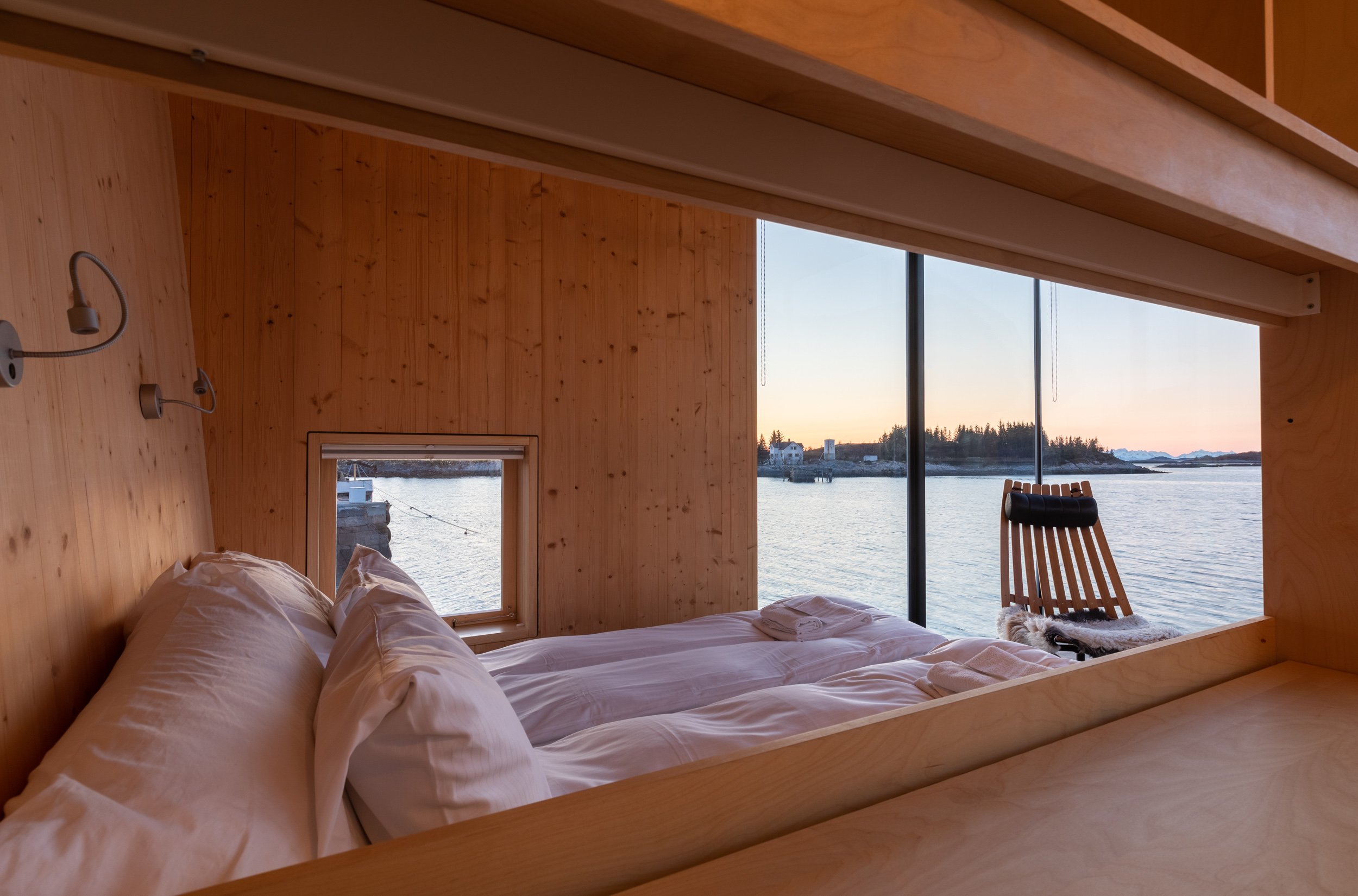
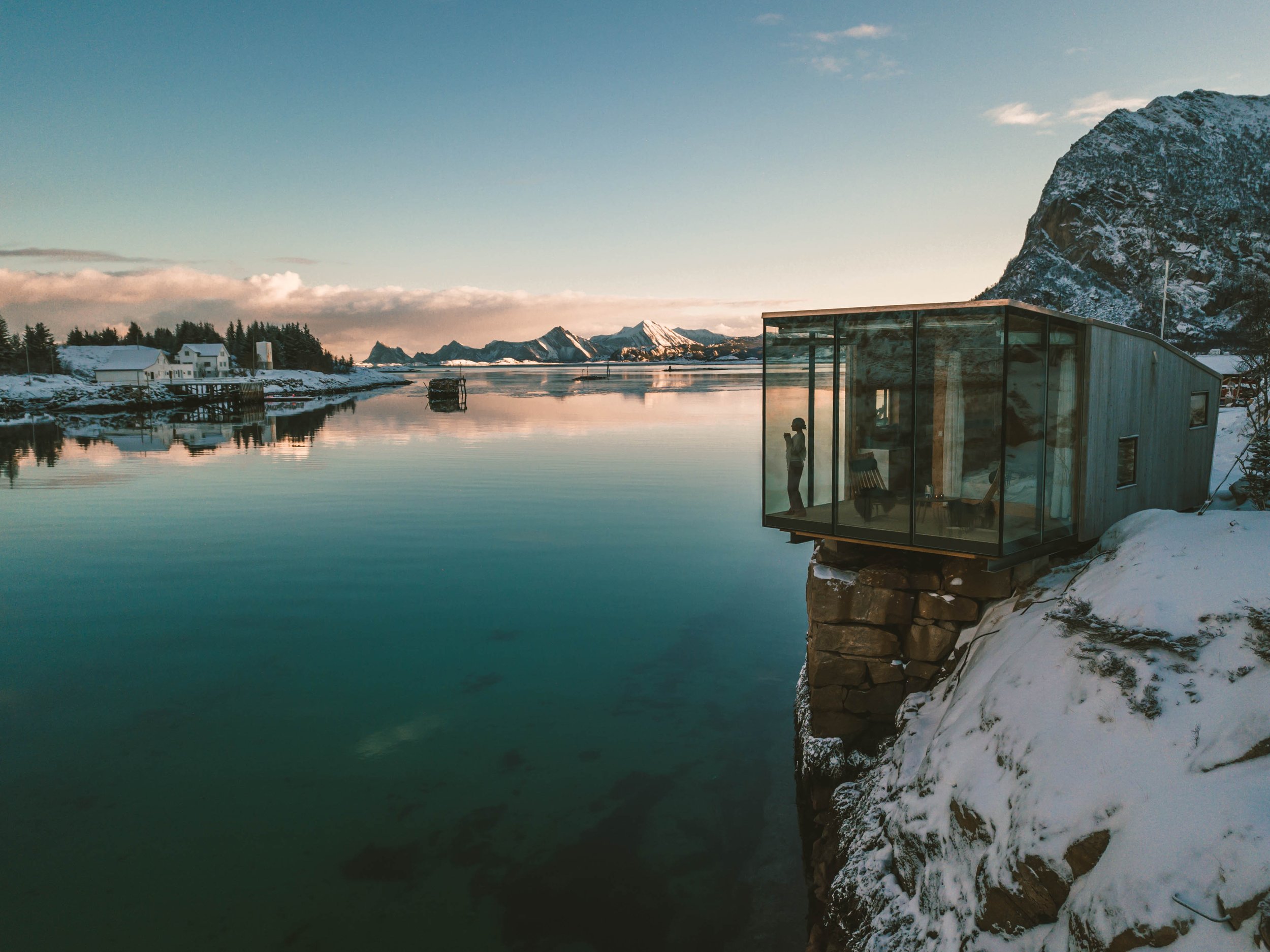
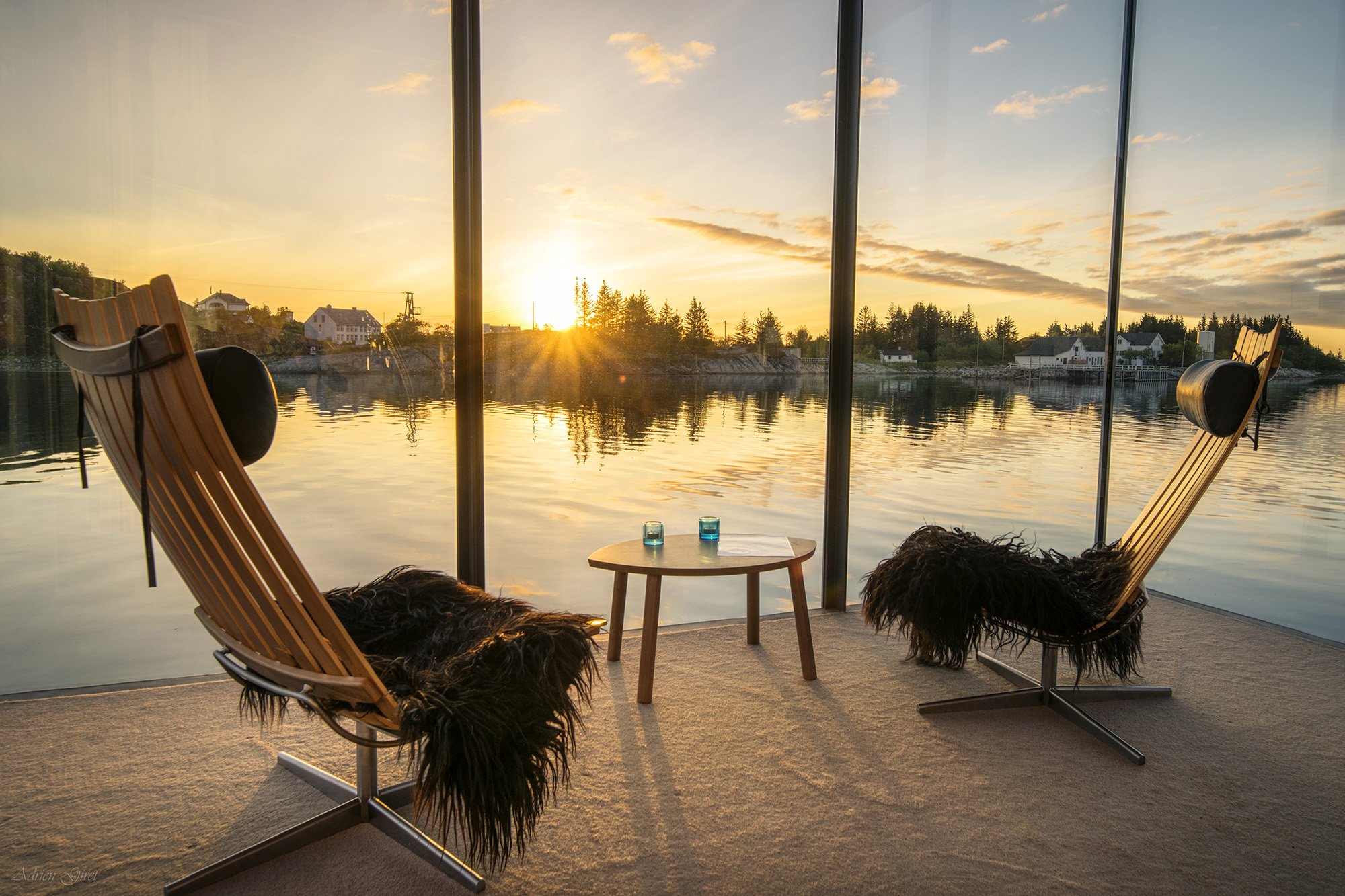
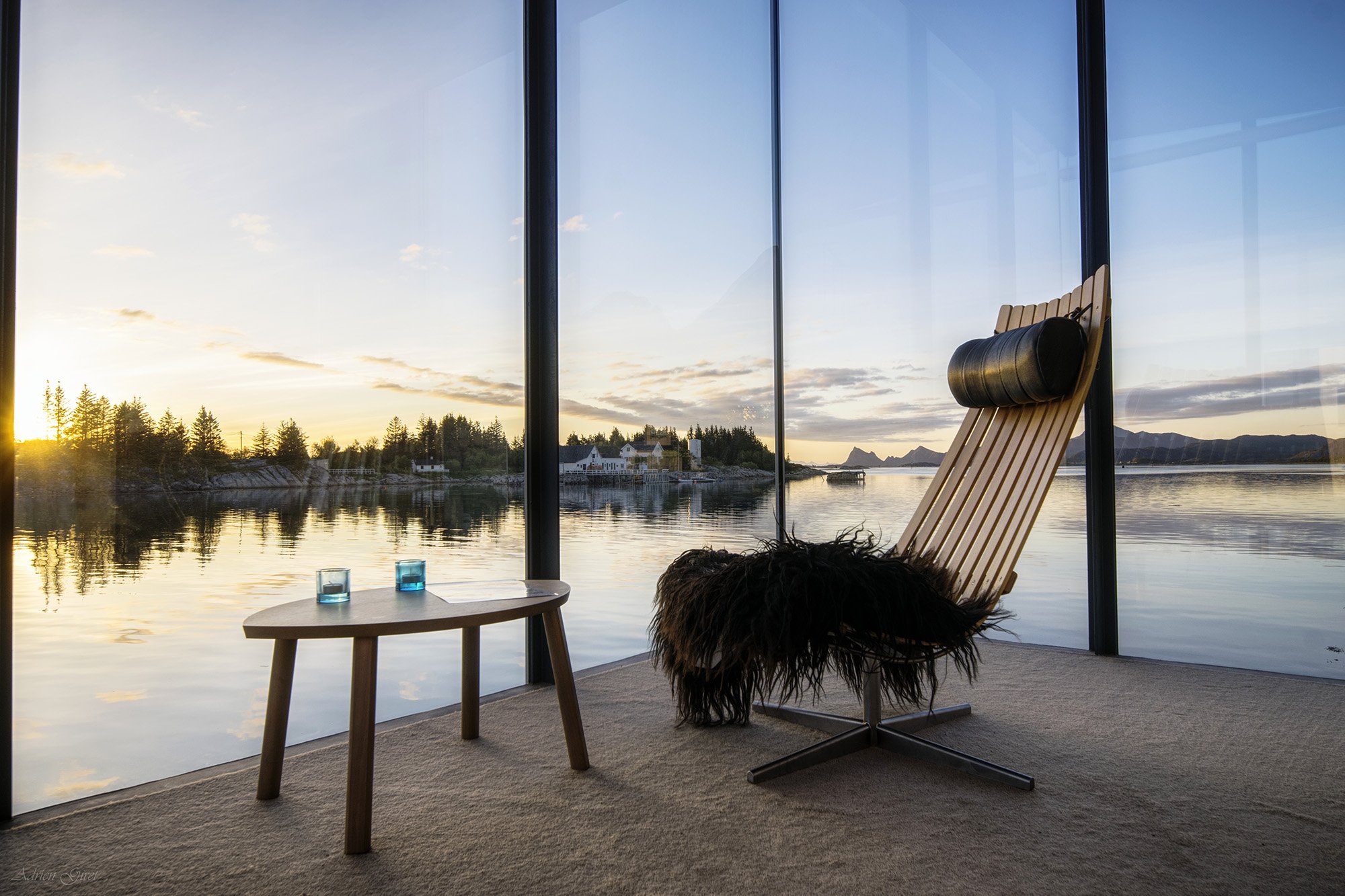
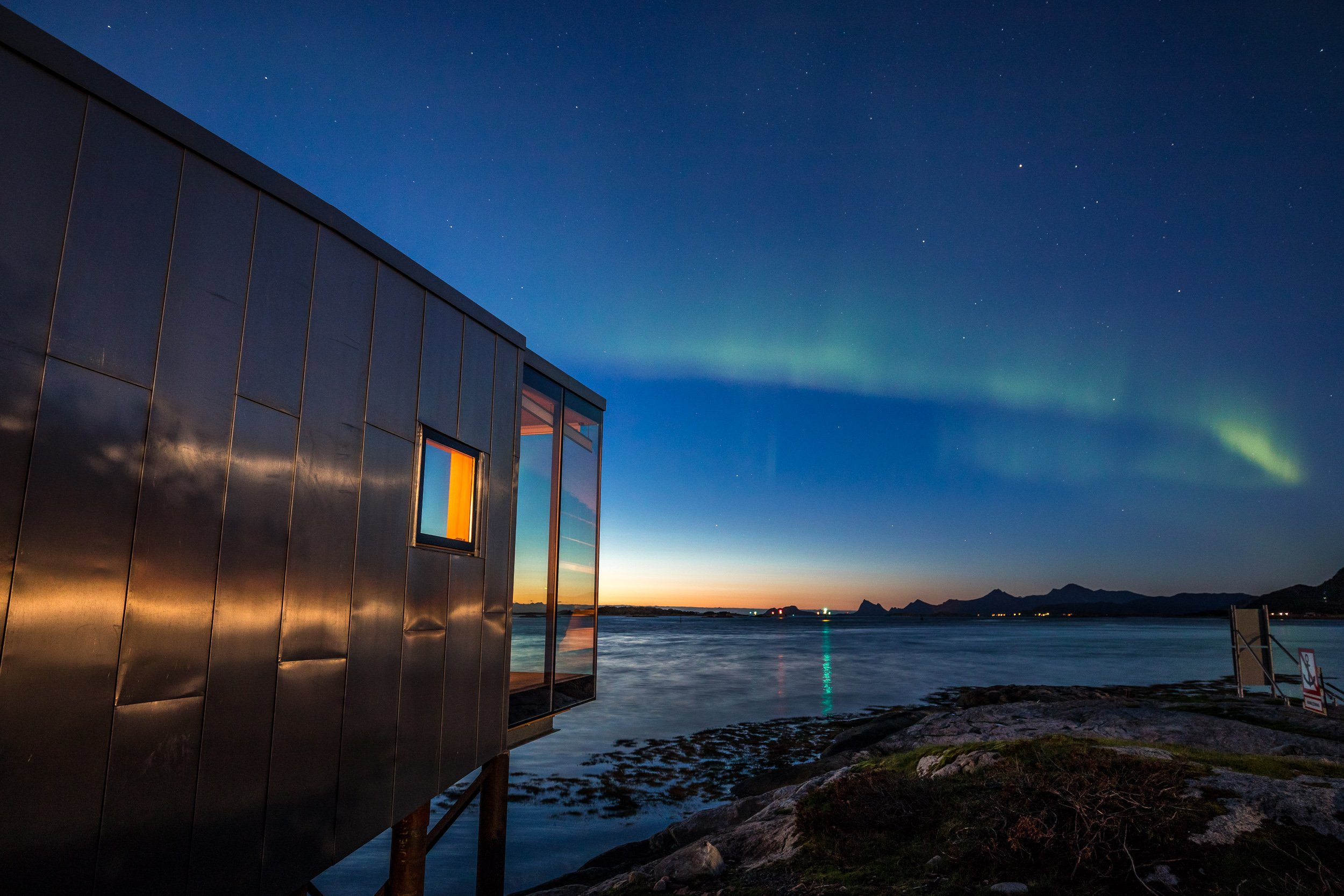
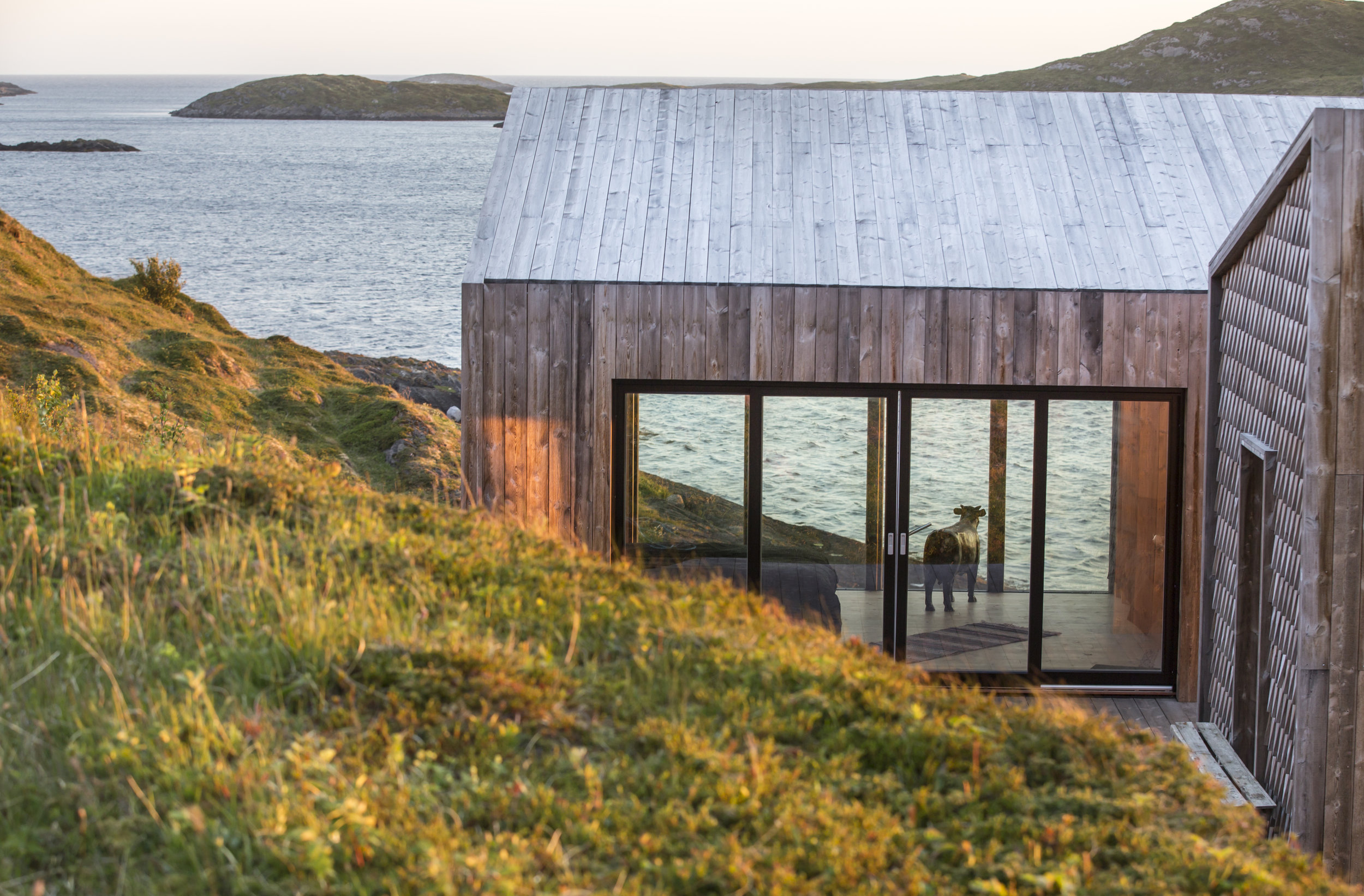
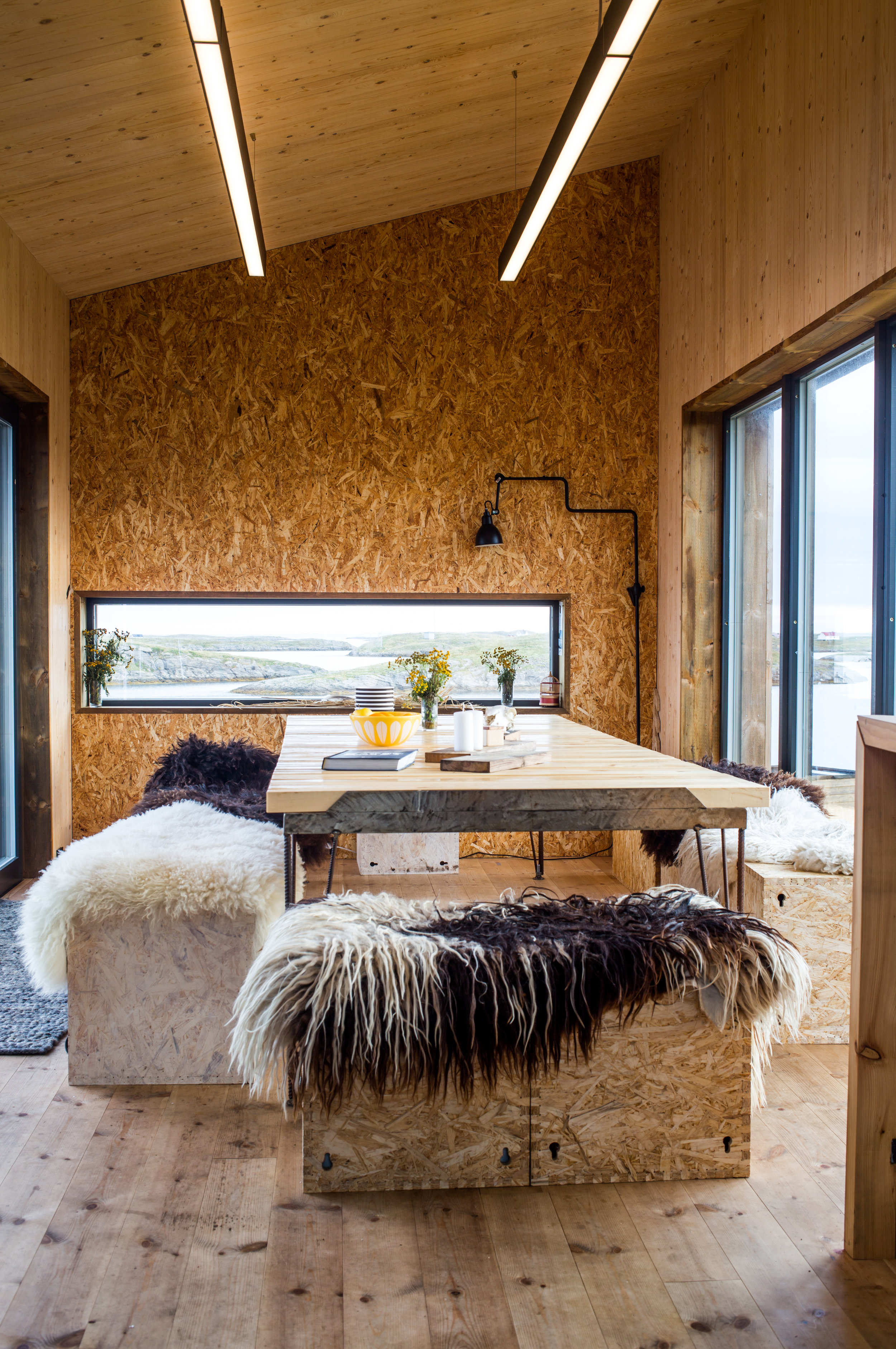
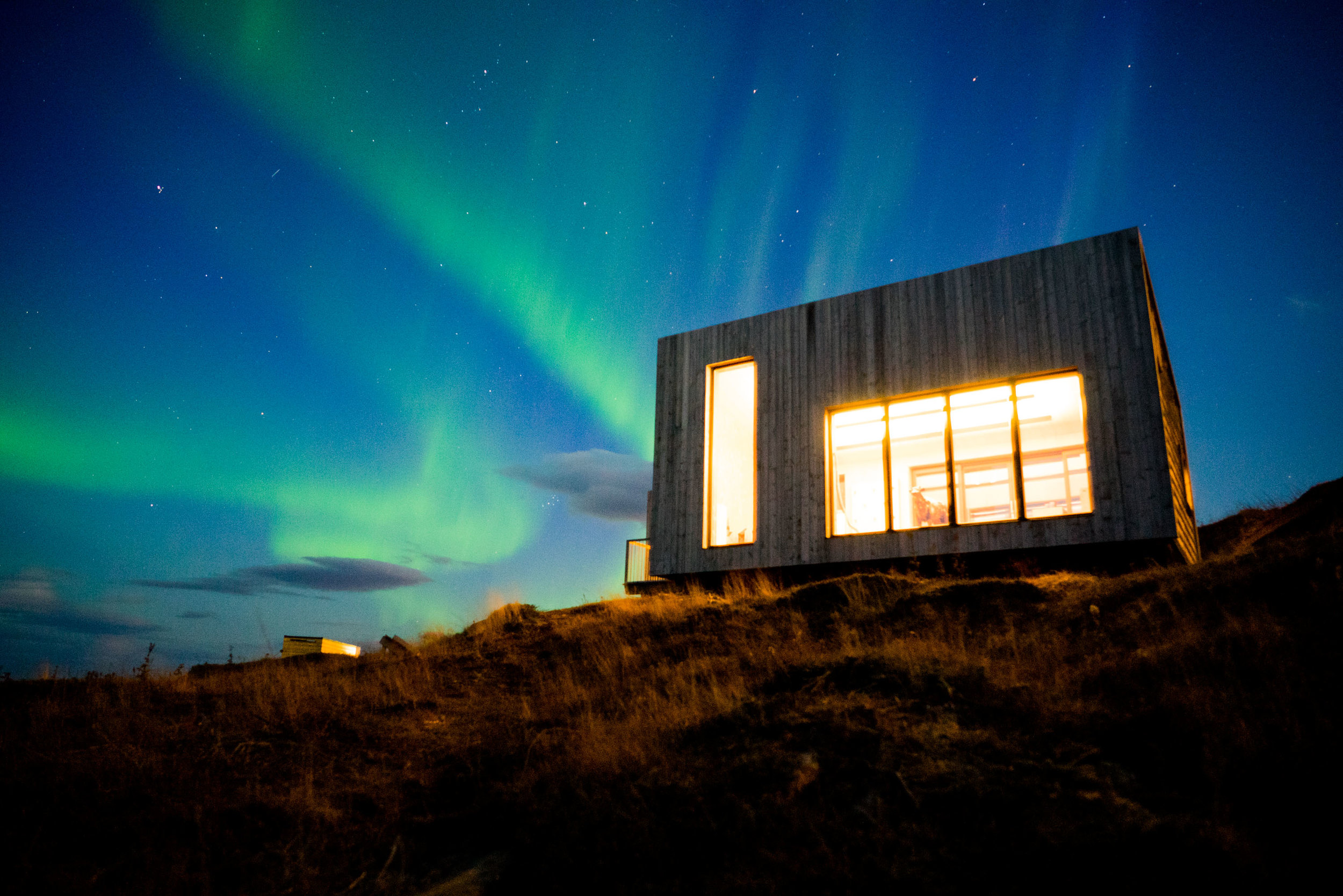
Overlooking the place where the sea and the mountains meet through large floor-to-ceiling windows. Wild Norwegian coastline. Tranquil fjords. Watching sea eagles soar above. Fluorescent sky. Reading National Geographic by the fire after a day full of adventures.
BEST VISITING MONTHS
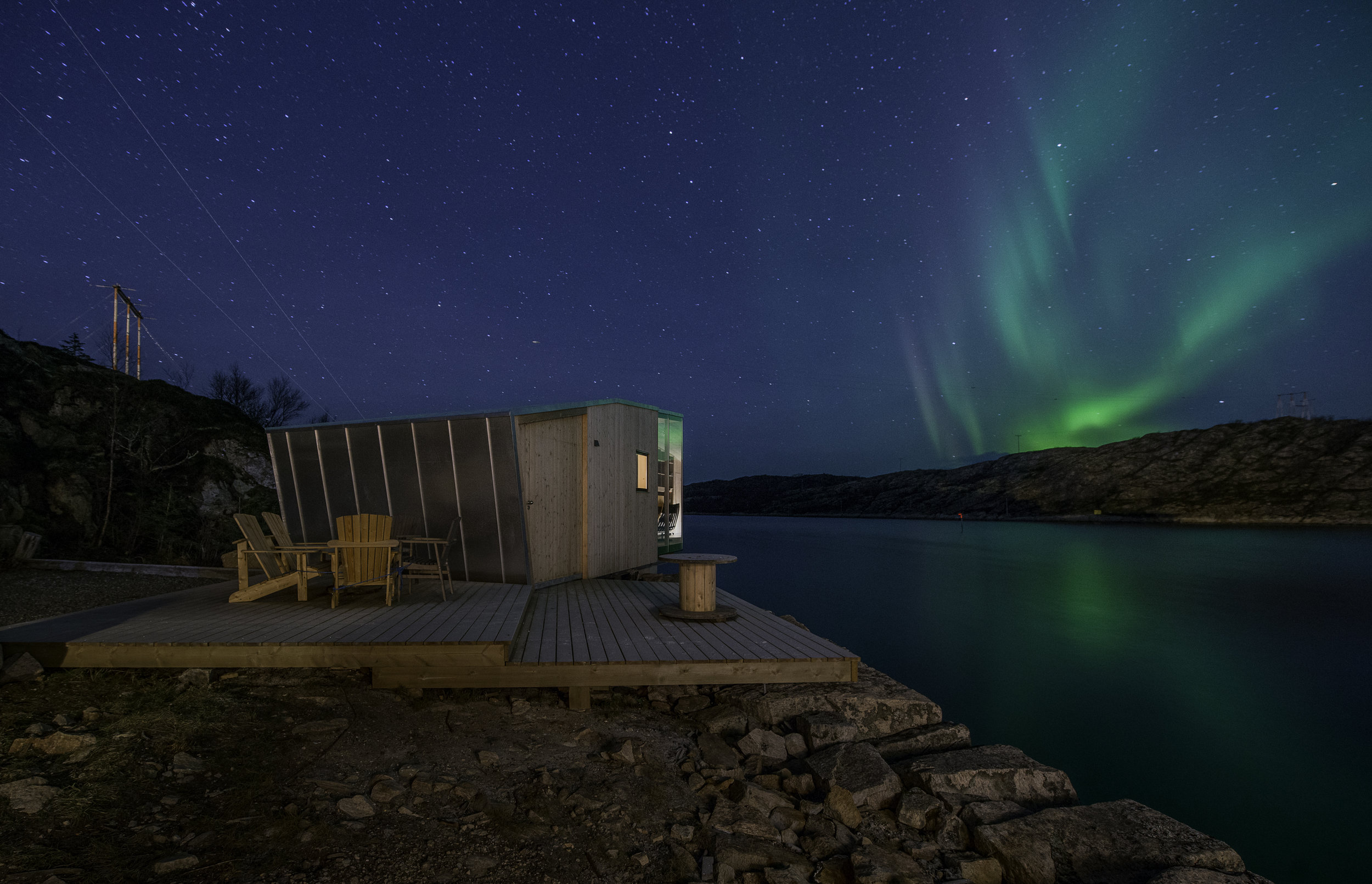
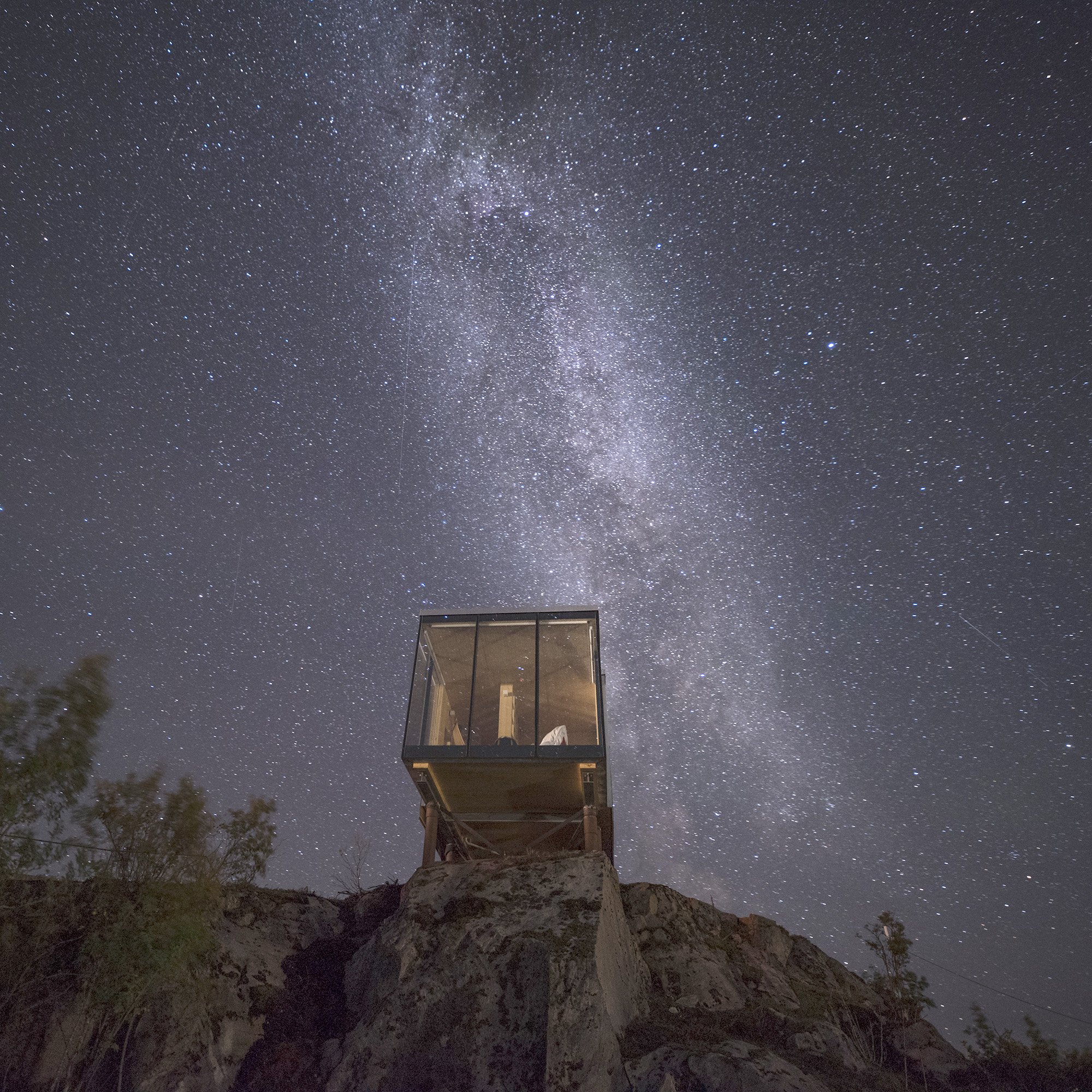
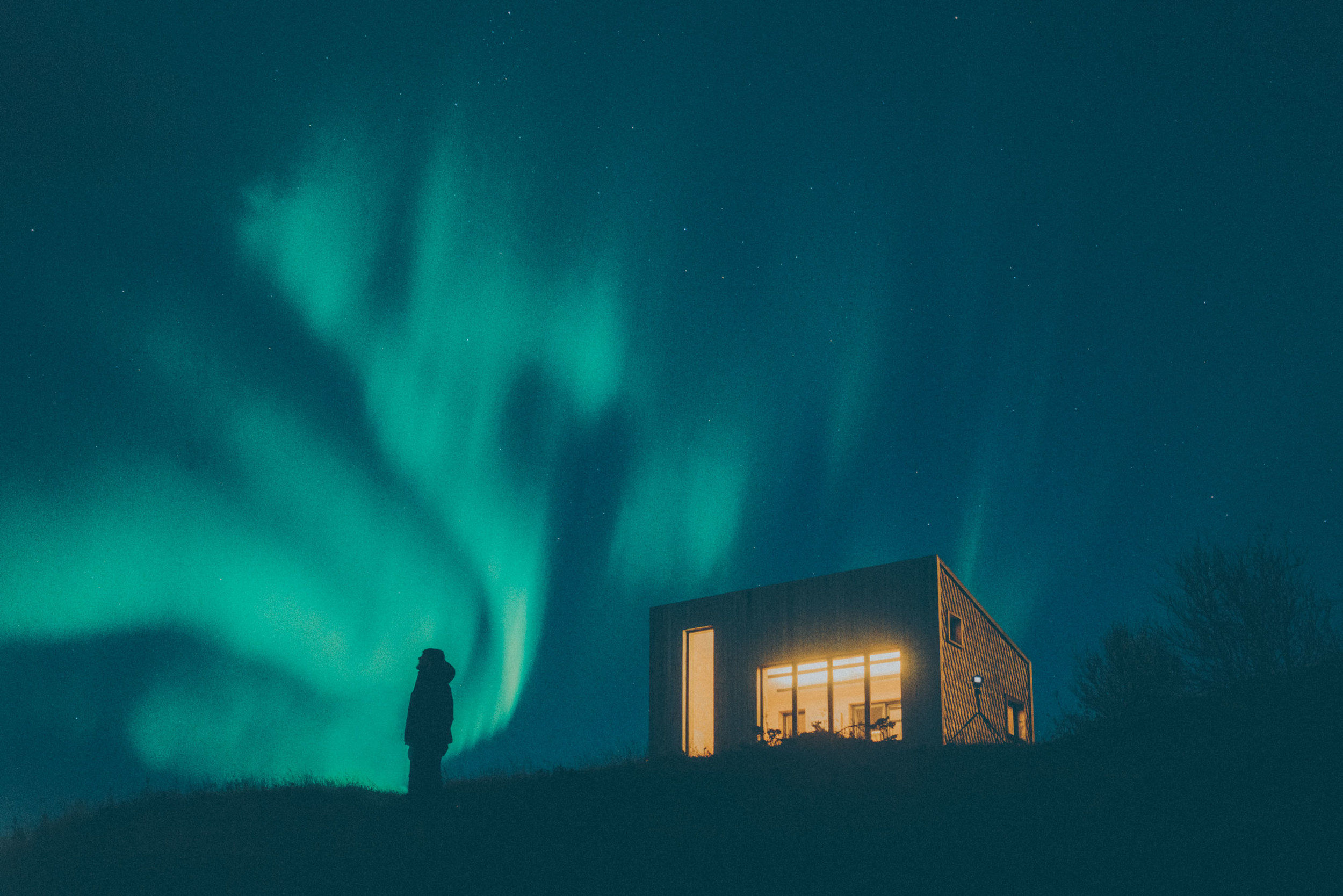
The best time to visit Manshausen Island in Norway is between June and August, during the summer months. This period offers mild temperatures, long daylight hours, and the enchanting Midnight Sun, allowing visitors to fully enjoy the island's stunning landscapes and outdoor activities like kayaking, hiking, and fishing. The surrounding waters are calm and ideal for exploring, and the natural beauty of the island is in full bloom. For those interested in experiencing the Northern Lights, however, a visit during late autumn or early winter, from September to November, is ideal. Although the weather is cooler, the chance to witness the aurora borealis in a more peaceful, serene setting is a unique and unforgettable experience. Manshausen is closed from early November to early February.
COST


WHY STAY
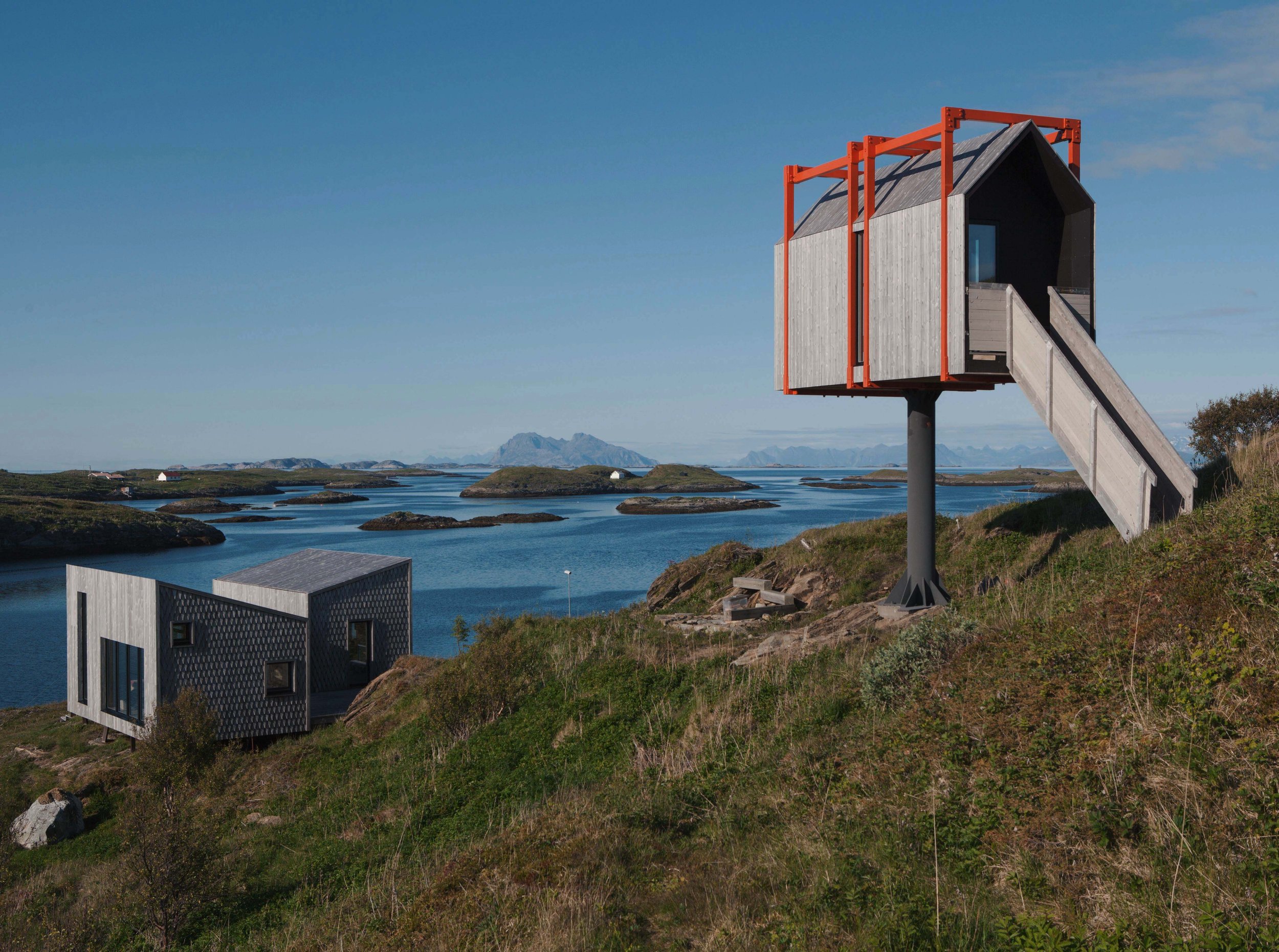
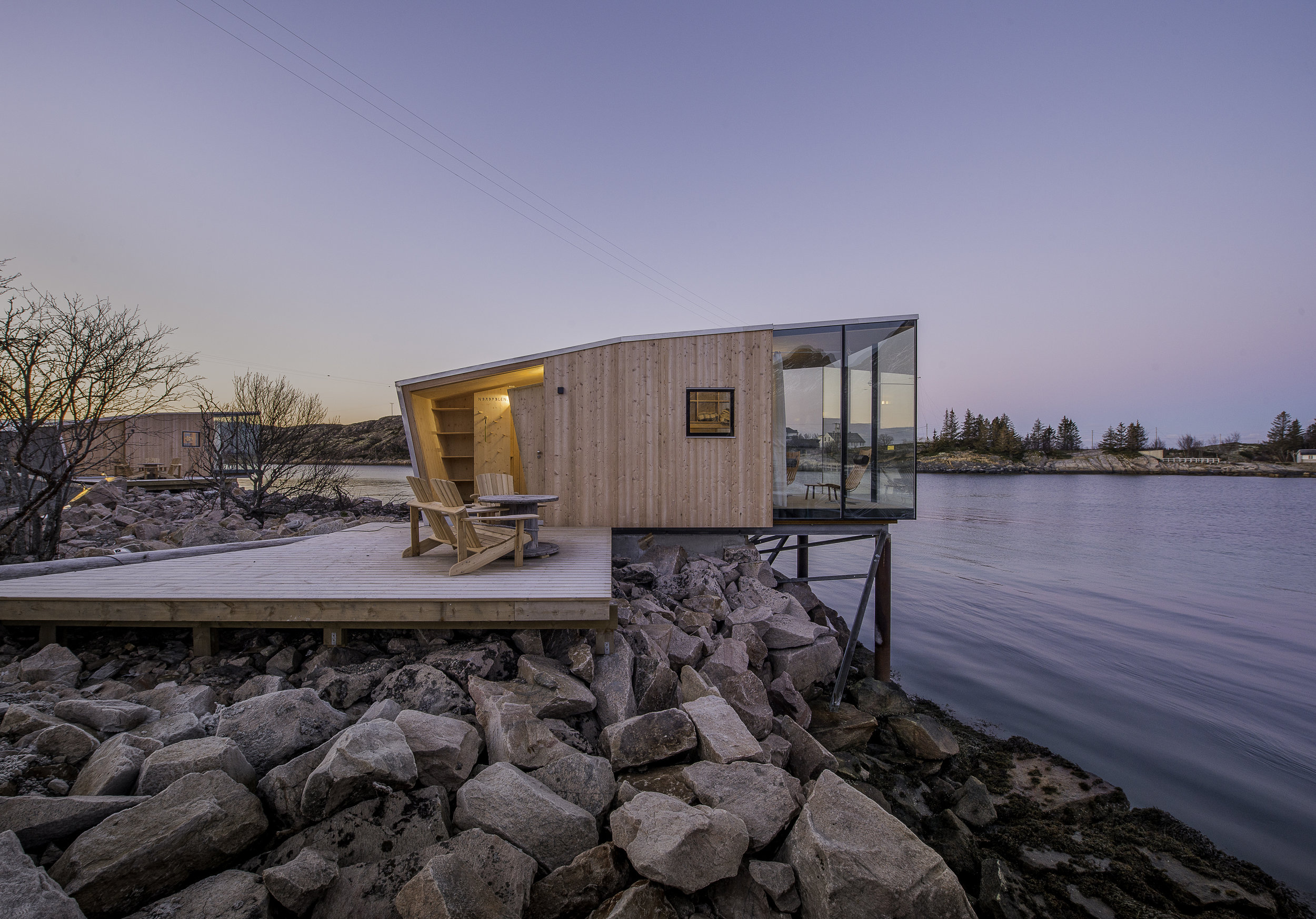
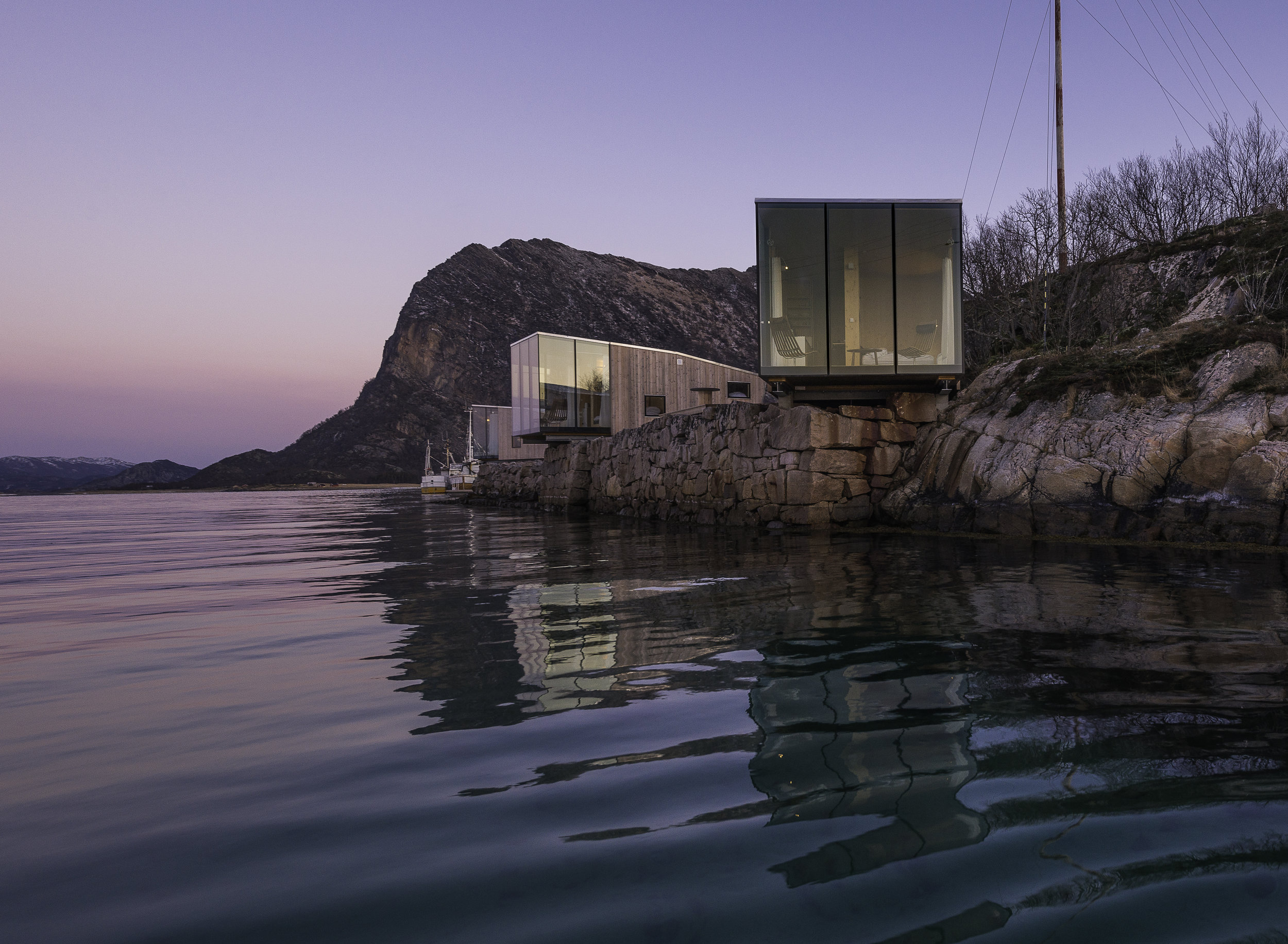
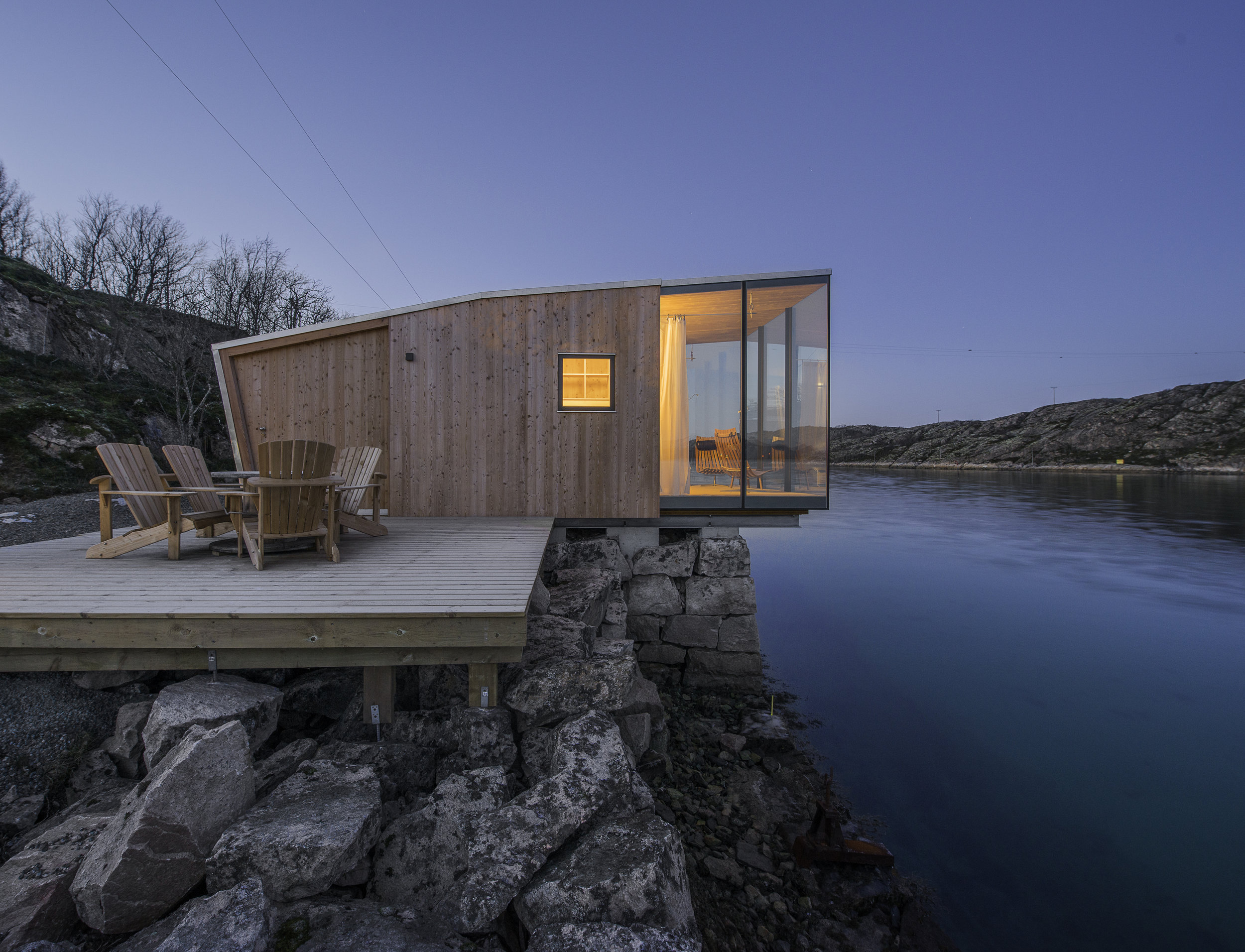
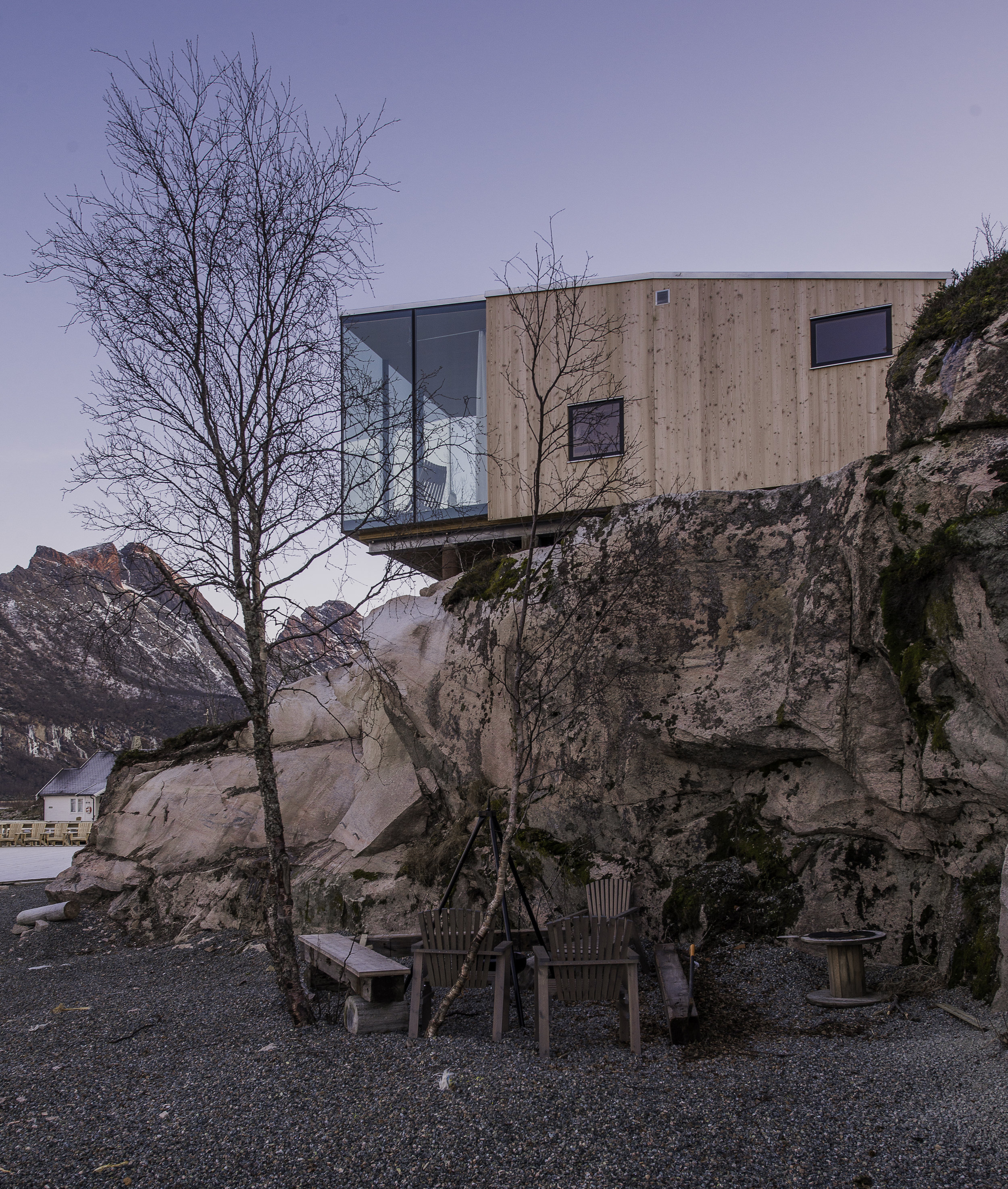
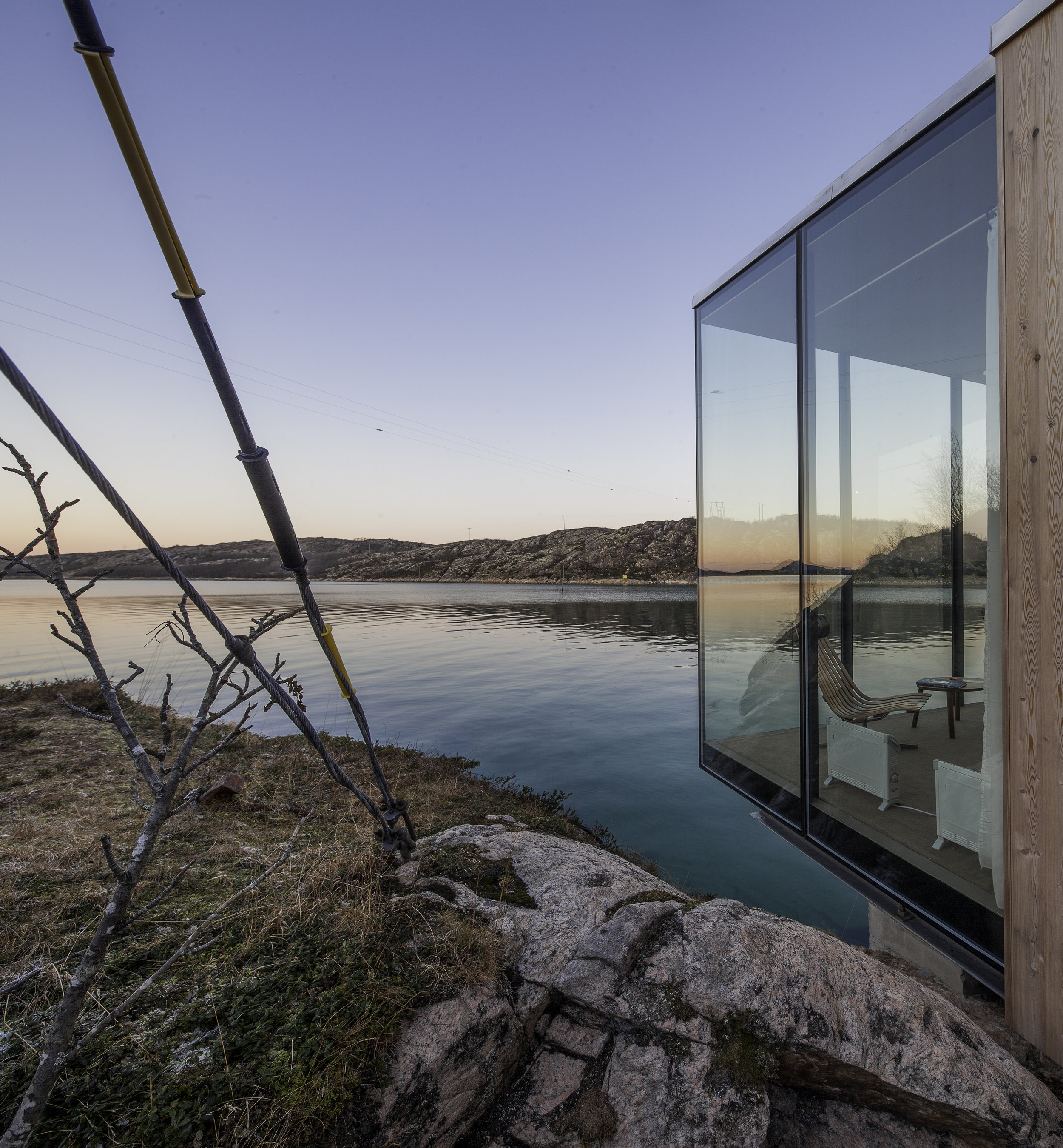
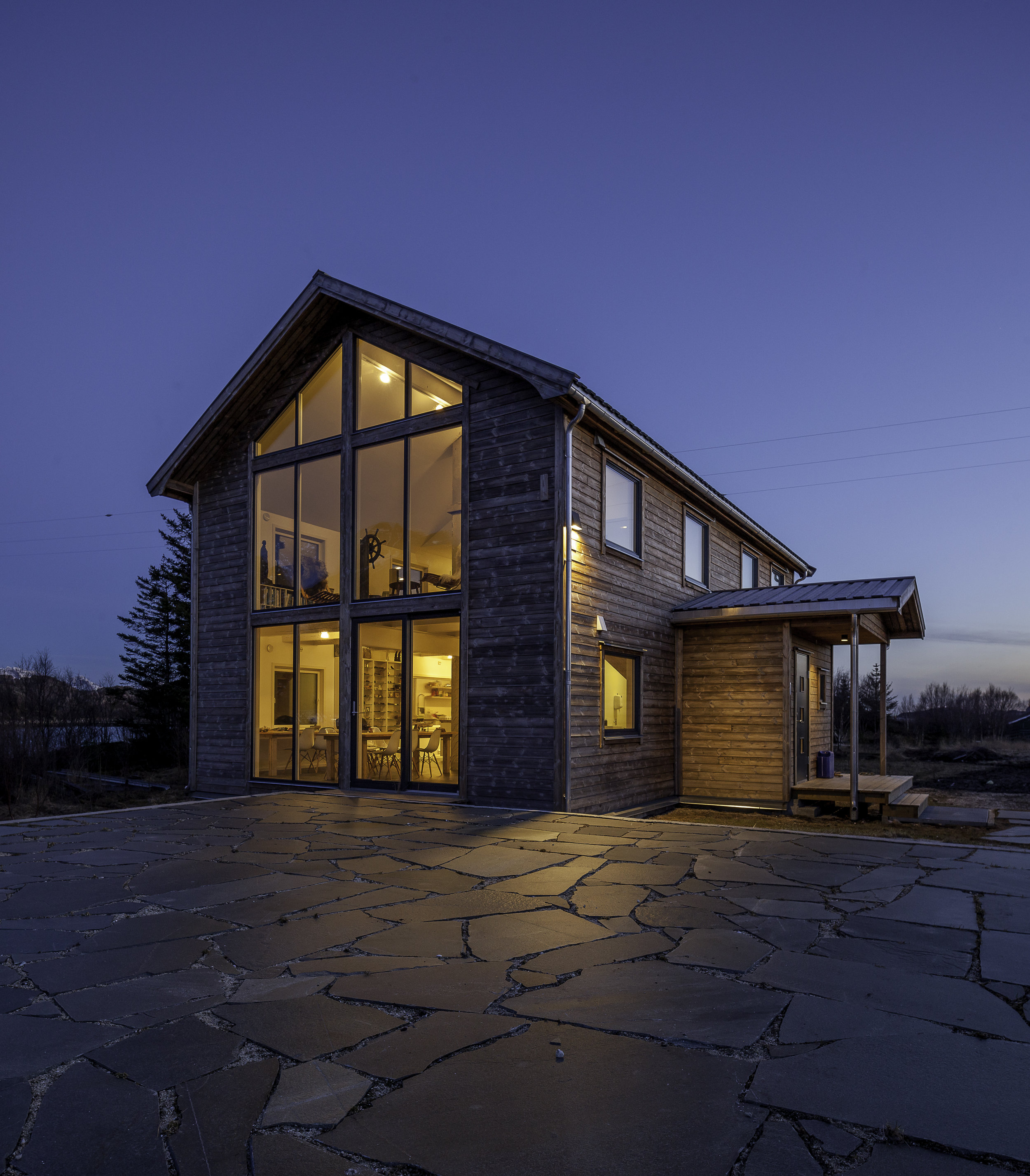
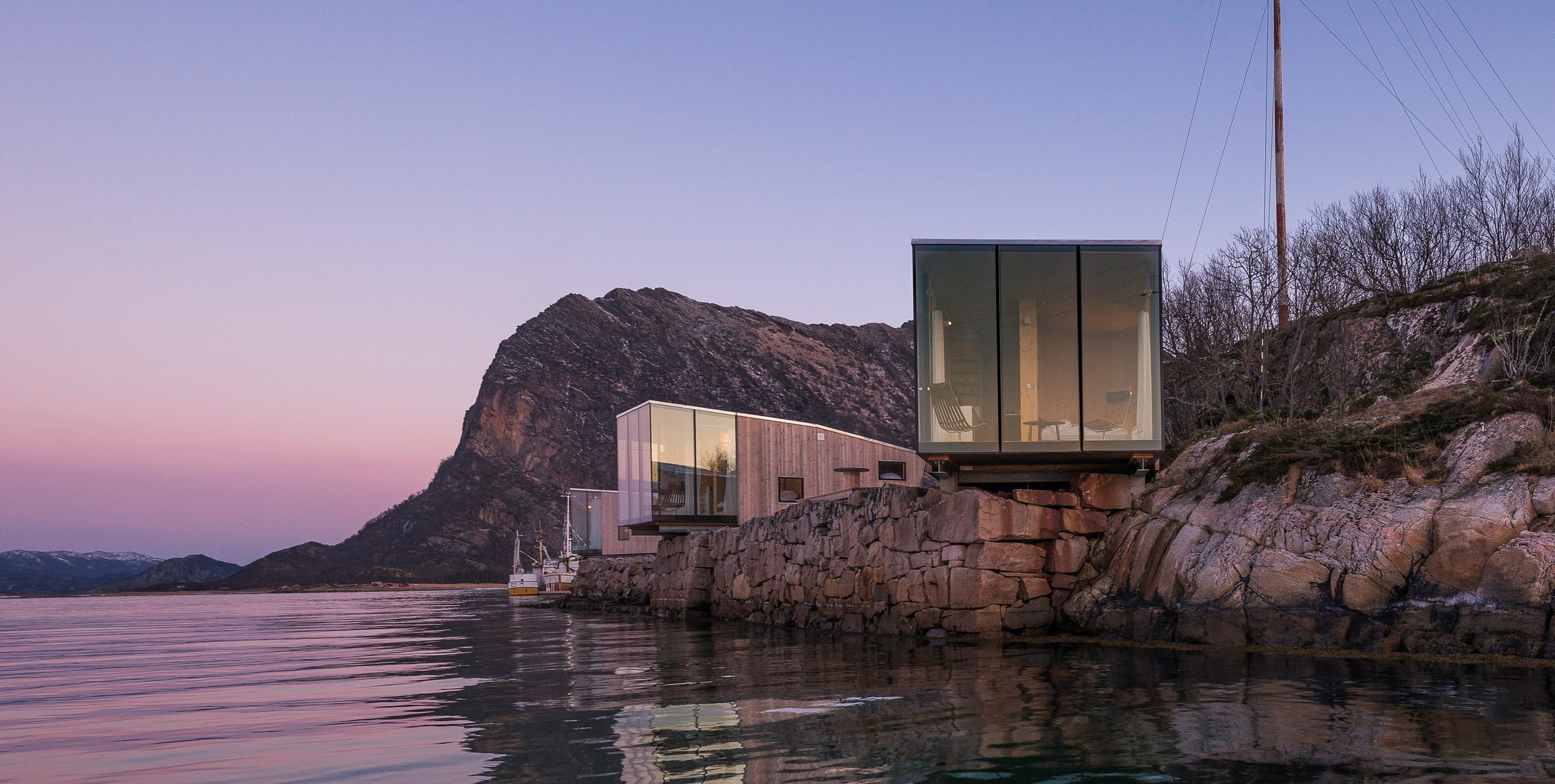
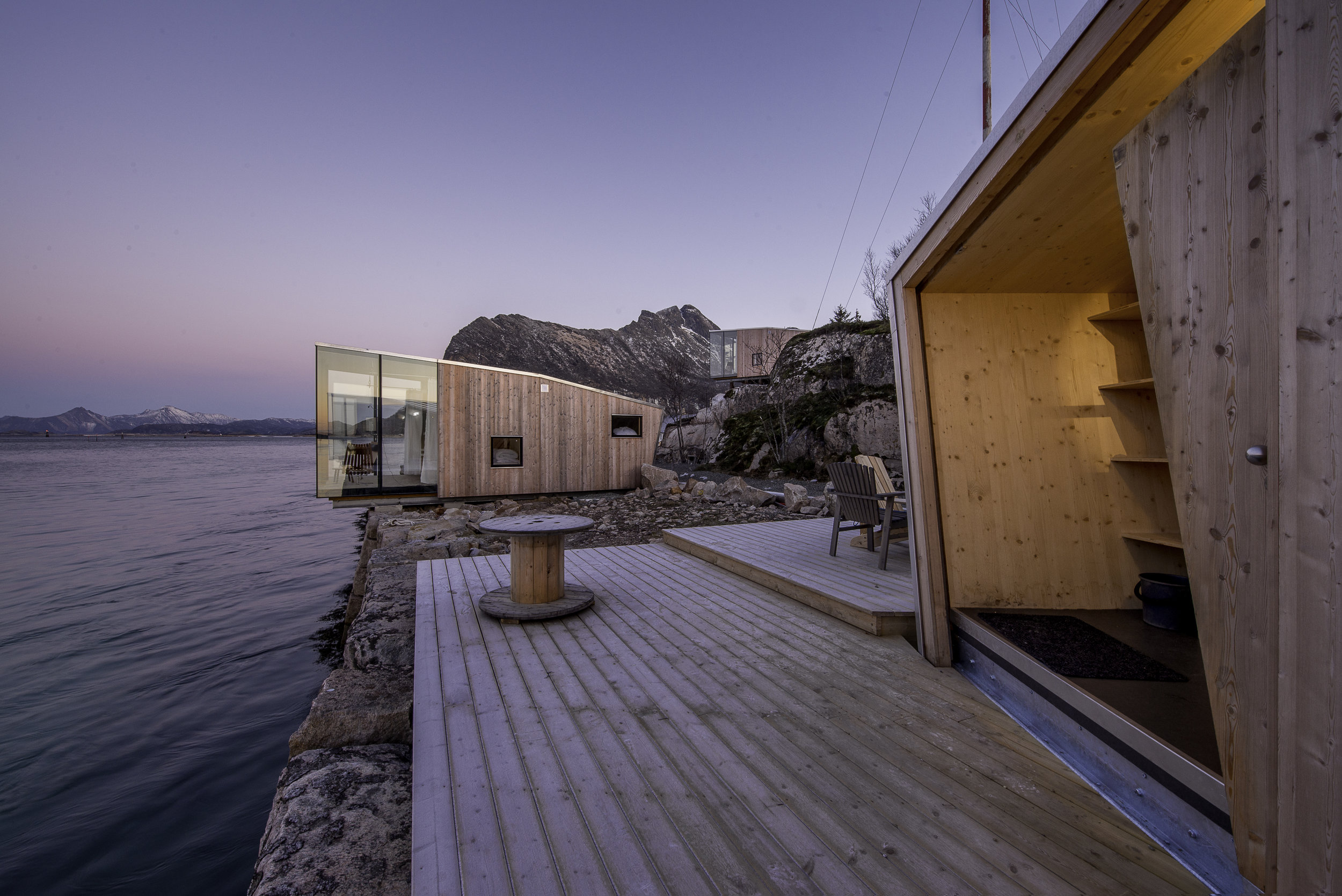
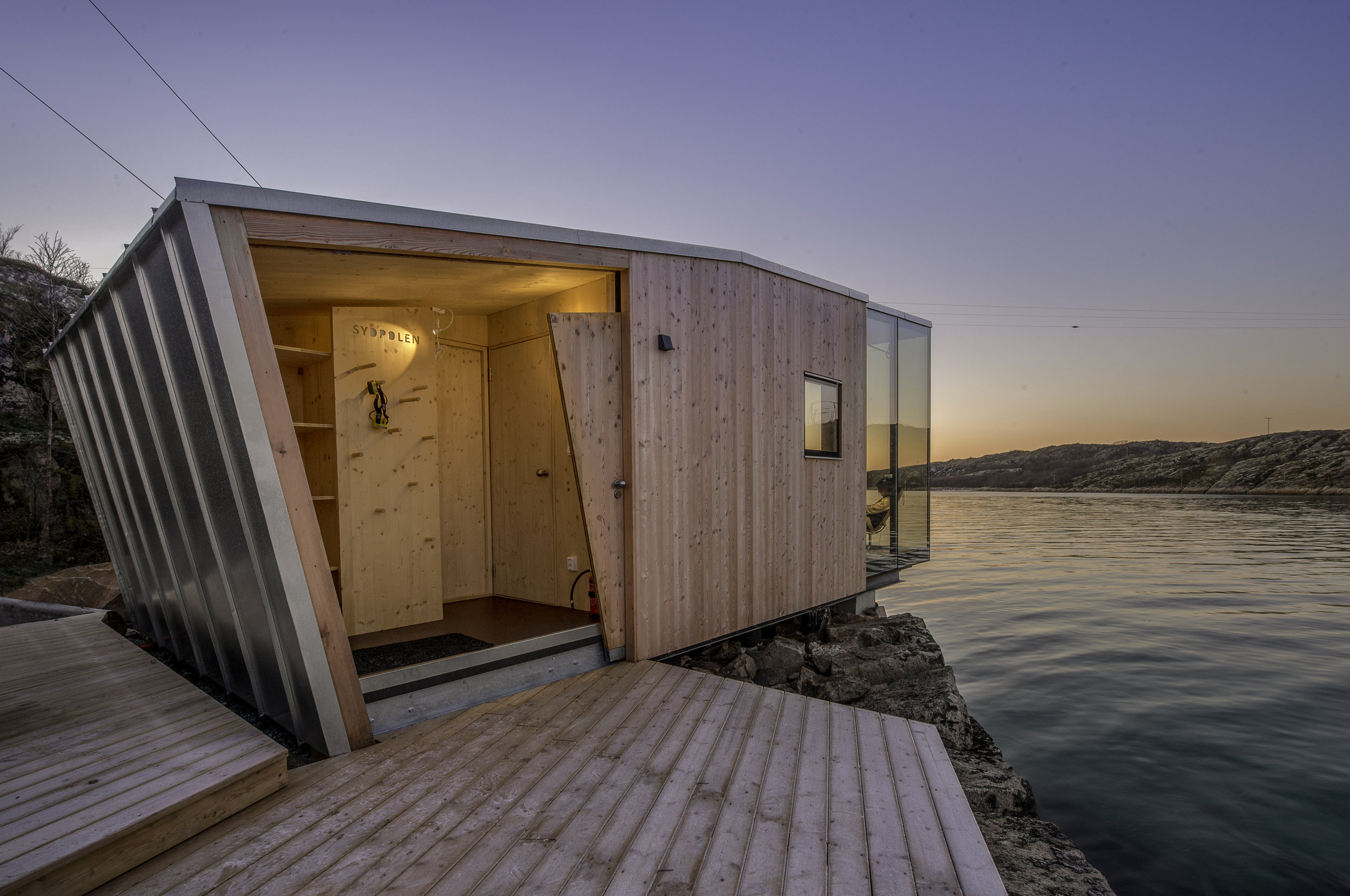
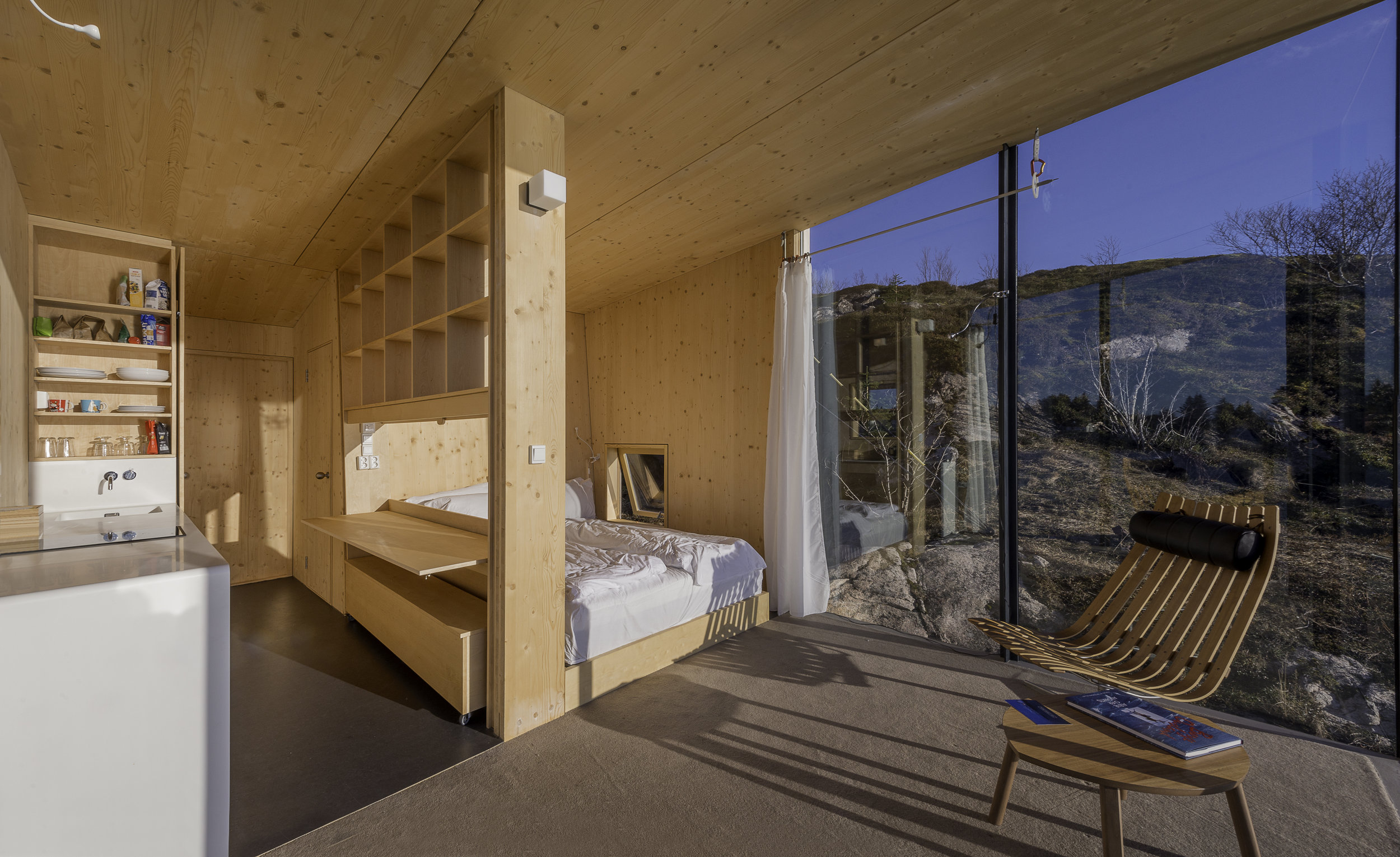
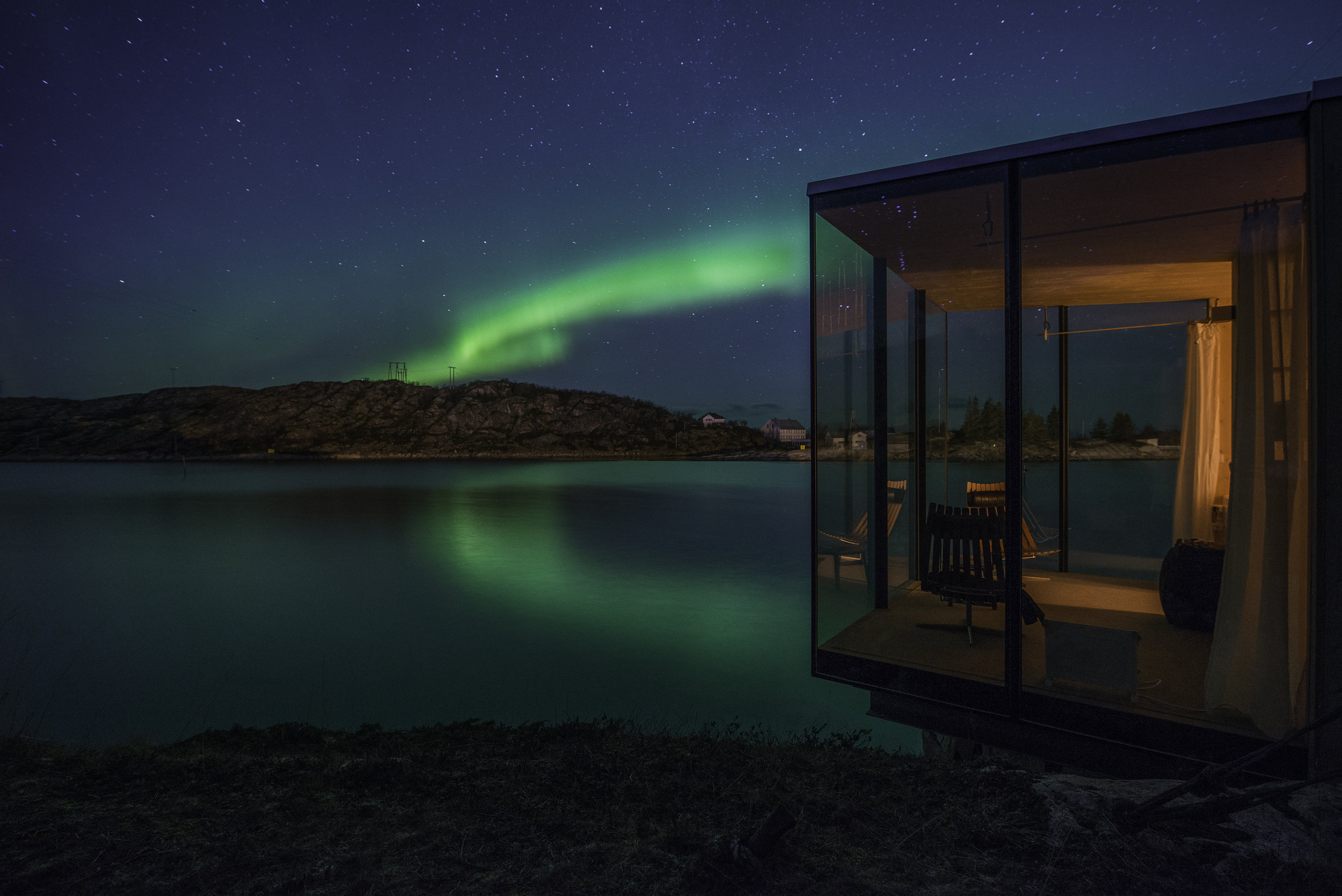
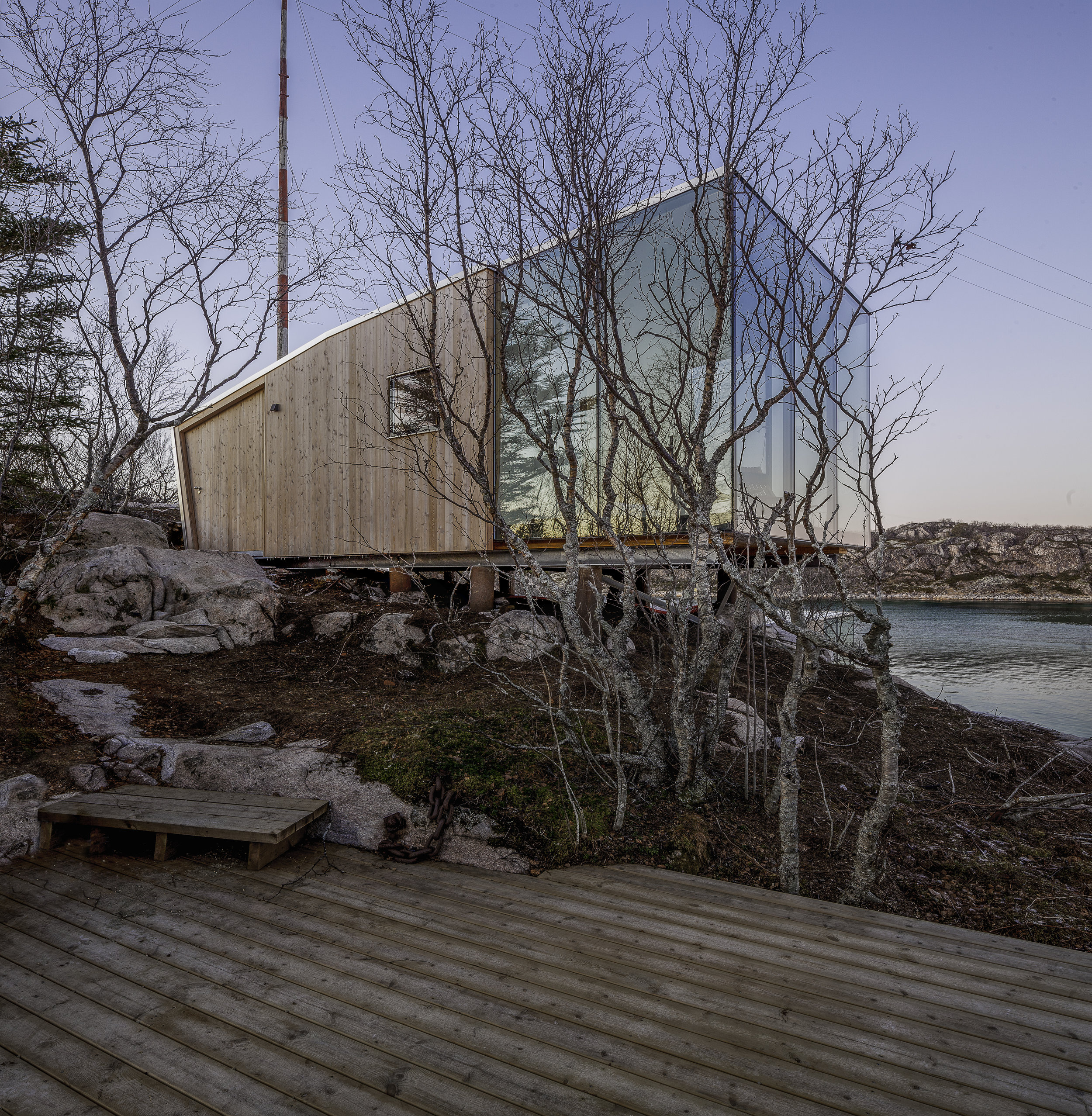
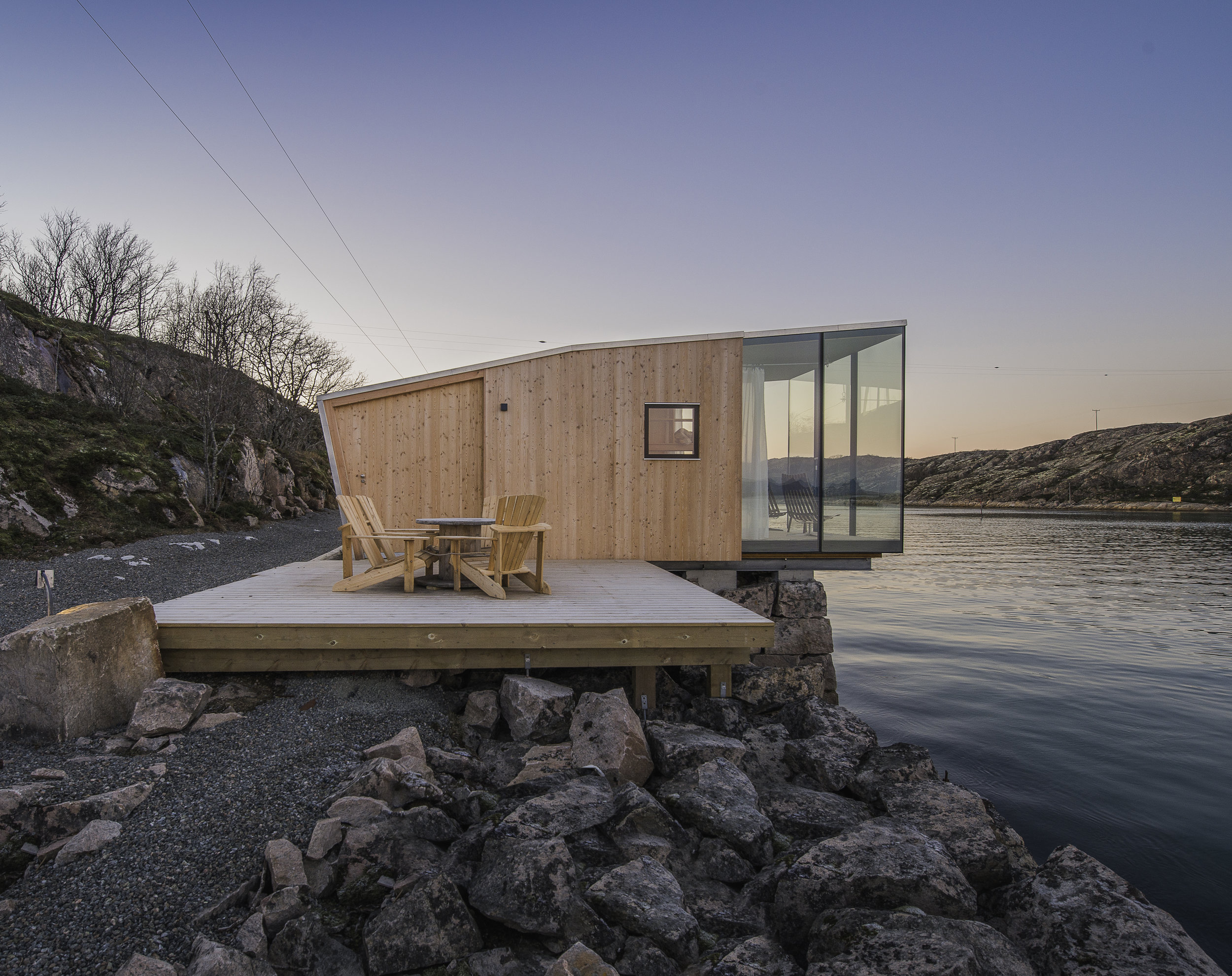
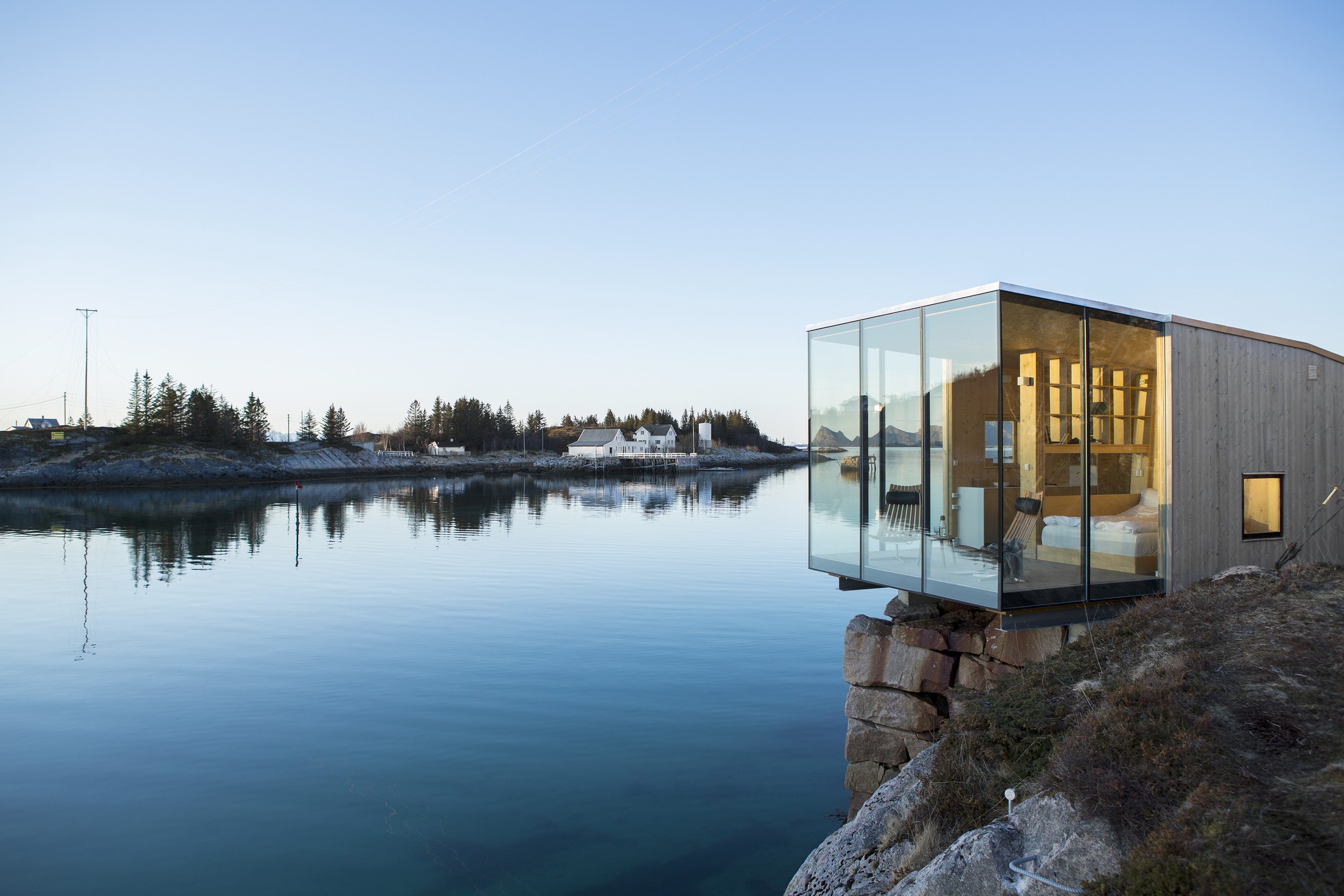
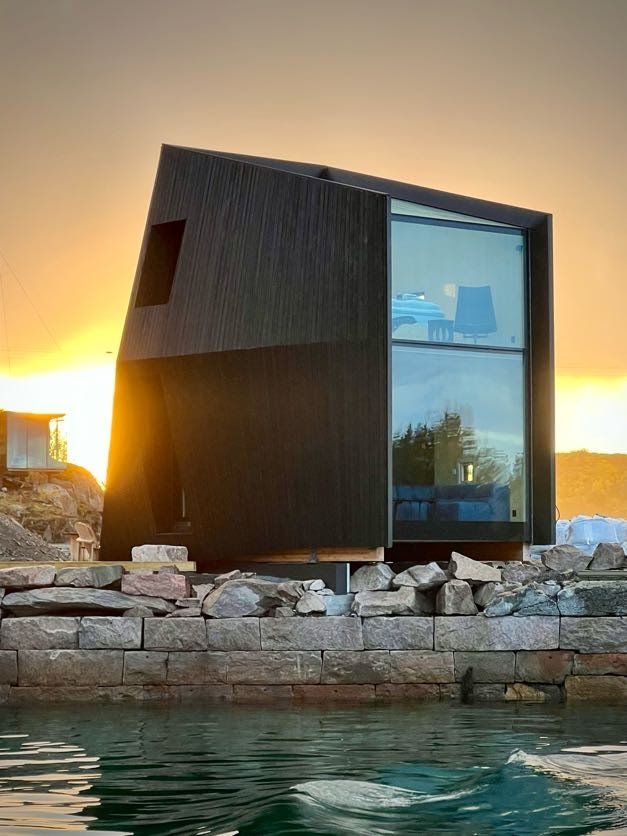
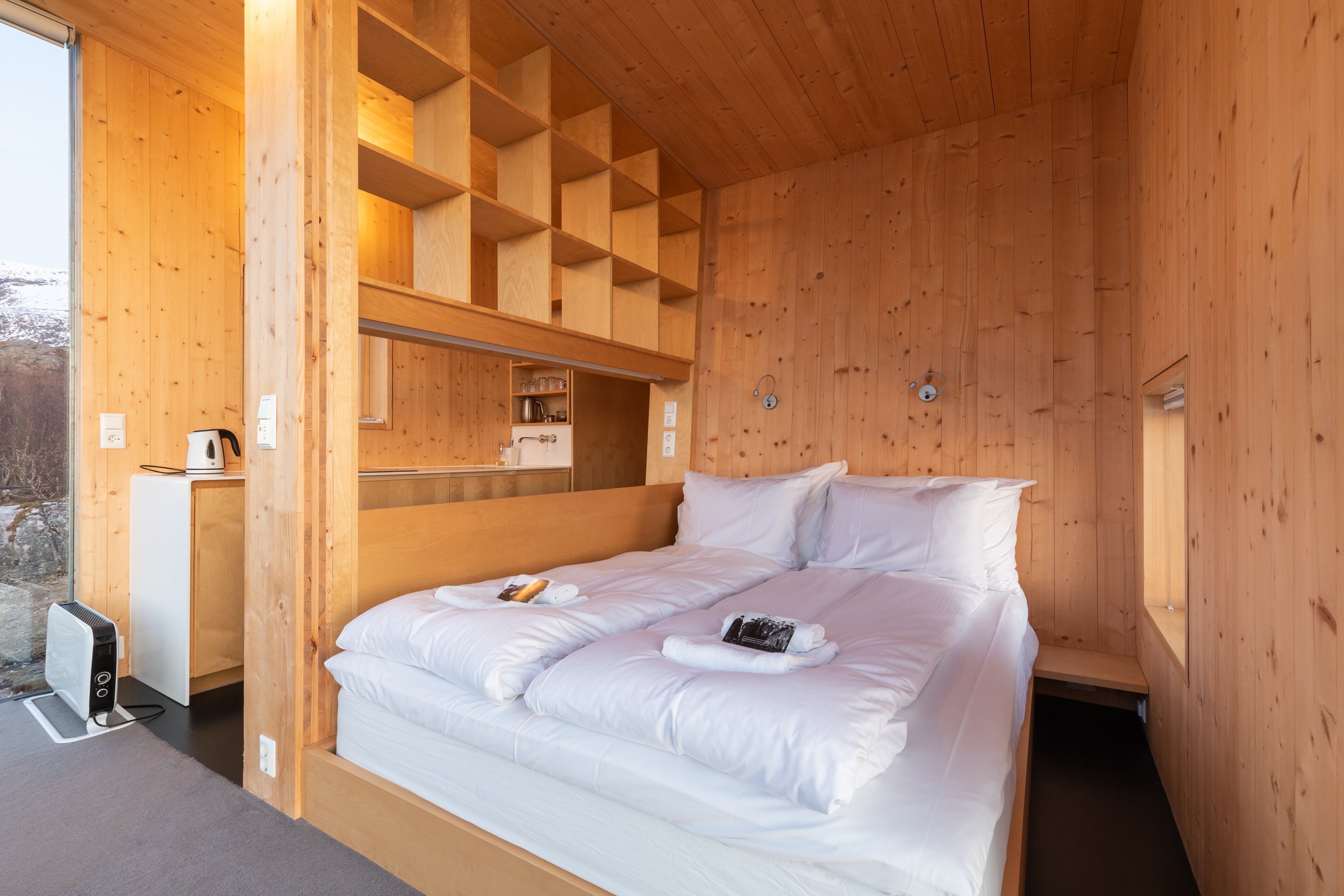
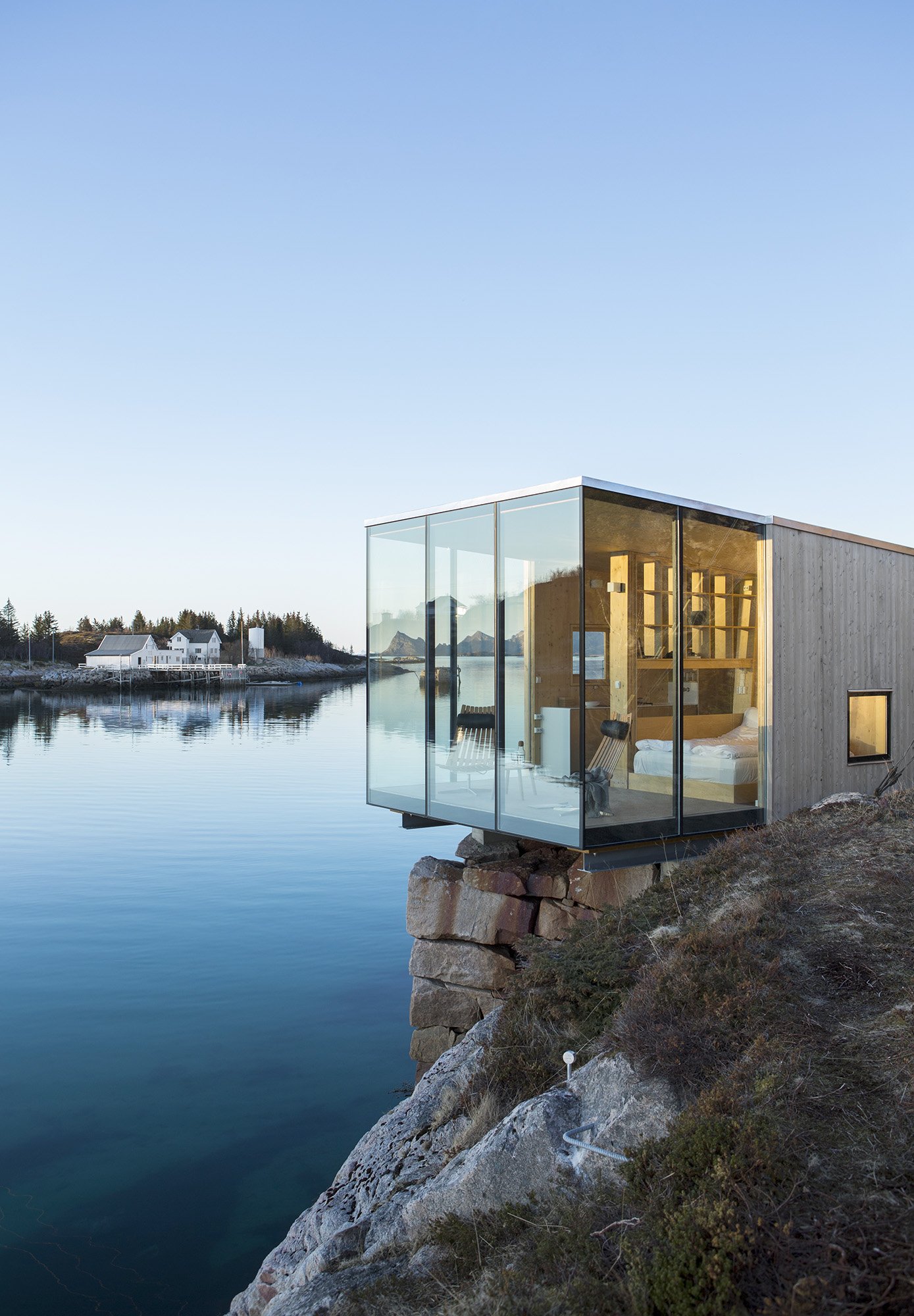
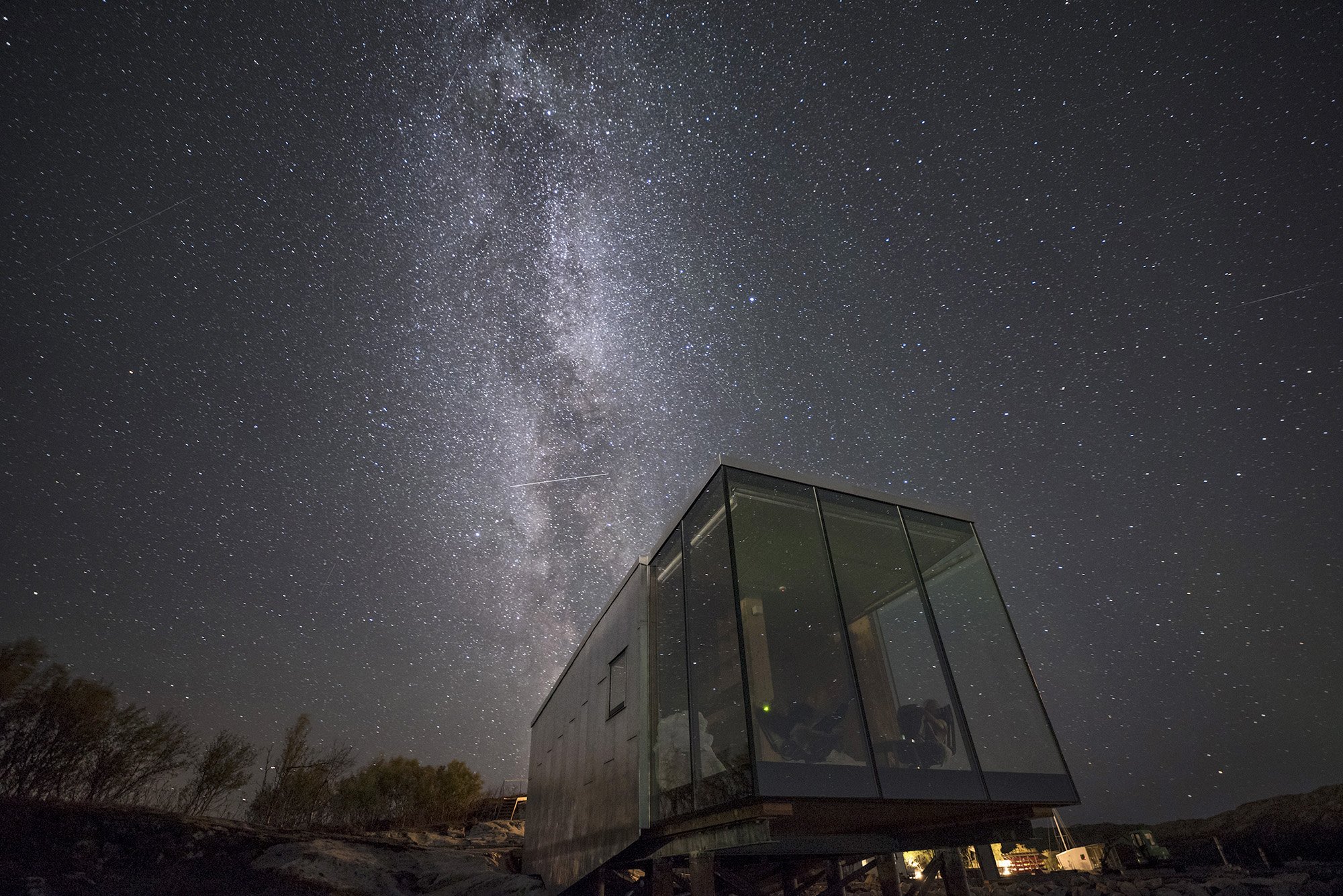
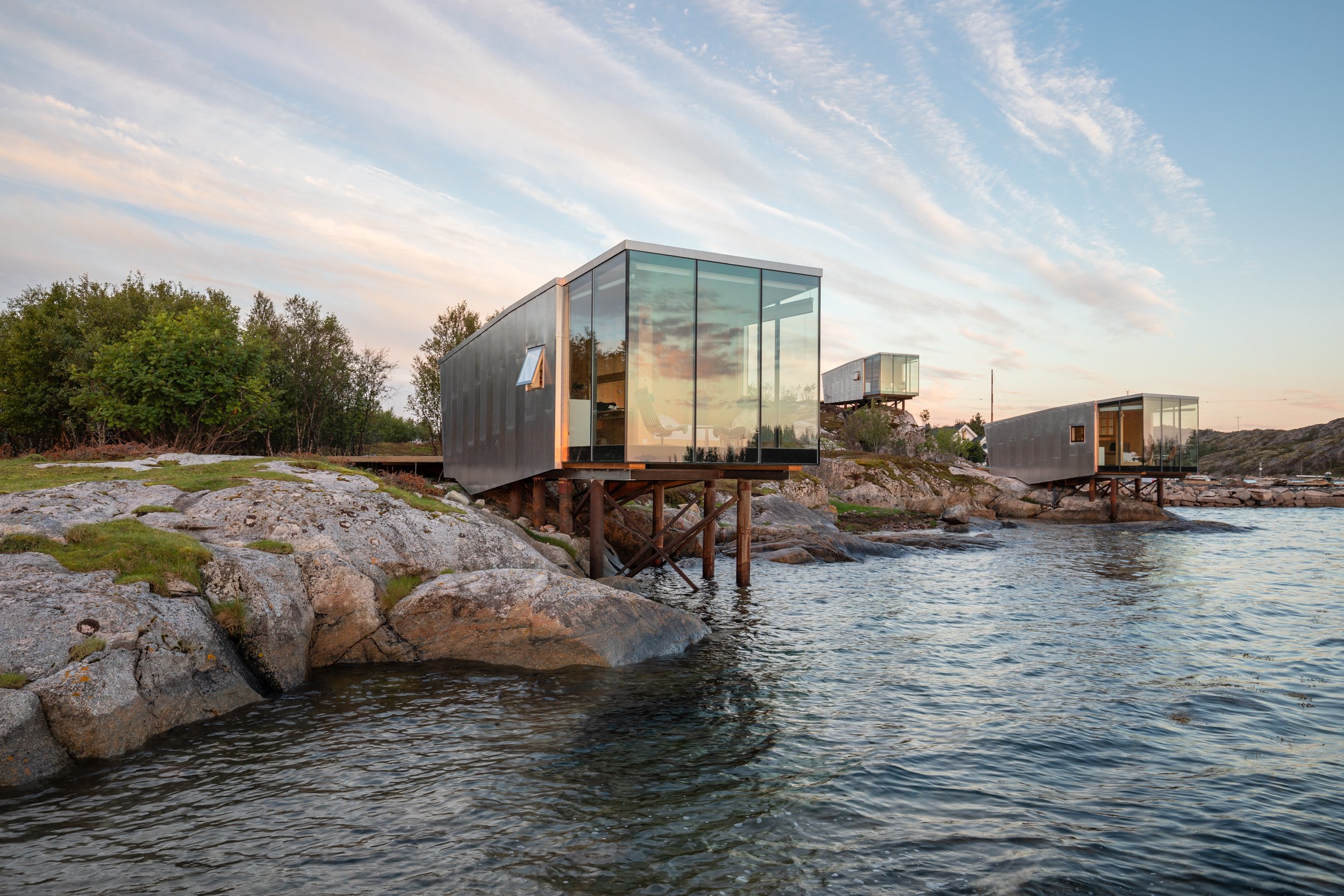
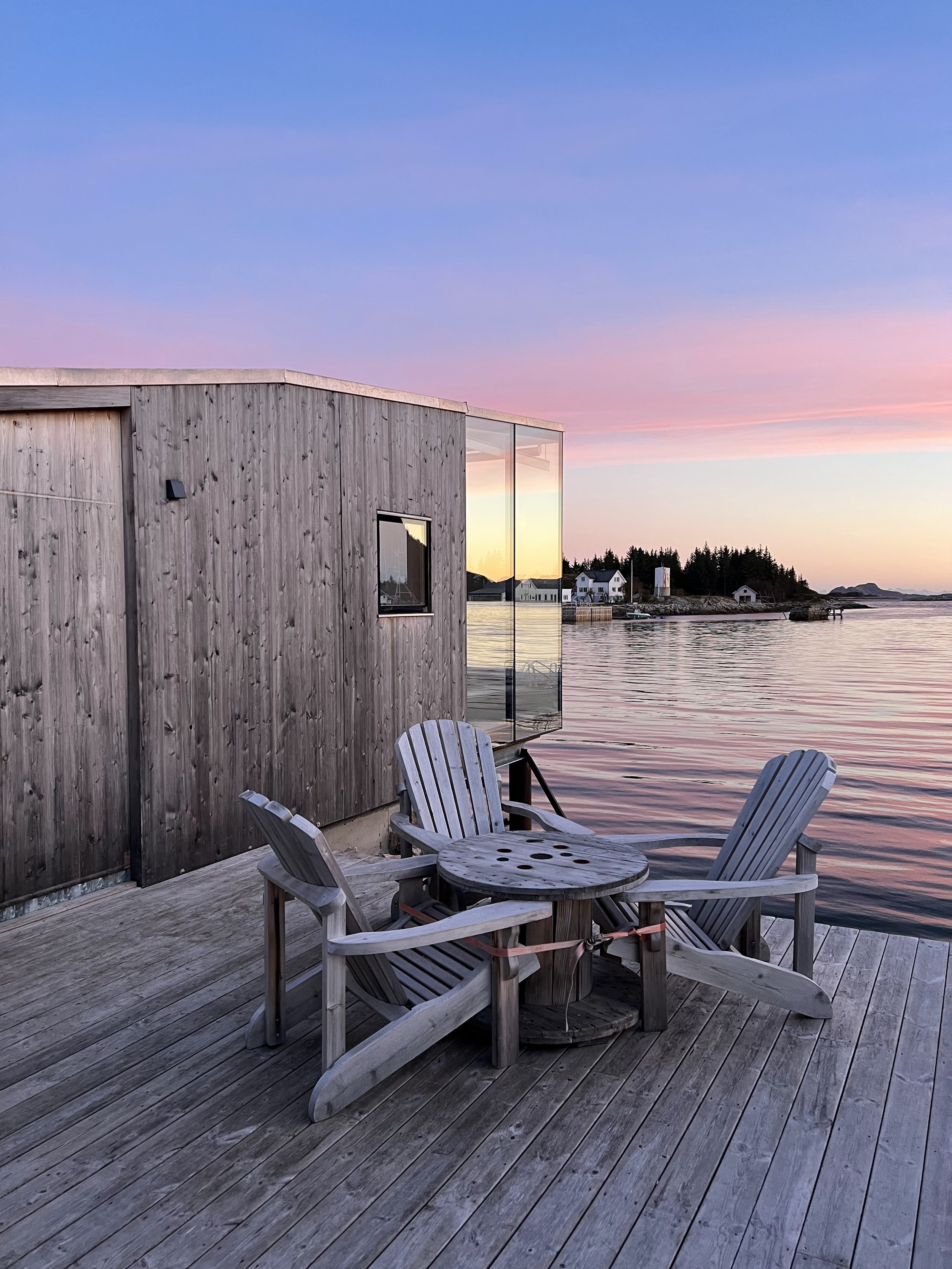
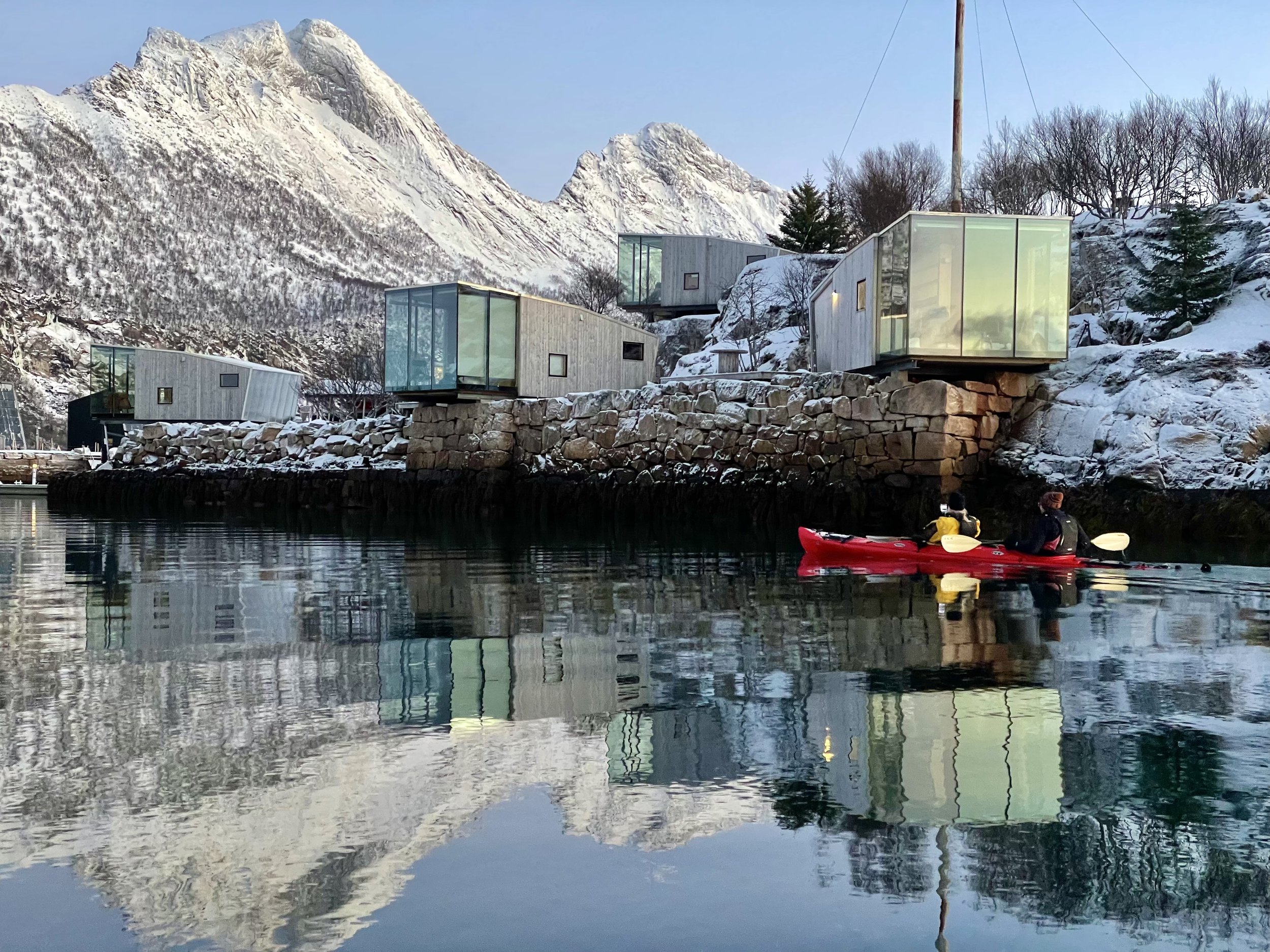
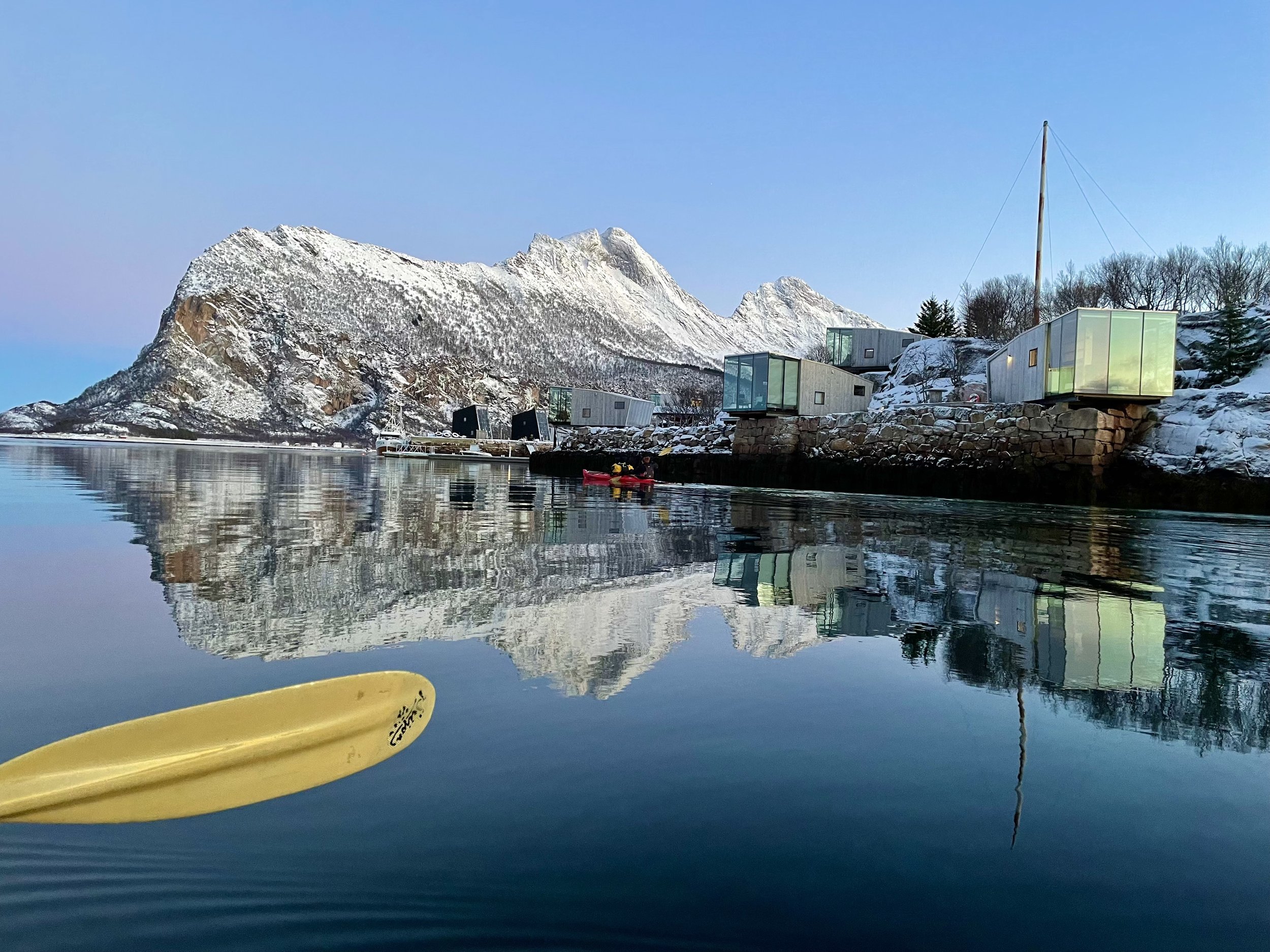
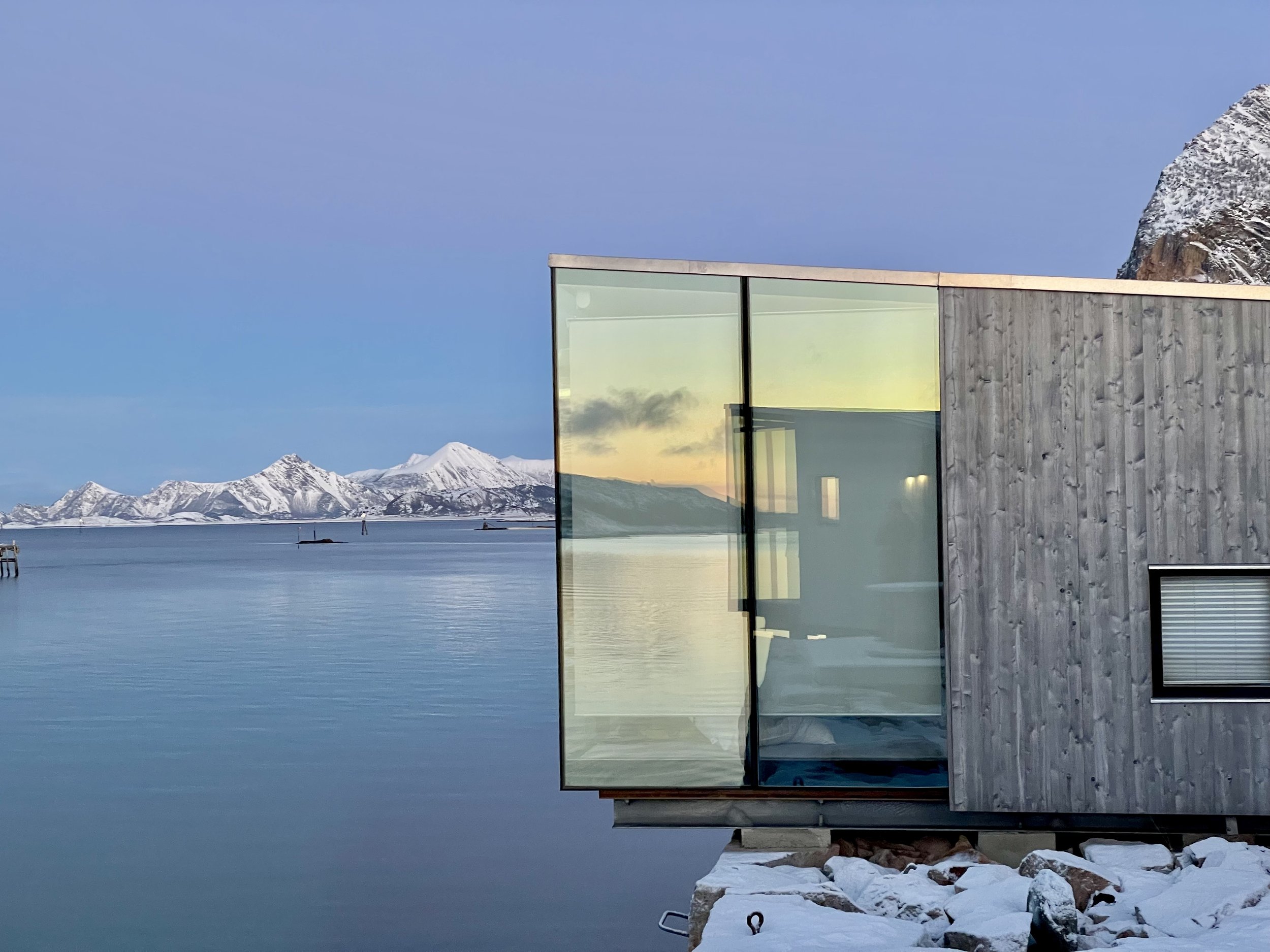
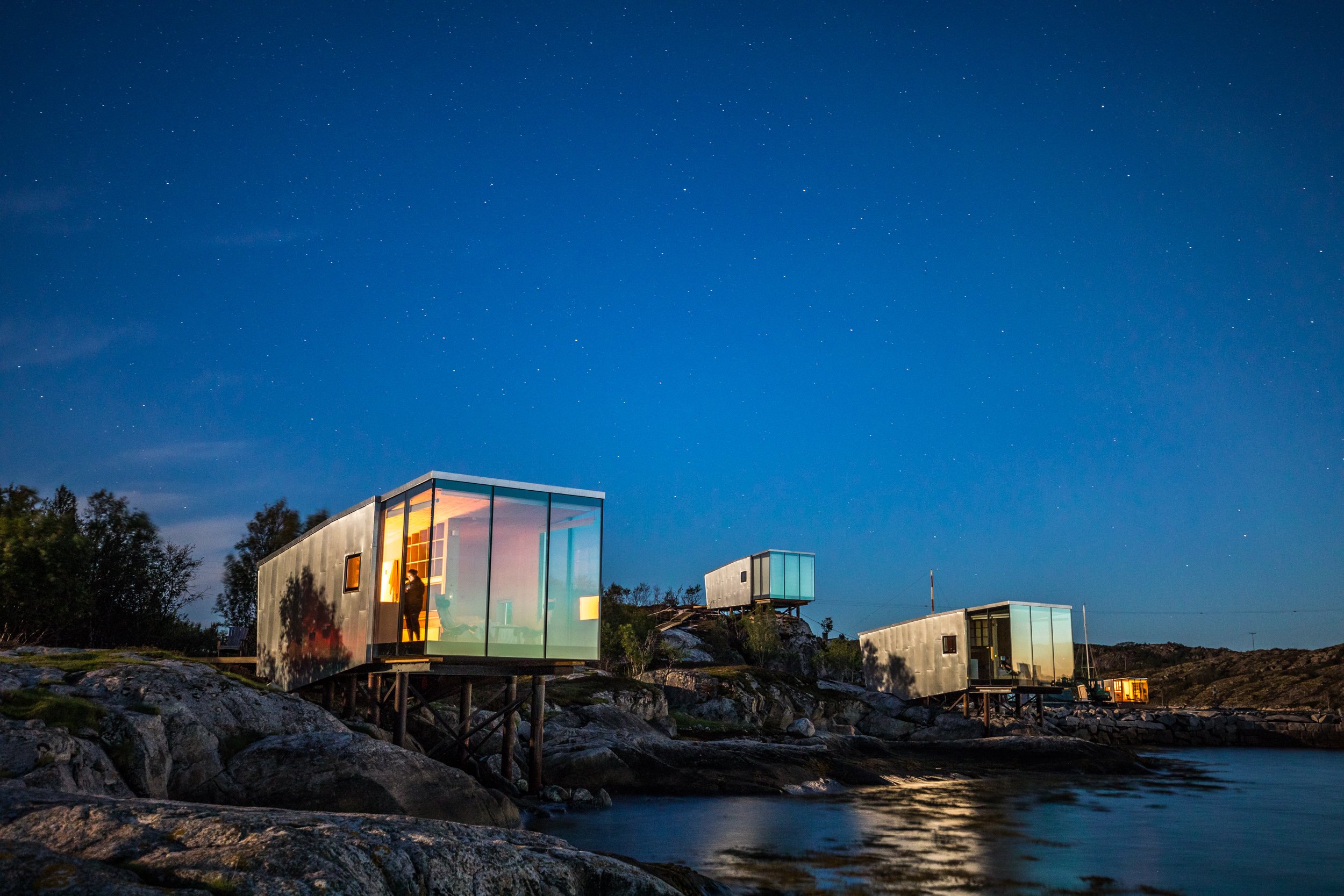
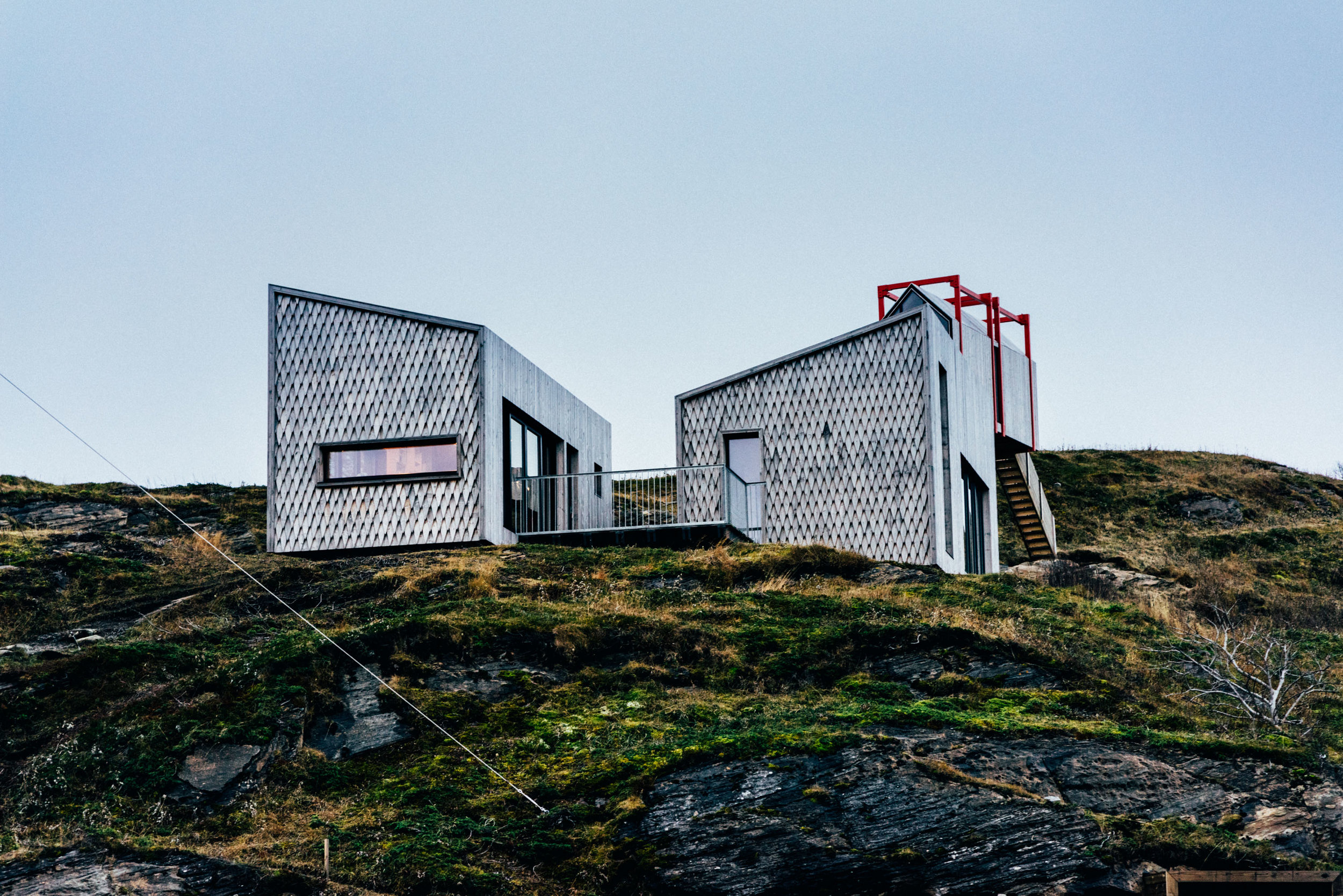
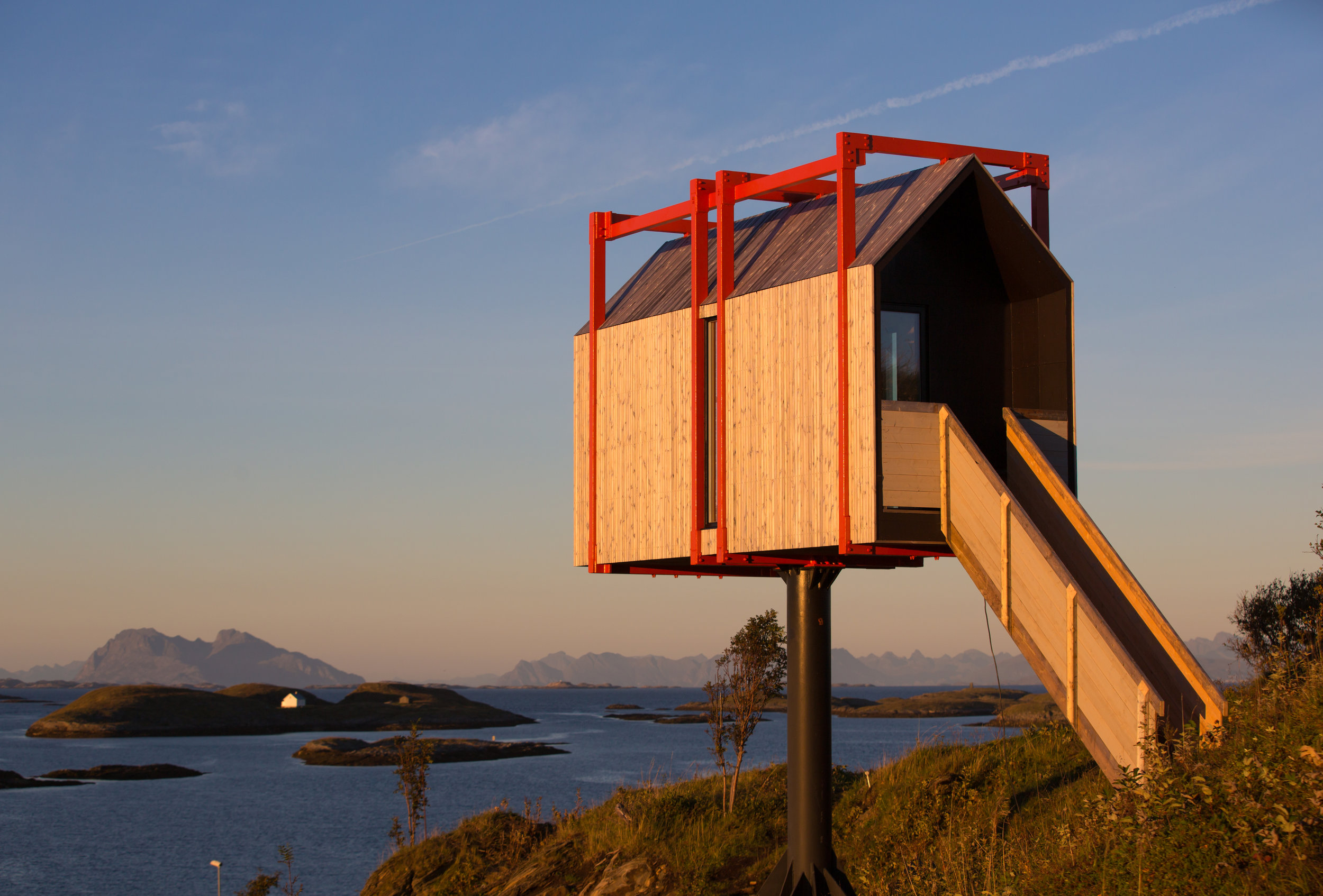
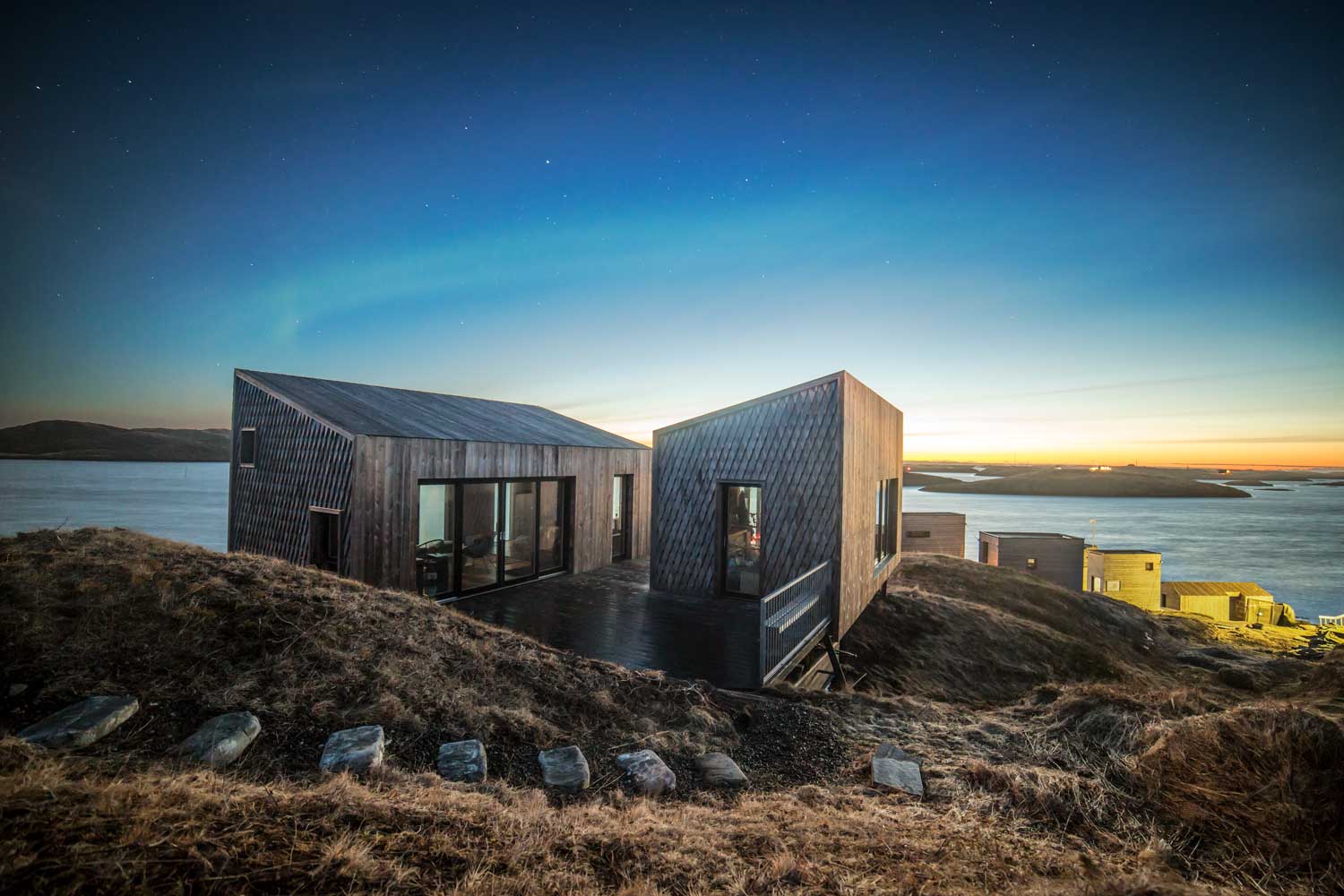
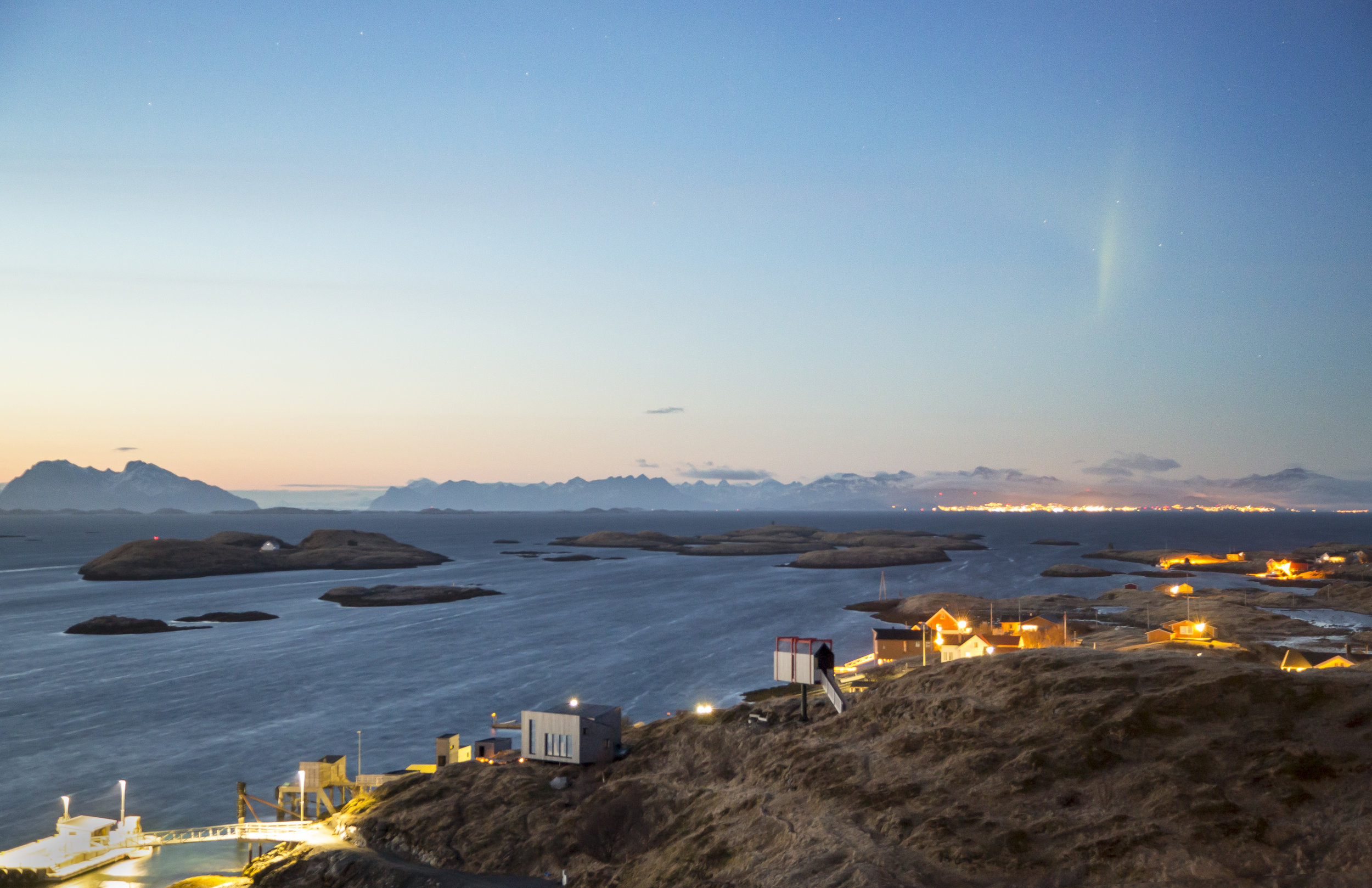
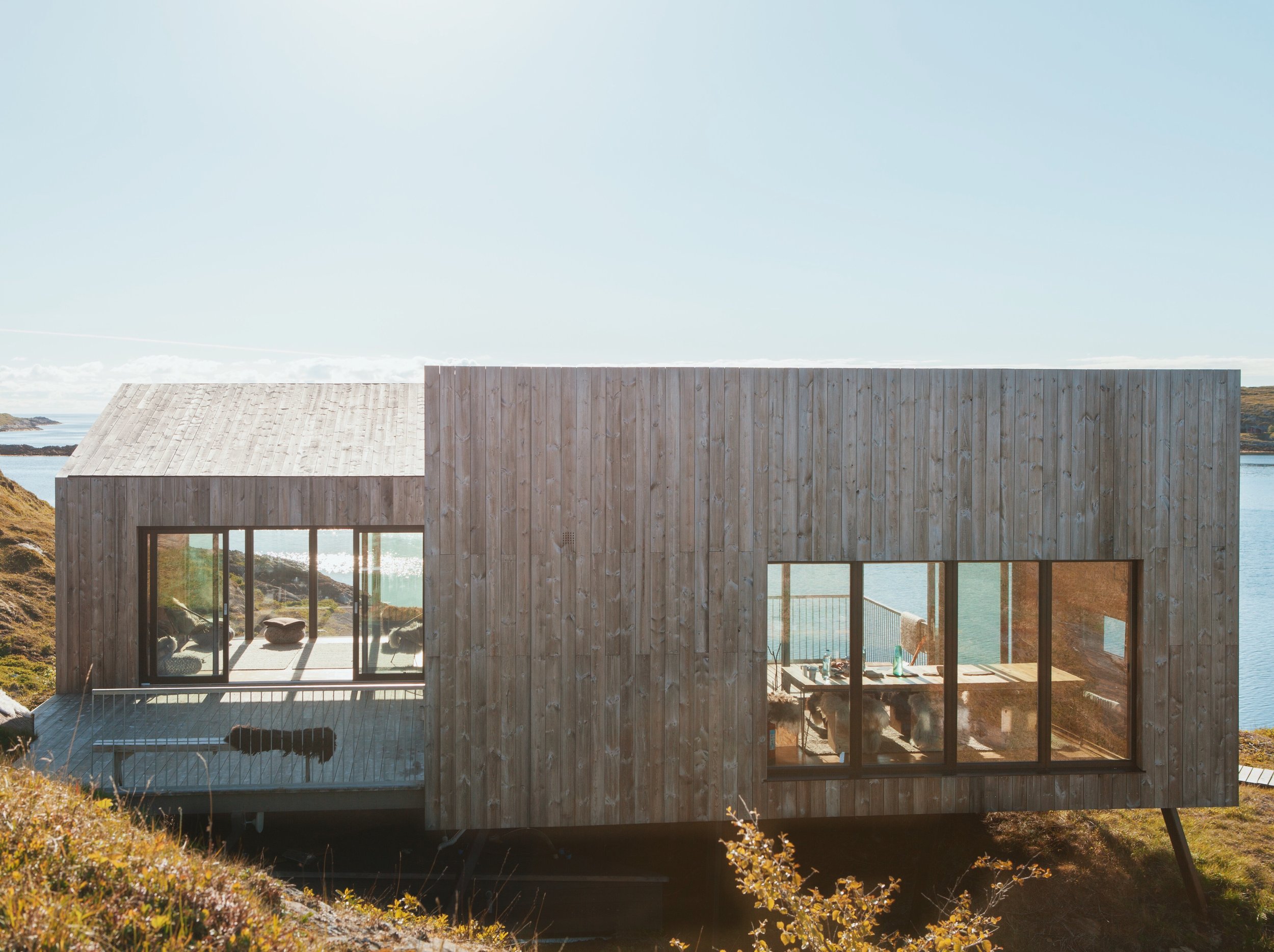
Manshausen Island Resort, located in the Steigen Archipelago in northern Norway, offers a stunning escape where modern luxury meets rugged nature. Founded by polar explorer Børge Ousland - the first person to visit the North Pole in a solo expedition, the resort is designed to harmonize with its environment, featuring award-winning minimalist cabins that seemingly float over the sea.
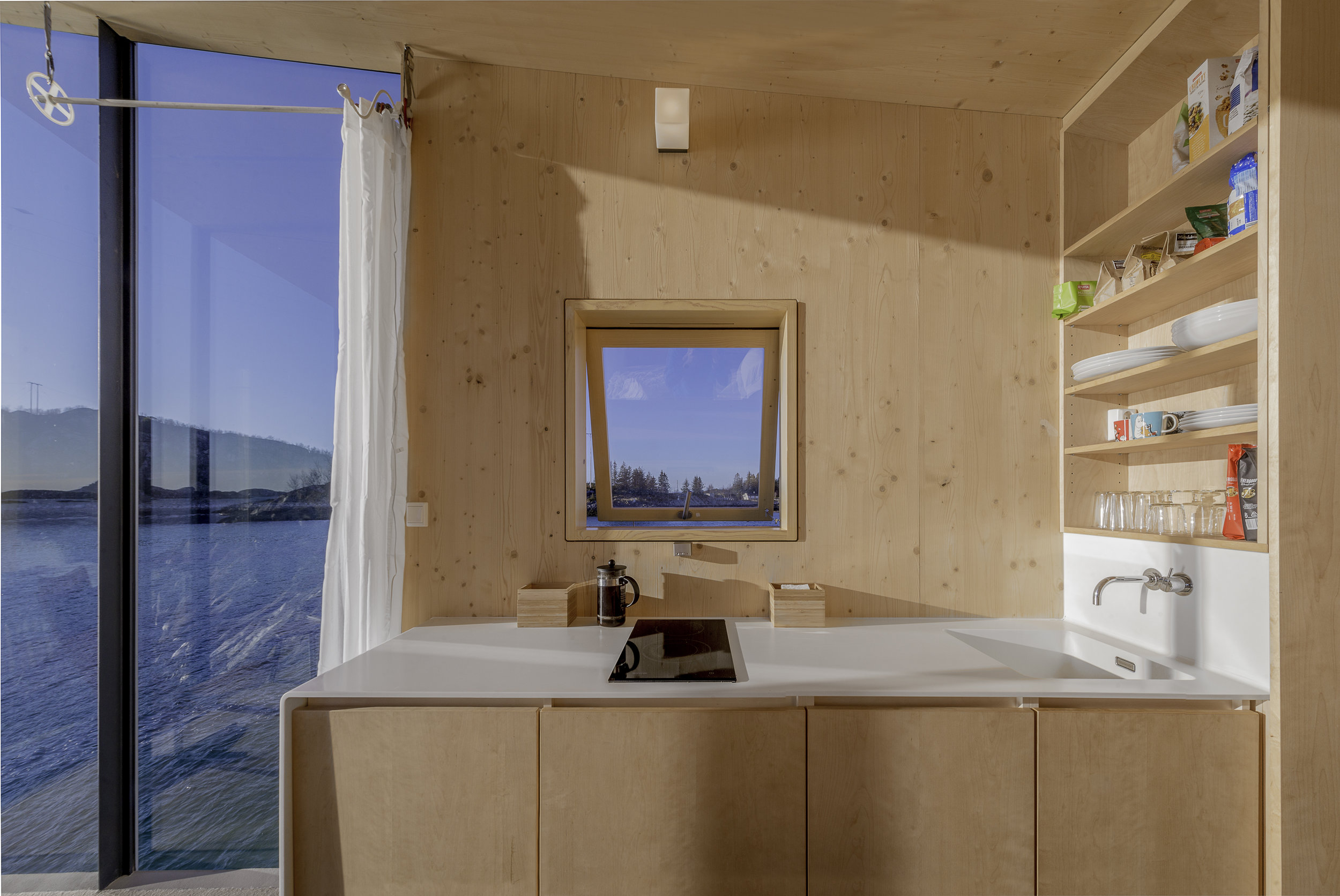
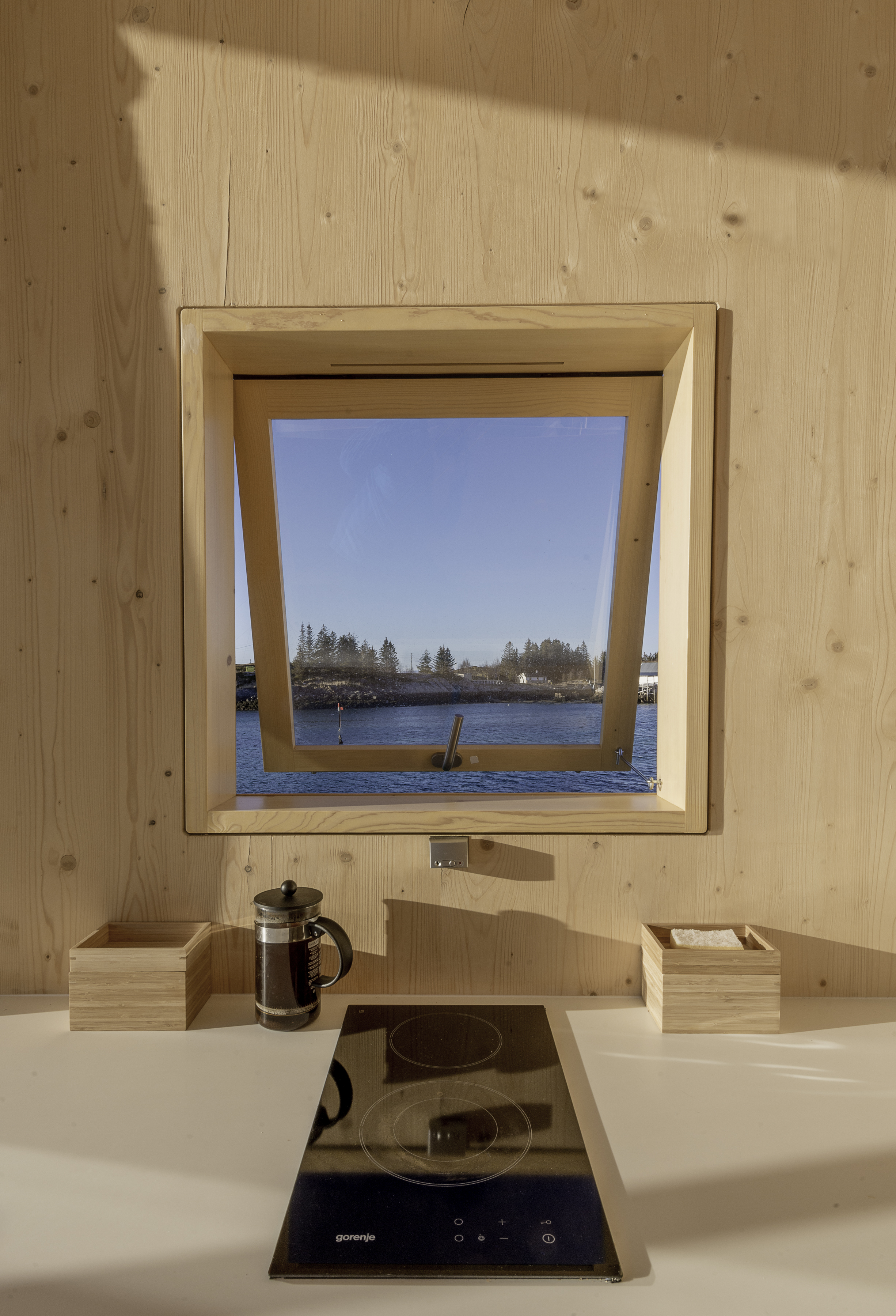
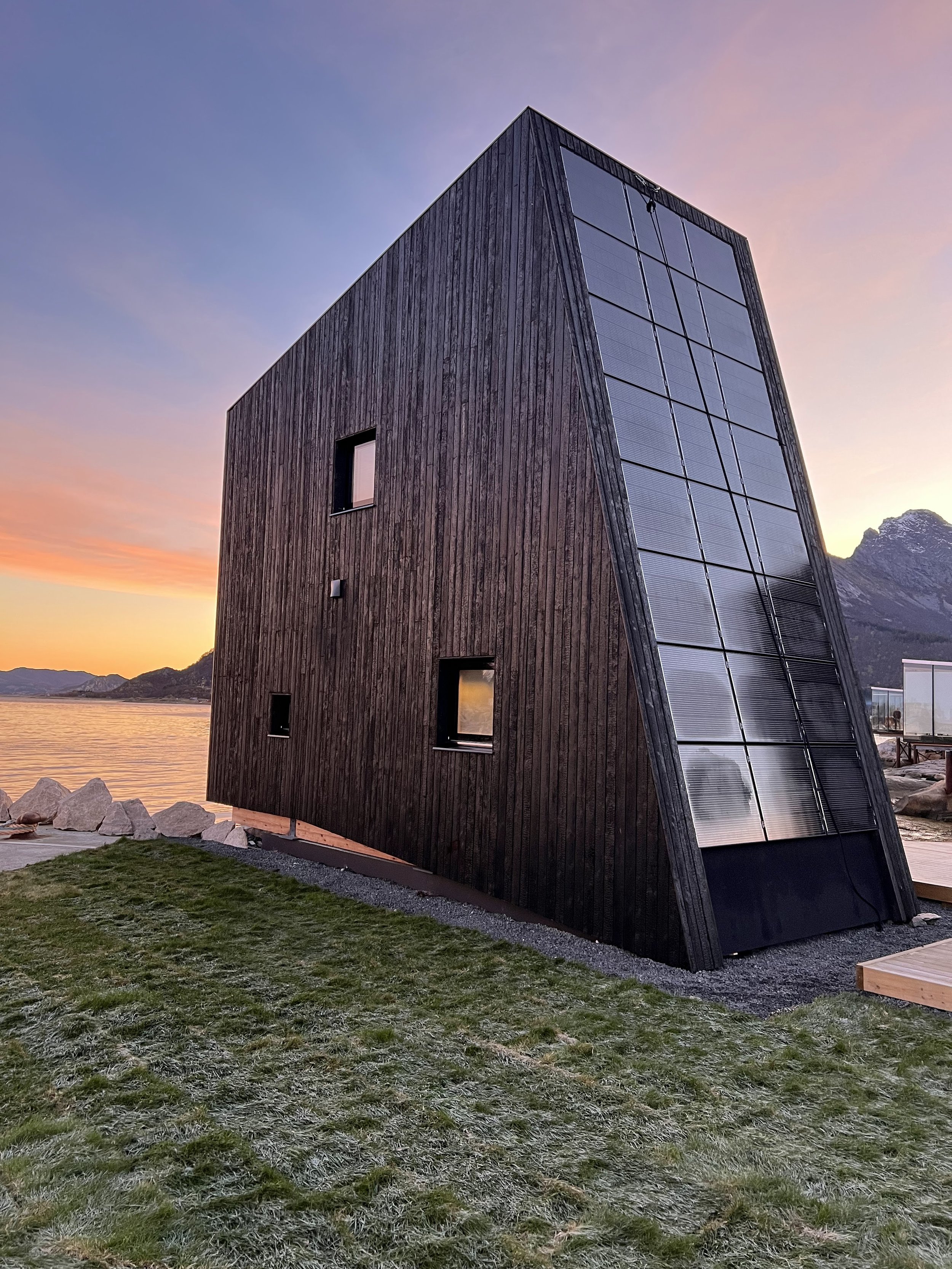
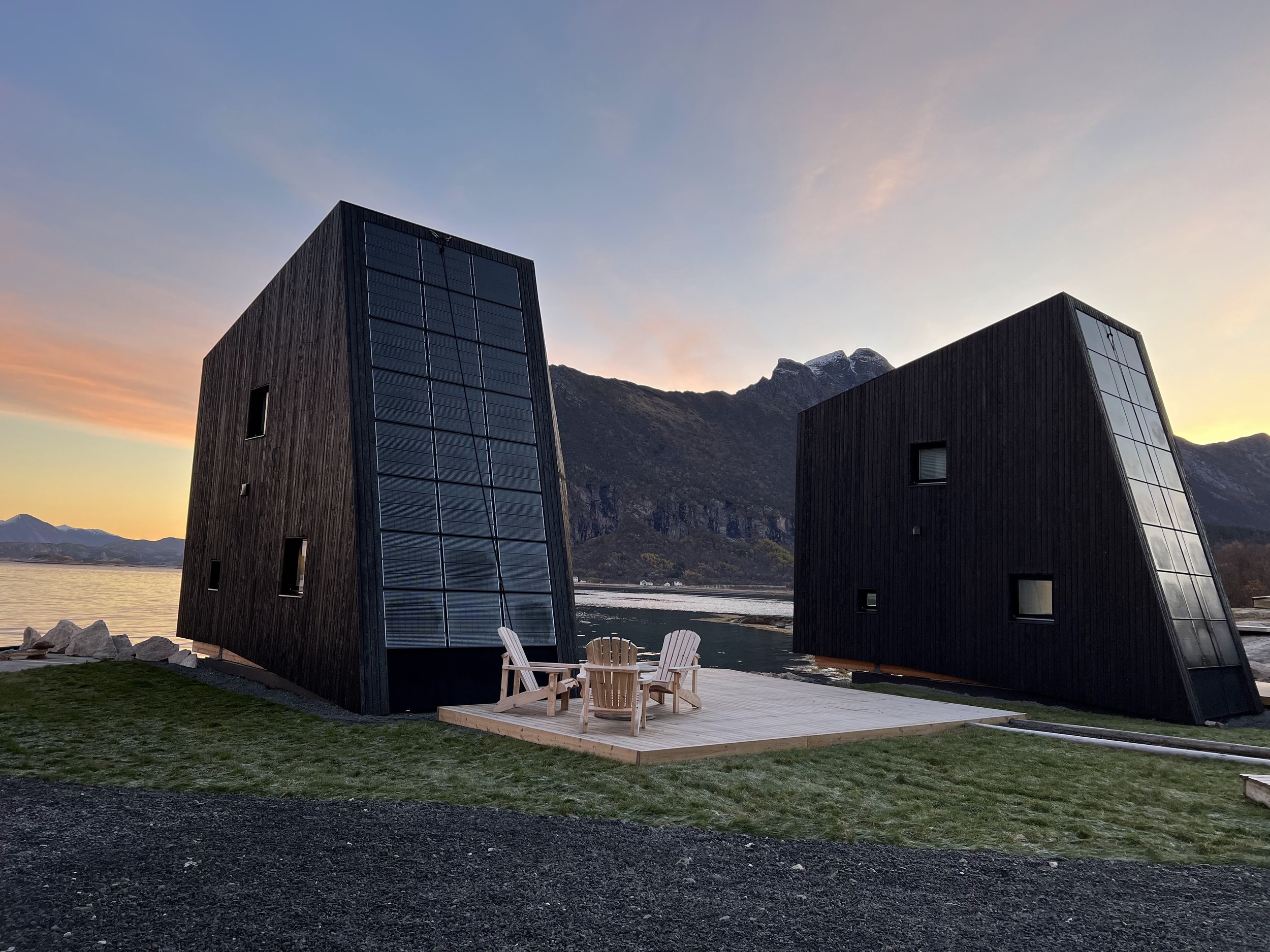
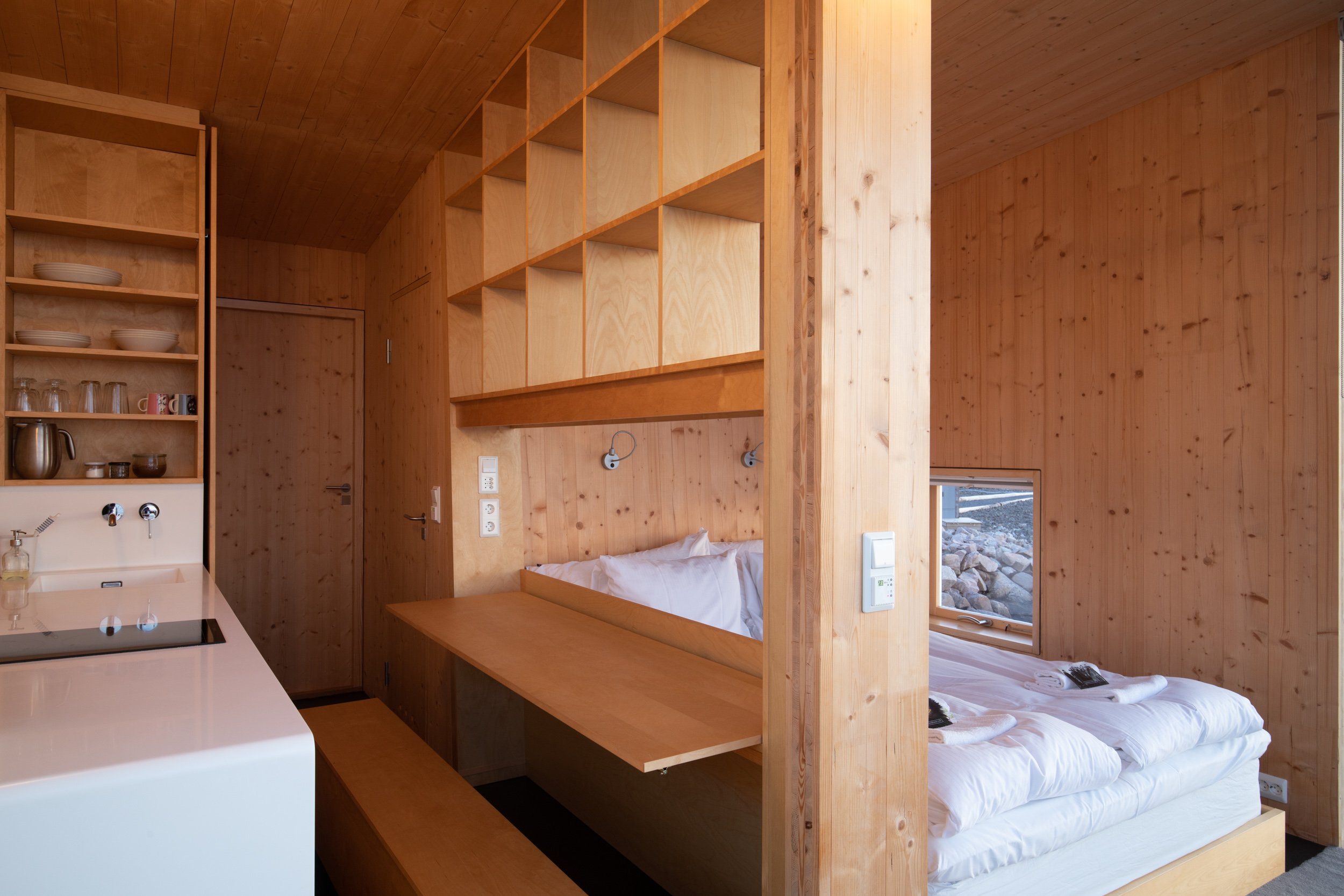
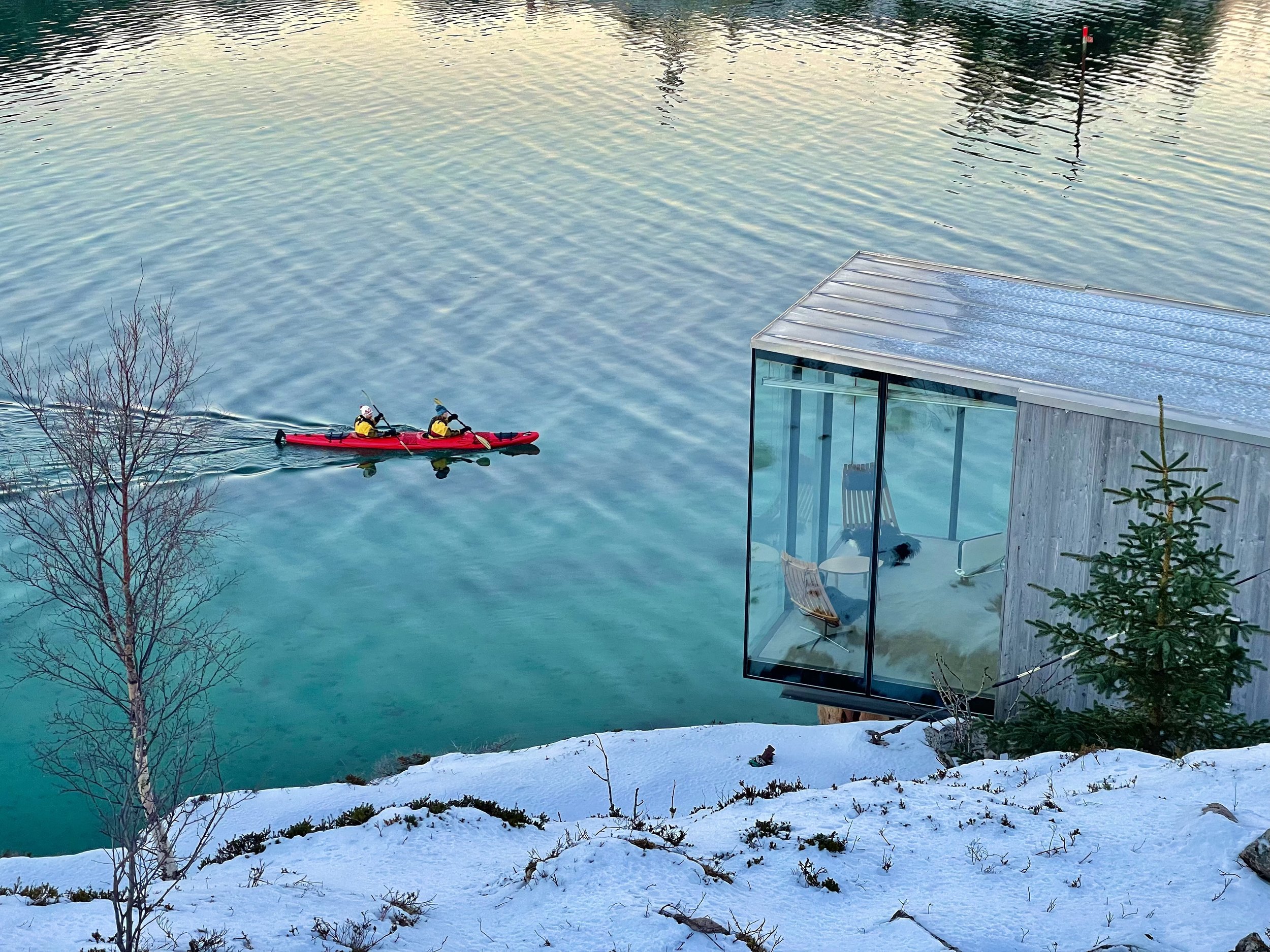
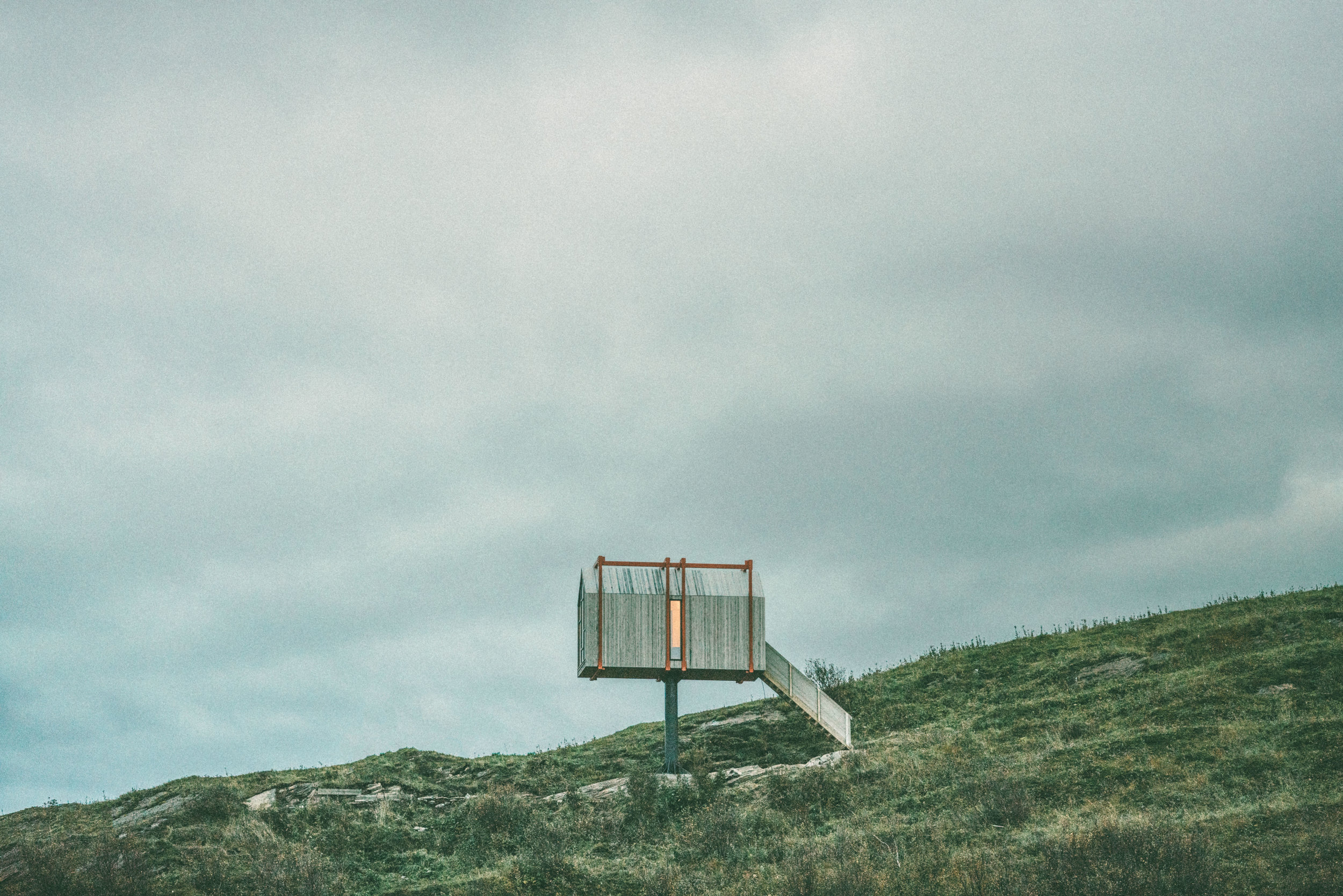
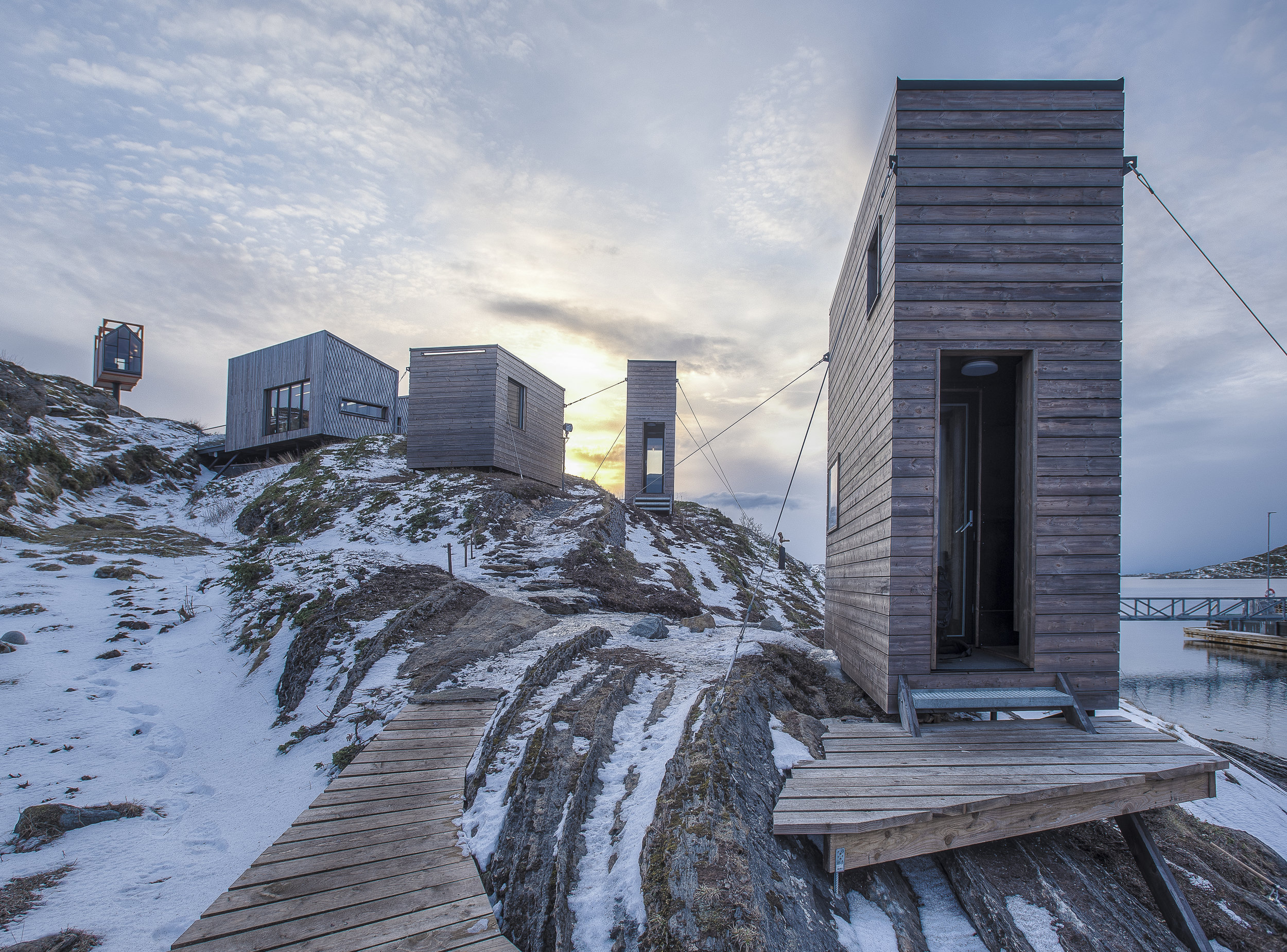
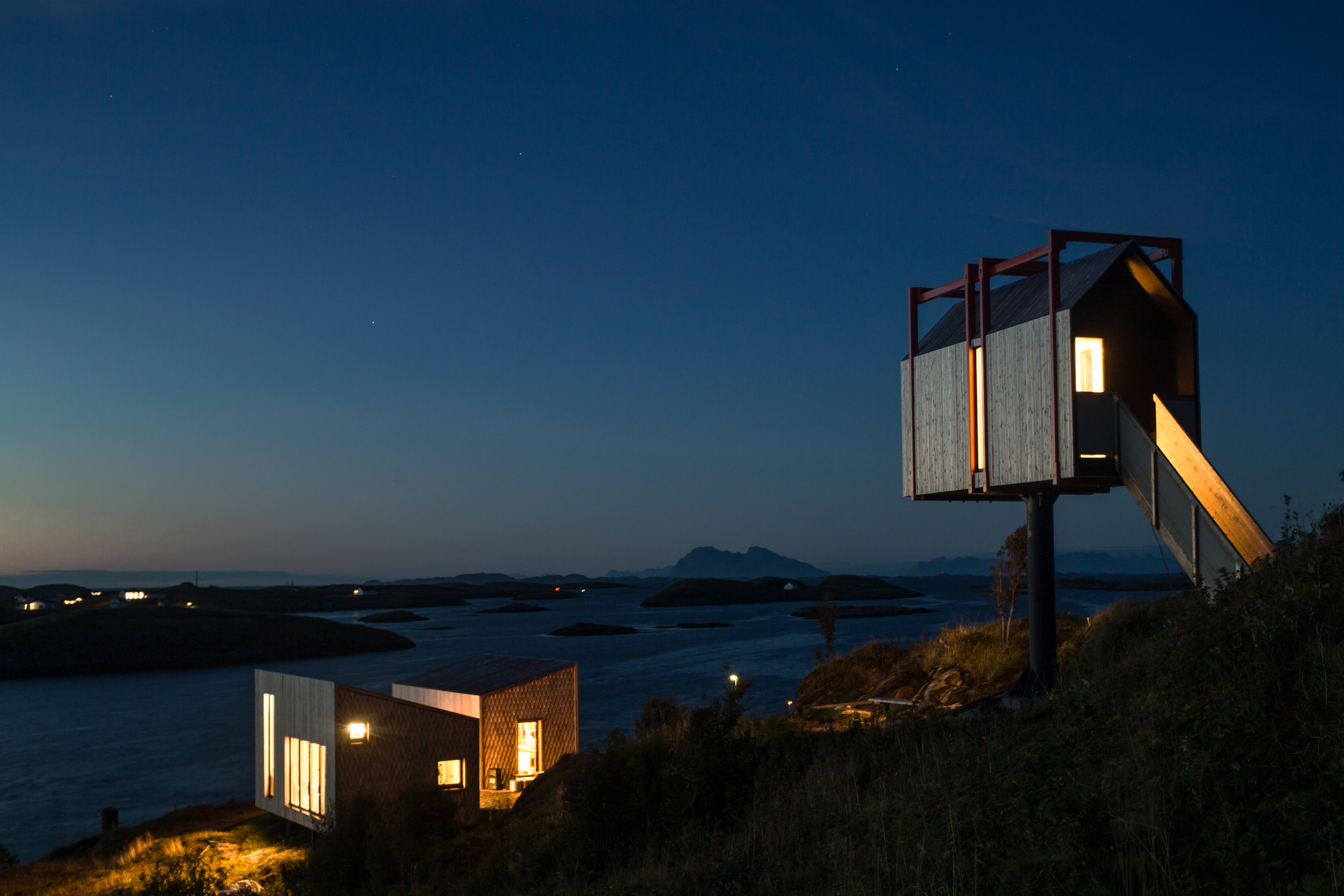
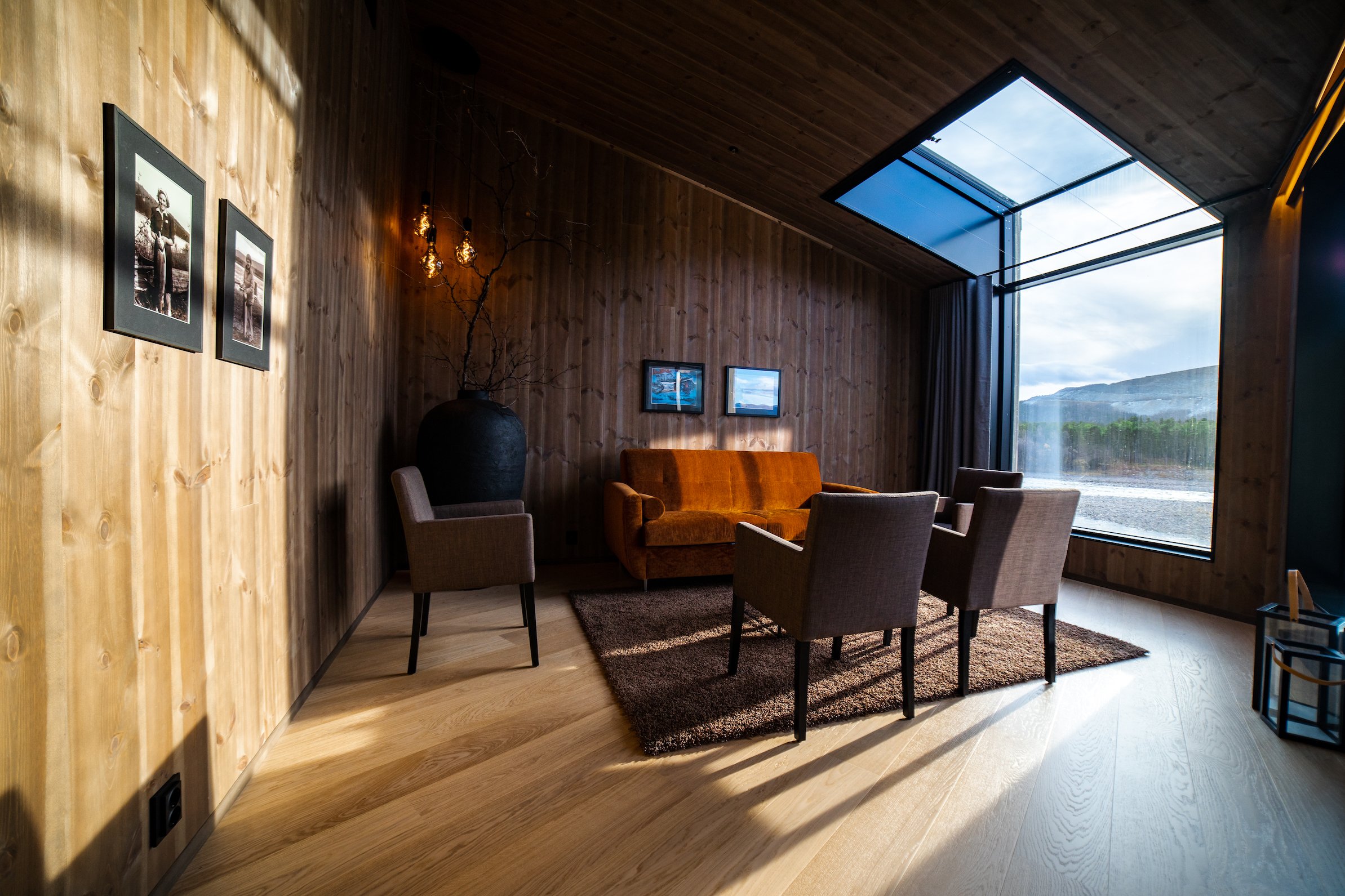
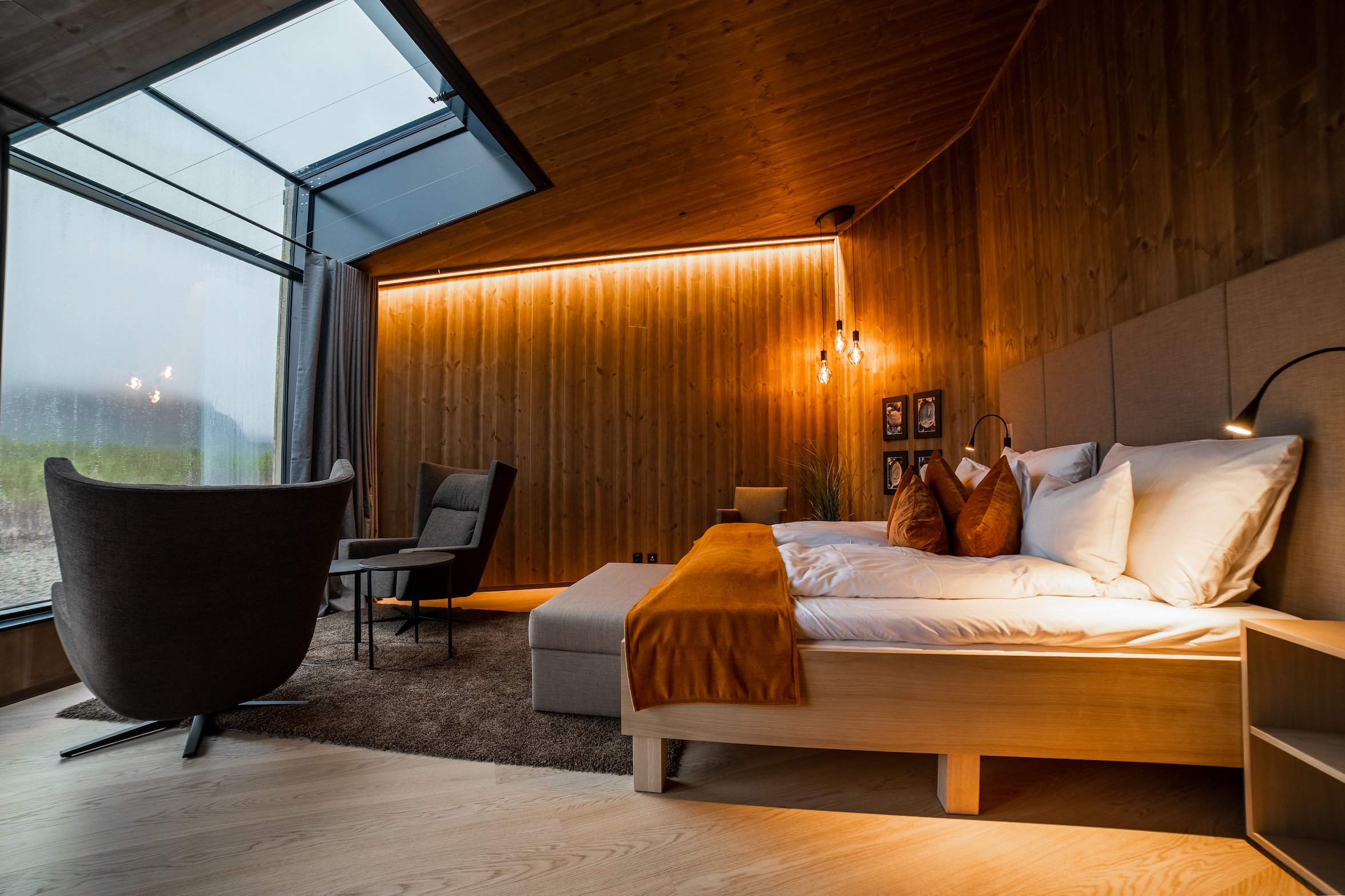
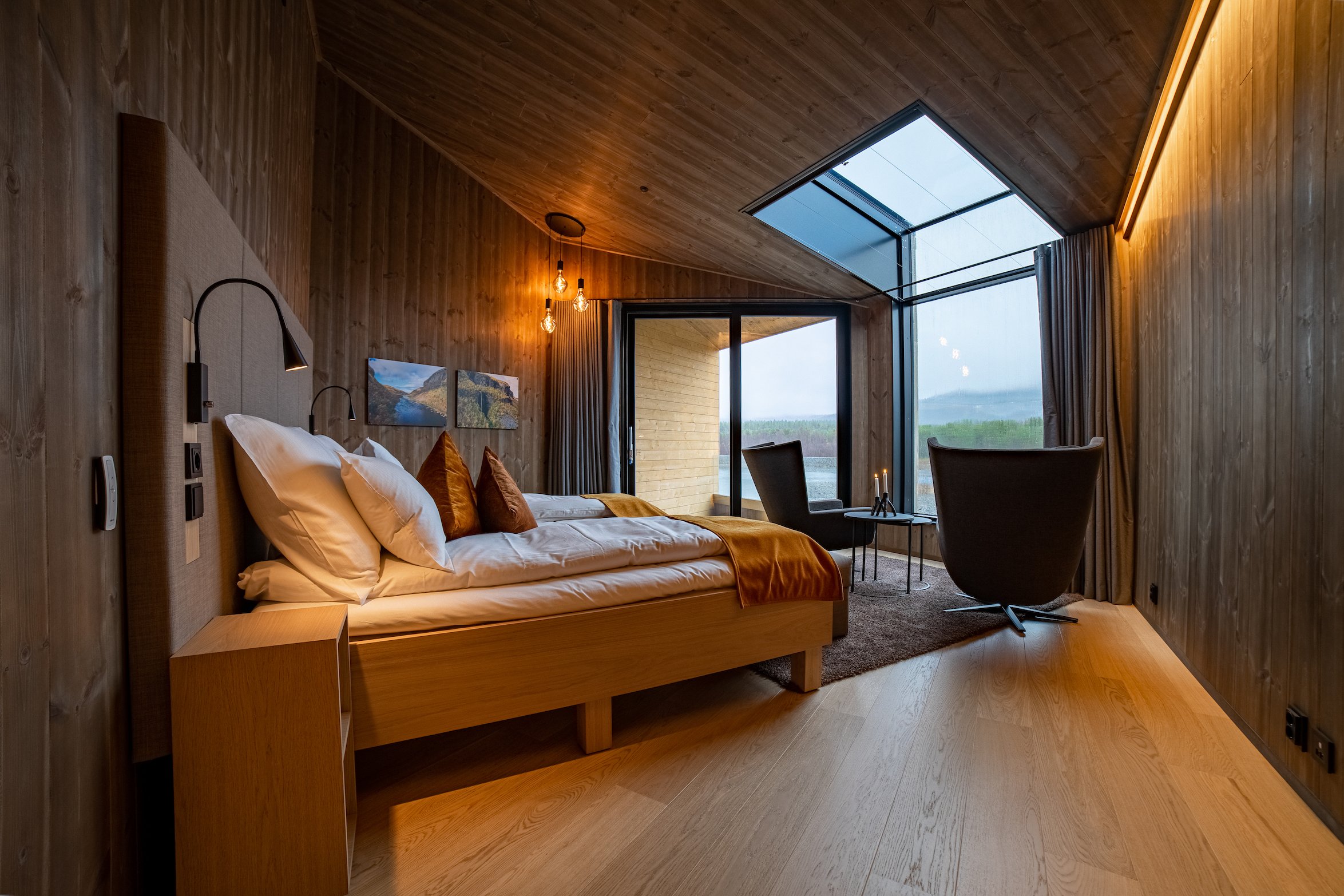
Manshausen Island offers a range of accommodation options designed to provide unobstructed views of the surrounding mountains and the turquoise waters of the fjord, immersing guests in the beauty of Norway’s untamed wilderness. There are nine Sea Cabins, each offering panoramic views and a tranquil, minimalist design focused on comfort and simplicity. In addition, two new Sea Towers, provide a unique, award-winning take on “Compact Living”. The island also features the Main House, home to a restaurant and library, and the Boathouse, which serves as a conference facility.
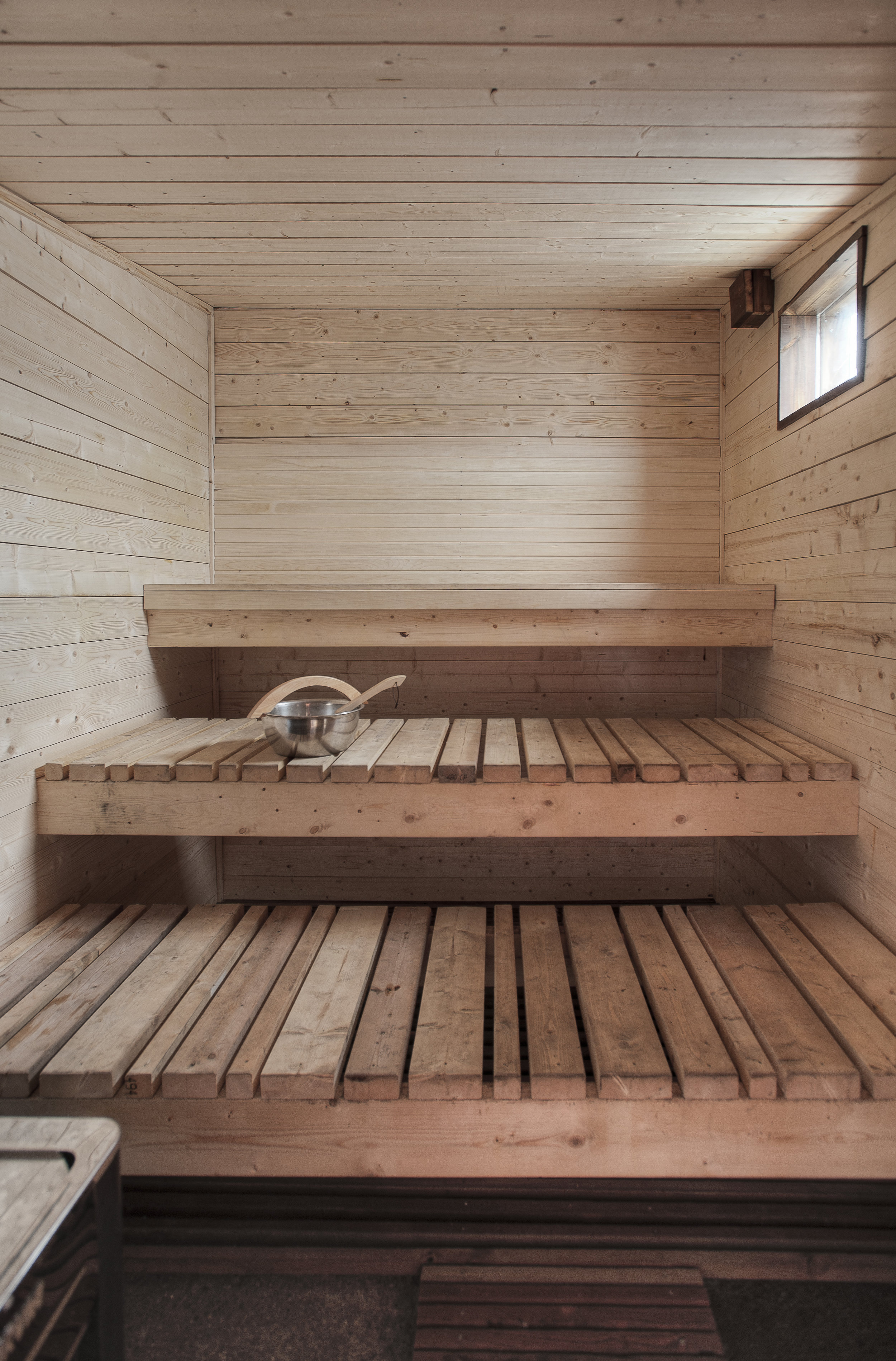
The on-site library (fully stocked with National Geographic) and cozy communal areas are perfect for unwinding, while the hotel’s sauna offers a soothing experience with views of the surrounding sea. Whether it's the chance to witness the Midnight Sun during summer or to spot the Northern Lights in autumn, Manshausen offers a unique blend of adventure, solitude, and luxury, making it an ideal destination for those seeking a remote, nature-immersed escape.


WHY WANDER
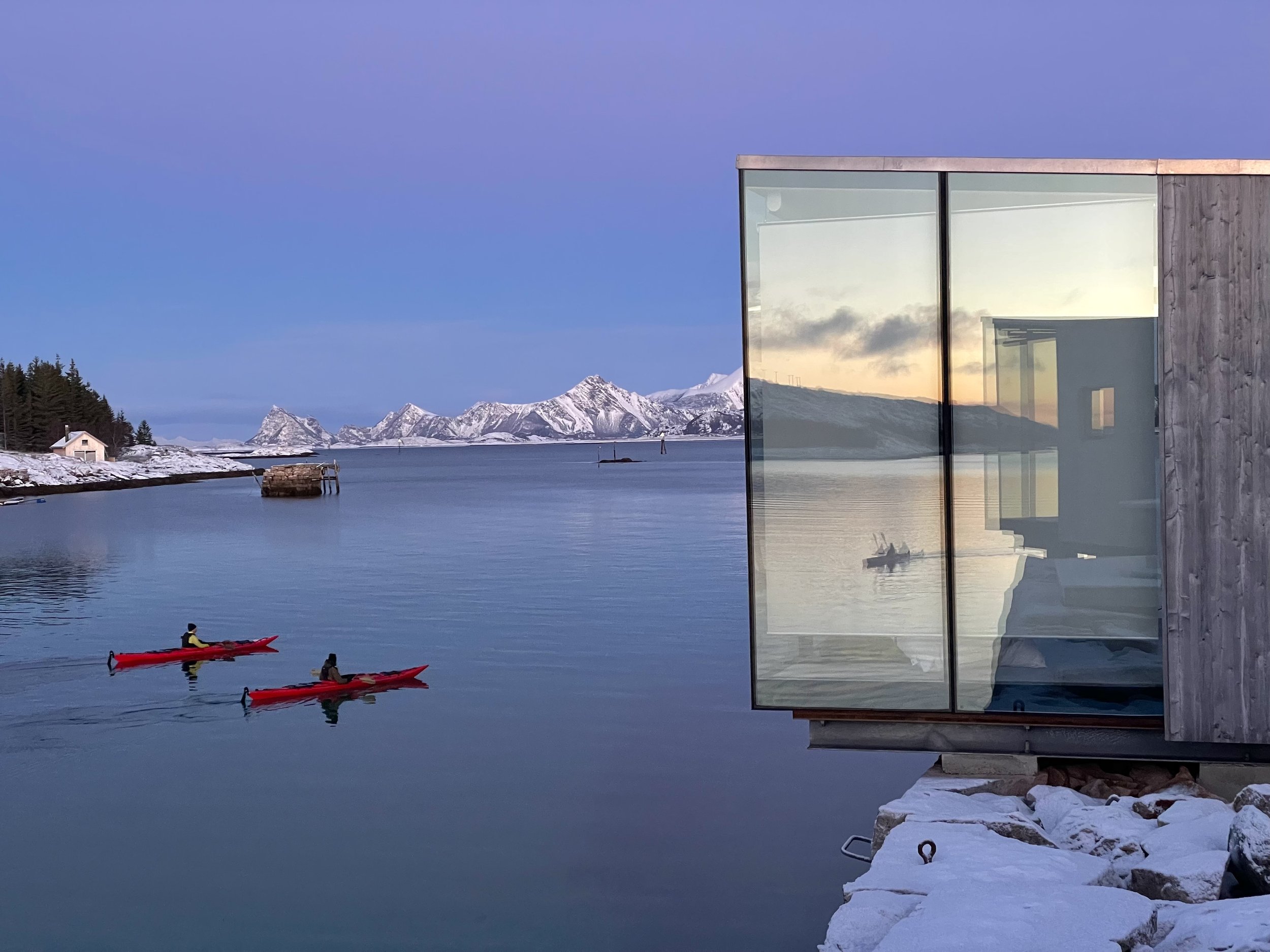
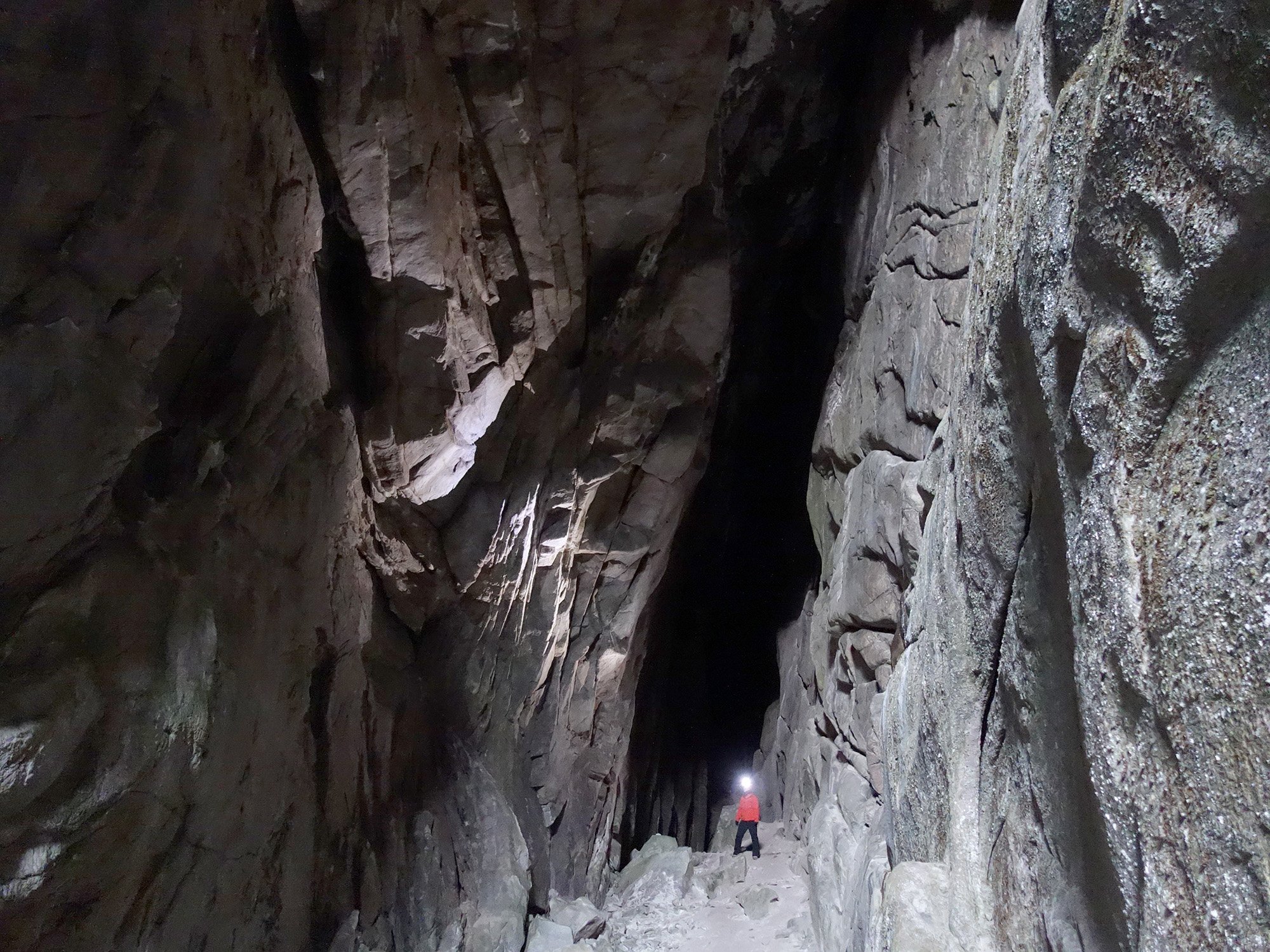
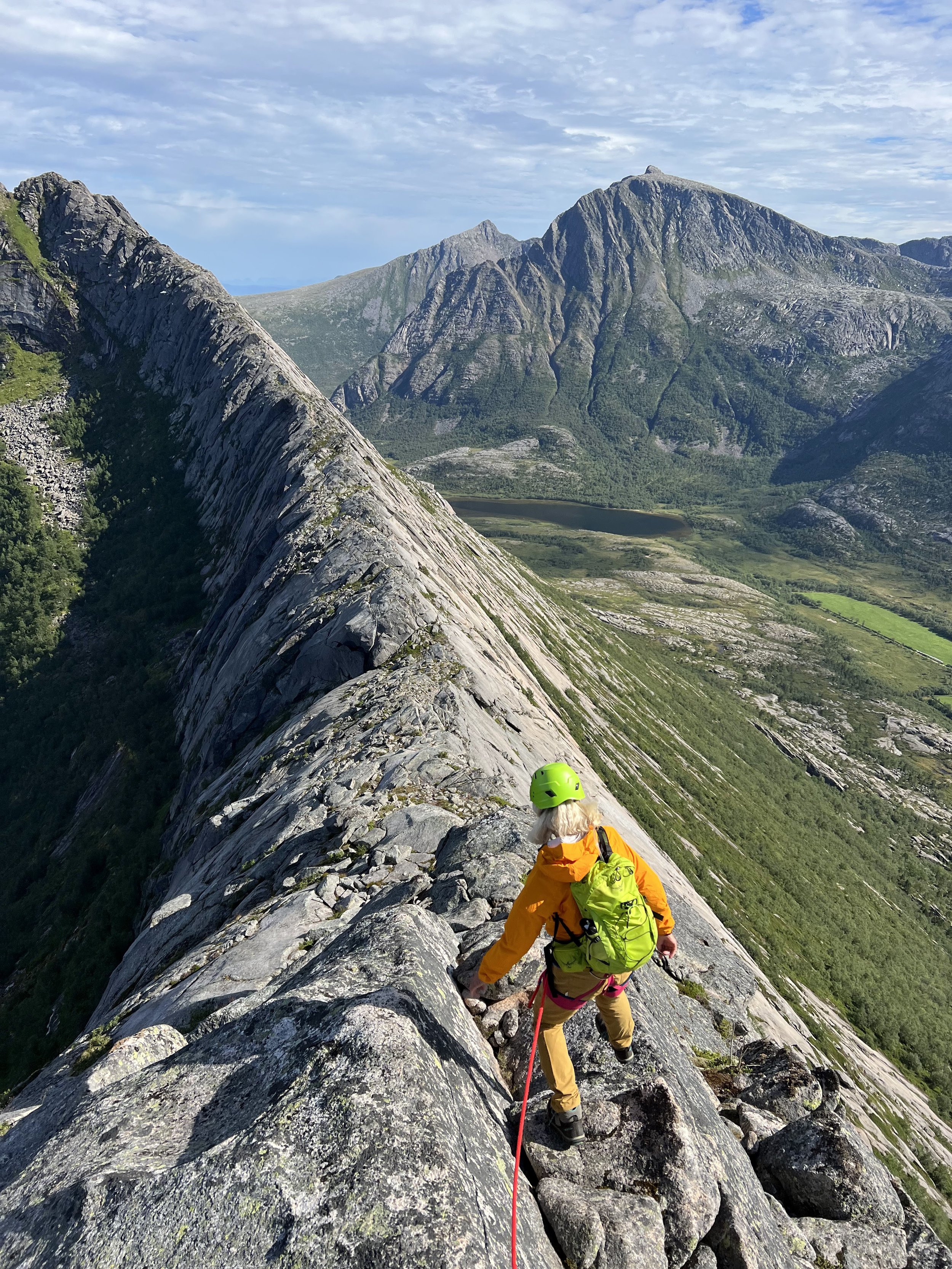
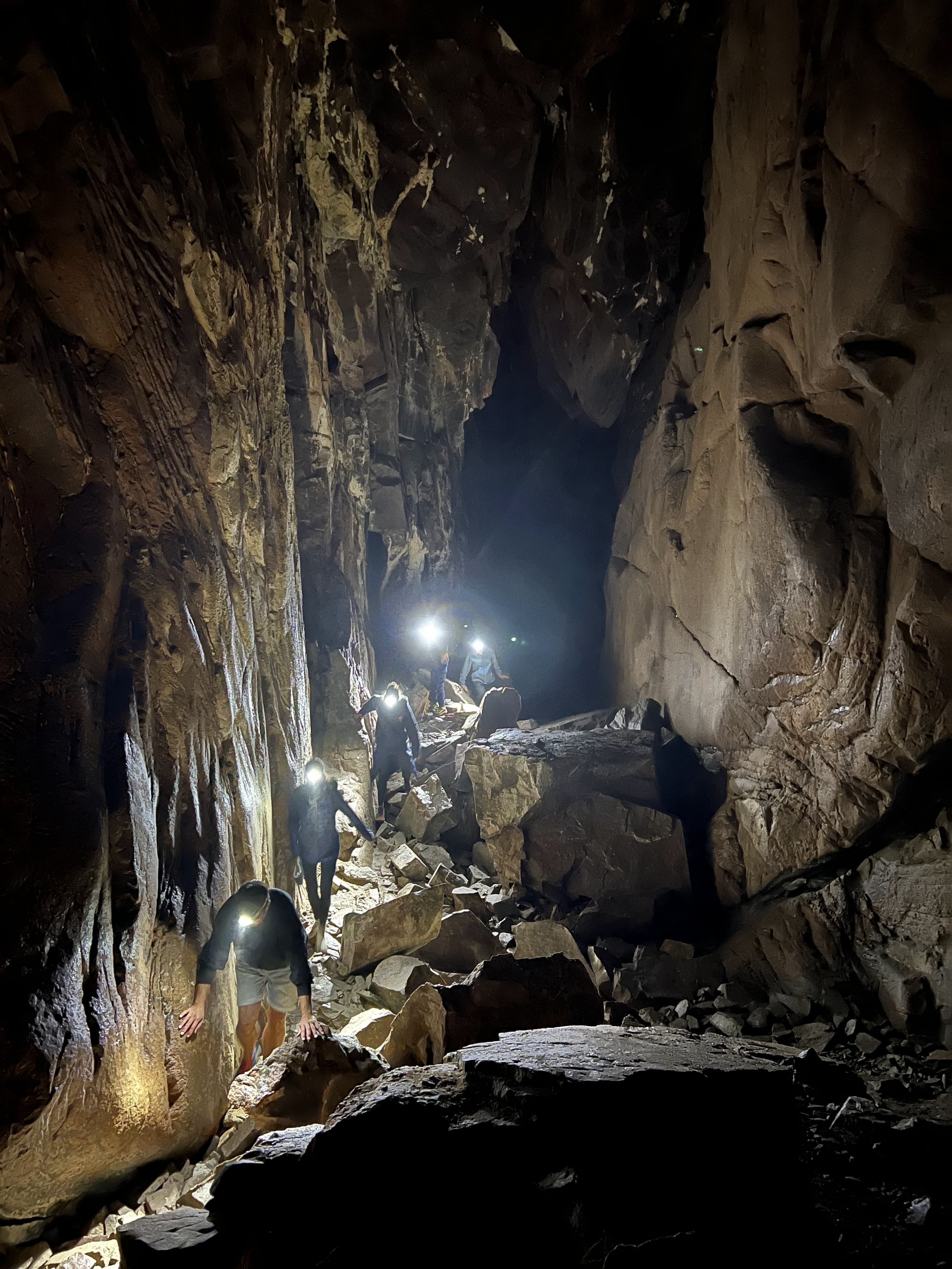
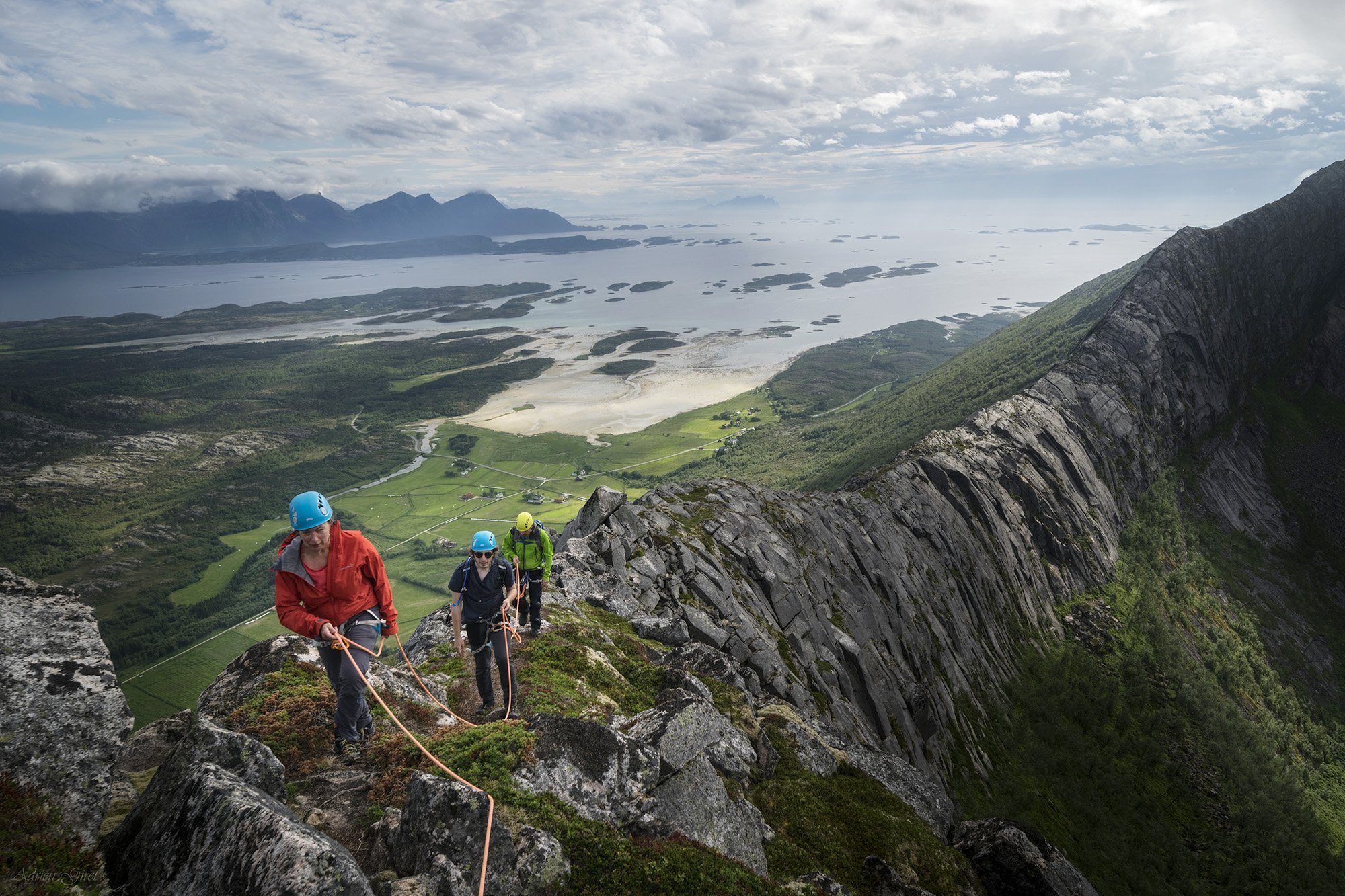
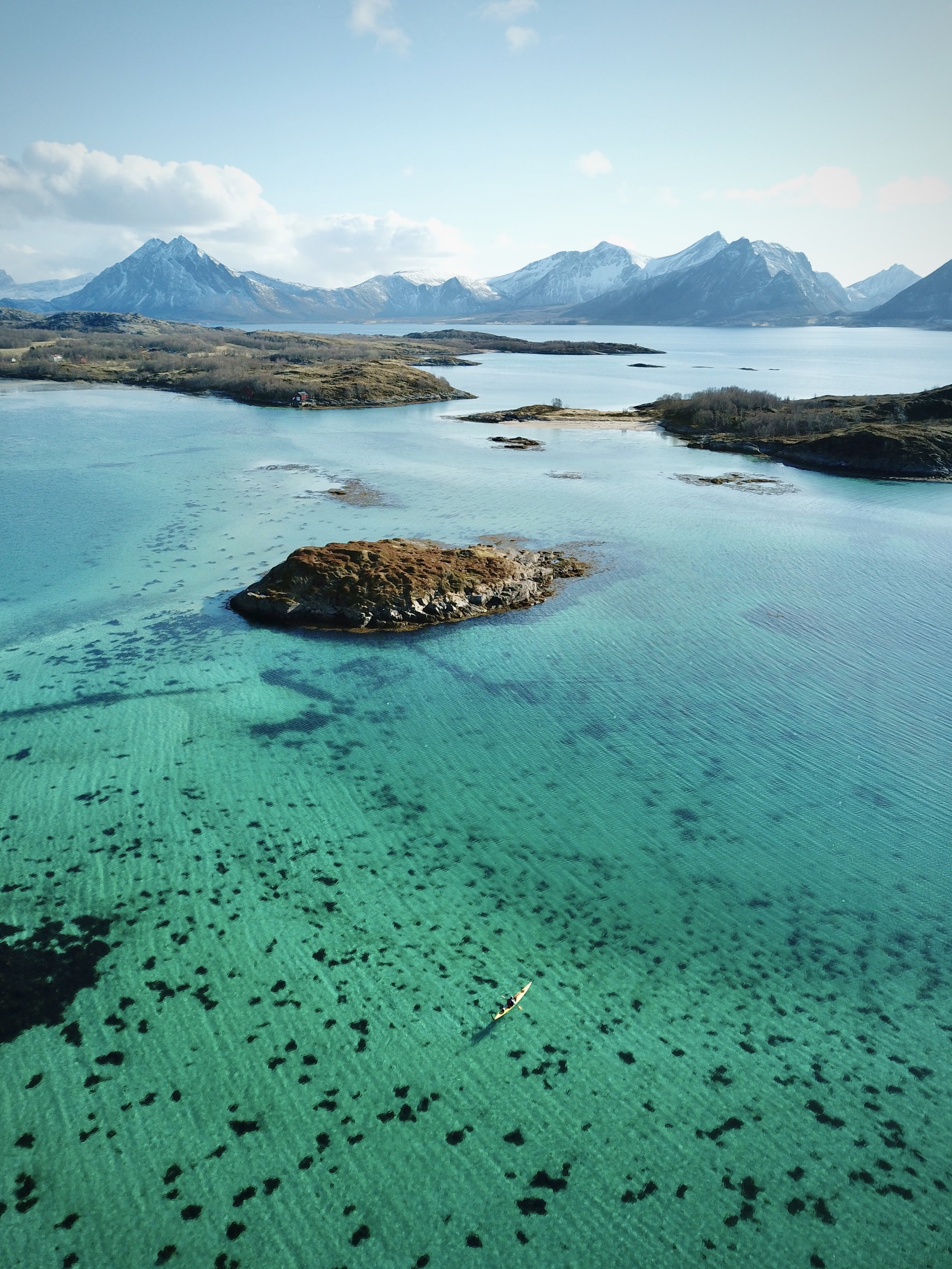
You are located in the Steigen archipelago of Northern Norway - one of the most remote places in Europe and 62 miles inside the Arctic Circle. Visit Loftoten islands to the north or kayak to hundreds of small islands in the area. Fish directly from your cabin. Spot seals, eagles, and even porpoises. Discover another kind of white sand beach in the West Fjord, created from ancient coral reefs, washed up on land over the years. Go hiking in some of the most picturesque parts of the worls. Visit Resshola, a 140 metres deep cave. Go rock climbing at Nordskot red granite cliffs.
INDULGE IN
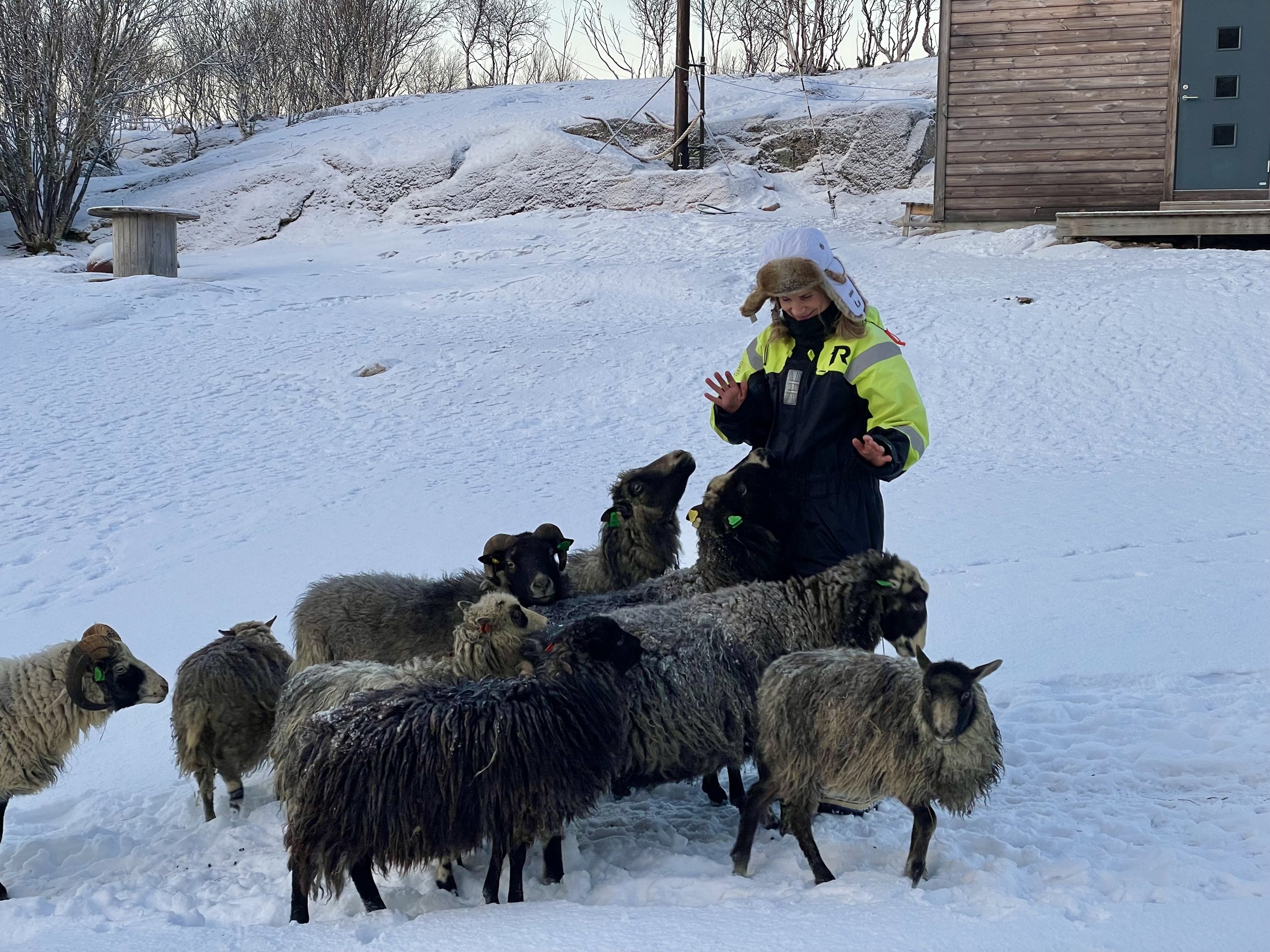
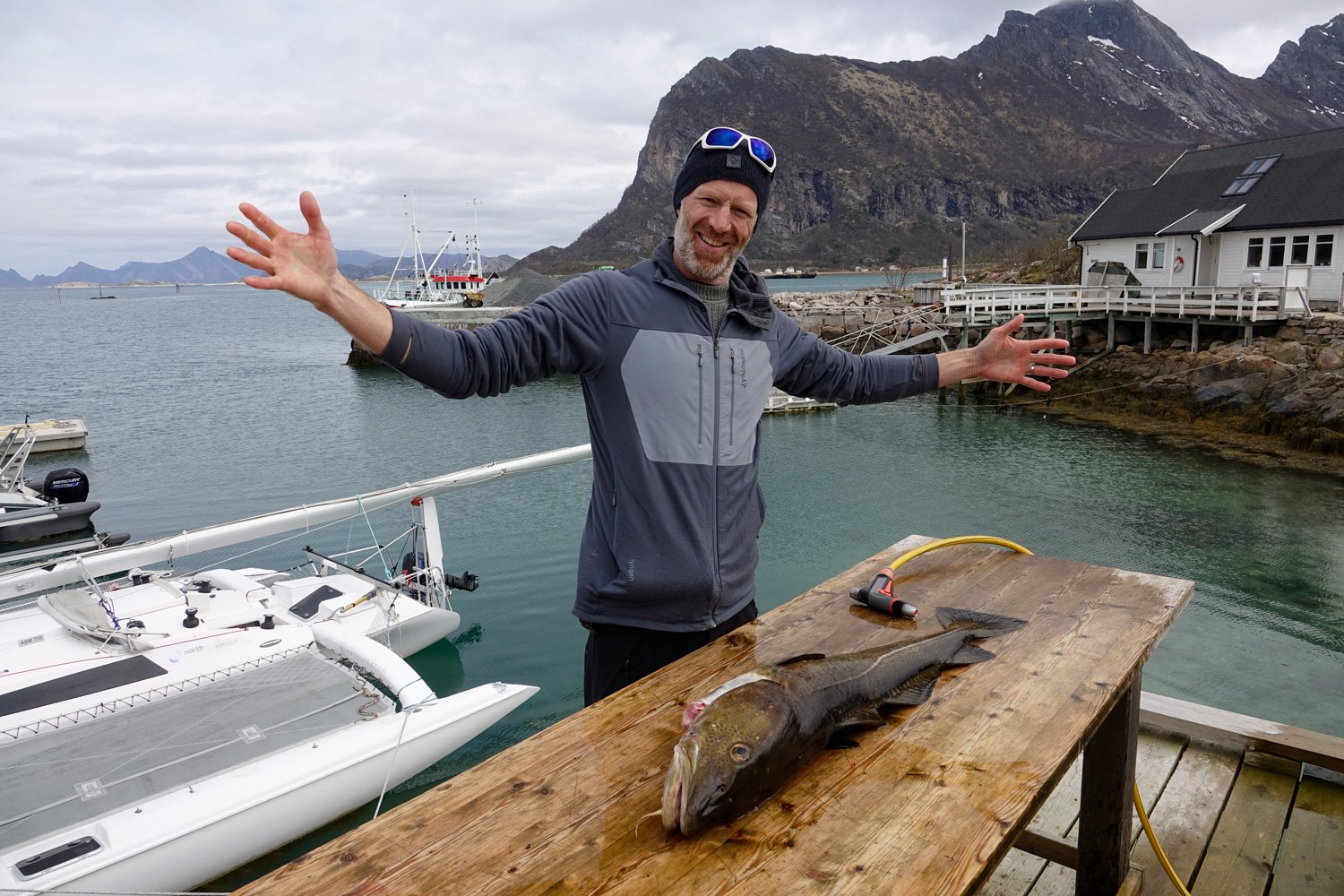
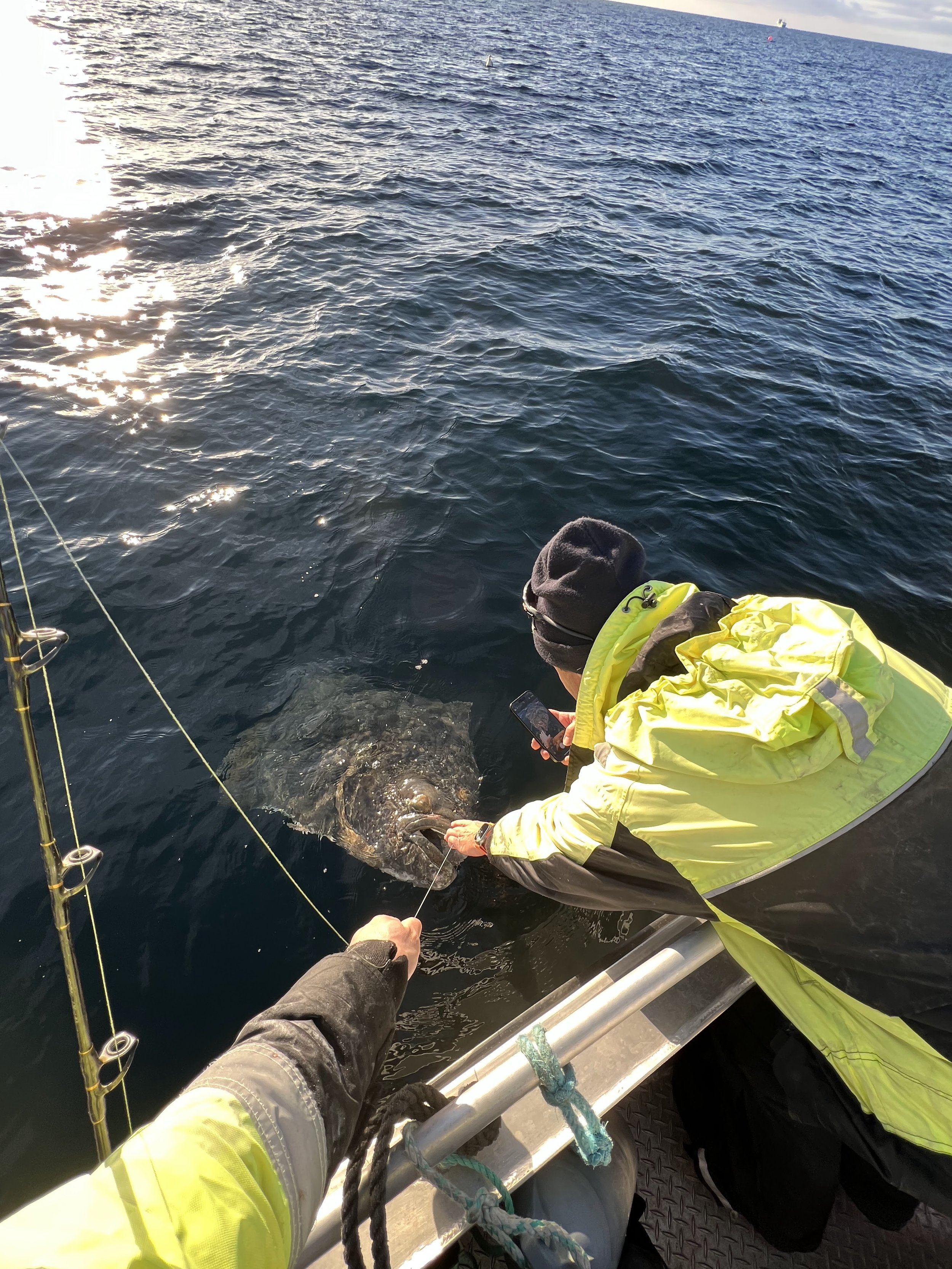
Fresh caught mackerel, halibut and seatrout. Local produce such as reindeer, lamb or elk.The seasonal specialties are bacalao, “lutefisk”, fresh cod and wild sheep from Steigen.


GETTING THERE
Fly into the Bodo Airport. Take the ferry from Bodø city centre to Nordskot and arrange to be picked up by Manshausen's boat for the final leg of the journey.
More info at manshausen.no/getting-here
WILD INITIATIVES
Sustainability is at the core of Manshausen Island’s philosophy, shaping both its design and operations. The resort’s Sea Cabins and Sea Towers are built using eco-friendly materials and designed with energy efficiency in mind, blending seamlessly into the natural landscape without disrupting the environment. Solar power is used to support energy needs, and waste is carefully managed to minimize the island’s ecological footprint. Manshausen also emphasizes the importance of protecting local wildlife and marine ecosystems, encouraging guests to interact with nature in a responsible and low-impact way.
*Images property of Manshaussen + Steve King, Adrien Giret, Jorunn Tharaldsen, Adrien Giret, Fergus Bell, Kjell Ove Storvik, Lars Ebbesen, Nadia Nordskot, Nadia Nordskot
Woodnest Odda Treehouse
NORWAY
Woodnest Odda Treehouse
NORWAY
WOODNEST
NORWAY
THE PERSONALITIES
Design and architecture lovers. Photographers. Minimalists. Seekers of stillness. Mountain wanderers.
MOMENTS
Waking to snow falling against glass. A grown-up treehouse experience. Whimsical yet functional architecture. Watching fjord light shift through pine branches. The silence and the views.
BEST VISITING MONTHS
May to September for hiking and green valleys; November to March for snow and northern stillness.
COST

WHY STAY
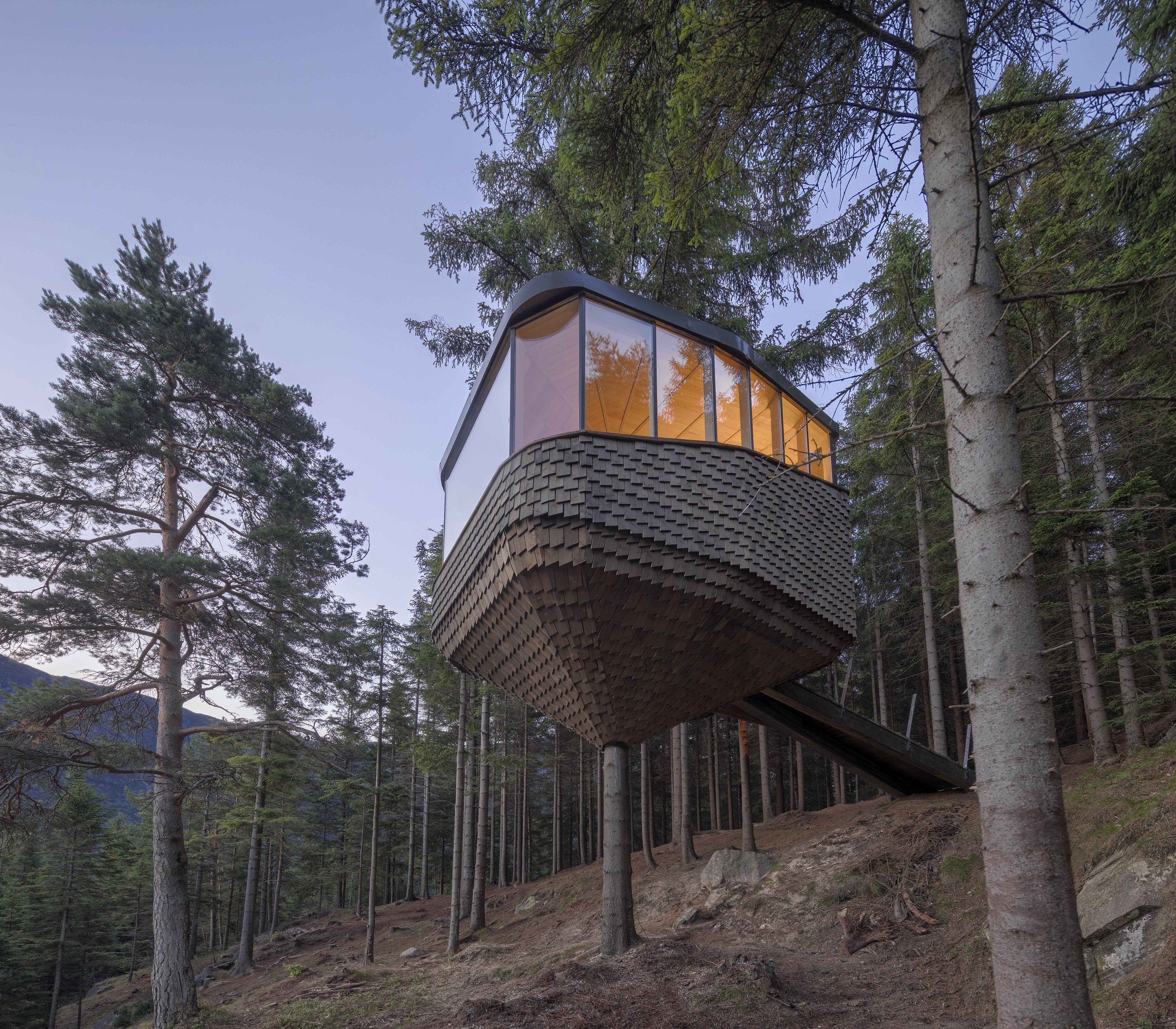
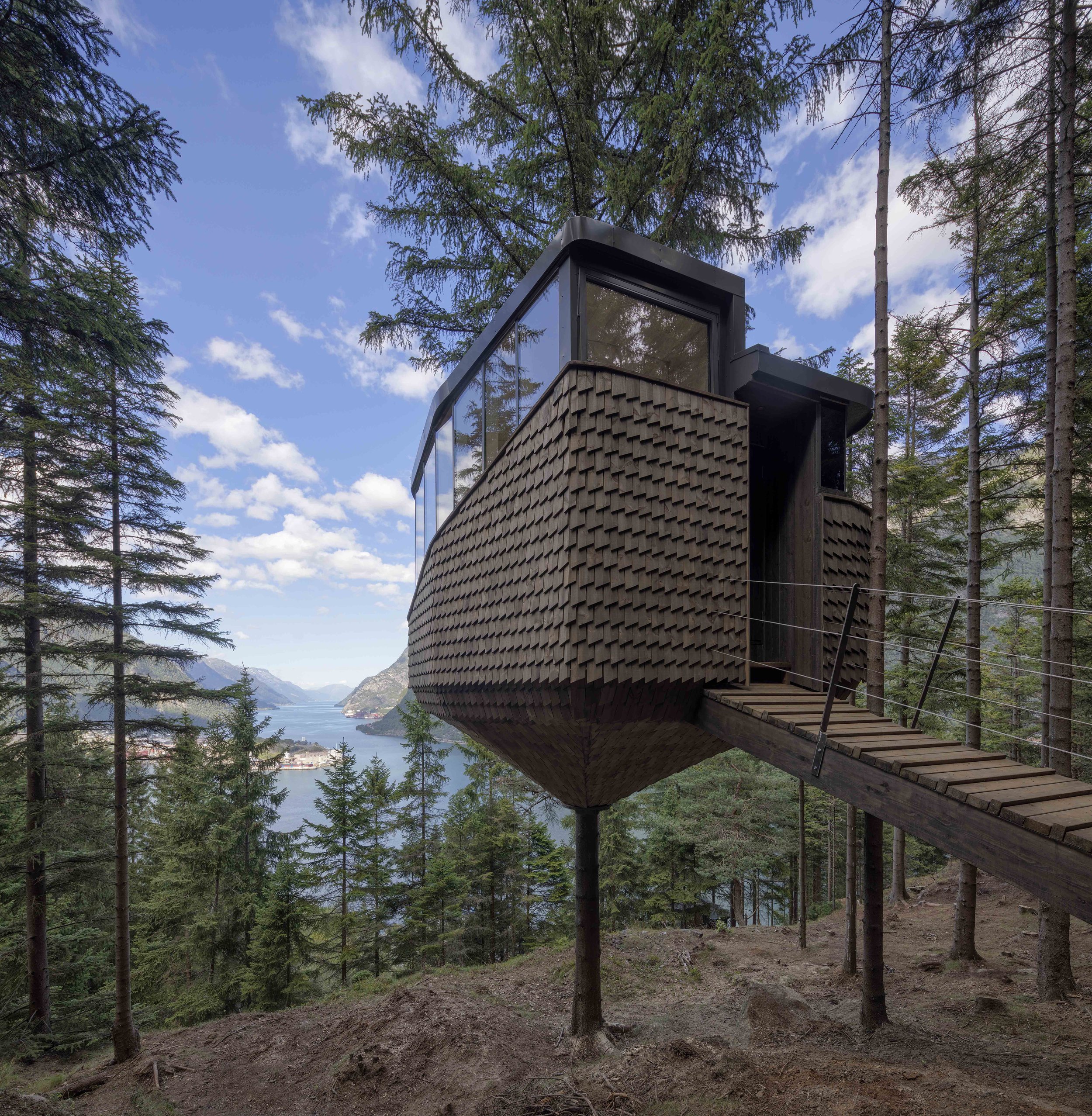
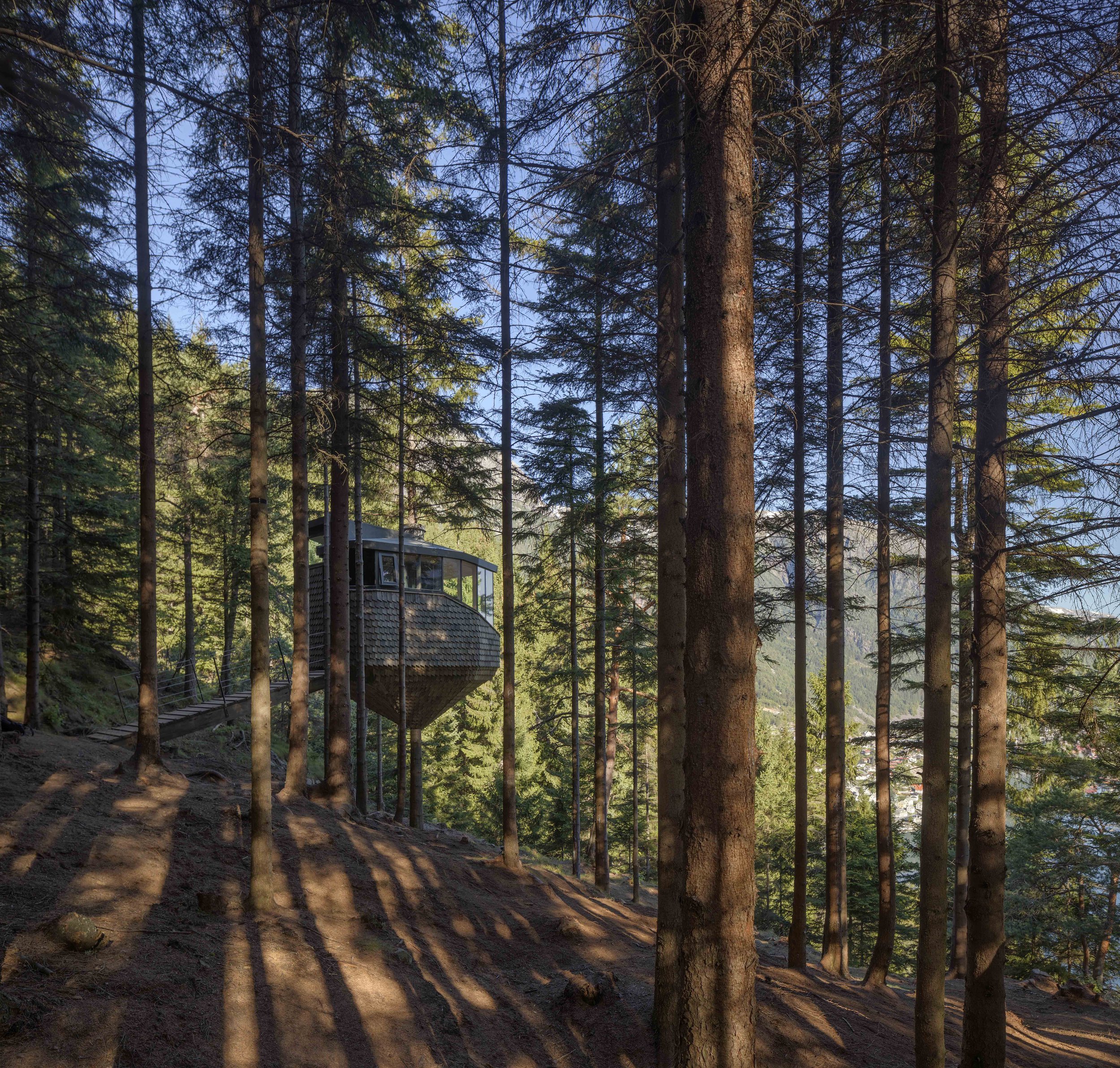
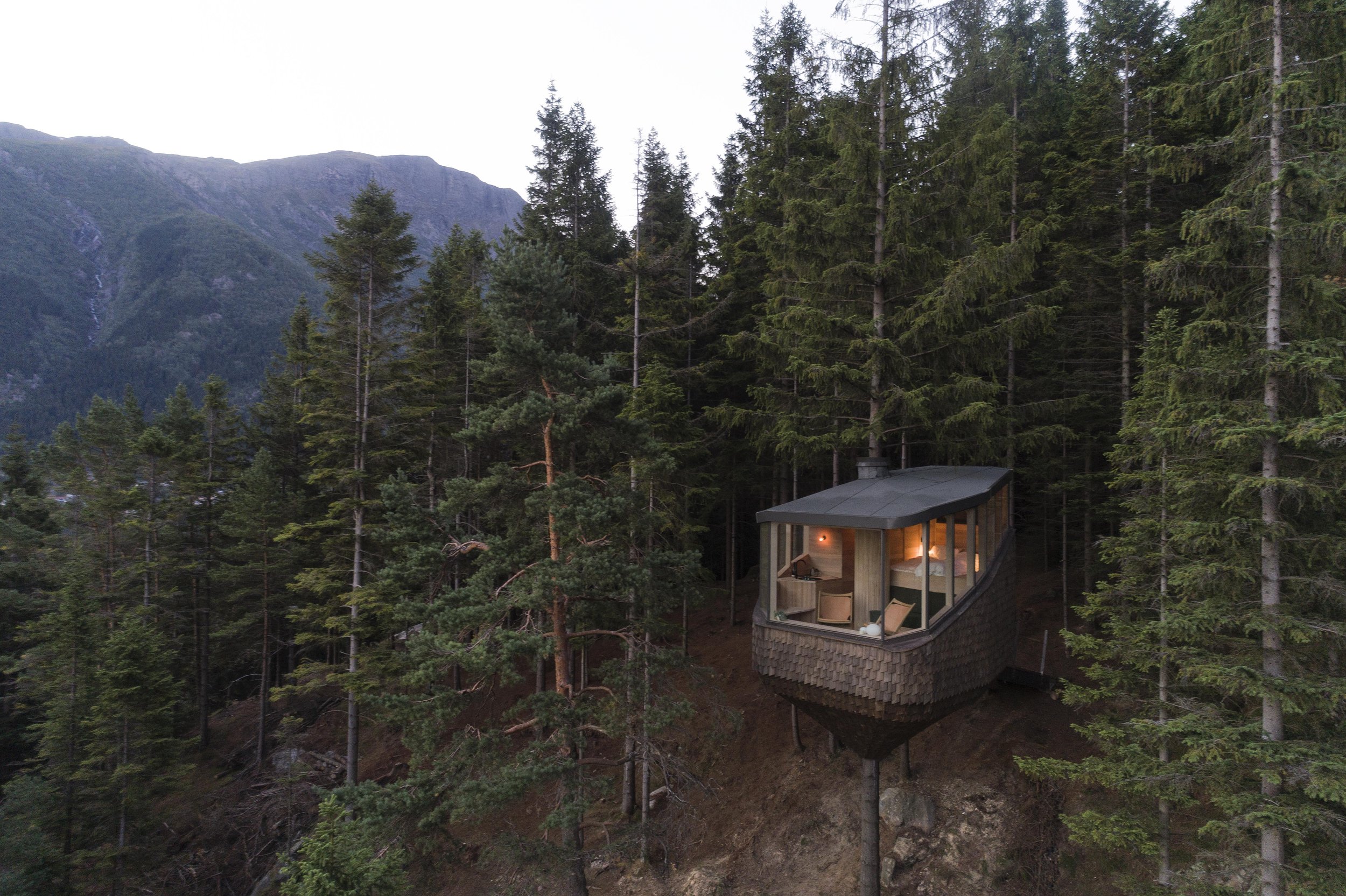
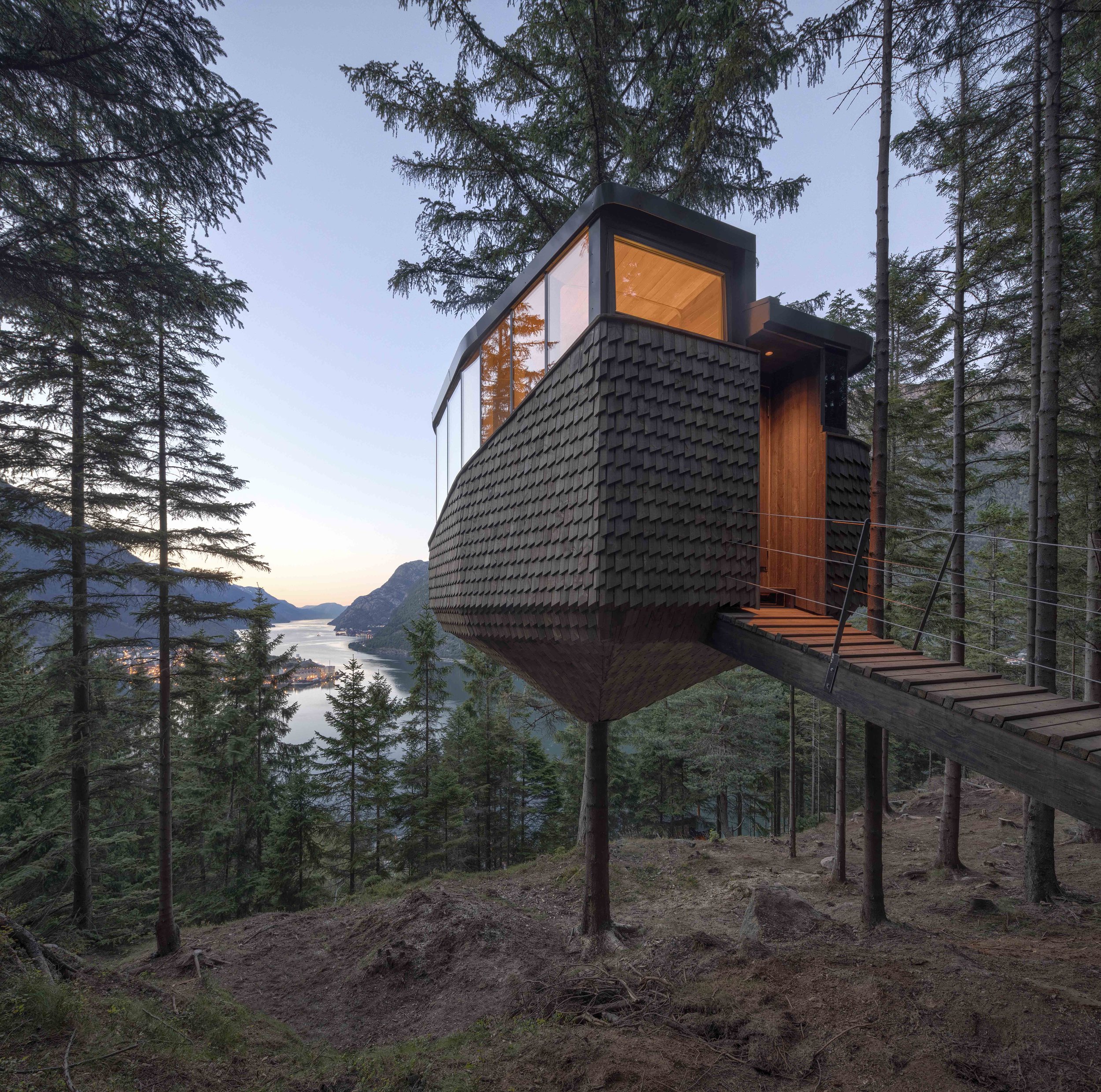
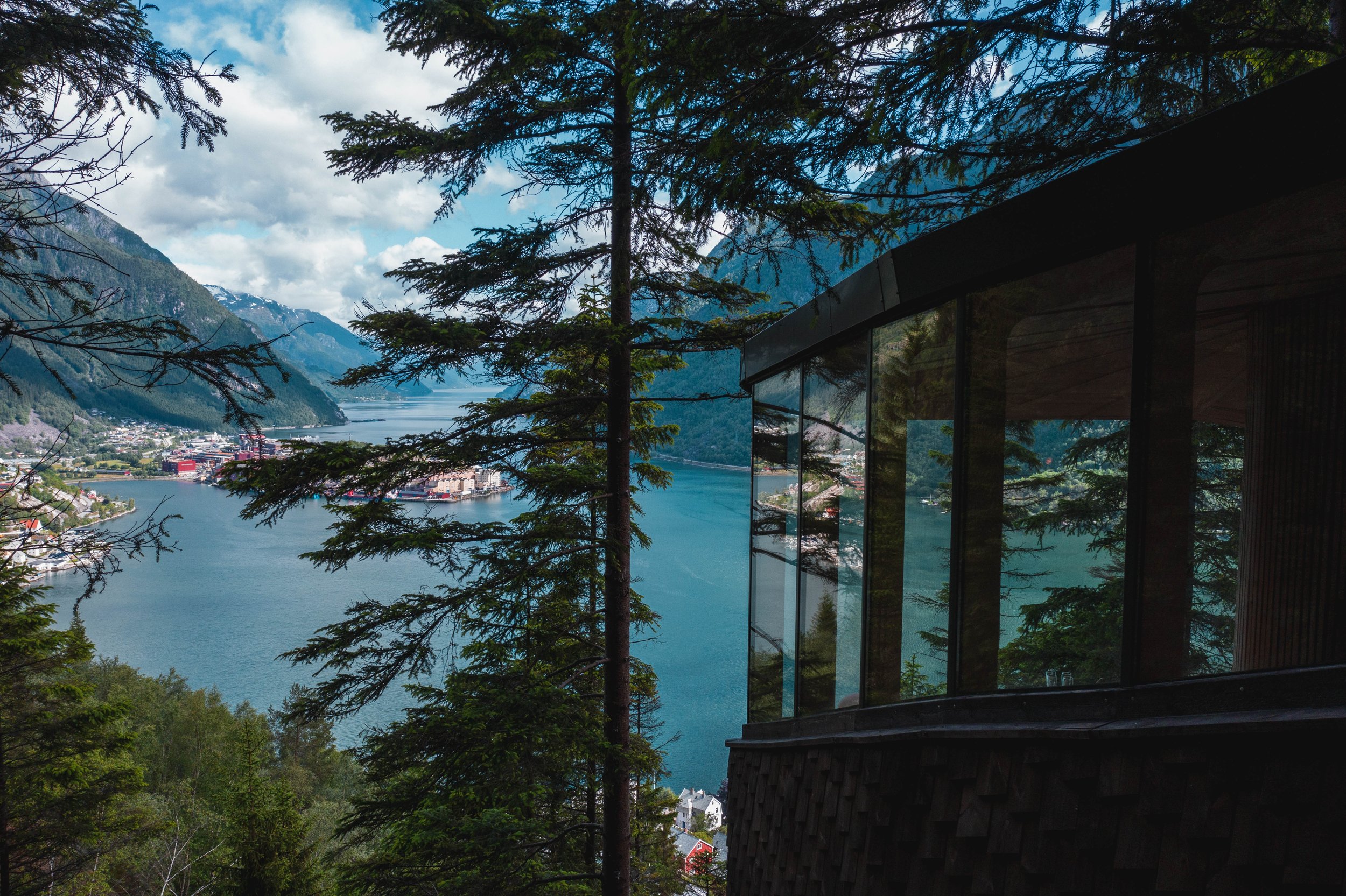
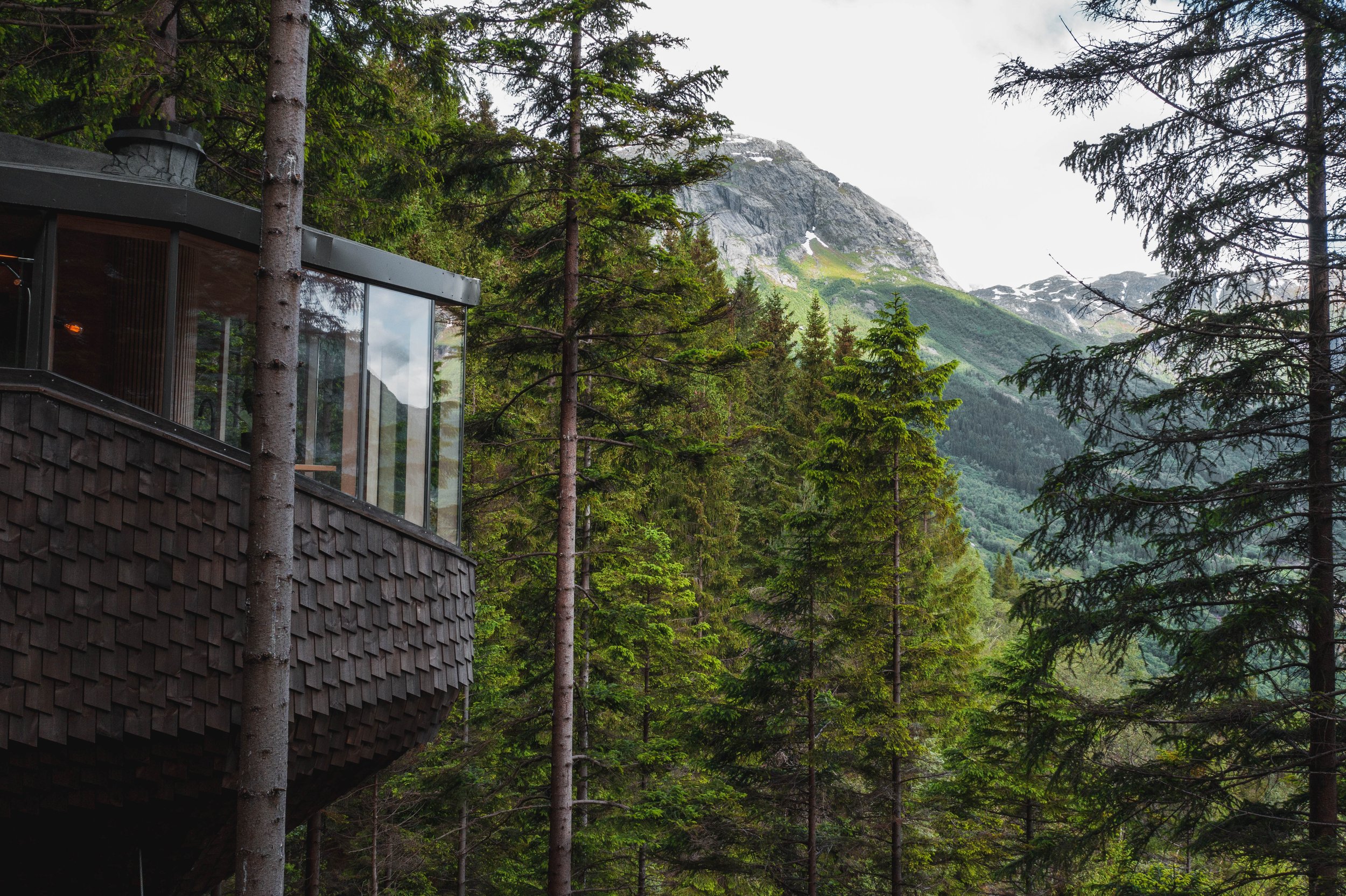
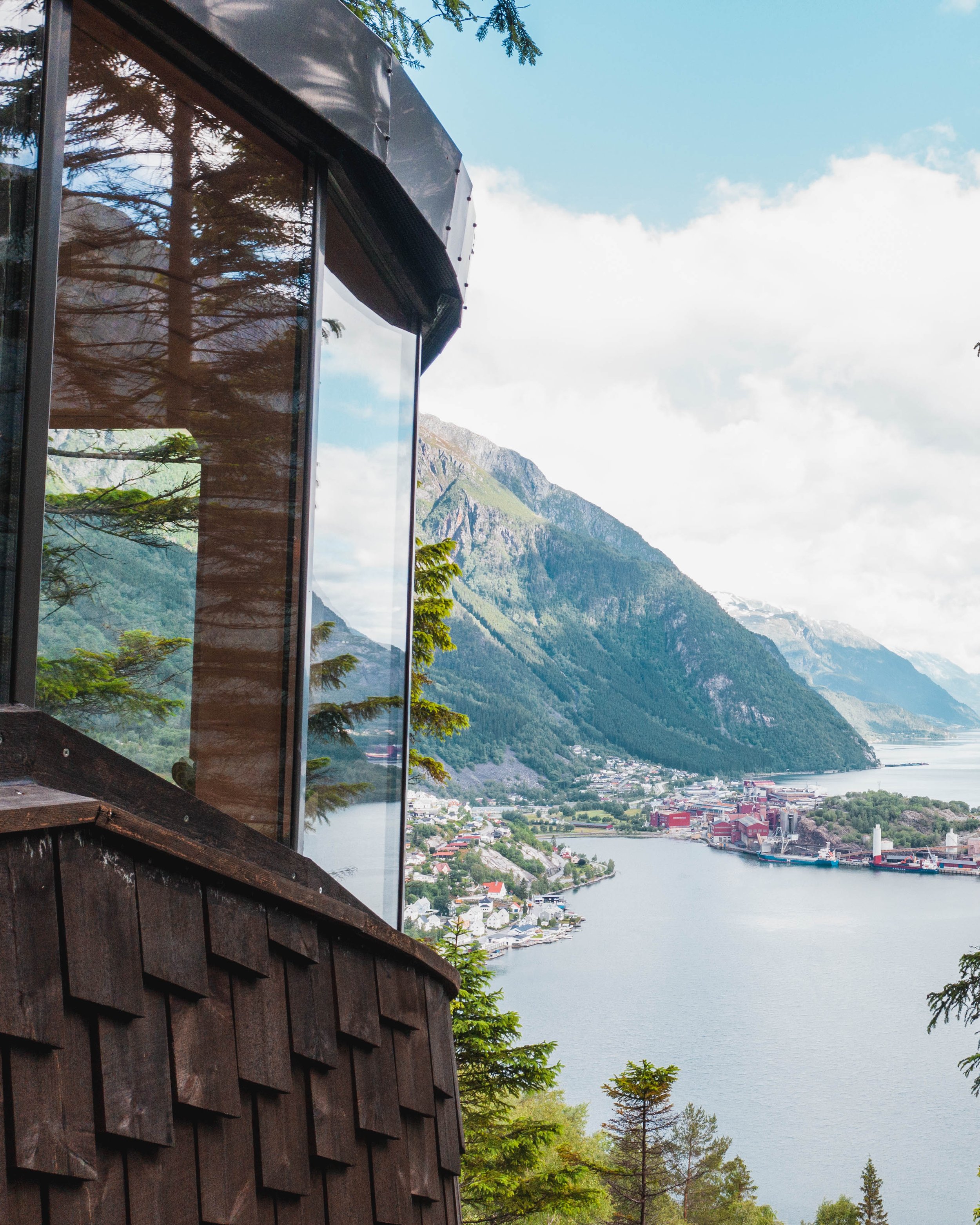
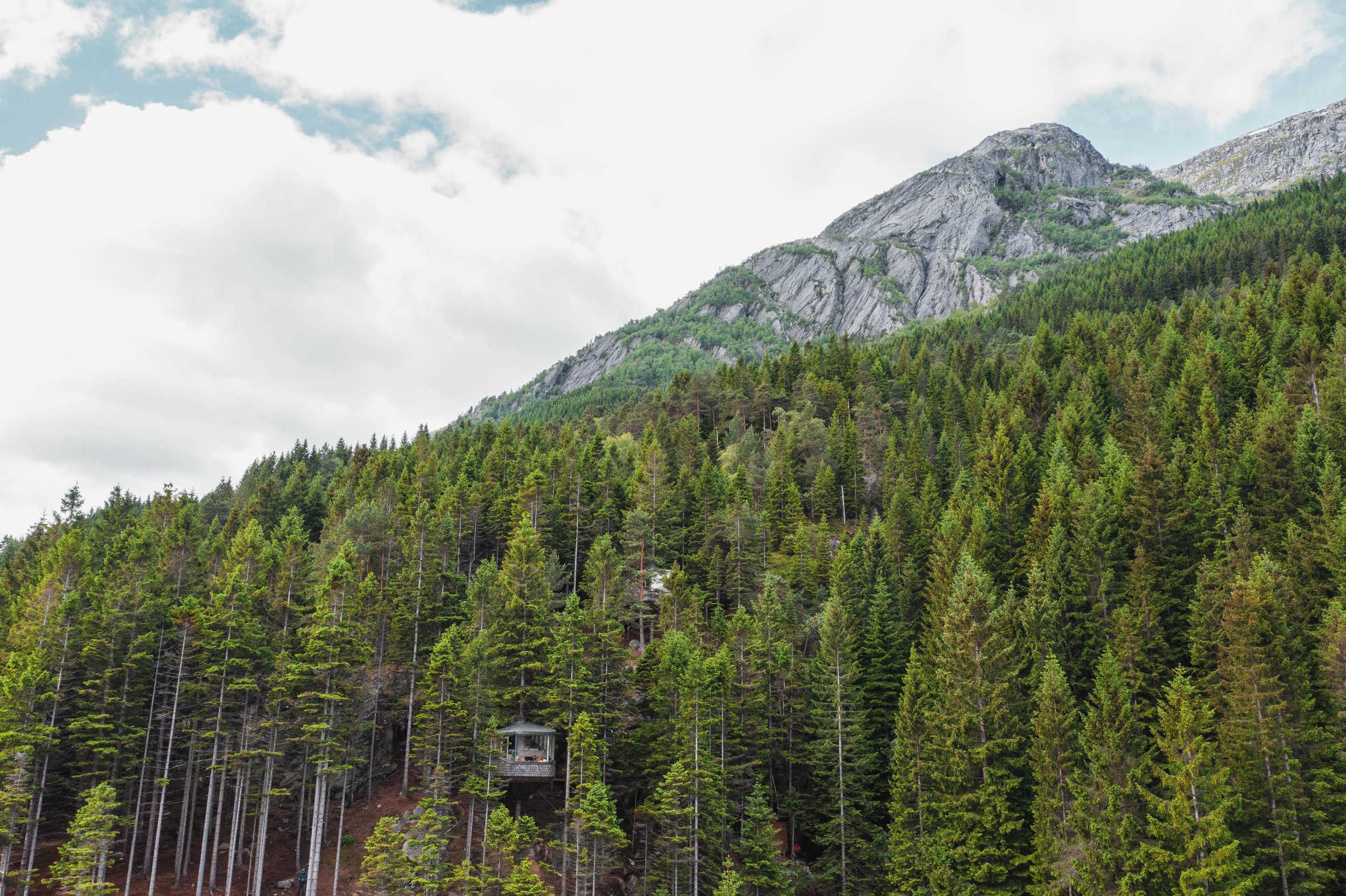
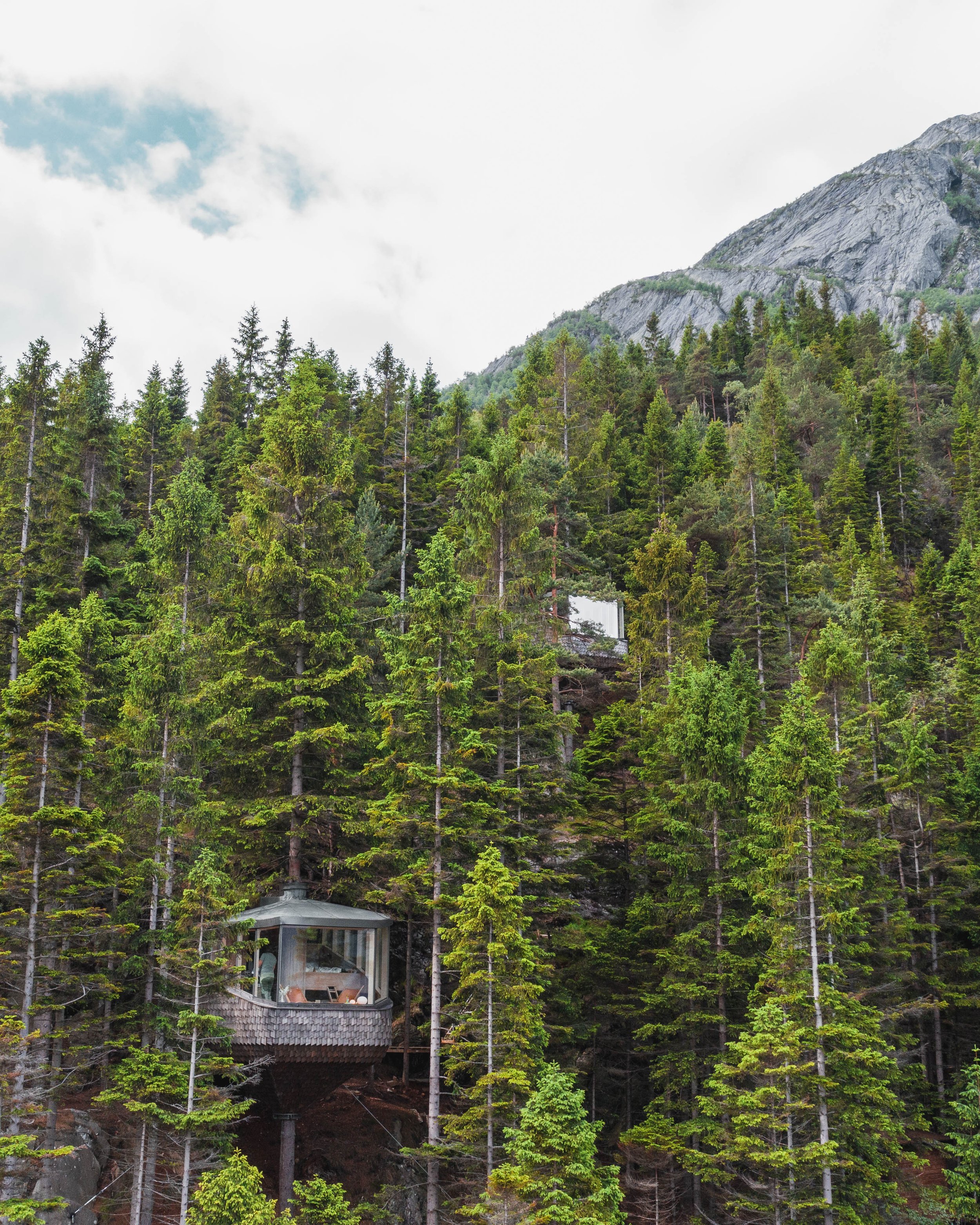
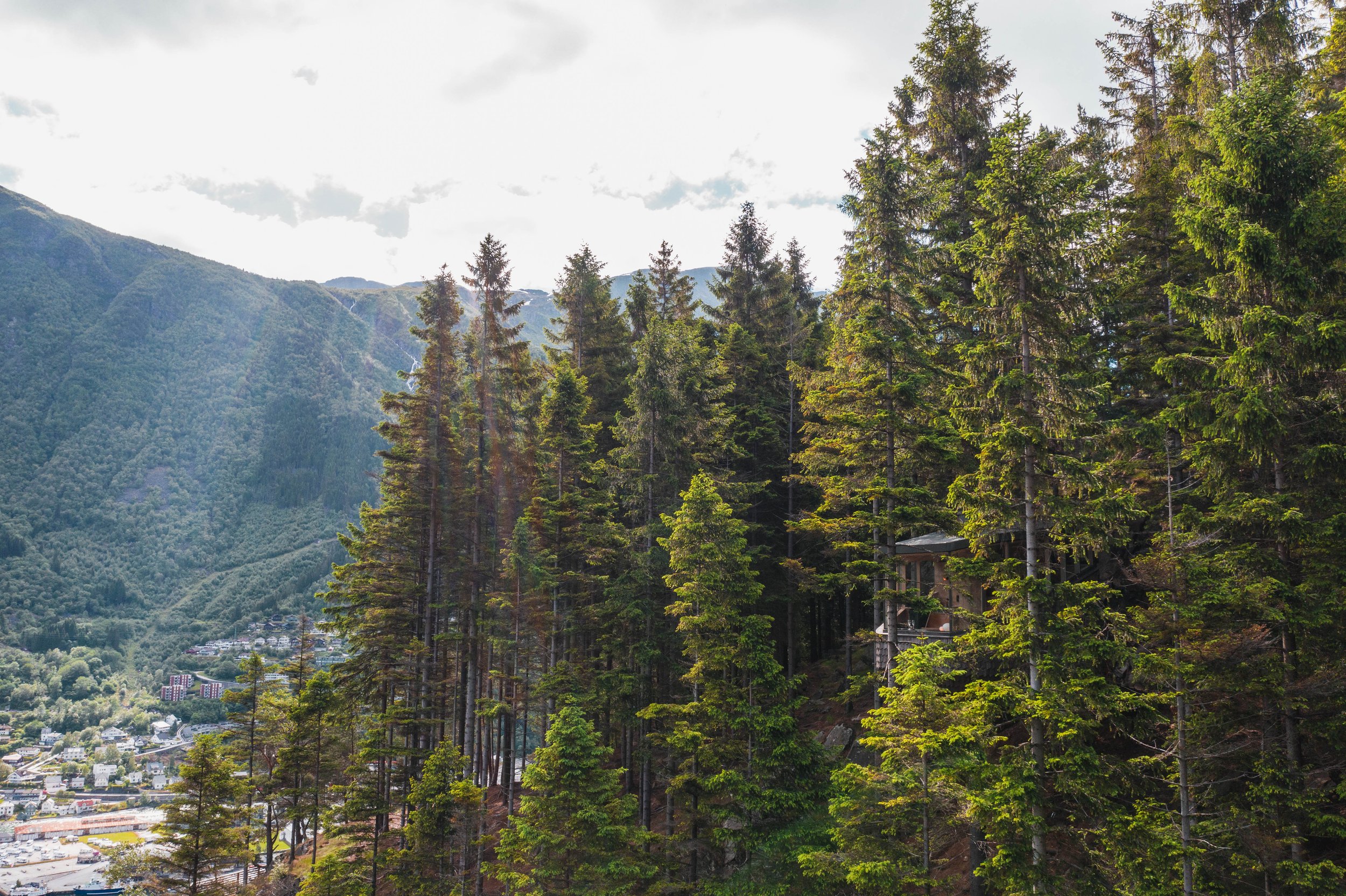
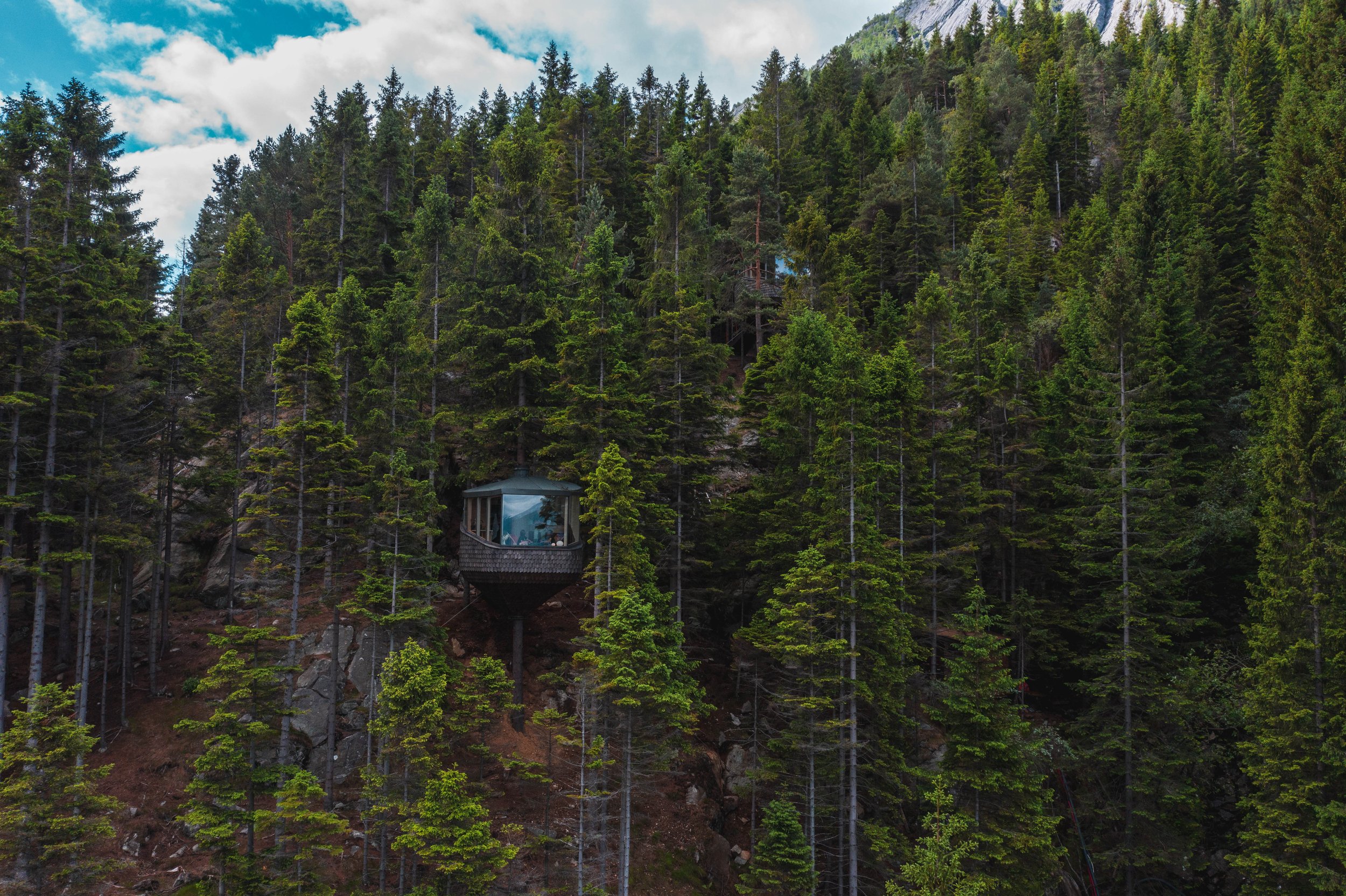
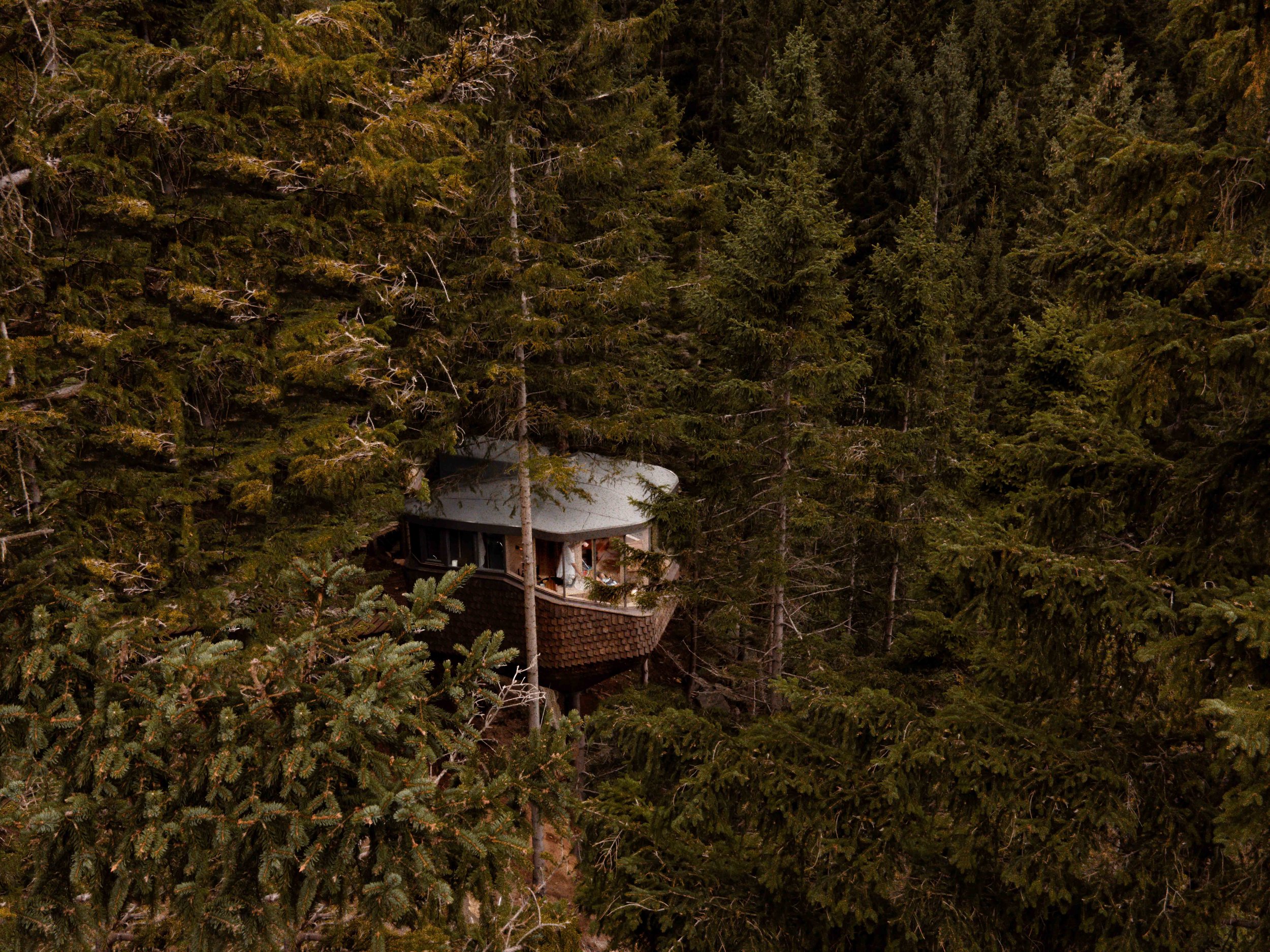
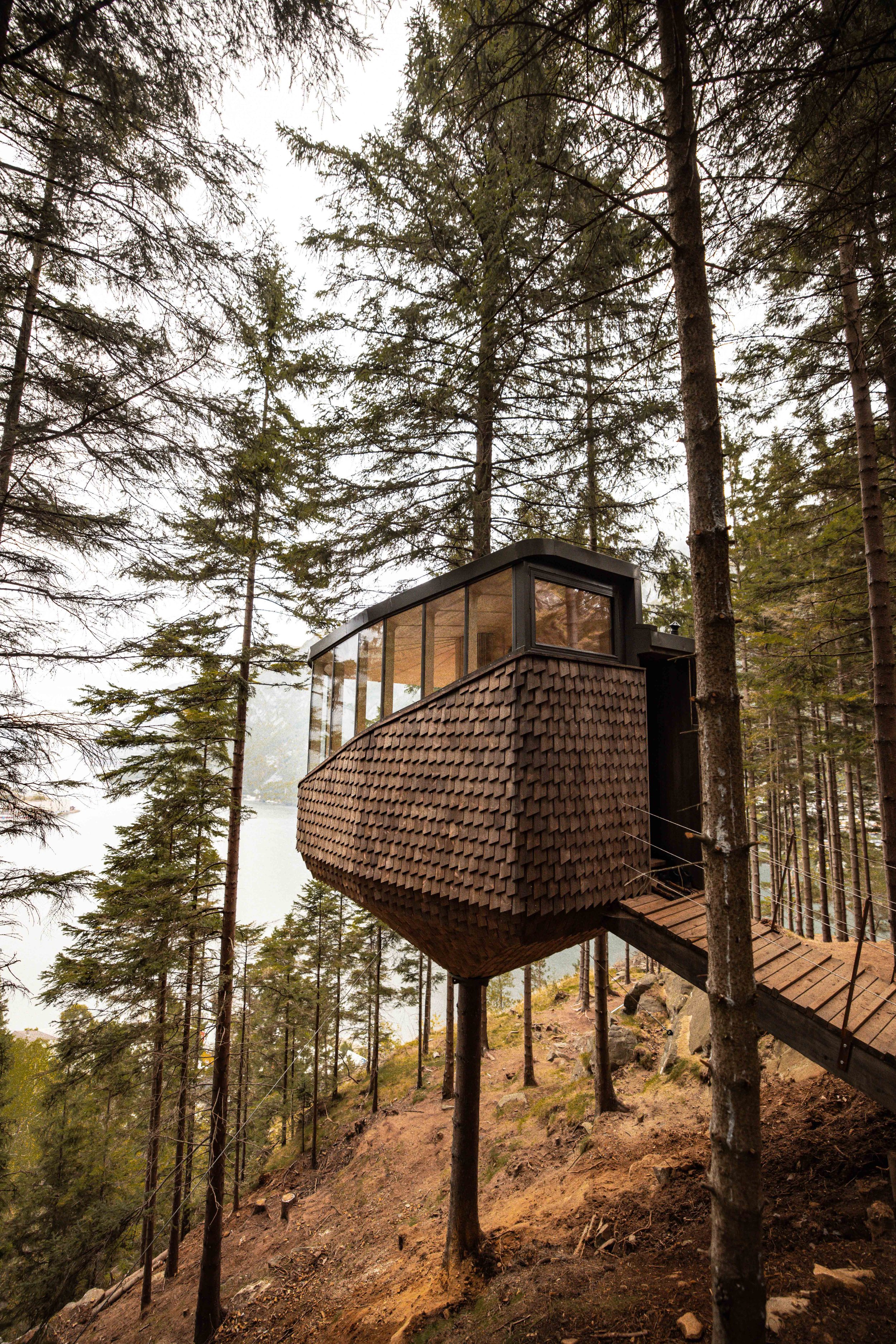
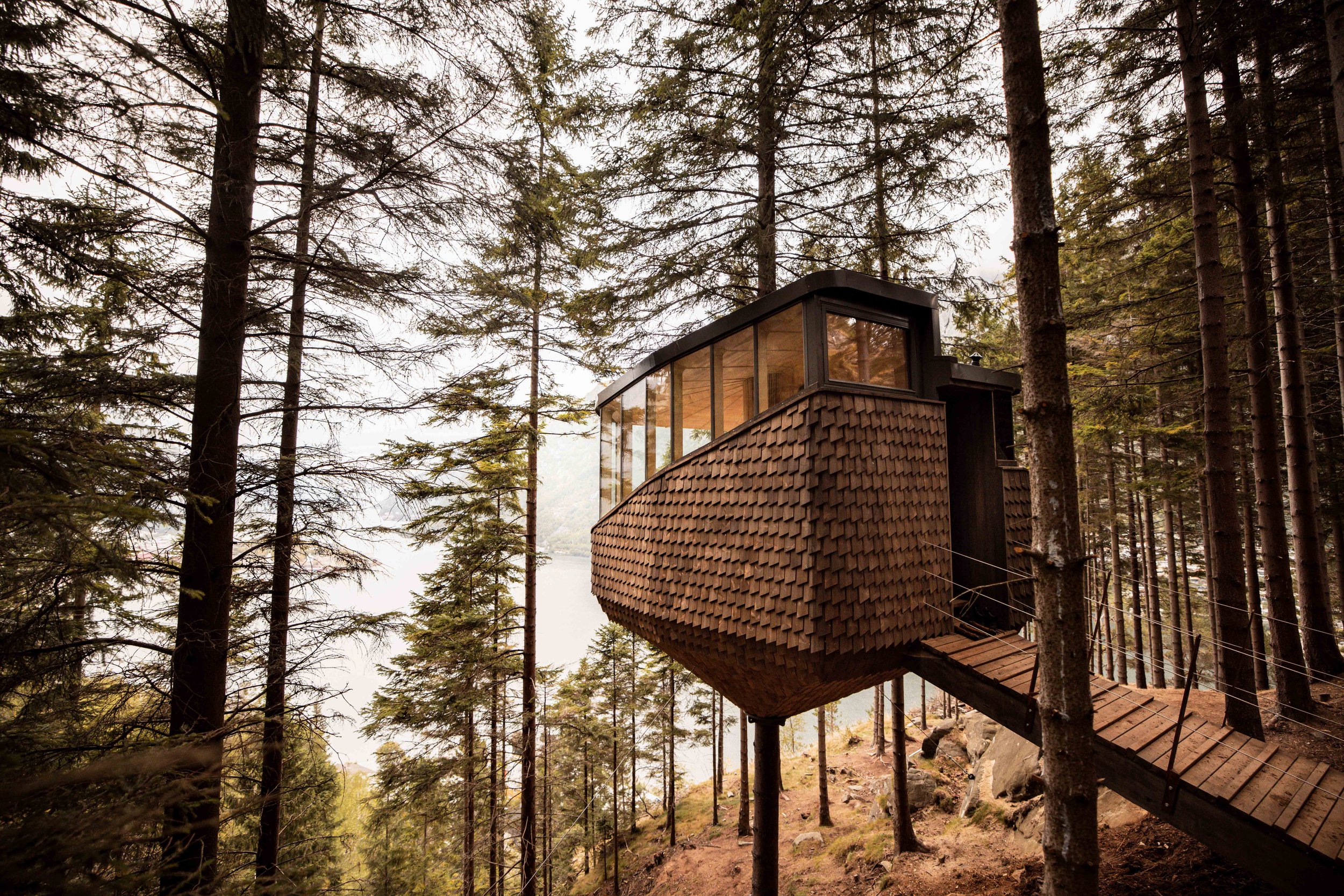
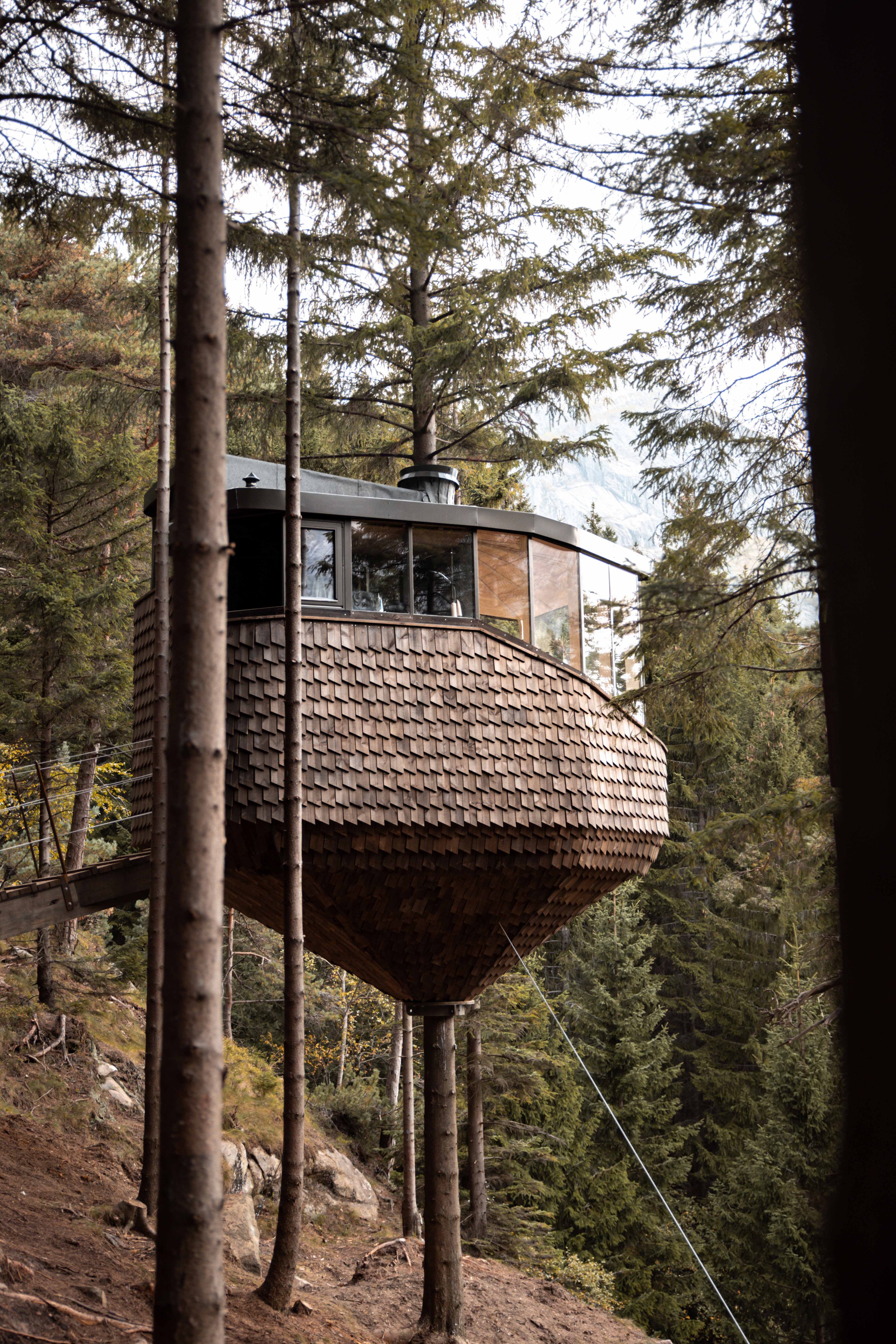
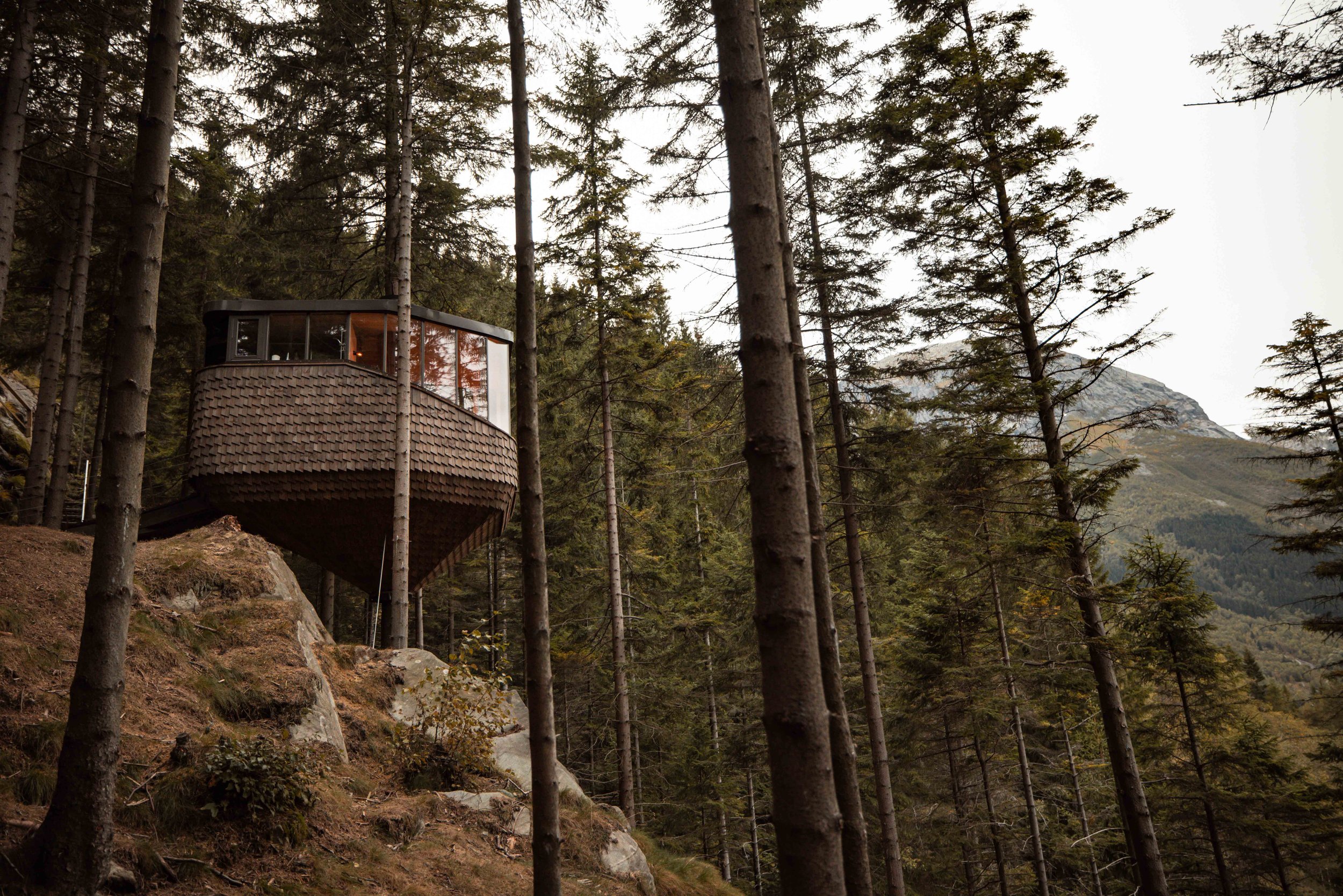
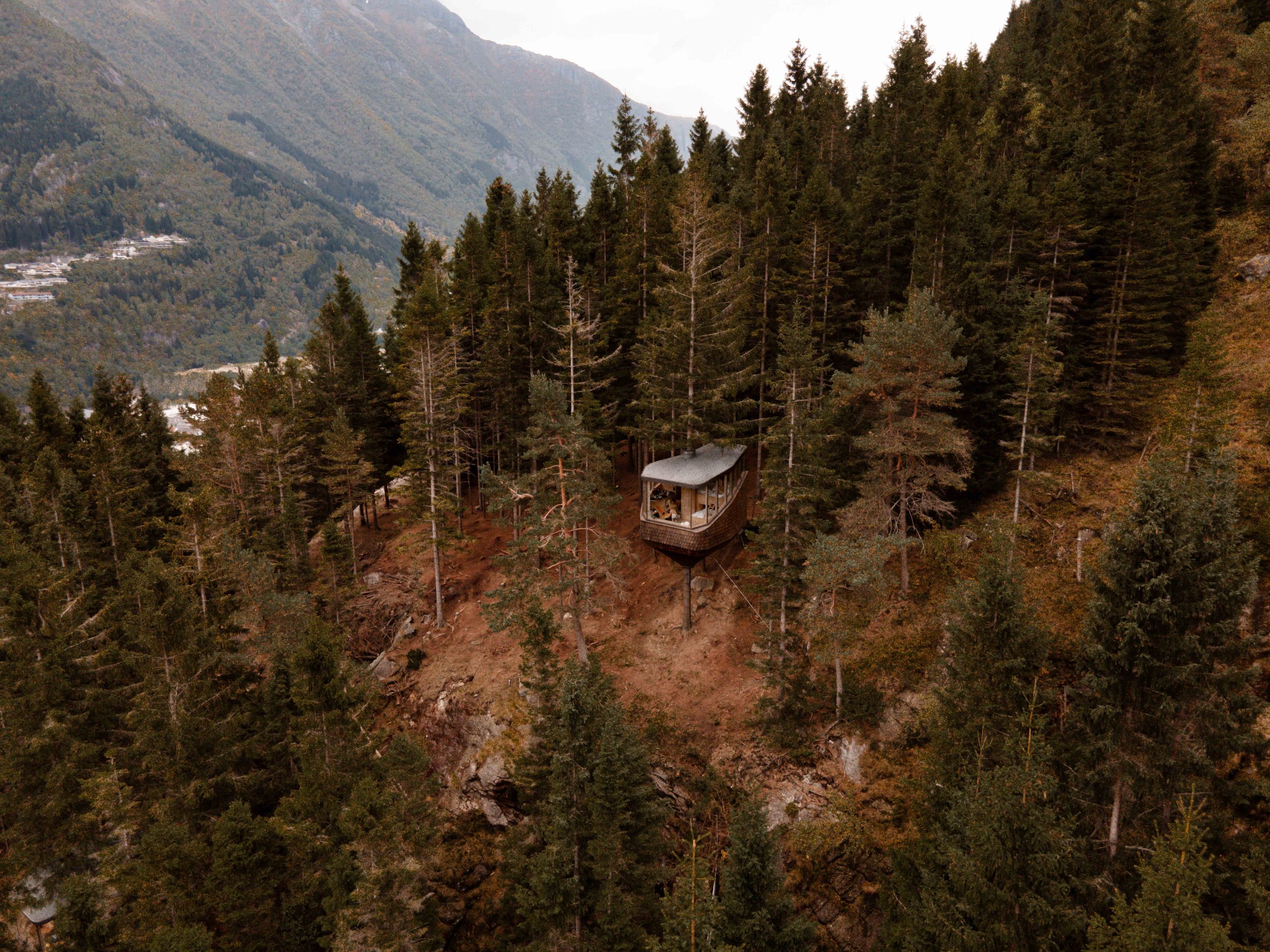
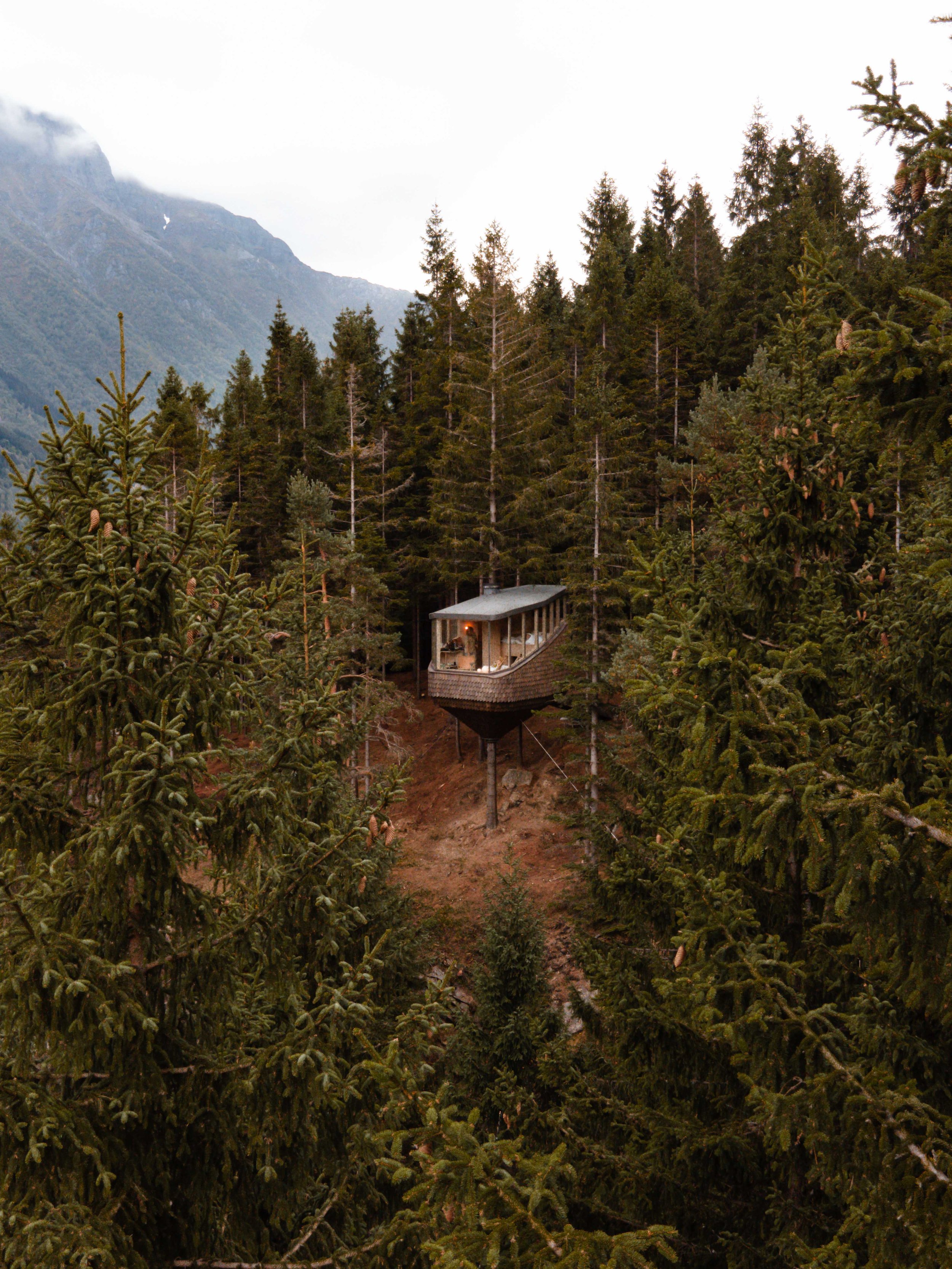
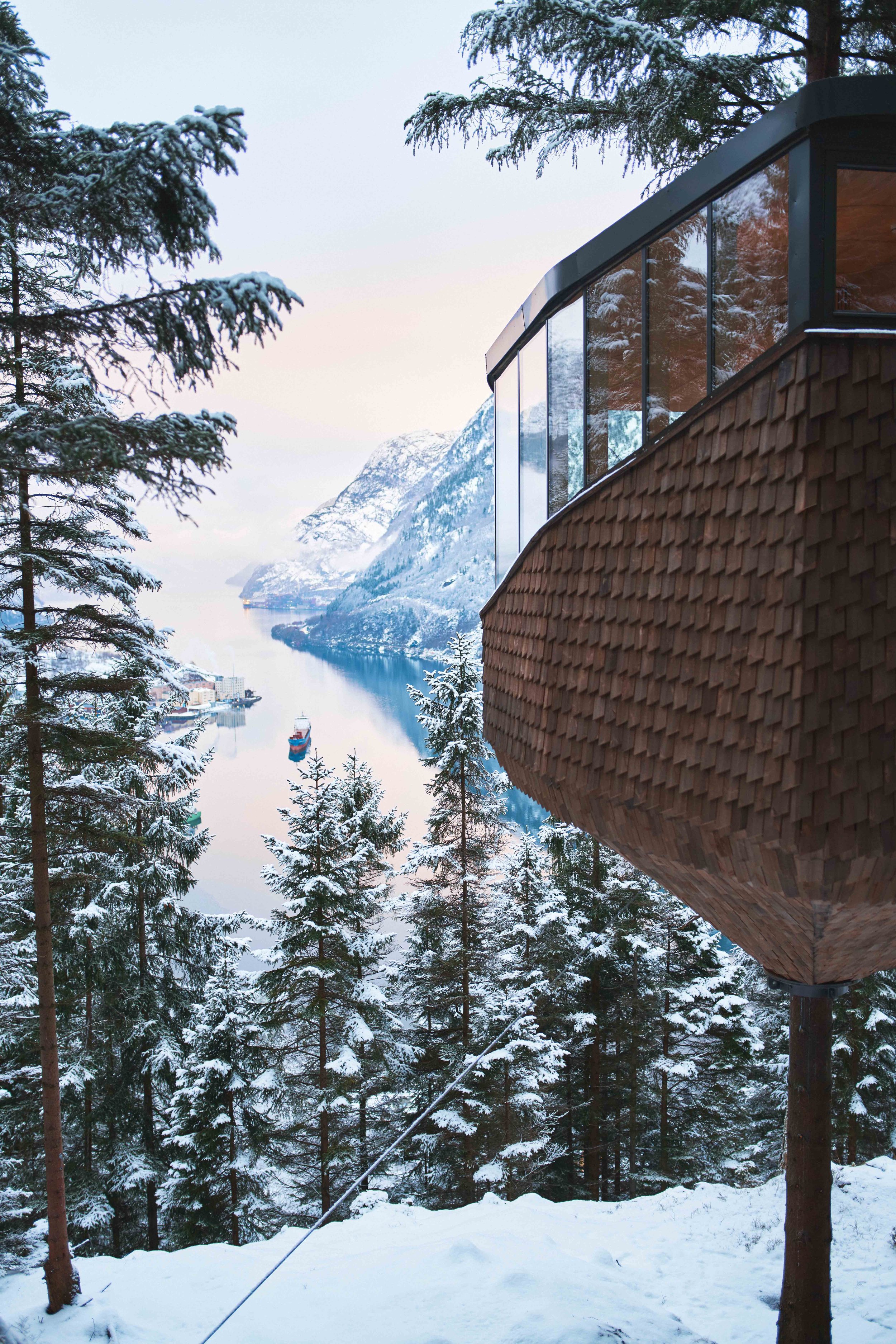
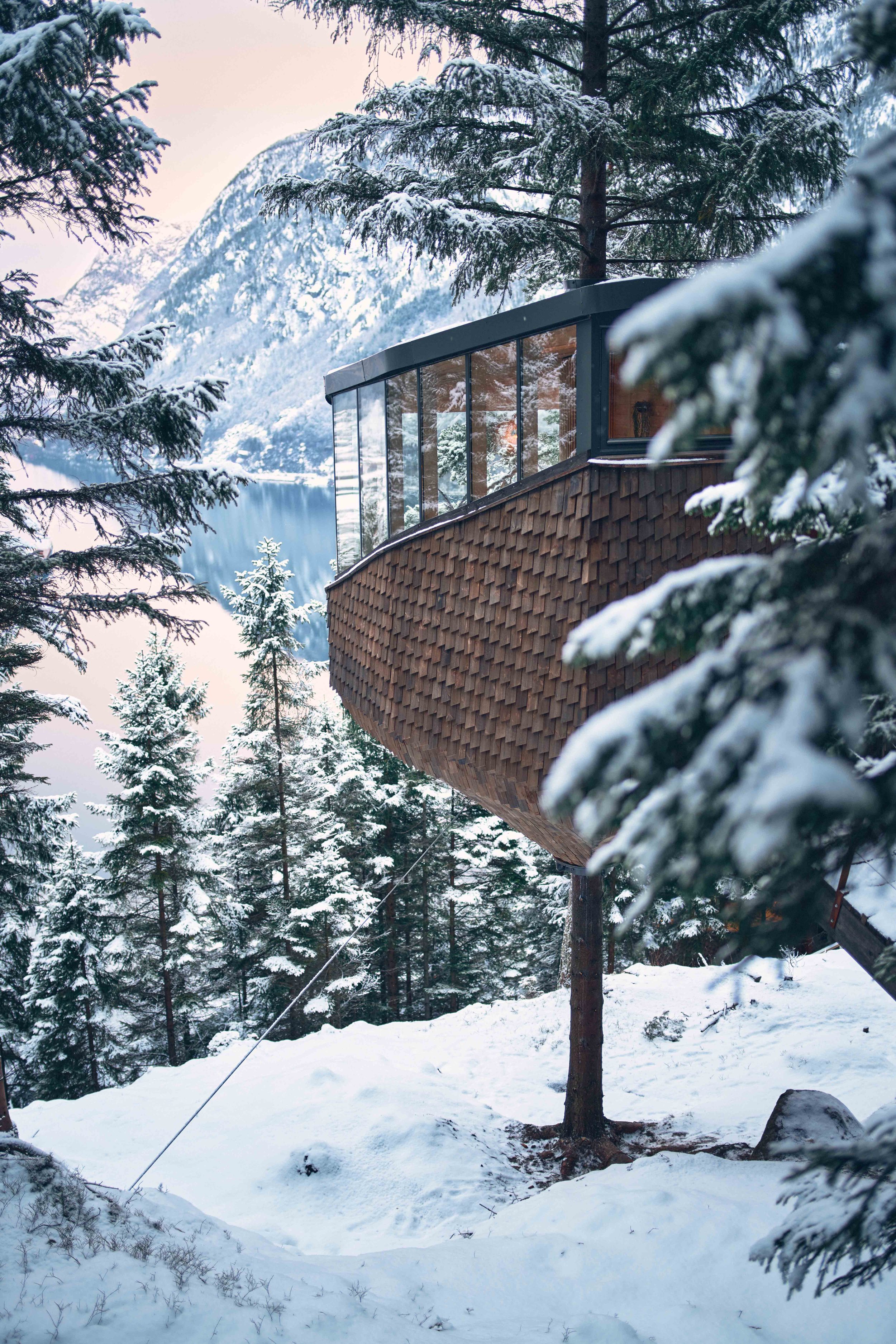
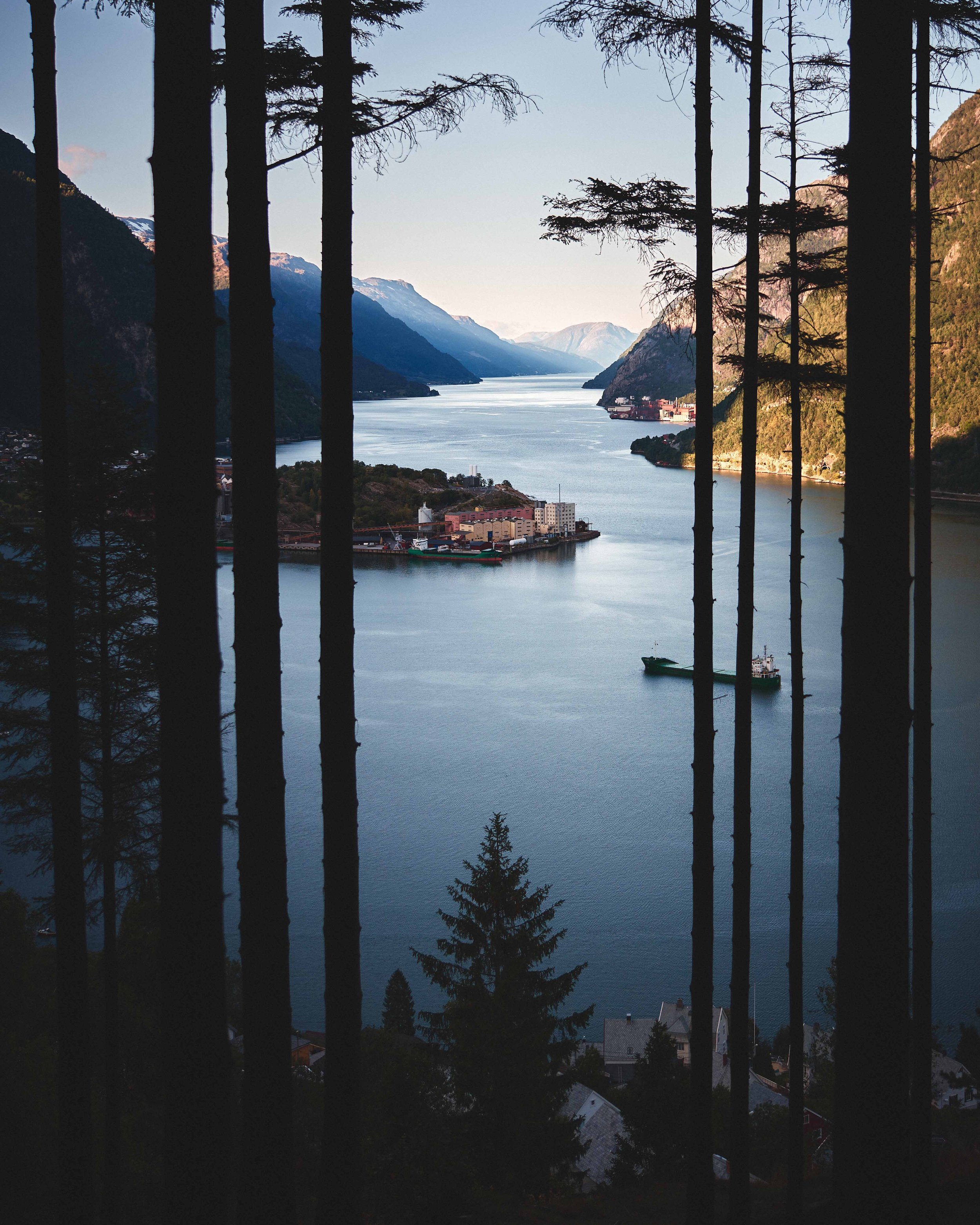
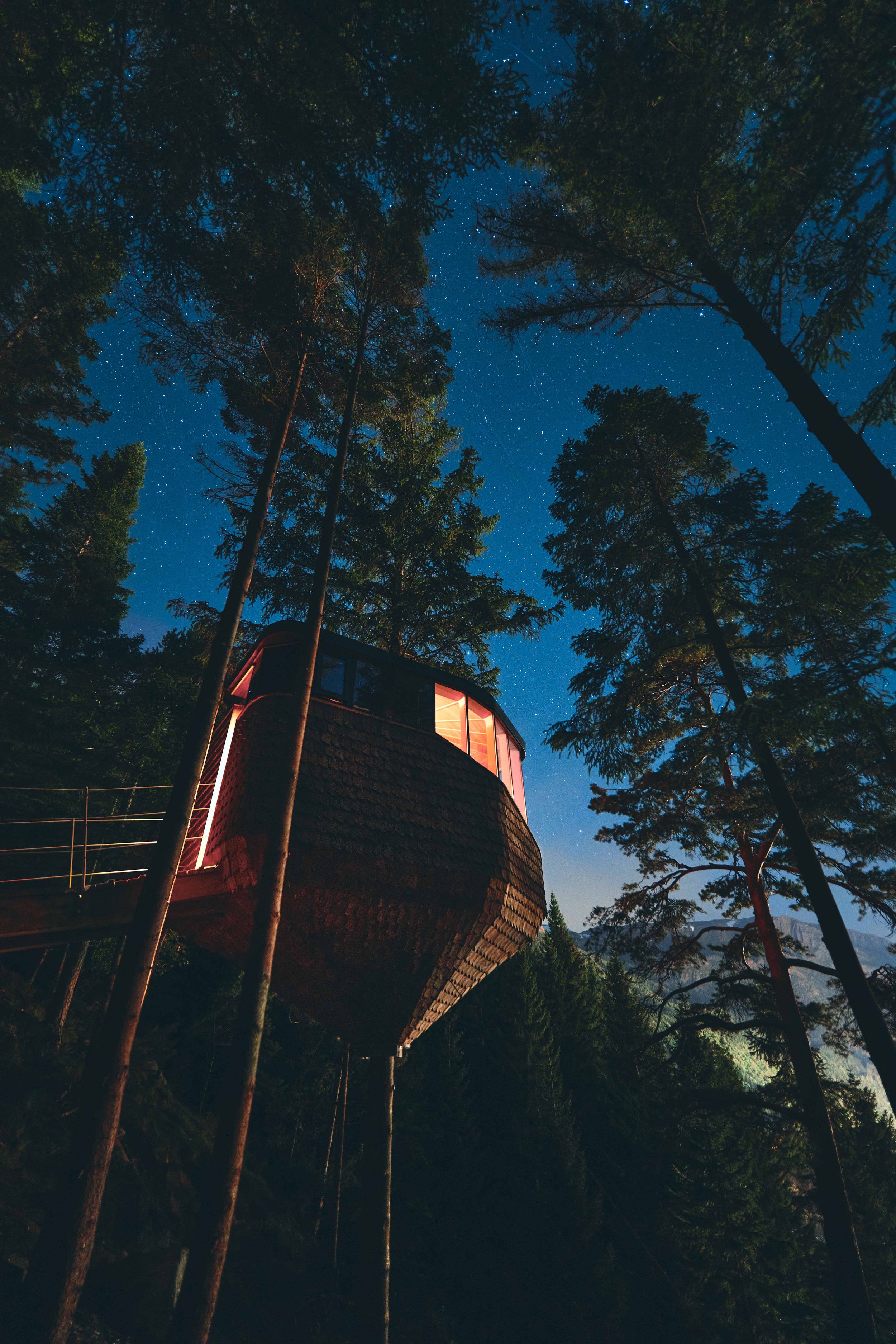
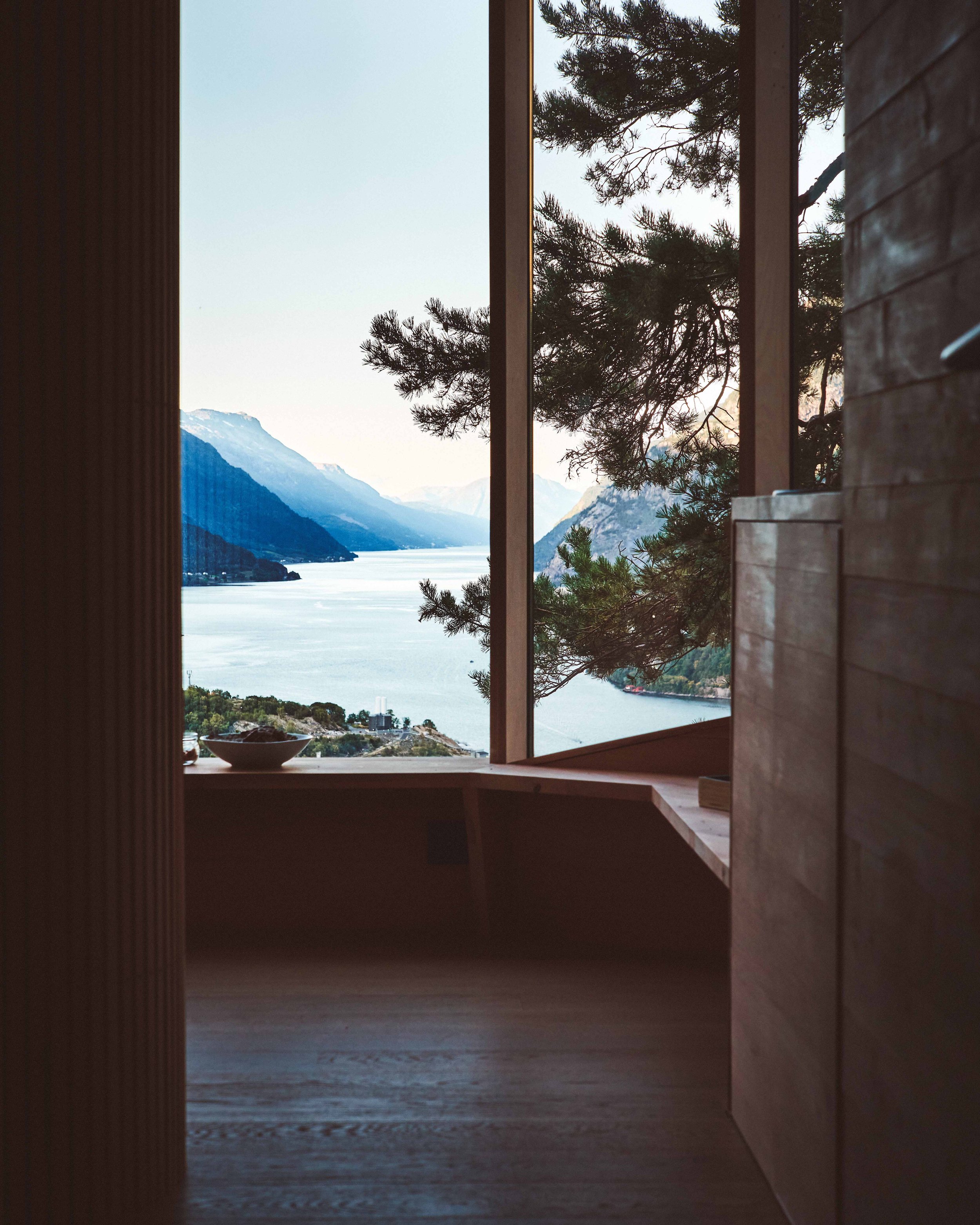
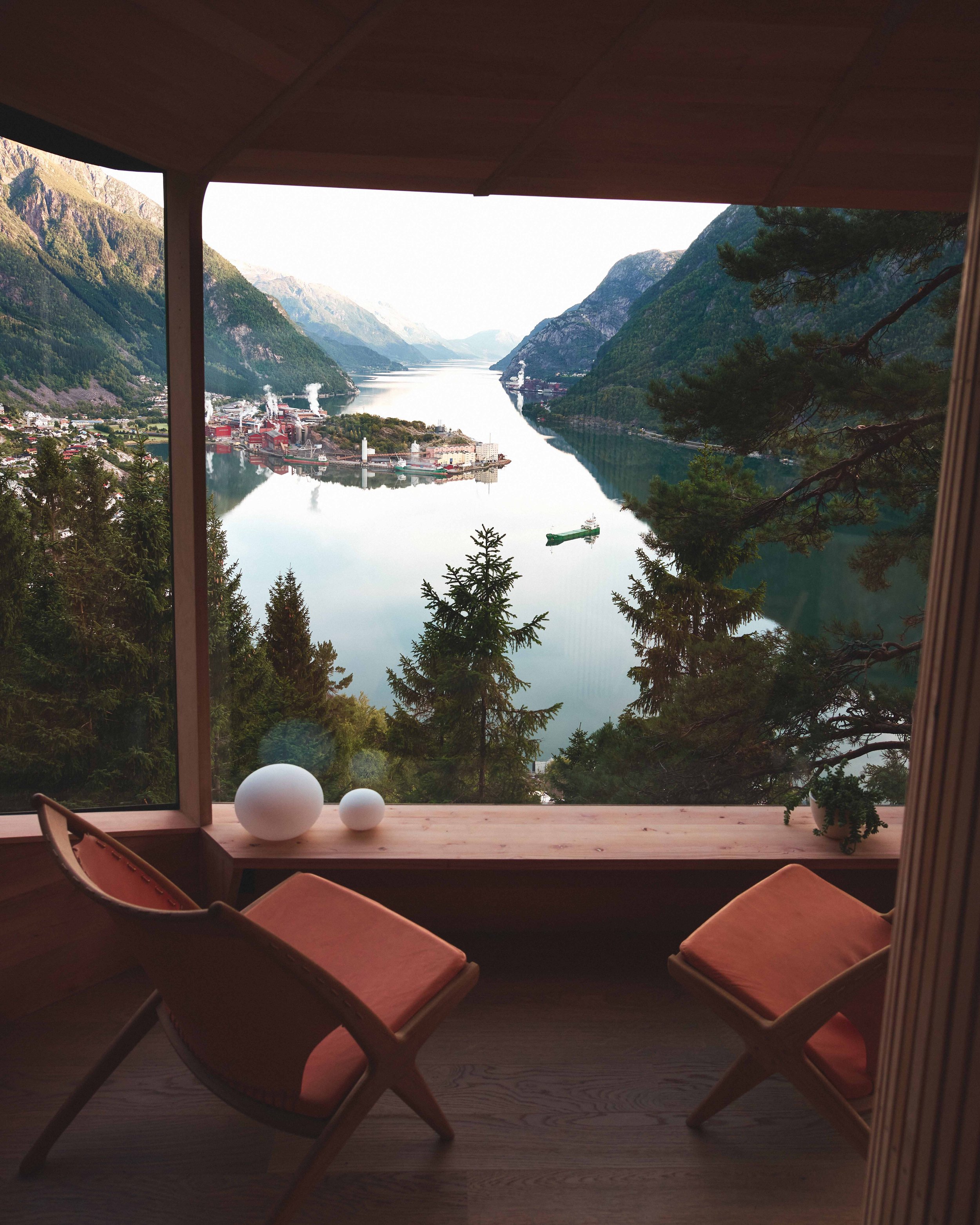
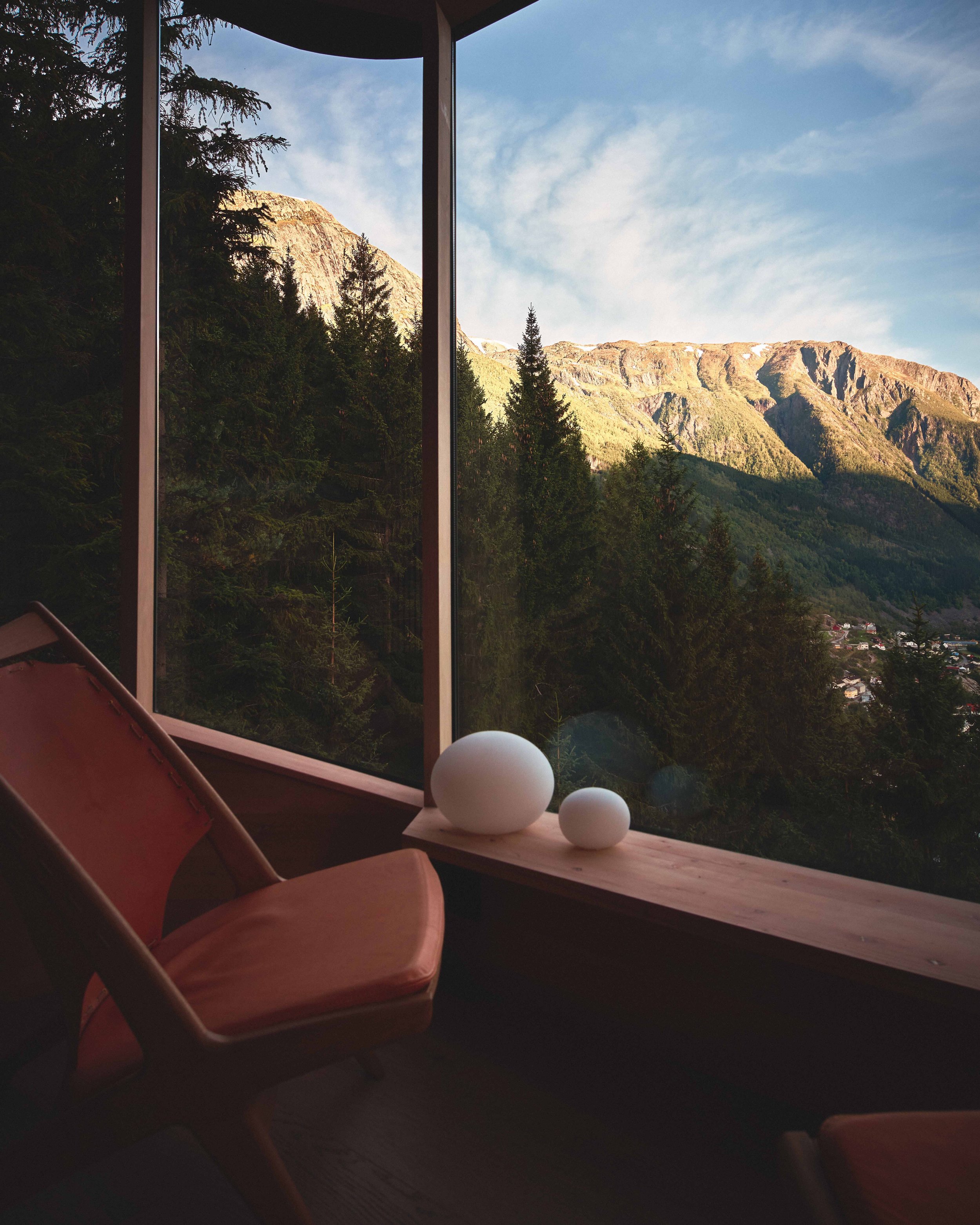
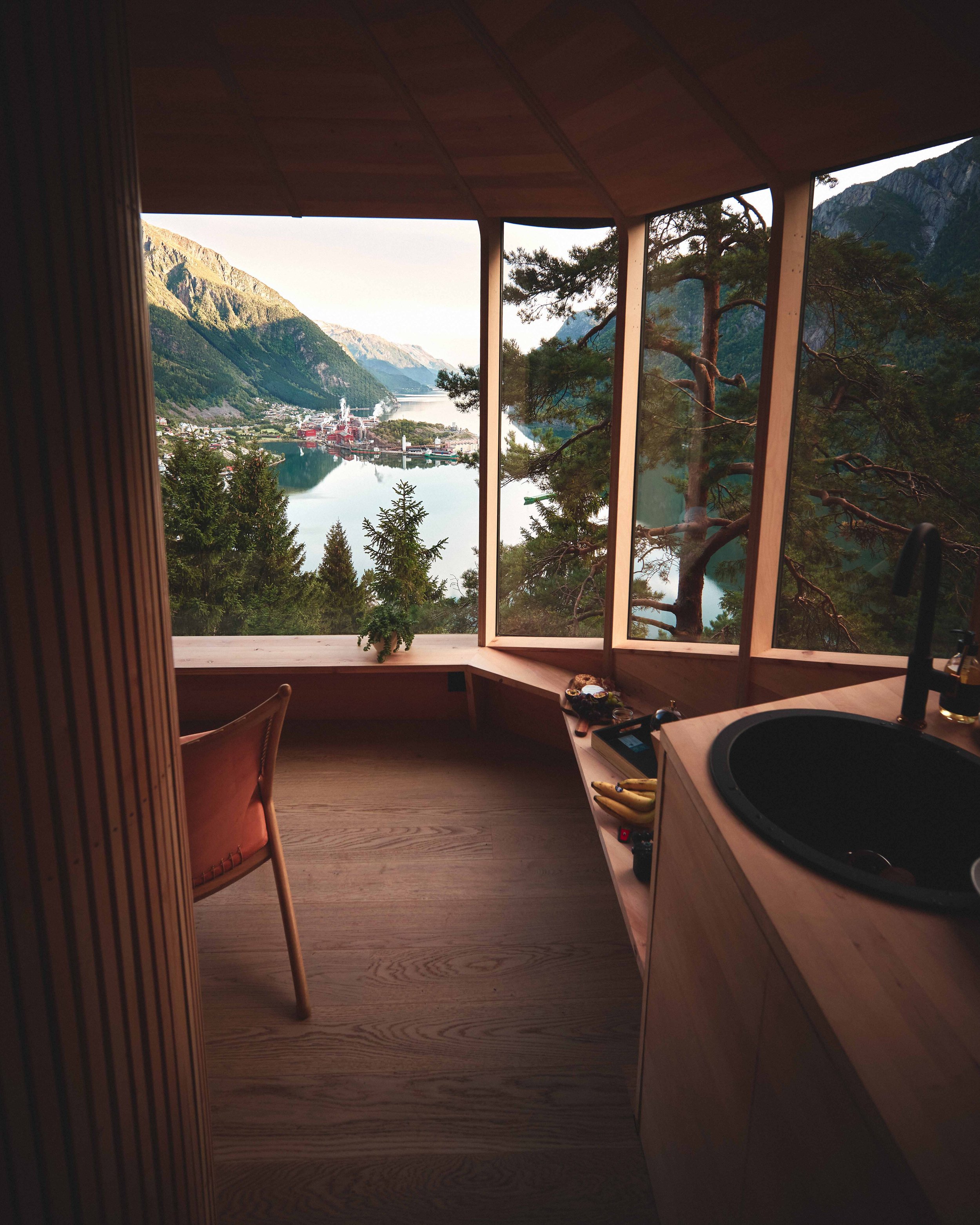
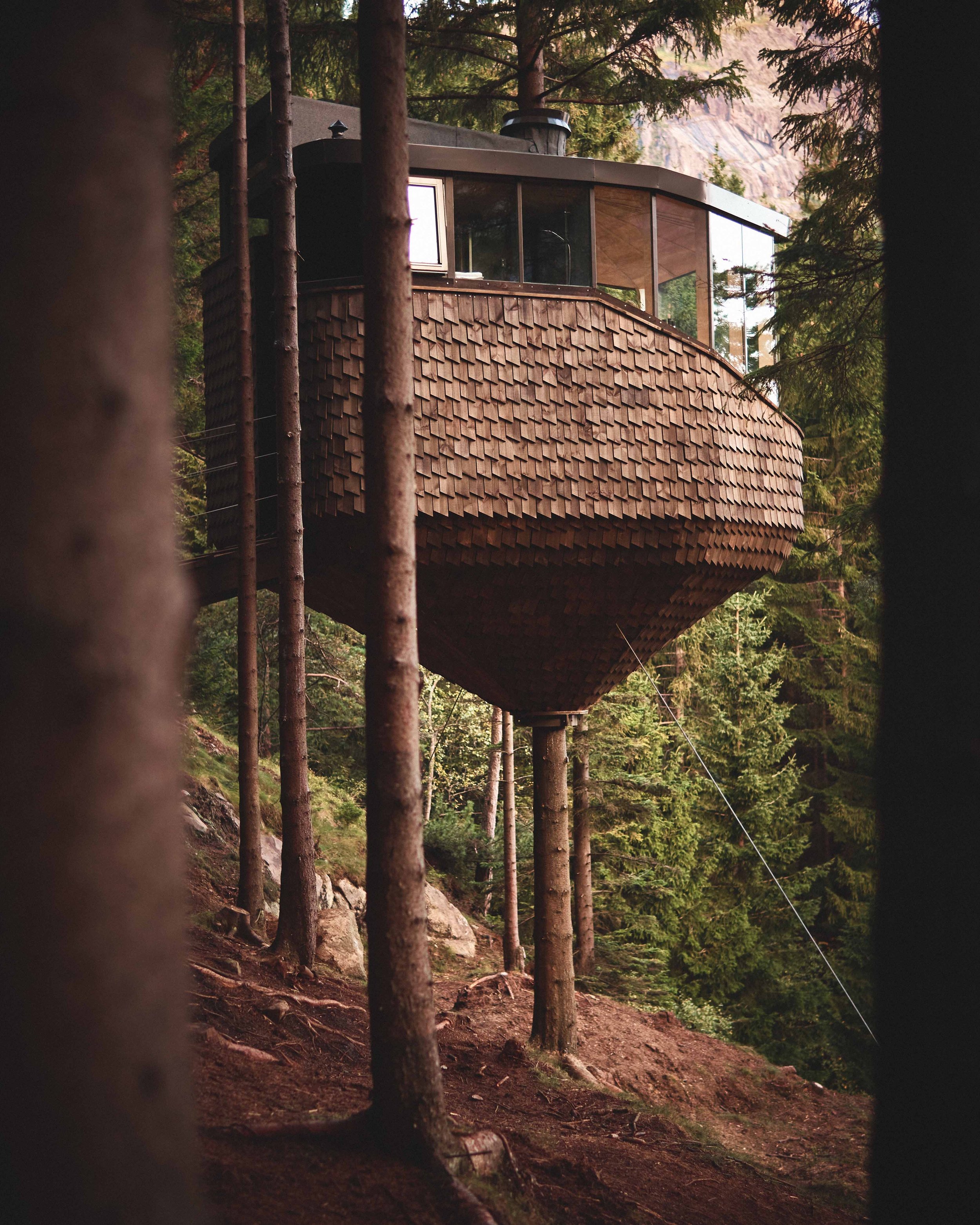
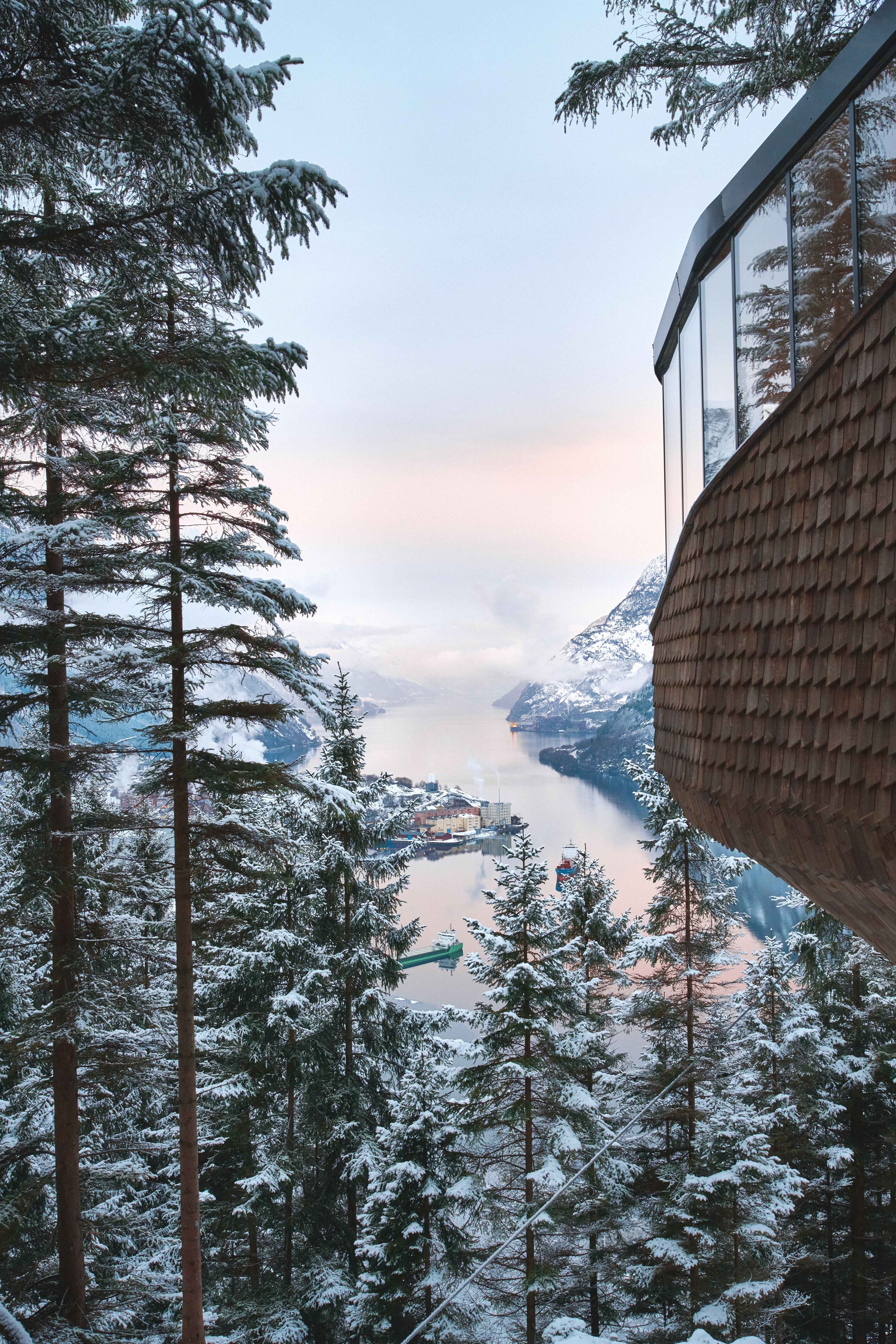
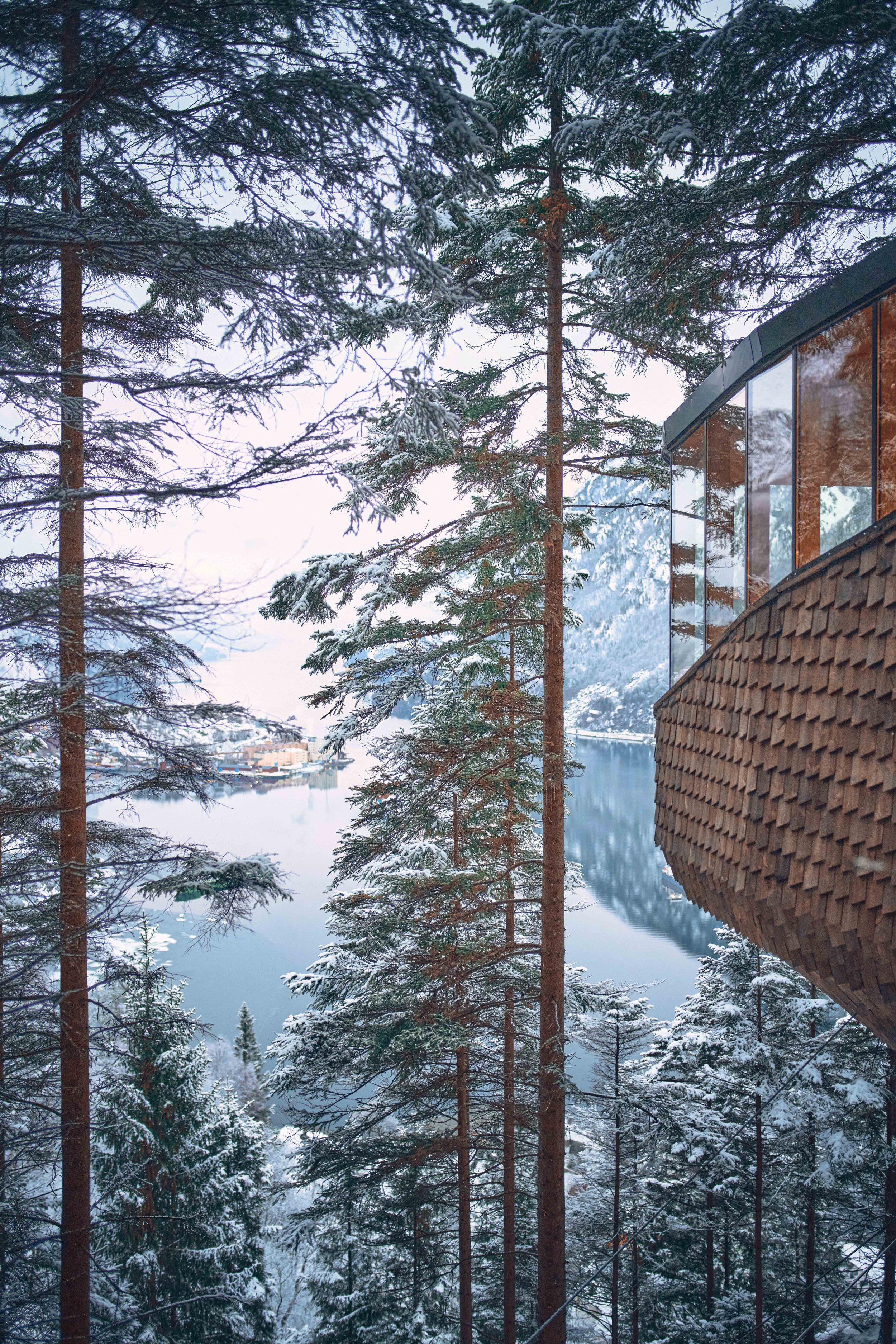
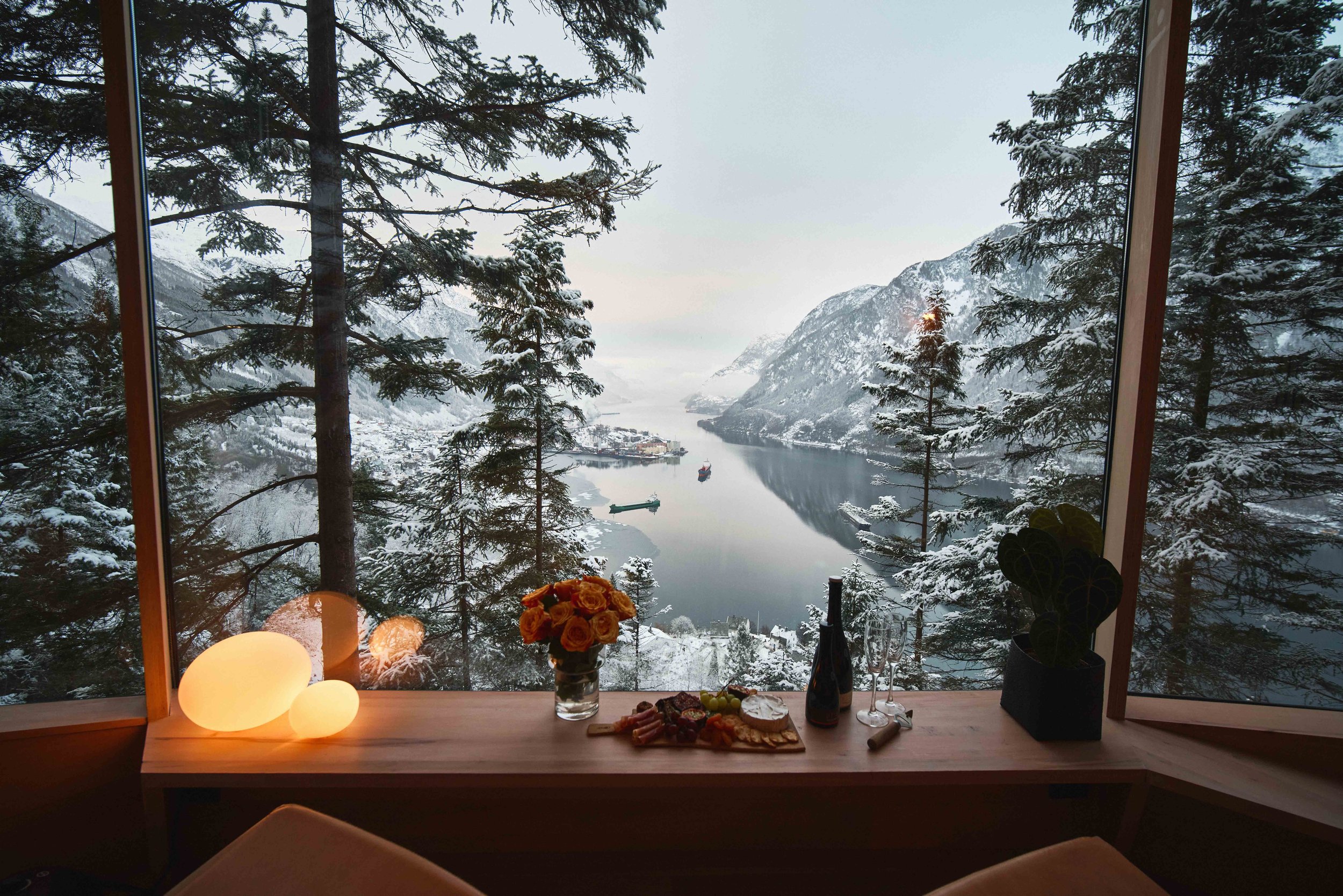
Perched among the treetops overlooking Norway’s Hardangerfjord, Woodnest is both shelter and sculpture, a pair of elevated cabins suspended in stillness above the forest floor. The property sits outside the town of Odda, surrounded by steep mountains and mirror-like water. Here, the drama of western Norway’s geography unfolds in every direction, including ancient glaciers, pine forests, and deep fjords shaped by time and silence.
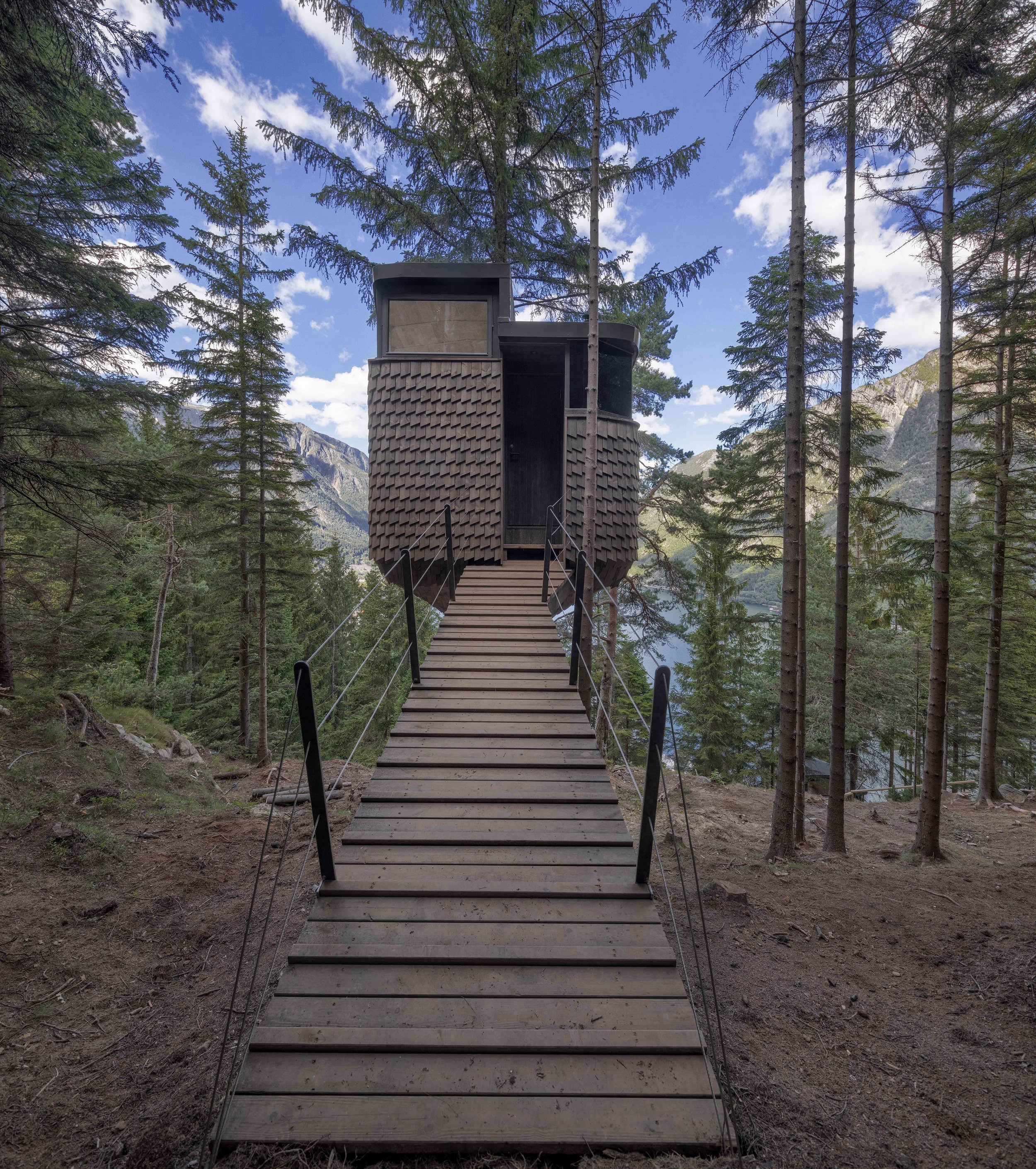
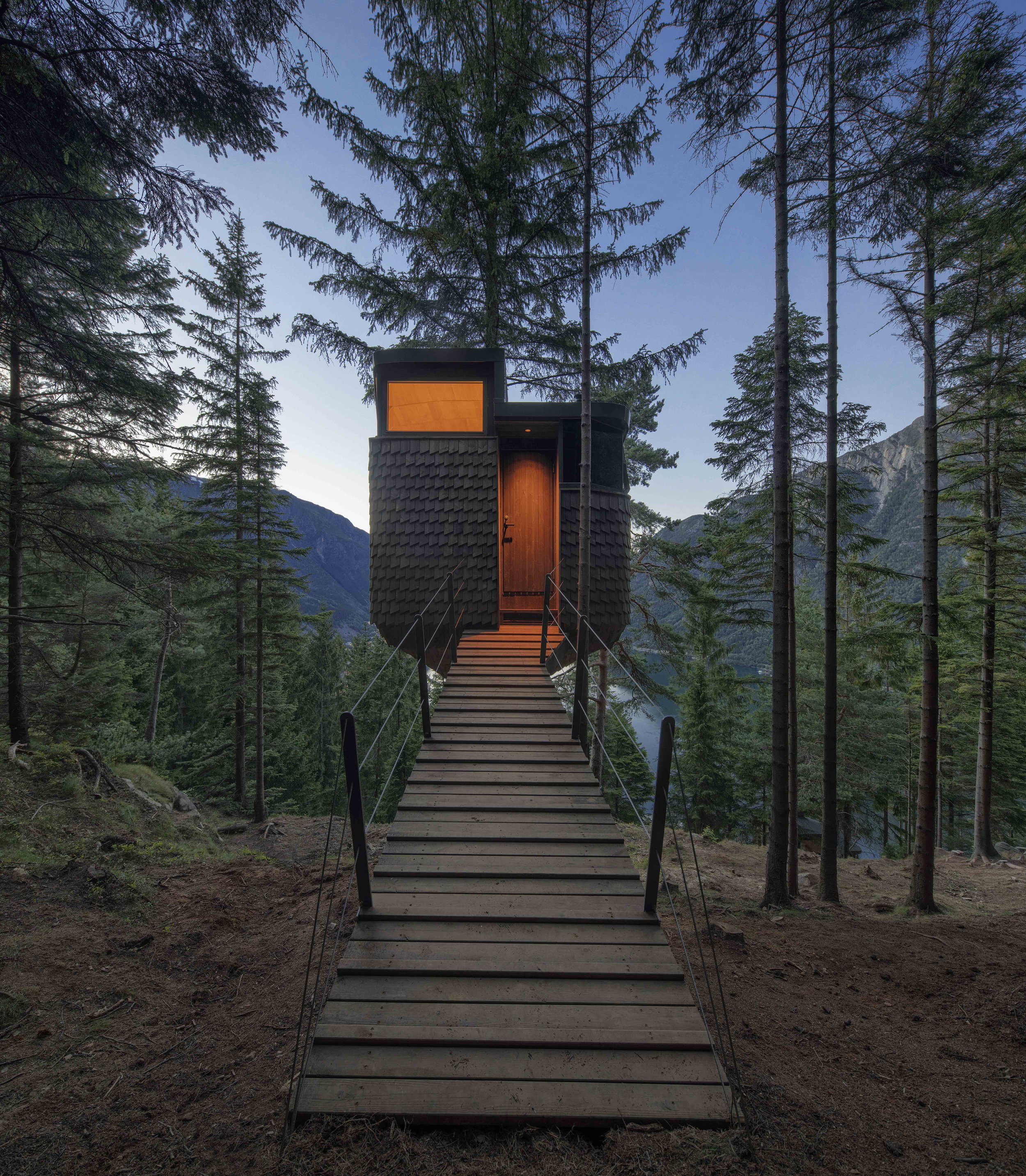
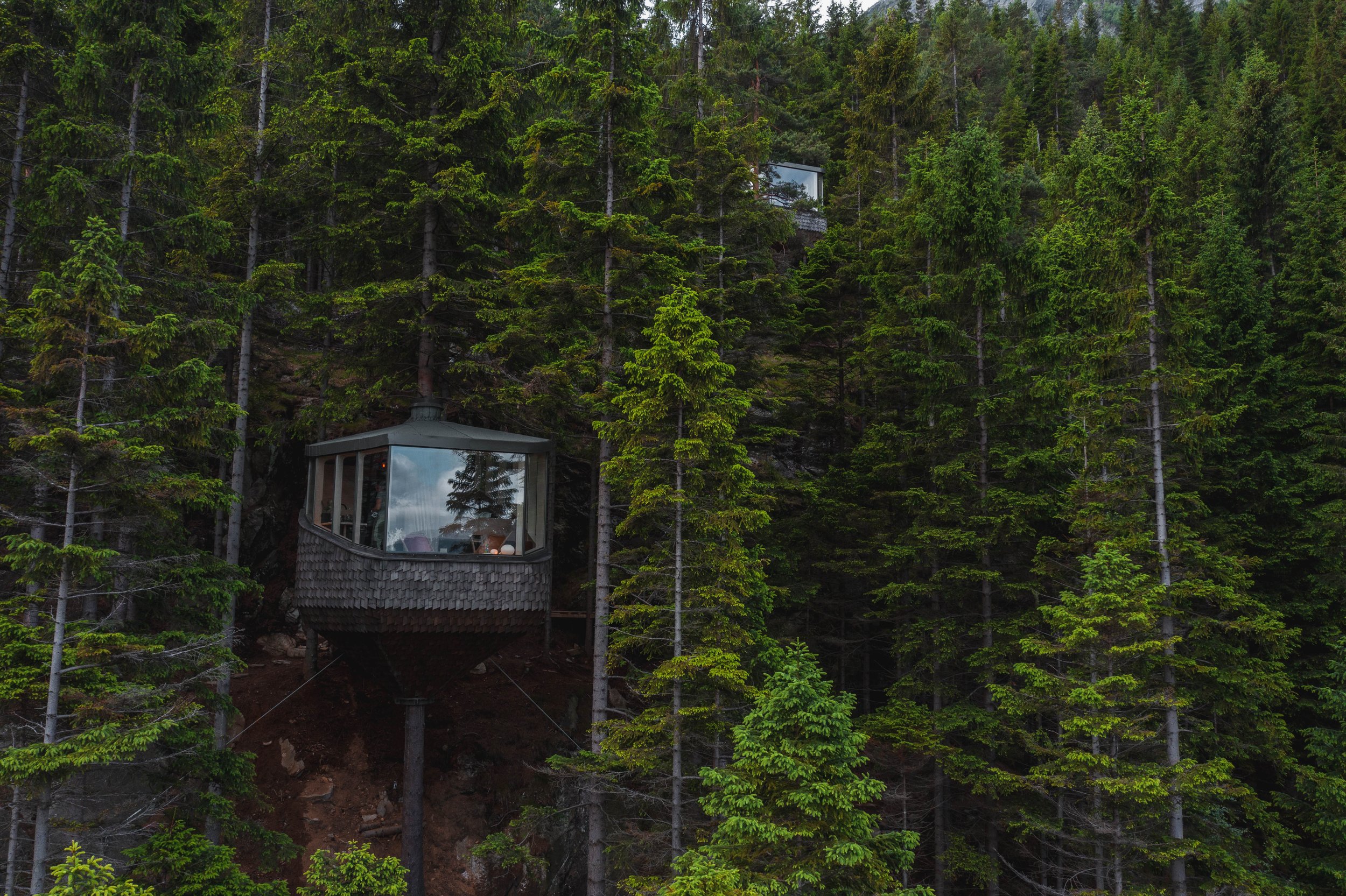
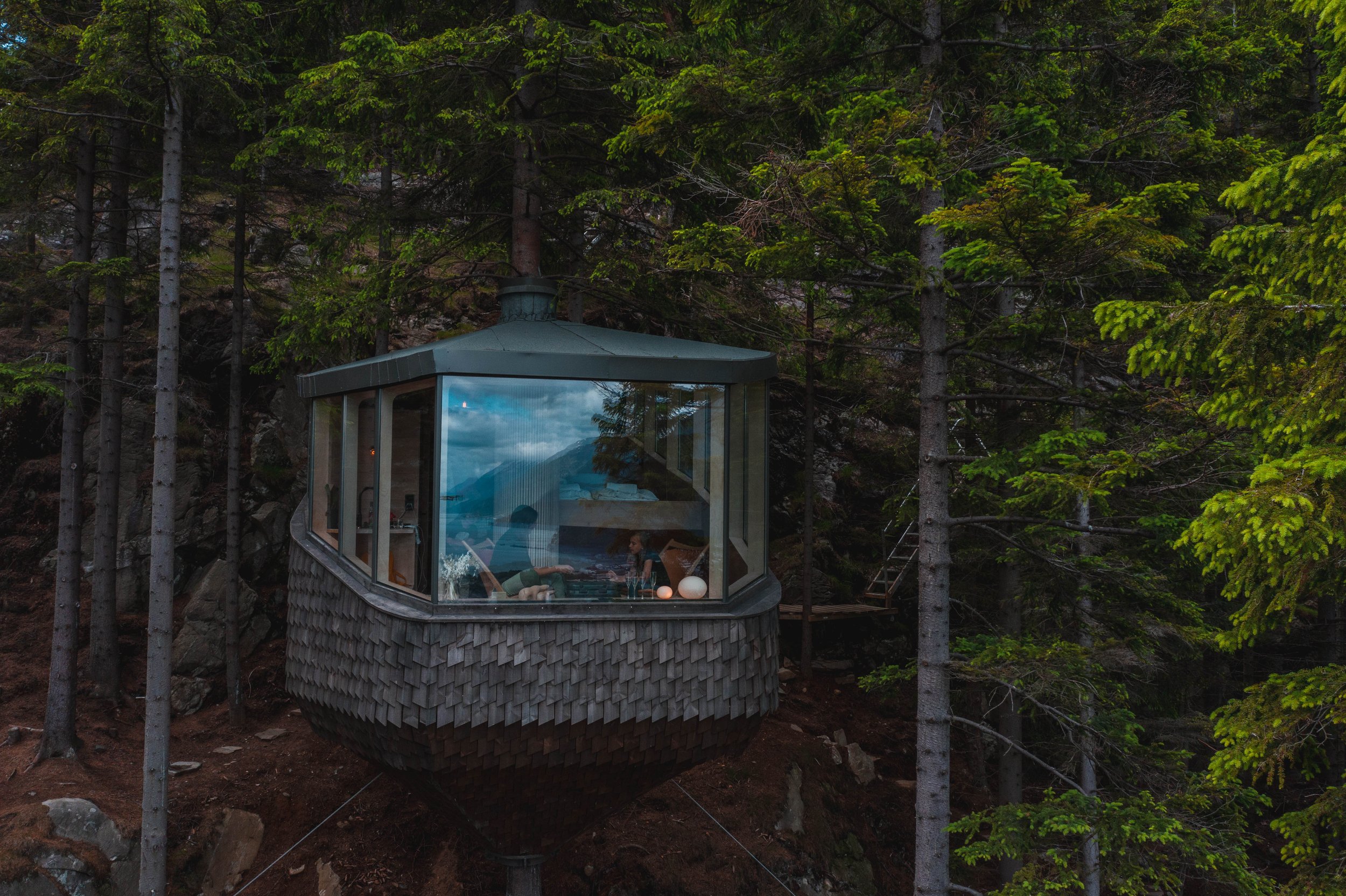
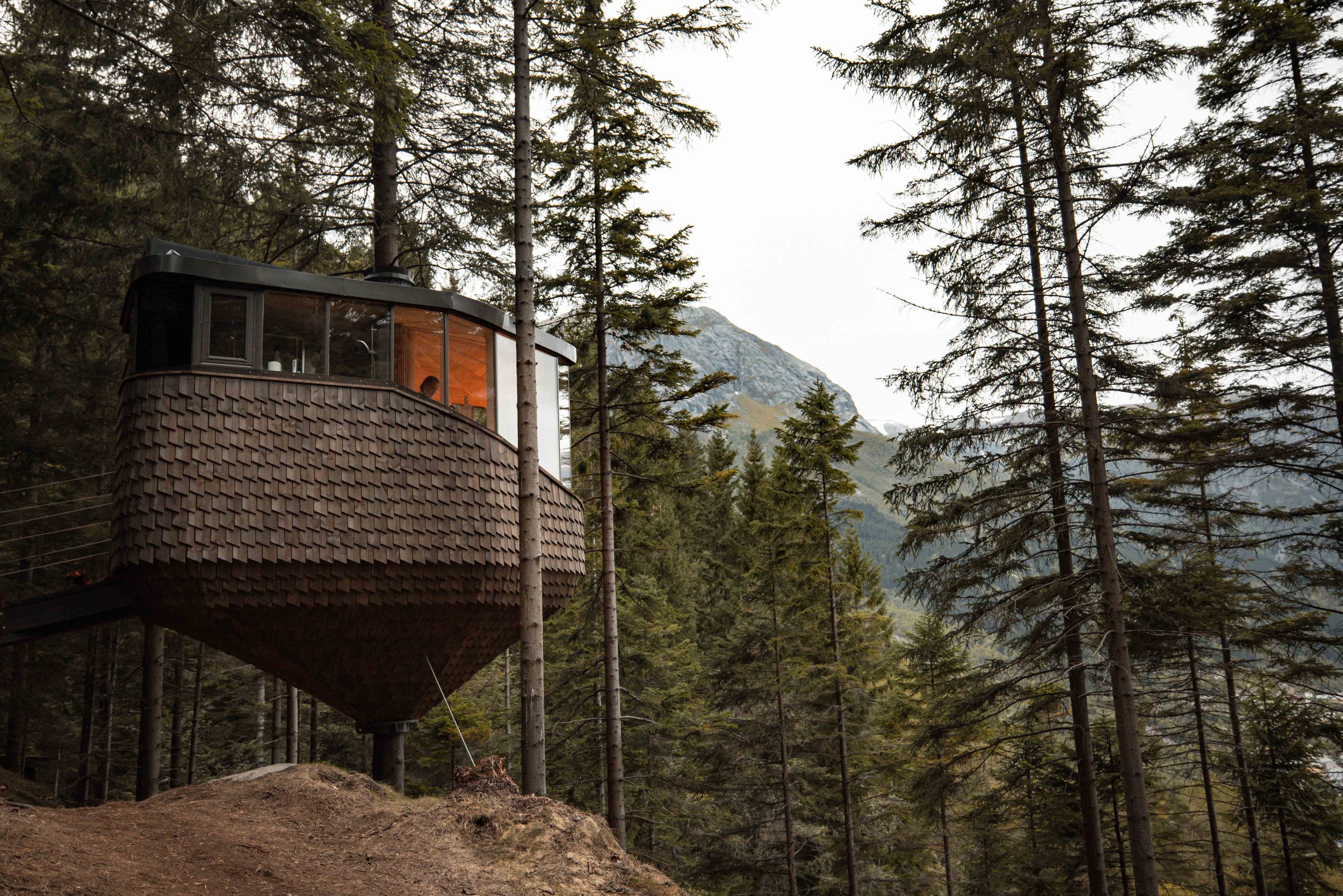
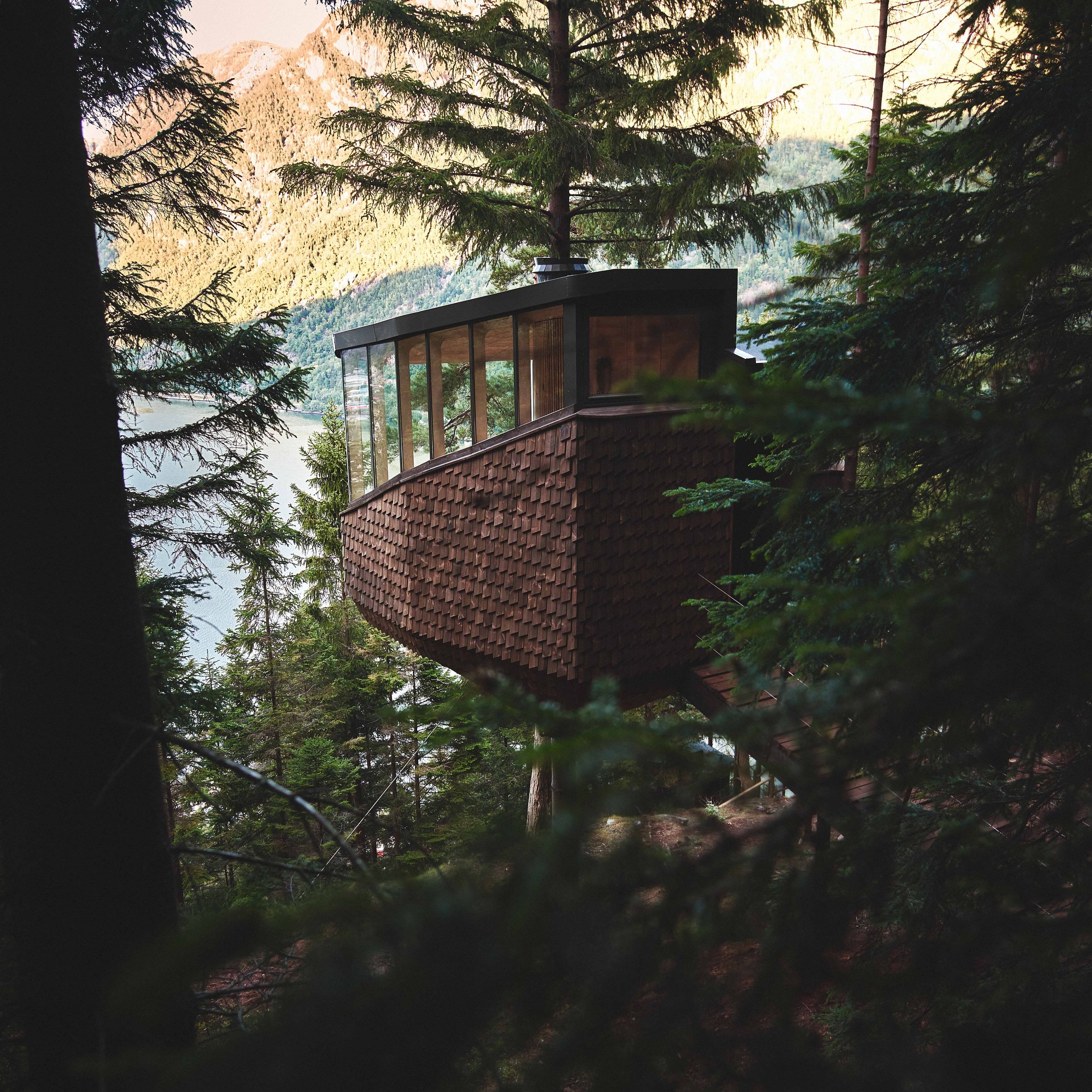
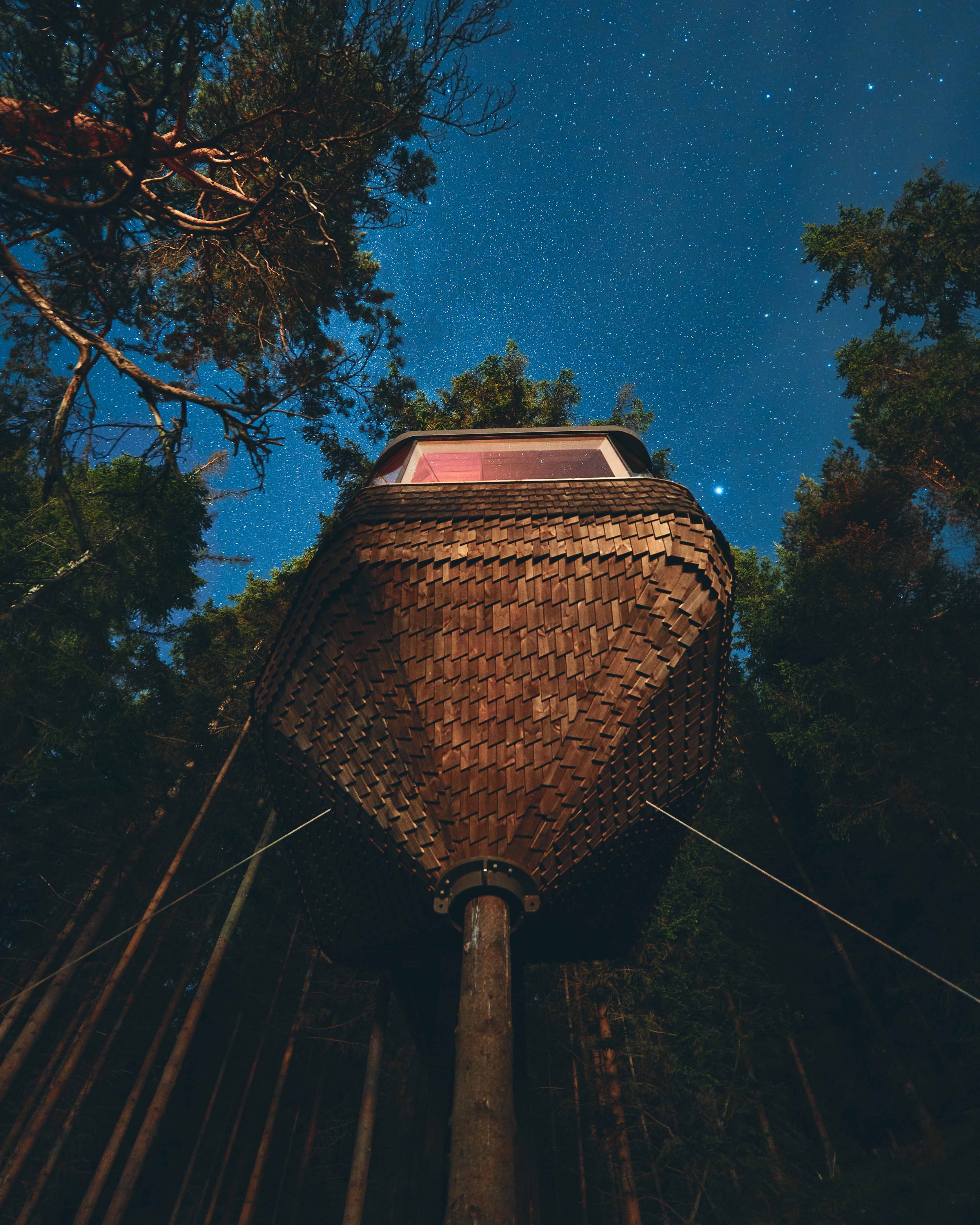
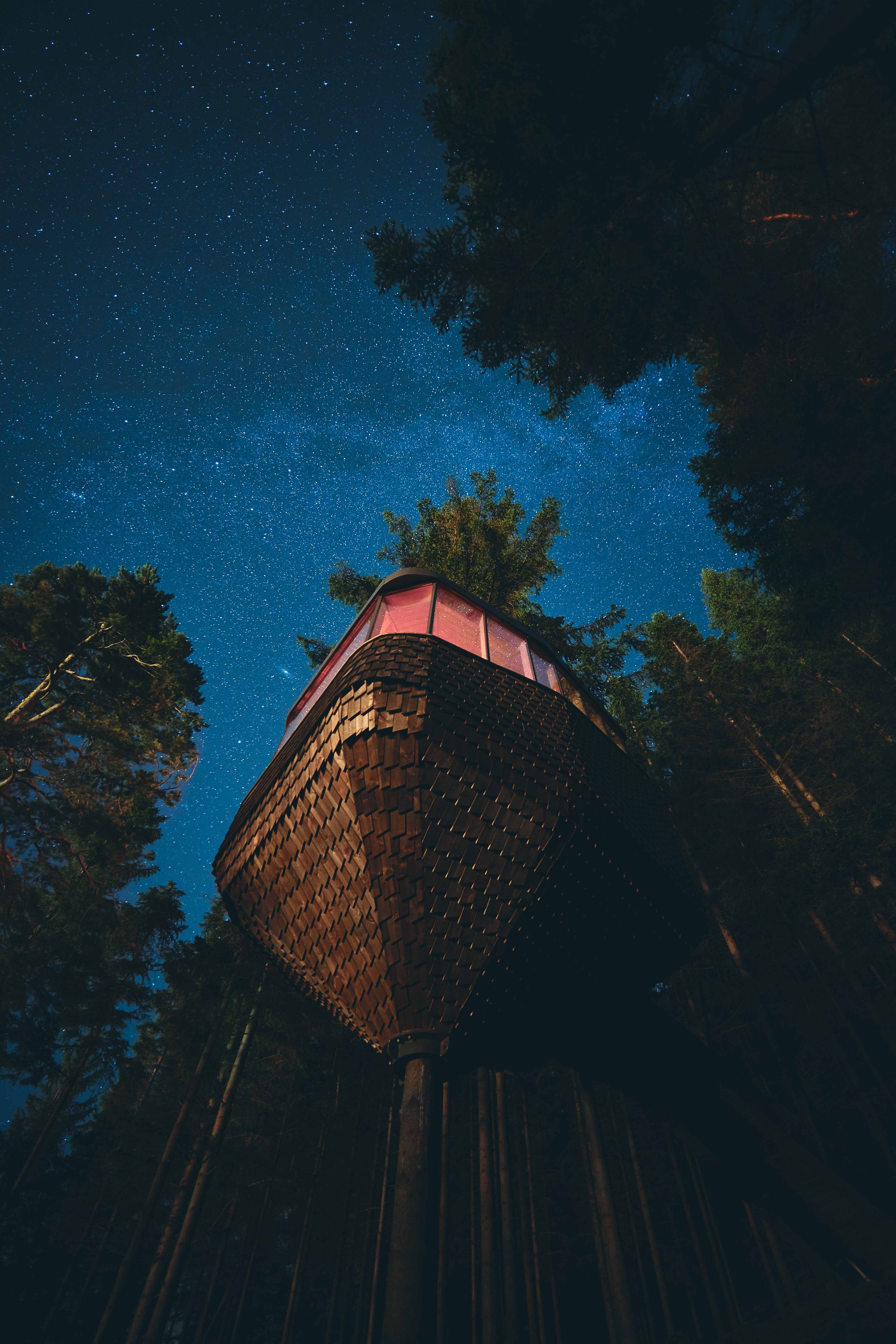
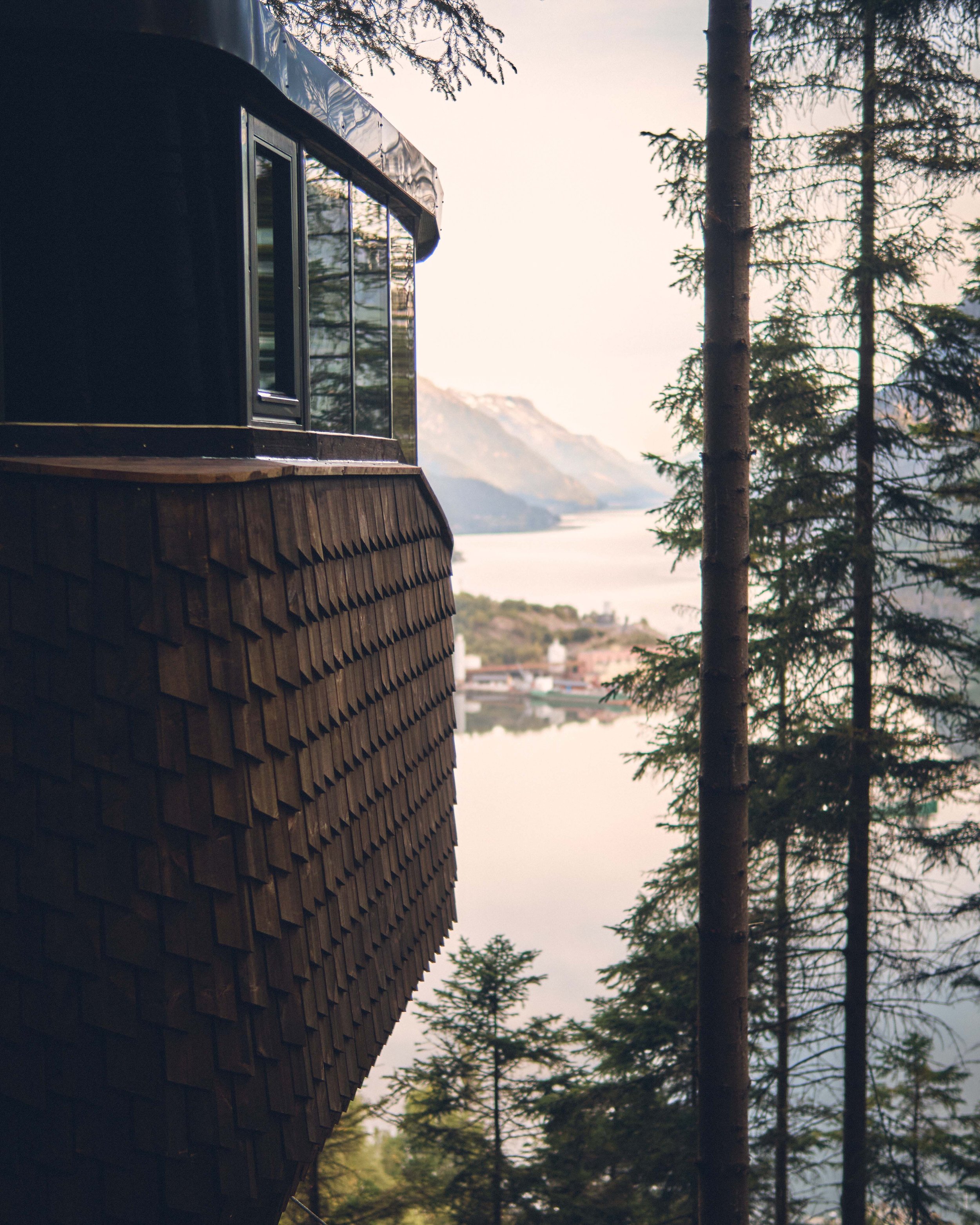
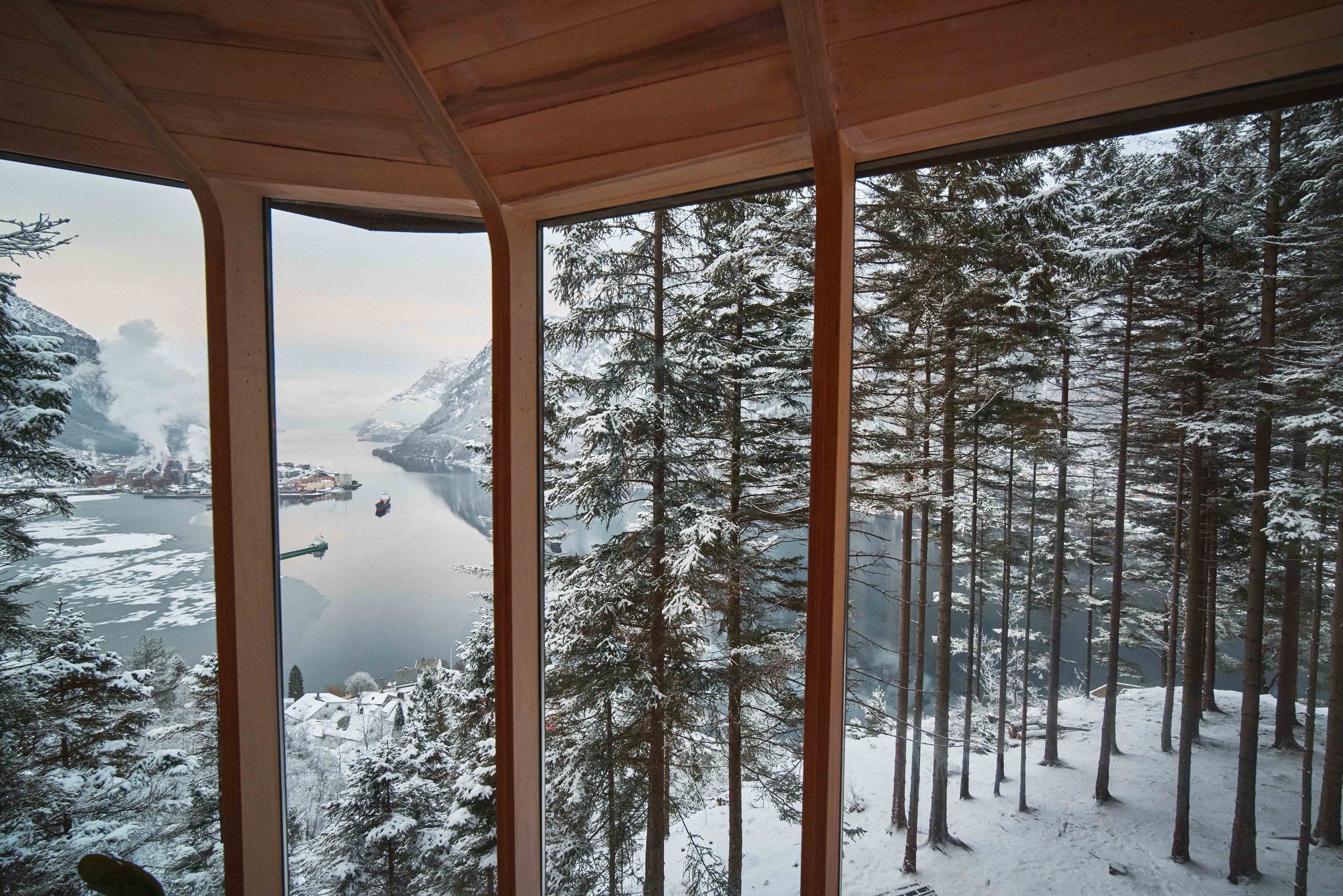
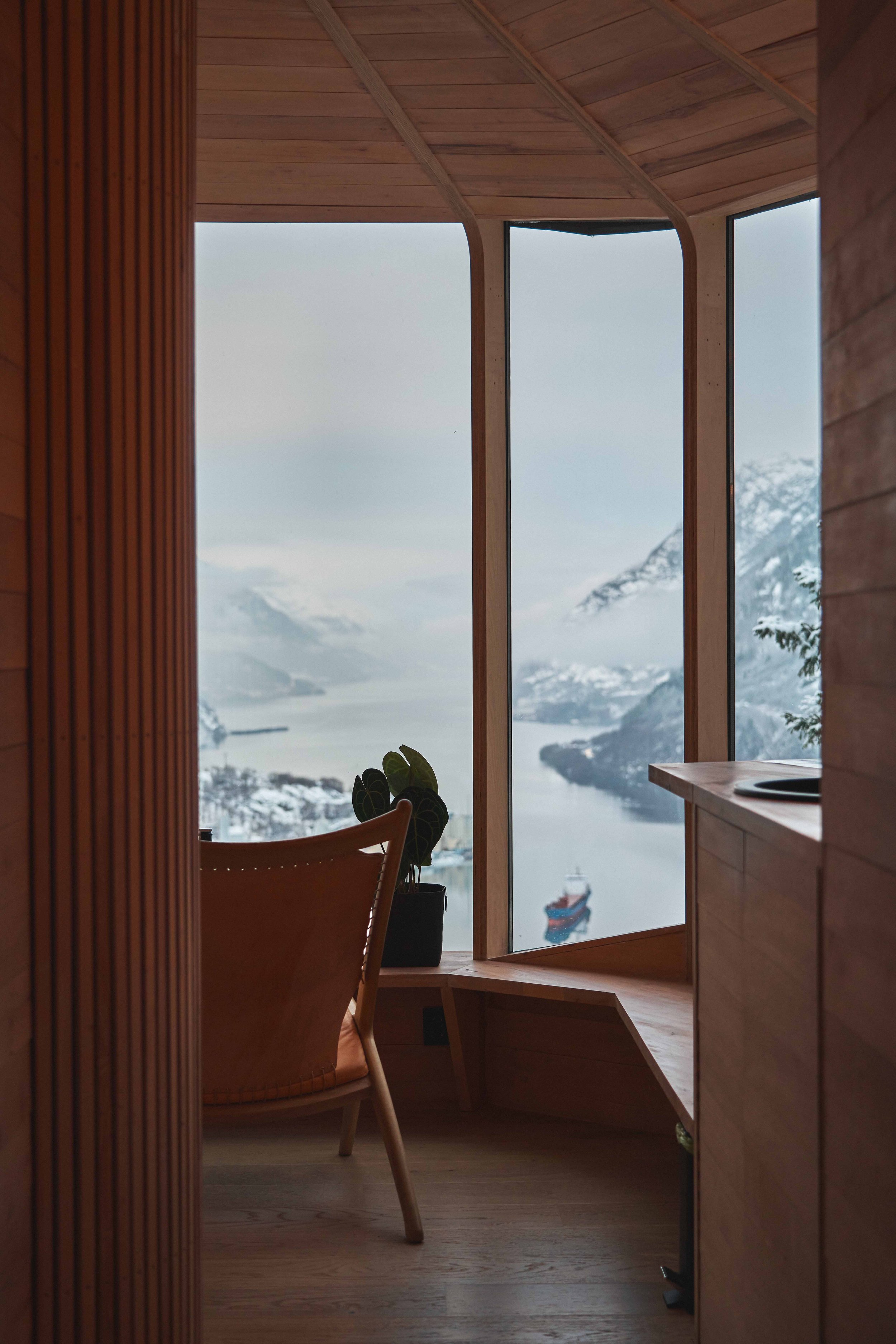
Each nest, designed by Norwegian architects Helen & Hard, is a marvel of organic architecture. Built around living pine trees, the wooden pods are cocooned in natural shingles that echo pinecone patterns, blending seamlessly with the forest canopy. Inside, Norwegian birch, wool, and glass create warmth and simplicity. Every detail is purposeful, with radiant heat beneath wooden floors, panoramic windows framing fjord light, and a sense of calm that mirrors nature’s rhythm.
There is a quiet wellness in the way life unfolds here. Mornings bring mist rising off the fjord, and evenings bring candlelight and stillness. The design invites mindfulness, a reconnection with the basics such as air, wood, water, and silence. Staying at Woodnest feels like living inside a forest’s heartbeat, simple, grounded, and entirely present.
WHY WANDER
The surrounding Hardanger region is one of Norway’s most striking landscapes. From Woodnest, trails wind through pine forests, waterfalls, and mountain passes leading to the glacier-fed Låtefossen Waterfall and Folgefonna Glacier. In summer, hiking and kayaking offer immersive ways to absorb the land’s purity. In winter, snowshoeing and ski touring reveal its quiet endurance.
Odda, a short drive away, serves as the gateway to Trolltunga, one of Norway’s most iconic natural formations, a flat rock jutting high above the fjord. It is a pilgrimage for hikers seeking solitude and grandeur. Along the way, alpine lakes and wildflowers turn the journey into an evolving painting of color and light.
Between excursions, guests can retreat to the warmth of their nest, sip local apple cider from Hardanger, and watch the landscape shift from sunlight to twilight. Wandering here is not about distance but about depth, noticing how every stone, pine needle, and reflection carries a quiet story of survival and grace.
INDULGE IN
Meals are locally inspired and self-prepared, often featuring regional ingredients such as smoked salmon, reindeer, berries, and Hardanger apples. Guests can pre-order curated local food baskets or visit nearby farm shops and cafés in Odda to assemble their own fjord-to-table feasts. Dining here is slow, elemental, and always with a view.
GETTING THERE
Woodnest is located just outside Odda in western Norway, about a three-hour drive from Bergen or five hours from Oslo. The final approach is a twenty-minute uphill forest hike, a gentle ascent that sets the tone for arrival. Luggage can be transferred separately by local staff, allowing guests to walk in with only anticipation and the scent of pine.
WILD INITIATIVES
Woodnest embodies low-impact design. Each cabin is anchored to a living pine tree without harming it, using an innovative steel collar system that allows natural growth and minimizes ground disturbance. Local wood, craftsmen, and materials were used throughout construction, reducing transportation and waste. Energy use is minimal, and the cabins rely on natural ventilation and thermal efficiency for comfort.
The philosophy is leave no trace, add beauty. Architecture coexists with the forest rather than dominating it. By staying at Woodnest, guests directly support sustainable Norwegian design and a model of tourism rooted in preservation and regeneration.
*Images property of Woodnest and Sindre Ellingsen
Images by Mark Burton
Images by Ole Sebastian Ribe
Images by Tor Hveem
Juvet Landscape Hotel
NORWAY
Juvet Landscape Hotel
NORWAY
JUVET LANDSCAPE HOTEL
norway
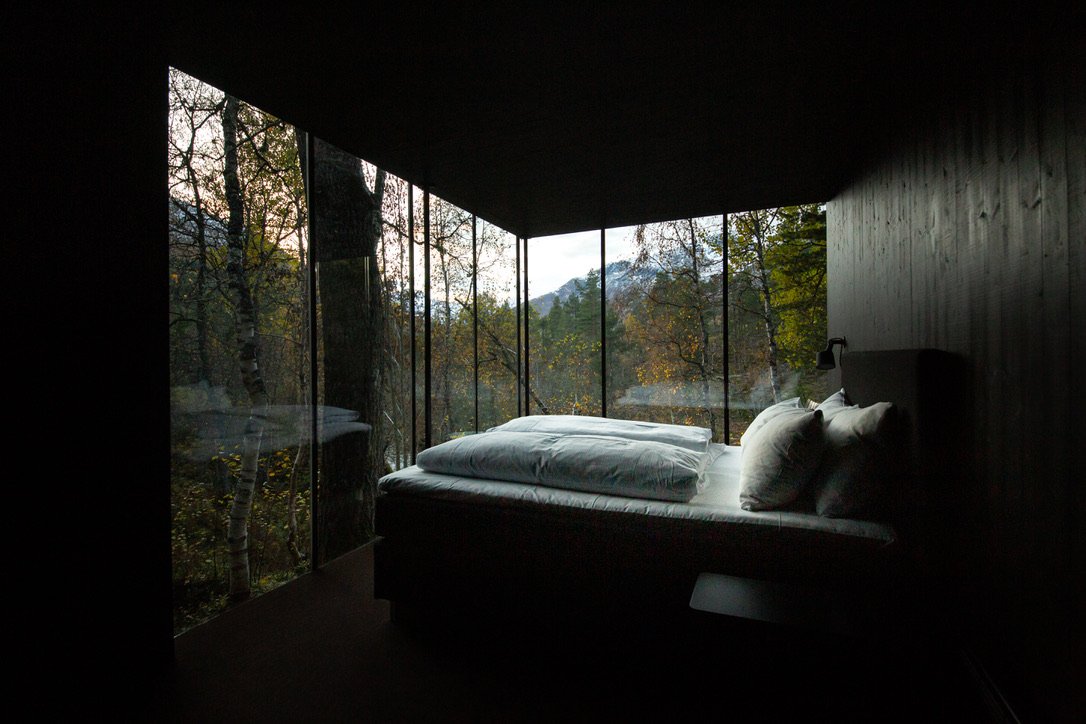
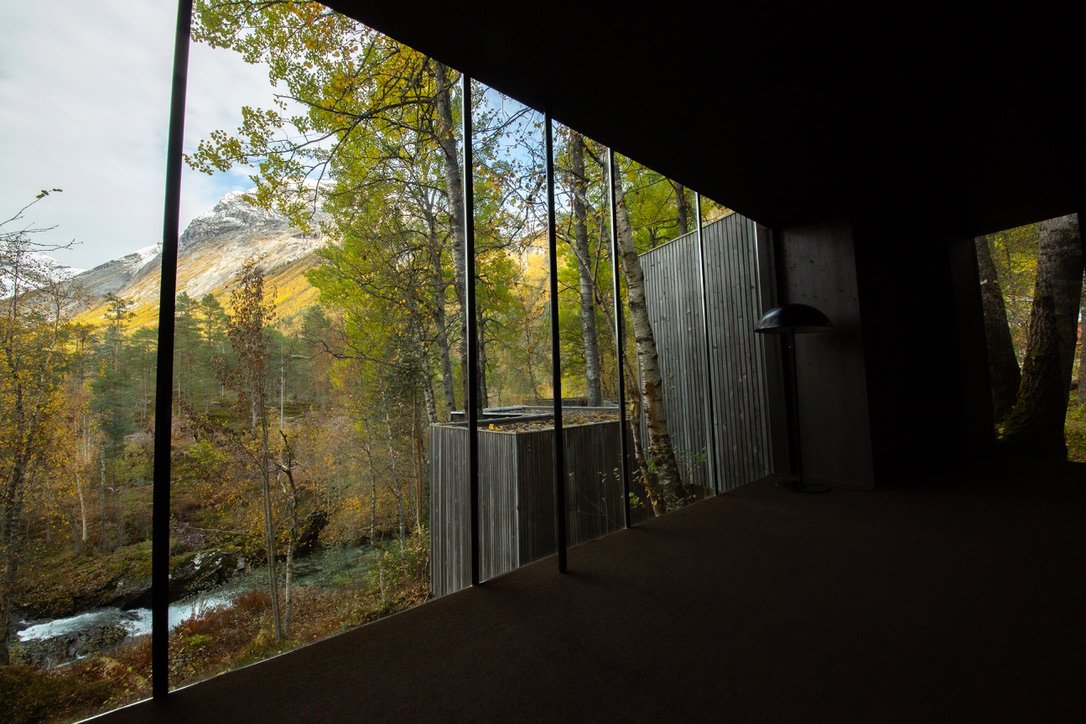
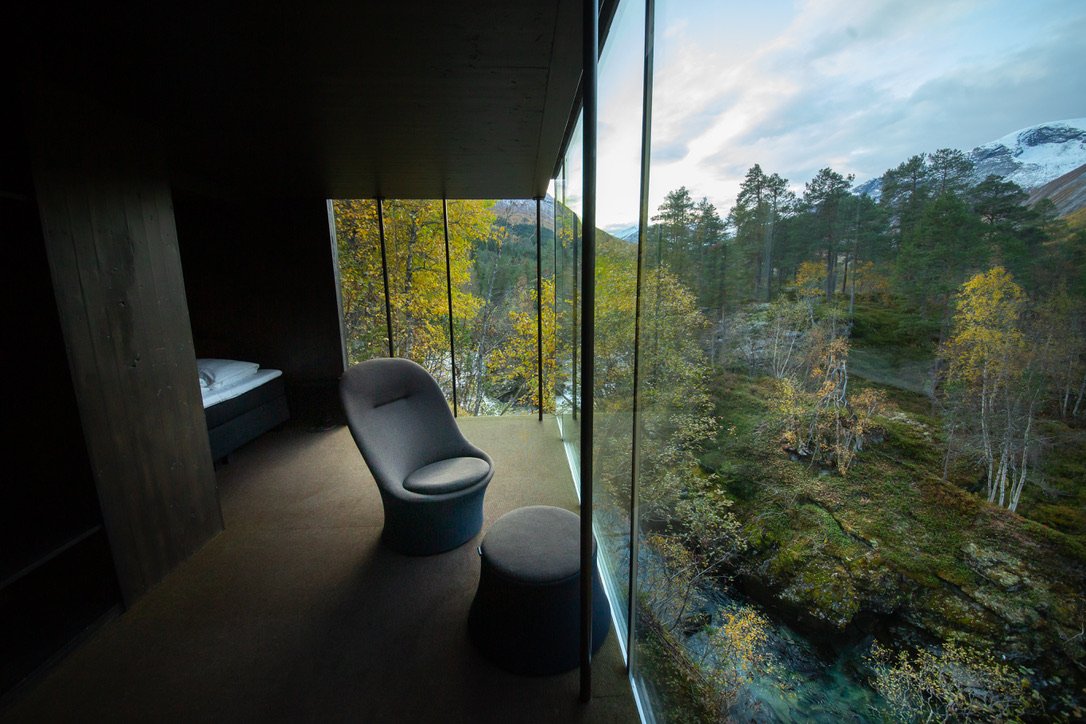
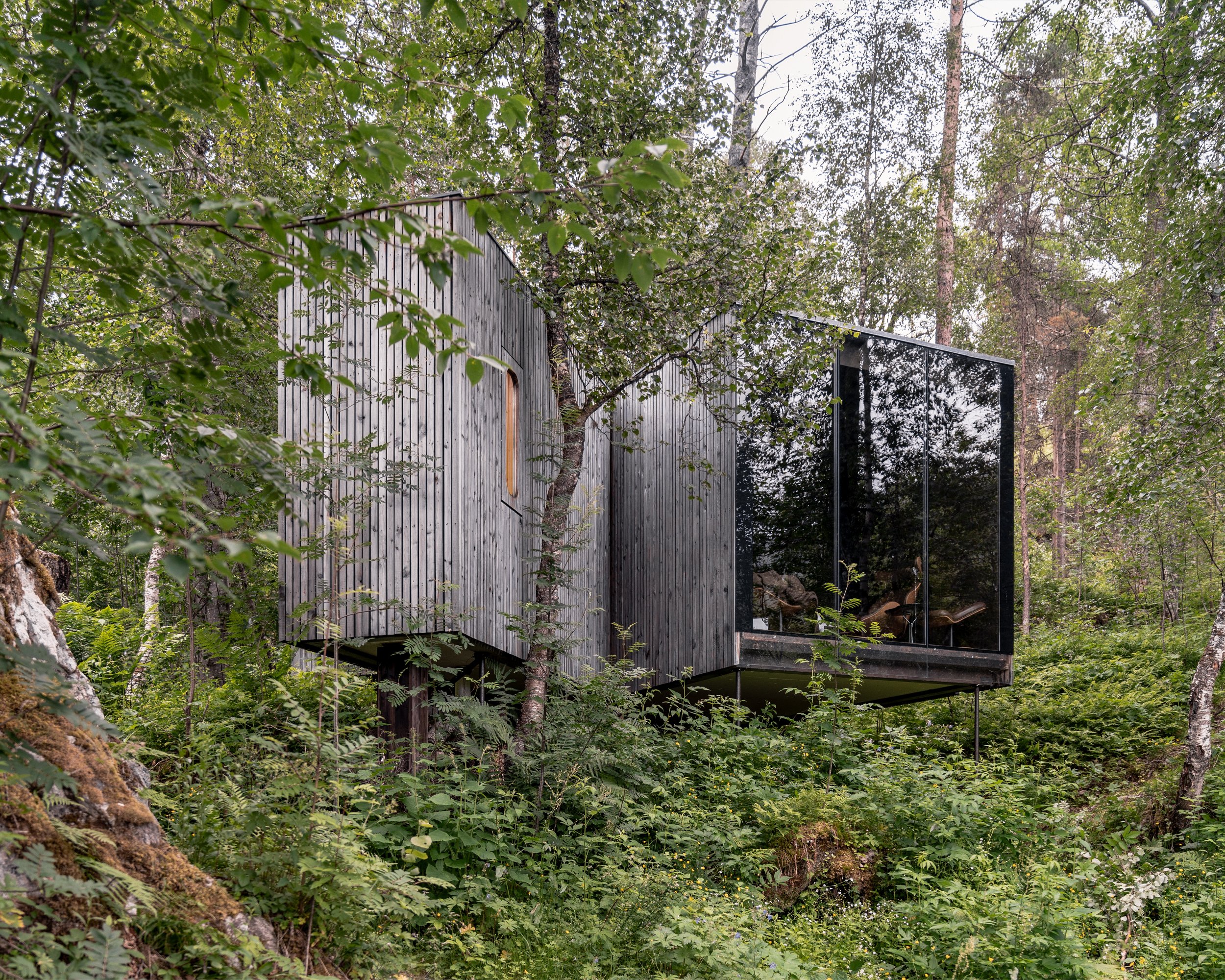
The Personalities
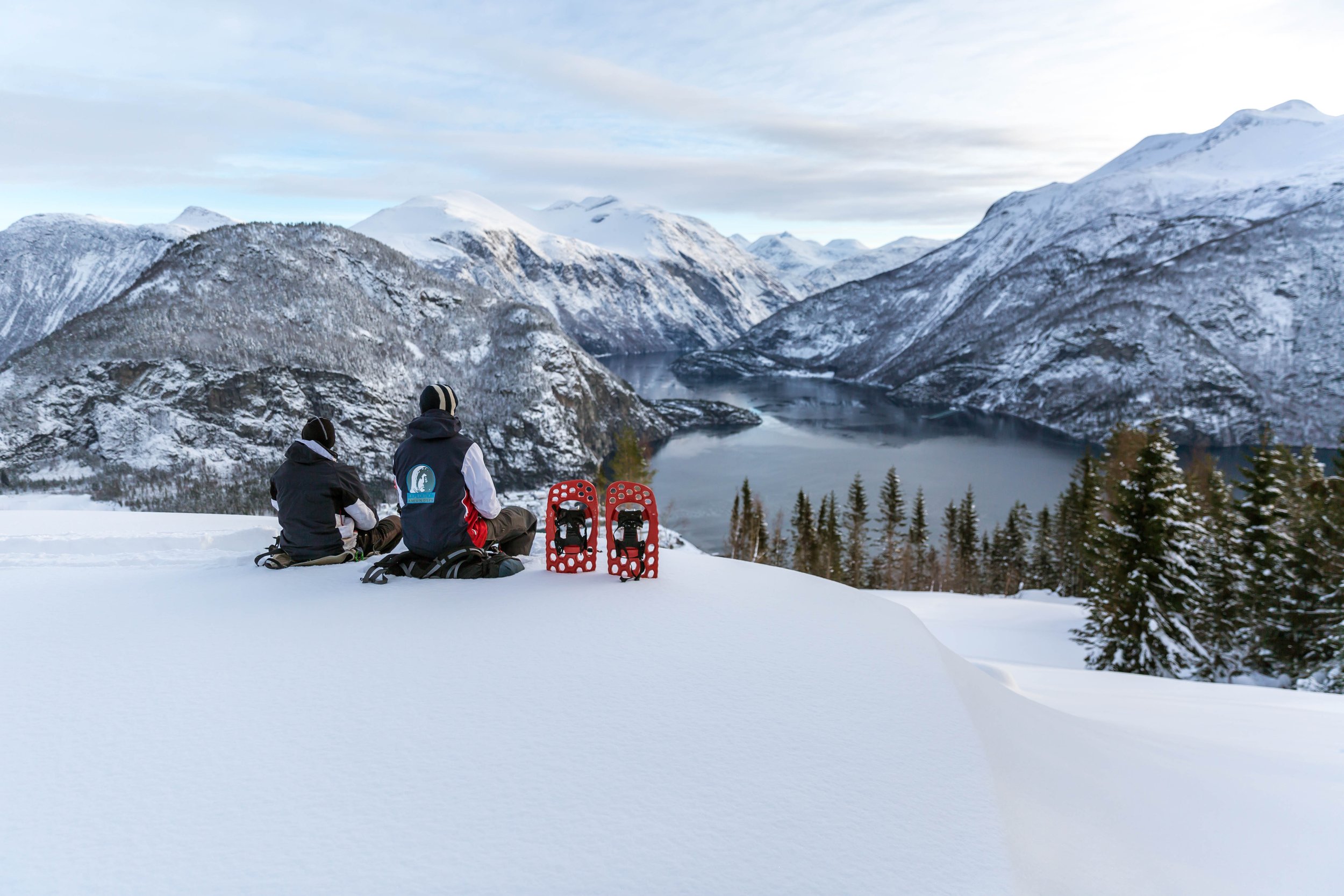
Design enthusiasts. Nature seekers. Photographers. Solitude lovers. Fjord explorers.
Moments
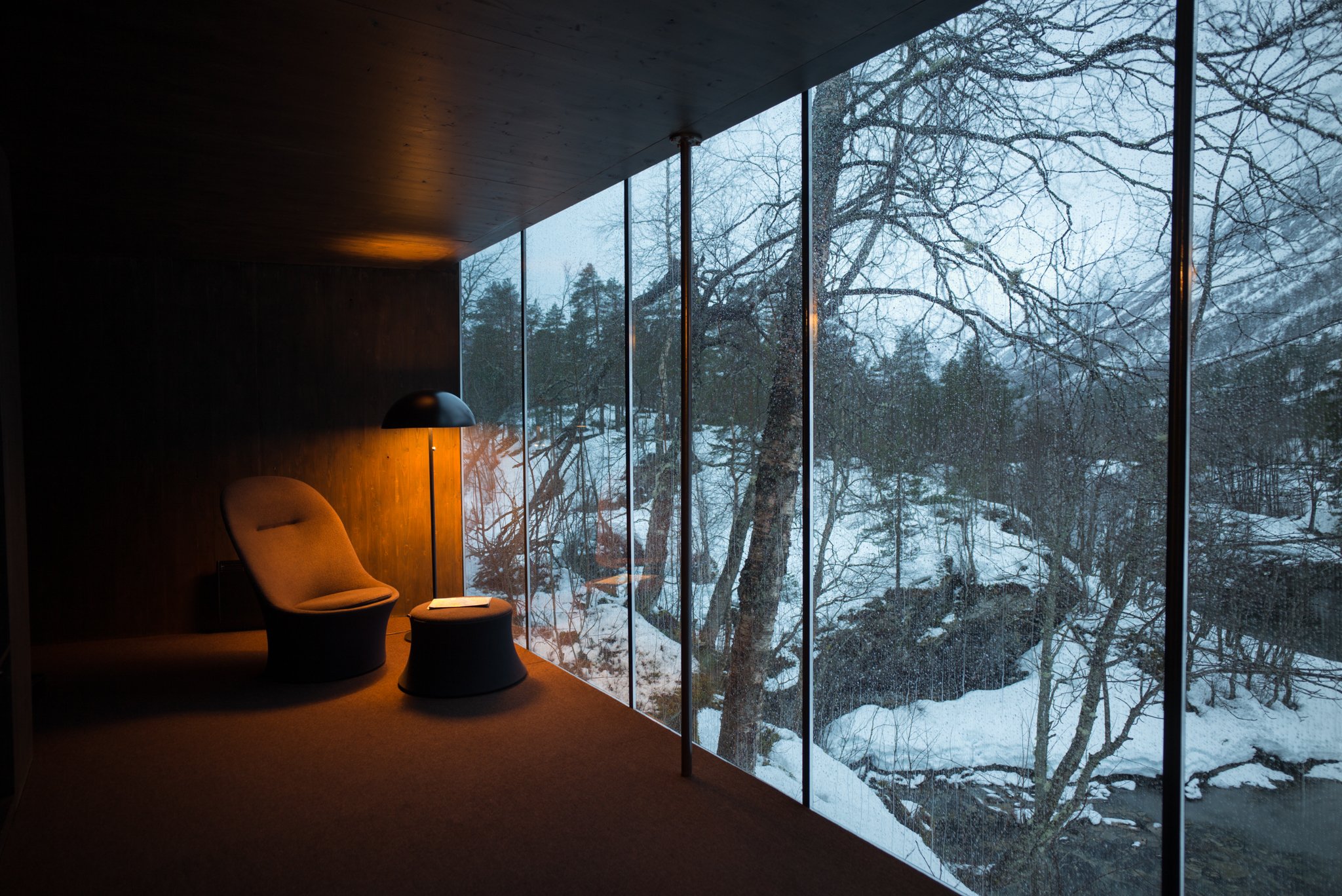
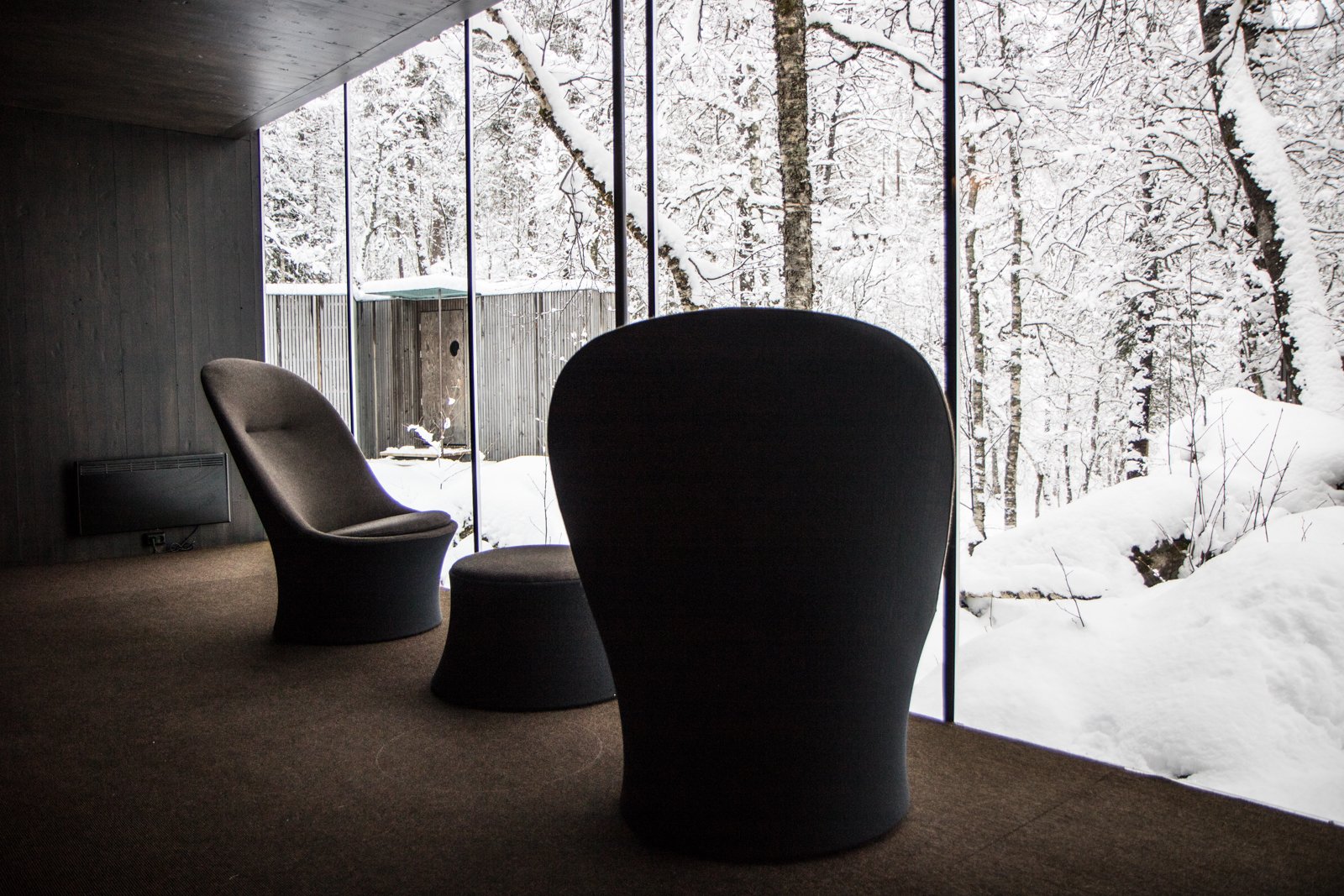
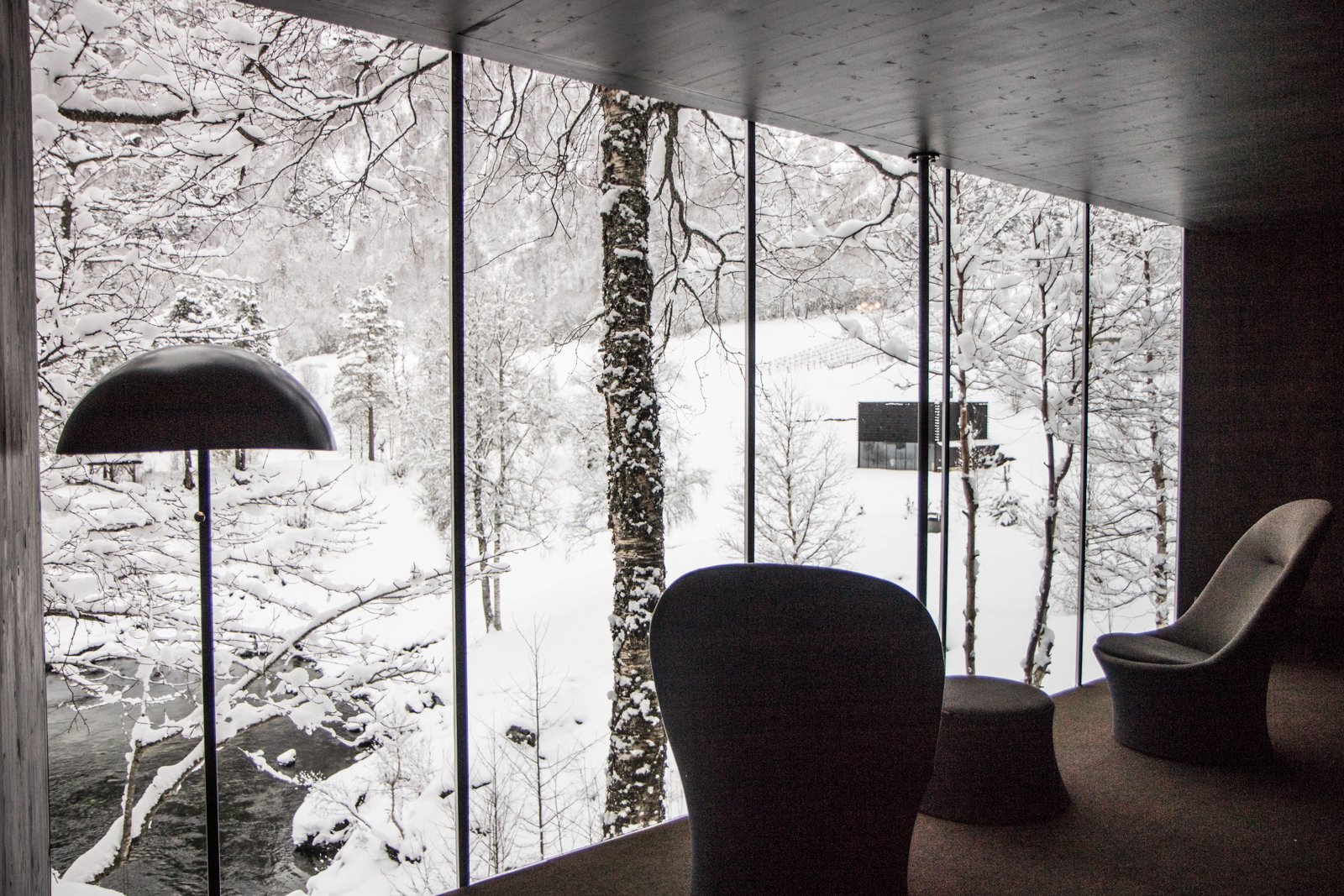
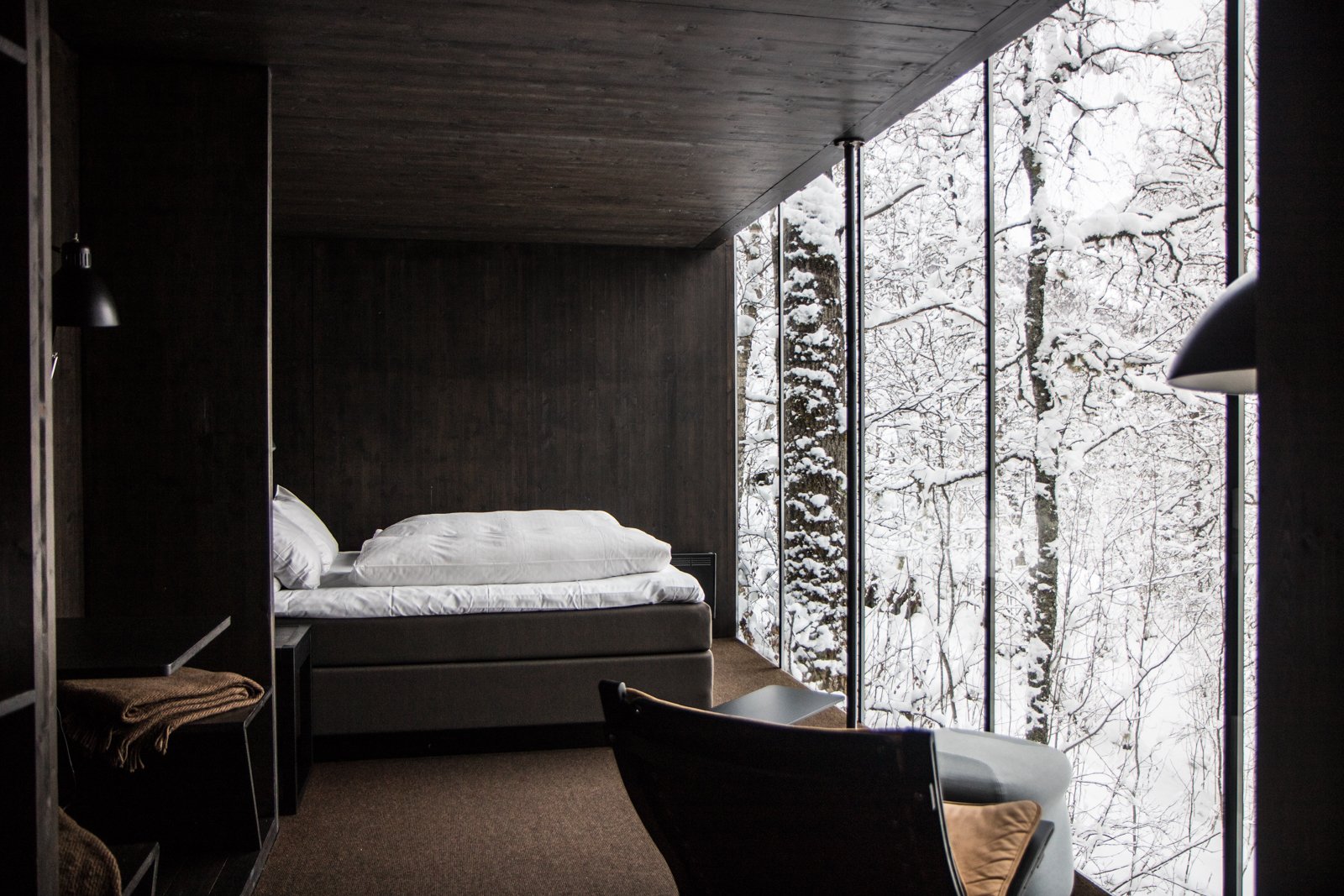
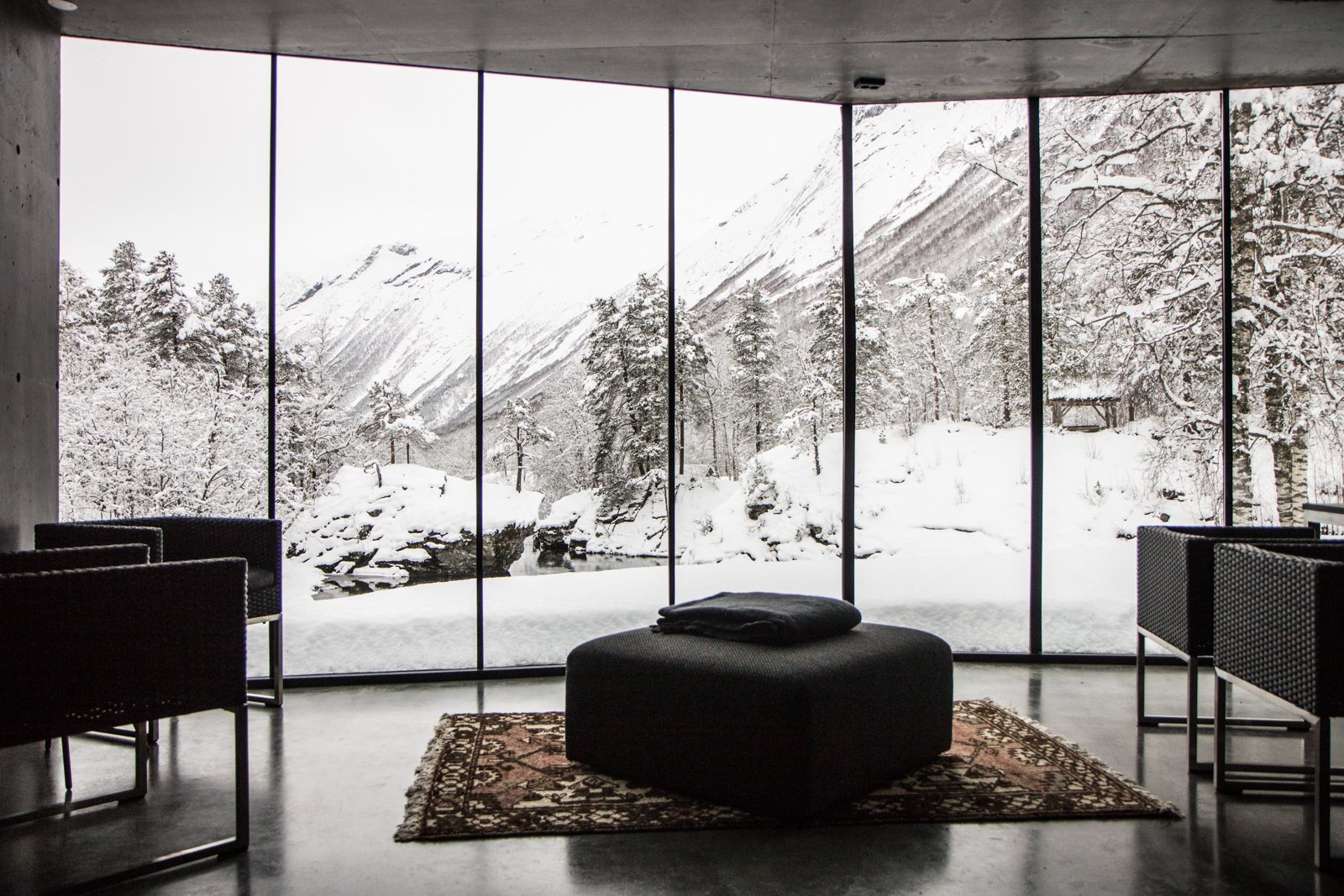
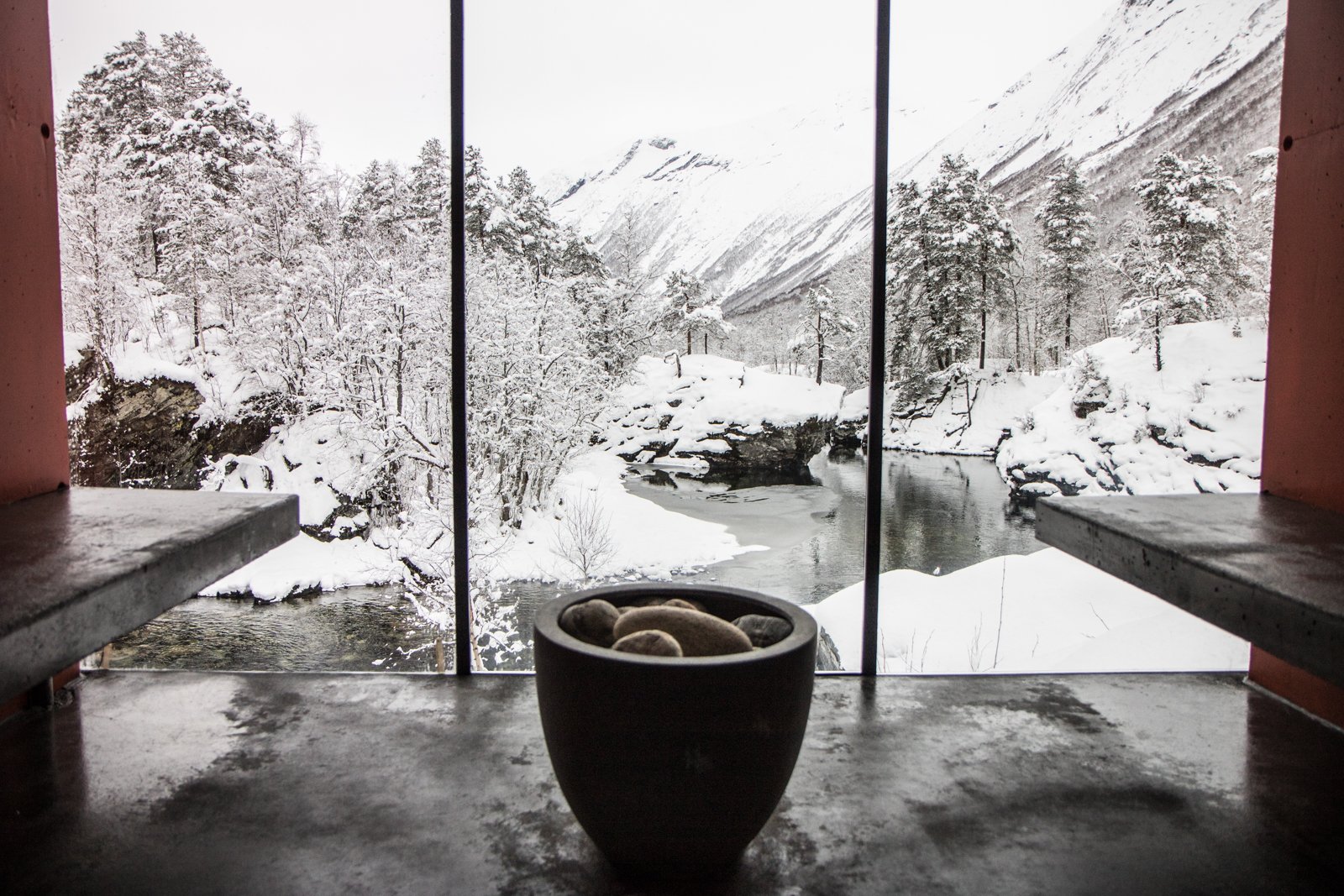
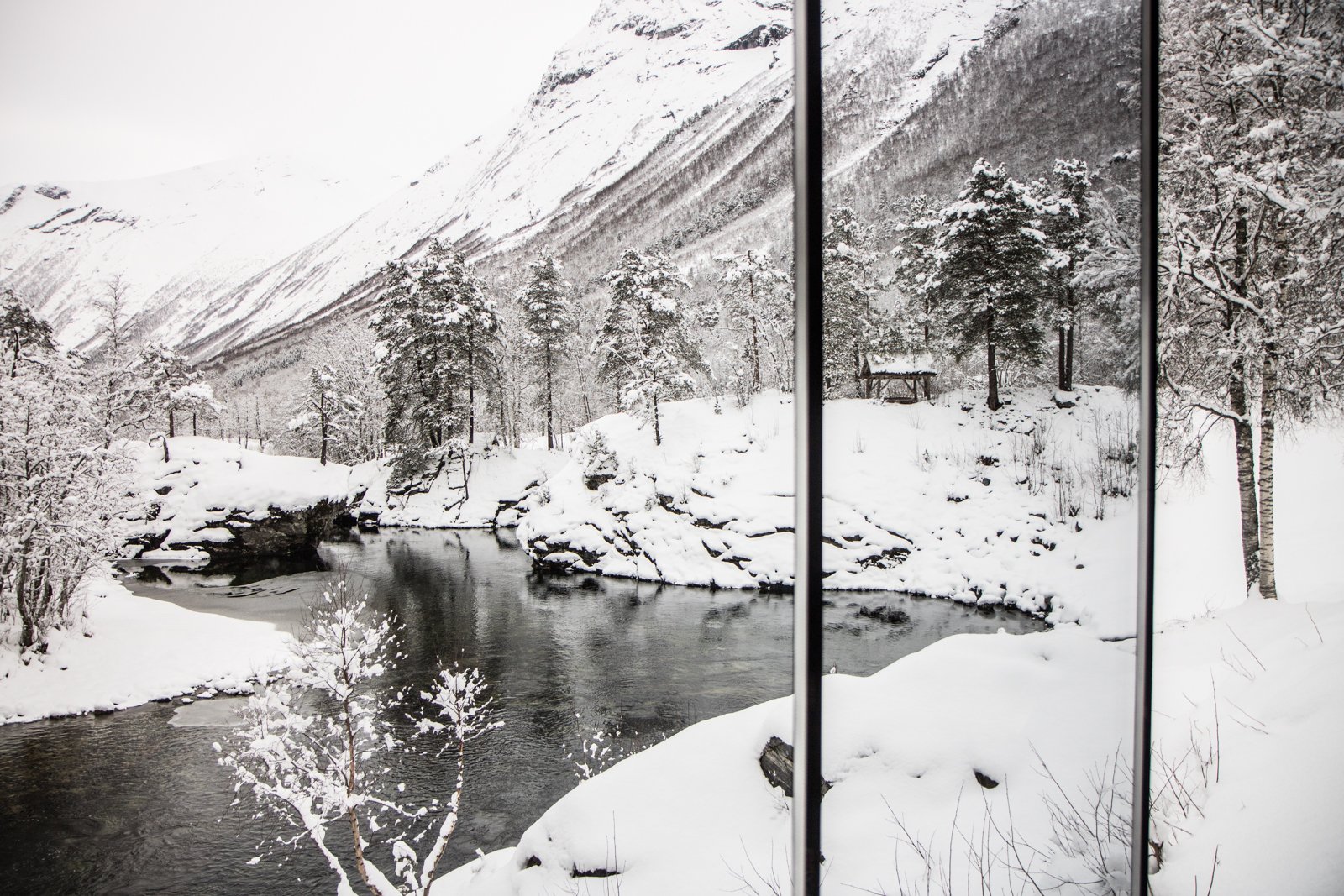
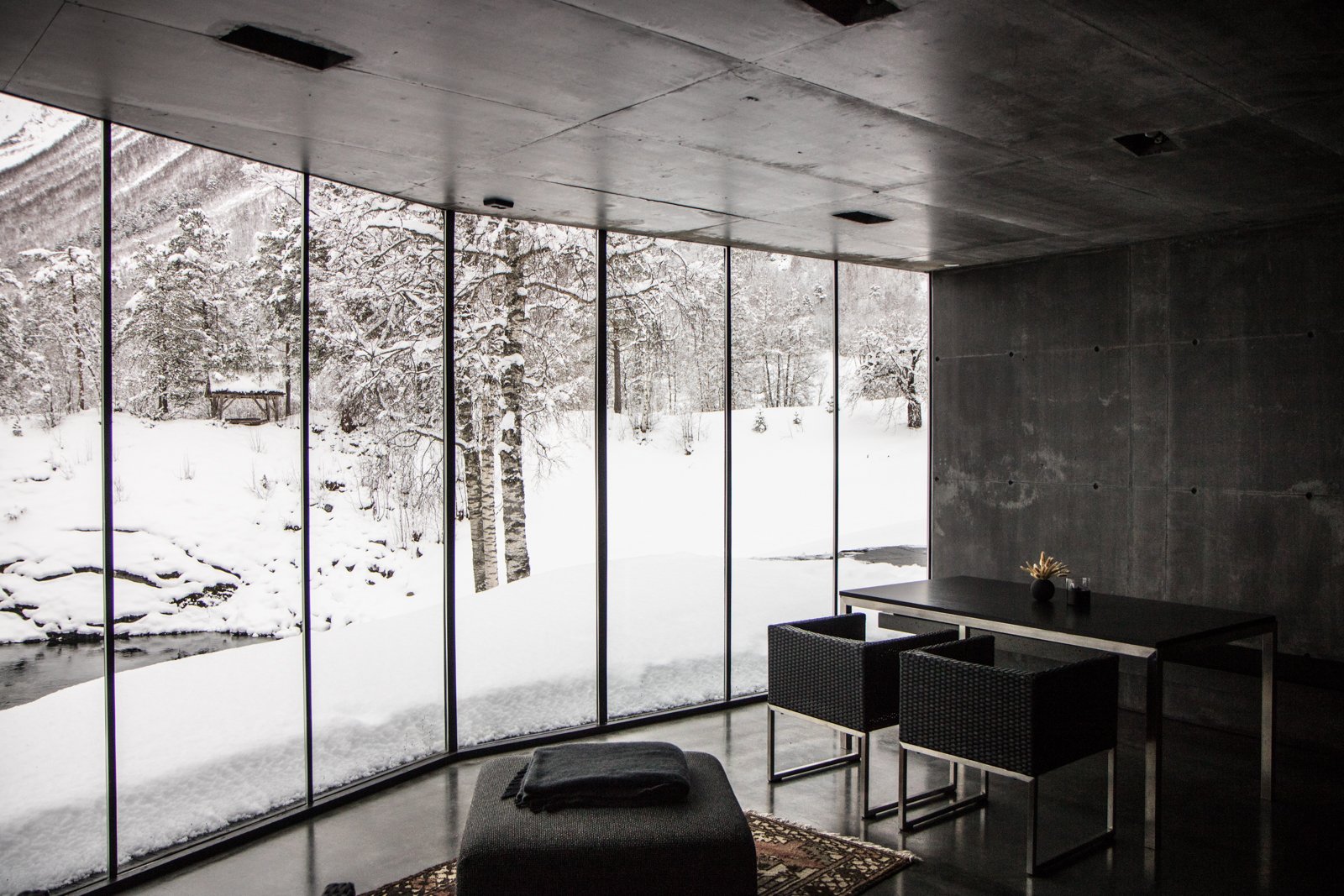
Scandinavian design. Panoramic glass windows. The magic of fresh mountain water. Fog curling through birch trees. Walking on mossy forest floors. Sunlight piercing mountain peaks. Evenings by a fireplace listening to distant waterfalls. Feeling alive.
Best Visiting Months
May to September for lush greenery and mild temperatures; October to March for snow-covered landscapes and Northern light contrasts.
Cost

Why stay
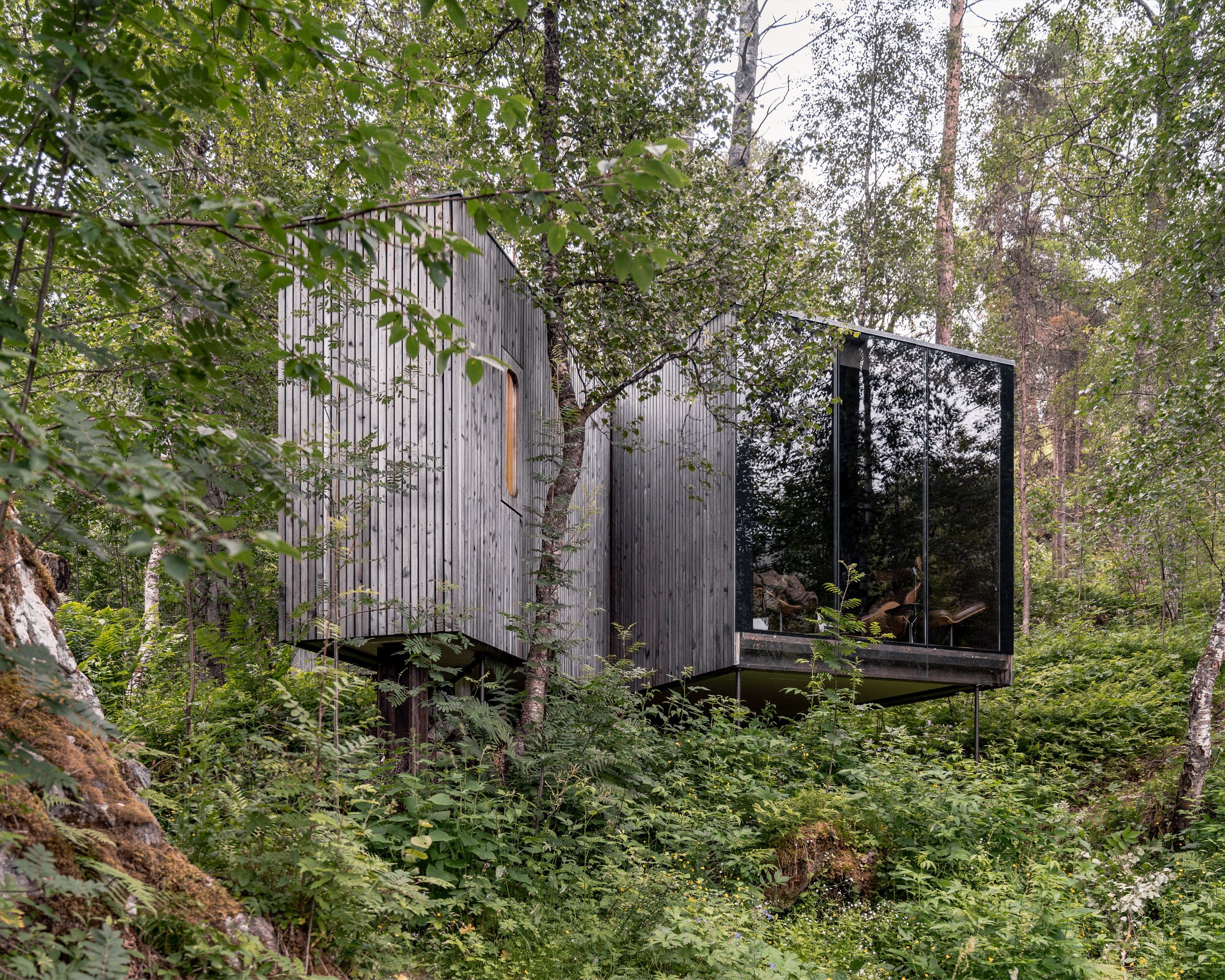
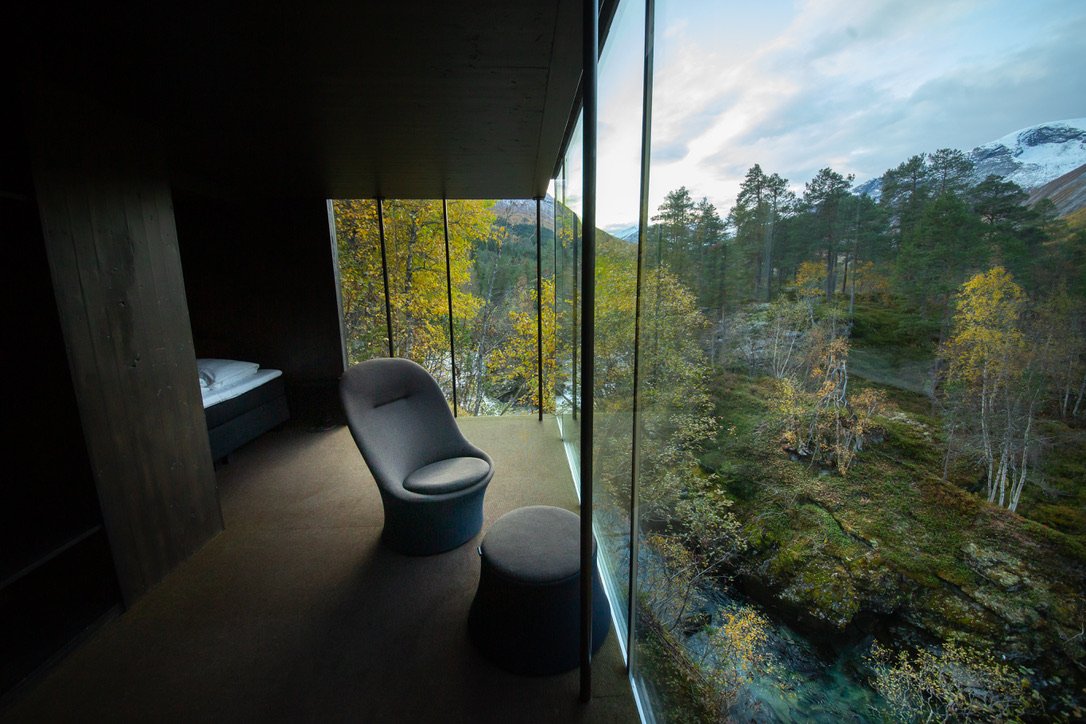
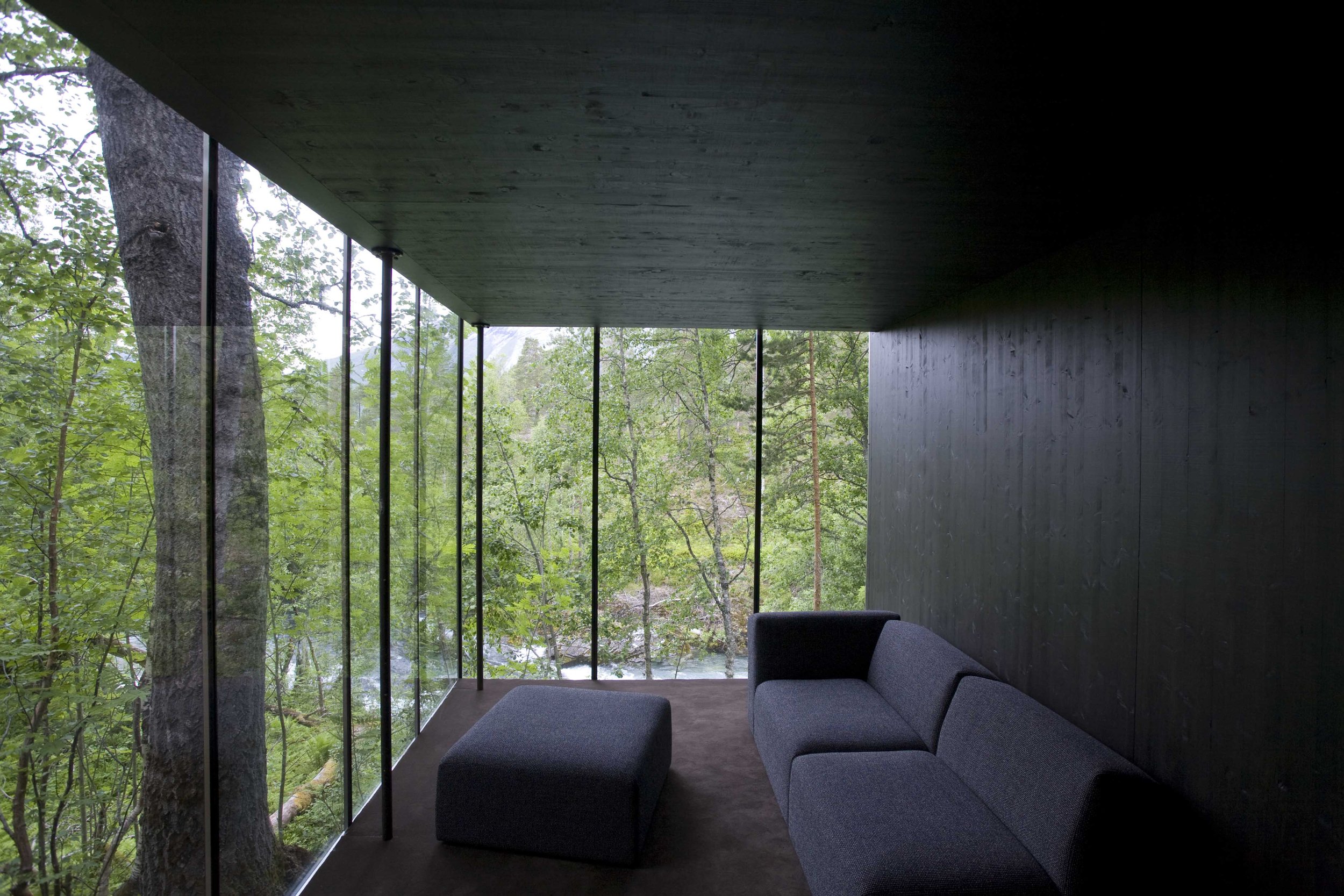
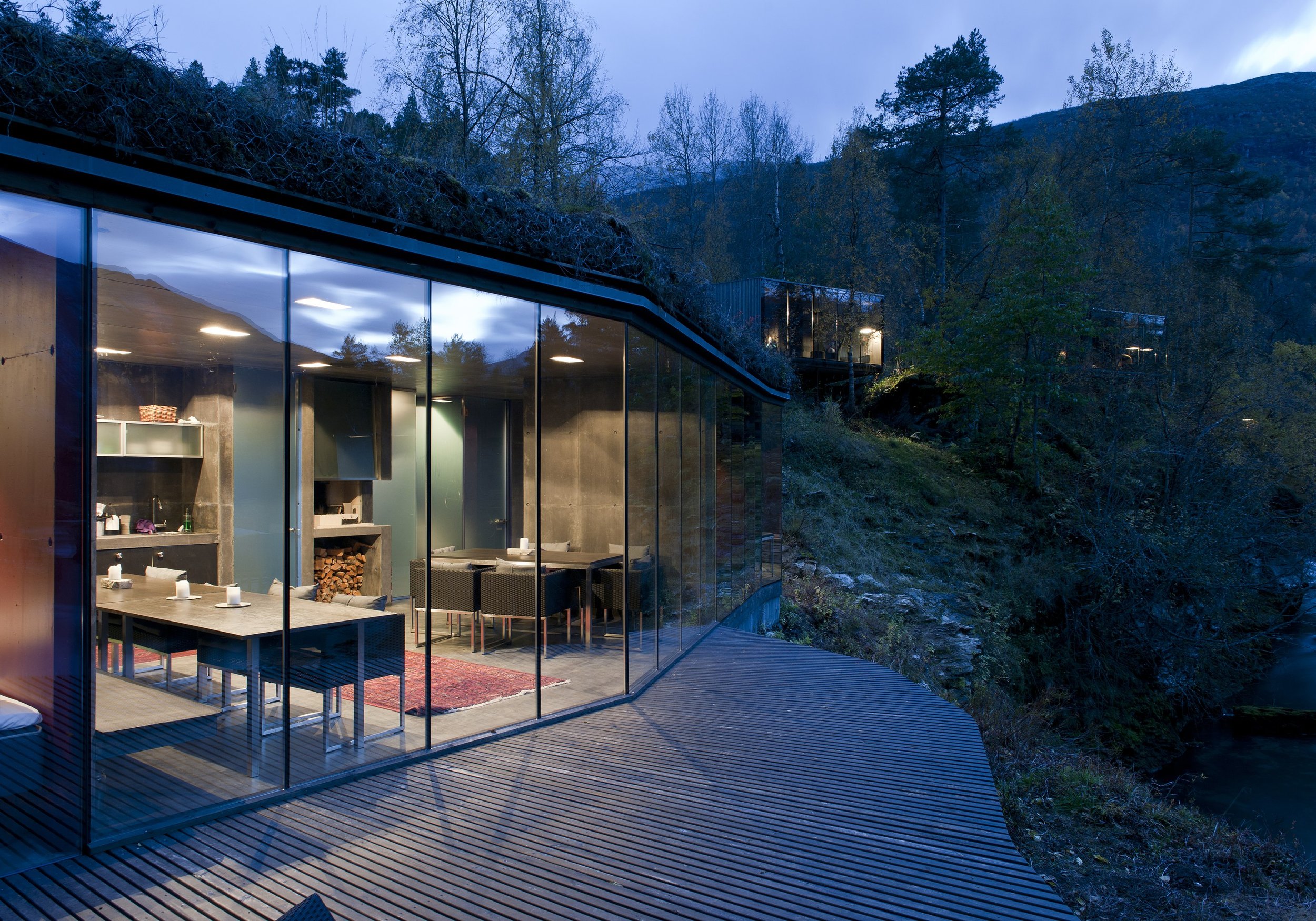
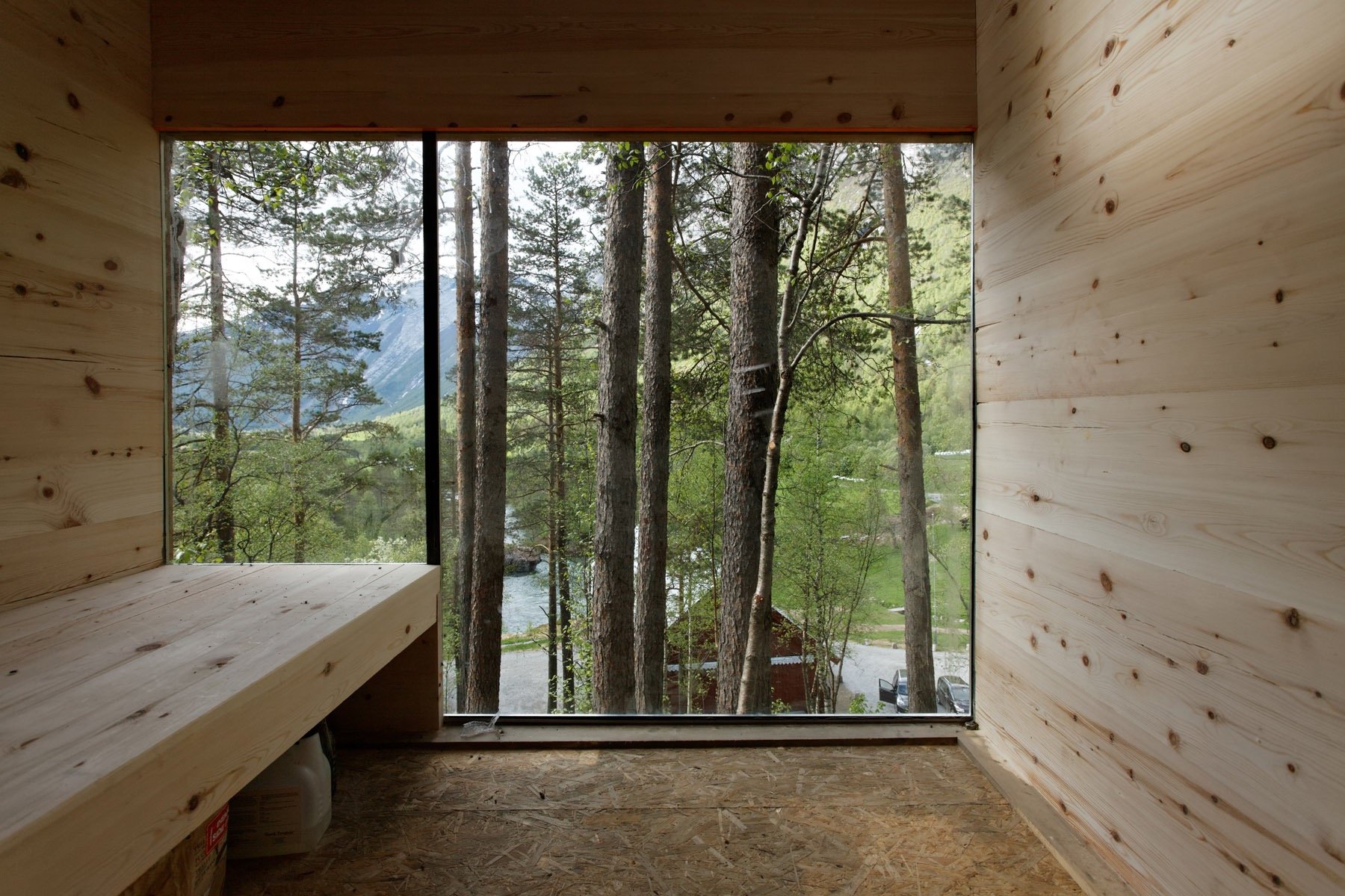
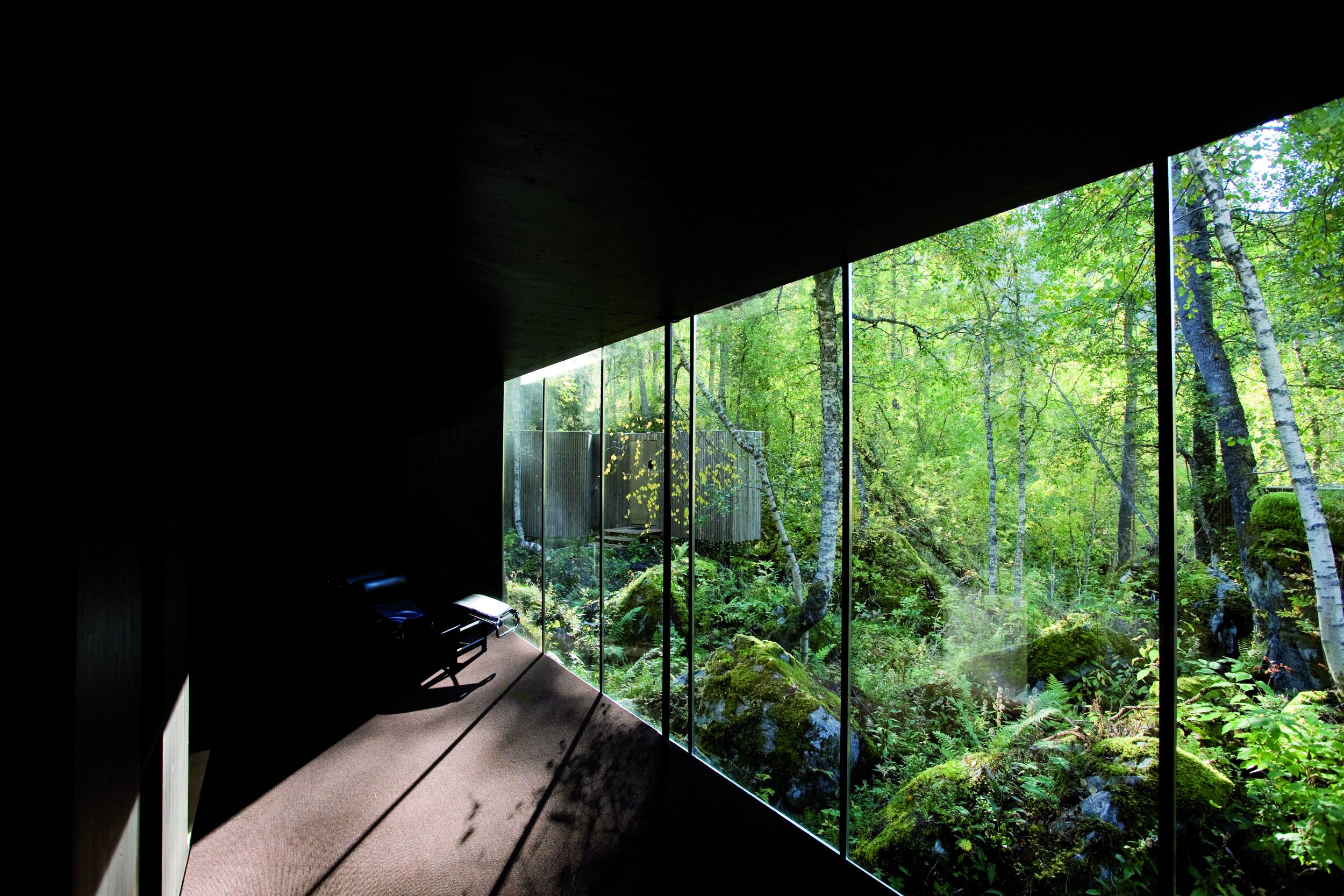
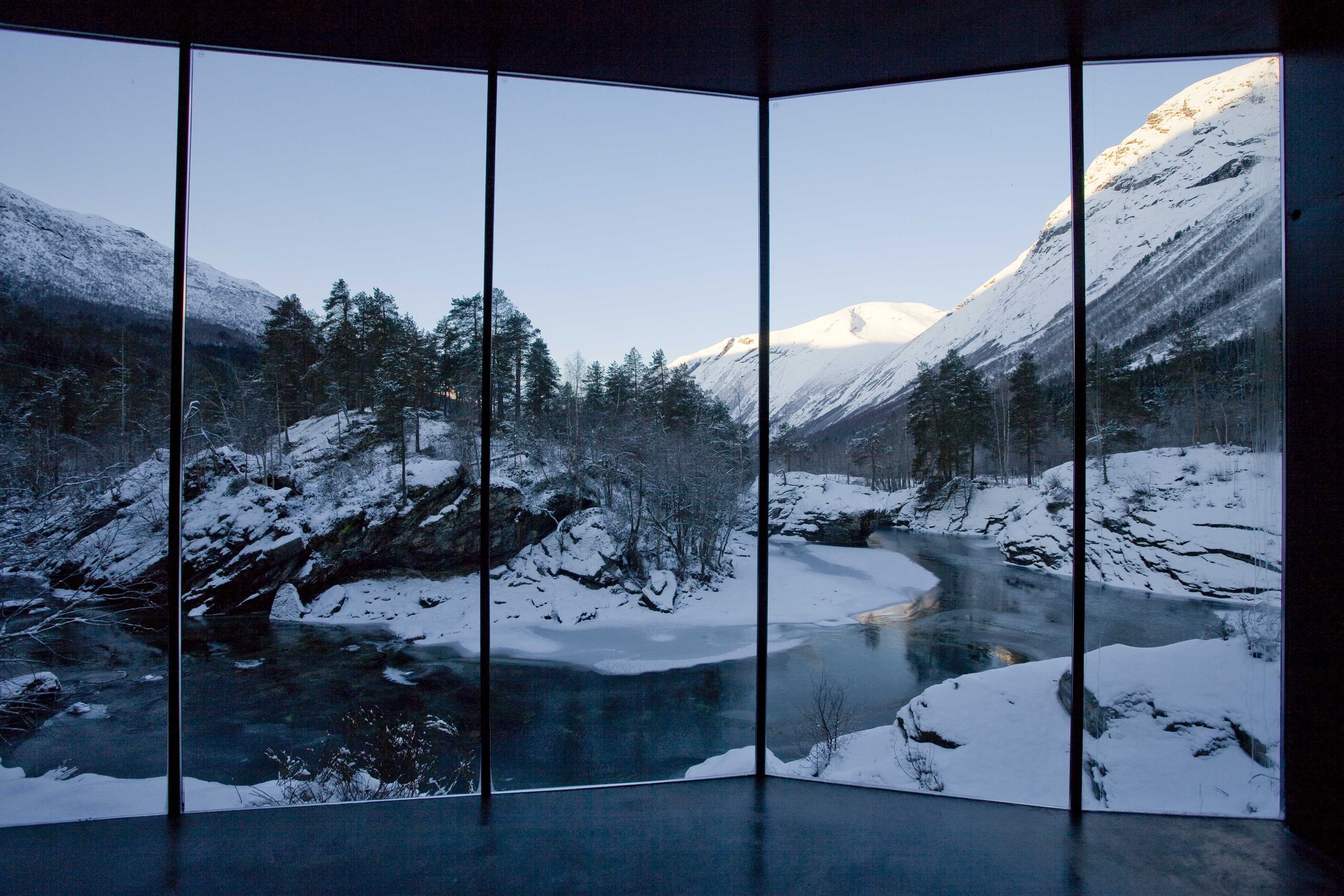
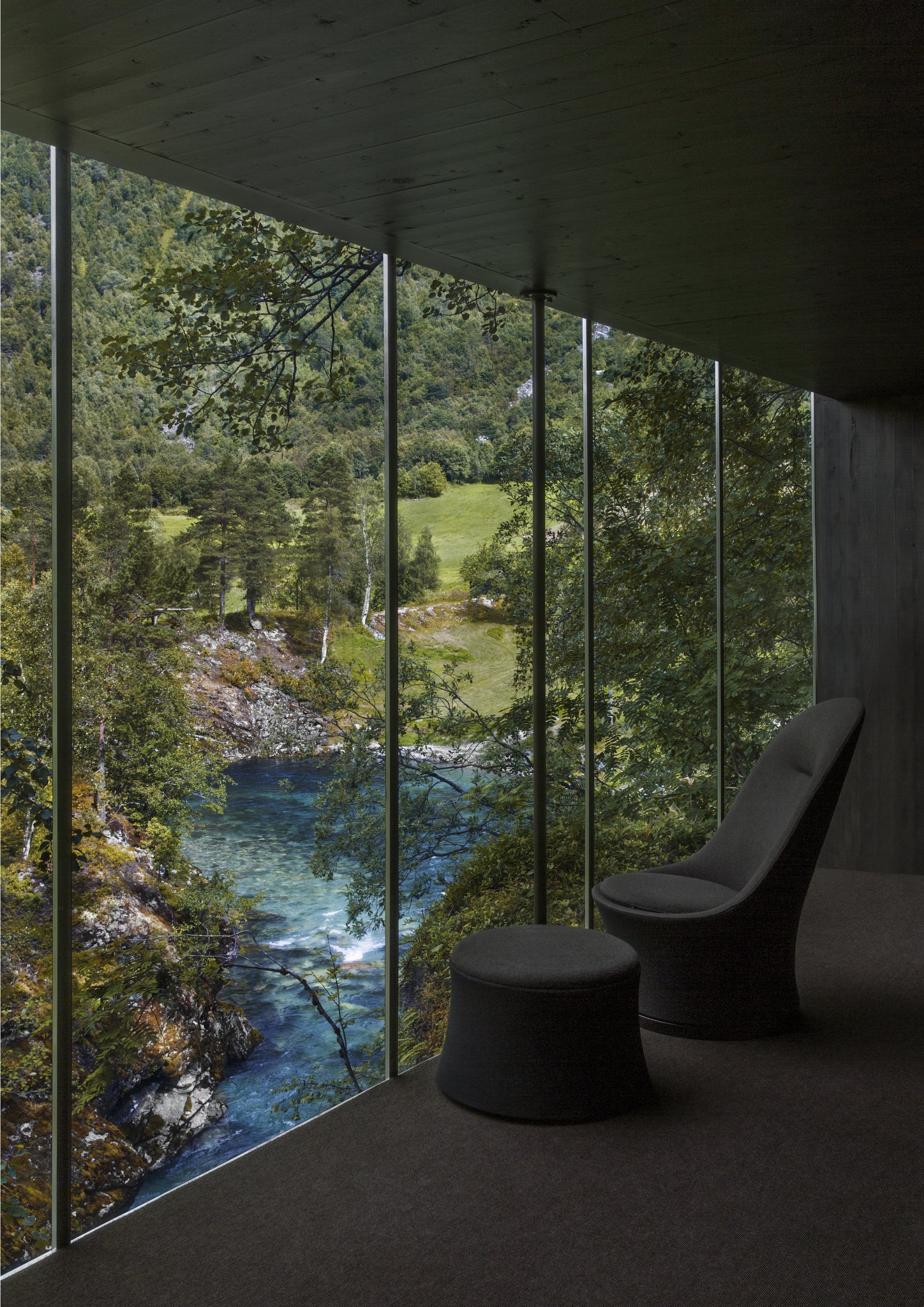
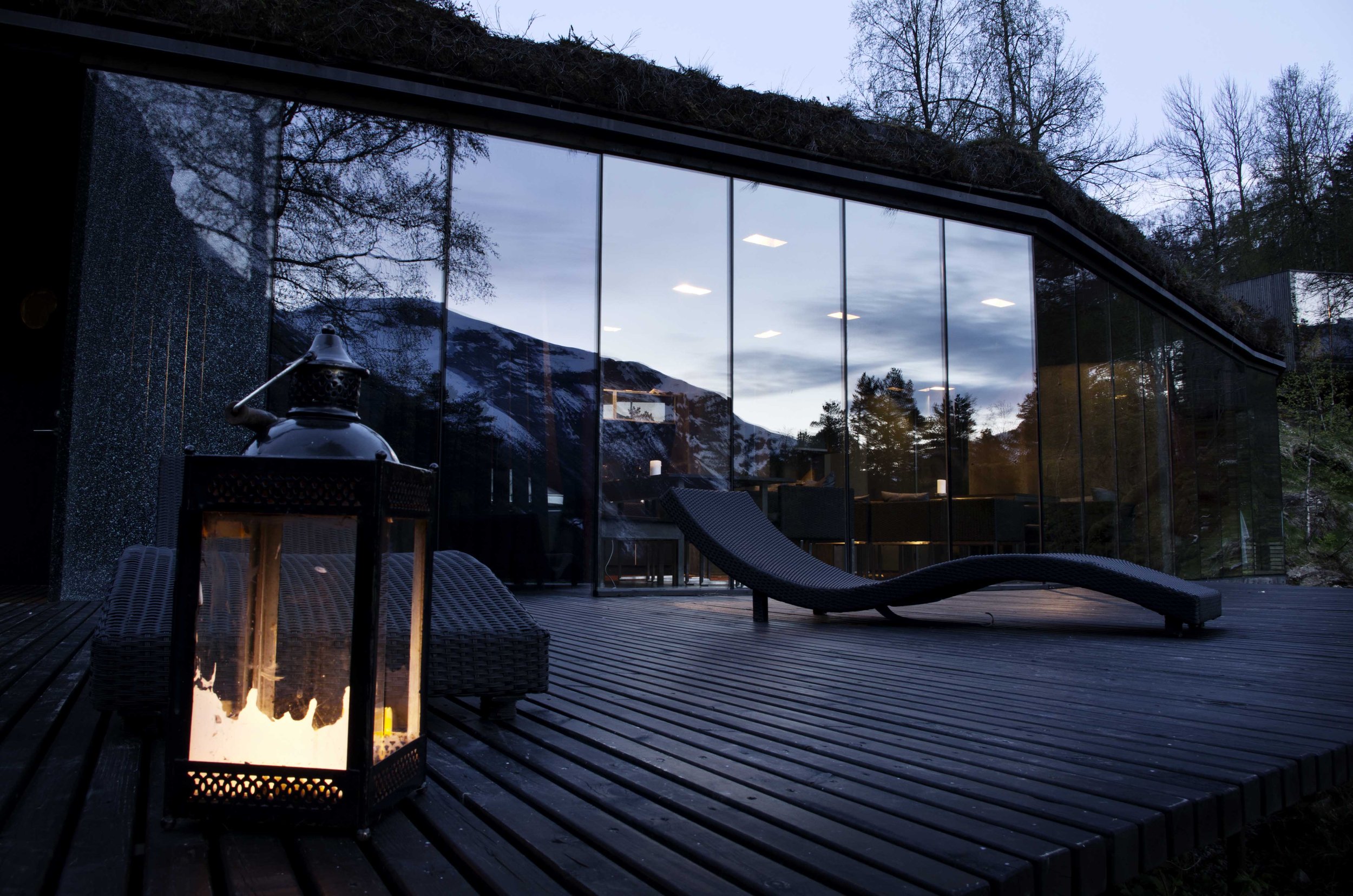
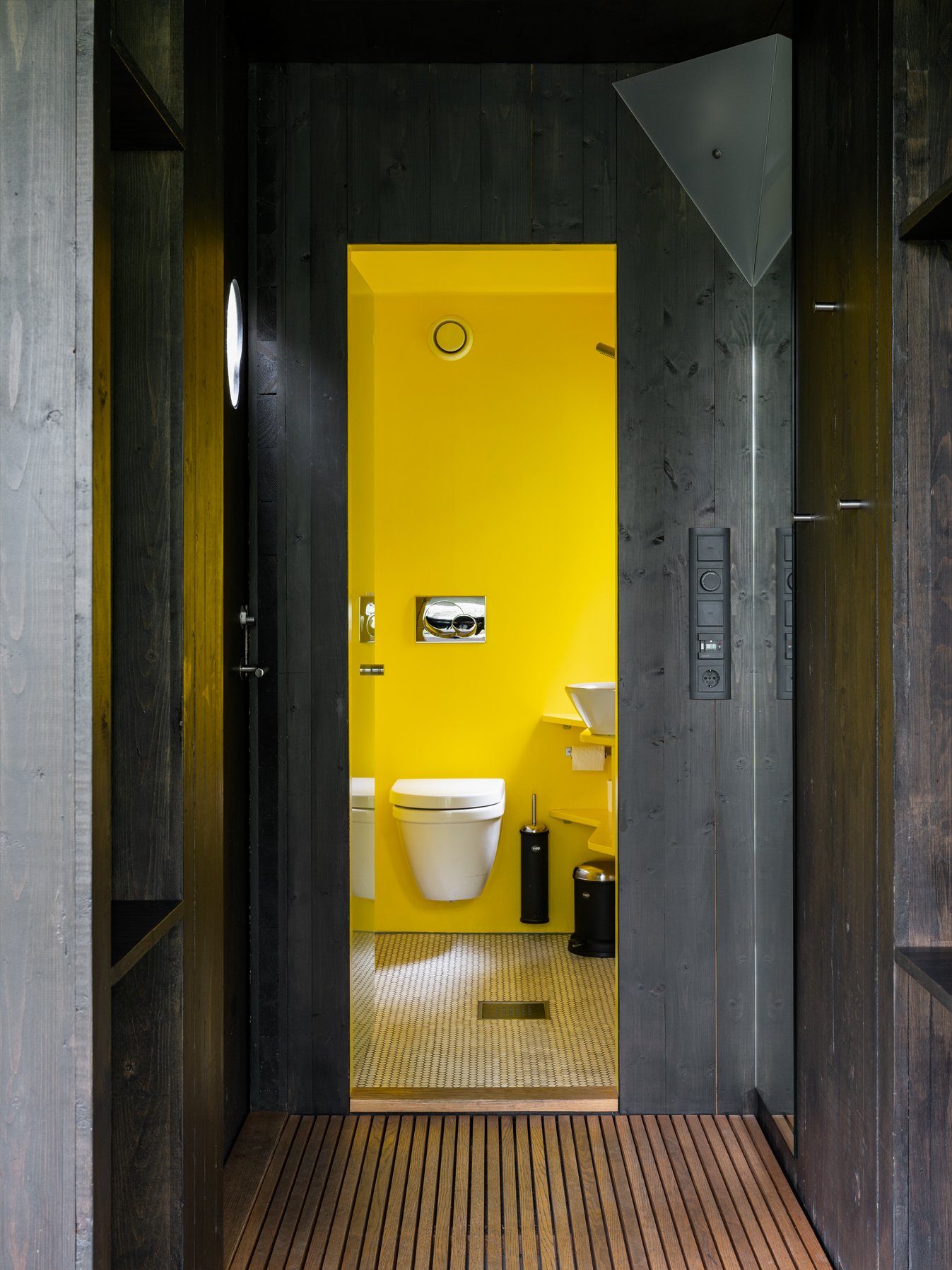
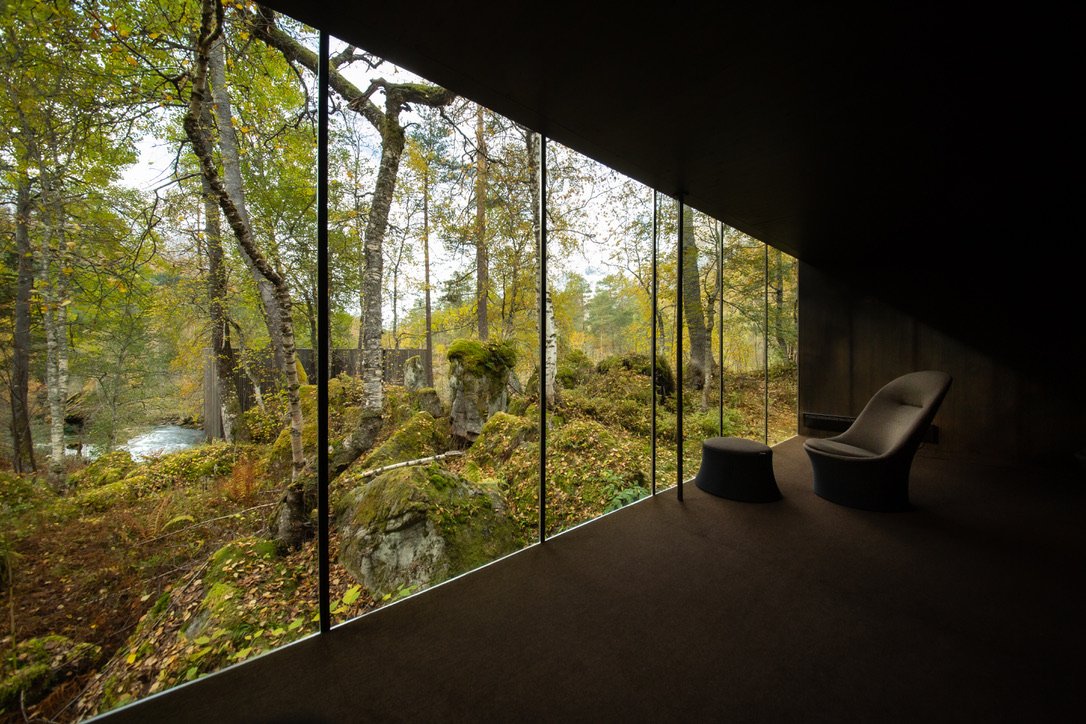
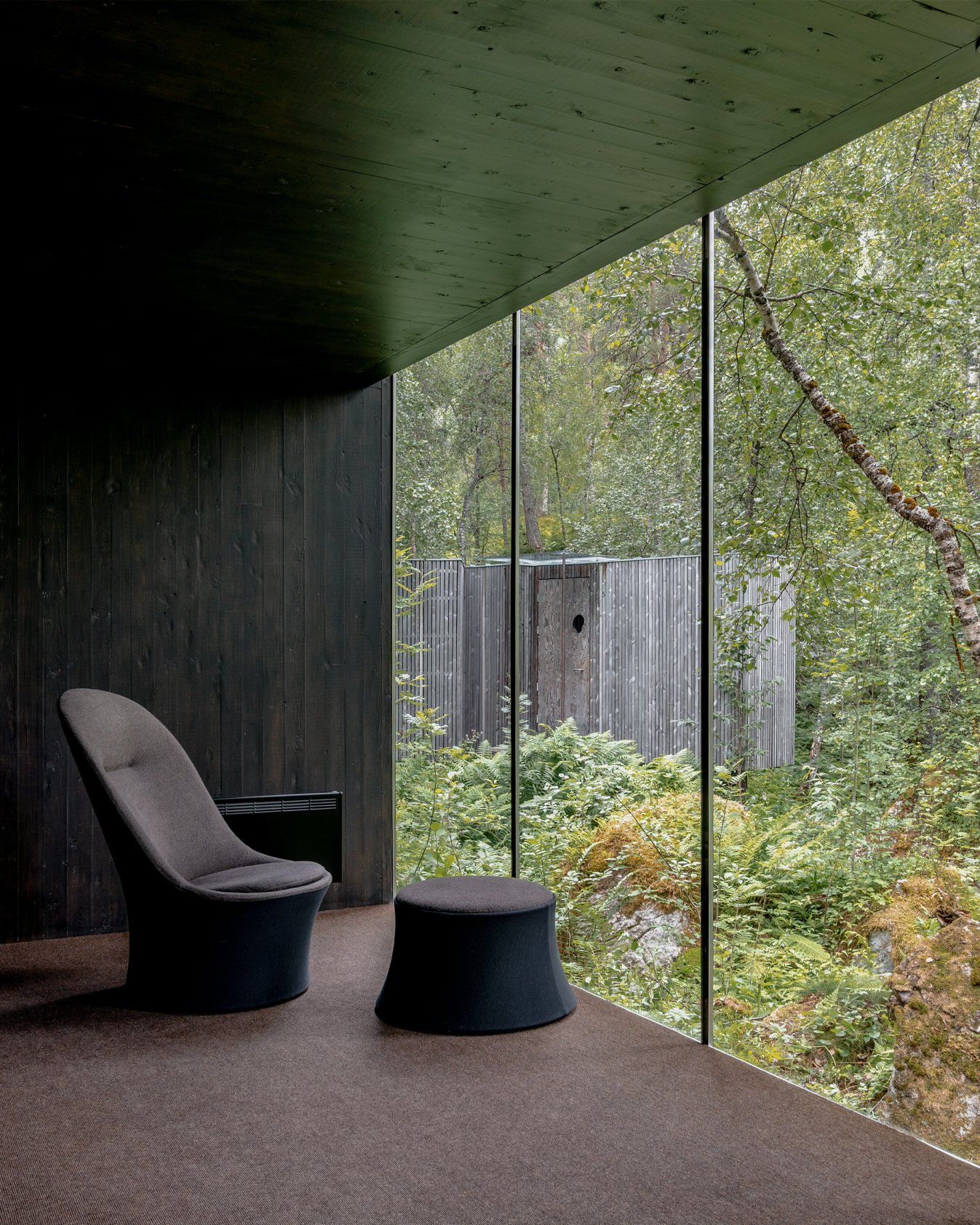
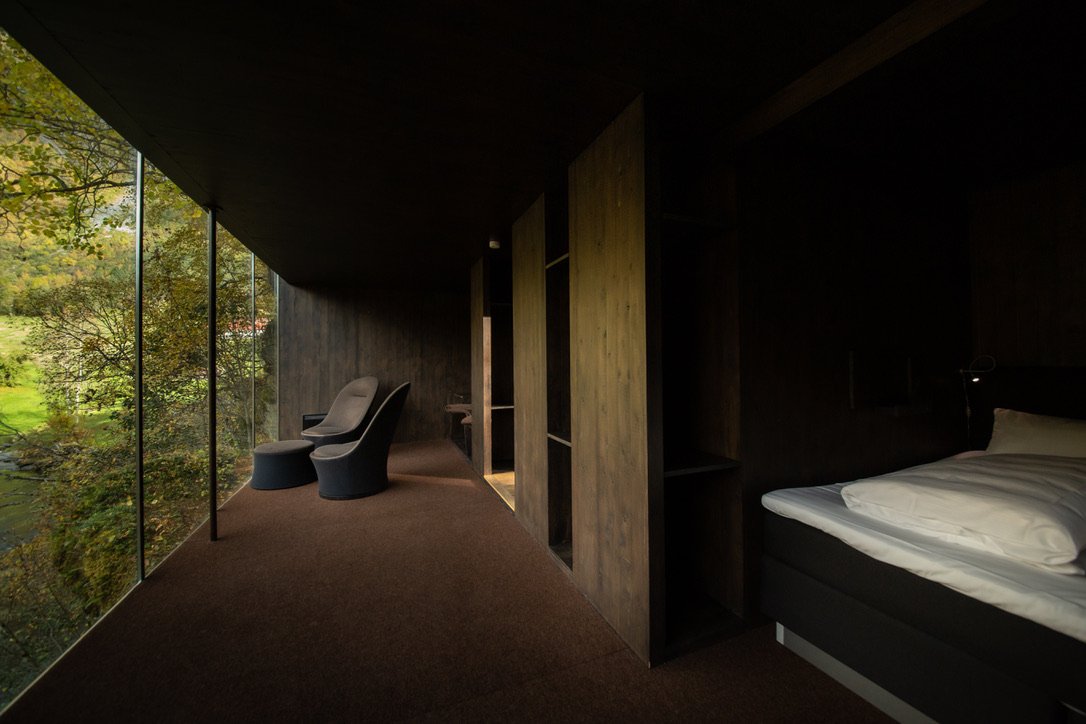
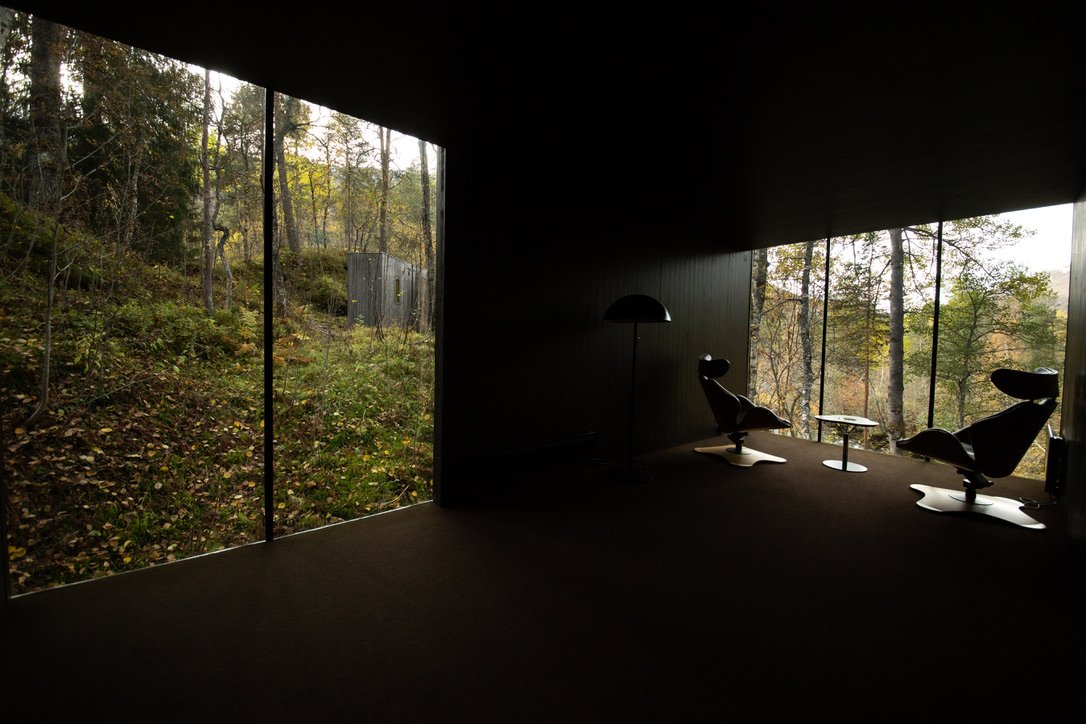
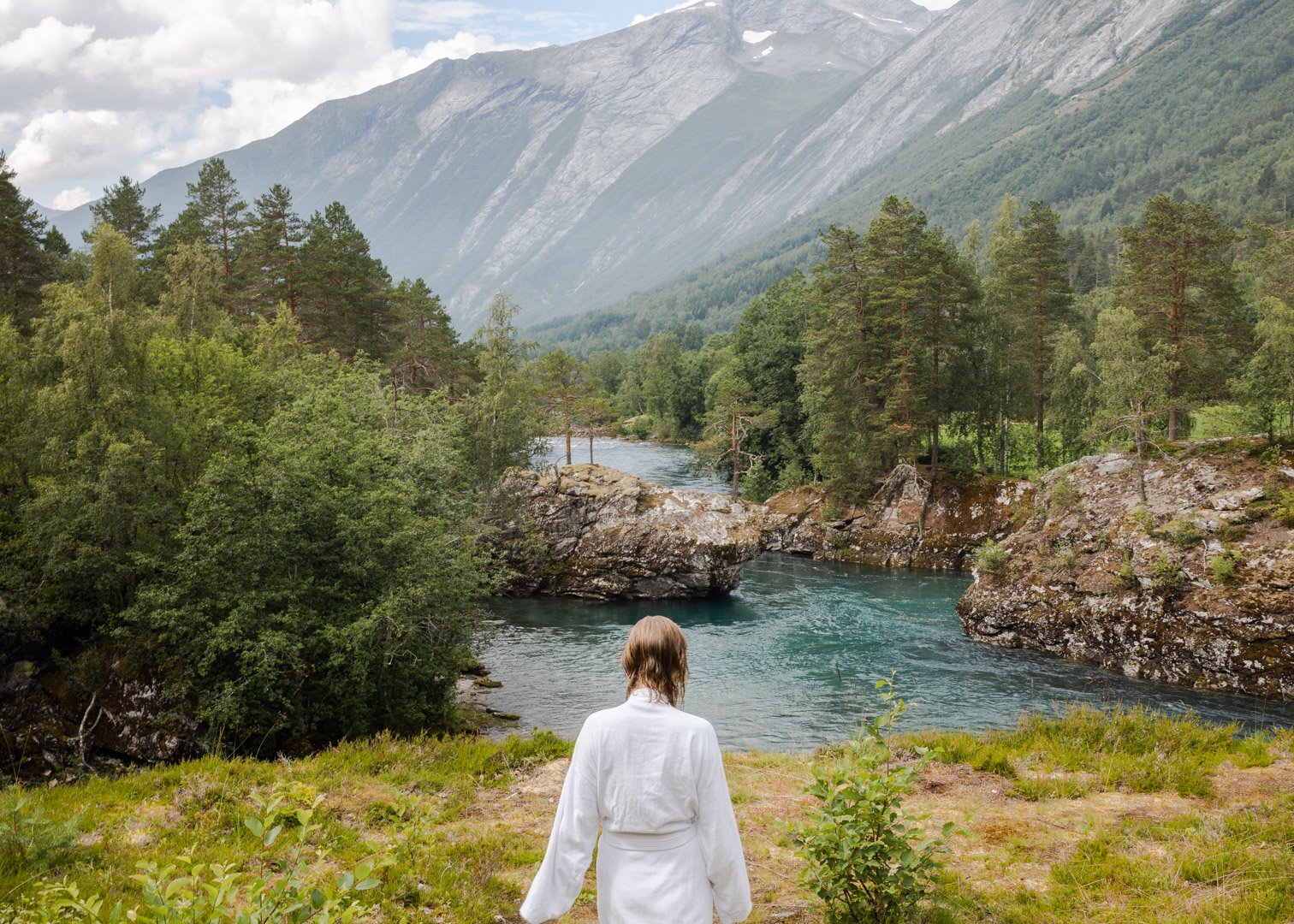
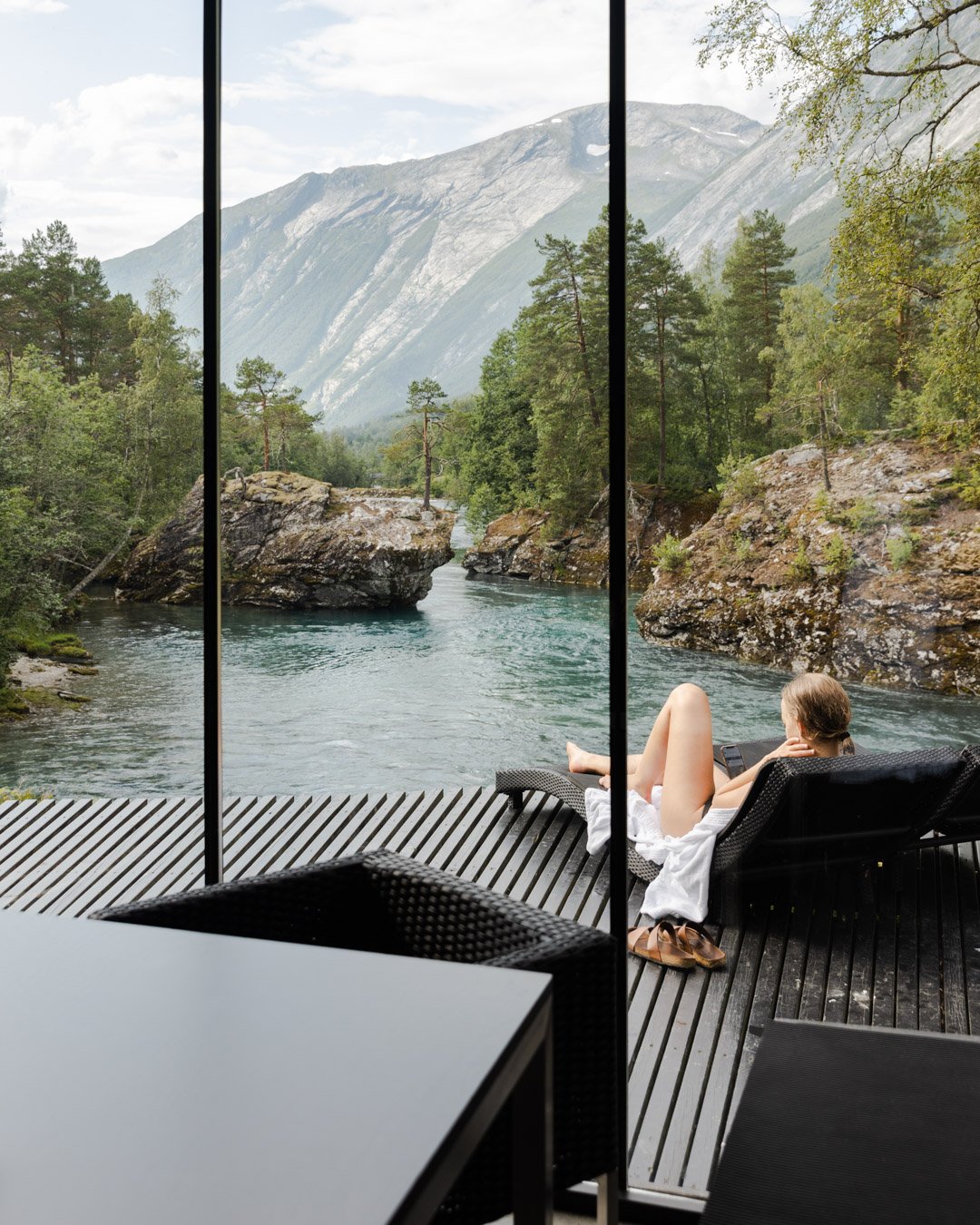
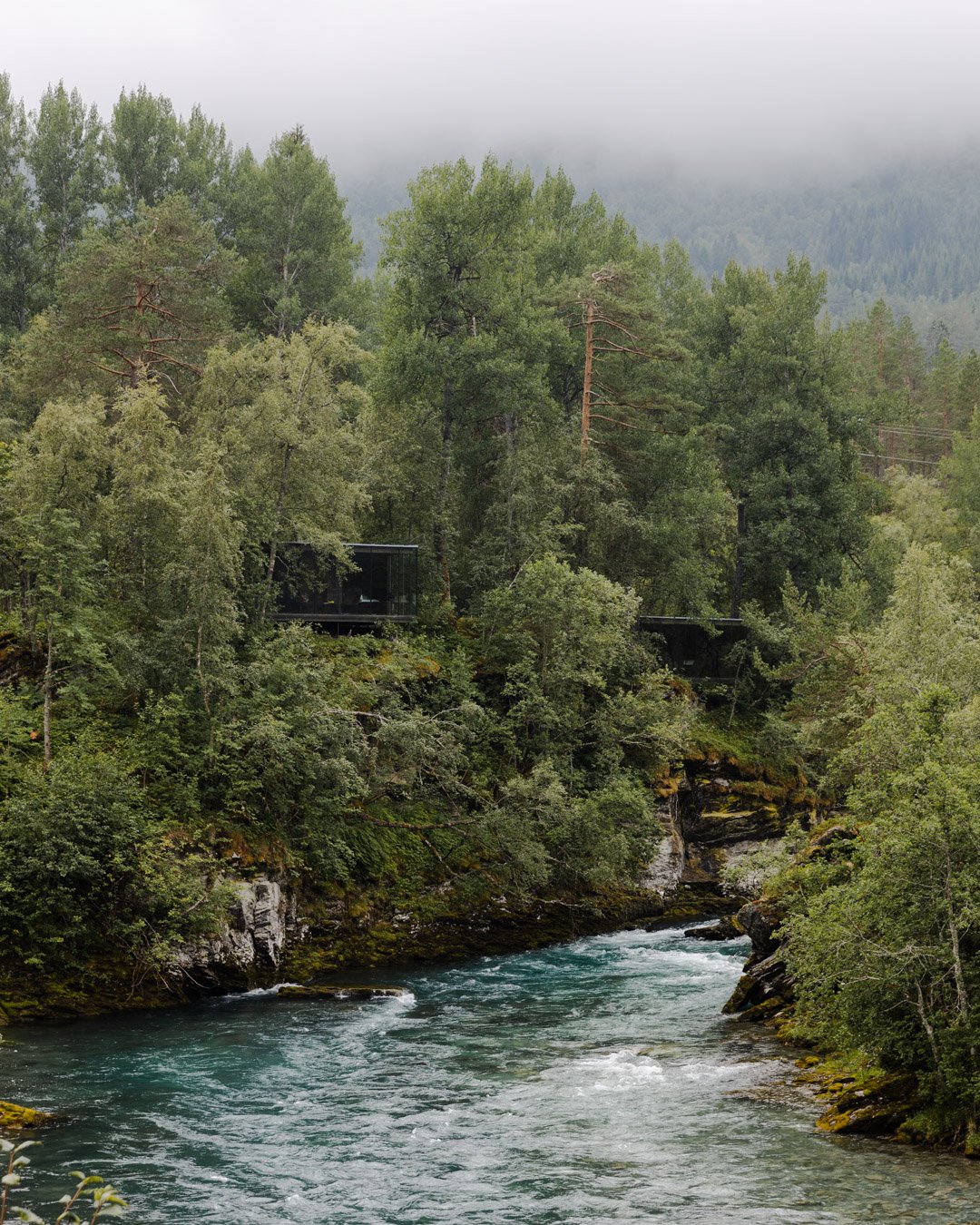
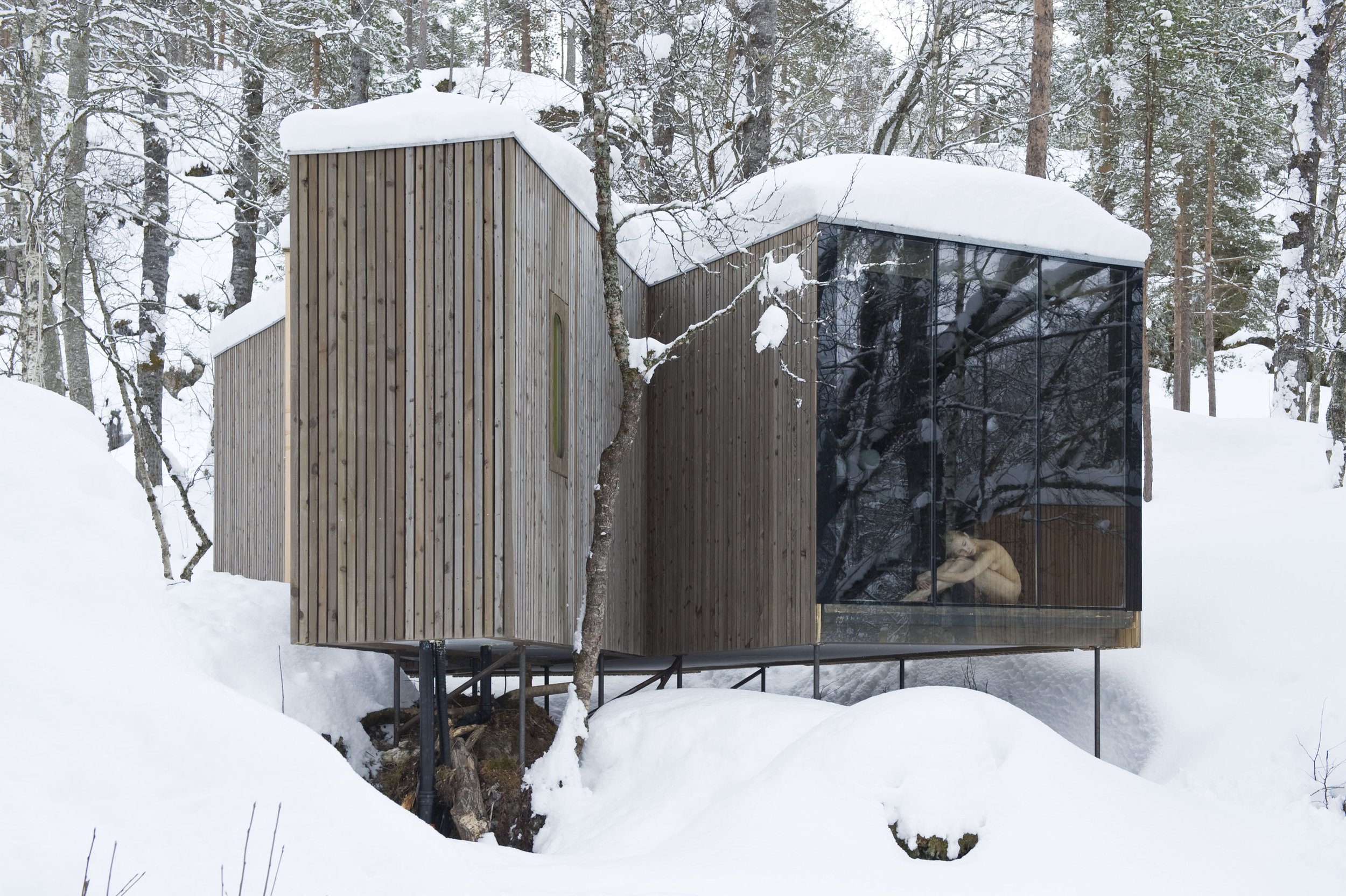
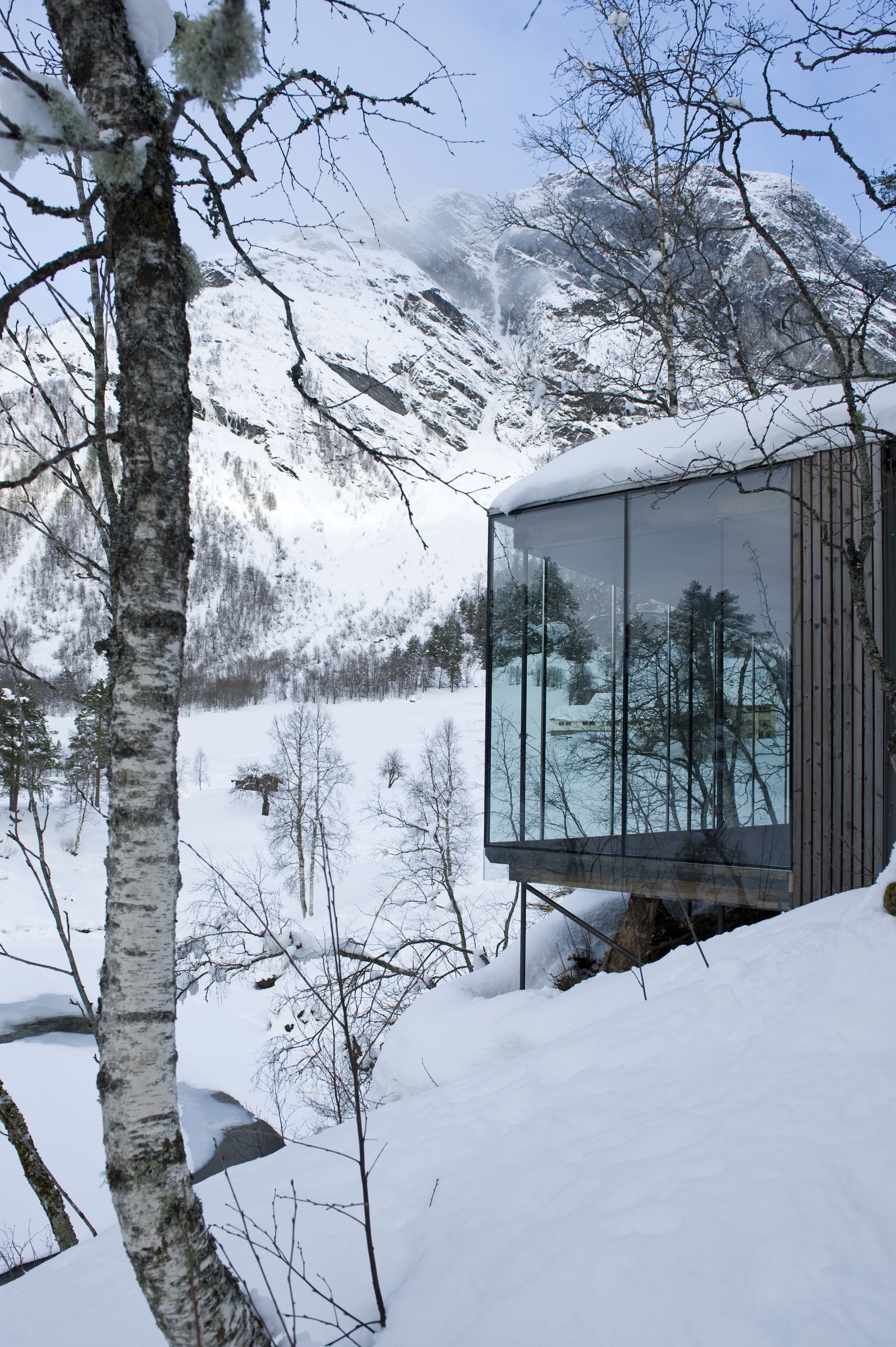
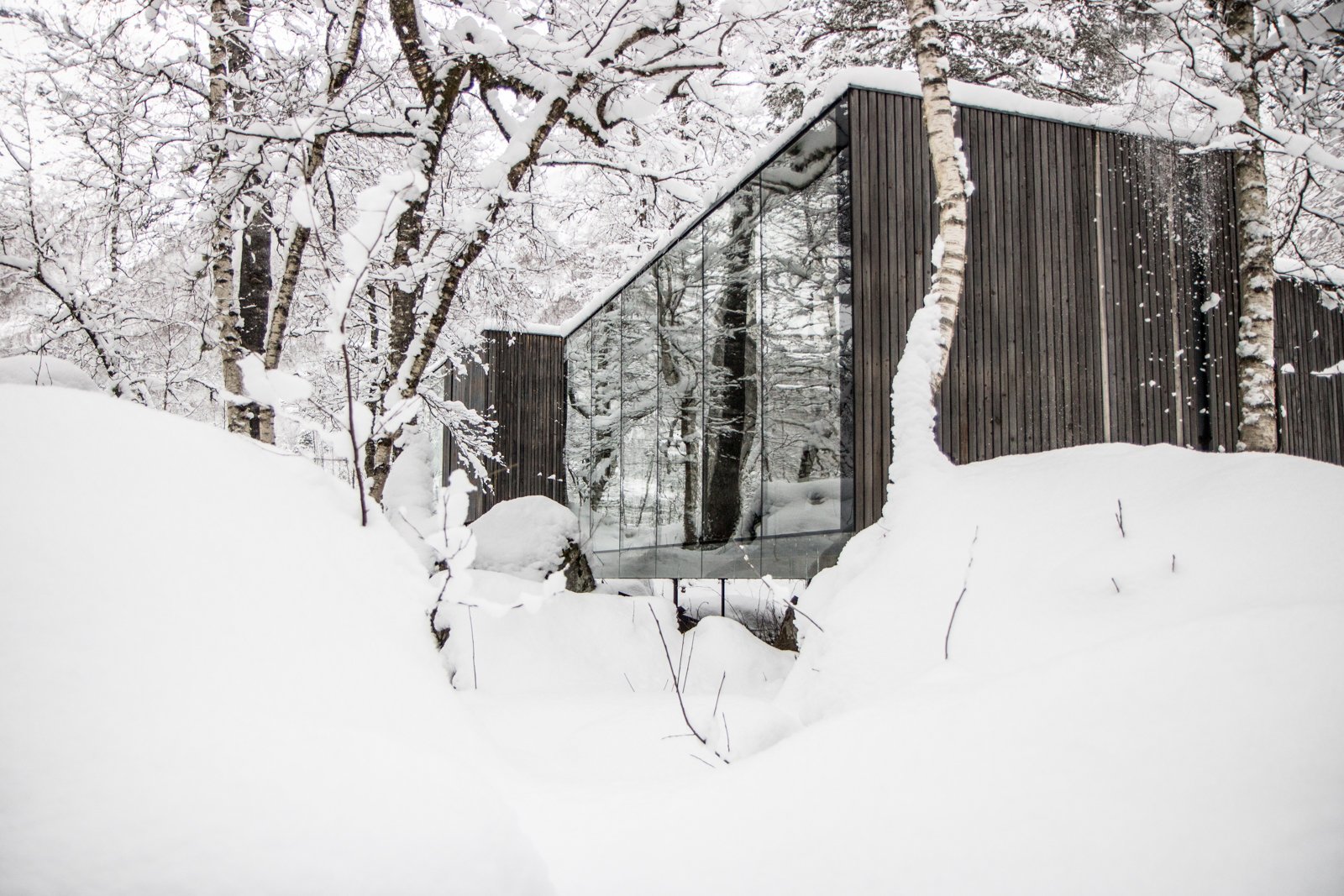
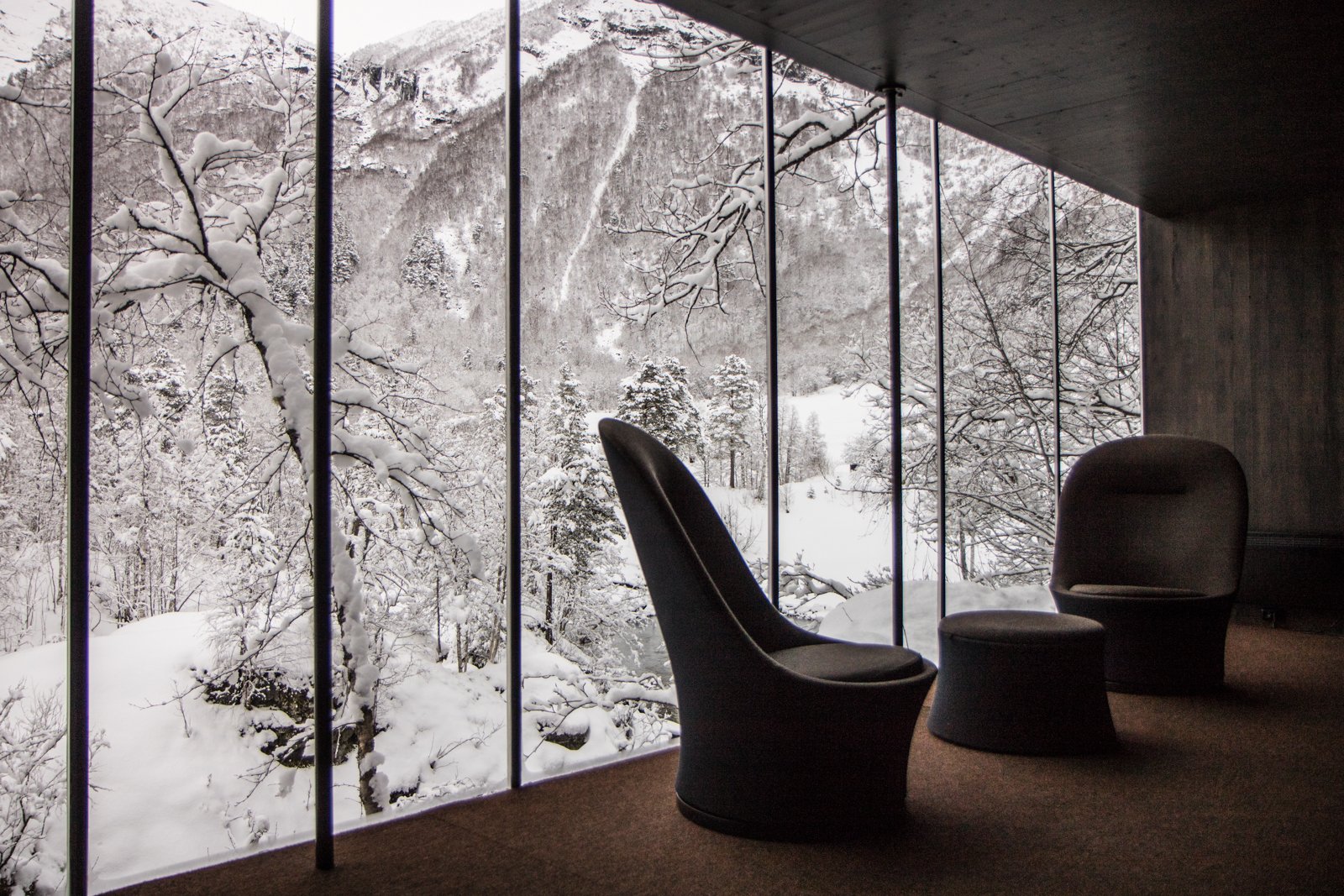
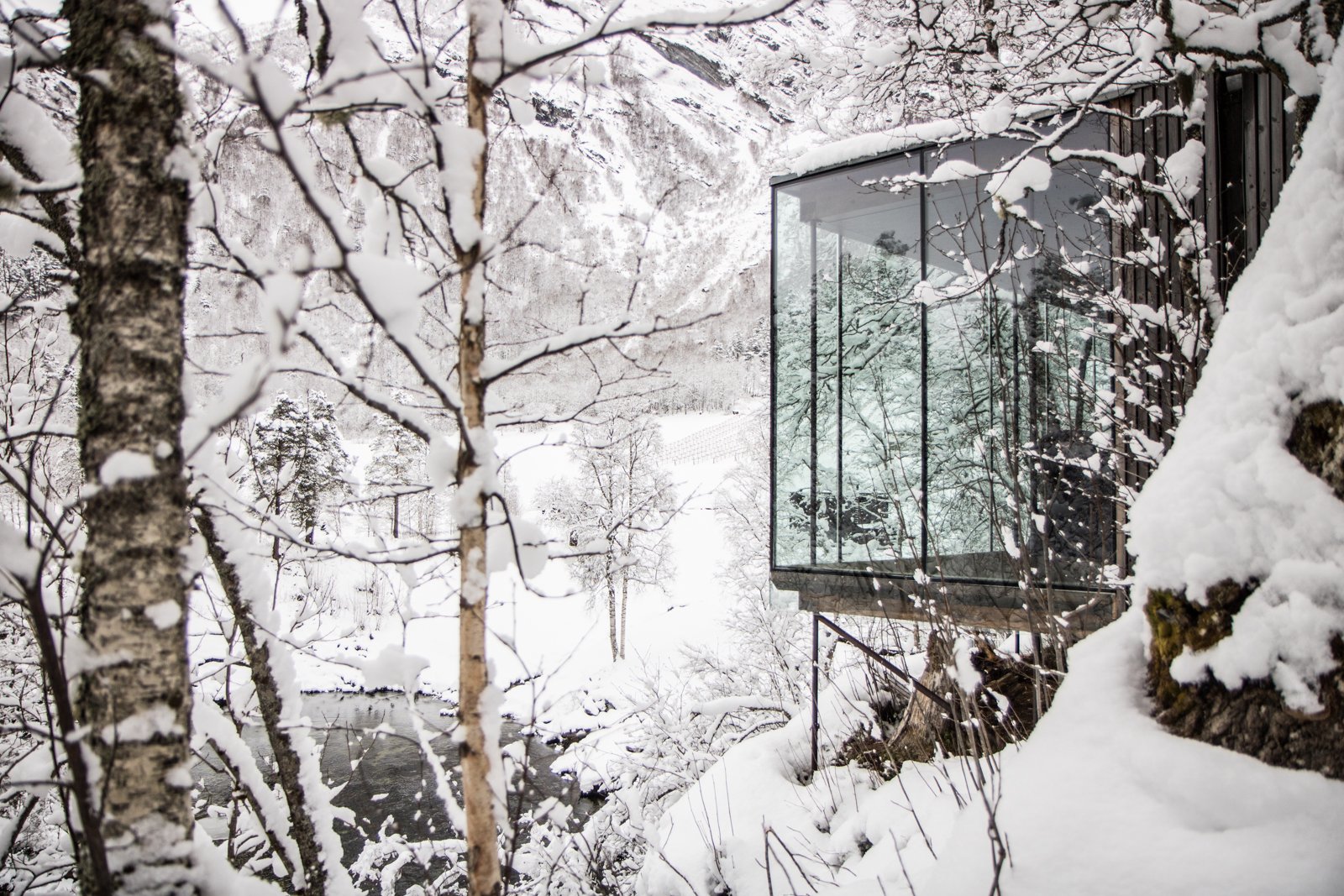
Juvet is one of the original landscape hotels, blending pure Scandinavian nature with modern, functional design by Norwegian architects Jensen and Skodvin. Originally a 17th-century farm, the hotel is tucked into Valldal, Norway, surrounded by mountains, streams, and dense forests. The name Juvet itself means canyon, reflecting the dramatic landscape carved by the Valldøla river. The property’s seven landscape rooms are built individually into the terrain along the riverbank, with each room uniquely designed. Furniture is locally produced in Sunnmøre, and floor-to-ceiling windows invite light and nature inside, letting guests wake to panoramic mountain views.
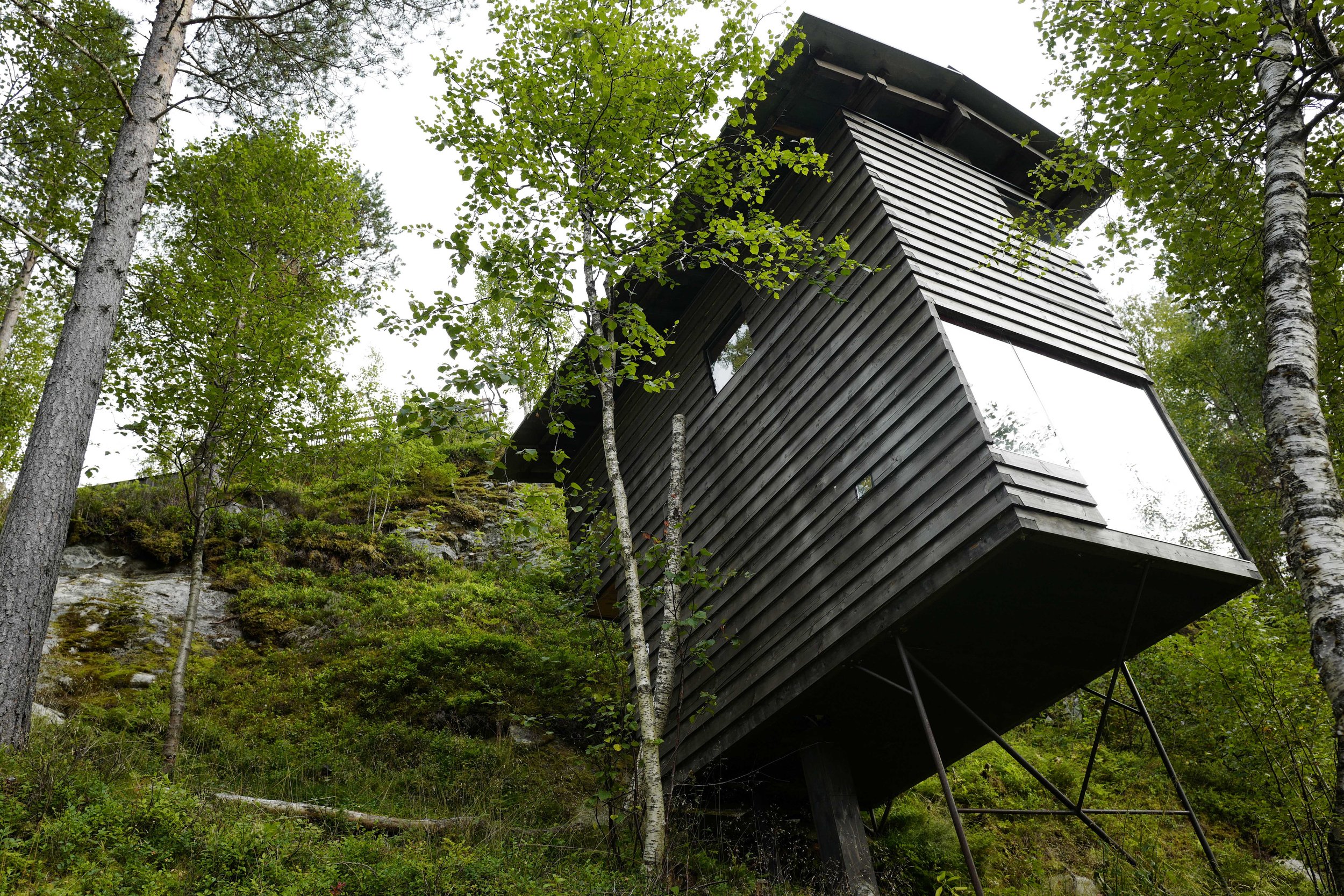
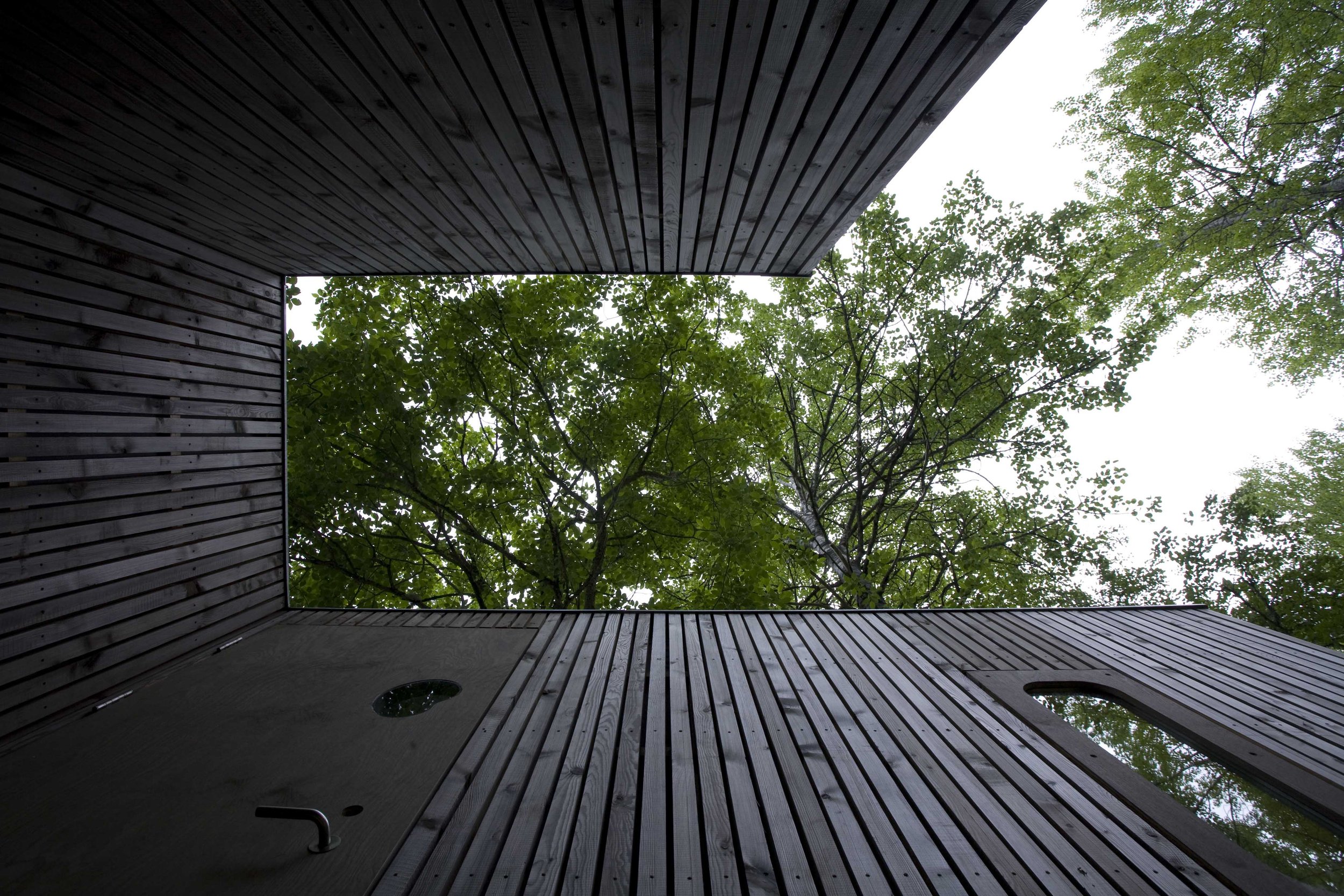
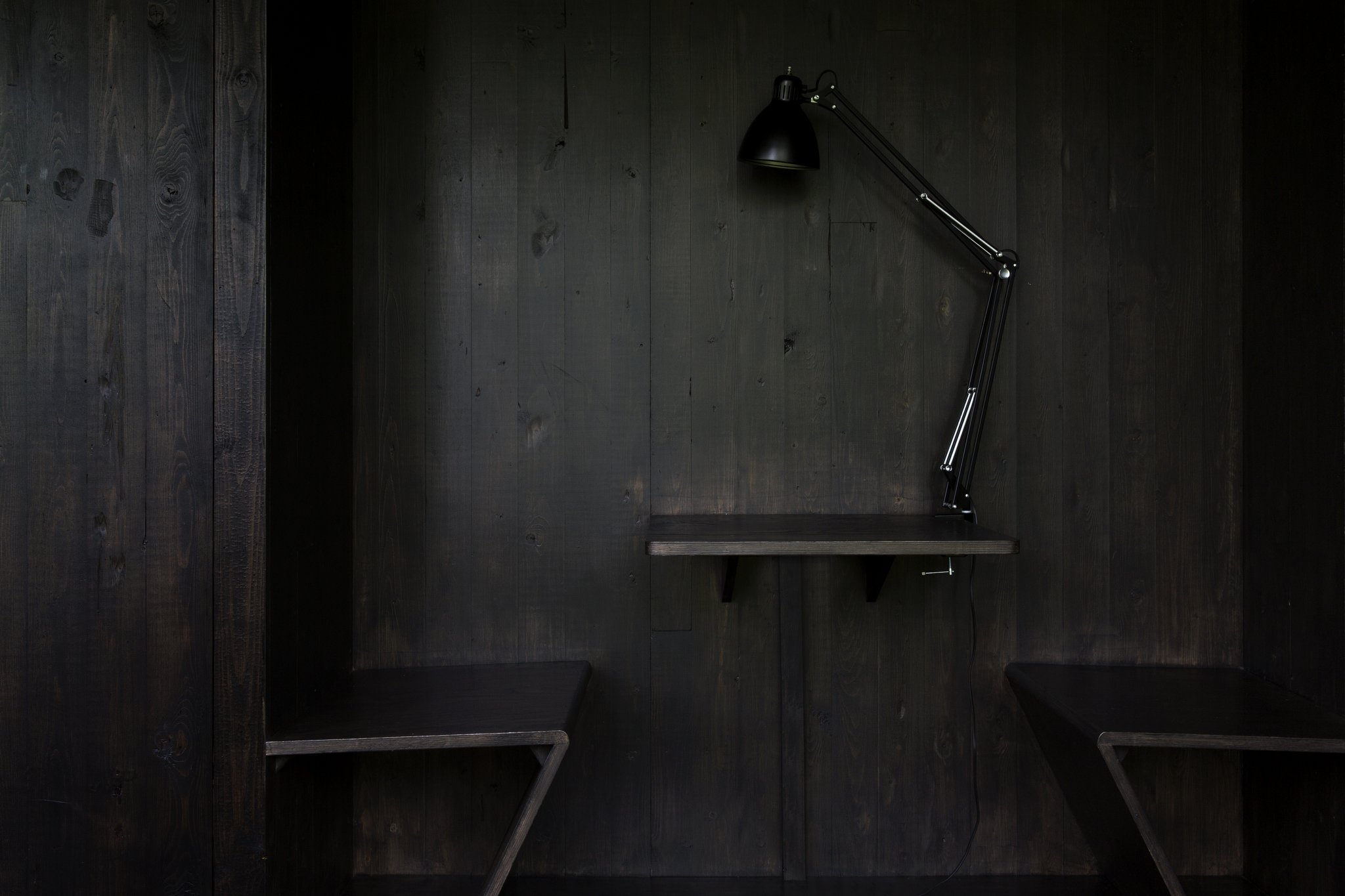
Guests can also choose from two Bird Houses nestled in the trees or the two-bedroom Writer’s Lodge with terrace and workspace. The Bath House provides a quiet place to relax while watching the river, and soaking in the hot tub under the night sky allows for total immersion in the surrounding wilderness. The architecture emphasizes well-being through minimal, thoughtful design, blending seamlessly with the landscape. Juvet’s cinematic, remote aesthetic also served as the setting for Alex Garland’s film Ex Machina, highlighting its quiet, striking beauty.
The property sits within a dramatic Norwegian landscape where mountains, rivers, and forests converge. Each lodge and cabin is carefully positioned to preserve privacy, highlight natural vistas, and connect guests to the rhythms of the canyon. Light, materials, and spatial layout all reinforce a sense of calm and deep engagement with the surrounding environment.
Why wander
Any time of year, Juvet offers a variety of experiences for nature lovers. In winter, the landscape transforms with snow, creating opportunities for skiing and other snow-based adventures while the mountains glow under soft winter light. Spring brings lush green fields in the valley paired with snow-capped peaks above, offering a striking contrast. Guests can raft along the salmon river, try canyoneering, or explore hidden trails through the forested slopes.
Summer invites visits to the UNESCO-listed Geiranger Fjord, where waterfalls such as The Seven Sisters, Bridal Veil, and The Friar tumble dramatically into the fjord below. The nearby Atlantic Ocean Park offers insight into marine life, and guided fishing excursions with renowned local guides like Actin and Stein Magne allow guests to bring their catch back to Juvet for preparation. Autumn paints the mountains in vibrant reds, oranges, and golds, perfect for hiking, photography, and quiet reflection.
Every season at Juvet encourages connection—to the landscape, the river, and the sky above. Guests move at the pace of the canyon, discovering waterfalls, salmon rivers, fjord vistas, and forest trails. Each adventure offers a way to experience Norway’s wild beauty intimately, creating memories that are as immersive as the design of the hotel itself.
Indulge in
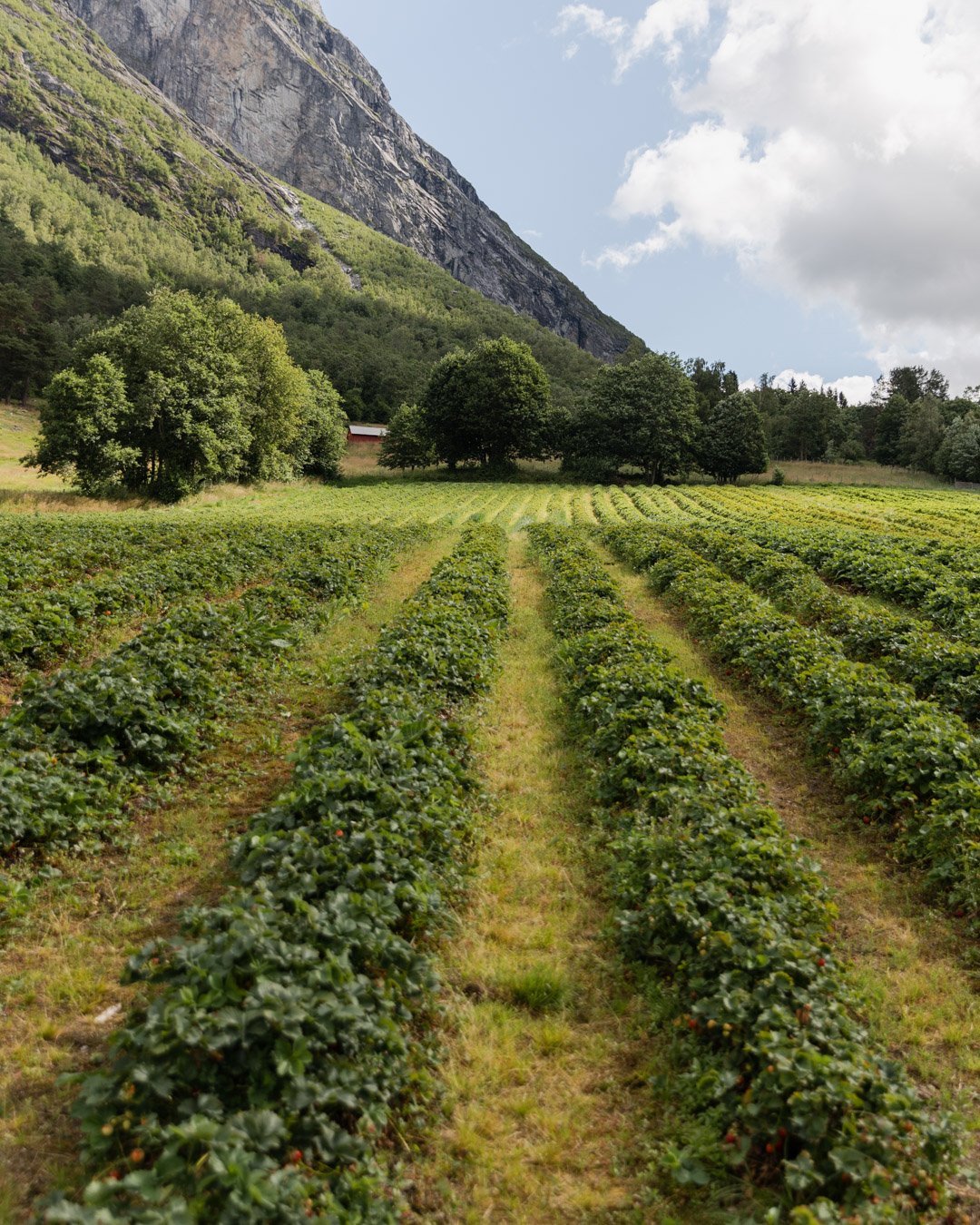
Dining at Juvet celebrates the flavors of the region and the rhythms of Scandinavian life. Communal dinners in the restored barn bring guests together over old-fashioned smoked salmon, bacalao from Ålesund, fresh produce from Storstova farms, and apple juice from the valley. Don’t miss the famous strawberry cream cakes from Åse at the Jordbærstova. Each meal is a celebration of local ingredients, prepared with care and shared in spaces that invite connection, from the barn to terraces overlooking the river and mountains.
Getting There
Juvet Landscape Hotel is approximately 2.5 hours by car from Ålesund Airport and 5 hours from Bergen. The journey passes fjords, waterfalls, and forested valleys, providing a preview of the immersive wilderness experience that awaits.
WILD INITIATIVES
The hotel was designed with low environmental impact in mind. Cabins are elevated to protect soil and vegetation, and construction relied on local timber and natural materials wherever possible. Energy efficiency, water stewardship, and sustainable operations are central to the estate’s philosophy. Guests staying at Juvet contribute to the preservation of this pristine canyon and its surrounding ecosystems while experiencing luxury that respects and honors the land.
*Images property of JUVET LANDSCAPE HOTEL, Andreas Andersson, ©PES, ©MG, ©BRY
The Arctic Hideaway
NORWAY
The Arctic Hideaway
NORWAY
The Arctic Hideaway
norway
PERSONALITIES
Creatives. Architecture lovers. Explorers. Minimalists. Artists.
MOMENTS
A true hygge experience. (a Norwegian word for a mood of coziness and feeling of contentment.) Slow living. Stillness and peace. Being cut off from the rest of the world. Transforming and creating. Jumping in the arctic waters after the sauna. Leaving inspired.
BEST VISITING MONTHS
November to March for aurora spotting and winter adventures; June to August for midnight sun, hiking, and island exploration
COST

WHY STAY
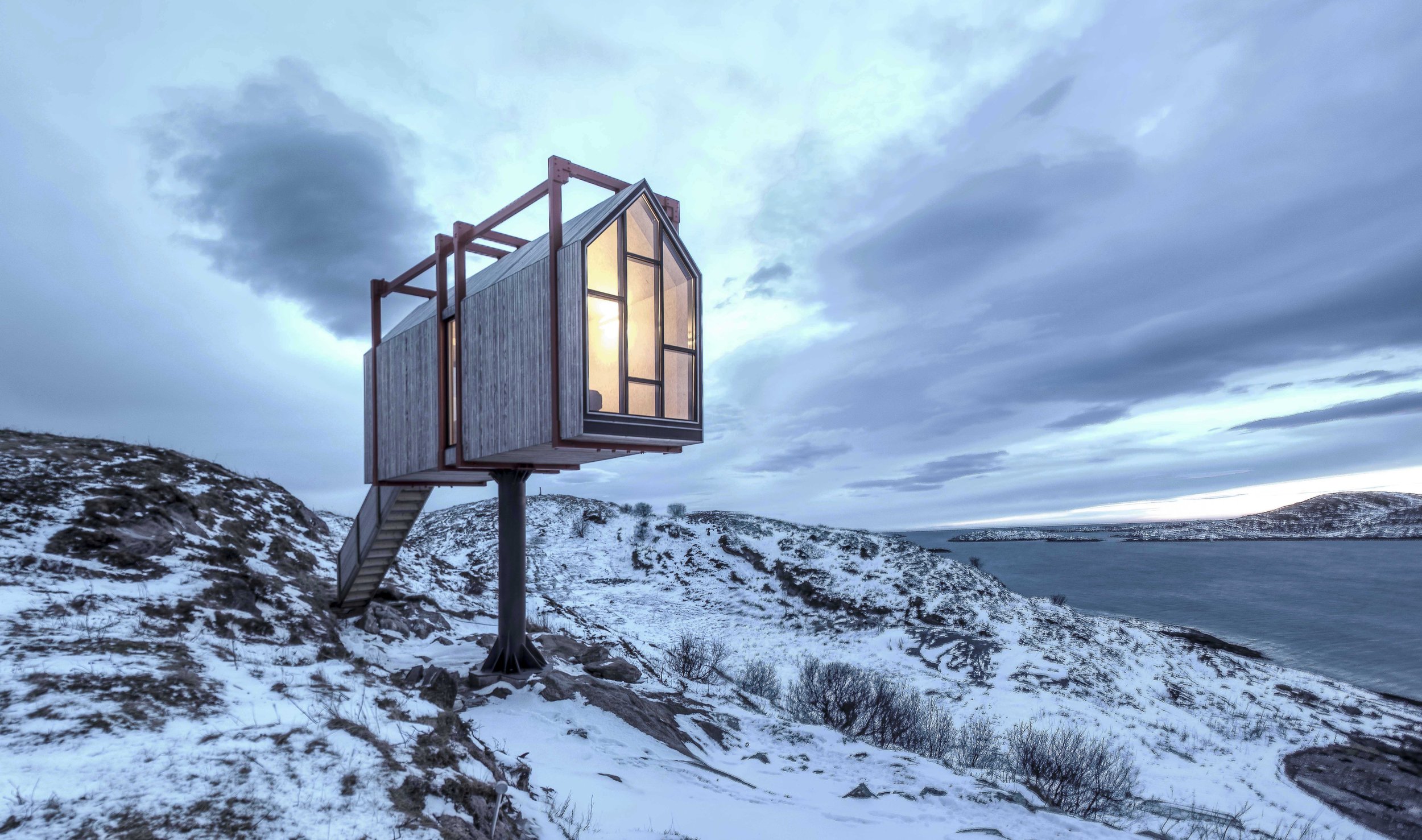
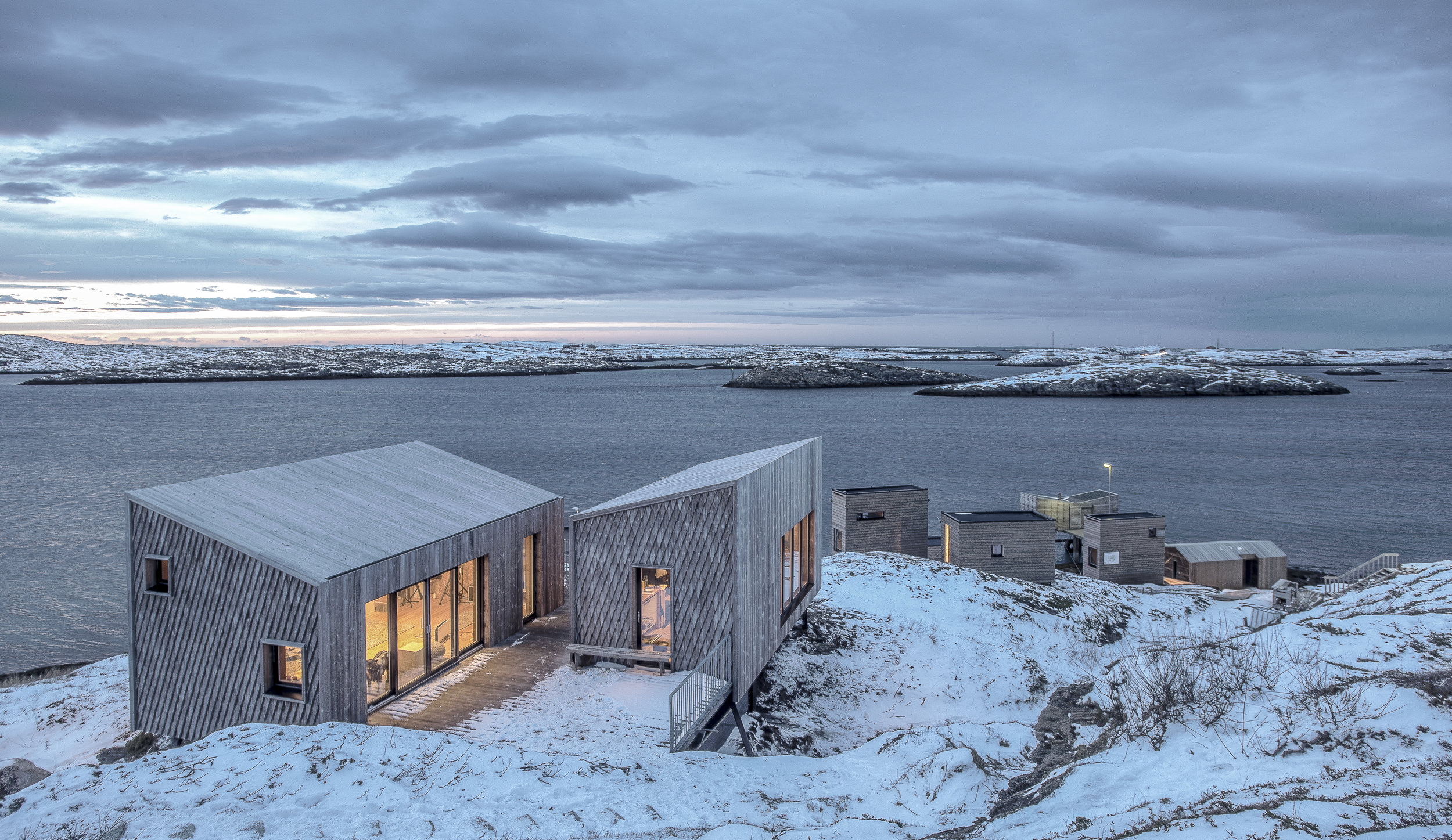
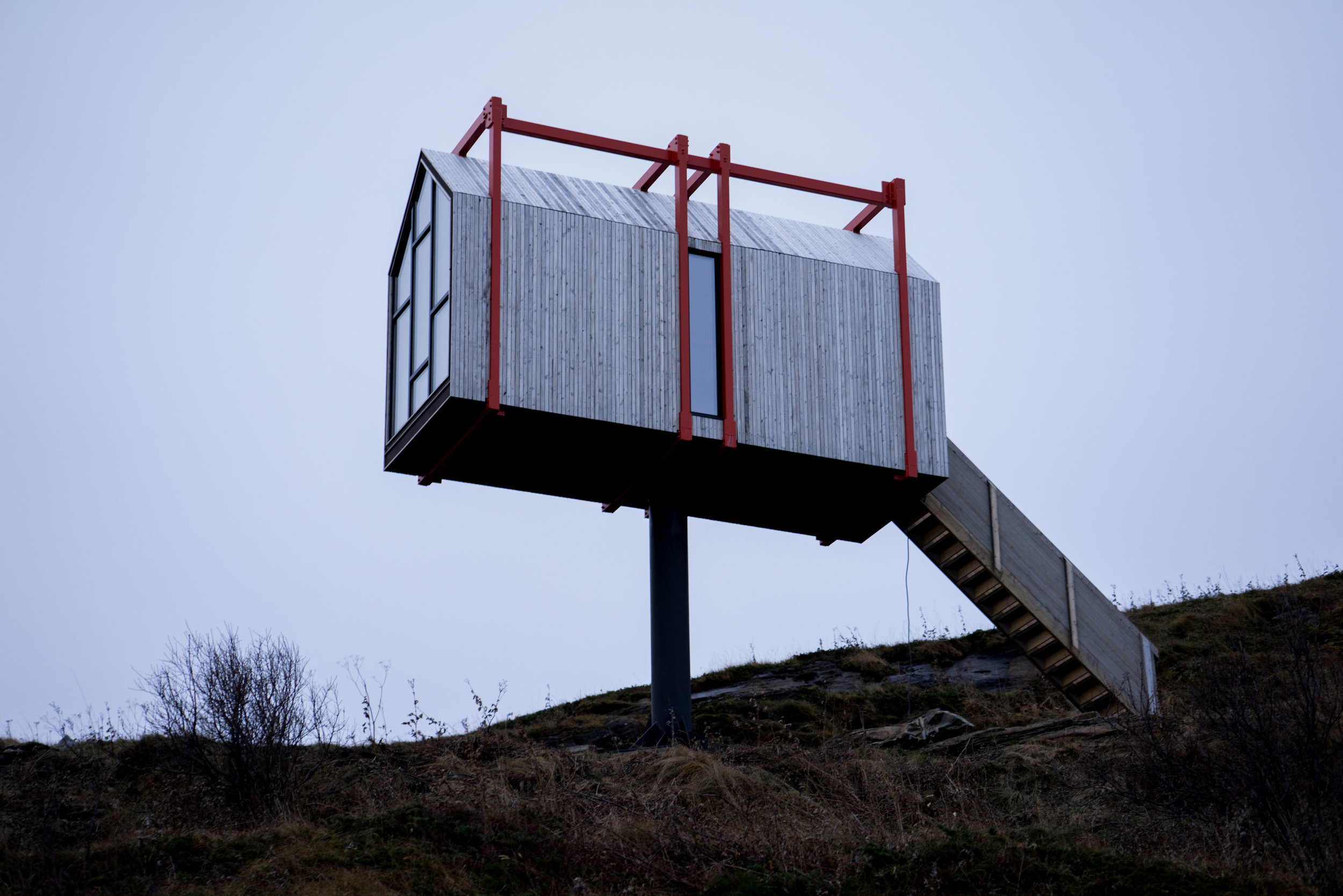
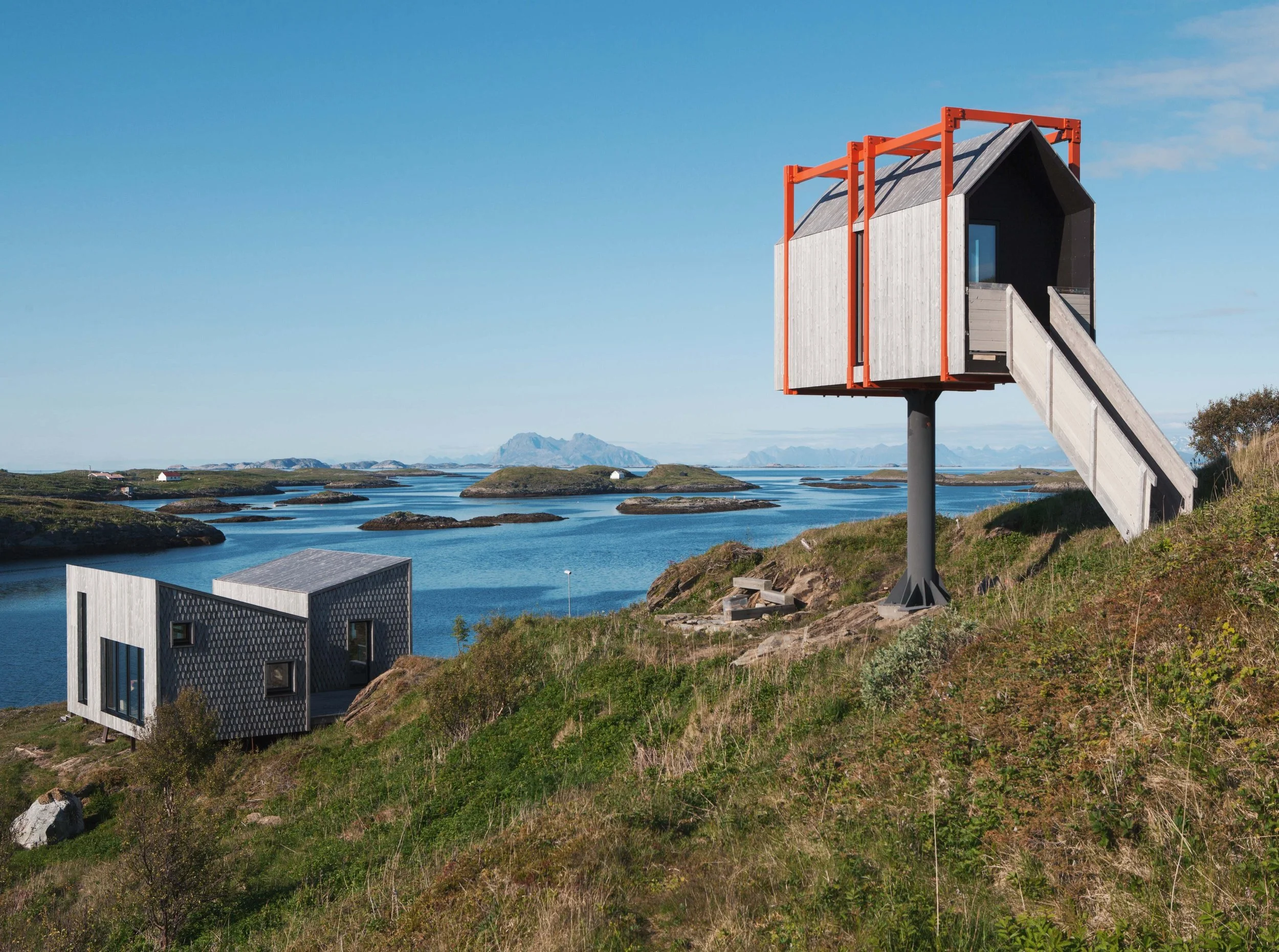
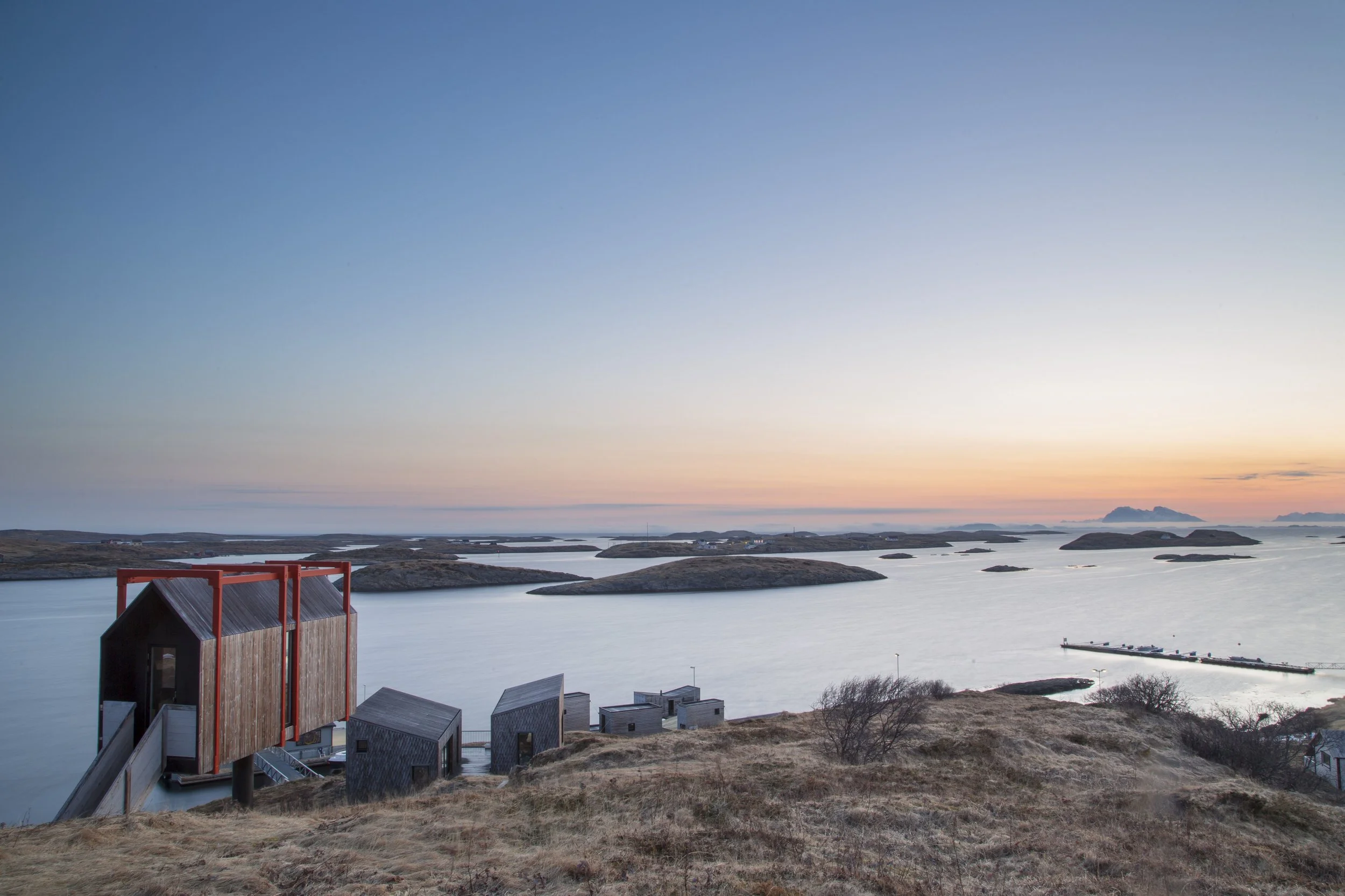
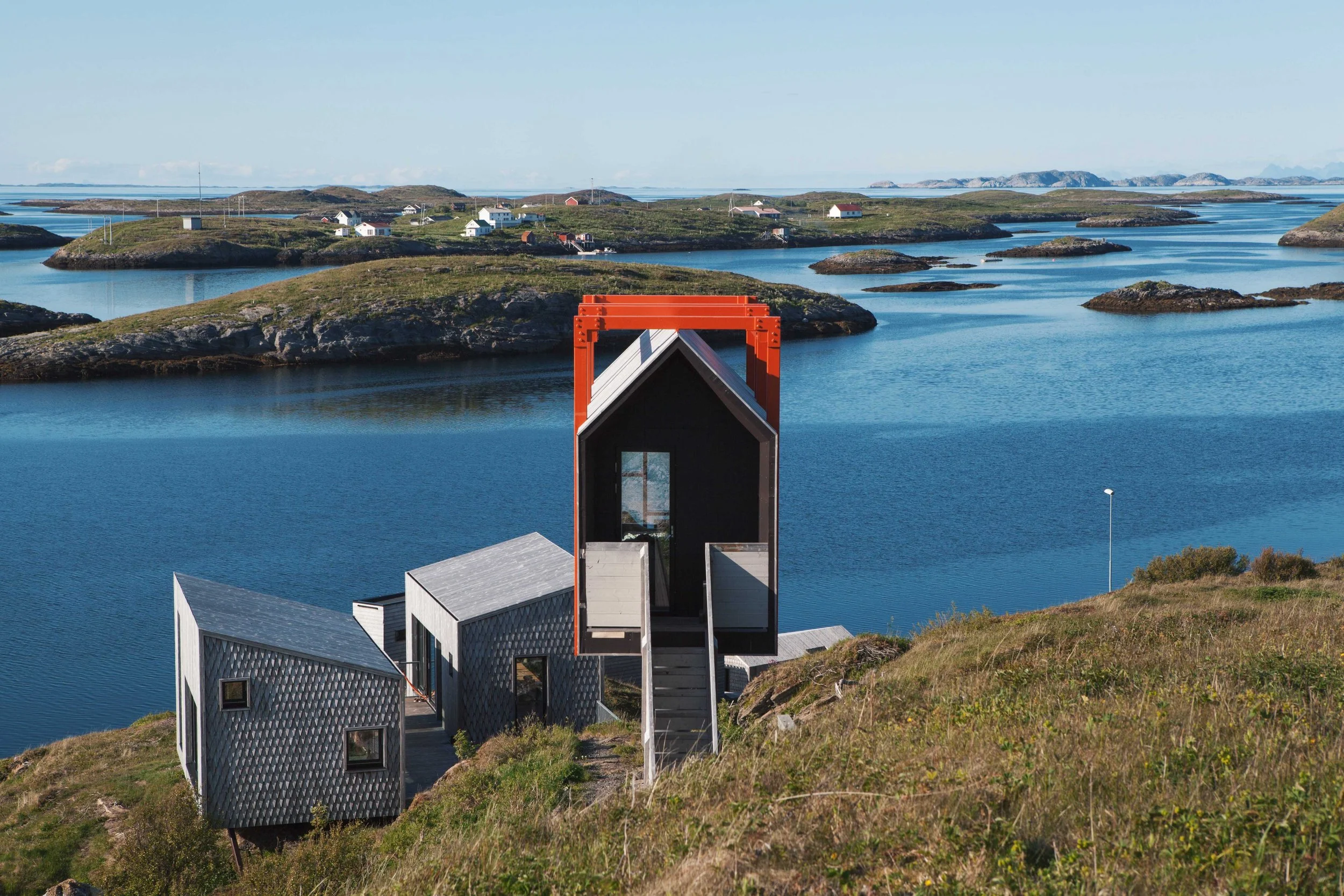
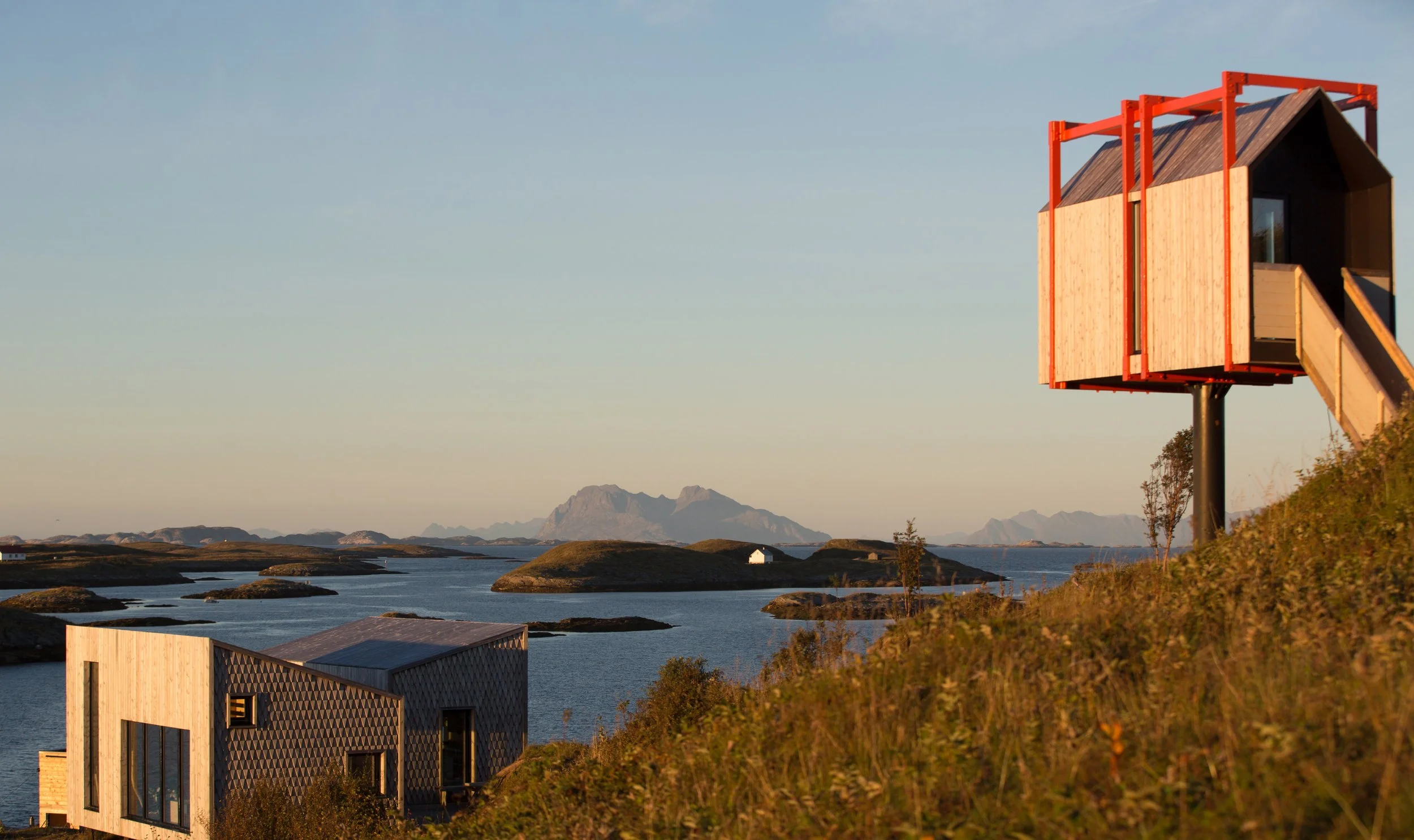
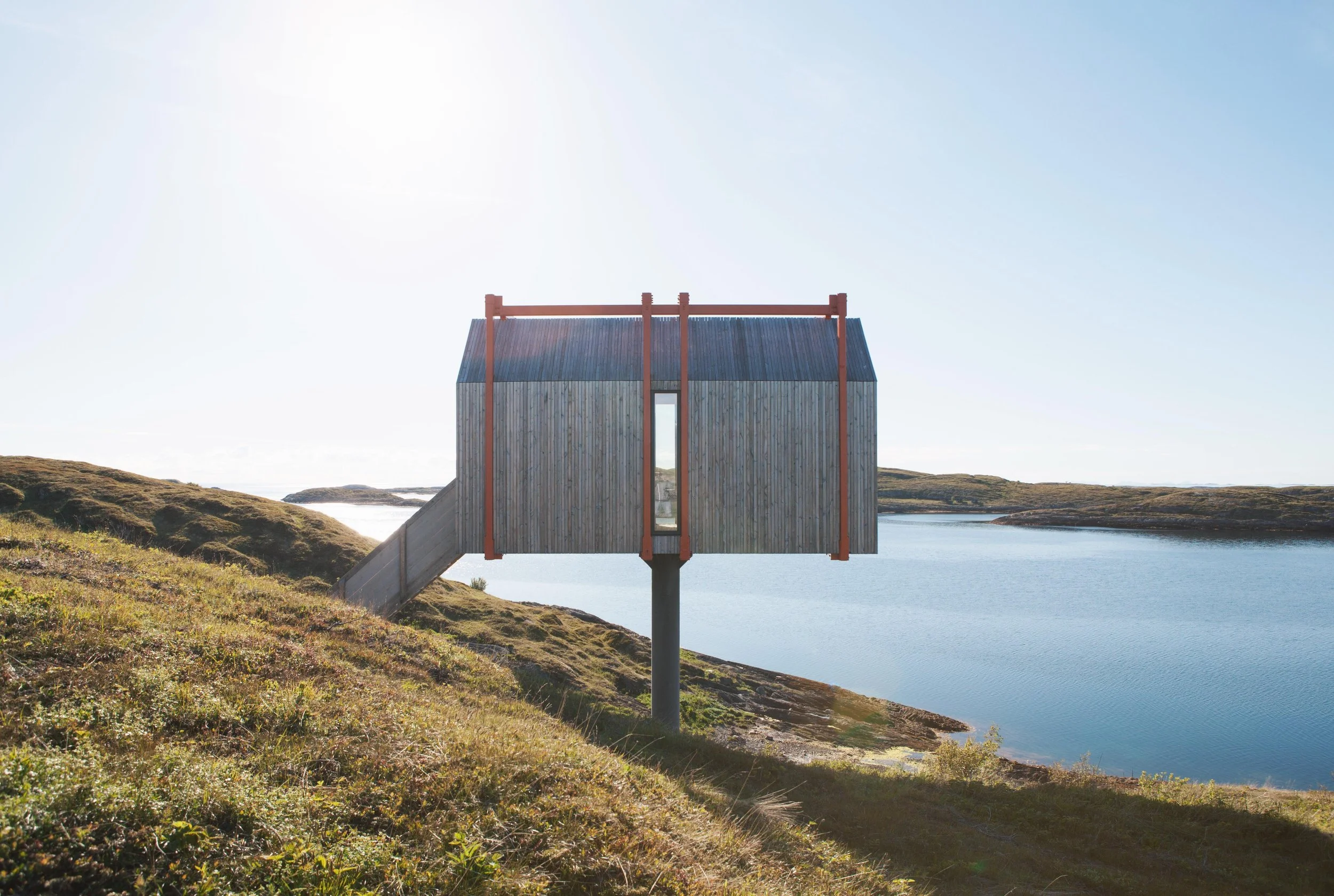
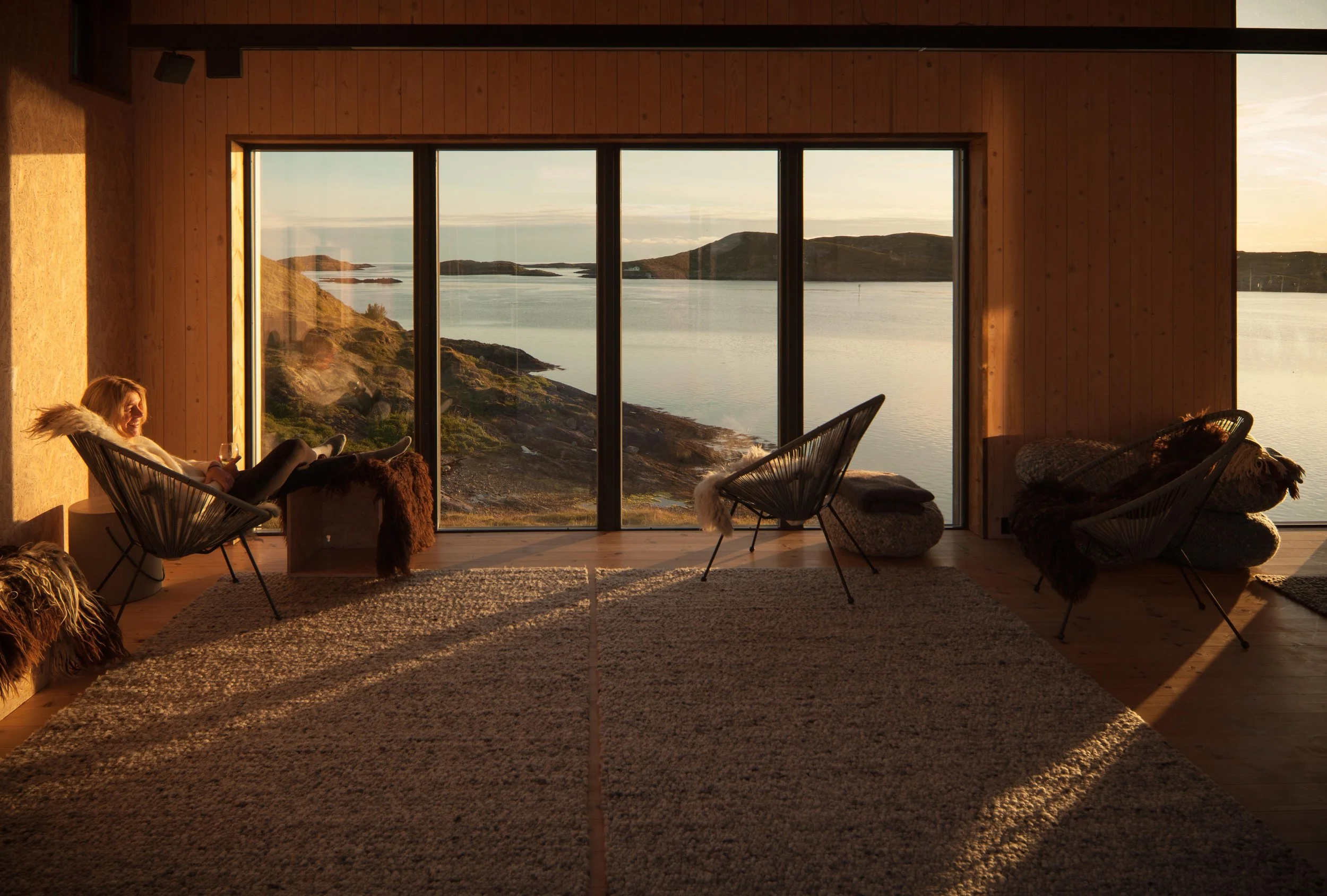
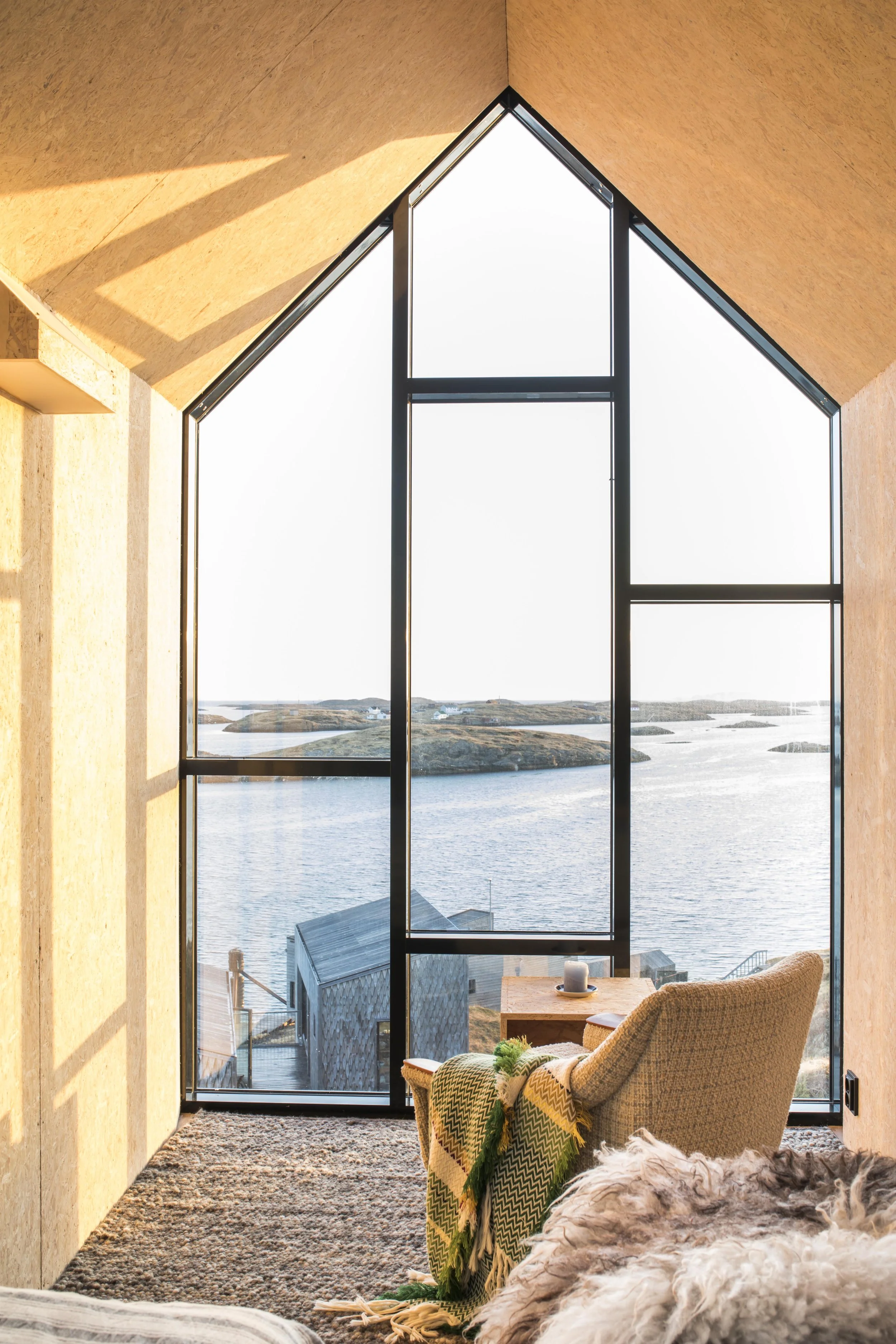
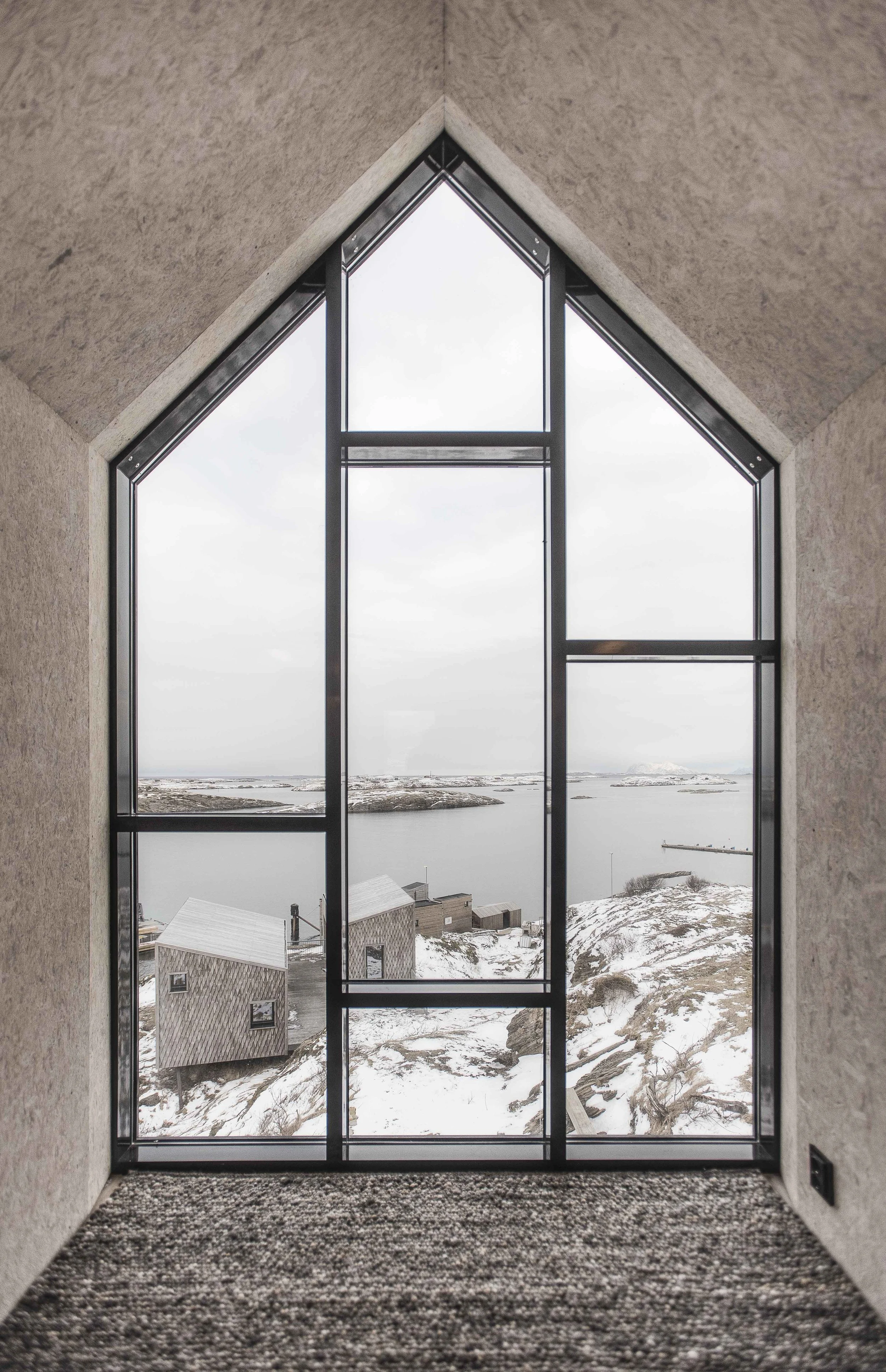
Fordypningsrommet Fleinvær, also known as The Arctic Hideaway, is a remote retreat created by musician Håvard Lund. Located on the island of Sørvær in the Fleinvær archipelago outside Bodø, Norway, the hideaway is designed for creatives seeking inspiration and solitude. The property offers panoramic views of the Arctic Sea, scattered islands, and icy mountain peaks, all framed by large windows that connect guests with the surreal beauty of the landscape.
The retreat consists of 10 tiny houses, each designed for sleeping, eating, and bathing, offering a minimal yet cozy experience. Interiors feature natural wood, warm textiles, and thoughtful furnishings that merge comfort with a sense of immersion in the Arctic environment. The design encourages reflection and creative work, with some guests even applying for the artist-in-residence program for a complimentary stay. Guests can relax in wood-fired hot tubs, watch the northern lights, and completely disconnect from daily life, letting raw nature and quiet landscapes shape their experience.
The location and setting offer an unparalleled connection to Arctic wilderness. Each cabin is oriented to maximize views of the sea and surrounding islands, providing privacy while keeping the environment ever-present. The retreat allows visitors to slow down, breathe in the crisp air, and engage fully with the sensory rhythm of the landscape, making it a haven for creatives and anyone seeking total escape.
WHY WANDER
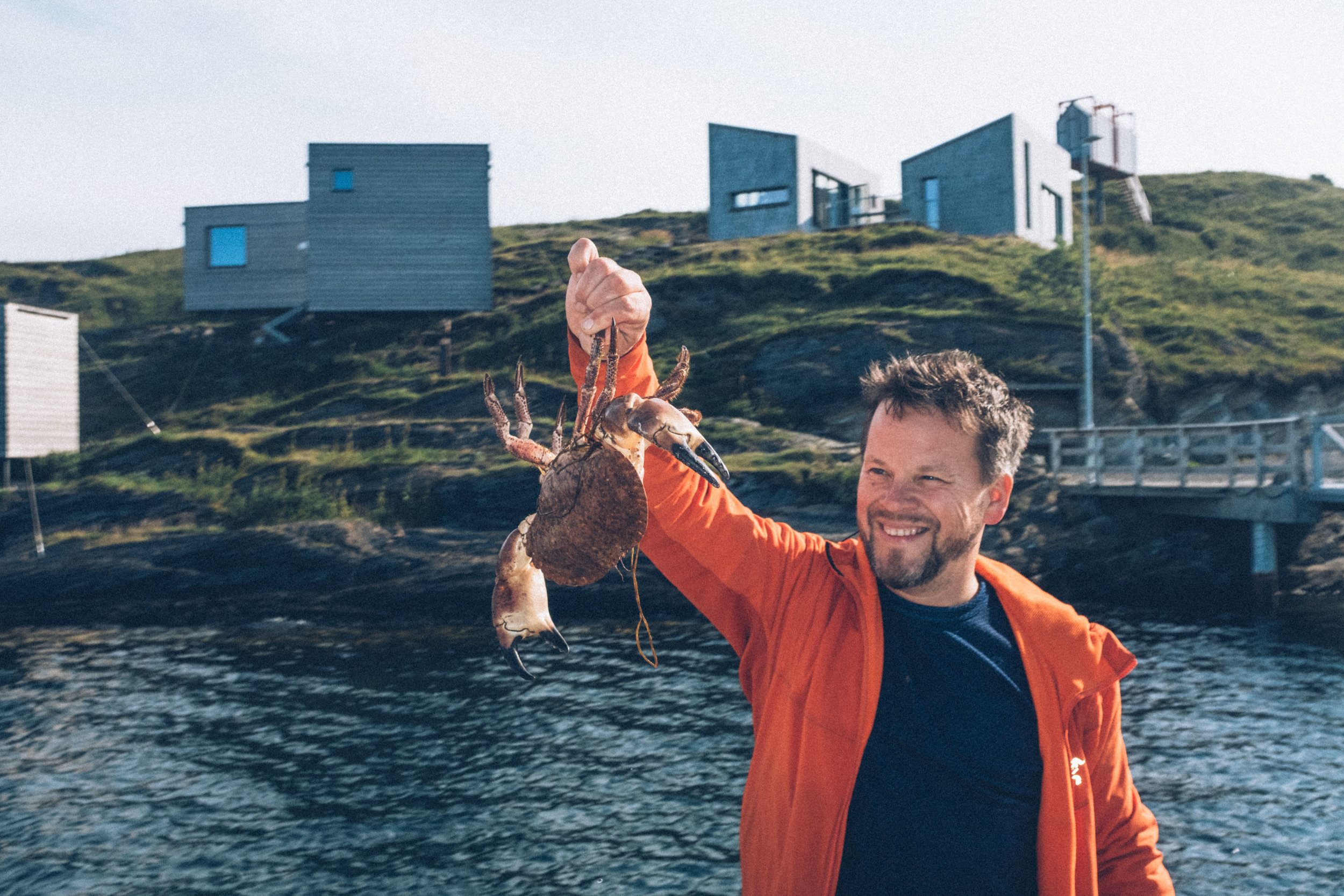
The Fleinvær archipelago invites exploration across seasons. In winter, snowshoeing, cross-country skiing, and northern lights excursions immerse guests in pristine Arctic conditions. Summer opens opportunities for island-hopping, kayaking between rocky outcrops, hiking across rugged terrain, and birdwatching amid seabird colonies. Wildlife spotting is frequent, from seals resting on remote islands to Arctic foxes darting across the tundra.
Guests can also engage with local culture and heritage. Fishing with local guides offers hands-on experiences, while visits to neighboring islands reveal small villages and traditional Nordic life. Every excursion reinforces the raw, unspoiled character of the Arctic, combining adventure with moments of quiet reflection. The surrounding seascapes and mountains ensure that even short walks, boat trips, or photo excursions feel like full immersion into an untouched ecosystem.
For those seeking creative inspiration, the environment itself becomes part of the journey. Artists and writers can wander with sketchbooks, cameras, or instruments, letting the dramatic vistas, shifting weather, and natural textures inform their work. Each season offers a new palette, from winter whites to summer greens and autumnal tones, creating a constantly evolving backdrop for exploration and creativity.
INDULGE IN
Dining at The Arctic Hideaway is intimate, centered on locally sourced and seasonal ingredients. Guests can enjoy freshly caught seafood, smoked fish, root vegetables, and preserved Arctic berries. Meals are served in individual tiny houses or the communal dining spaces, emphasizing warmth and connection with fellow travelers.
GETTING THERE
The Arctic Hideaway is reached via boat from Sørvær, with connections from Bodø Airport. The journey is part of the experience, with guests traveling through rugged islands, icy fjords, and open Arctic waters before arriving at the secluded retreat.
Wild Initiatives
The retreat champions low-impact, regenerative hospitality. Cabins are built with sustainably sourced timber and insulated to minimize energy use. Electricity is provided primarily by renewable sources, and waste management follows strict eco-guidelines. Local sourcing dominates the culinary program, supporting fishing communities and sustainable agriculture. Programs also encourage guests to engage with conservation, from beach clean-ups to wildlife observation ethics. Every aspect of the hideaway is designed to leave both guests and the land healthier, ensuring the Arctic environment thrives for generations to come.
*Images property of the Arctic Hideaway + Martin Losvik, Pasi Aalto, Pierre Wikberg , Jesse Beaman, Kathrine Sørgård.
Sorrisniva
NORWAY
Sorrisniva
NORWAY
Sorrisniva
norway
PERSONALITIES
Northern Lights chasers. Couples looking for winter wedding destinations.
MOMENTS
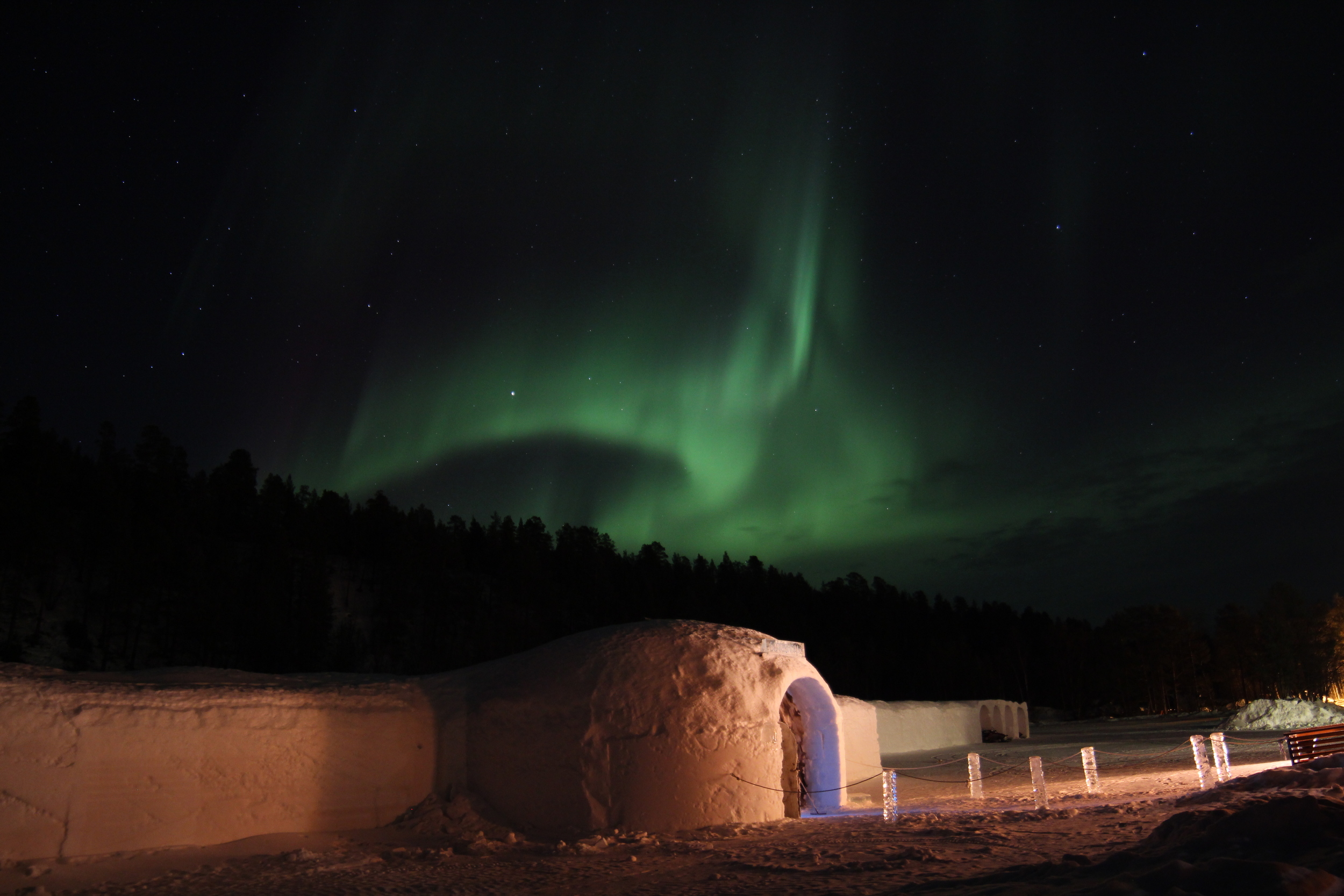
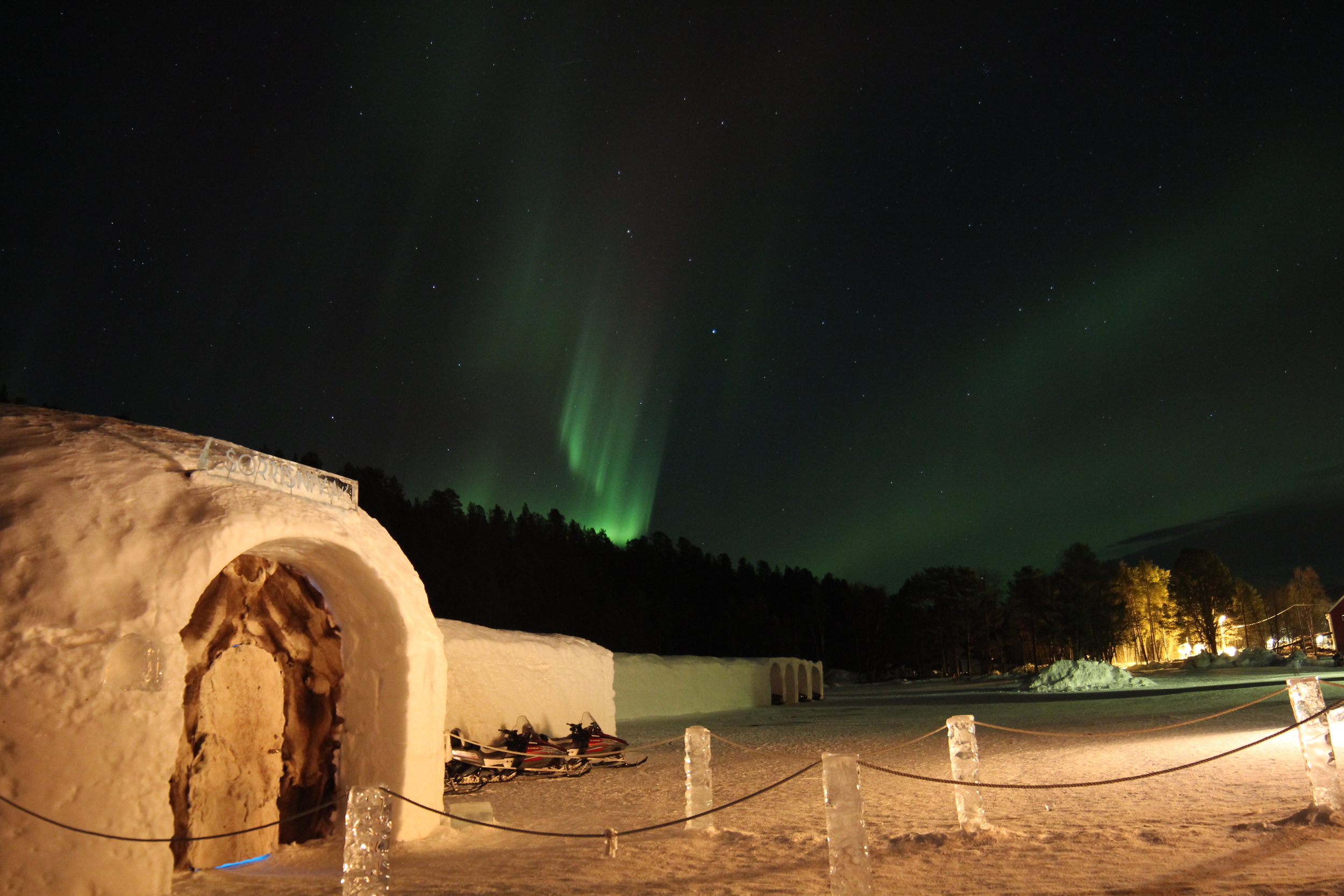
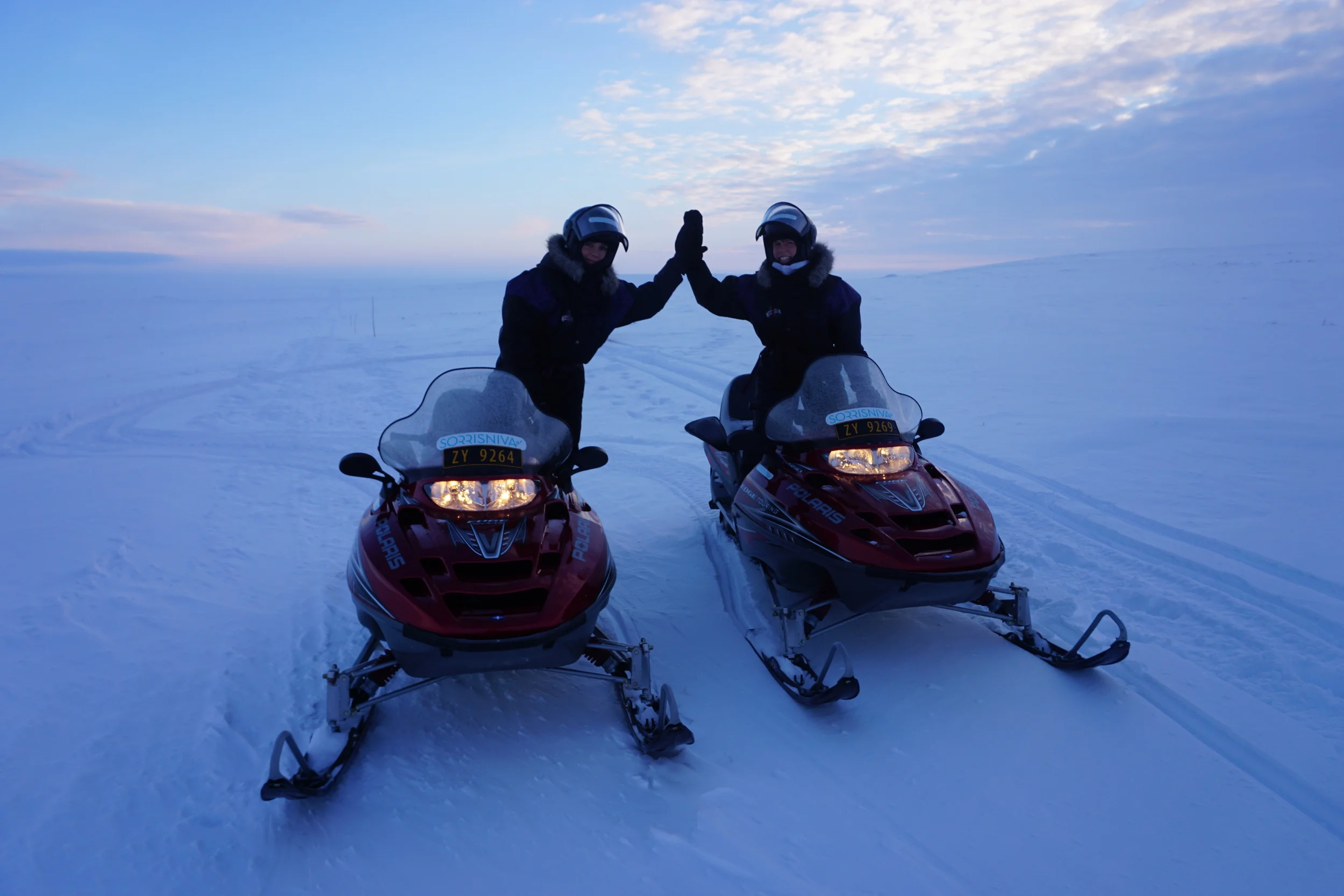
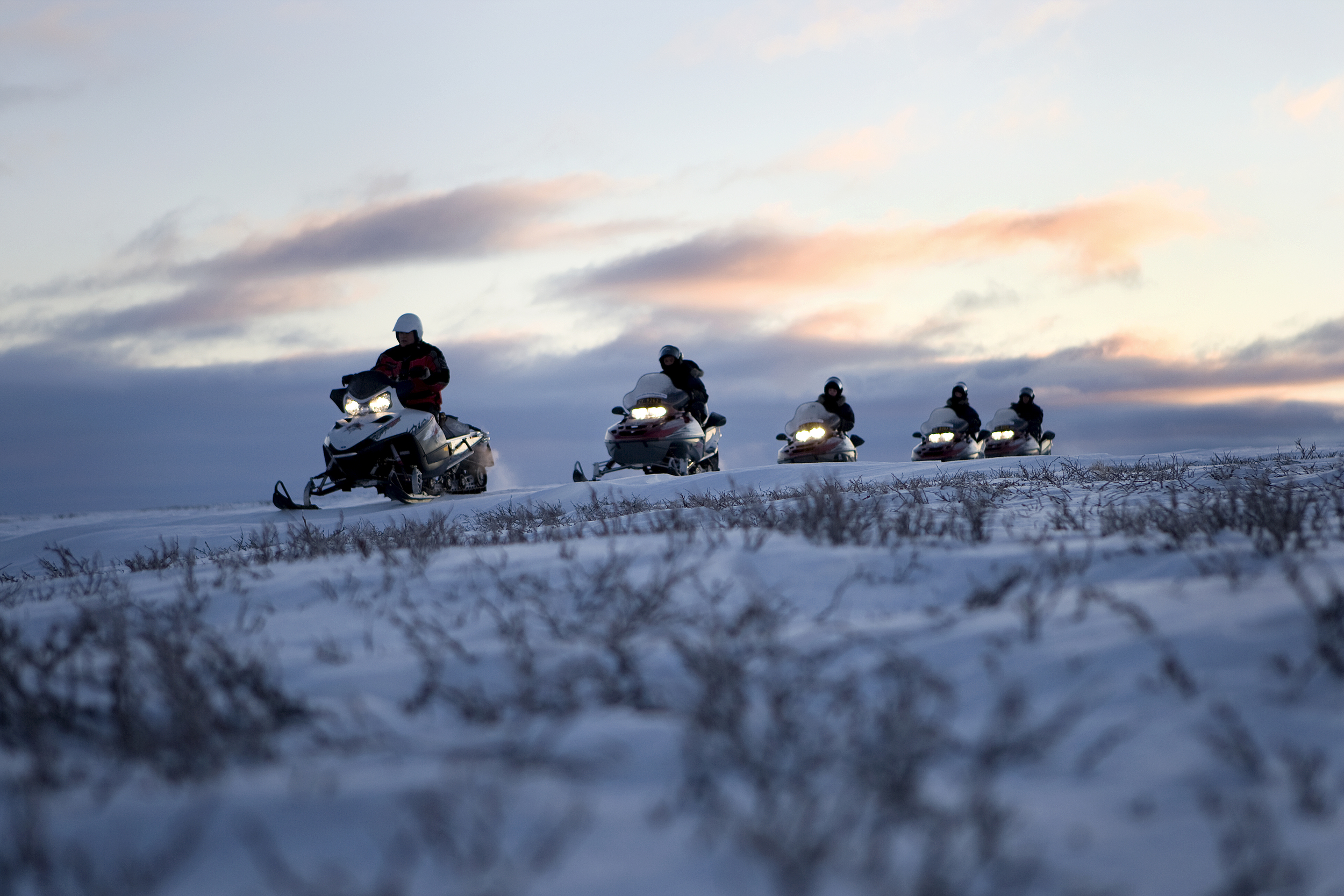
Crisp, quiet mornings. A world made of ice. Aurora lights the sky. Ice chapel ceremony. Snowmobiling along frozen river. Crossing Arctic tundra. Warming up in the sauna after a day full of adventure.
BEST VISITING MONTHS
December to March for ice suites and northern lights; February to April for optimal snow-based activities.
COST

WHY STAY
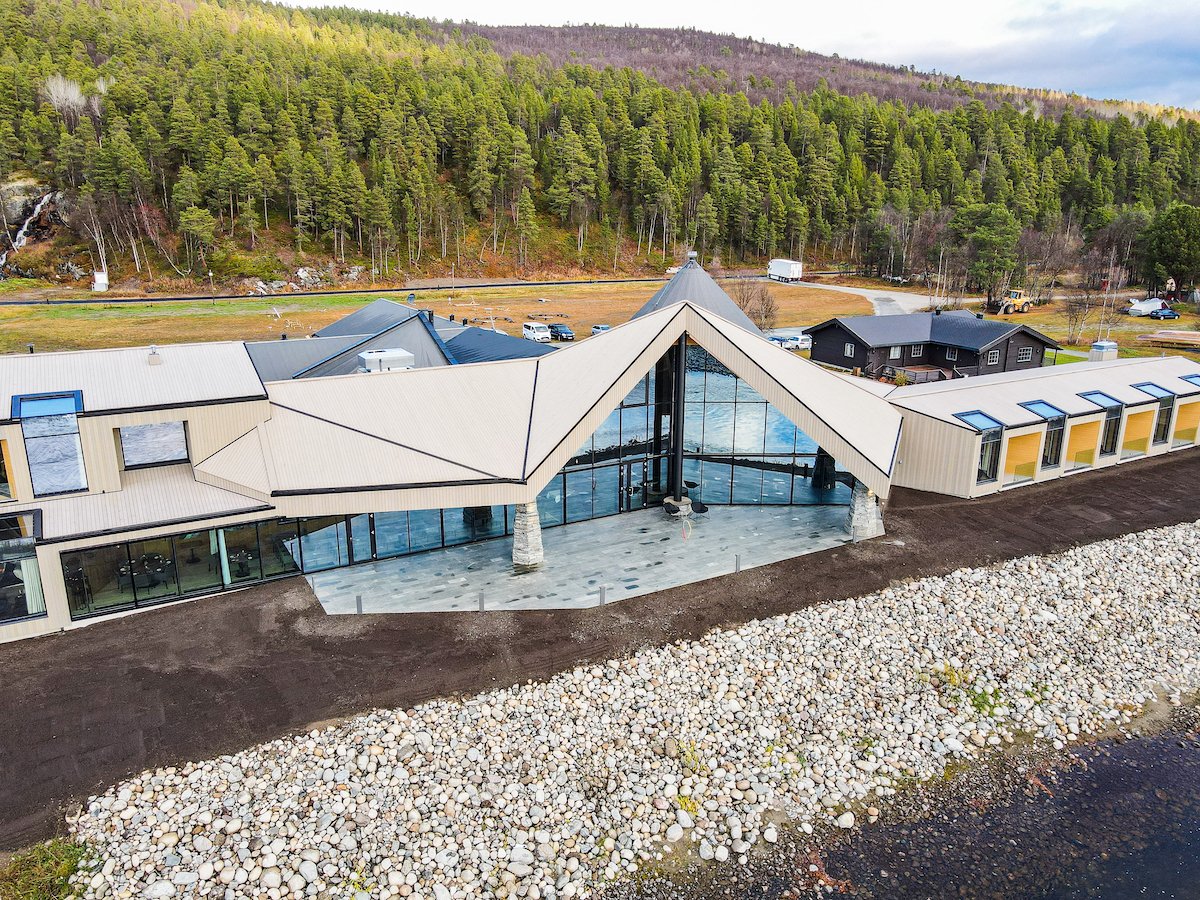
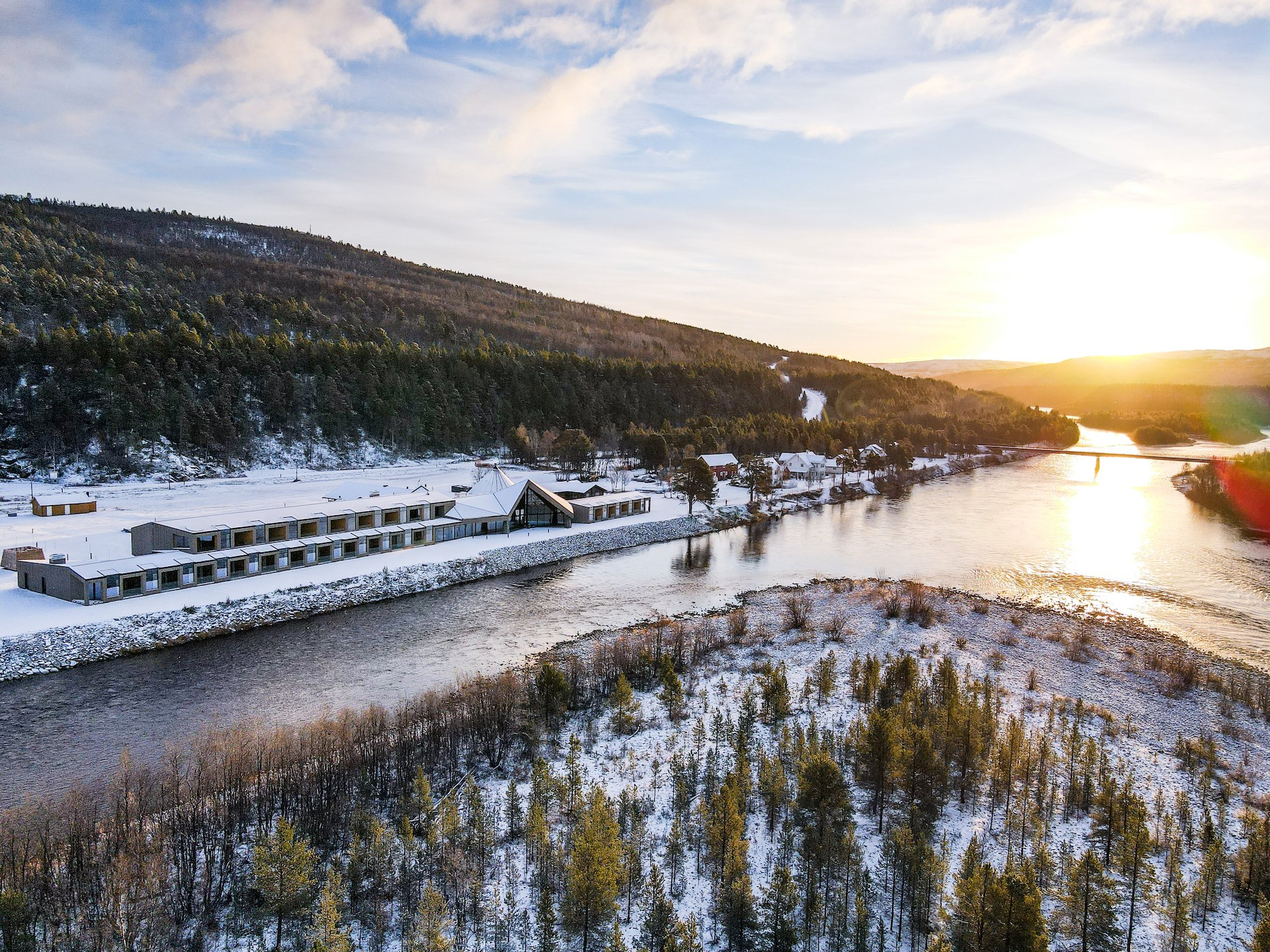
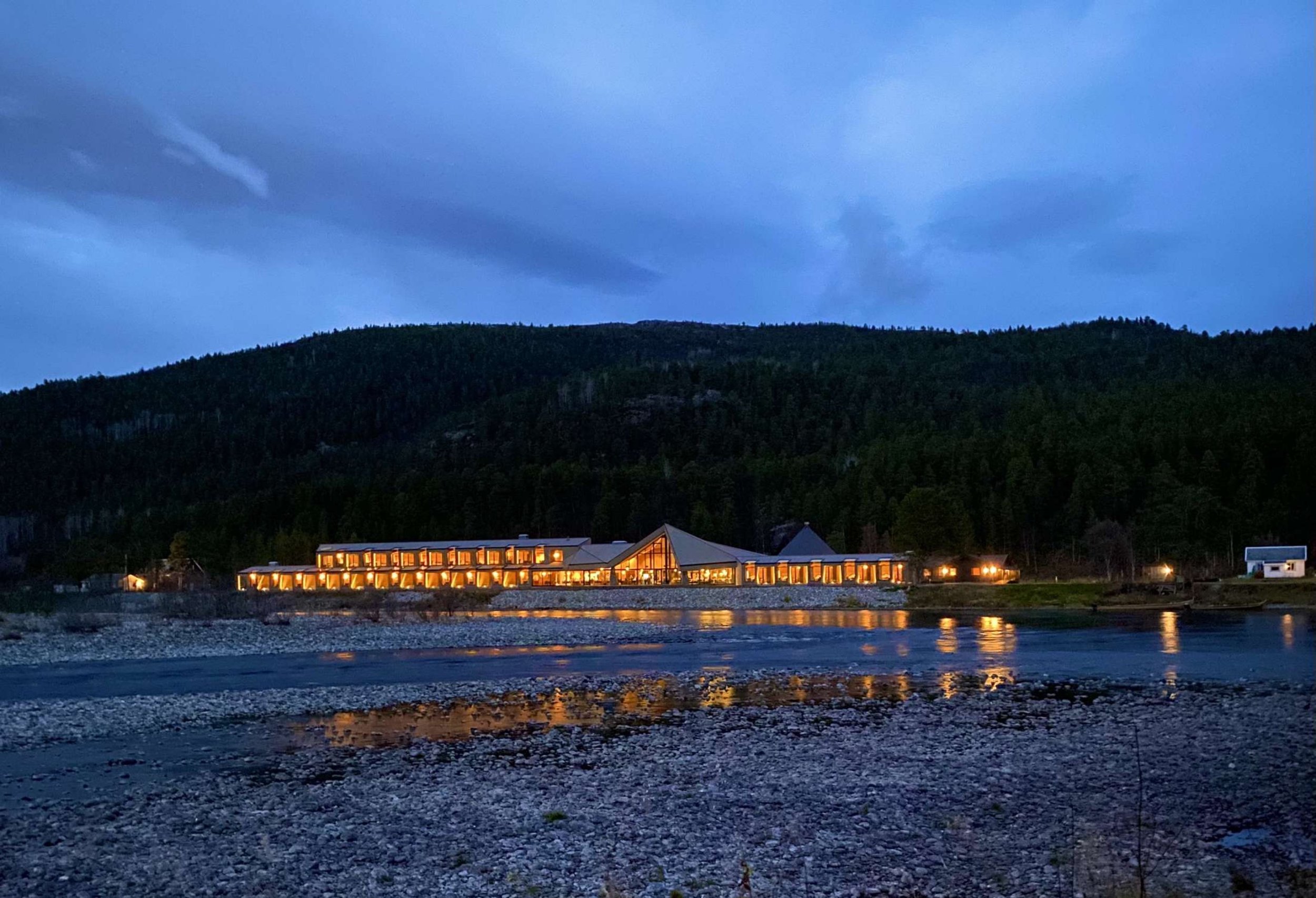
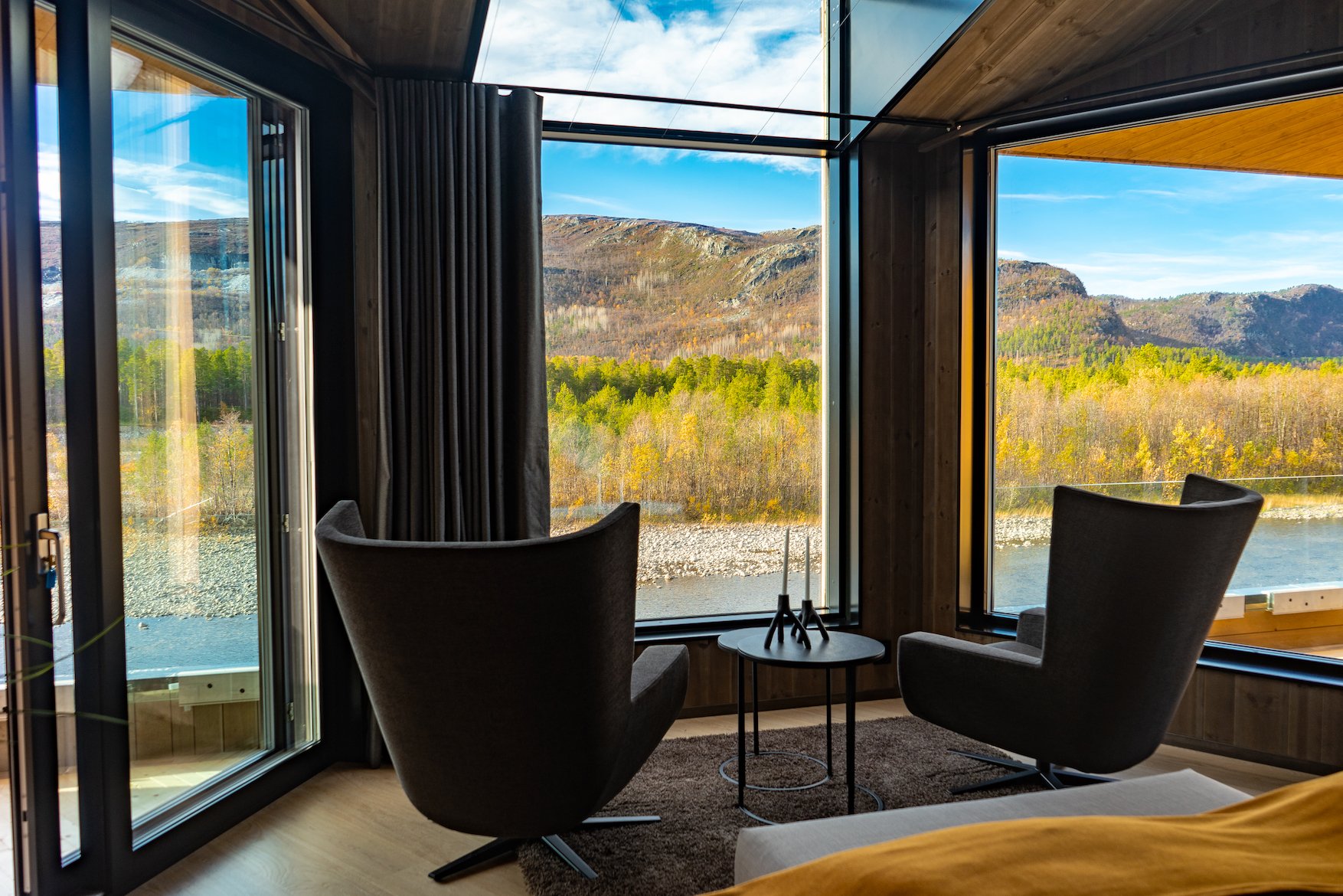
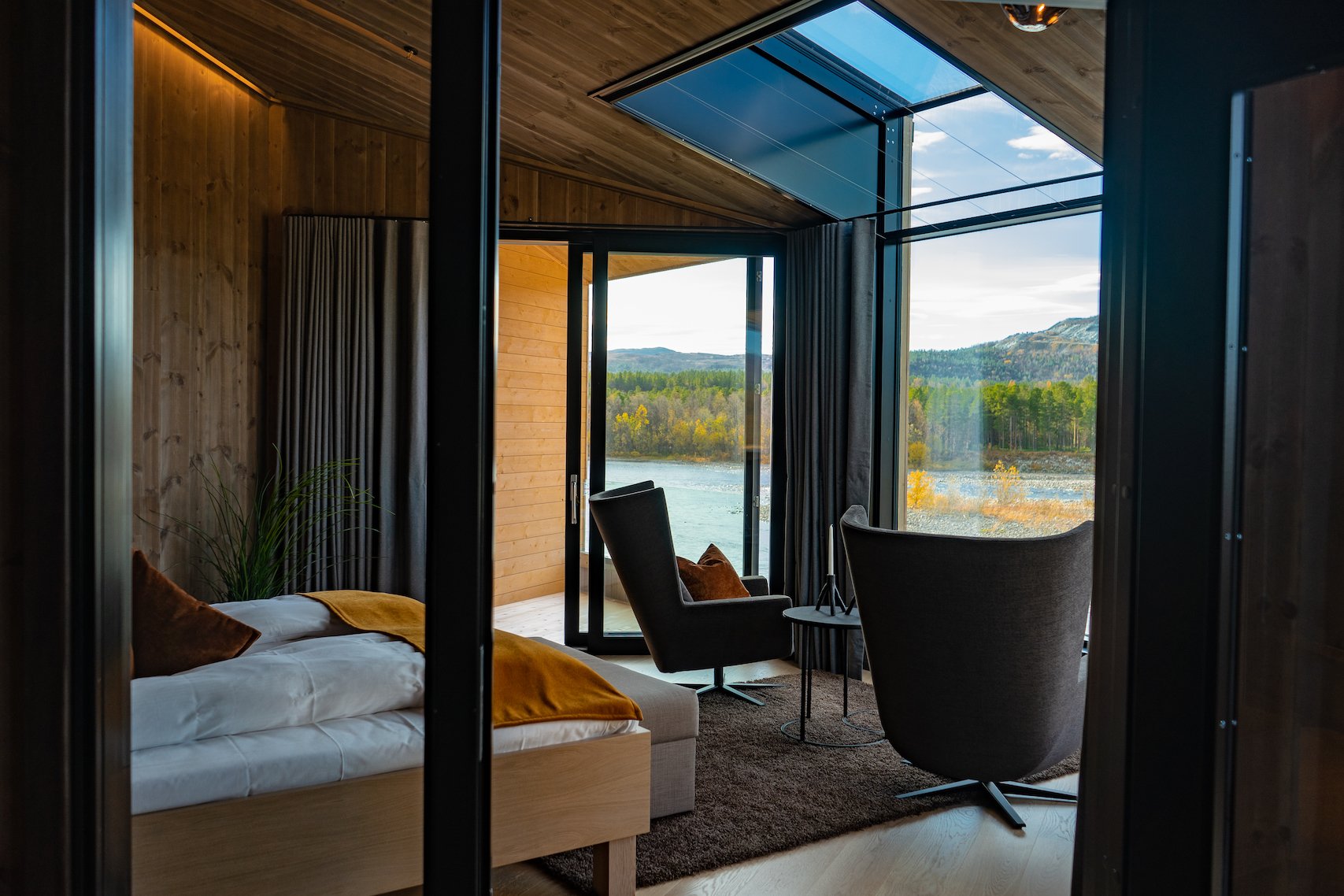
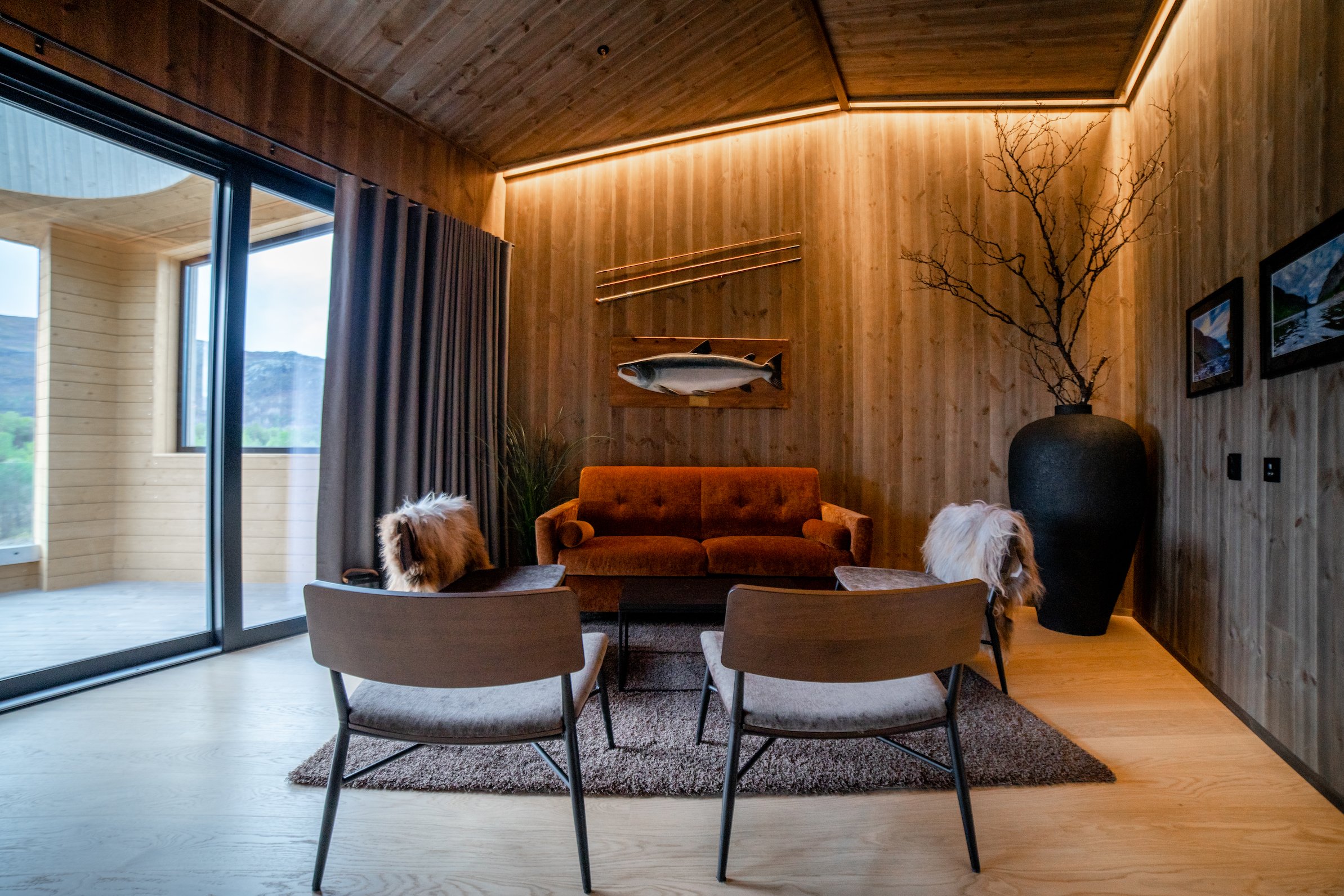
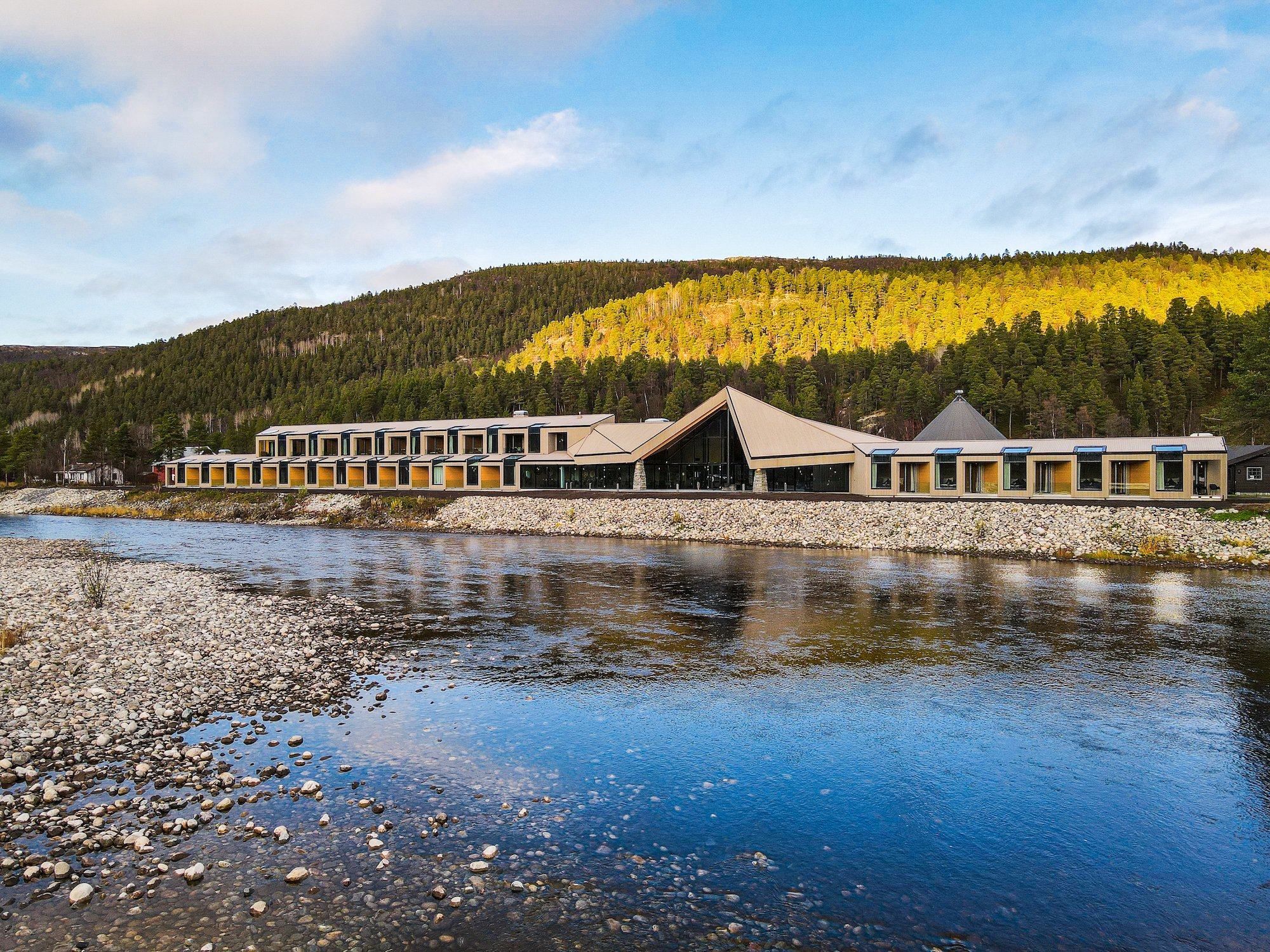
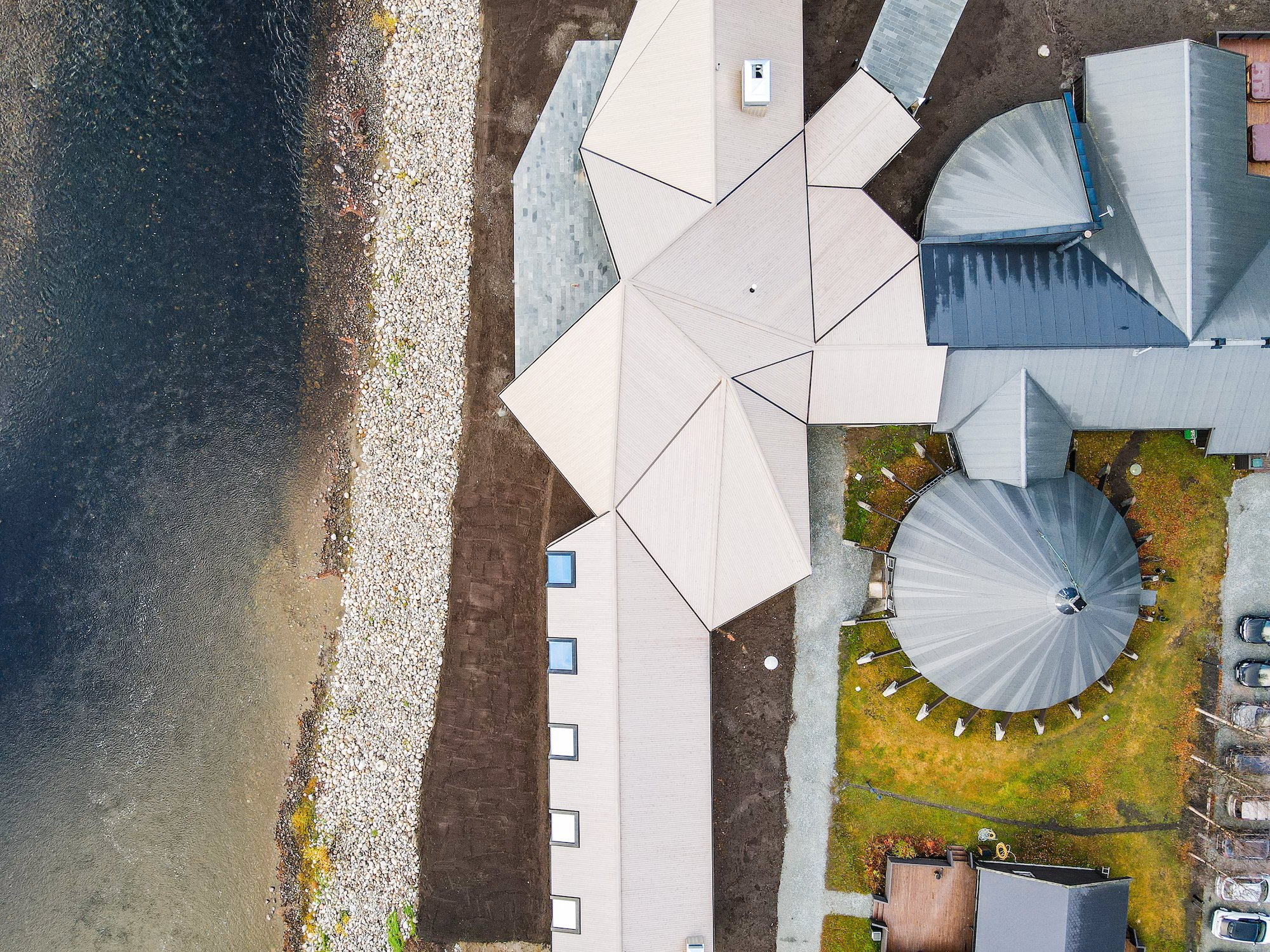
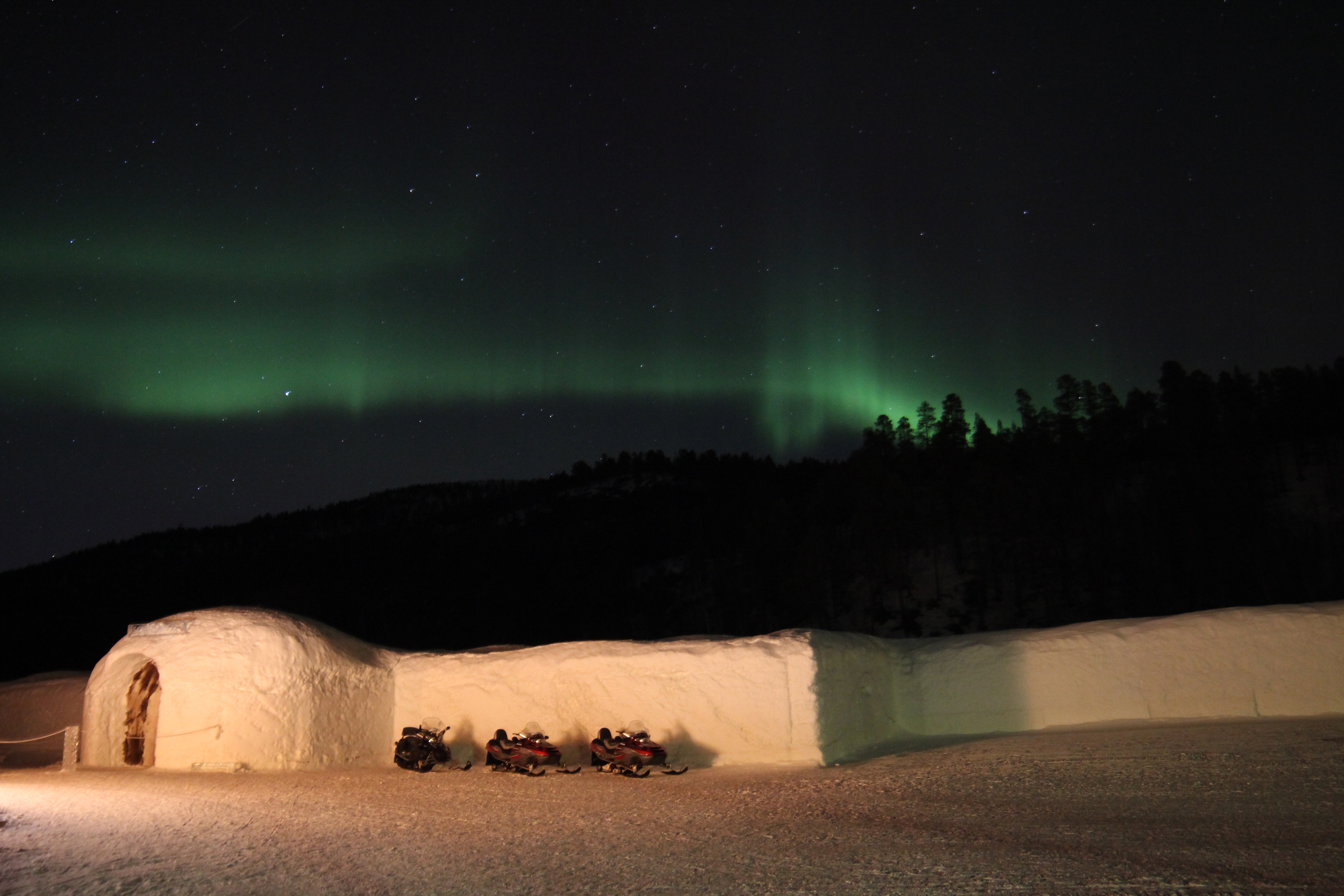
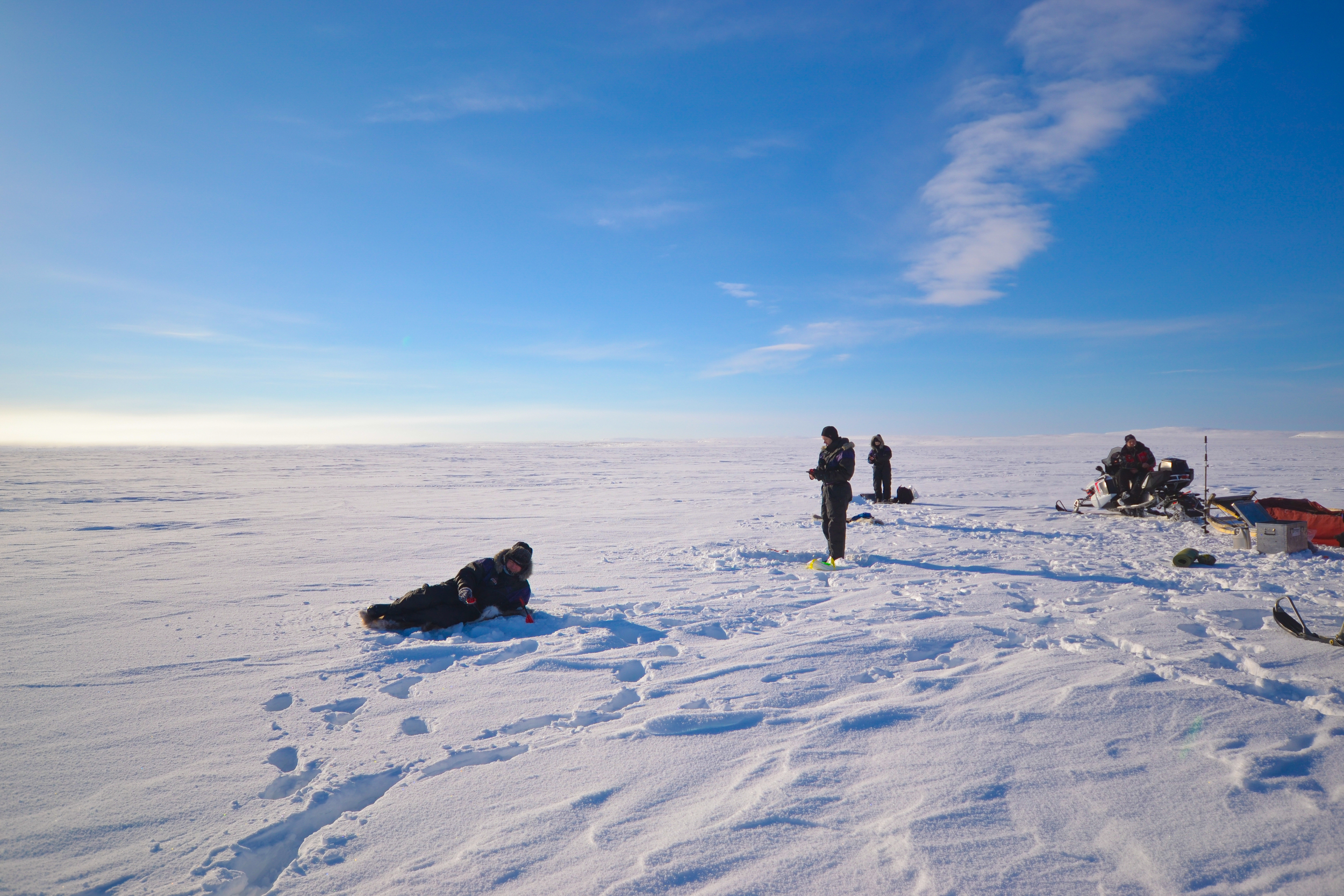
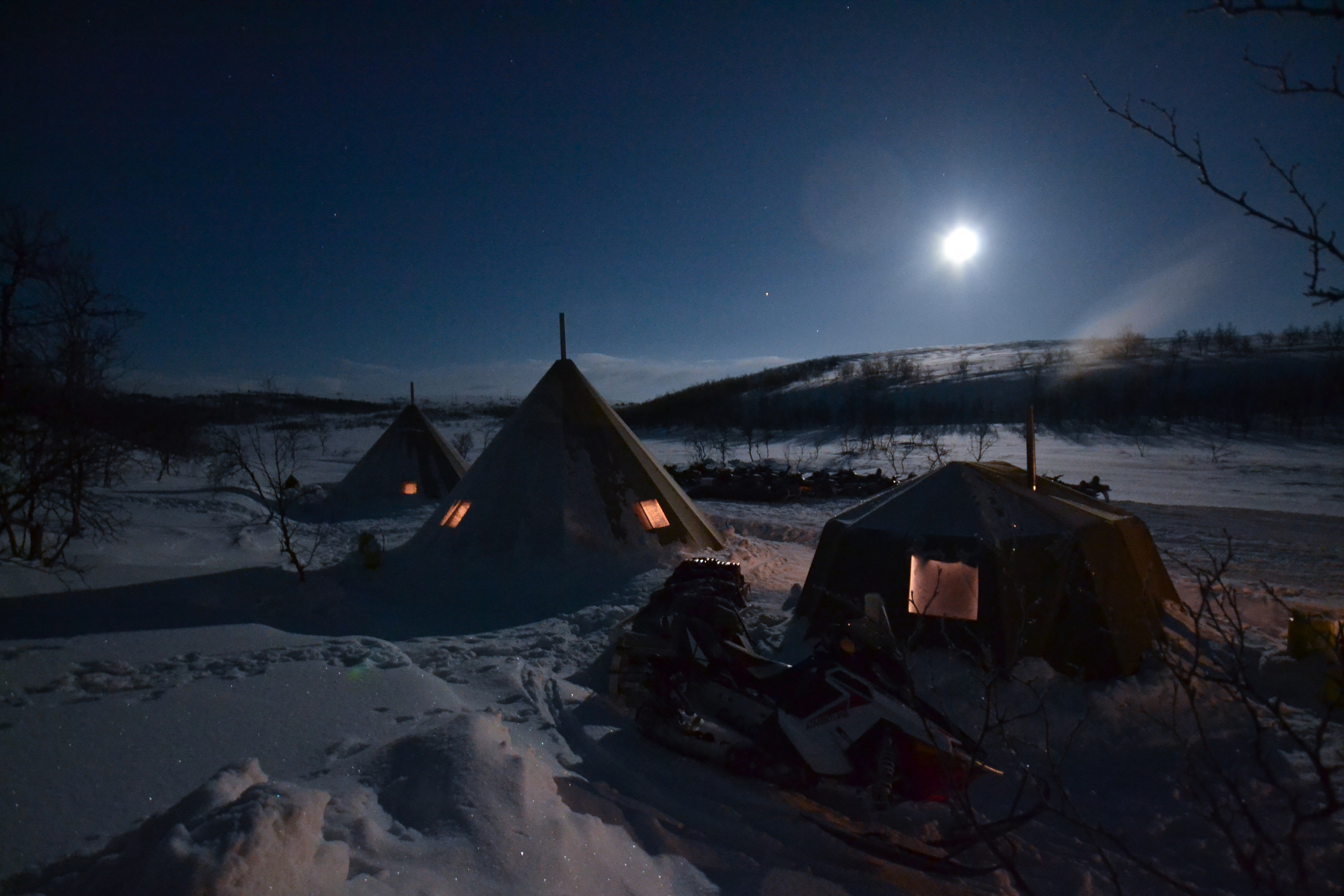
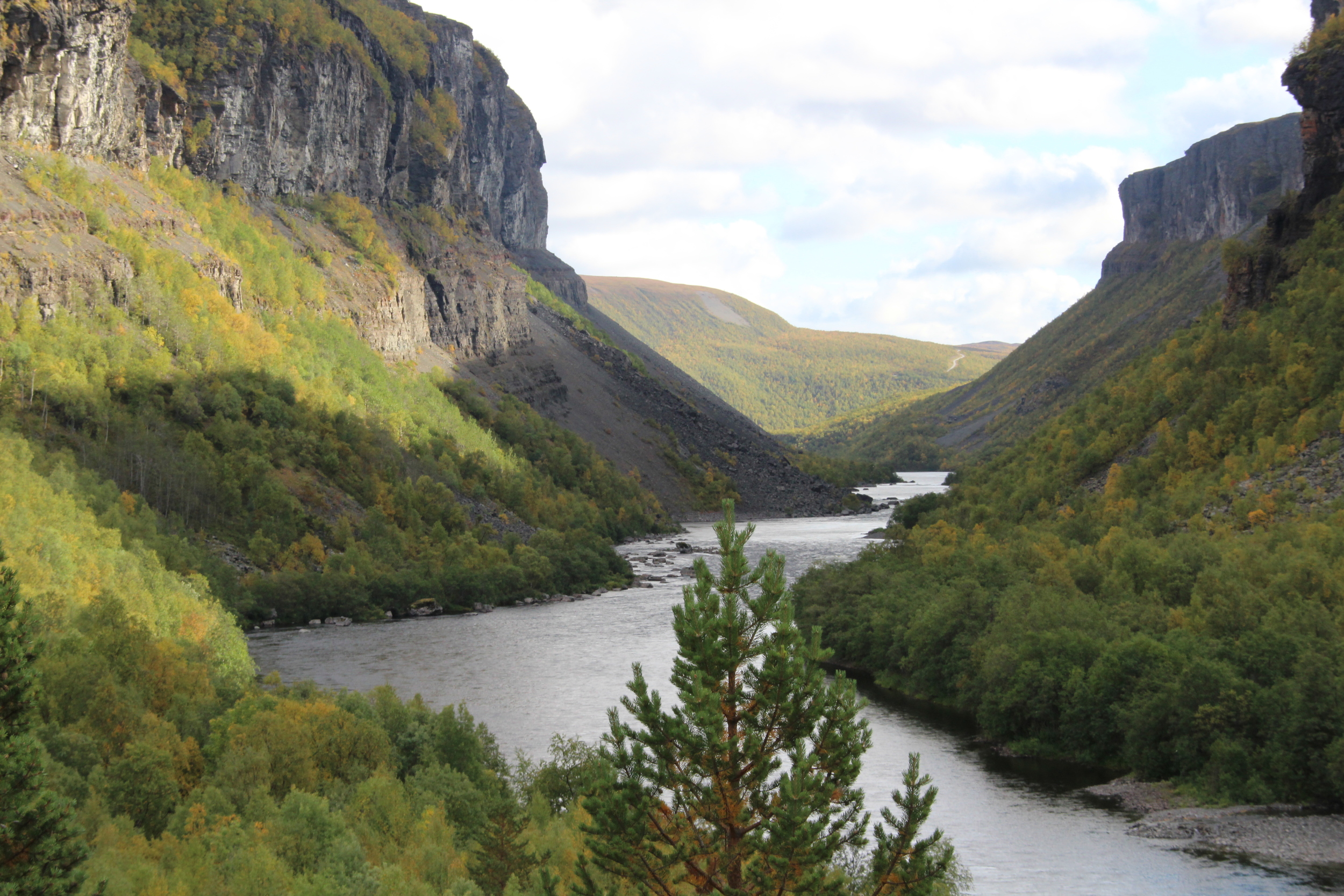
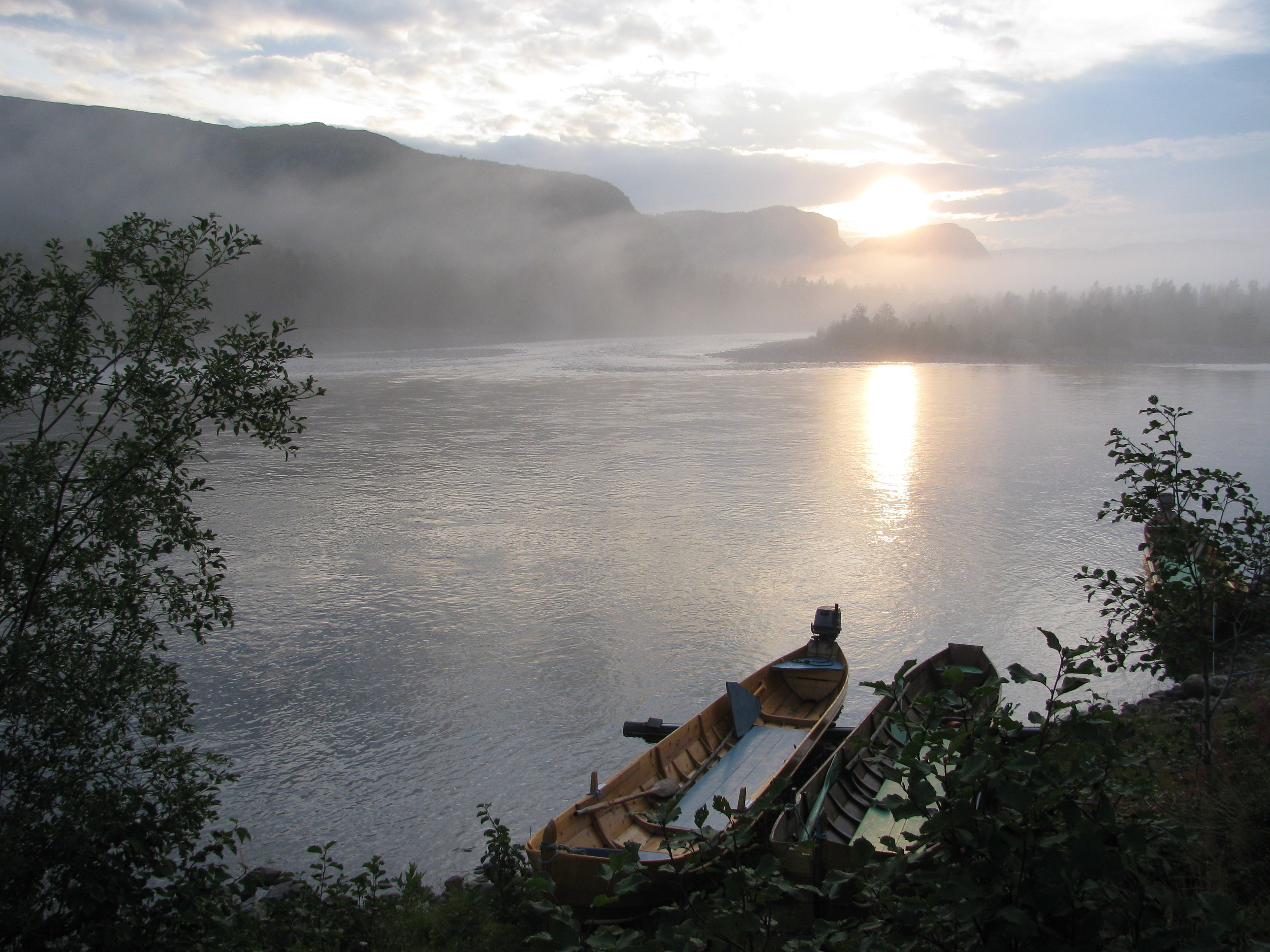
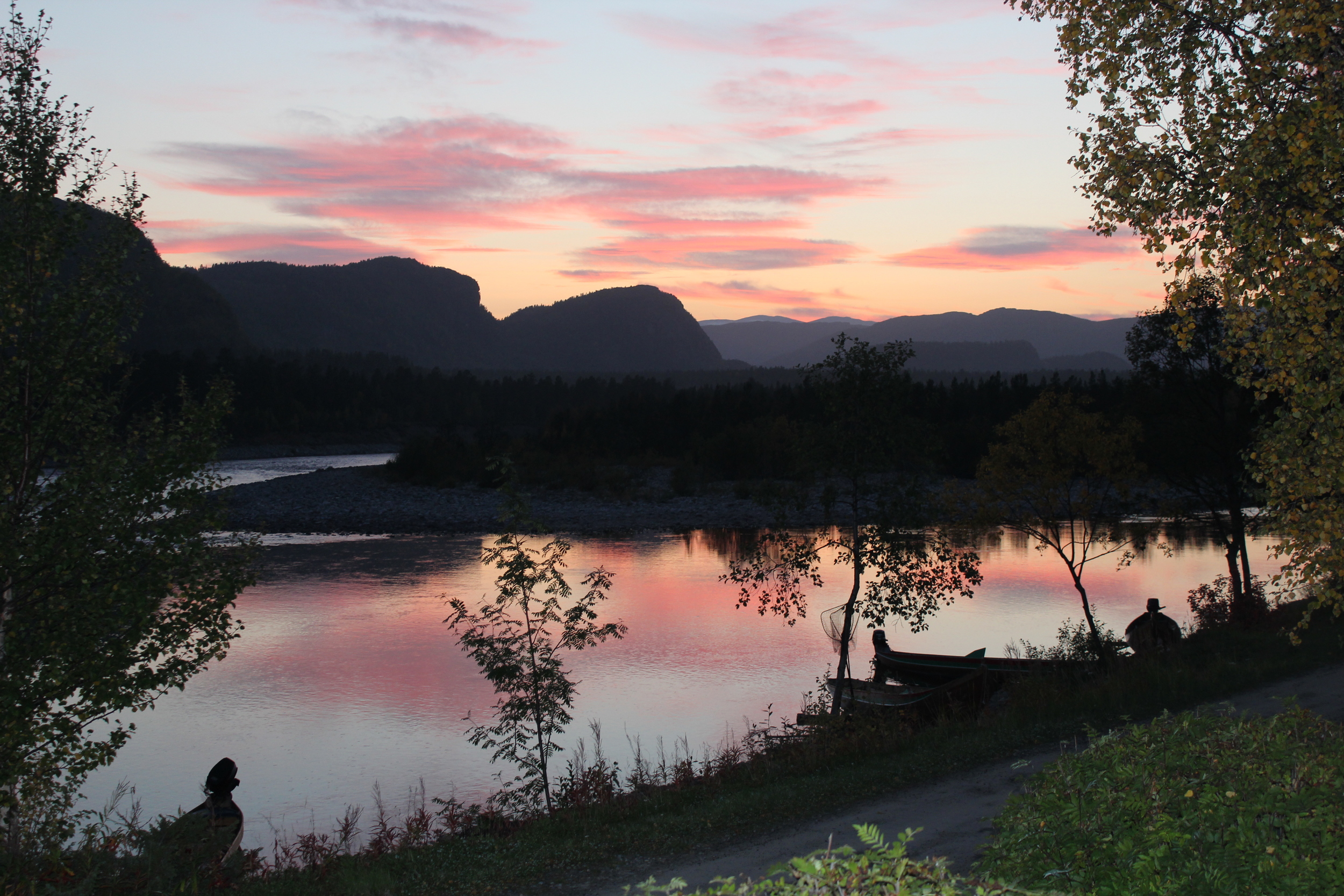
Sorrisniva sits on the banks of the Alta River in Norway’s far north, deep within Finnmark, one of Europe’s most remote and pristine Arctic regions. The surrounding landscape is stark, raw, and expansive, featuring frozen rivers, snow-covered birch forests, and tundra stretching to the horizon. Guests here are immersed in the extremes of Arctic nature, where daylight is limited in winter, the air is crisp and pure, and the northern lights frequently dance above the icy terrain.
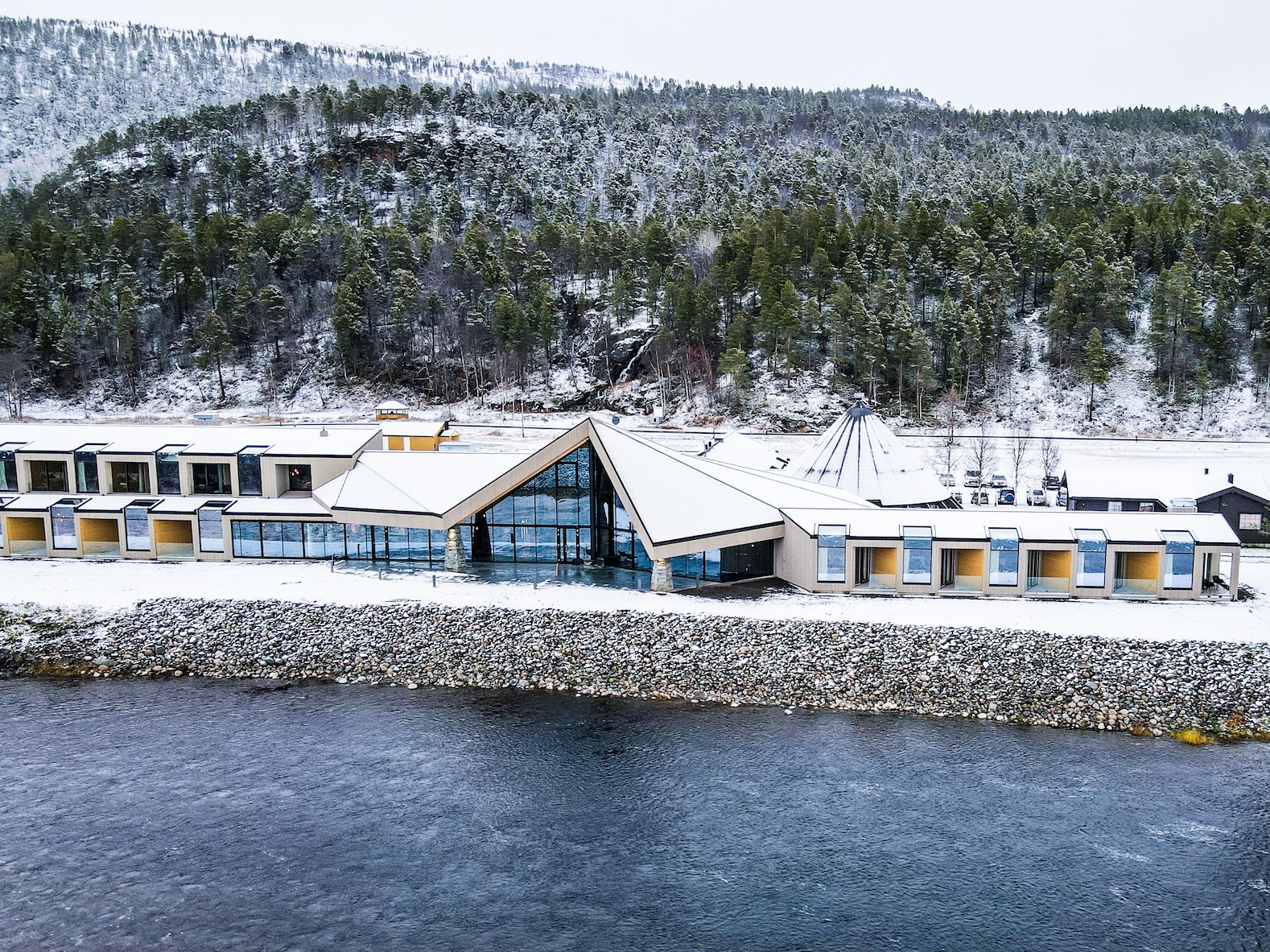
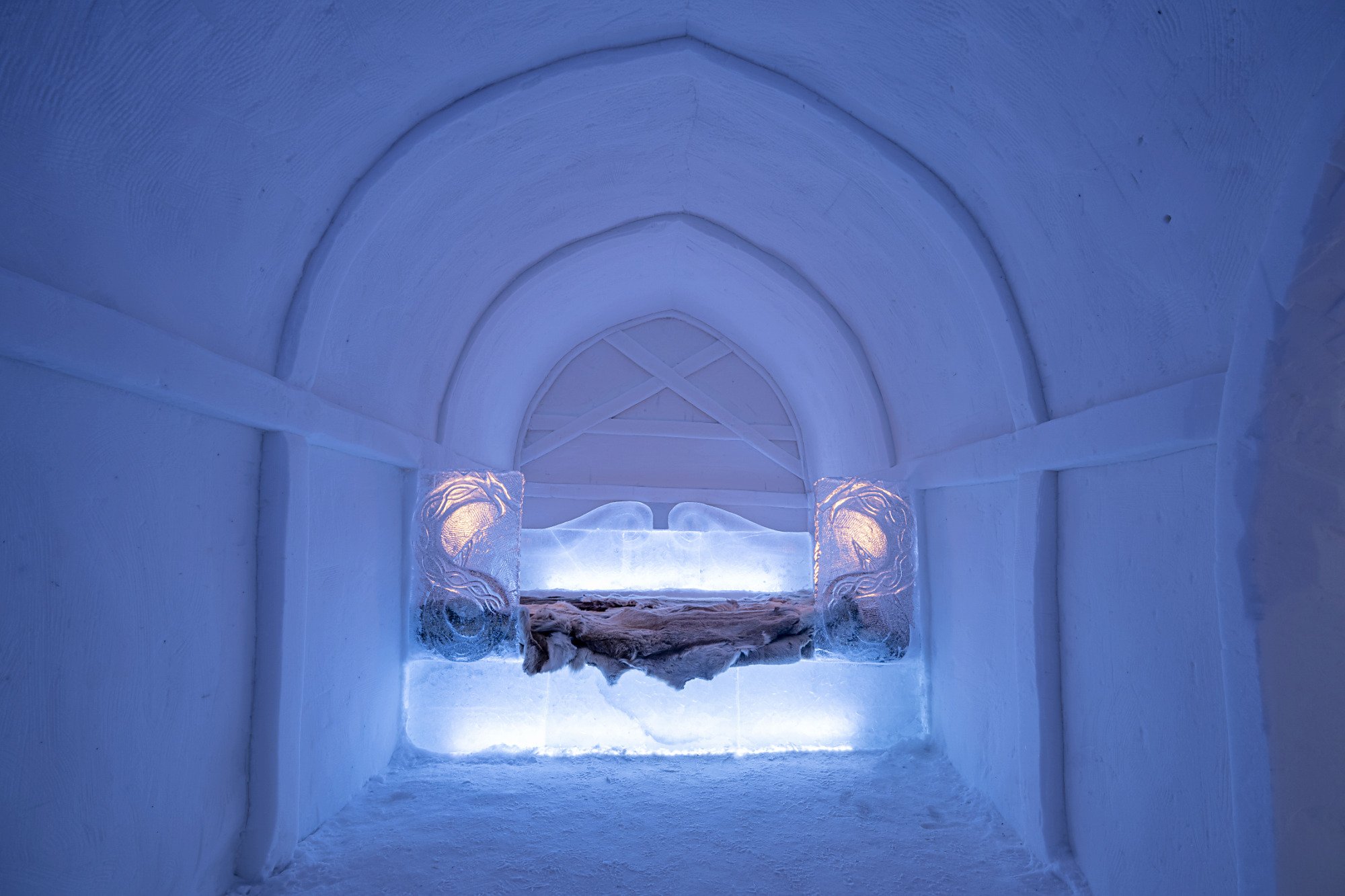
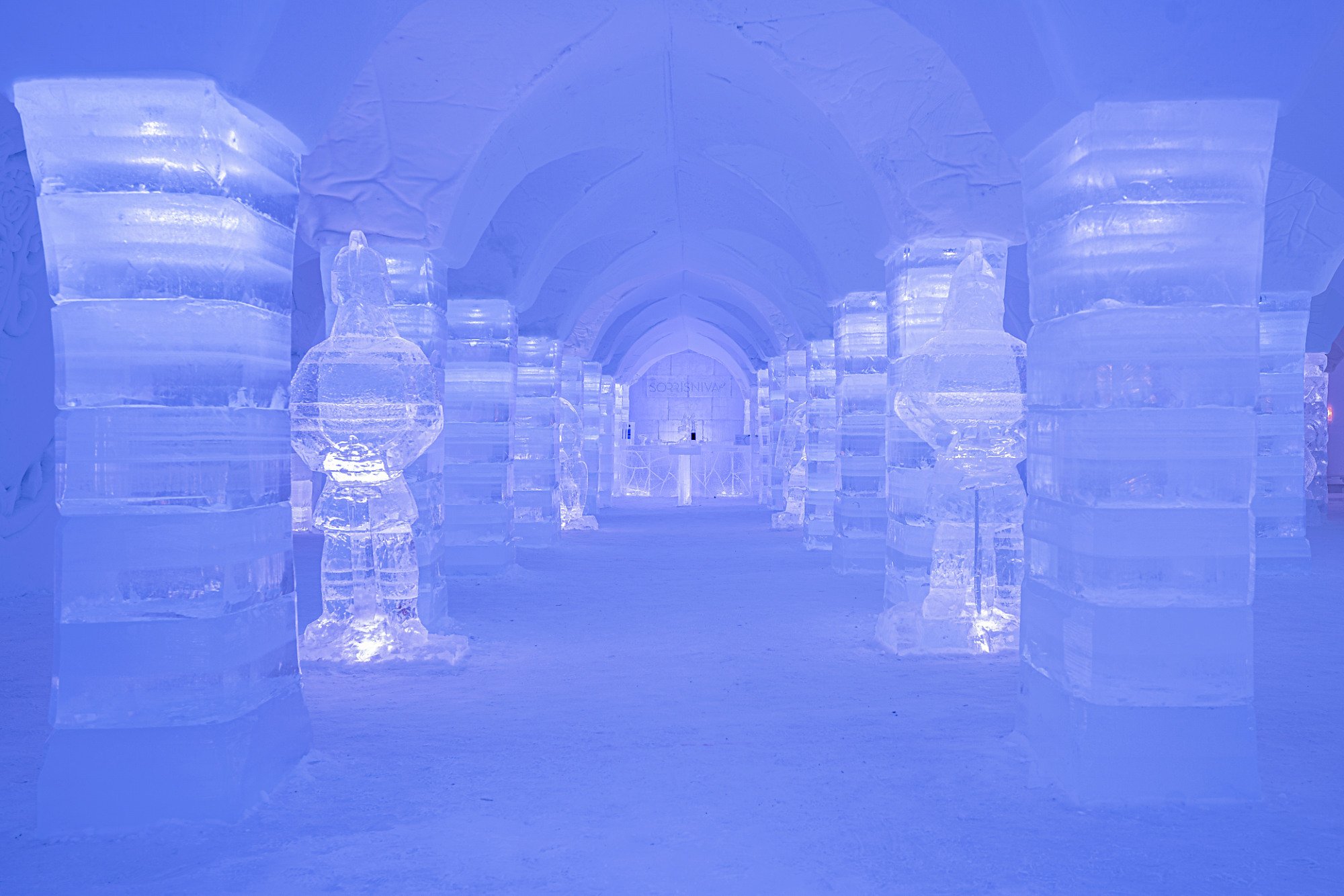
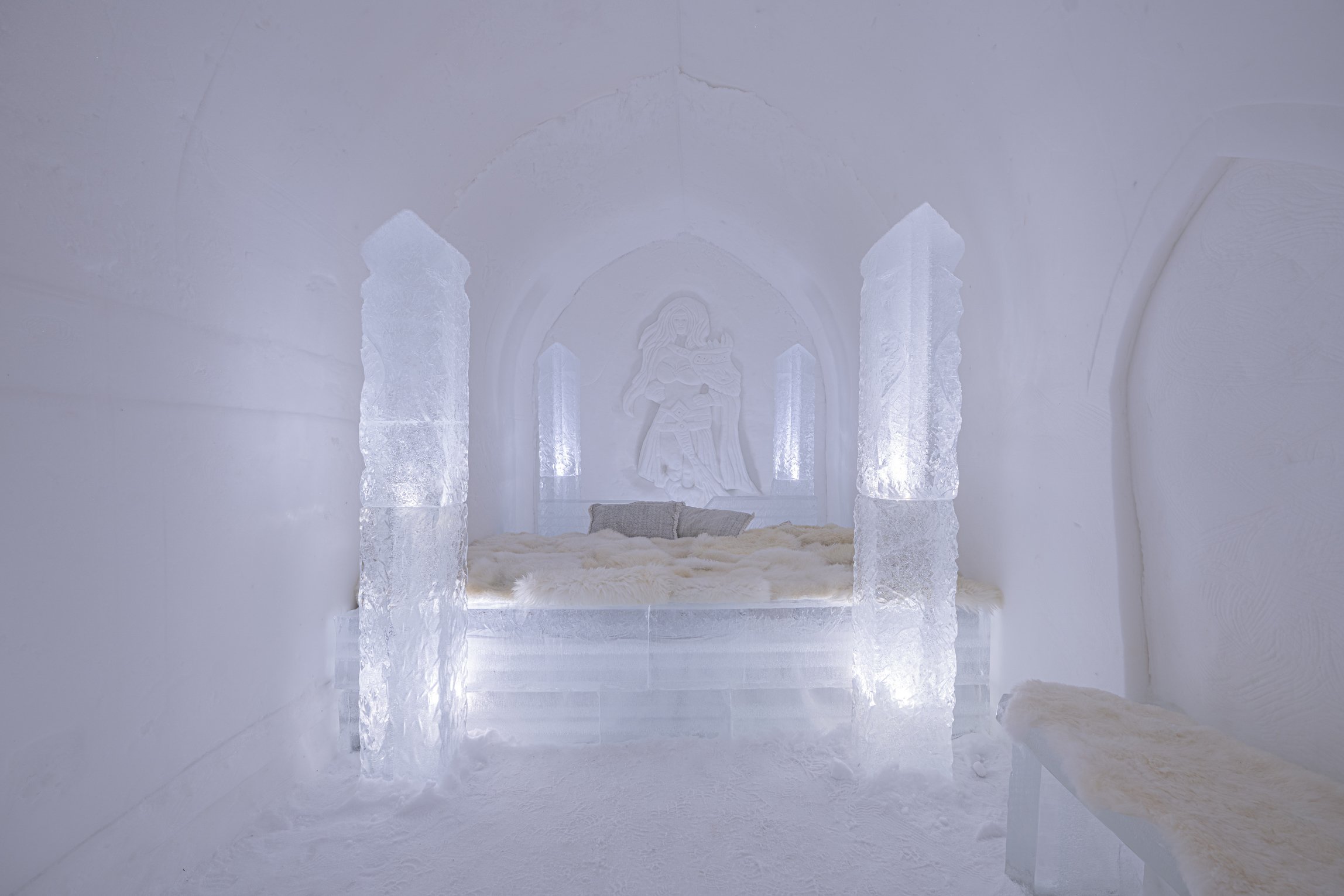
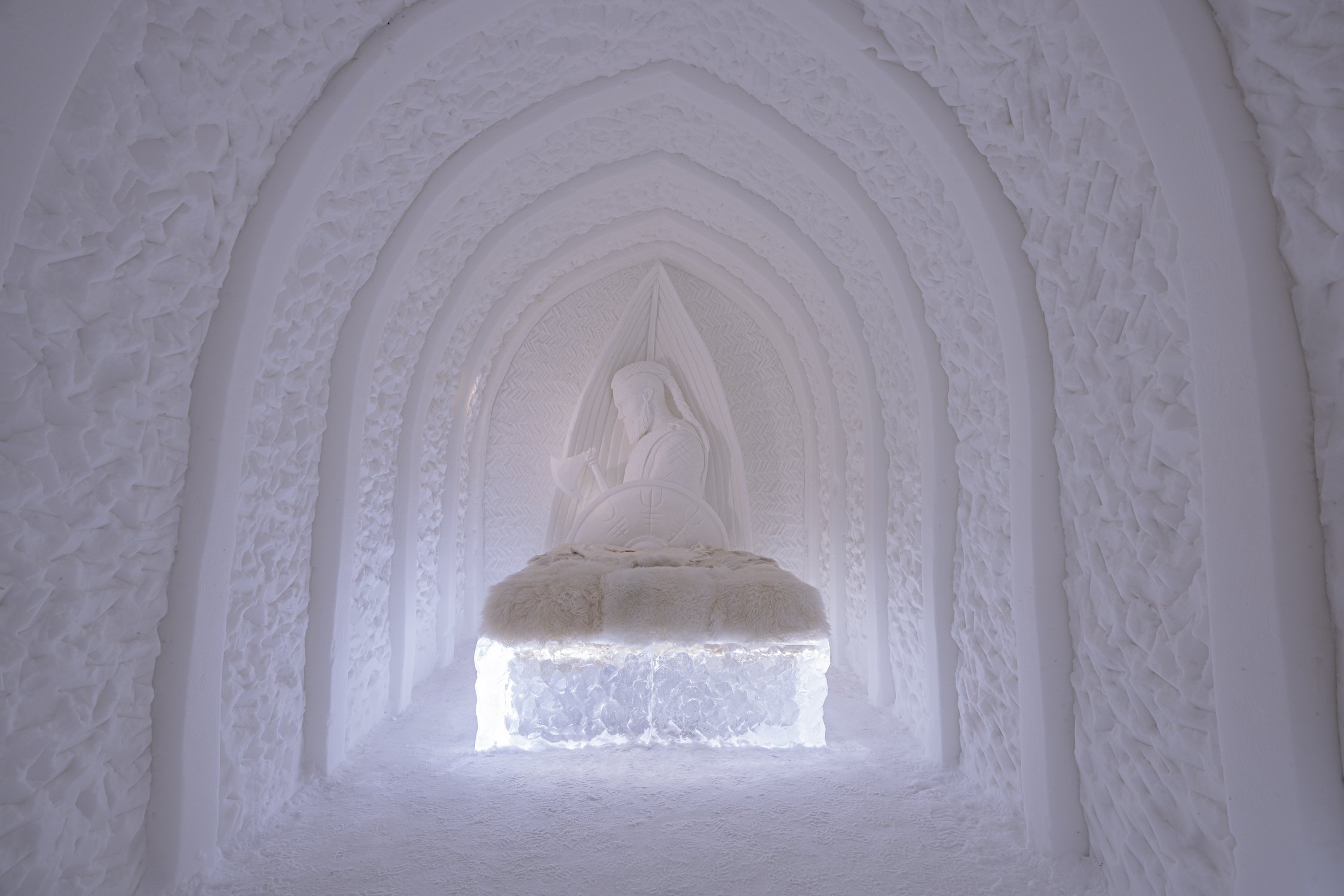
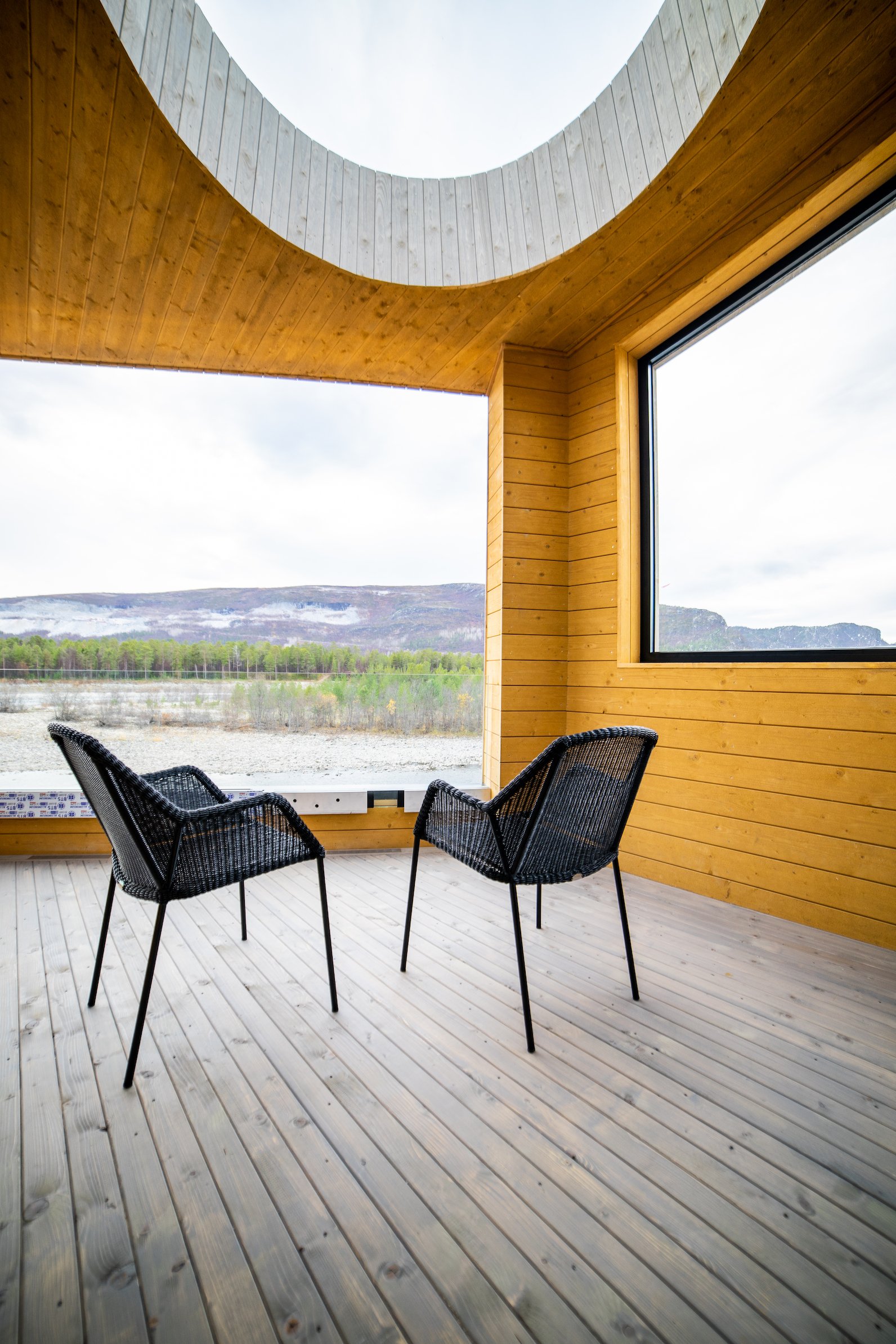
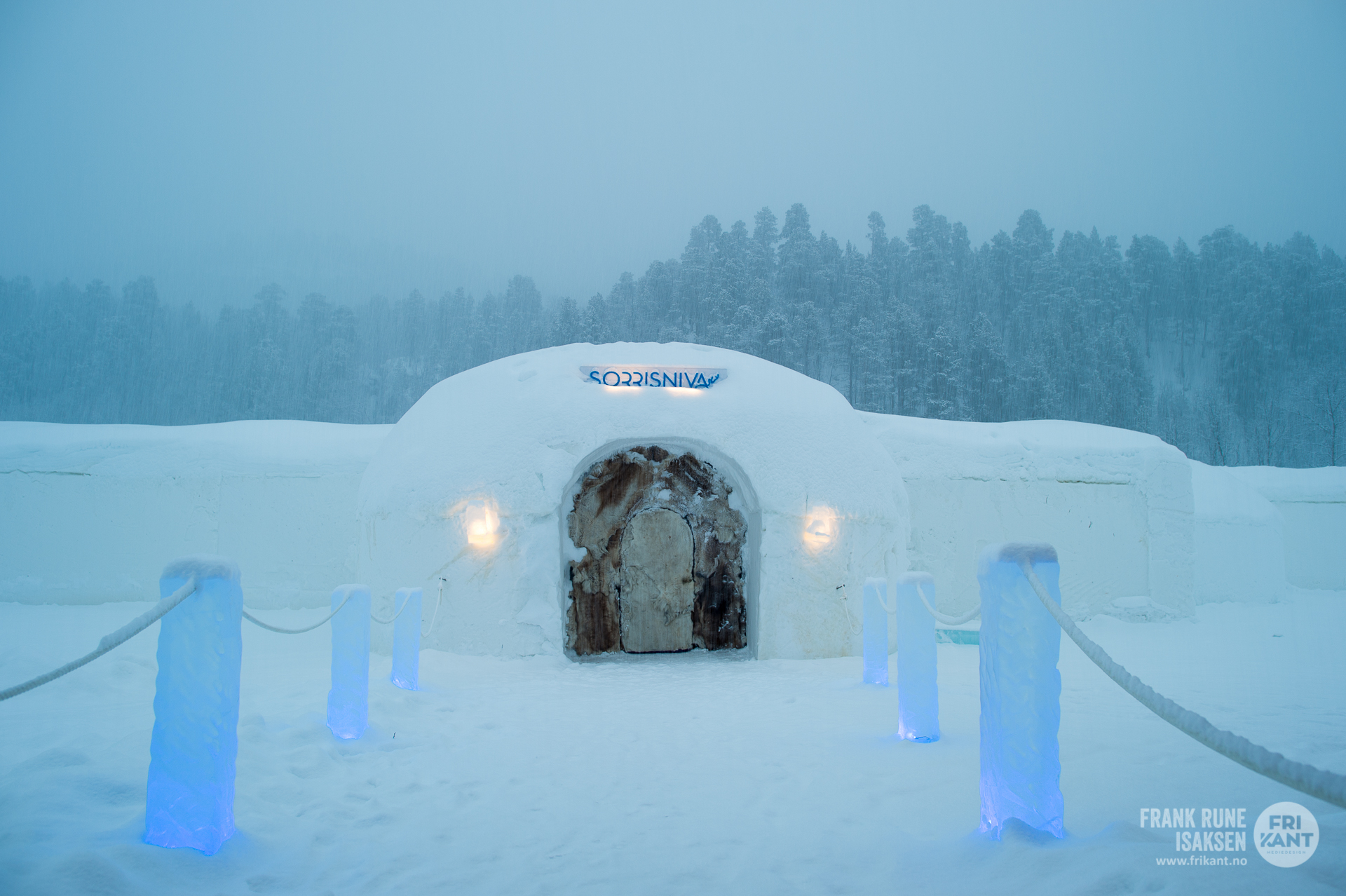
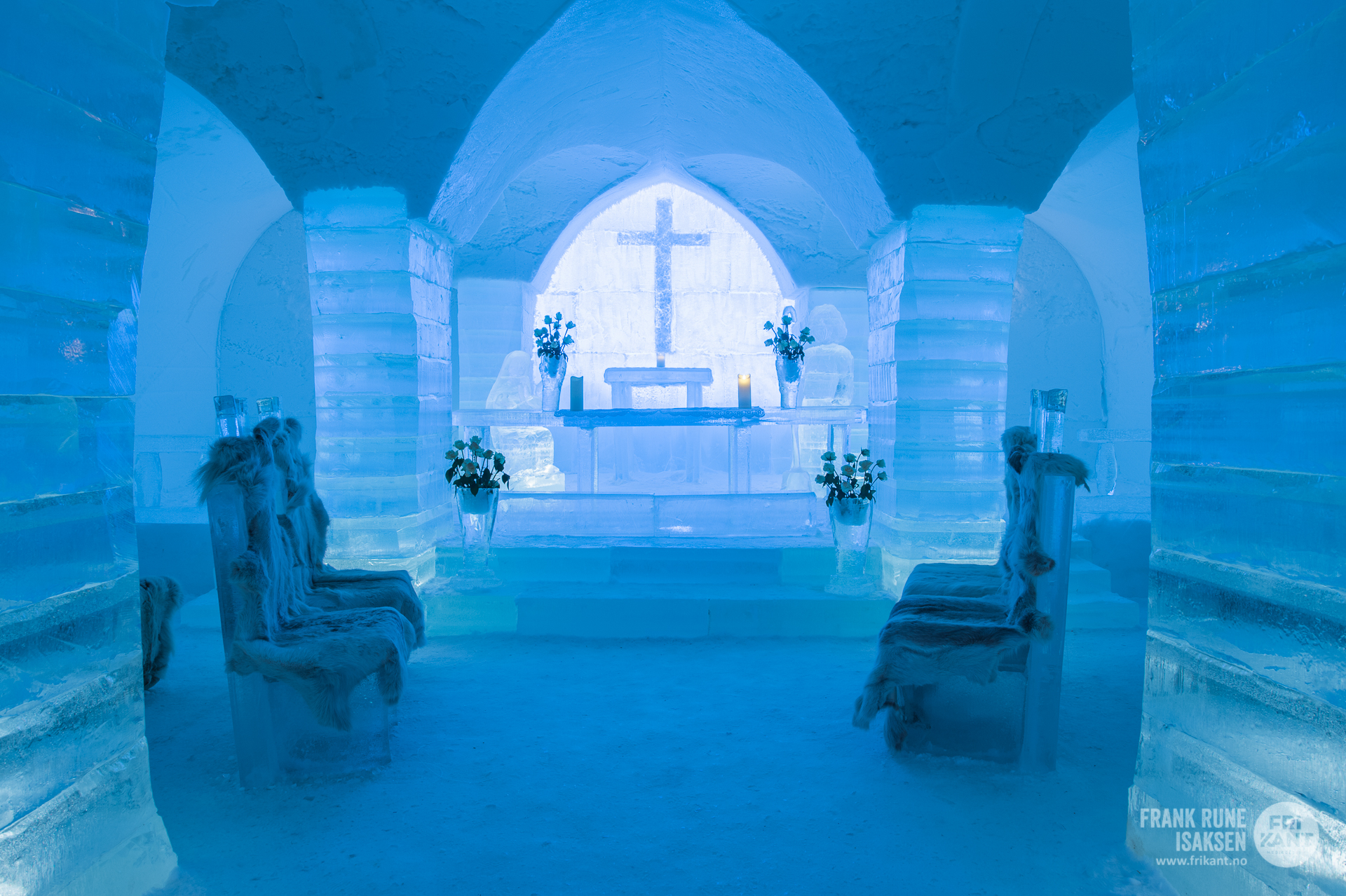
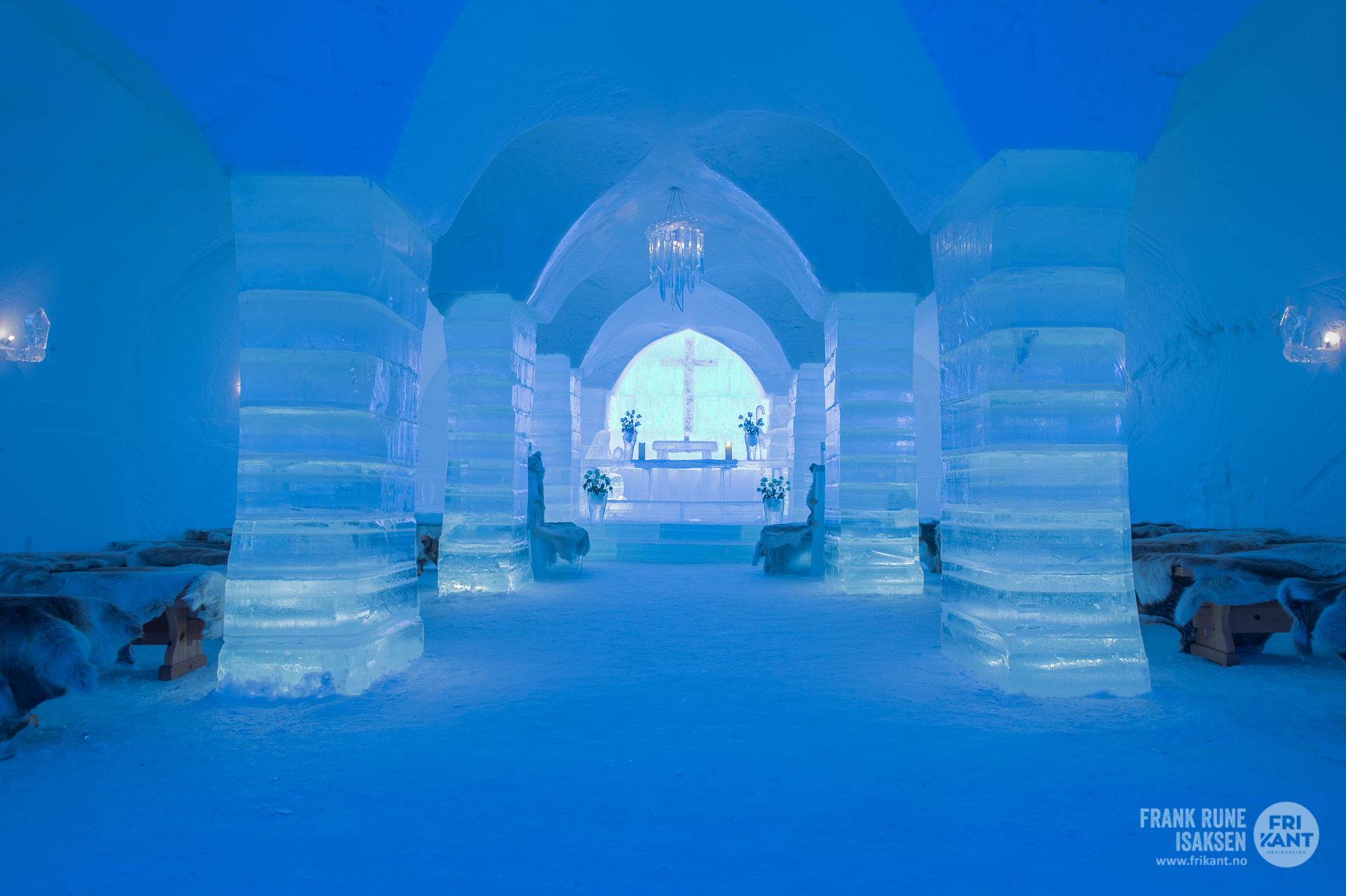
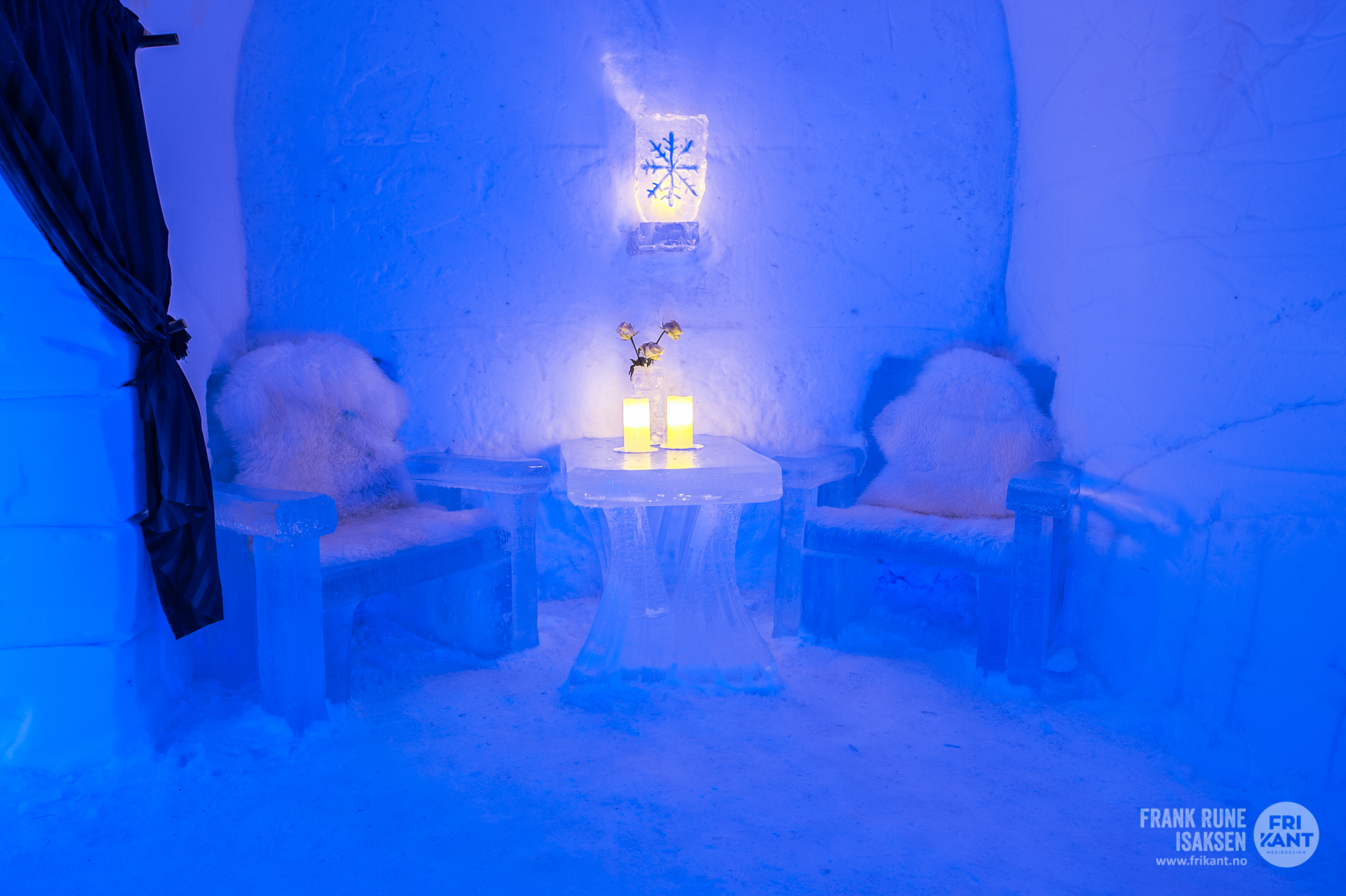
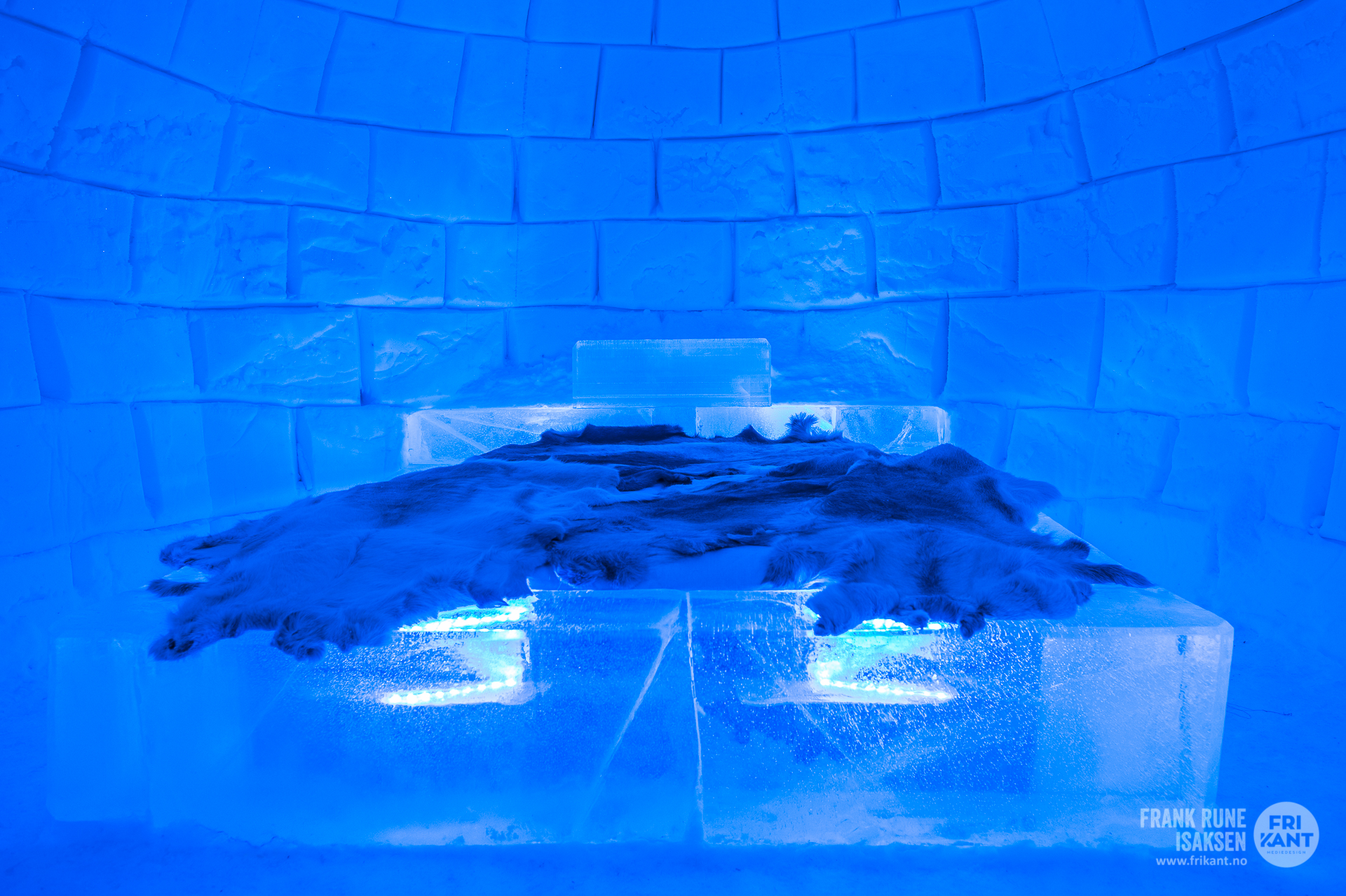
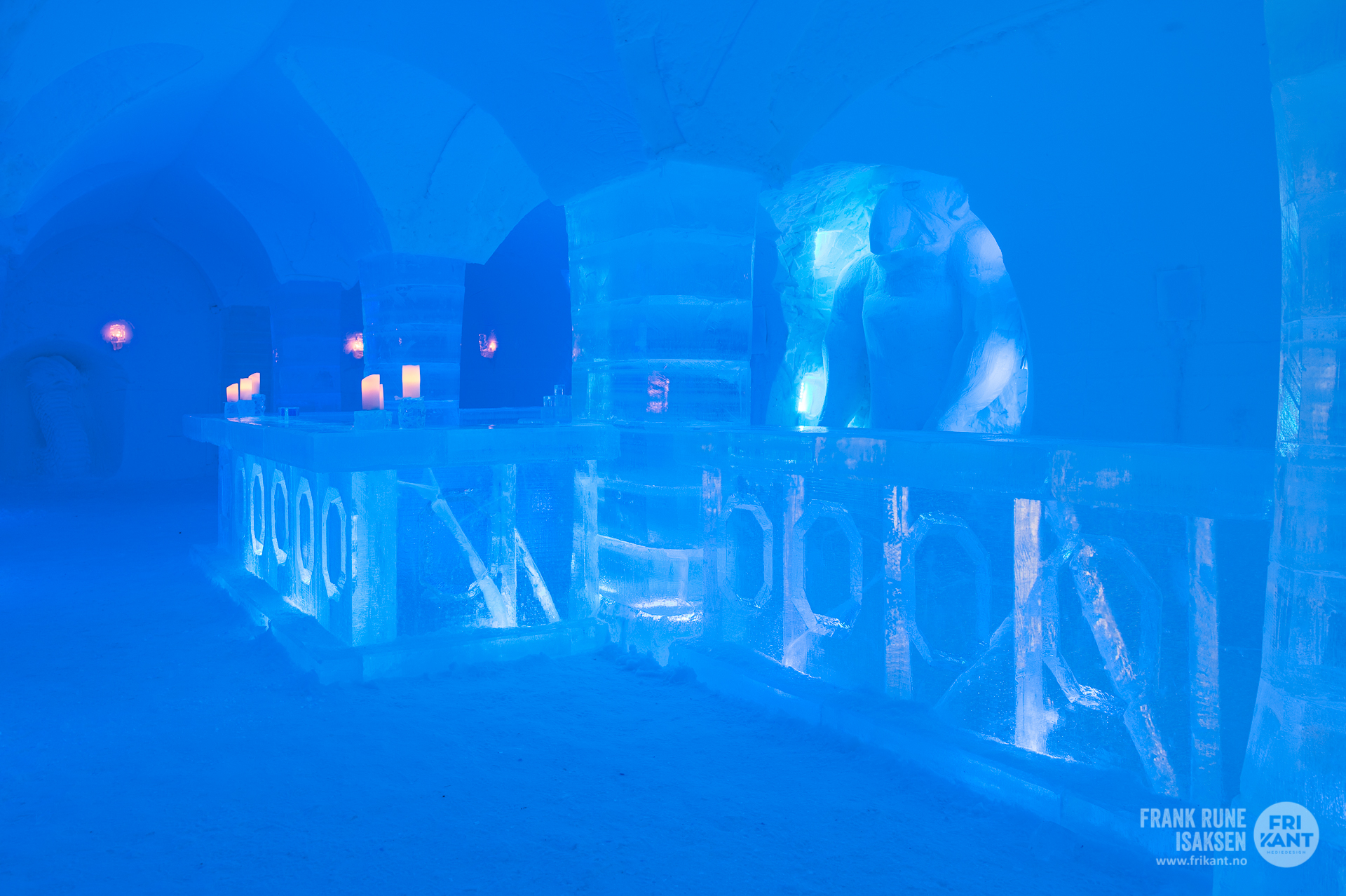
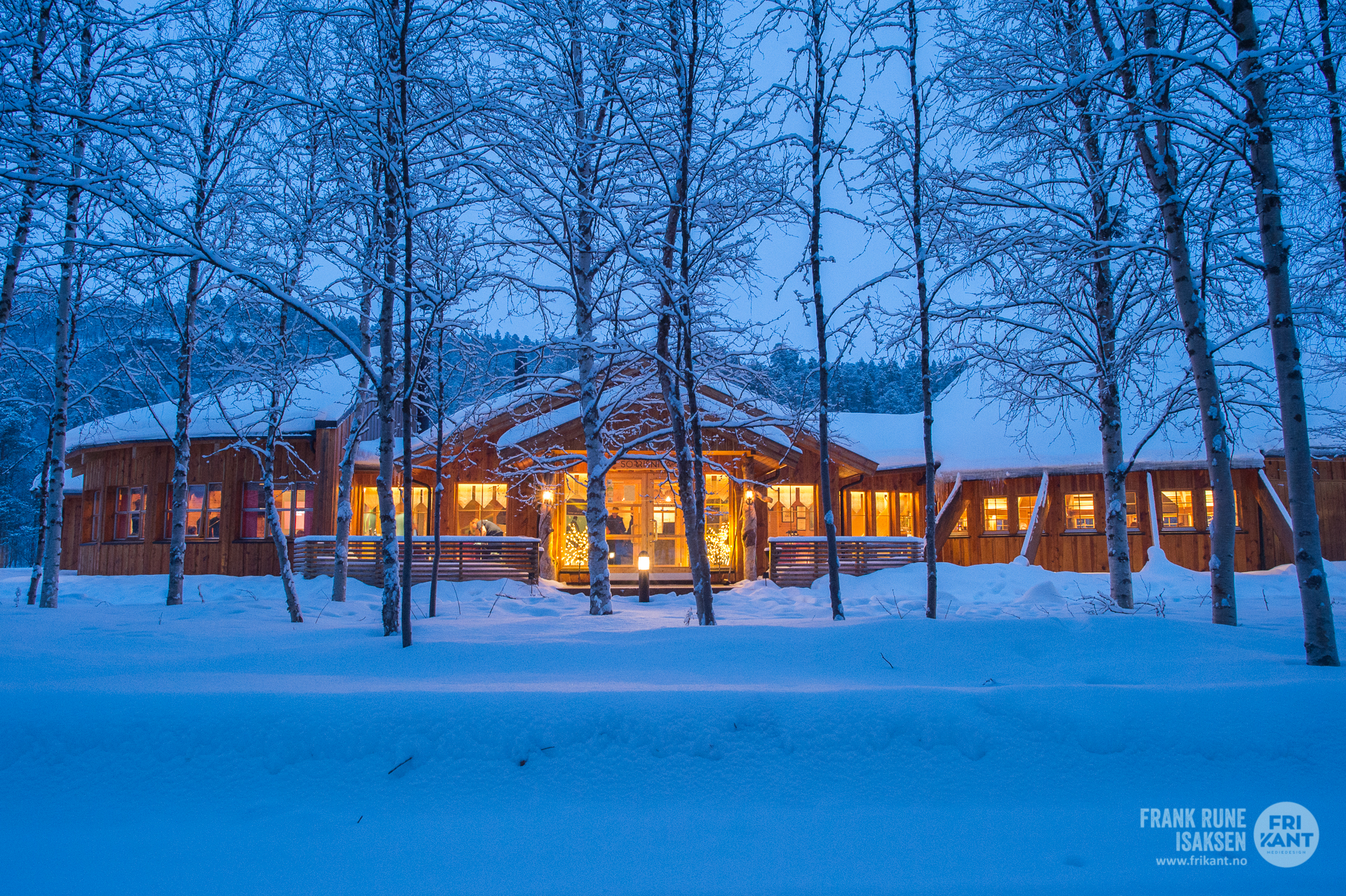
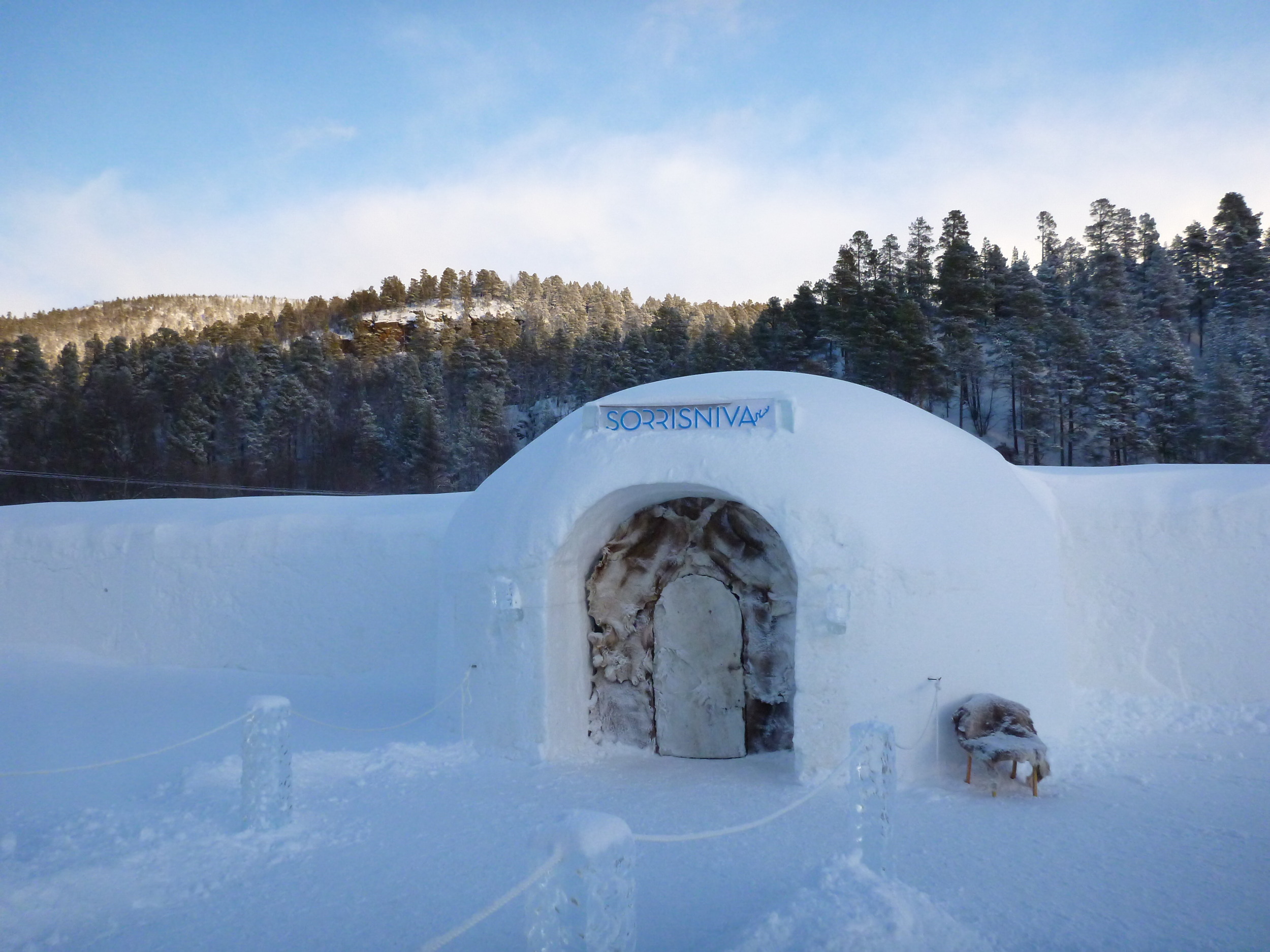
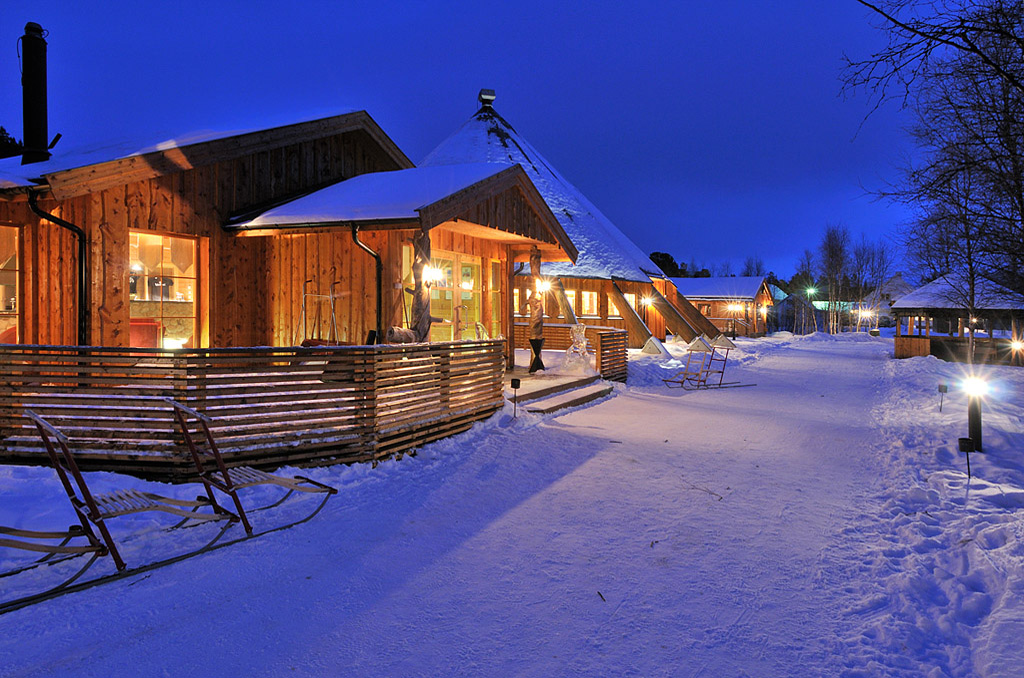
The hotel itself is a living sculpture, rebuilt every year from ice and snow by local artisans. Sorrisniva offers ice suites, an ice chapel, and sculptural ice furnishings, all glowing under ambient lights that turn the frozen space into a surreal landscape. Each suite is unique, reflecting the artistry and craftsmanship of the builders. Guests also have access to warm lodges for sleeping and dining, offering a balance of comfort and immersive Arctic design.
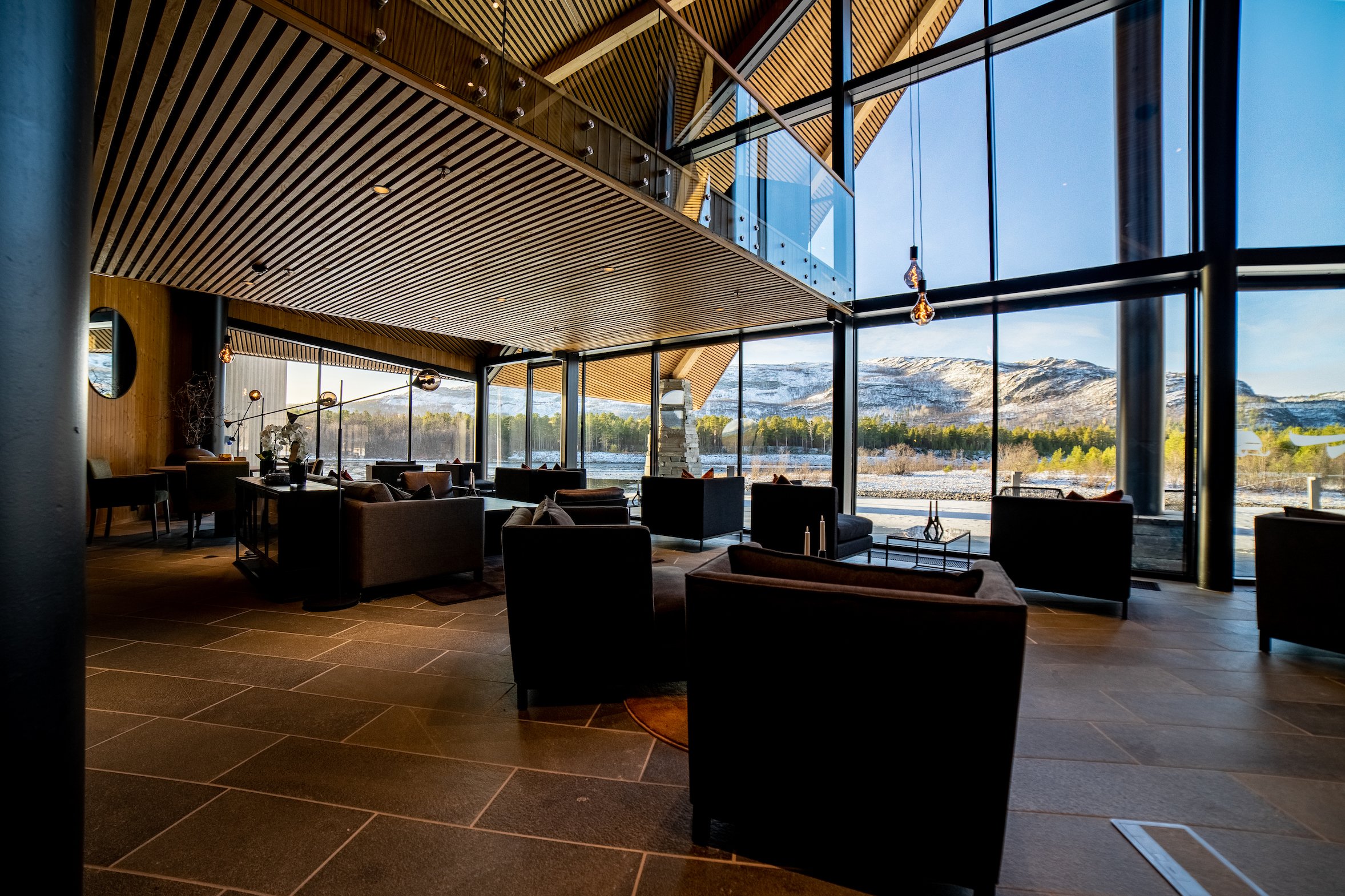
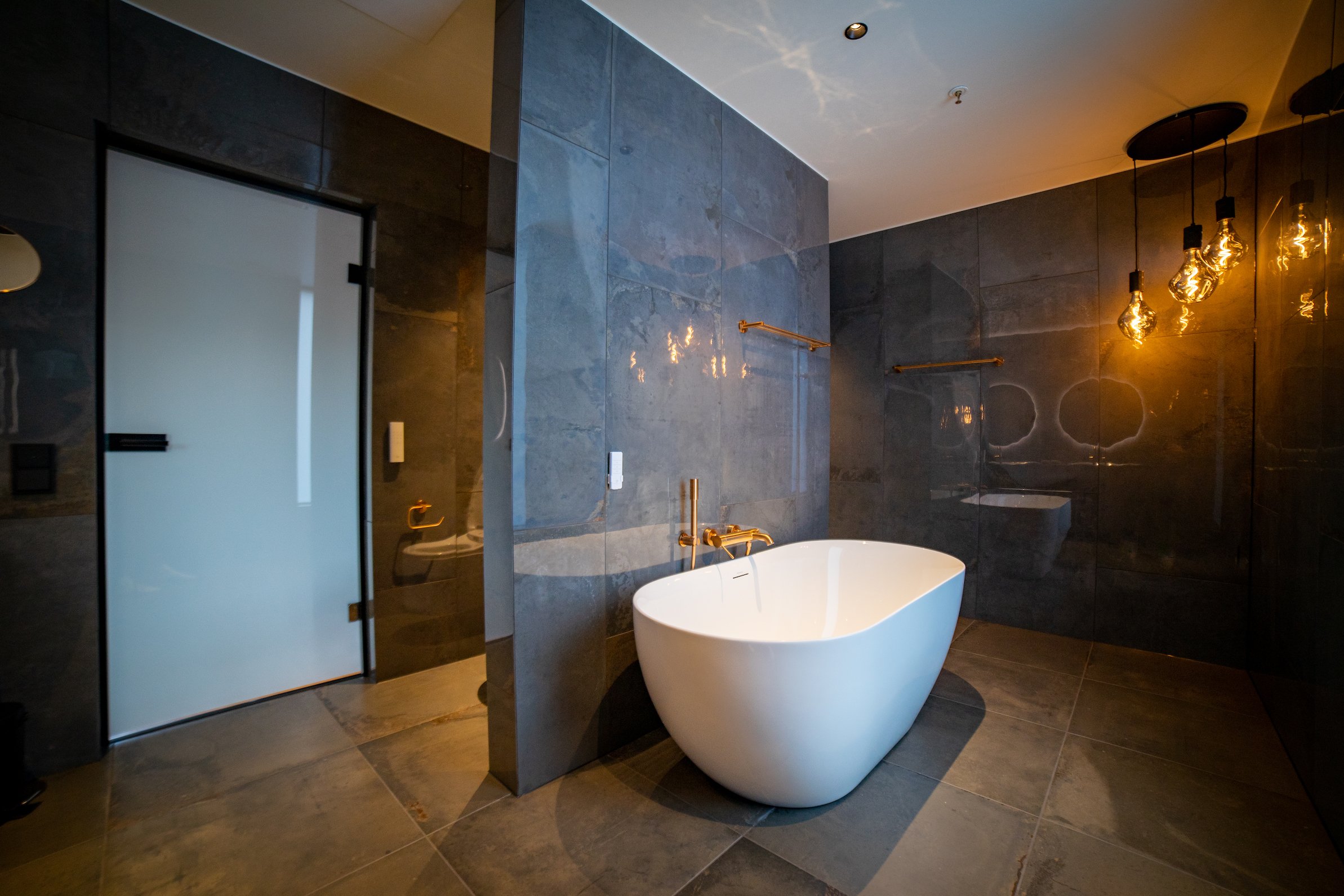
Wellness at Sorrisniva is both physical and sensory. Hot tubs, saunas, and heated lounges provide relief from the Arctic chill, while the surrounding wilderness encourages mindful connection, stillness, and reflection. This is a hotel where isolation and design merge, allowing guests to reset, feel the pulse of the land, and experience a once-in-a-lifetime Arctic escape.
WHY WANDER
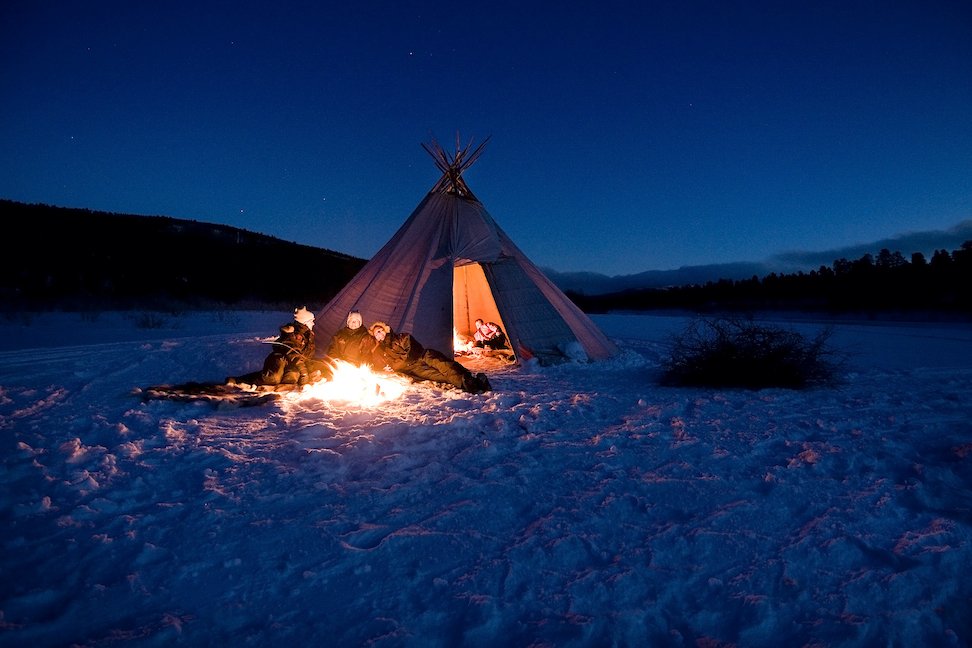
The surrounding region offers unmatched Arctic experiences. Guests can dog-sled across frozen rivers, snowmobile along the tundra, or glide on cross-country skis while taking in the stark beauty of northern Norway. The nearby Alta Museum reveals rock carvings dating back thousands of years, connecting travelers to the region’s indigenous Sami history.
The northern lights are a central draw, and guided tours allow guests to witness the Aurora Borealis from optimal vantage points, often away from other visitors. Winter wildlife excursions introduce travelers to reindeer herding, Arctic foxes, and the migratory patterns of local birds. Each moment in this landscape is heightened by the stillness and purity of the Arctic air.
In addition to outdoor adventure, Sorrisniva offers cultural immersion. Visitors can join Sami storytelling sessions, participate in ice sculpting workshops, or explore local traditions in handicrafts and cuisine. Every activity underscores the connection between the land, its history, and those who have thrived here for centuries.
INDULGE IN
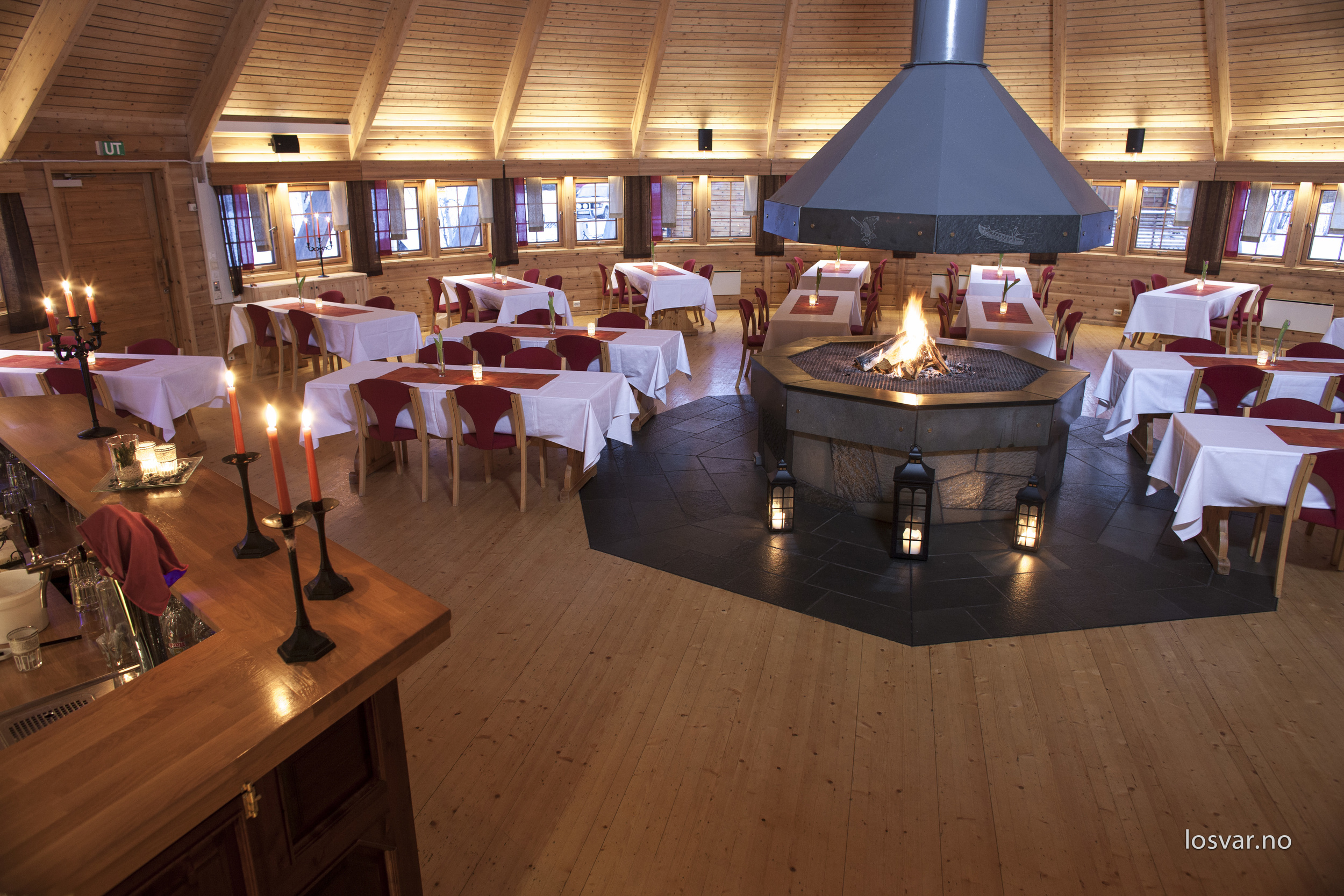
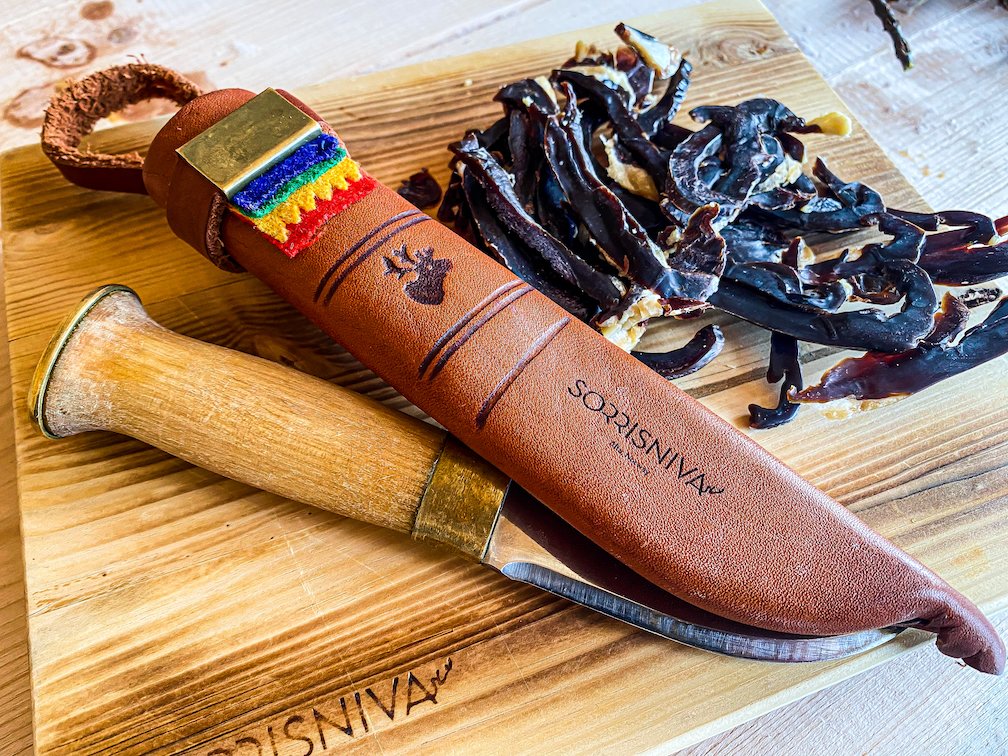
Dining at Sorrisniva reflects the Arctic environment. Guests enjoy local ingredients such as reindeer, Arctic char, and freshly baked bread, paired with berries and preserves from the region. Meals are served in heated lodges or the unique ice restaurant, making dining both immersive and memorable. Warm beverages, traditional stews, and fresh pastries provide comfort after a day in the snow, while communal tables foster a sense of connection amidst the remote surroundings.
GETTING THERE
Sorrisniva is accessible via Alta Airport, which connects to Oslo and other major European hubs. From Alta, a scenic drive through the Arctic tundra leads directly to the hotel. During winter months, specialized winter transport options, including snowmobiles and guided transfers, are available.
Wild Initiatives
Sorrisniva embraces sustainability in design and operation. Rebuilding from ice each year minimizes permanent construction impact and showcases the transient beauty of nature. The hotel works with local Sami communities, promoting cultural preservation and sustainable tourism. Waste is carefully managed, heating and electricity rely on efficient systems, and all guest activities are designed to minimize environmental impact. Sorrisniva exemplifies how luxury and Arctic stewardship can coexist, allowing travelers to leave with memories while leaving the land unharmed.
*Images property of Sorrisniva