
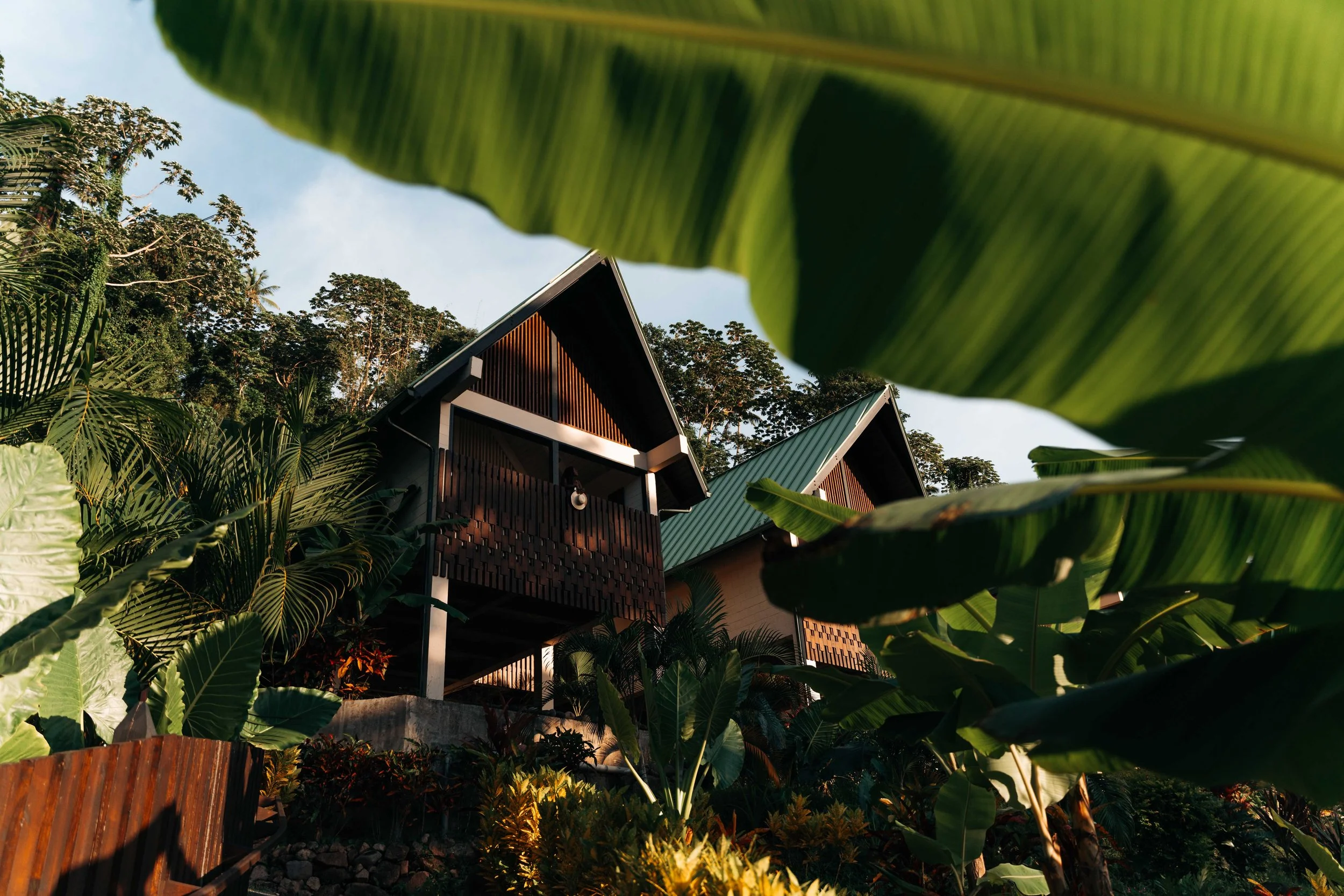
Wild Initiatives: Rabot Hotel from Hotel Chocolat
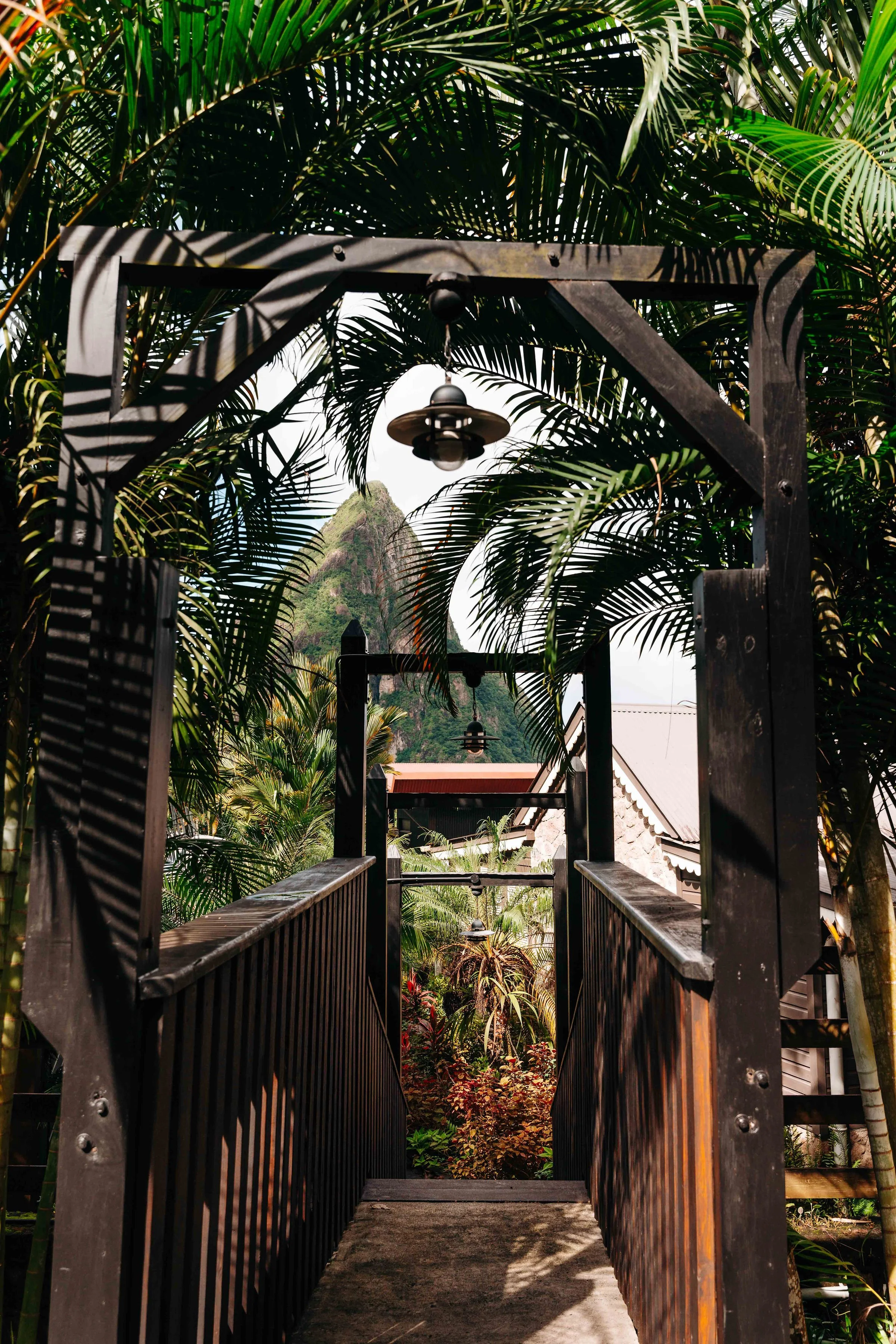
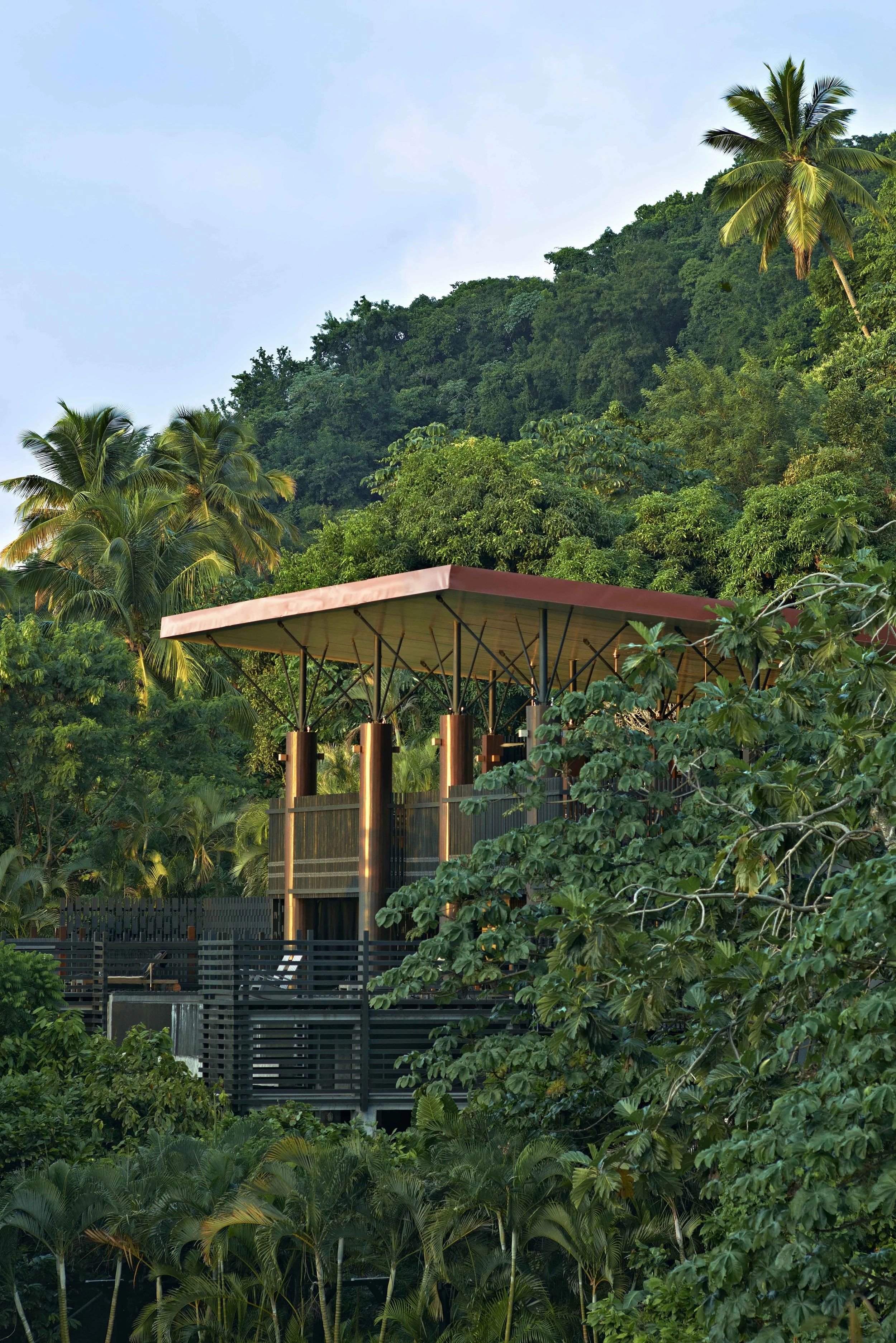
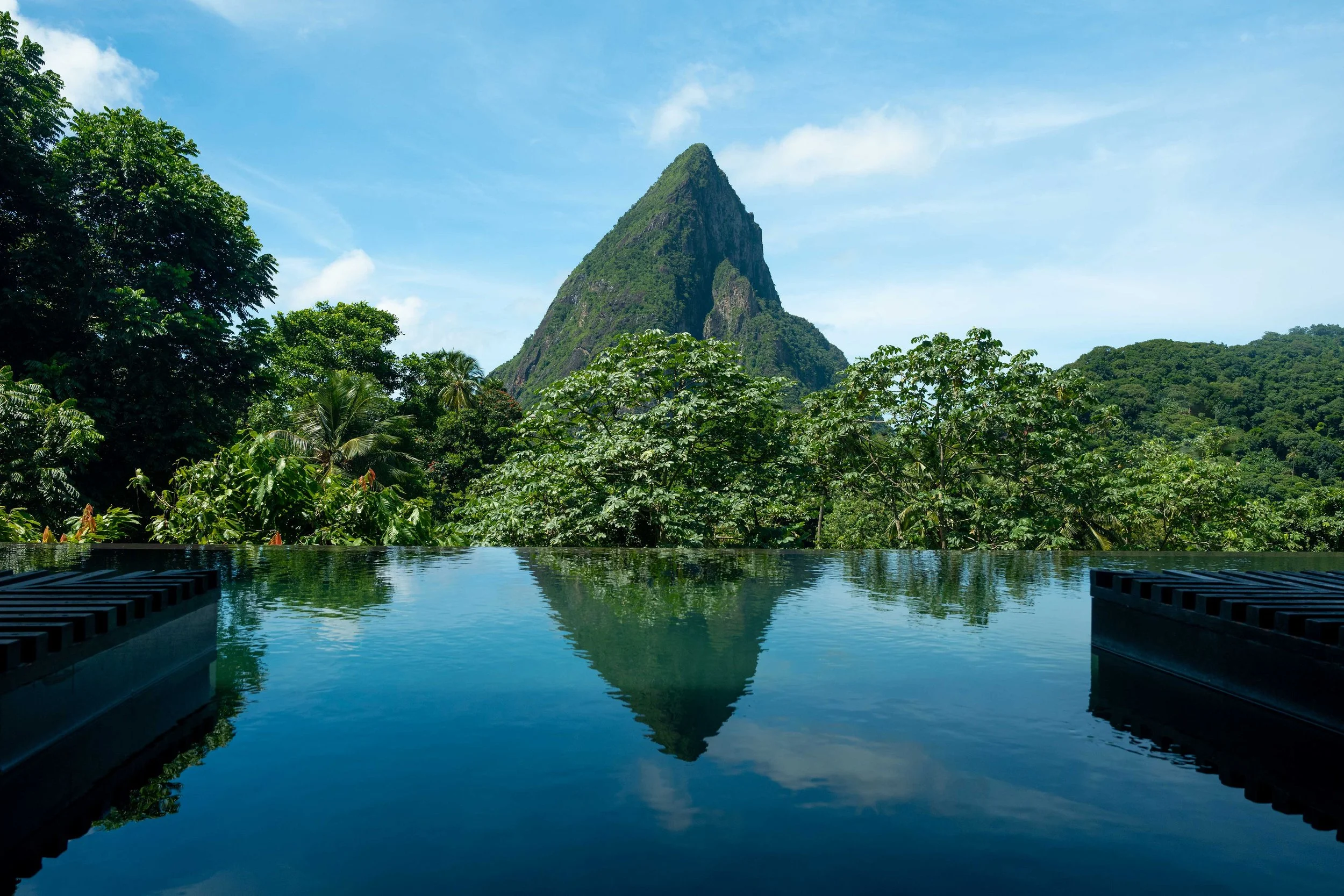
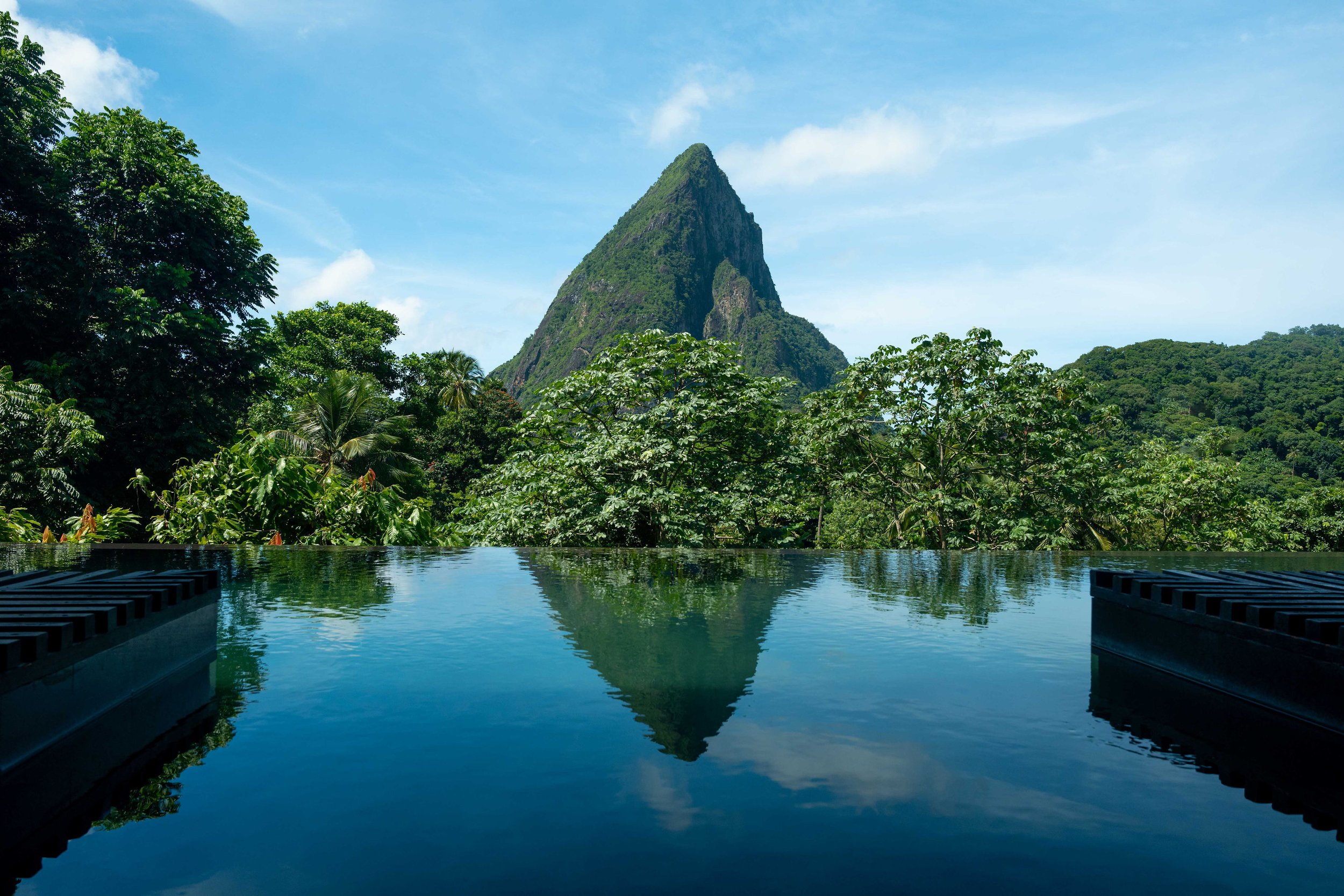
In the southwest of Soufrière, where rainforest meets volcanic terrain, Rabot Hotel from Hotel Chocolat is embedded within a 140 acre working cacao estate that has shaped the land since 1745. Surrounded by dense vegetation and framed by the presence of Petit Piton, the setting feels elemental and immersive, defined by humidity, soil, and the slow cycles of cultivation. The hotel unfolds quietly within this landscape, with 25 lodges opening toward the surrounding forest, allowing the rhythms of the estate to guide the experience. It is one of the few places in the world where cacao is grown, harvested, and transformed on site, while guests stay within the same environment, creating a rare sense of continuity between land, craft, and experience. A restaurant, spa, and a series of guided encounters are woven into the property, all rooted in this proximity to origin.
The vision comes from Hotel Chocolat, whose founders acquired the Rabot Estate in 2006 as part of a deeper commitment to understanding cacao at its source. At the time, the land had become overgrown and neglected, its potential obscured despite its history as one of the island’s oldest cacao farms. Restoration began with the intention of returning the estate to a functioning agricultural system, shaped by sustainable and organic practices. By stepping into cultivation, the company moved beyond sourcing into direct engagement with farming, climate, and production, positioning Saint Lucia as a true cacao destination where the full journey, from soil to finished product, can be experienced in one place.
“The vision comes from Hotel Chocolat, whose founders acquired the Rabot Estate in 2006 as part of a deeper commitment to understanding cacao at its source. Restoration began with the intention of returning the estate to a functioning agricultural system, shaped by sustainable and organic practices. By stepping into cultivation, the company moved beyond sourcing into direct engagement with the realities of farming, climate, and production, forming a closer relationship between chocolate making and the land it begins from.”
Rabot Hotel by Matt Wild
Rabot Hotel by Matt Wild
What emerged is both a place to stay and a place to learn, where cacao is not abstracted but present at every stage. The estate grows primarily Trinitario cacao, a hybrid known for its fine flavour, and continues to operate as a site of experimentation, education, and production. The hotel extends this process outward, allowing guests to witness and take part in it, creating a form of travel grounded in awareness and participation.
Rabot Hotel by Matt Wild
“What emerged is both a place to stay and a place to learn, where cacao is not abstracted but present at every stage. The estate grows primarily Trinitario cacao, a hybrid known for its fine flavour, and continues to operate as a site of experimentation, education, and production. The hotel extends this process outward, allowing guests to witness and take part in it, creating a form of travel grounded in awareness and participation.”
Origins of Hotel Chocolat Obtaining the Estate
The acquisition of Rabot Estate marked a turning point in how Hotel Chocolat approached its craft. The decision to restore it was driven by a desire to reconnect chocolate with its agricultural origins and to better understand the complexities faced by cacao growers. Through careful redevelopment, the land was brought back into cultivation, forming a working farm that would become central to the company’s tree-to-bar philosophy.
Today, the estate operates as part of a vertically integrated model, where growing, research, and production exist in close dialogue. It provides a space to test sustainable farming methods, refine cultivation techniques, and deepen knowledge of cacao as a living crop, while also opening that process to visitors through the hotel and tour experiences.
“Today, the estate operates as part of a vertically integrated model, where growing, research, and production exist in close dialogue. It provides a space to test sustainable farming methods, refine cultivation techniques, and deepen knowledge of cacao as a living crop, while also opening that process to visitors through hotel and tour experiences.”
Cacao Farm at Rabot Estate
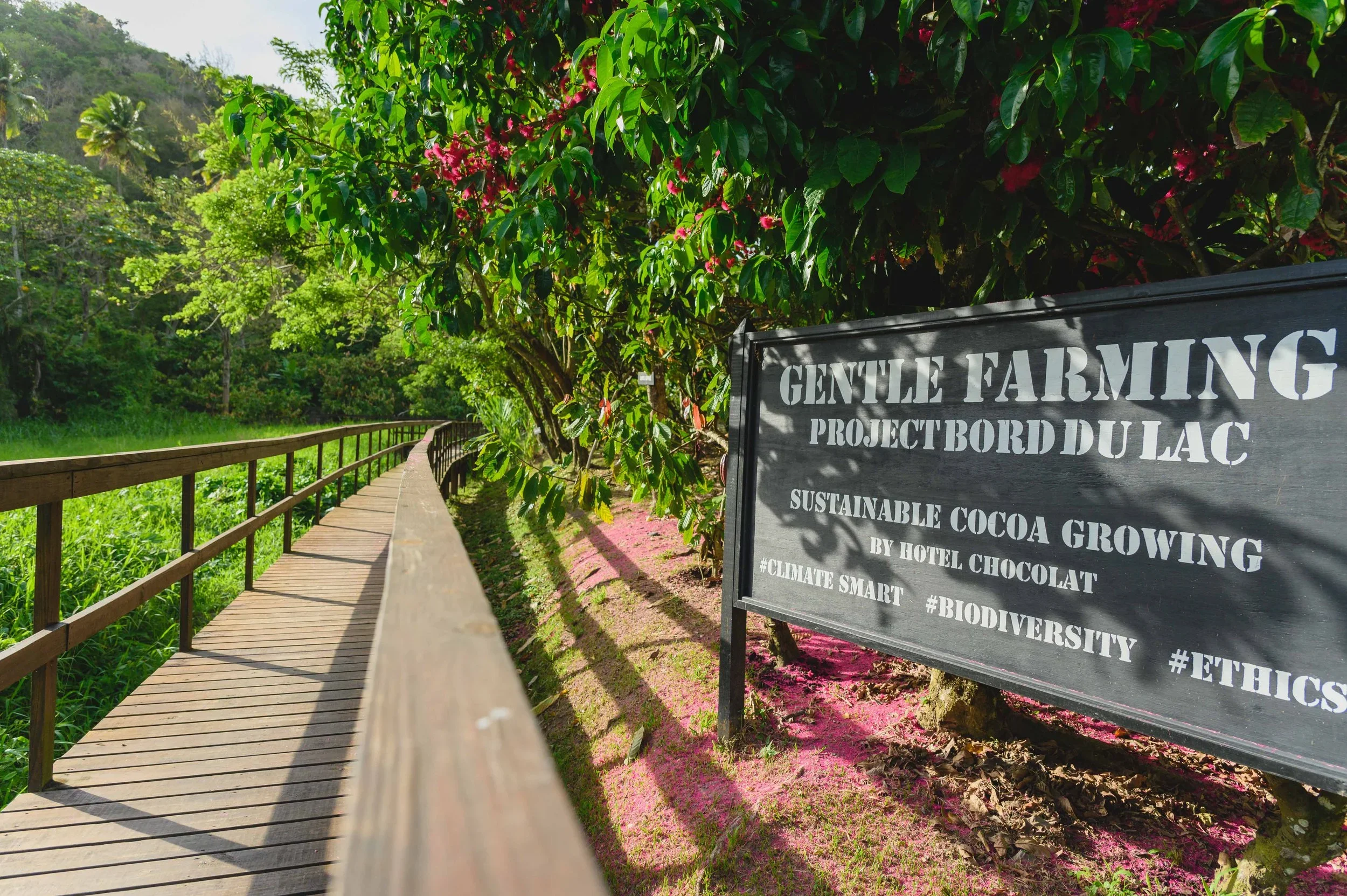
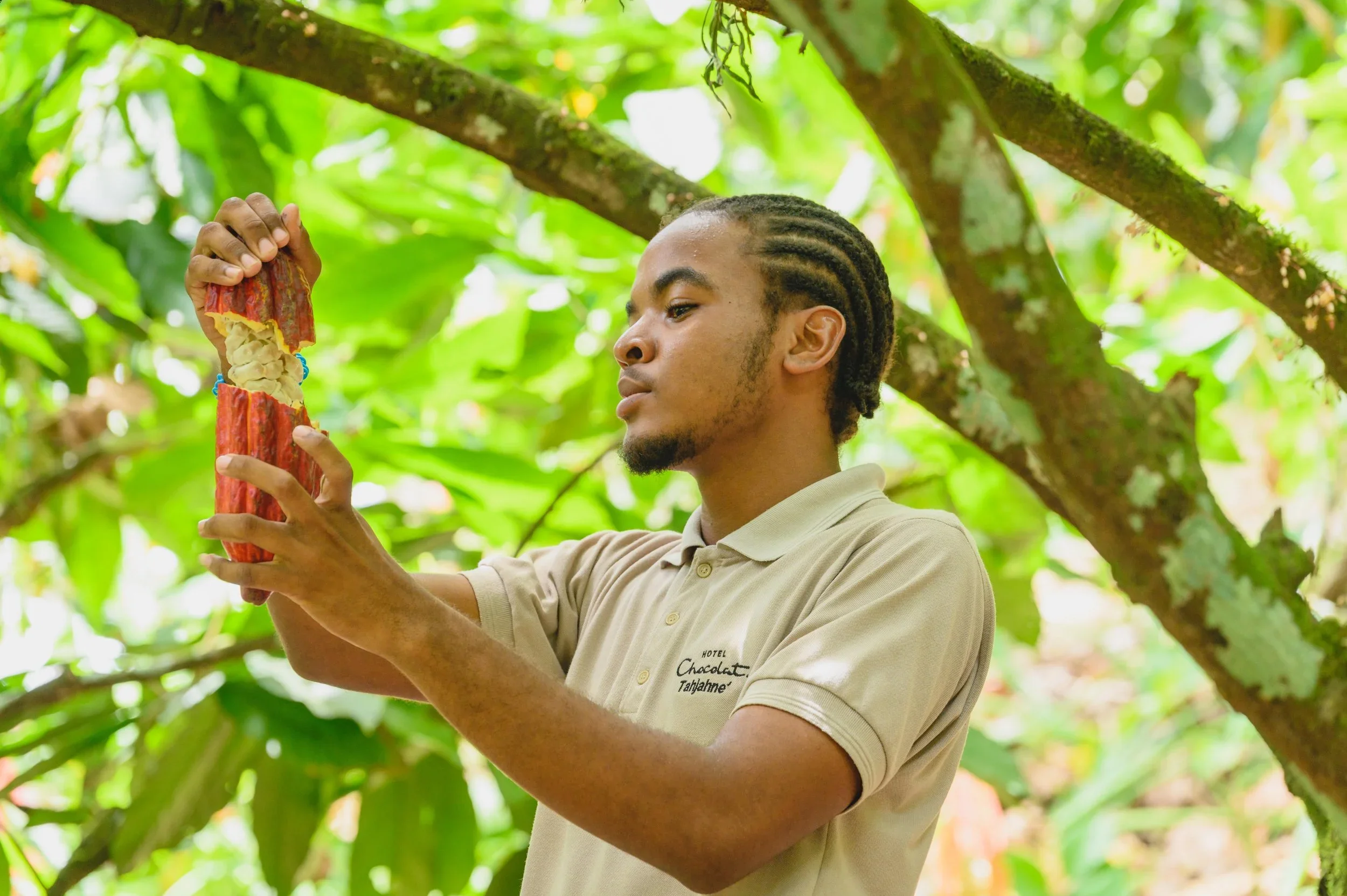
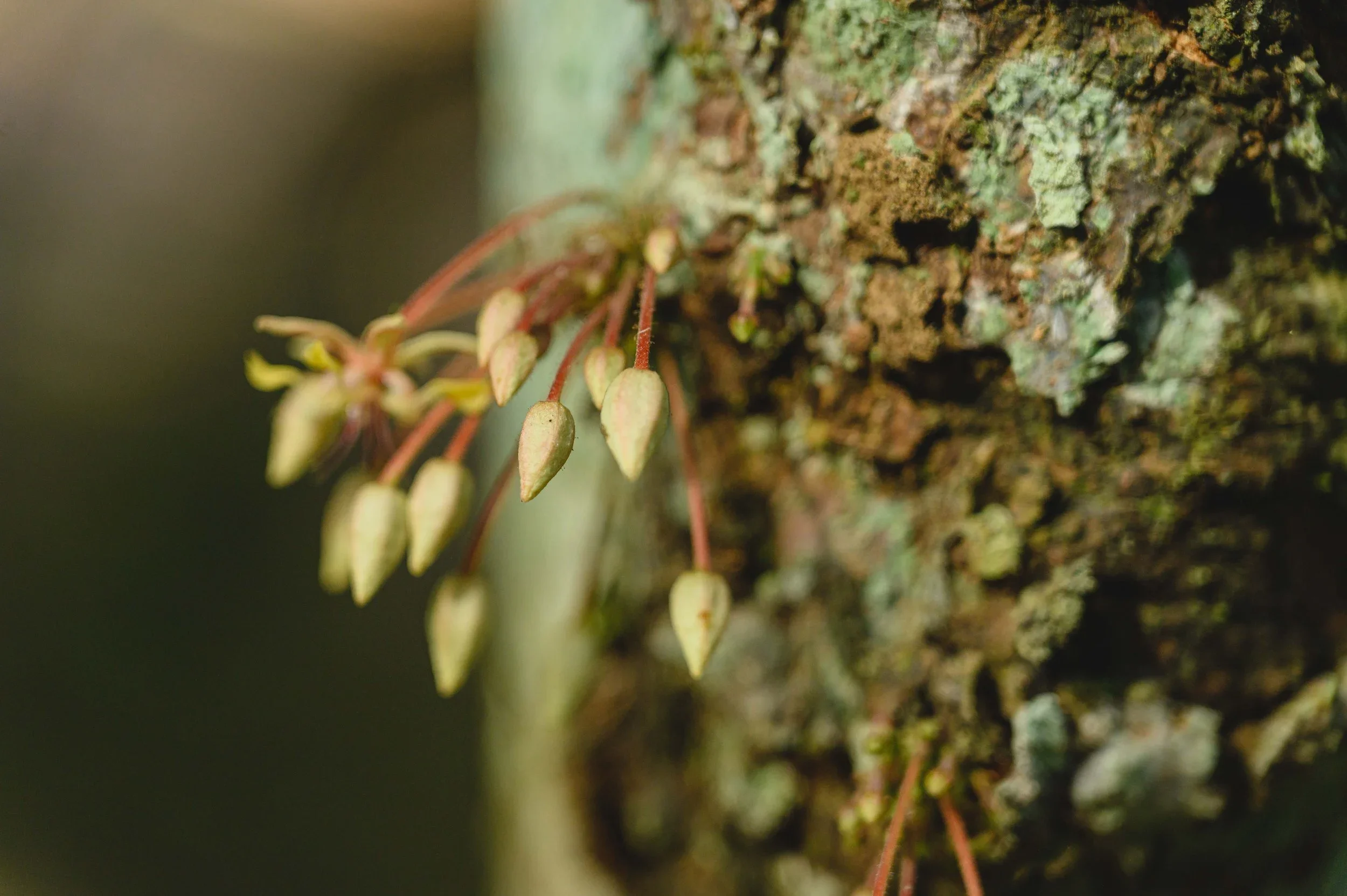
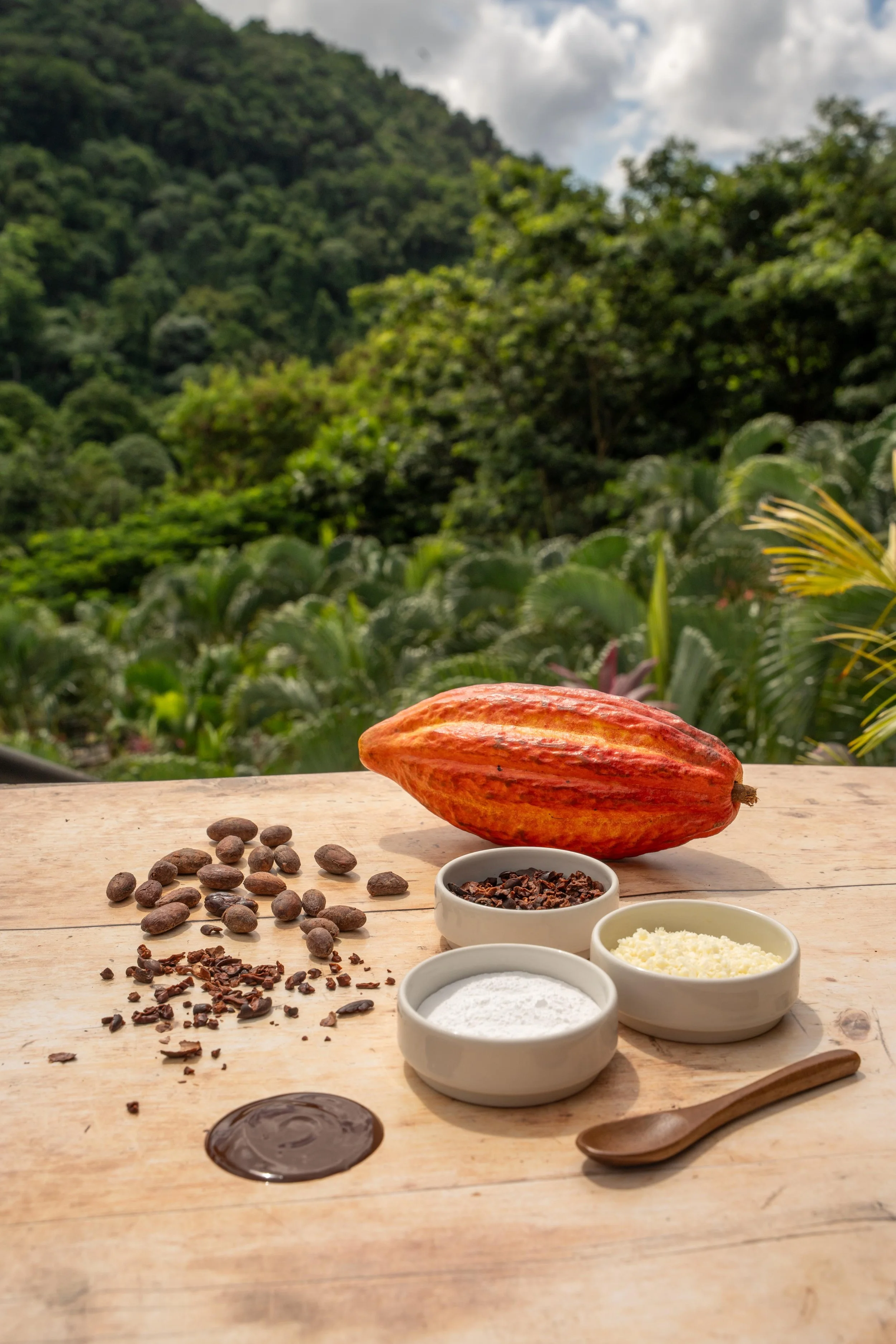
At Rabot Estate, cacao is both foundation and point of departure, shaping everything from the landscape to the guest experience. The 140 acre farm is dedicated primarily to Trinitario cacao, grown through organic and sustainable practices that support soil health and biodiversity. This connection extends across the estate, informing a farm to table approach where cacao moves beyond harvest into the restaurant, cocktails, and spa rituals, using the full pod in ways that reflect both resourcefulness and respect for the plant.
At the same time, the farm’s influence reaches beyond its boundaries through the Island Growers’ Programme, an initiative supporting the wider cacao community in Saint Lucia. By providing local farmers with seedlings, technical guidance, and guaranteed purchasing agreements, the programme helps revive cacao cultivation across the island while strengthening a more resilient, interconnected agricultural network.
“The farm’s influence reaches beyond its boundaries through the Island Growers’ Programme, an initiative supporting the wider cacao community in Saint Lucia. By providing local farmers with seedlings, technical guidance, and guaranteed purchasing agreements, the programme helps revive cacao cultivation across the island while strengthening a more resilient, interconnected agricultural network.”
Project Chocolat

Project Chocolat
Gentle Farming
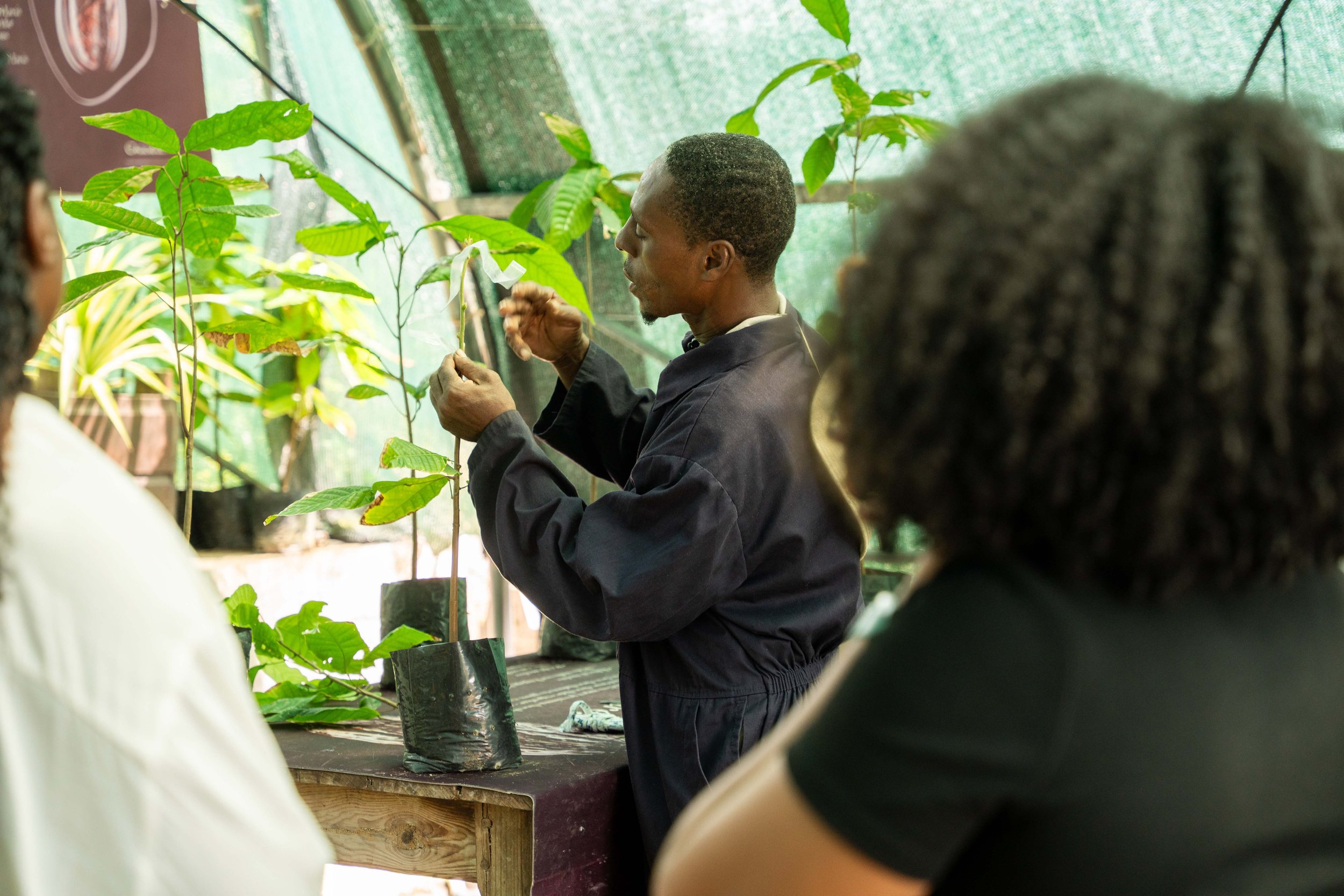
Gentle Farming forms the framework that supports these efforts, guiding how cacao is grown both on the estate and in other regions they source from such as Ghana. Pioneered and championed by Hotel Chocolat, the approach focuses on strengthening environmental and social outcomes through practical interventions. Farmers are supported with cacao and shade tree seedlings, training in pruning and farm management, and education around the use of organic fertilisers, allowing for more sustainable and productive systems over time.
Rather than a fixed model, Gentle Farming responds to the specific conditions of each place, building resilience through adaptability and shared knowledge. It reflects a broader commitment to ensuring that cacao cultivation supports both ecosystems and the communities connected to them.
“Gentle Farming forms the framework that supports these efforts, guiding how cacao is grown both on the estate and in other regions they source from such as Ghana. Pioneered and championed by Hotel Chocolat, the approach focuses on strengthening environmental and social outcomes through practical interventions. Farmers are supported with cacao and shade tree seedlings, training in pruning and farm management, and education around the use of organic fertilisers, allowing for more sustainable and productive systems over time.”
Project Chocolat
Project Chocolat
Project Chocolat
Project Chocolat
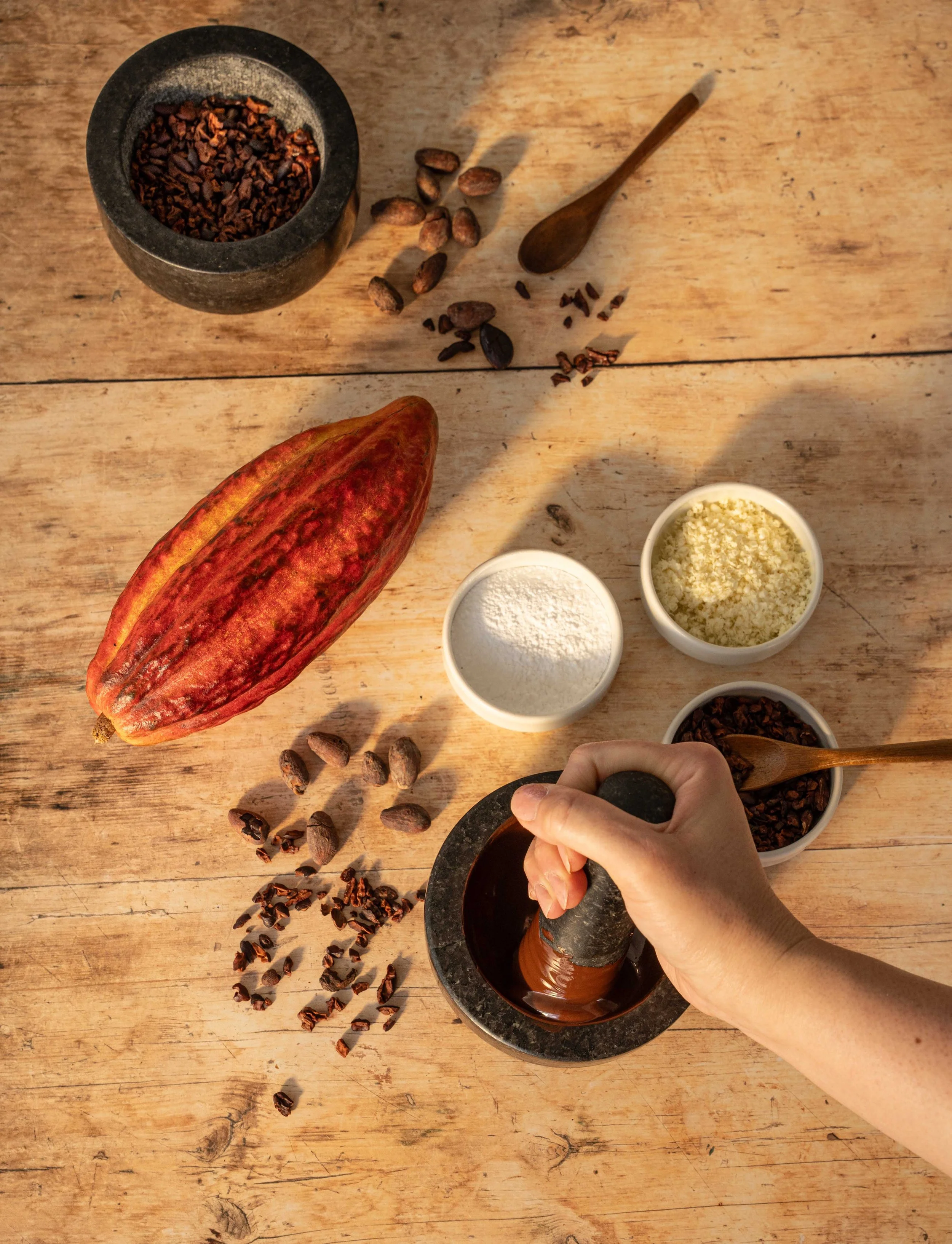
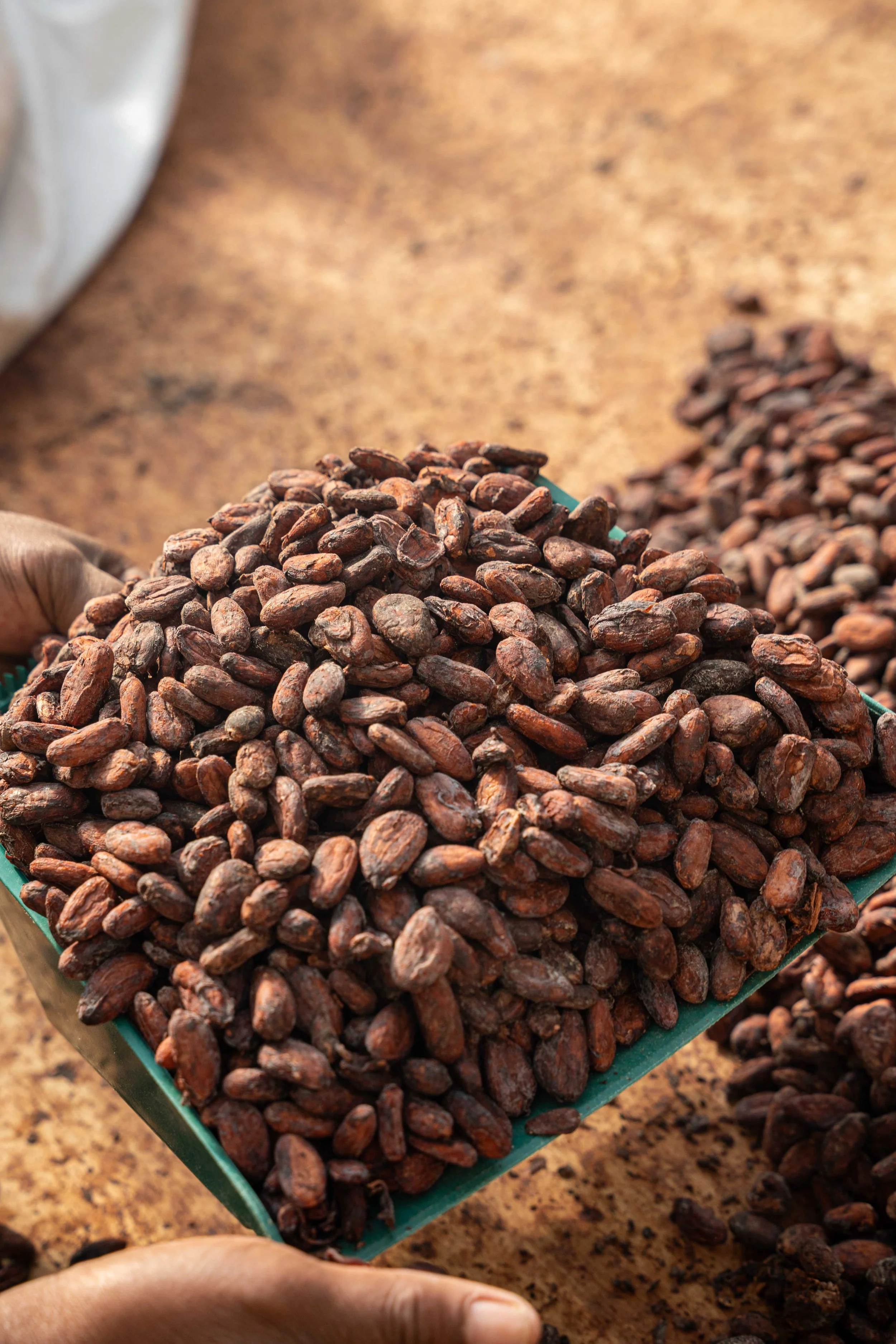
Within the estate, Project Chocolat brings the full journey of cacao into focus. Set across six acres, it offers guided tours, workshops, and demonstrations that trace the process from cultivation to chocolate making. Guests move through cacao groves, learning about the lifecycle of the tree, before engaging in hands-on experiences that reveal how beans are transformed into finished bars.
Experiences such as the Tree to Bar and Bean to Bar tours create a direct connection between landscape and product, allowing visitors to understand chocolate through process rather than abstraction. Project Chocolat deepens the relationship between guest and place, reinforcing the idea that travel can be both immersive and educational, rooted in the systems that sustain it.
Rabot Hotel