
Rabot Hotel
SAINT LUCIA
Rabot Hotel
SAINT LUCIA
Rabot Hotel from Hotel Chocolat
Saint Lucia, Caribbean
PERSONALITIES
Cacao lovers. Honeymooners. Eco-conscious travelers. Adventure seekers. Slow travelers. Wellness wanderers. Solo travelers.
MOMENTS
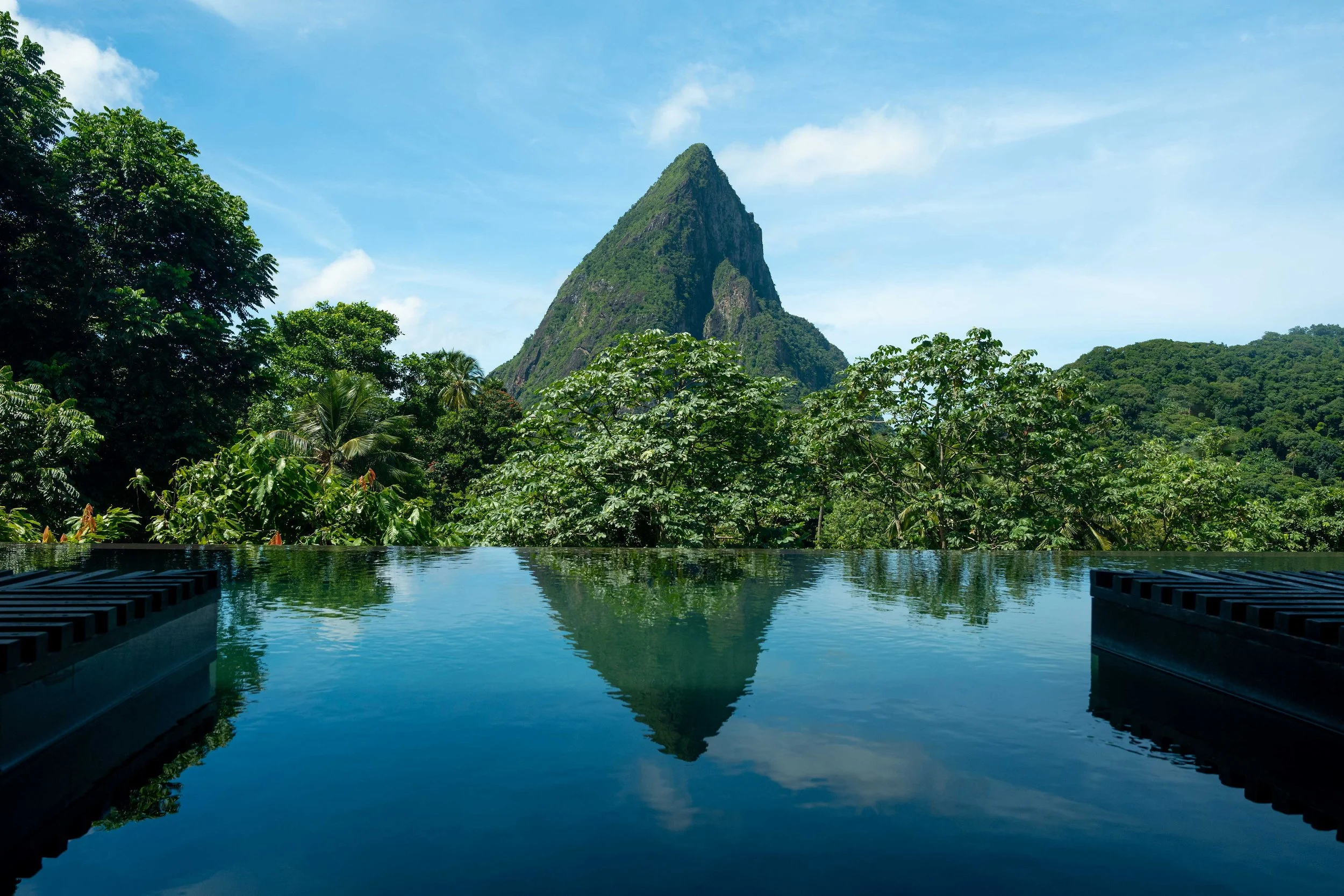
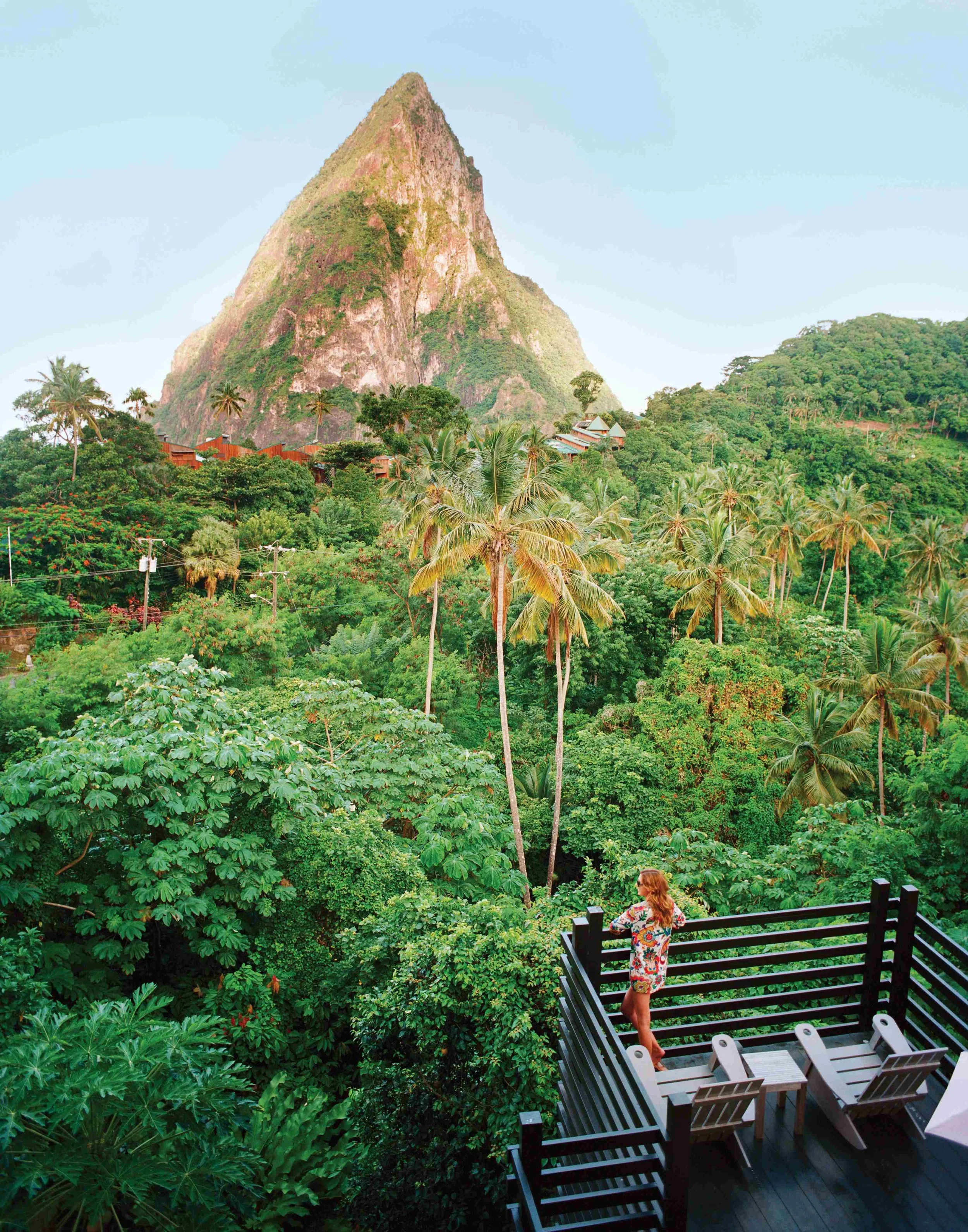
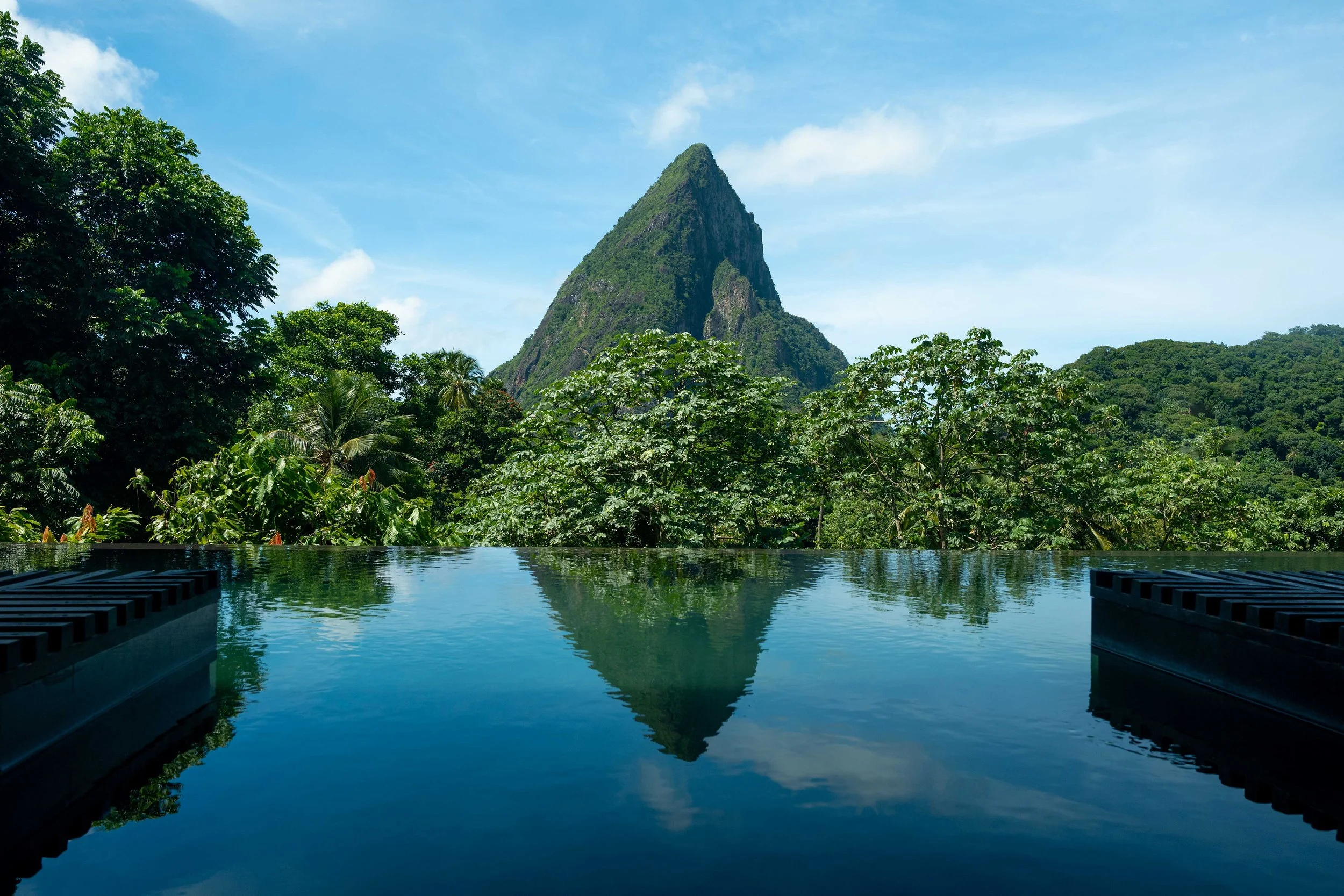
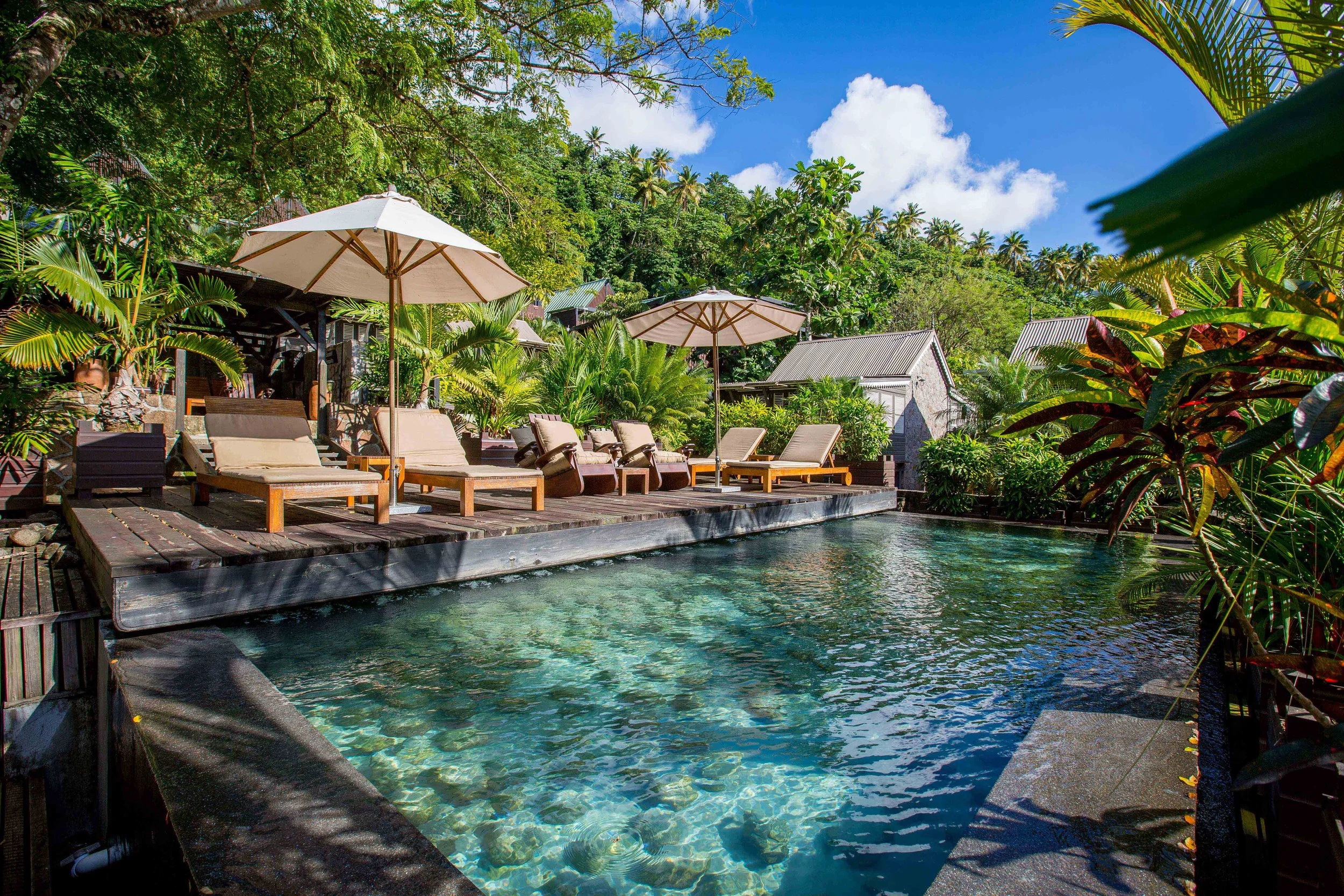
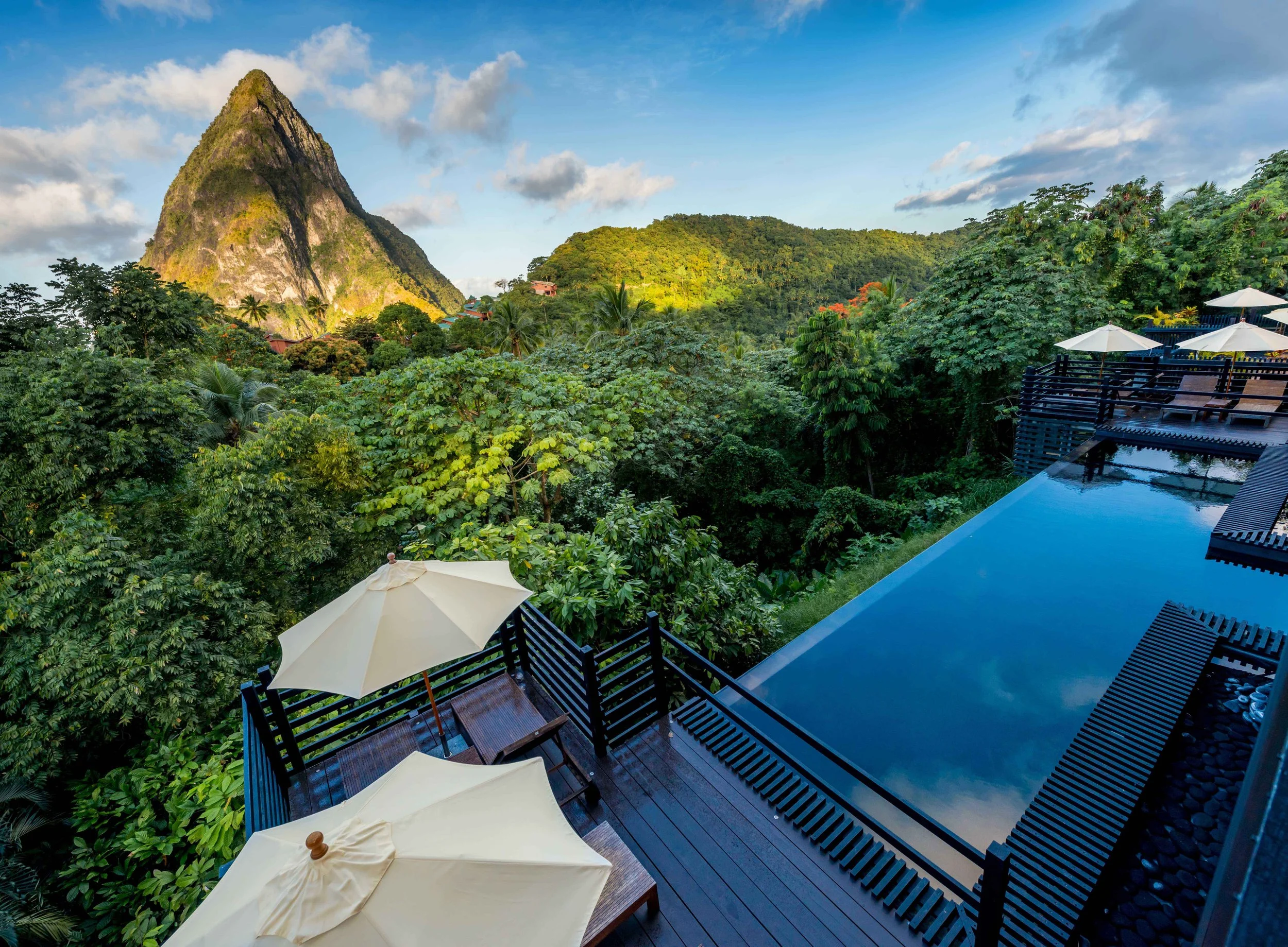
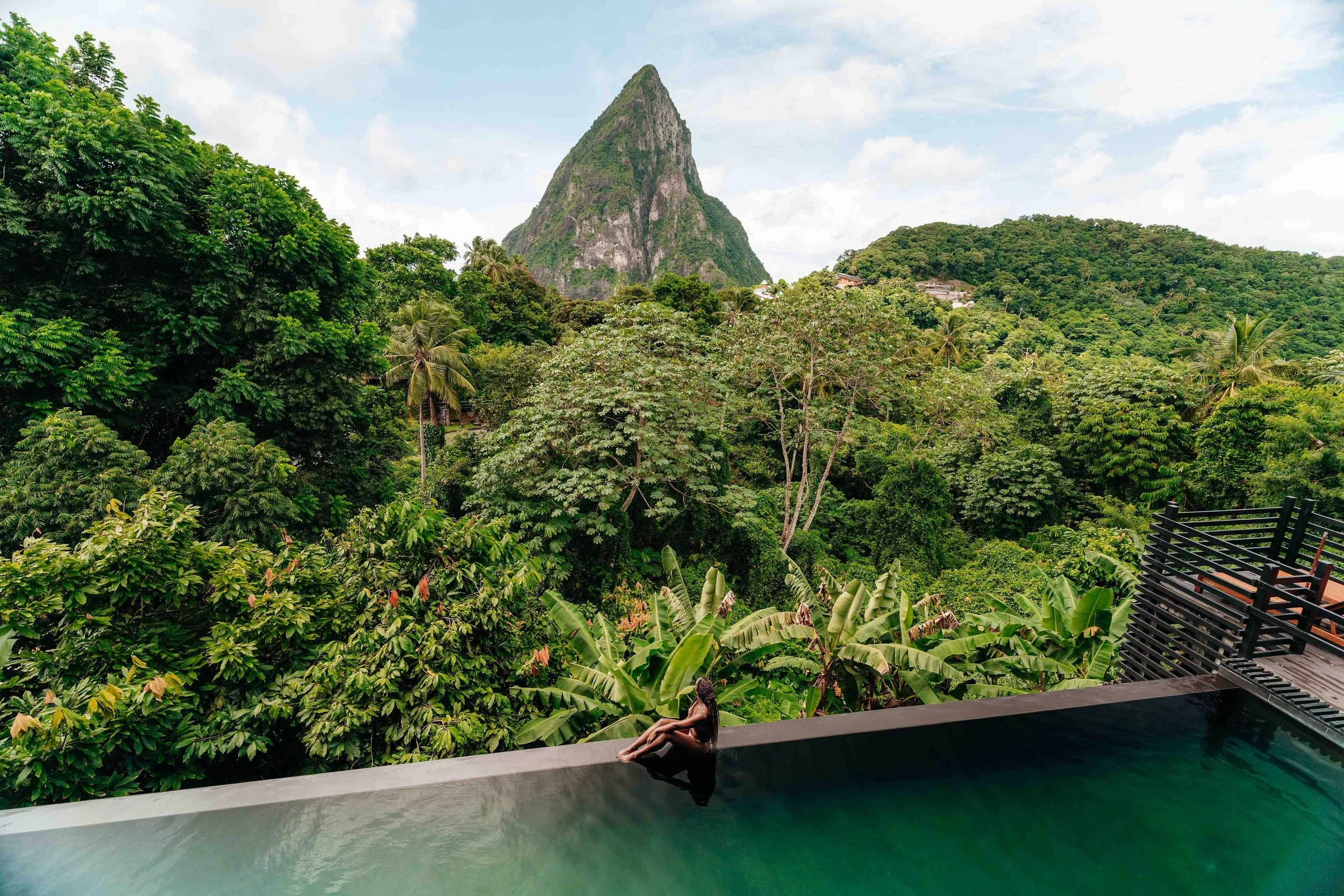
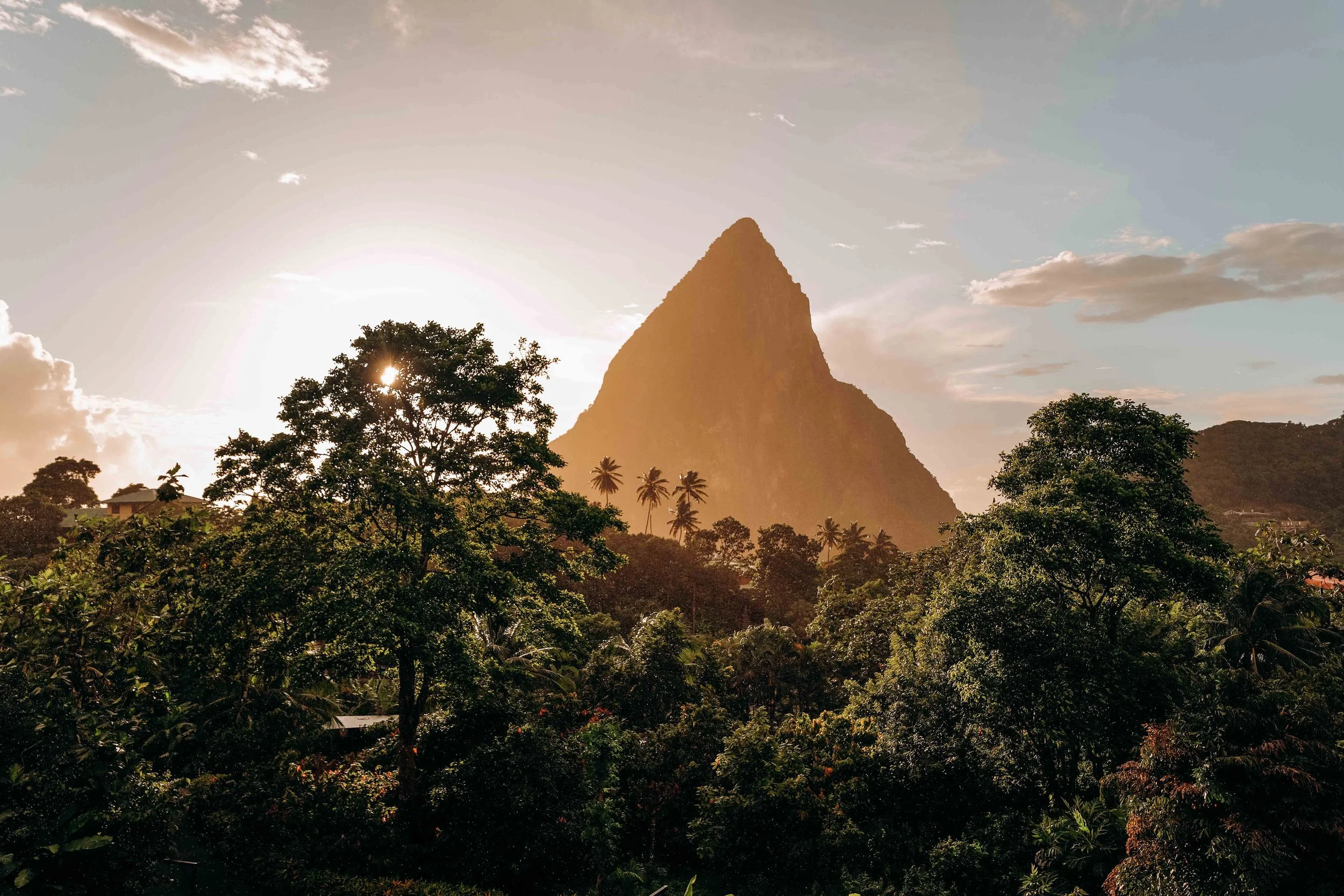
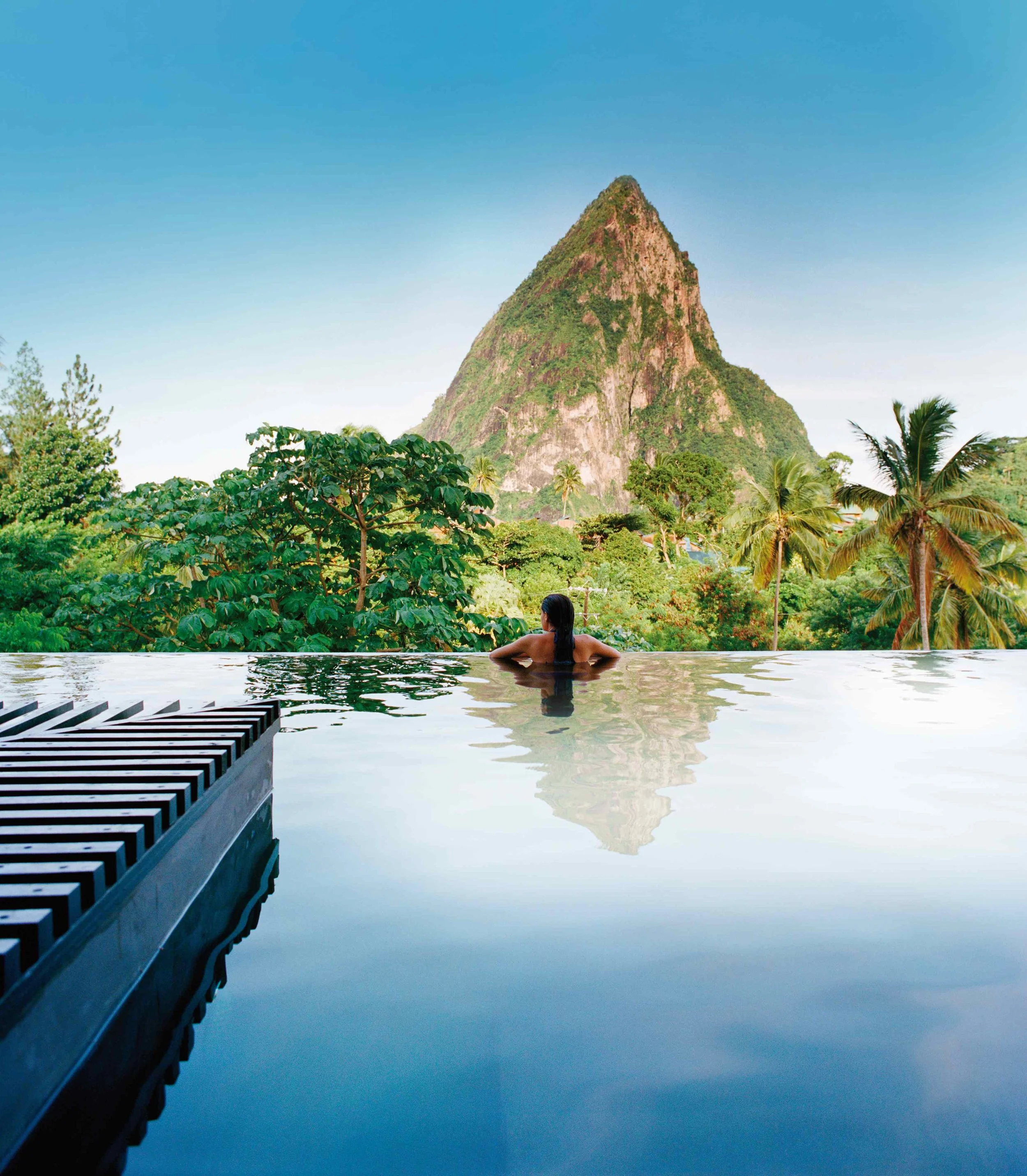
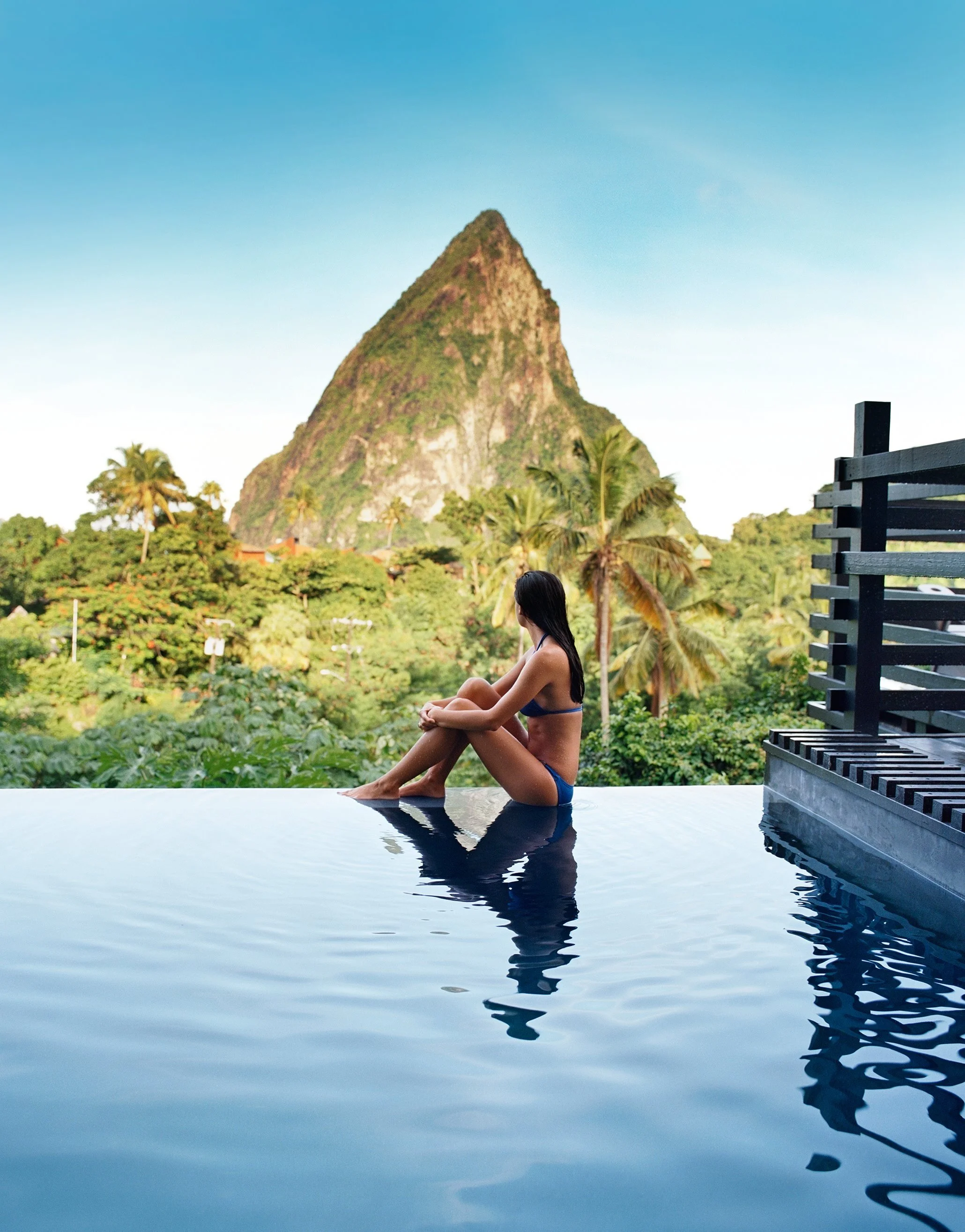
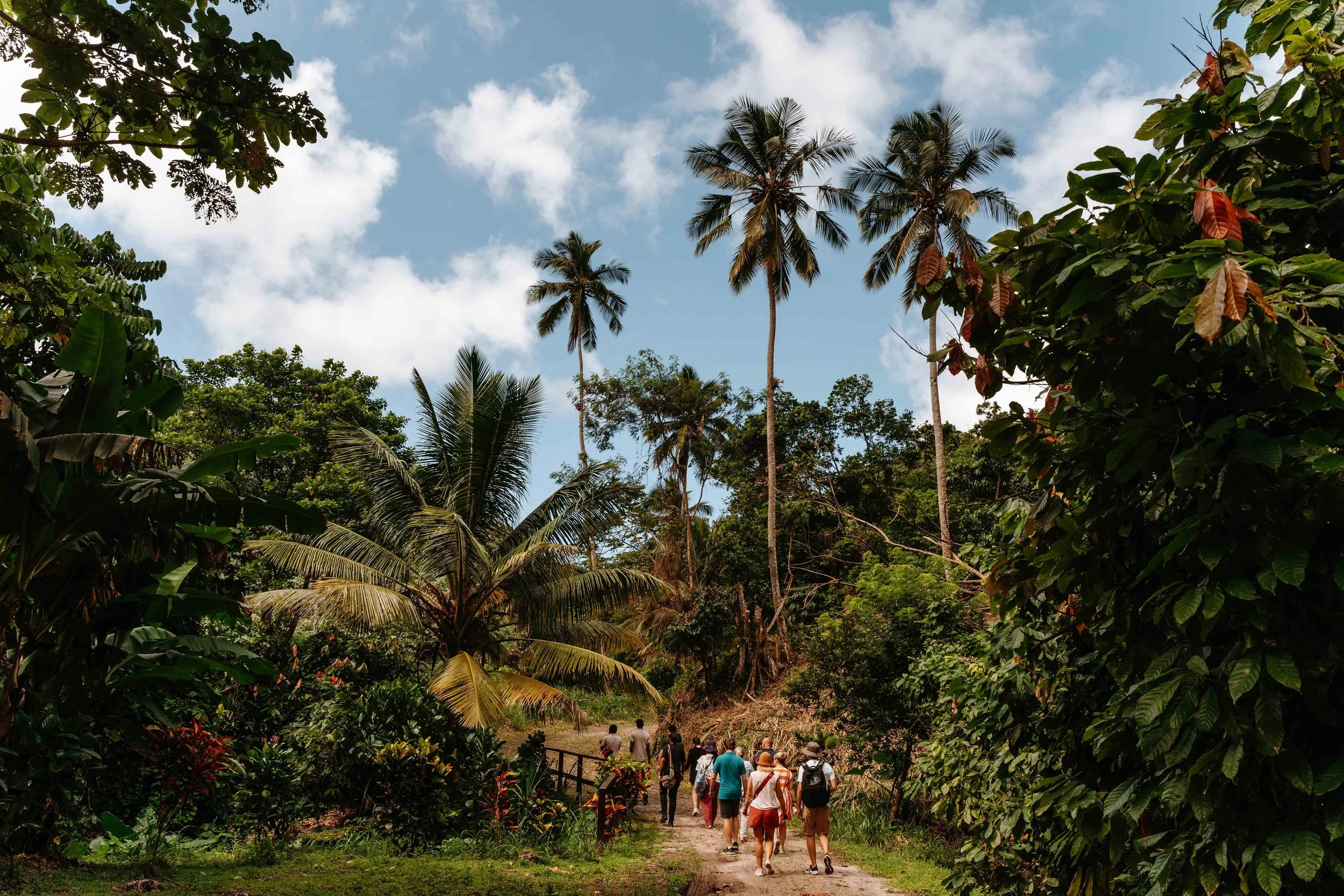
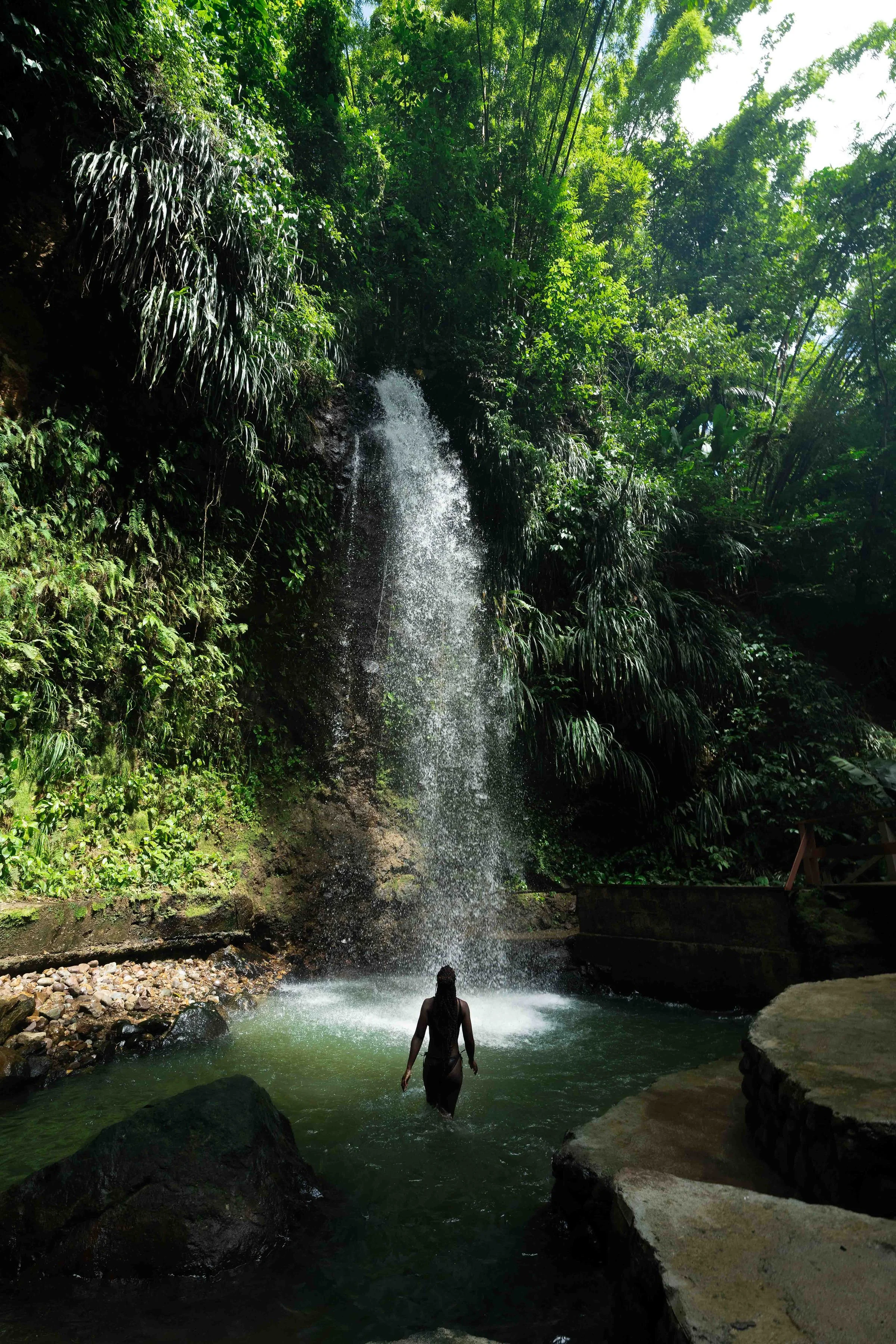
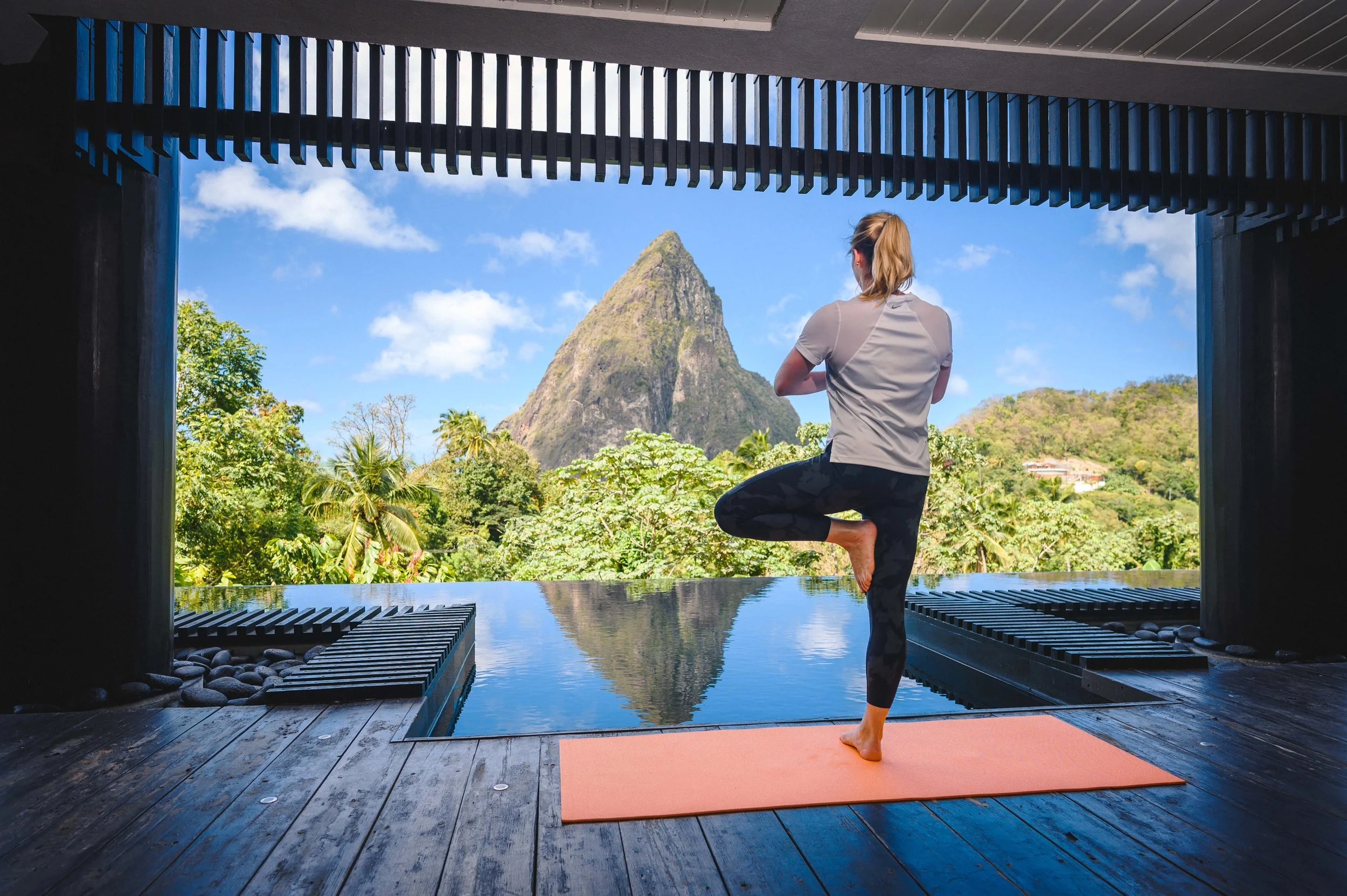
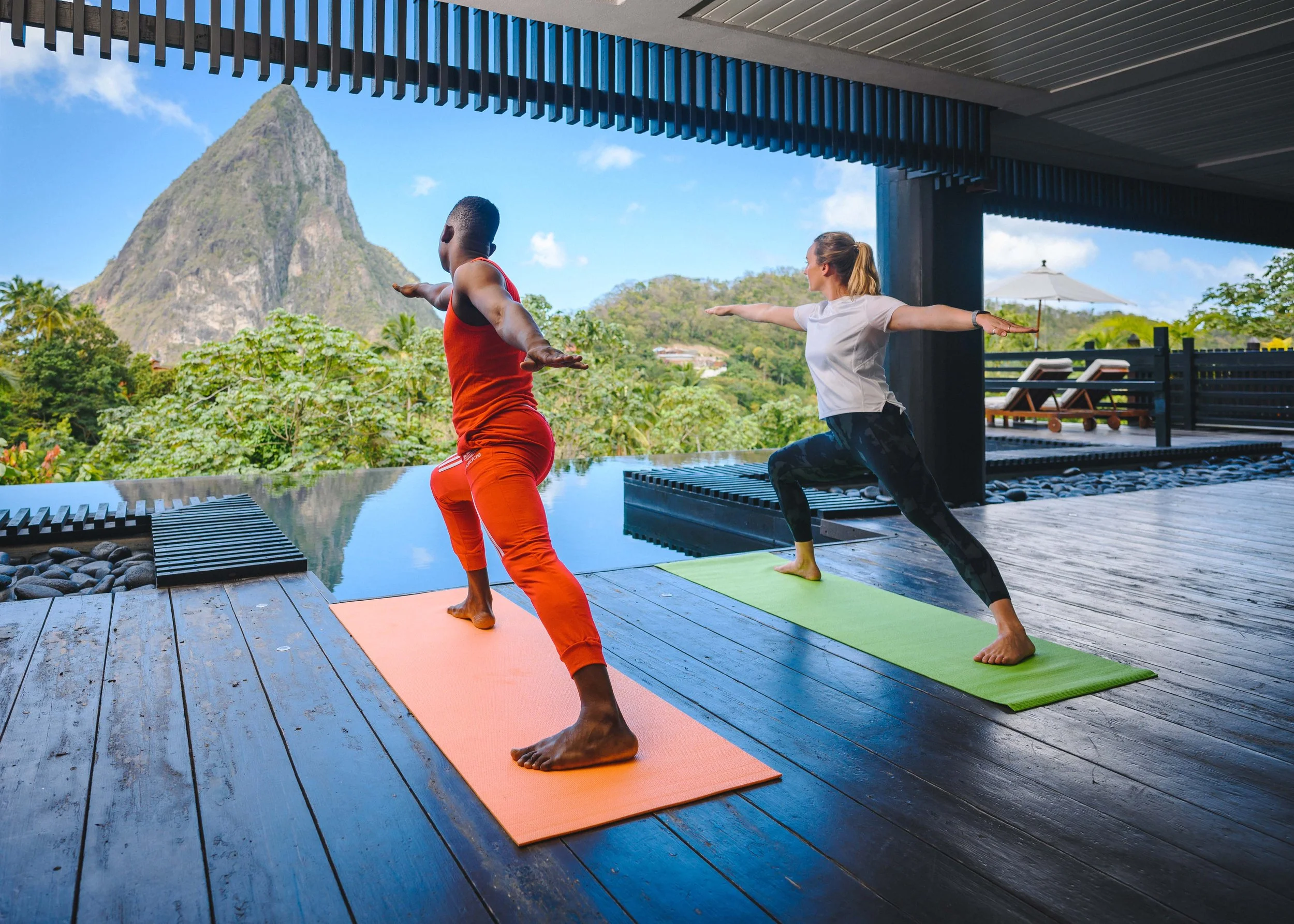
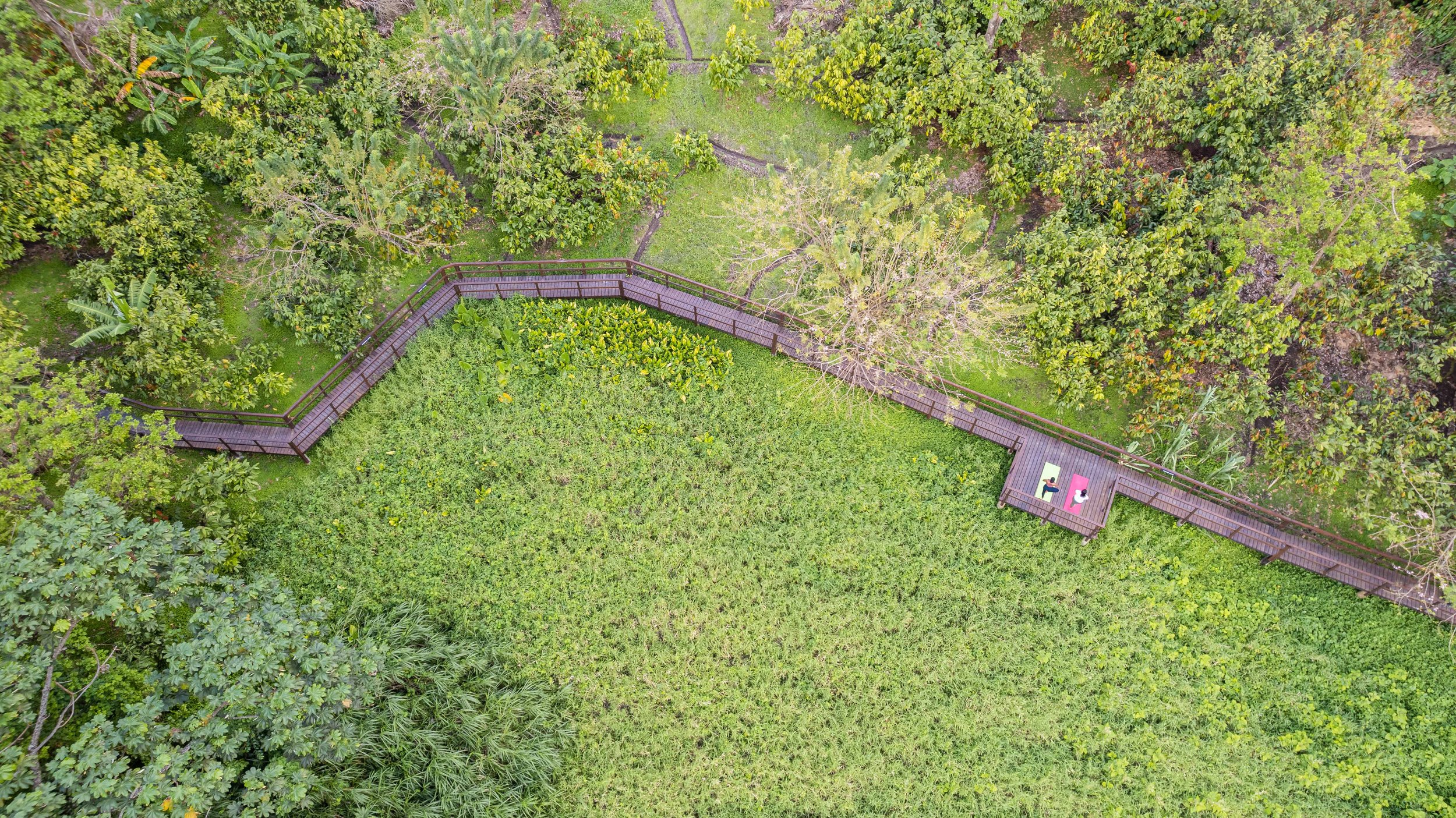
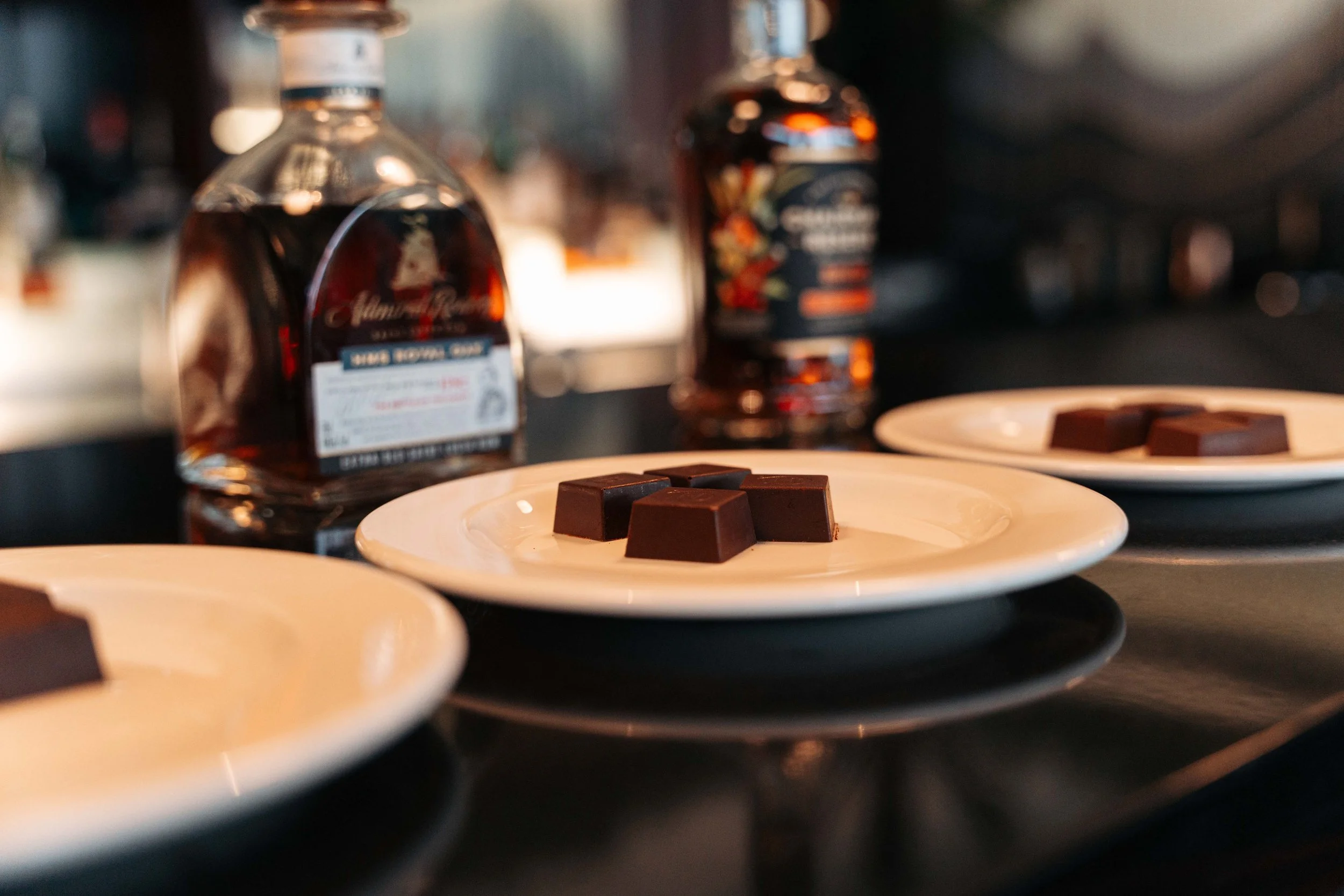
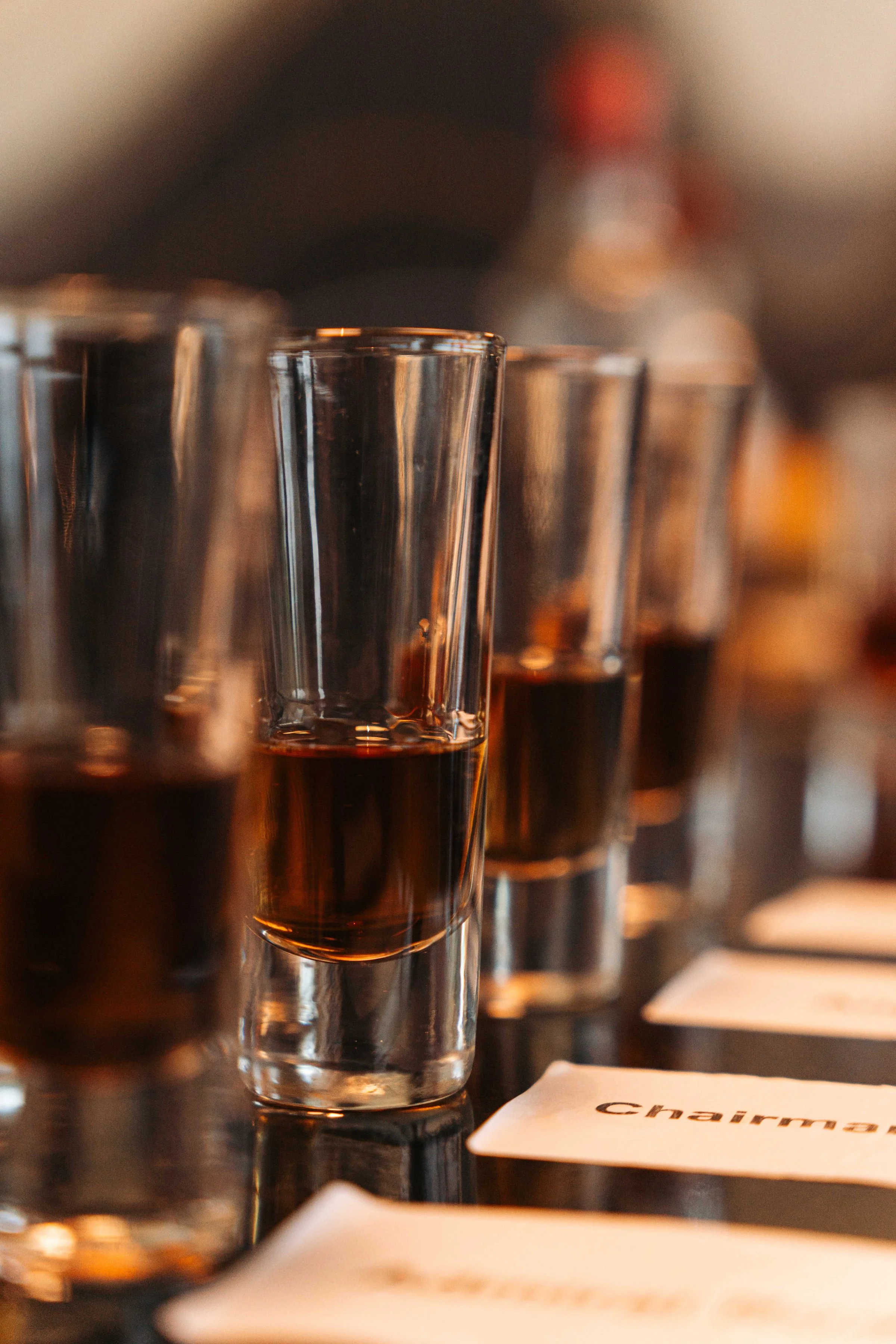
Morning walks through cacao groves. Yoga with the rainforest as your backdrop. Hiking to hidden waterfalls. Tasting single-origin chocolate under coconut trees. Sharing rum tastings and stories. Watching the sun set behind the Pitons from the cliffside pool. Evening stargazing from the estate terraces.
BEST VISITING MONTHS
You can visit Rabot Hotel year-round, as each season brings its own character to the surrounding landscapes. The best time to visit is from December to April, Saint Lucia’s dry season, when days are warm, sunny, and ideal for exploring the estate. May to June and November offer quieter shoulder months with vibrant, rain-refreshed greenery and a relaxed pace.
COST

WHY STAY
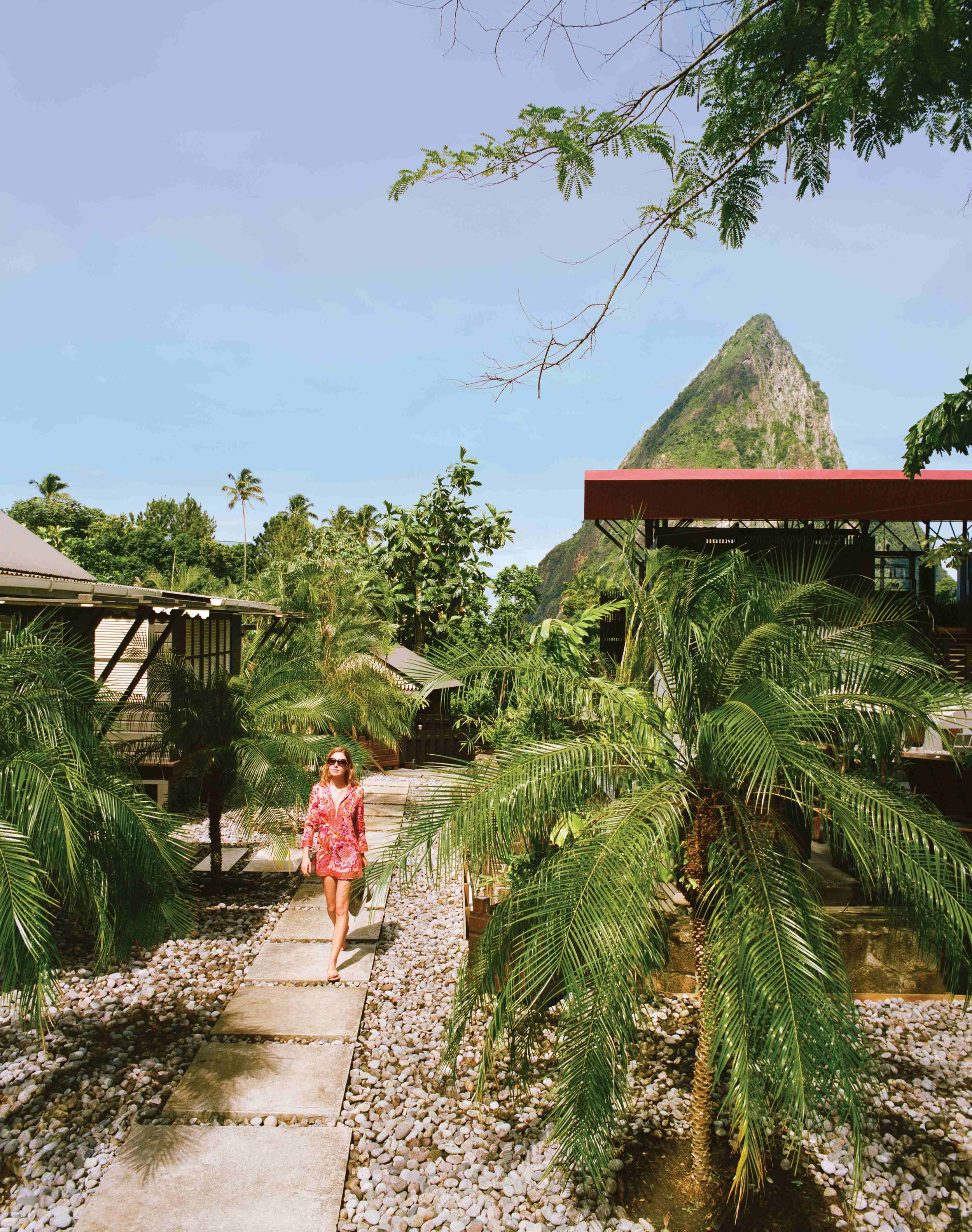
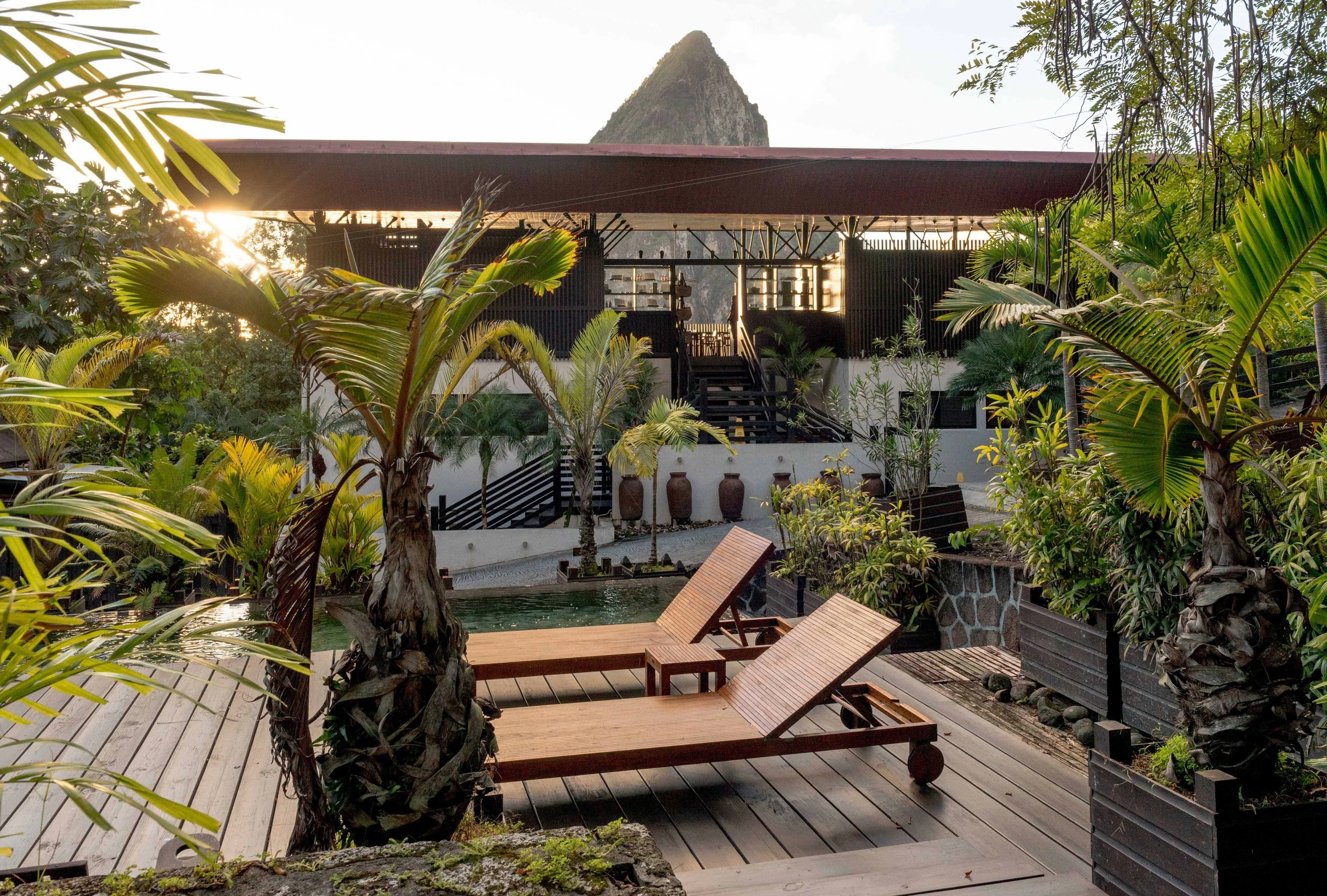
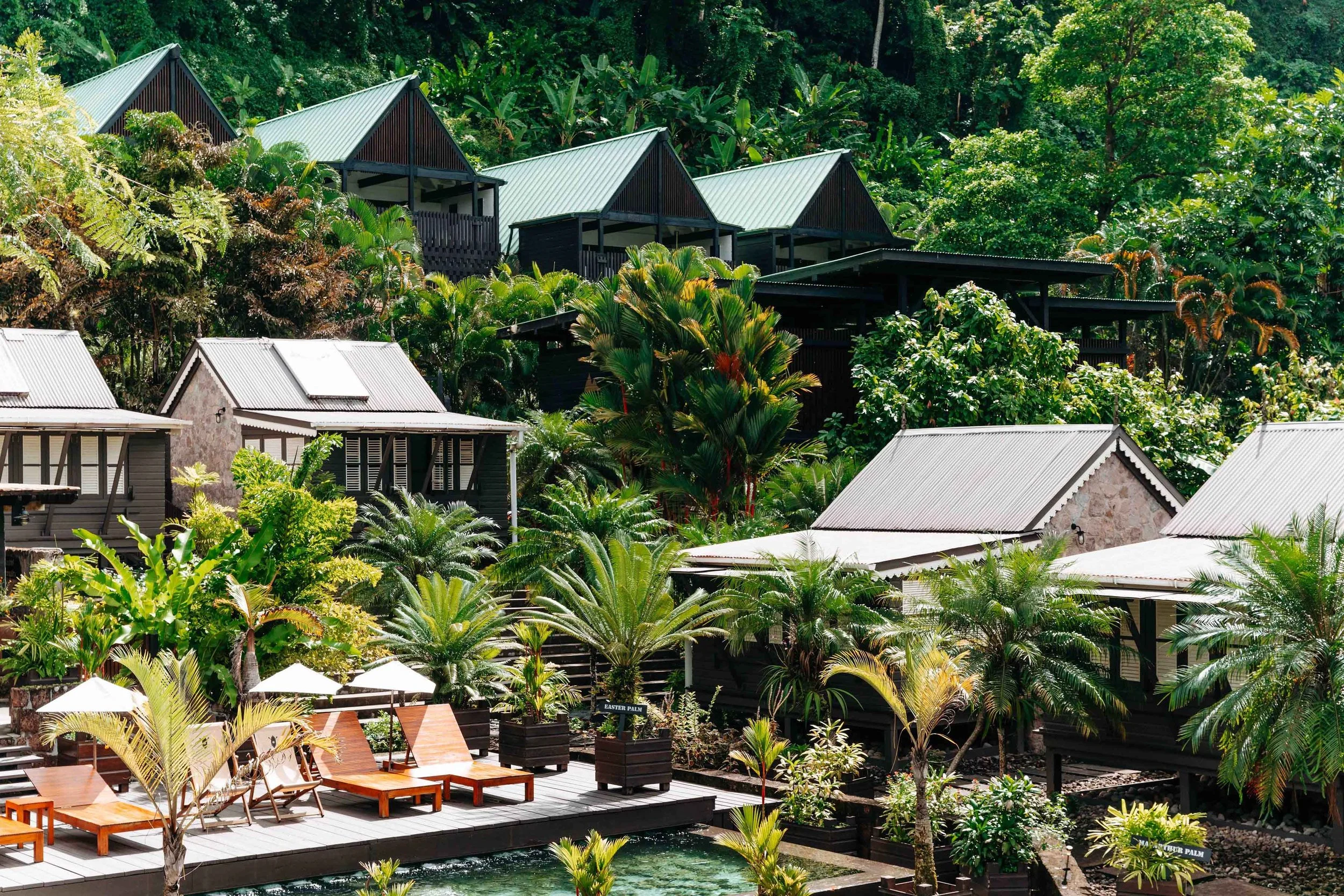
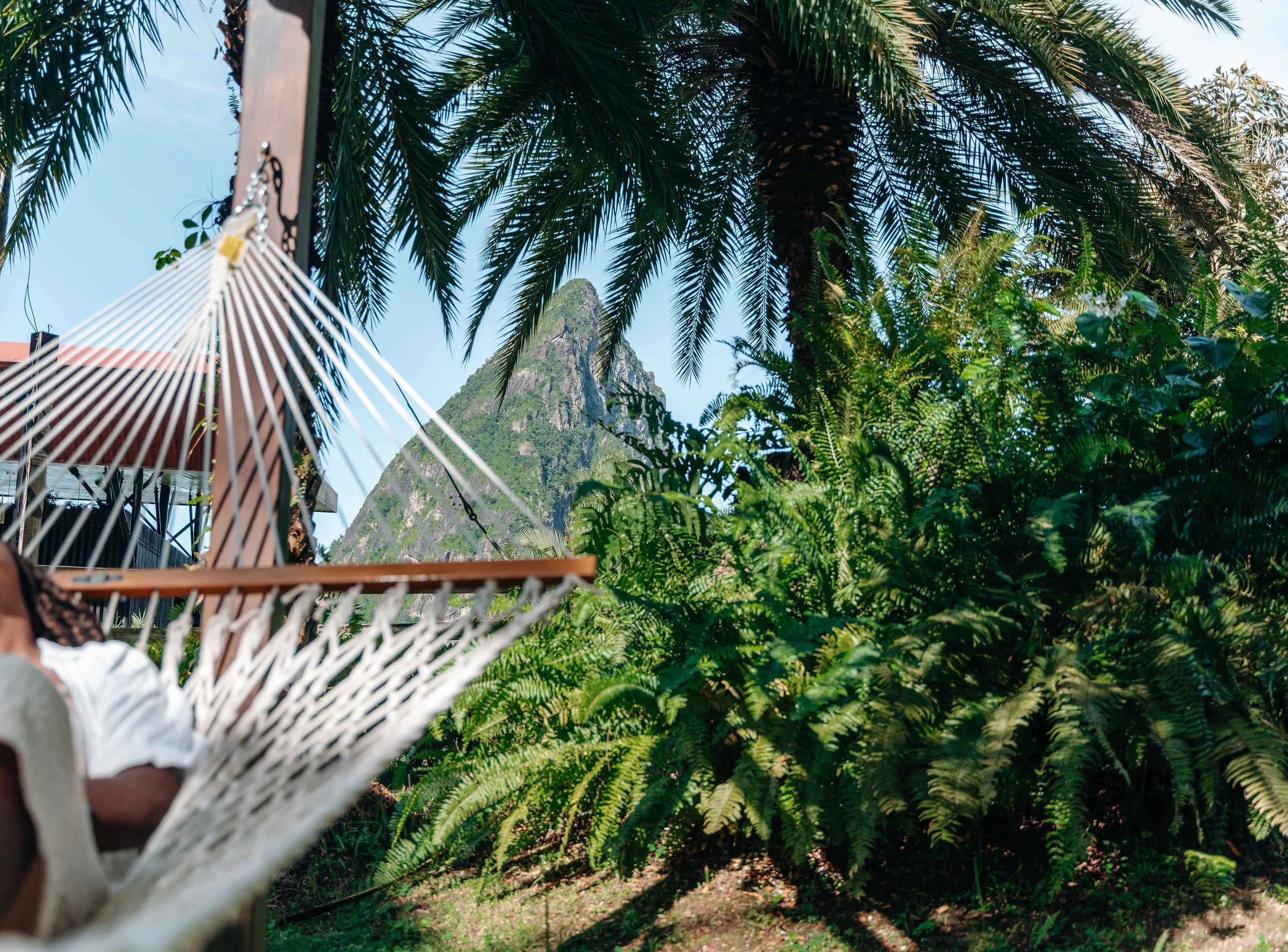
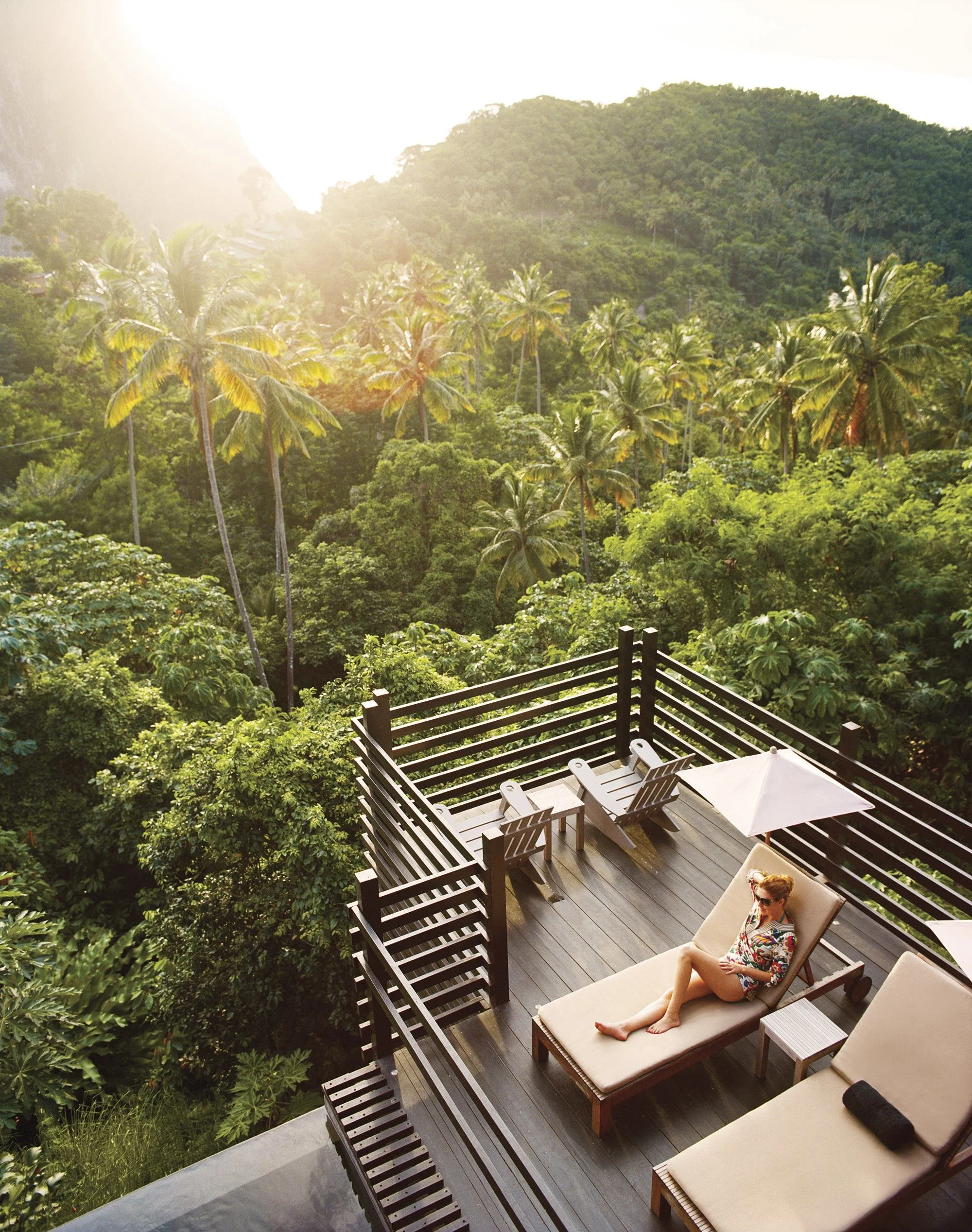
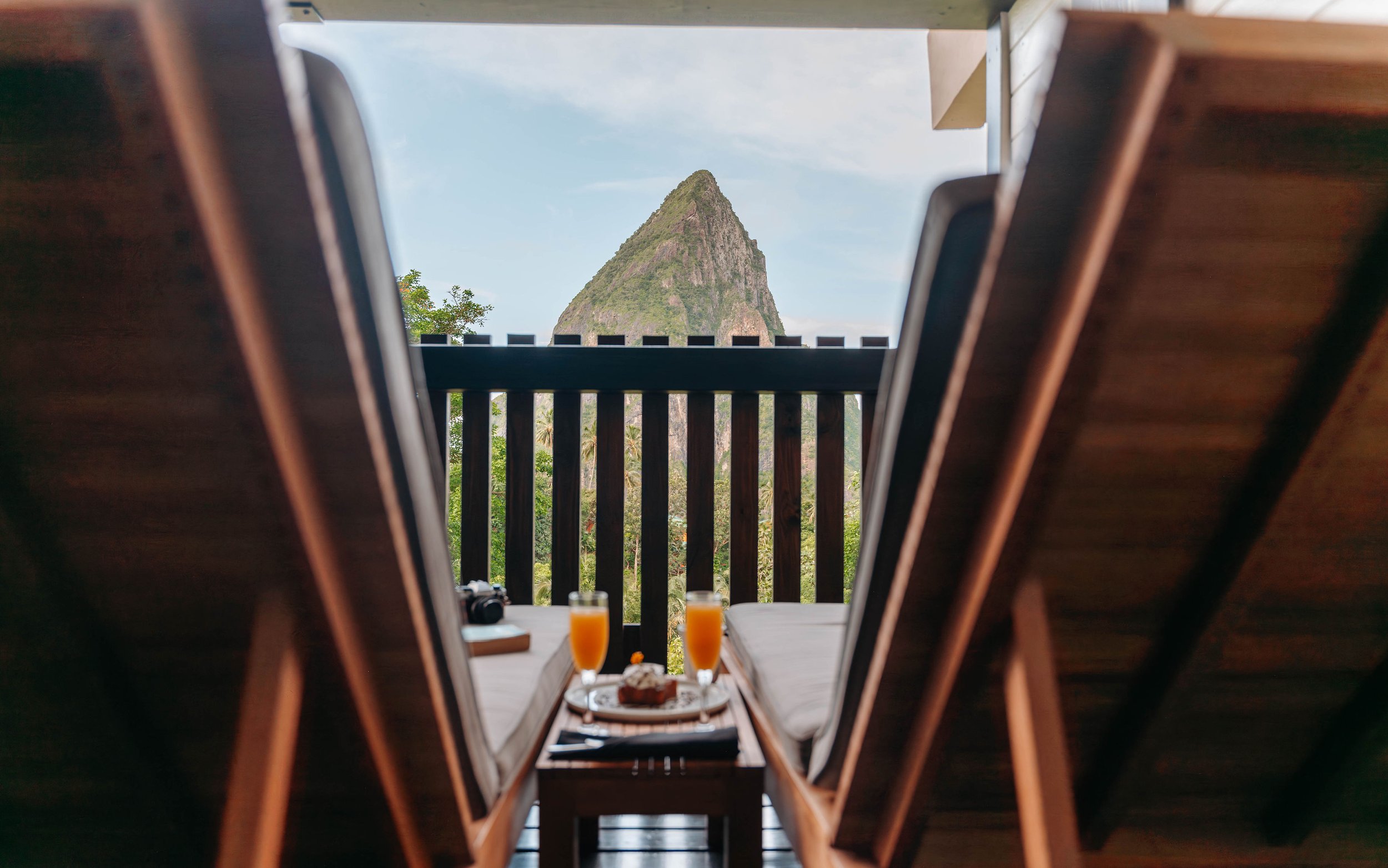
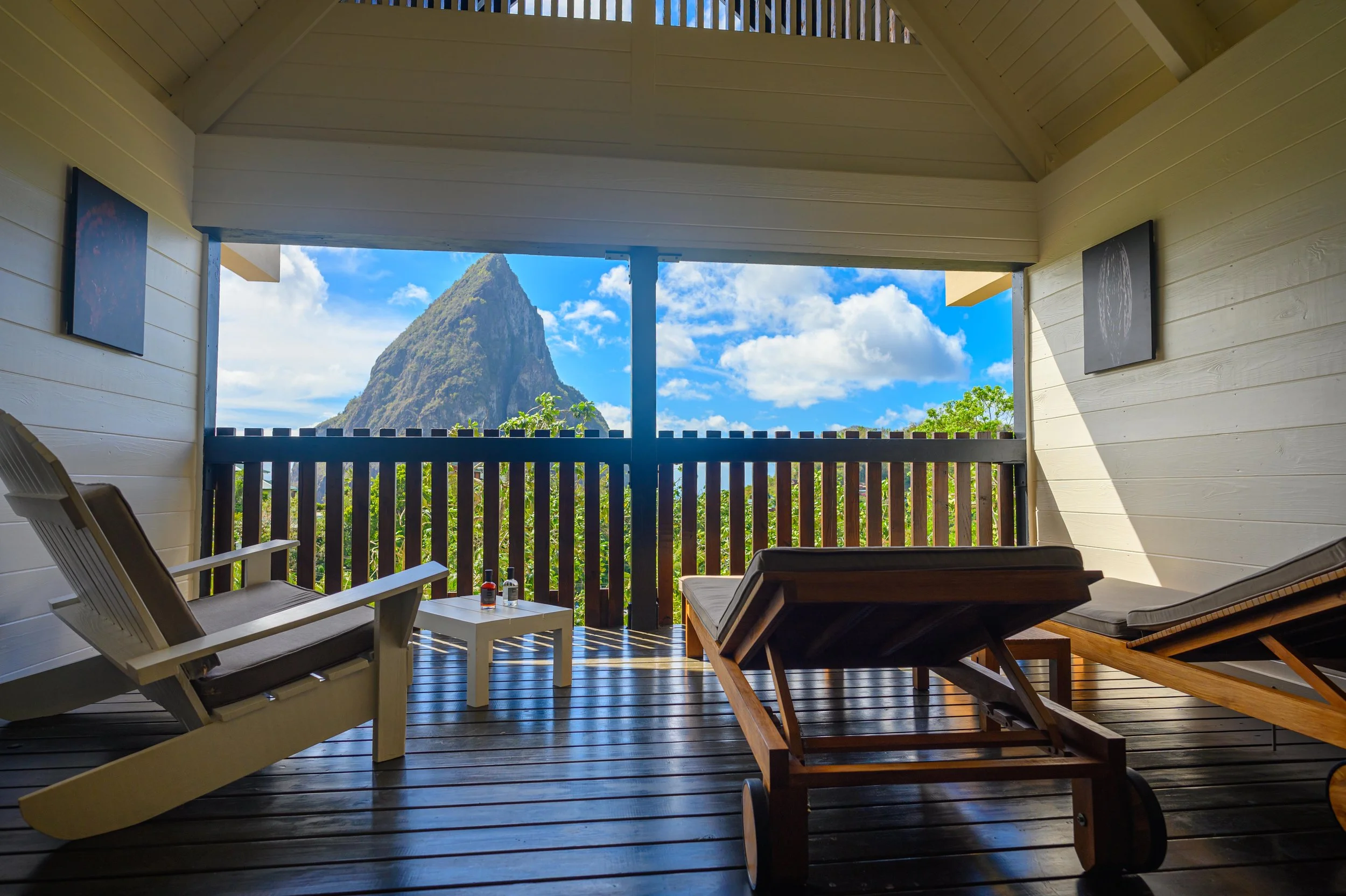
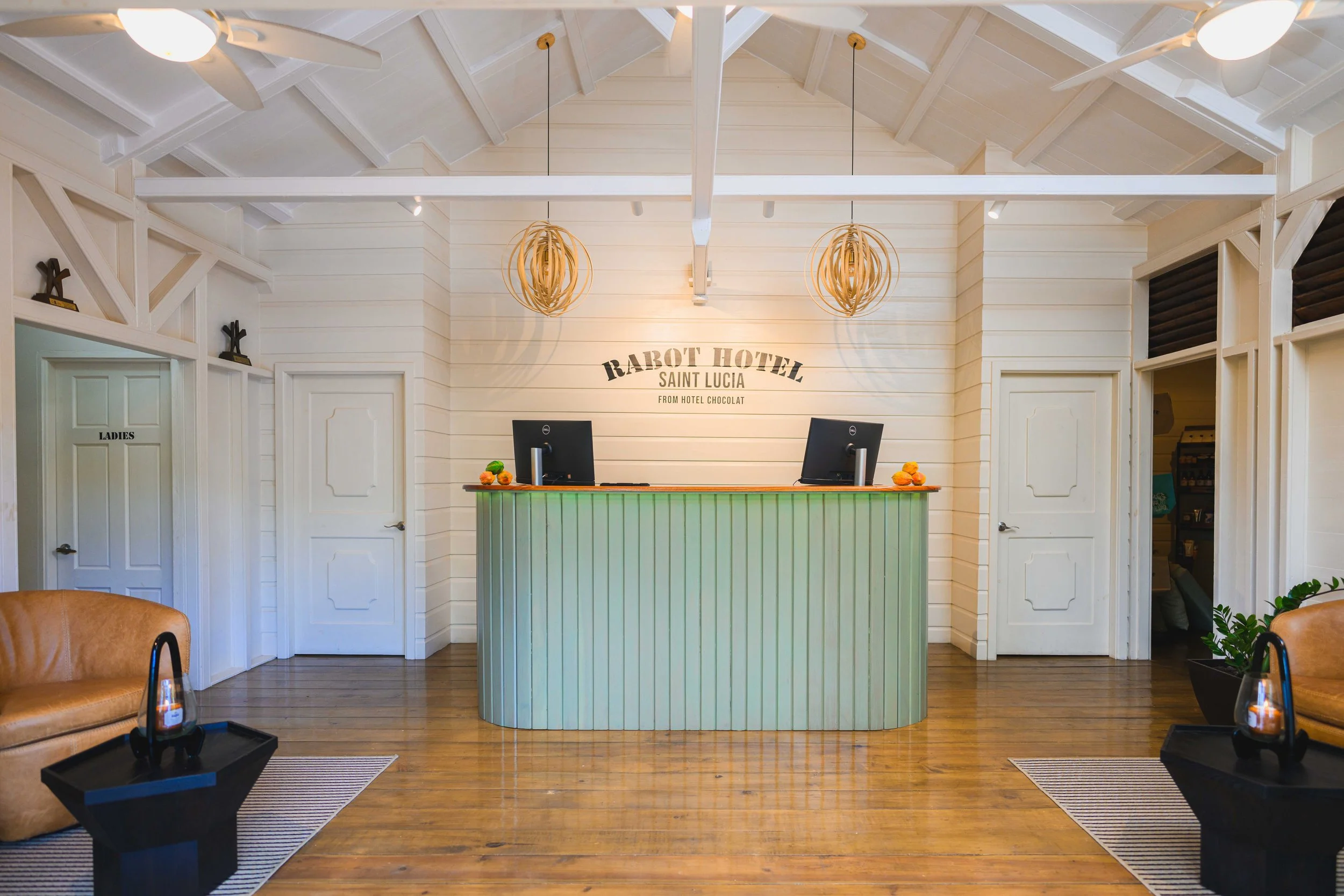
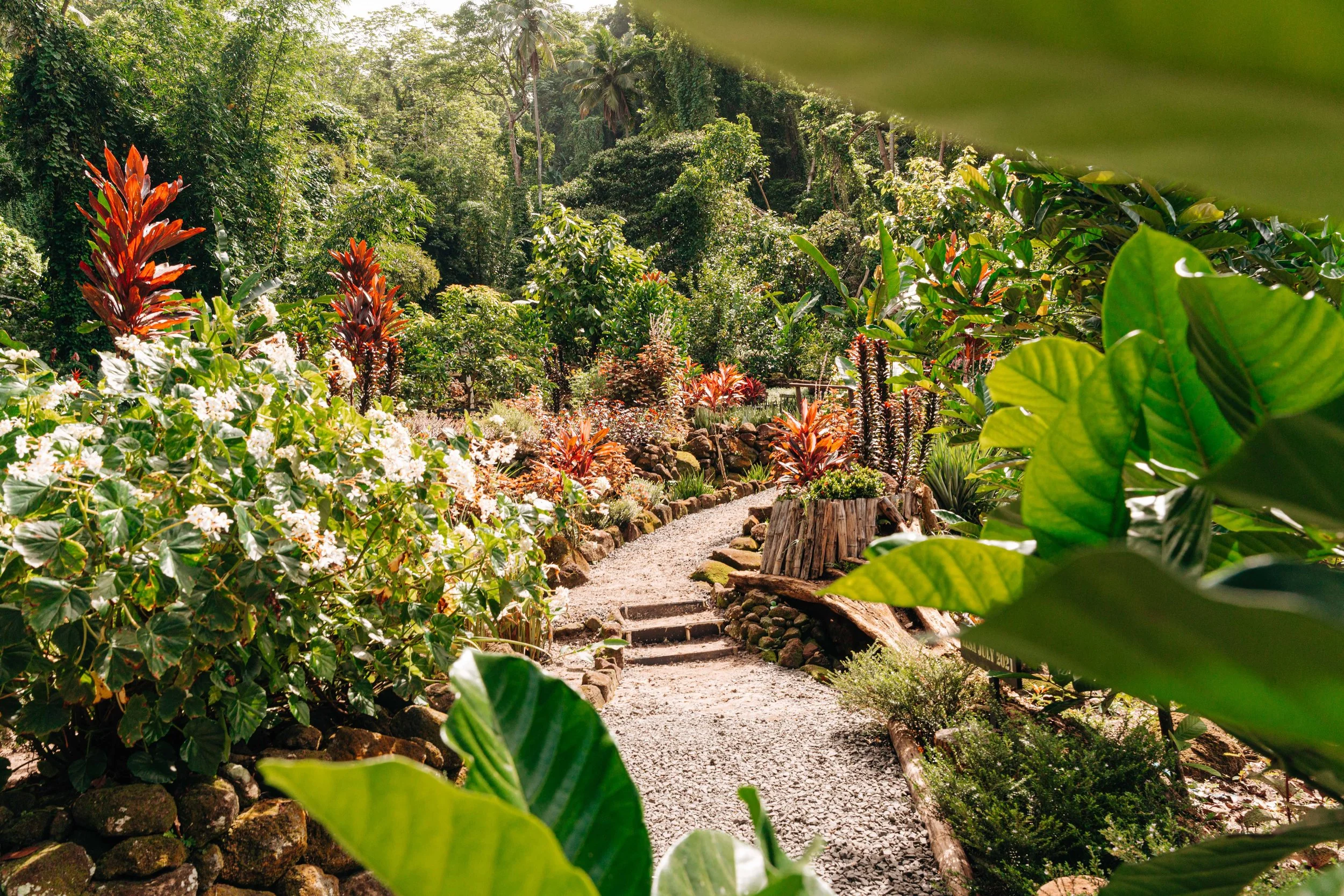
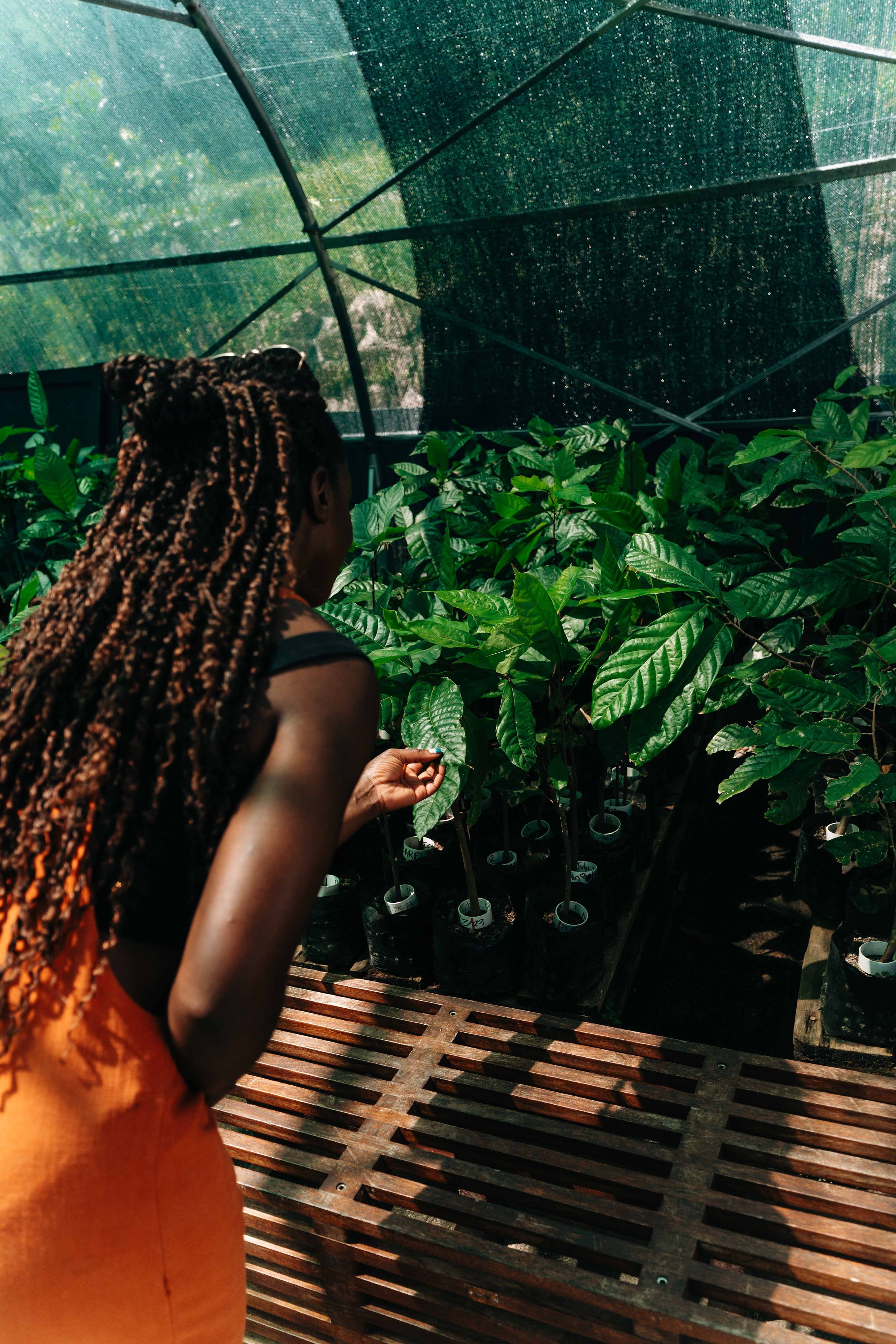
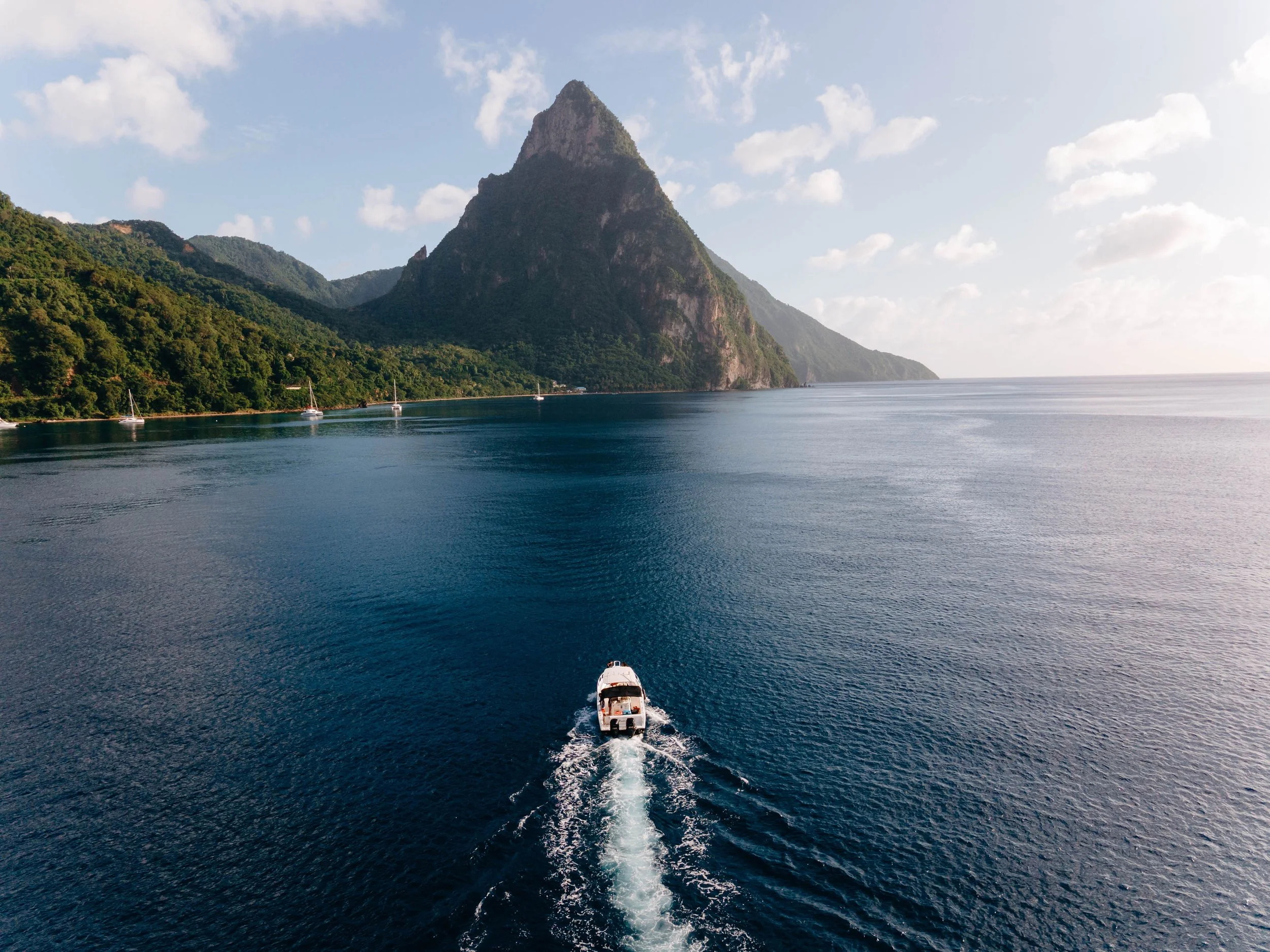
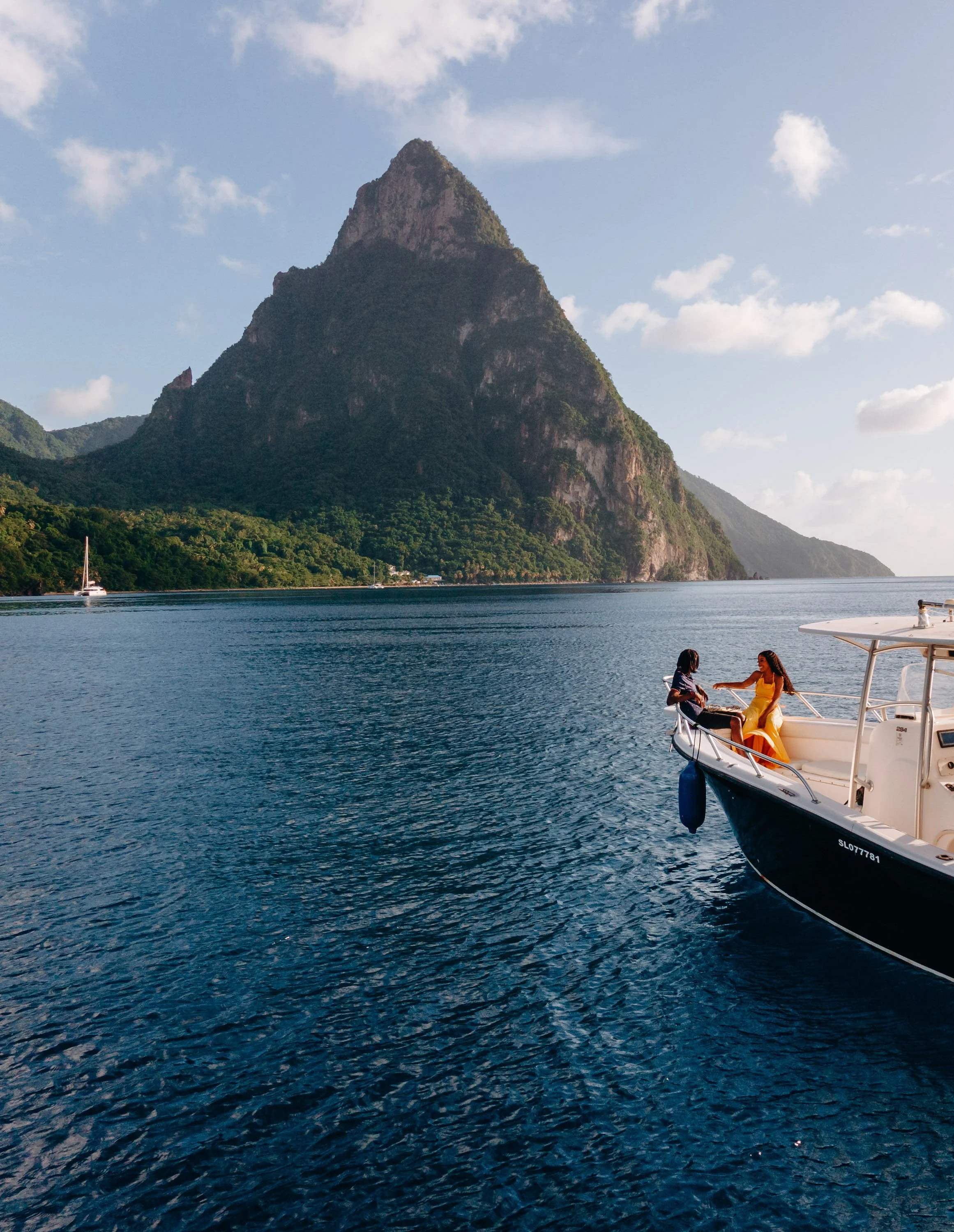
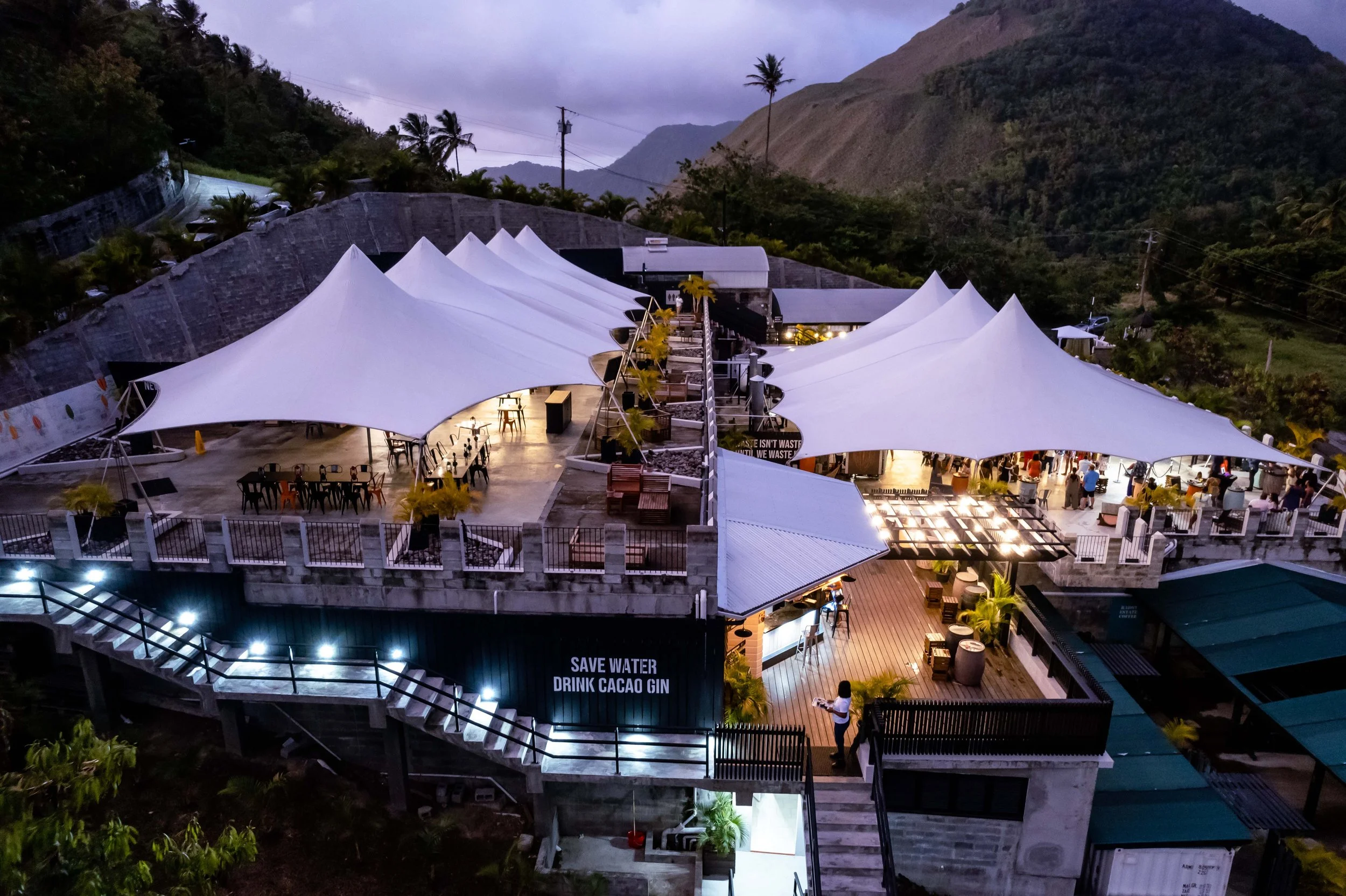
Rabot Hotel sits high above the lush Soufrière hills of Saint Lucia on a working organic cacao farm. Surrounded by rainforest and open to views of the Pitons, the adults-only property captures the island’s wild contrasts: volcanic mountains meeting tropical valleys, cool breezes softening the dense humidity of the jungle below. The estate is a hub of cacao research and it inspires Hotel Chocolat’s gentle cacao farming approach, which is shared with the Island Grower's Programme in Saint Lucia as well as their farmer partners in Ghana. Guests wake to the scent of flowers and birdsong, wander beneath canopies of mango, coconut, and flamboyant trees, and feel the pulse of the island’s fertile landscape in every direction.
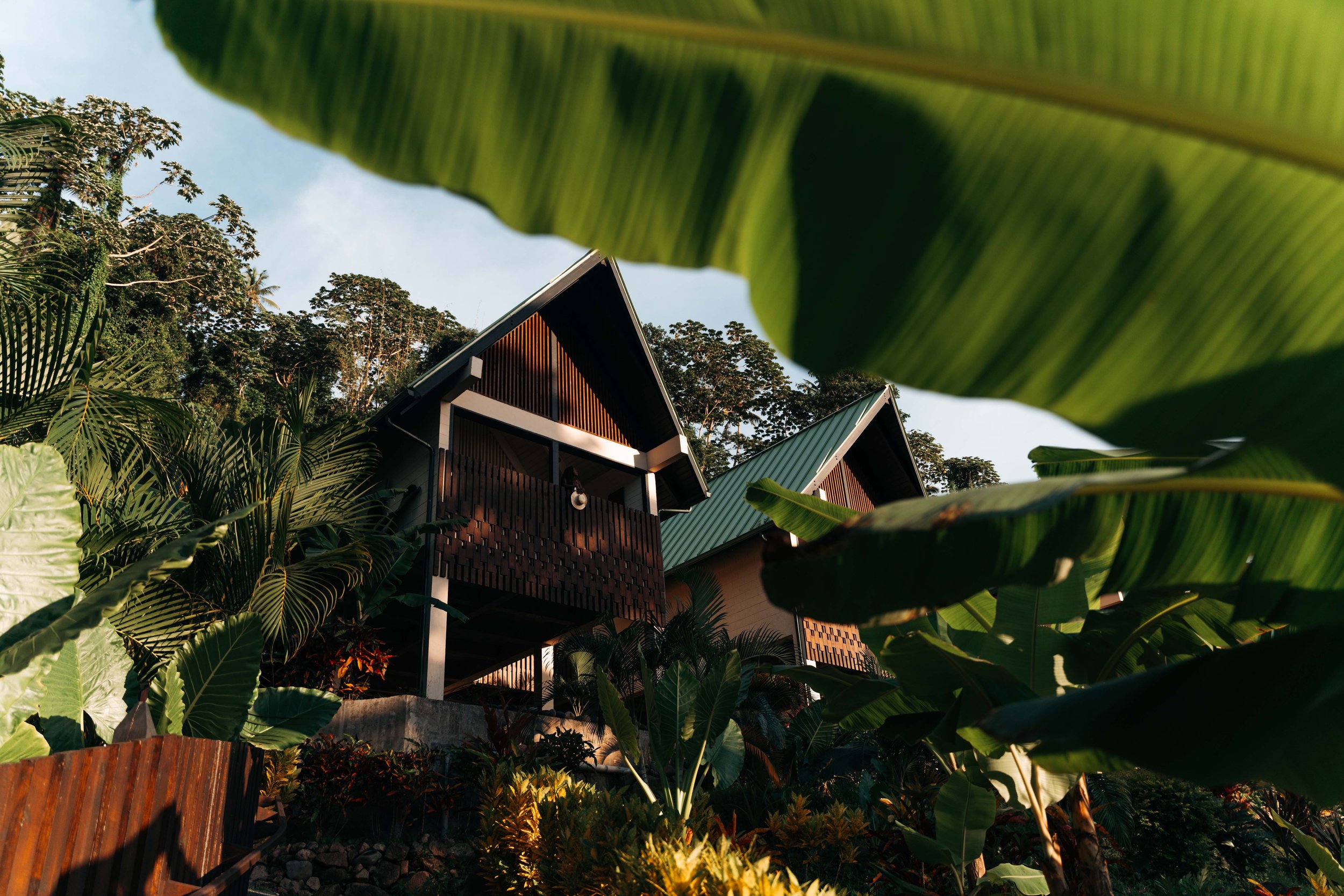
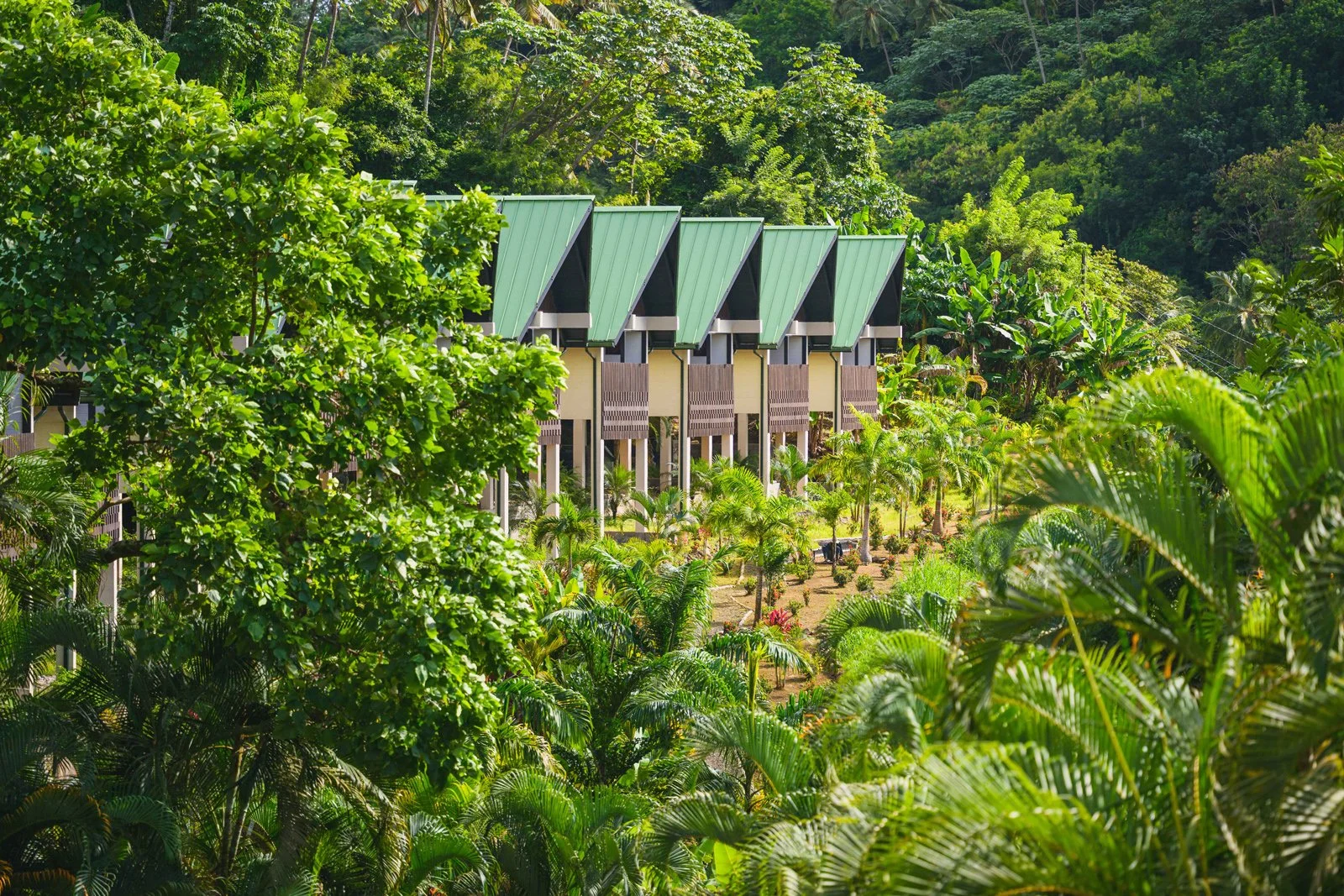
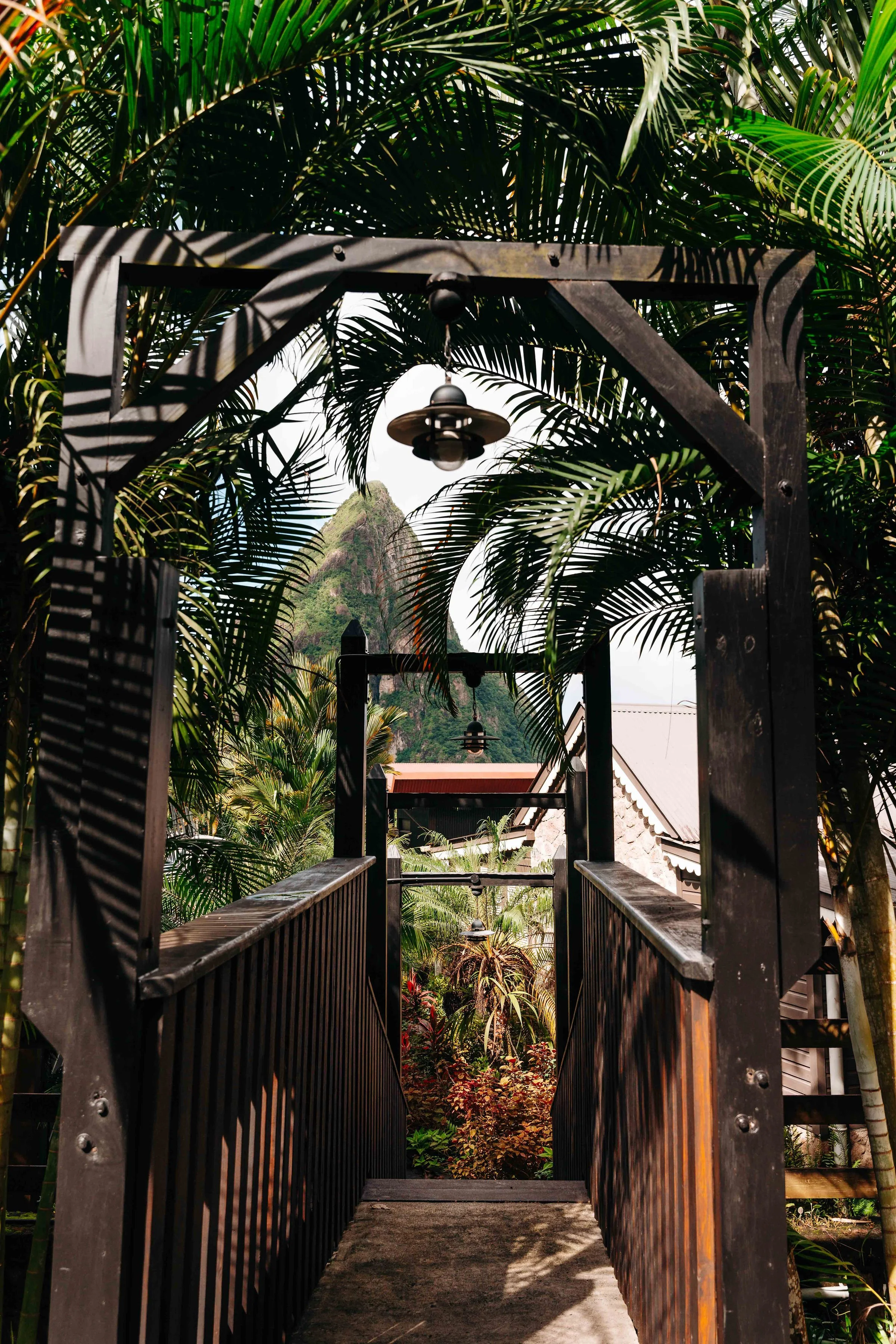
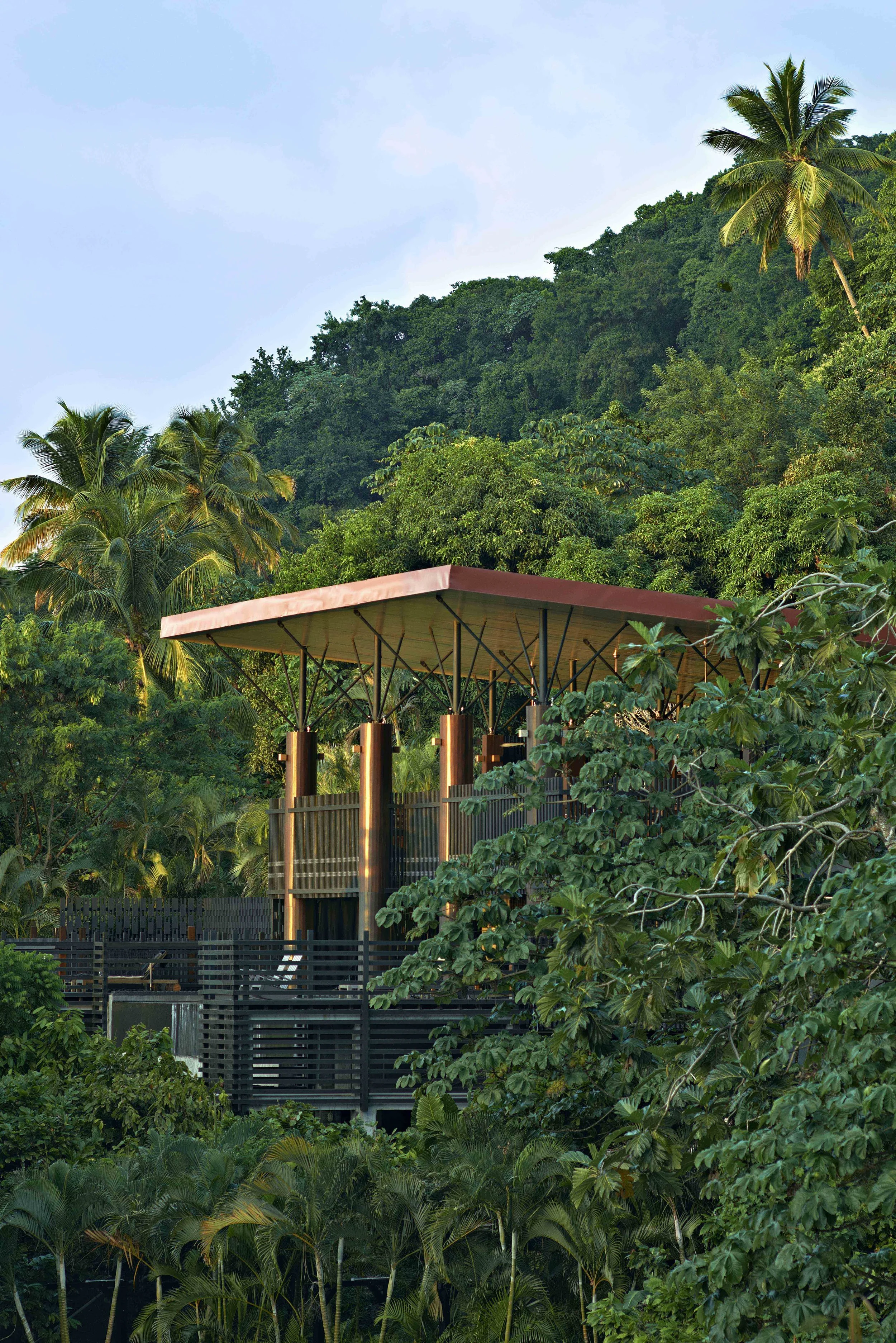
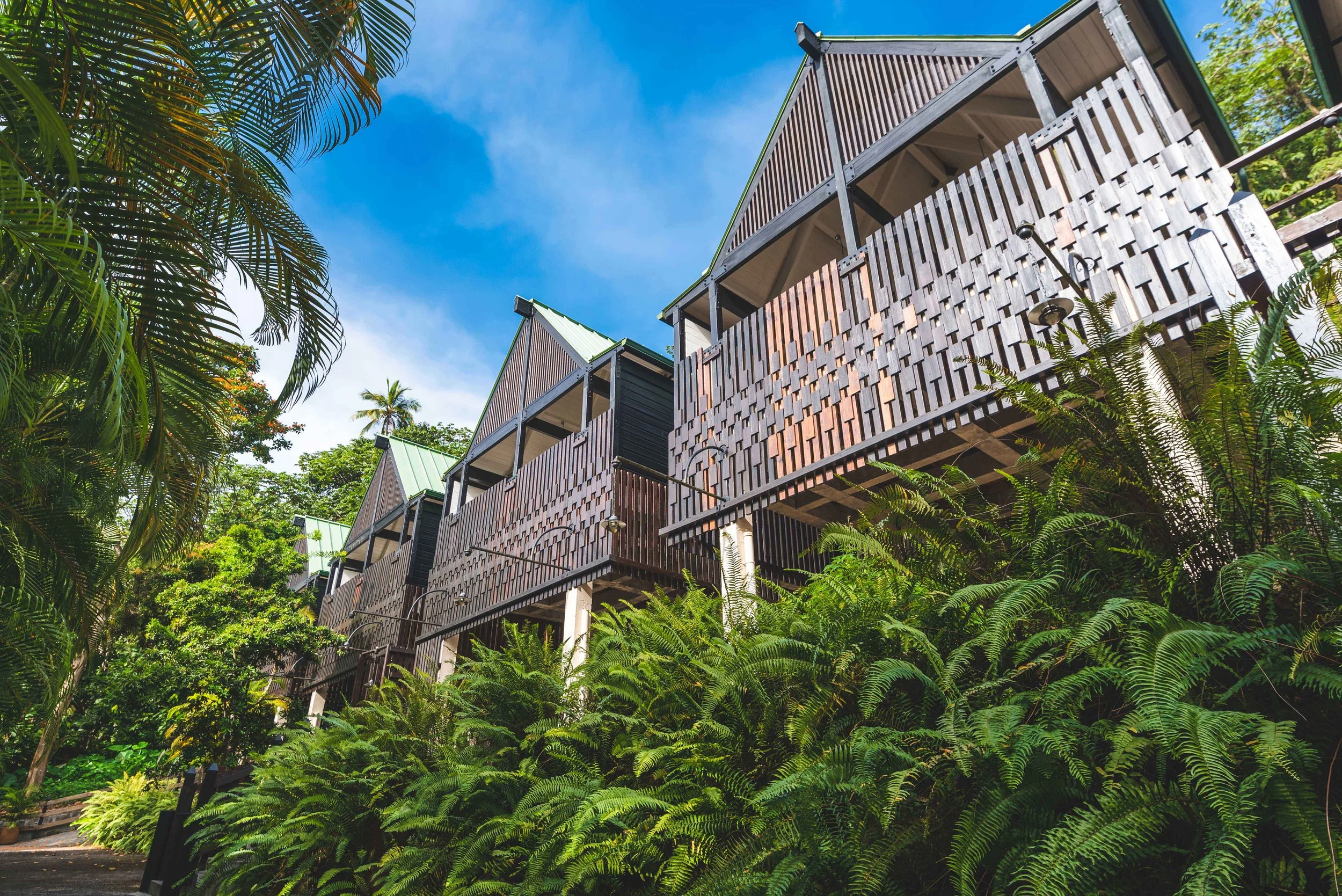
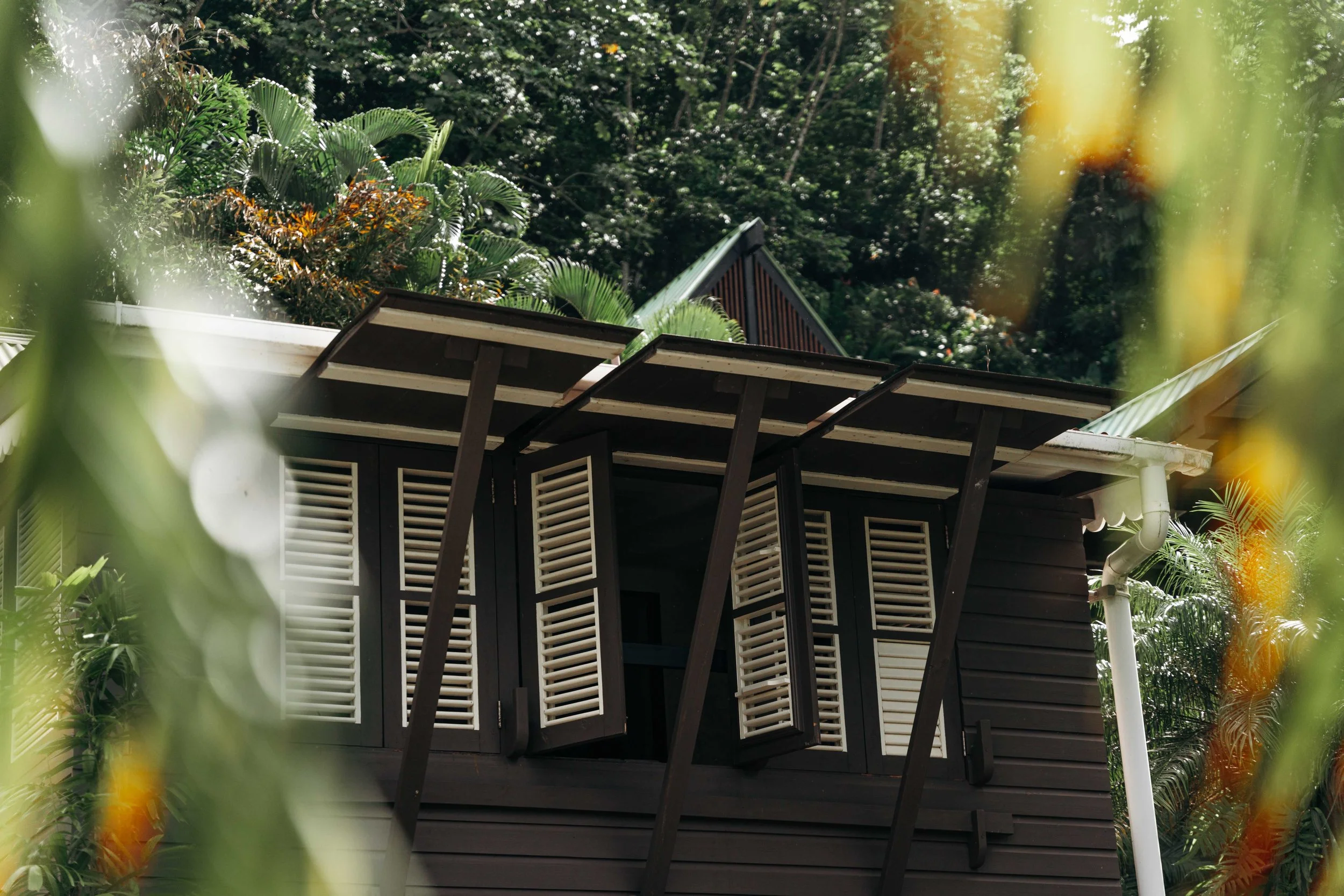
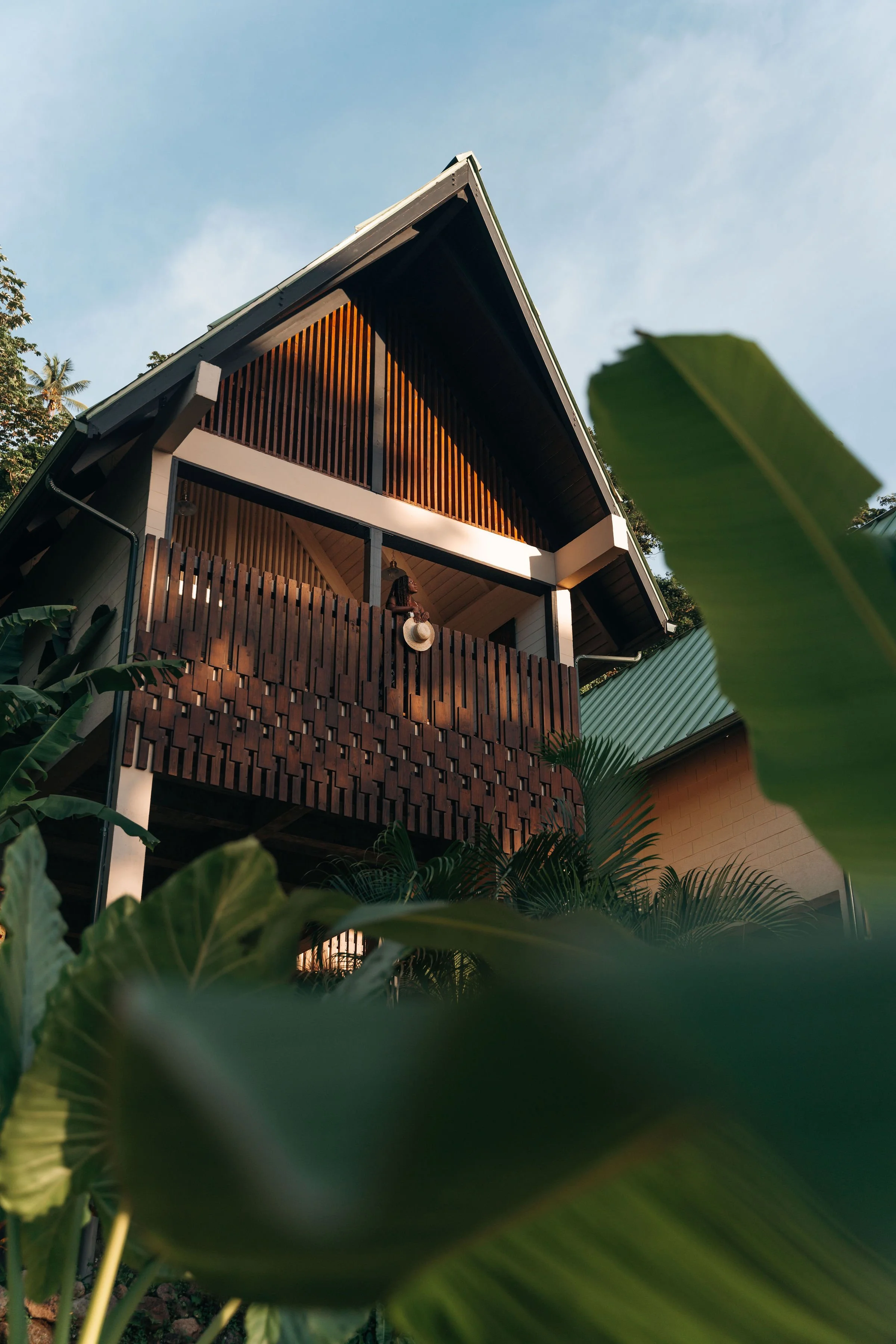
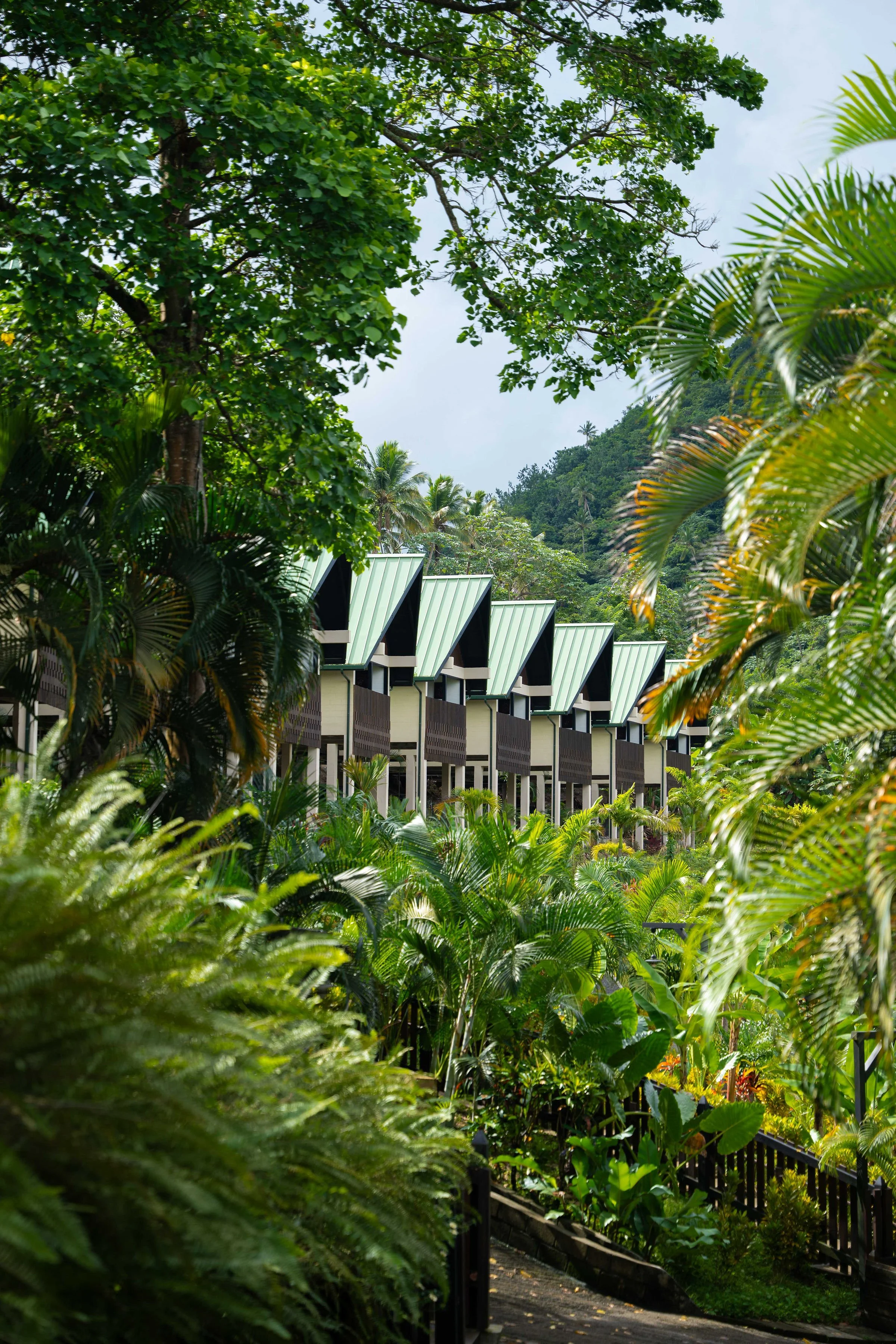
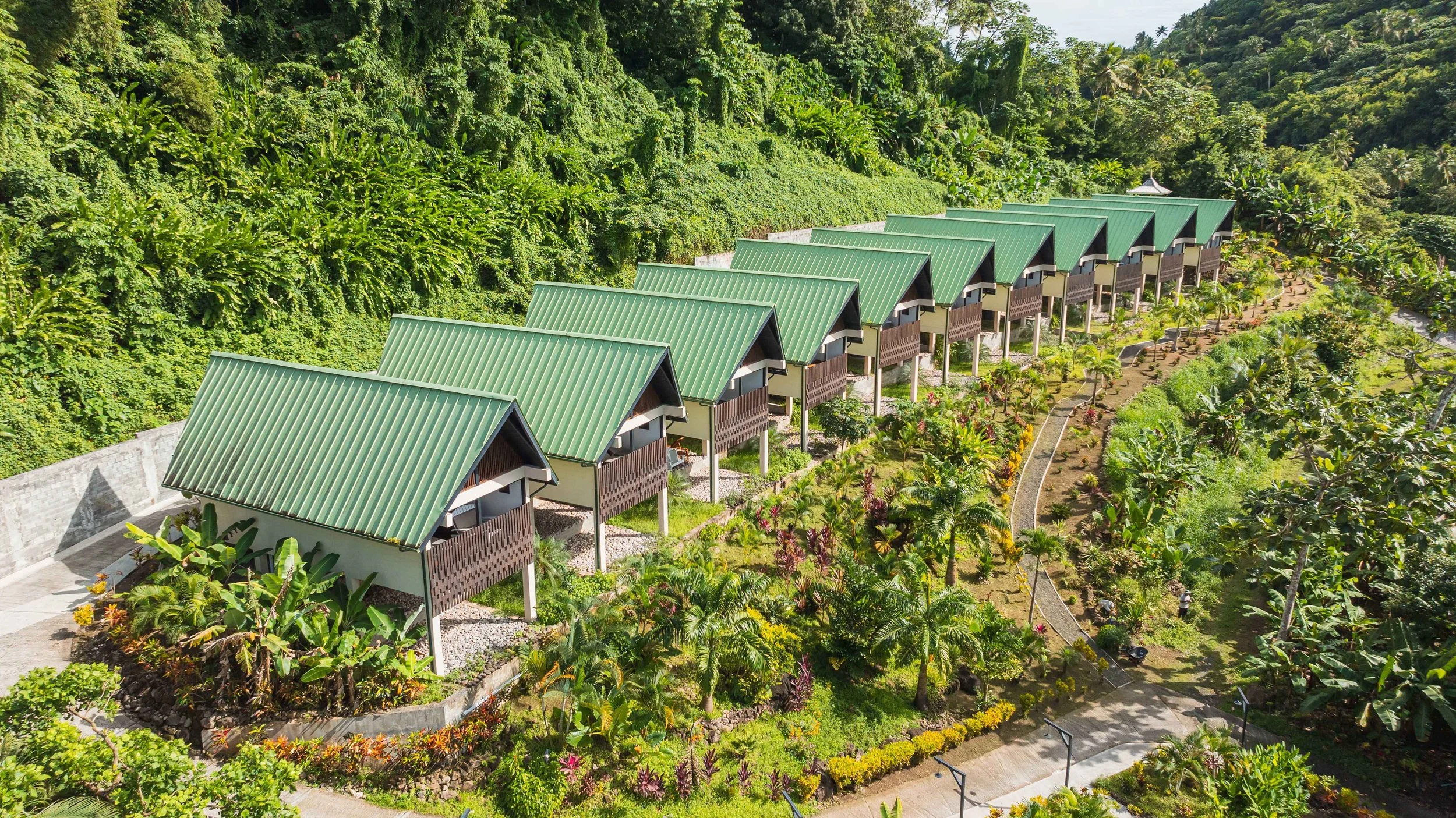
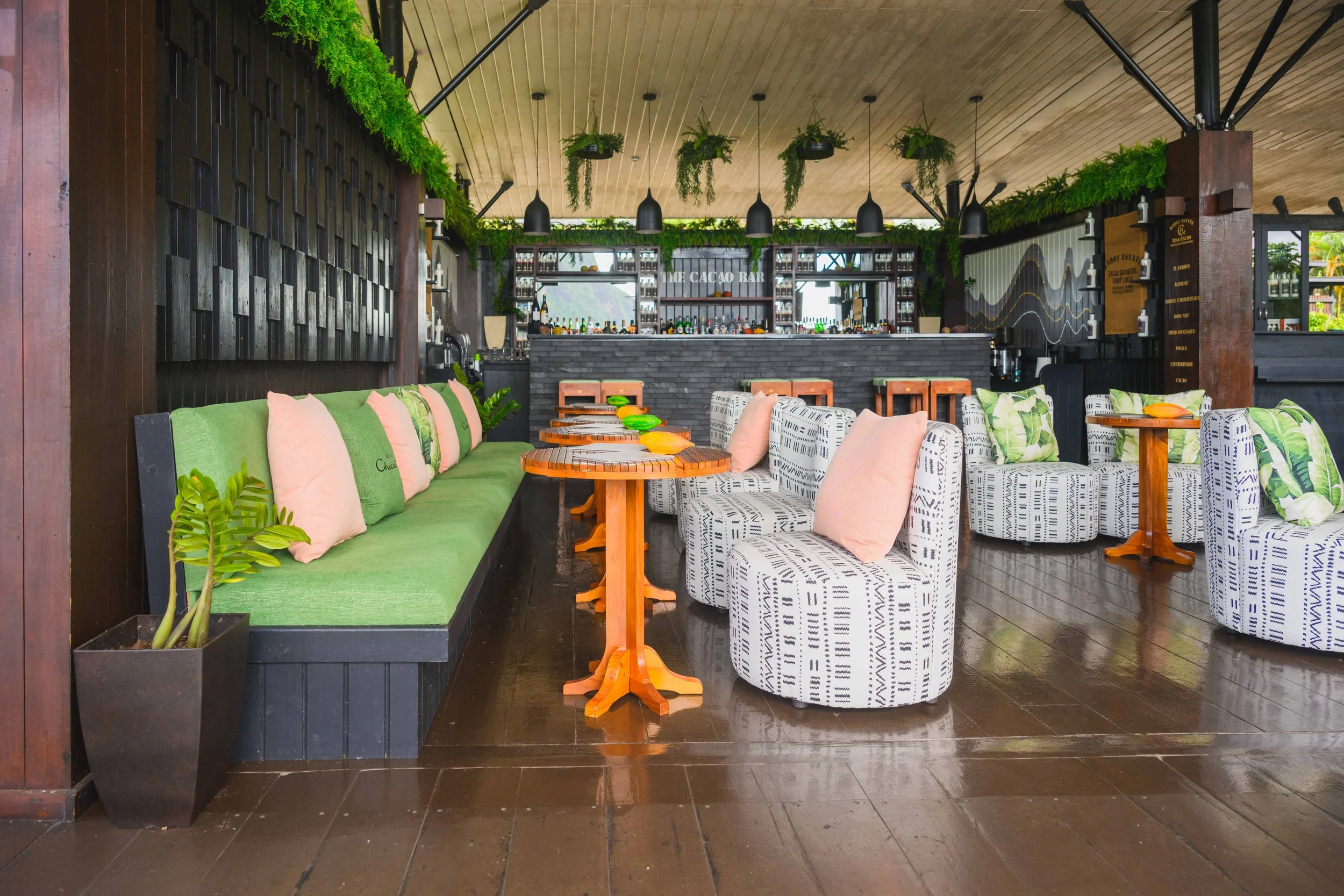
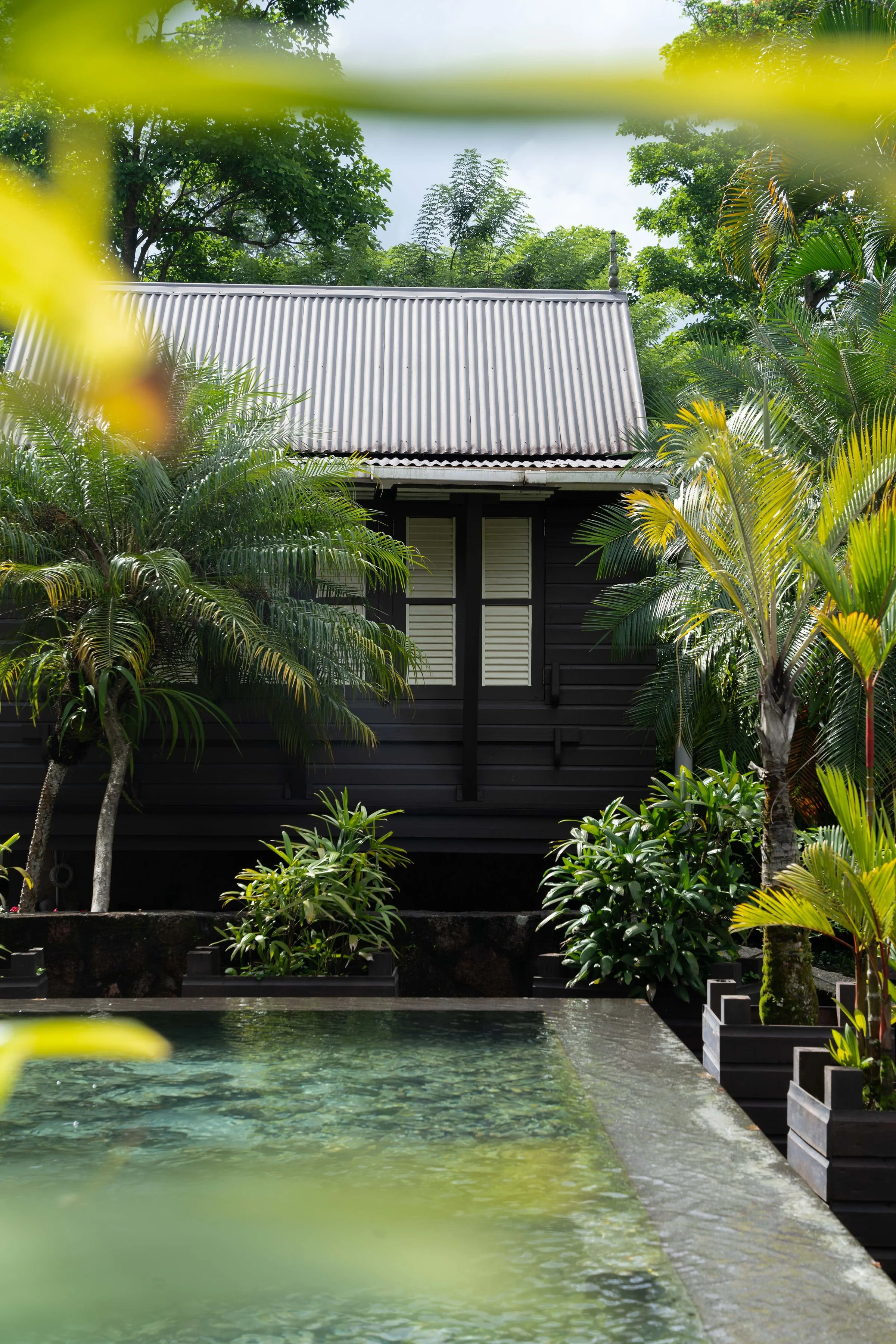
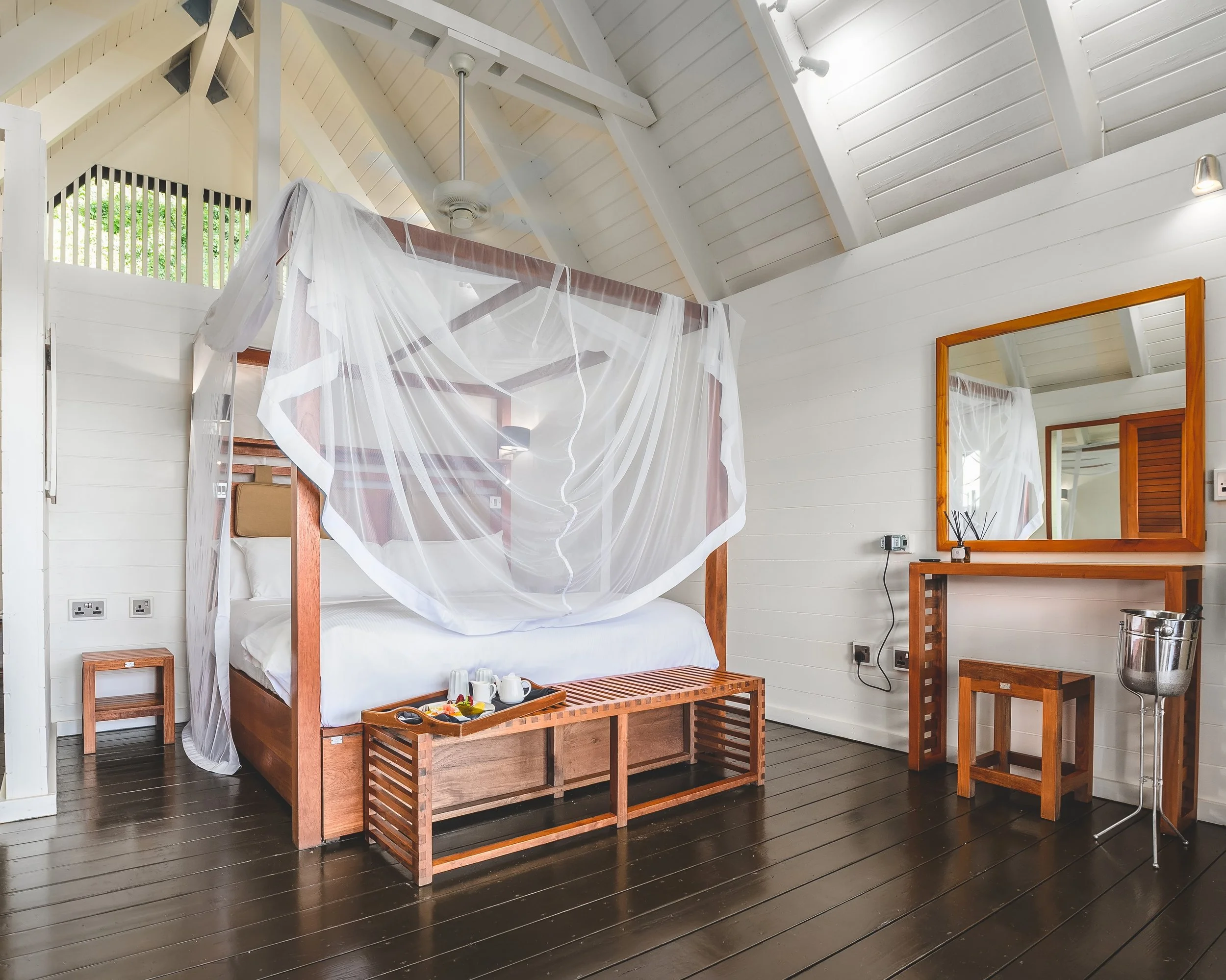
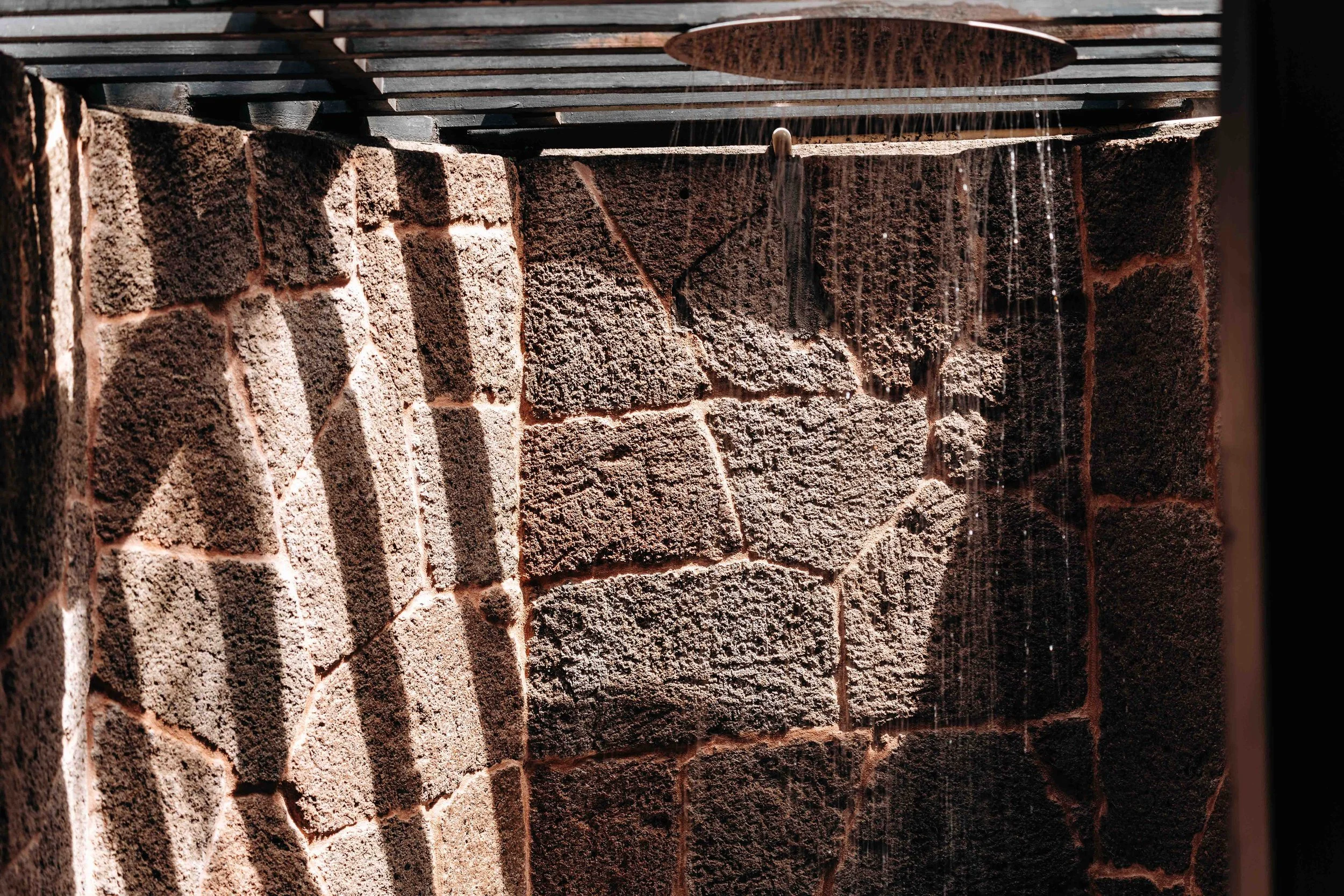
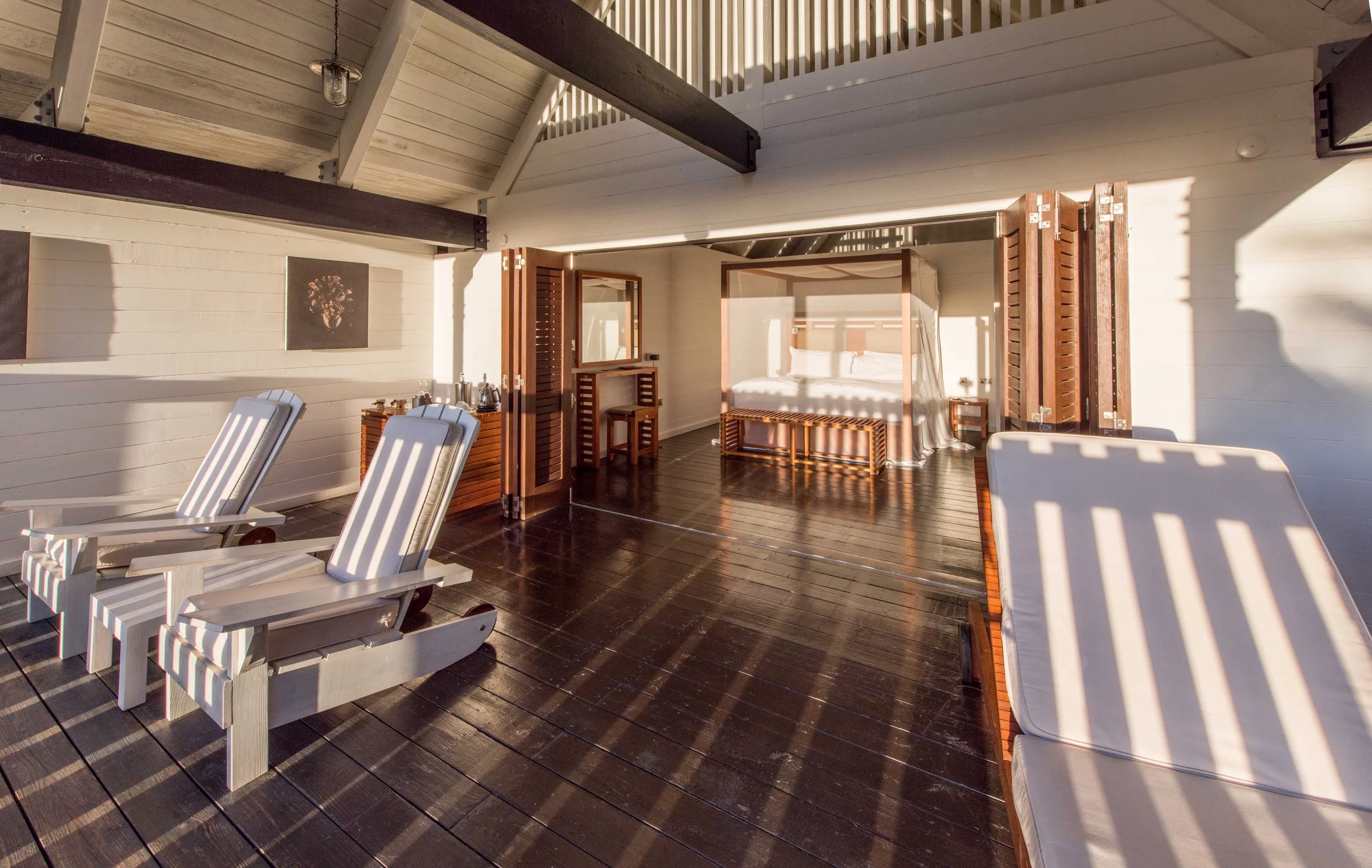
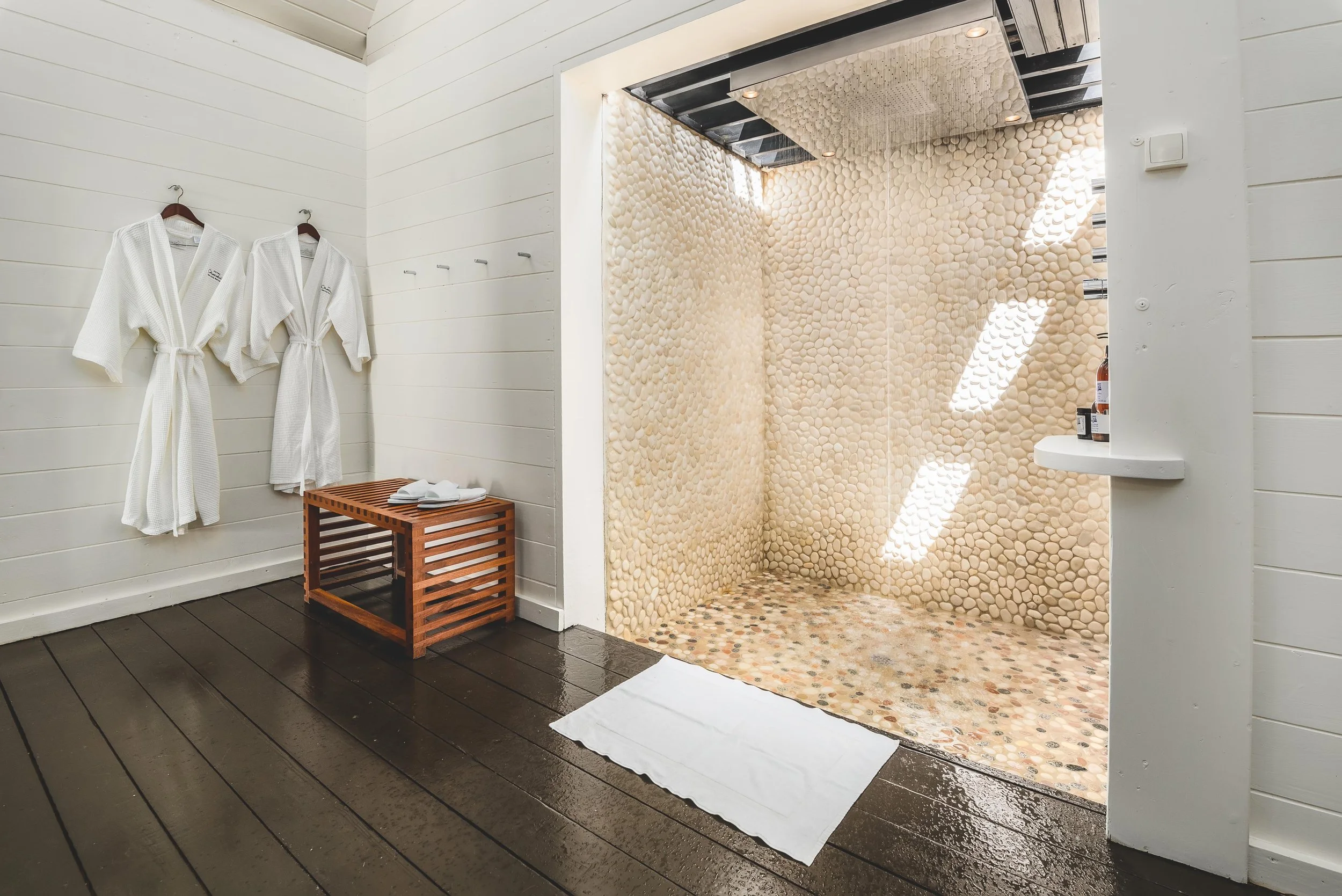
Architecture at Rabot Hotel reflects both restraint and reverence for place. The retreat features 25 open-air lodges designed to dissolve the boundary between indoors and out. Crafted from local stone, reclaimed wood, and handwoven textures, each space feels rooted in the land yet open to the horizon. The design blends traditional Caribbean vernacular with contemporary minimalism, with pitched roofs, timber shutters, and wide terraces that frame views of the rainforest. Natural materials, neutral tones, and the sound of moving air create a calm that feels elemental. The layout of the estate mirrors the rhythm of cacao groves: organic, meandering, and perfectly in tune with the landscape’s natural contours.
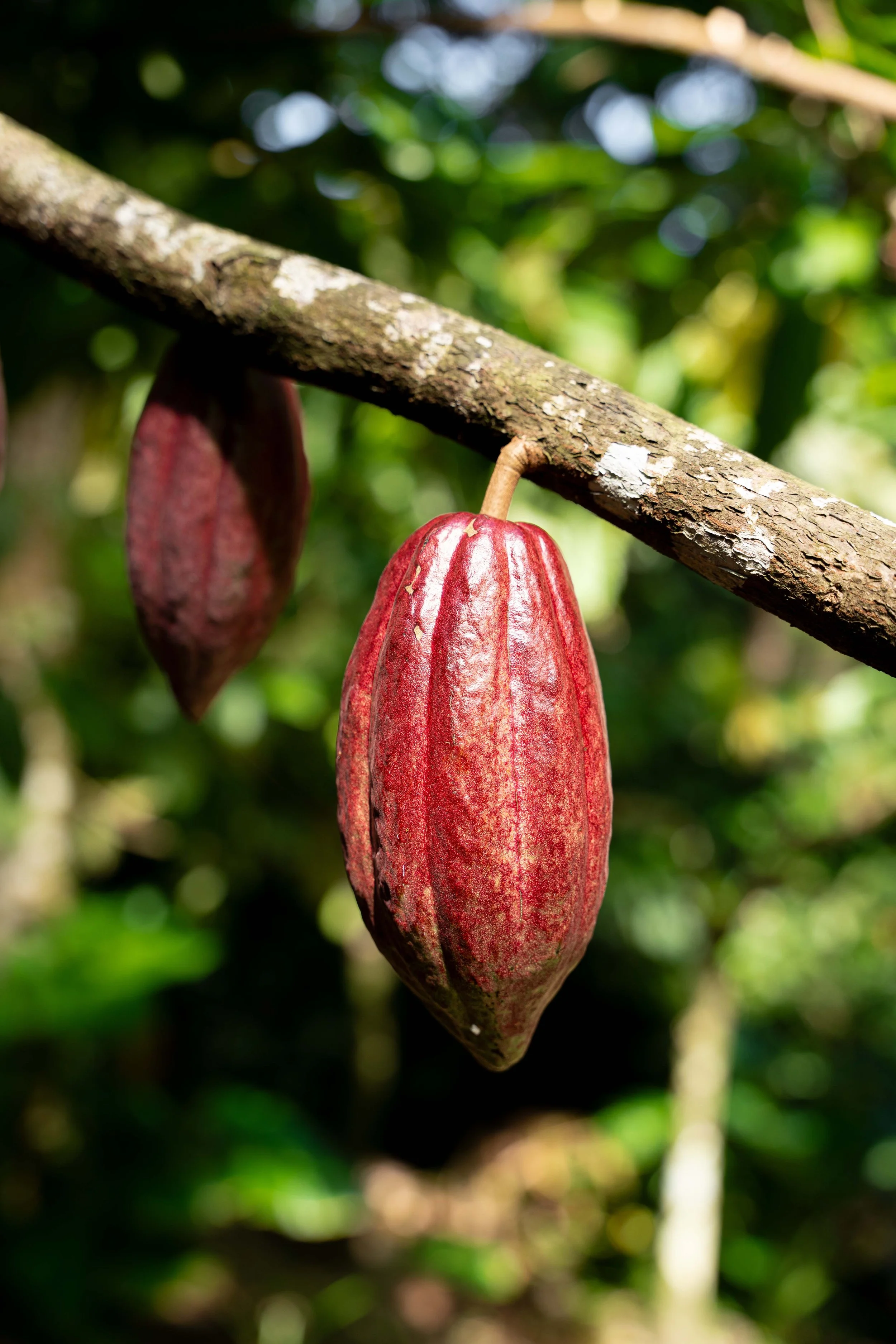
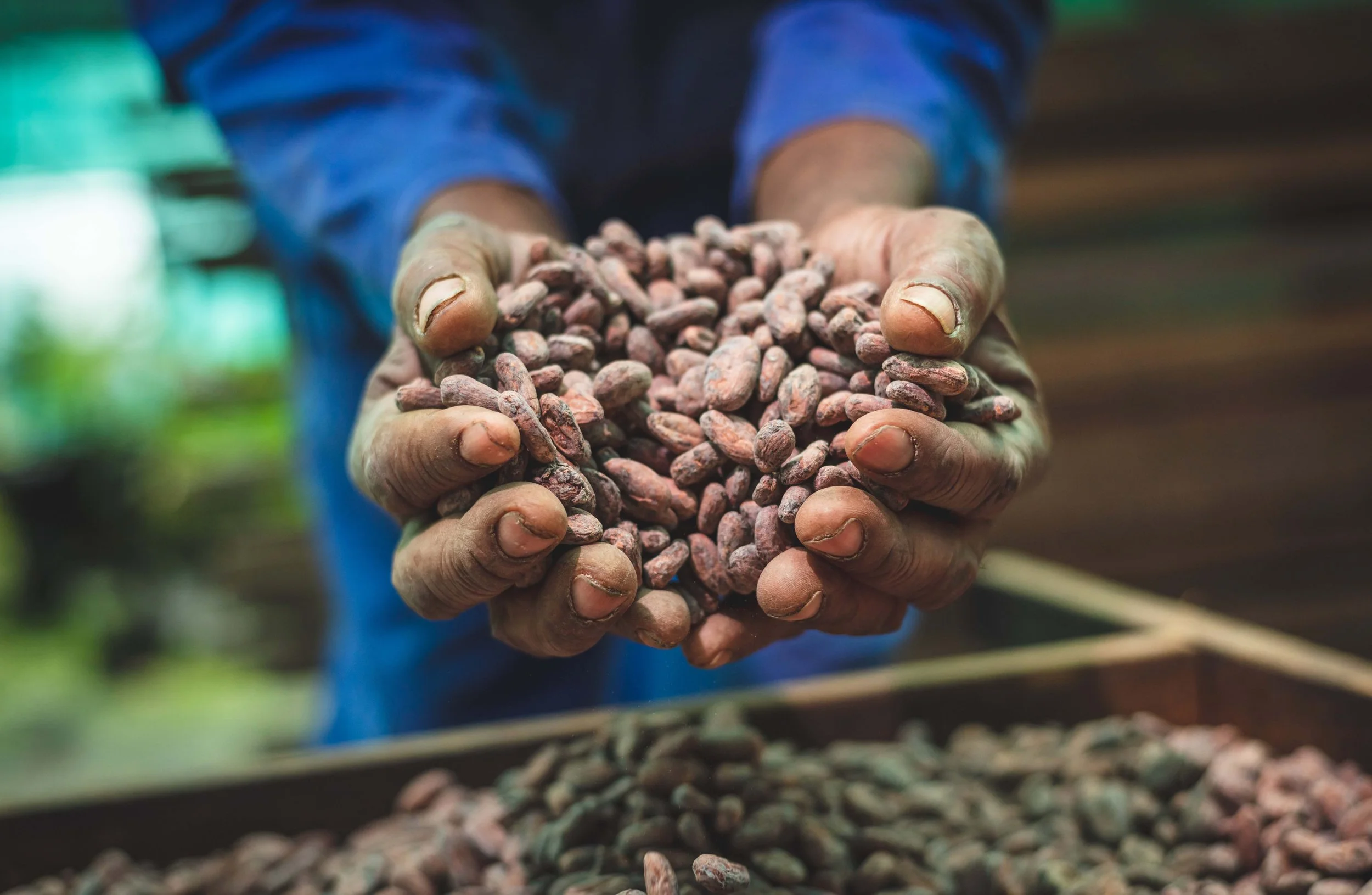
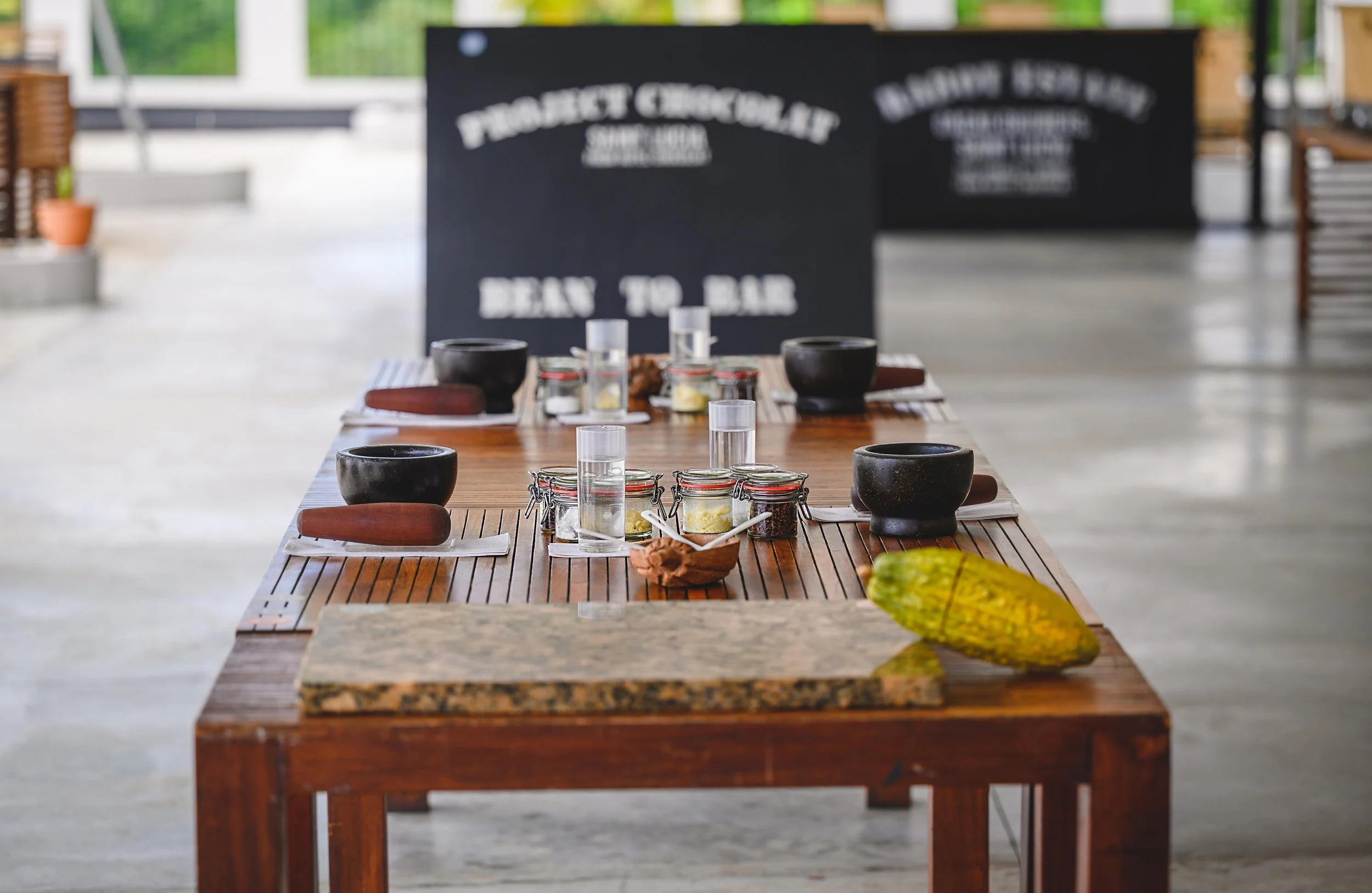
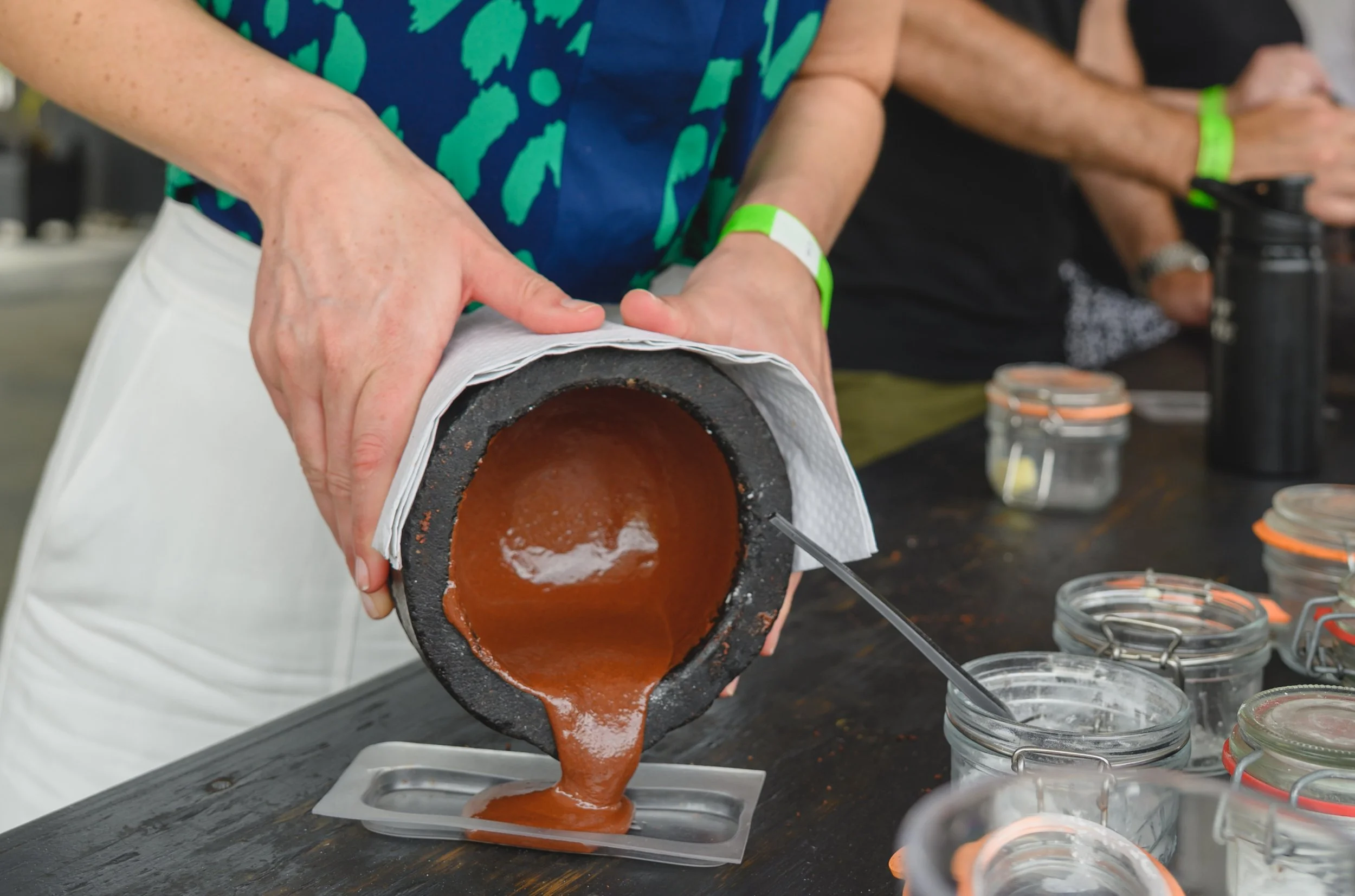
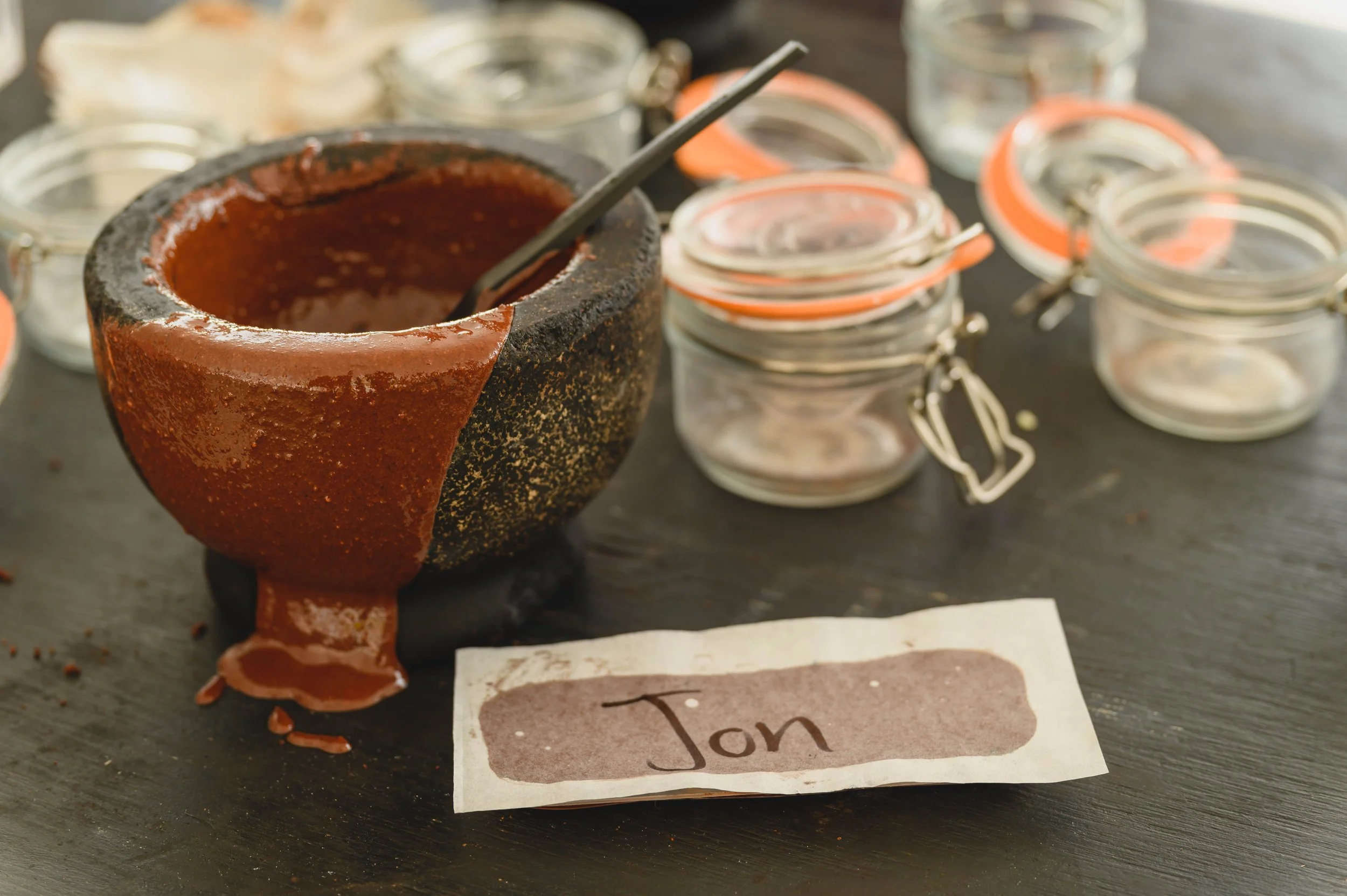
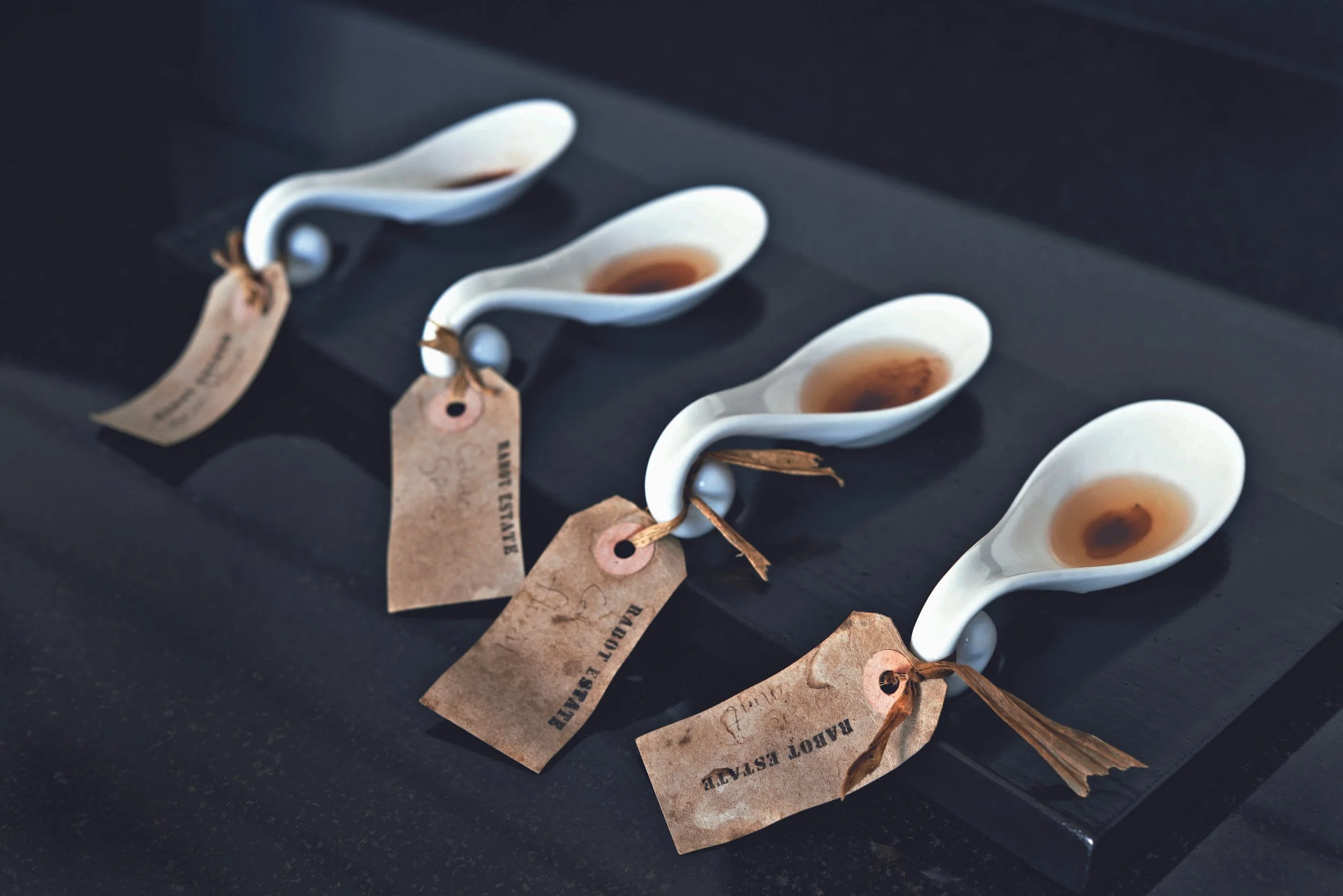
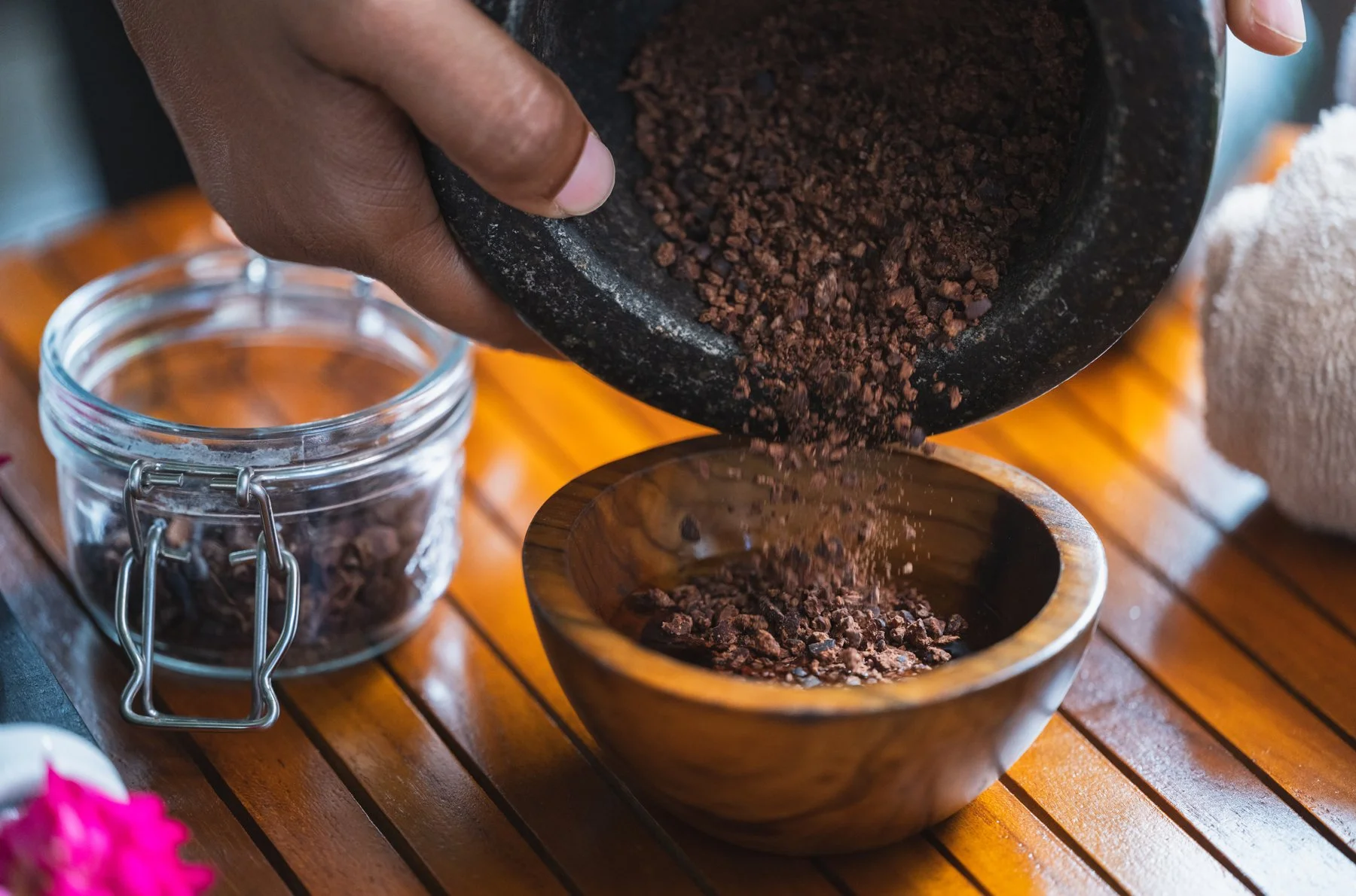
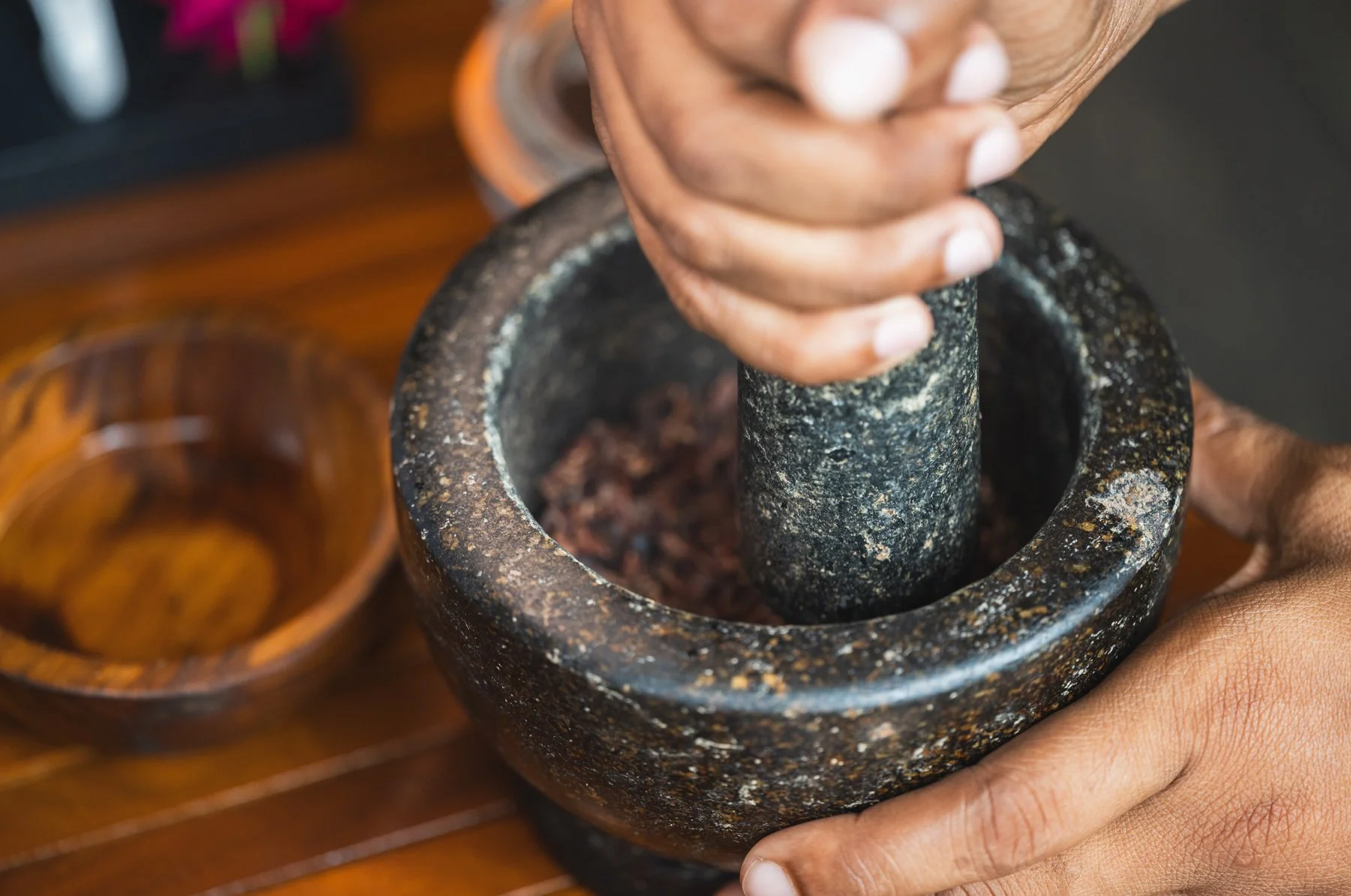
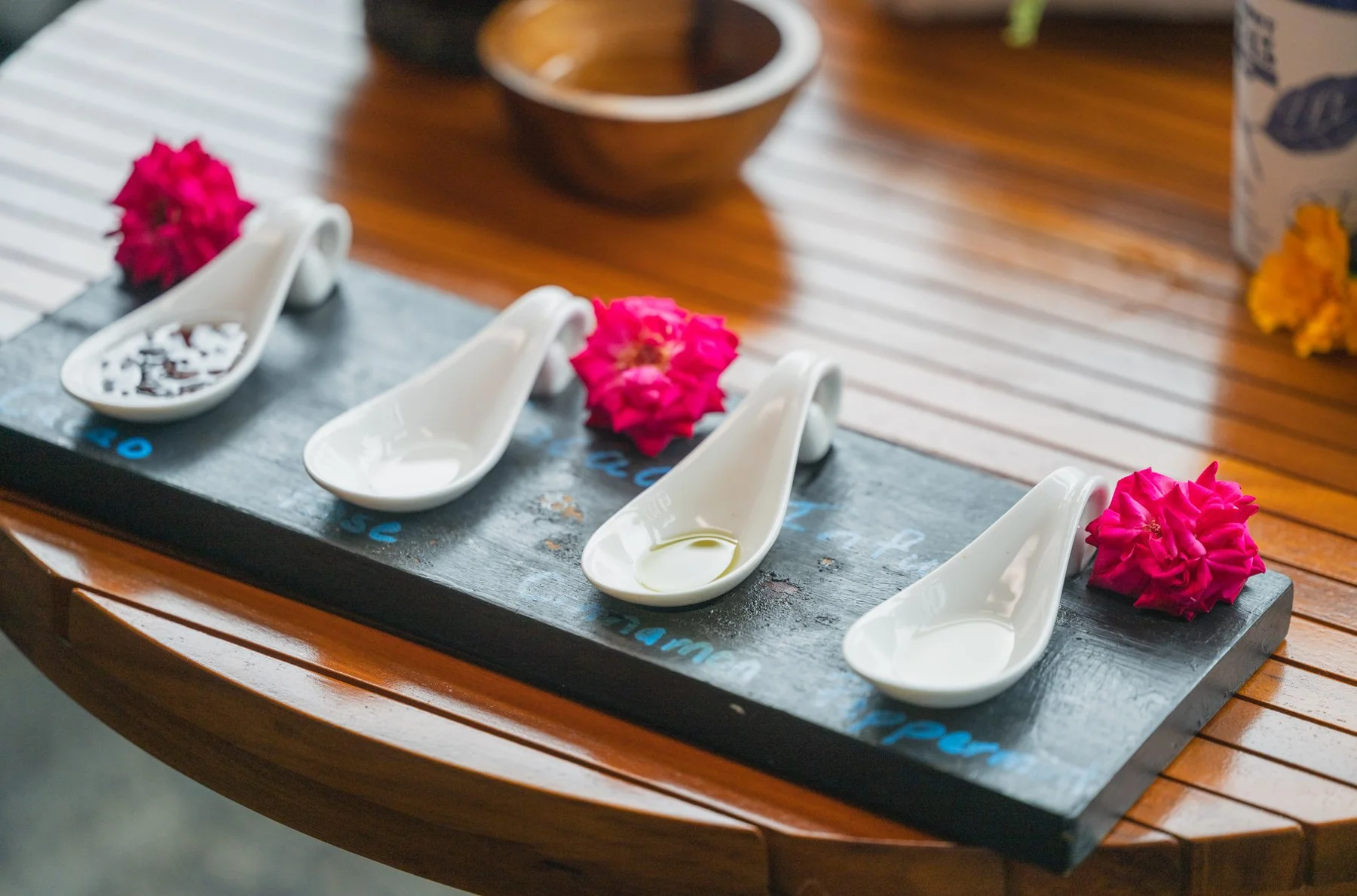
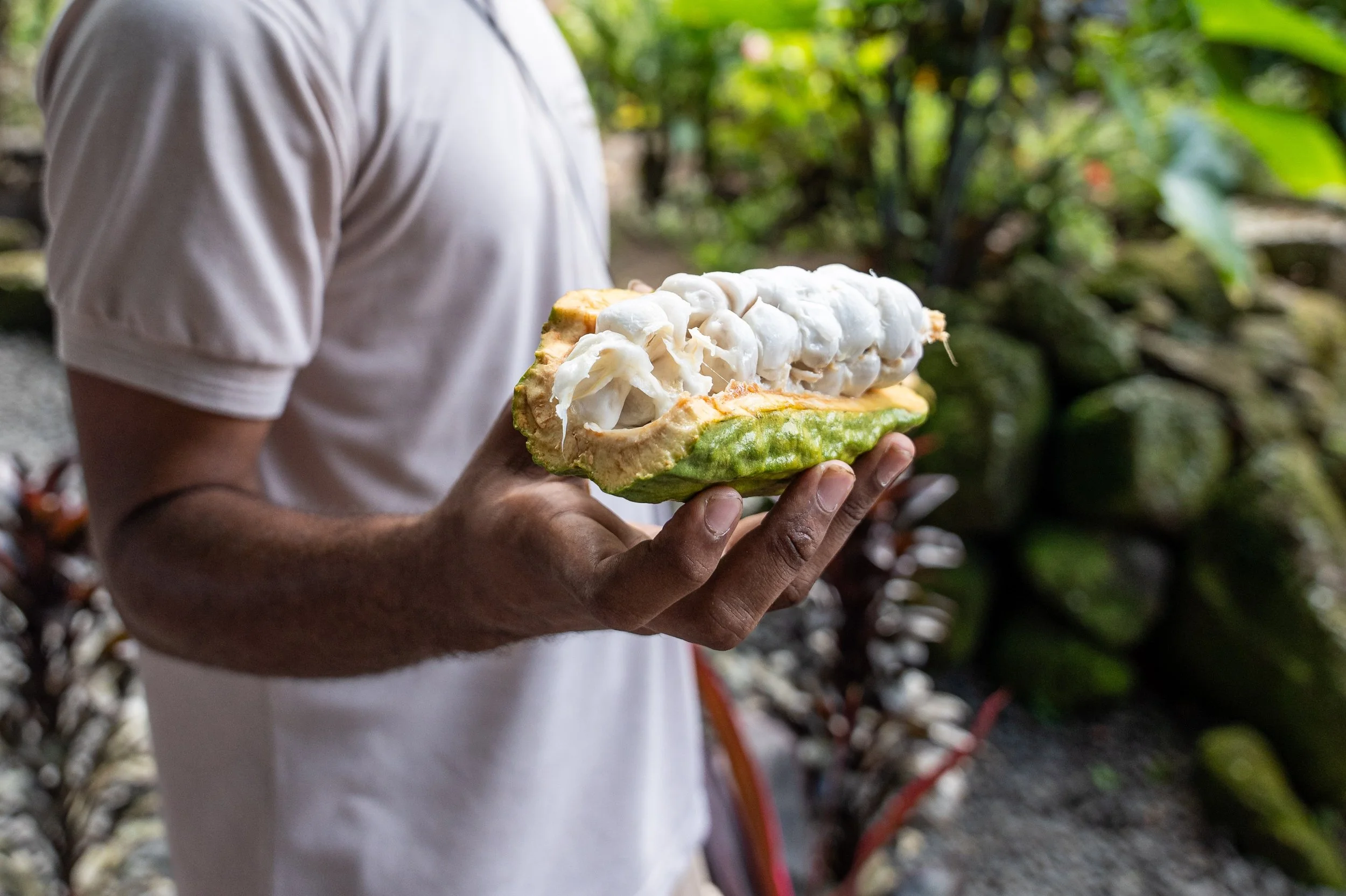
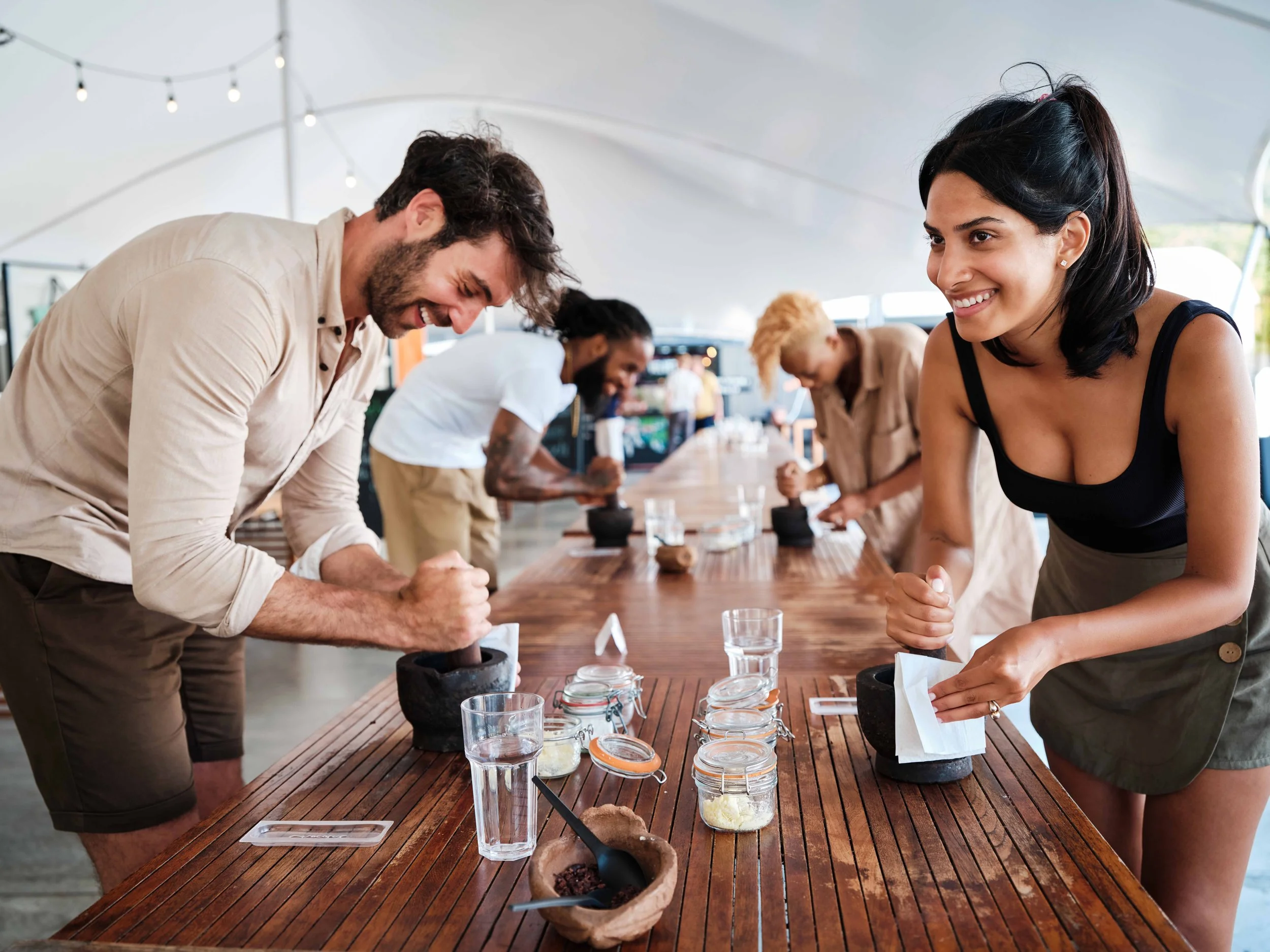
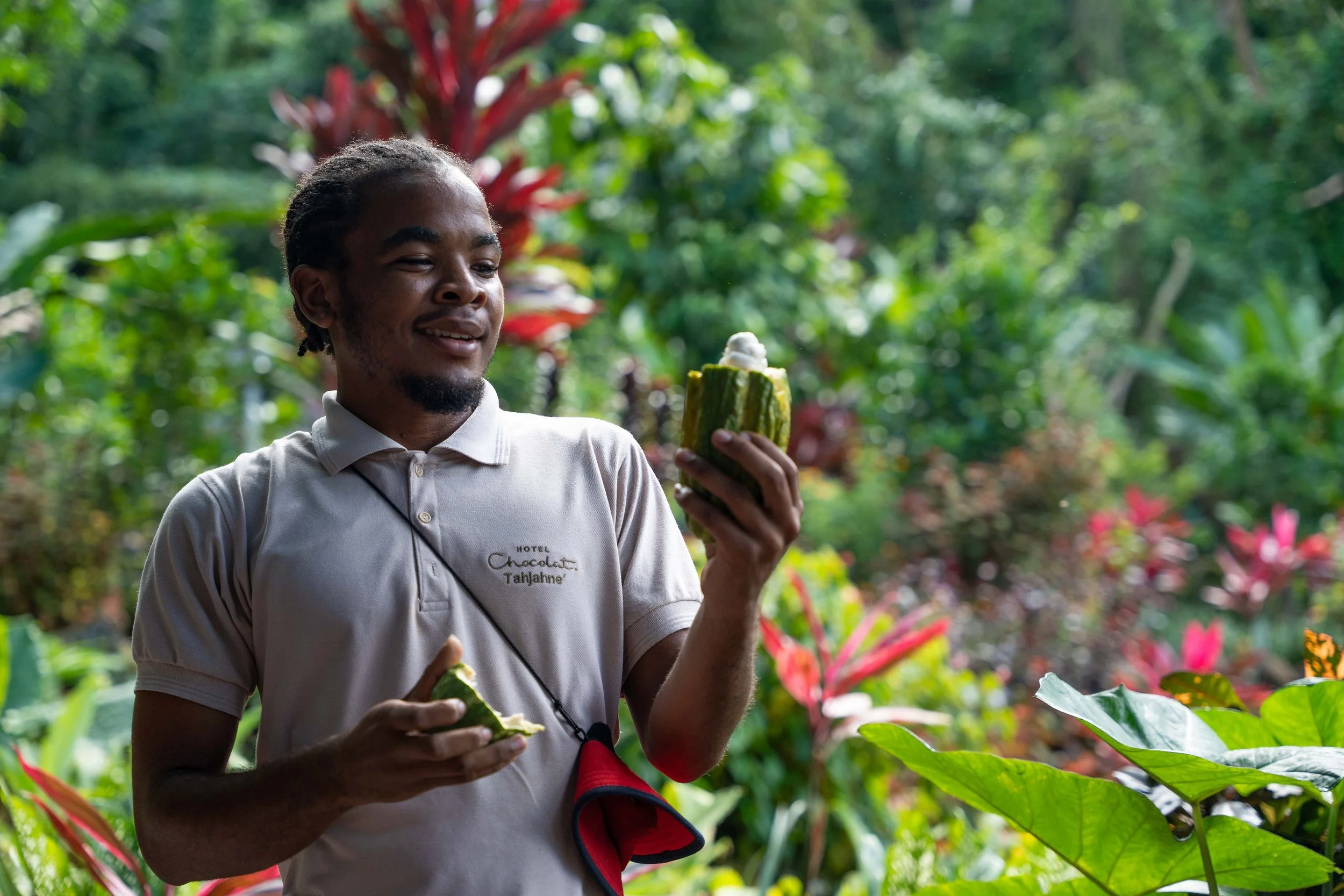
Guests can explore the working cacao farm through Project Chocolat, an immersive “Tree to Bar” experience that invites visitors to discover the full journey of cacao. Open to everyone, not just hotel guests, it offers the chance to walk among cacao trees, learn about sustainable cacao farming methods, and craft single-origin chocolate from scratch. Whether staying at Rabot Hotel or visiting for the day, guests are invited to connect with the island’s cacao heritage in a hands-on, sensory way that celebrates Saint Lucia’s deep-rooted relationship with chocolate.
WHY WANDER
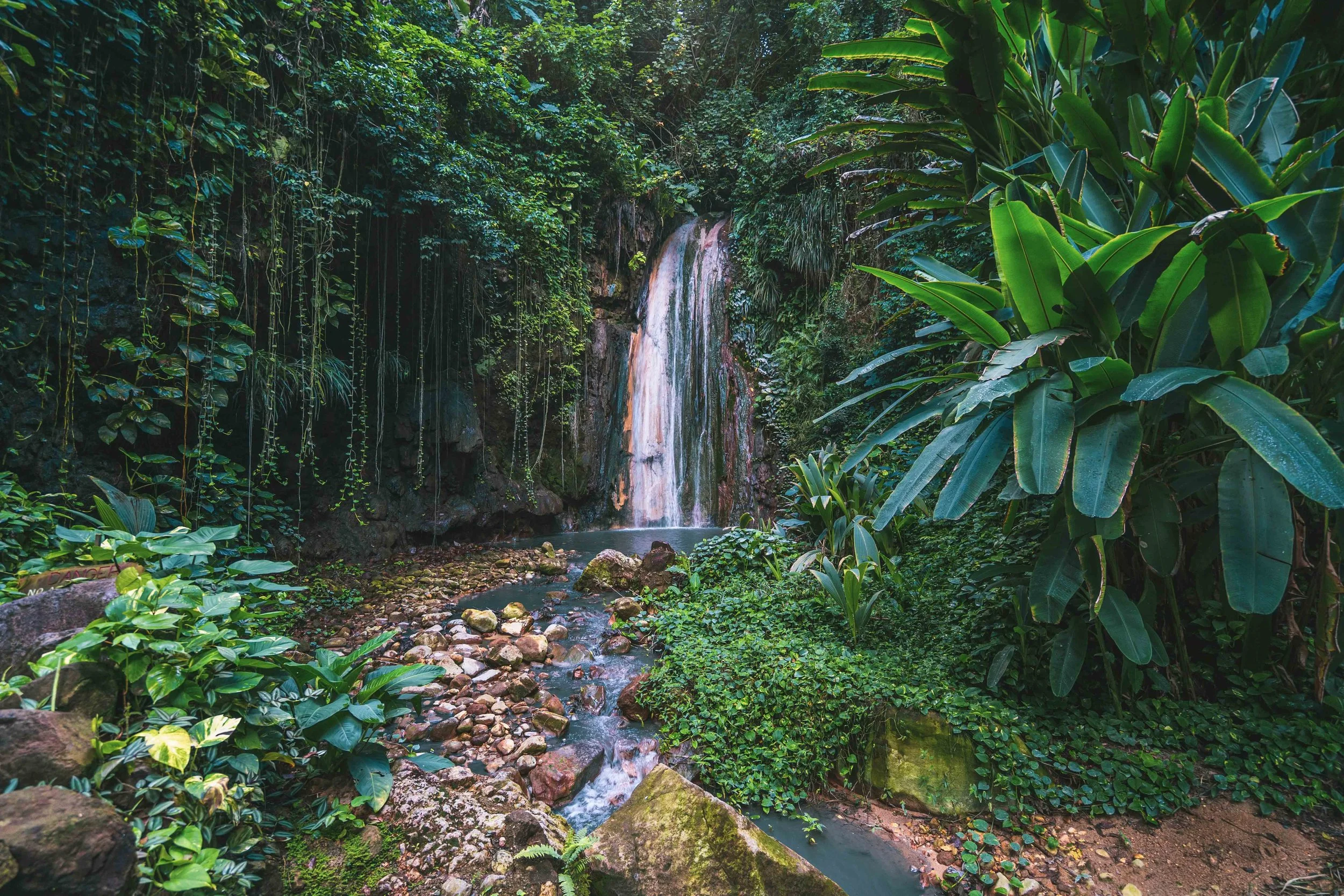
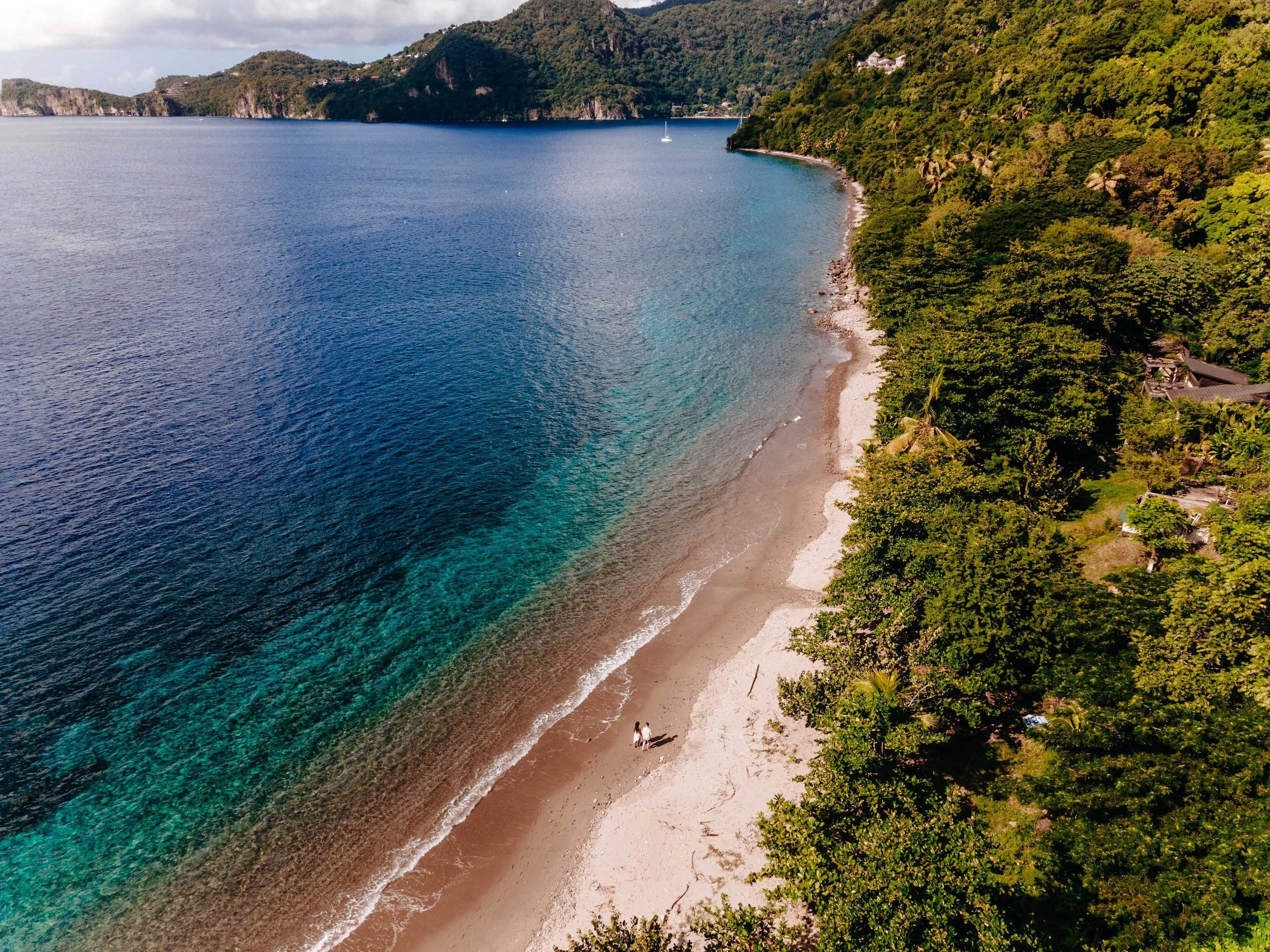
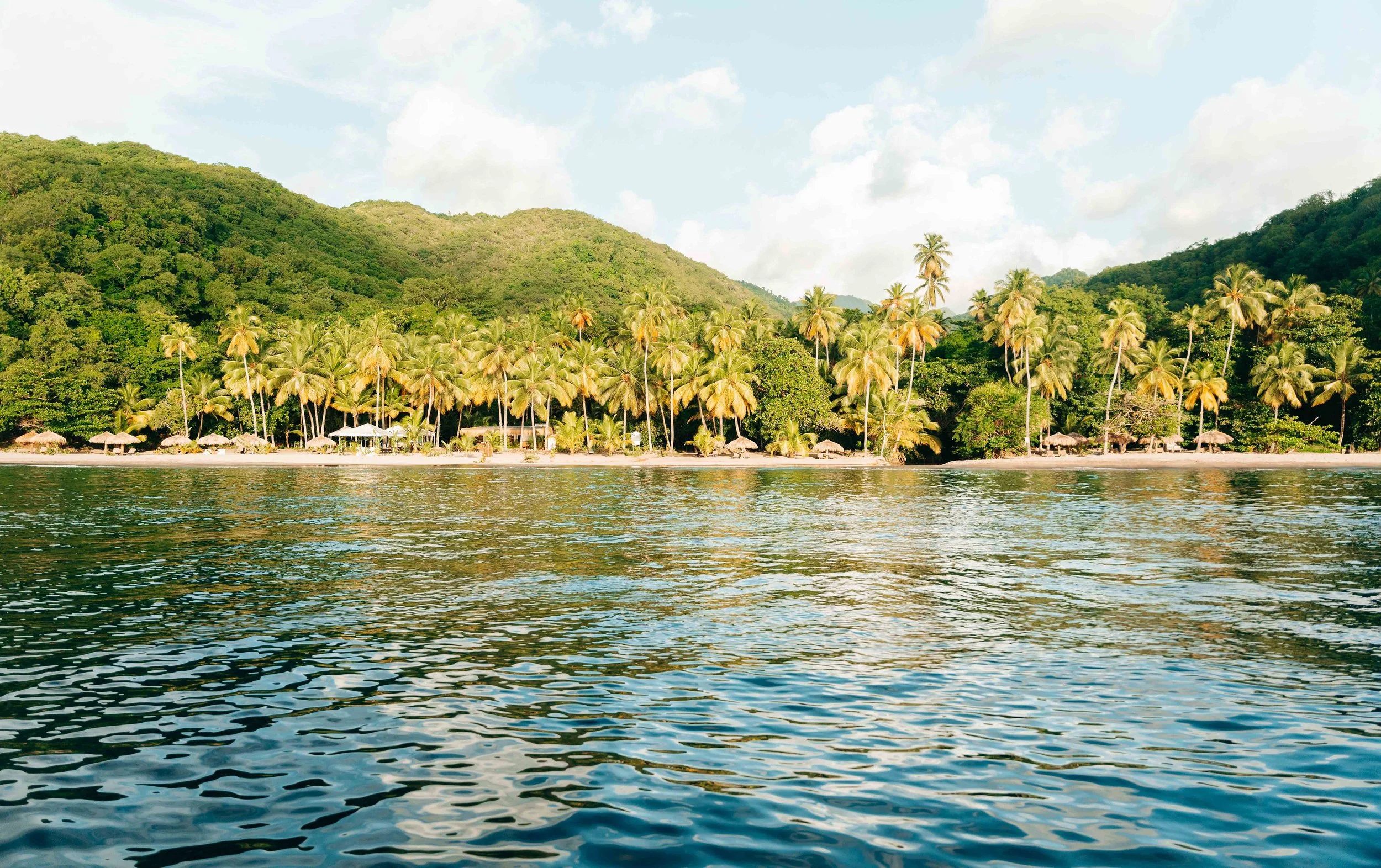
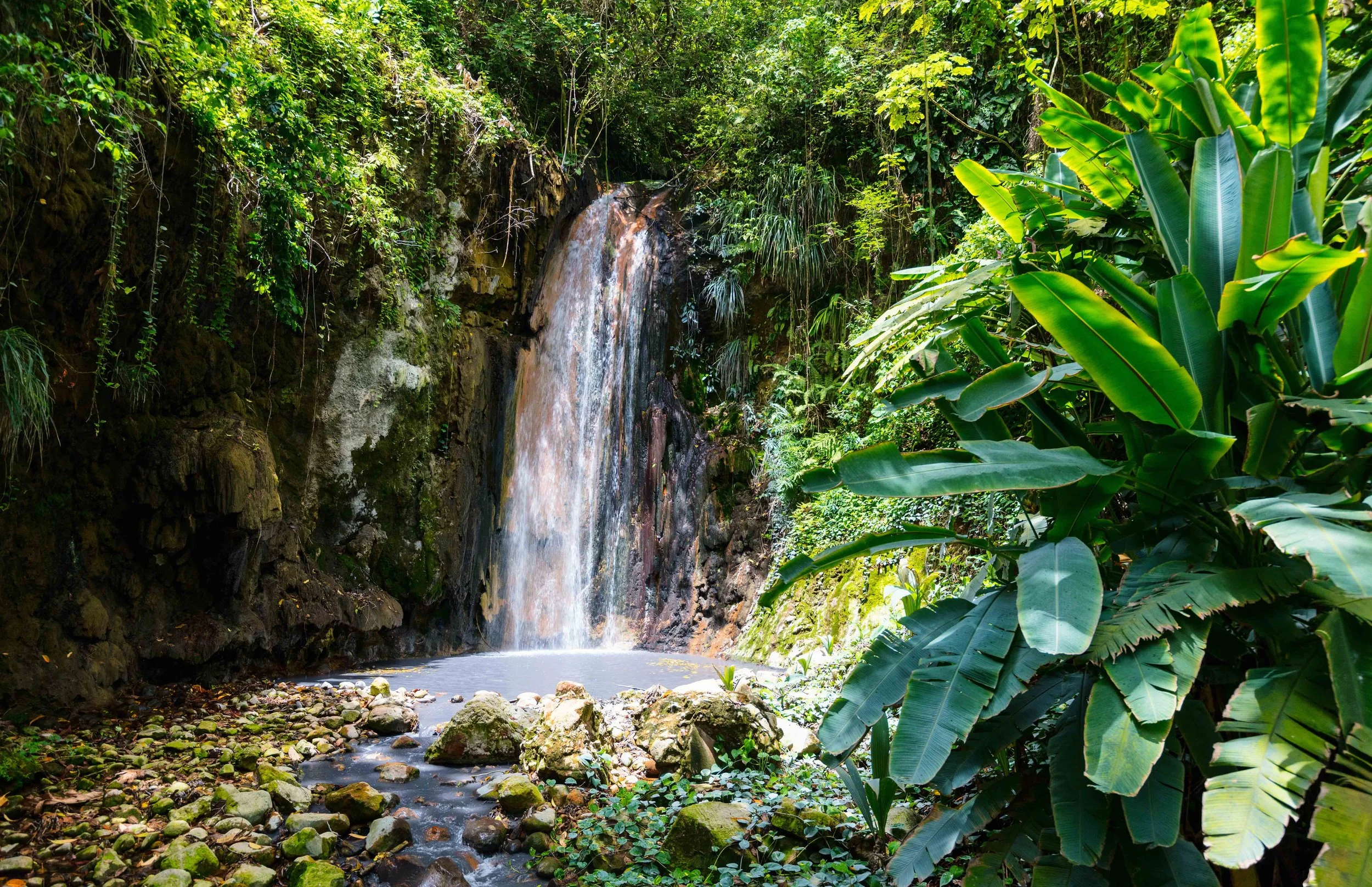
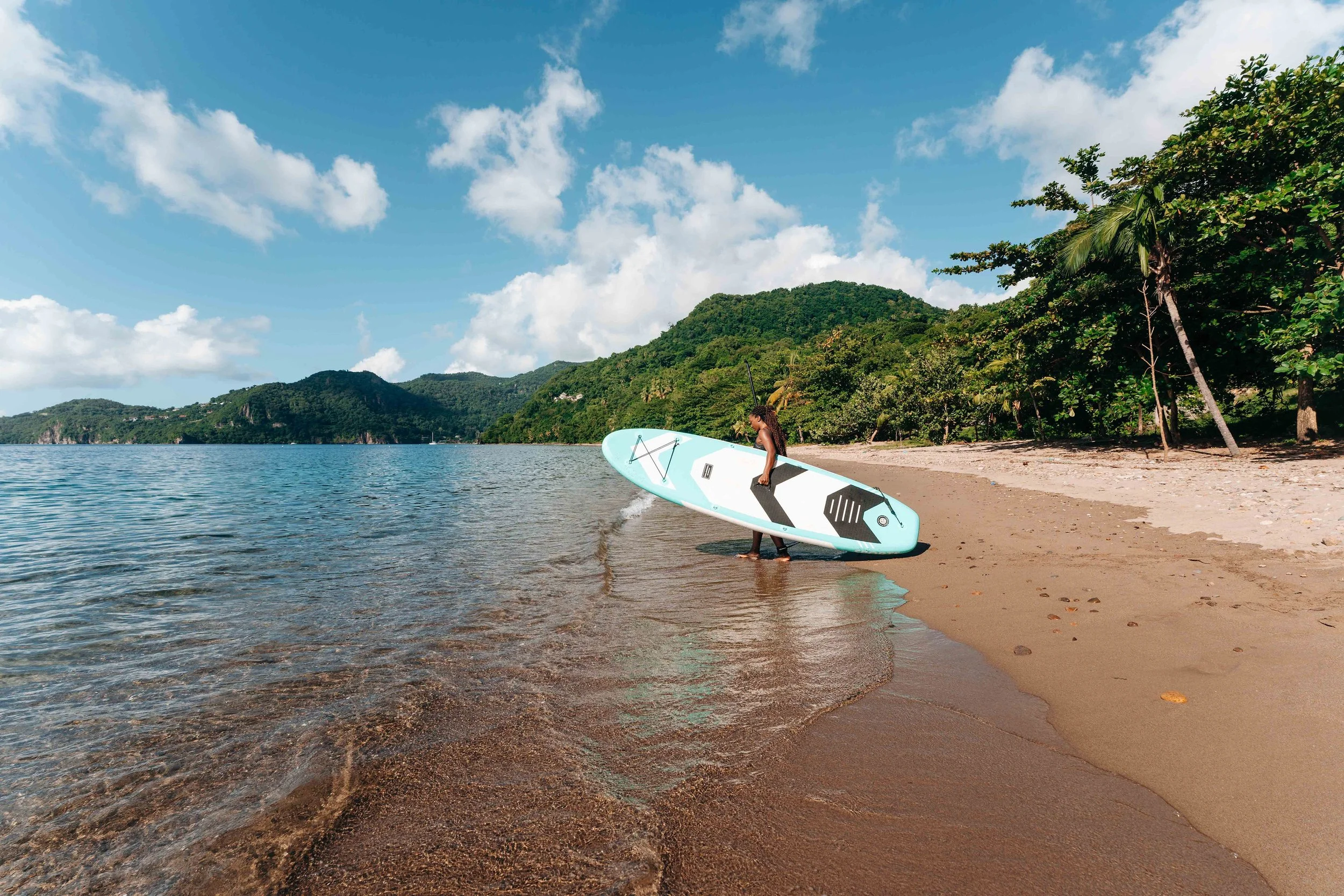
The surrounding Saint Lucian landscape is a dramatic mosaic of rainforest, waterfalls, volcanic peaks, and coastline. Hiking trails reveal hidden waterfalls, tropical birds, and sweeping panoramas, while beaches and coral reefs invite swimming, paddleboarding, and snorkeling. Each corner of the island feels alive with biodiversity and natural wonder.
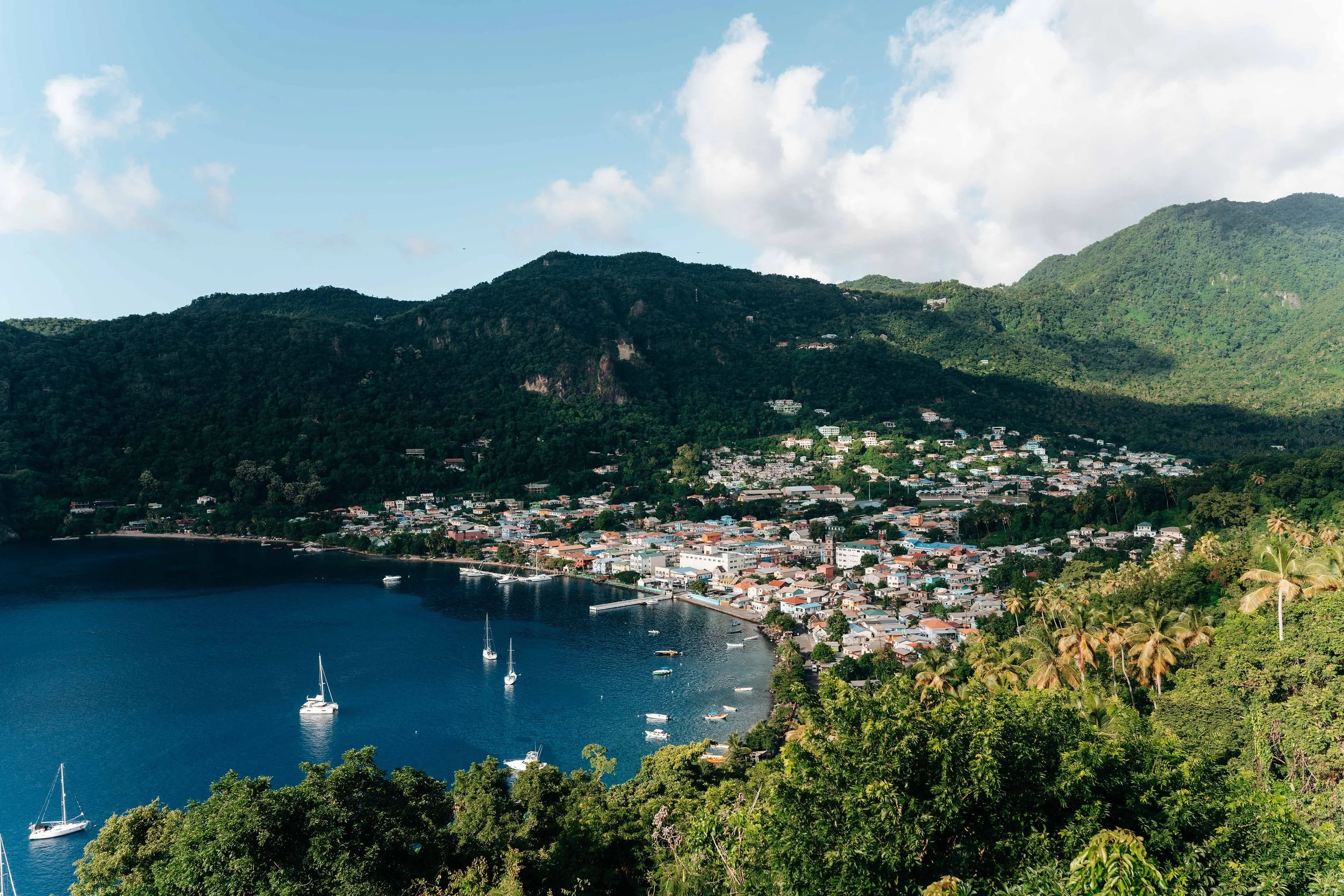
A short drive from the estate brings guests to iconic landmarks such as the Pitons, Sulphur Springs, and quaint villages where colorful markets, artisan chocolate shops, and rum distilleries reveal the island’s heritage and craftsmanship.
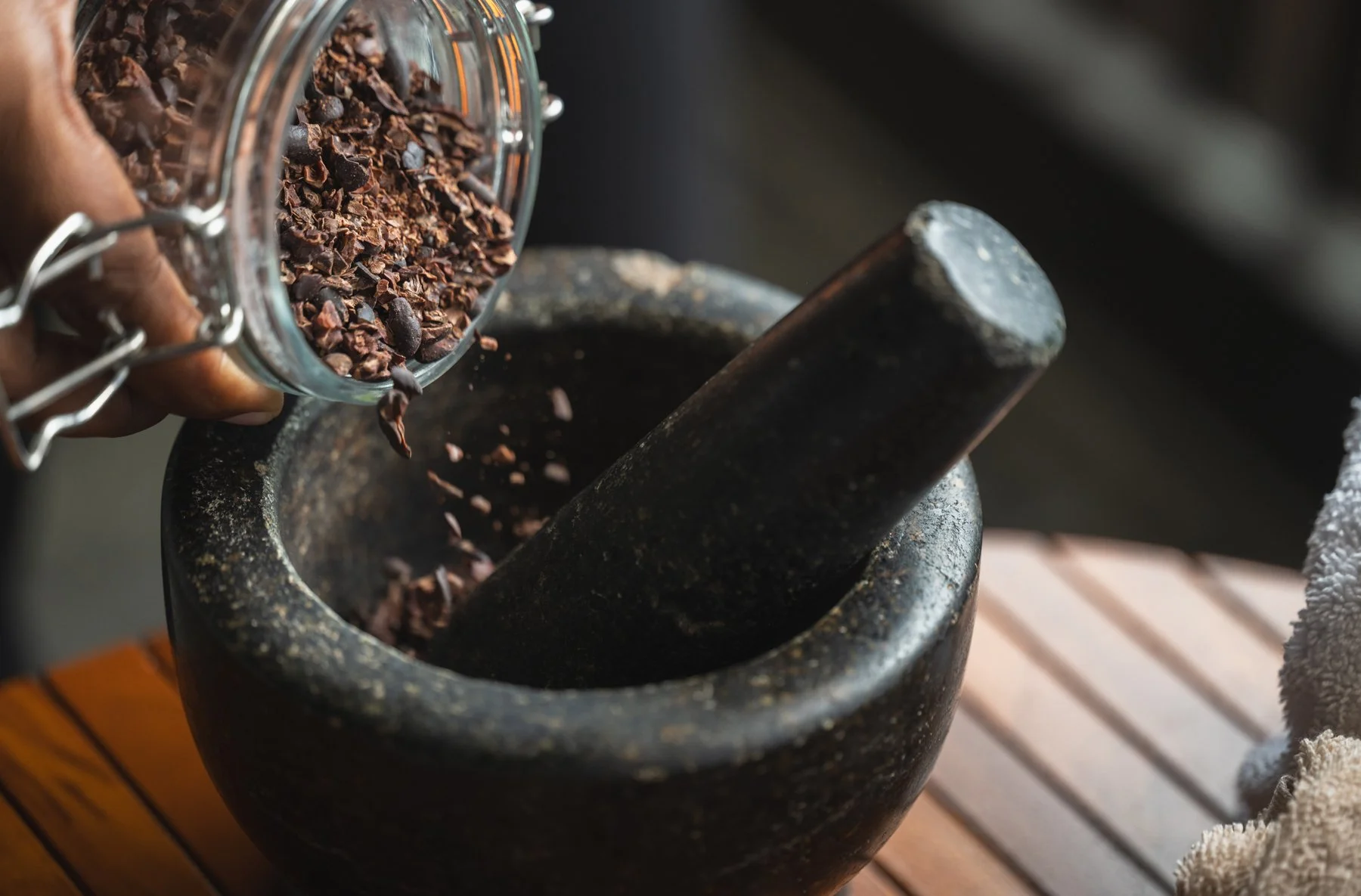
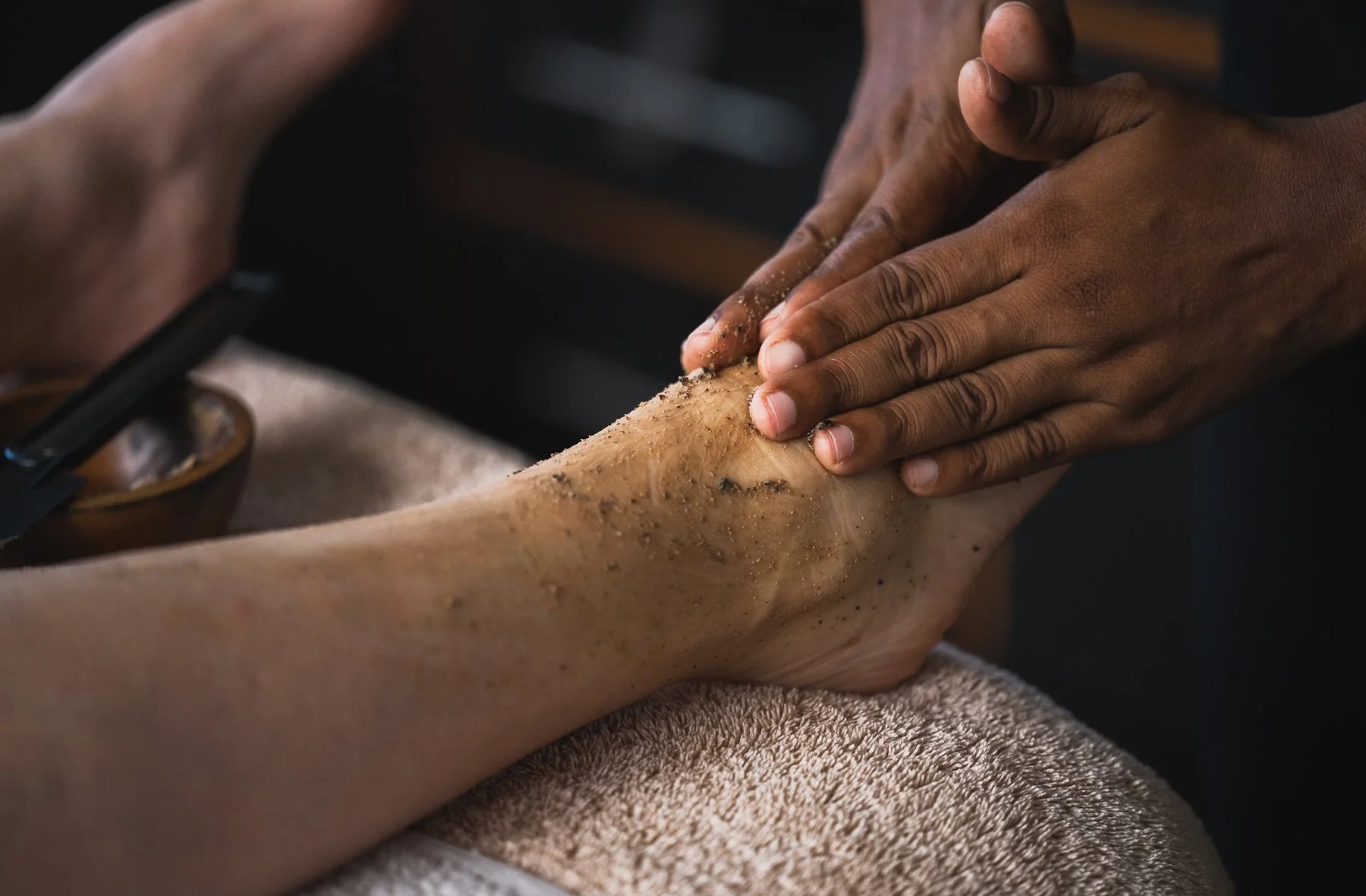
At the hotel spa, the island’s most famous harvest becomes a ritual for restoration. Treatments are built around the farm’s organic cacao, using chocolate-infused scrubs, wraps, and oils designed to nourish the skin and trigger a deep sensory calm. Set high on a hillside overlooking the Pitons, the open-air treatment rooms allow the sound of birds and rustling cacao trees to replace artificial ambience. Warm, earthy aromas linger in the air, and the rhythm of slow, cacao-based therapies mirrors the pace of the surrounding rainforest.
INDULGE IN
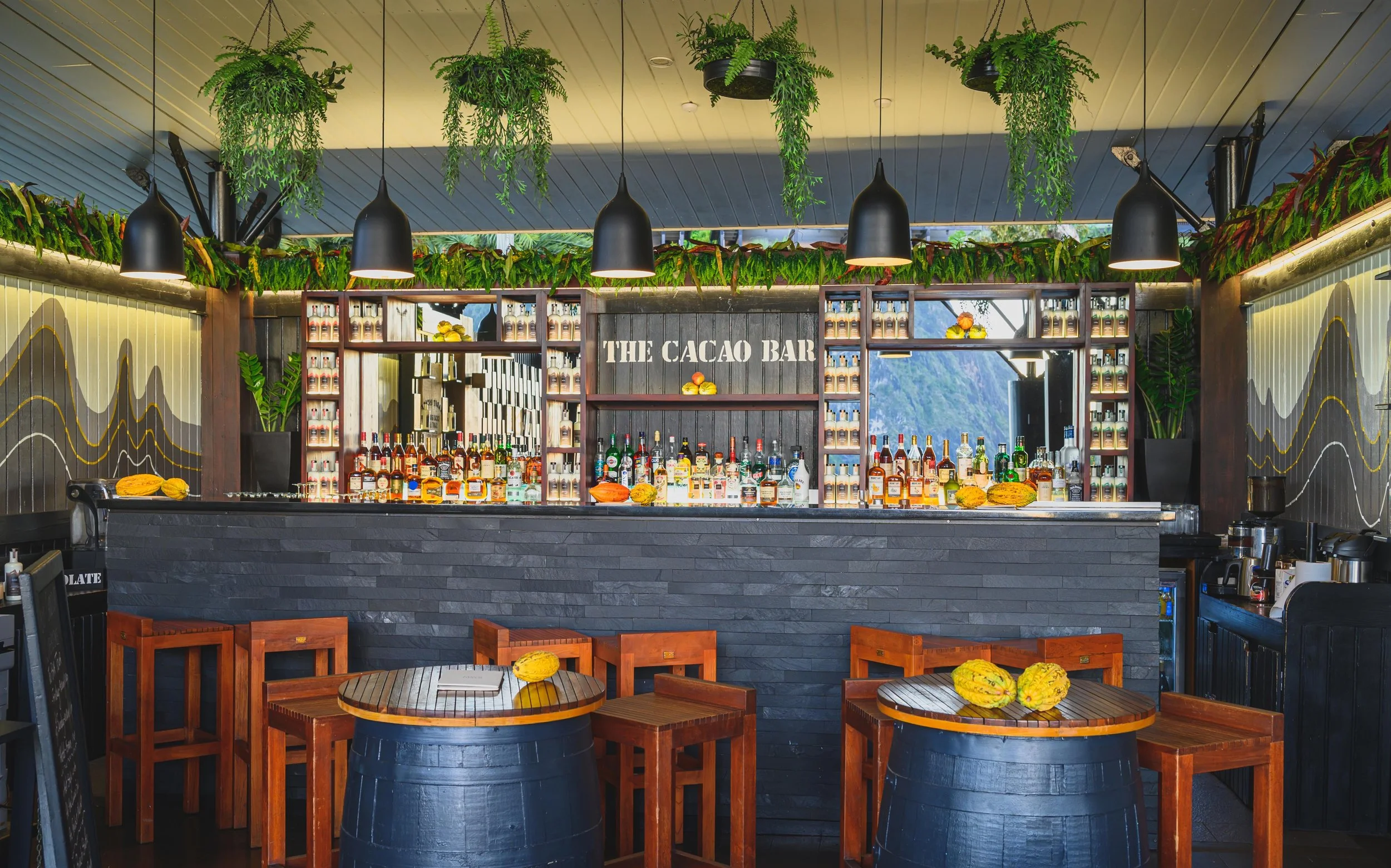
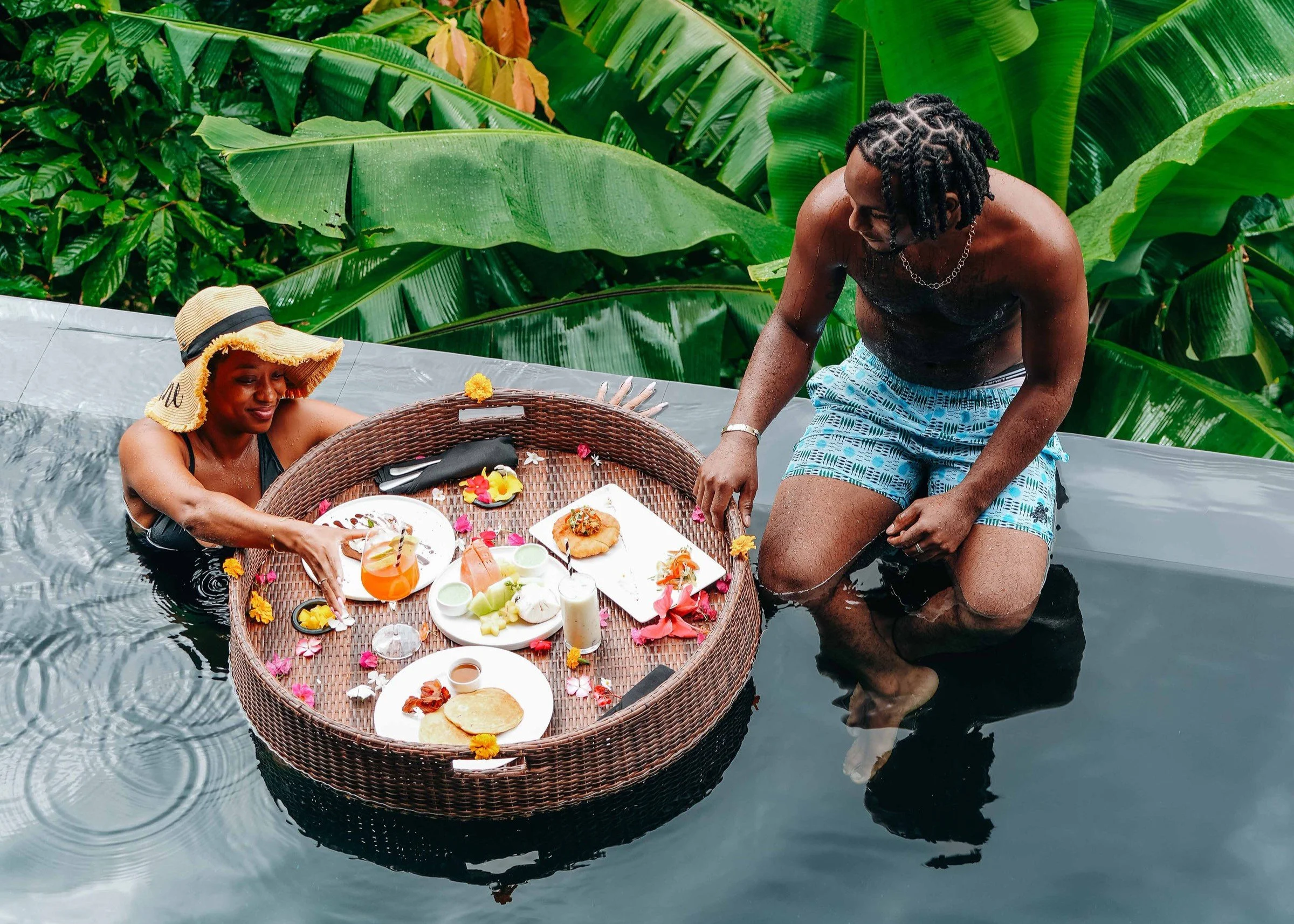
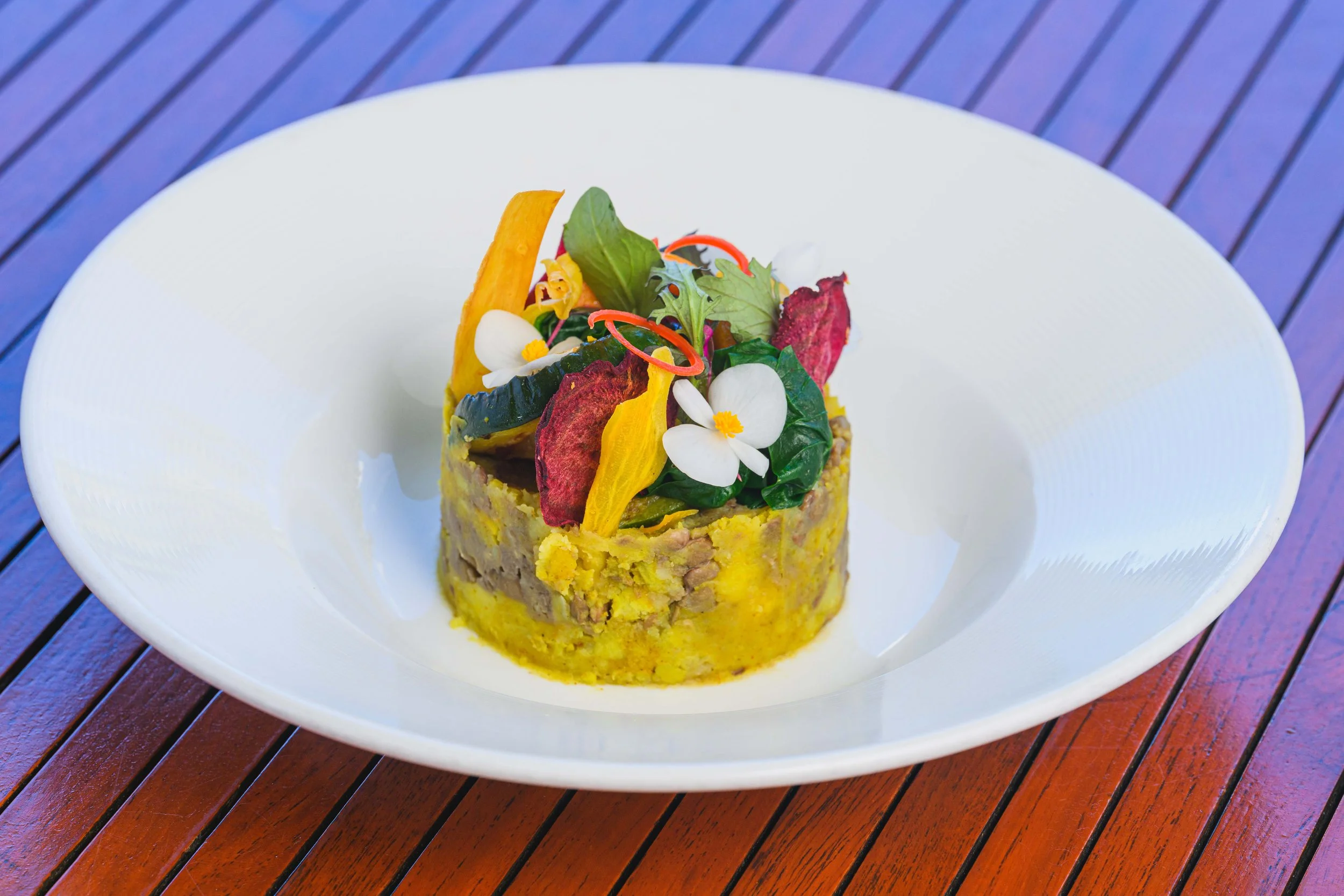
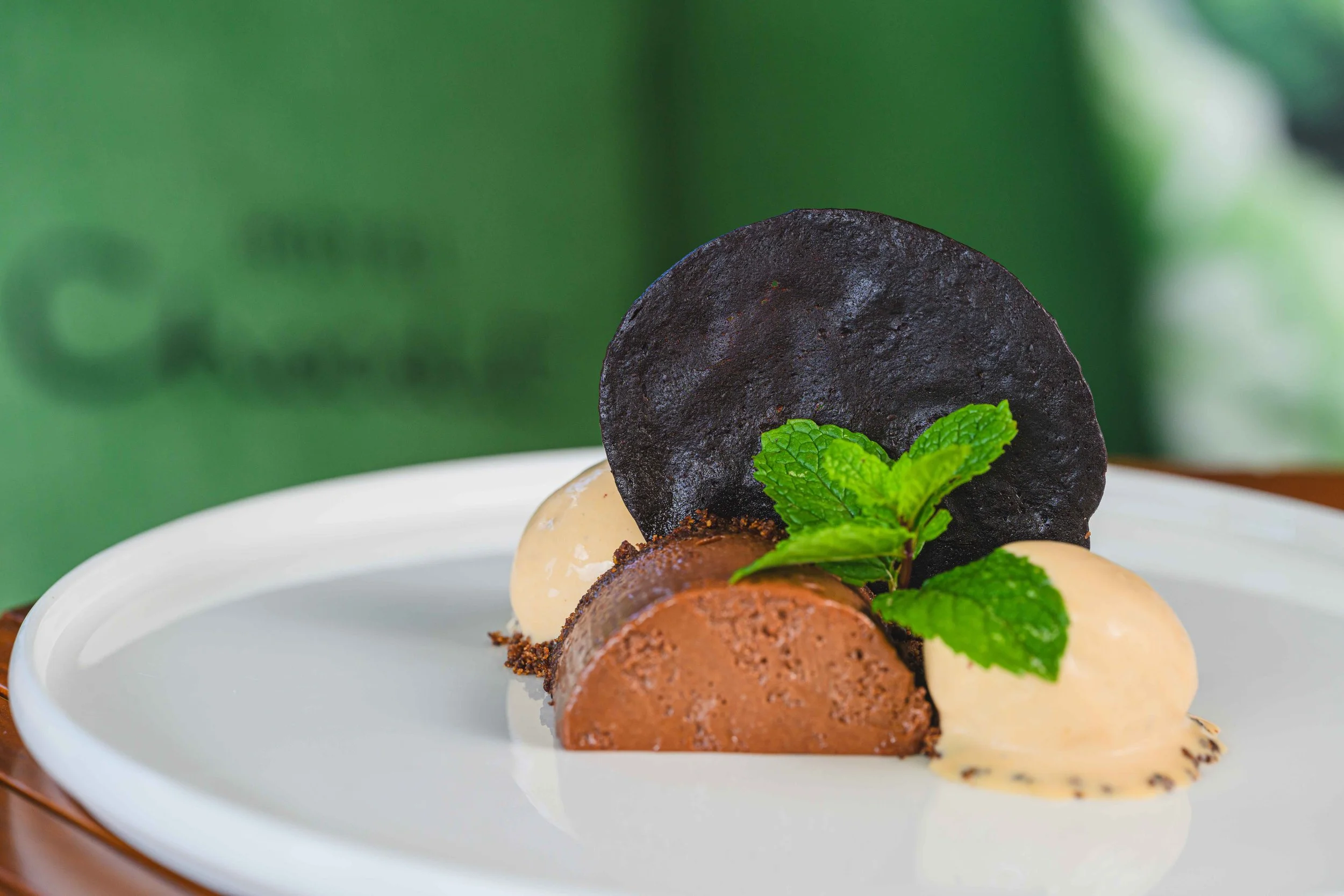
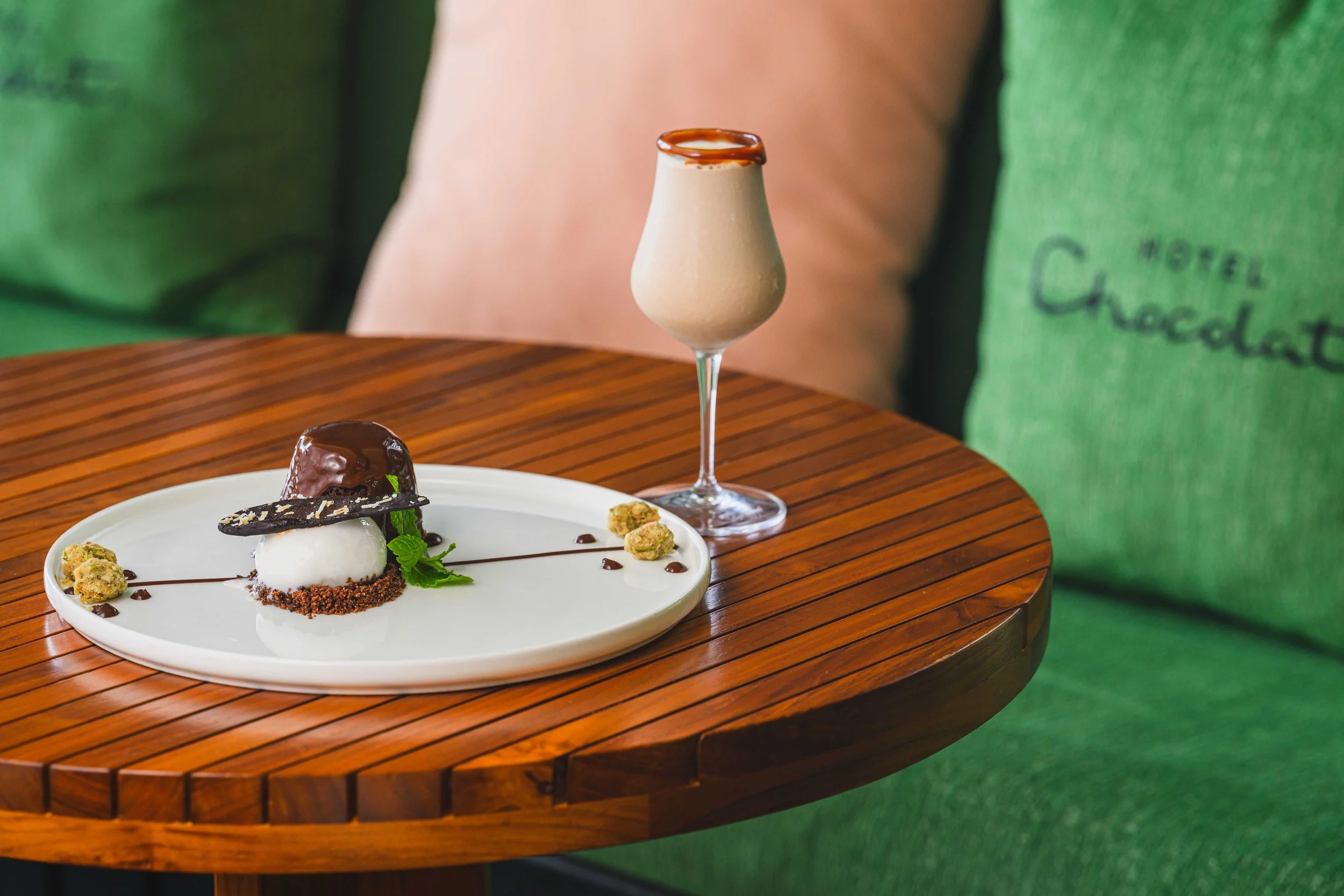
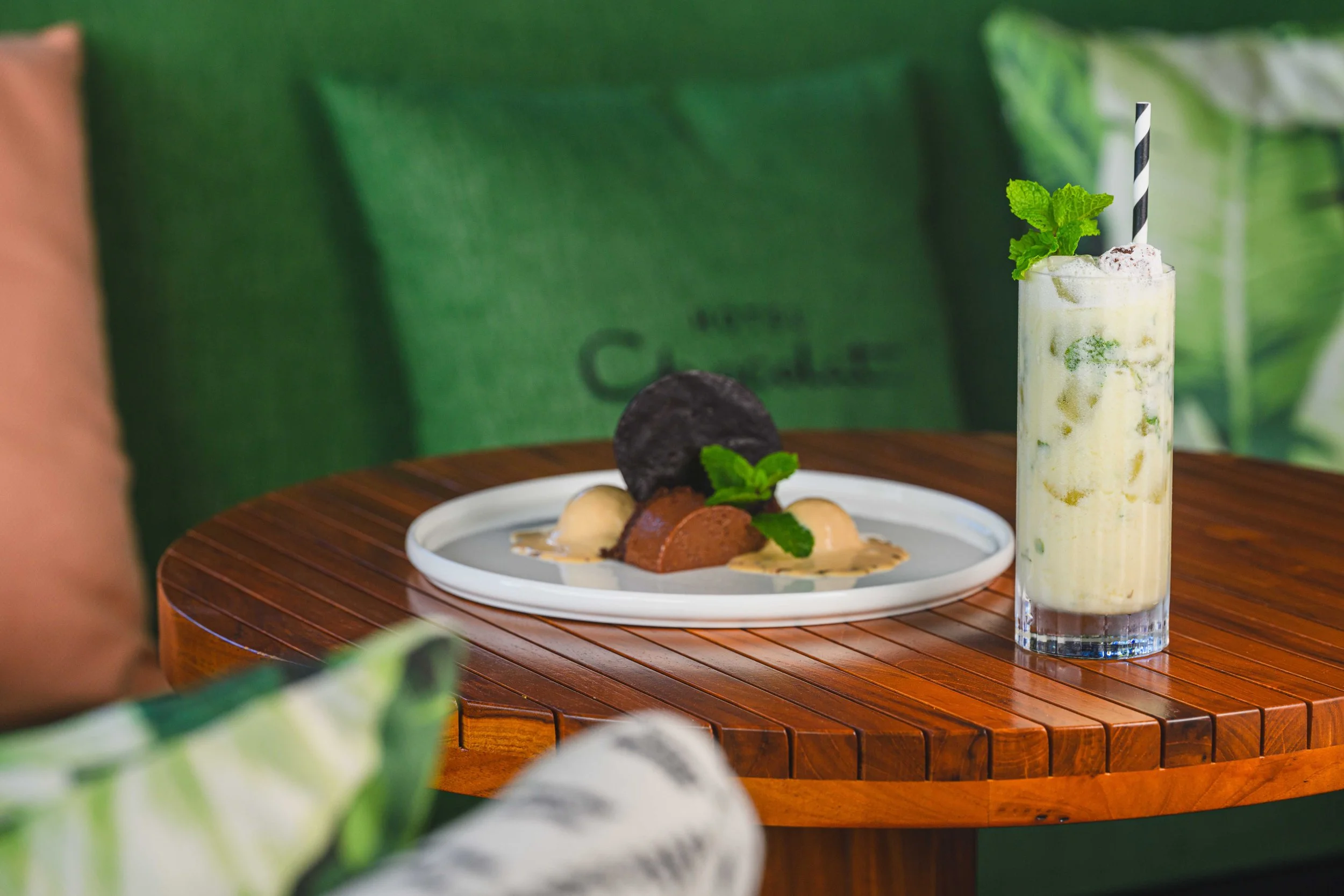
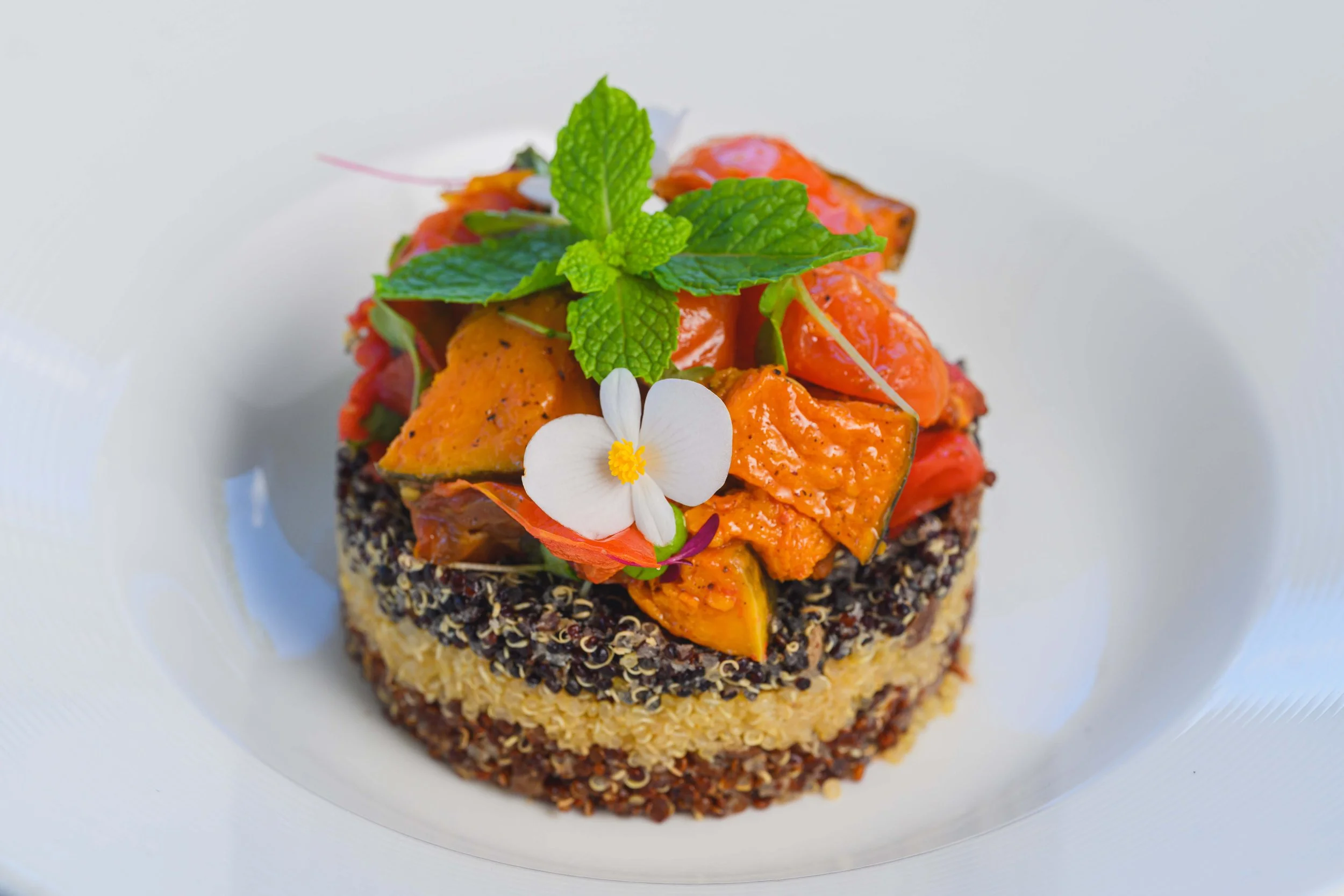
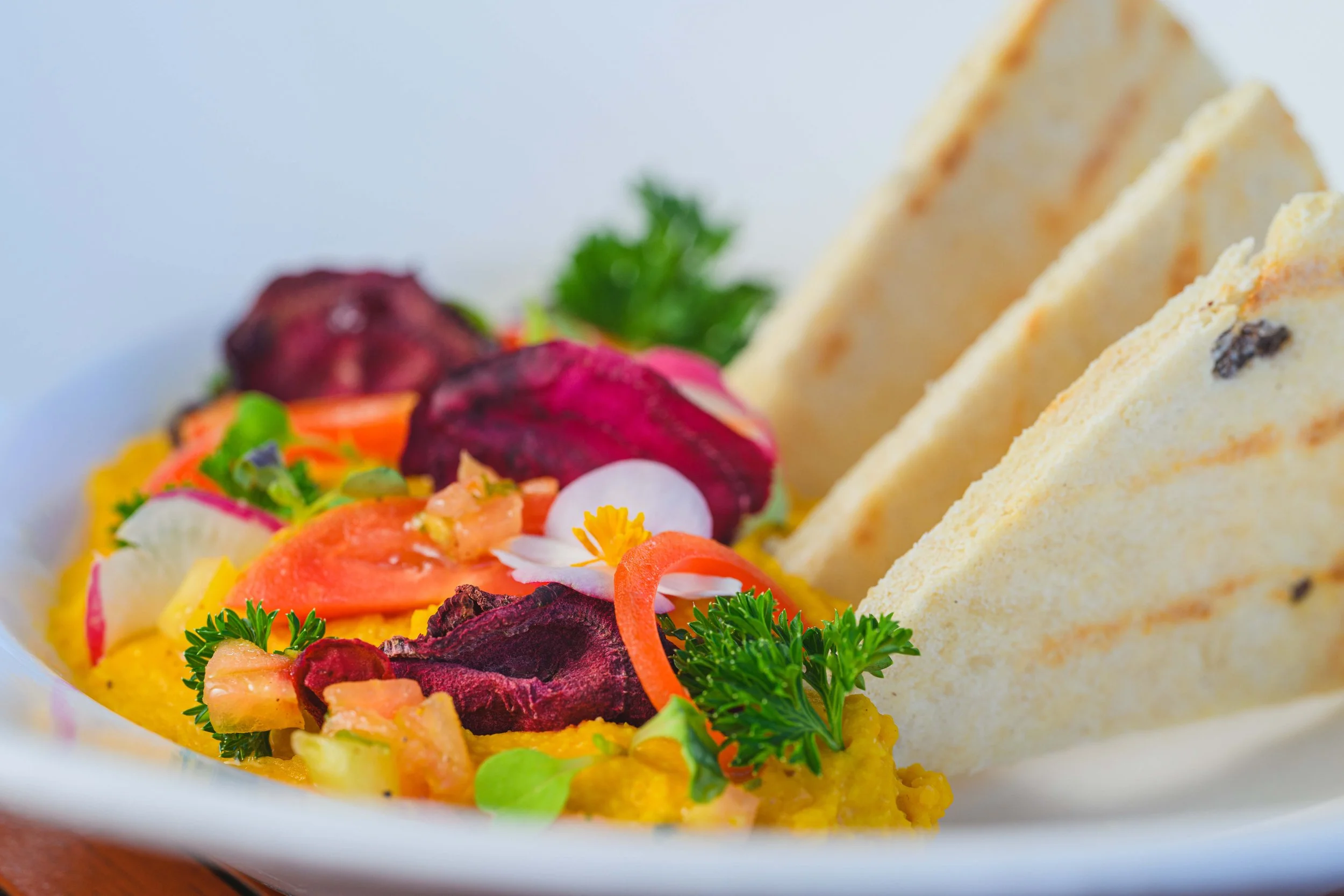
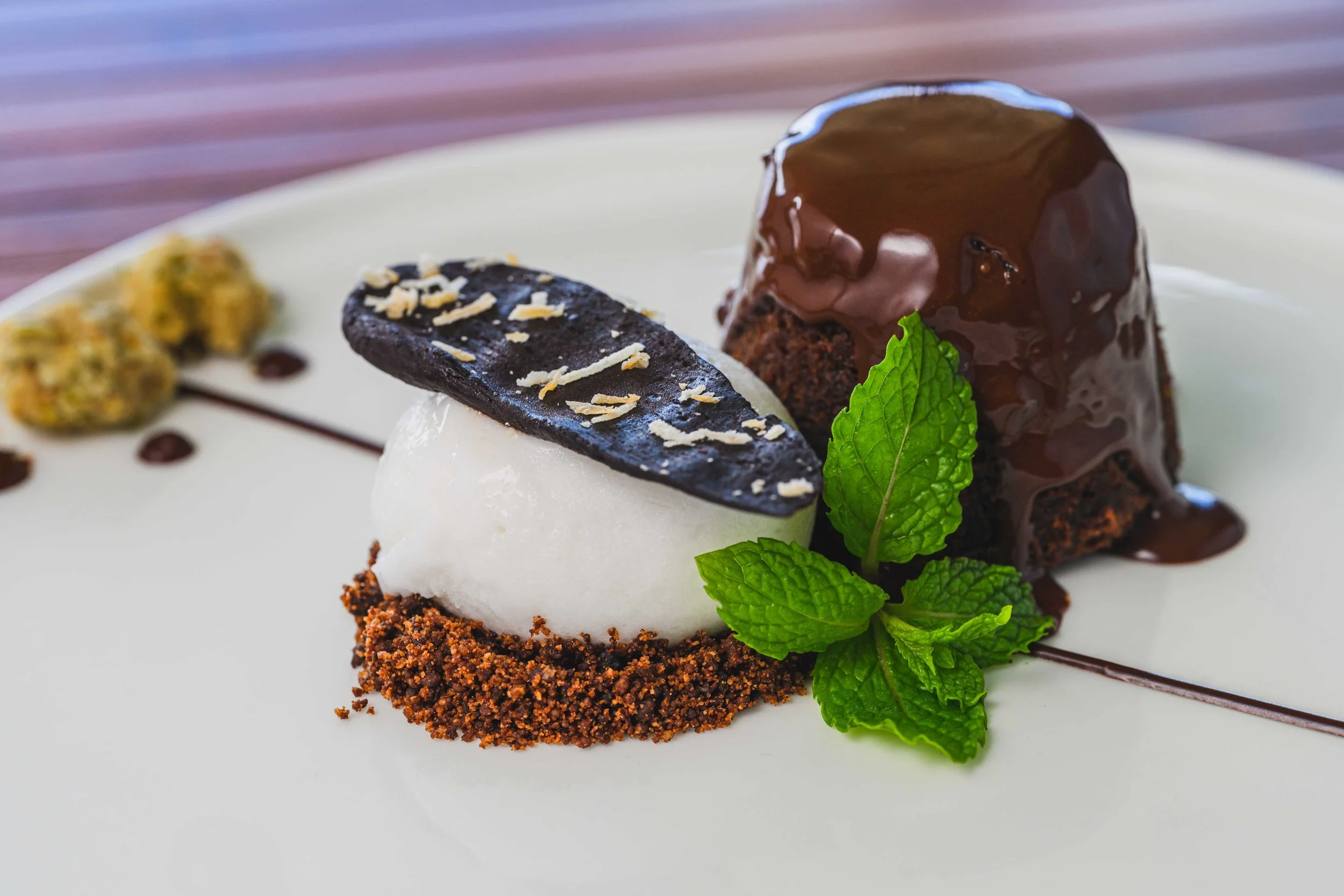
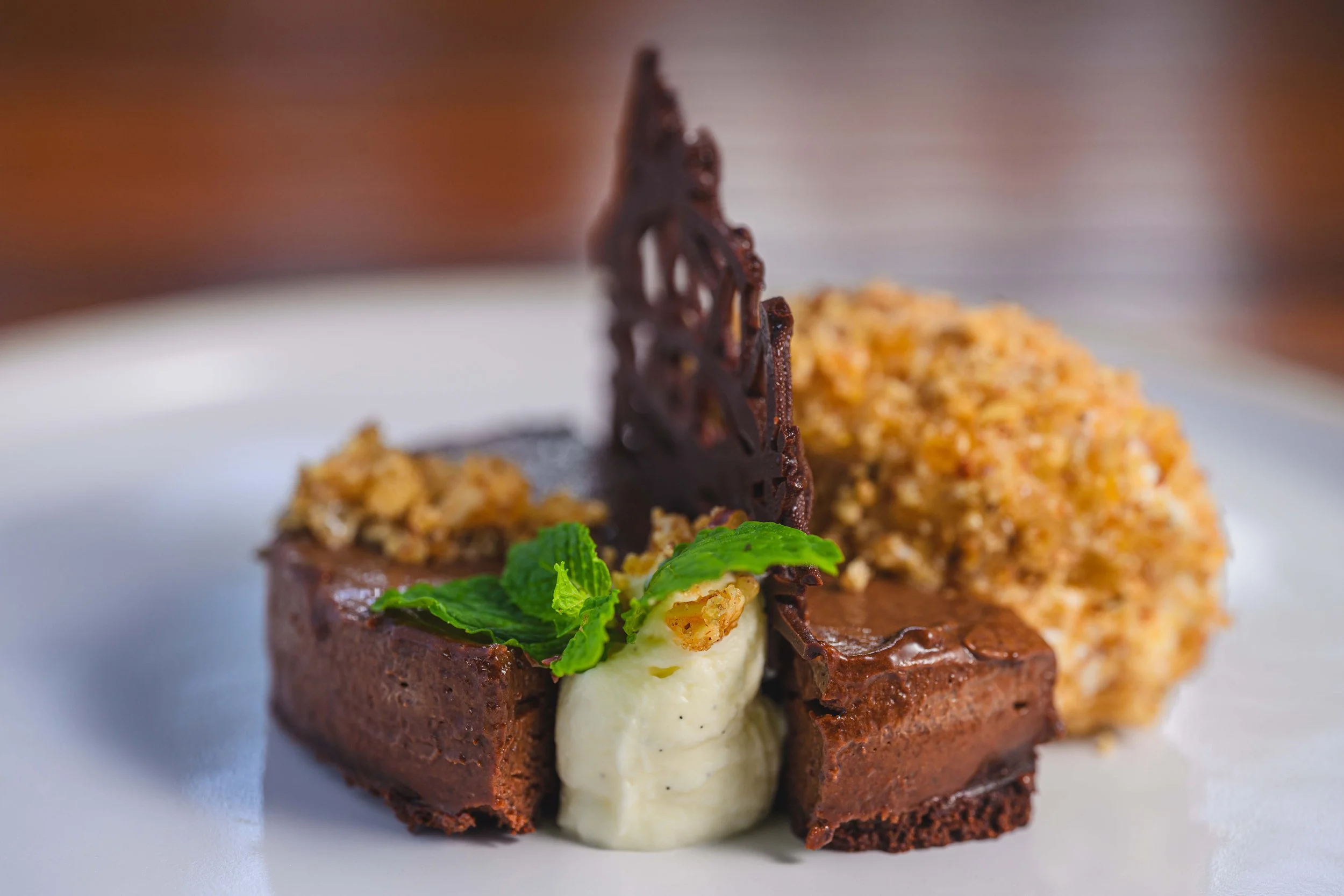
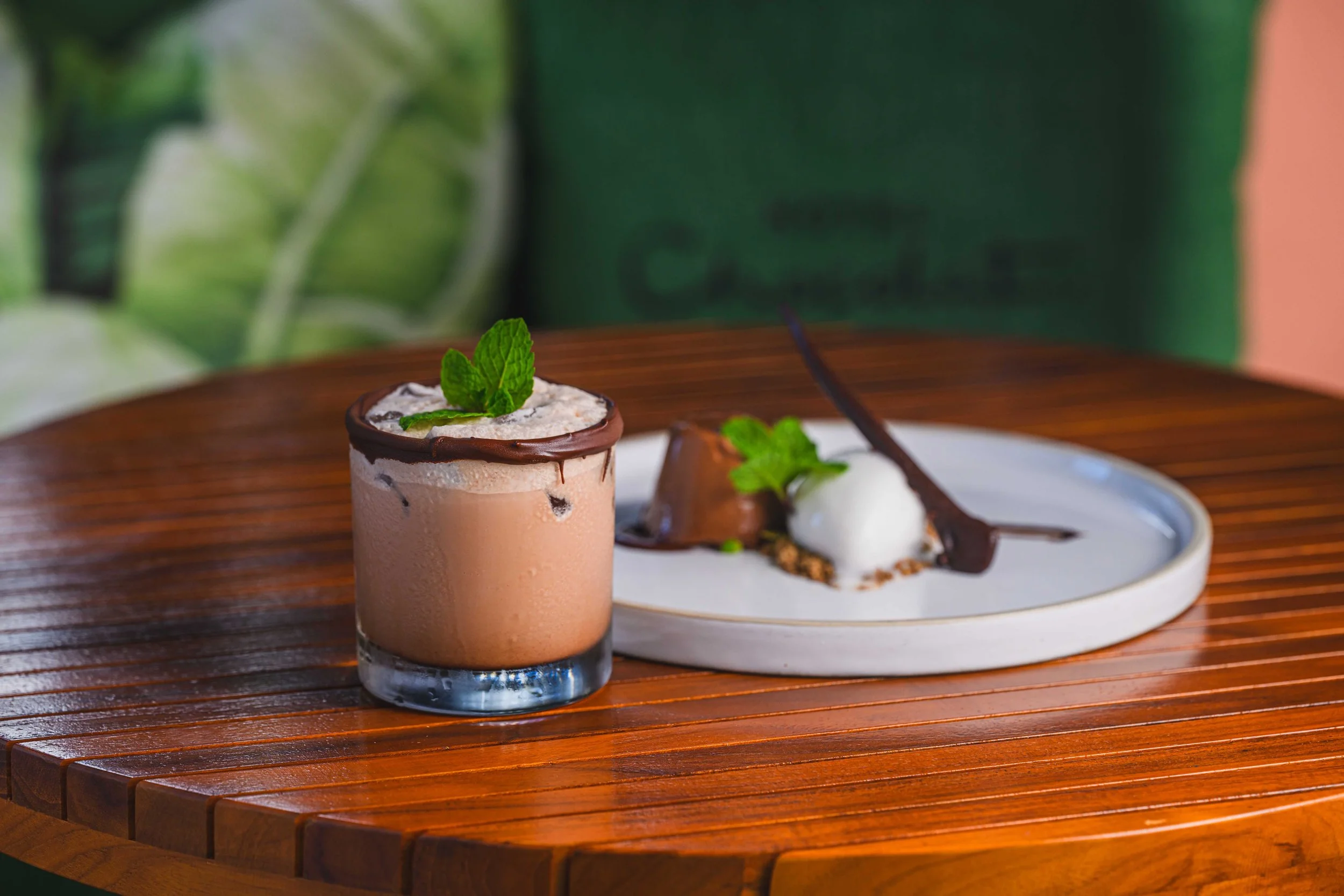
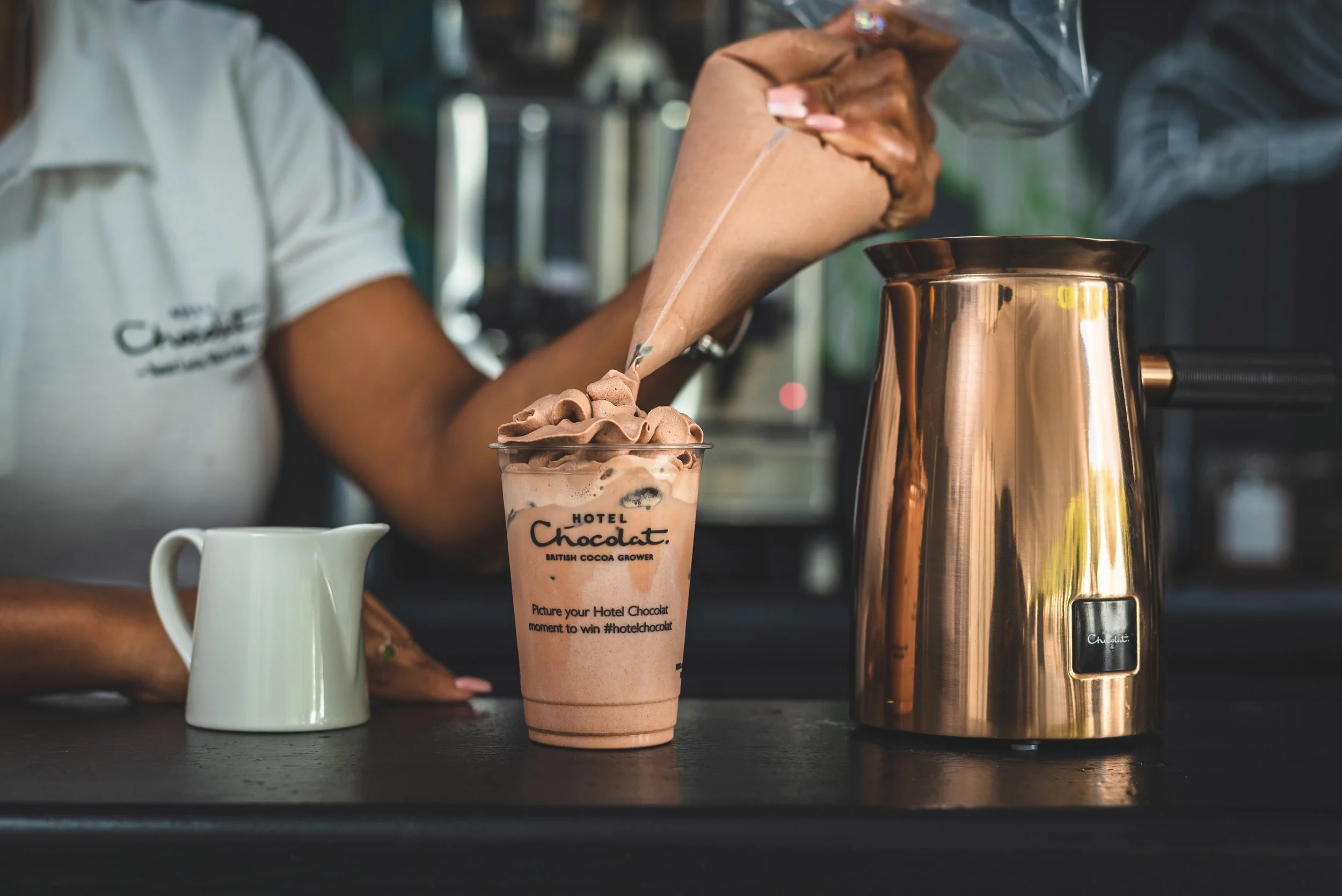
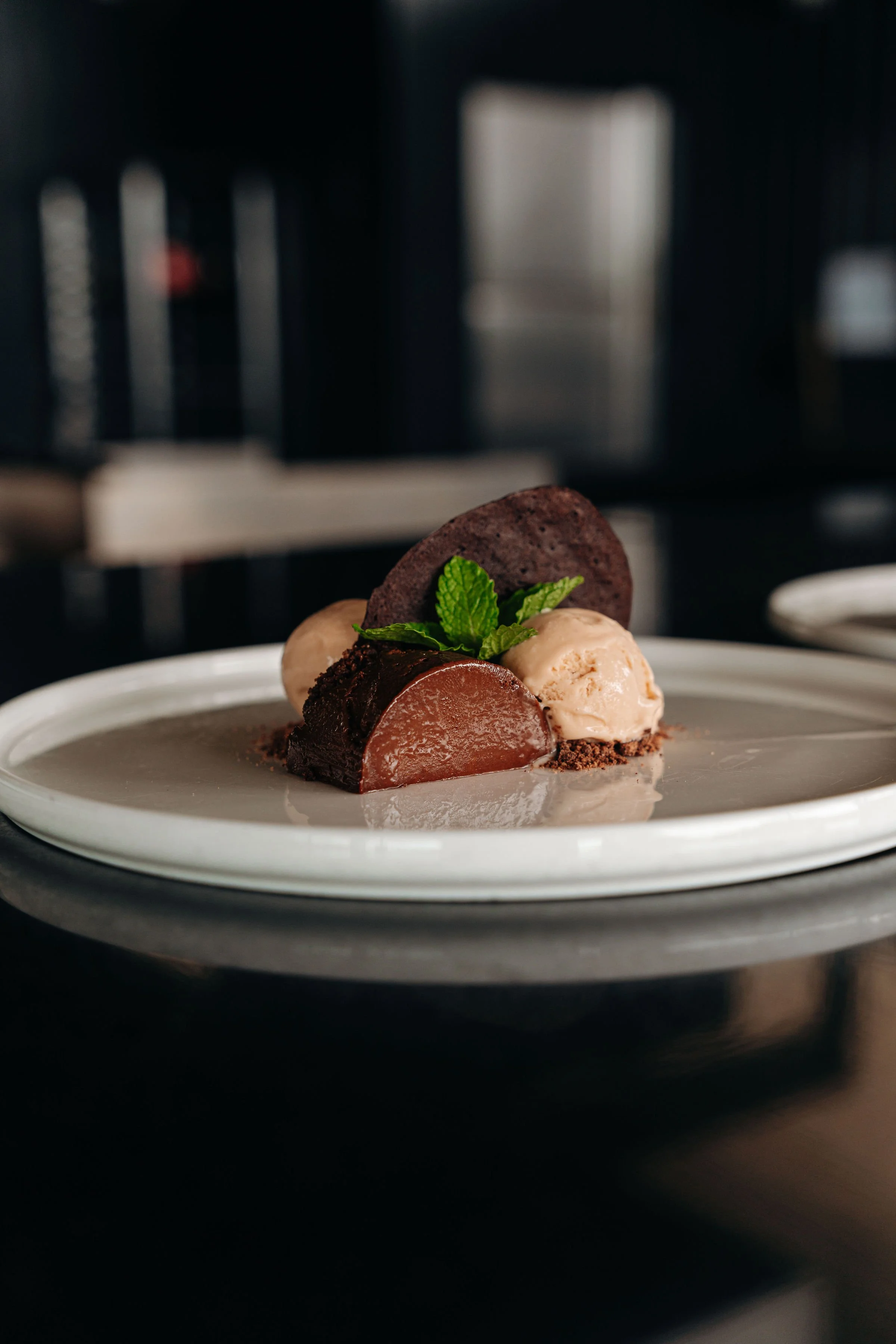
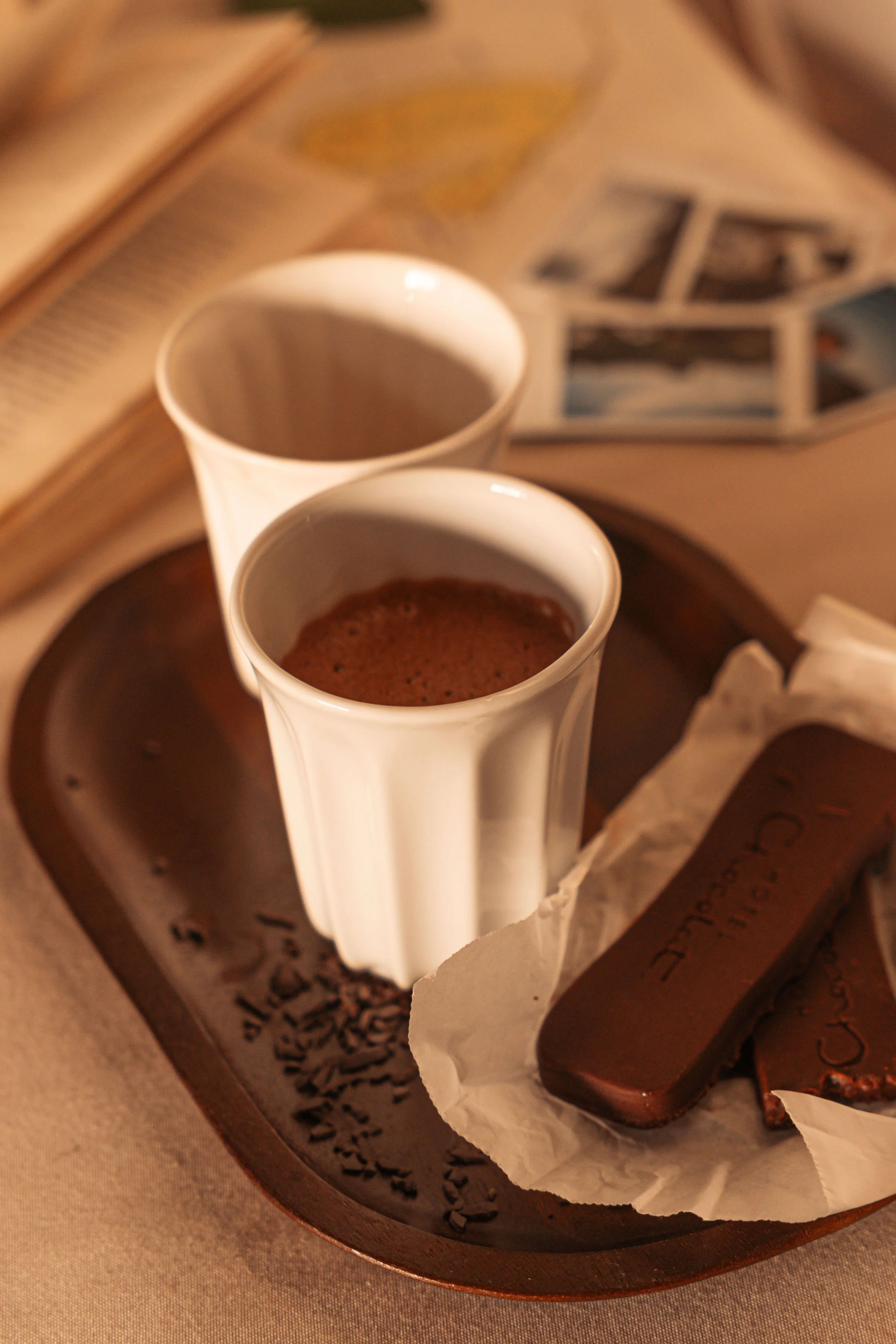
Dining at Rabot Hotel is rooted in cacao-inspired cuisine, a culinary approach that uses the cacao pod in its many natural forms long before it resembles chocolate. From cacao pulp and nibs to leaves and vinegars, these ingredients add brightness, acidity, depth, and aroma without ever overpowering a dish with chocolate. You’ll find cacao pod vinegars lifting an Eggs Benedict, roasted cacao nibs adding earthiness to local fish or vegetables, and cacao pulp bringing a delicate tropical tang to dressings and desserts. Seasonal produce from the estate’s gardens, fresh seafood from the nearby coast, and fruit like mango, passionfruit, and guava create a vibrant, balanced menu that celebrates Saint Lucia’s landscape through the lens of the island’s most iconic crop.

GETTING THERE
Fly into Hewanorra International Airport (UVF), Saint Lucia. Rabot Hotel is about a 45 minute drive north along the scenic western coast, passing rainforest valleys and small villages before arriving at the cacao estate perched above the Caribbean Sea.
WILD INITIATIVES
Hotel Chocolat is deeply committed to the conservation of Saint Lucia’s unique landscapes and nature. On their Rabot Estate, cacao cultivation follows regenerative principles, enriching the soil, protecting biodiversity, and maintaining the health of surrounding rainforest ecosystems. Guests gain insight into the cacao ecosystem through guided tours, hands-on workshops, and immersive experiences that highlight the connection between land, crop, and community.
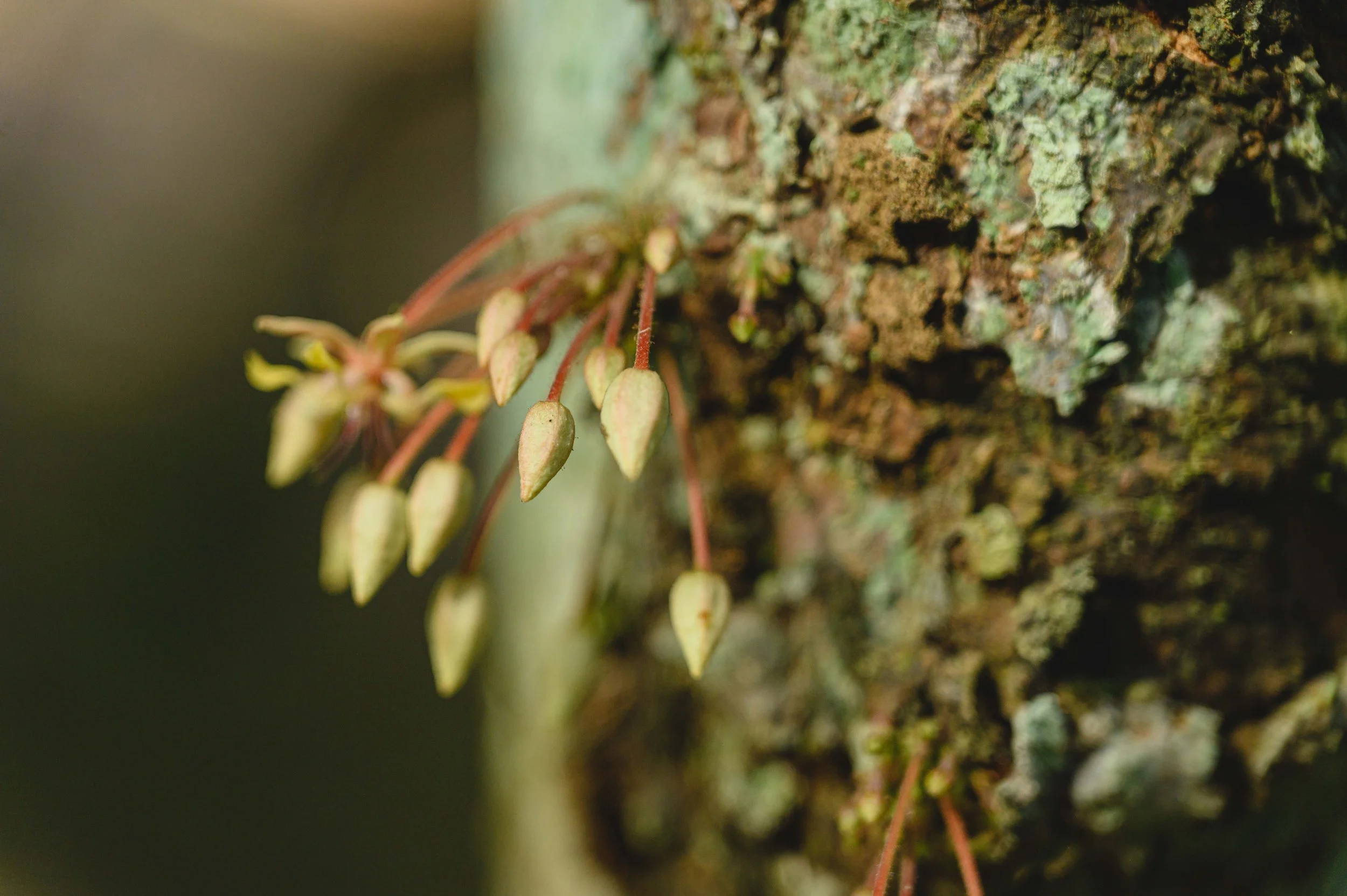
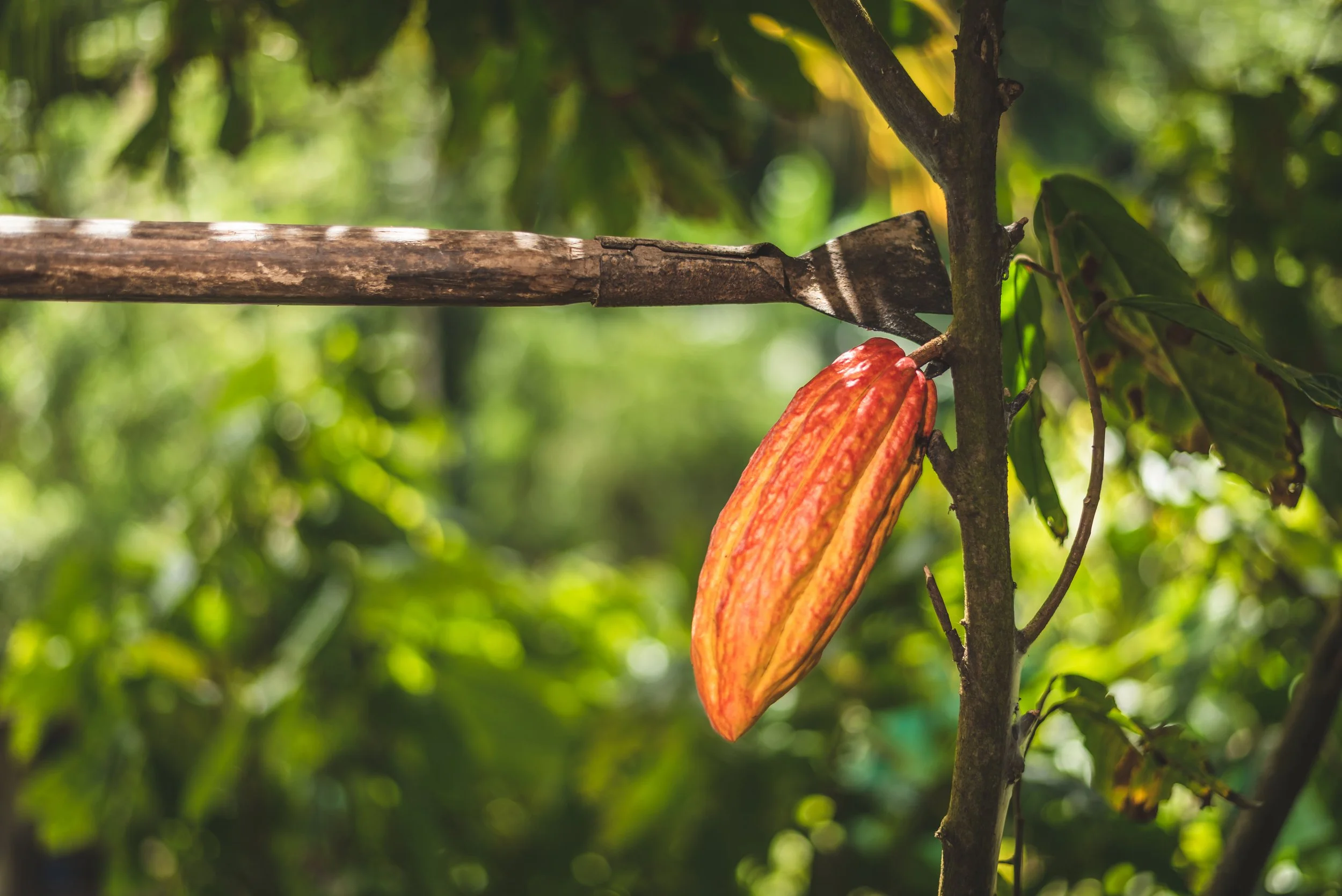
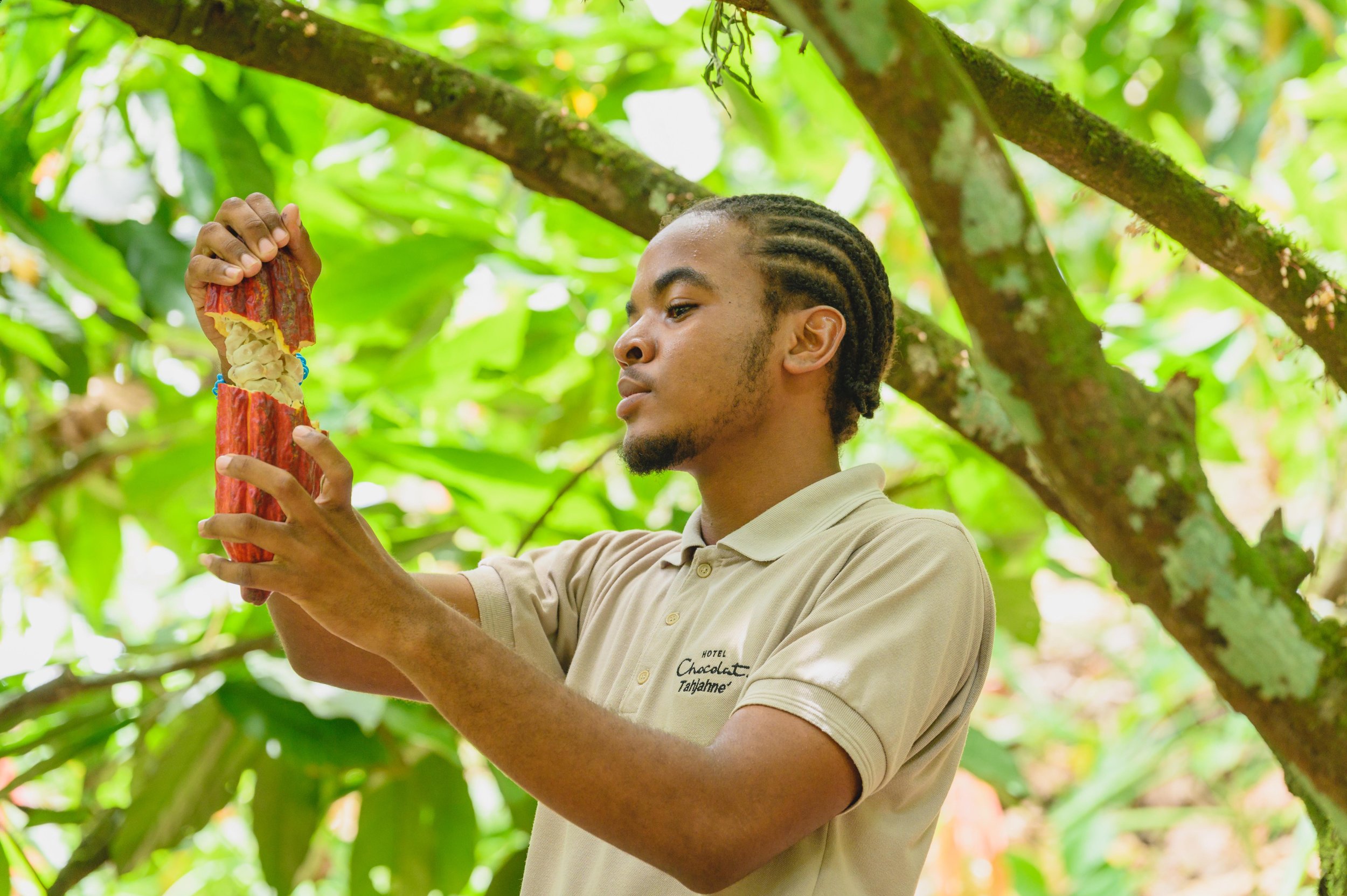
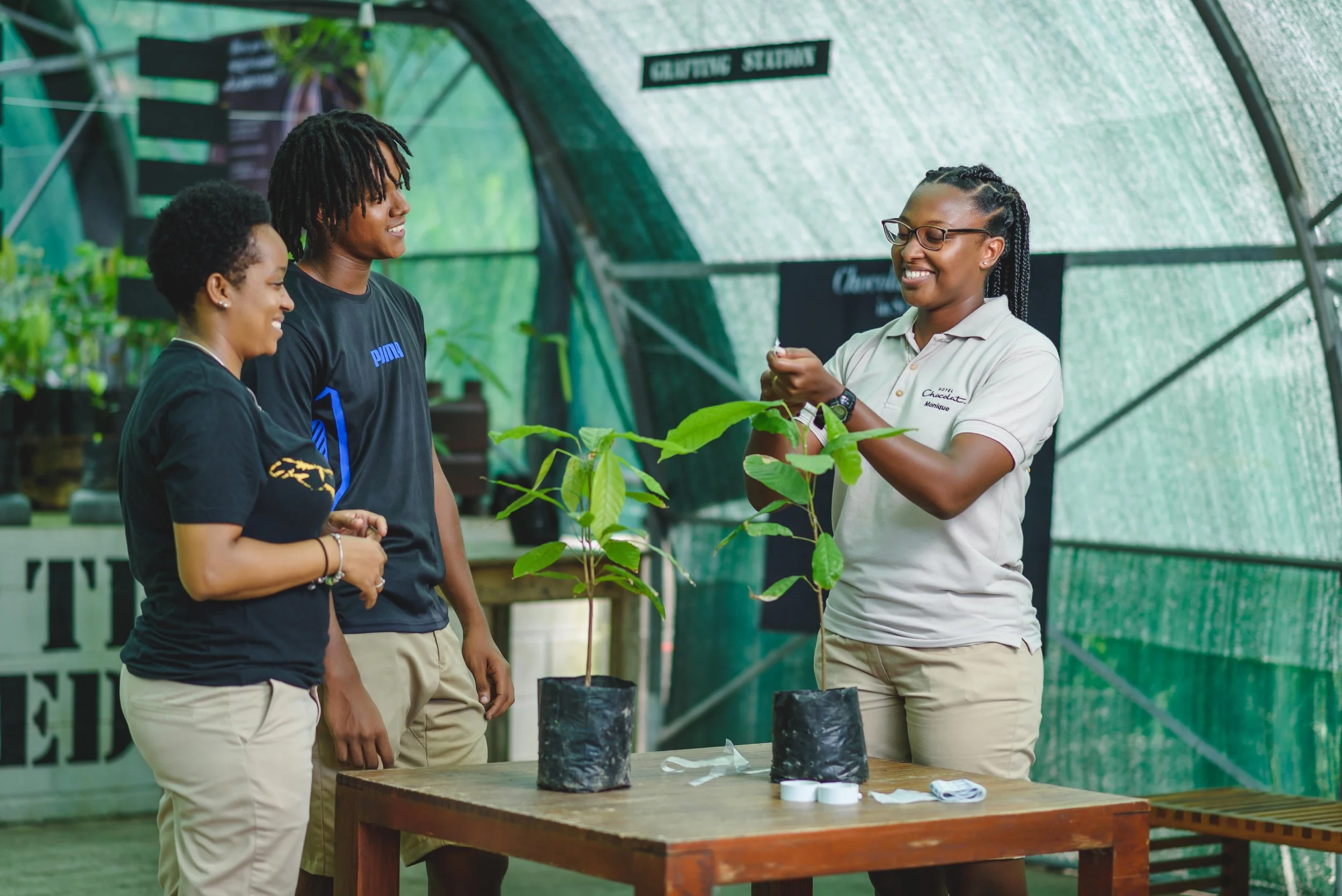
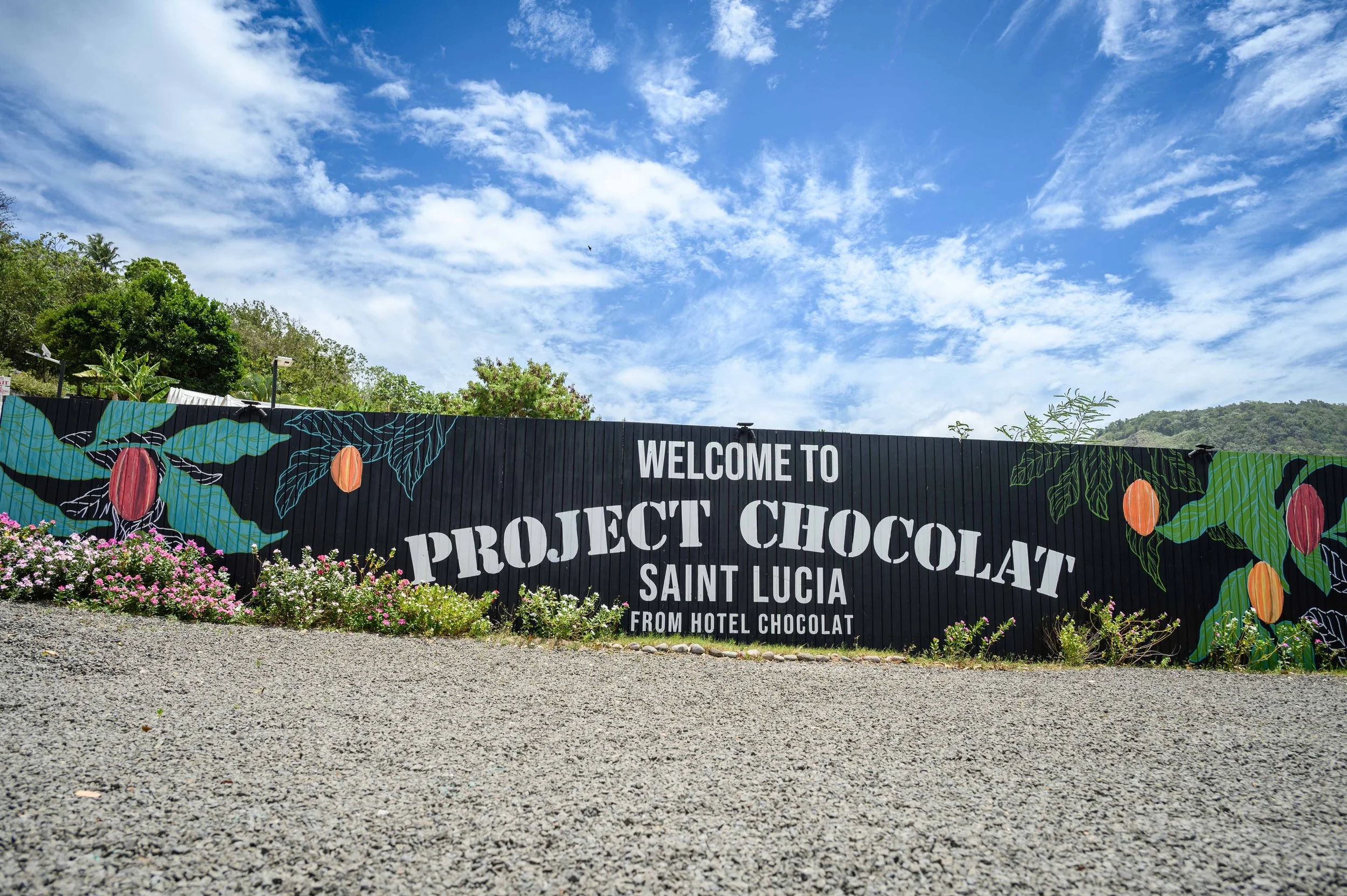
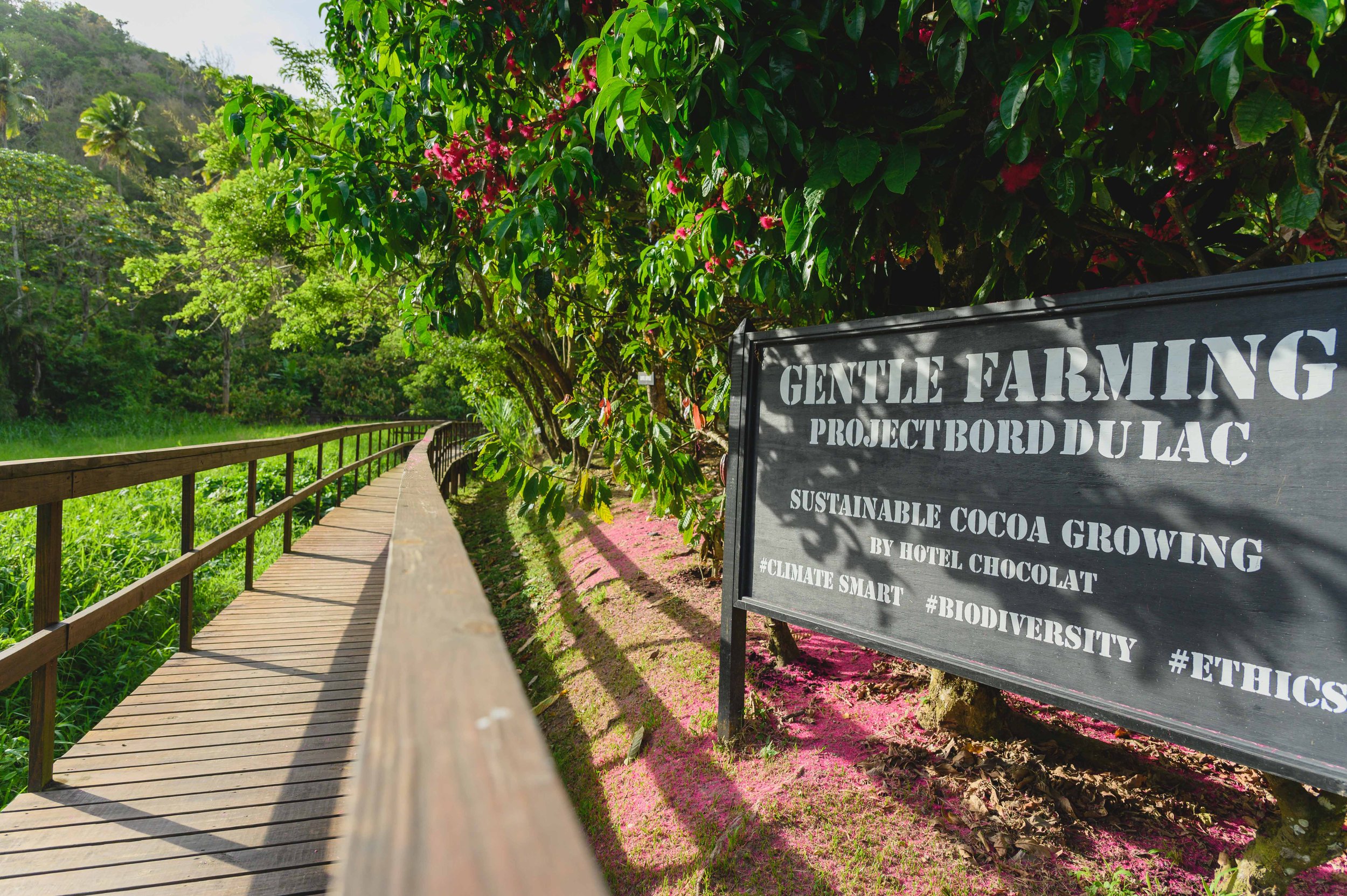
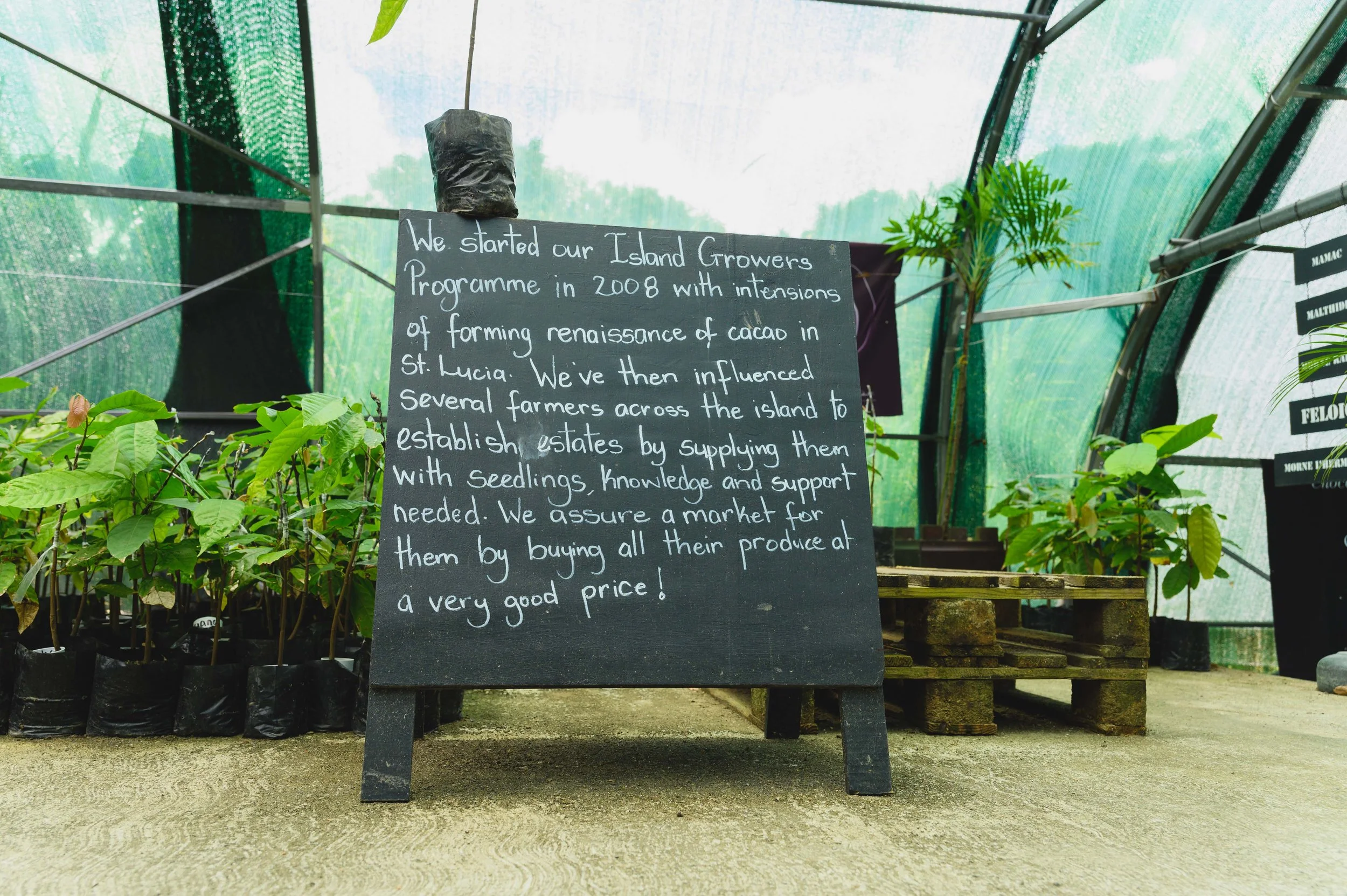
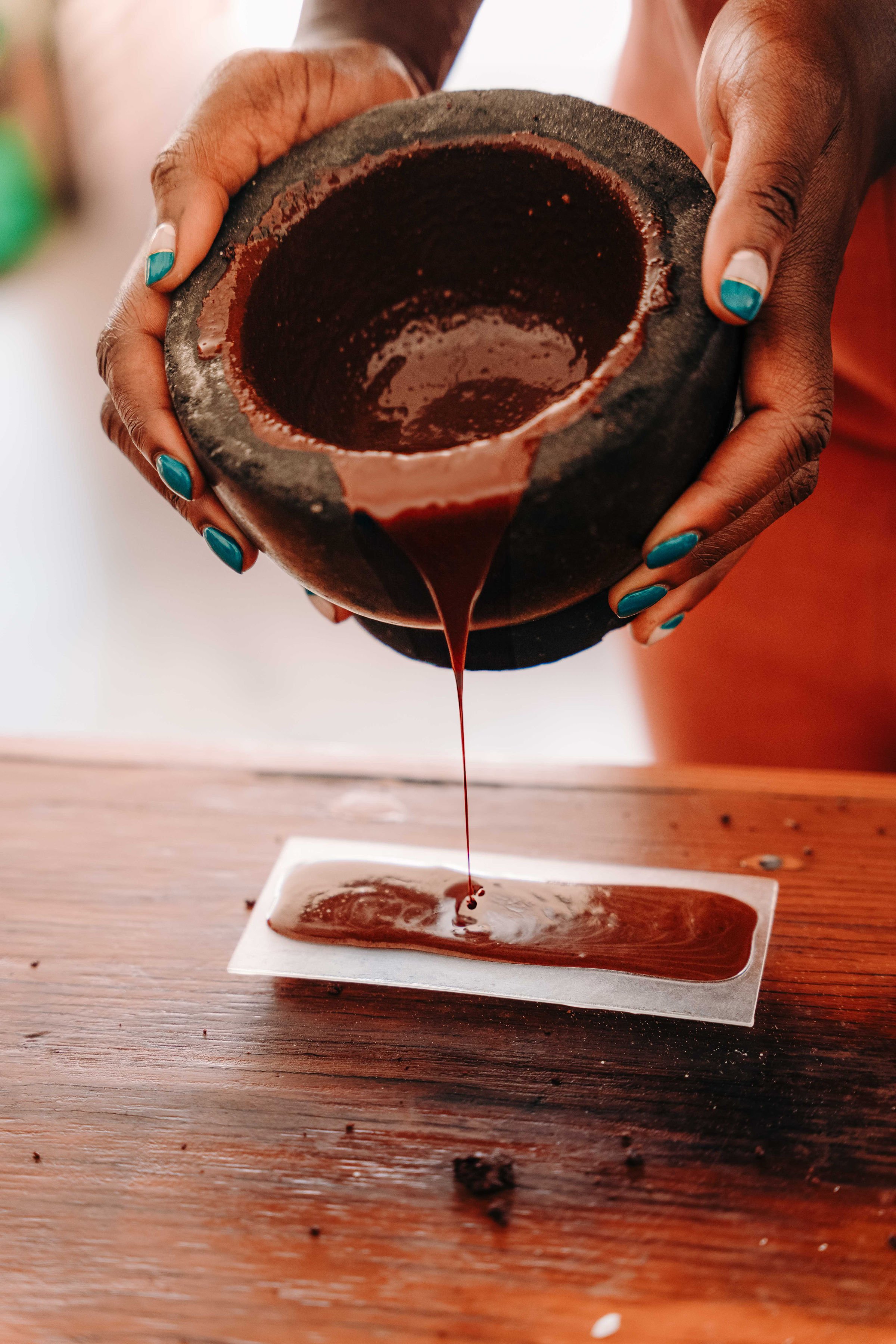
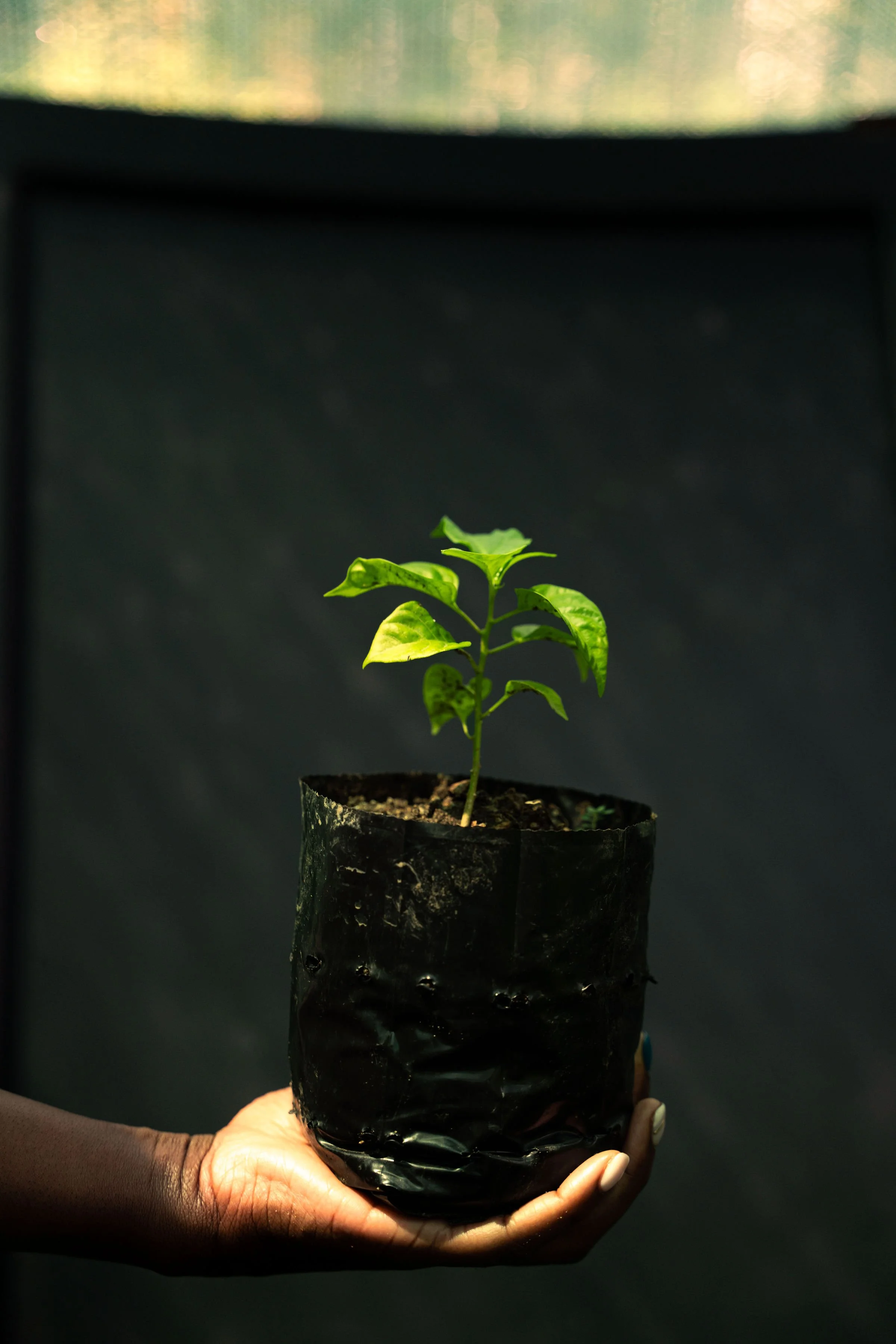
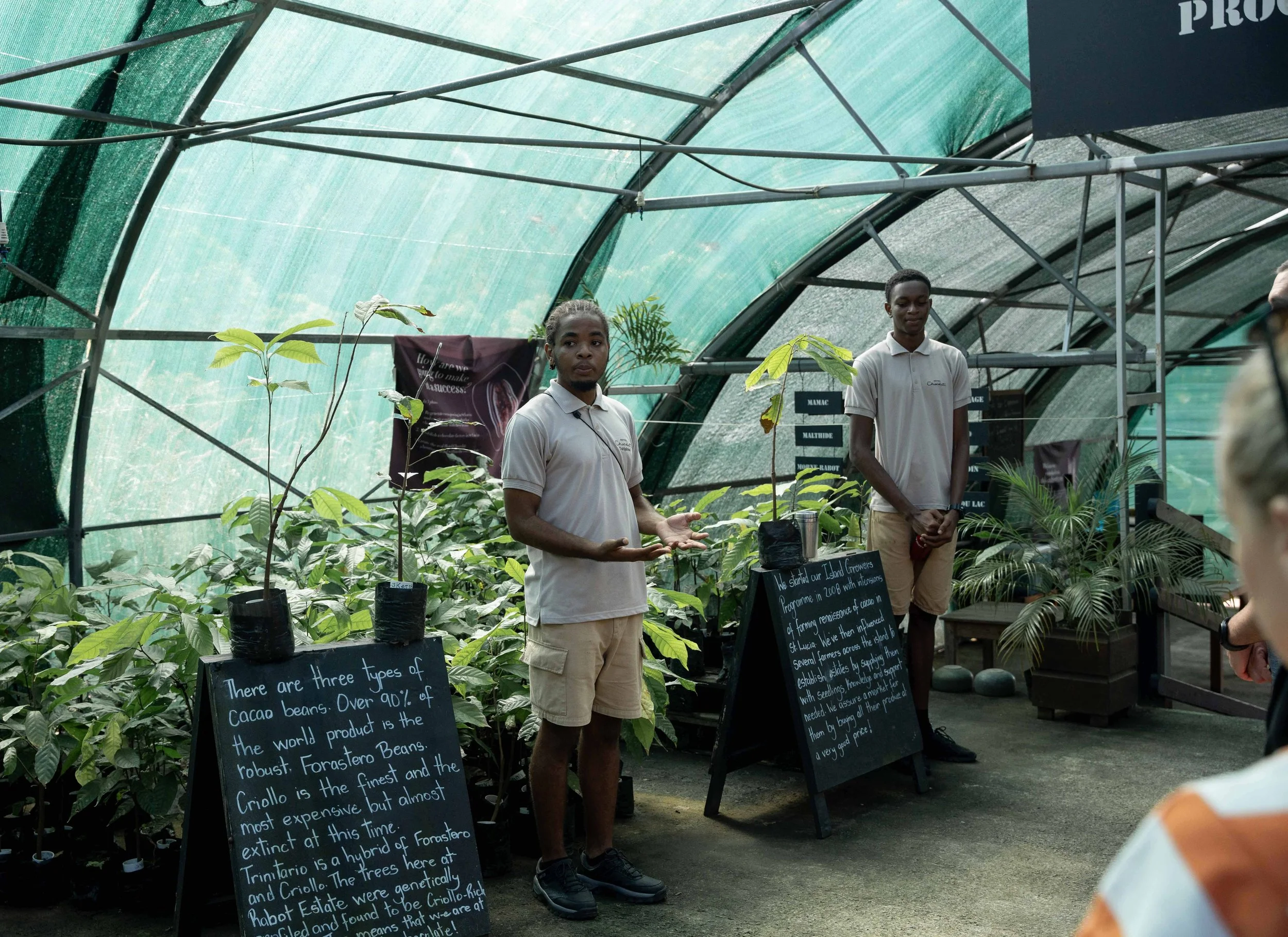
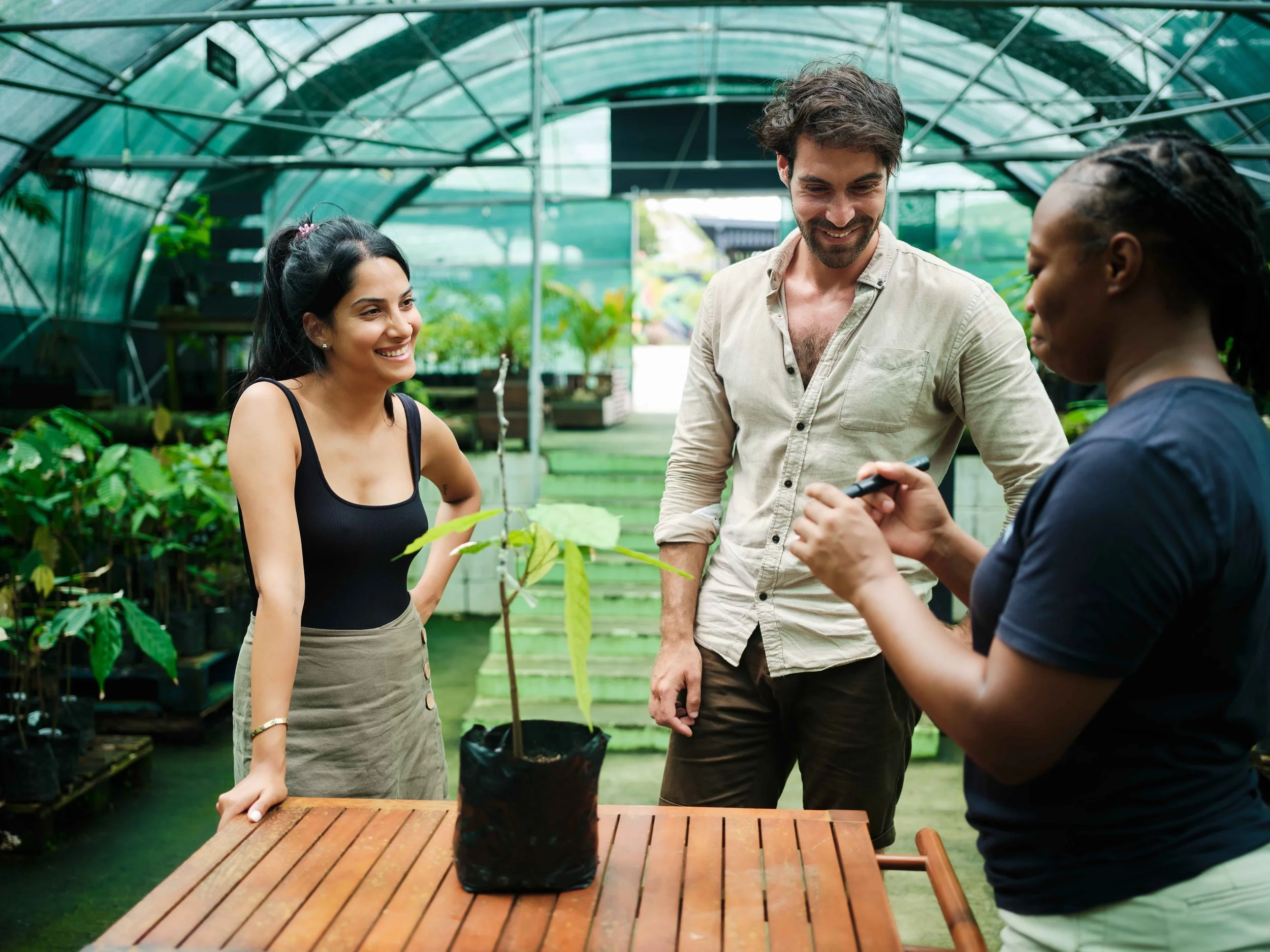
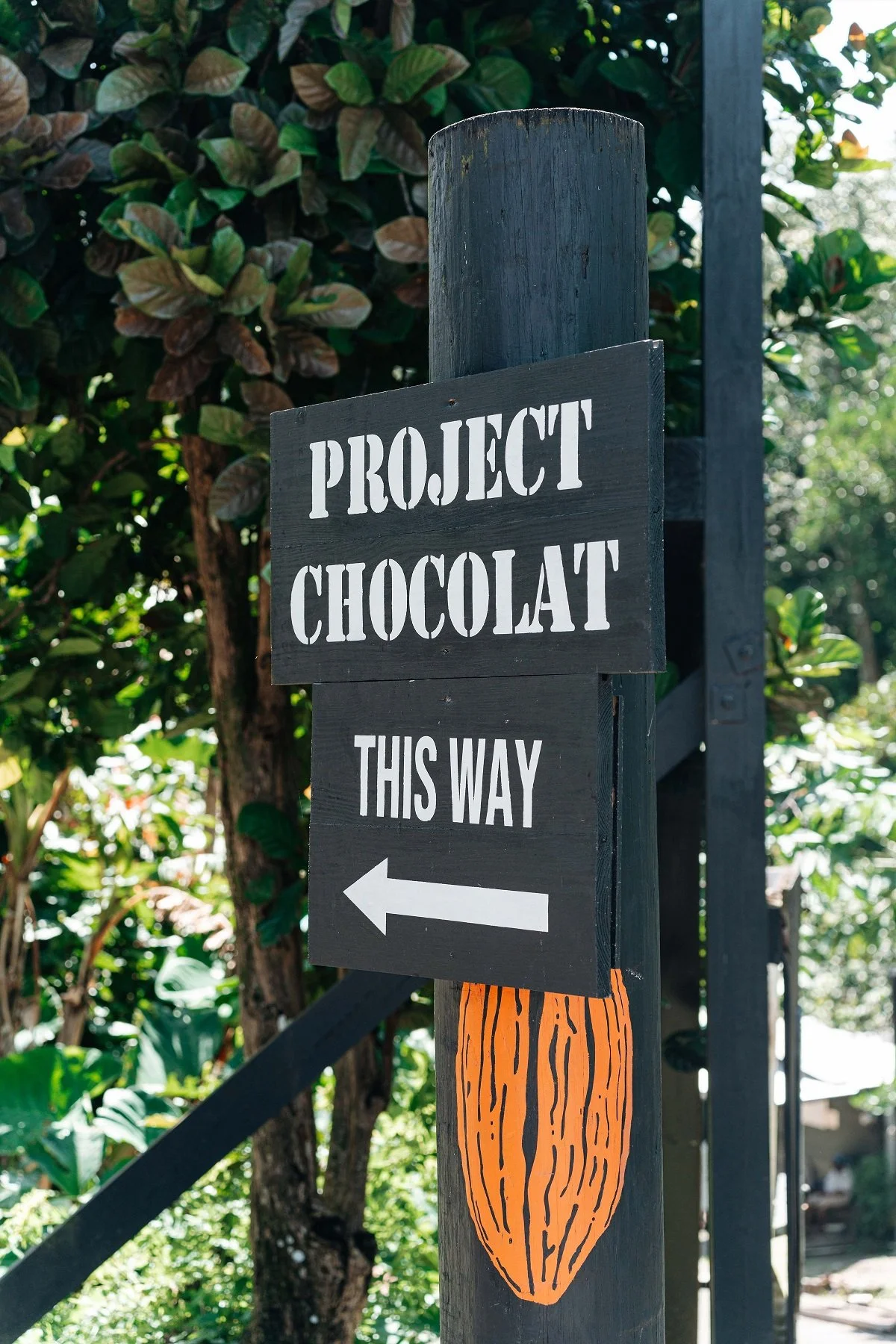
Rabot has developed and runs Hotel Chocolat’s Island Growers Programme, a cacao-focused initiative that supports local farmers and promotes sustainable cacao cultivation across Saint Lucia. The programme strengthens the island’s smallholder cacao economy by sharing Hotel Chocolat’s gentle farming techniques and fostering long-term partnerships with growers. Through this collaboration, the estate helps preserve the island’s cacao heritage while advancing ethical and environmentally conscious practices. In addition, Project Chocolat celebrates this legacy through immersive “Tree to Bar” experiences that educate and inspire visitors, connecting them directly to the story of Saint Lucia’s cacao.
The estate’s environmental stewardship extends beyond cacao. Solar power, rainwater management, and responsible waste practices reduce the hotel’s ecological footprint, while carefully designed buildings and walking paths minimize disruption to native flora and fauna. Every stay at Rabot Hotel not only immerses guests in luxurious comfort but also directly supports sustainable practices, community engagement, and the long-term health of Saint Lucia’s land, forests, and waterways.
Photos by Rabot Hotel, Matt Wild, Belle Portwe