
Samanvaya
Bali, Indonesia
PERSONALITIES
Slow travelers. Wellness seekers. Design-minded guests. Early risers and quiet observers. Those drawn to ritual, nature, and a deeper connection to place.
Moments
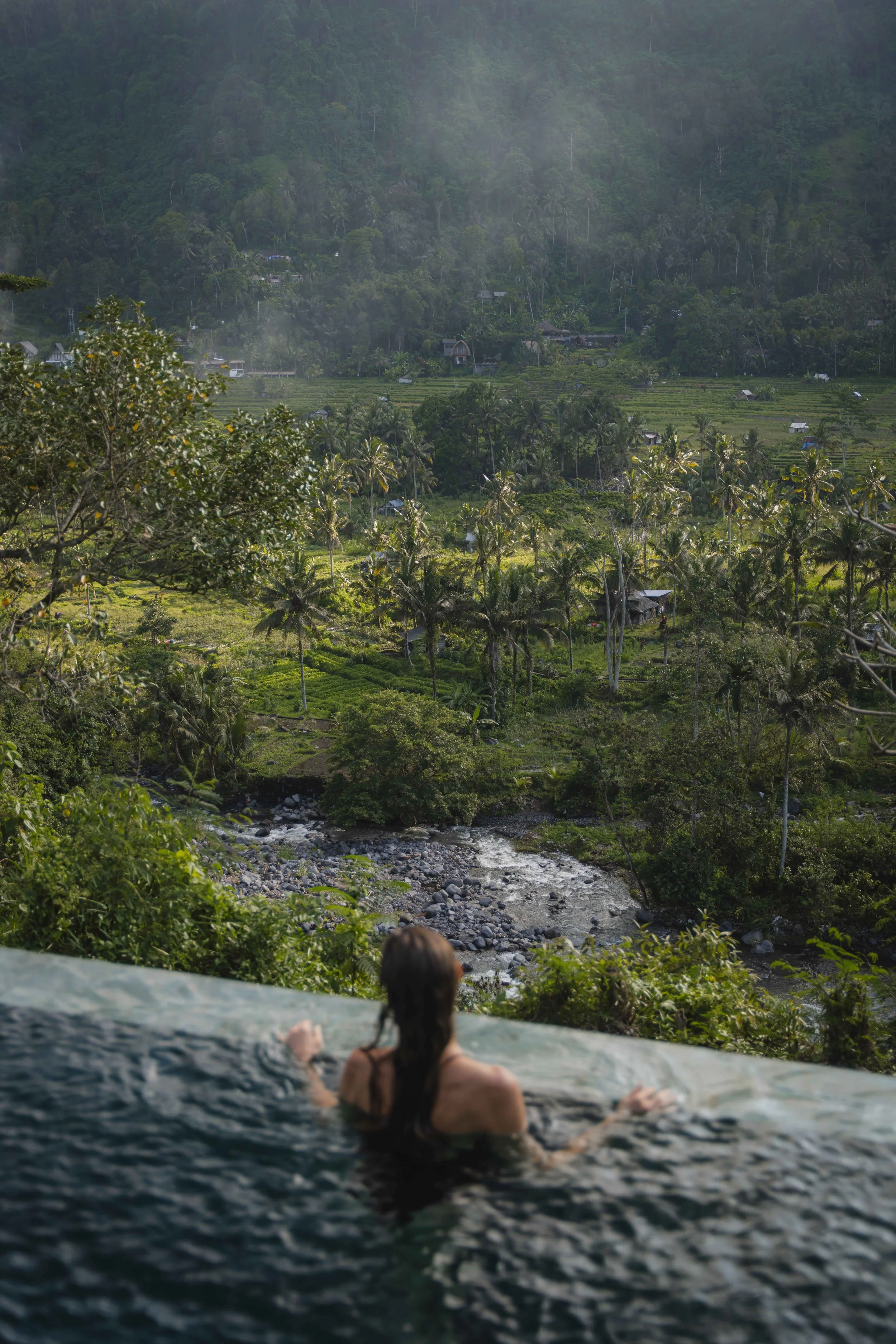
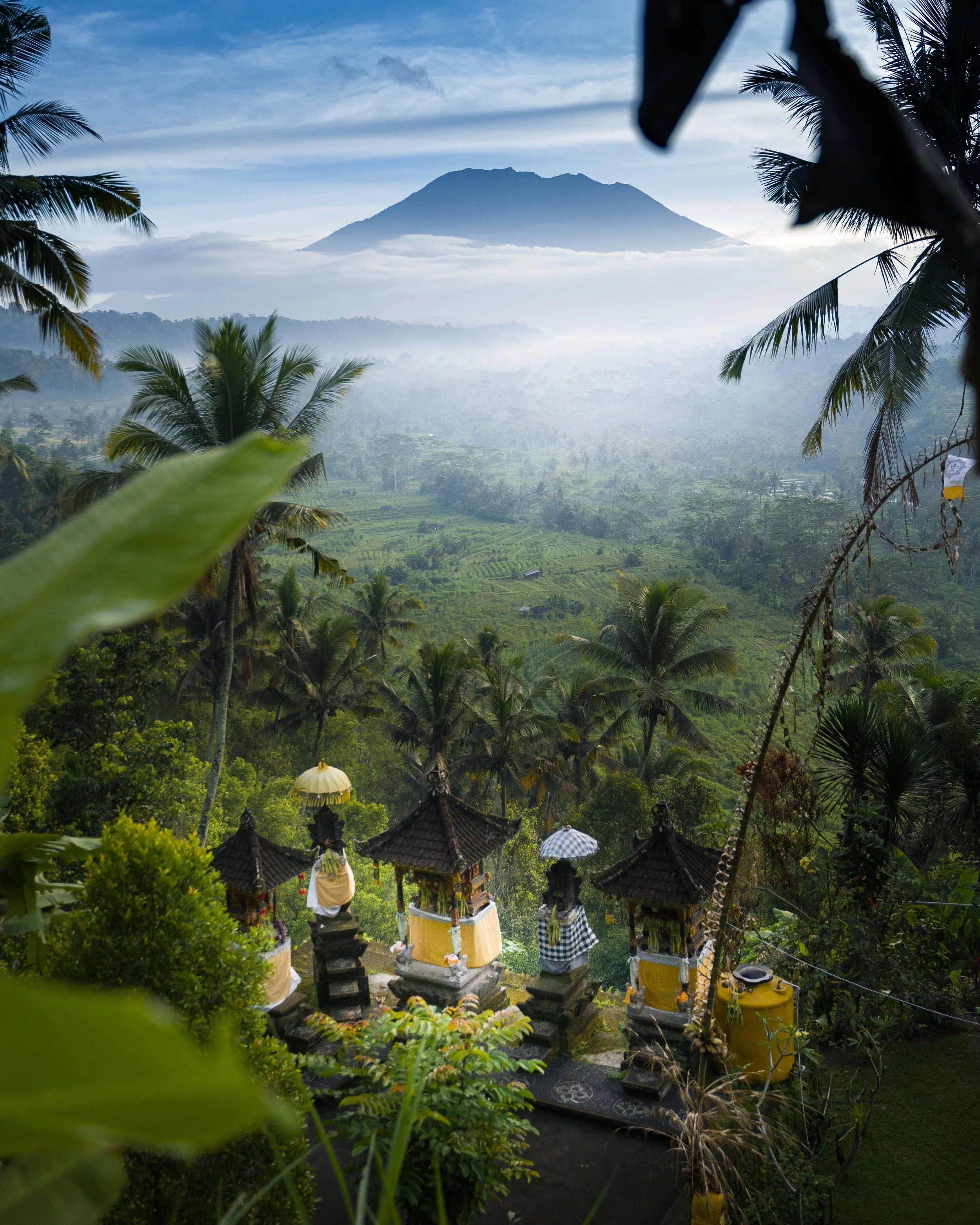
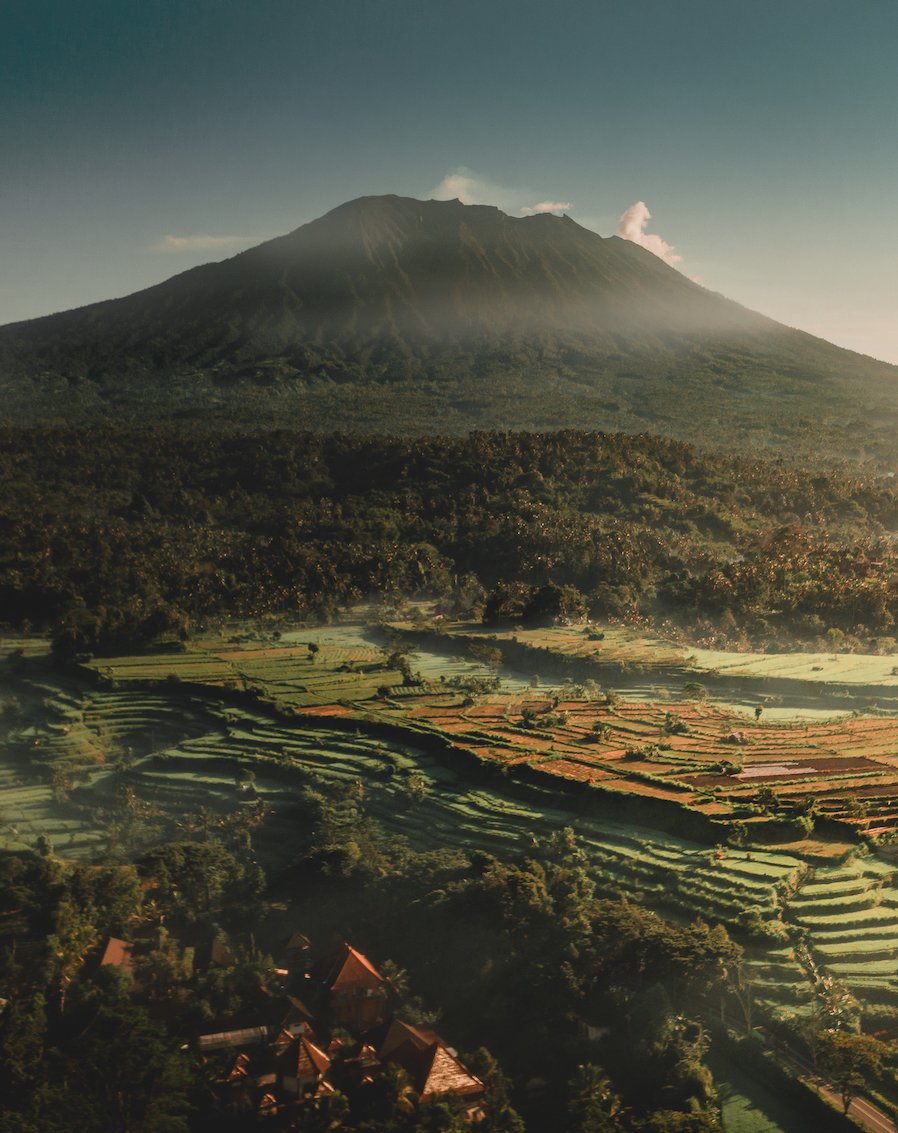
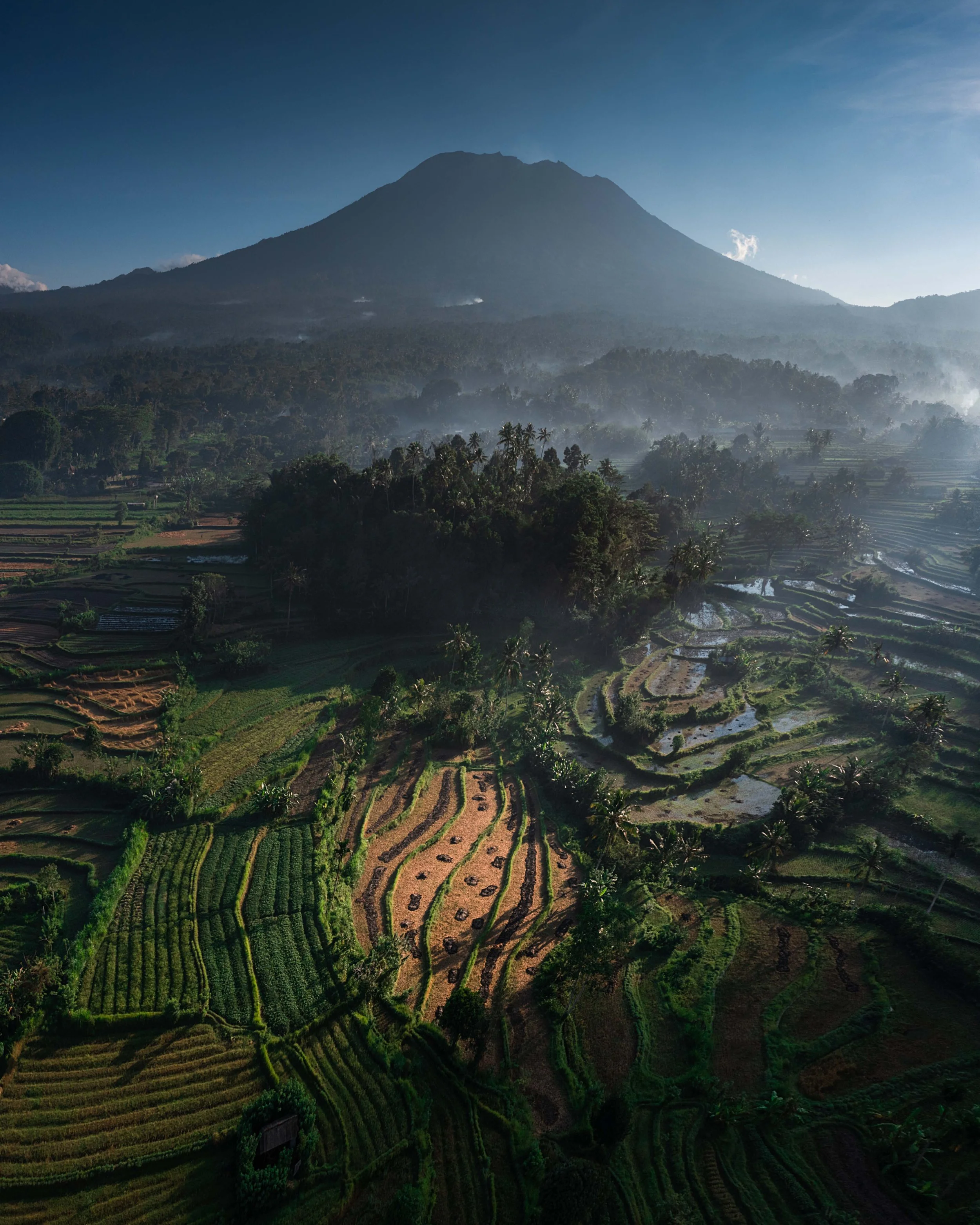
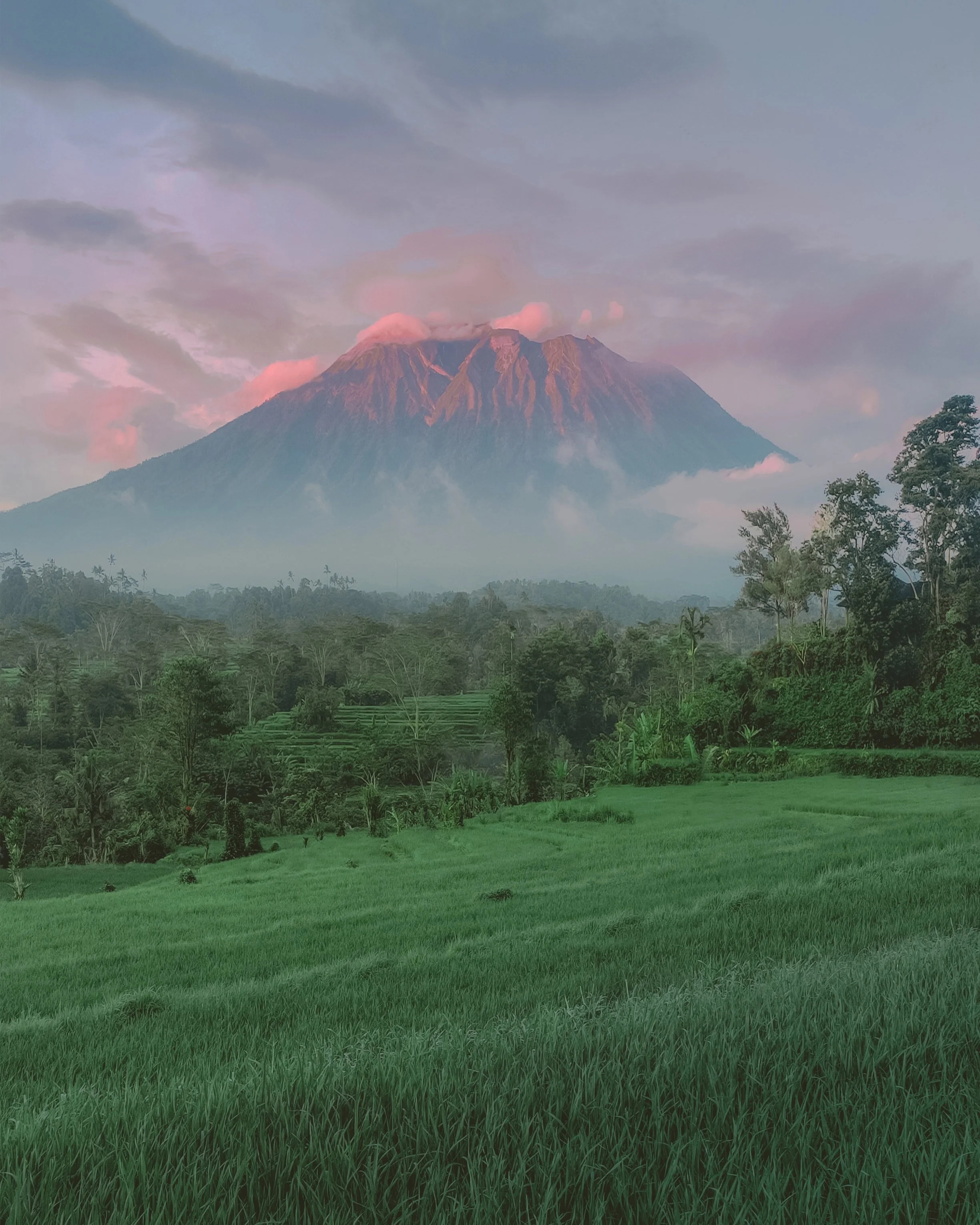
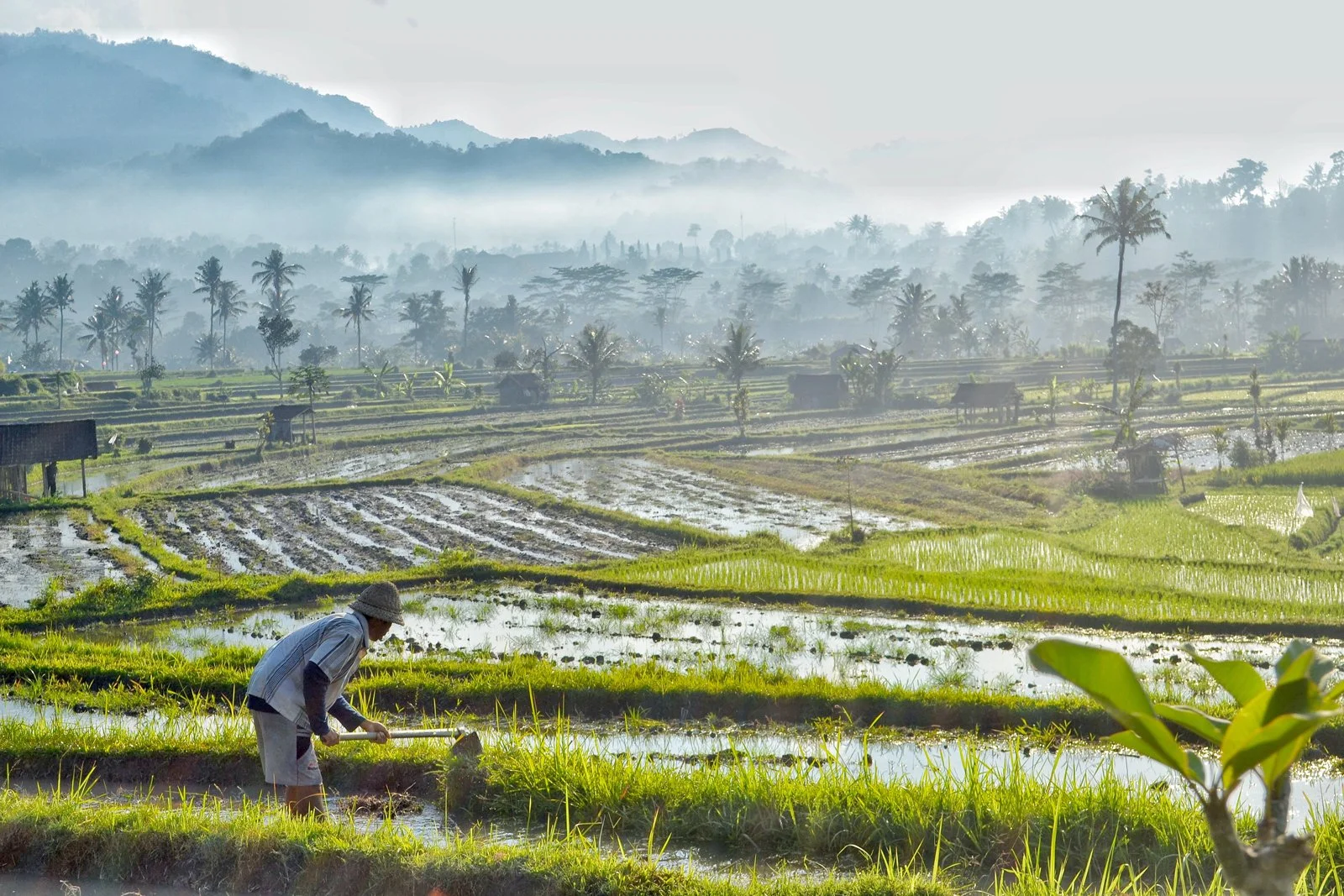
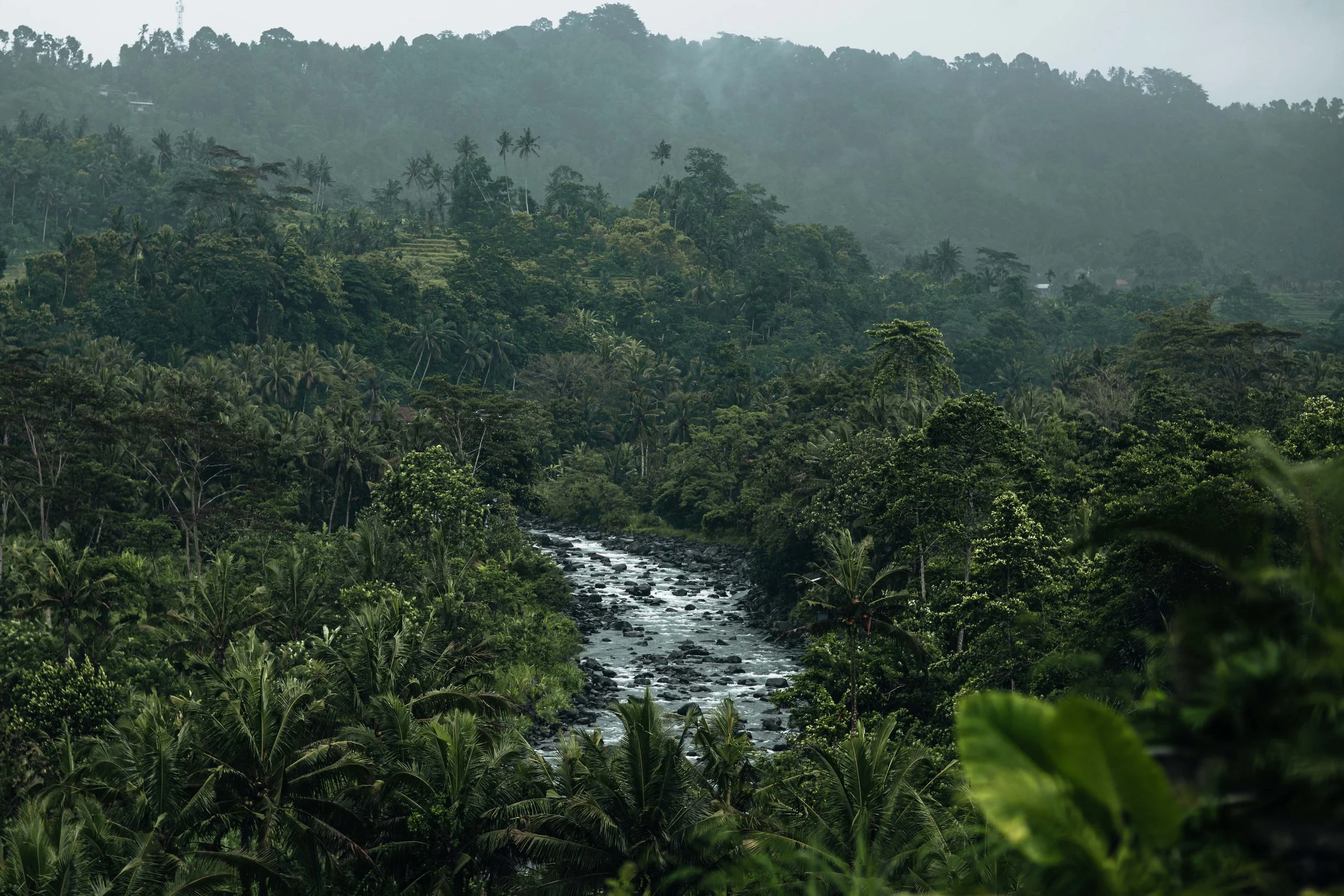
Mist rising from terraced rice fields at first light. Morning yoga as Mount Agung shifts in and out of clouds. Barefoot paths winding between paddies and palms. The low, constant sound of the river moving through the valley. Steam drifting into humid air. Afternoon rain settling into the jungle. Stillness broken only by birds and water. The scent of wet earth and frangipani.
Best Visiting Months
The best time to visit Samanvaya is from April to October during Bali’s dry season, when clear skies and warm days bring the surrounding rice fields into full, vibrant green. May, June, and September offer an ideal balance of fewer crowds and optimal weather. From November to March, the pace shifts as tropical rains move through the valley, creating a quieter, more intimate atmosphere where landscapes feel more dramatic and the experience becomes slower and more inward.
COST

Why Stay
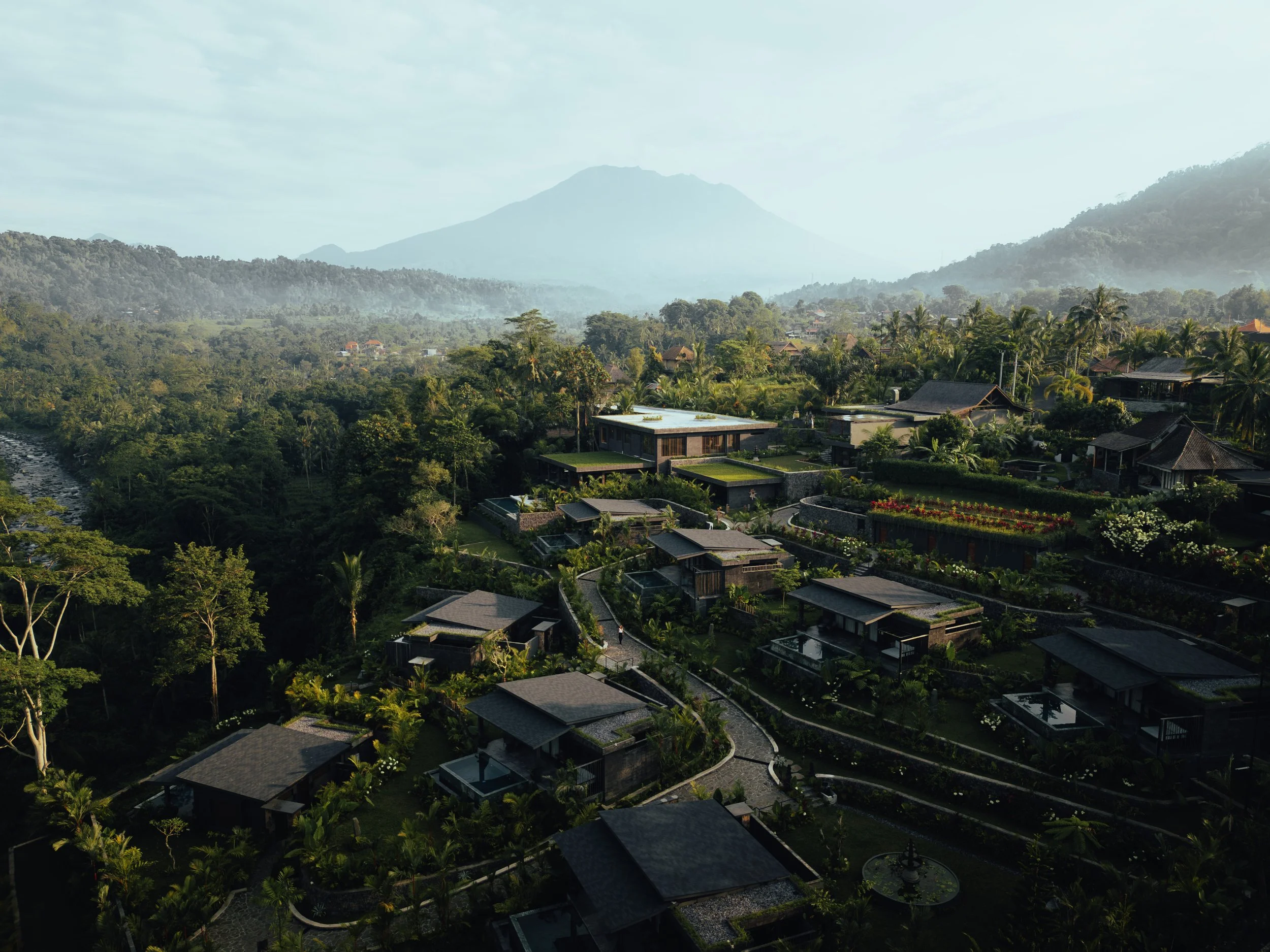
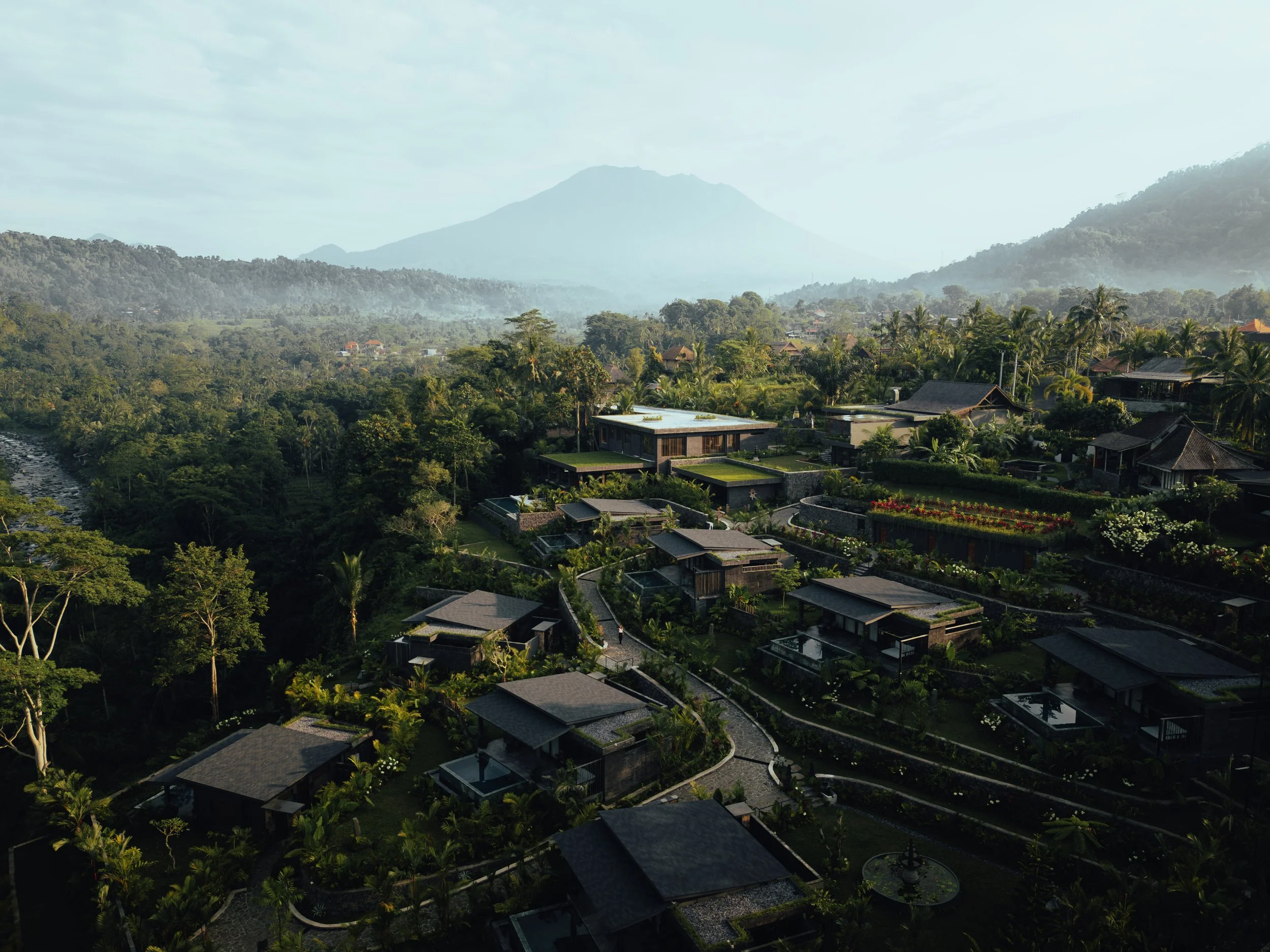
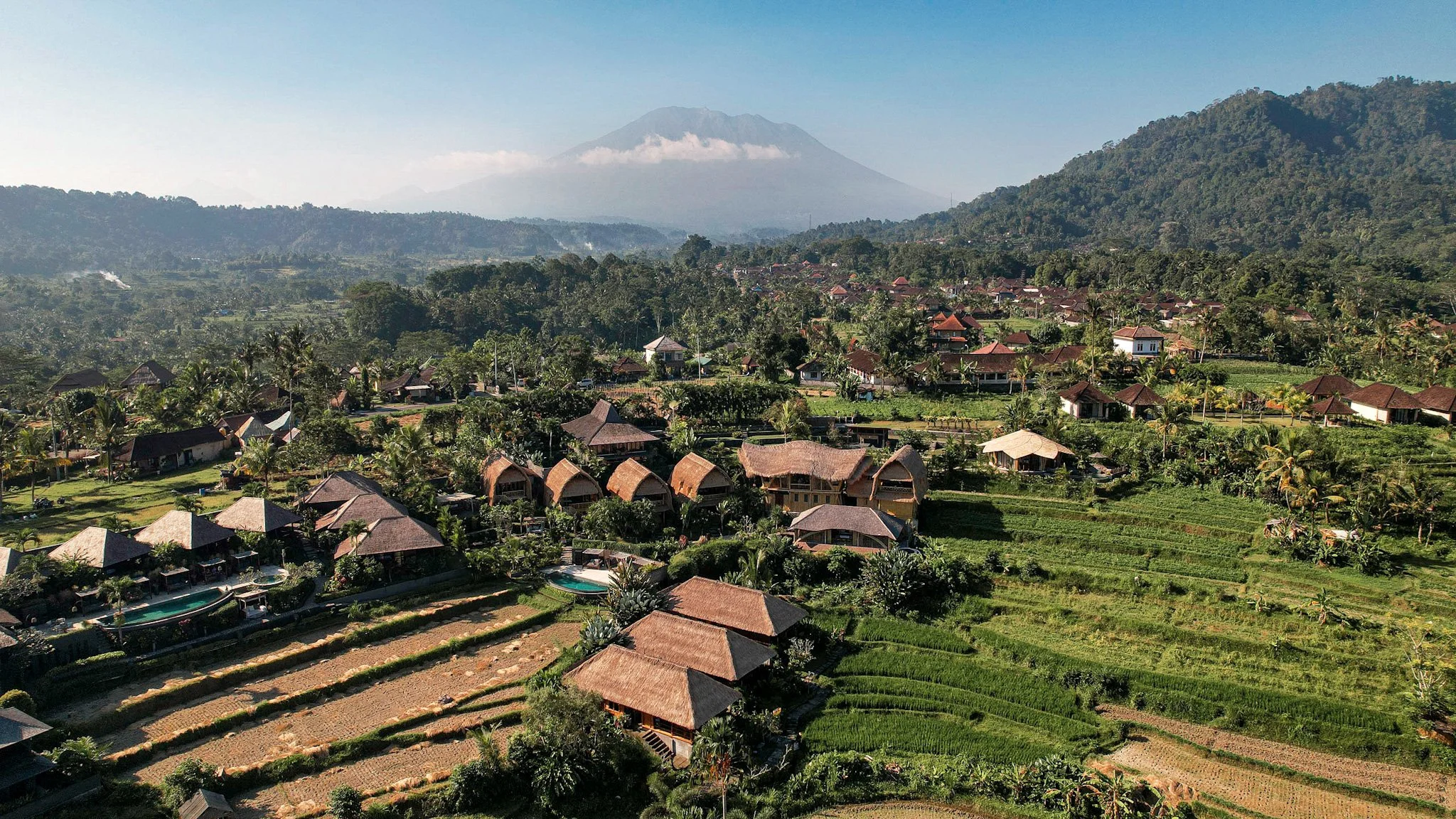
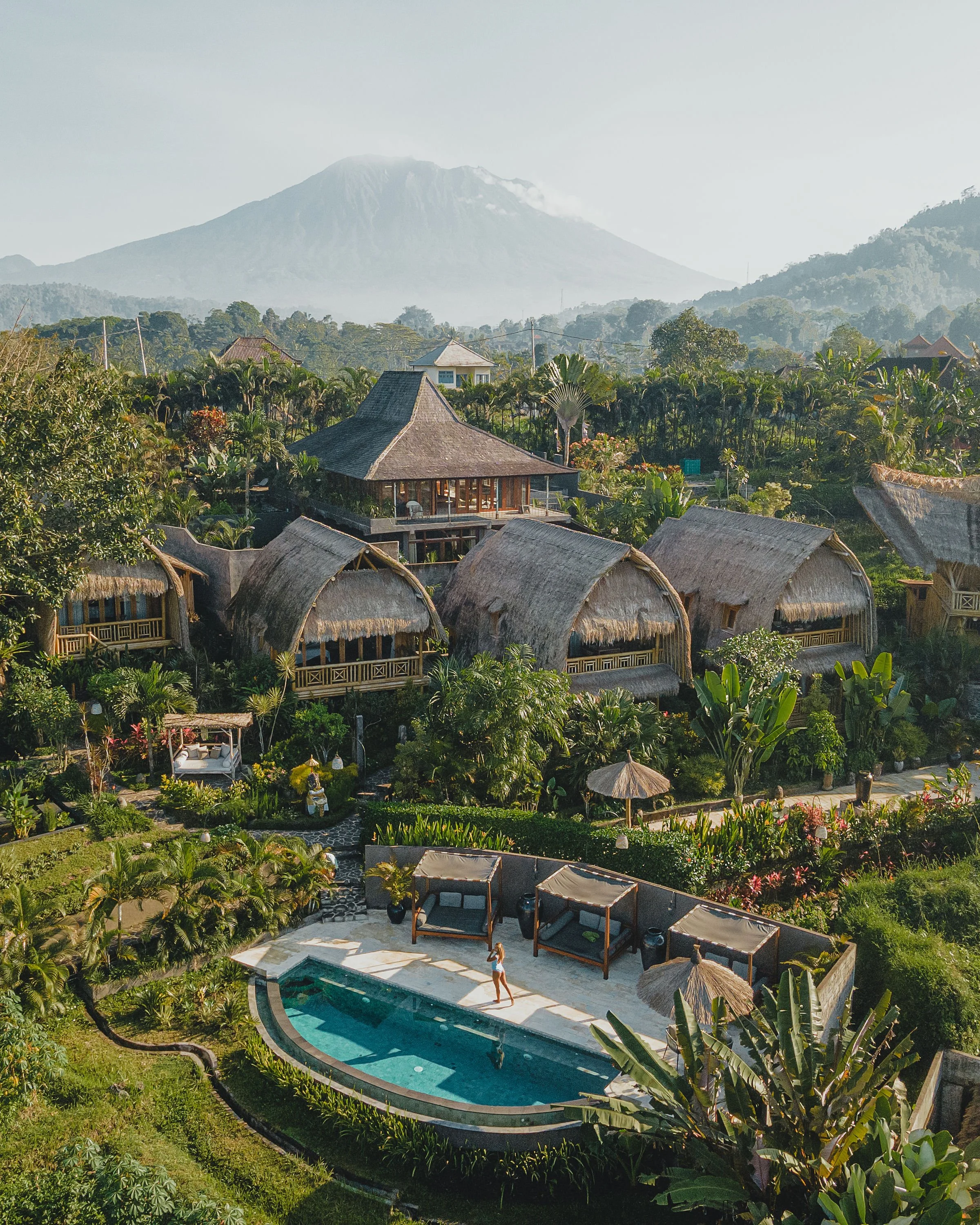
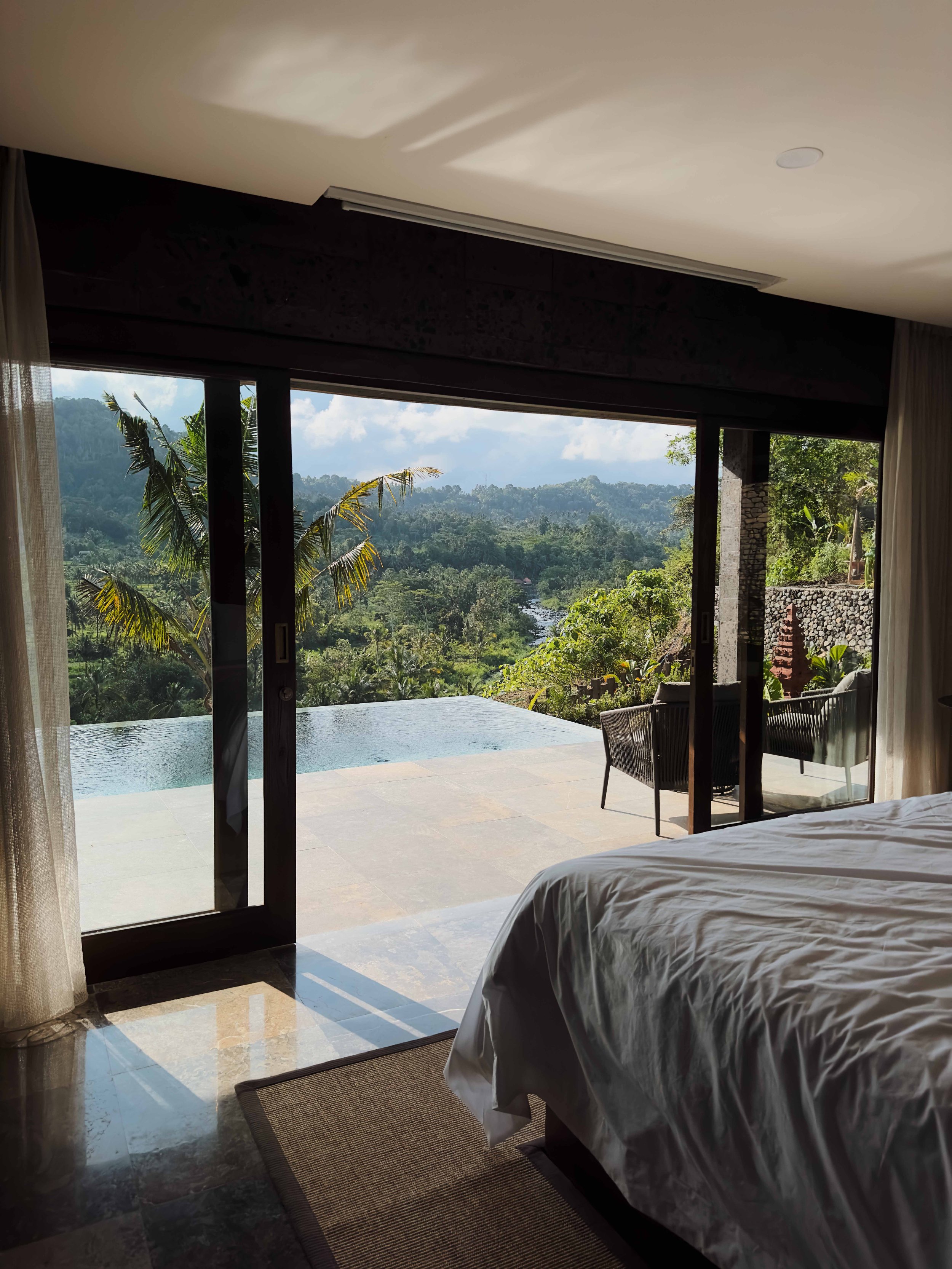
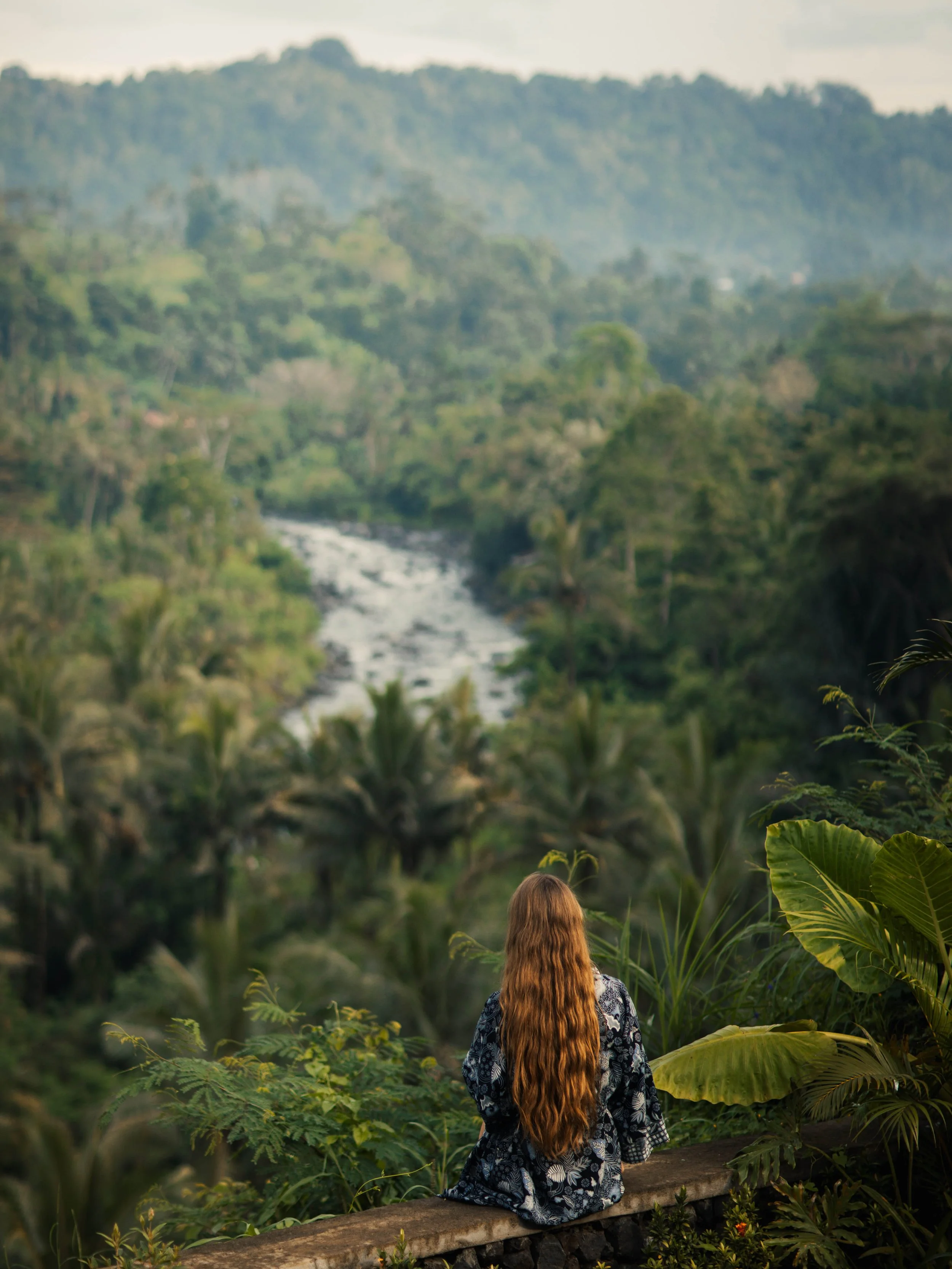
Located in the Sidemen Valley in East Bali, Samanvaya offers a rare sense of place often described as Bali as it once was, surrounded by layered rice terraces and framed by the presence of Mount Agung. This is a quieter, more intentional side of the island, far removed from the density and pace of the coast. The geography is lush and immersive, where rivers move through jungle, fields shift with the seasons, and daily life unfolds in close connection to the land. The setting naturally encourages a slower rhythm, where movement becomes secondary to observation and presence.
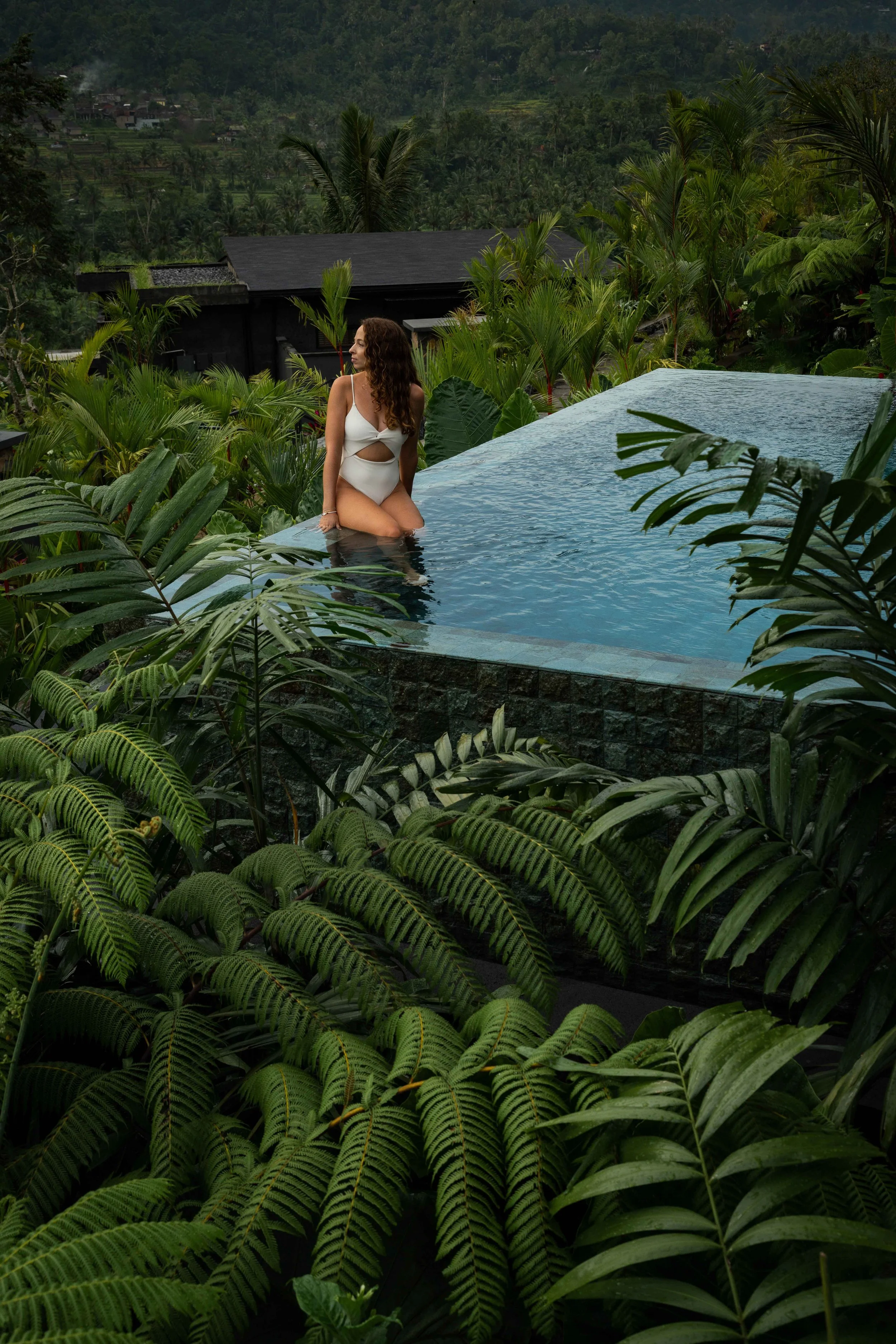
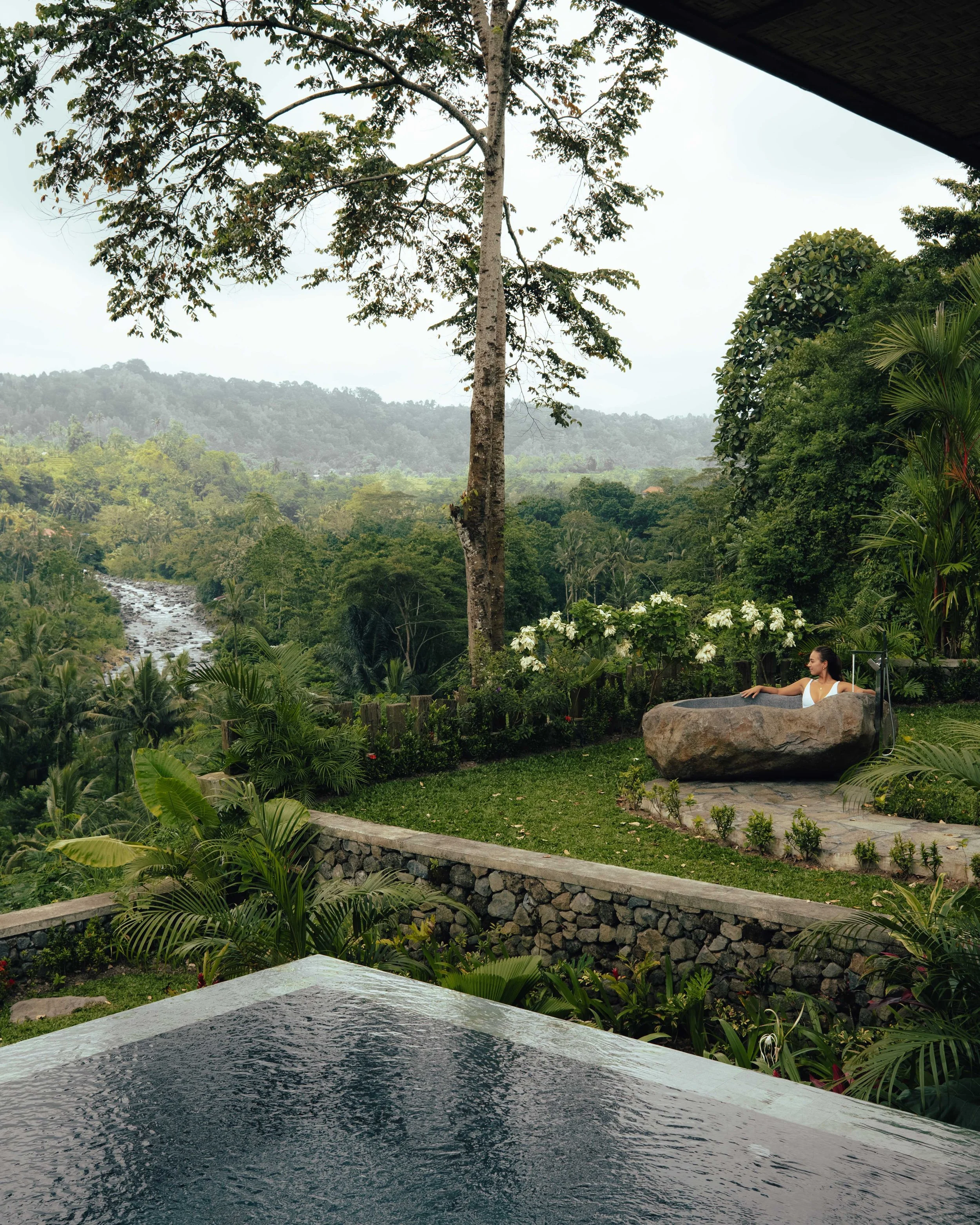
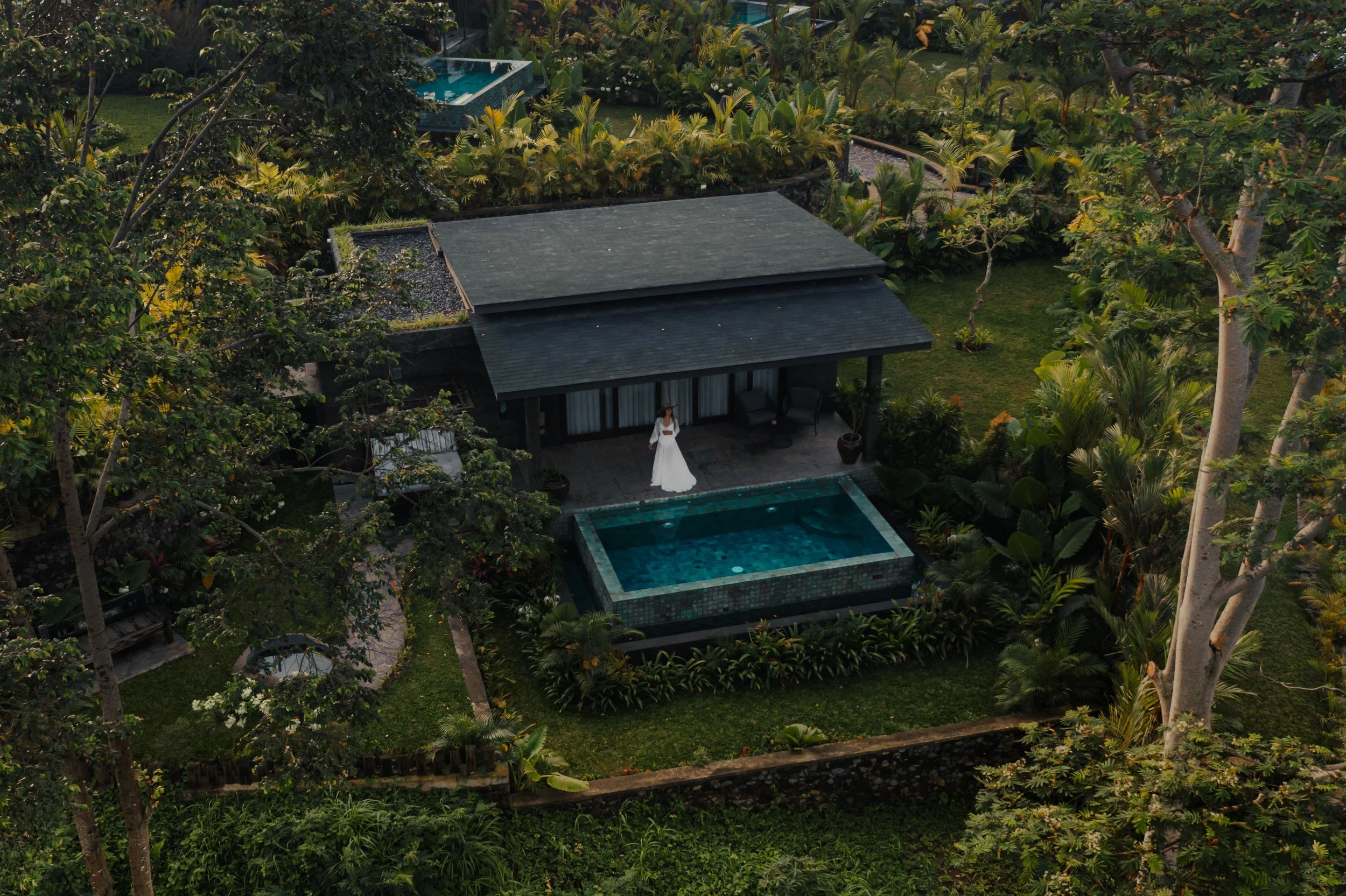
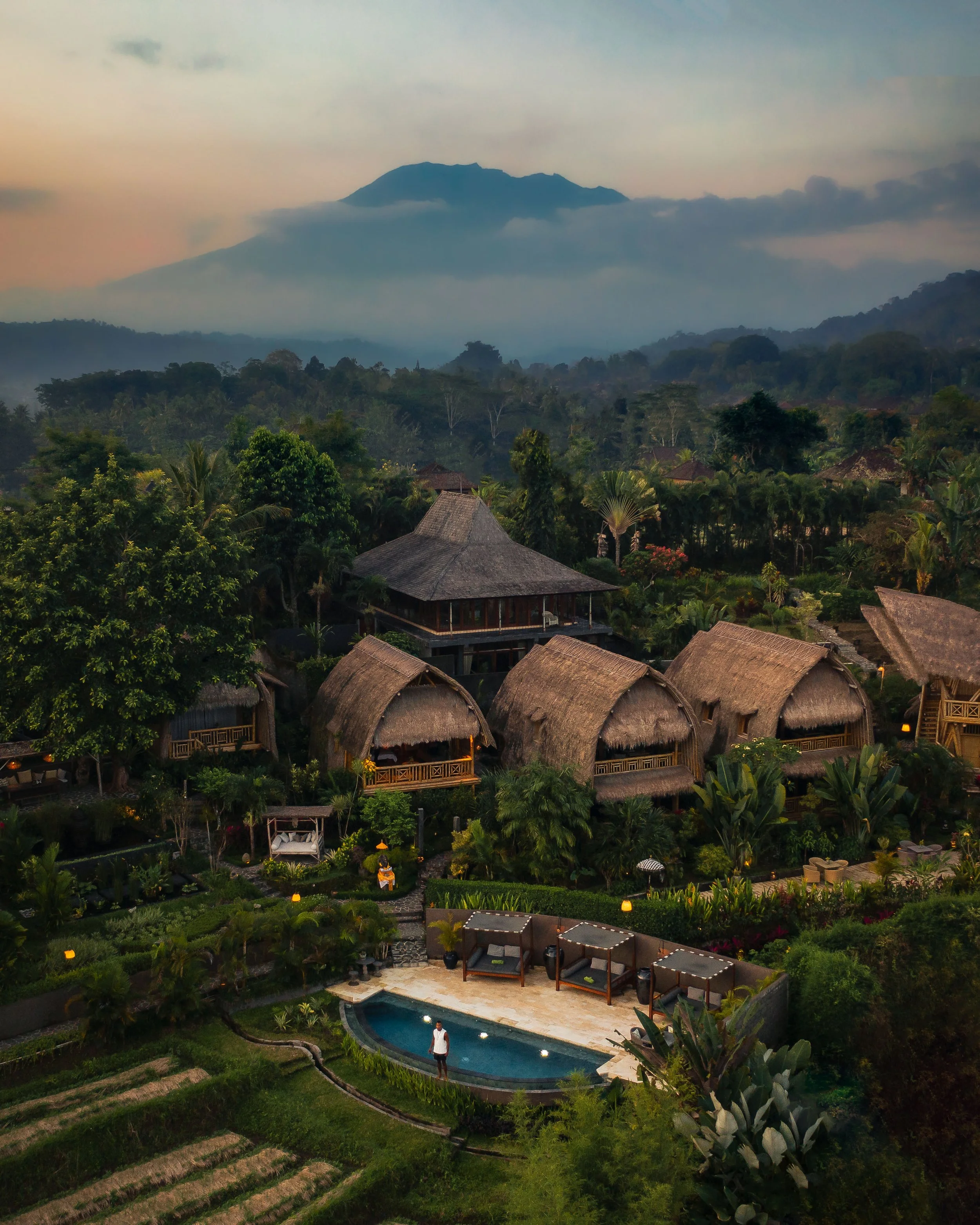
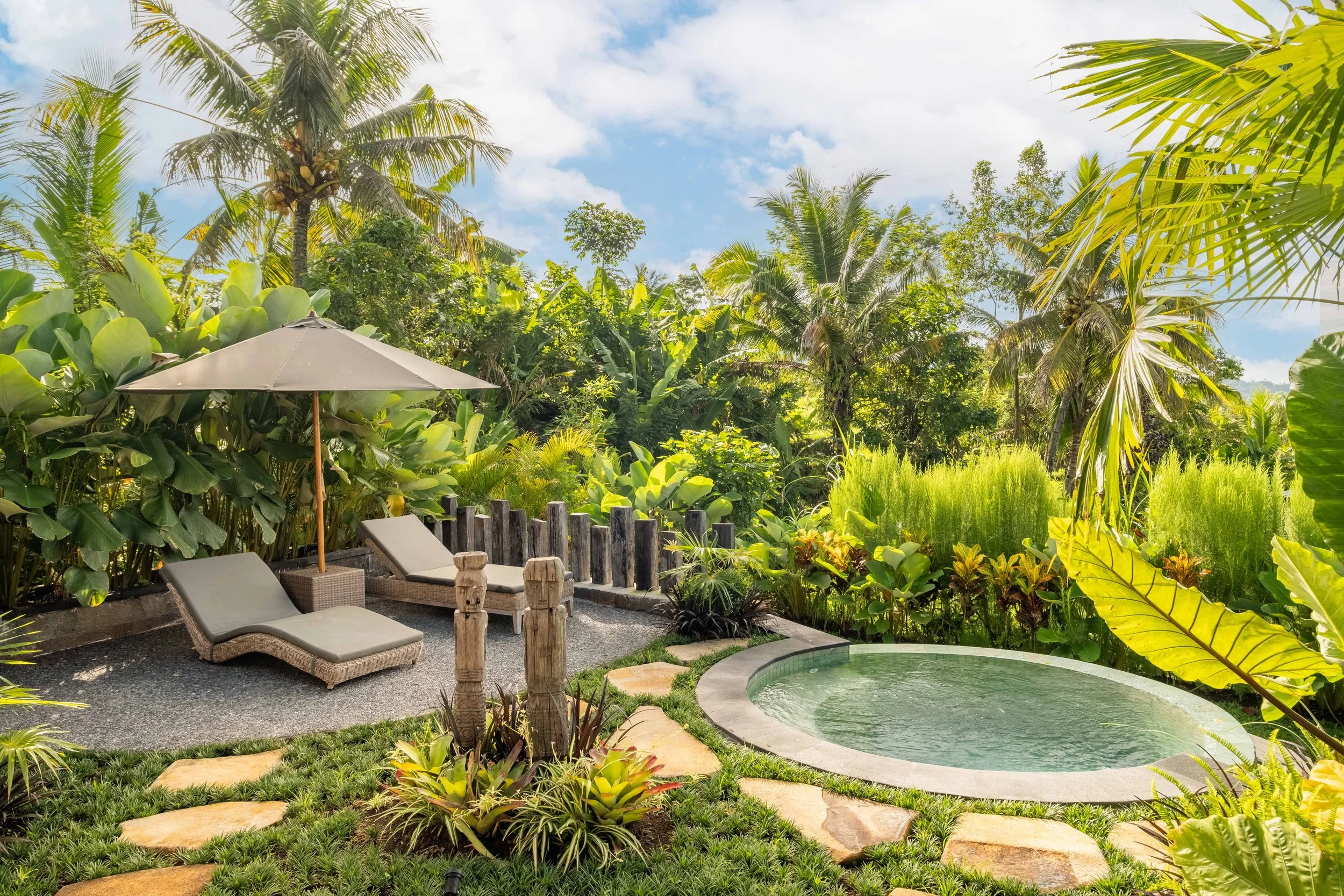
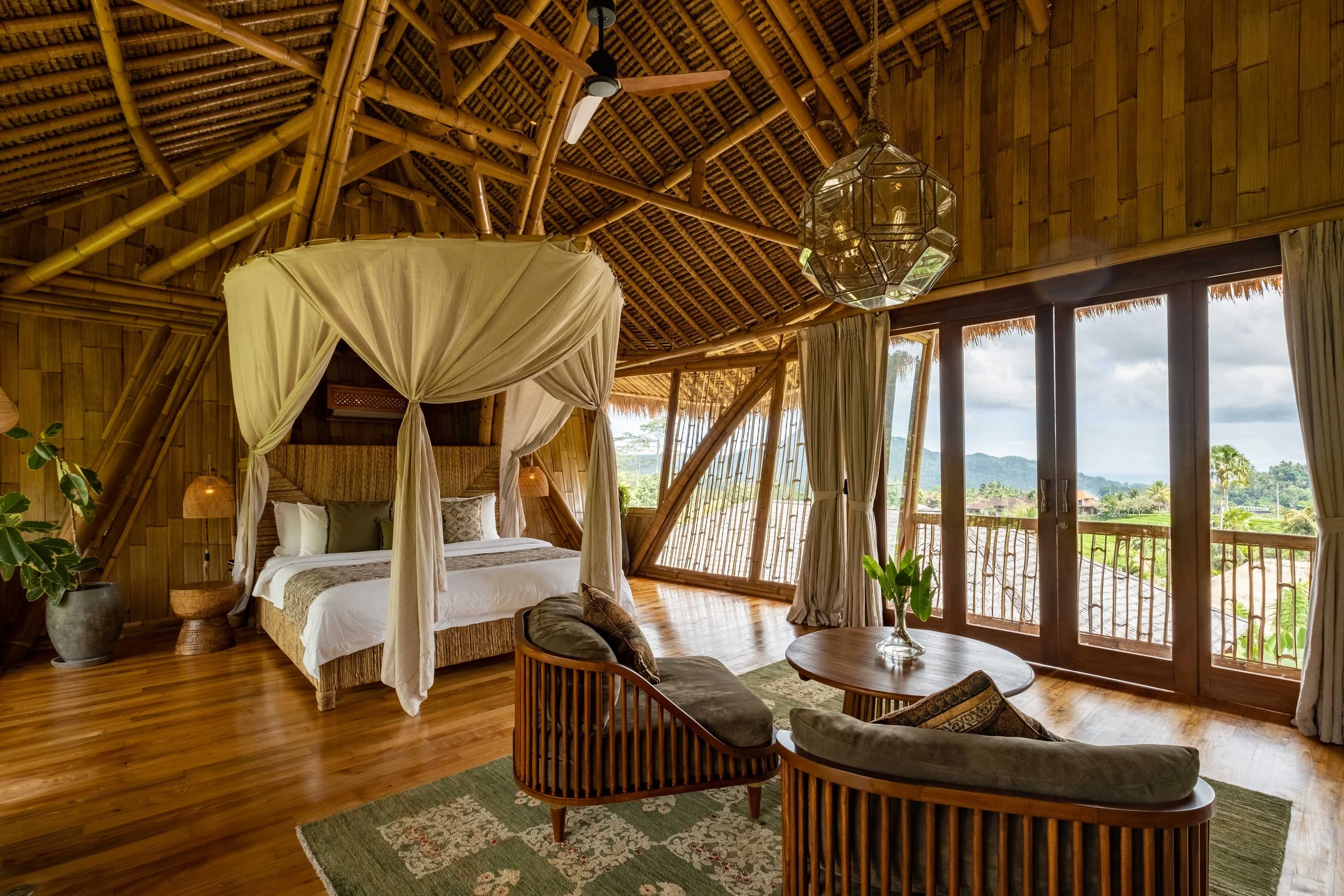
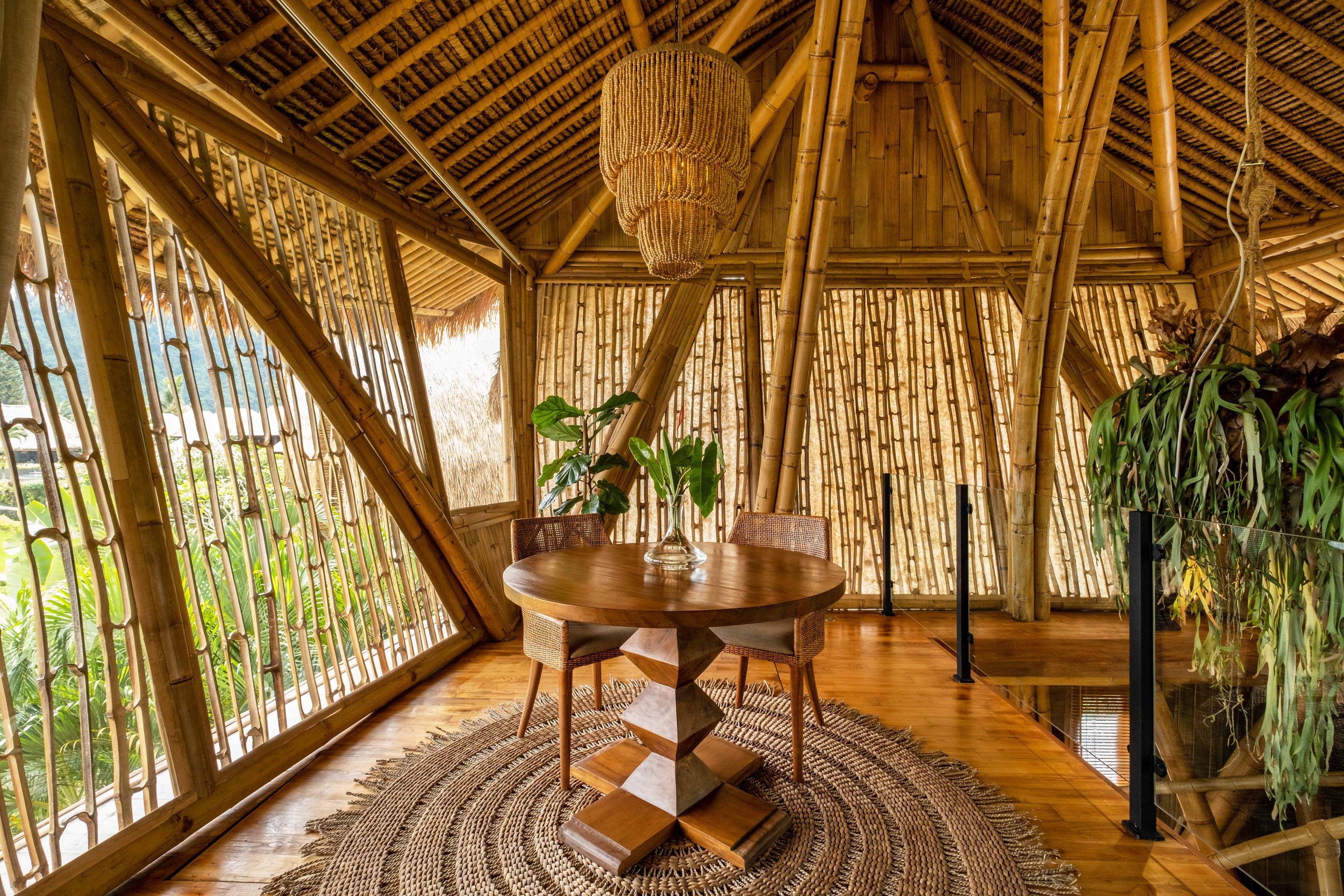
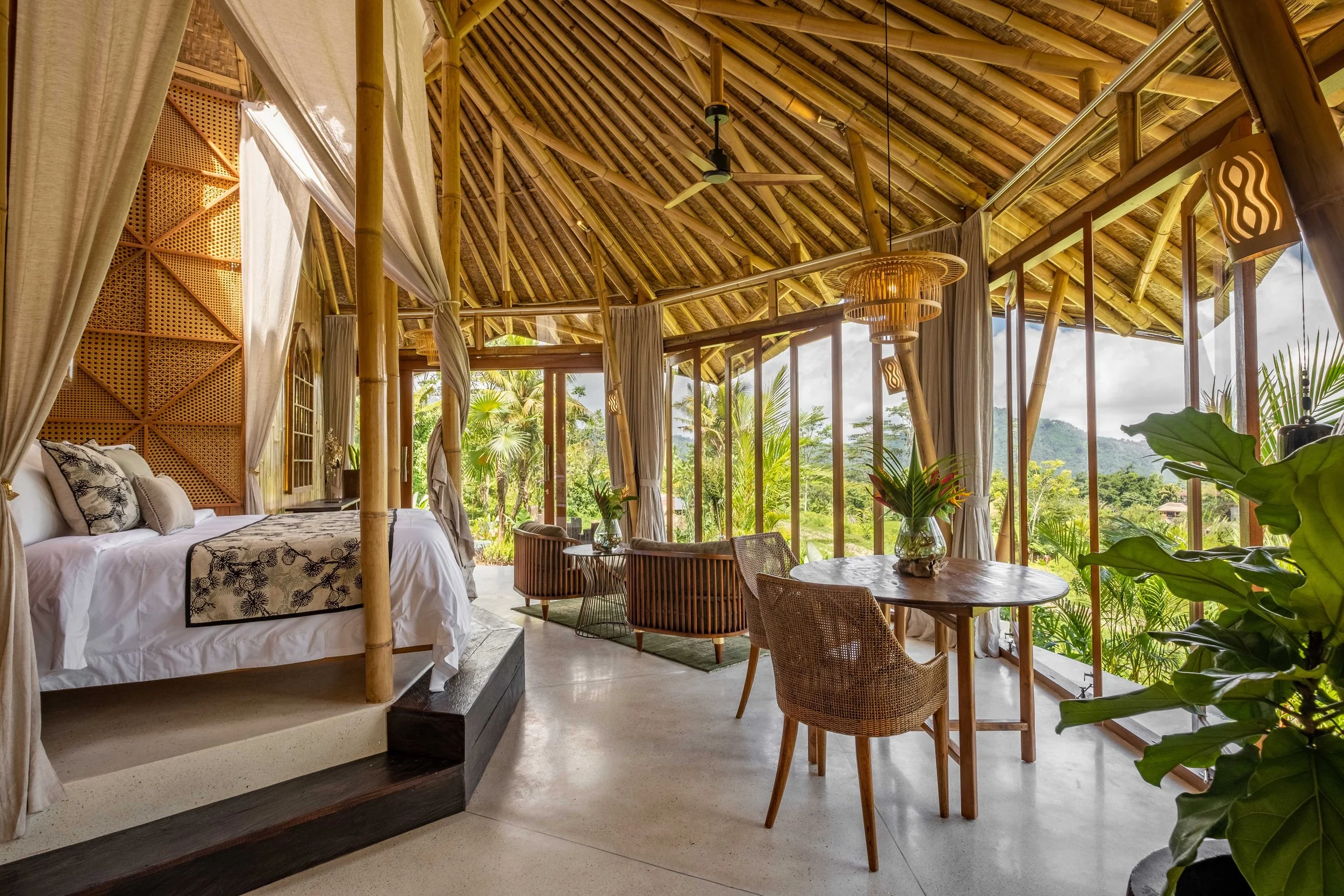
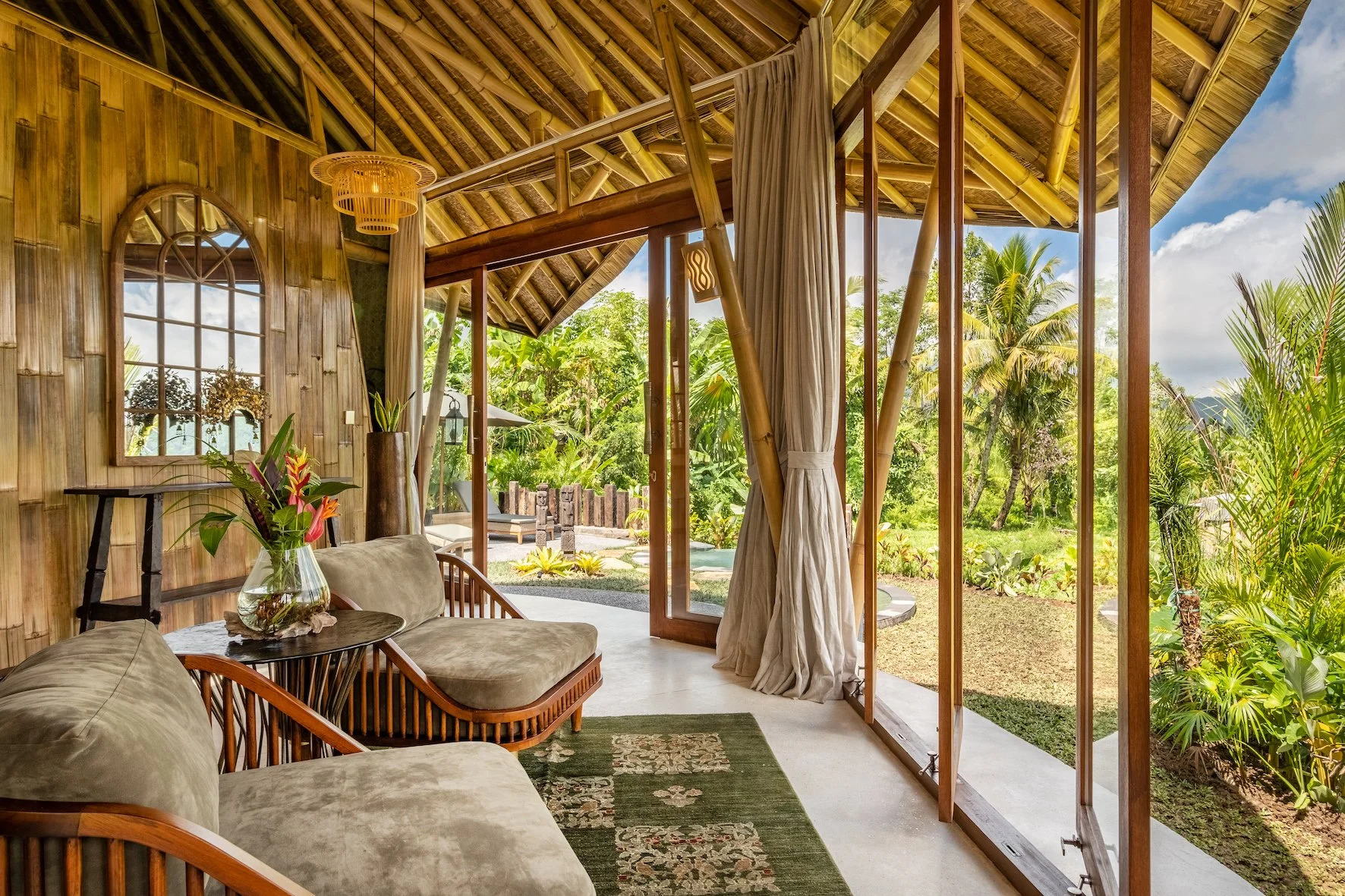
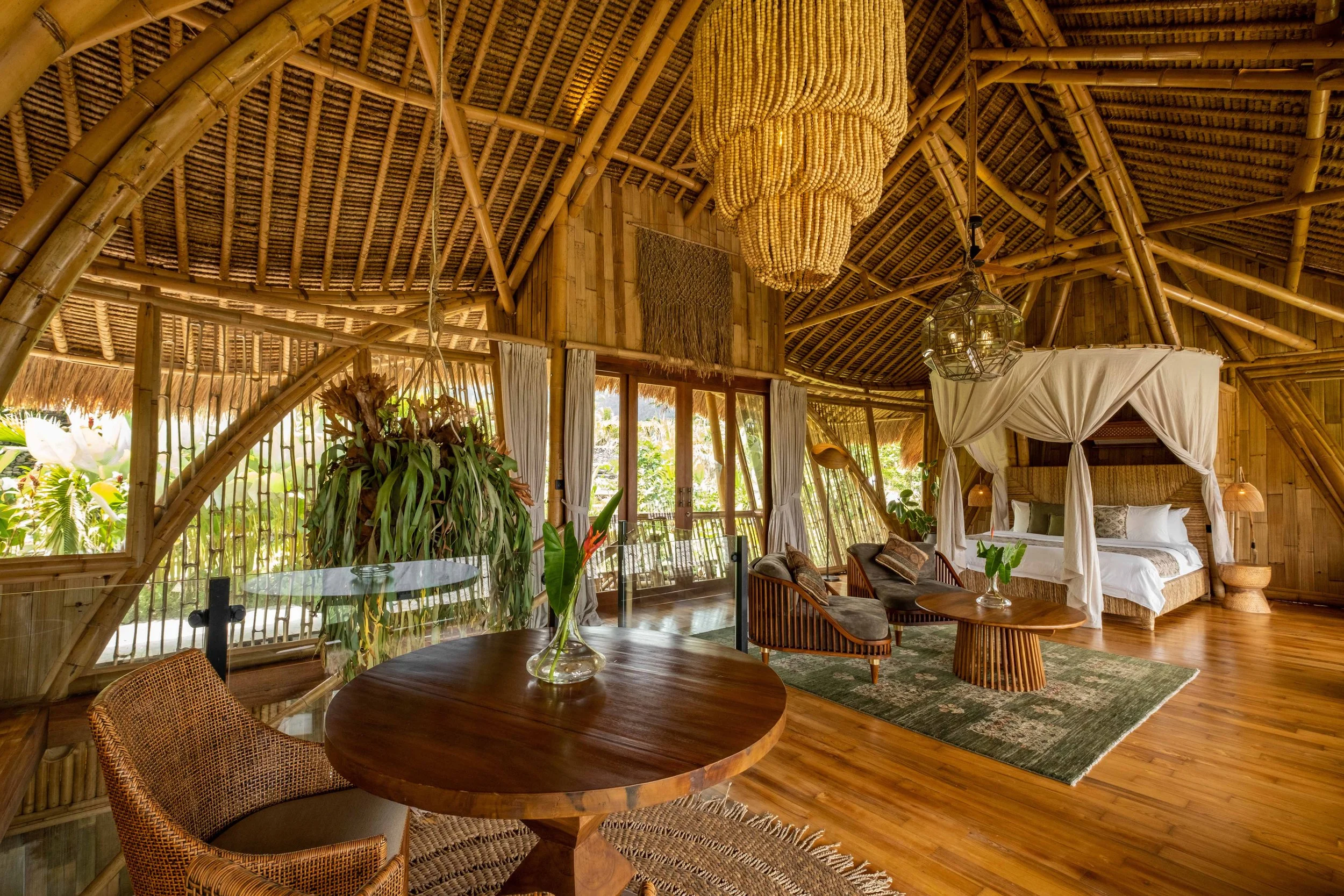
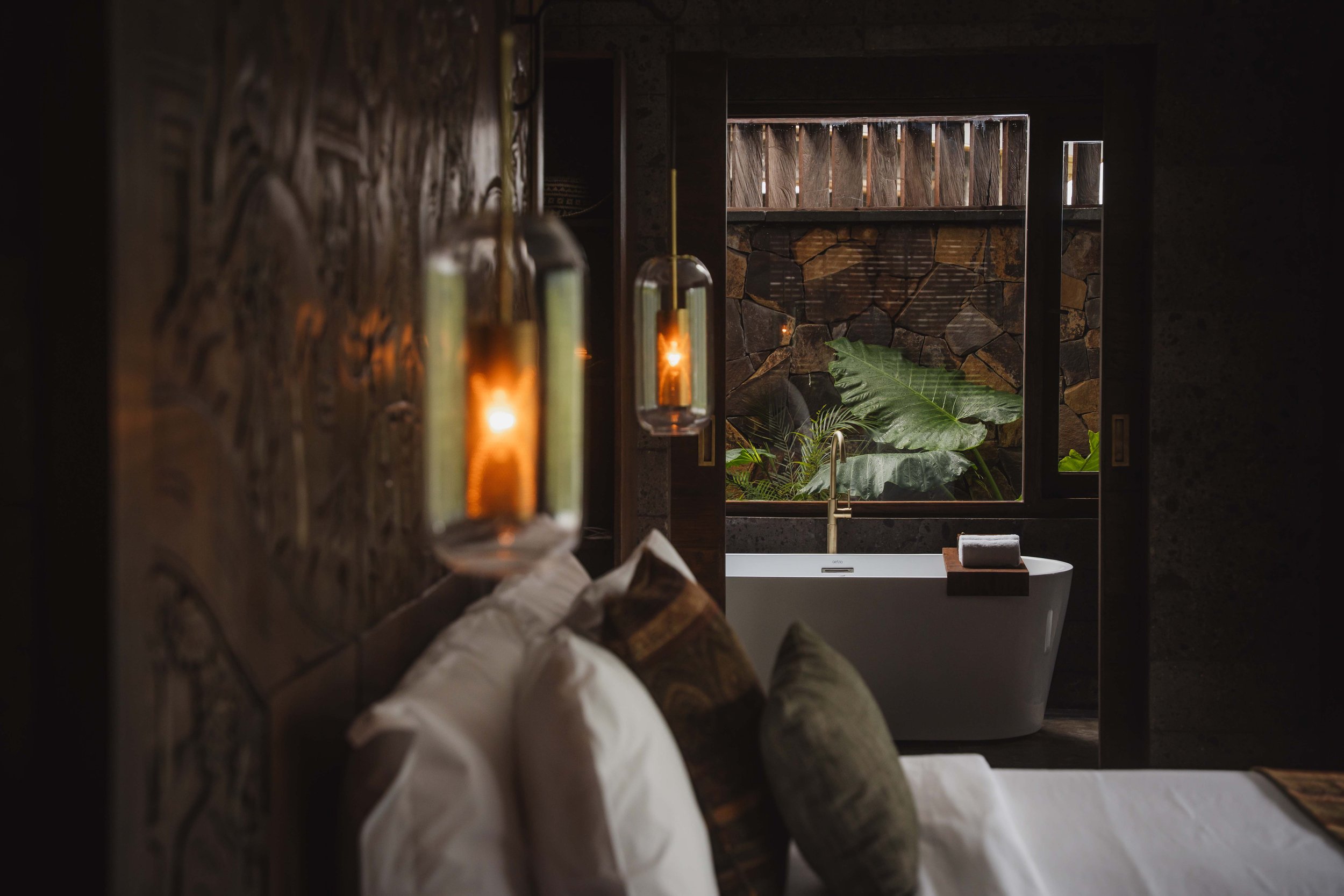
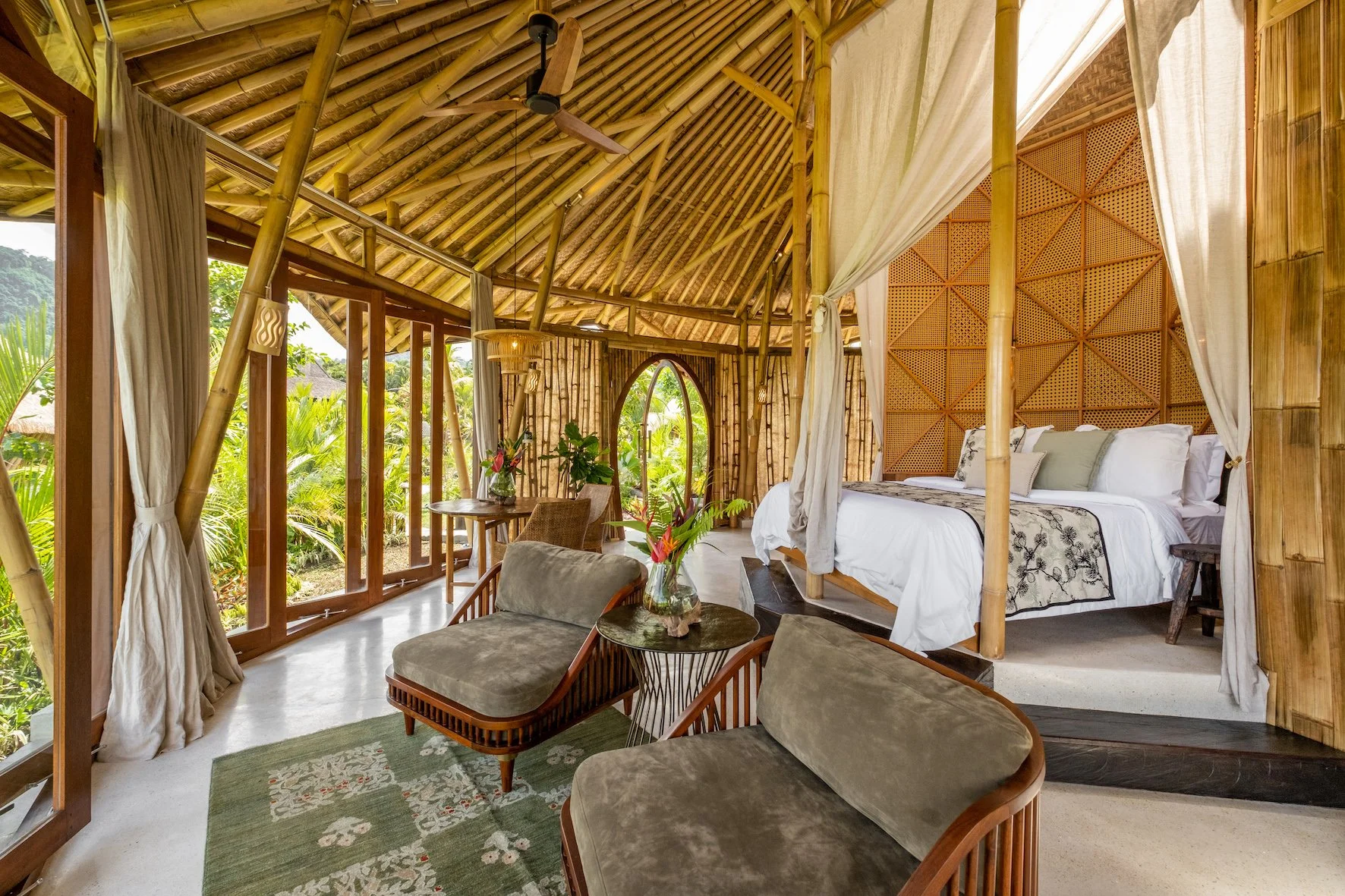
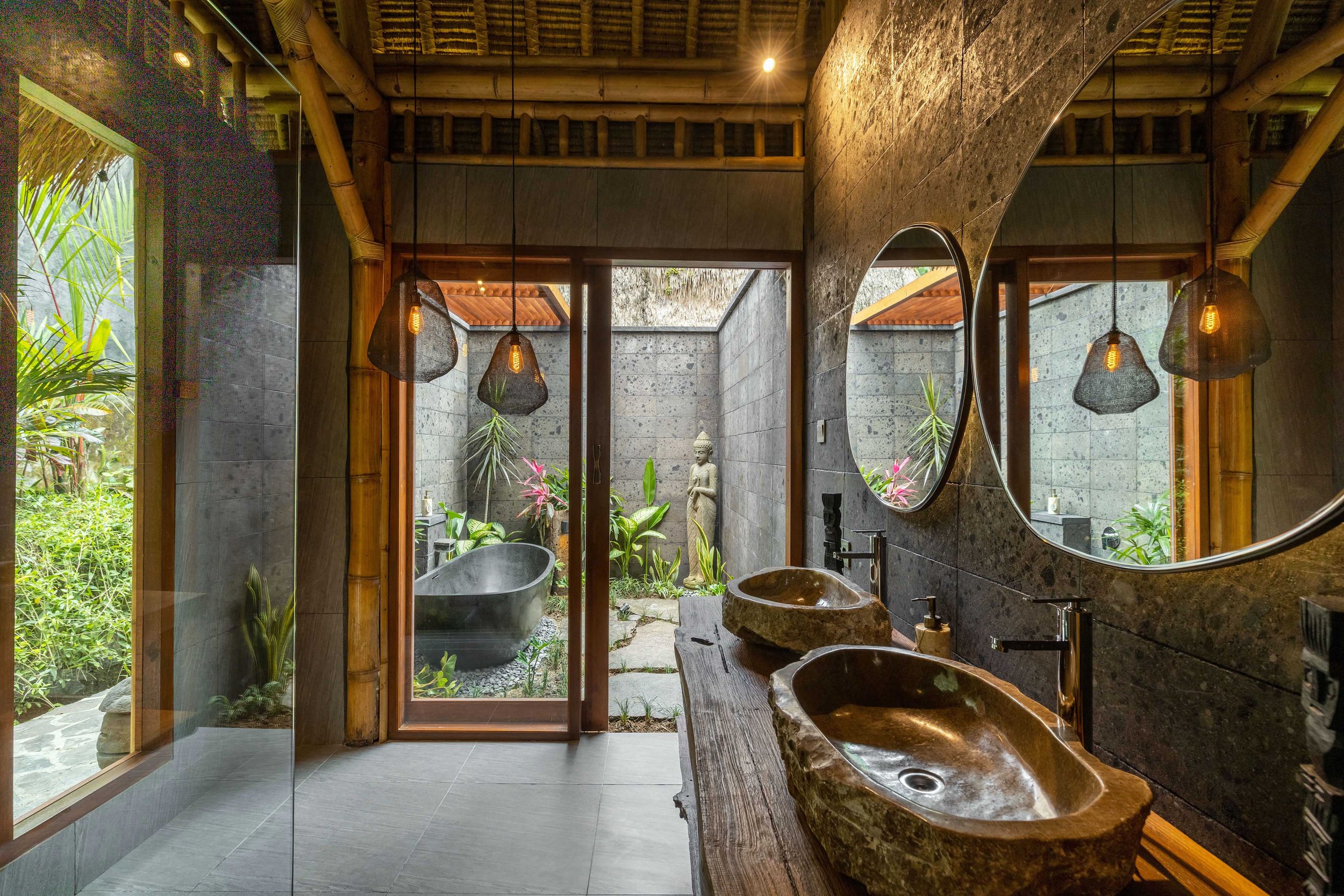
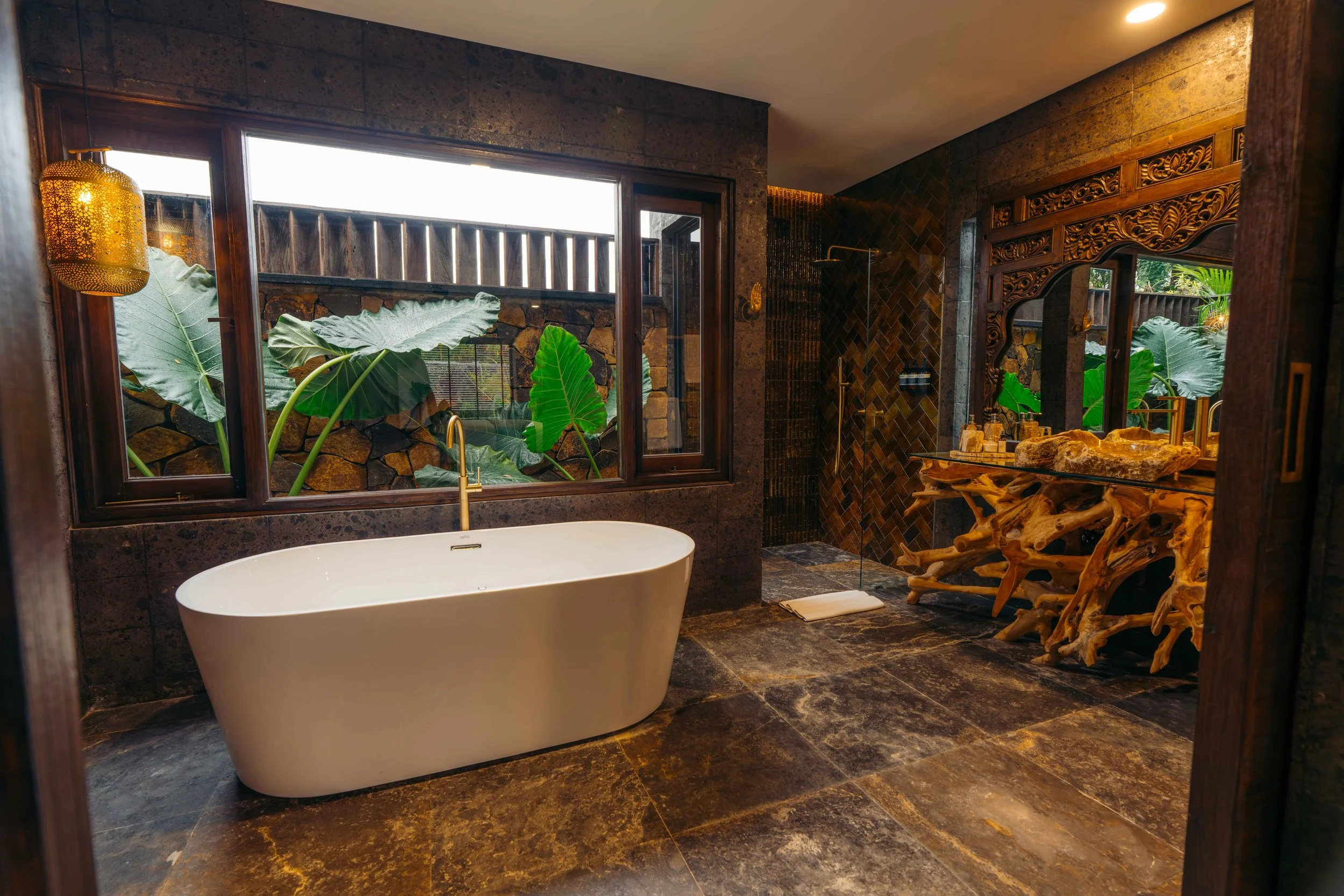
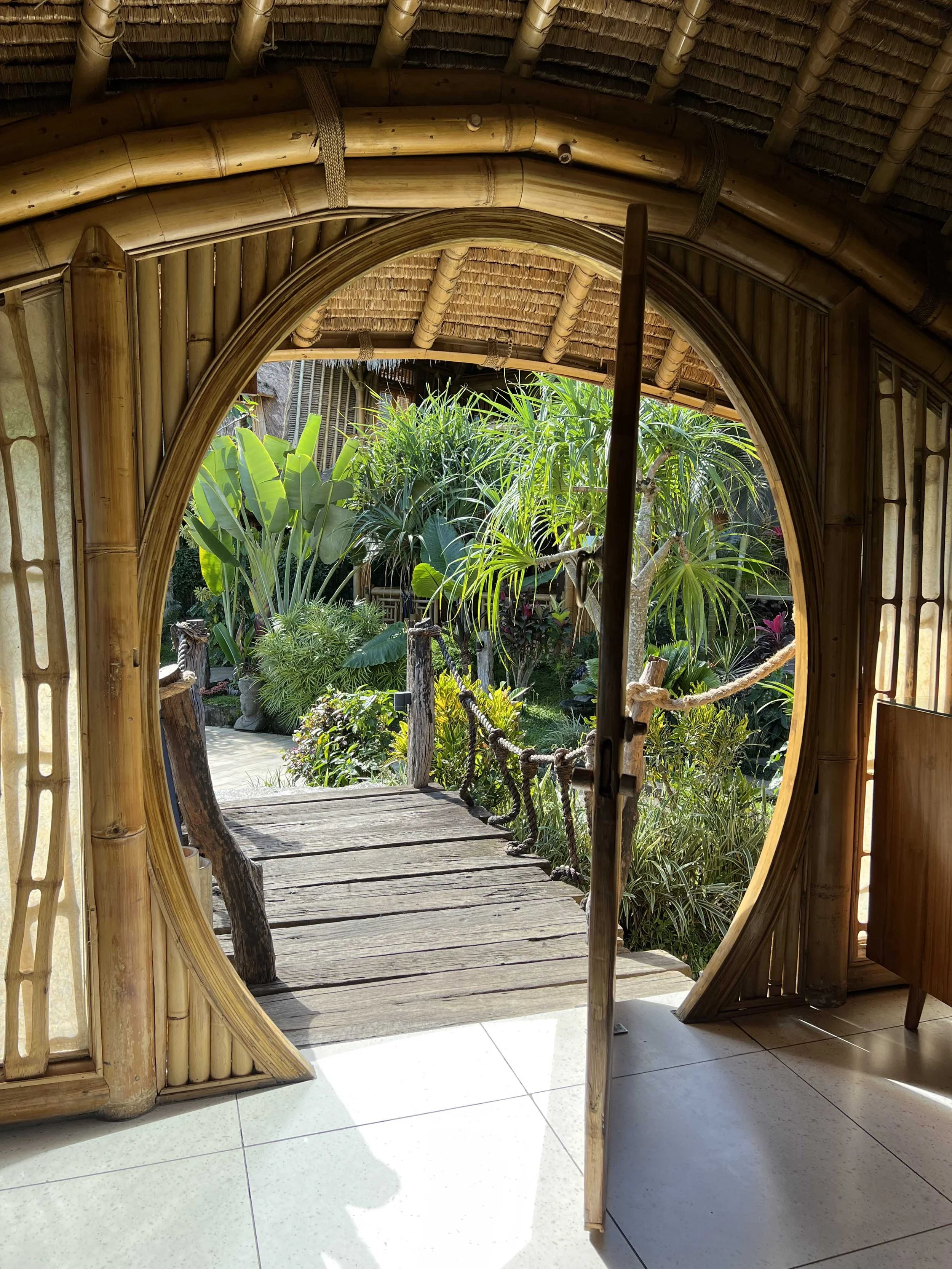
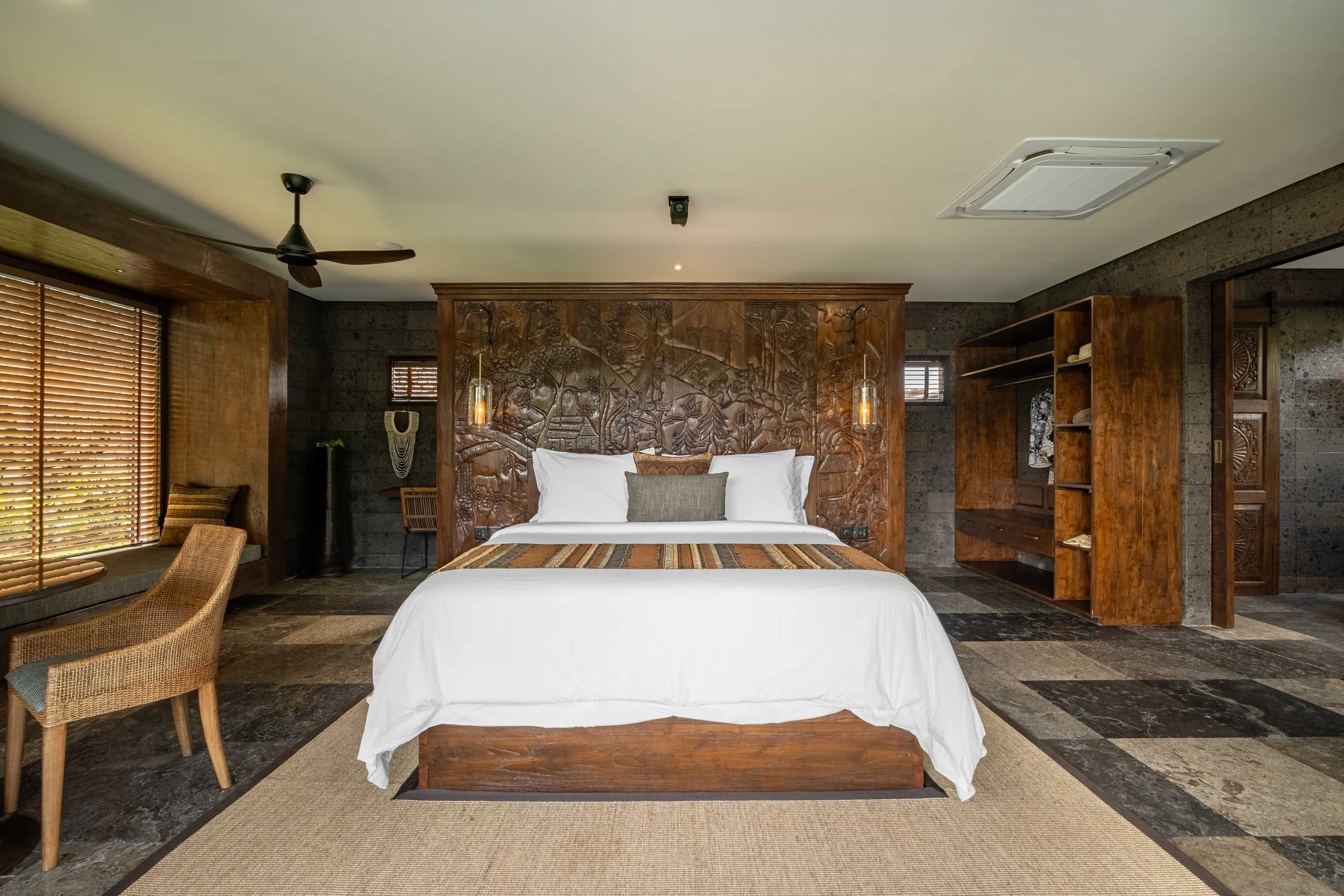
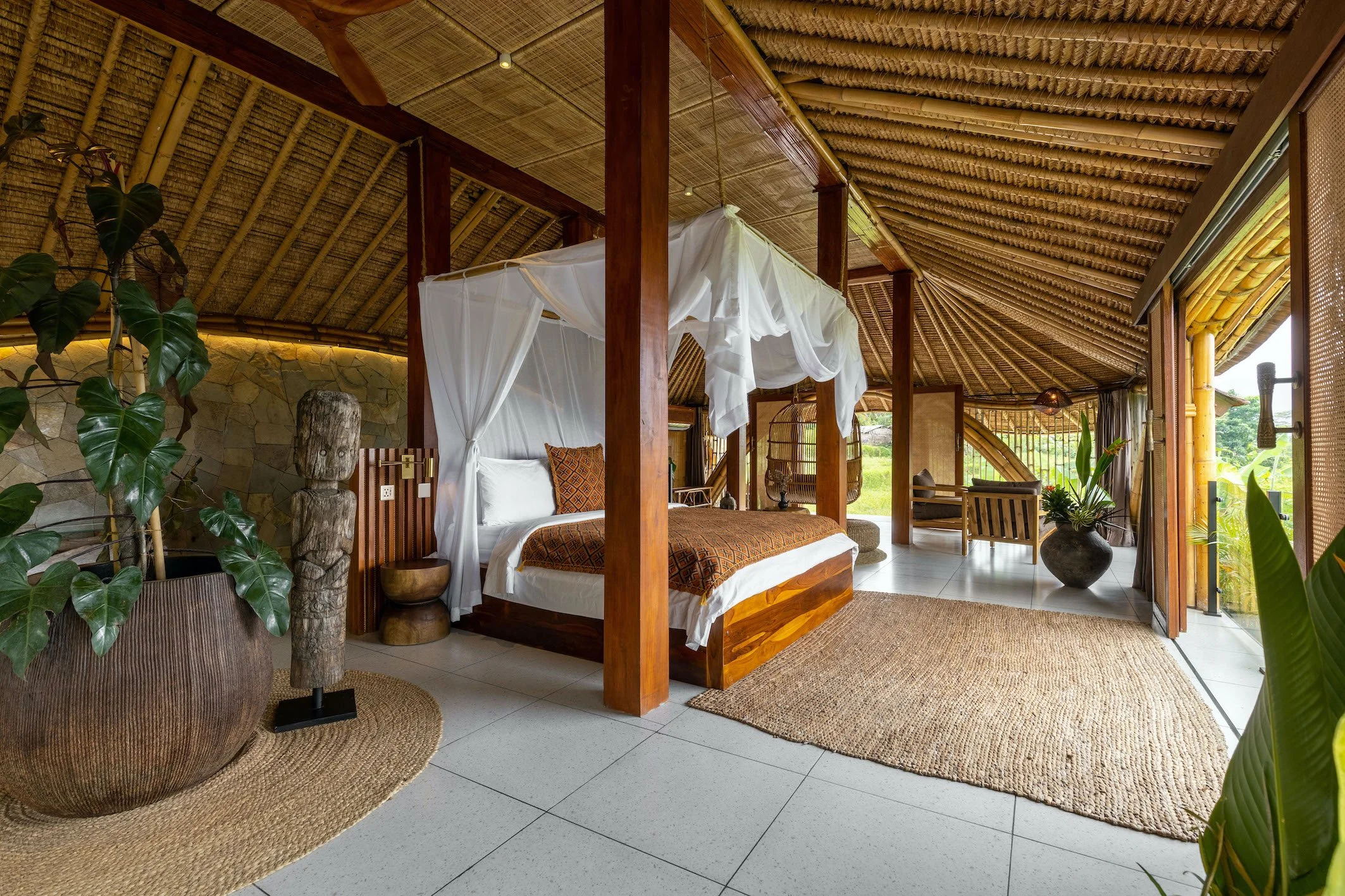
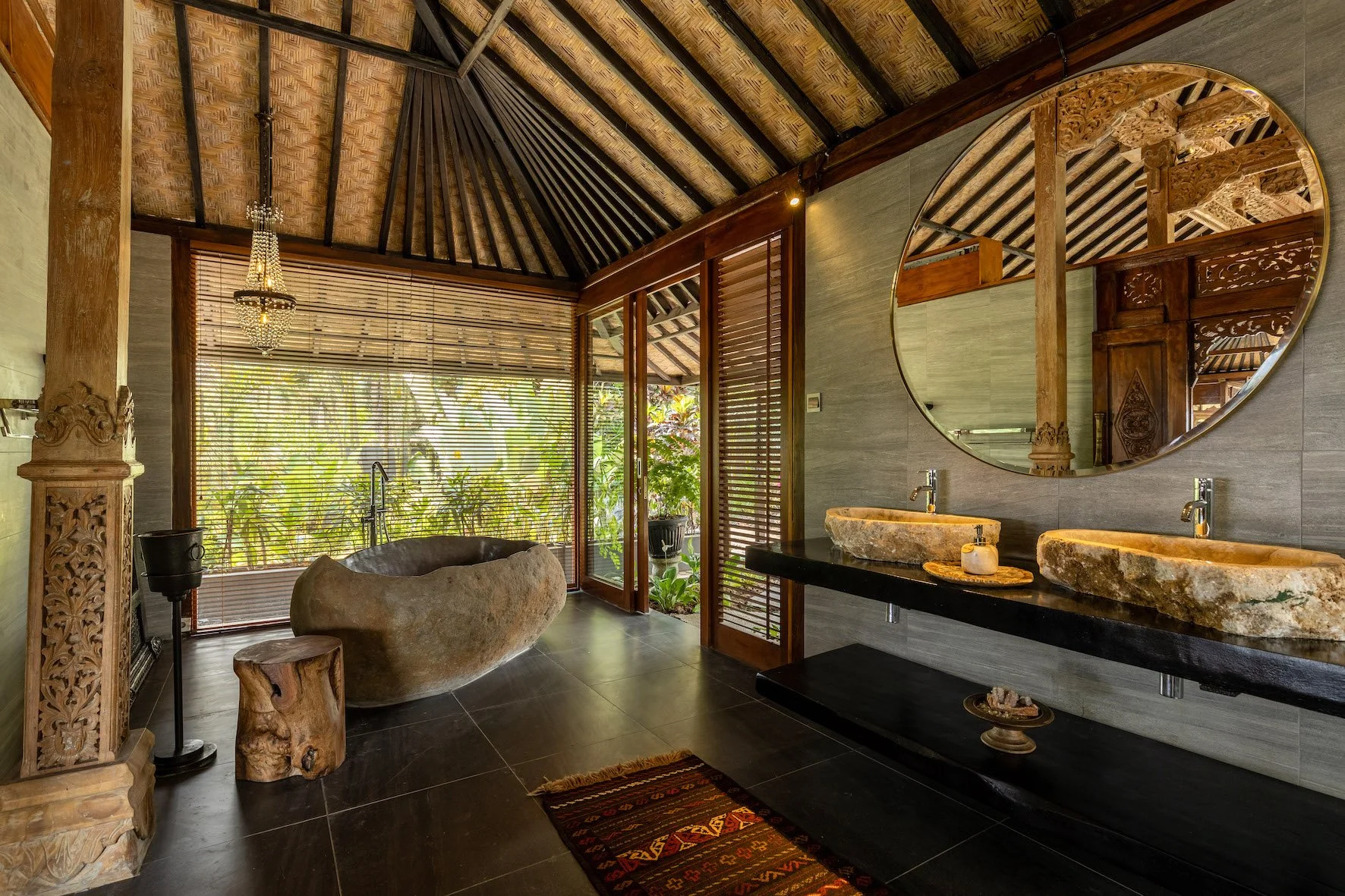
Samanvaya is a boutique adults-only hotel, designed as a wellness-led retreat where rest, movement, and connection are integrated into the entire experience. The property is divided into two distinct environments. The Lifestyle Villas are expressive and design-driven, ranging from sculptural bamboo homes to eclectic private pool villas, each shaped by its relationship to the surrounding landscape. The Wellness Villas offer a more tranquil, contemporary setting along the river, designed specifically for restoration and calm. Across both, architecture balances raw nature with refined comfort, creating spaces that feel open, grounded, and deeply connected to Sidemen’s environment.
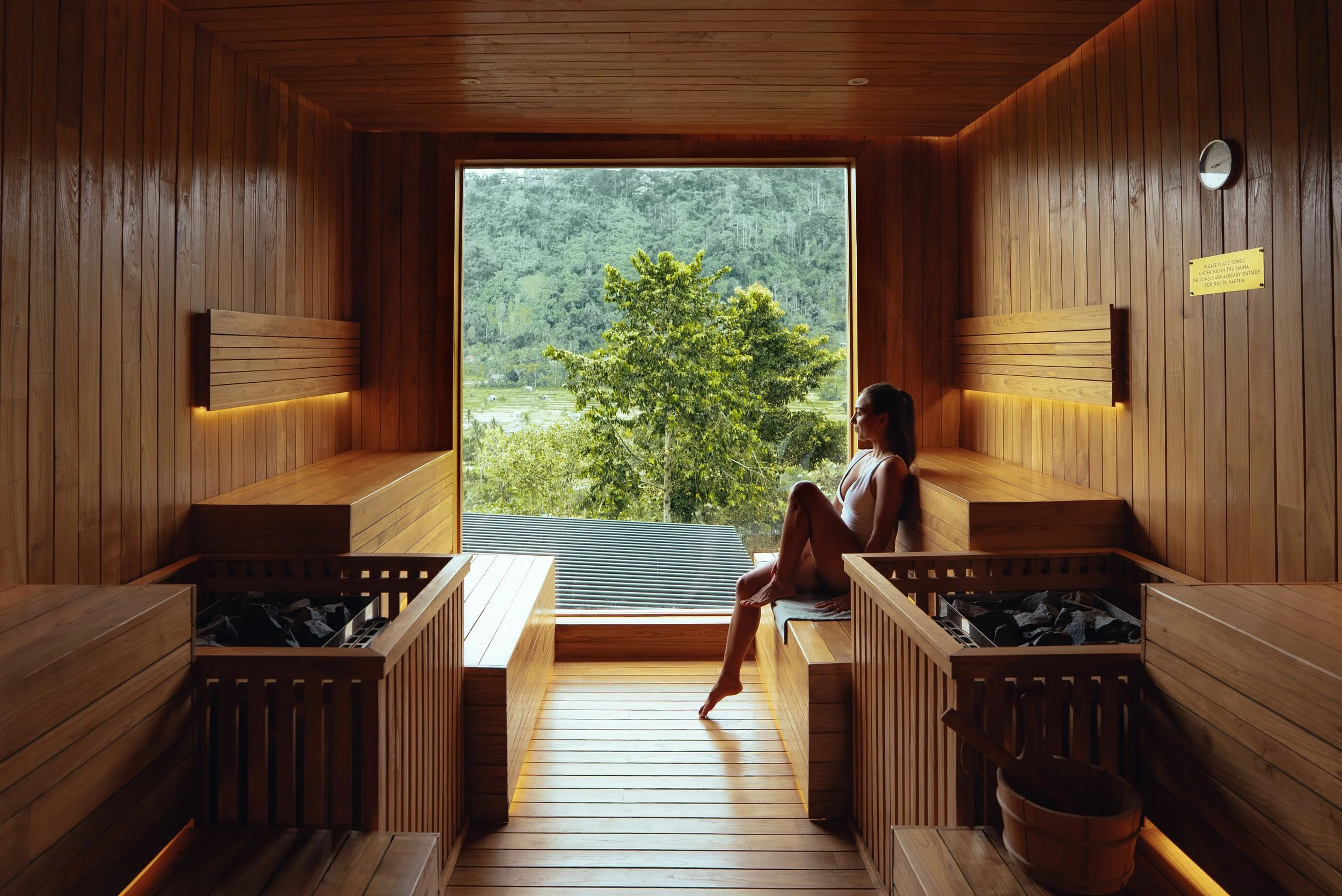
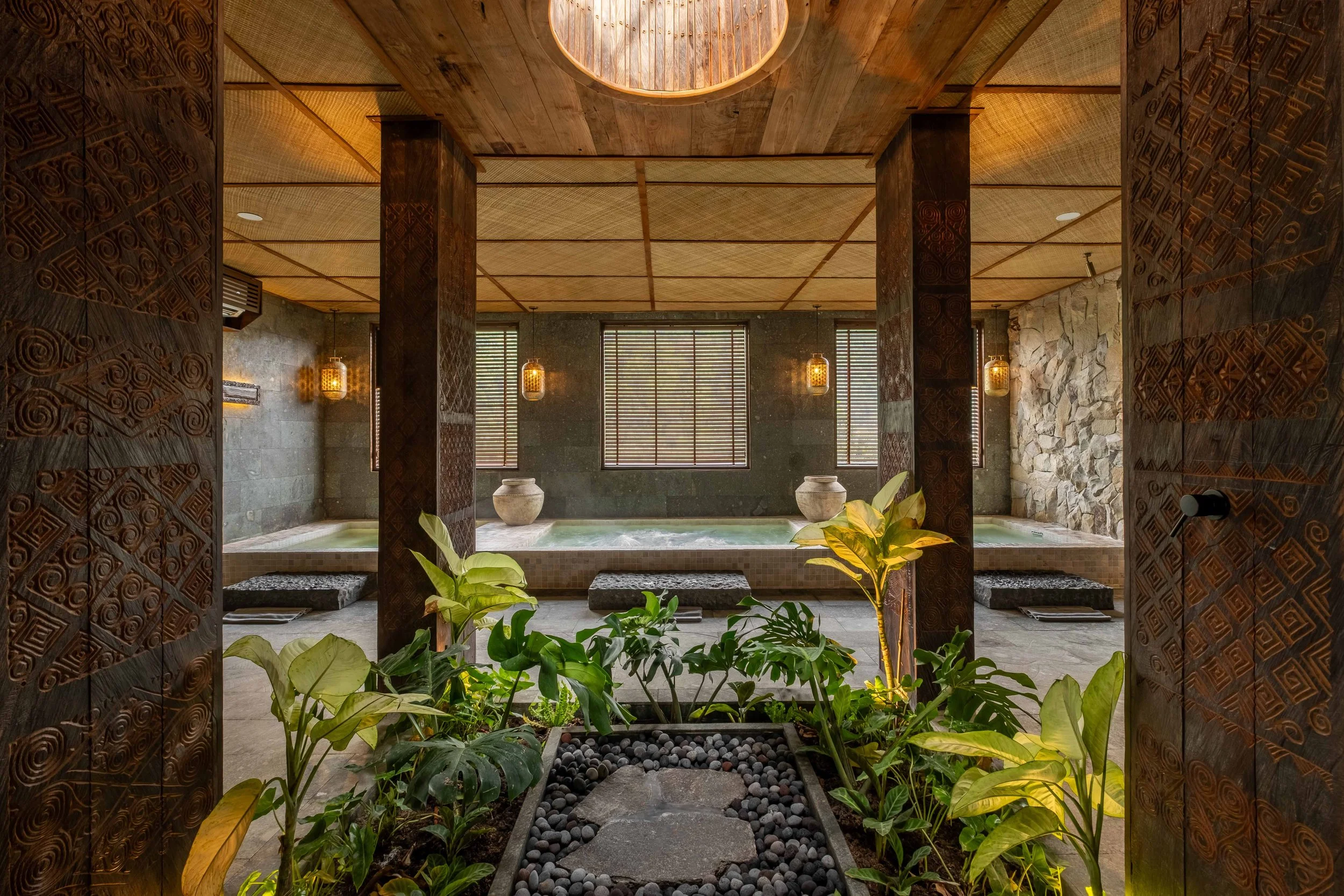
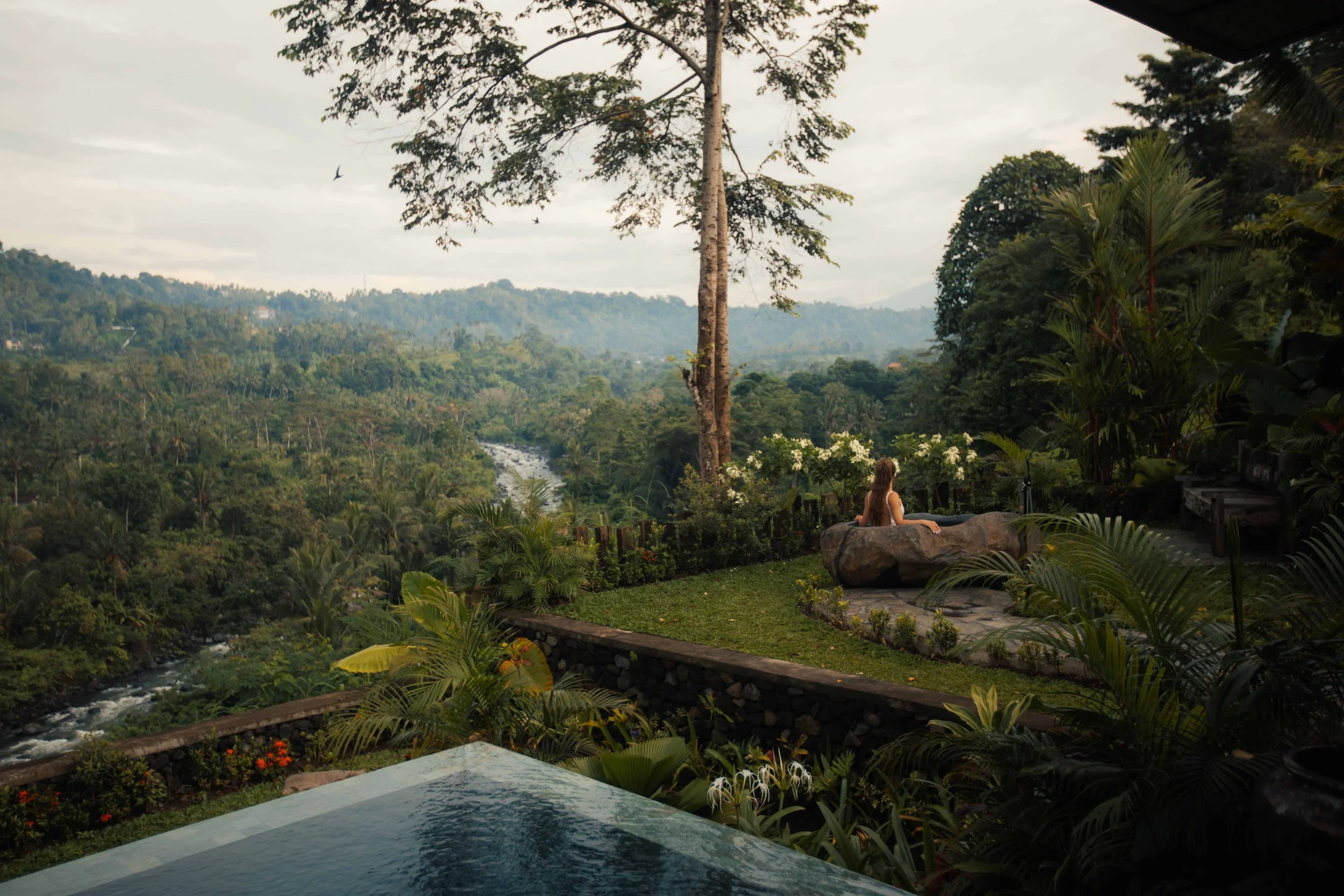
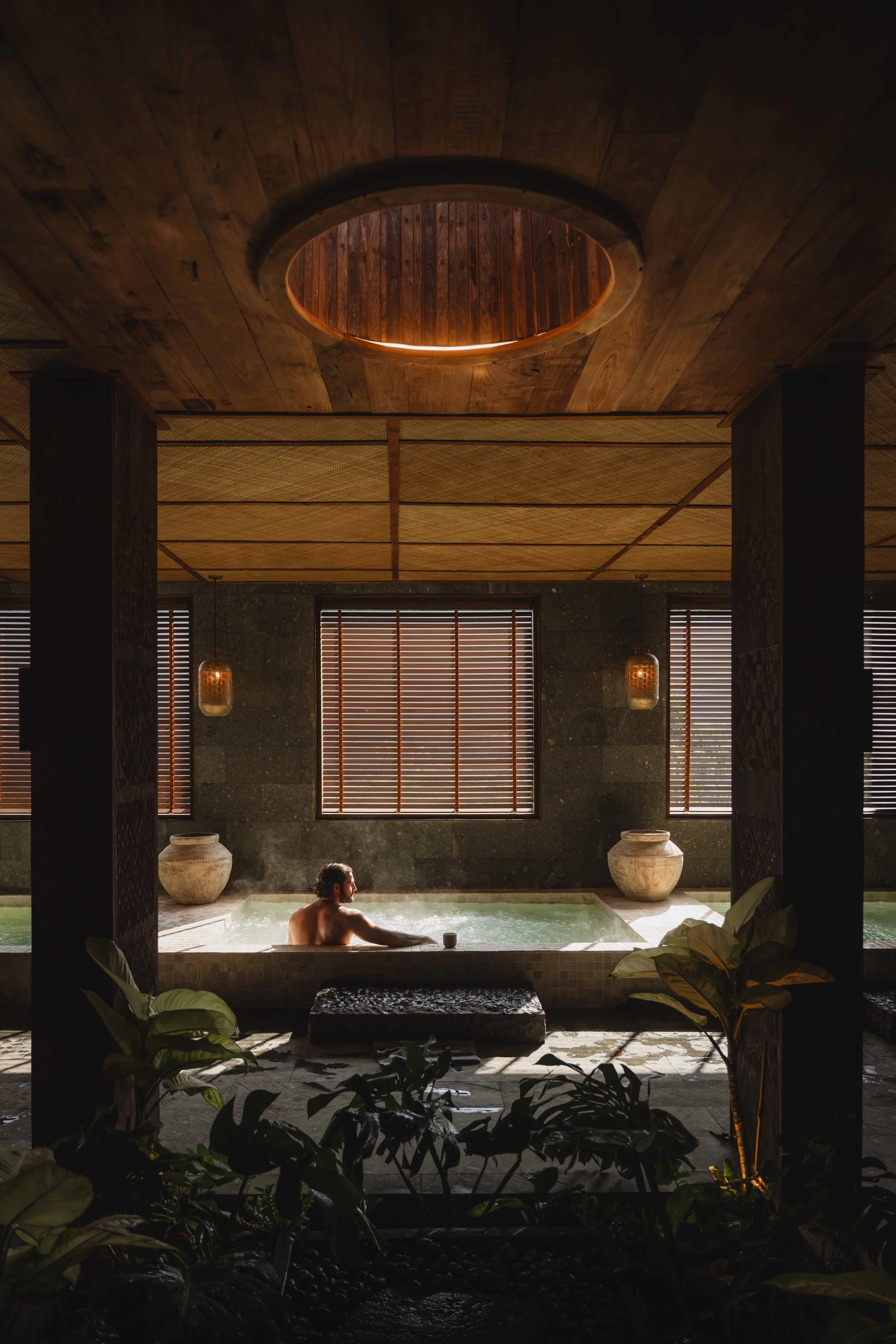
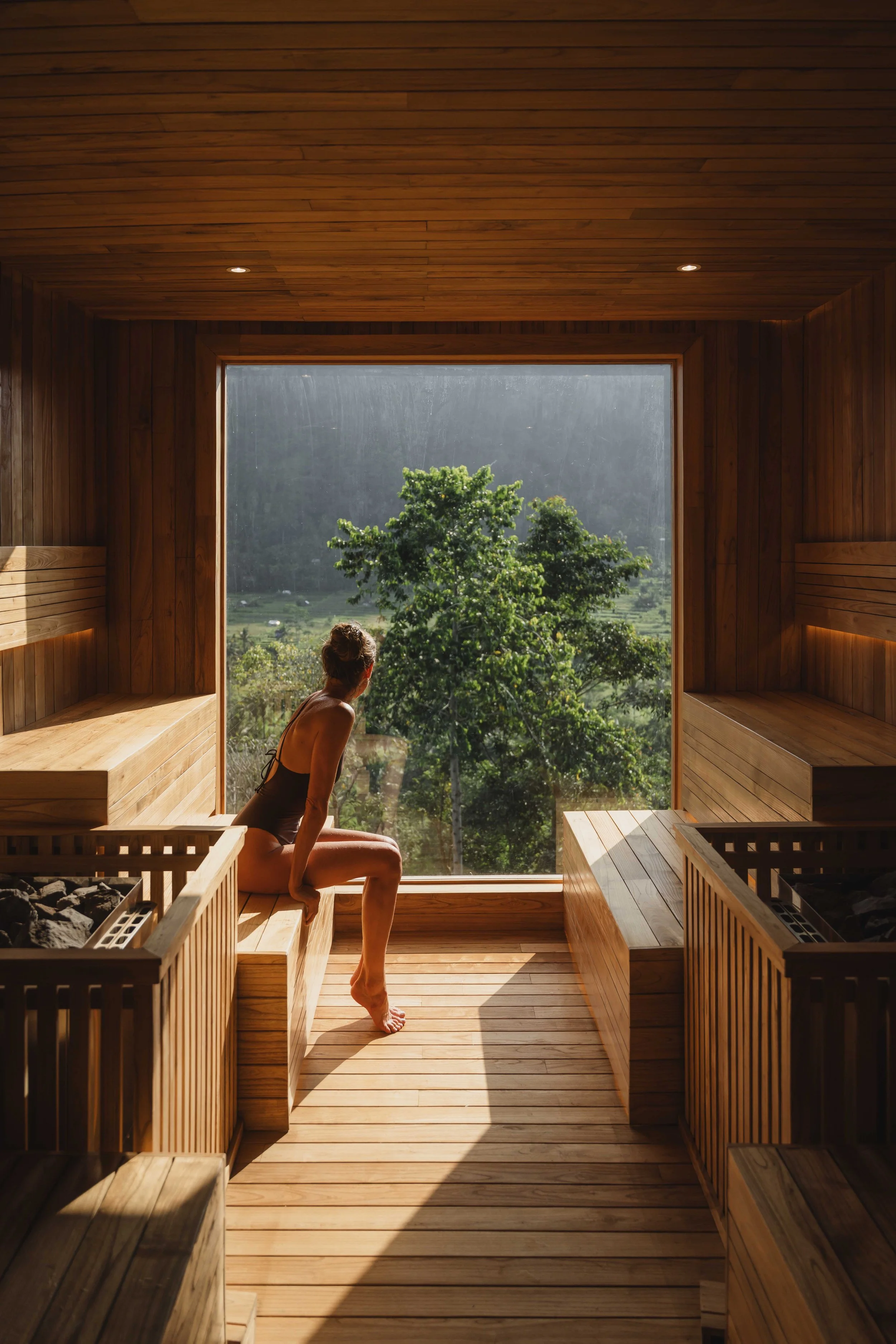
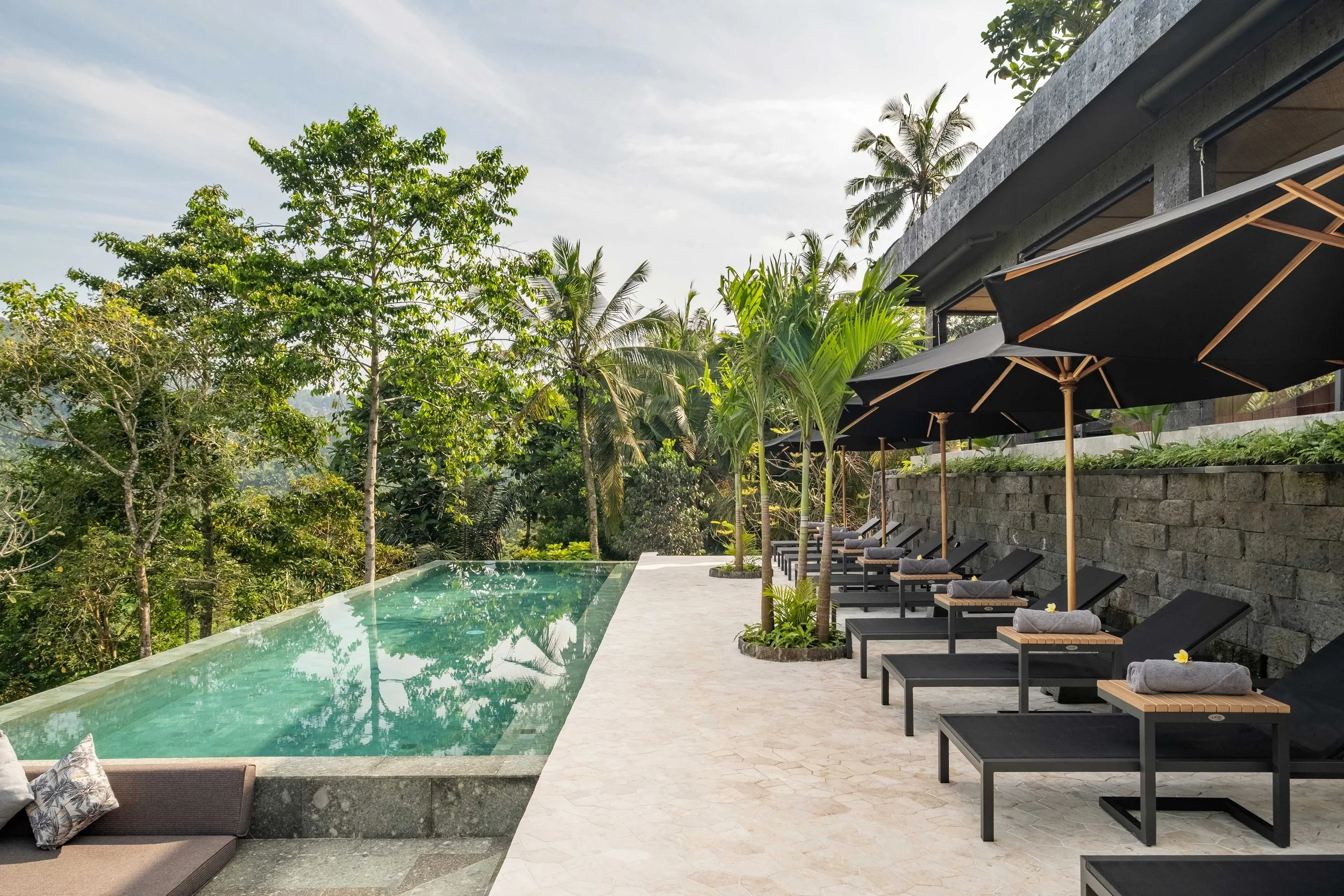
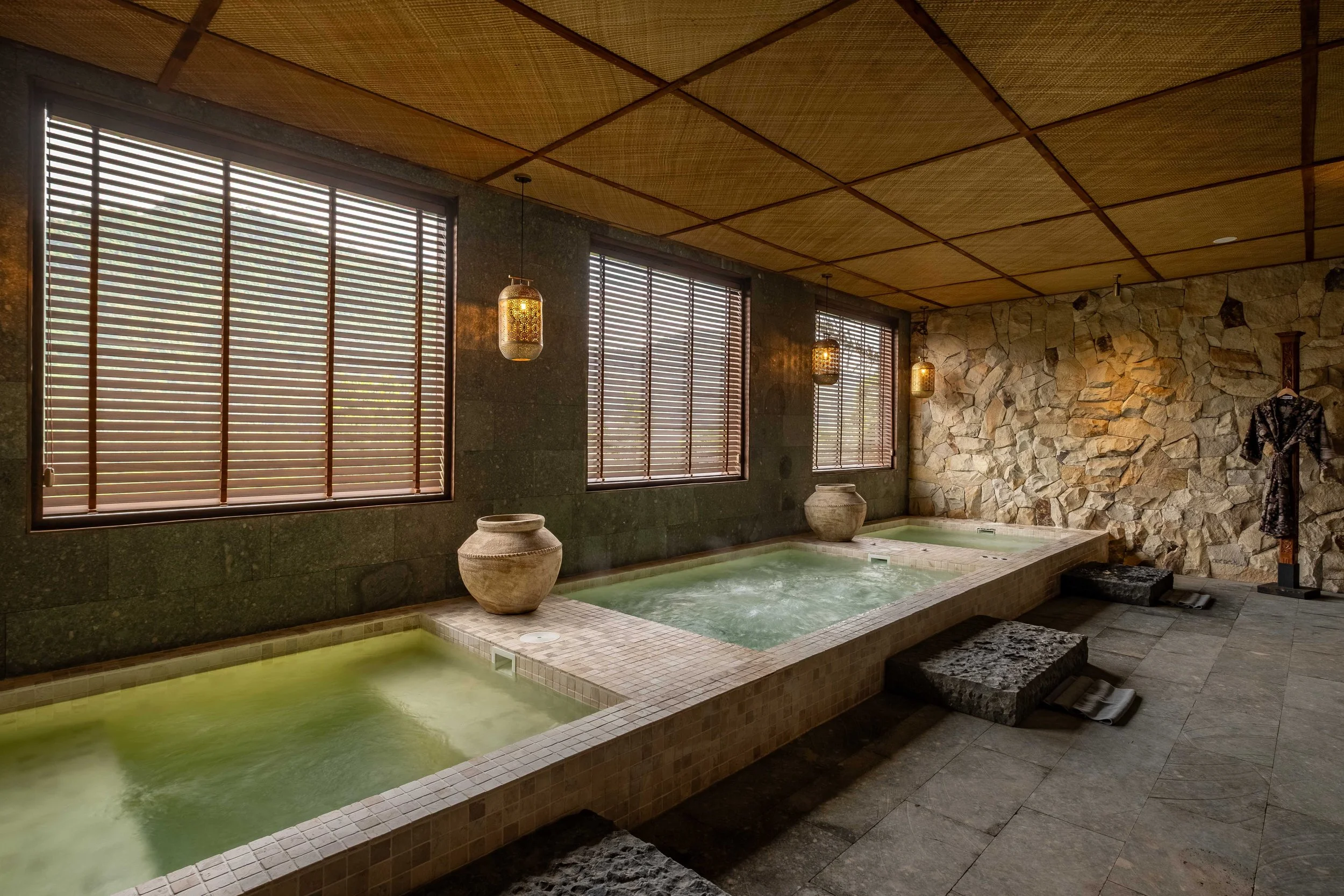
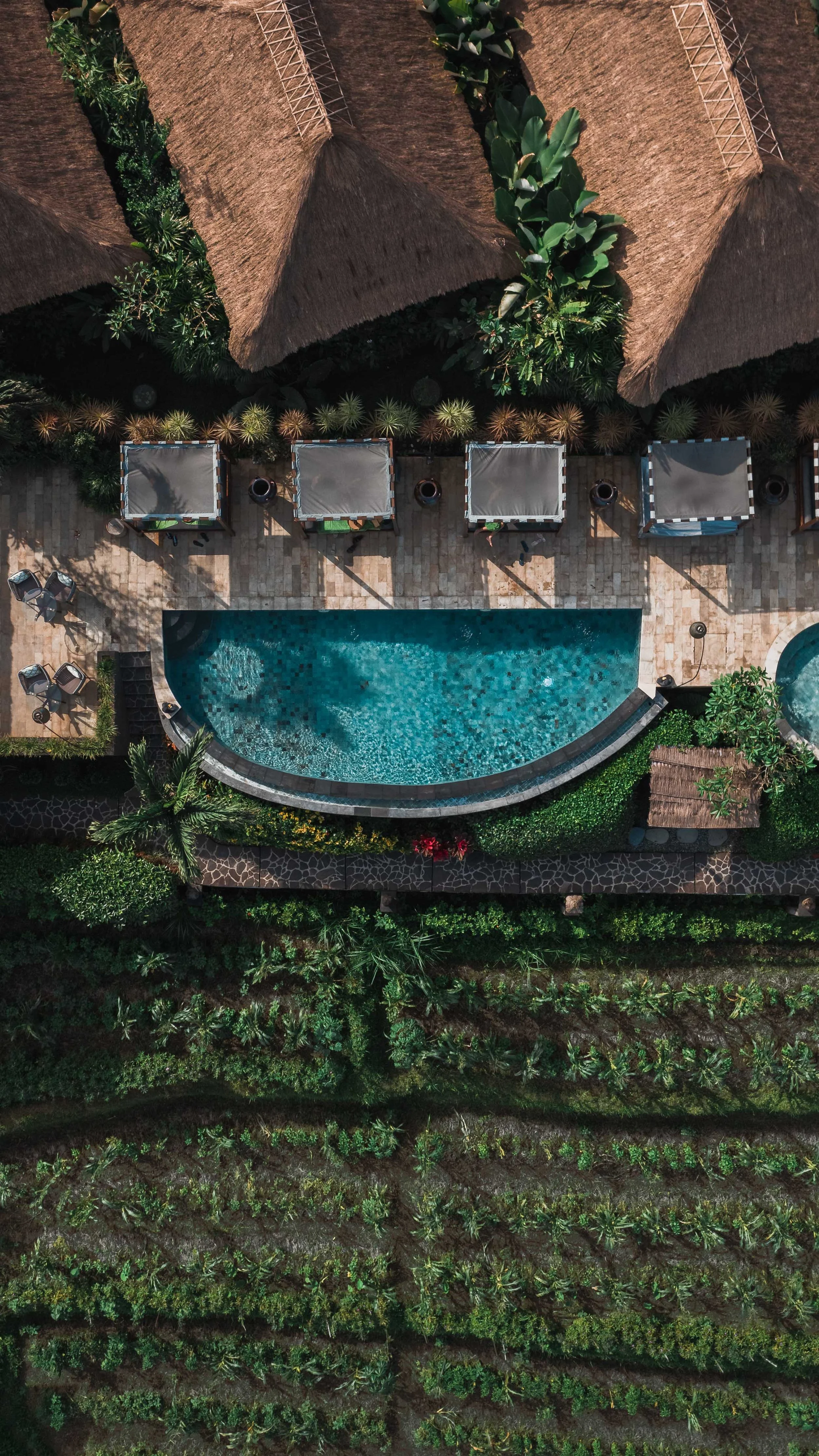
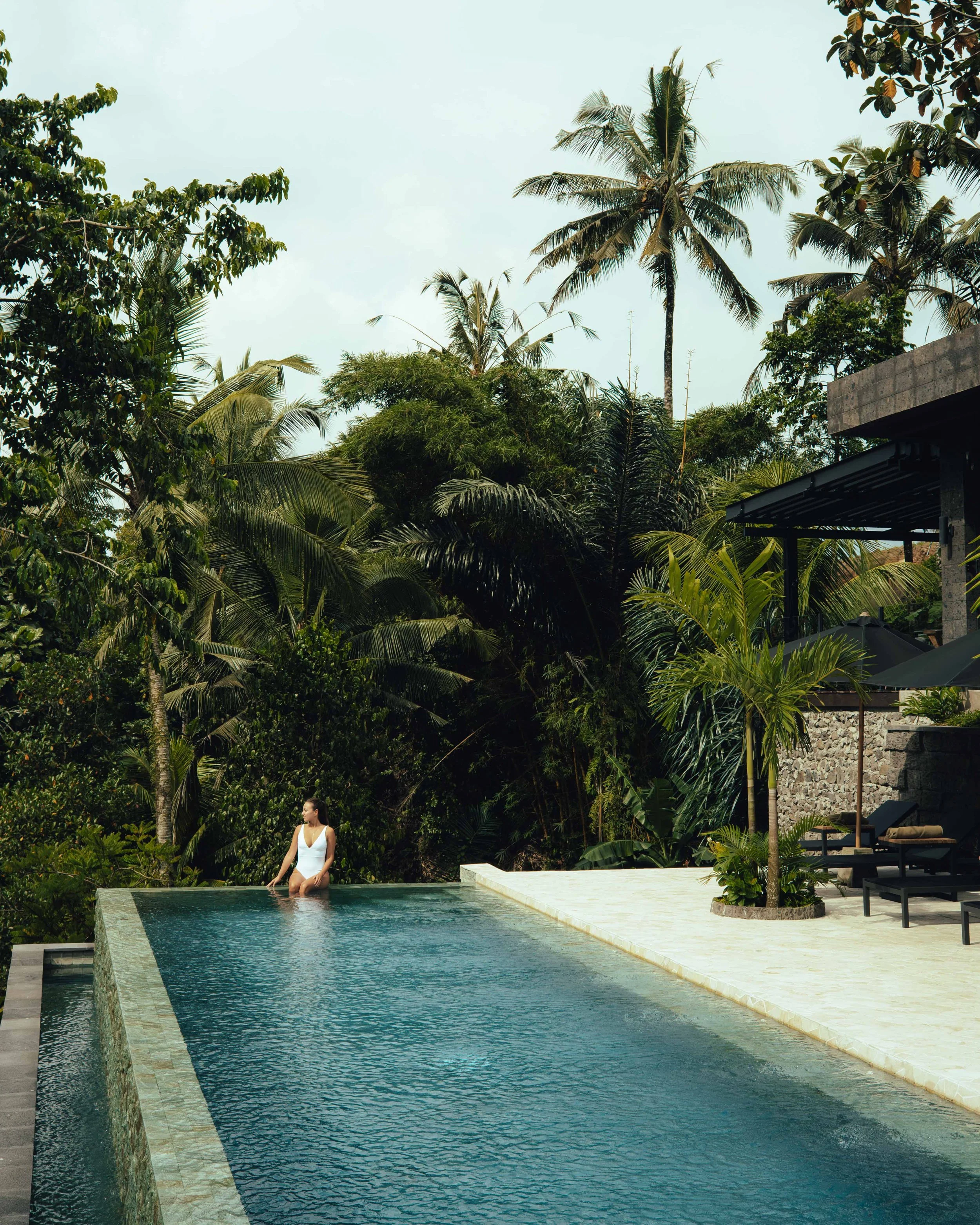
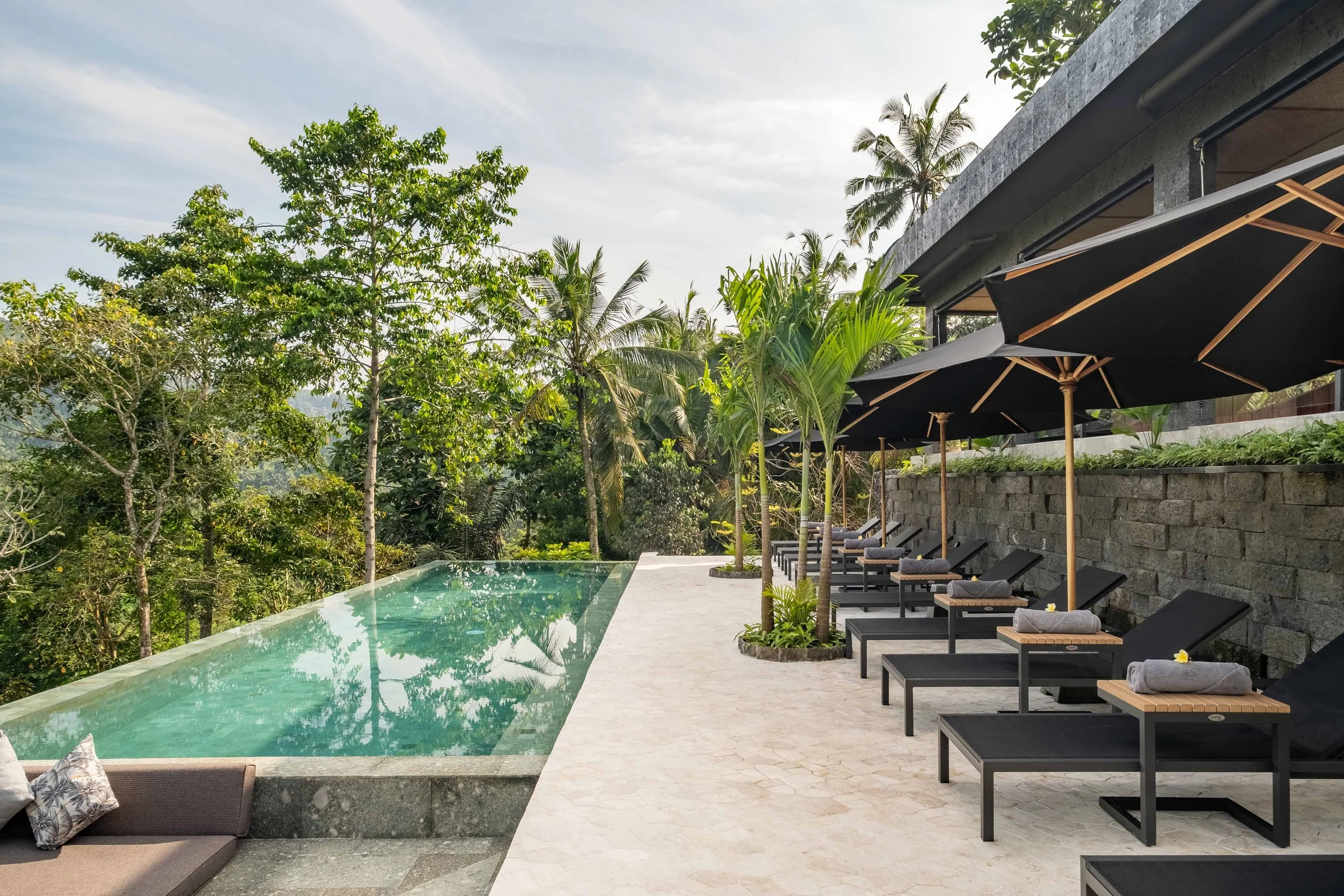
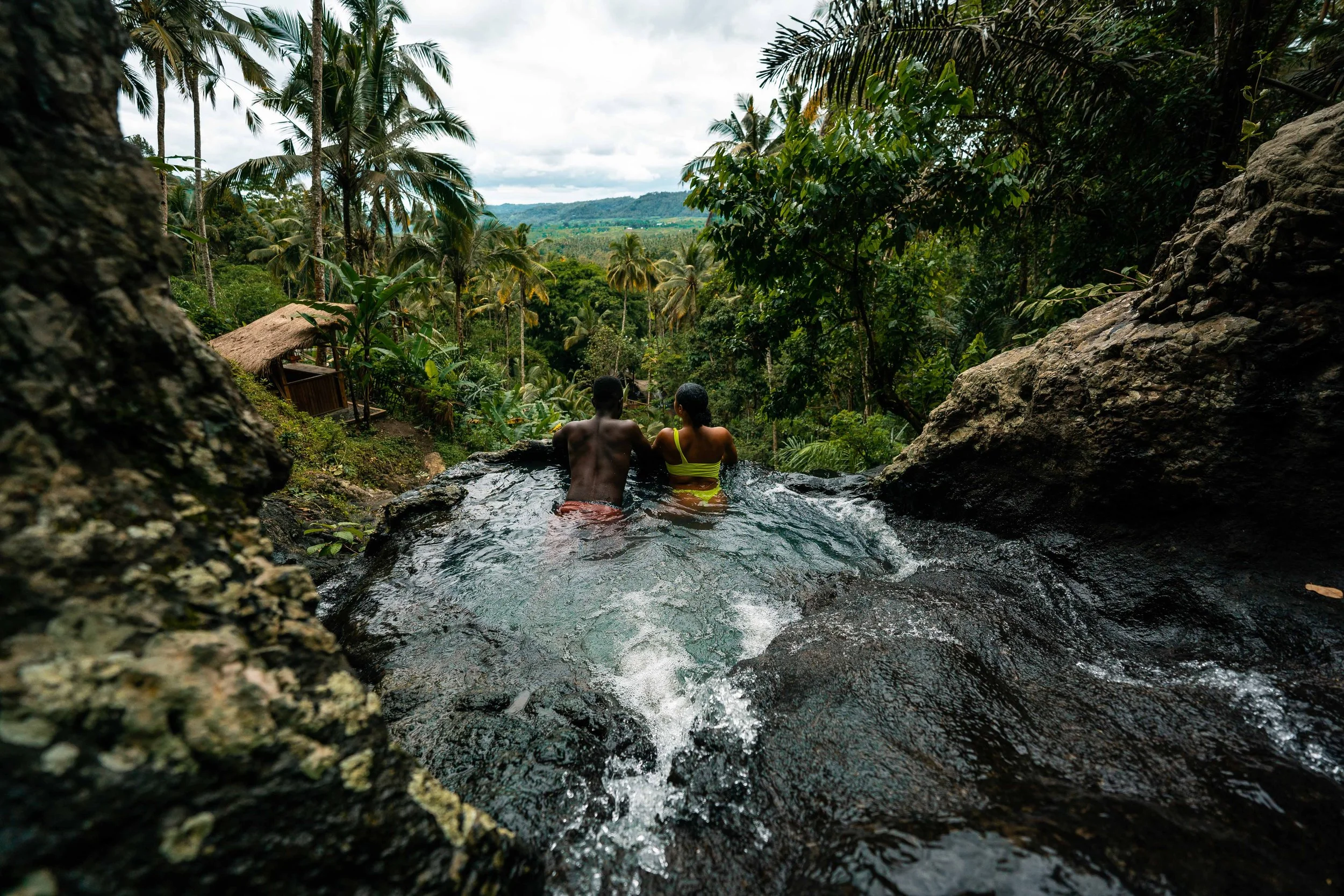
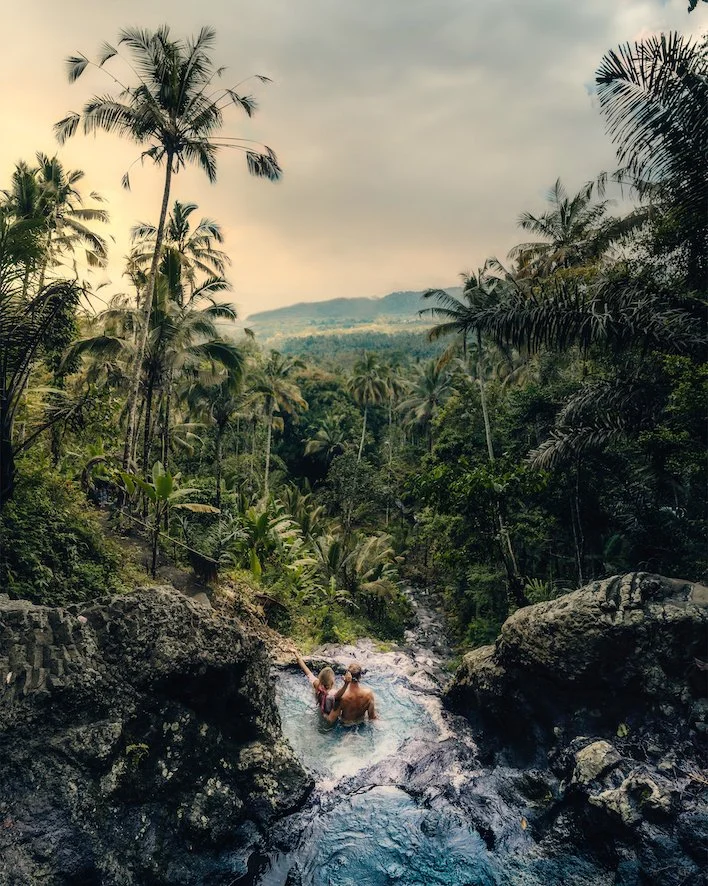
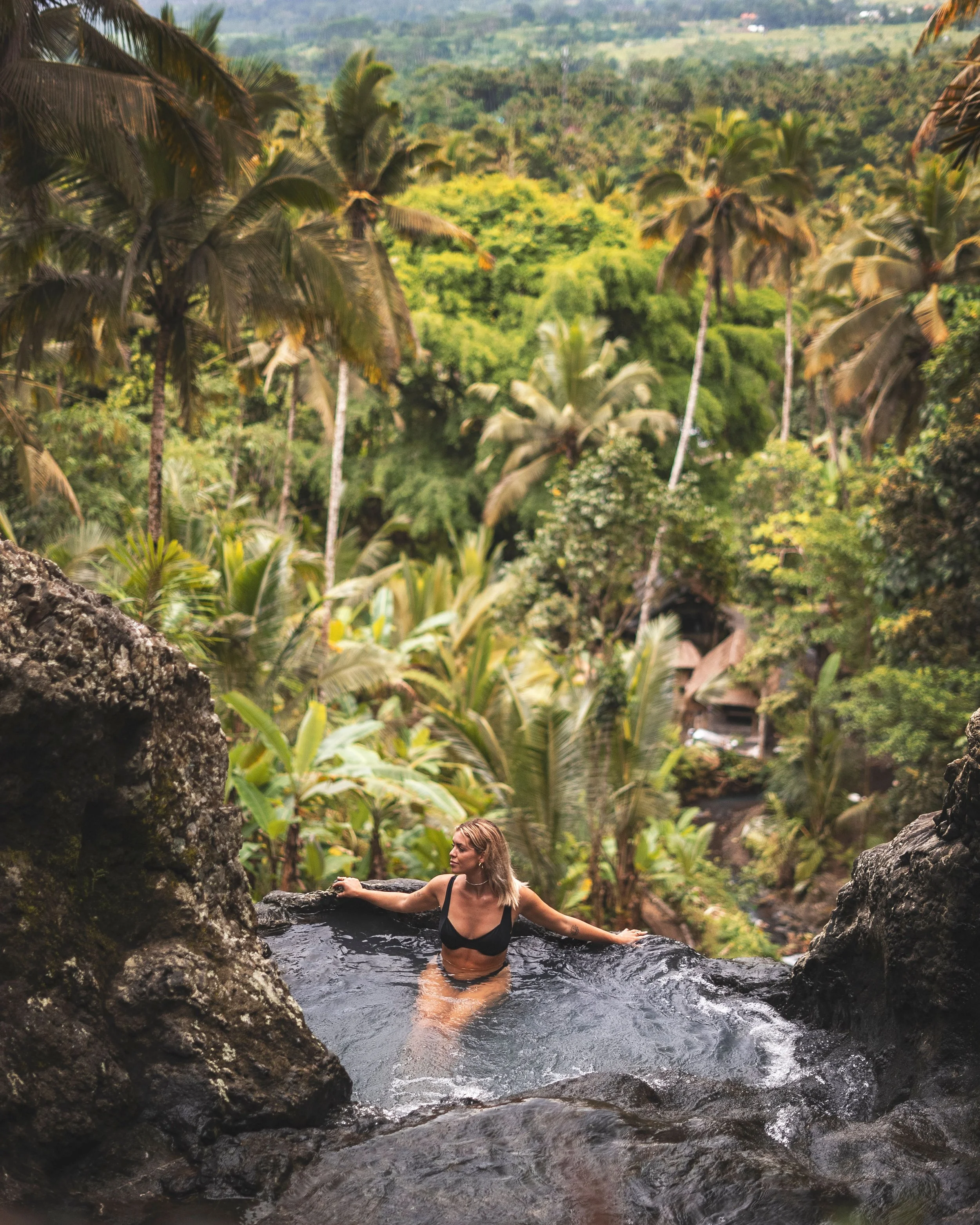
At the center of the experience is the Bath House, a ritual space that anchors the stay through hydrotherapy and slow wellness practices. Sauna, steam, ice baths, and infinity pools overlook the river, creating a continuous dialogue between body and landscape. Daily offerings include yoga, meditation, and guided nature experiences, all designed to support a deeper sense of reset. Founded by Nigel Mason, the vision behind Samanvaya was to create a place that moves beyond traditional hospitality, where wellness is the foundation. Over time, the experience becomes less about activities and more about how you feel within the space, settled, present, and attuned.
Why Wander
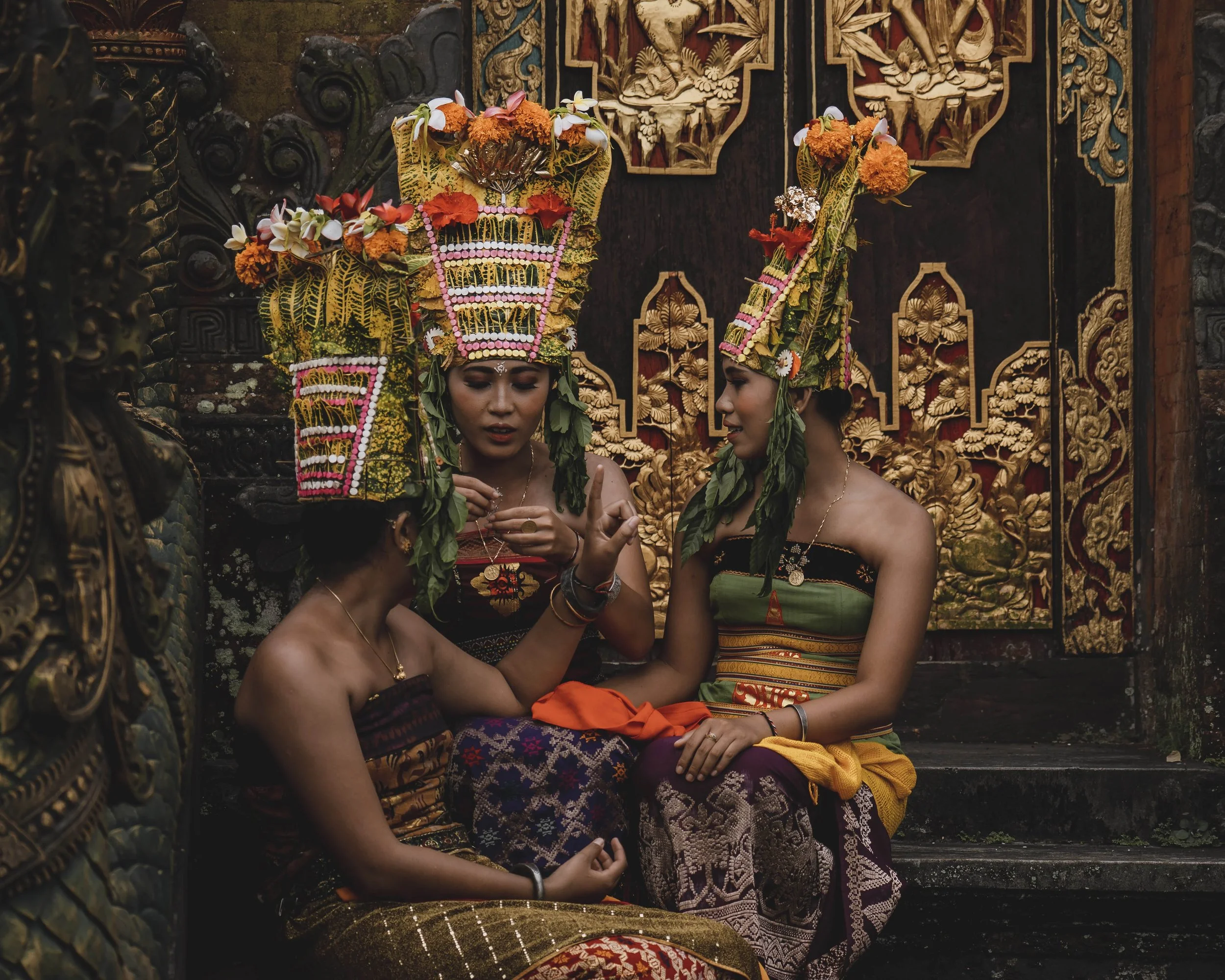
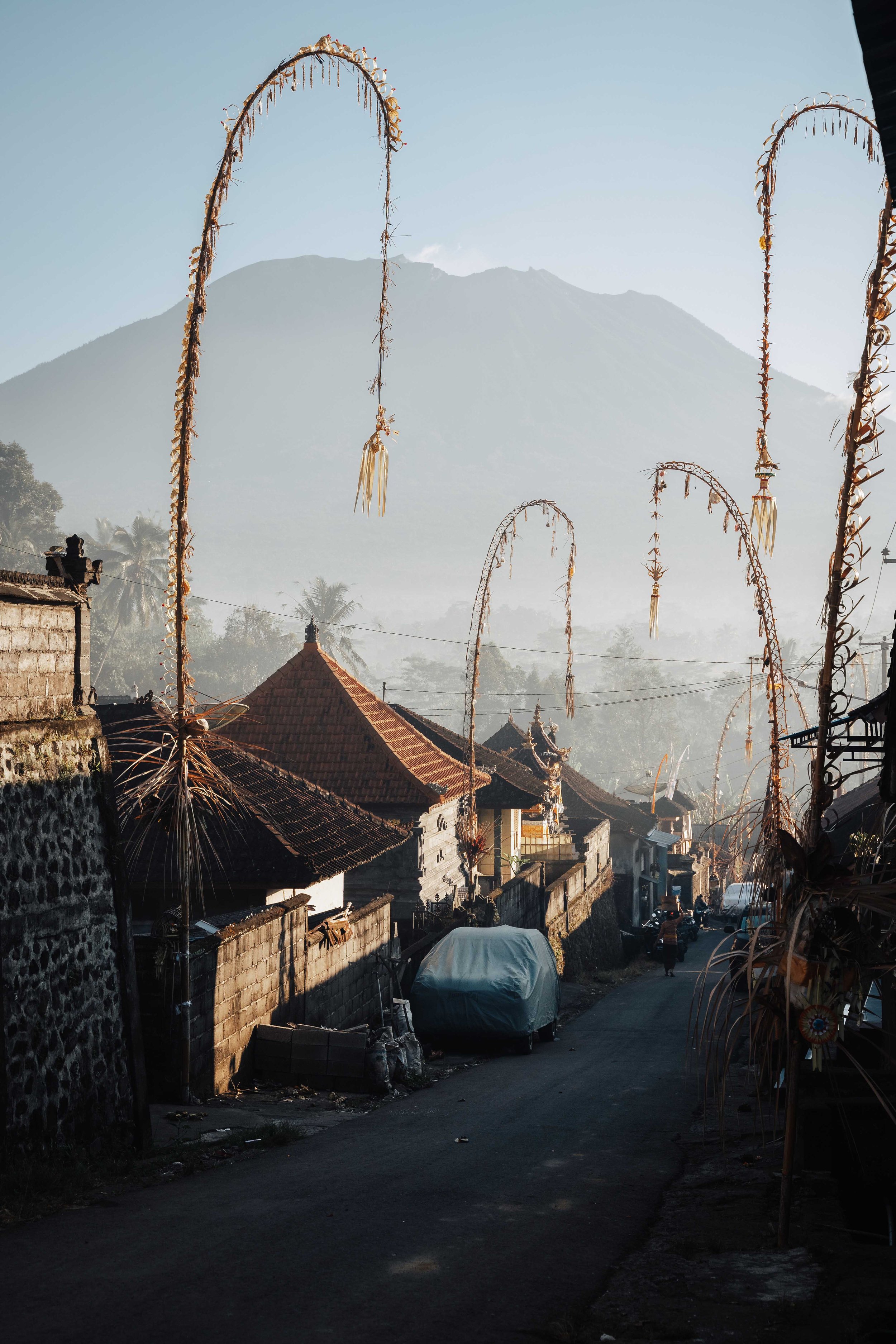
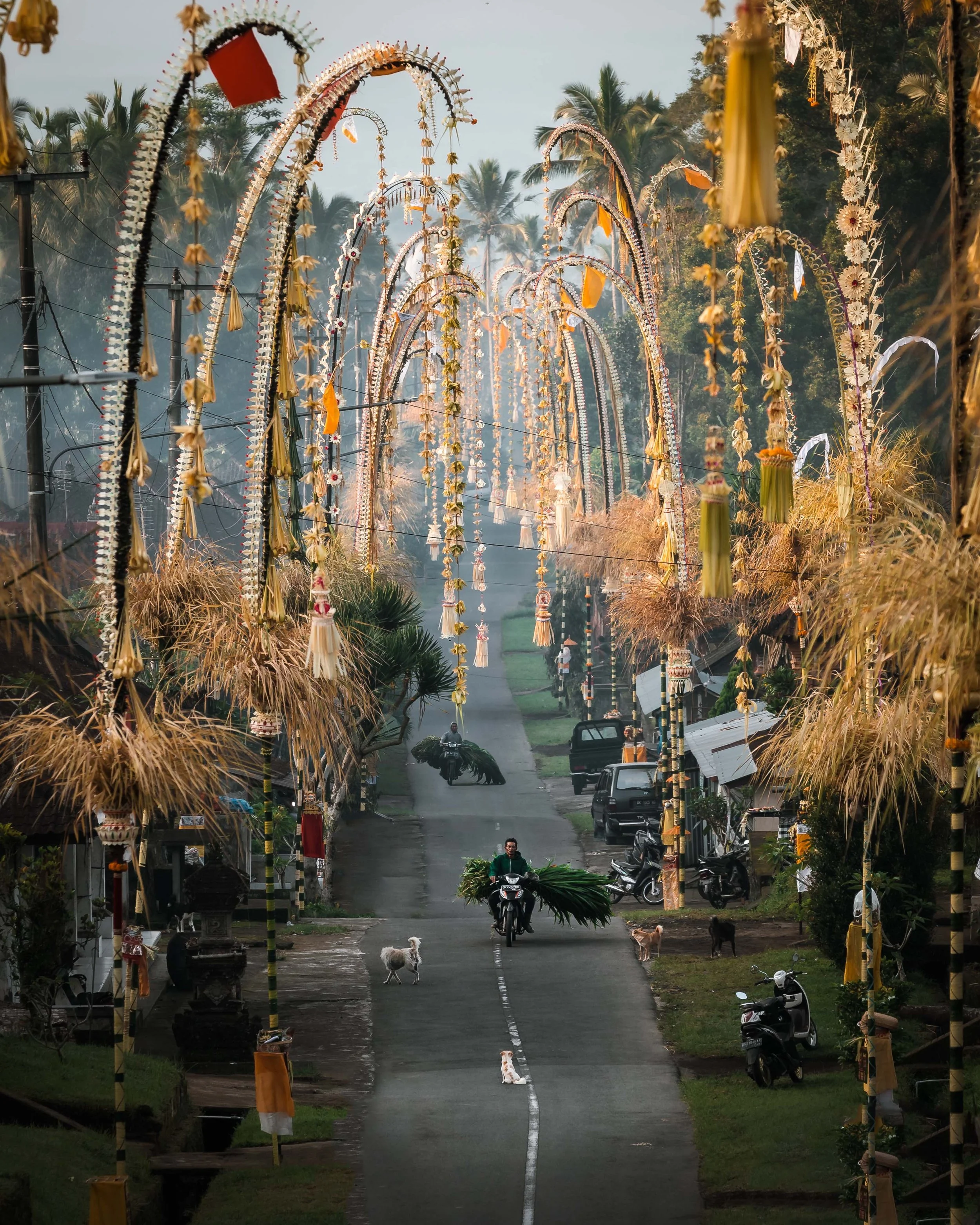
Sidemen Valley offers one of the most authentic glimpses into traditional Balinese life, where agriculture, craft, and daily rituals continue largely unchanged. Walking through rice fields and small villages becomes an immersive experience, guided by local knowledge and shaped by real encounters rather than curated moments. The pace is slow, allowing space to observe and understand rather than simply pass through.
Experiences extend naturally into the surrounding landscape. Guided treks move through rice terraces and along river paths, while visits with local artisans offer insight into weaving, farming, and traditional practices. Cooking classes become a way of engaging more deeply with regional flavours, grounded in local ingredients and techniques. For those seeking movement, white water rafting along jungle-lined rivers introduces a different rhythm, still connected to the natural environment.
Beyond the valley, East Bali offers quiet layers of exploration. Hidden waterfalls and natural swimming spots are scattered throughout the region, while Sidemen Springs and nearby temples provide moments of pause and reflection. White sand beaches sit within reach, offering a contrast to the inland landscape. The area is not defined by landmarks, but by the way it invites you to move slowly, to return, and to notice what unfolds over time.
Indulge In
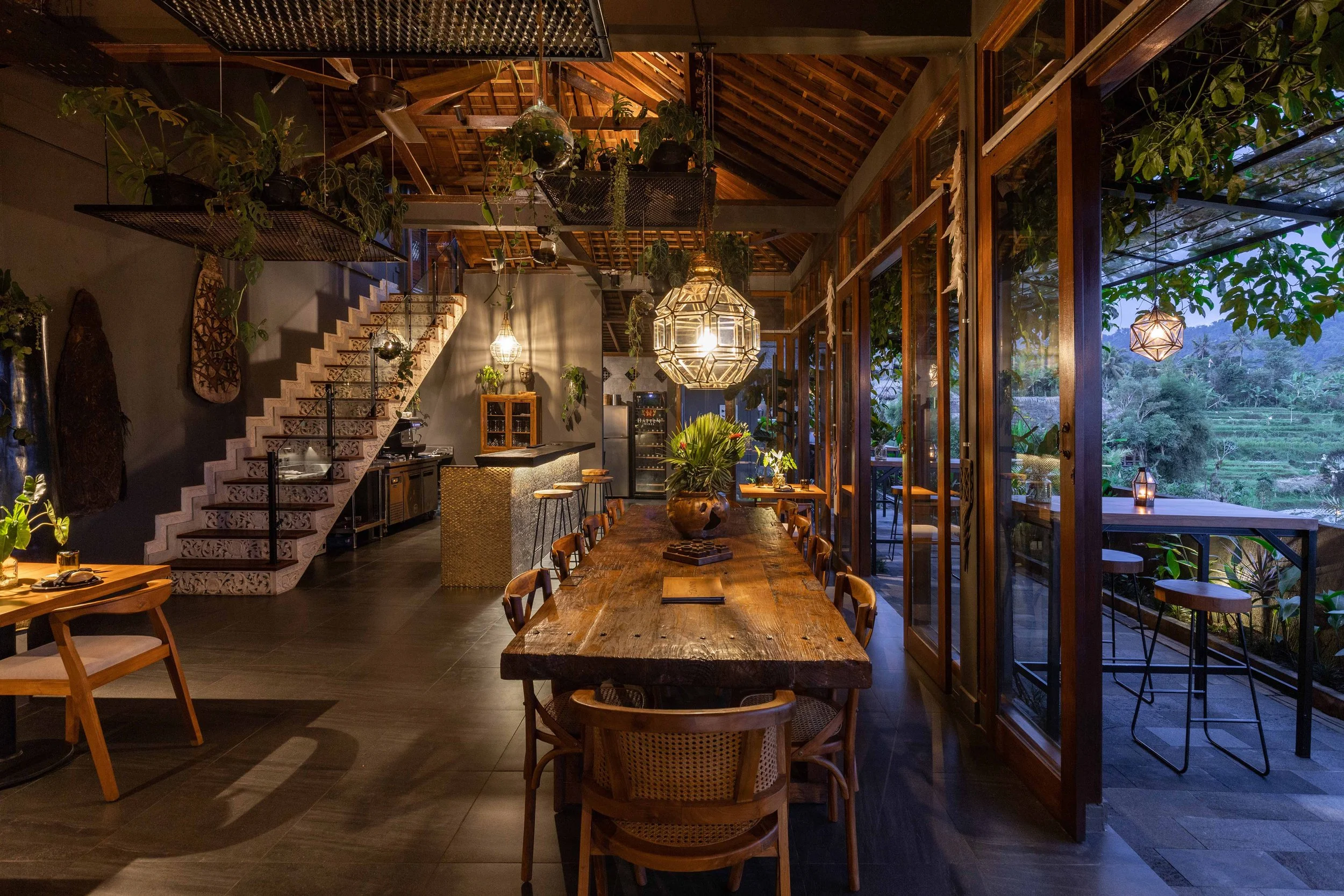
Dining at Samanvaya is immersive and deeply connected to place, with a focus on fresh, locally sourced ingredients and seasonal flavours. Asri Dining sits within lush gardens and is known as one of Sidemen’s most loved restaurants, offering a balance of European classics and refined Balinese dishes. Sahaja presents a more contemporary Asian fusion menu designed for sharing, with open views across the valley. Akasa River Bar offers cocktails and light bites overlooking the jungle and river below, ideal for slow evenings and sunset moments. Menus move between nourishing, wellness-led plates and more indulgent dishes, creating a balance that reflects the overall experience.
Getting There
Samanvaya is located approximately 1.5 to 2 hours from Ngurah Rai International Airport in Bali. The journey moves through changing landscapes, from coastal roads to inland villages and rice terraces, gradually transitioning into the quieter atmosphere of Sidemen Valley. Private transfers can be arranged, allowing for a seamless and unhurried arrival.
Wild Initiatives
Samanvaya is deeply connected to the Sidemen community, with a strong focus on supporting local livelihoods and preserving cultural identity. The majority of the team is hired from surrounding villages, with ongoing training and development creating long-term opportunities. Partnerships with local guides, farmers, and artisans ensure that guest experiences remain authentic and rooted in place. The architecture incorporates locally sourced materials and traditional building techniques, including bamboo construction, while the overall design works with the natural landscape in a low-impact way. Food and beverage offerings prioritize regional ingredients and producers. The approach is not about large gestures, but about sustained, thoughtful practices that support both environment and community over time.