
Sanbona Wildlife Reserve
Little Karoo, South Africa
Personalities
Adventurous families. Wildlife lovers. Photographers. Stargazers. Eco travelers. Geologists. Botanists.
Moments
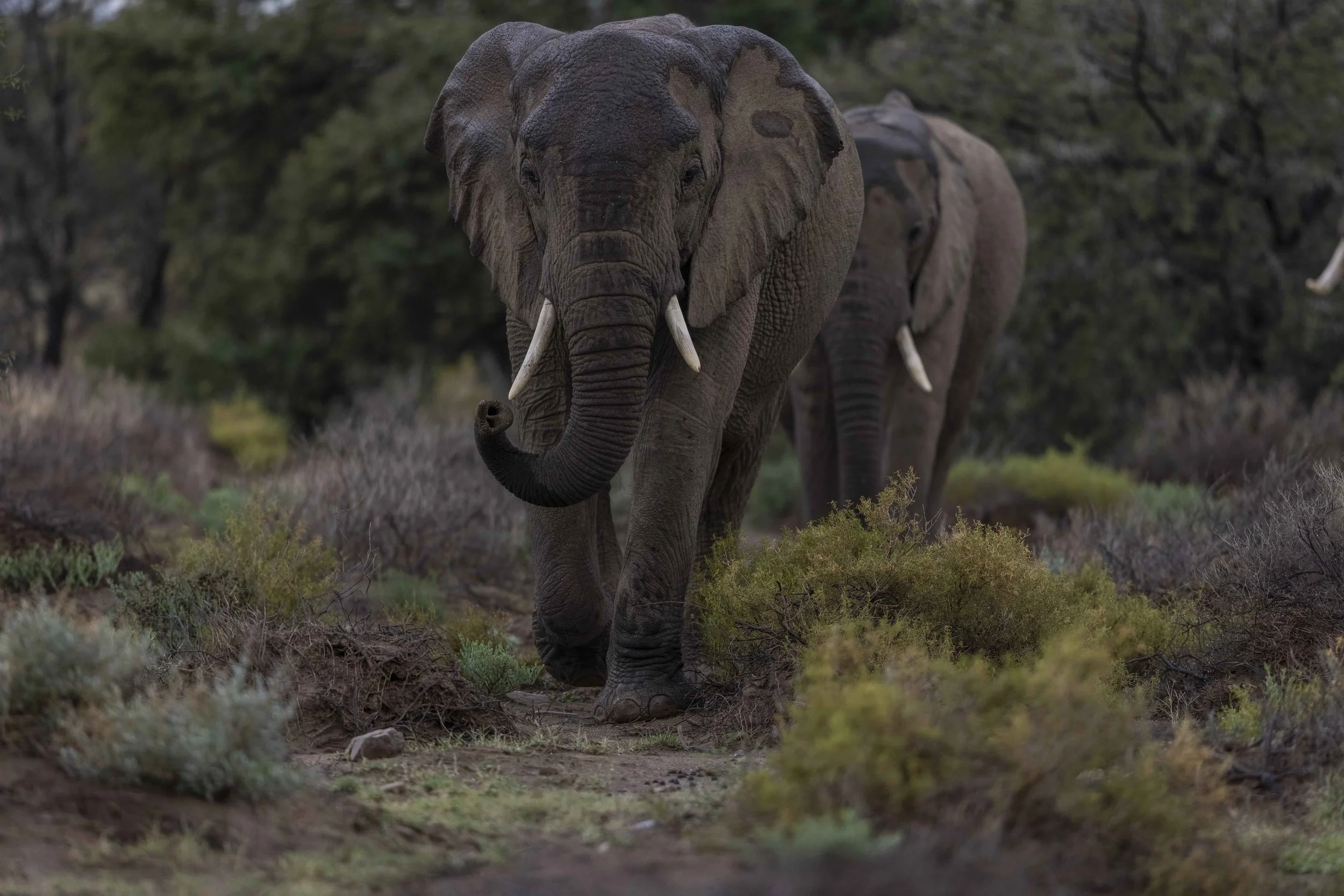
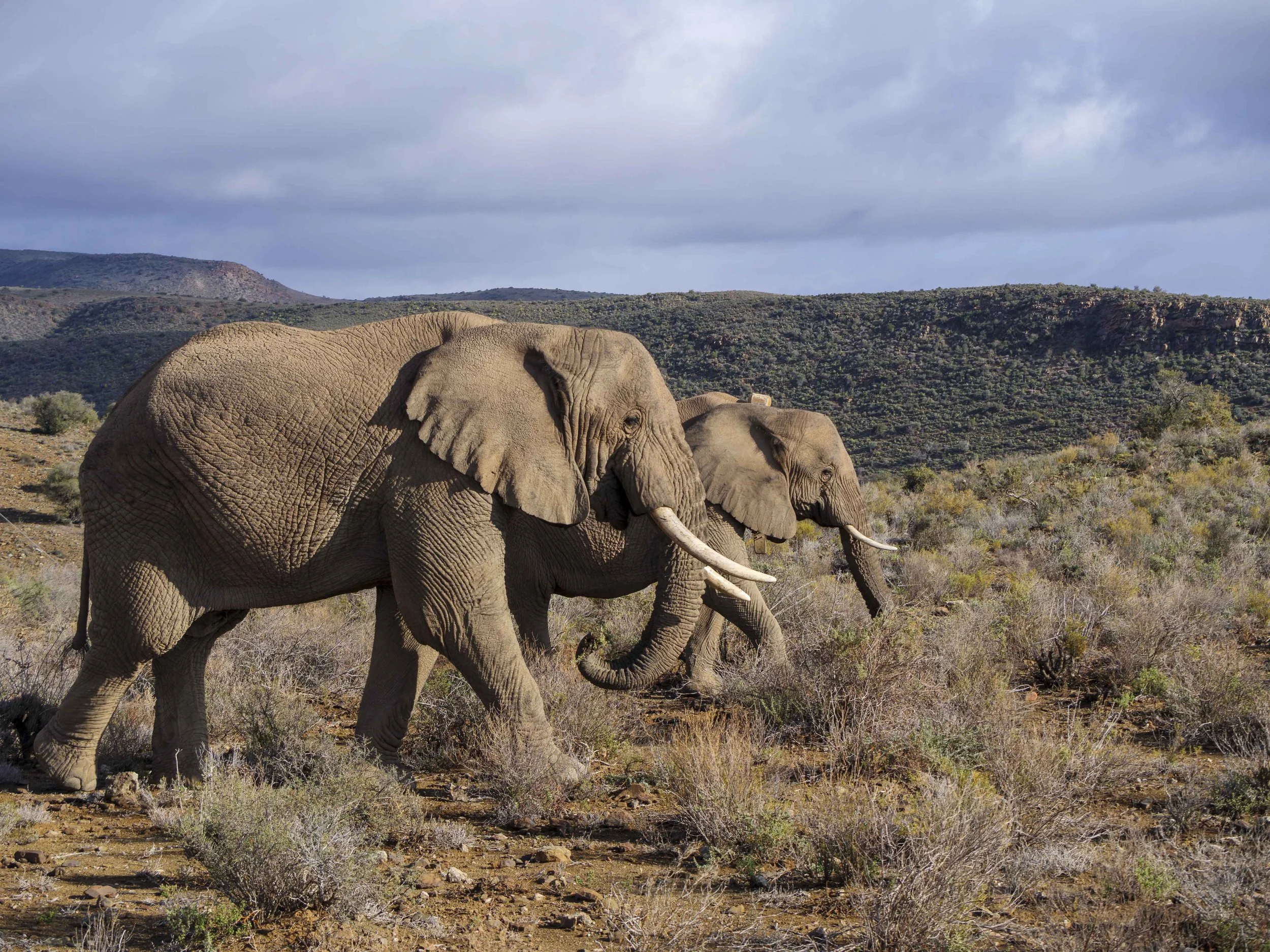
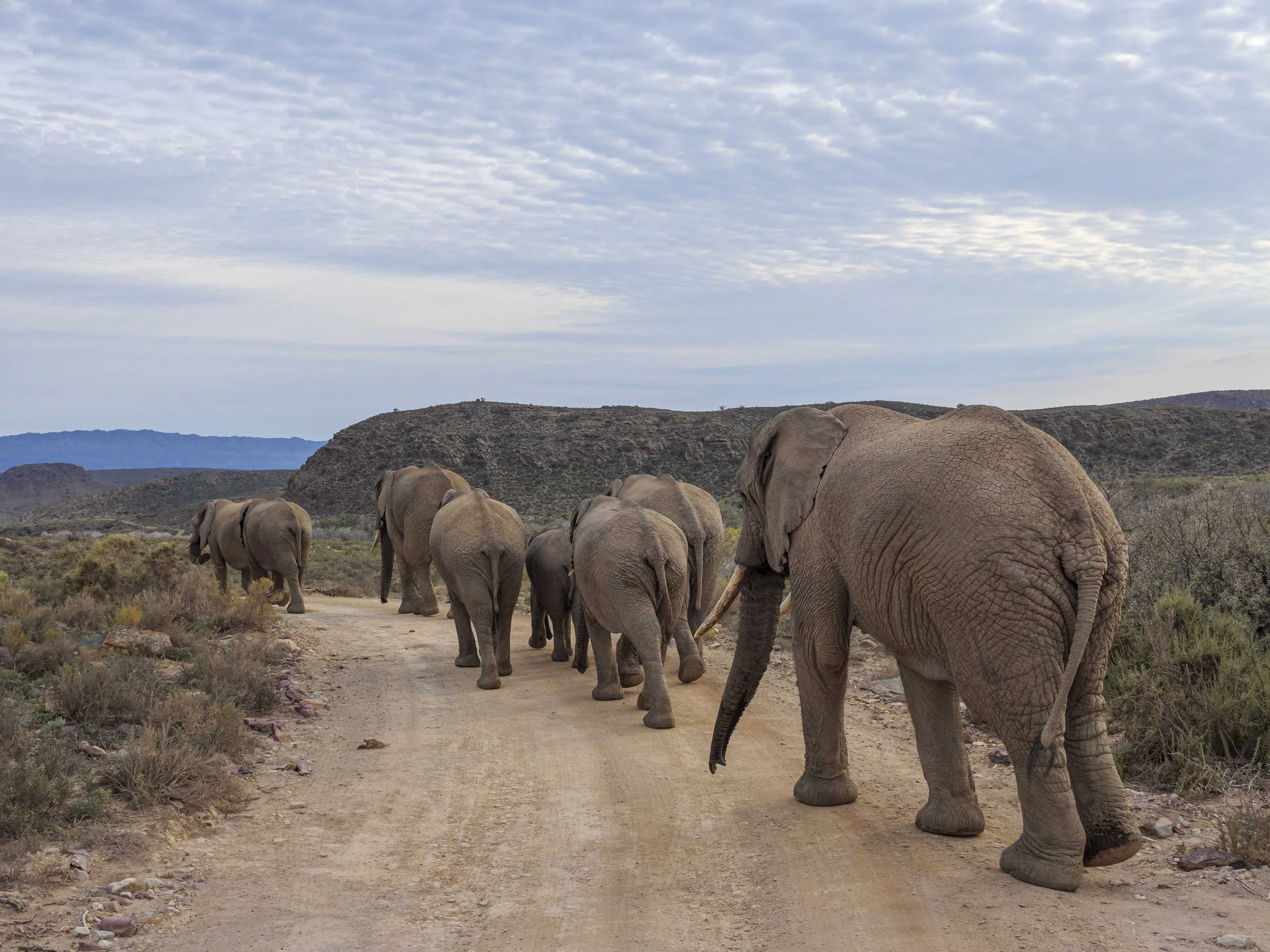
Morning light stretching across ancient mountains. Elephants crossing dry riverbeds. Rock art hidden in stone. Silence broken only by wind and birdsong. Stars so sharp they feel close. Grounded luxury rooted in conservation.
Best Visiting Months
Sanbona reveals a different character with every season. The Little Karoo’s semi-desert climate brings warm summer days and crisp winter nights, making the reserve compelling year-round. Spring from September to November brings botanical richness, while autumn from March to May offers mild days and cool evenings ideal for long drives and walking. Wildlife viewing remains strong throughout the year. Summer months from October to March offer longer light and dramatic skies, making them popular for photography, while winter from June to August is prized for clear nights, stargazing, and comfortable conditions for guided walks.
COST

Why Stay
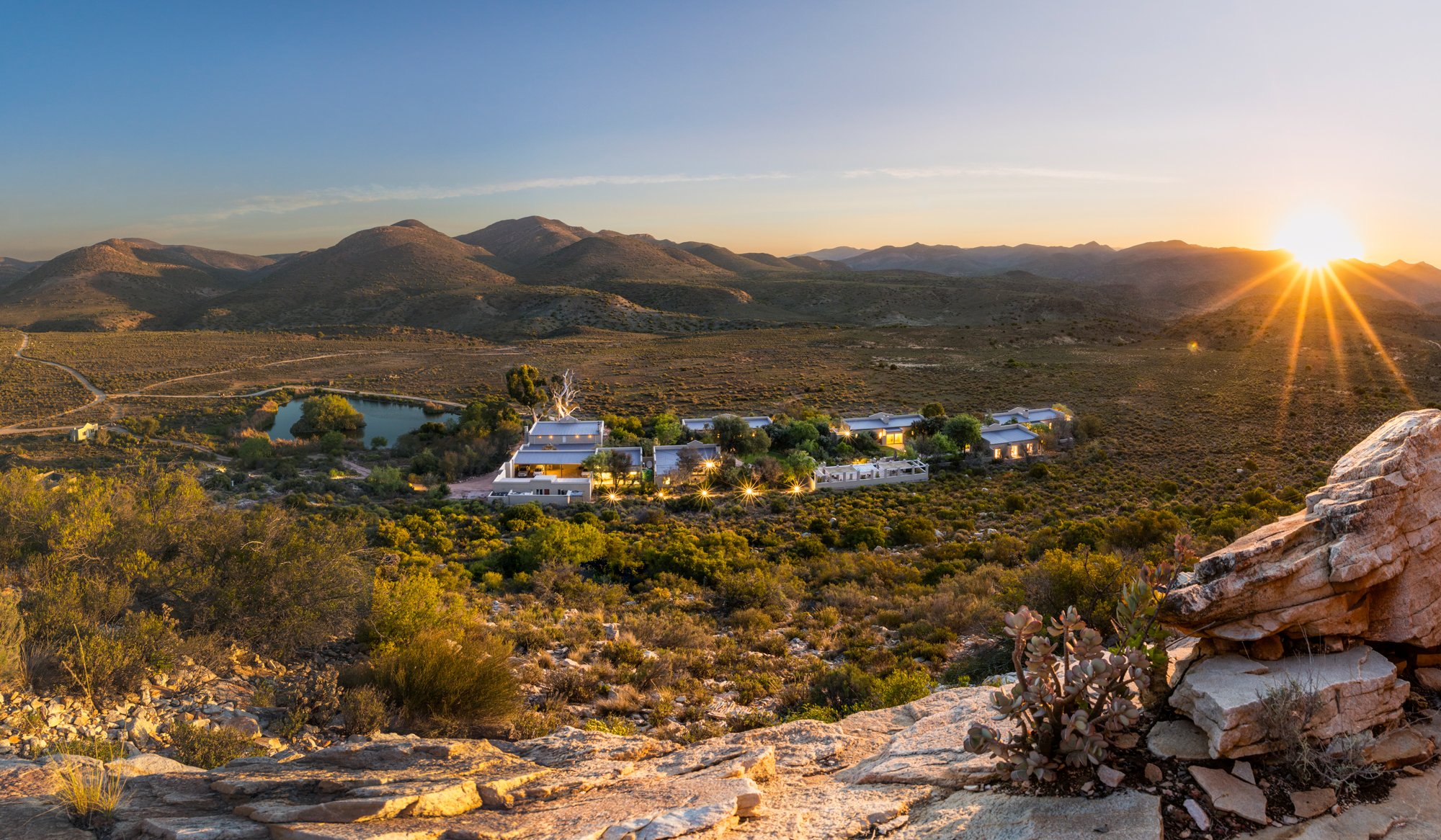
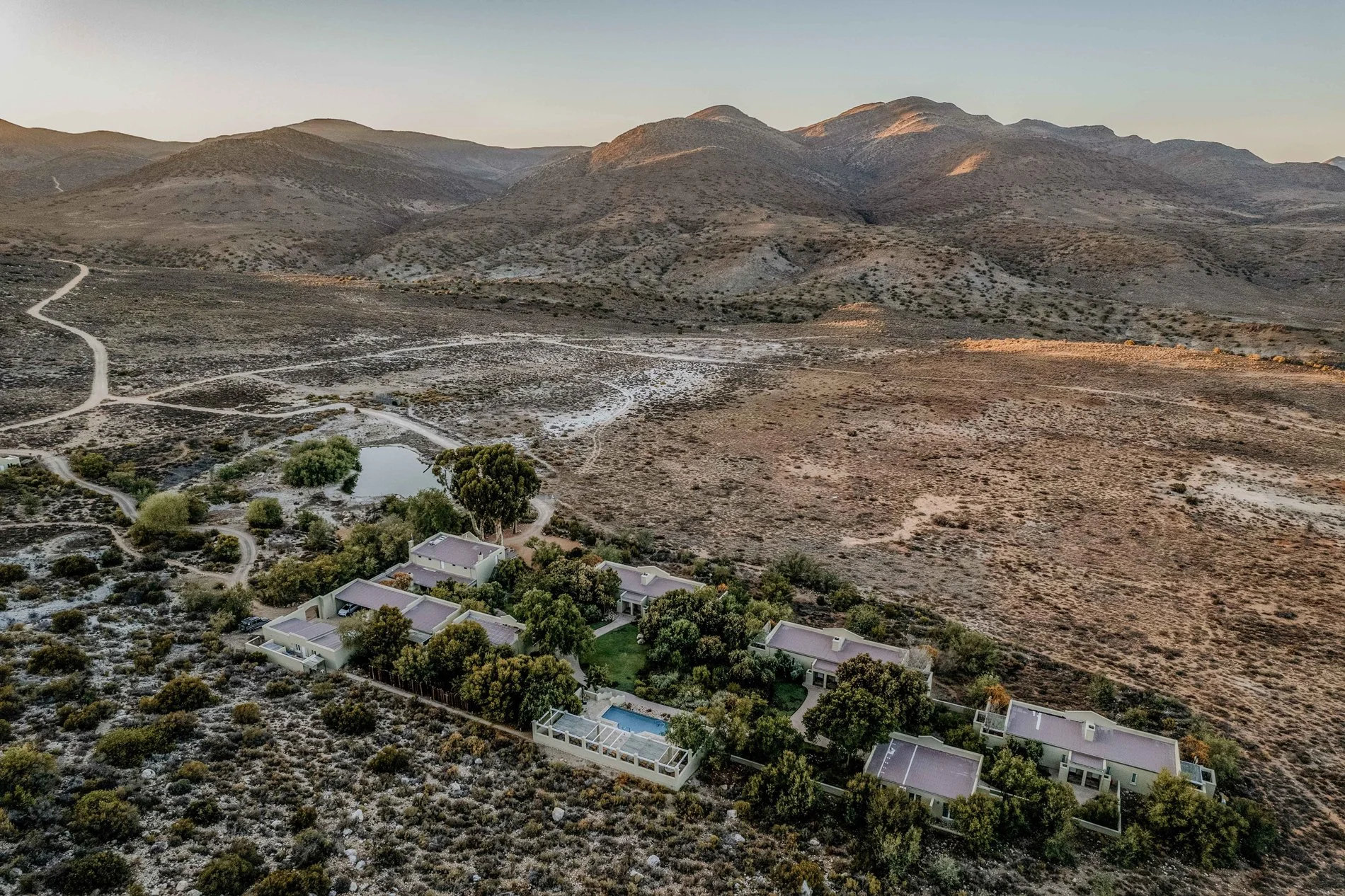
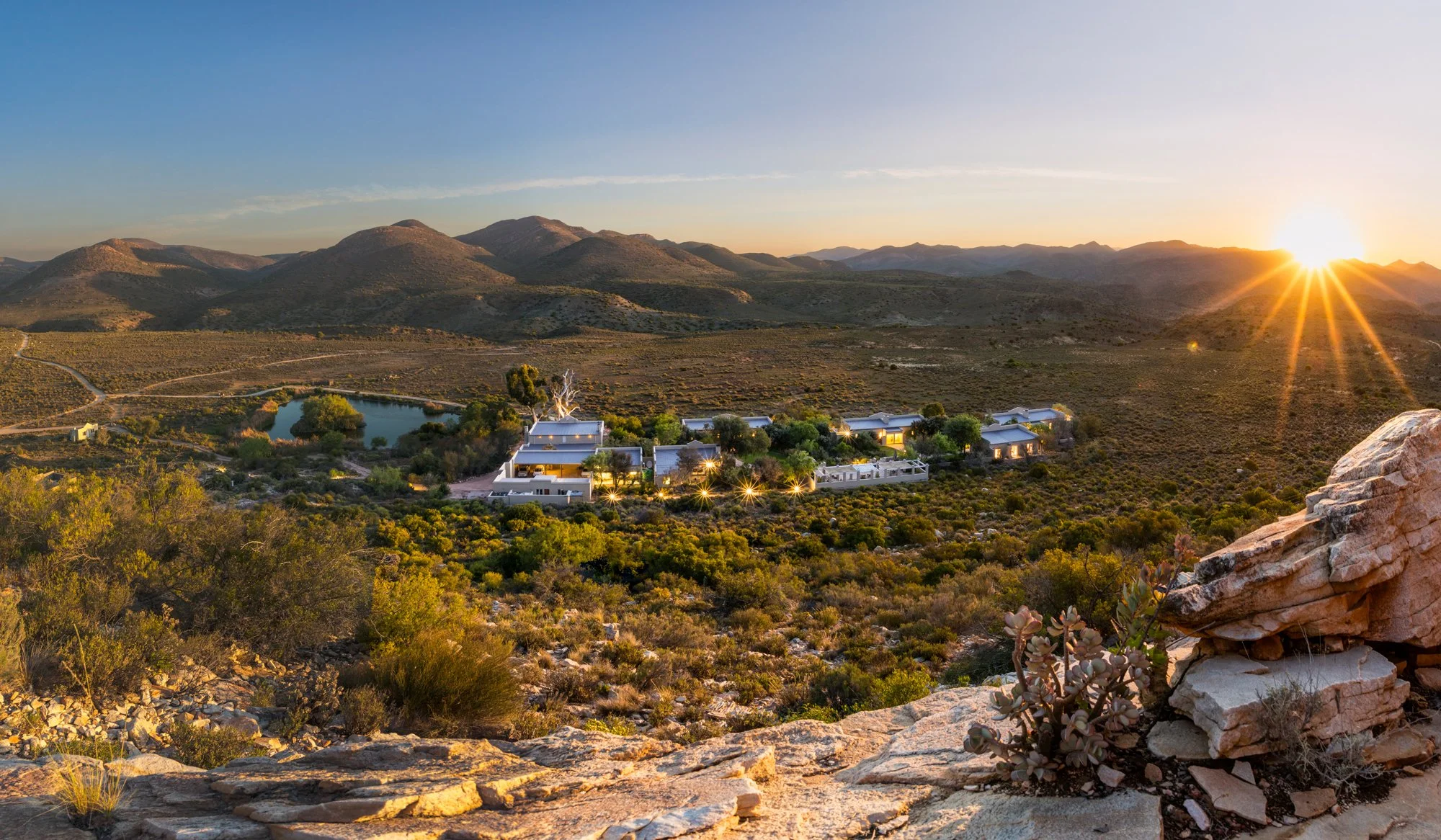
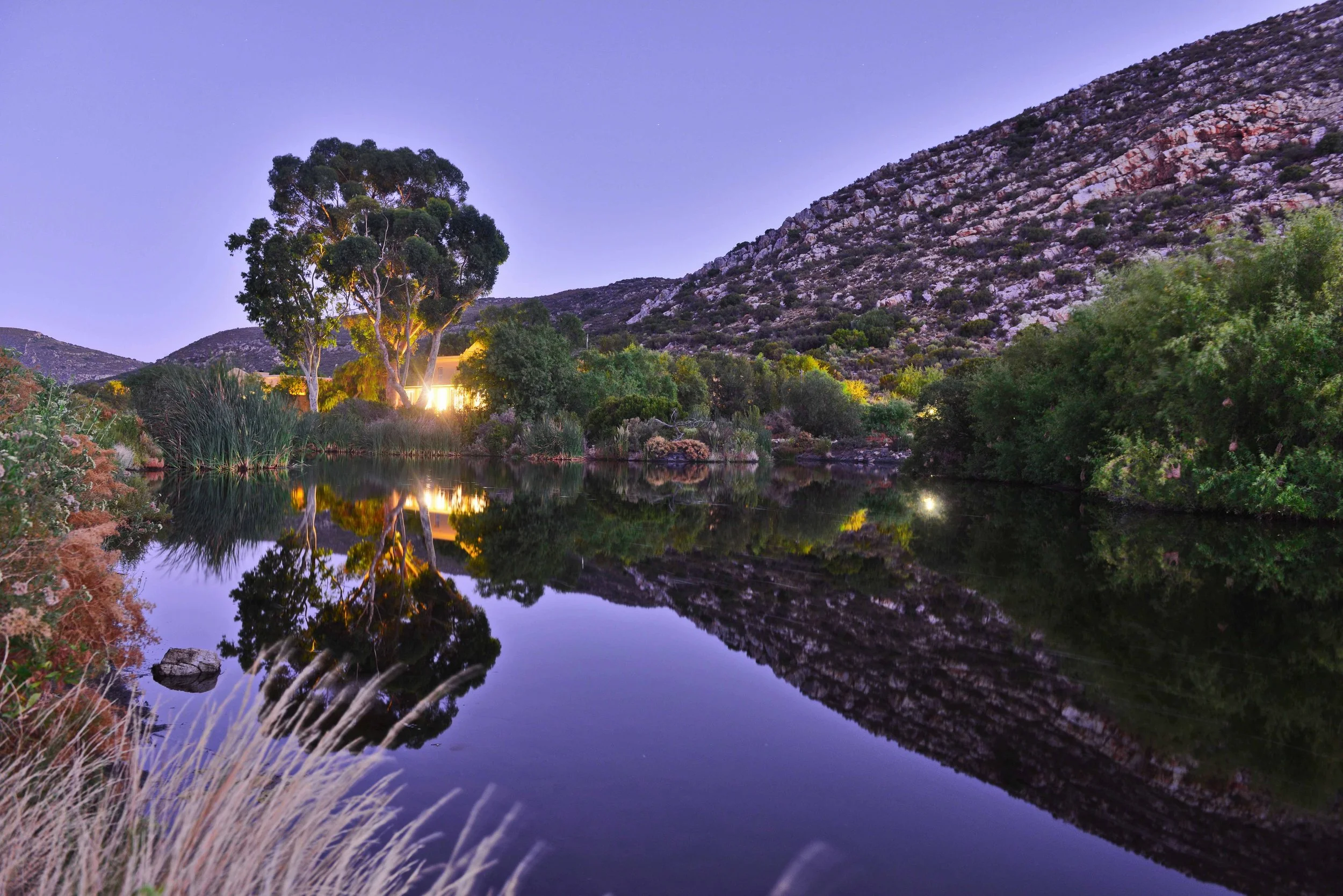
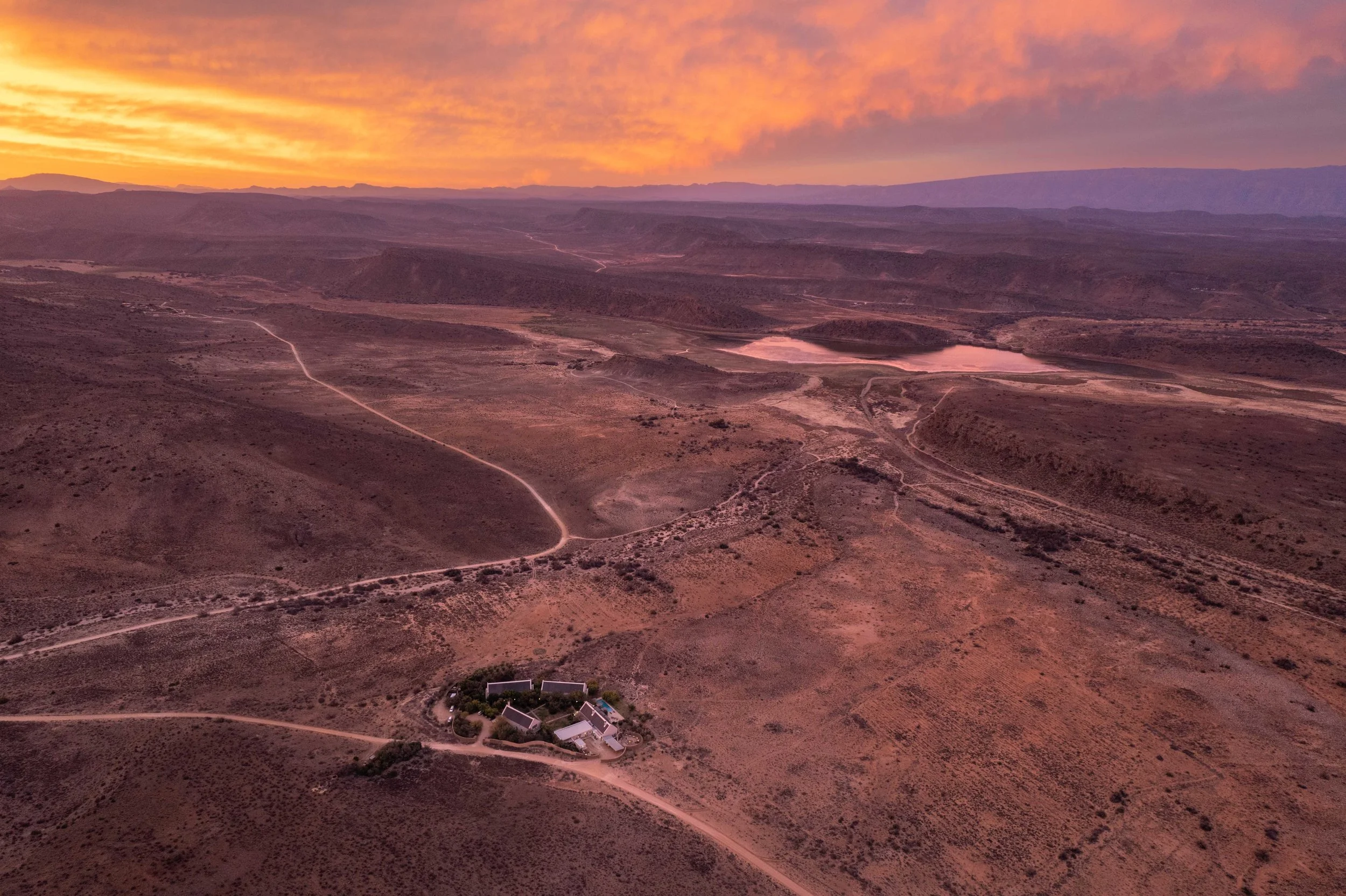
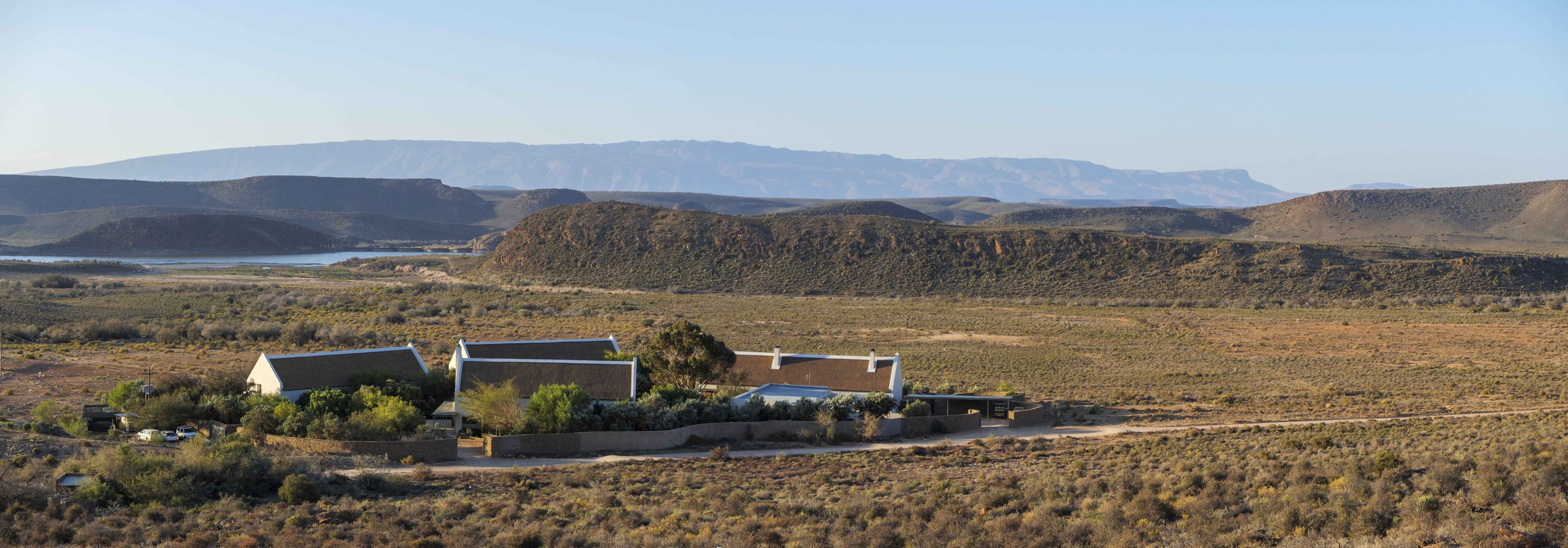
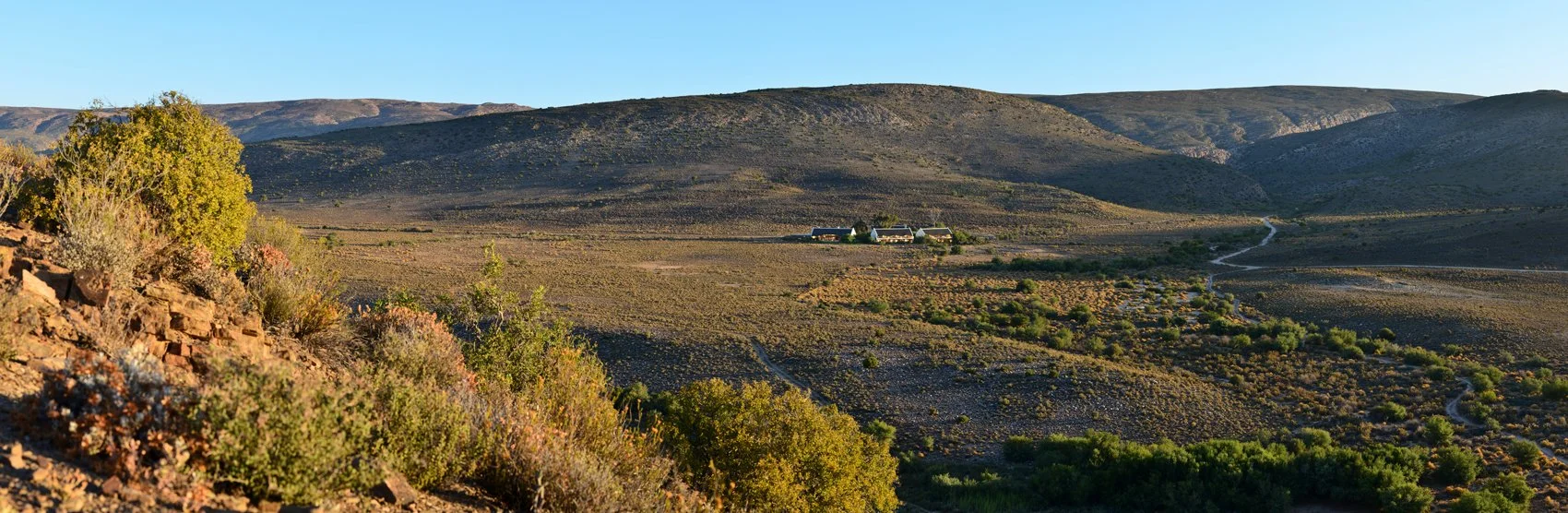
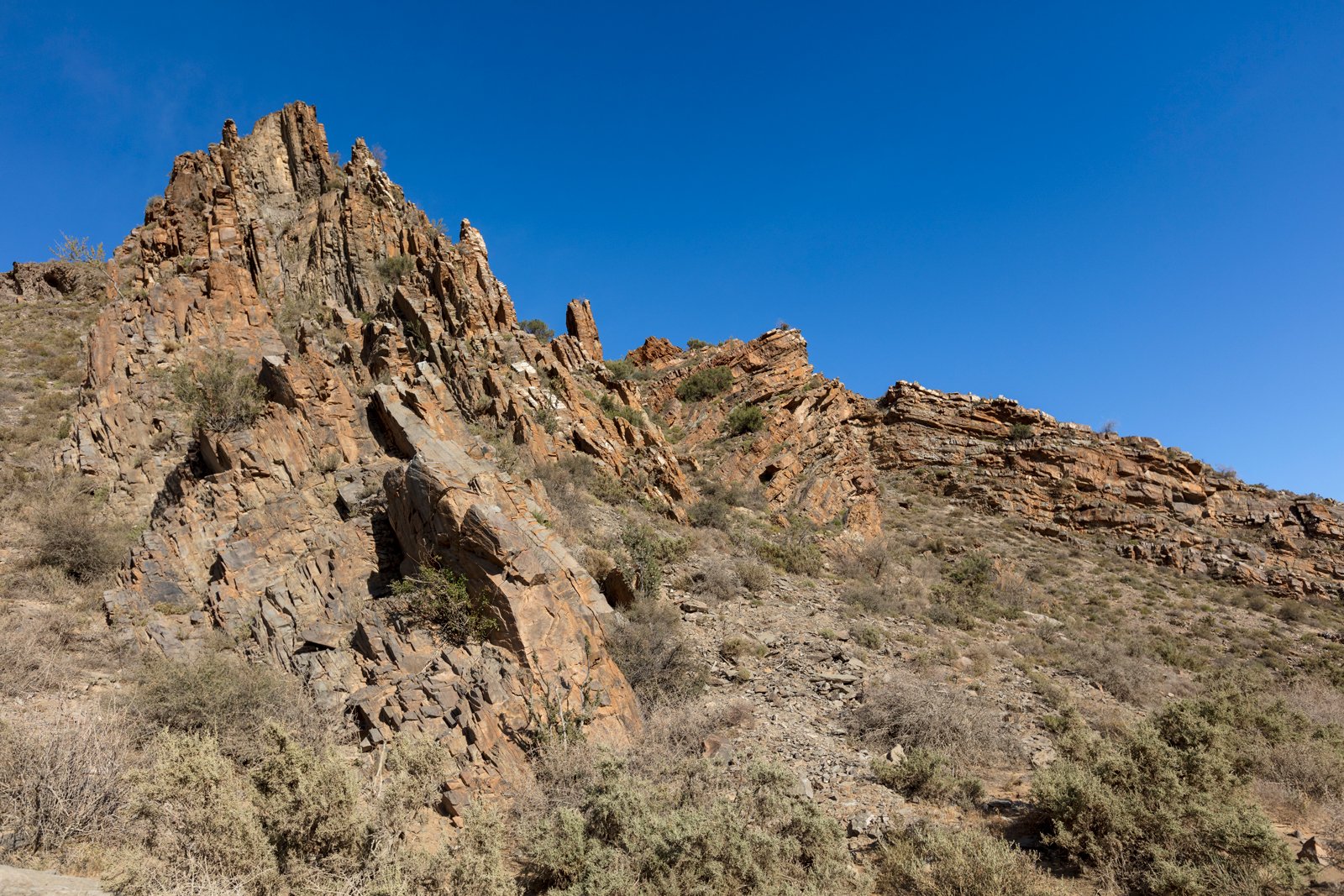
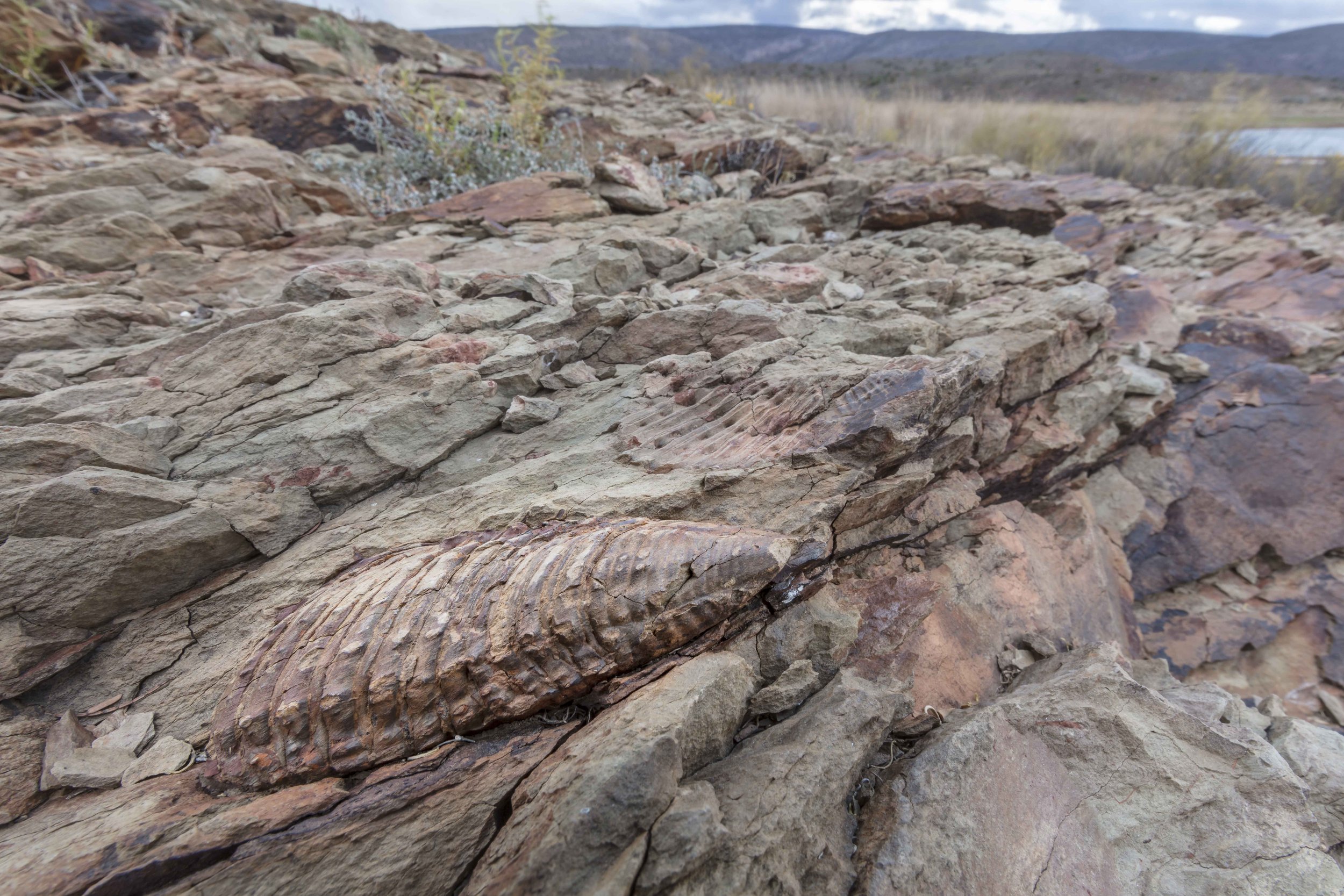
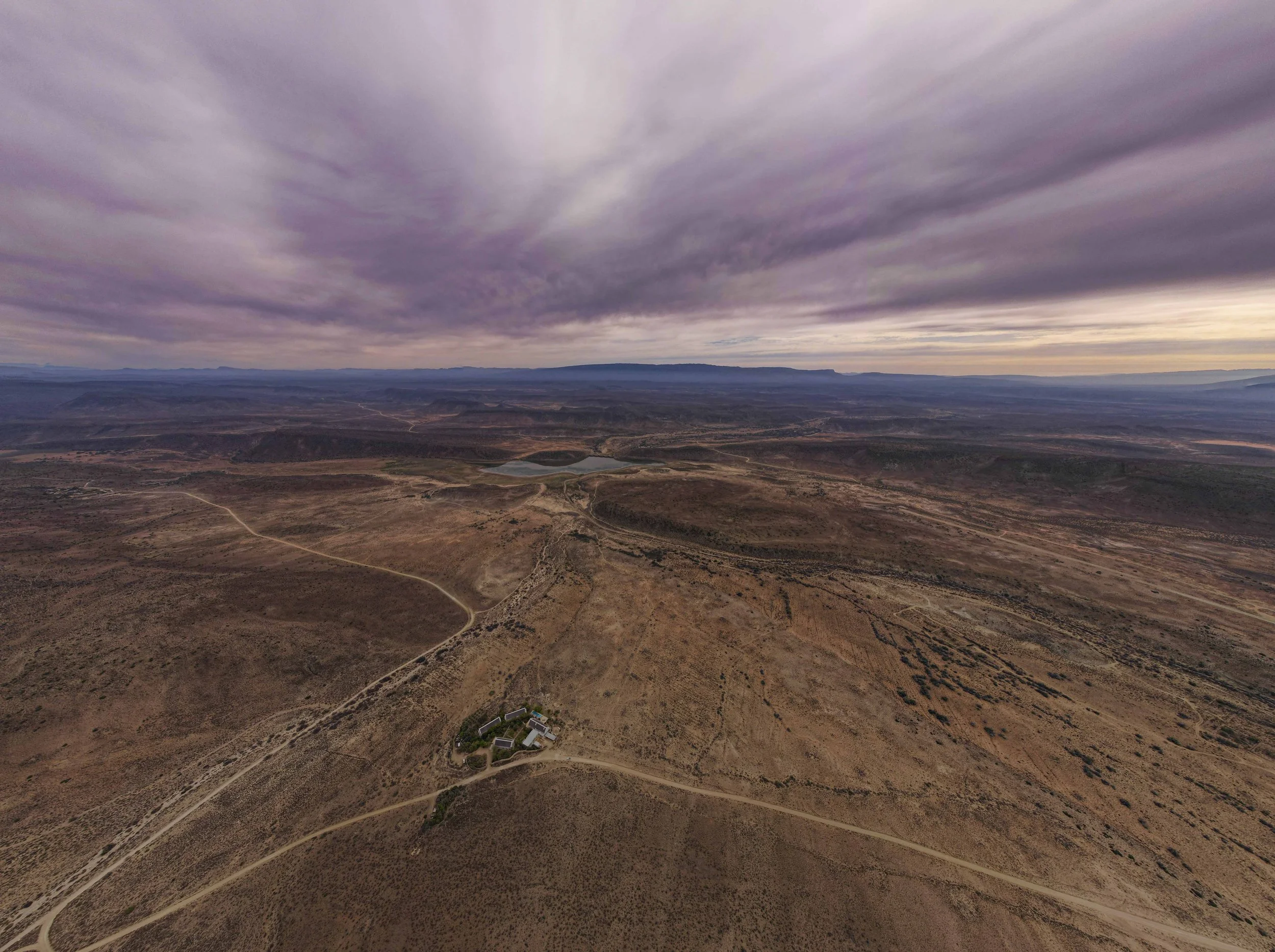
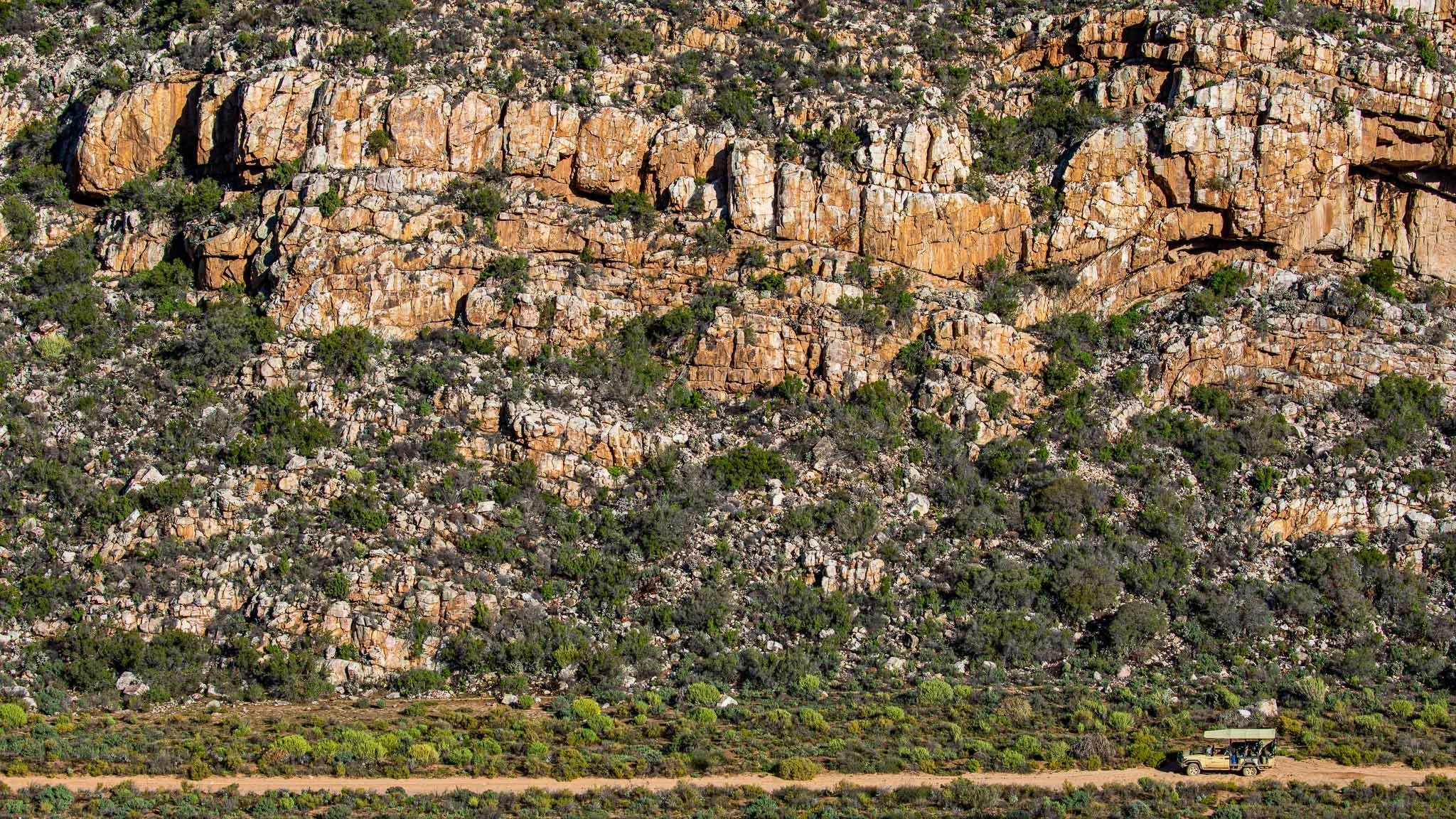
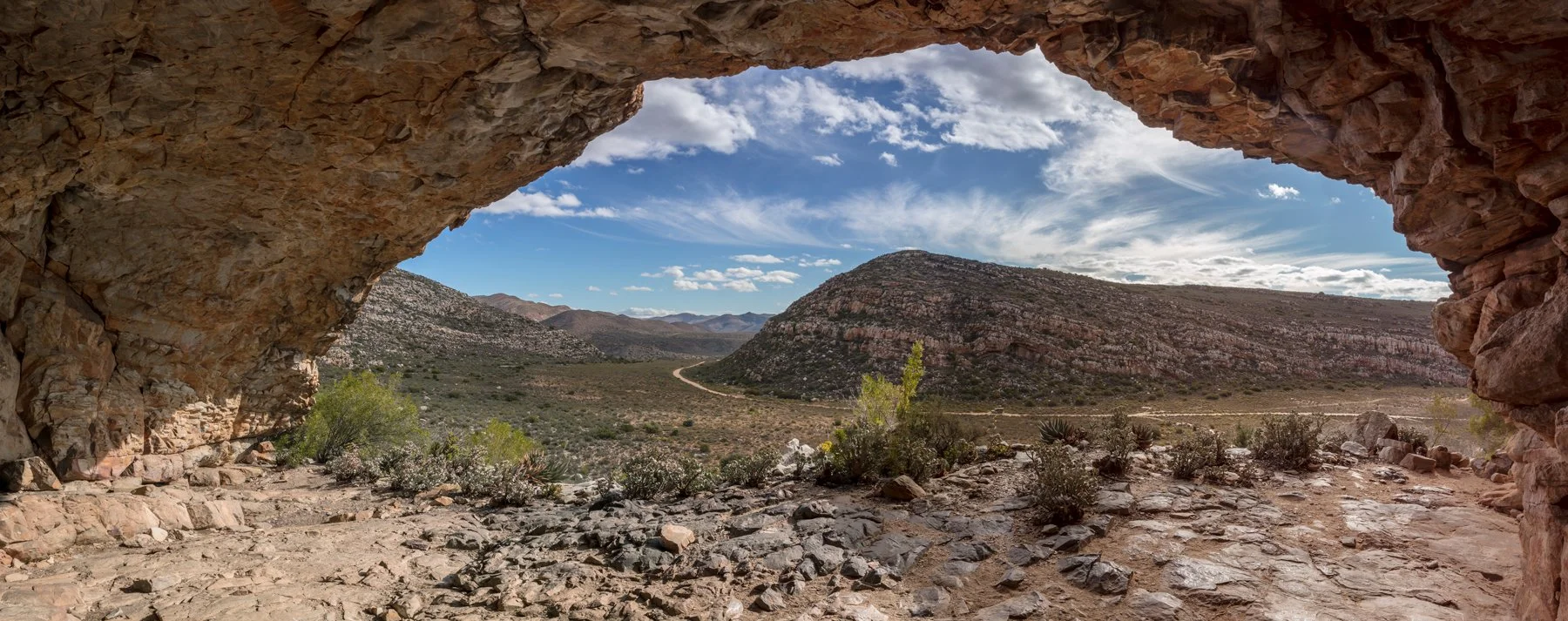
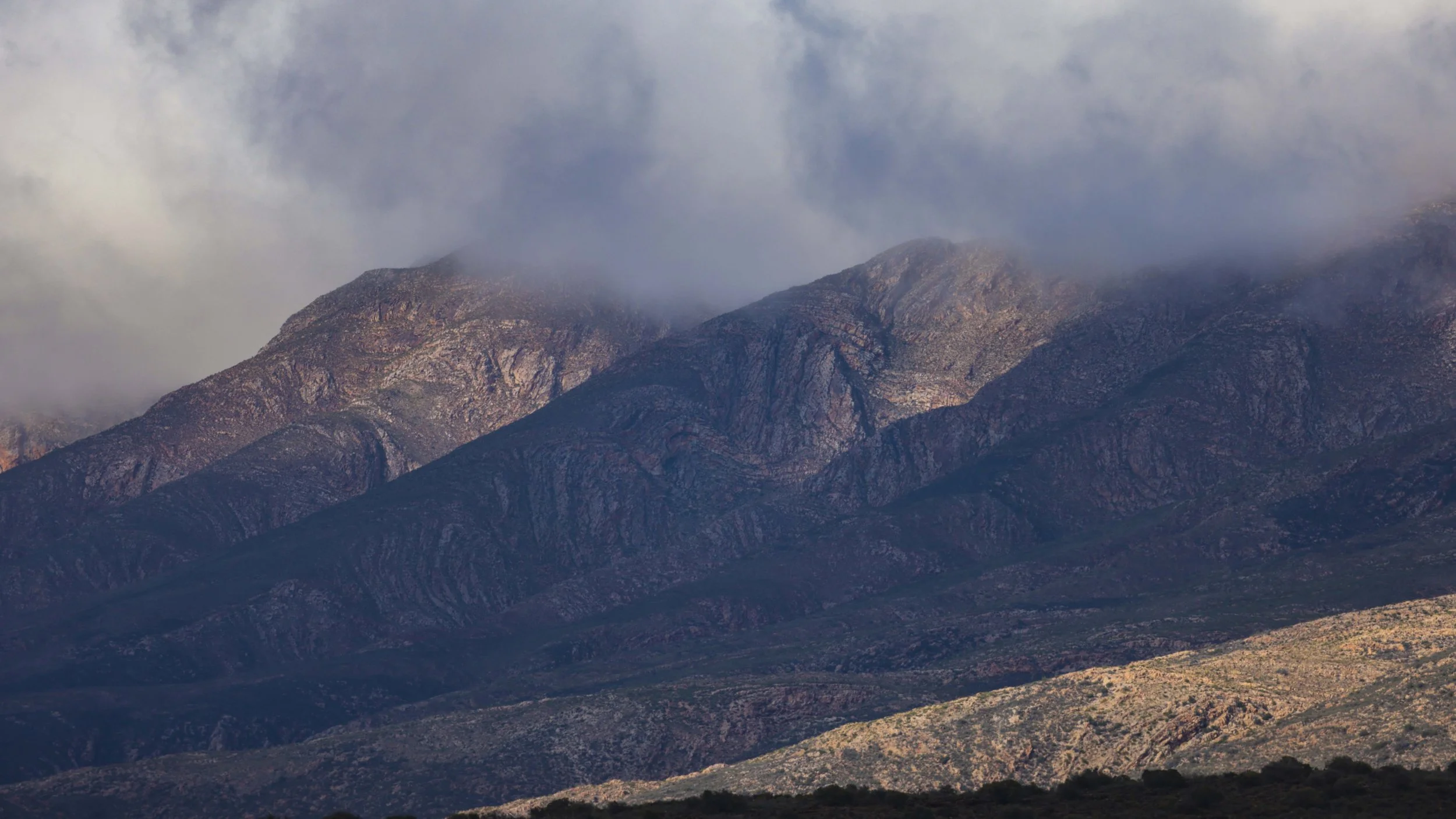
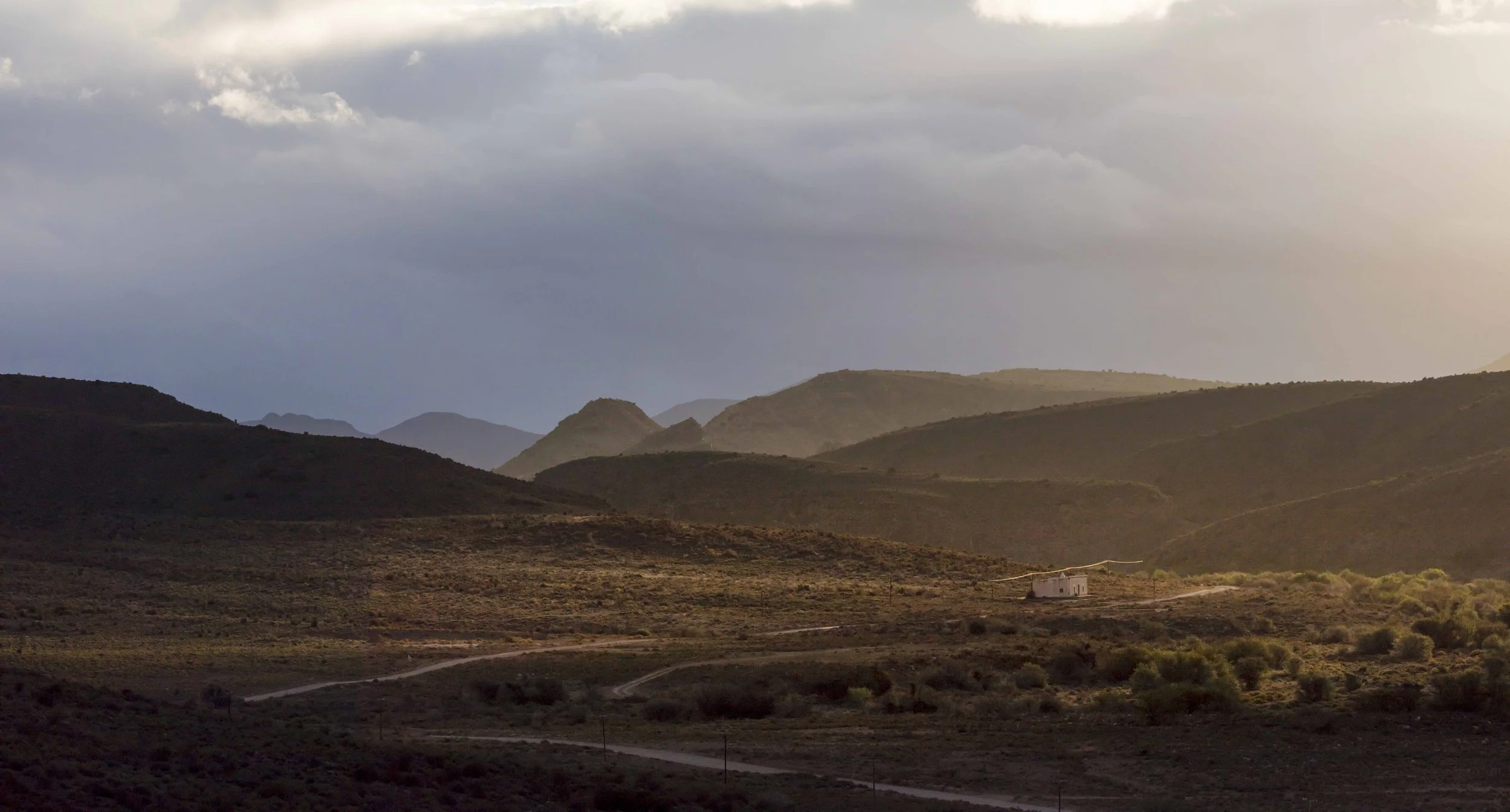
Sanbona Wildlife Reserve unfolds across 62,000 hectares of reclaimed farmland in the heart of the Little Karoo, set between Montagu and Barrydale along the iconic Route 62. The landscape is shaped by the Warmwaterberg Mountains and the ancient Cape Fold Mountains, some of the oldest geological formations on earth. This is a place where time feels stretched, etched into stone, valleys, and wide plains that invite a slower way of seeing.
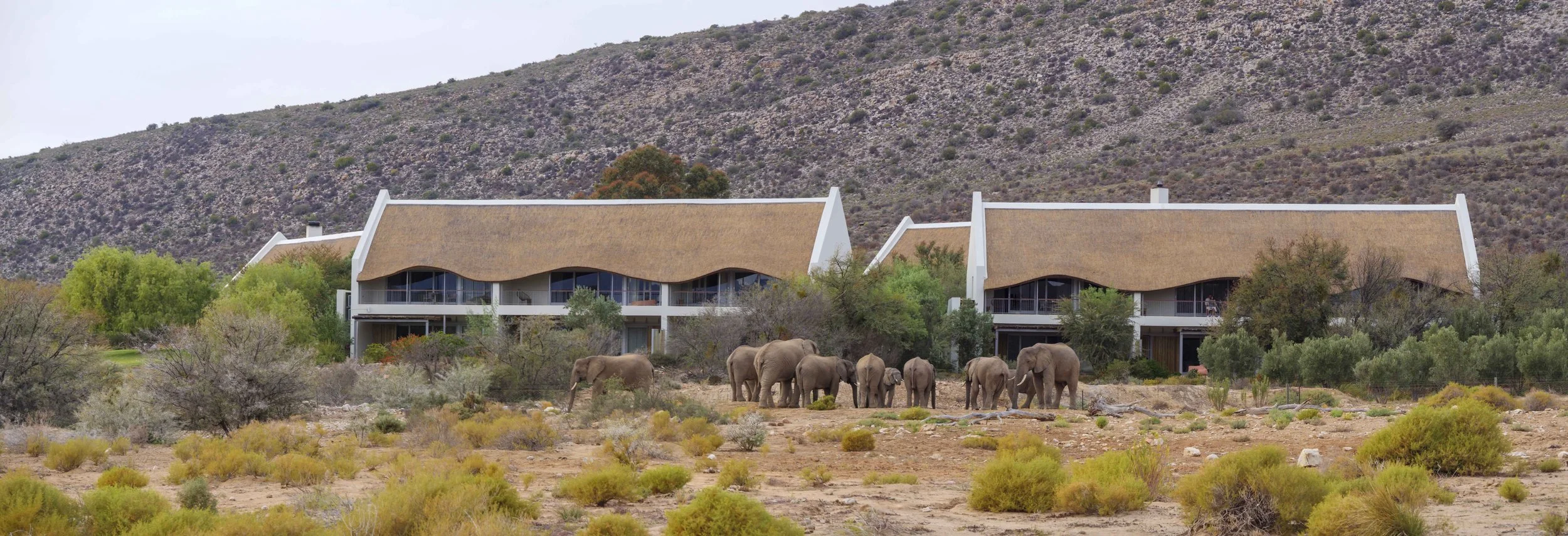
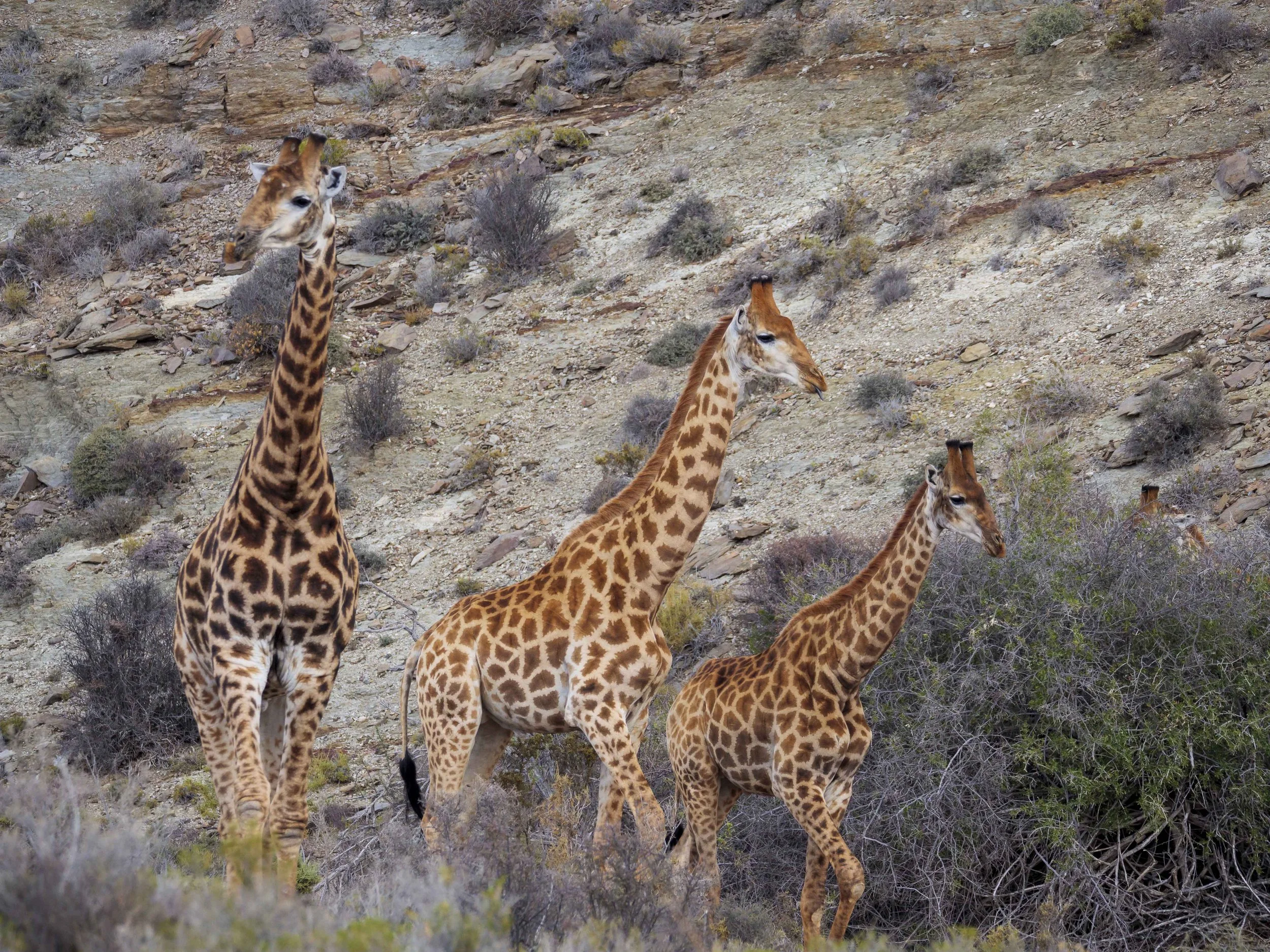
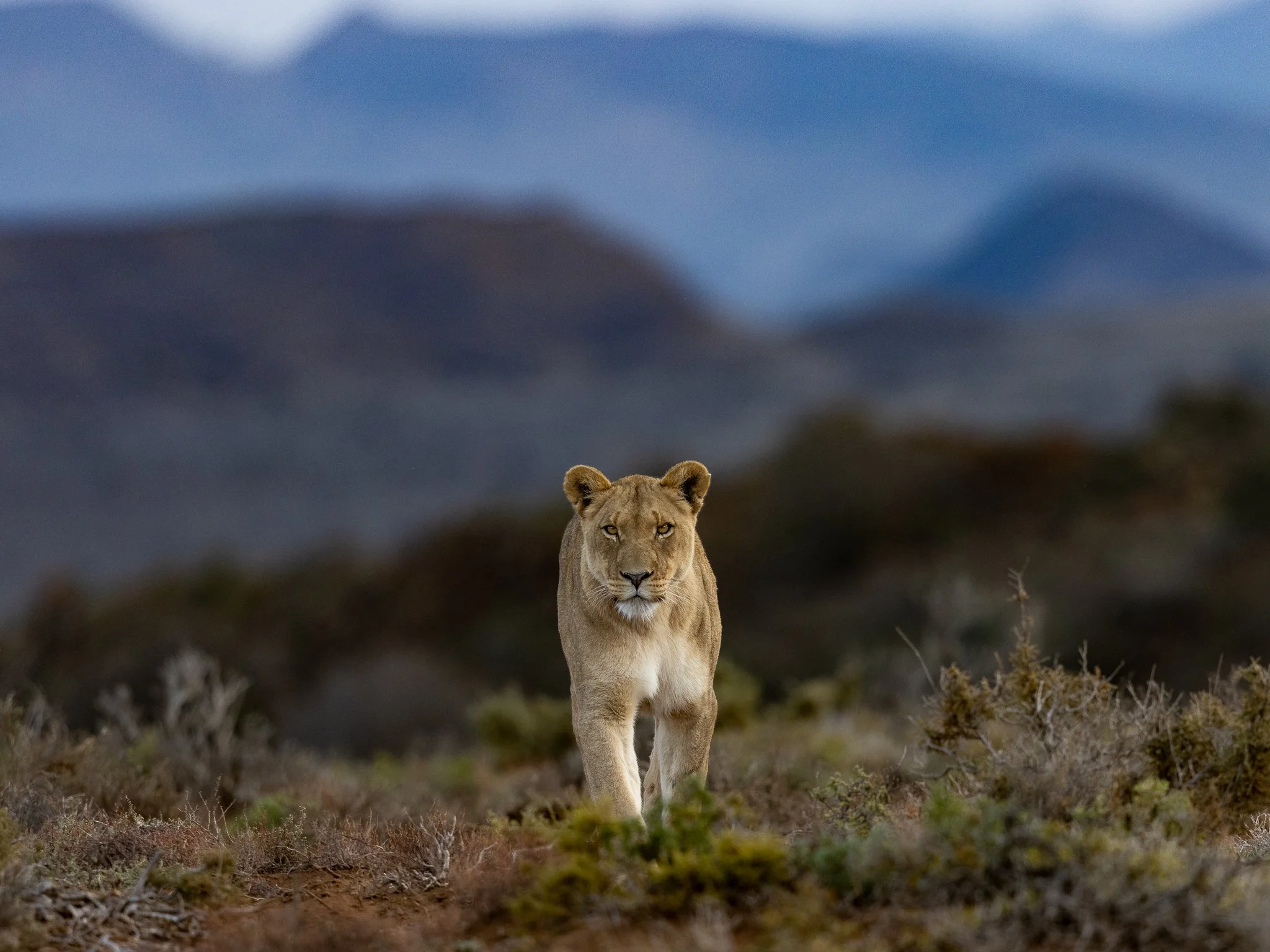
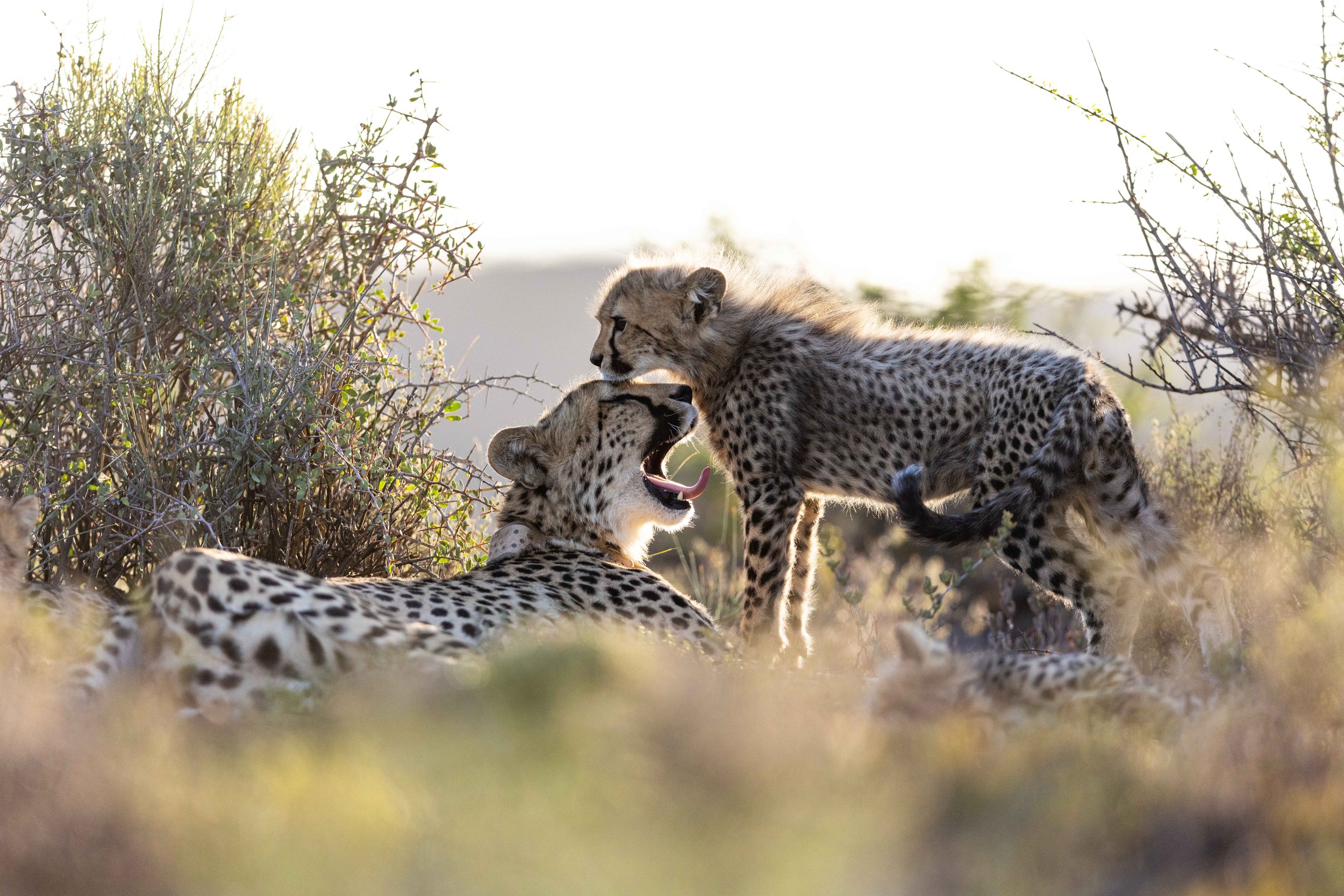
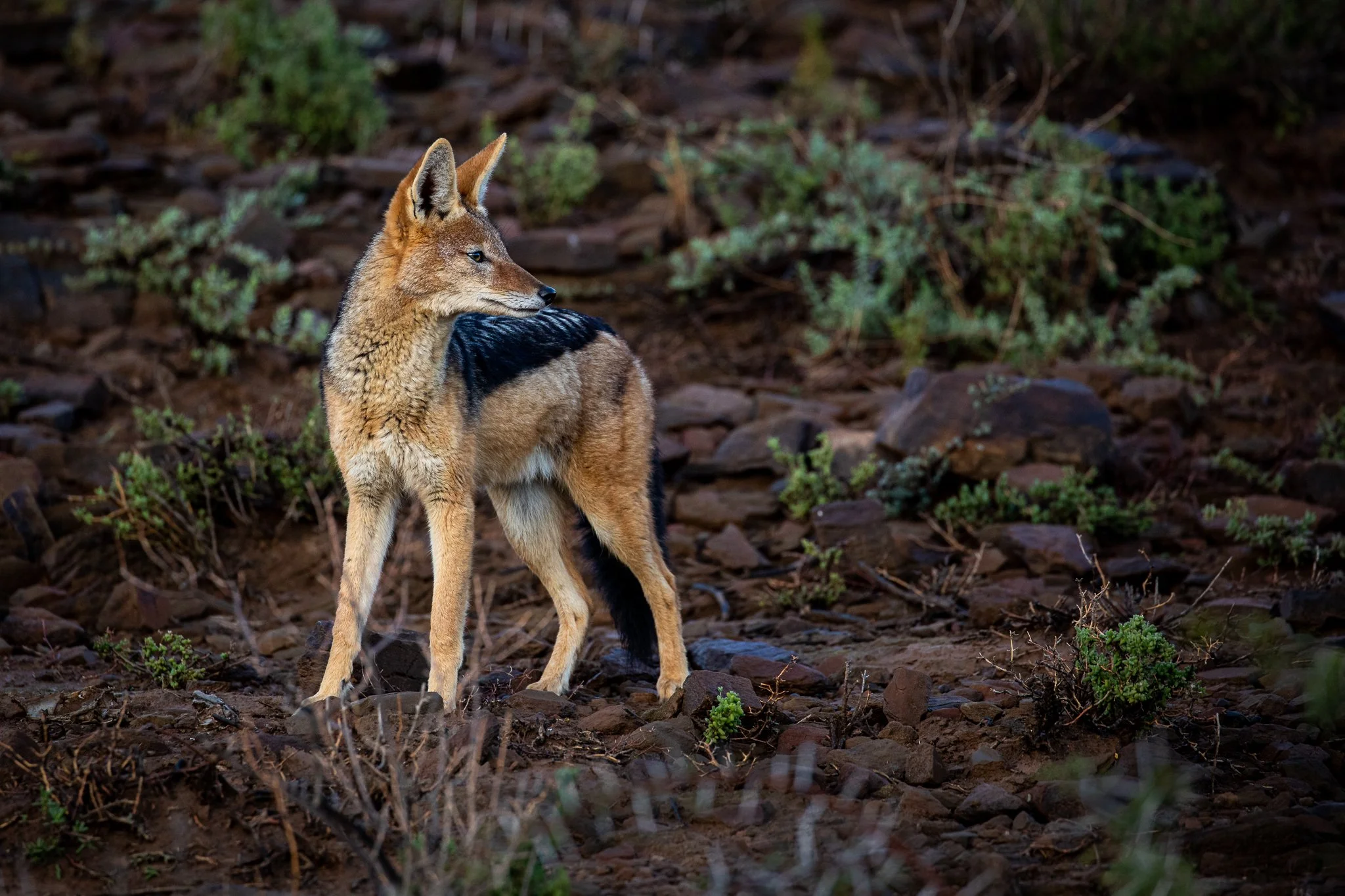
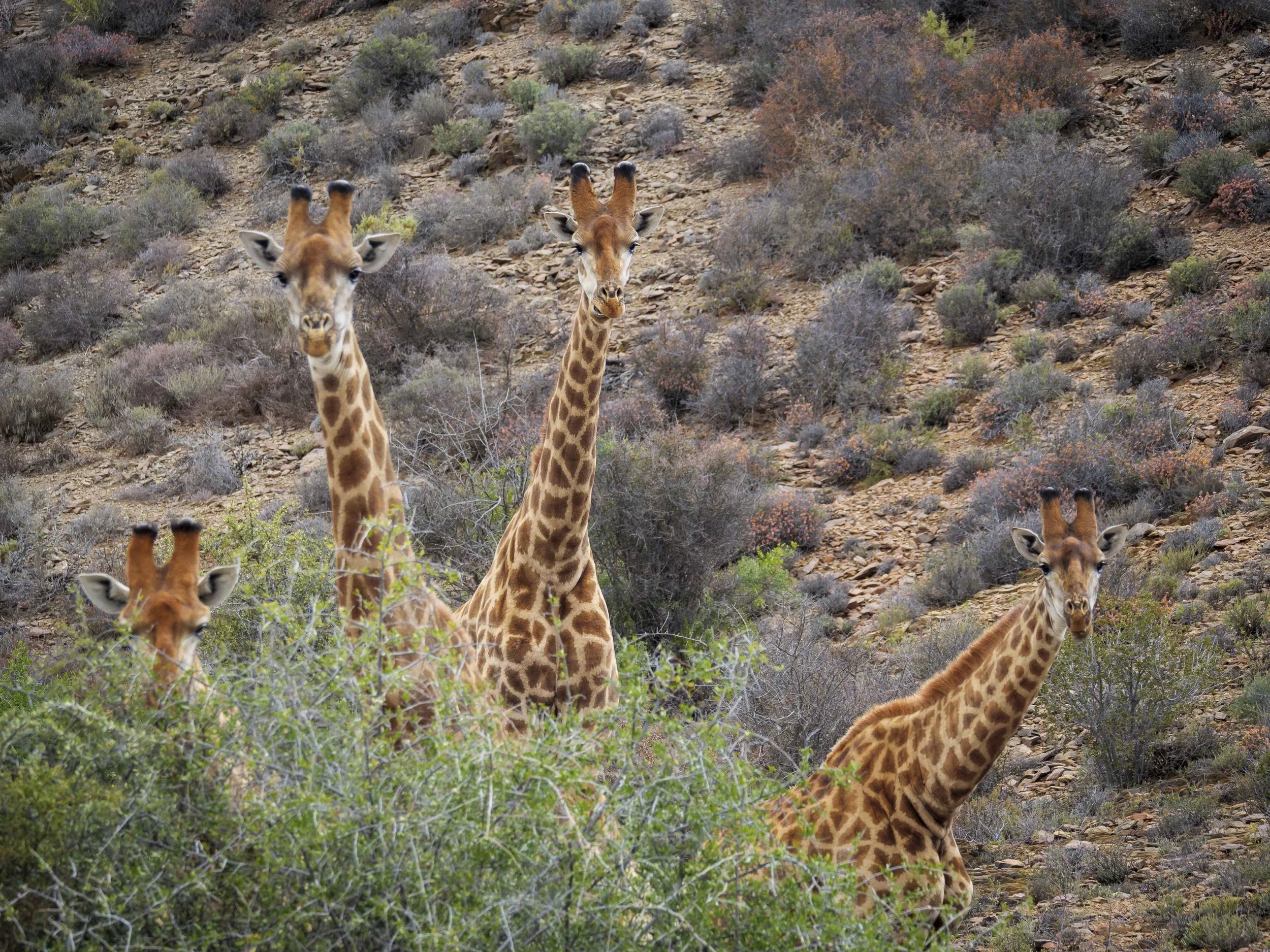
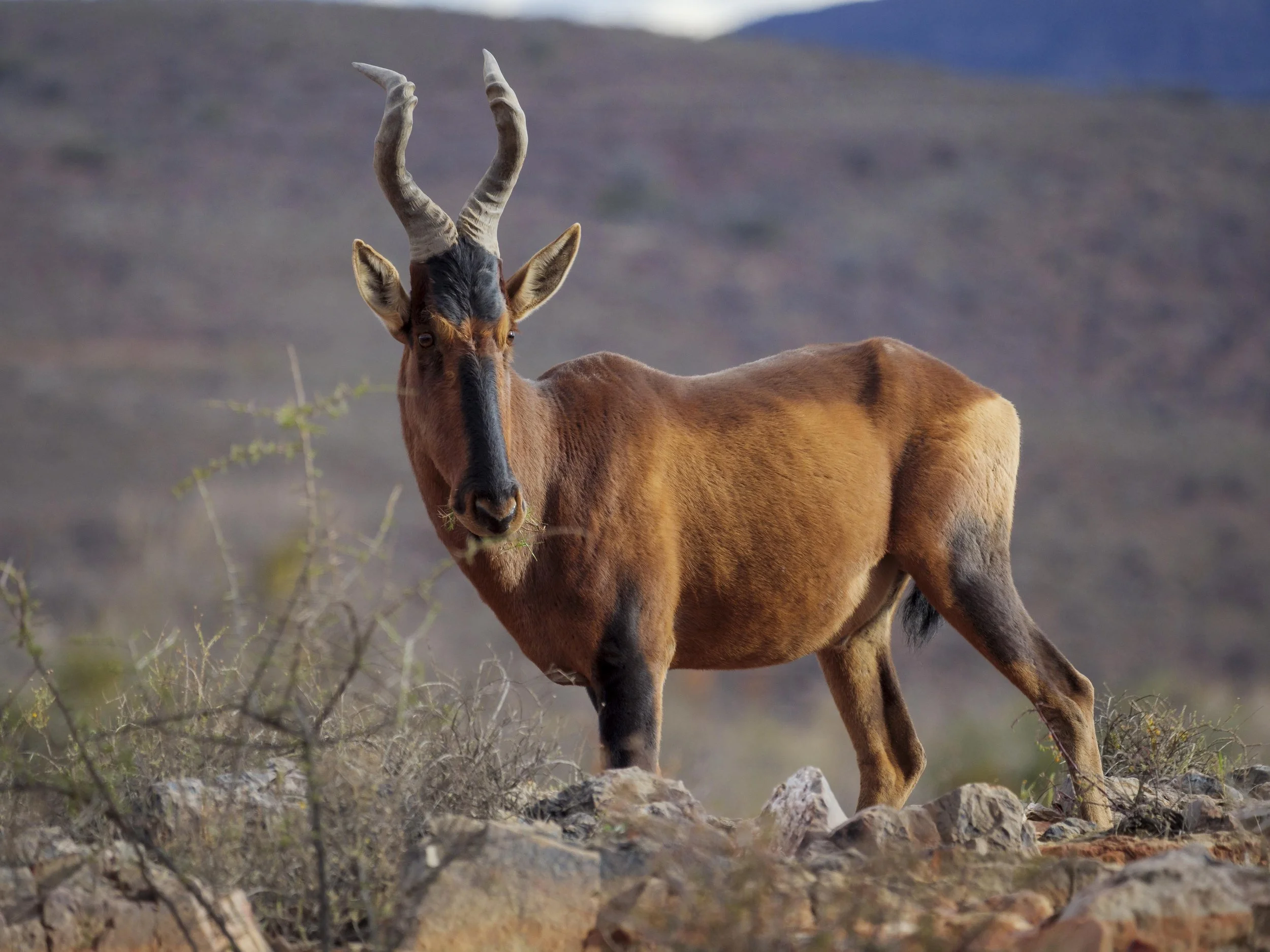
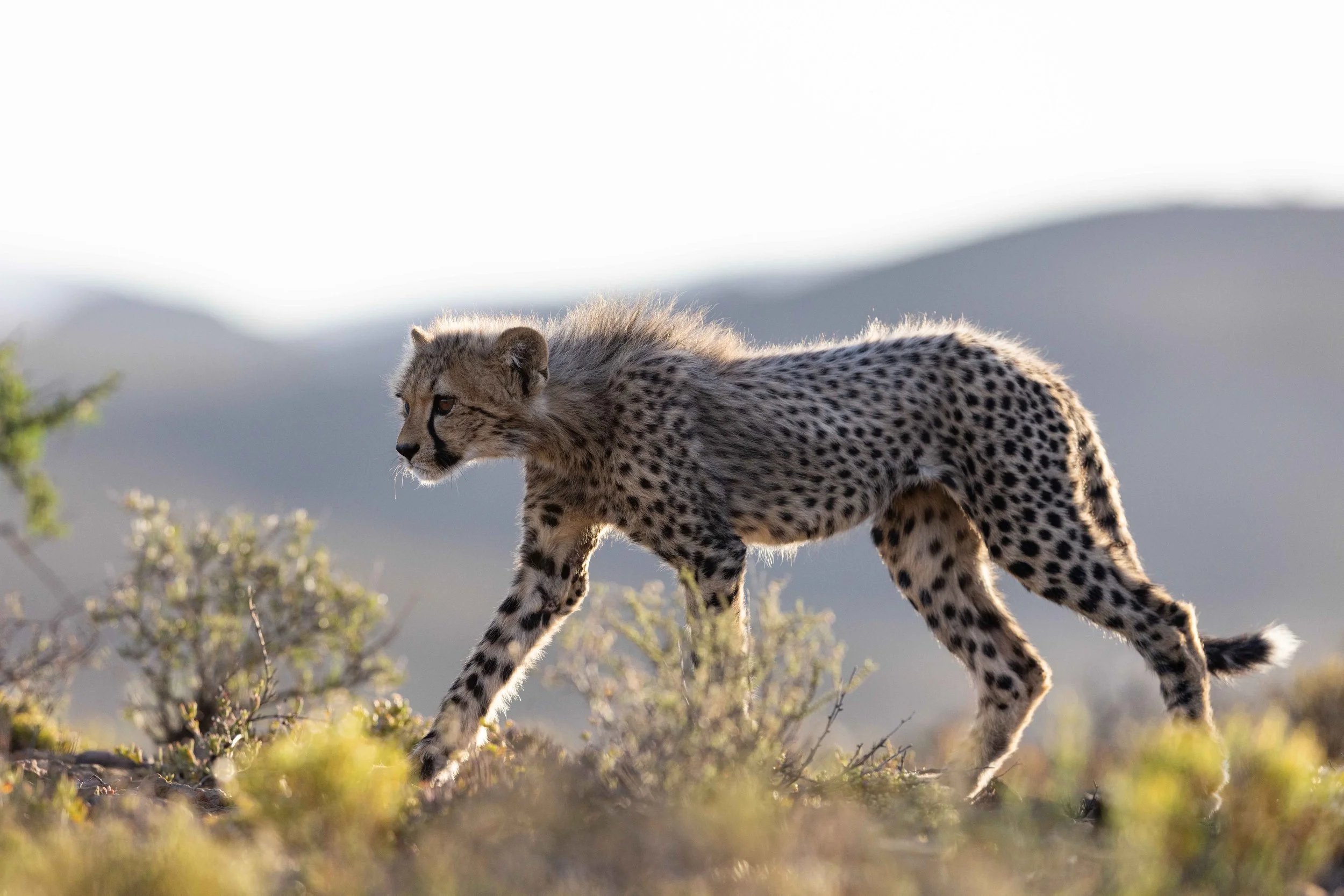
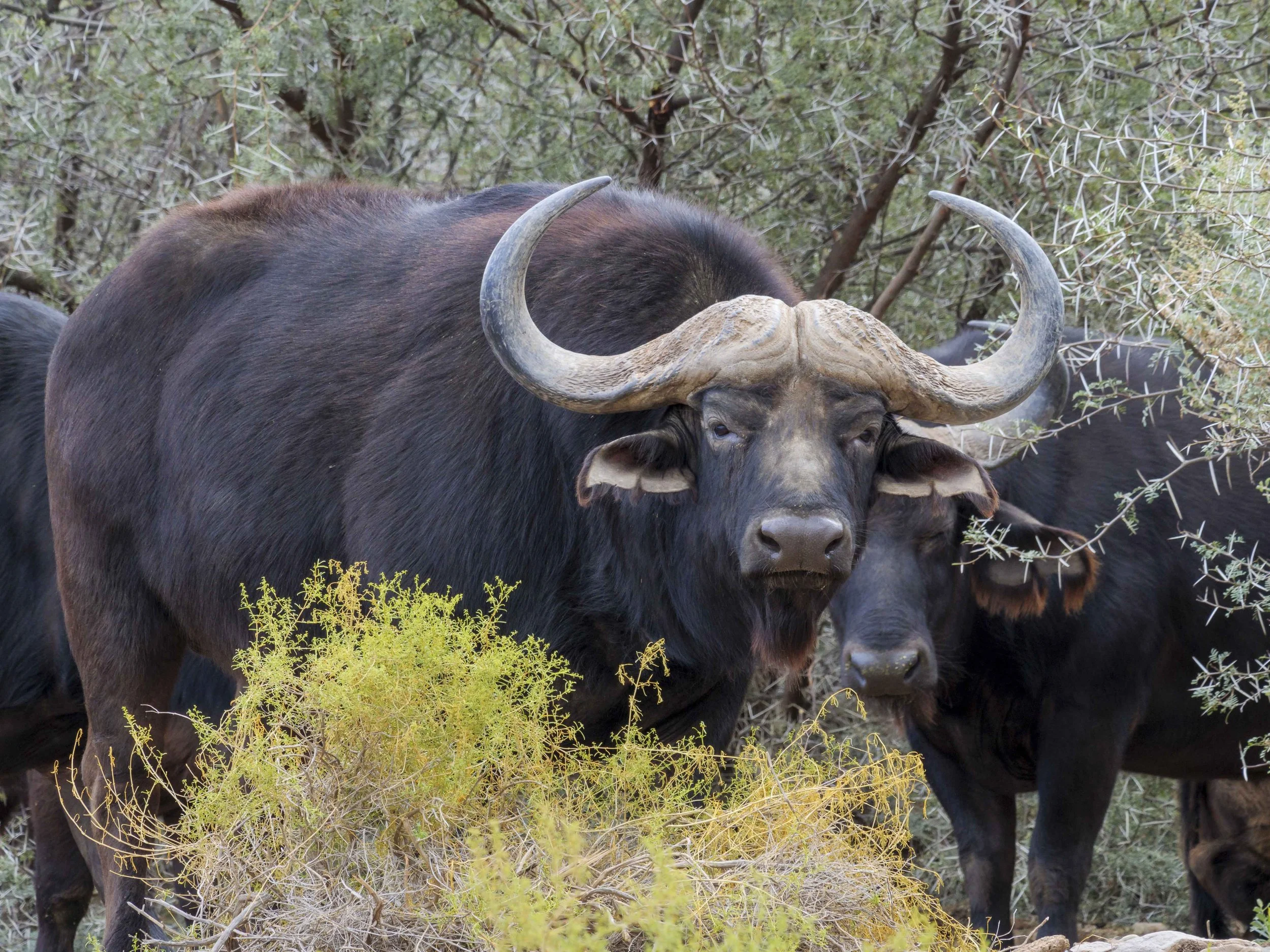
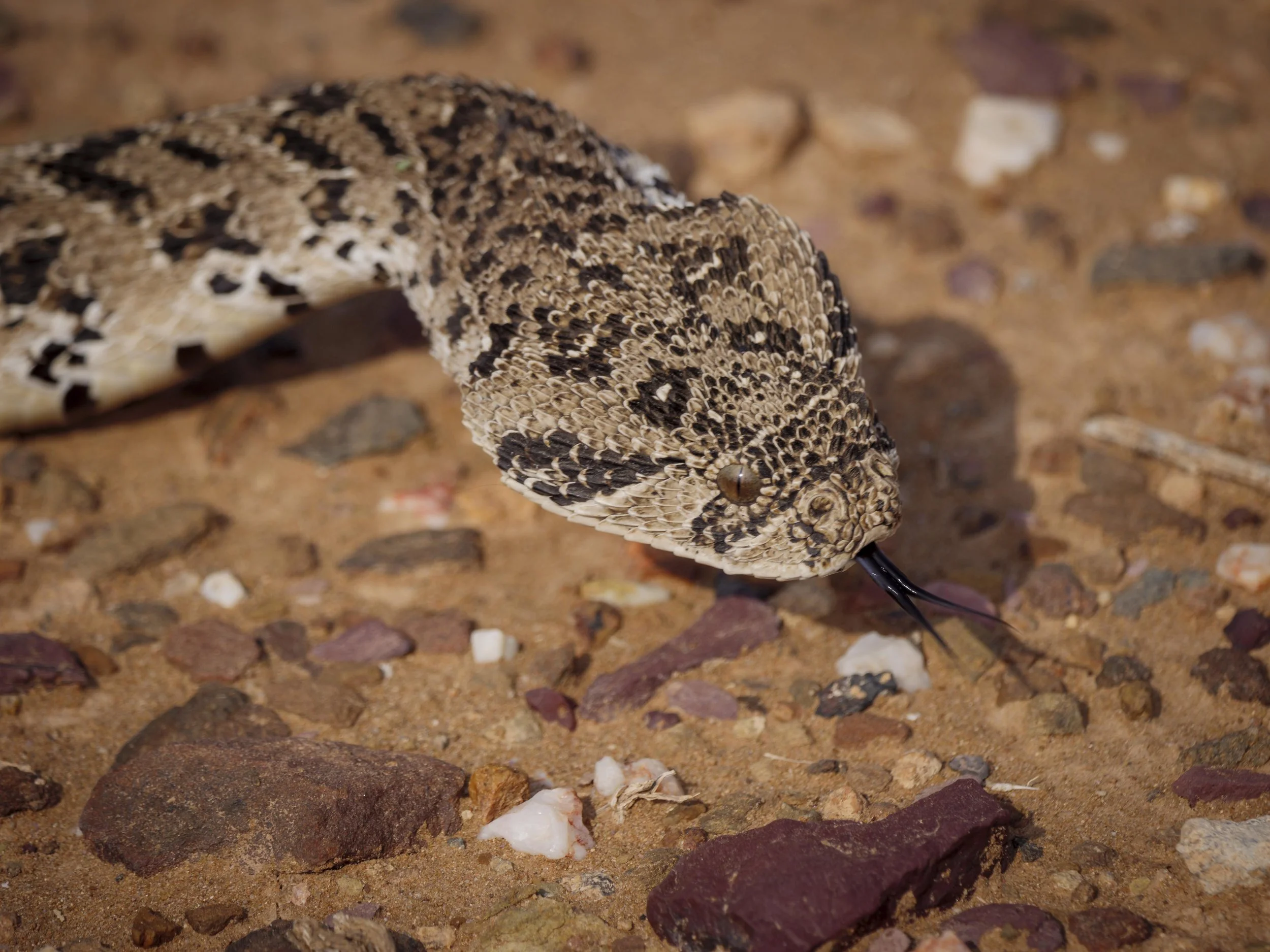
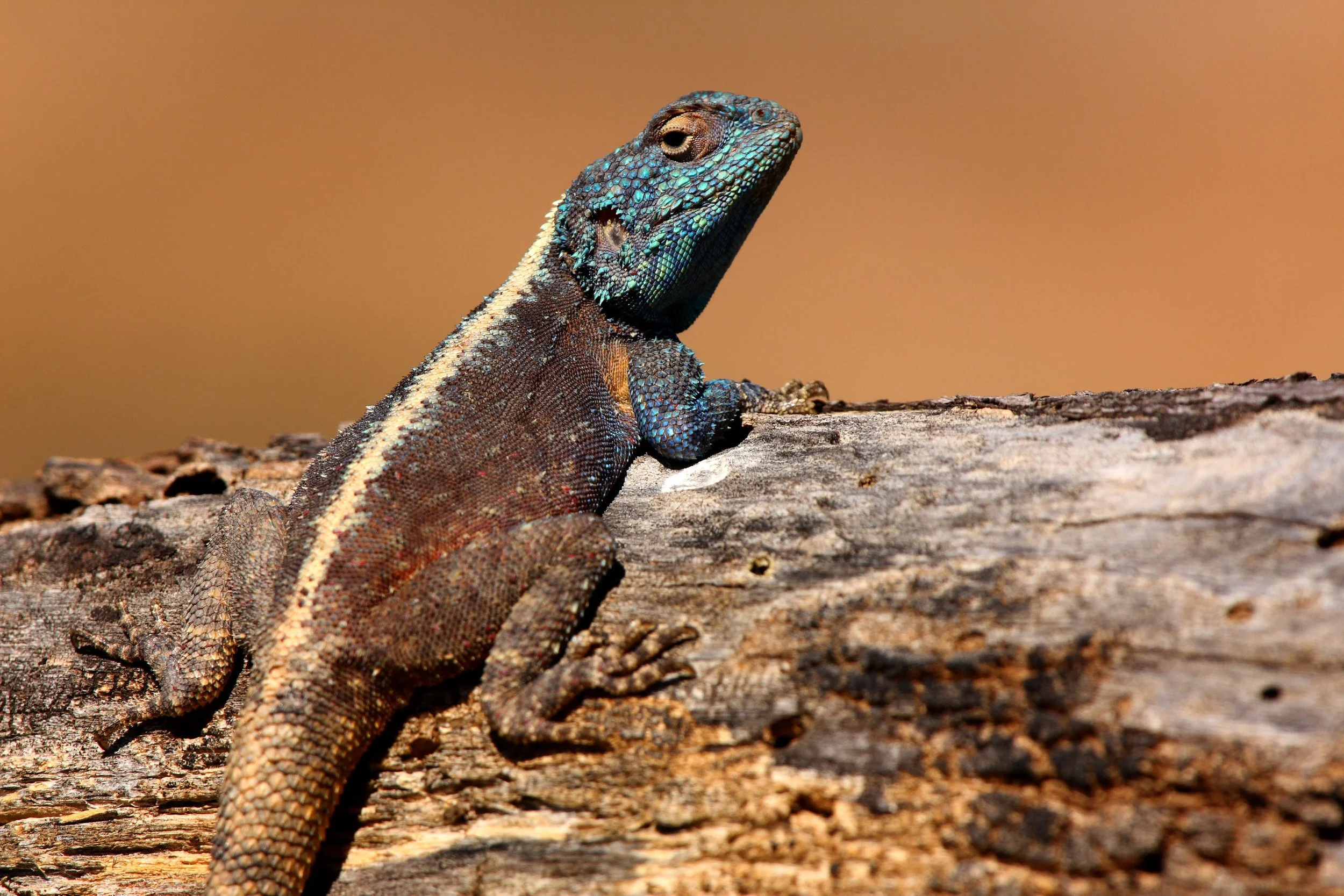
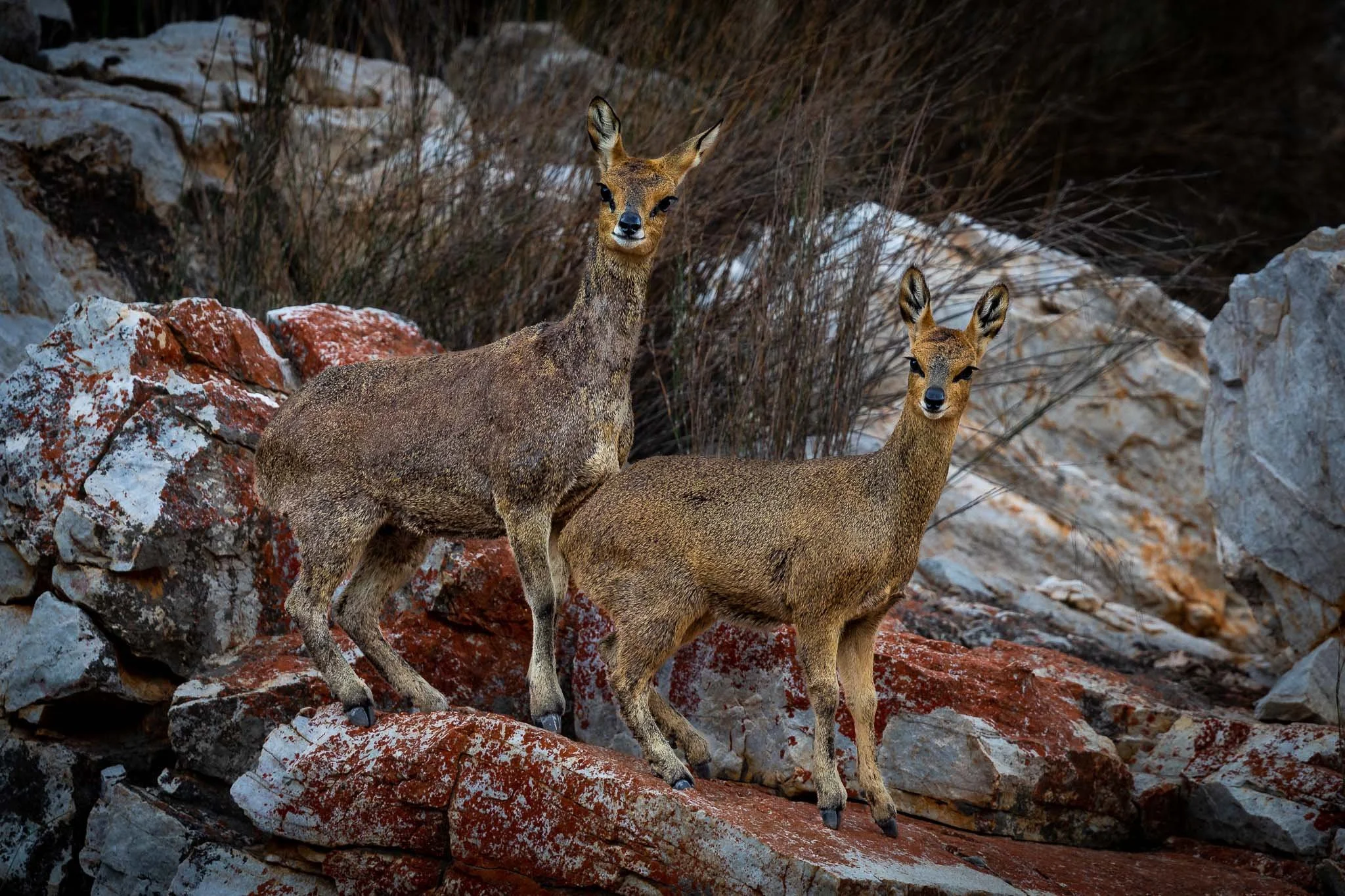
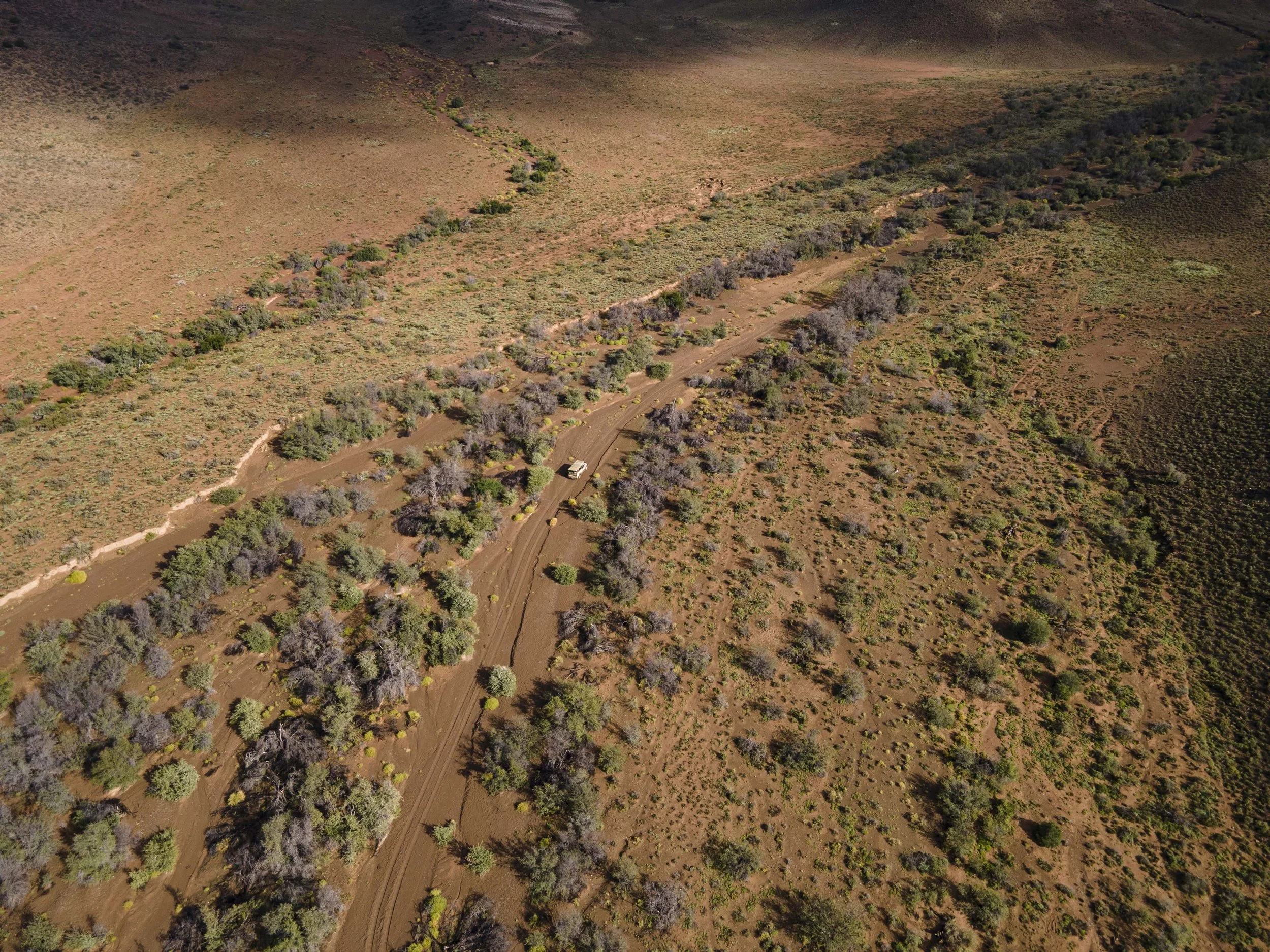
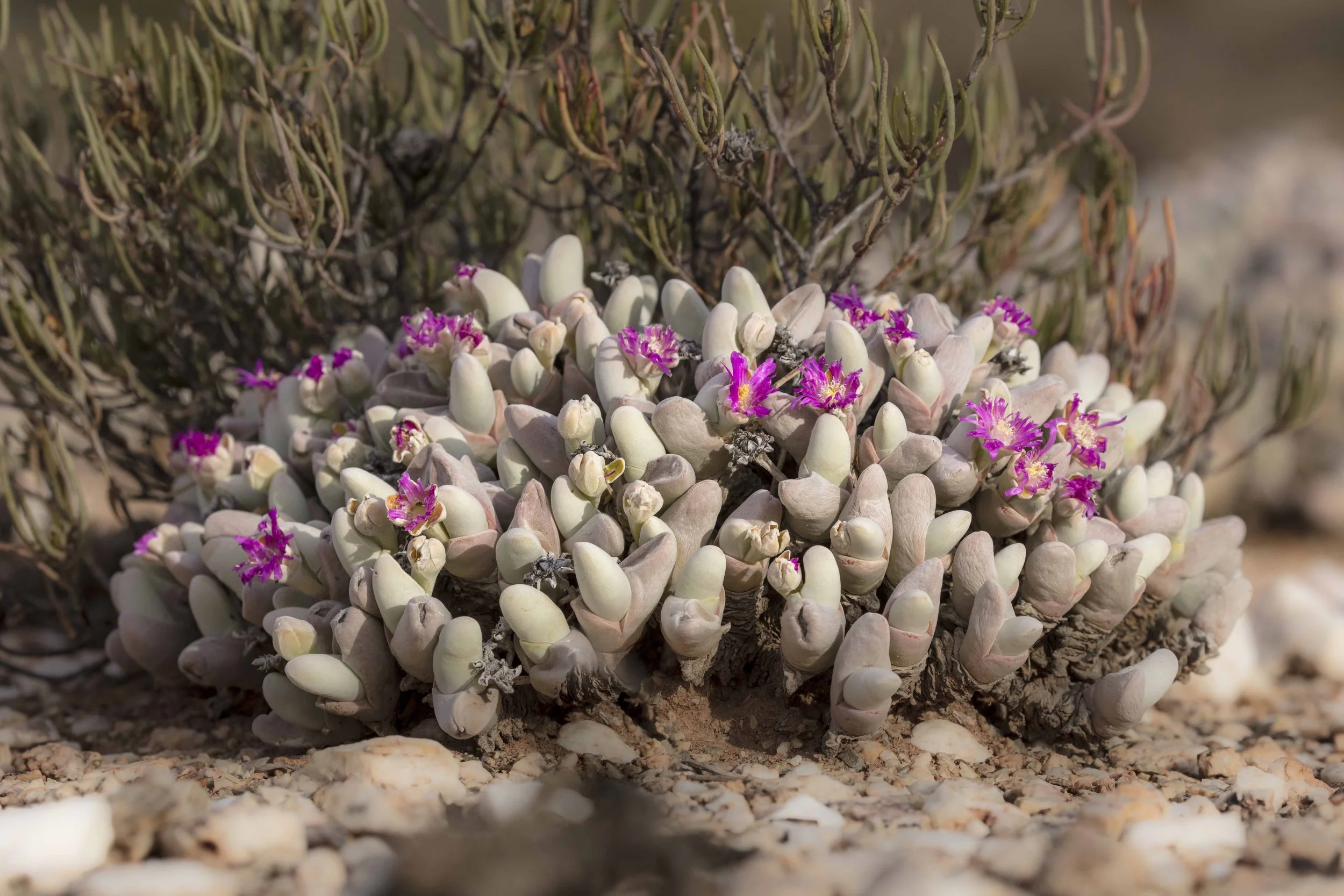
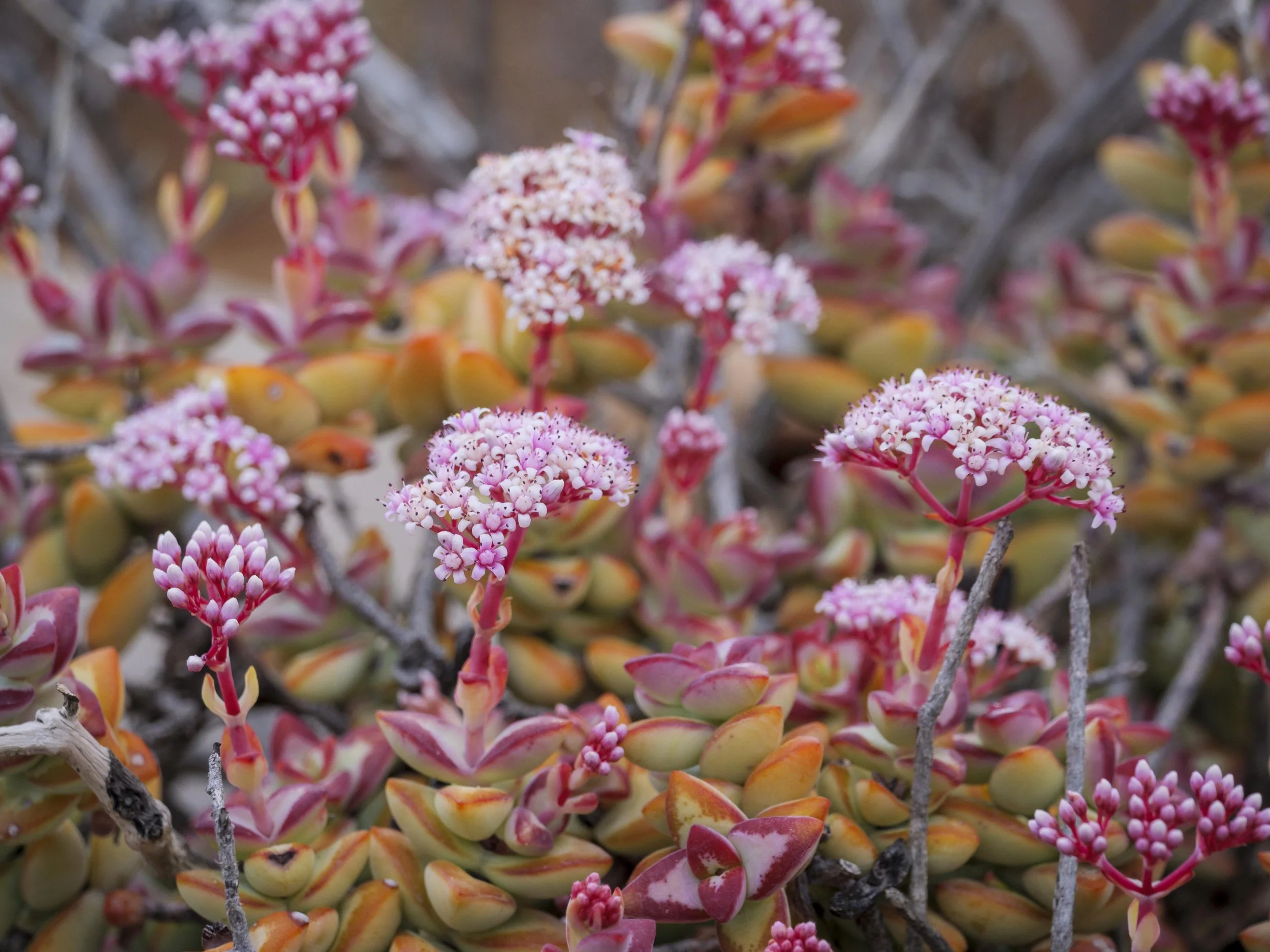
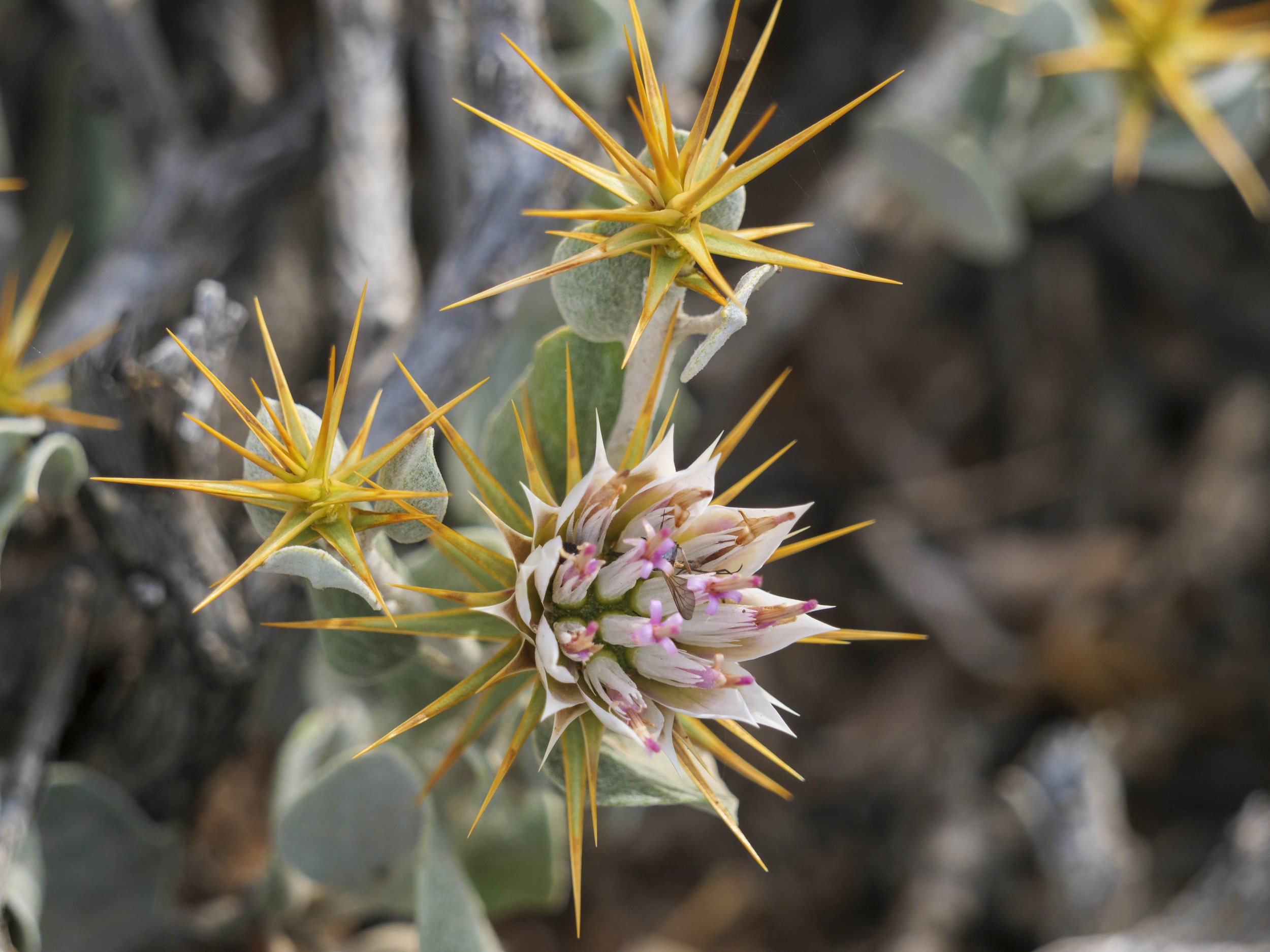
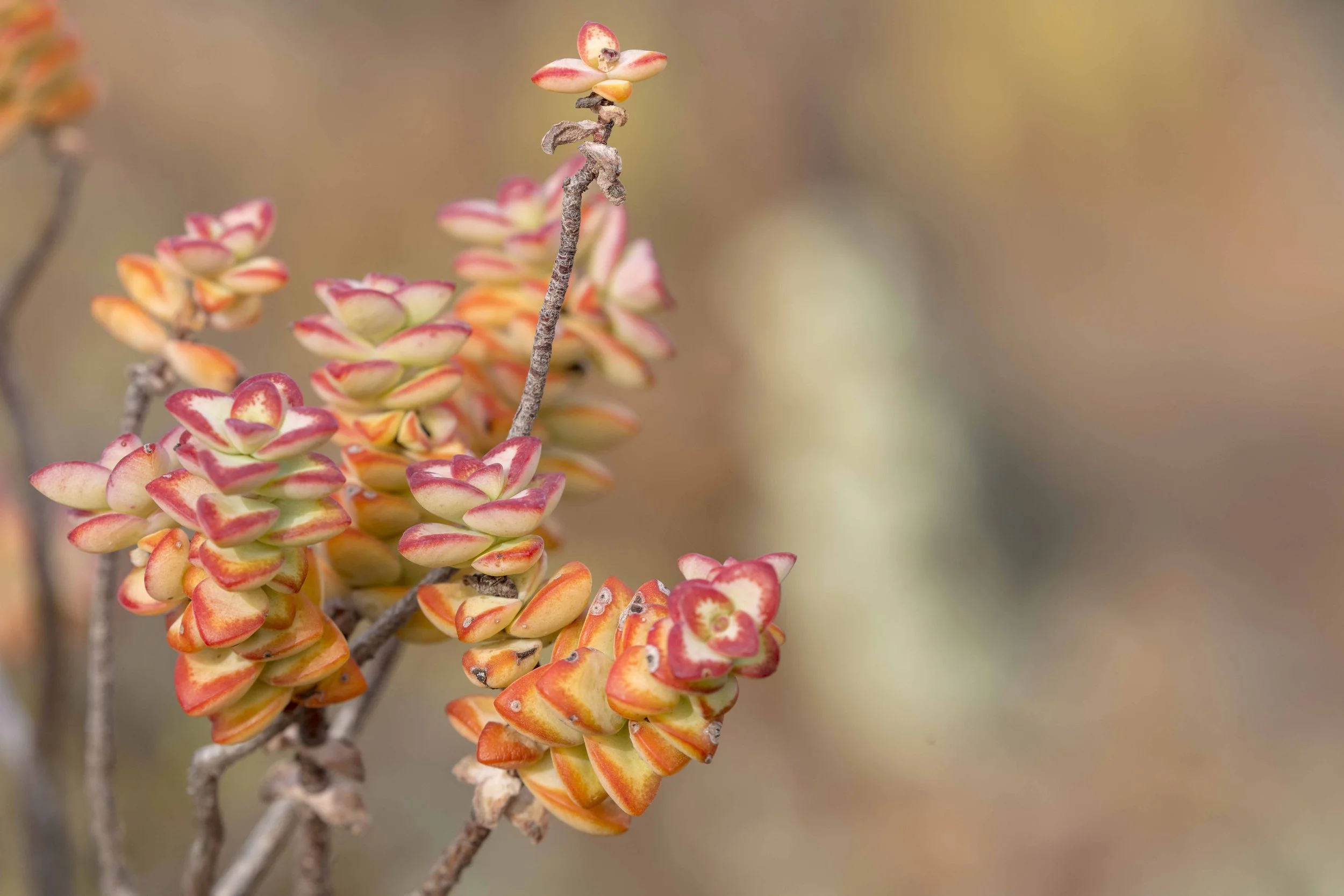
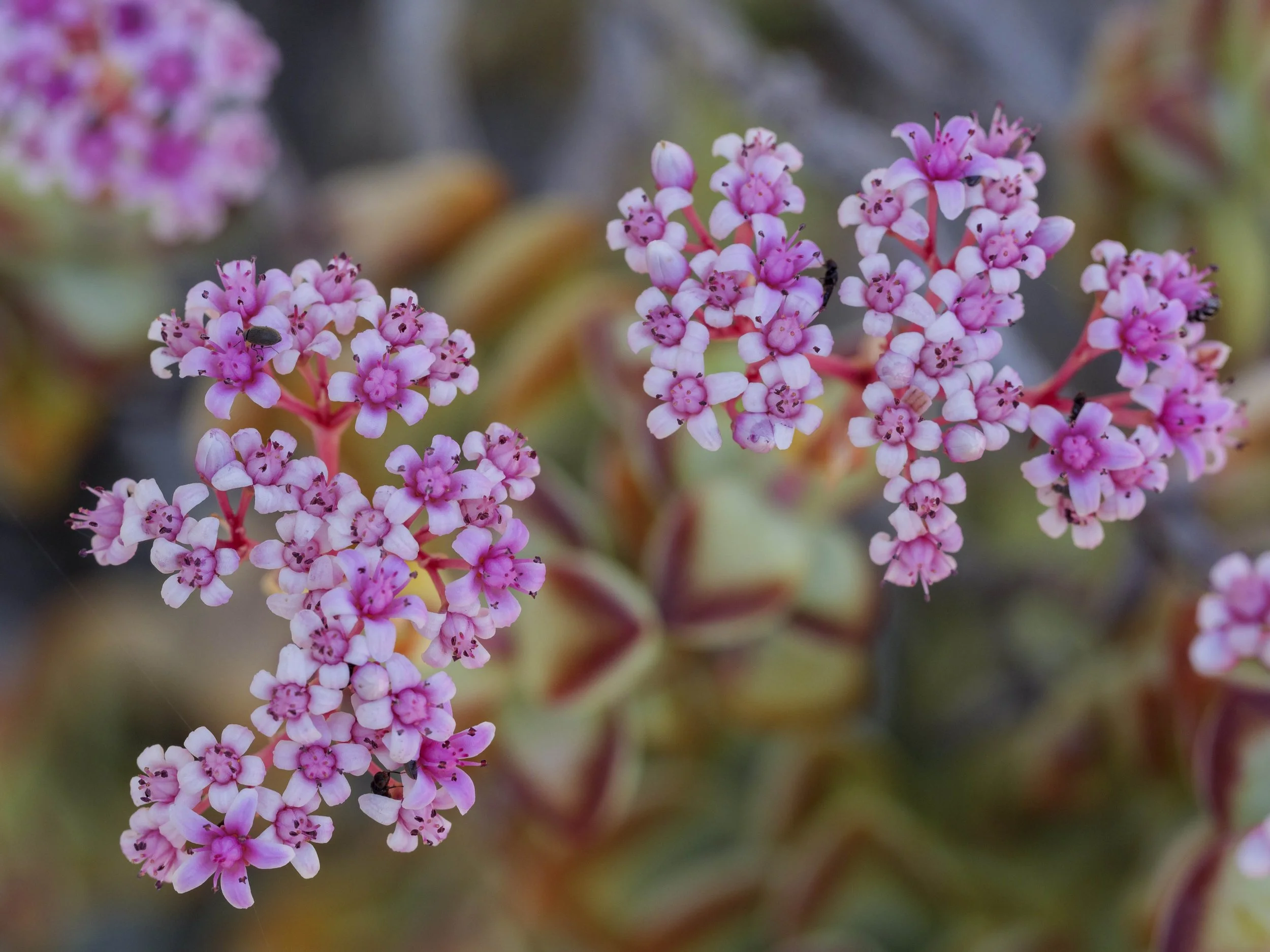
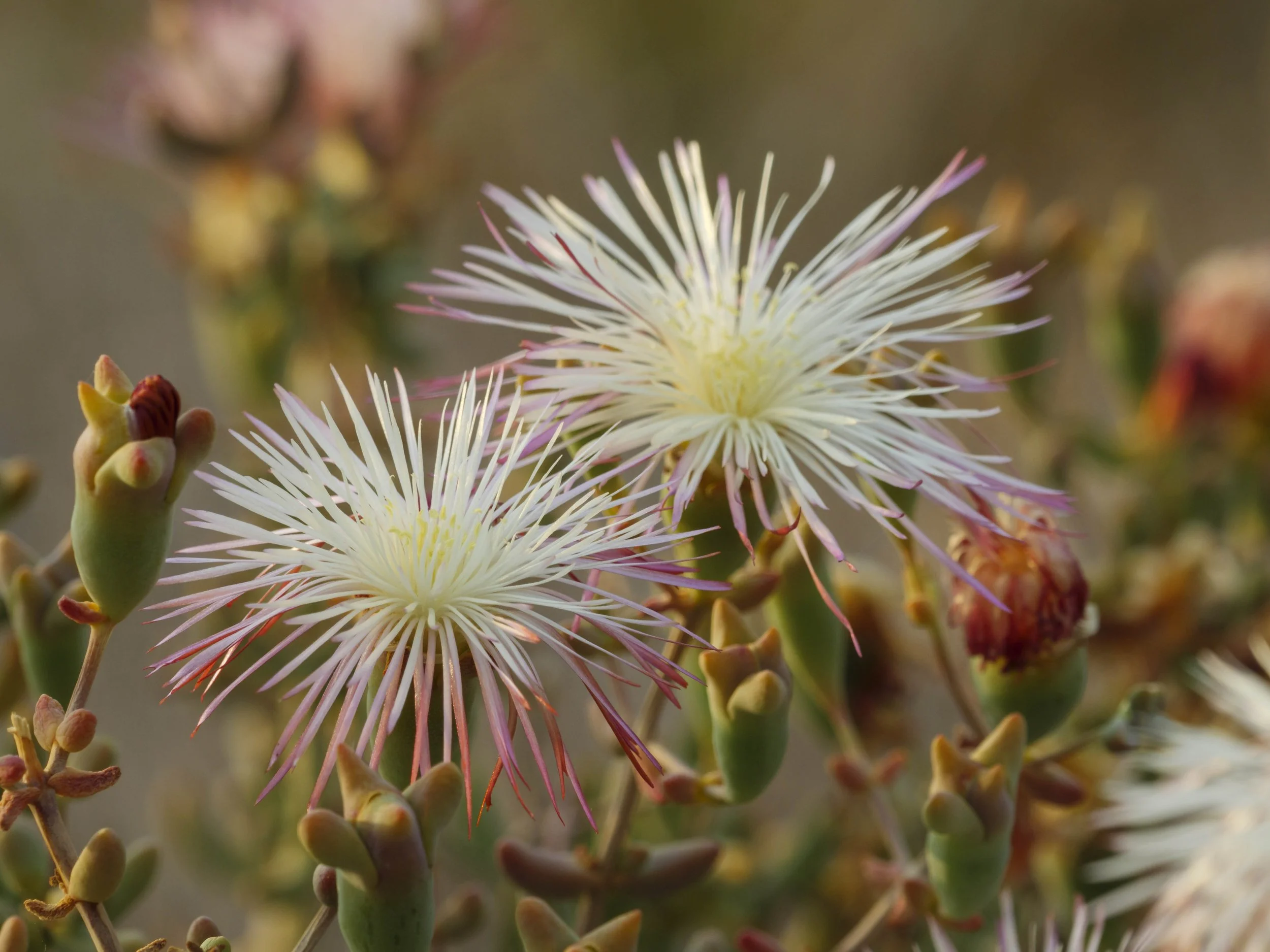
The reserve spans two globally recognised biodiversity hotspots, Fynbos and Succulent Karoo, supporting an extraordinary range of plant and animal life. Wildlife encounters extend beyond the expected, with elephants, cheetahs, and big game sharing space with rarer species like brown hyena, klipspringer, and steenbok. Guides bring depth to each drive and walk, sharing insight into endemic flora, fragile ecosystems, and the delicate balance that sustains life in this semi-desert environment.
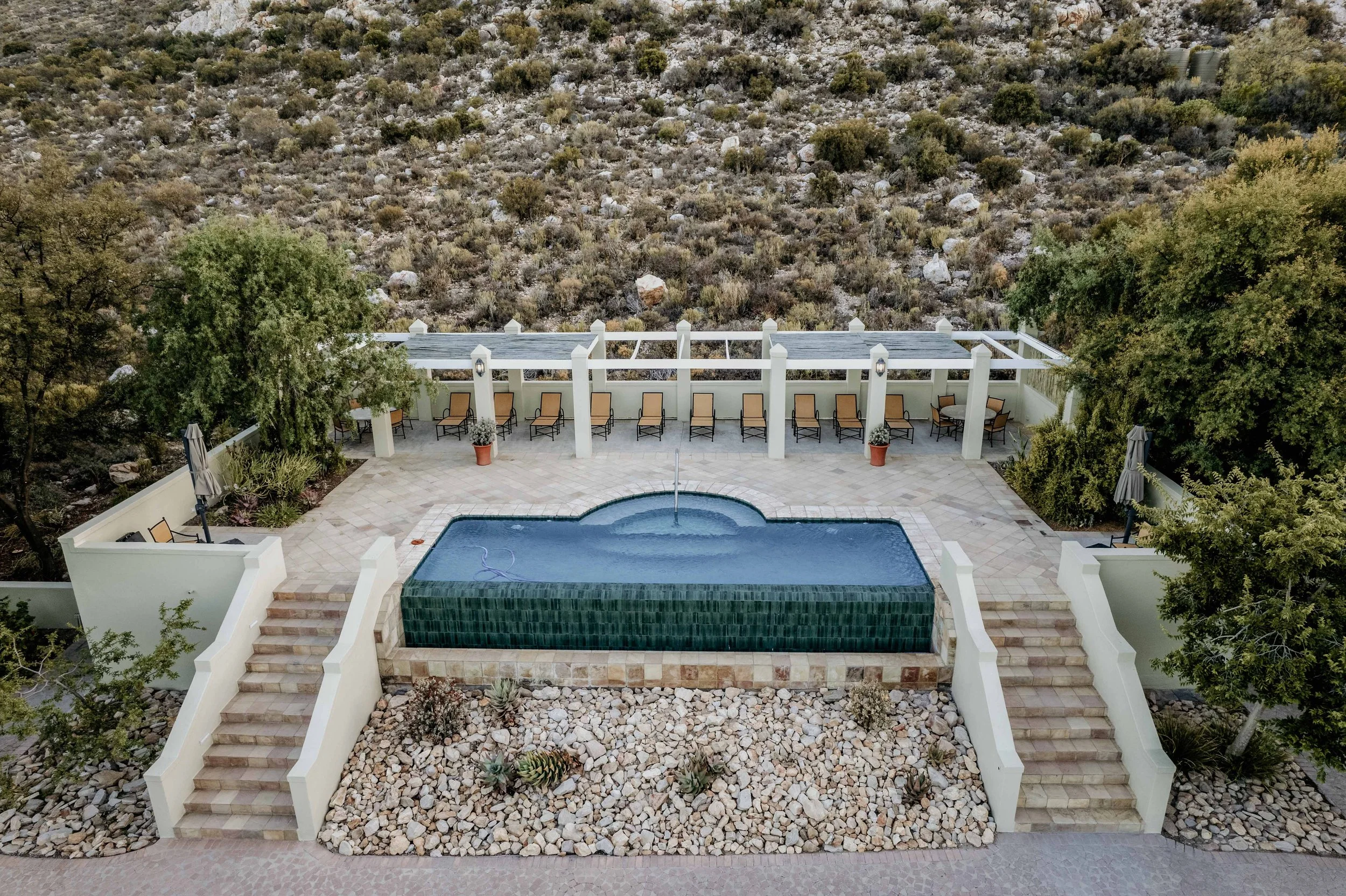
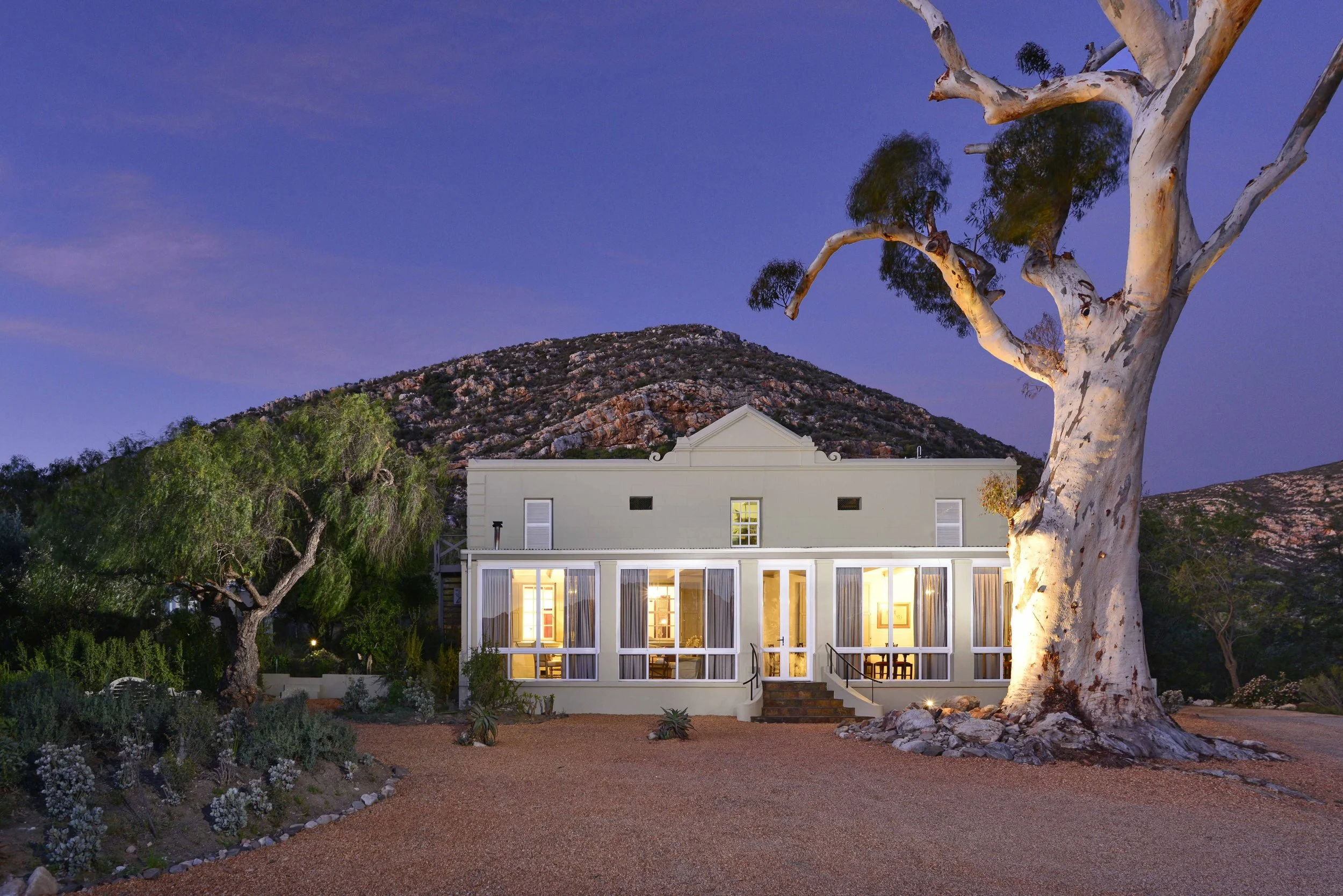
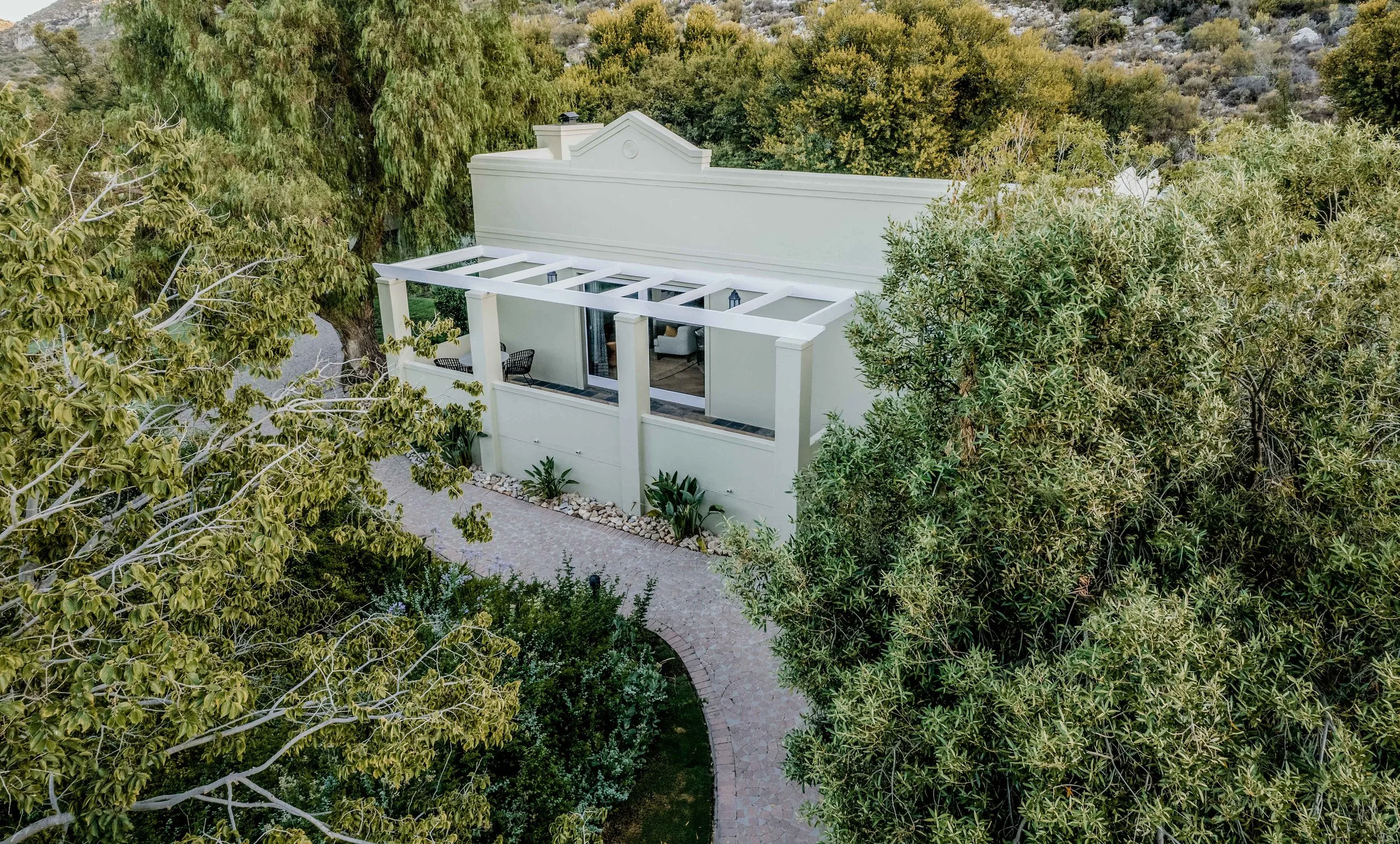
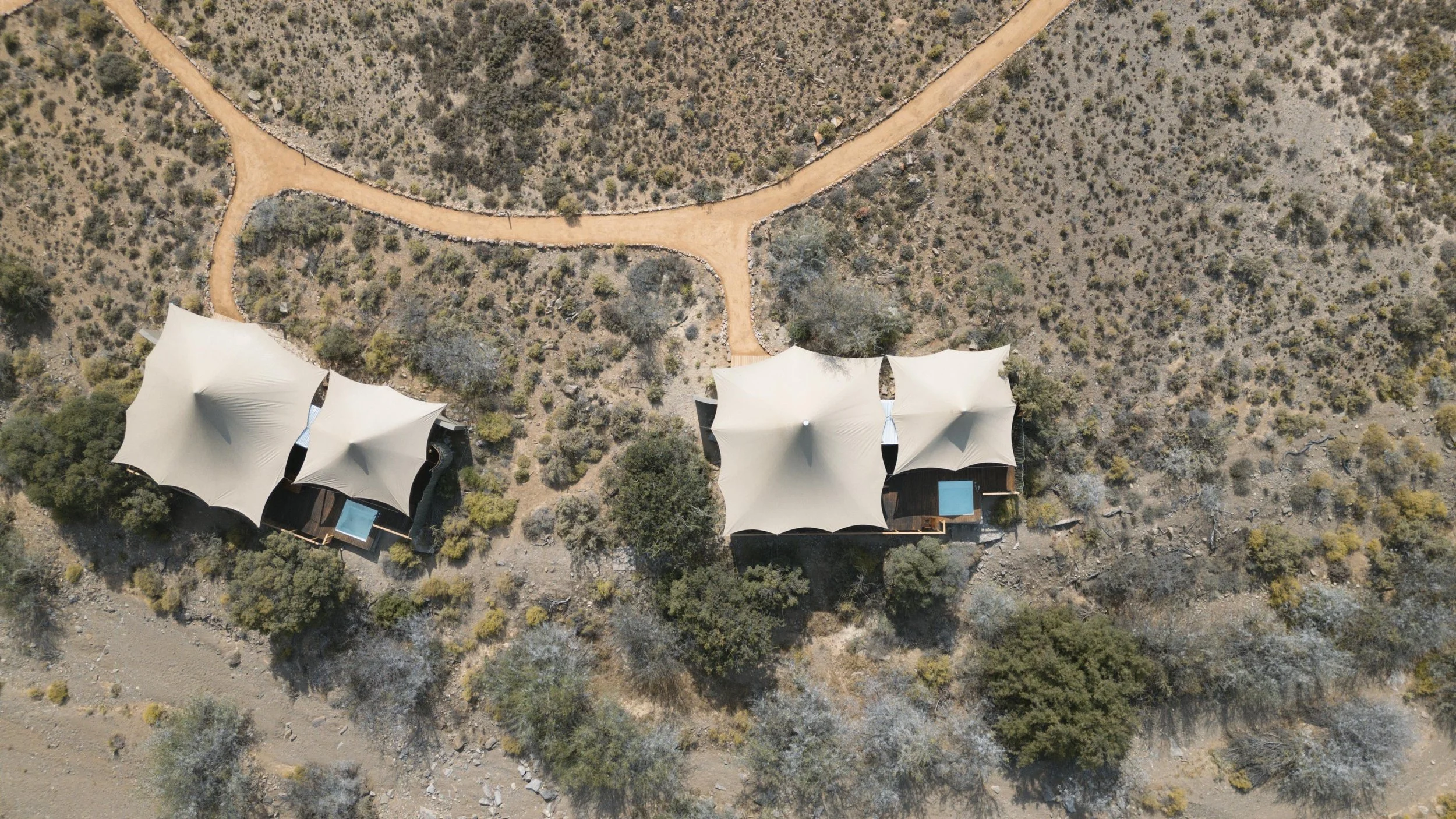
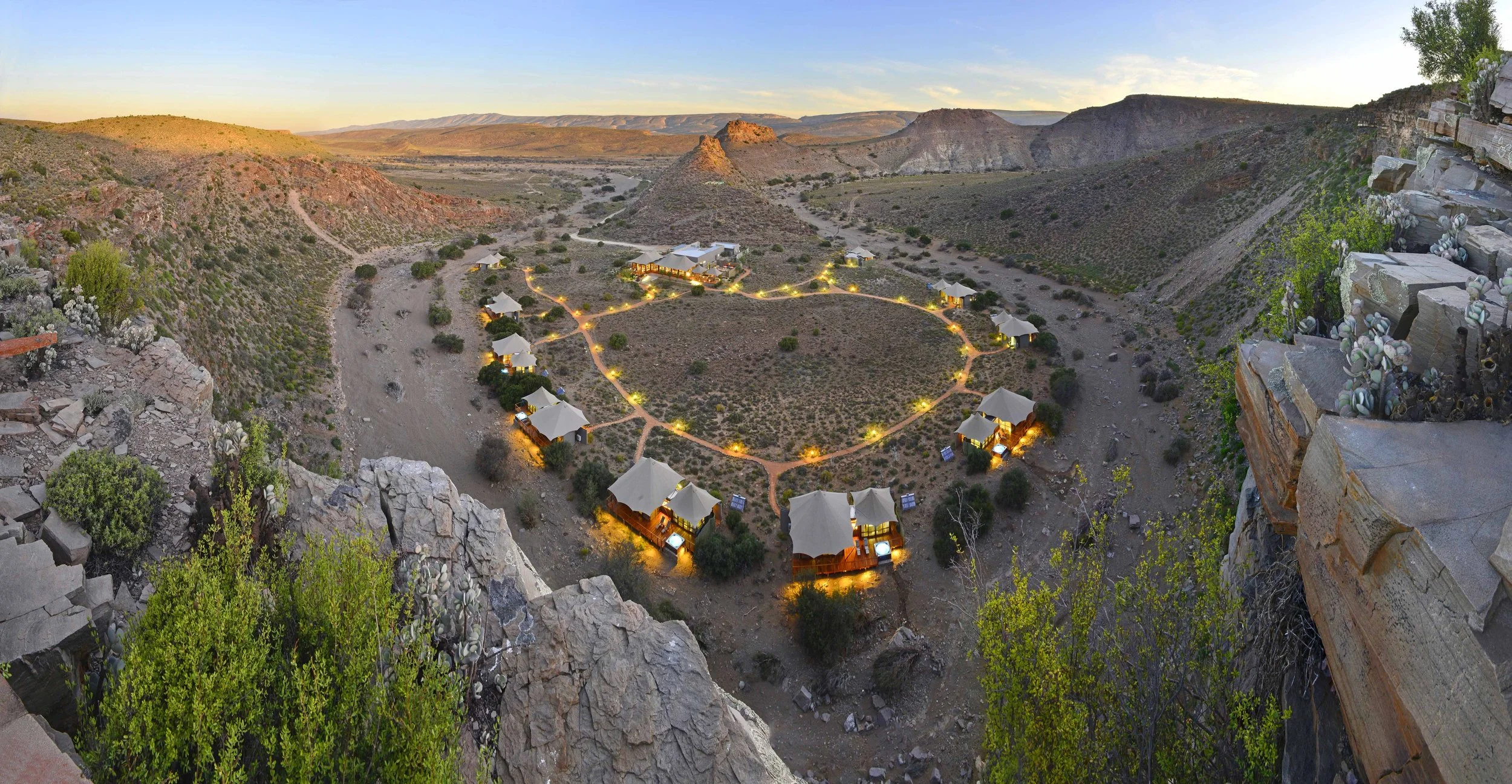
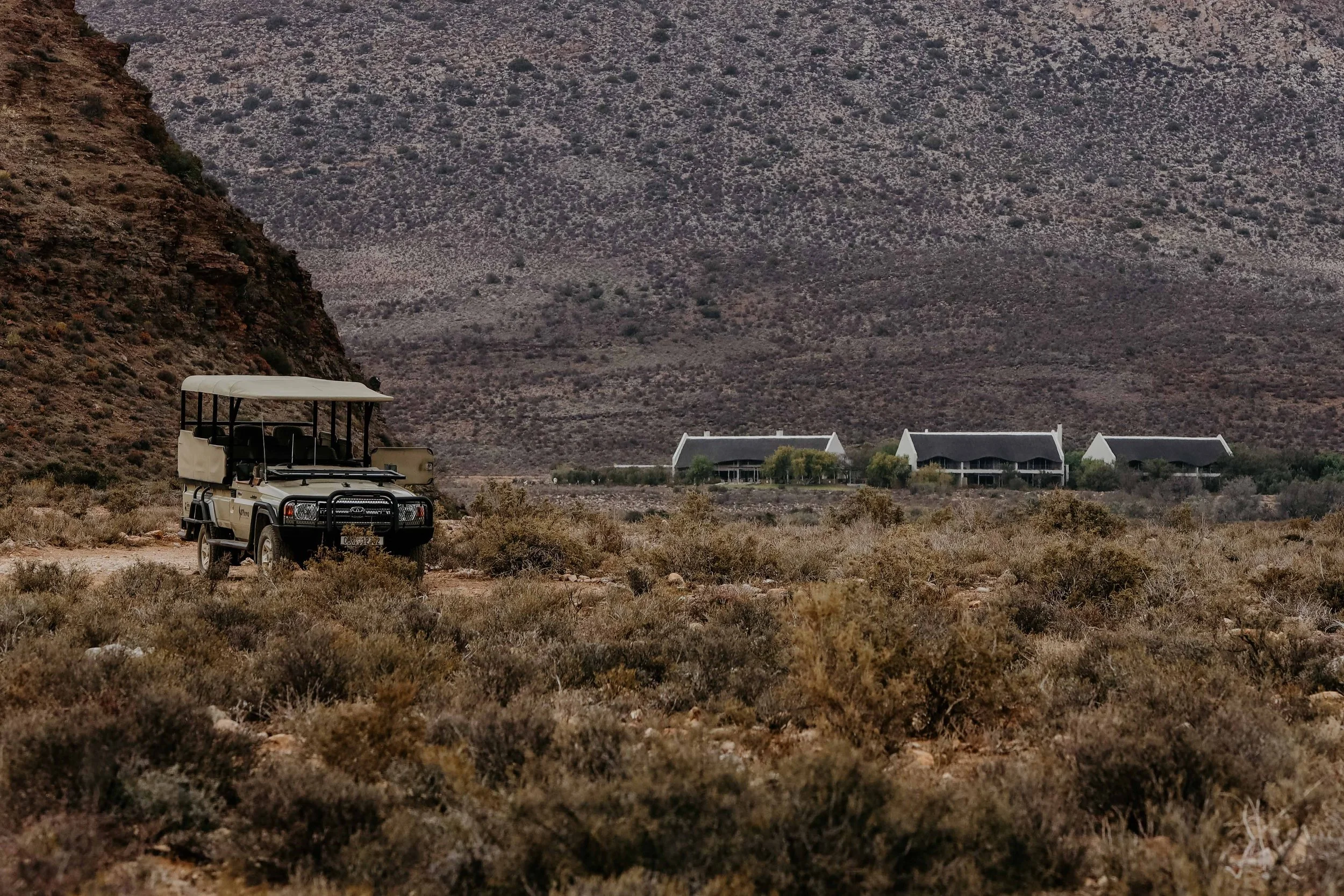
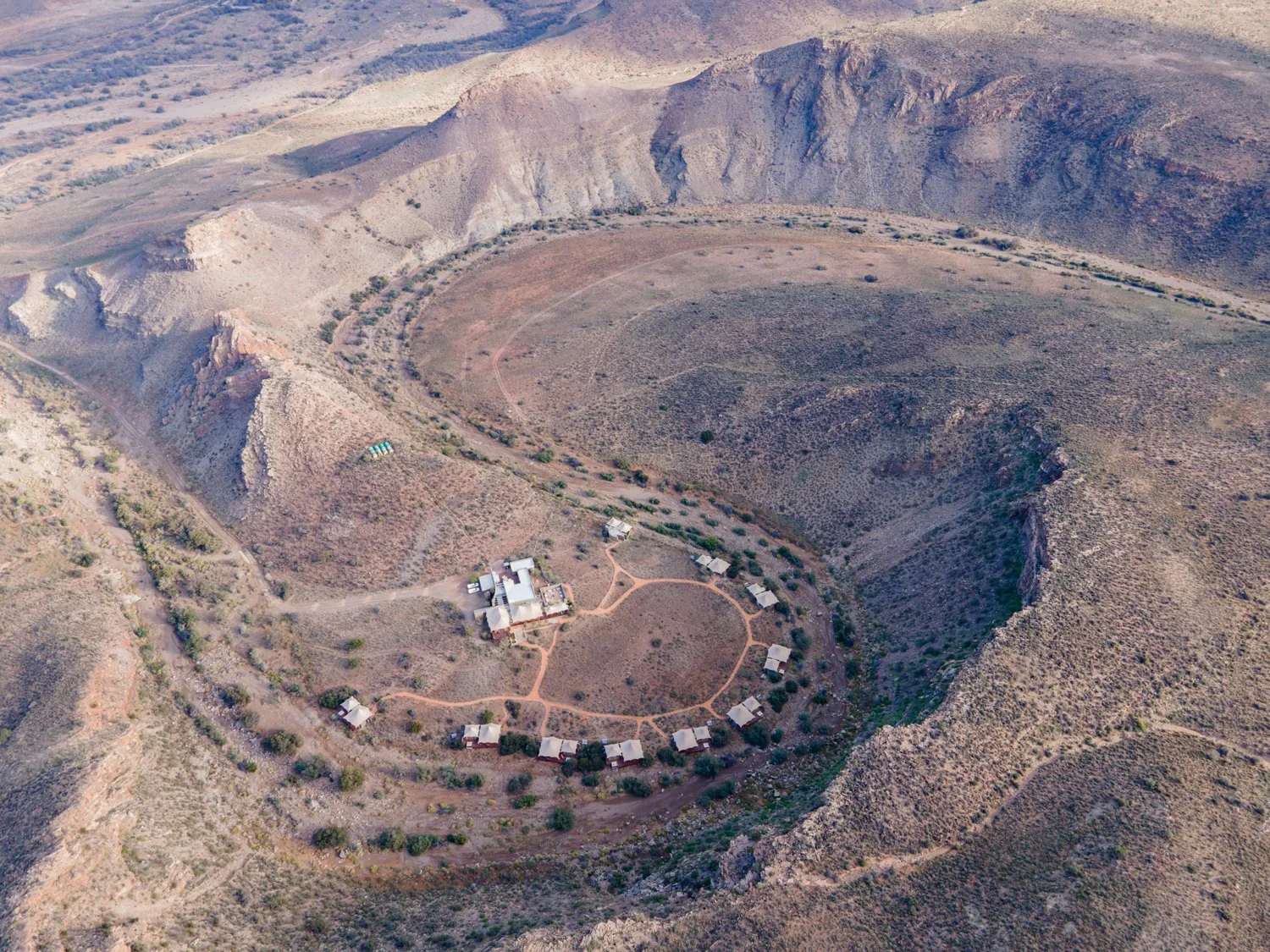
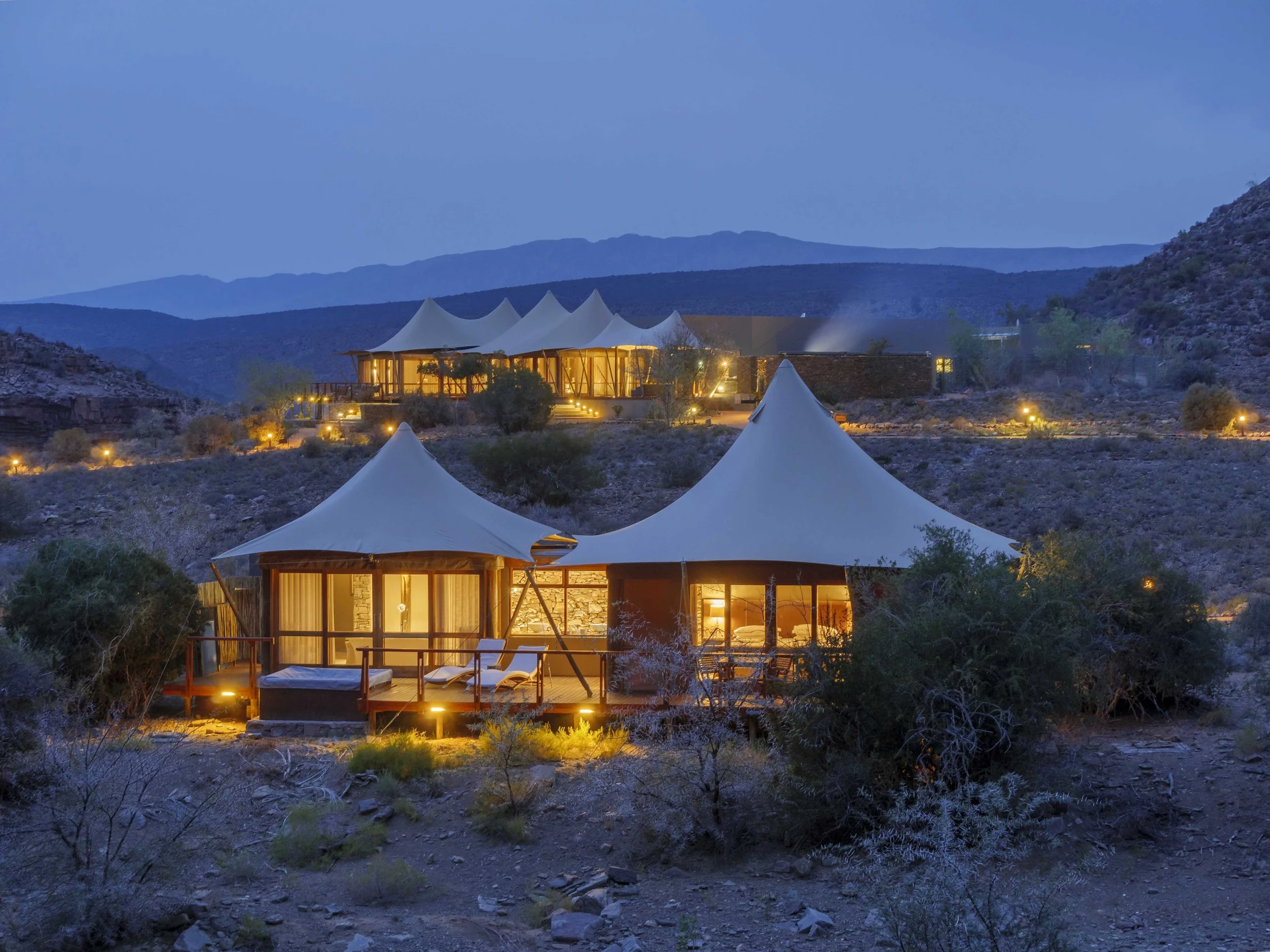
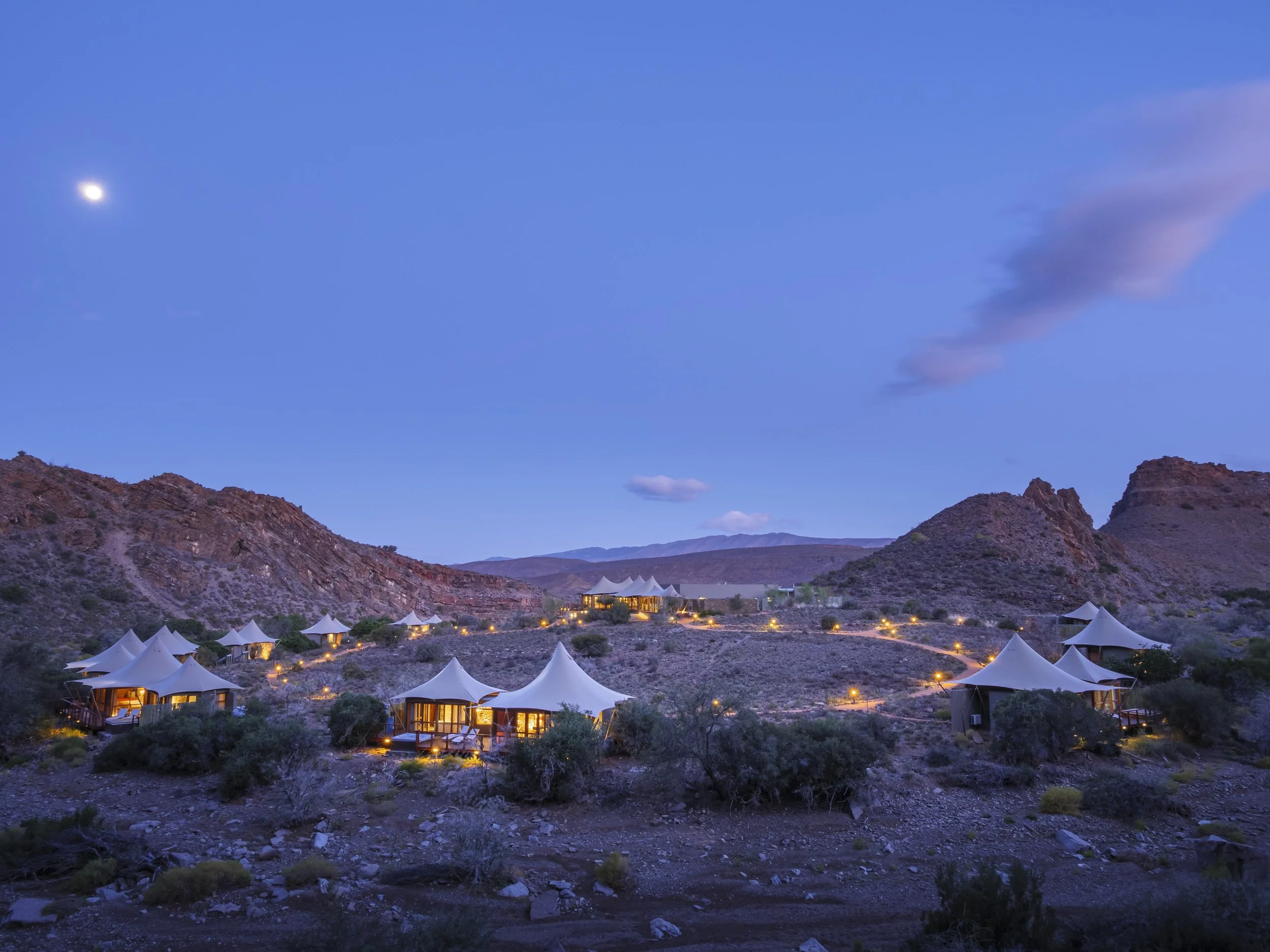
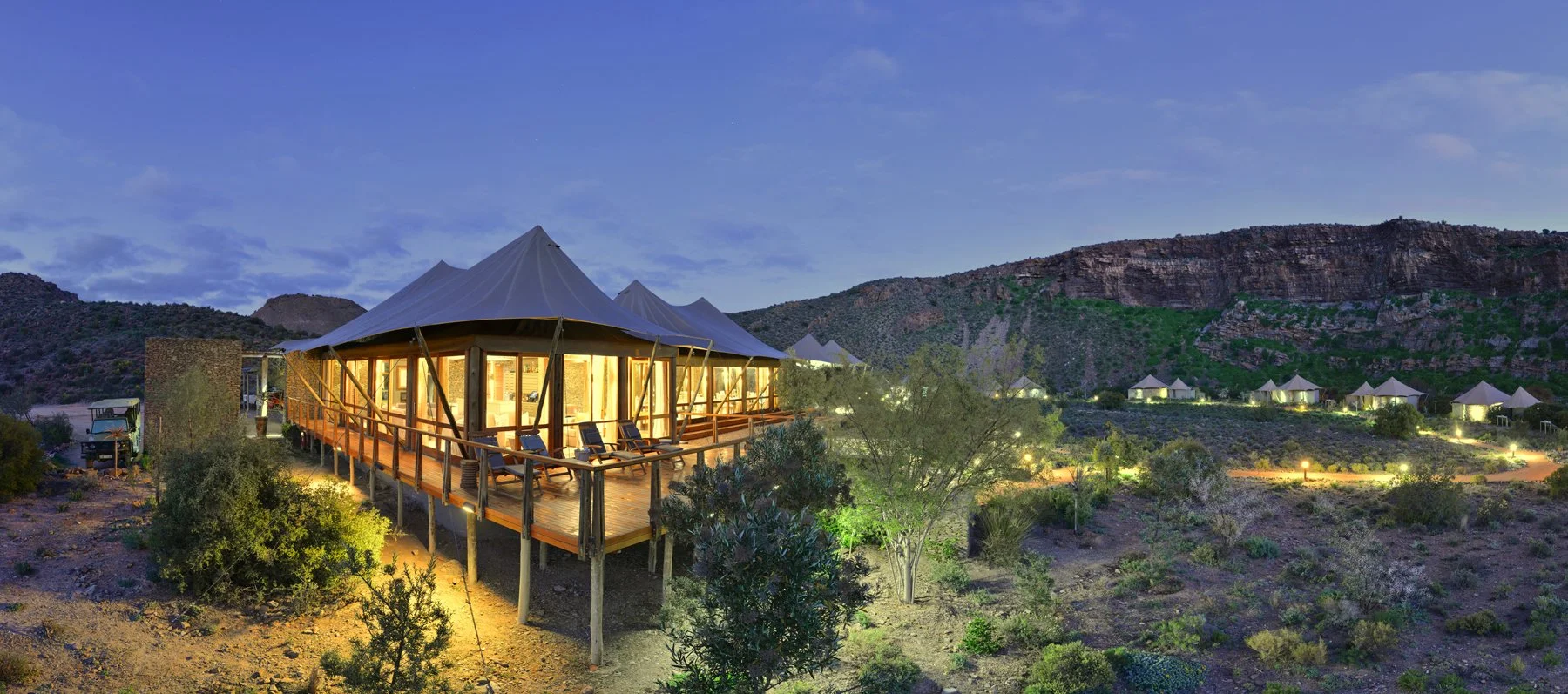
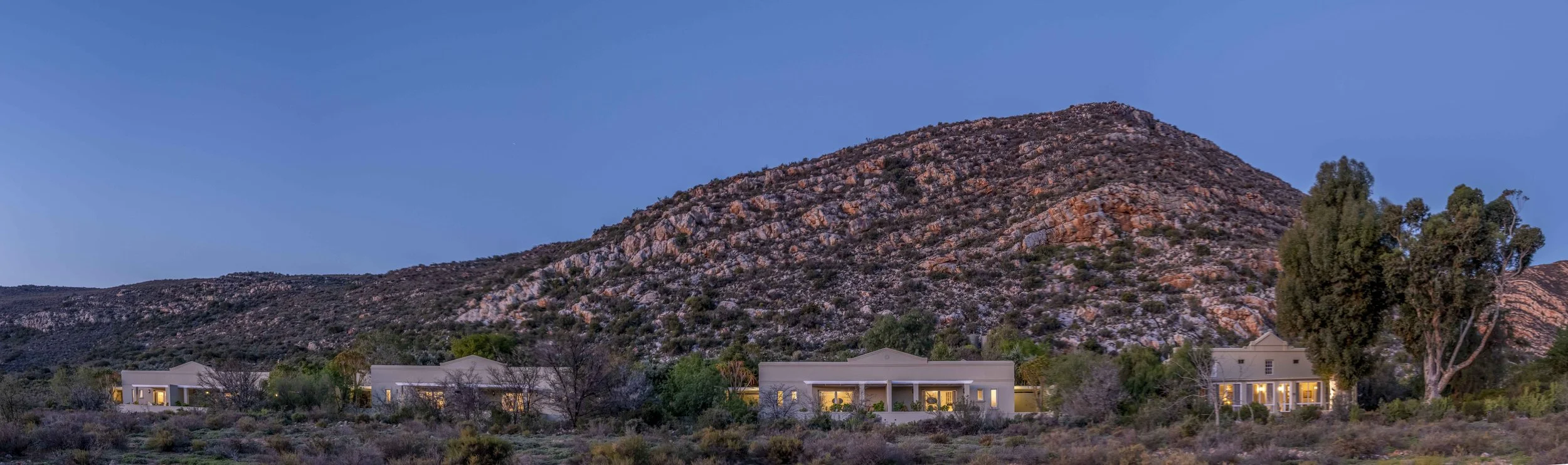
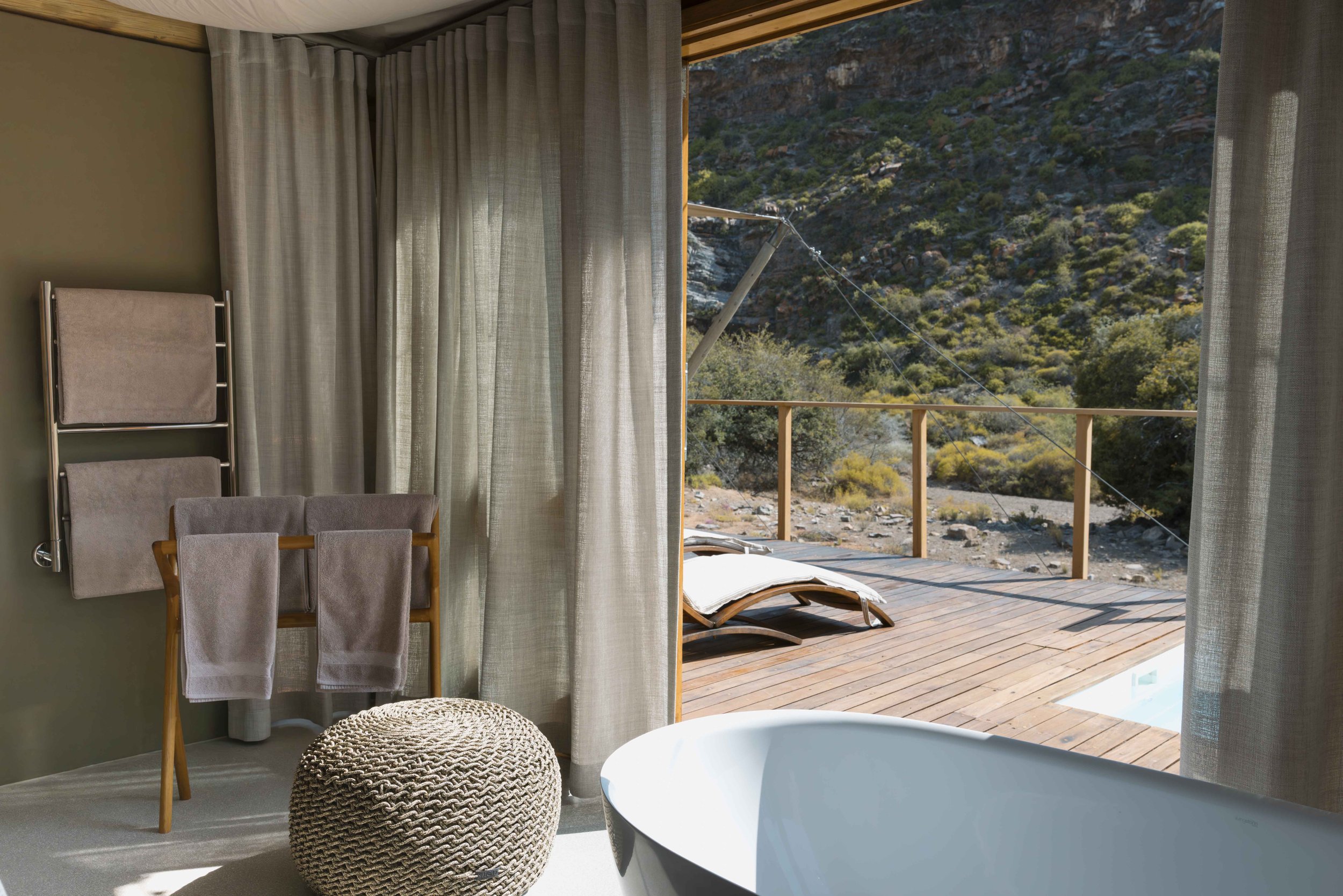
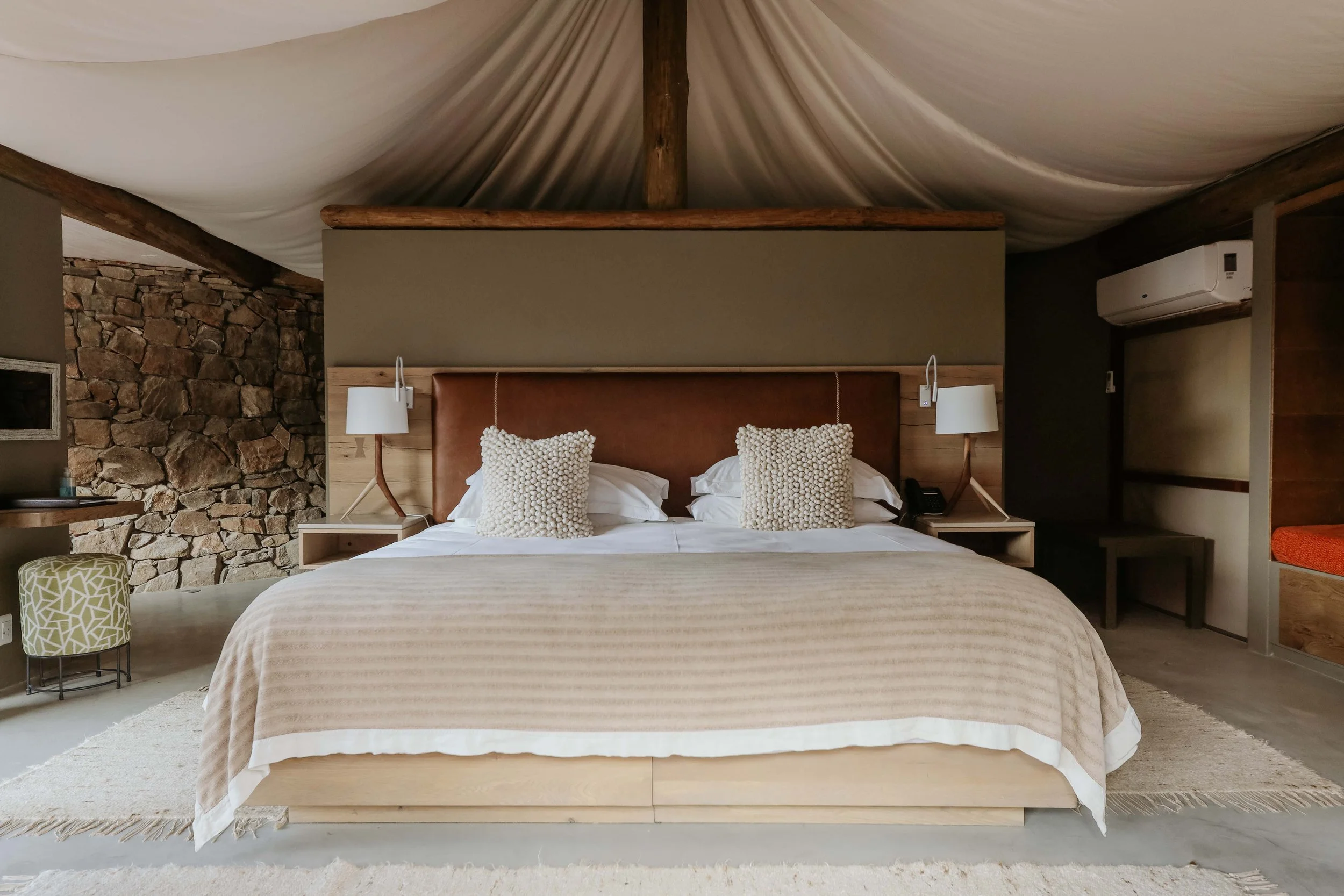
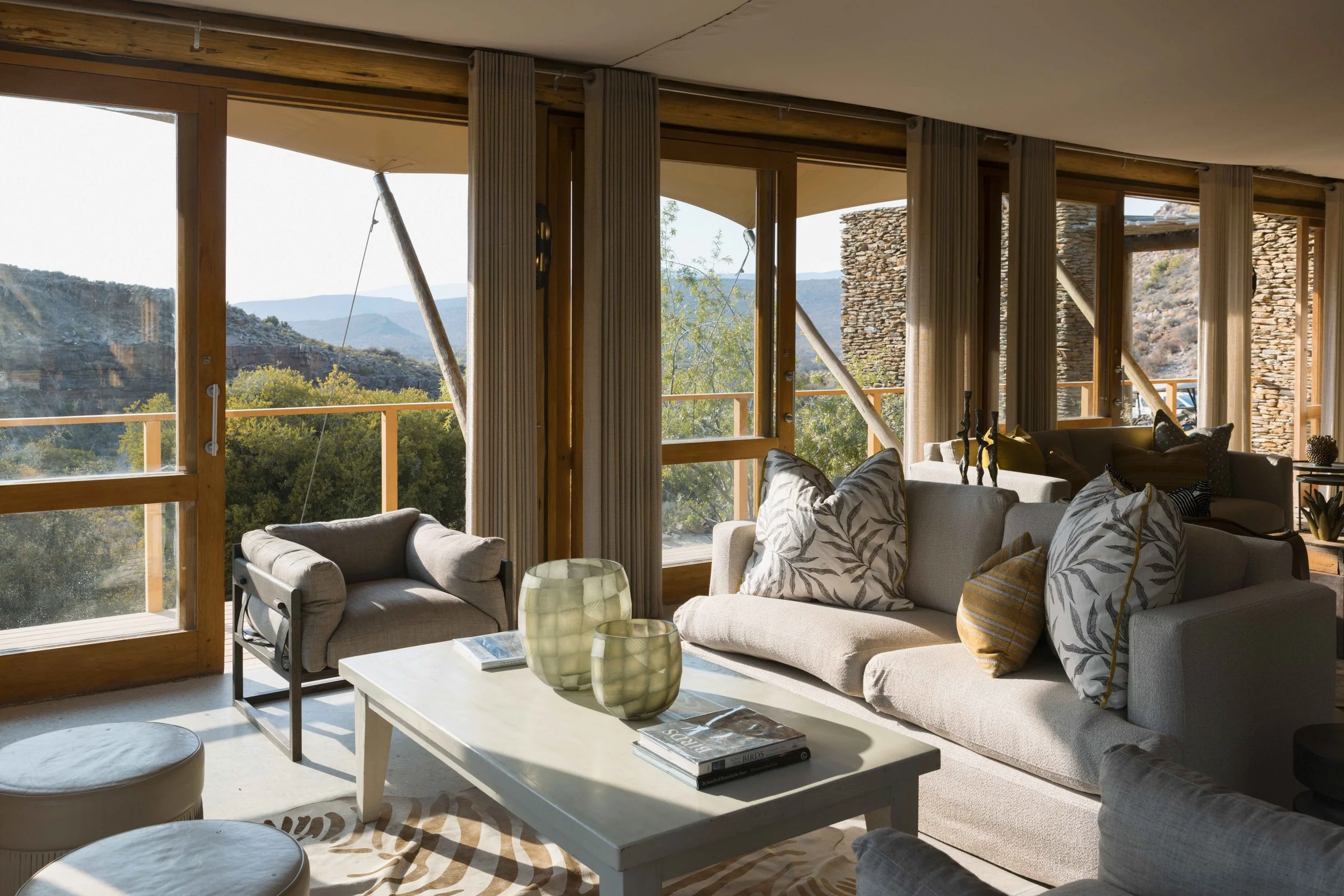
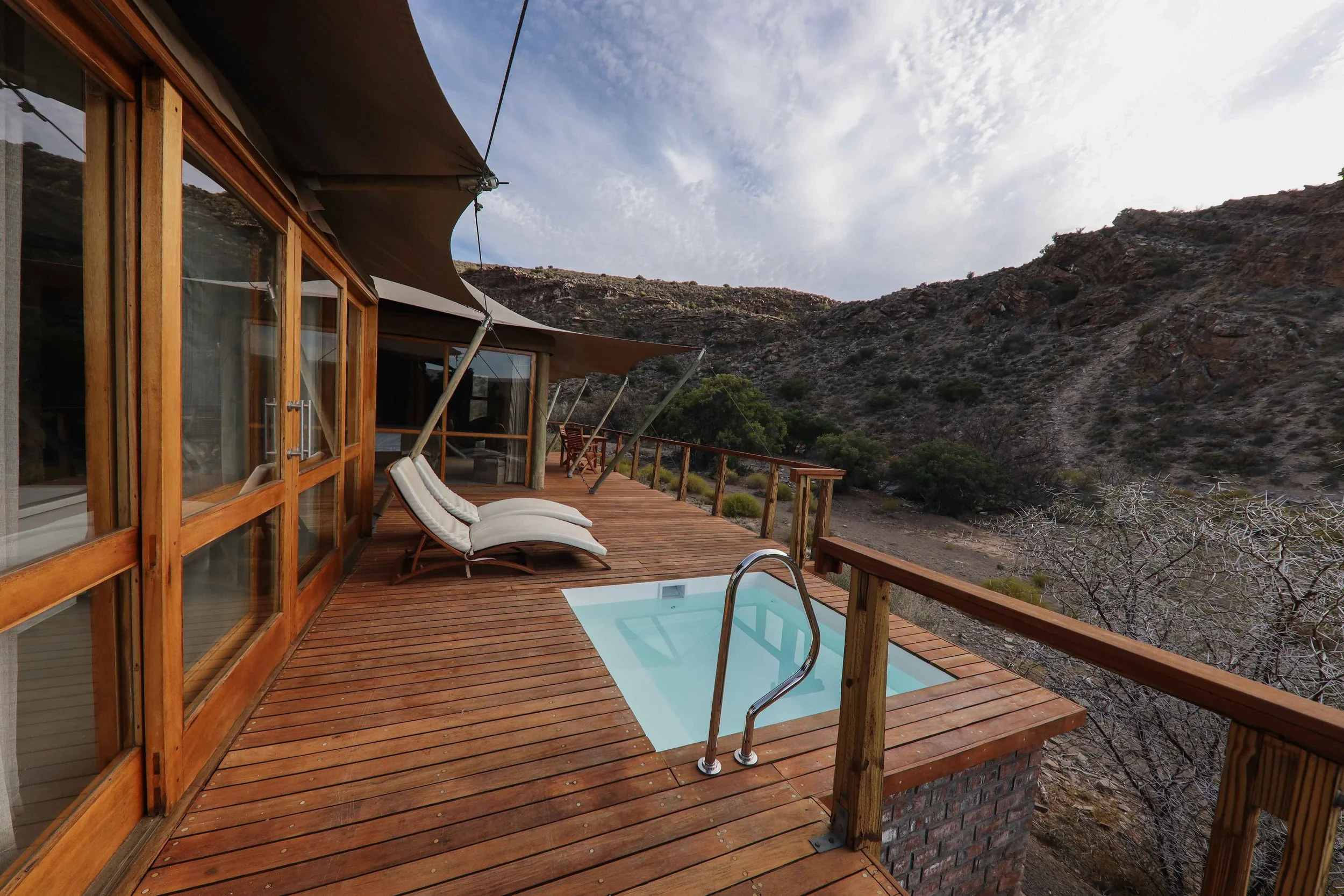
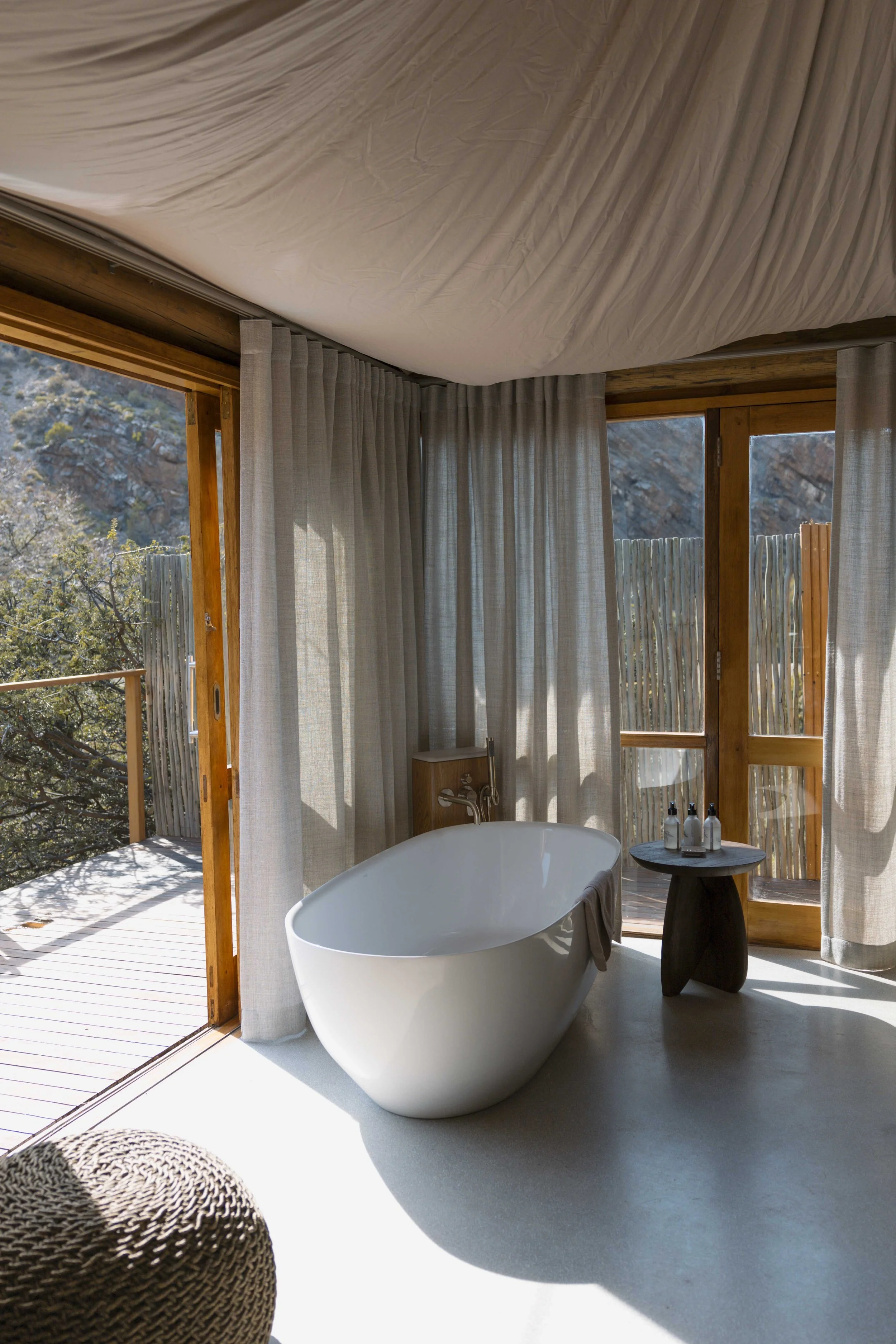
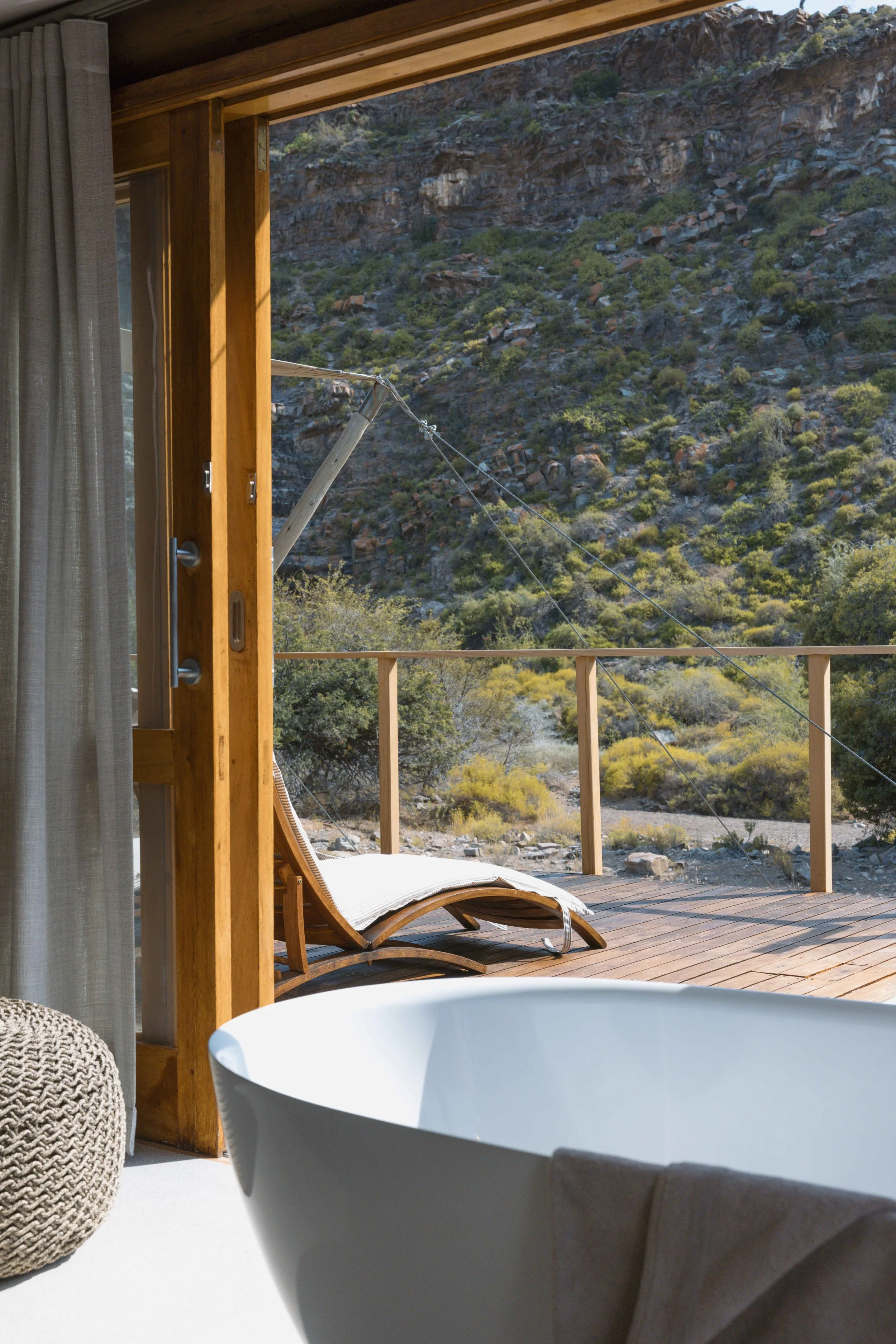
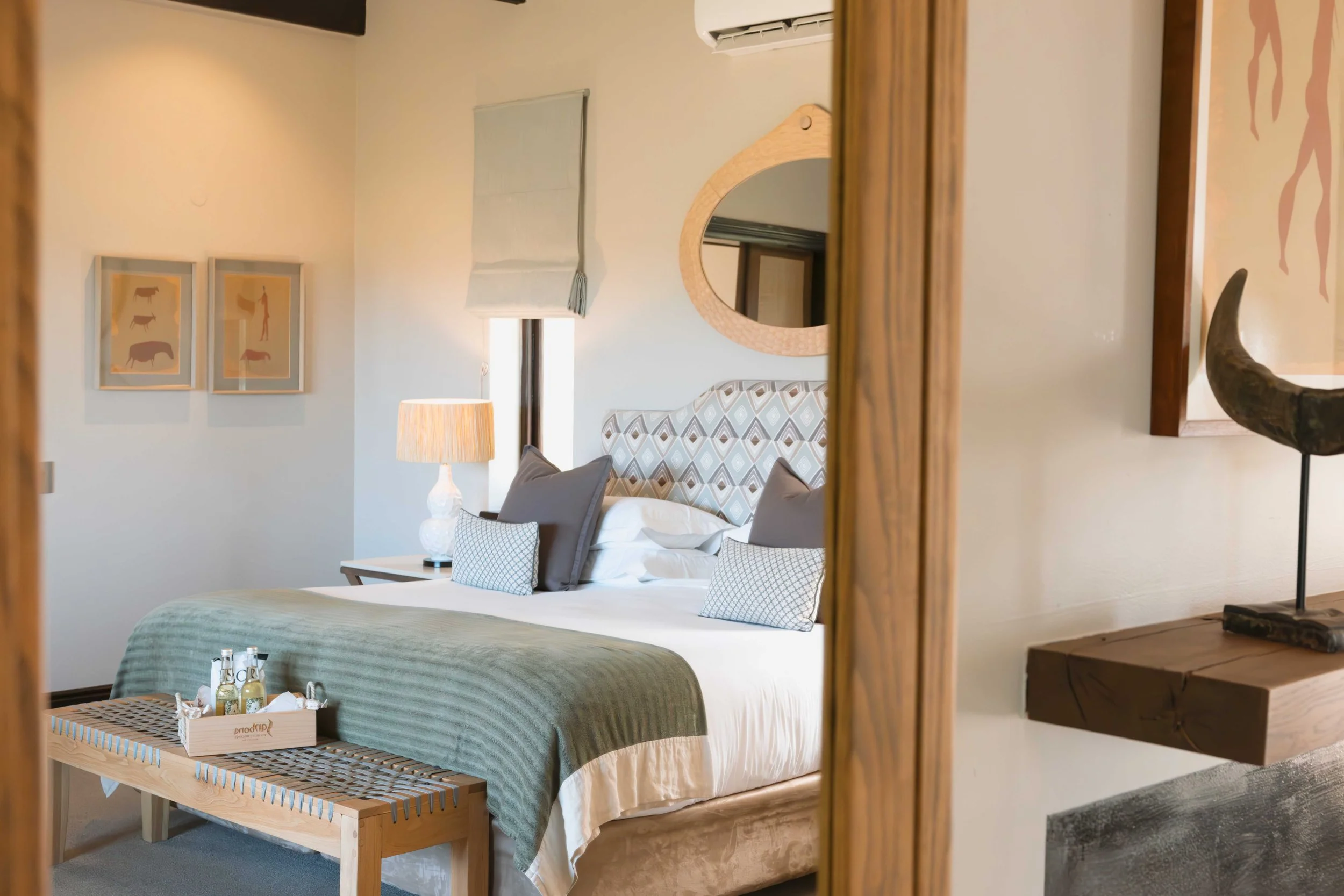
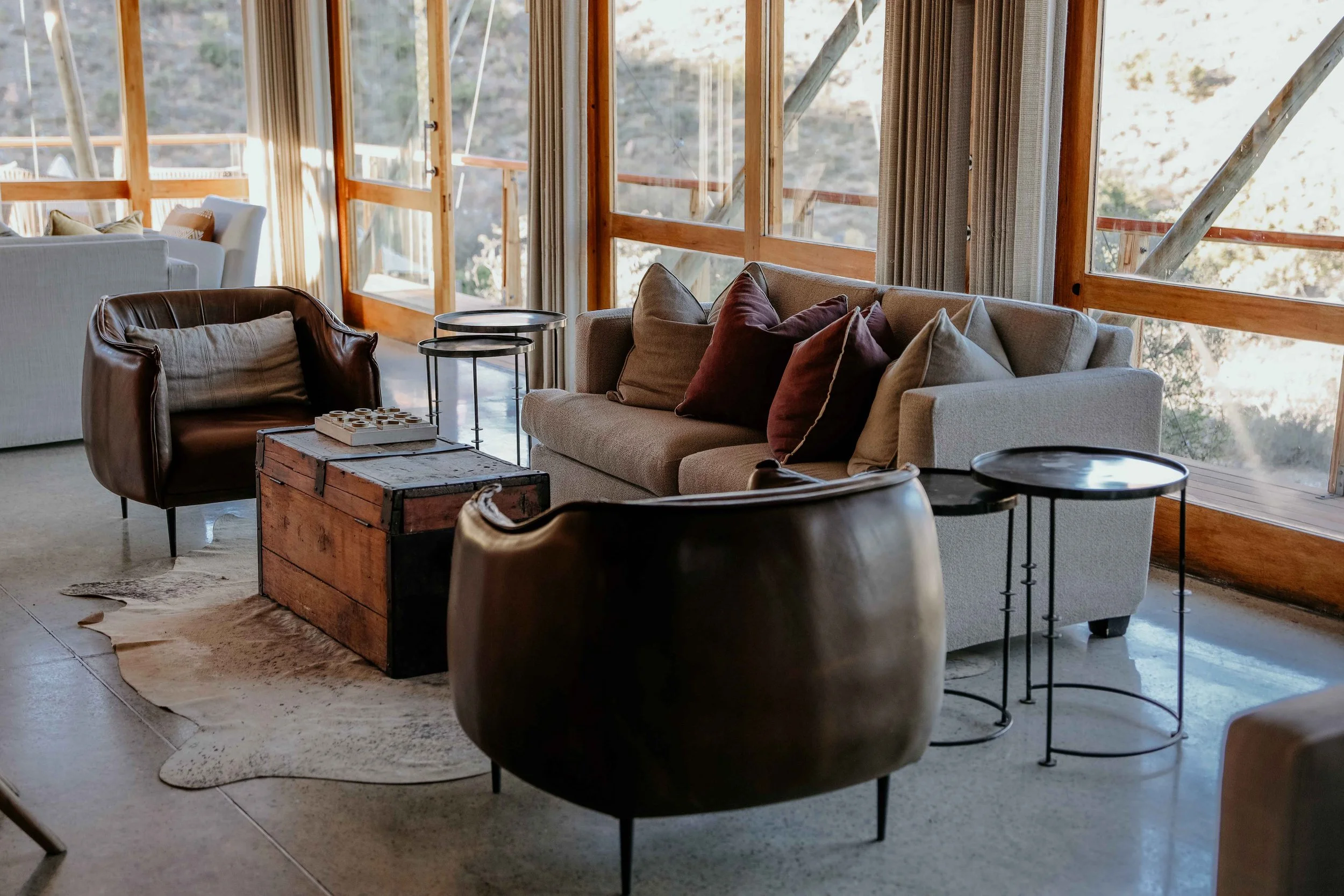
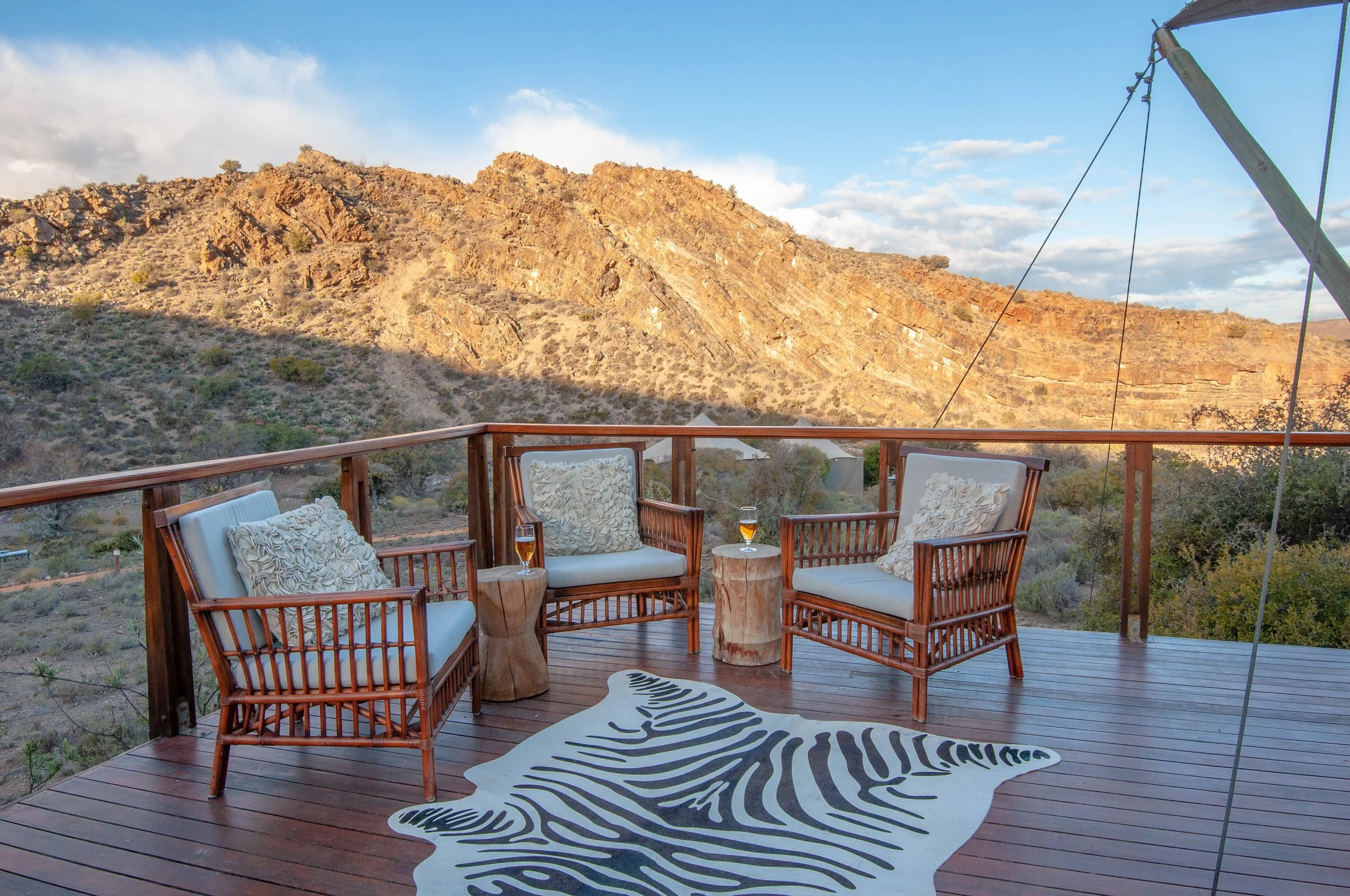
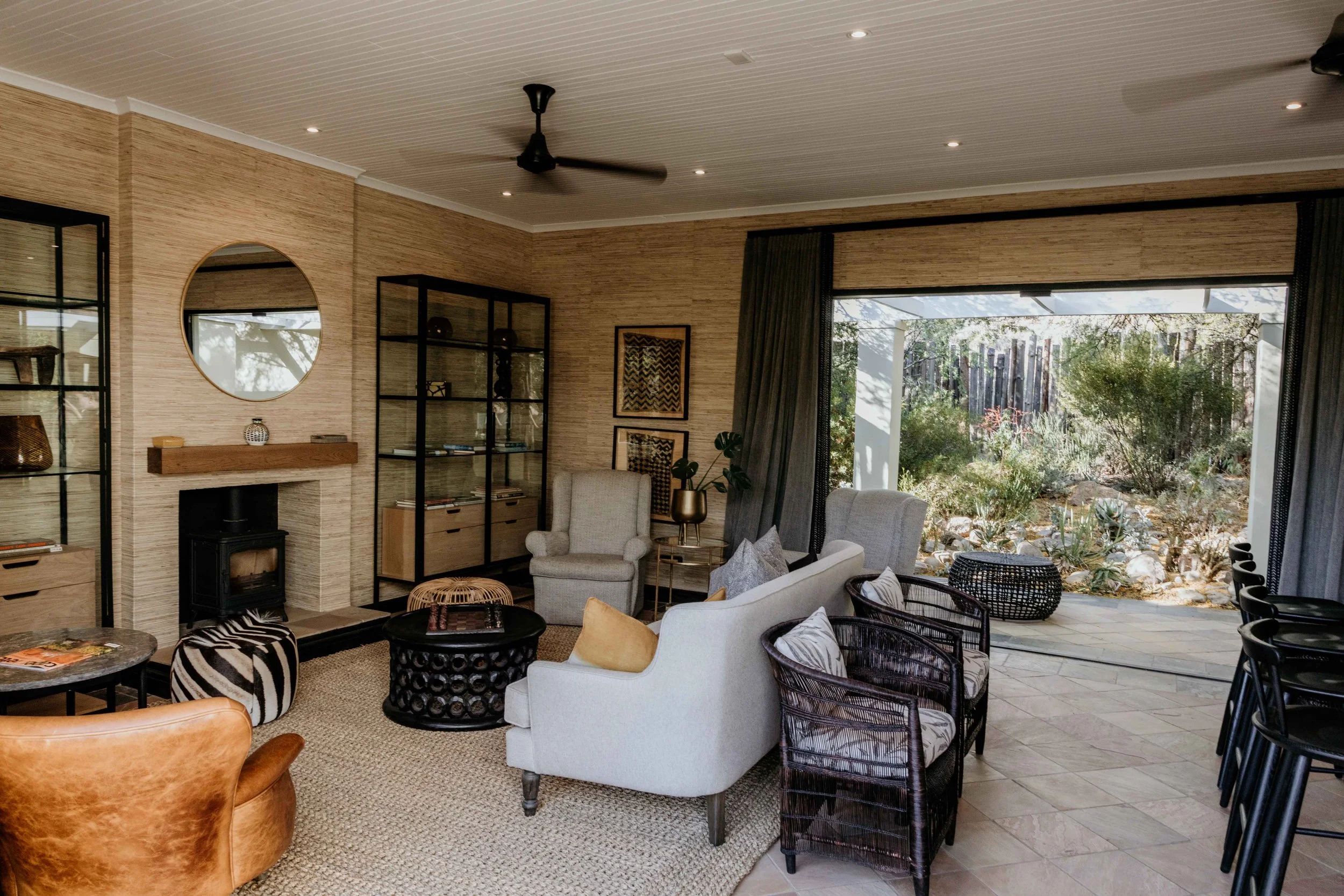
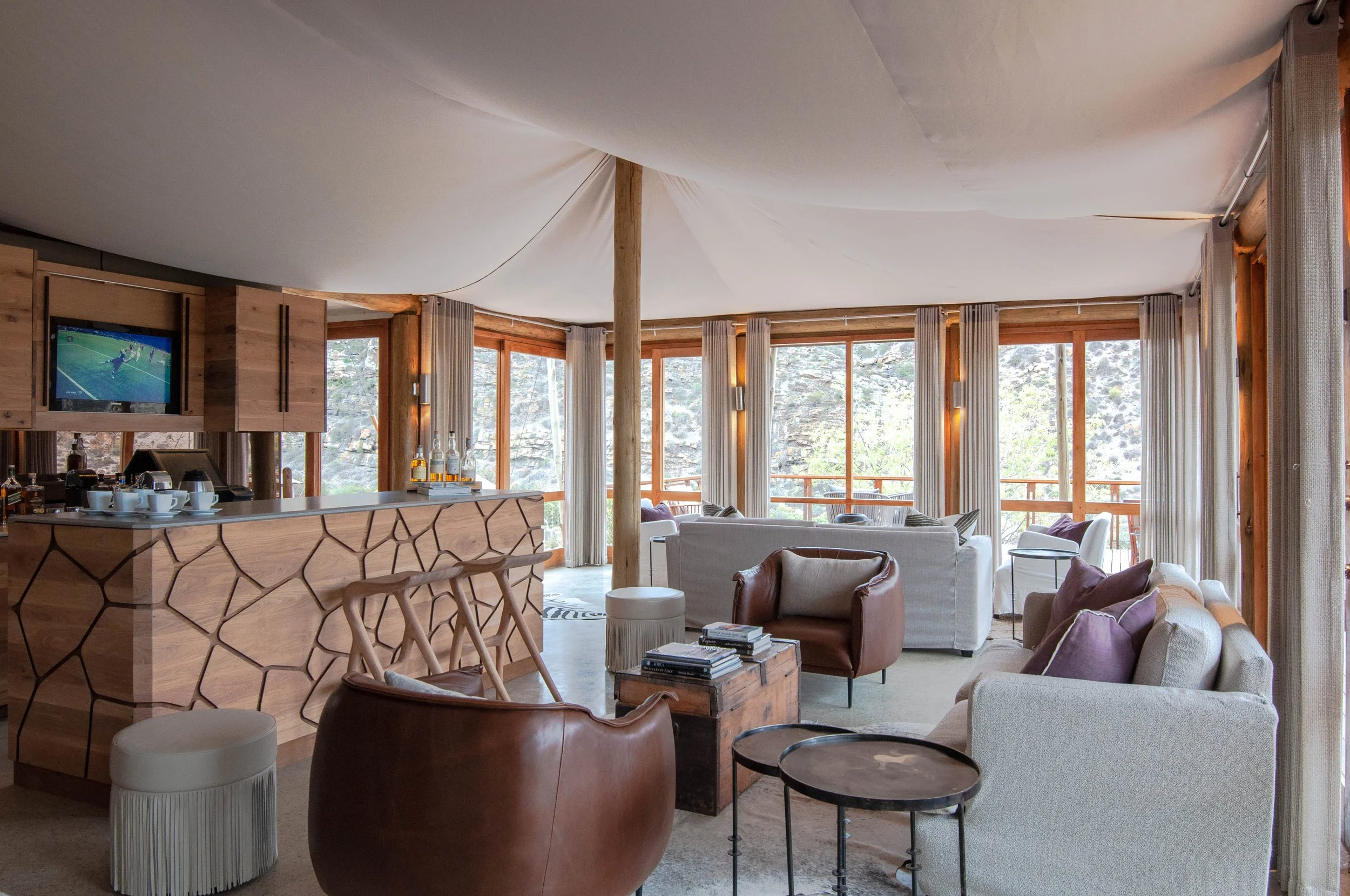
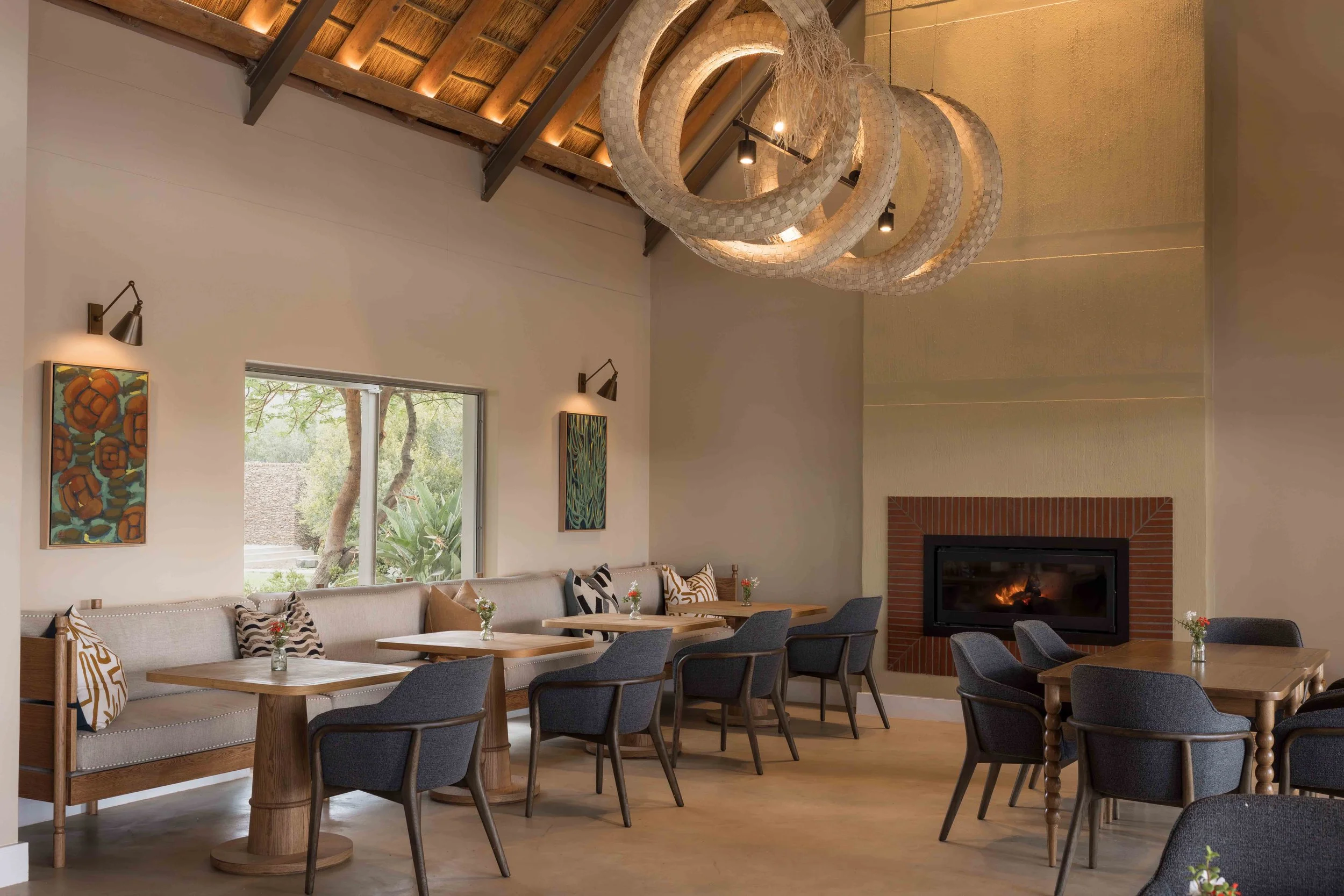
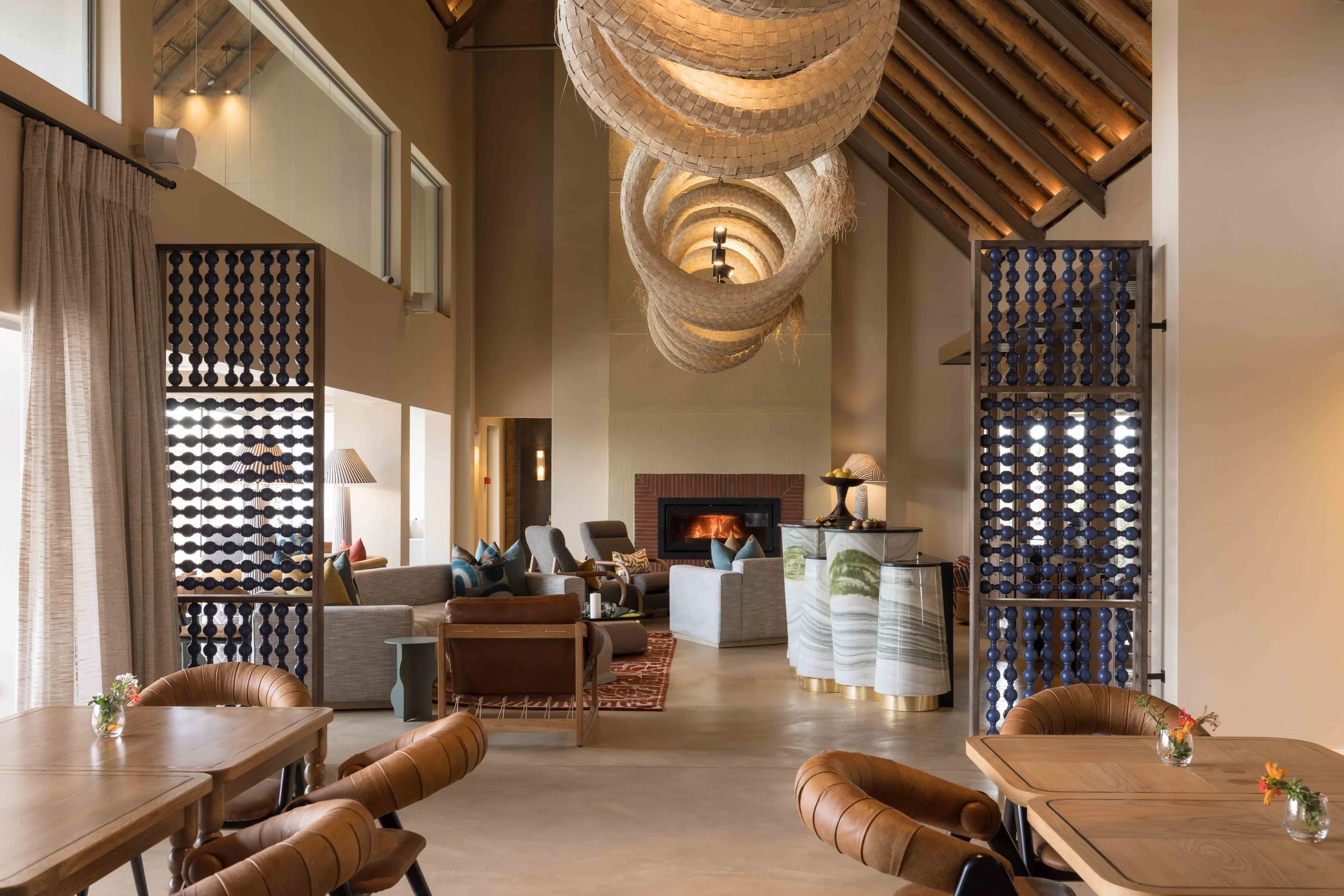
Accommodation is spread across three distinct lodges, each offering a different relationship with the land. Tilney Manor reflects classic elegance, Gondwana Lodge embraces contemporary comfort, and Dwyka Tented Lodge creates a more immersive experience shaped by canvas, stone, and open skies. Interiors are refined yet restrained, designed to frame the landscape rather than distract from it. Wellness is woven quietly into the stay, with spa treatments inspired by indigenous botanicals and unstructured moments of stillness built into the rhythm of each day.
The name Sanbona comes from the San people, among Southern Africa’s oldest known inhabitants, whose presence in this region stretches back thousands of years. Meaning “to see you” or “to greet you,” the word carries both a literal welcome and a deeper philosophy of recognition, respect, and connection. This lineage is not symbolic. Rock art sites, cultural narratives, and the reserve’s conservation ethos honor the San’s intimate relationship with land, wildlife, and sky. Founded over two decades ago with restoration at its core, Sanbona stands as a living example of how hospitality can serve history, ecology, and future generations in equal measure.

Why Wander
Nature drives at sunrise and sunset reveal the reserve at its most alive. Moving through varied habitats in open vehicles, guests encounter wildlife, birdlife, and plant species shaped by shifting light and temperature. Morning drives begin with hot coffee and stillness, while afternoons often close with a classic sundowner, paused in a quiet corner of the wild as the landscape glows.
Beyond game viewing, Sanbona offers rare encounters tied to deep time. Rock art sites dating back more than 3,500 years offer insight into the spiritual and daily lives of the San and Khoi-Khoi people. Guided walks slow the experience further, allowing guests to engage with the land on foot, noticing medicinal plants, animal tracks, and subtle shifts in terrain that are easily missed from a vehicle.
When night falls, the Little Karoo becomes a stage for astronomy. Free from light pollution, the skies here are among the clearest in Southern Africa. Stargazing sessions use high-powered telescopes and guided storytelling to trace constellations and planets, revealing another layer of connection between land, sky, and human history.

Indulge In
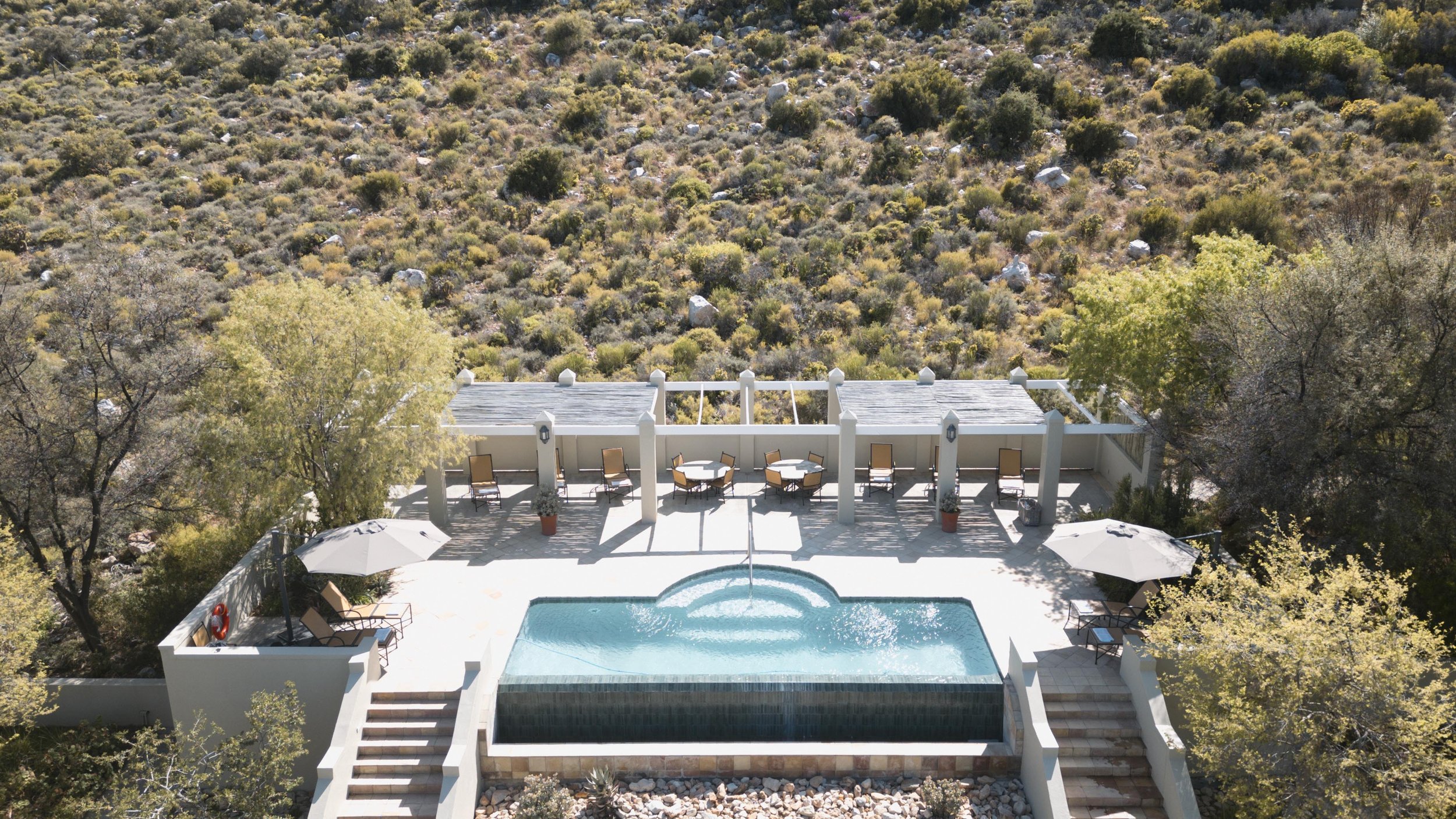
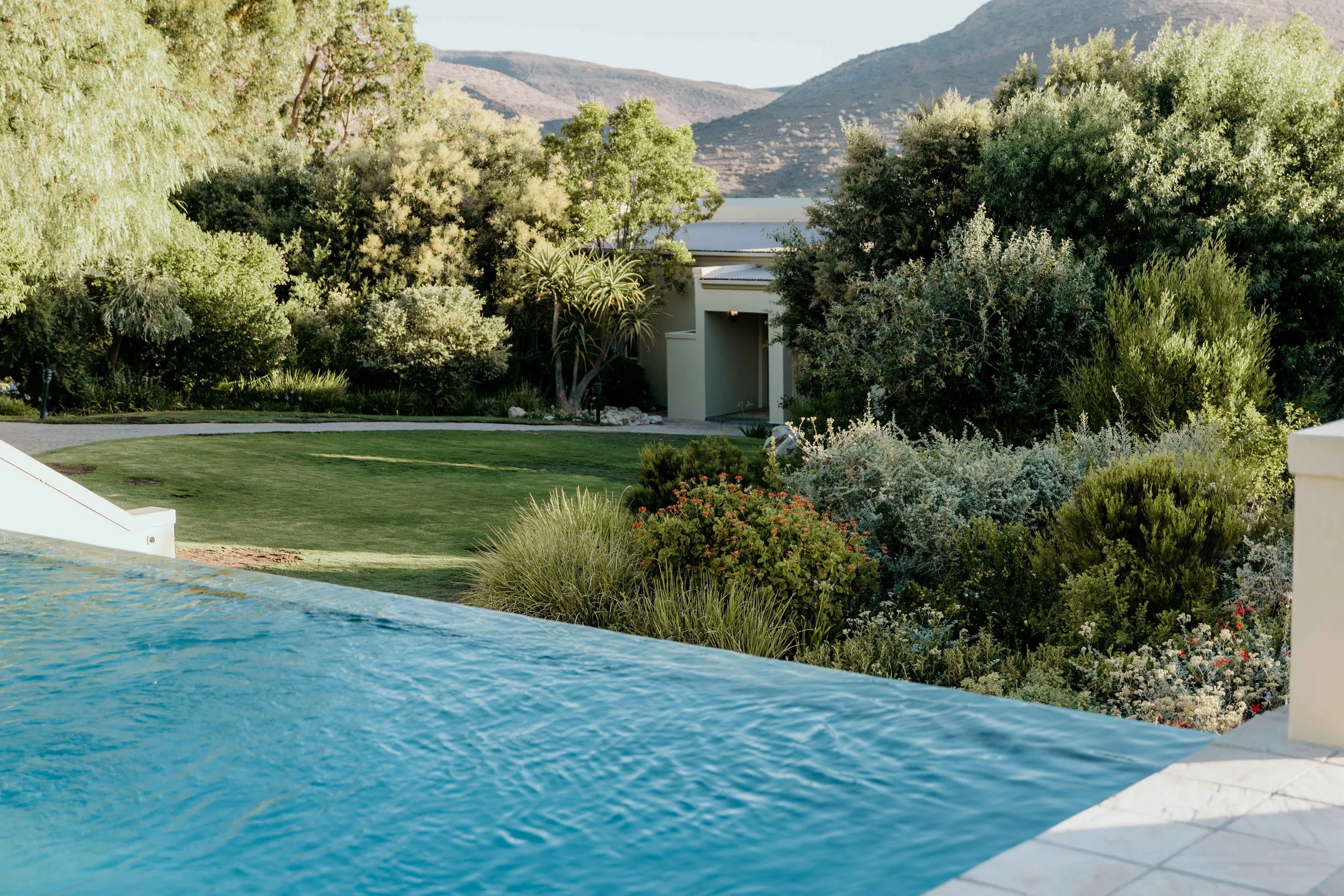
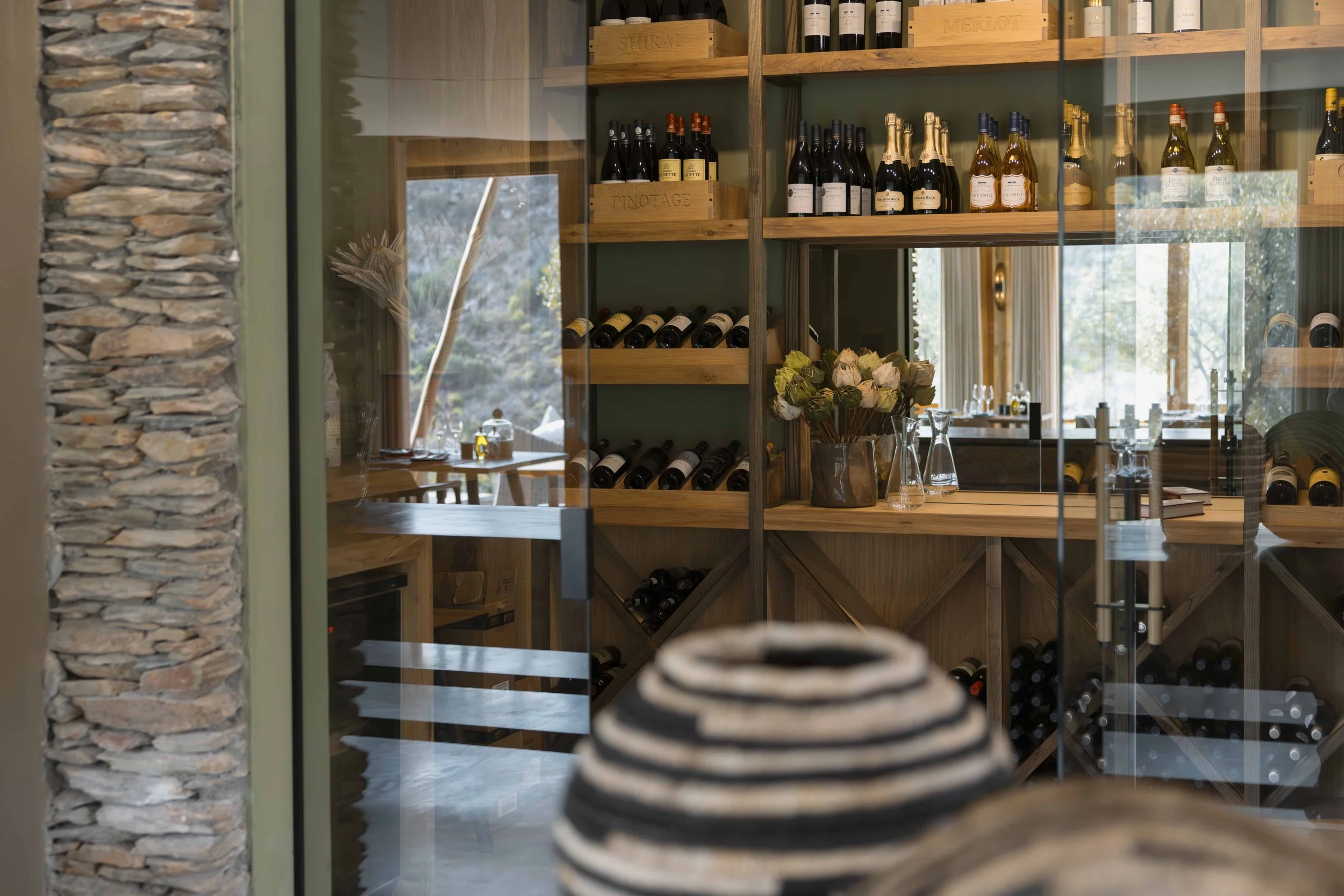
Dining at Sanbona is guided by season, place, and community. Ingredients are sourced from nearby farmers and artisans, supporting a local and sustainable supply chain. Meals shift with the weather, from relaxed lunches beside the pool to candlelit dinners indoors or boma evenings under the stars. Menus celebrate South African flavors with a refined, thoughtful approach, and dietary preferences are handled with care and creativity.
Getting There
Sanbona is an easy three-hour drive from Cape Town, following the N1 through the Huguenot Tunnel before joining Route 62 via Worcester, Robertson, and Montagu. The final stretch transitions from tar to gravel, leading to the reserve’s main gate. From Oudtshoorn, the drive along Route 62 passes through classic Little Karoo towns including Calitzdorp and Barrydale. Transfers within the reserve are arranged from the welcome lounge to each lodge, ensuring a seamless arrival into the wilderness.


Wild Initiatives
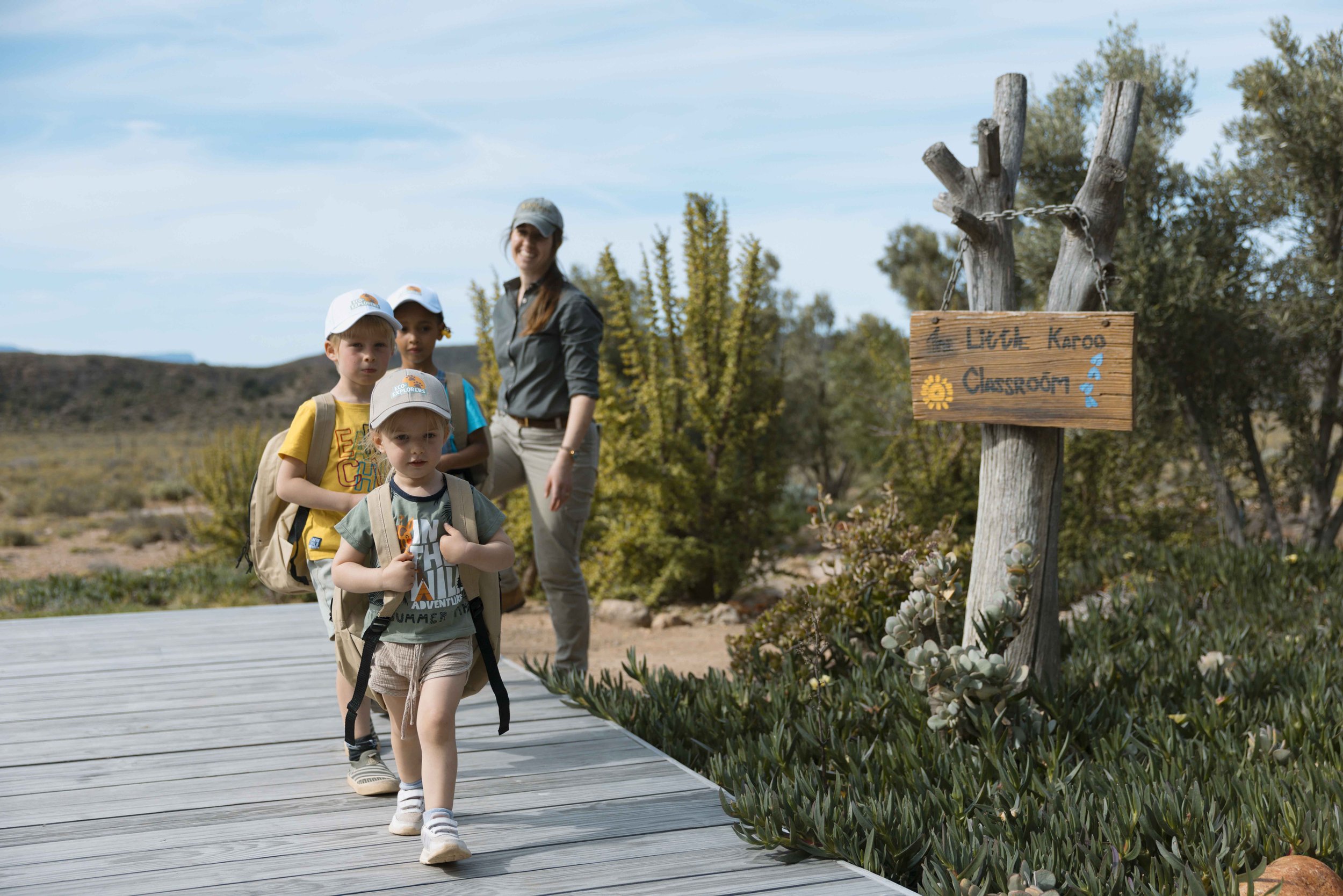
Sanbona stands as a leading example of private conservation in South Africa. What began as a hospitality venture has evolved into a non-profit conservation model, placing long-term ecological health above profit. The reserve focuses on restoring land to its most natural state, protecting endangered vegetation, wildlife, and fragile ecosystems for future generations.
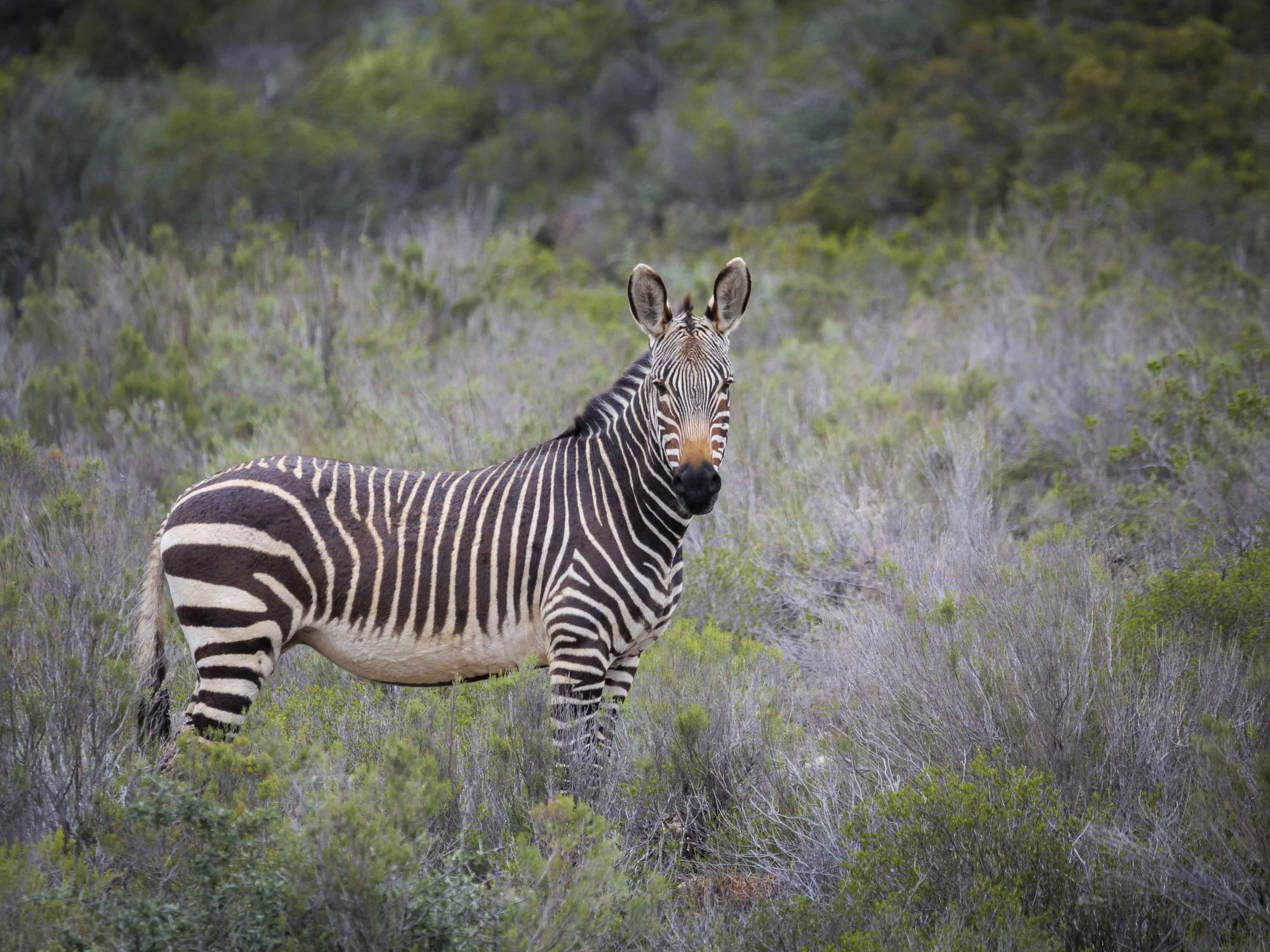
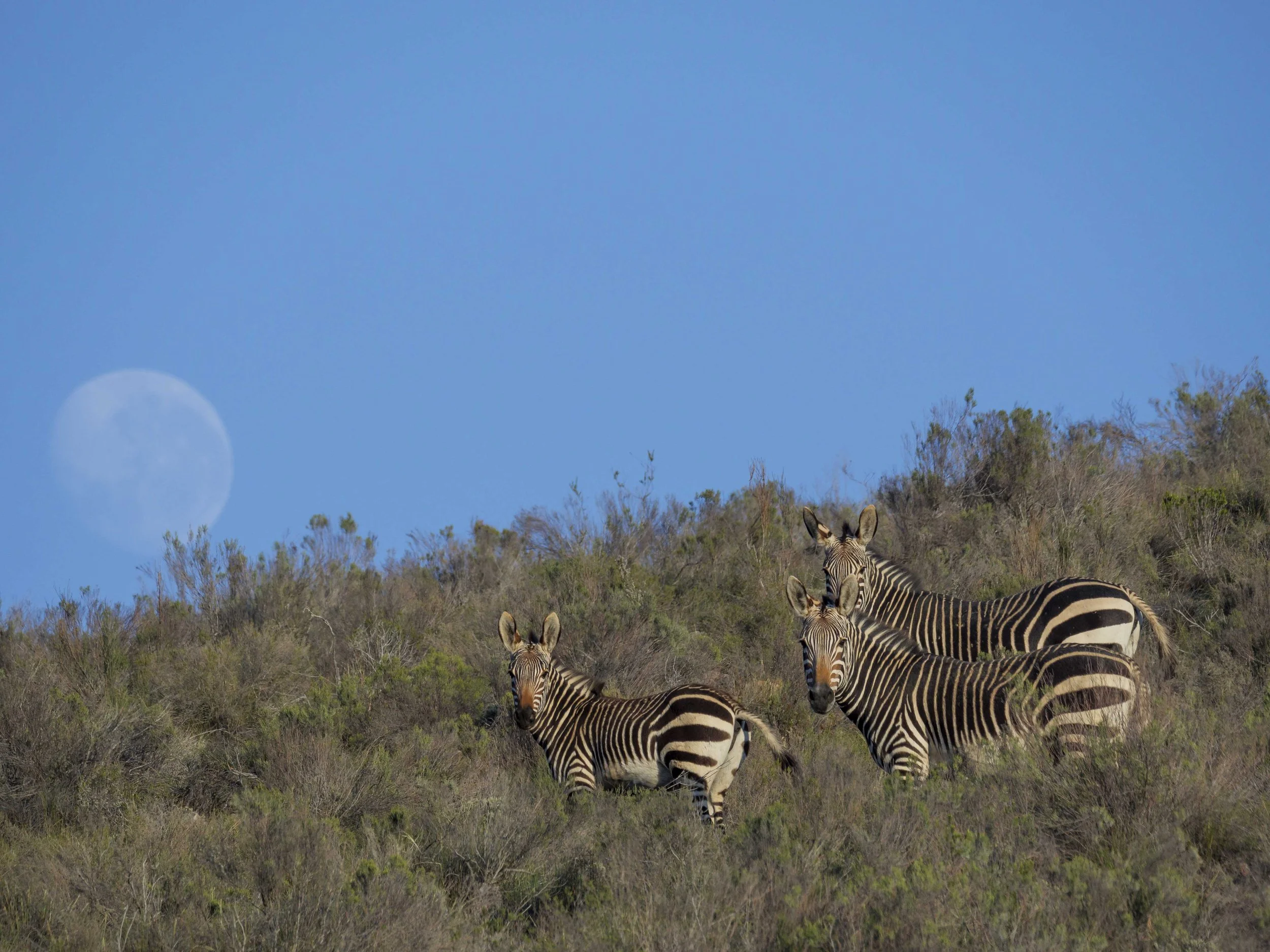
Key initiatives include biodiversity conservation, genetic rescue programs for species such as black desert rhino, cheetah, and Cape mountain zebra, and extensive rewilding efforts. Community sits at the core of Sanbona’s mission, supported through a dedicated Community Levy that funds education, nutrition, and healthcare programs in surrounding rural areas. Staying at Sanbona is an active contribution to conservation, ensuring this ancient landscape continues to breathe, regenerate, and endure.