
WILD INITIATIVES: UTAH FOREVER
Utah Forever represents a collective call to action centered around a single mission: to preserve the raw natural beauty, living cultures, and unique regional traditions that define the state’s high-desert landscapes and mountain communities. The initiative invites travelers to look beyond individual footprints and think holistically about acting as custodians of Utah’s biomes and ancestral heritage for future generations.
Through a commitment to sustainable travel, local stewardship, and site-specific conservation, Utah Forever unites local communities, native guides, and visitors across the state to elevate intentional travel standards throughout the Colorado Plateau and Great Basin.
“Utah Forever represents a collective call to action centered around a single mission: to preserve the raw natural beauty, living cultures, and unique regional traditions that define the state’s high-desert landscapes and mountain communities. ”
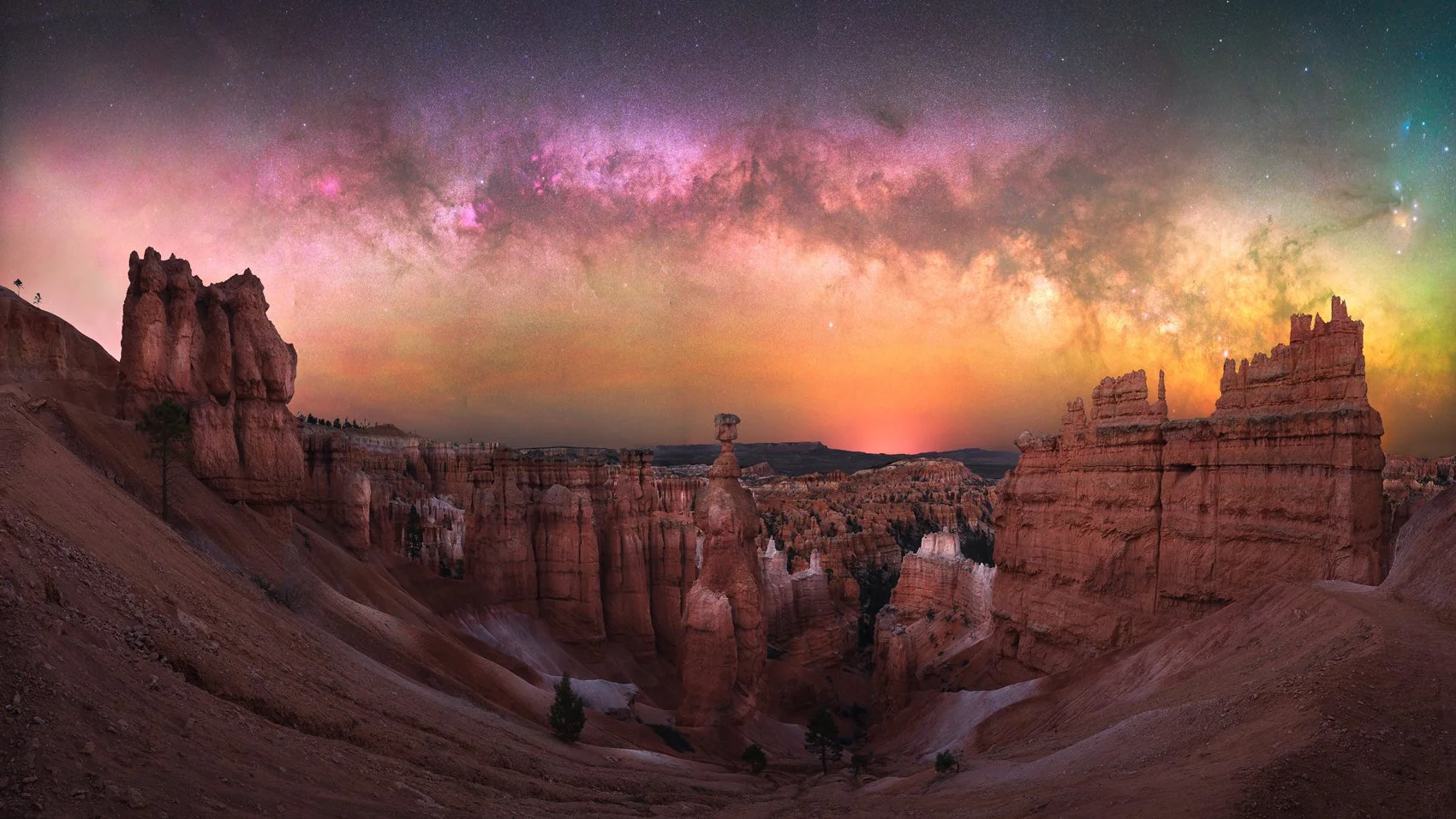
Bryce Arch by Marcin Zajac
The Four Pillars of Utah Forever
1. Practice Leave No Trace Principles
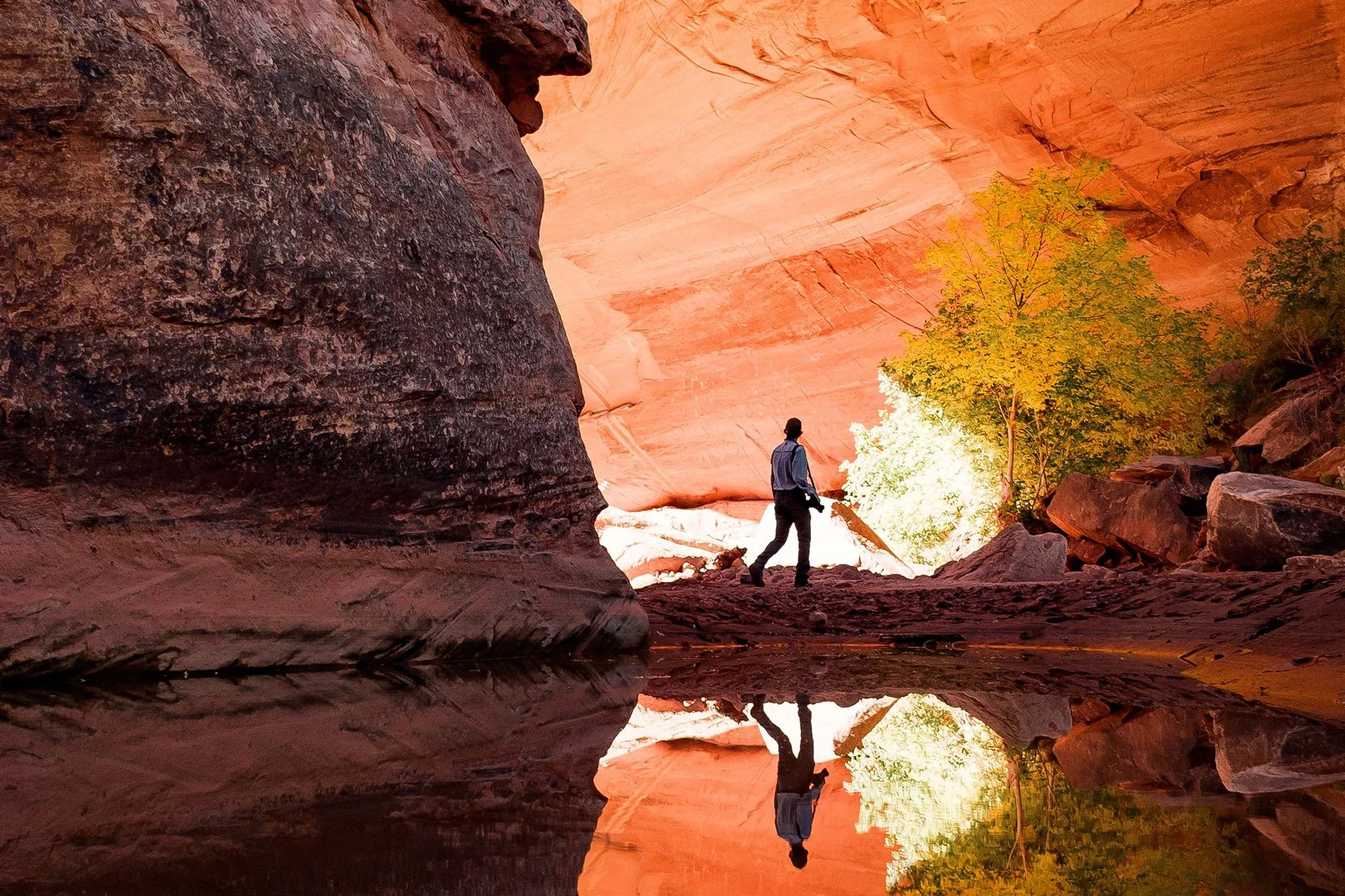
Natural Bridges by Pattiz
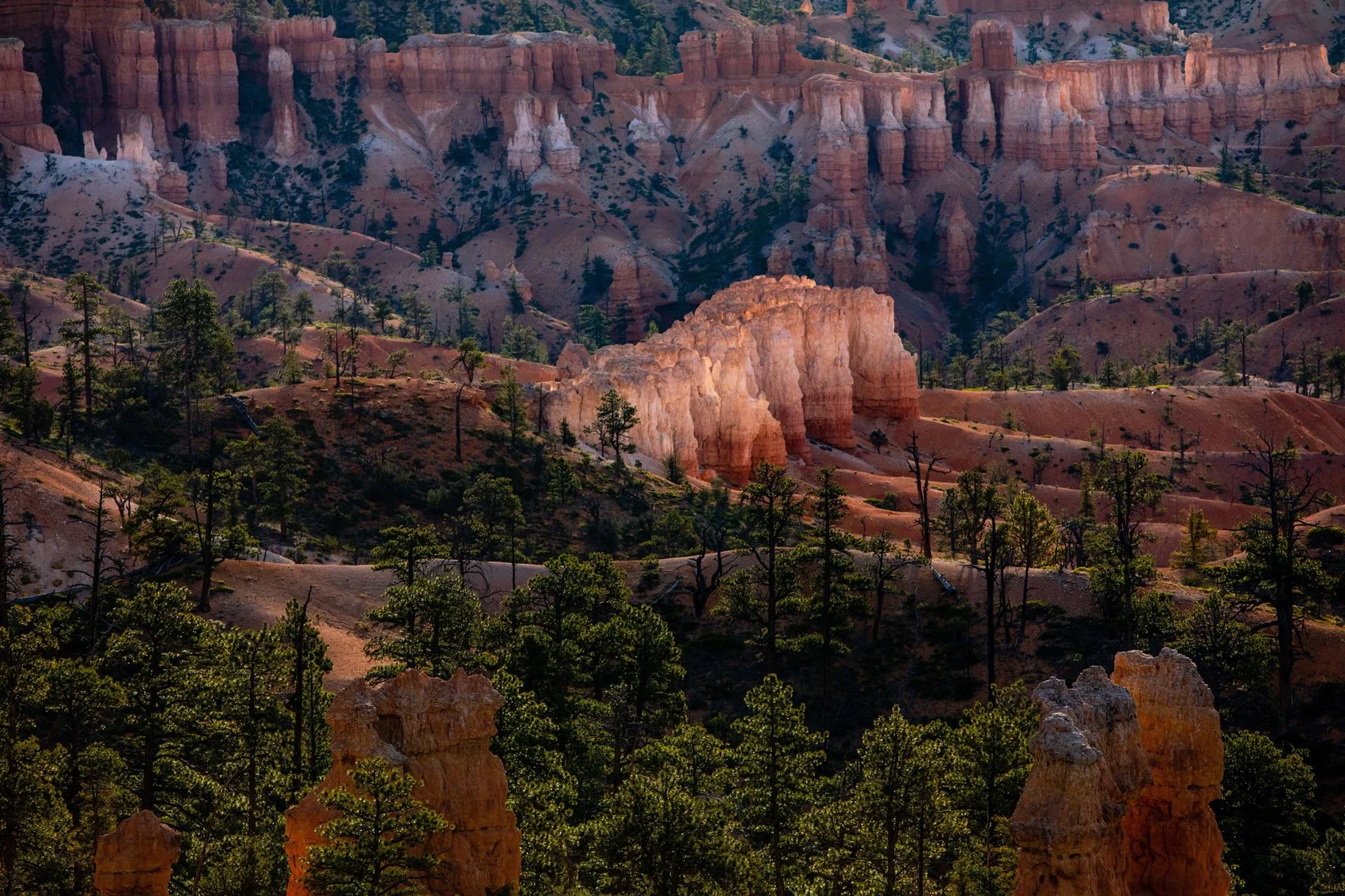
Bryce Canyon Utah Mighty Five by Payne
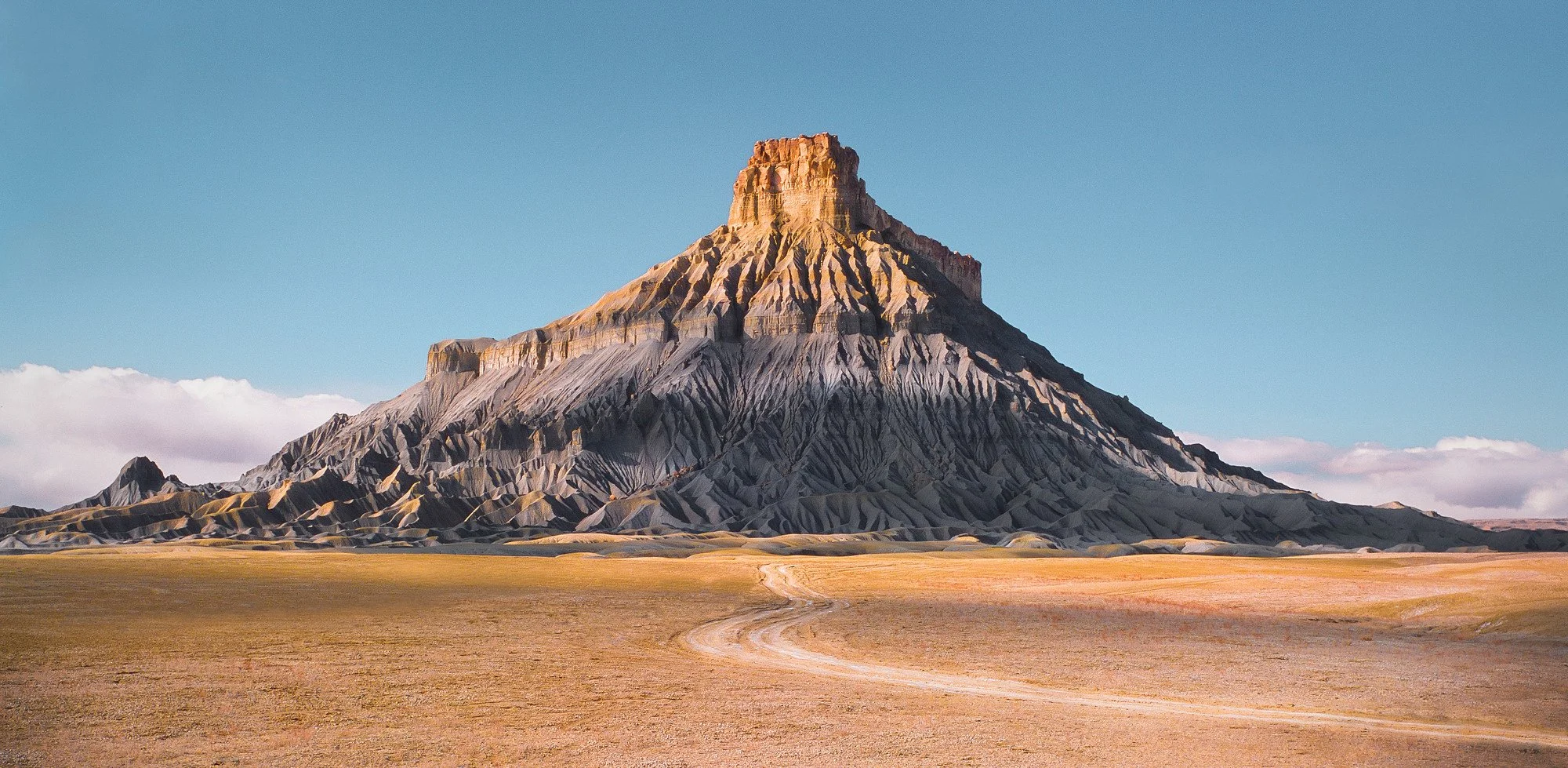
Factory Butte Hanksville by Bunch Eric
“In partnership with the Leave No Trace Center for Outdoor Ethics, the initiative translates local conservation into seven actionable wilderness practices.”
Know Before You Go: Planning thoughtfully for high-altitude desert environments reduces environmental stress. Researching local land access rules, permit requirements, and seasonal weather volatility limits emergency impacts on delicate ecosystems.
Stick to Trails & Overnight Right: Treading lightly on fragile biological soil crusts (cryptobiotic soils) and slickrock terrain protects the desert floor. Confining movement to established paths and overnighting exclusively in designated campsites prevents desert erosion and protects native vegetation.
Trash Your Trash: Preserving pristine landscapes requires complete waste accountability, including packing out every piece of trash introduced to the wilderness. From remote slot canyons to high-alpine passes, travelers pack out all waste, including human and pet waste where required.
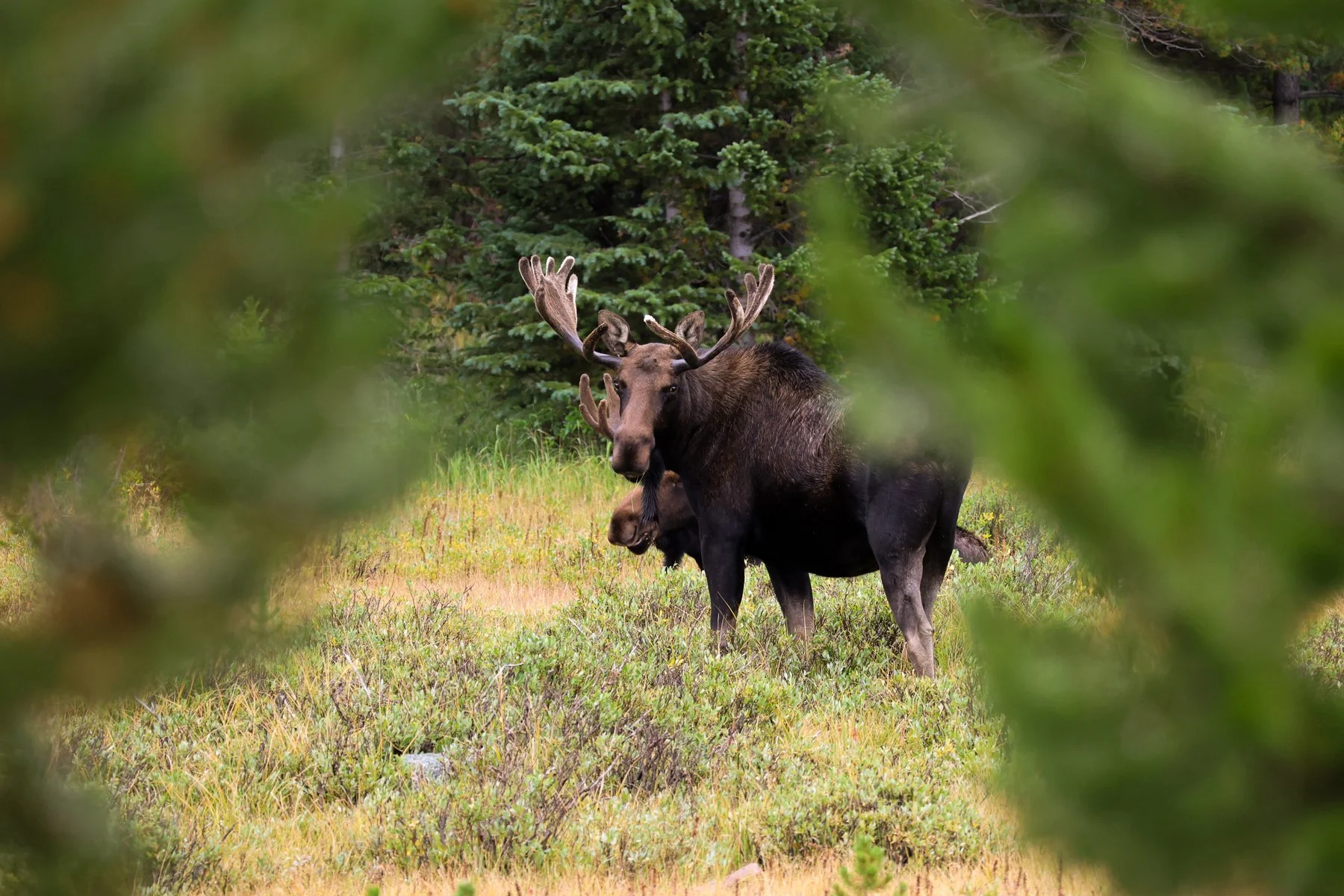
Flaming Gorge in Daggett County, Moose at Spirit Lake

Arches Mighty Five by Payne Angie
Protect Indigenous Cultural Heritage: Eons of human history remain woven into the land. Observing rock imagery, petroglyphs, ancestral dwellings, and historical artifacts at a respectful distance protects these sacred living archives without altering their delicate chemistry.
Minimize Campfire Impacts: Respecting high-desert fire restrictions shields vulnerable biomes. Utilizing lightweight camp stoves, keeping fires contained to existing rings within designated areas, and ensuring coals are completely cold to the touch prevents devastating wildfires.
Keep Wildlife Wild: Observing native species from a respectful distance keeps animals and humans safe. Storing food securely in bear-proof lockers or canisters, keeping domestic pets controlled, and honoring seasonal migration routes protects local wildlife.
Share Our Parks, Trails & Roads: Practicing mindful spatial awareness maintains tranquility across shared wilderness networks. Yielding to uphill hikers and equestrians, reducing speeds on unpaved gateway roads to minimize dust, and keeping noise levels low preserves the solitude of the outdoors.
2. Support Local Communities & Native Economies
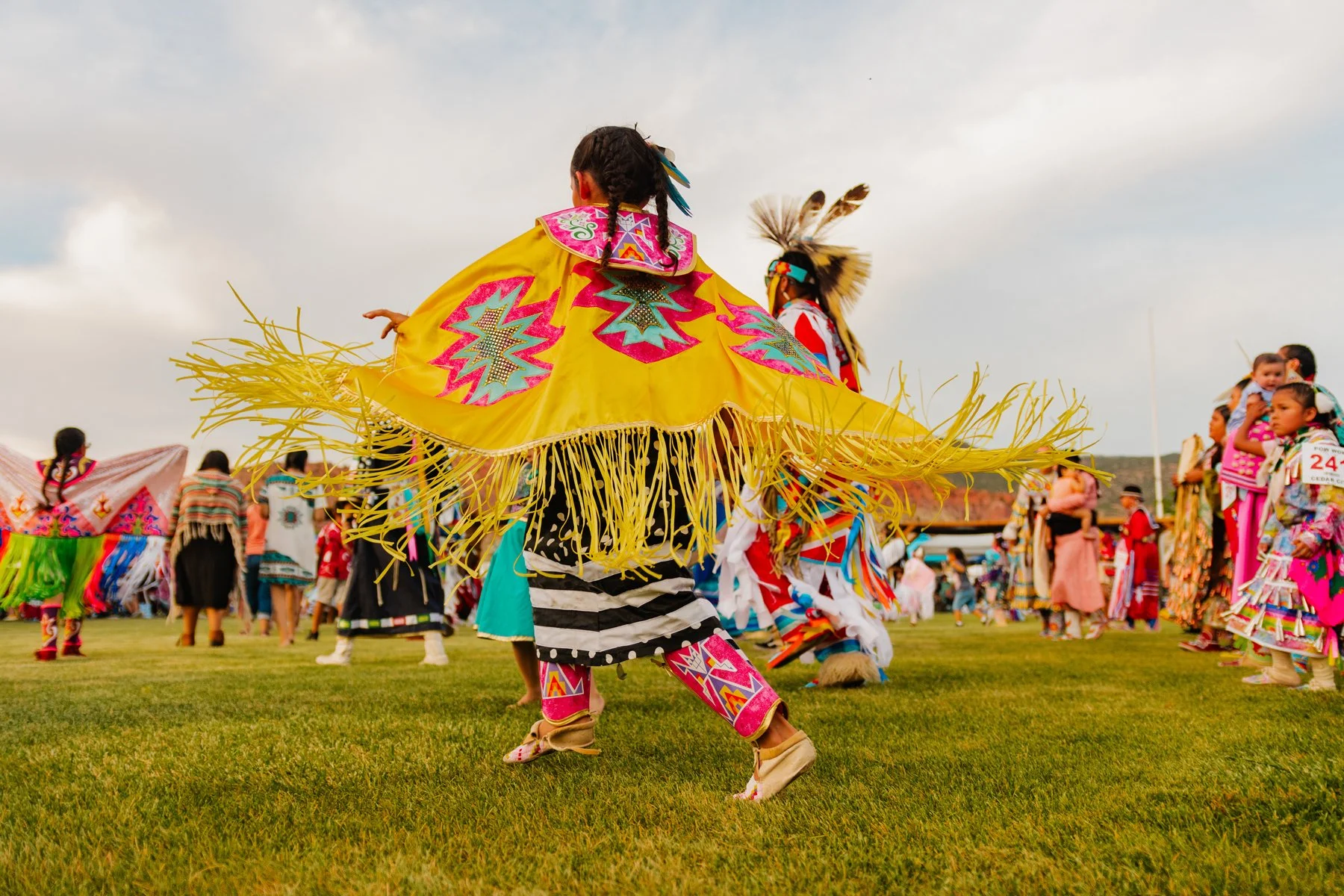
Paiute Restoration Pow Wow in Cedar City by Jake Samuel
“Environmental custodianship extends directly into the human fabric of gateway towns. The initiative prioritizes direct engagement with the artisans, tribal-led outfits, native historians, and independent operators who sustain the region’s distinct identity”
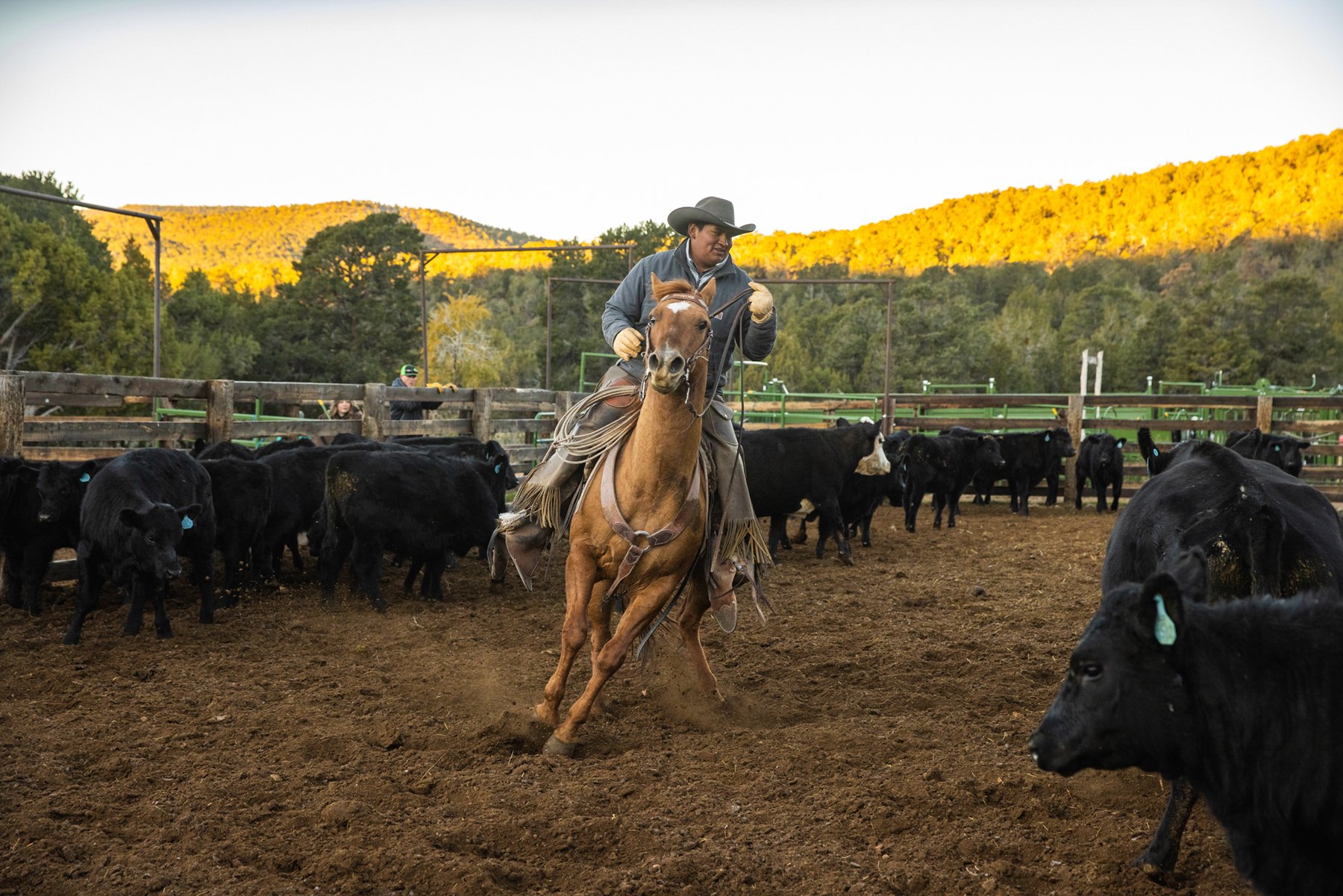
Cattle Ranch Boulder by Burr Andrew
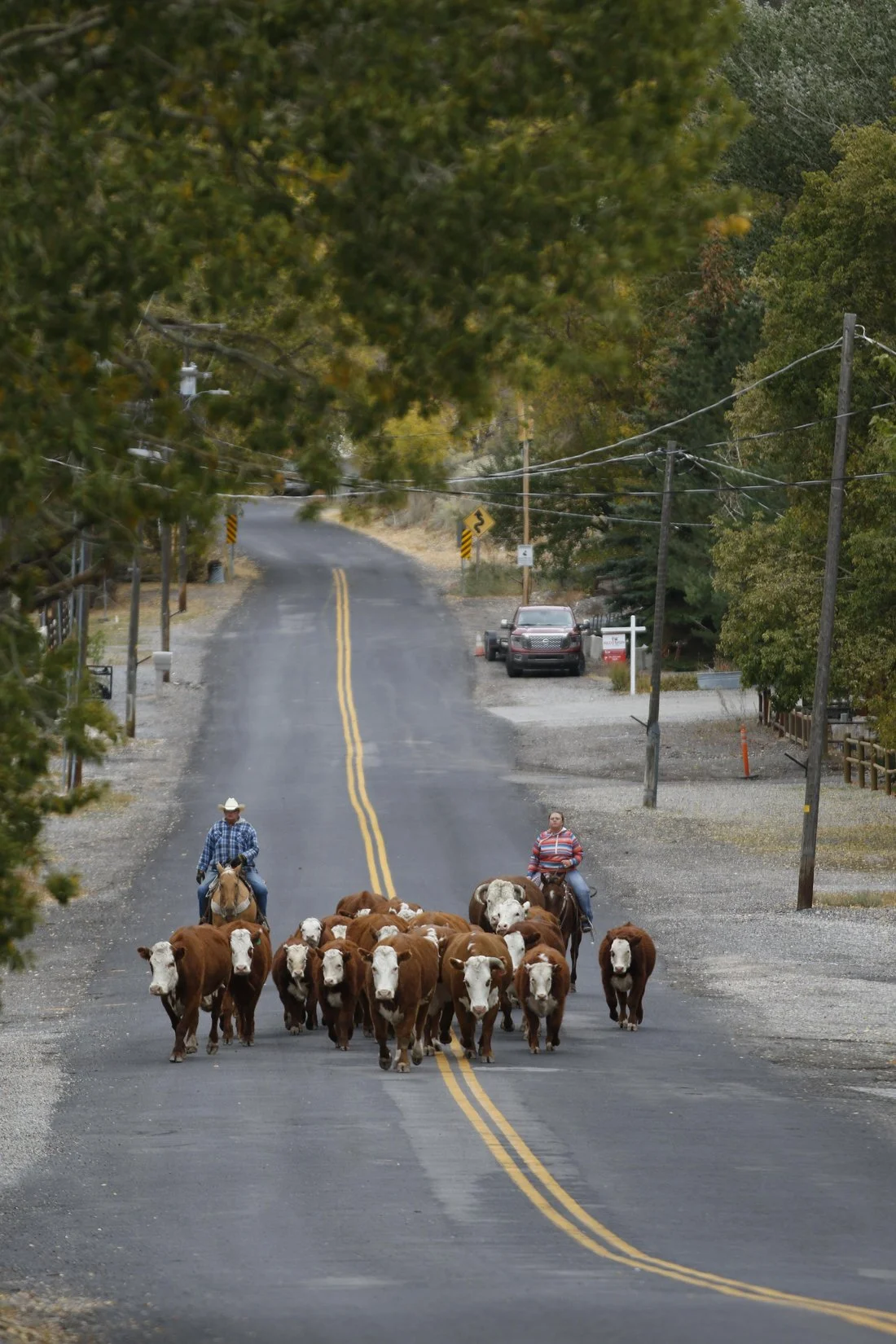
Tooele County Ophir by Marc Piscotty
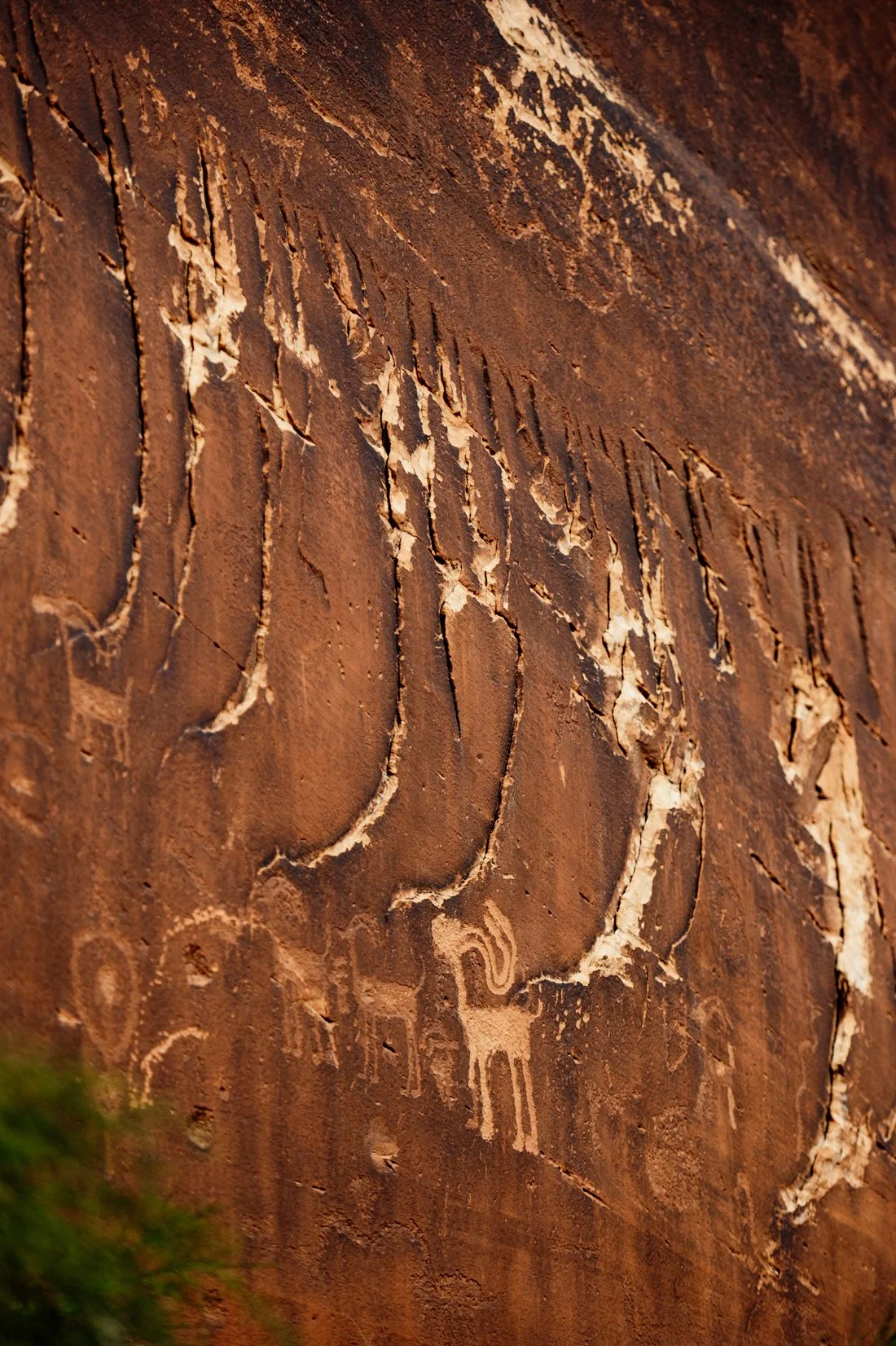
Canyonlands Field Institute Craig Michelle
Indigenous Tourism: Direct engagement with tribal-led experiences and native outfitters honors the legacy and living presence of the Nuwuvi (Southern Paiute), Diné (Navajo), Ute, Goshute, Hopi, and descendant ancestral communities.
Independent Outfitters: Partnerships with local wilderness guides and canyoneering experts ensure safe, educational, and low-impact exploration backed by deep regional knowledge.
Community Economies: Supporting regional farm-to-table eateries, women-owned businesses, independent craftspeople, and local art enclaves strengthens gateway towns like Kanab, Helper, Escalante, Boulder, and Torrey.
3. Prepare for the Elements & High-Desert Conditions
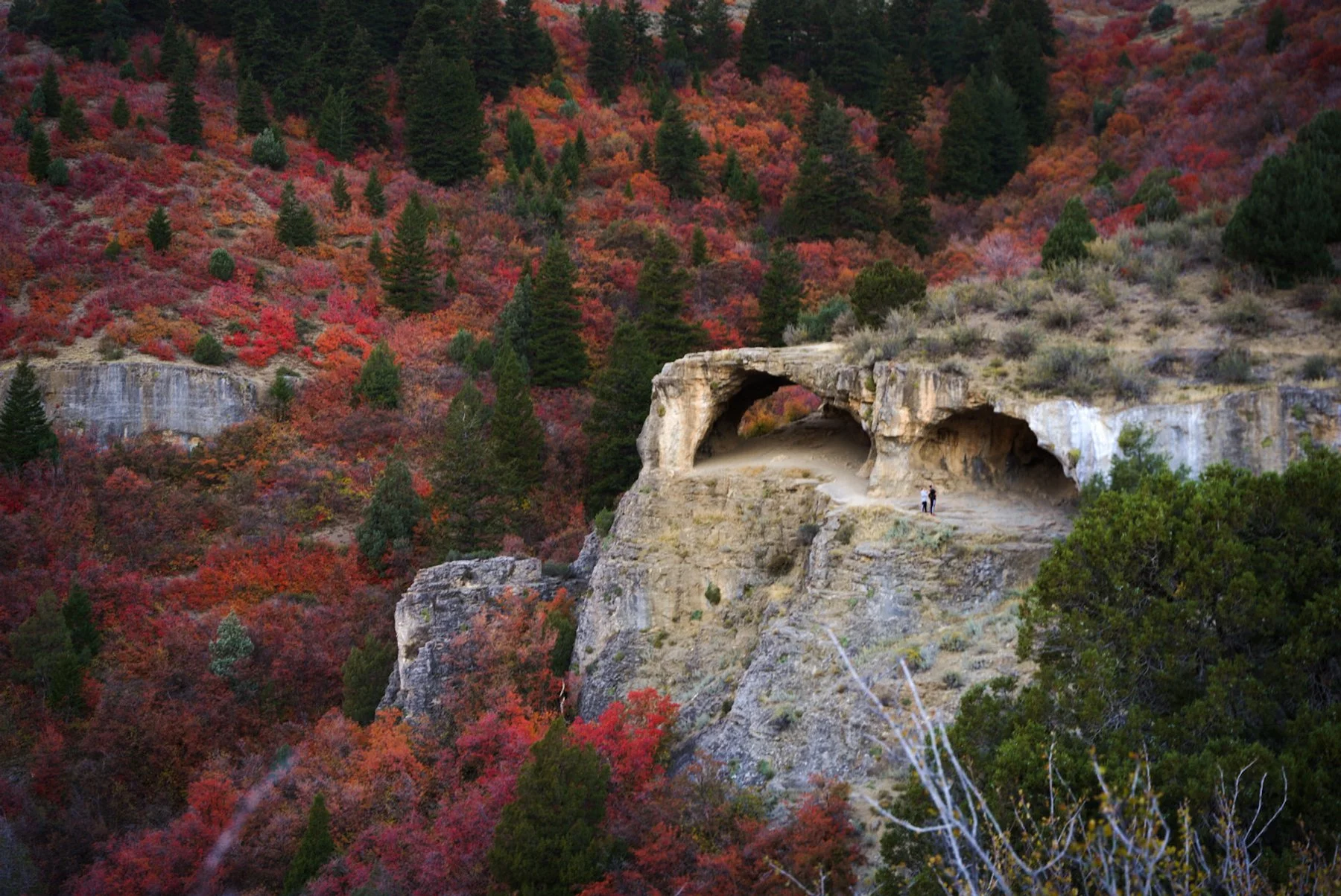
Logan Canyon Wind Caves by Rees Arianna
“Traveling responsibly requires thorough preparation for Utah’s extreme landscapes and erratic weather patterns. Adequate preparation prevents search-and-rescue emergencies and reduces strain on rural infrastructure”
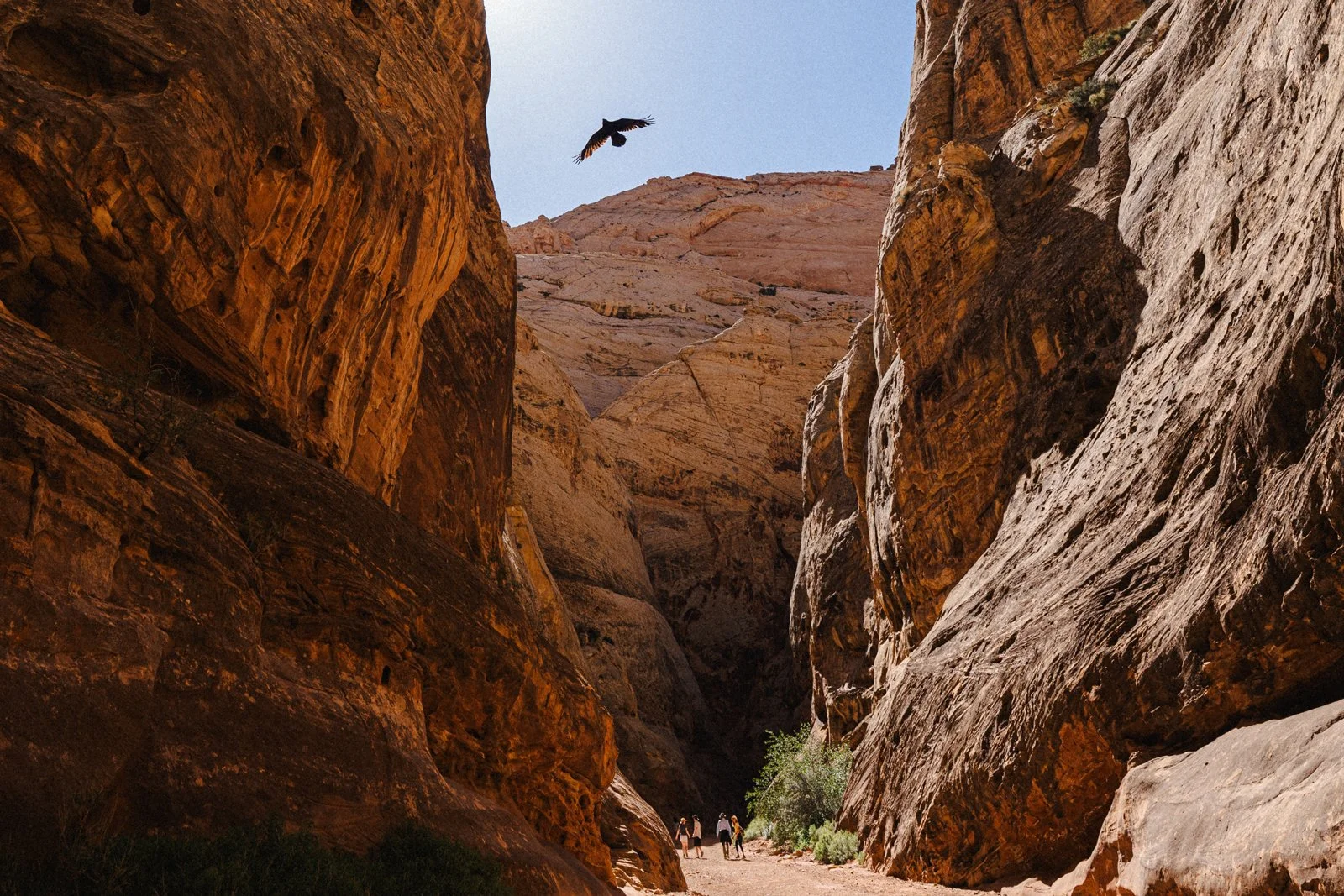
Factory Butte Hanksville by Bunch Eric
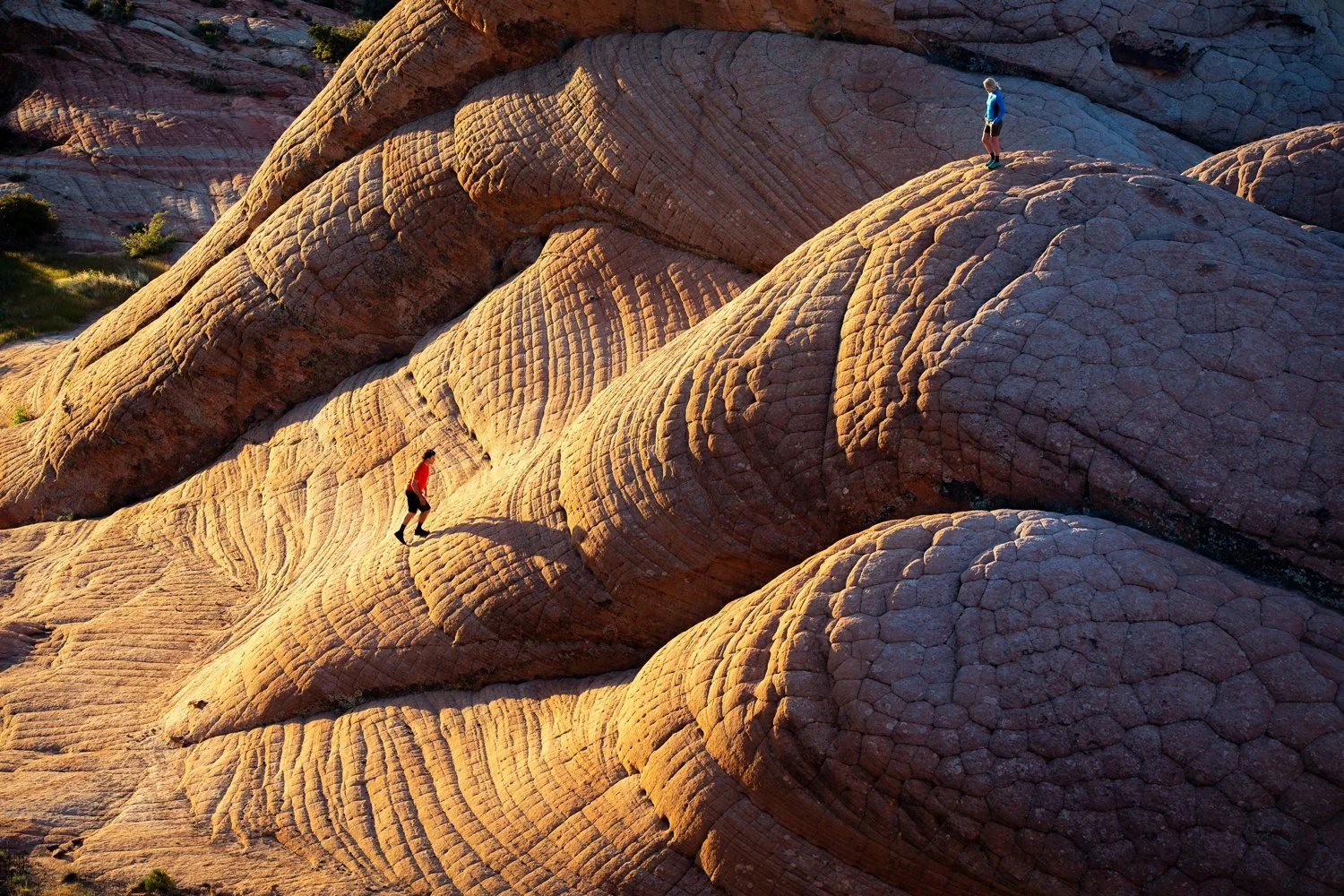
Yant Flats Washington County by Jay Dash Photography
Hydration & Supplies: Carrying ample water, electrolytes, and emergency provisions is essential when navigating arid, high-altitude terrain far from service hubs.
Navigation & Readiness: Downloading offline maps, monitoring flash flood risks in slot canyons, and understanding rapid temperature drops ensure safe self-sufficiency across public lands.
4. Travel Mindfully Across Public Lands
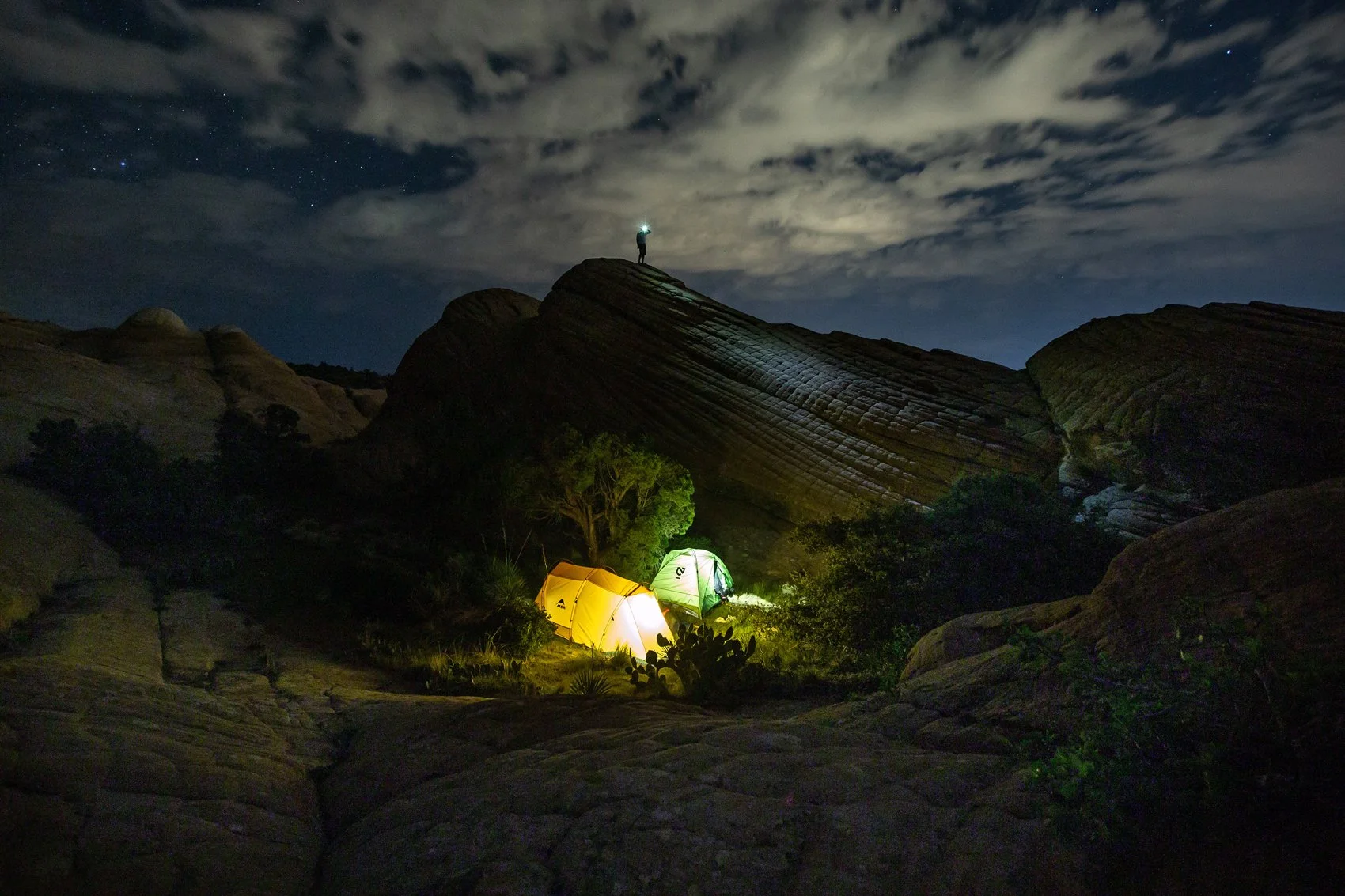
Yant Flats Washington County by Jay Dash Photography
“Respecting shared natural spaces ensures that delicate ecosystems and dark sky corridors remain intact for future generations”
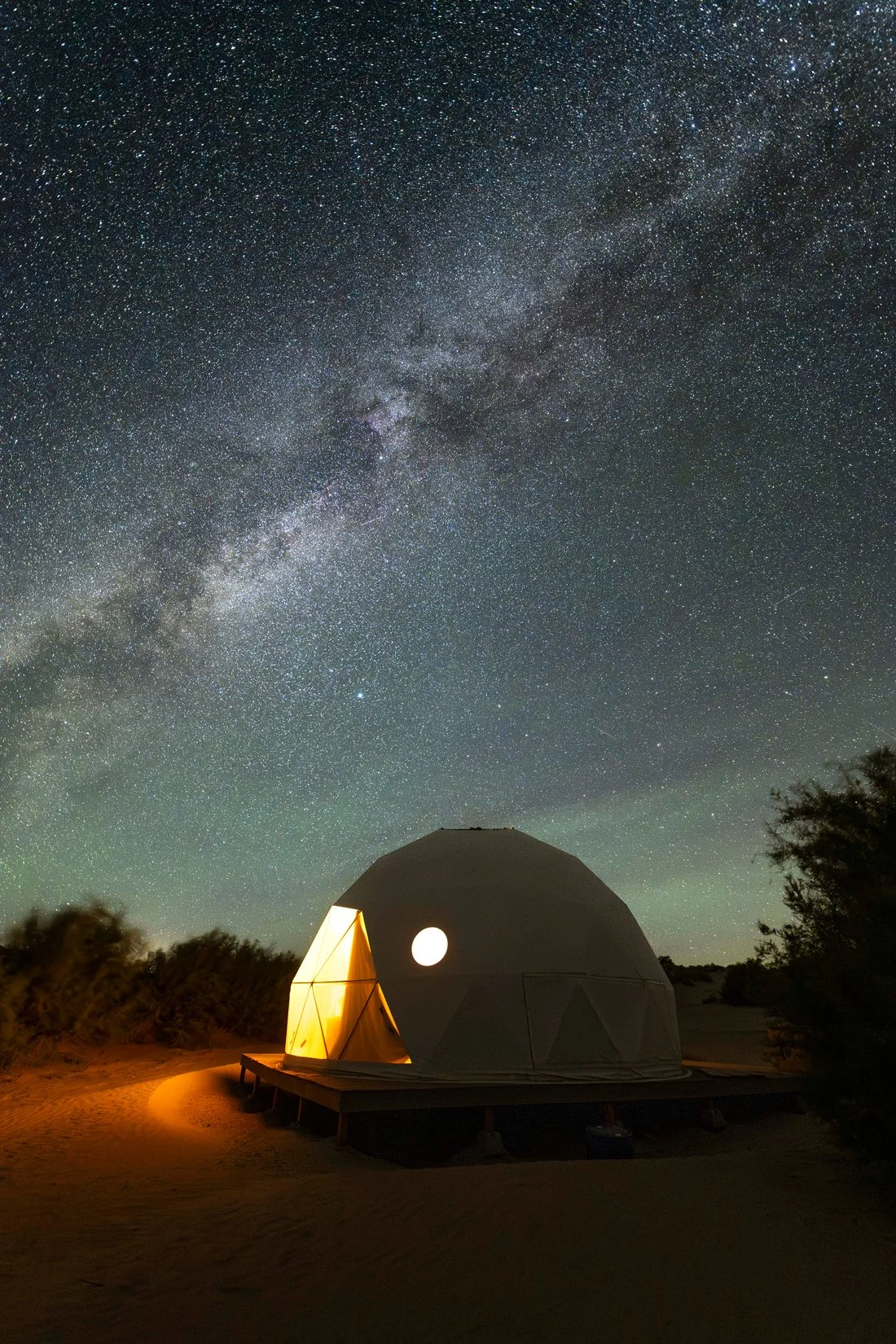
Yuba Lake, Juab County by Hamel Seth
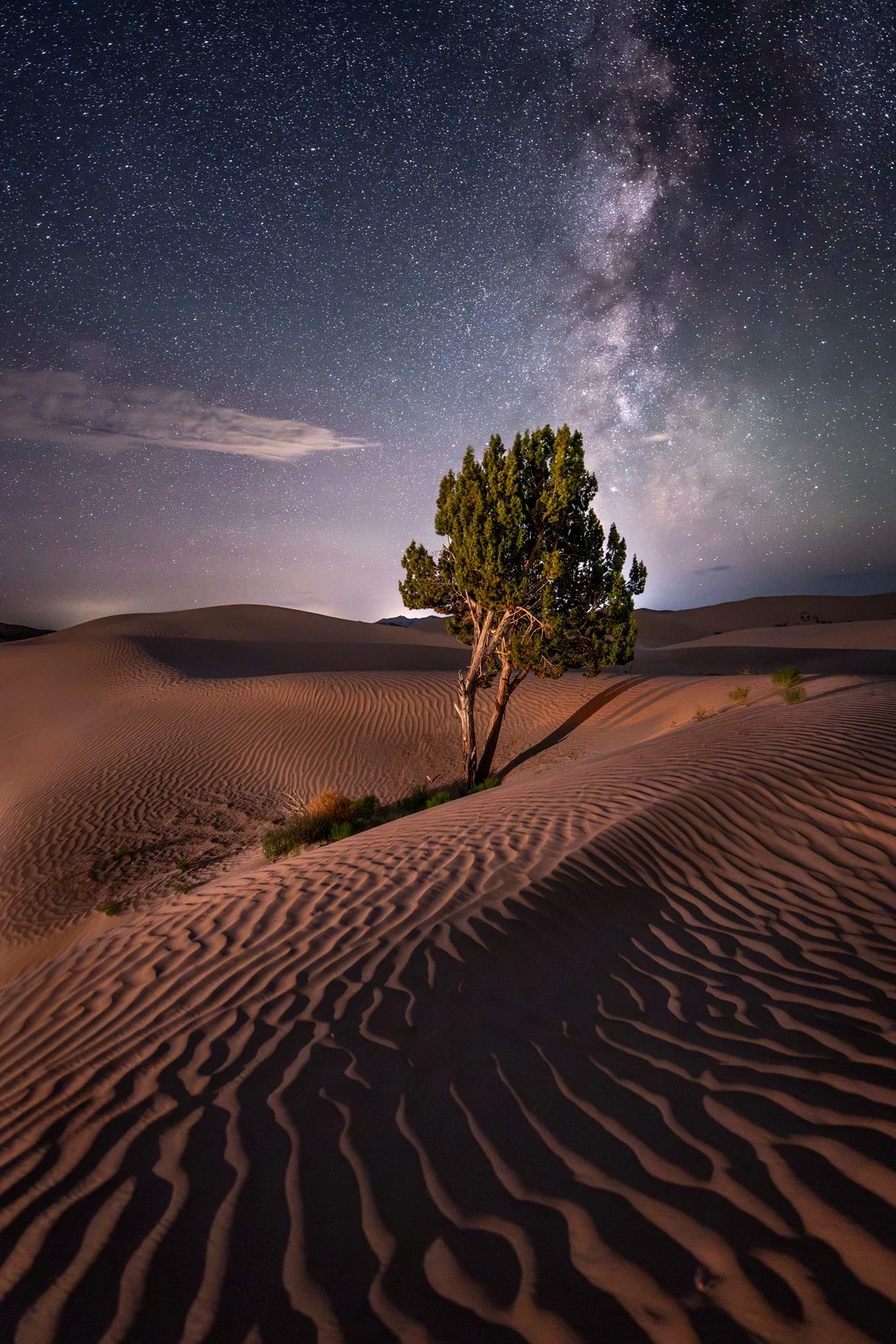
Little-Sahara, Juab County by Hamel Seth
Dark Sky Preservation: Minimizing artificial light usage in remote regions protects Utah's world-renowned dark skies and nocturnal wildlife habitats.
Low-Impact Transit: Utilizing public shuttles in high-density parks, carpooling, and treading carefully around sensitive water sources reduces ecological disruption across the Great Basin and Colorado Plateau.
ROOM + WILD in Utah
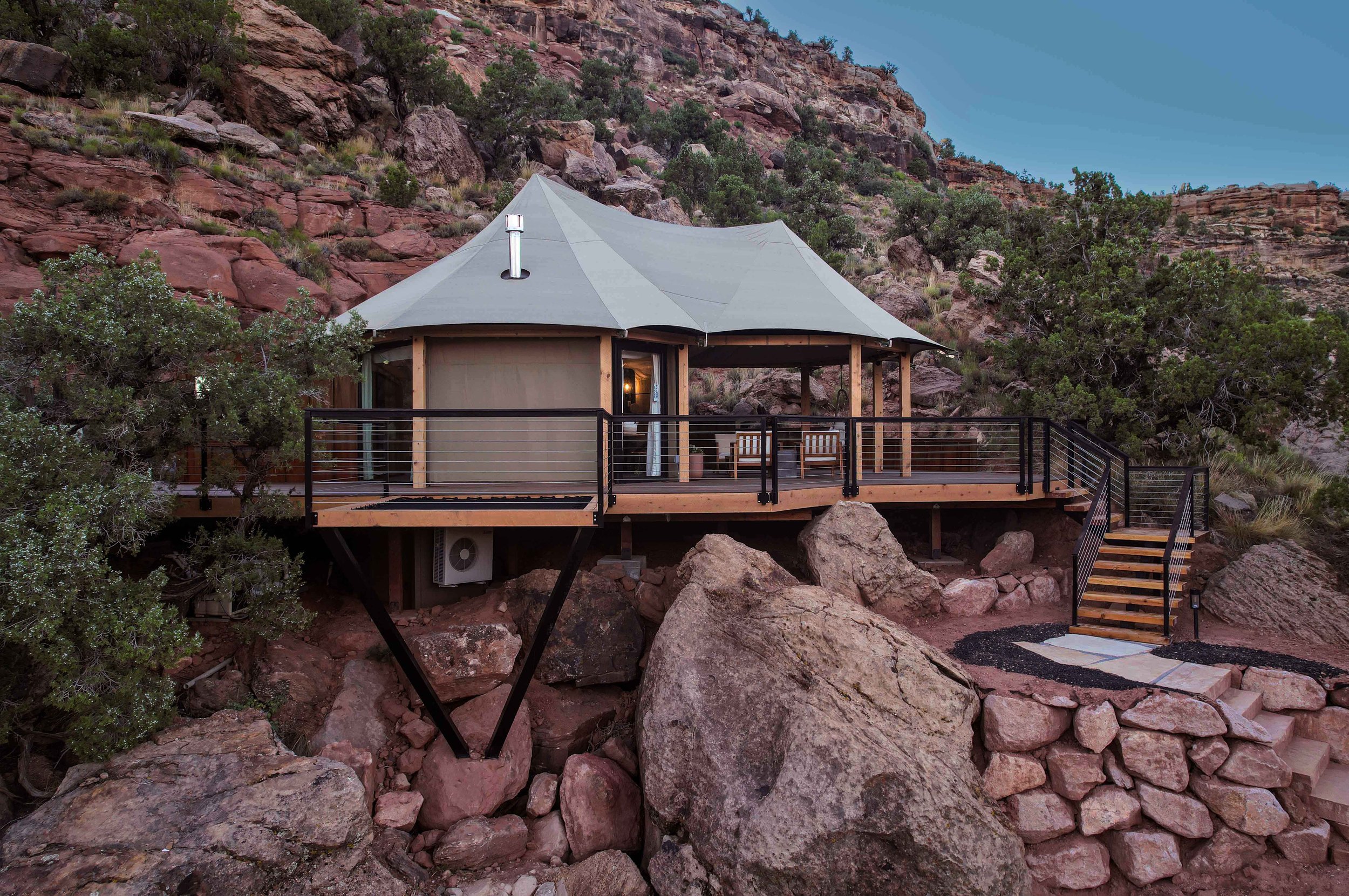
Open Sky (Zion, Utah): Eco-focused canvas suites positioned seamlessly against sandstone bluffs, offering off-grid luxury that protects native flora and minimizes light pollution.


An expanse of raw, ancient earth, Utah’s high-altitude desert occupies a surreal crossroads carved by over a billion years of geological force. From iron-rich sandstone monoliths and gravity-defying arches to dark sky reserves and ancestral indigenous sites, these red rock landscapes demand total sensory immersion. Discover 11 transformative ways to experience Utah, from slot canyon rappelling and high-desert slickrock trails to immersive dark-sky glamping sanctuaries deeply anchored to the land.