
Experience cacao where it is woven into daily rhythms through tastings, ceremonies, and slow rituals shaped by geography
Cacao begins as a seed but has always been more than a plant. Long before it was sweetened or shaped into modern wellness culture, it was revered by the Olmec, Maya, and Aztec civilizations as medicine, currency, and messenger. Consumed as a bitter, spiced drink, it marked transitions, offered protection, and opened conversation with the unseen. Even today, cacao carries that dual nature, grounding and expansive at once, inviting presence, connection, and the quiet power of slowing down.
Modern science echoes what ancient cultures understood intuitively. Raw cacao is rich in antioxidants, magnesium, iron, and mood-supporting compounds that encourage circulation, focus, and emotional balance. Consumed slowly and with intention, it offers clarity without overstimulation, creating space to reconnect with the body’s natural rhythms.
The cacao tree grows within a narrow equatorial band where humidity is high, rainfall generous, and soils are rich with organic matter. Thriving beneath forest canopies and within biodiverse ecosystems, cacao is shaped by place as much as process. Colombia, Ecuador, Peru, Belize, Mexico, Costa Rica, and parts of West Africa remain among its most important regions, each influencing flavor through altitude, climate, and soil composition.
Today, this relationship between cacao and land is being reinterpreted through landscape hotels and eco lodges rooted in these regions. Increasingly, hotels are inviting guests to experience cacao where it is grown, woven into daily rhythms through tastings, ceremonies, and slow rituals shaped by geography. In these settings, cacao becomes a bridge between ancient tradition and modern travel, reconnecting body, place, and the living landscapes that sustain both.
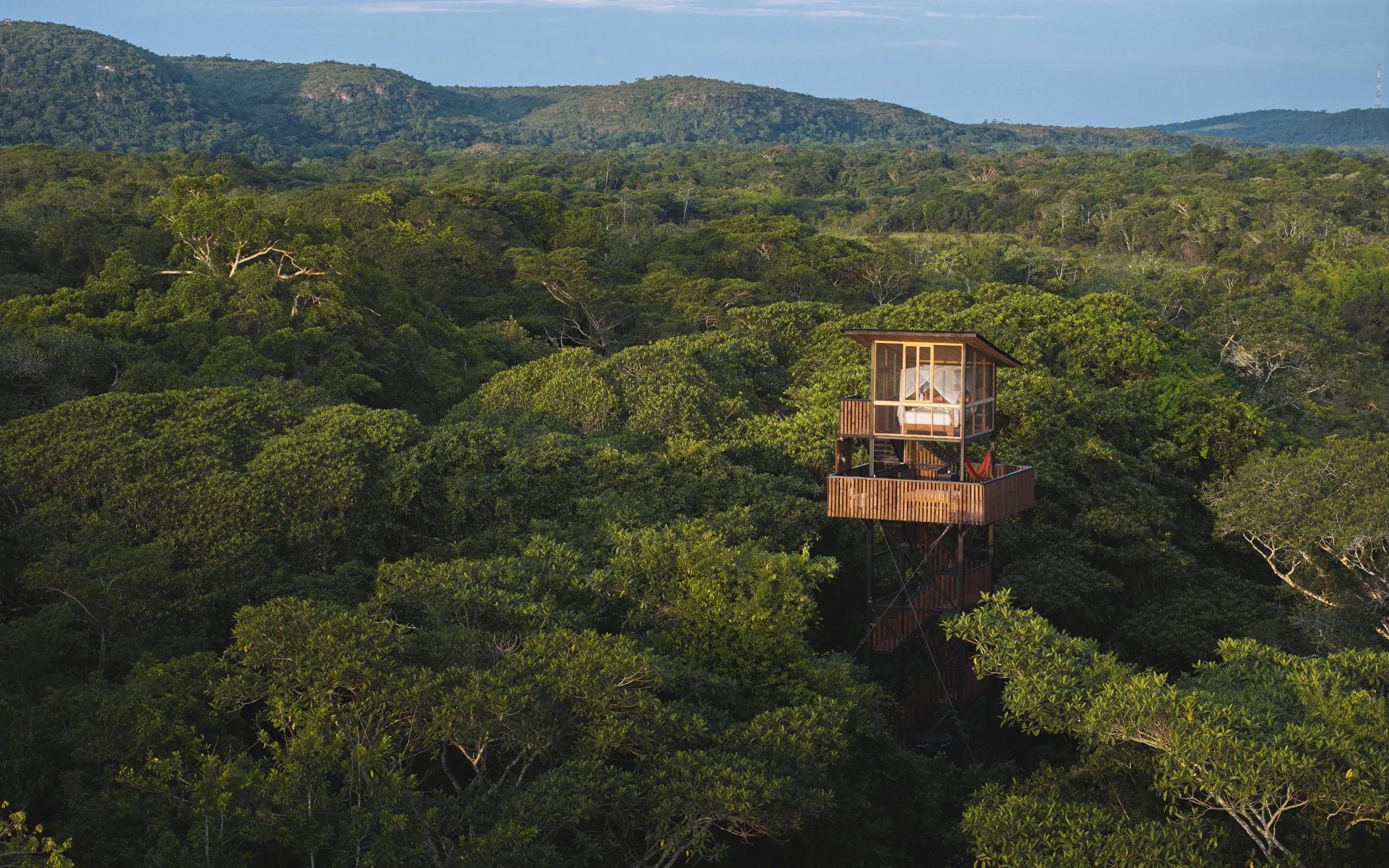
Photo by La Manigua Lodge
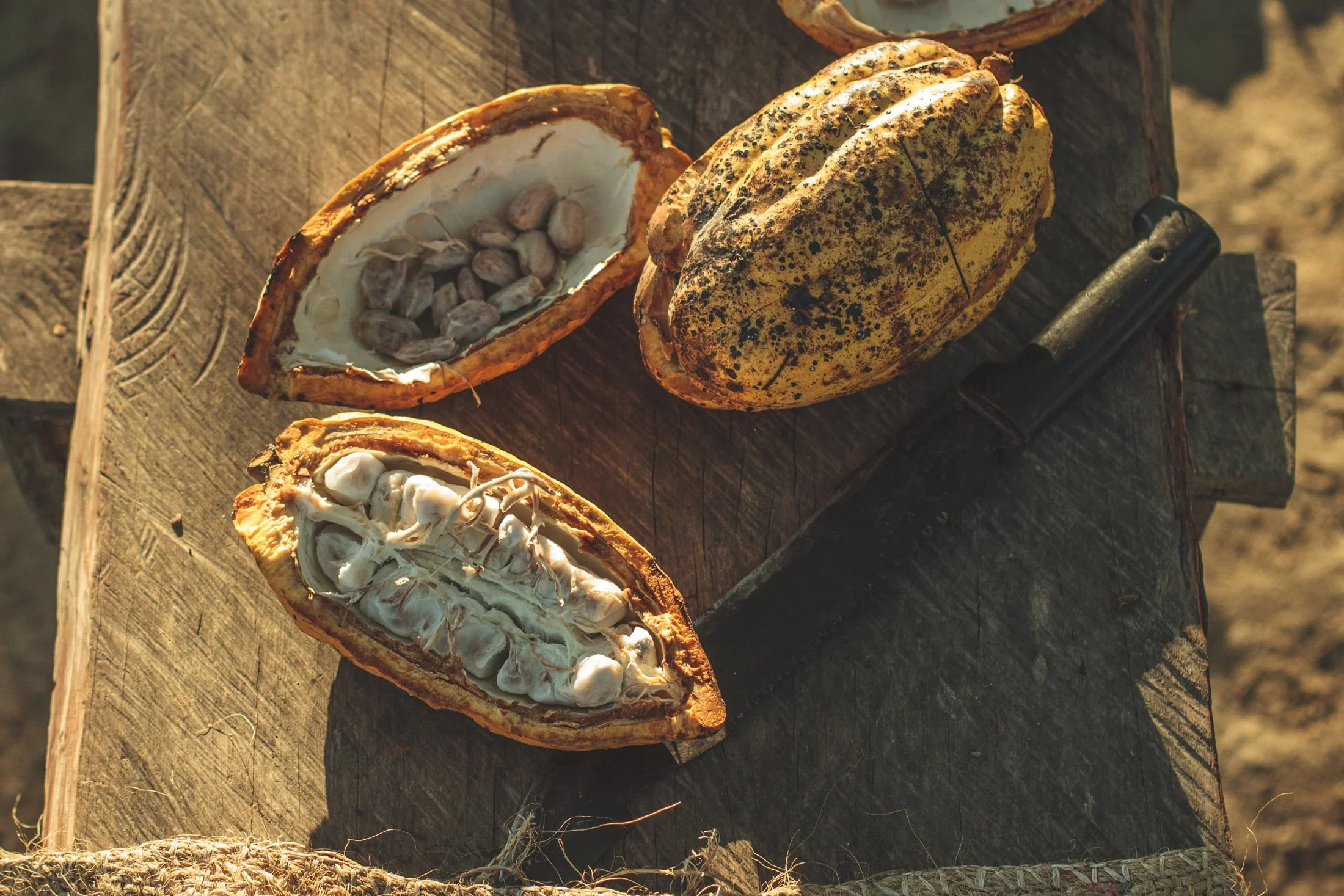
Photo by La Manigua Lodge
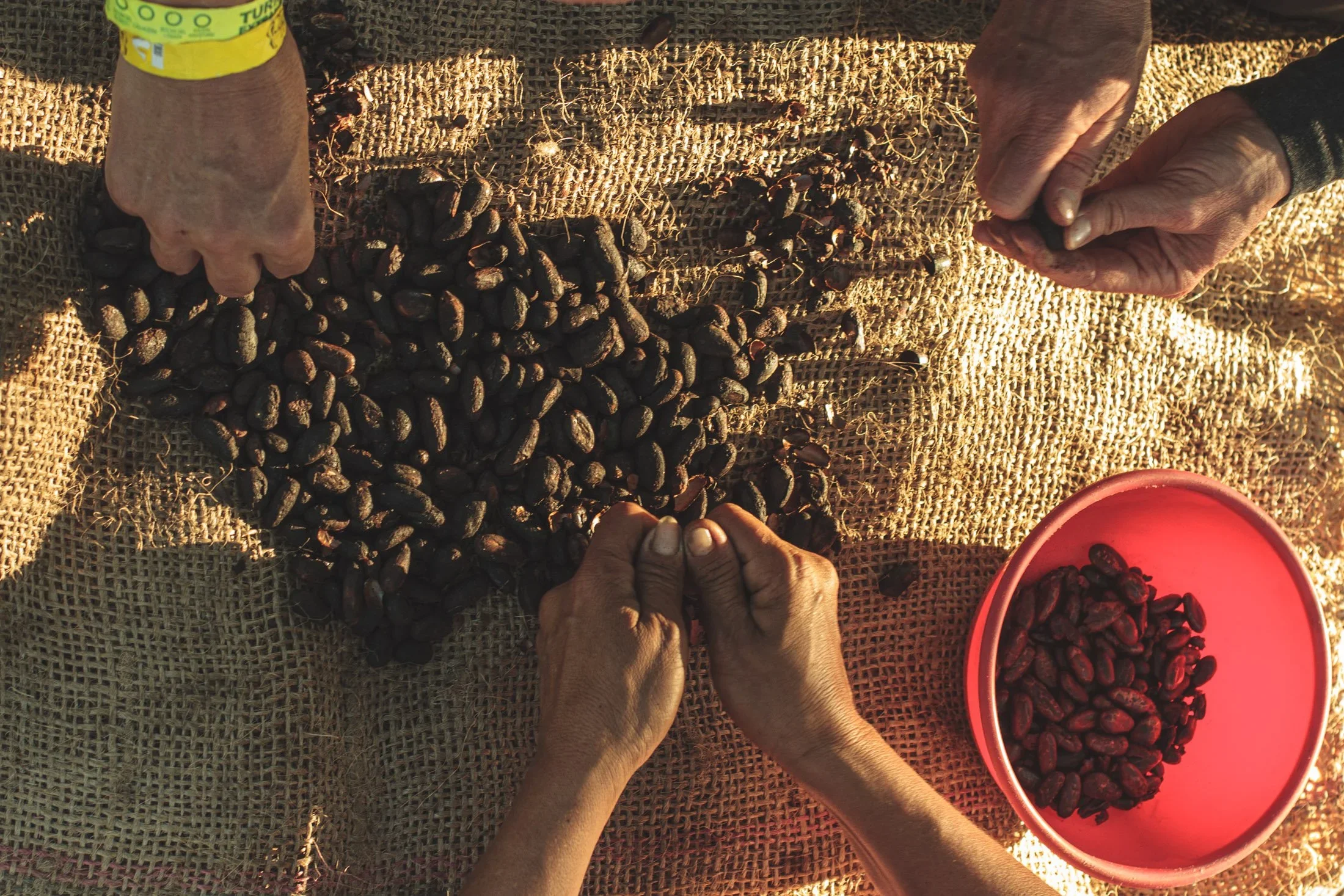
Photo by La Manigua Lodge
La Manigua Lodge, Colombia
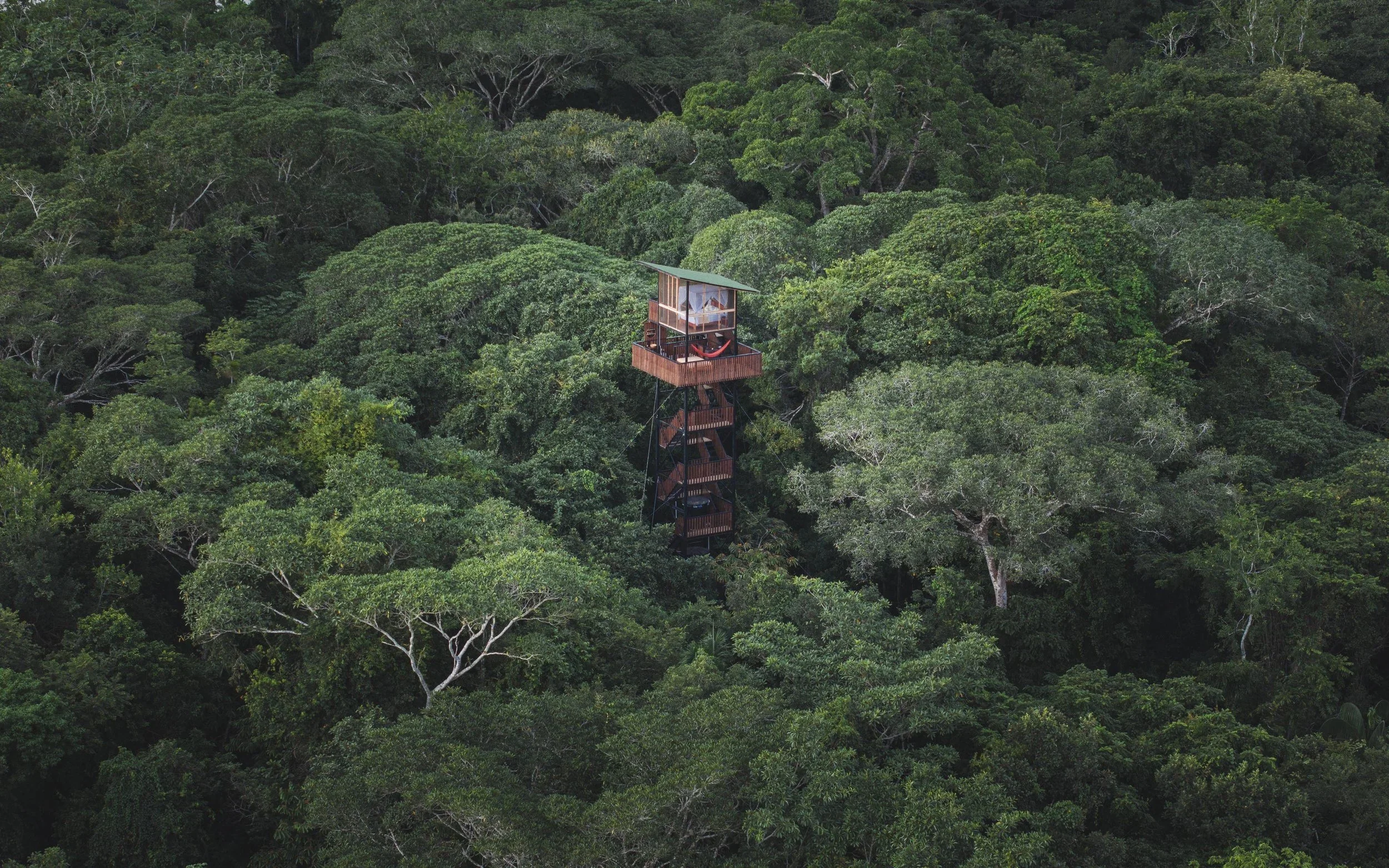
Deep in Colombia’s Sierra de la Macarena, where the Amazon, Orinoco, and Andes begin to converge, La Manigua Lodge offers one of the most elemental cacao experiences in the world. Cacao grows here as it always has, beneath dense rainforest canopy, nourished by river-fed soils and constant humidity. Guests encounter cacao through guided forest walks and hands-on harvesting, learning how the plant exists in relationship with birds, insects, and surrounding flora. Shared cacao moments unfold quietly, often by the river or beneath towering trees, returning the plant to its ceremonial roots. At La Manigua, cacao is living, wild, and inseparable from the forest that sustains it.
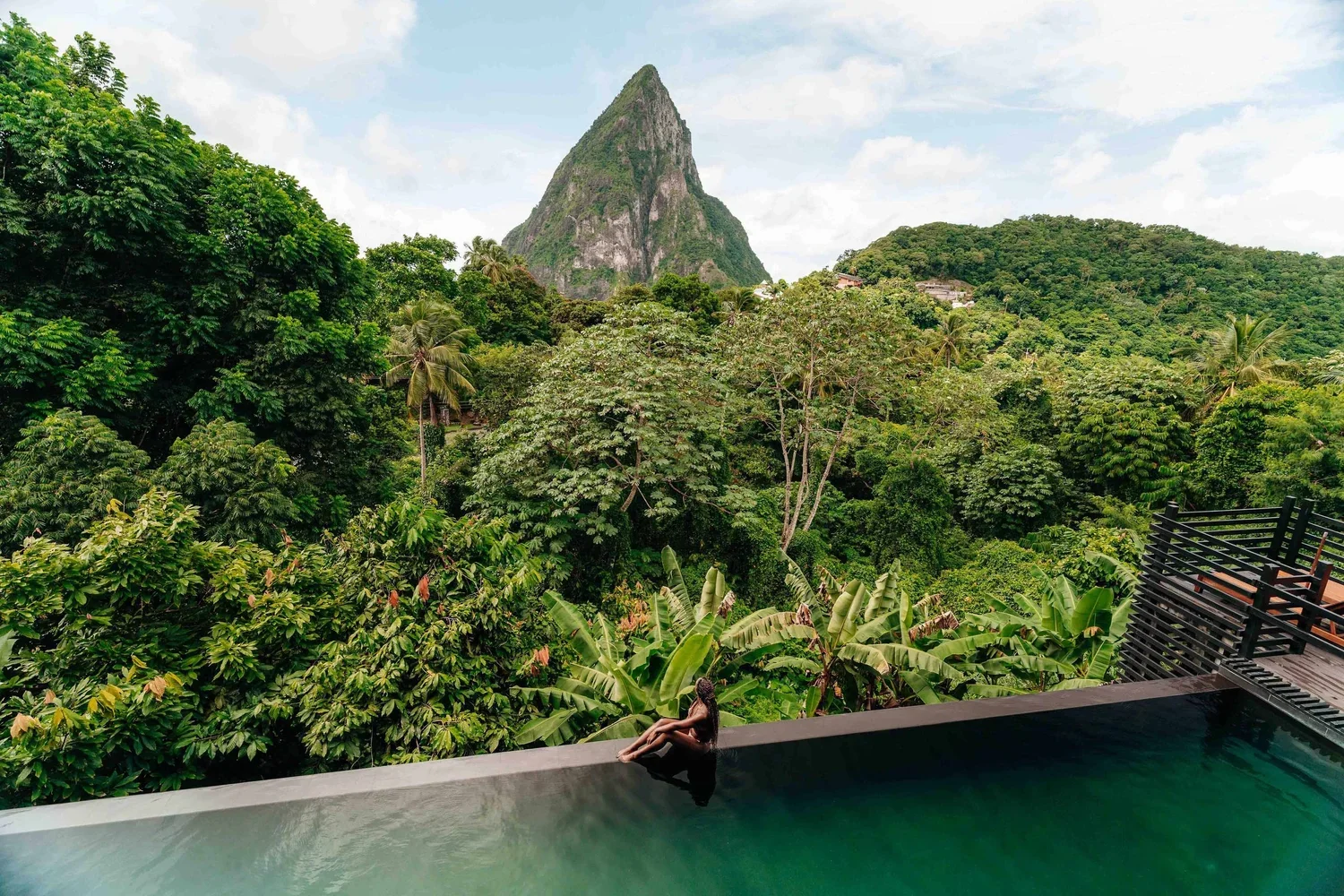
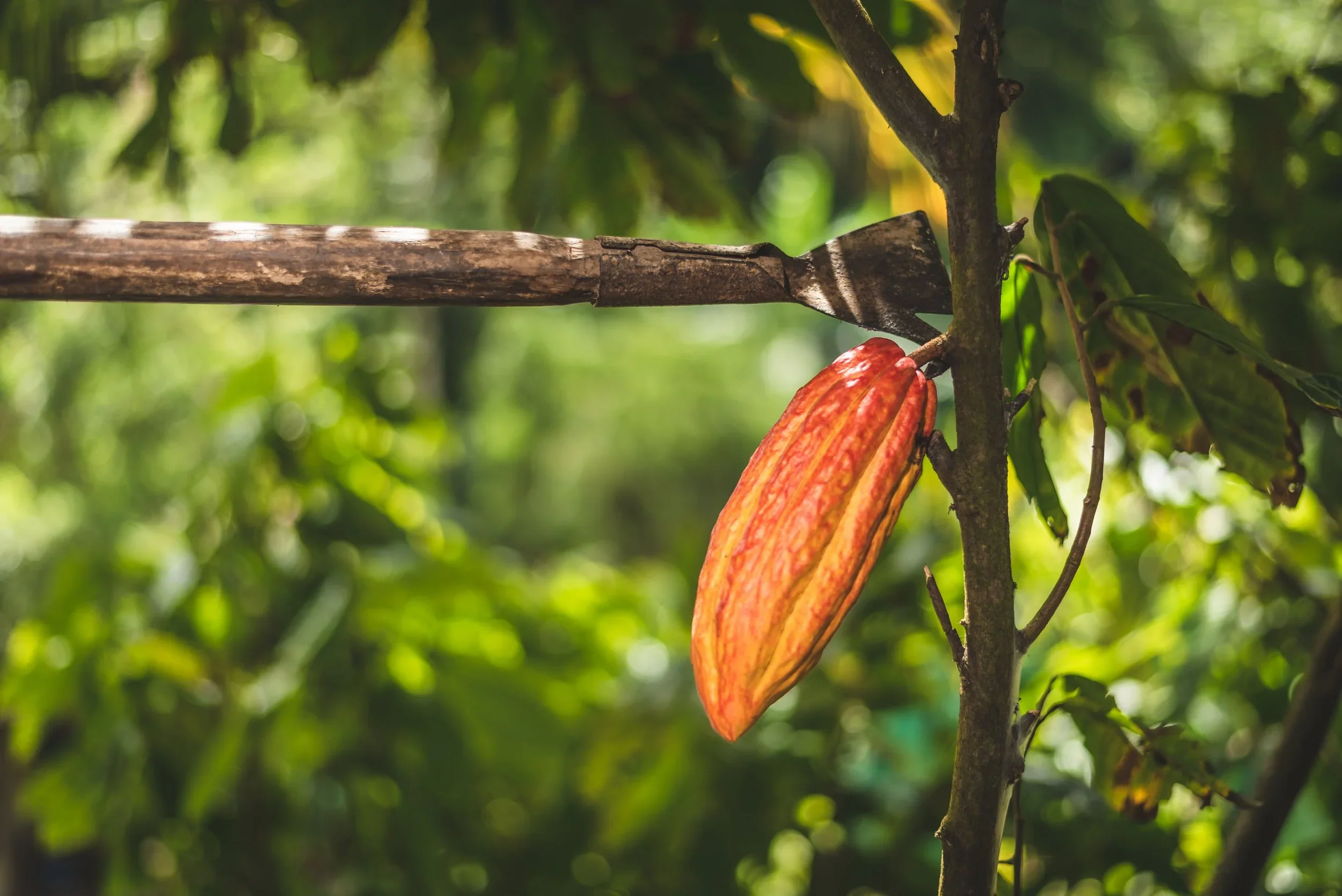
Photo by Rabot Hotel
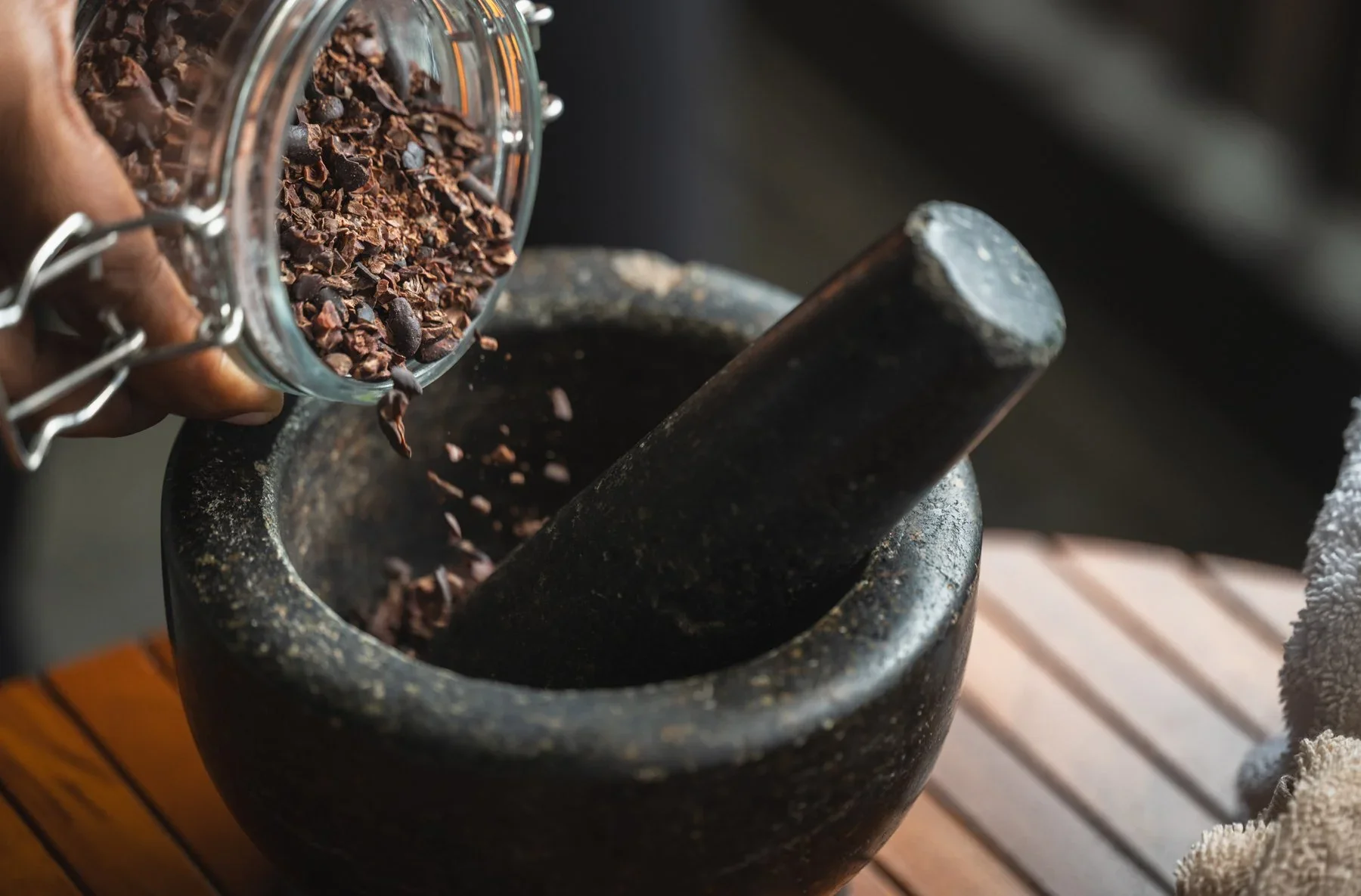
Photo by Rabot Hotel
Rabot Hotel, Saint Lucia
Rabot Hotel sits within one of the Caribbean’s oldest cacao estates, its landscape shaped by volcanic soil, tropical rainfall, and centuries of cultivation. Here, cacao is both agricultural backbone and cultural inheritance. Guests move through the estate on foot, passing cacao trees heavy with ripening pods, before tracing the journey from fermentation to chocolate-making. Tastings reveal how terroir influences flavor, with the island’s mineral-rich earth lending depth and complexity. The experience remains tactile and immersive, rooted in land stewardship and a deep understanding that cacao’s richness begins long before it reaches the palate.
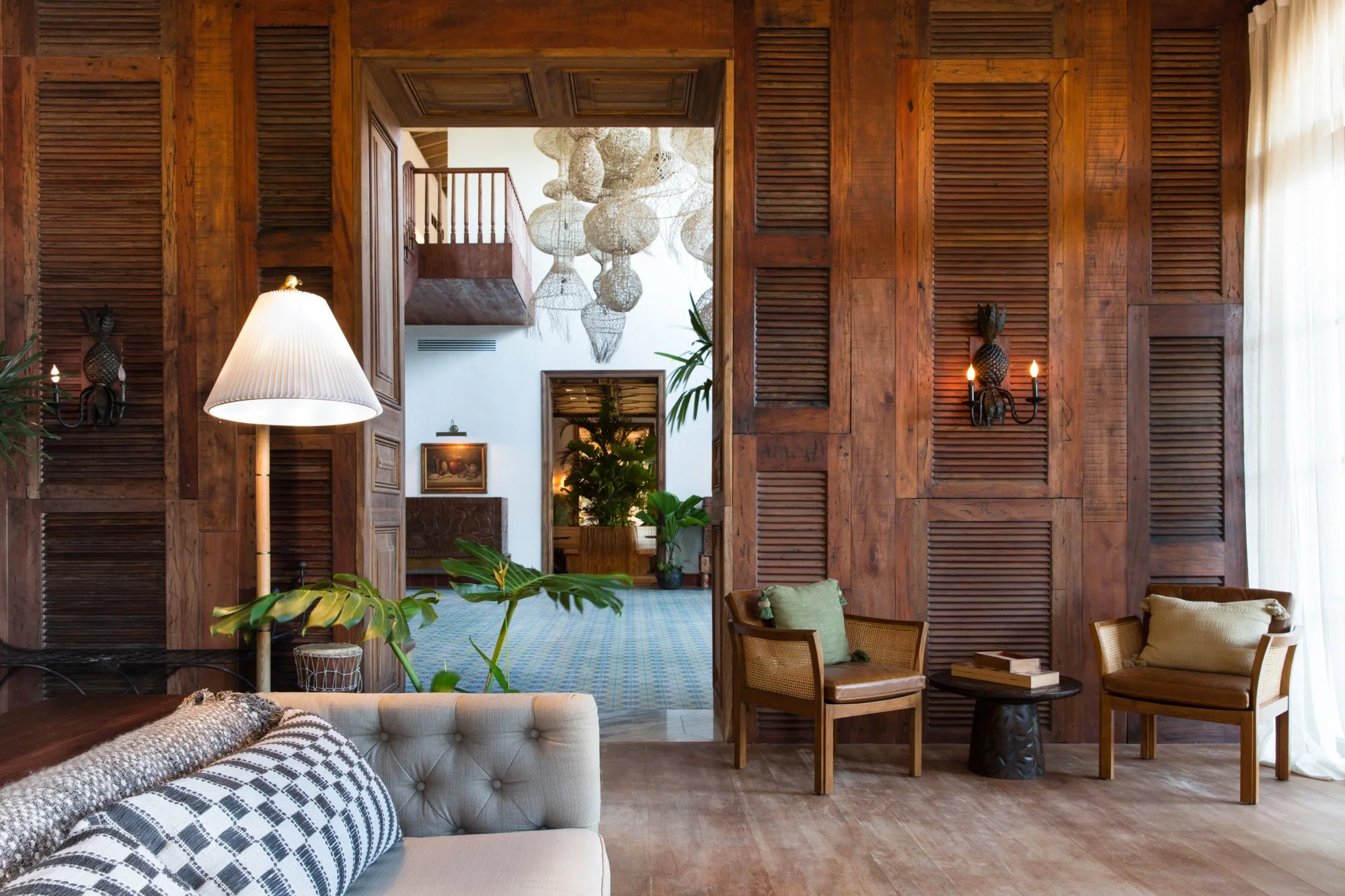
Photo by Itz’ana
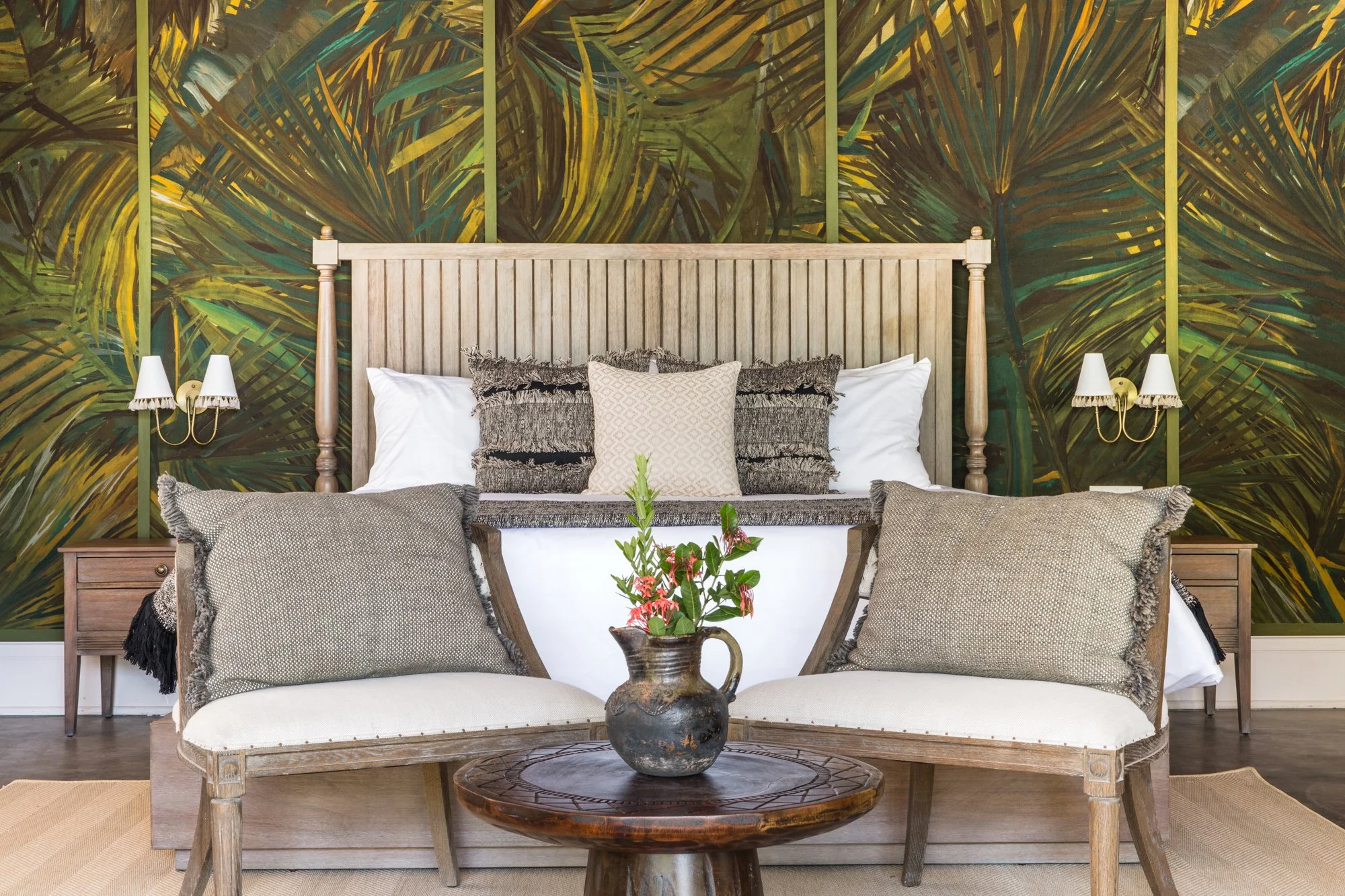
Photo by Itz’ana
Itz’ana, Belize
In Belize, cacao carries ancestral memory, and at Itz’ana, that lineage is honored through experience rather than spectacle. The surrounding lowland forests and fertile coastal plains have supported cacao cultivation since Maya times, and the hotel’s approach reflects this continuity. Guests engage with cacao through traditional preparations, storytelling, and ceremonial use that emphasize respect and reciprocity. Rather than isolating cacao as a luxury ingredient, Itz’ana places it within a broader cultural landscape where food, ritual, and land remain deeply intertwined.
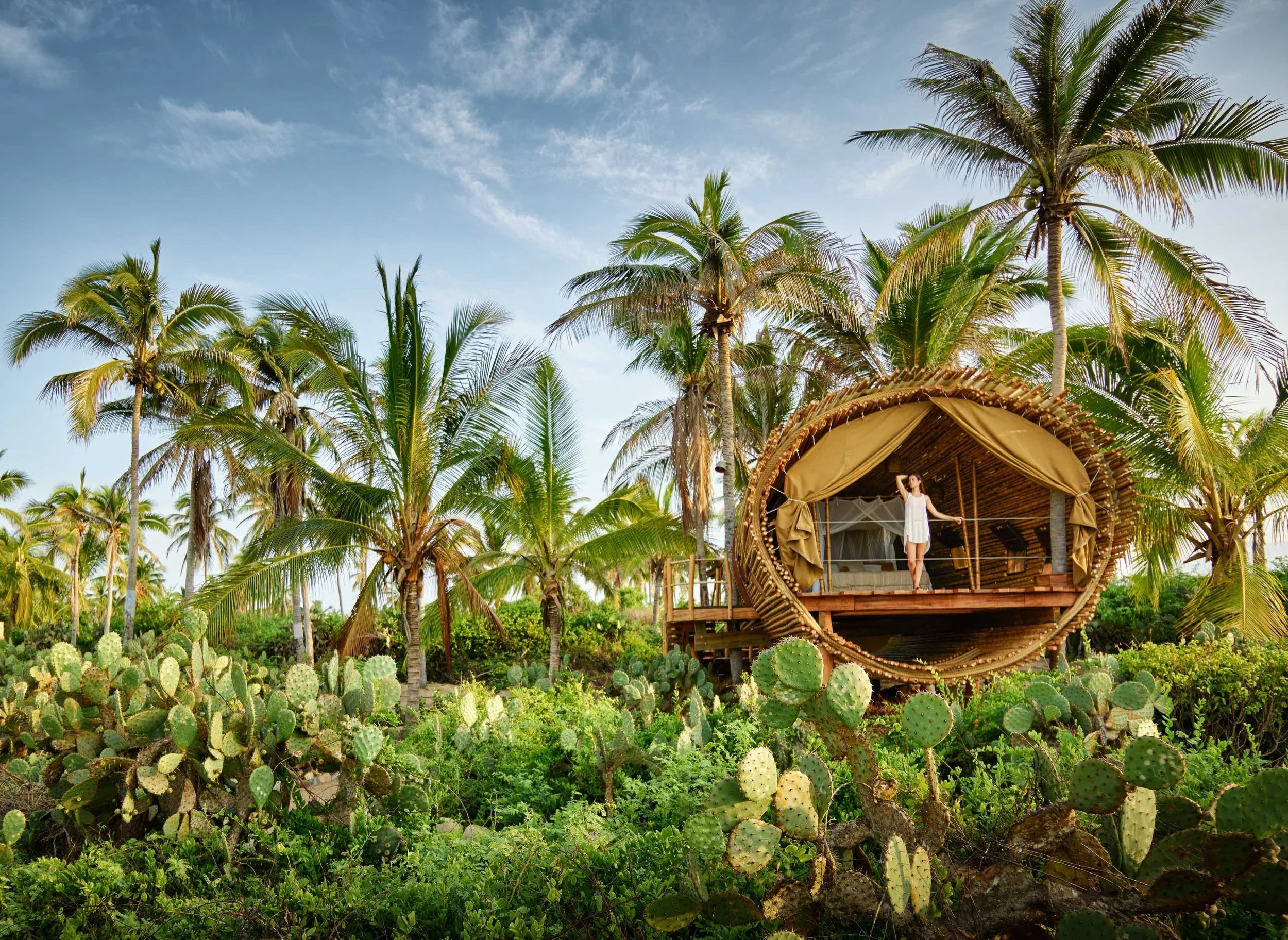
Photo by Kev Steele
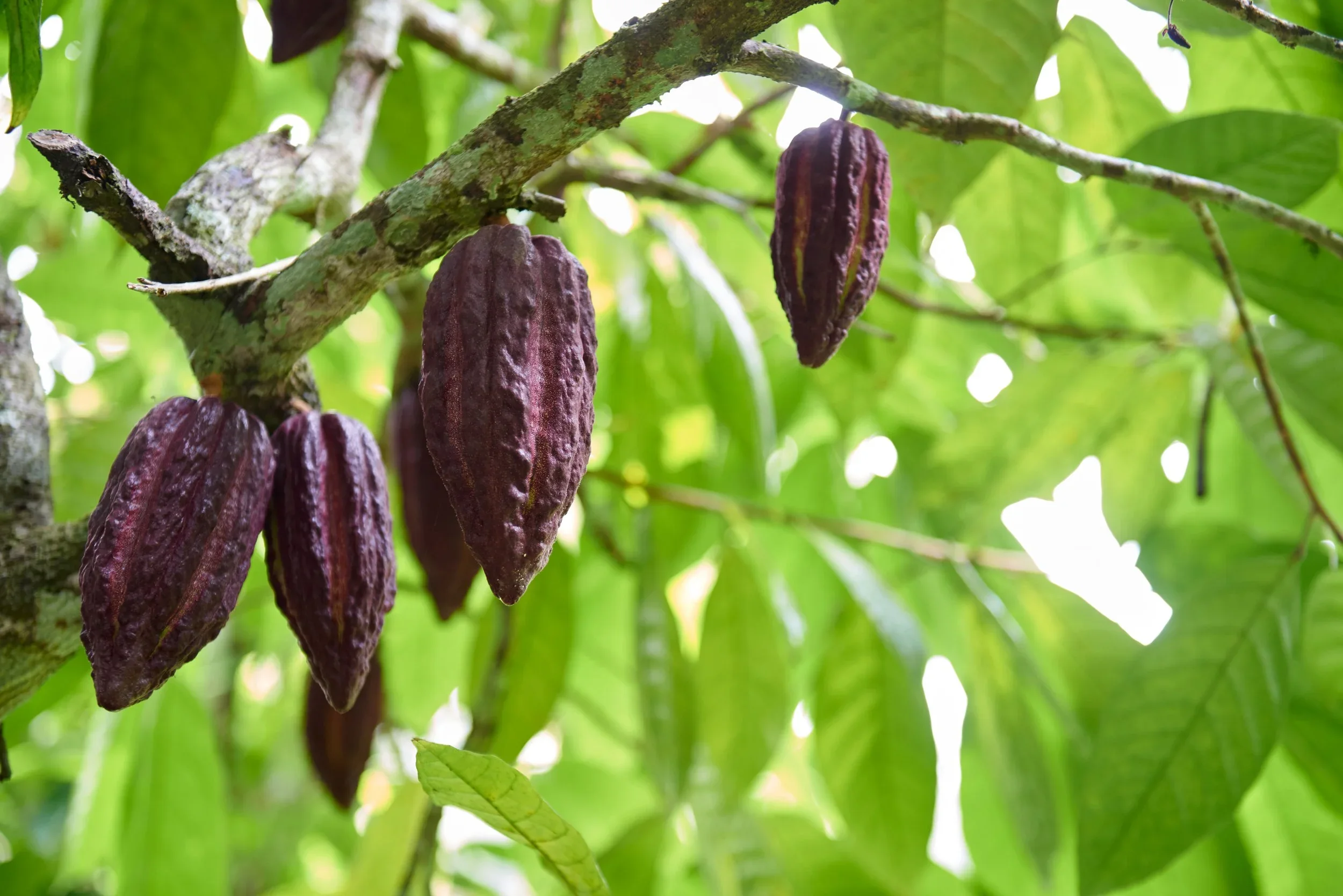
Photo by Kev Steele
Playa Viva, Mexico
Along Mexico’s Pacific coast, Playa Viva integrates cacao into a regenerative model that extends from soil to community. Grown as part of a diversified farm system, cacao is cultivated alongside native plants and fruit trees, reinforcing biodiversity rather than extracting from it. Cacao ceremonies are often held in open-air settings shaped by ocean rhythms, sunlight, and collective intention. The experience feels grounding and unforced, emphasizing cacao’s role as a connector between people, place, and the natural cycles that sustain both.
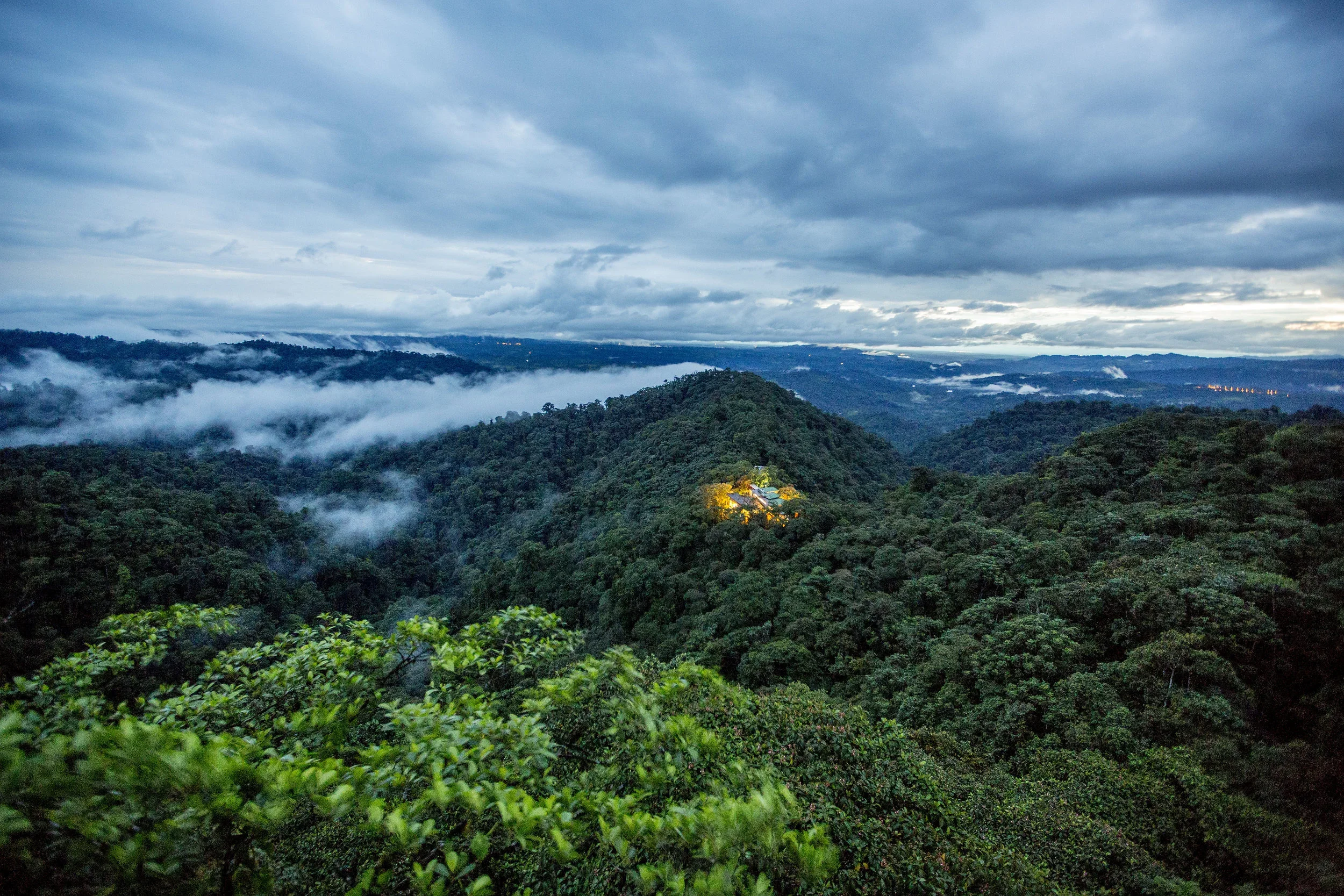
Photo by Mashpi Lodge
Mashpi Lodge, Ecuador
Ecuador is widely regarded as one of cacao’s genetic birthplaces, and Mashpi Lodge explores this legacy through the lens of ecology and conservation. Set within a protected cloud forest, the lodge situates cacao inside one of the most biodiverse ecosystems on earth. Guided experiences reveal cacao’s dependence on healthy forest systems, pollinators, and shade-grown cultivation. Guests gain insight into native cacao varieties and their role in preserving biodiversity, transforming cacao from a familiar flavor into a symbol of ecological balance and resilience.
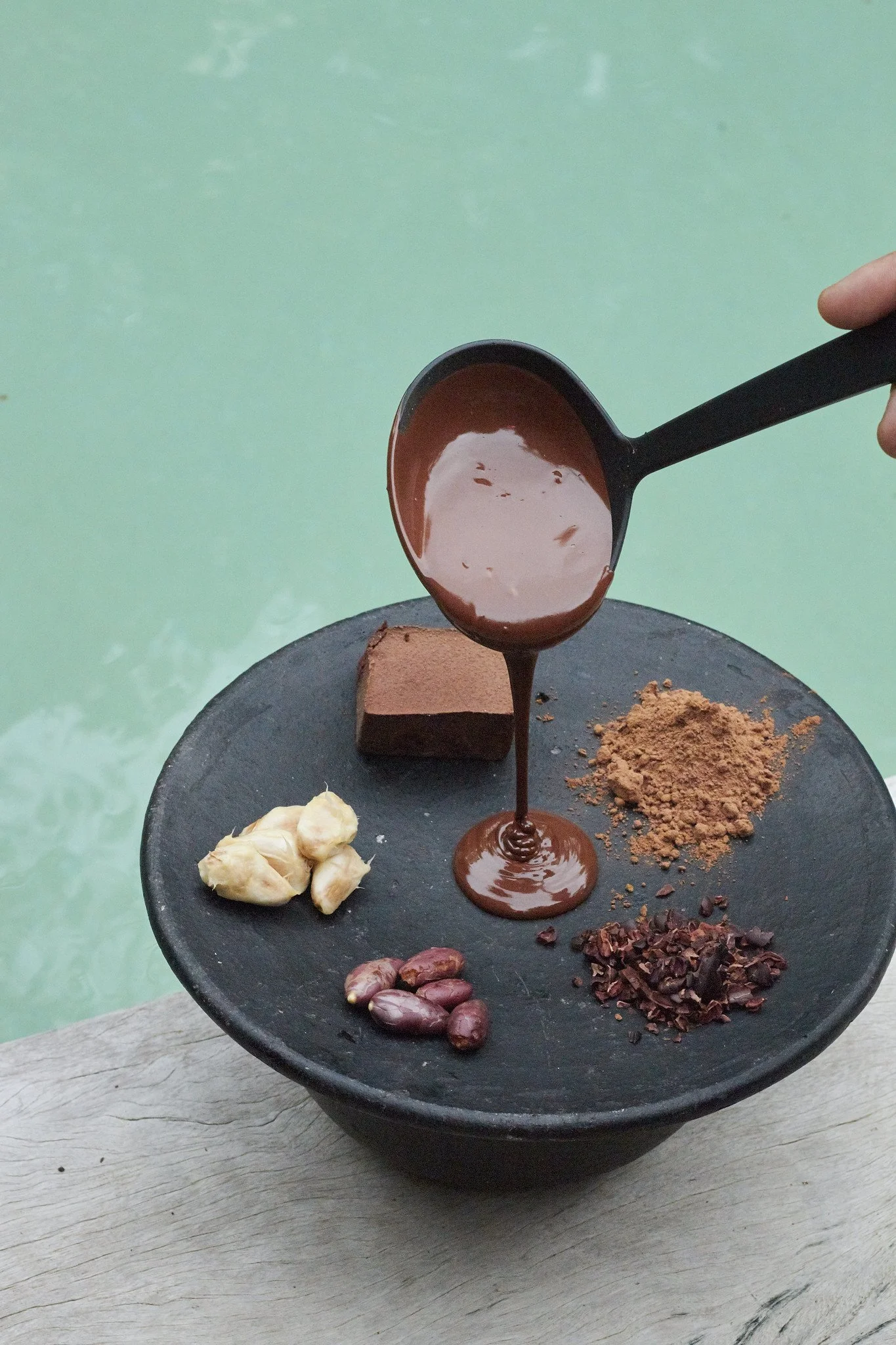
Photo by UXUA
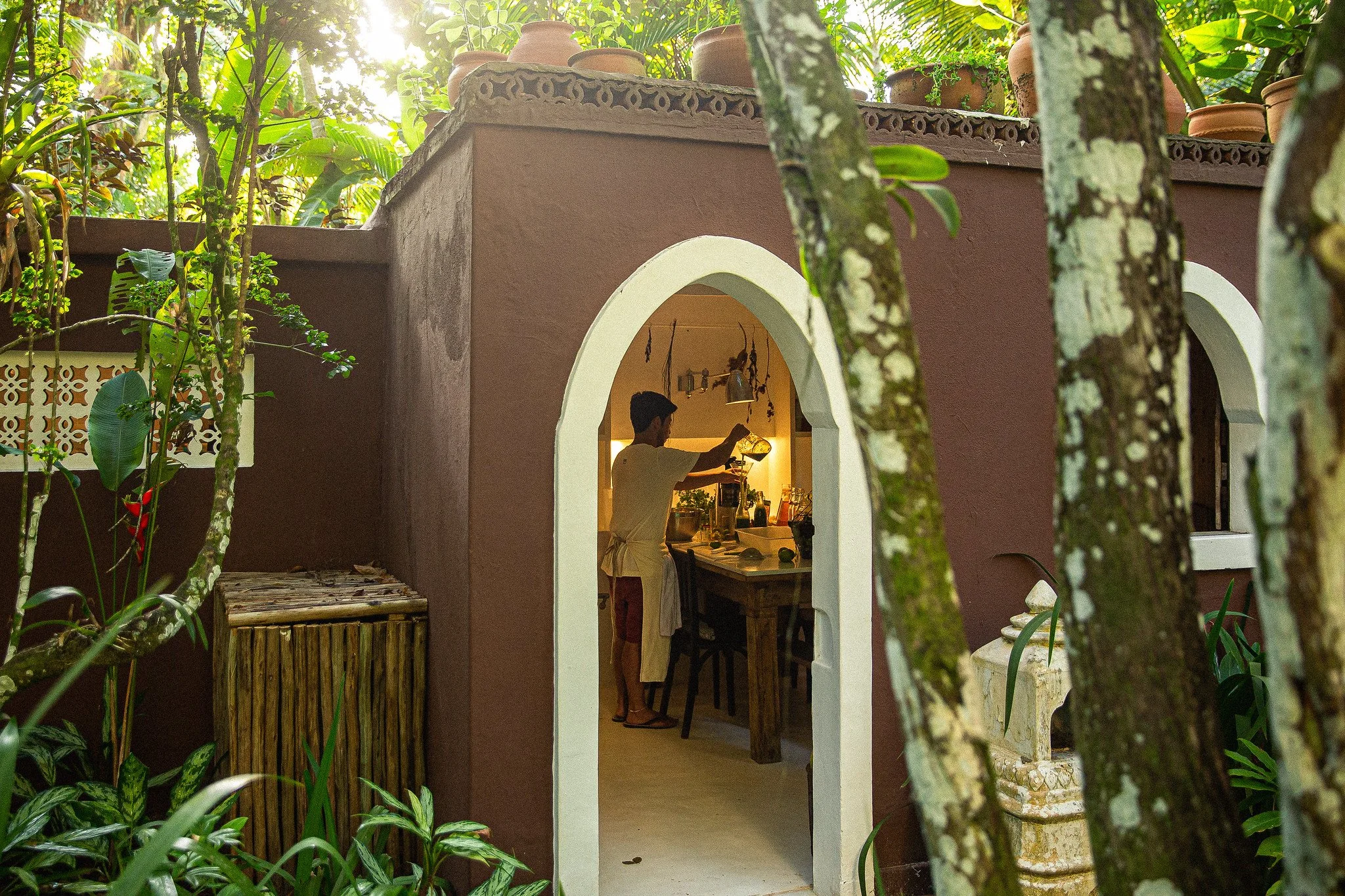
Photo by UXUA
UXUA, Brazil
At UXUA Casa Hotel & Spa, cacao is experienced as part of Bahia’s living cultural landscape. UXUA cocoa is sourced directly from the hotel’s own gardens in Trancoso, where cacao trees grow on the property itself. Pods are harvested, sun-dried, and fermented on site, becoming part of UXUA’s artisanal chocolate, desserts, and ice creams. The process unfolds slowly and transparently, grounding each expression of cacao in land, climate, and care. This approach is deeply connected to UXUA Vida, the hotel’s community initiative that supports local knowledge, regenerative practices, and cultural continuity. Shared through intimate tastings, storytelling, and quiet ceremonial moments in shaded courtyards and gardens, cacao here mirrors UXUA’s wider philosophy: preserving heritage while creating space for presence, memory, and intention.
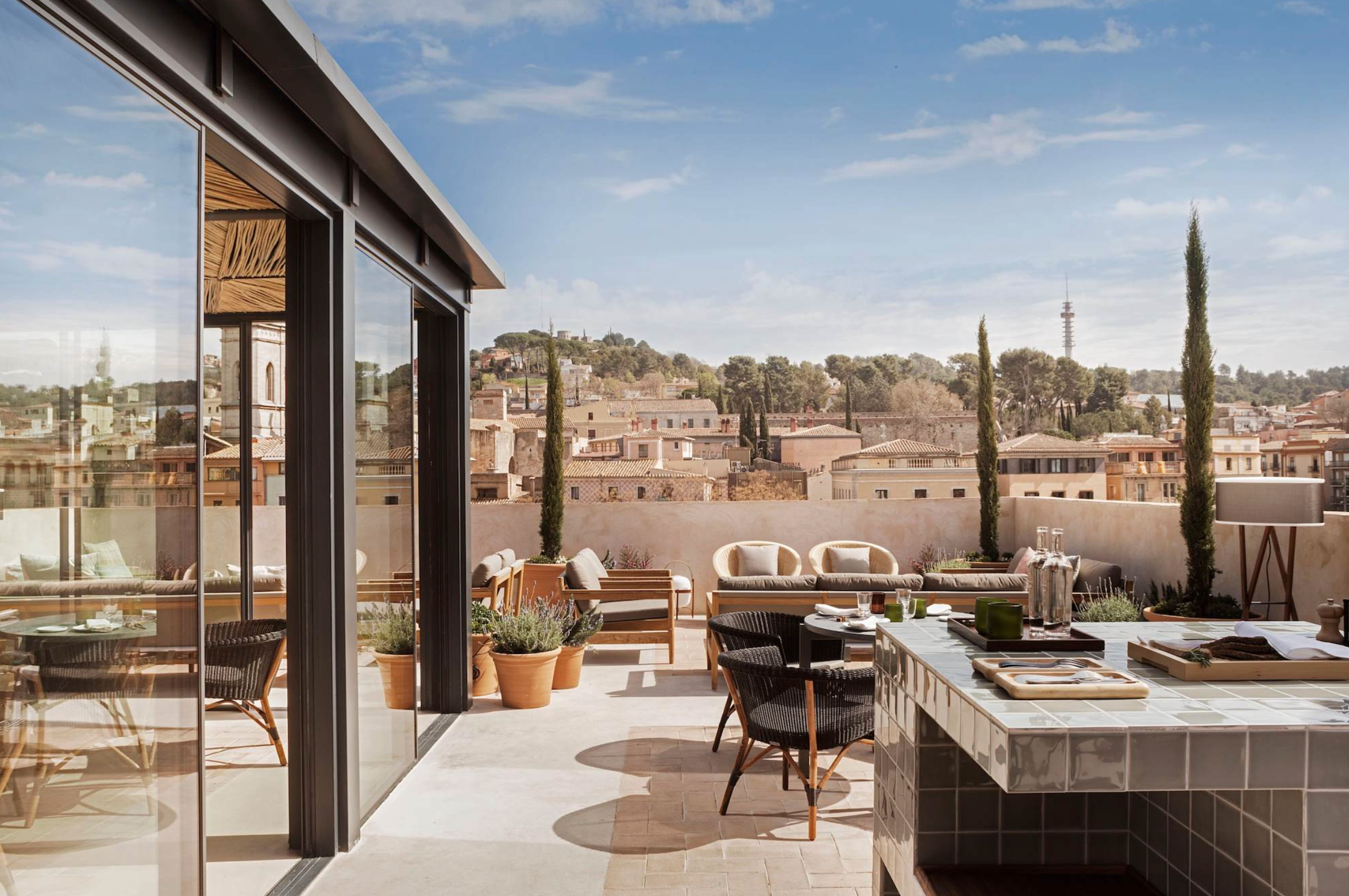
Photo by Casa Cacao
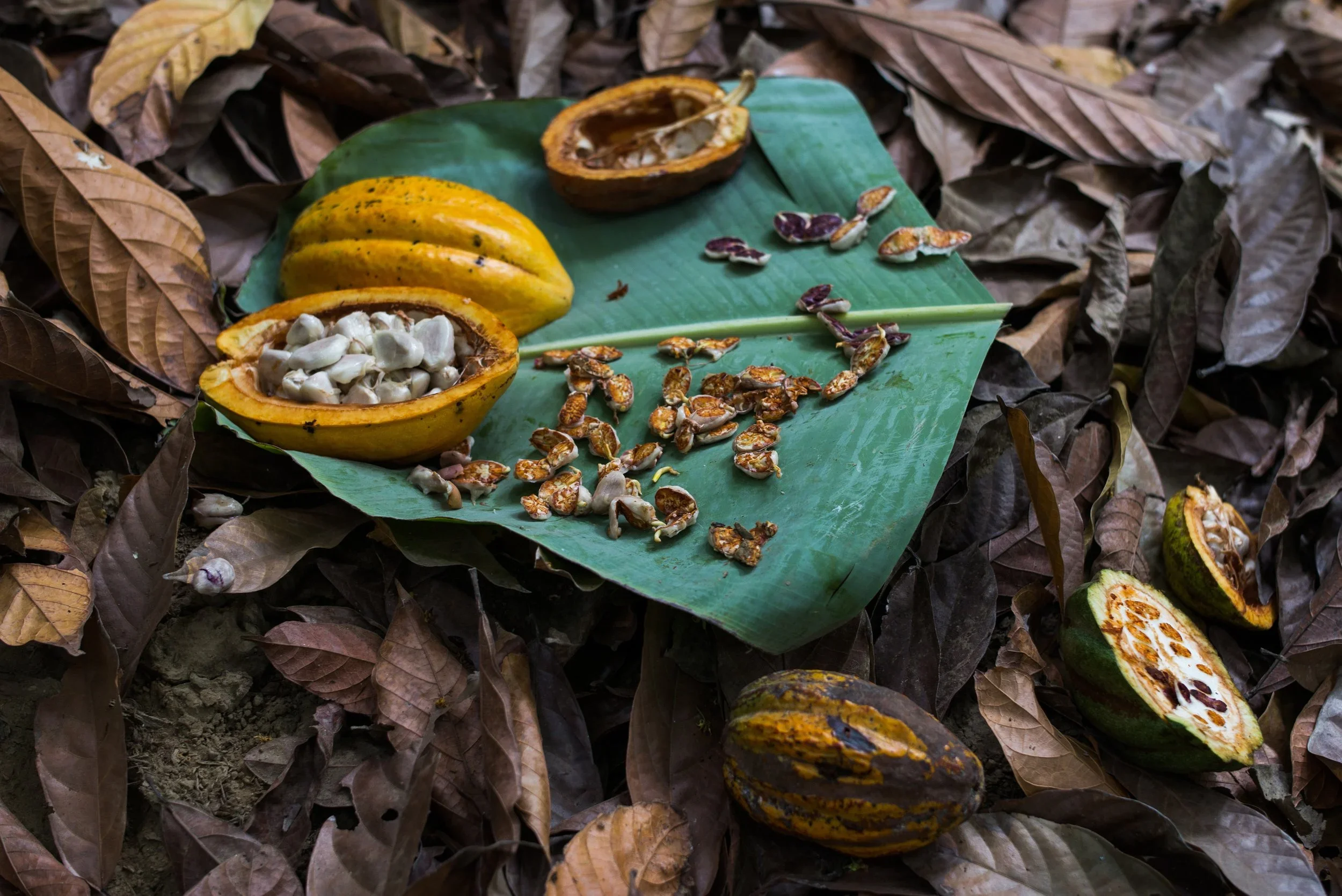
Photo by Casa Cacao
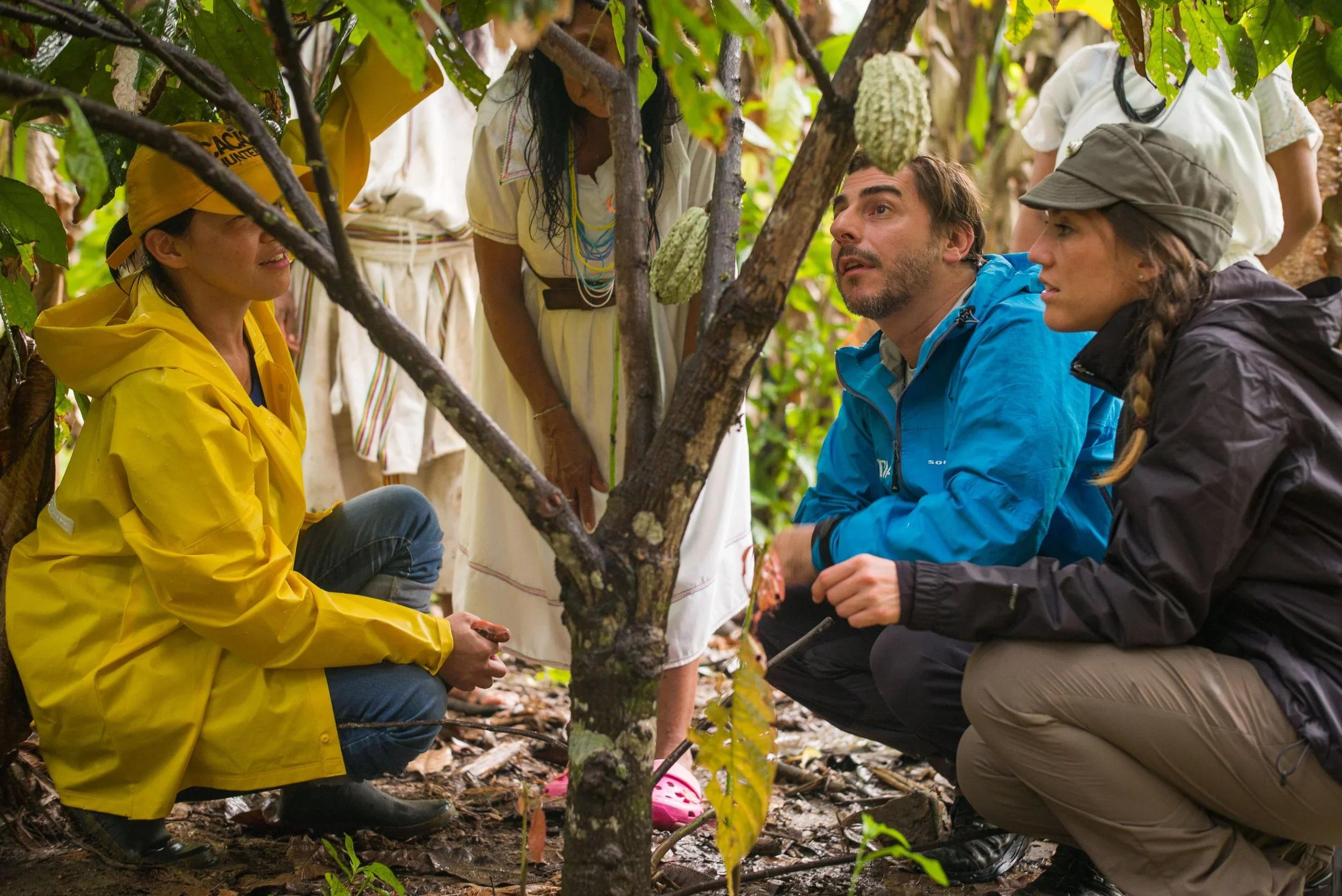
Photo by Casa Cacao
Casa Cacao, Spain
Casa Cacao is deeply rooted in origin. Founded by chef Jordi Roca and his family, the project is shaped by years of travel through cacao-growing regions, including journeys into the Amazon to meet indigenous communities and understand cacao at its source. These encounters inform a sourcing philosophy built on respect, long-term relationships, and sustainability, ensuring cacao is traded ethically and transparently. At Casa Cacao, tastings become a journey across landscapes and cultures, tracing flavor back to soil, climate, and human stewardship. The experience bridges craft and conservation, honoring cacao not as a commodity, but as a living expression of place.
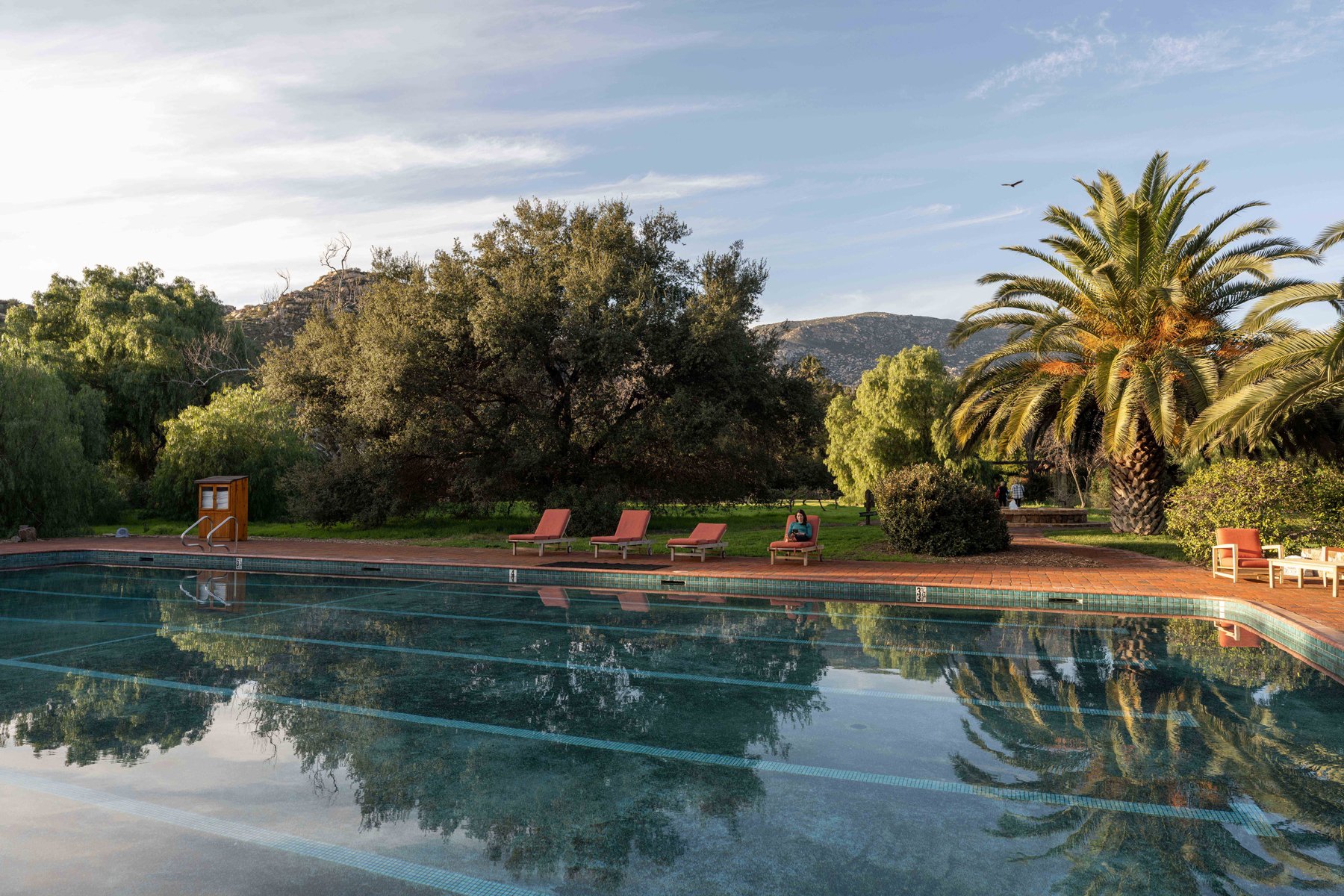
Photo by Rancho La Puerta
Rancho La Puerta, Mexico
At Rancho La Puerta, cacao is integrated into a long-standing wellness philosophy rooted in balance, ritual, and movement. Located near Mexico’s cacao-growing regions, the retreat approaches cacao as nourishment for both body and spirit. Ceremonies and culinary uses emphasize moderation and intention, often paired with reflection, yoga, or communal gathering. Rather than positioning cacao as indulgence, Rancho La Puerta frames it as a tool for restoration that supports vitality, presence, and a deeper connection to daily rhythms.
Room + Wild is the world's first and leading collective and platform for landscape-enhanced accommodation, ecotourism, nature-based destinations, and sustainable luxury travel experiences. We consistently inspire, influence, and spread awareness through our tailored travel guides, curated media content/channels, brand activations, press trips as well as visual and narrative storytelling.
Cacao experiences are increasingly found in hotels and eco lodges across Colombia, Belize, Mexico, Ecuador, and the Caribbean, where guests can engage with cacao through tastings, ceremonies, and farm-to-cup rituals. Naturally rich in antioxidants and mood-supporting minerals, cacao continues to shape wellness-focused hotel stays and nature-based travel rooted in presence, land, and tradition.