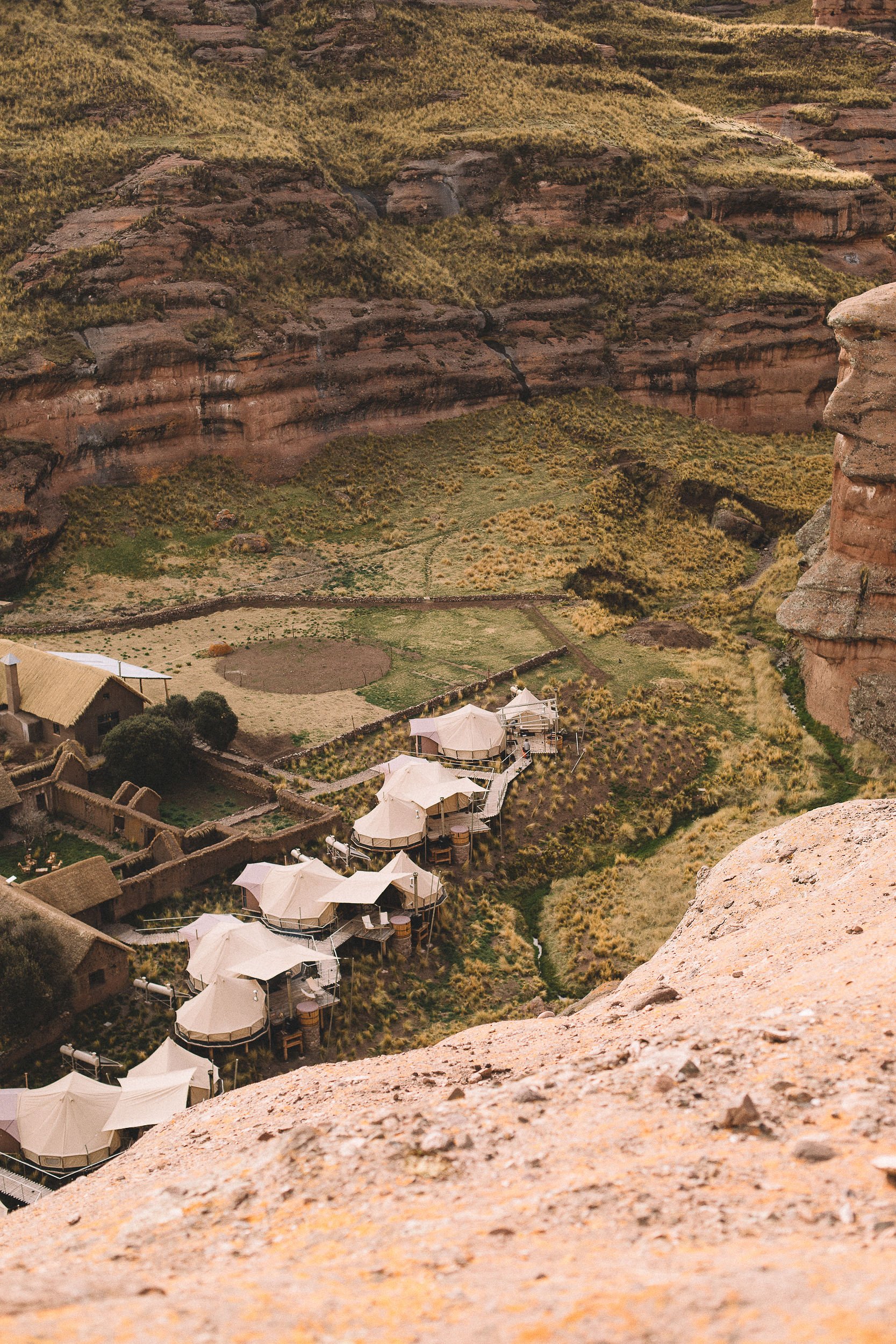
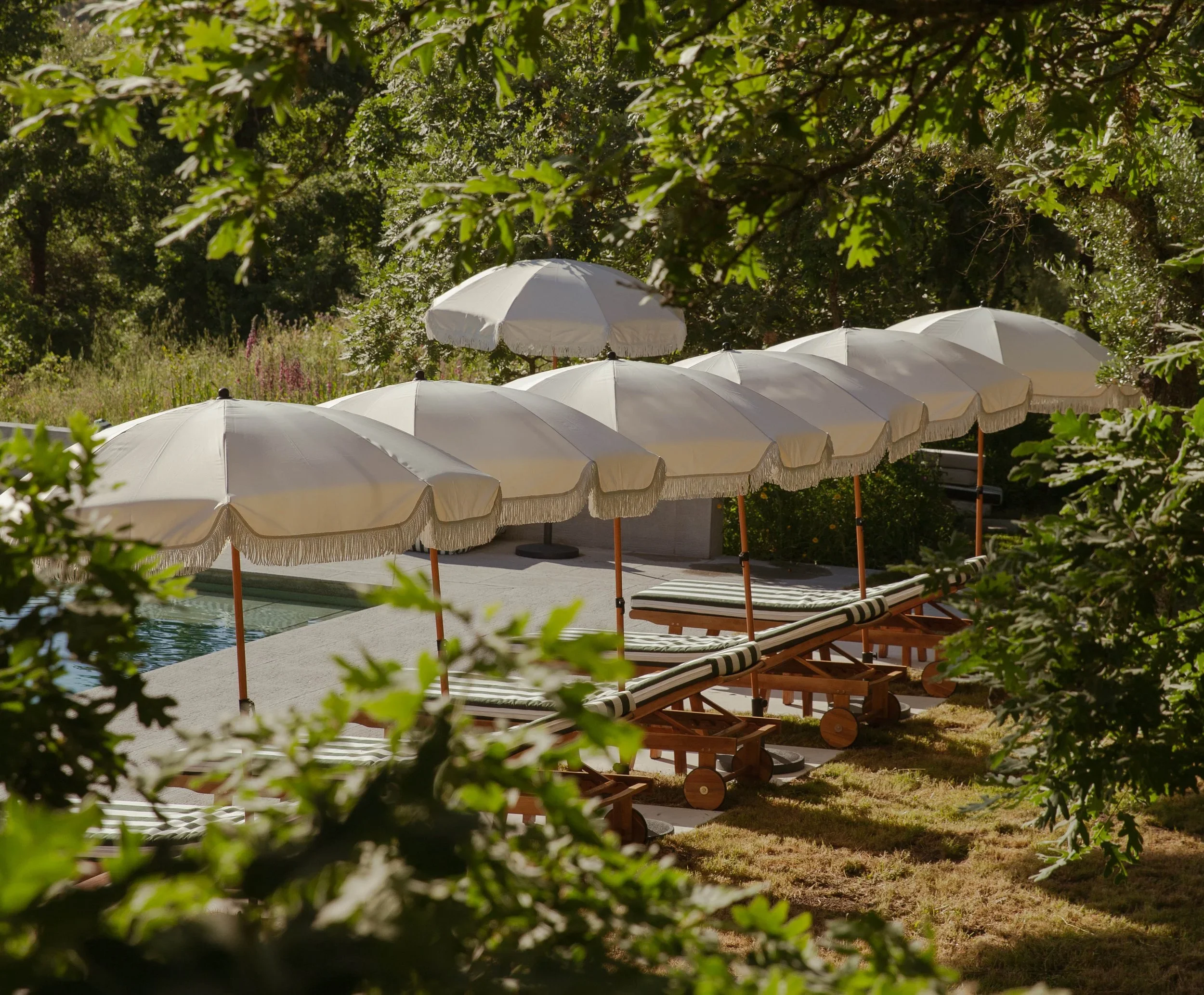
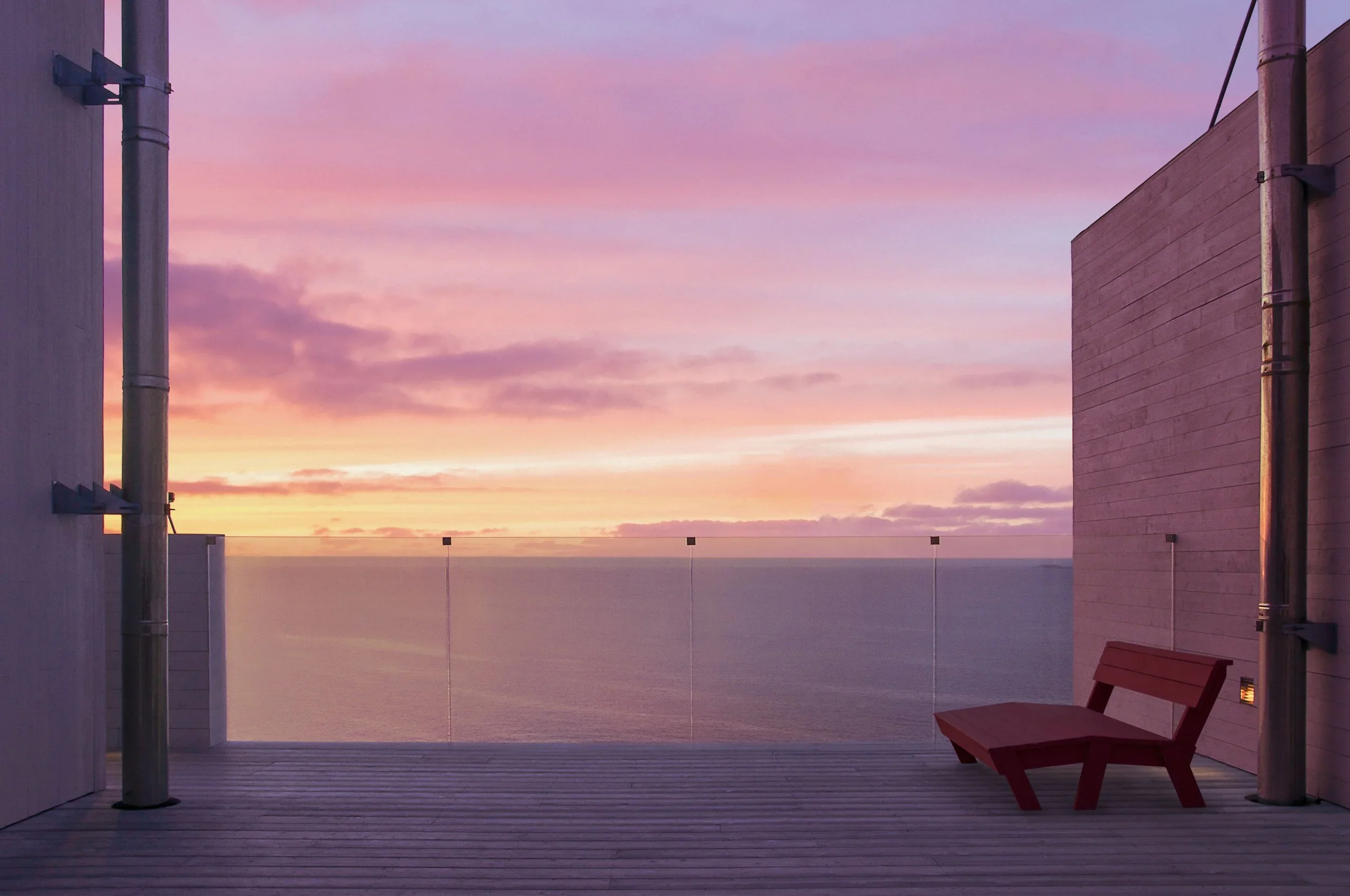
True adventure is defined by access to the untamed edges of the earth, offering persistent explorers active immersion in raw, unfiltered landscapes. Premier adventure outposts place travelers directly at the intersection of comfort and challenge, serving as springboards into ice fields, rainforest canopies, and high-desert passes. These remote sanctuaries redefine wild hospitality, providing irreplaceable basecamps for deep exploration into the world's most compelling, isolated corners.
Discovering landscape hotels for the best fall foliage experience is a journey into the heart of nature’s most transformative season. Each destination offers a tranquil retreat where panoramic views of changing leaves create a breathtaking, once-in-a-lifetime experience.
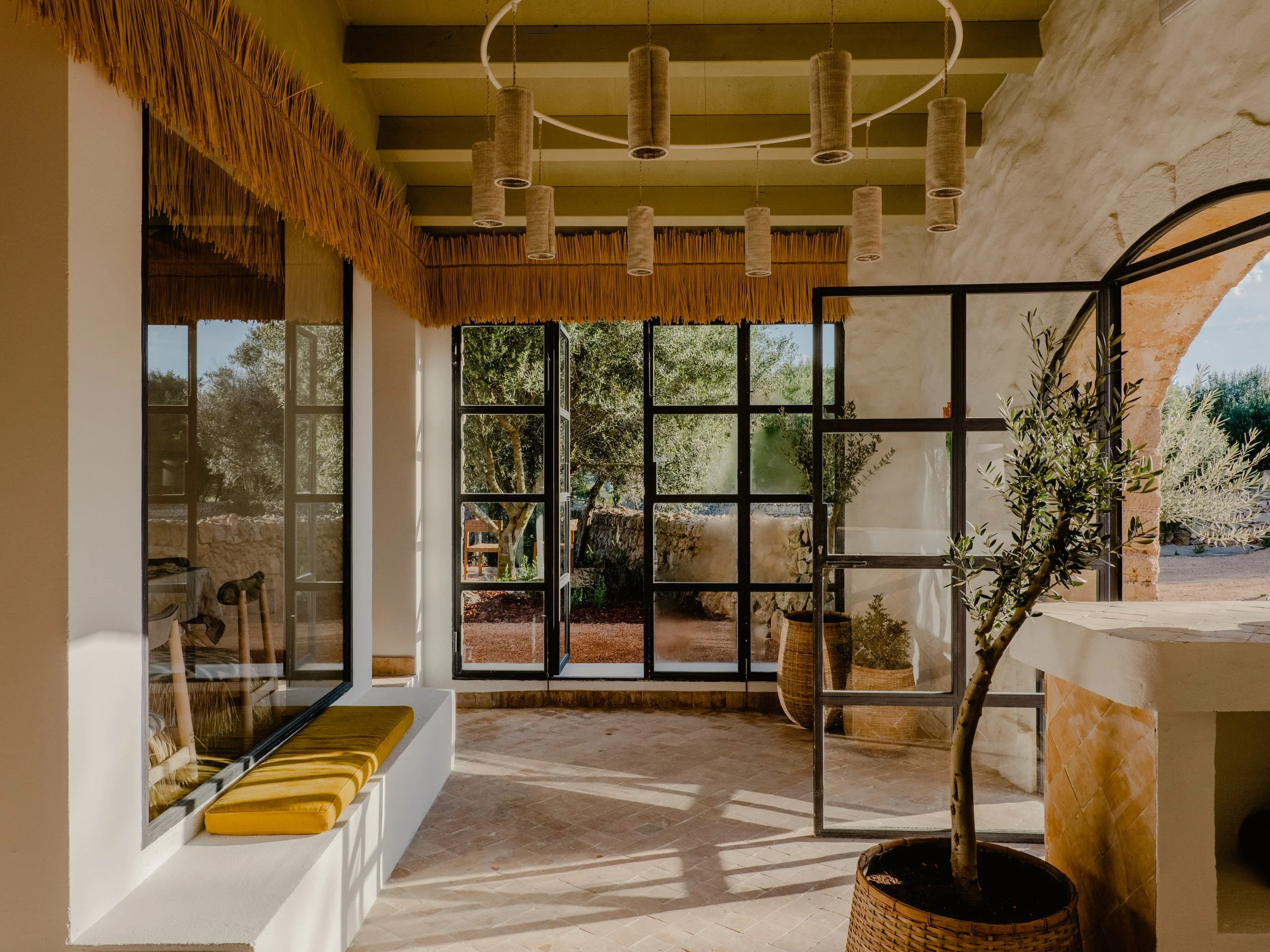
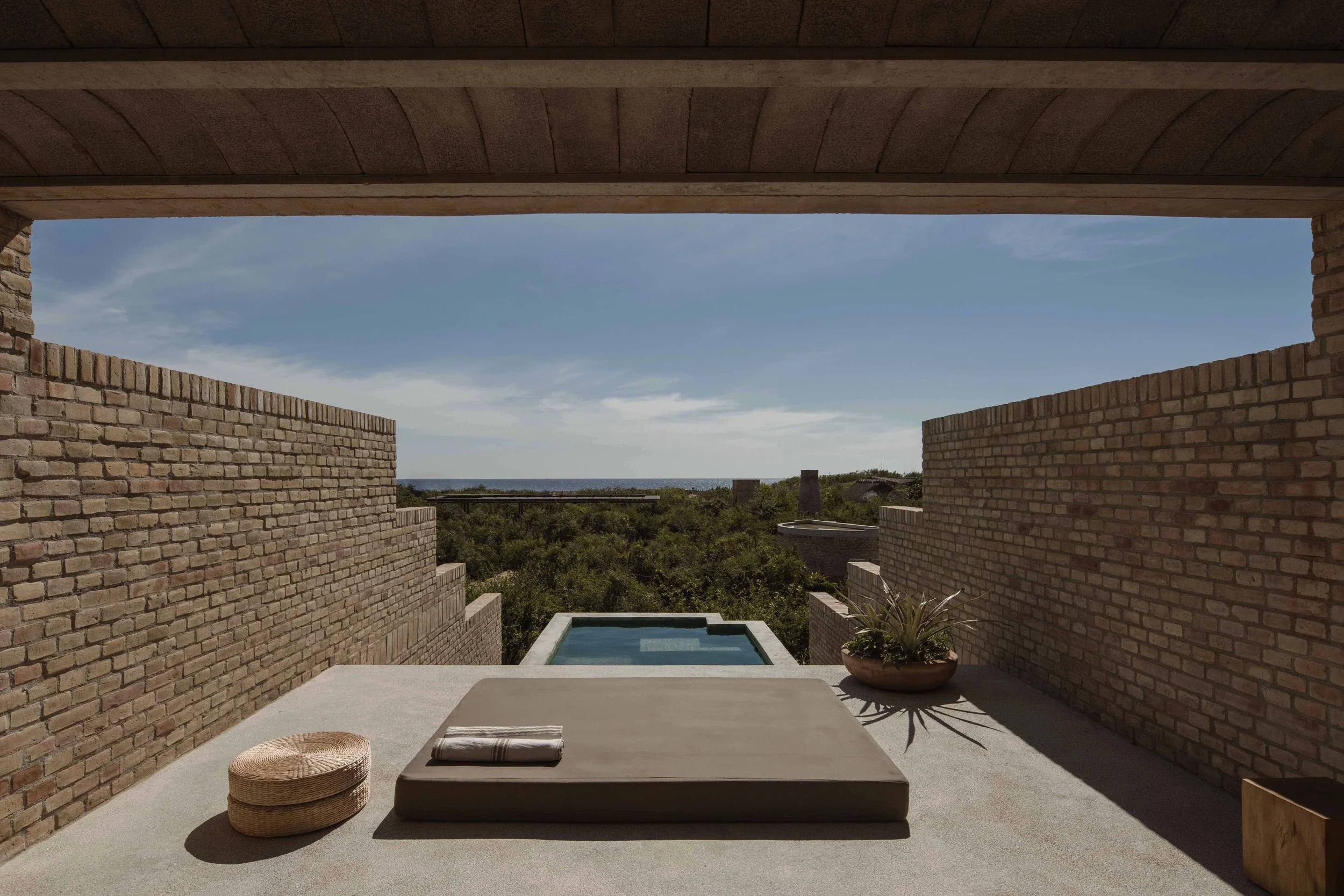
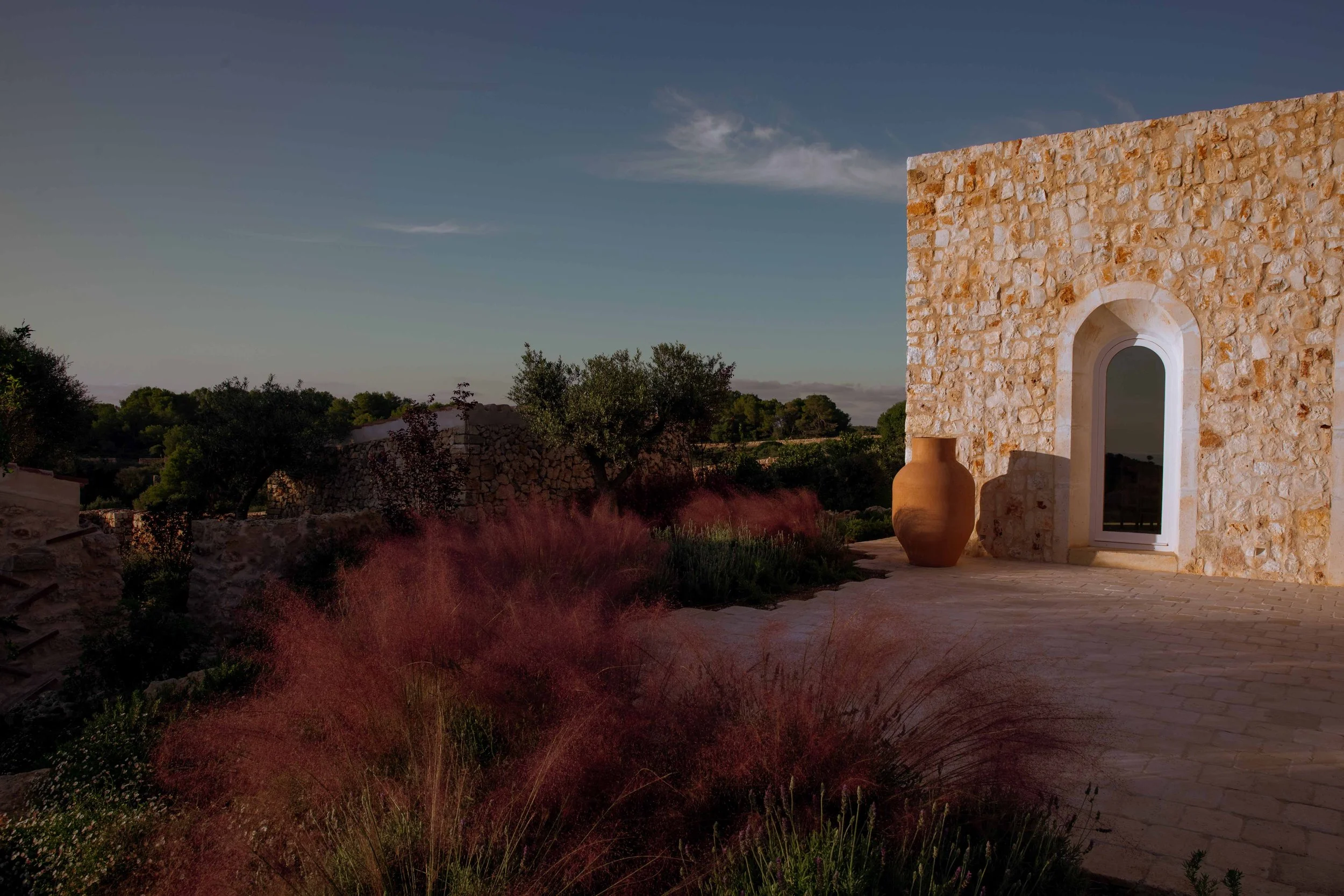
Vernacular architecture achieves its most profound impact by binding human design directly to local soil, climate, and native traditions. Grounded in ancestral building methods, these sustainable retreats embrace indigenous stone, timber, and hand-poured adobe to preserve regional identity.
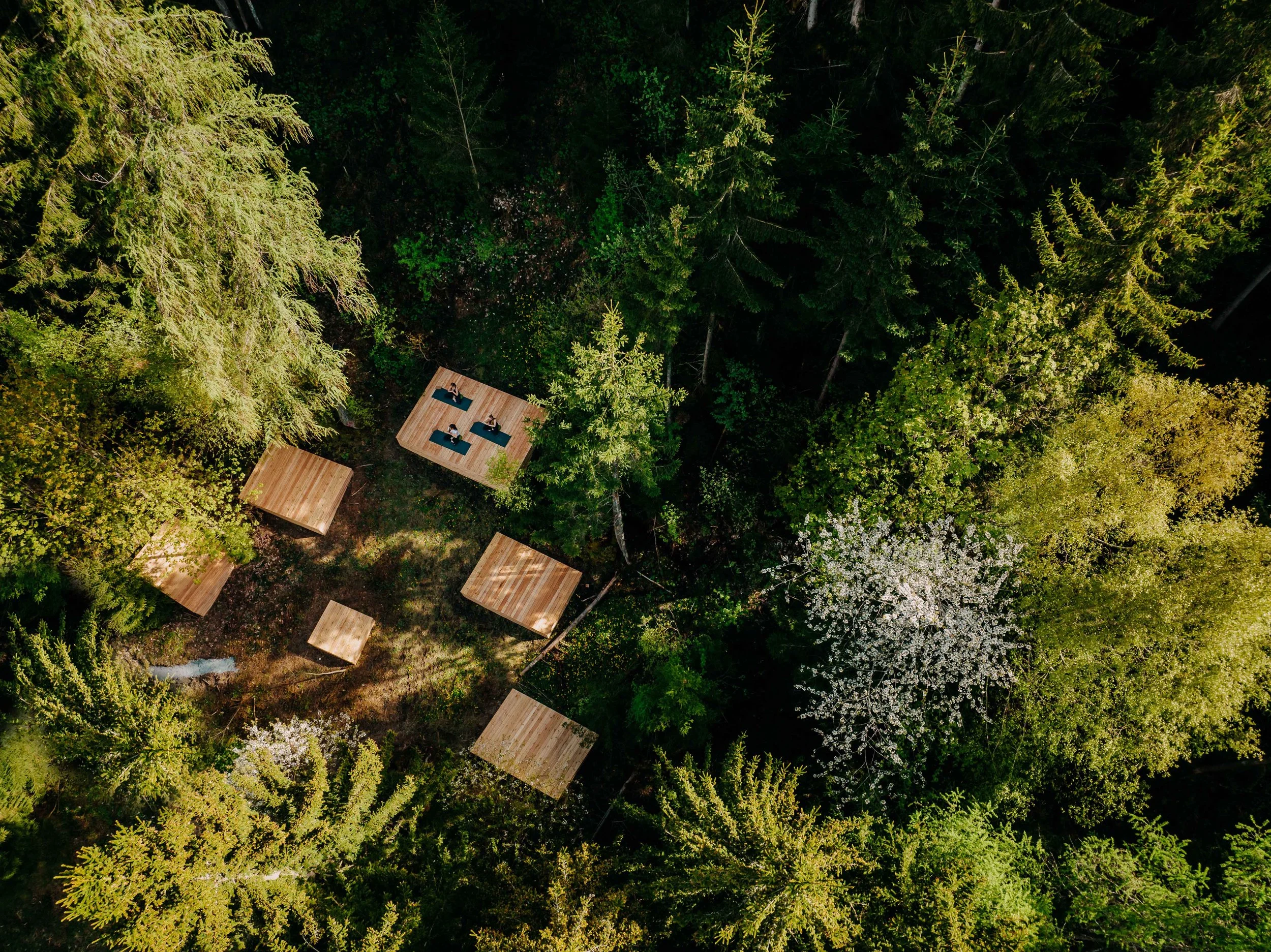
Modern luxury wellness travel has evolved beyond passive retreats into dynamic, earth-bound movement in nature. Active travelers are seeking remote eco-hotels that combine outdoor fitness, wild immersion, and high-impact sports—from ocean surfing to alpine trail running. By anchoring physical practice to raw topography, movement becomes a transformative way to explore isolated landscapes while tapping into the shared energy of a like-minded community.
Discover the future of luxury hospitality with regenerative, plant-forward culinary journeys that connect wellness with nature. From zero-kilometer sourcing and forest-to-table foraging to hyper-local sea-to-table dining, eco-luxury hotels are redefining sustainability through zero-waste cooking and soil-restoring permaculture. Experience immersive farm-to-plate retreats where every meal honors natural biodiversity, offering conscious travelers true nourishment for both body and planet.
Silence has become one of modern life's greatest luxuries. As research continues to show the restorative benefits of natural soundscapes, from lowering stress and improving focus to supporting overall wellbeing, a new generation of landscape hotels is embracing quiet as the ultimate indulgence. Hidden in forests, mountains, coastlines, and remote wilderness, these nature-led retreats replace constant stimulation with birdsong, flowing water, rustling trees, and open space, proving that sometimes the most meaningful luxury is simply hearing the world as it was meant to be.
Wild Initiatives by Room + Wild look beyond the hotel to highlight the conservation projects, community programs, reforestation efforts, and regenerative practices that shape a place long before guests arrive. From protecting wildlife and restoring ecosystems to preserving cultural traditions and supporting local communities, these initiatives demonstrate how hospitality can actively contribute to the landscapes it inhabits. Together, they offer a more meaningful model of travel, where every stay helps support nature, people, and place.
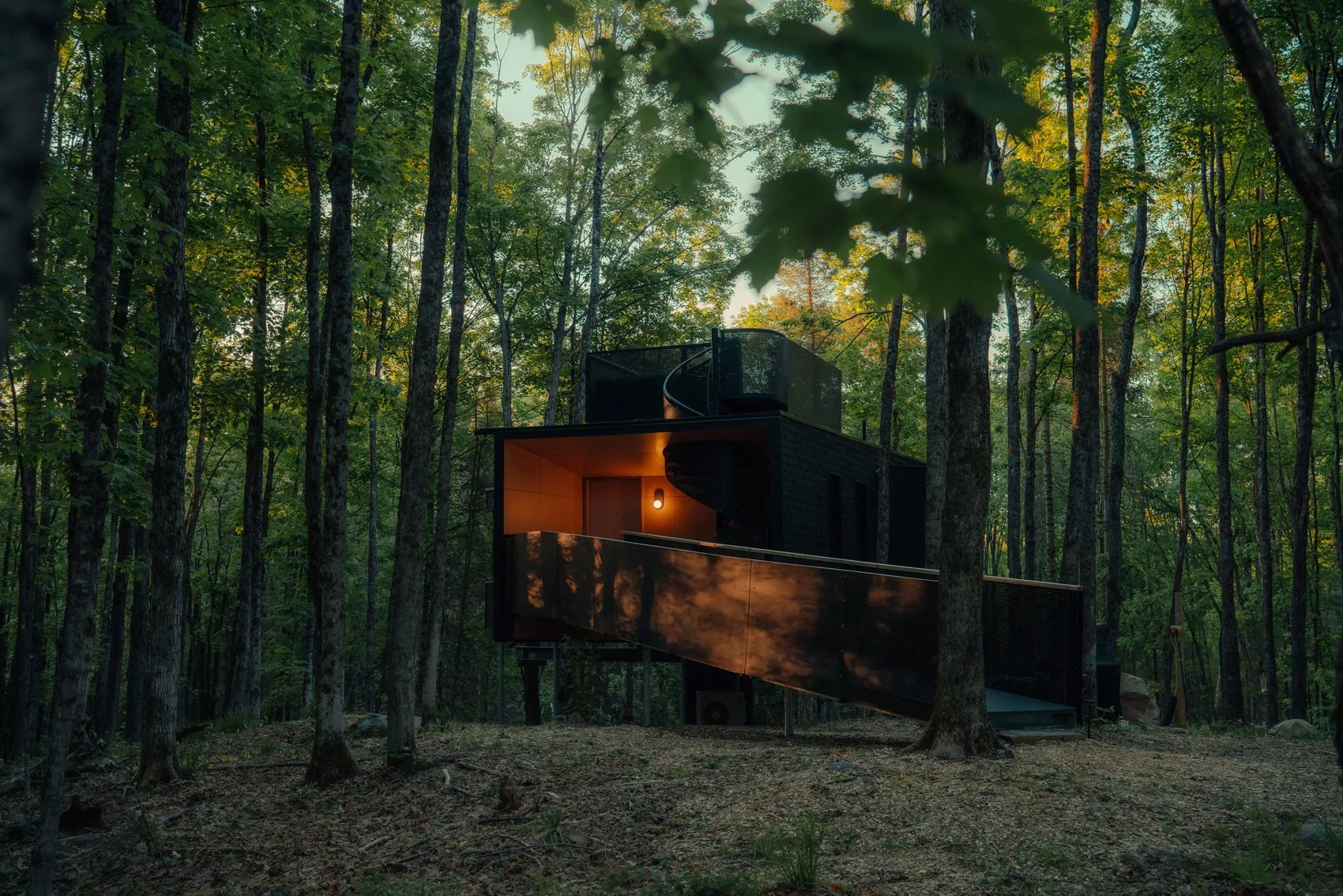
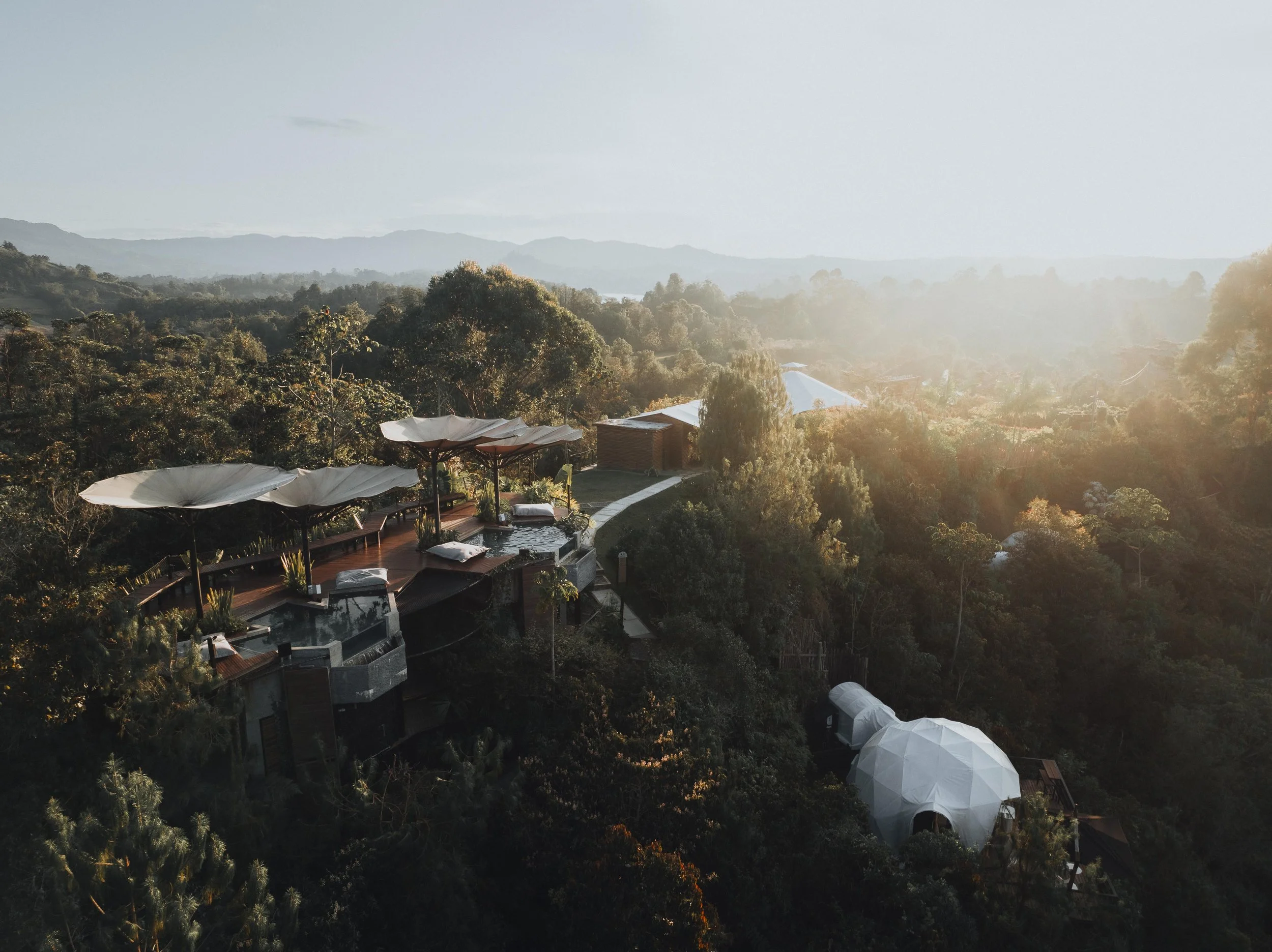
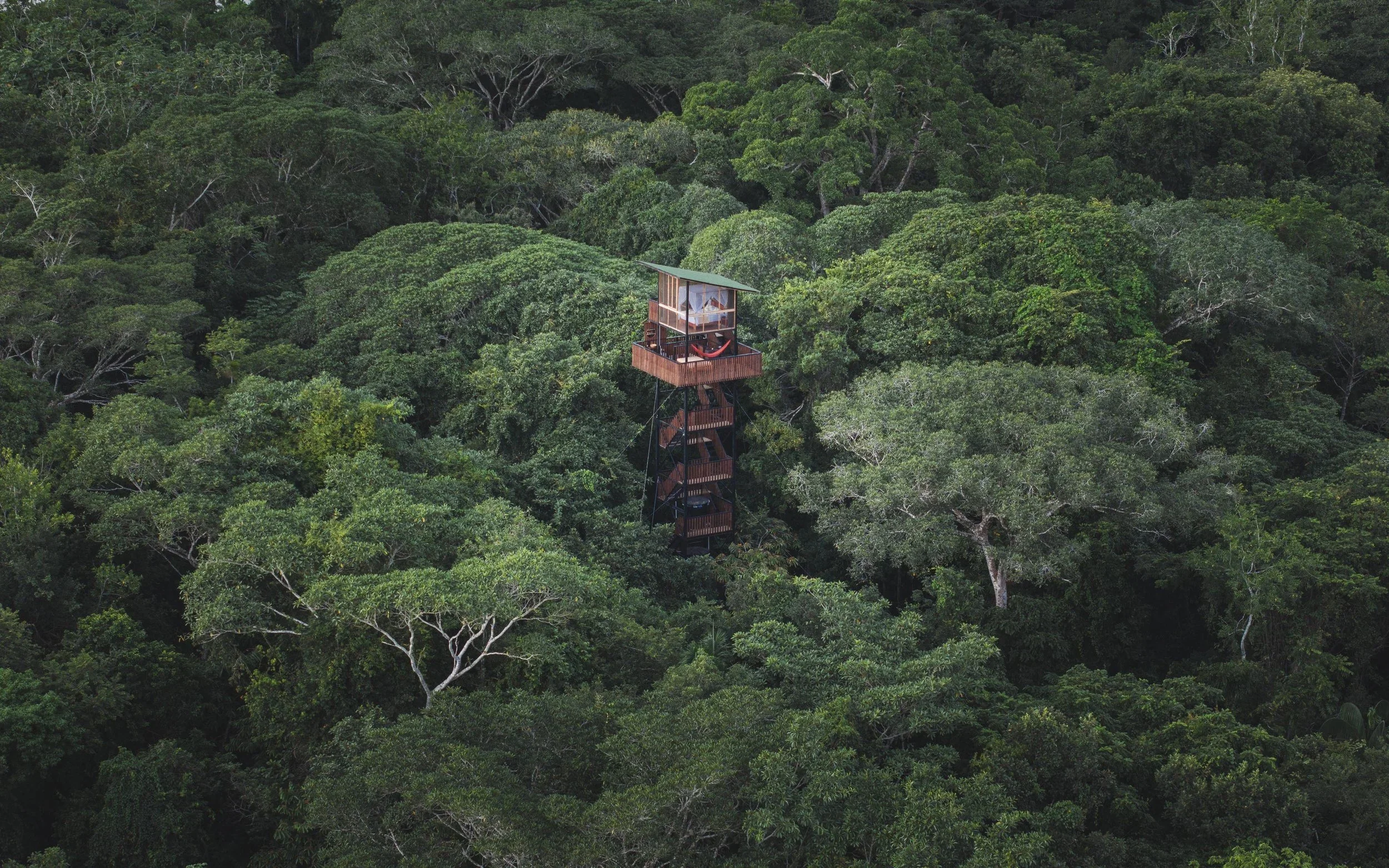
Forest bathing, or shinrin-yoku, originated in Japan as a practice of mindfully immersing oneself in the forest through sight, scent, sound, and touch. Research suggests that spending time among trees can reduce stress, lower blood pressure, support immune function, and promote overall wellbeing through exposure to natural compounds called phytoncides. Around the world, forest hotels and treehouse retreats are embracing these benefits, offering immersive stays that combine nature, wellness, and design while allowing guests to experience the restorative power of the forest from within the canopy.
Plants offer a unique way to experience a destination, shaping local culture, cuisine, wellness traditions, and biodiversity. From historic gardens and ancient forests to botanical hotels and regenerative farms, these landscapes reveal the deep connection between nature and wellbeing. Rich in medicinal plants, fragrant herbs, and rare species, they provide immersive experiences that support conservation, encourage slower travel, and showcase the powerful role plants play in both ecological and human health.
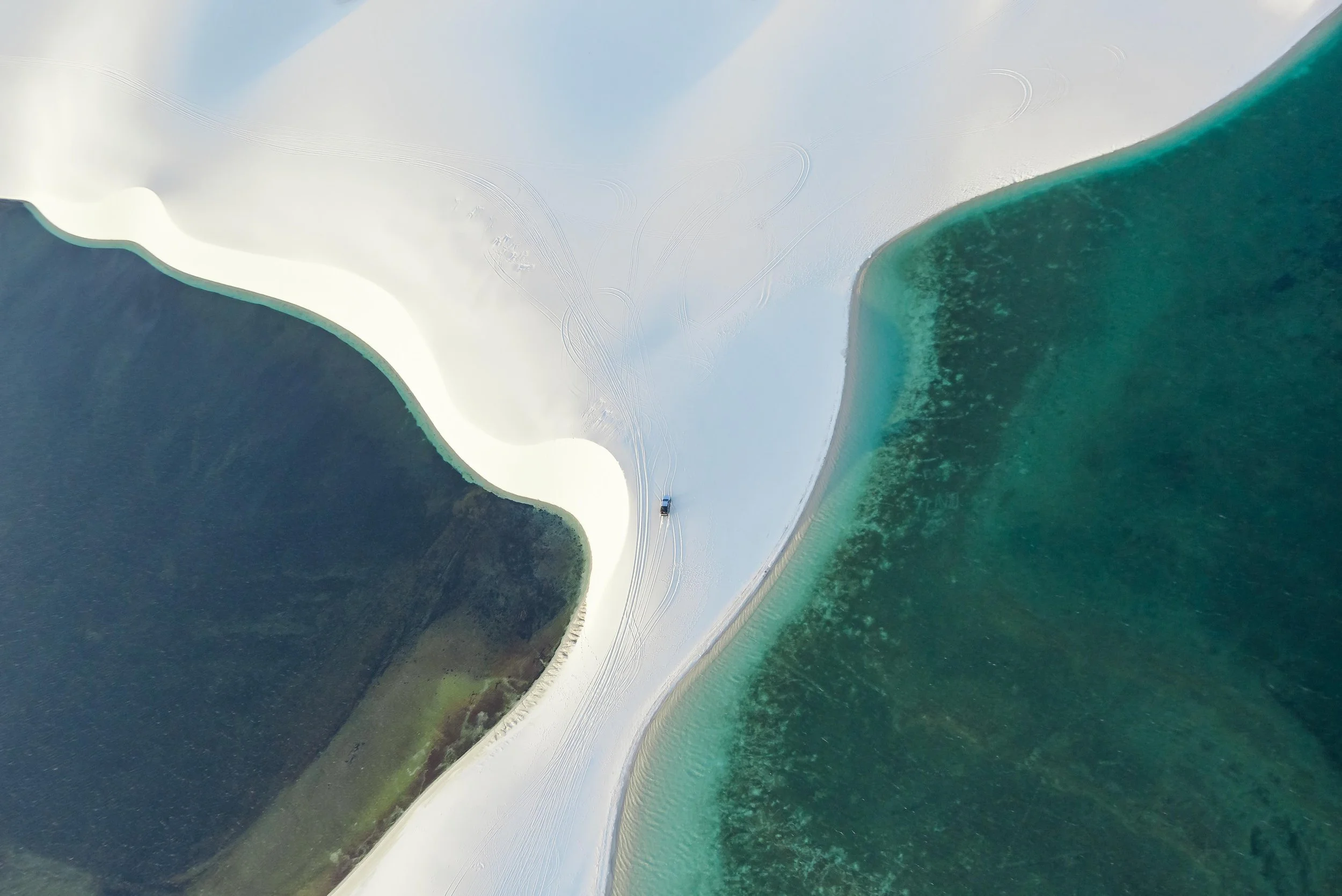
Sand dunes are dynamic landscapes shaped by wind, time, and shifting sand, forming ever-changing ridges, deserts, and coastal systems across the world. In rare places such as Brazil’s Lençóis Maranhenses and Namibia’s Skeleton Coast, seasonal rains and groundwater create surreal dune lagoons where desert and water coexist. These extraordinary environments are also home to unique stays and hotels designed to work with fragile ecosystems, offering immersive experiences that allow travellers to stay within some of the world’s most remarkable dune landscapes.
Colour shapes how we experience a destination long before we fully register its architecture or geography. From the cobalt blues of the Greek seaside and the volcanic blacks of Iceland to rainforest greens and desert reds, every landscape carries a palette that influences mood, perception, and emotional response. Studies in colour psychology suggest that blues and greens promote calm and restoration, earth tones create grounding and warmth, while brighter shades stimulate energy and connection. Through design driven hotels and nature led stays, travel becomes an immersion into these natural palettes, where architecture, climate, and landscape work together to shape atmosphere, memory, and our deeper connection to place.
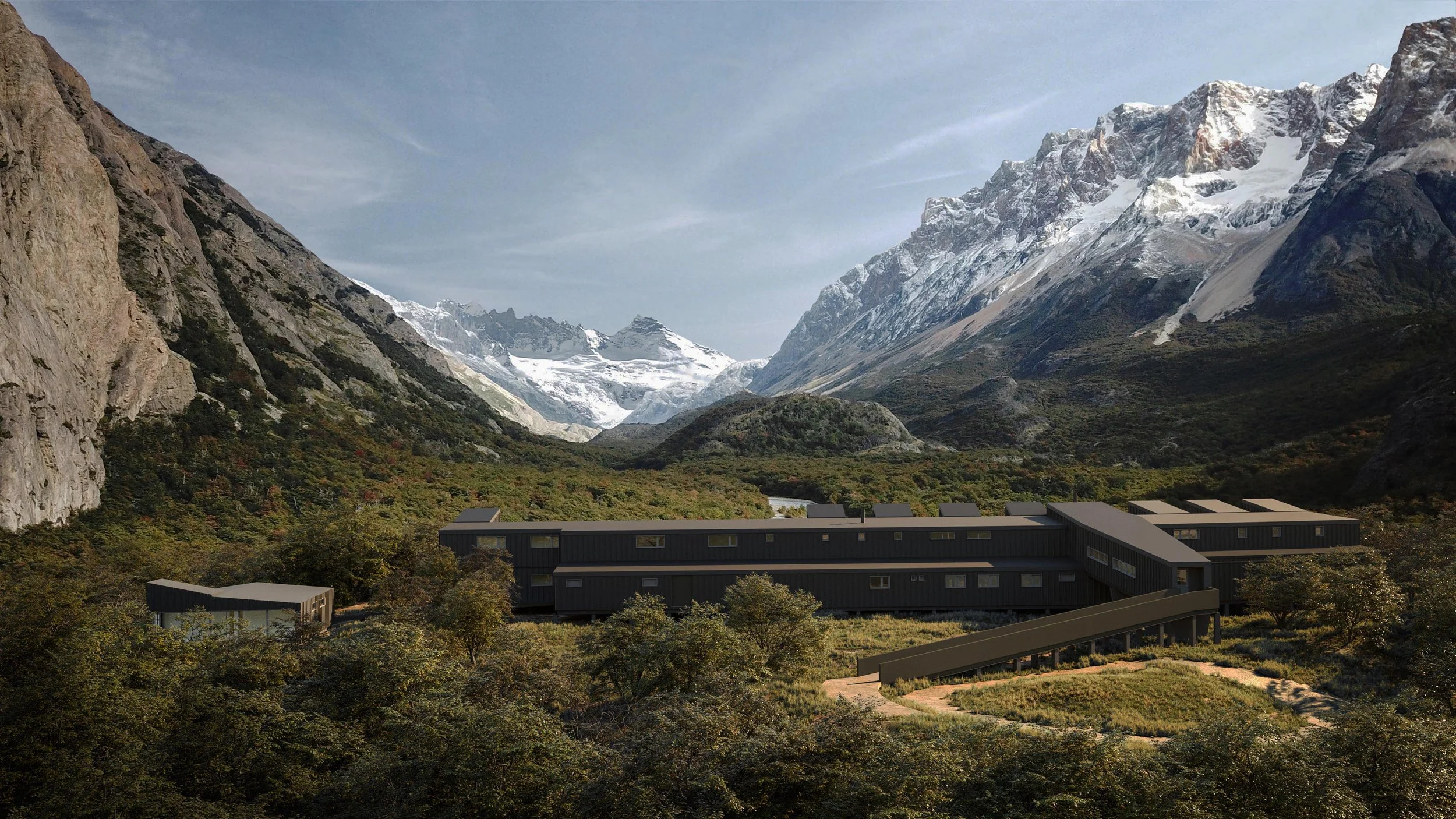
Remote destinations offer a rare form of travel where nature remains in control and human presence feels temporary. From Patagonia and the Peruvian Andes to Chilean glaciers and the Arctic North, these remote hotels are set within landscapes shaped by wind, tide, altitude, and silence, where wildlife outnumbers people and geography defines daily life. Reaching them often requires long, intentional journeys, but this remoteness preserves their power and sense of discovery. Built by pioneers in extreme environments, they use restrained, nature-led architecture that blends into the land, creating immersive stays that prioritise solitude, scale, and deep connection to some of the world’s most untouched wilderness.
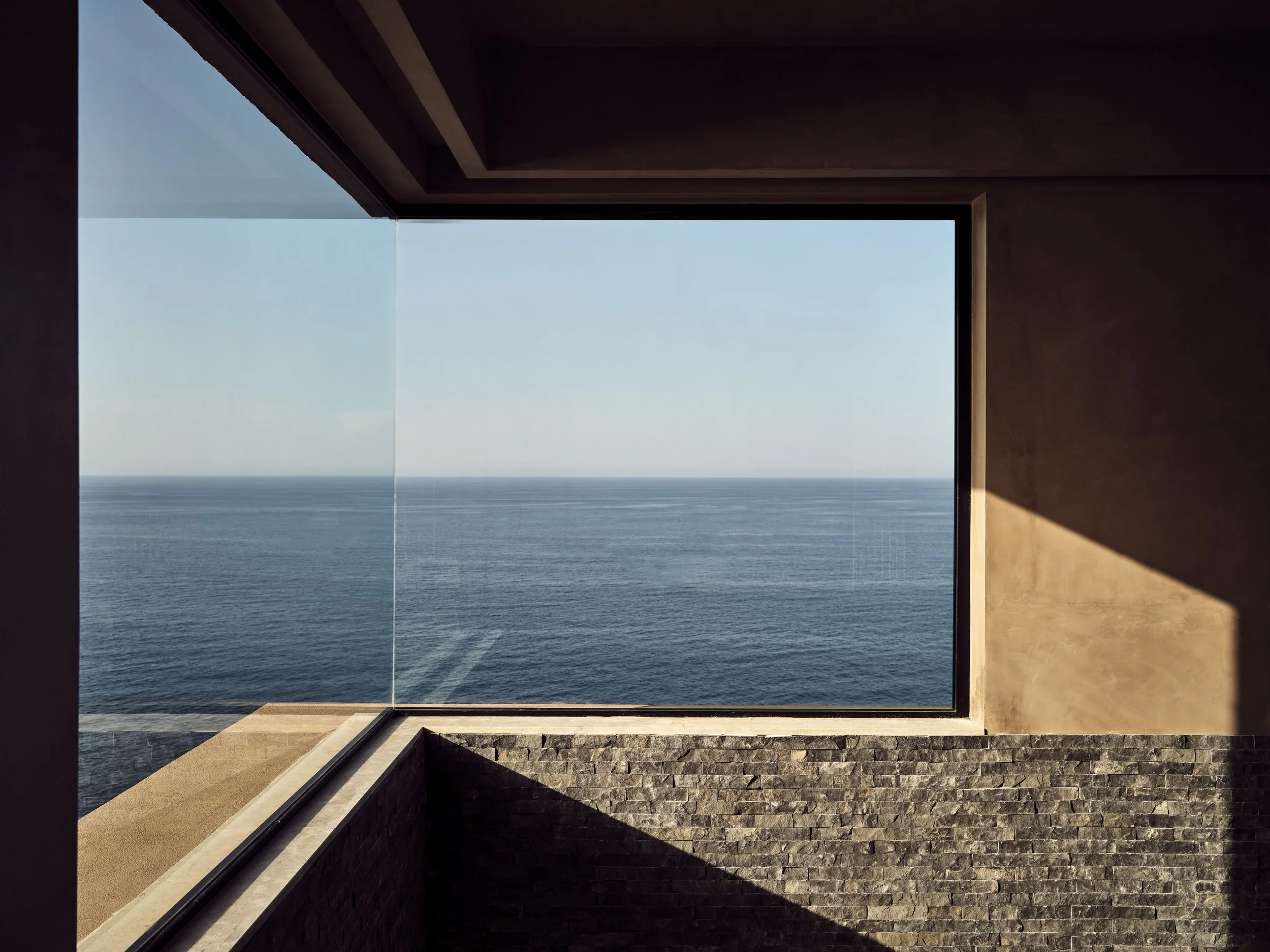
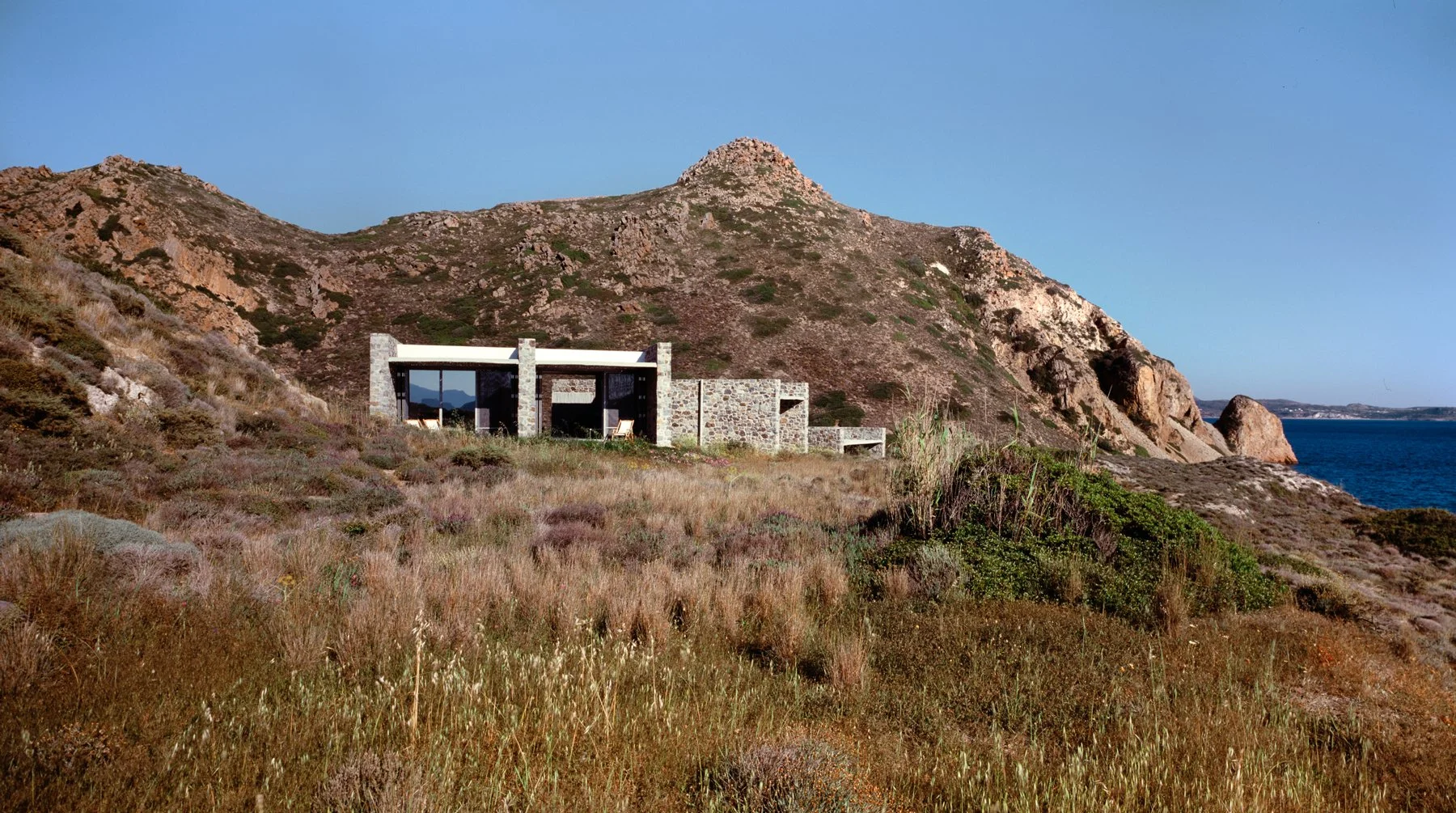
From the Cyclades to the Peloponnese, Greece’s seaside hotels are shaped by an intimate relationship between architecture, landscape, and the sea. Built from local stone, limewashed plaster, timber, and marble, these design-driven stays emerge naturally from cliffsides, pine-covered coastlines, and volcanic terrain, creating spaces defined by light, airflow, texture, and horizon views.
Slow summer stays offer a more intentional way to travel, especially through landscape hotels designed for stillness and immersion in nature. Instead of rushing between itineraries, days unfold naturally through long lunches, unhurried dinners, time spent outdoors, and simple rituals like morning coffee or evening walks. Staying longer allows a destination to reveal itself gradually, creating a deeper connection to place through familiarity, rhythm, and daily life. These immersive travel experiences prioritize slow living, sustainability, and meaningful moments, offering a more grounded and enriching way to experience summer.
Agricultural stays combine working farms with hospitality, allowing guests to experience cultivation, food, and landscape as one connected system. From vineyards and olive groves to regenerative farms, these properties make seasonal cycles like planting, harvesting, and soil care visible, shaping both the stay and the food served. Across global regions, from Mediterranean farmland to coastal and rural landscapes, they range from restored farmhouses to contemporary retreats, all rooted in land stewardship, local culture, and regenerative practices.
Creative travel invites a slower, more intentional rhythm where making becomes part of the journey. Around the world, a growing number of retreats combine nature, craft, and culture, offering workshops in ceramics, painting, textiles, and photography. From the Amazon rainforest and Arctic fjords to Japanese mountains and coastal retreats, these hotels encourage guests to disconnect from routine and create with their hands.
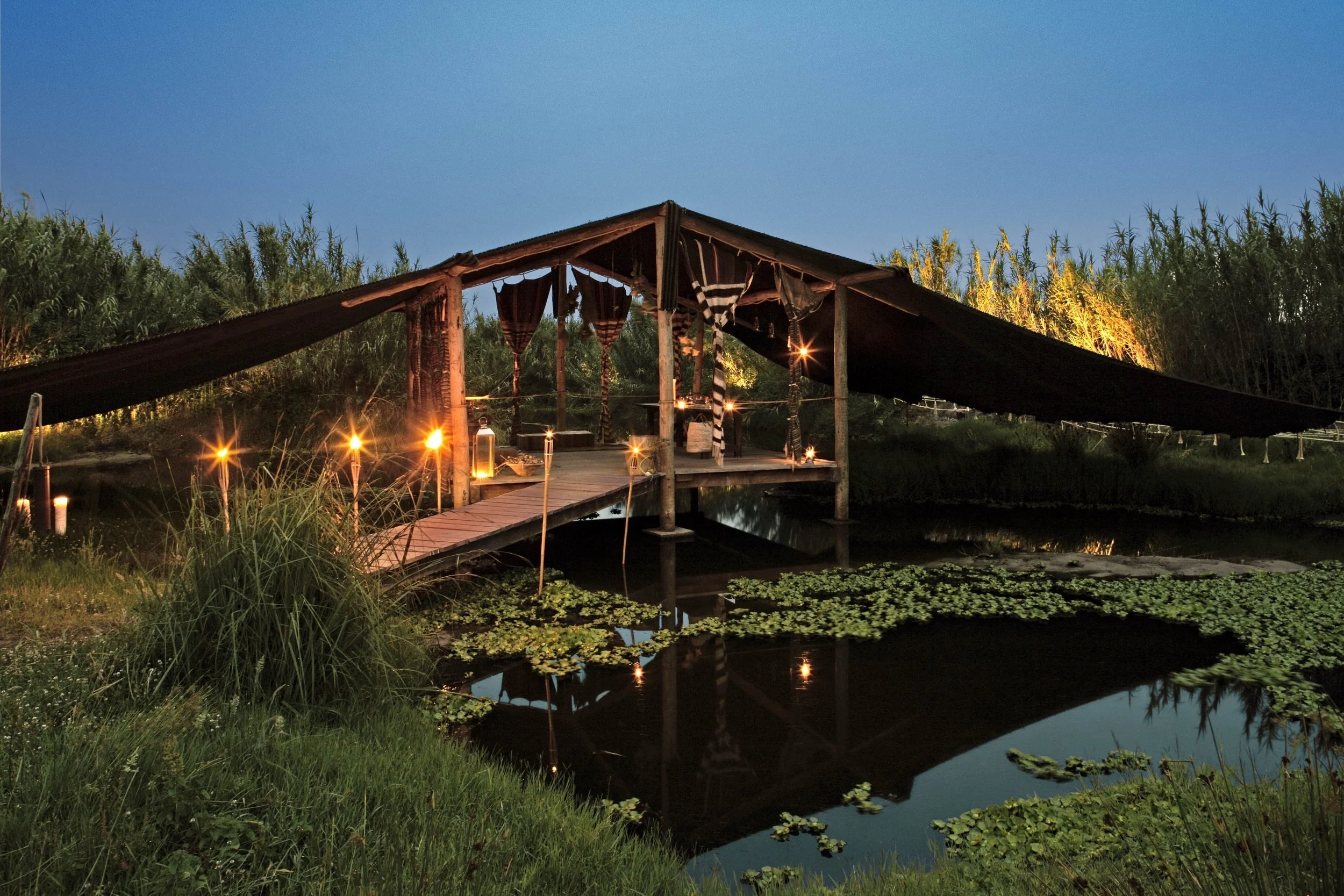
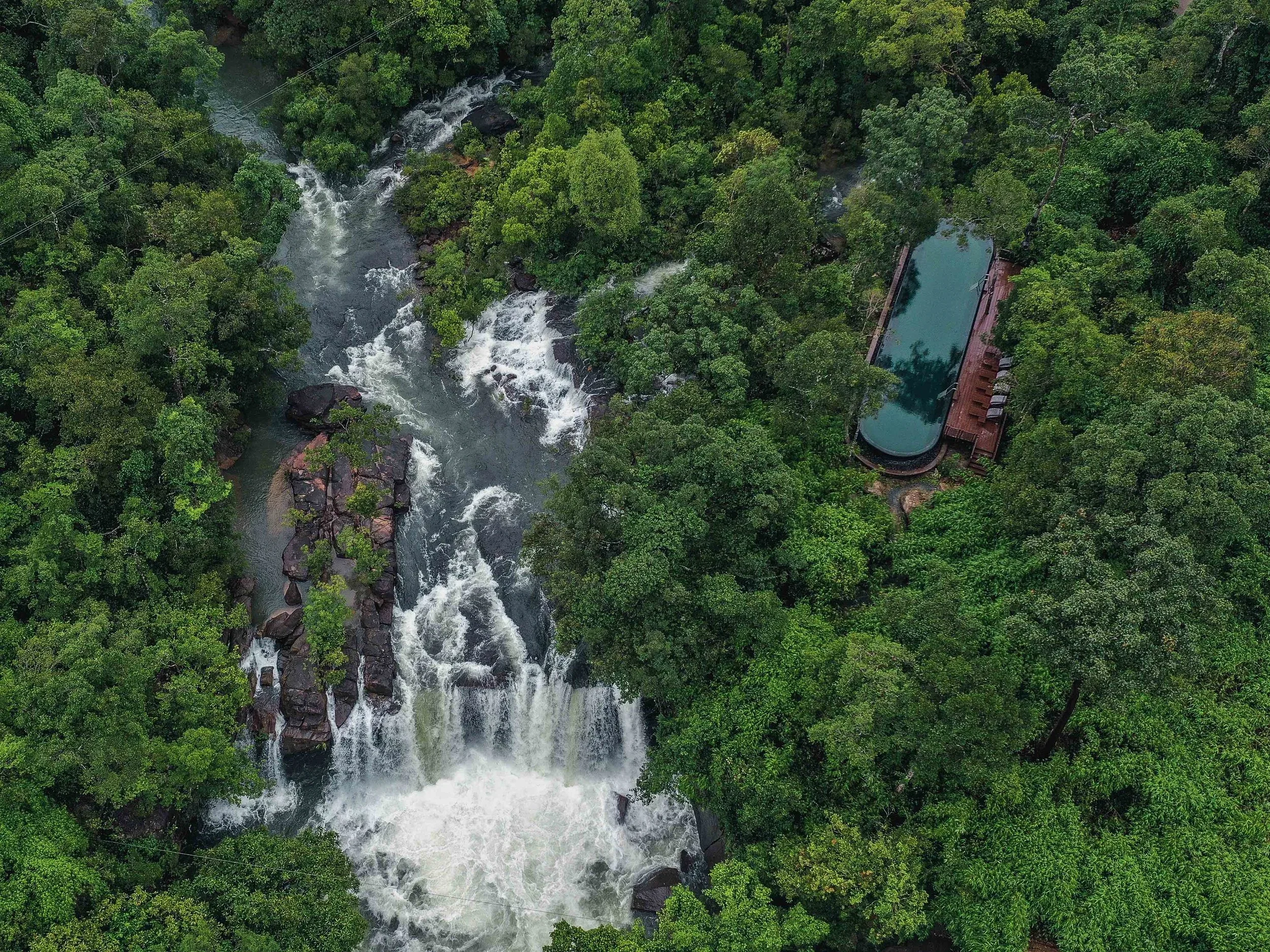
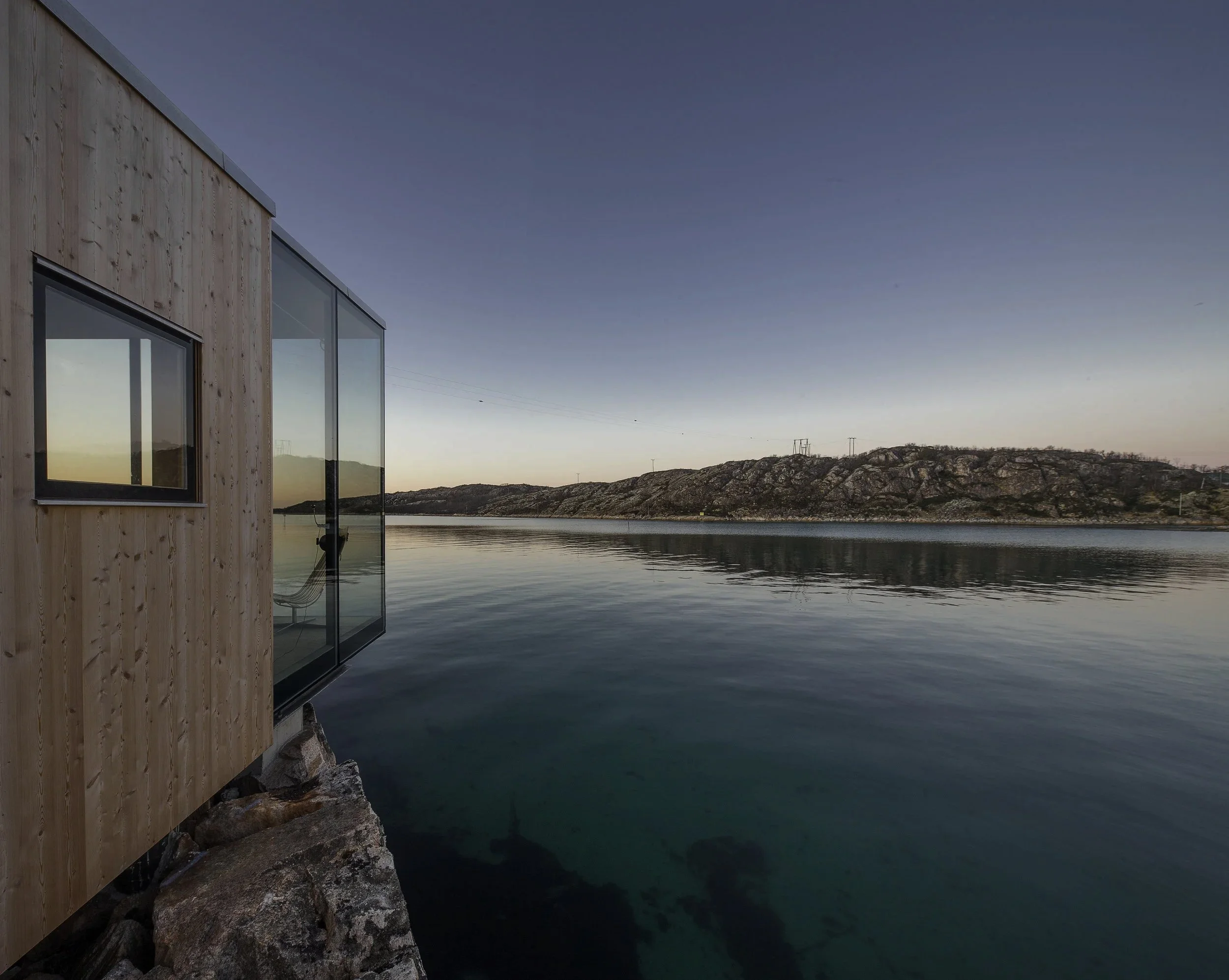
Water has long shaped how we move through the world, carving valleys, feeding forests, and creating natural corridors where life gathers. Today, some of the most memorable hotels sit where land meets water, along fjords, lakes, rivers, and lagoons where the landscape feels fluid and ever-changing. From Norway’s glacial fjords and alpine lakes in Europe to jungle rivers and coastal wetlands in the tropics, each setting invites a different rhythm of travel.
Cacao experiences are increasingly found in hotels and eco lodges across Colombia, Belize, Mexico, Ecuador, and the Caribbean, where guests can engage with cacao through tastings, ceremonies, and farm-to-cup rituals. Naturally rich in antioxidants and mood-supporting minerals, cacao continues to shape wellness-focused hotel stays and nature-based travel rooted in presence, land, and tradition.
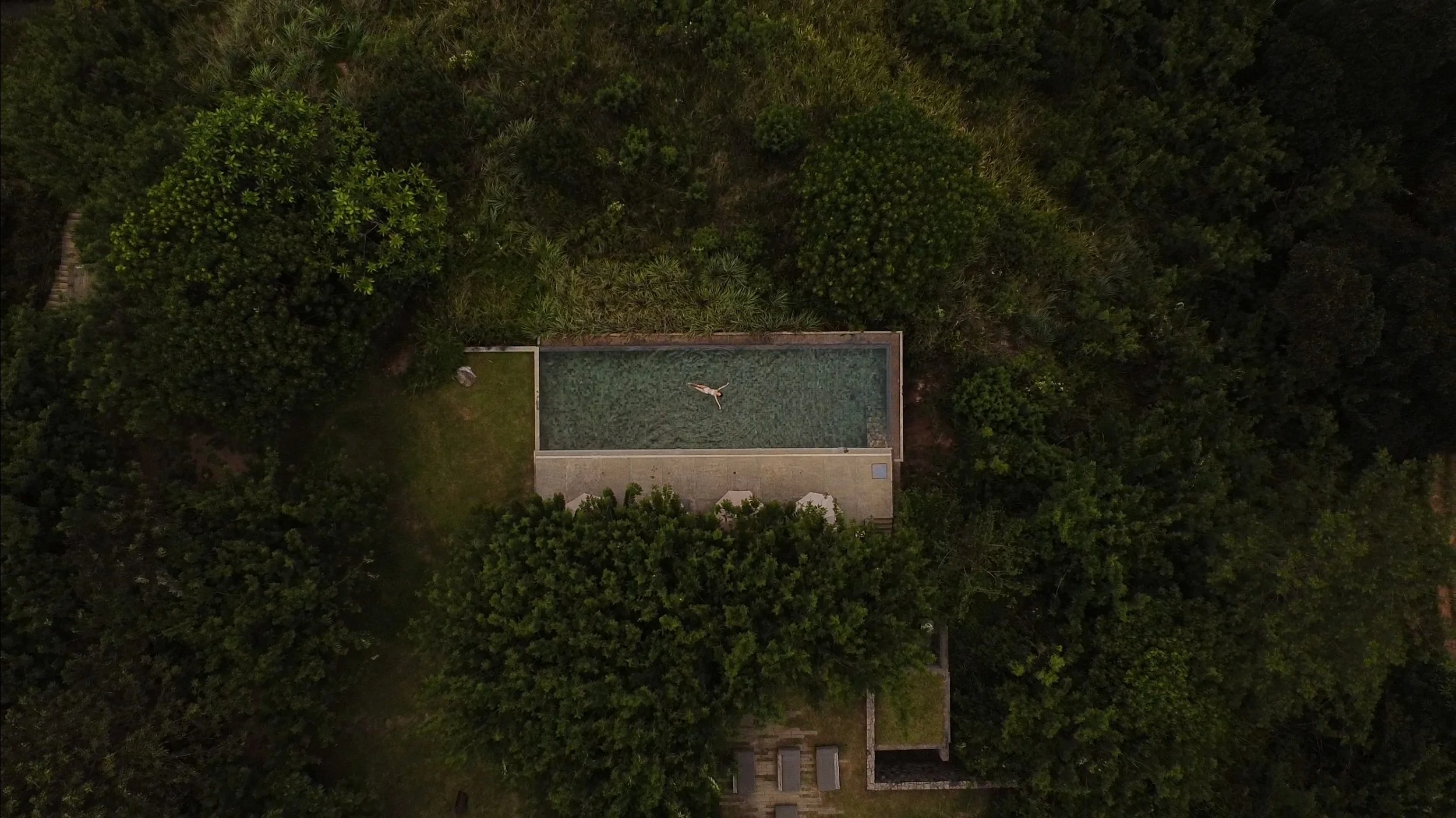
The traditional hotel room is evolving as travelers increasingly seek privacy, space, and a stronger connection to place. A new generation of decentralized landscape hotels is redefining hospitality through private villas, cottages, and cabins dispersed across the land, offering independence alongside thoughtful, unobtrusive service. In these stays, privacy is not a luxury add-on but the foundation of the experience, allowing guests to slow down, live more autonomously, and inhabit their surroundings more fully.
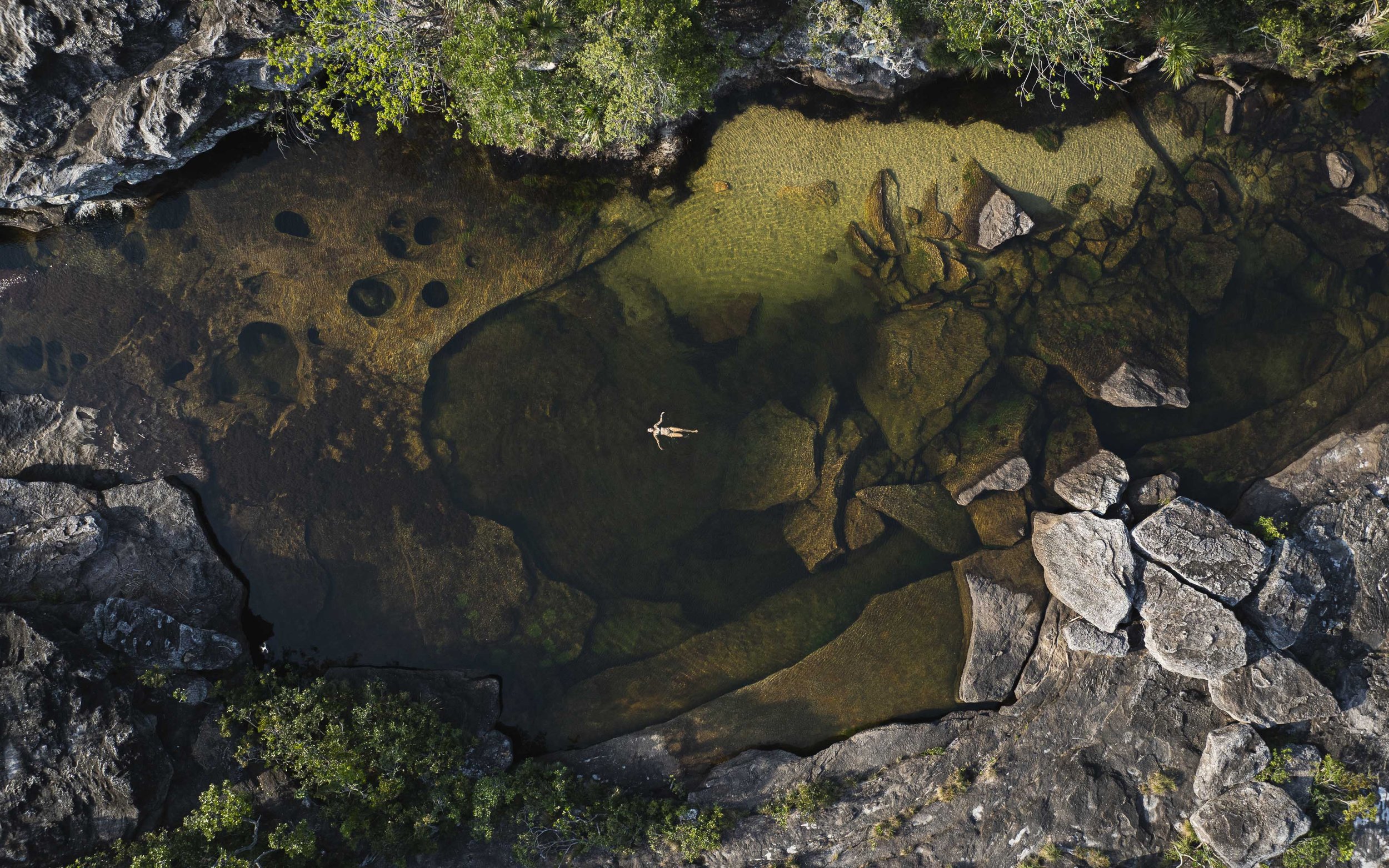
Wellness in the wild is shaped by landscape as much as ritual. Forests support immunity and lower stress through natural phytoncides, oceans uplift mood and breathing with negative ions, lagoons calm the nervous system, and mountains sharpen focus through clean air and altitude. When retreats align yoga, meditation, and sensory practices with their natural surroundings, the body responds at a physiological level. Wellness becomes an ecology, inviting a slower pace, deeper presence, and a restored connection between body, mind, and place.