
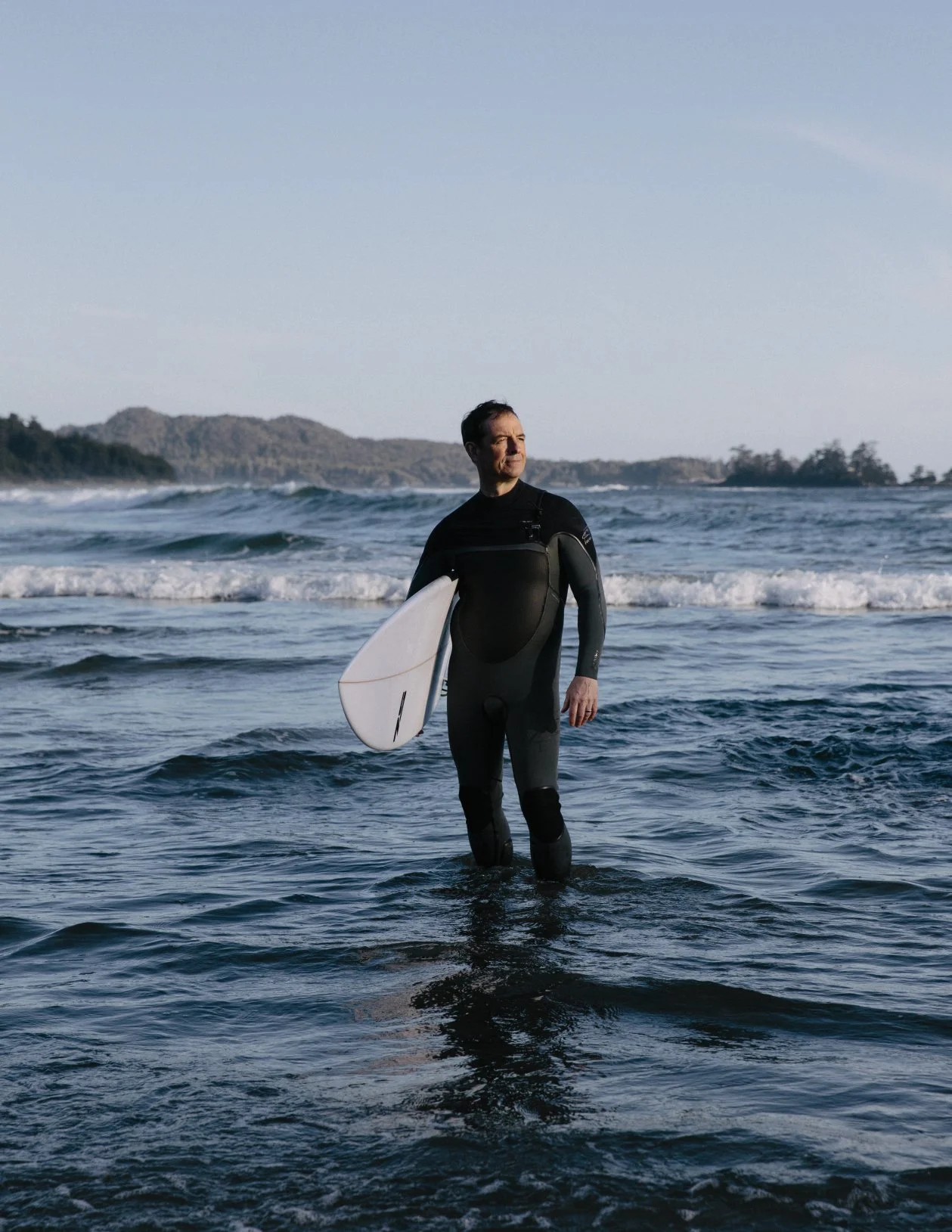
ROOM AND WILD NATURALS: Charles McDiarmid
On the edge of Canada’s wild west coast, where old-growth forests meet the raw power of the Pacific, the Wickaninnish Inn embodies a rare harmony between family legacy and untamed landscape. Here, every wave, gust of wind, and cloud-swept horizon carries the echoes of a childhood spent exploring Tofino’s rugged shores. For Charles McDiarmid, growing up in this place instilled a profound sense of stewardship and wonder; a connection to both land and community that would shape the vision for the Inn. From storm watching with his family to observing the rhythm of tides and wildlife, these early experiences formed the foundation of a lifelong commitment to creating a place where nature, craft, and hospitality intersect.
Charles is a third-generation Tofino resident, whose roots run deep in Clayoquot Sound. His father played a pivotal role in establishing the Pacific Rim National Park Reserve, setting a tone of environmental stewardship that Charles has carried forward. Returning to his roots, Charles has woven family history and local culture into the very fabric of the Wickaninnish Inn, honoring both the people and the place that have shaped his perspective. His approach blends respect for tradition with a vision for a contemporary, sustainable inn that celebrates the wild beauty of the west coast.
“Charles is a third-generation Tofino resident, whose roots run deep in Clayoquot Sound. His father played a pivotal role in establishing the Pacific Rim National Park Reserve, setting a tone of environmental stewardship that Charles has carried forward. Returning to his roots, Charles has woven family history and local culture into the very fabric of the Wickaninnish Inn, honoring both the people and the place that have shaped his perspective. His approach blends respect for tradition with a vision for a contemporary, sustainable inn that celebrates the wild beauty of the west coast.”
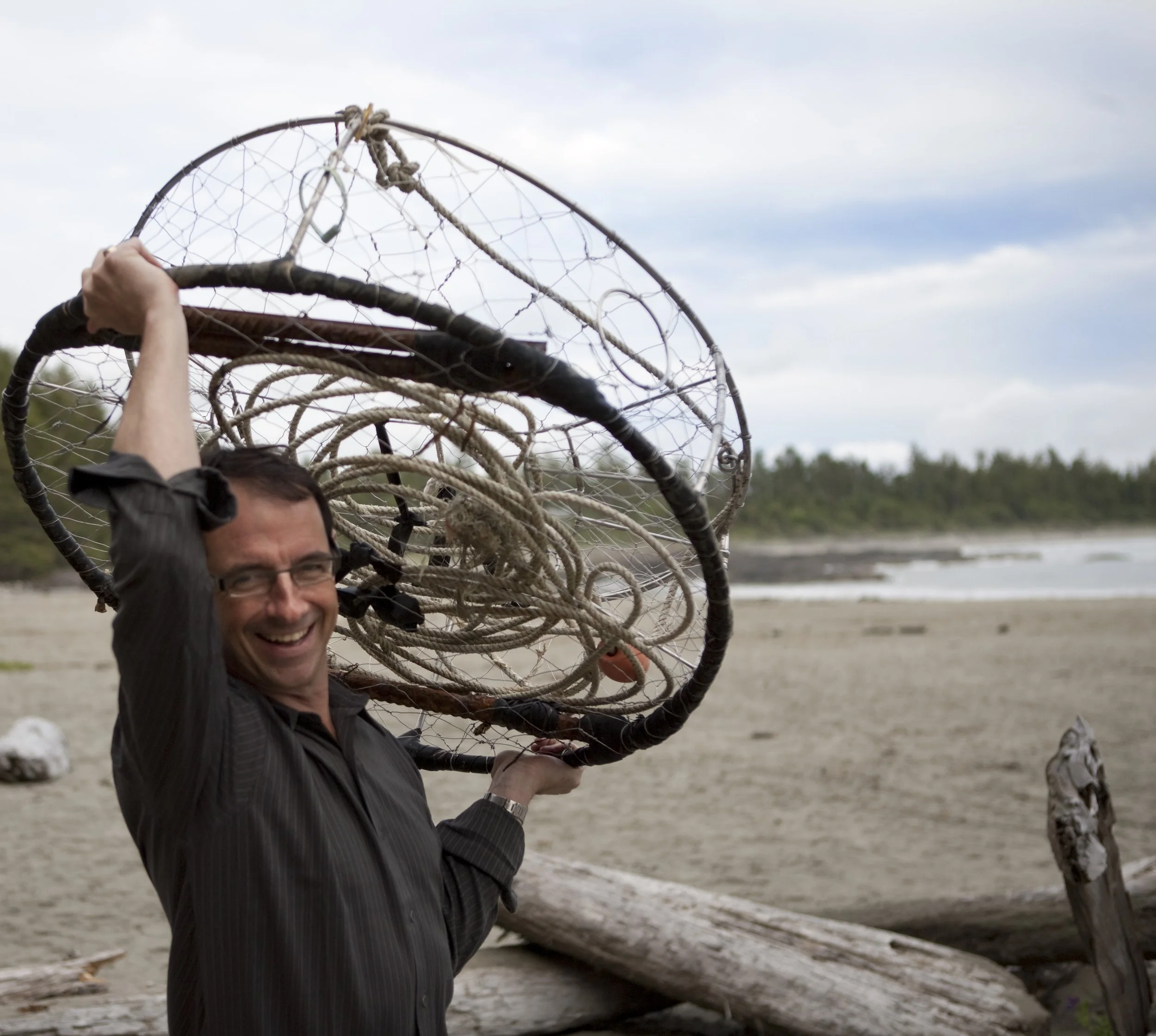
Charles McDiarmid by Ivan Hunter
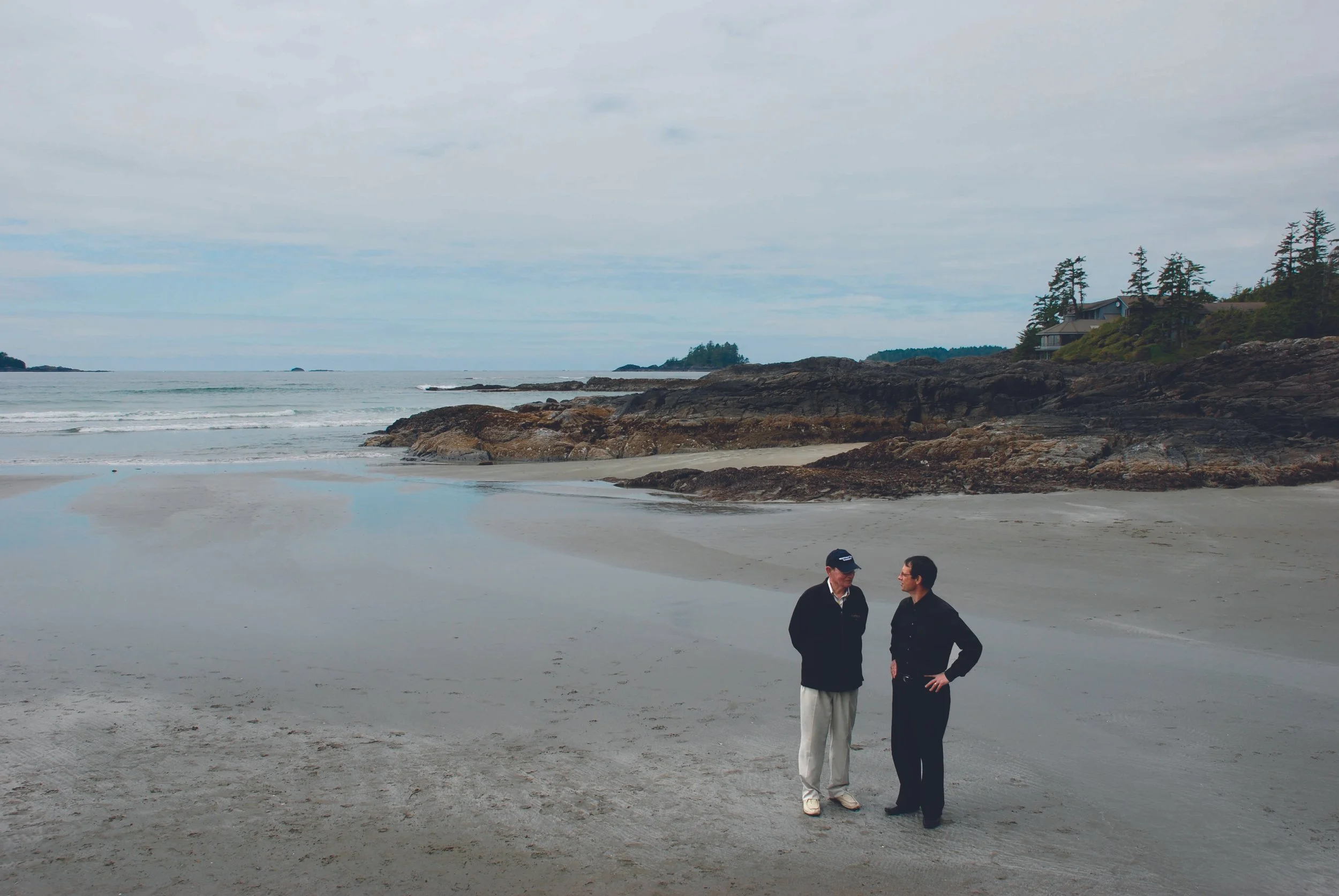
Charles and Howie on Chesterman. Photo by Bob Kronbauer
The rebirth of the Wickaninnish Inn was sparked by a desire to revive a family dream after the original property closed in the 1970s. From its inception, Charles focused on crafting an experience that merges rustic elegance with mindful design, where architecture, artisanal craft, and Indigenous collaborations reflect the natural and cultural heritage of Clayoquot Sound. Working with local carvers, artists, and First Nations collaborators, every detail—from hand-adzed beams to bespoke furnishings—tells a story of place and people. It was this dedication to authenticity and craft that set the Inn apart as both a sanctuary and a touchstone for Tofino’s growing community of nature-based hospitality.
Today, the Wickaninnish Inn stands as a testament to enduring vision, where guests step into a living legacy. Through storm watching, wildlife encounters, and locally sourced cuisine, visitors are invited to connect with the landscape, the culture, and each other. Charles continues to balance innovation with stewardship, ensuring the Inn remains a place where family, community, and conservation converge. It is a story of place, purpose, and a deeply personal commitment to honoring the wild west coast of Canada.
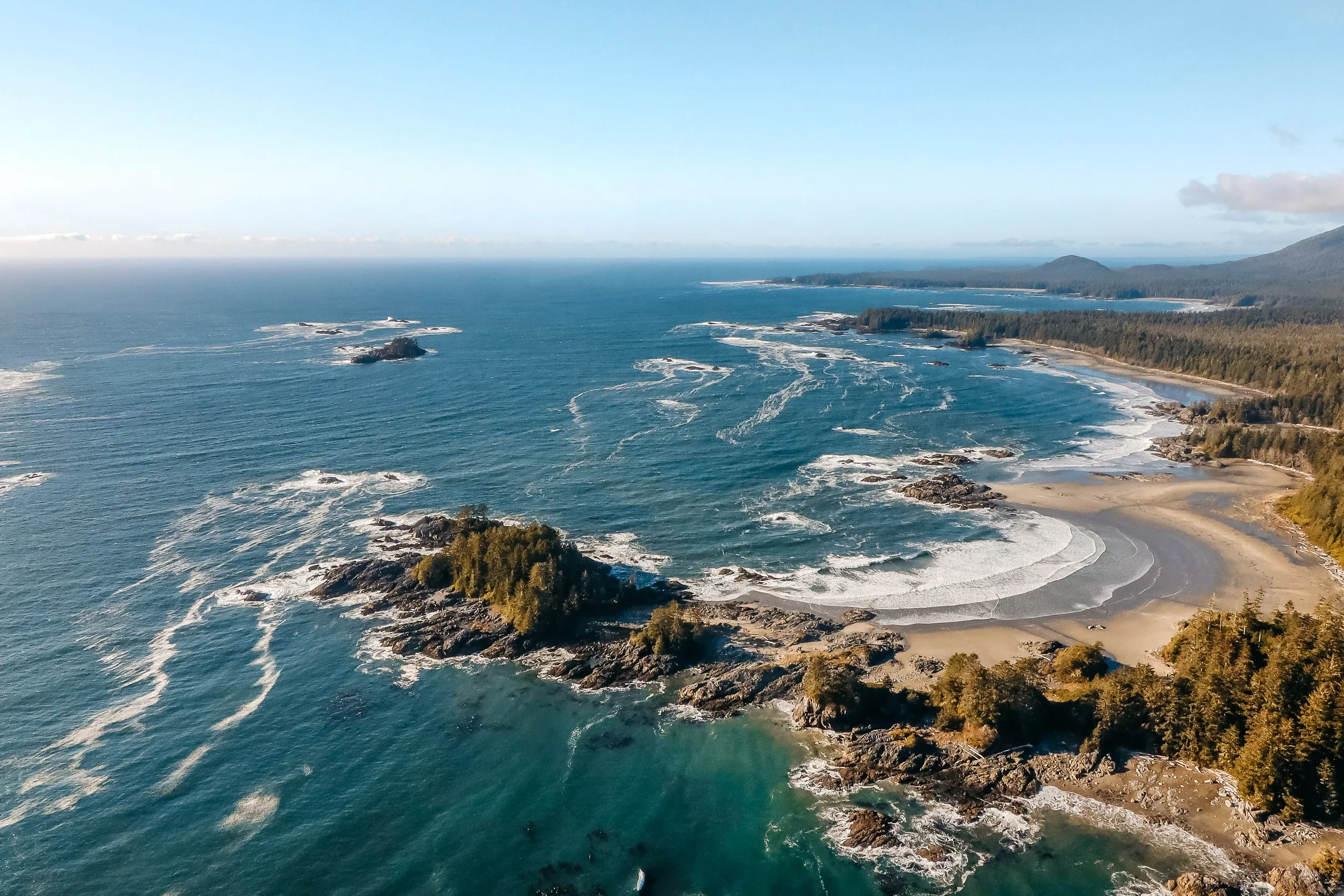
Photo by Lexis Lancaster
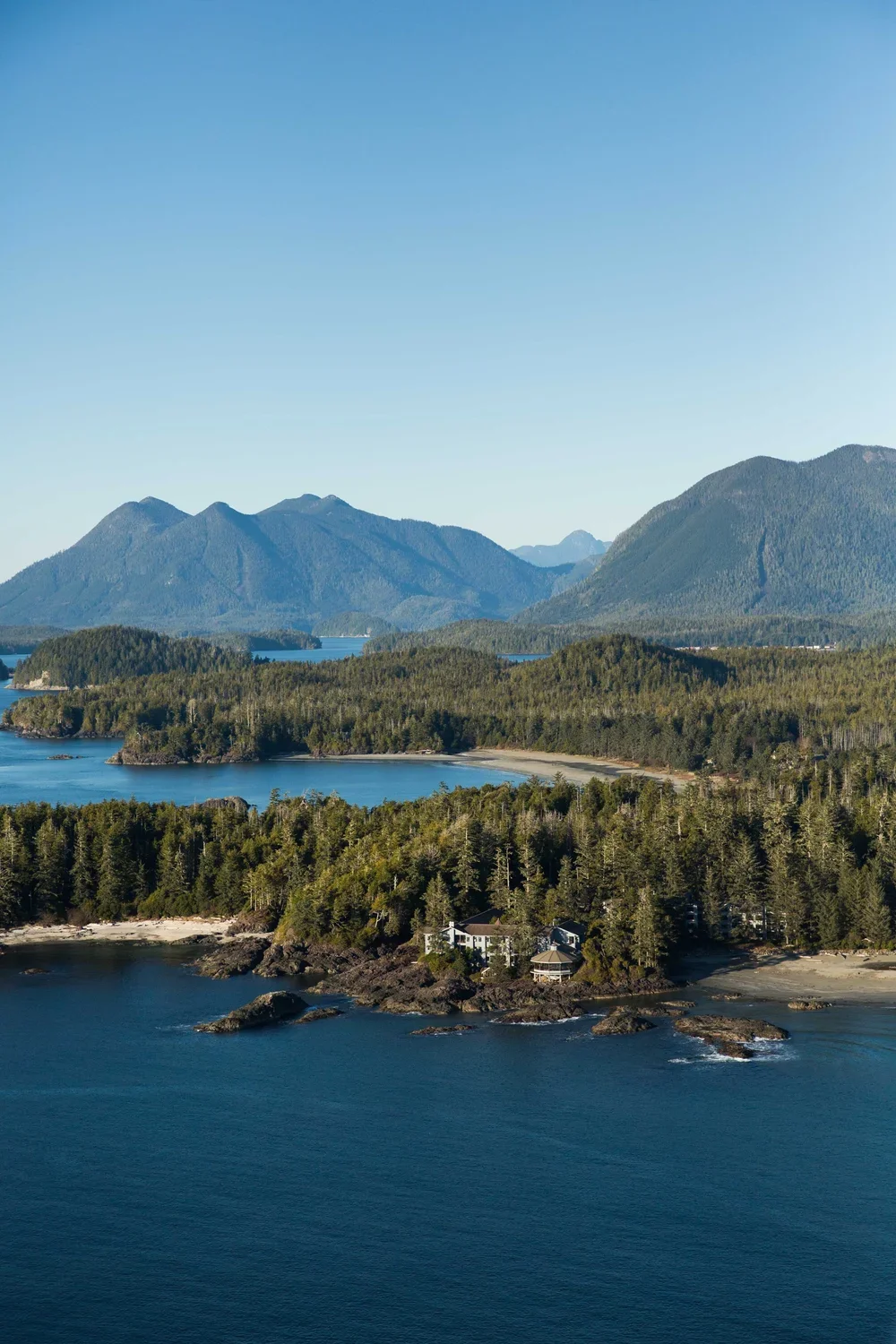
Photo by Jeremy Koreski
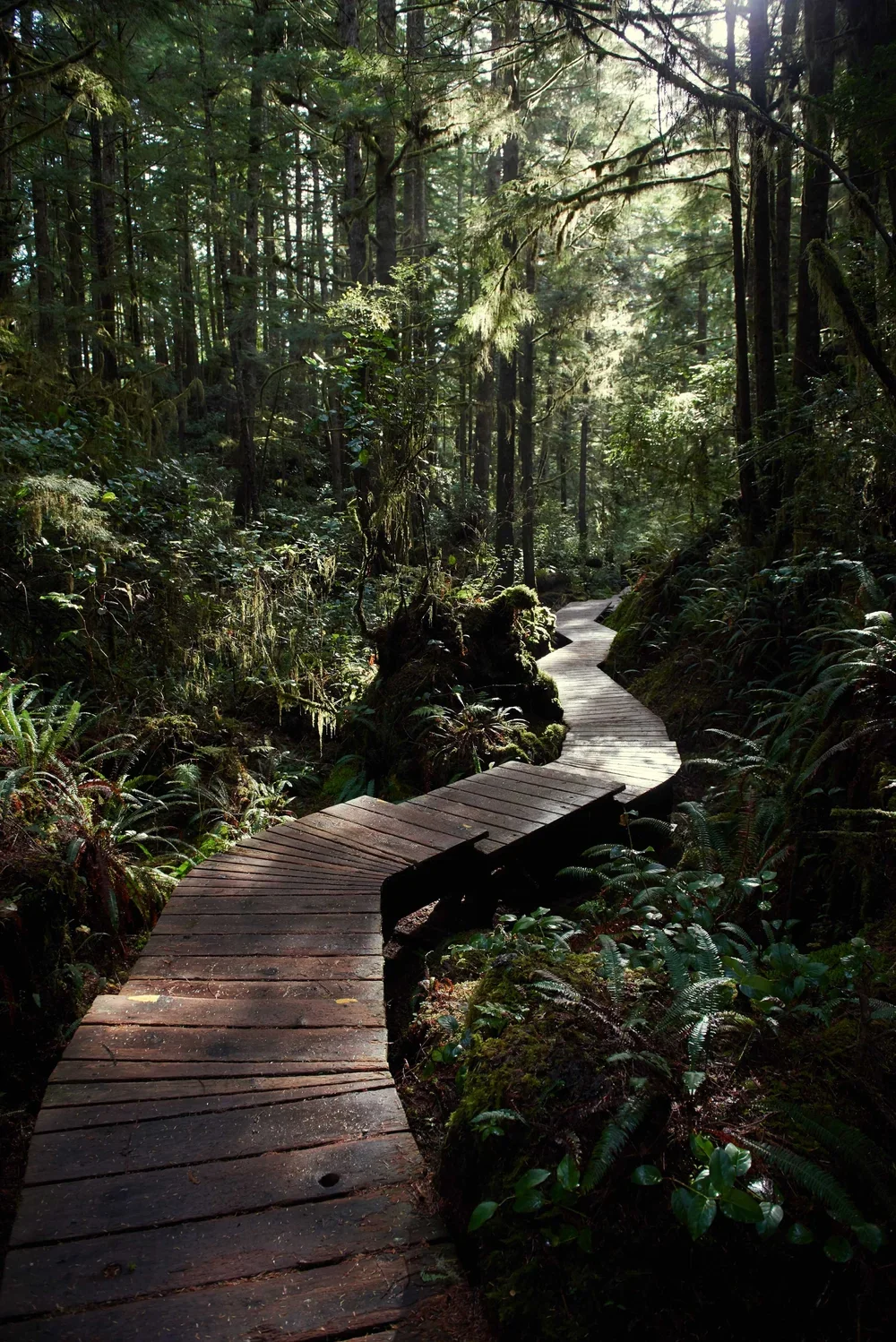
Photo by Michael Becker.
In R+W Naturals, we connect with extraordinary people making waves in sustainability, art, design, architecture, gastronomy, wellness, and wildlife — from travel and hospitality industry icons to acclaimed architects, designers, influential artists, forward-thinking musicians, boundary-pushing chefs and visionary explorers. We spoke with Charles about growing up in Tofino, how the land and its stories shape his work, his pursuit of authenticity, and the creation of a legacy that honors his family heritage, Canadian roots, and the enduring presence of the Tla-o-qui-aht First Nation in Clayoquot Sound.
R+W: Wickaninnish Inn sits on the edge of Canada’s wild western coastline. Your family's history and this landscape are tightly intertwined. Was there a pivotal family story or tradition that fueled your commitment to seeing the Wickaninnish Inn realized as it is today? (i.e., storm watching as a child with your family)?
CM: It was the forced closing of the original Wickaninnish Inn (1968 to 1979) that sparked our family’s dream to recreate the Wickaninnish Inn in a modern context. The original Wickaninnish Inn was forced to close several years after the creation of the Pacific Rim National Park Reserve, which my father, as MLA, was the driving force behind getting the federal and provincial governments to work together to create Pacific Rim National Park Reserve in 1971.
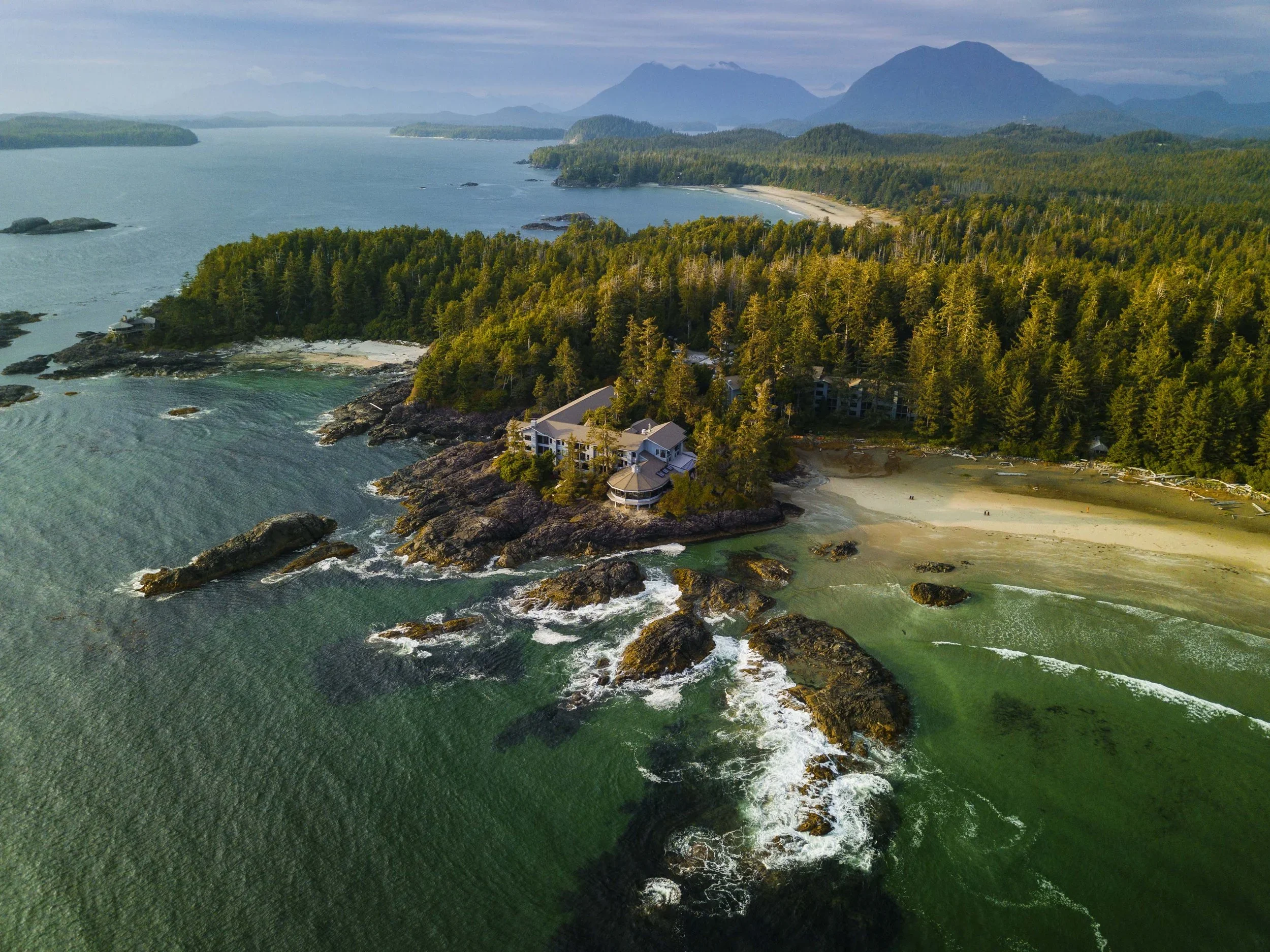
Photo by Simone Mondino
R+W: The Wickaninnish Inn feels inseparable from its setting; a meeting point between forest and ocean. How does this landscape influence the way you think, create, and host?
CM: We are a family that grew up in Tofino. My parents moved here in 1955, before there was even a gravel road connecting it to the outside world. Today, Tofino is at the epicenter of the UNESCO-designated Clayoquot Sound Biosphere Reserve. We look out on the mightiest ocean on the planet with an old-growth forest as a backdrop; we have a national park at our doorstep, and thousands of hectares of provincial park throughout Clayoquot Sound, with a First Nations history that goes back thousands of years. If these elements don’t make an indelible impression and guide your way forward, nothing will. We are compelled to honour all these elements, and every decision we make is guided by them. In short, I often say in describing the Inn in as few words as possible: we represent Rustic Elegance on Nature’s Edge.
““We are a family that grew up in Tofino. My parents moved here in 1955, before there was even a gravel road connecting it to the outside world. Today, Tofino is at the epicenter of the UNESCO-designated Clayoquot Sound Biosphere Reserve. We look out on the mightiest ocean on the planet with an old-growth forest as a backdrop; we have a national park at our doorstep, and thousands of hectares of provincial park throughout Clayoquot Sound, with a First Nations history that goes back thousands of years. If these elements don’t make an indelible impression and guide your way forward, nothing will. We are compelled to honour all these elements, and every decision we make is guided by them.””
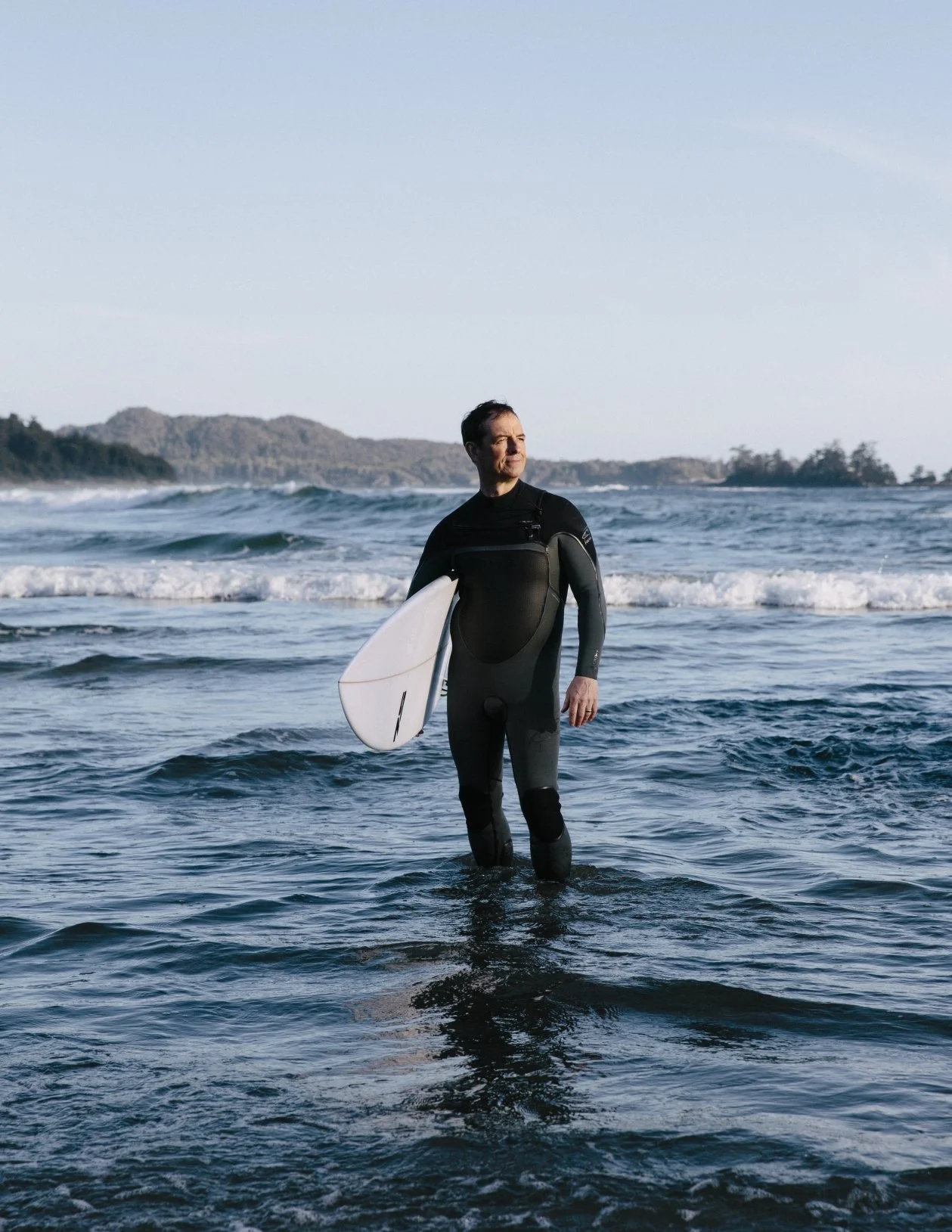
Charles by Grant Harder
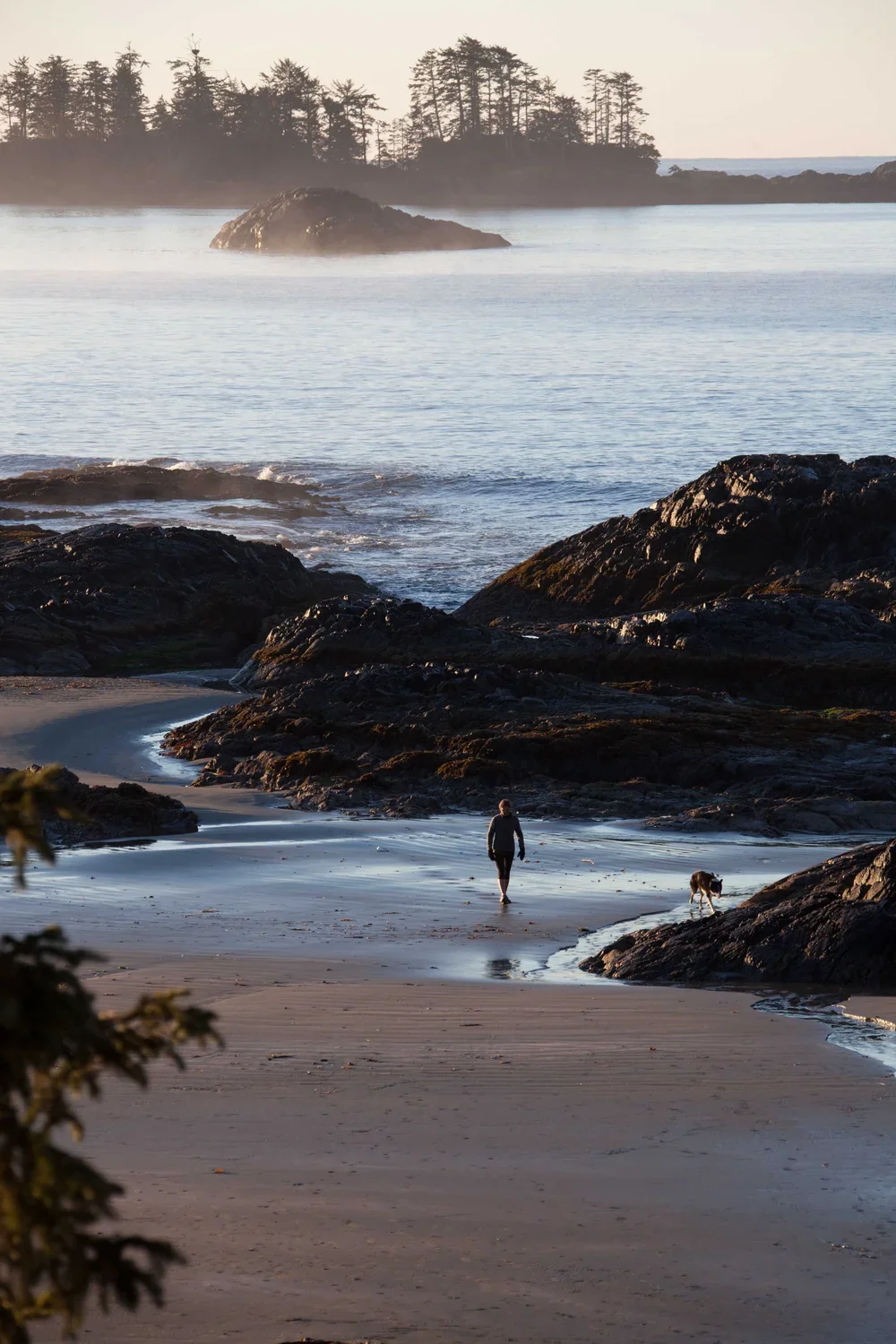
Photo by Jenn Dykstra
R+W: Wickaninnish Inn has become synonymous with craftsmanship and connection to place, reflected in every hand-adzed detail. Could you tell us more about your partnerships with local artisans and how their work shapes the spirit of the Inn?
CM: From day one, we have always worked with local artisans and artists to incorporate their work into the fabric of the Wickaninnish Inn—from Henry Nolla, our very first resident carver, who used his own hand-made tools to adze the post and beam work and mantle pieces above every guest room fireplace, to First Nations artists working out of the carving shed, to new artists or artisans that come to town bringing their own specialty such as pottery, weaving, or soap making. These artisans and artists are inspired by the rich tapestry of Clayoquot Sound and then contribute to the fabric that makes the Inn the experience it is, representing the very best of all that Clayoquot Sound represents.
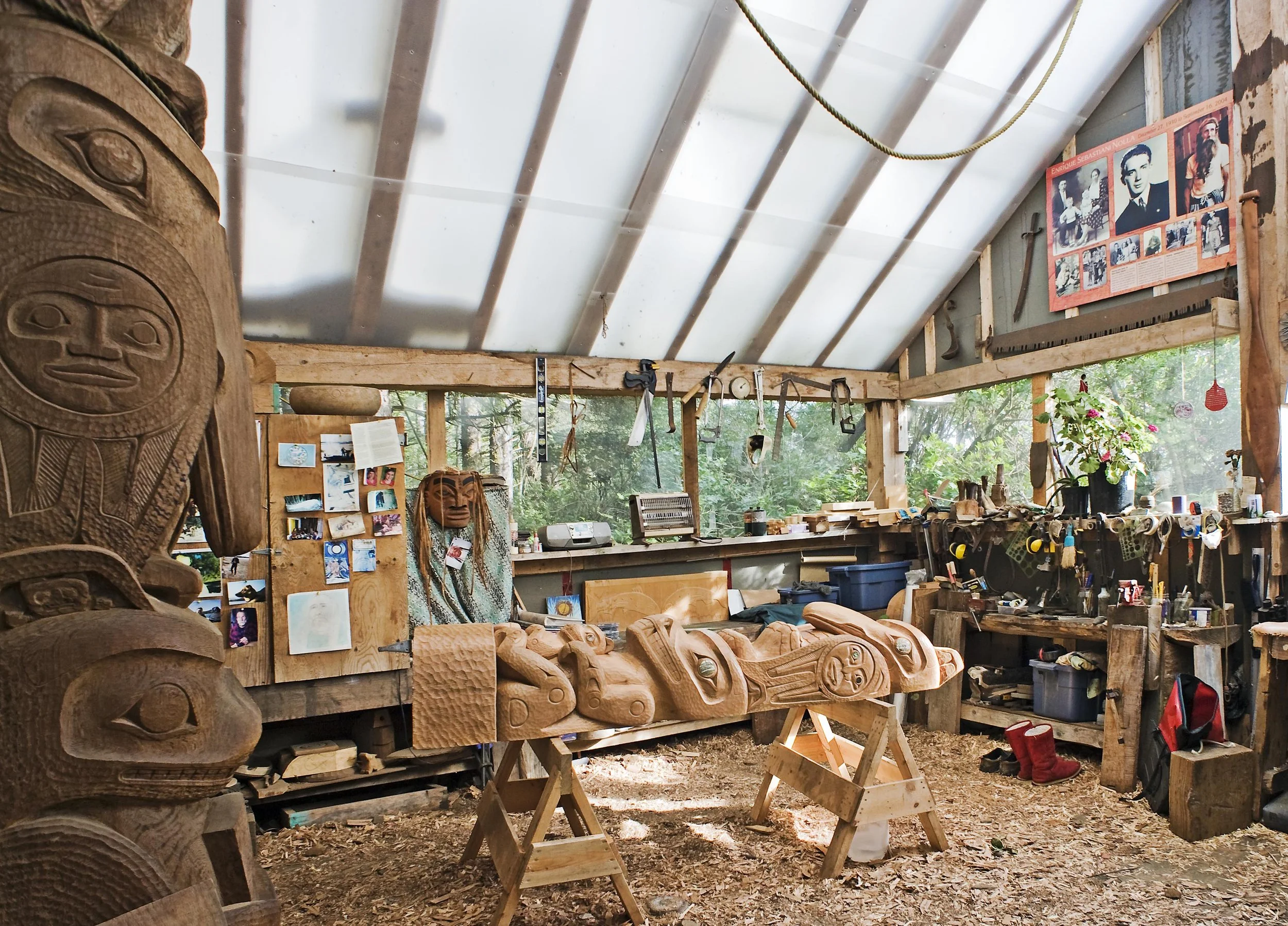
Photo by Christopher Pouget
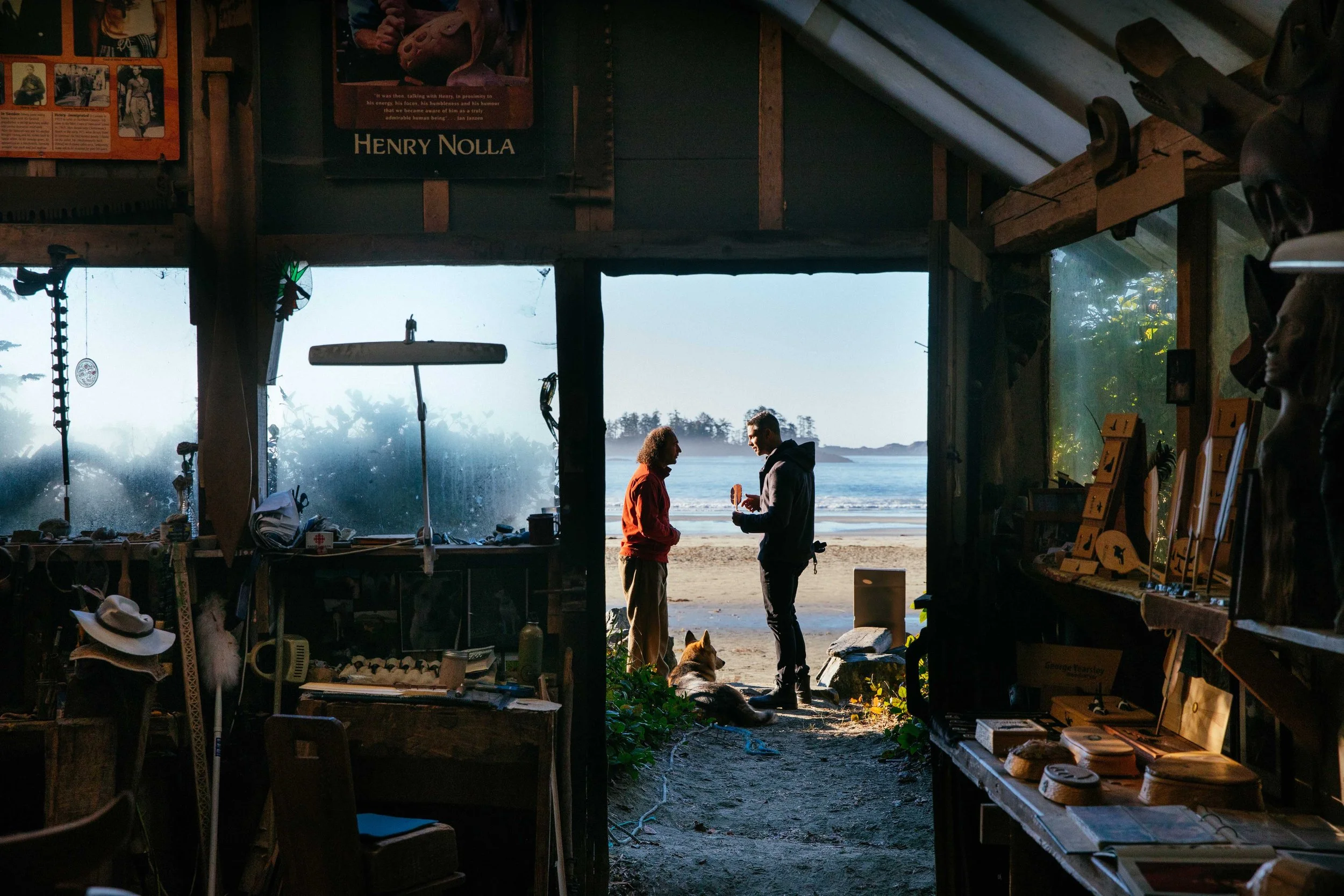
Photo by Jeremy Koreski
R+W: How do you view the significance of embracing and integrating past culture, particularly the traditions of the Tla-o-qui-aht First Nation, in shaping the Wickaninnish Inn’s philosophy?
CM: The Tla-o-qui-aht First Nations have had a presence in Clayoquot Sound for over 5,000 years, and their knowledge and teachings are more relevant today than ever before. In particular, their philosophy “Hishuk-ish tsawalk” meaning everything is connected, everything is one, resonates with me personally and is so relevant to our Clayoquot Sound environment today.
“The Tla-o-qui-aht First Nations have had a presence in Clayoquot Sound for over 5,000 years, and their knowledge and teachings are more relevant today than ever before. In particular, their philosophy “Hishuk-ish tsawalk” meaning everything is connected, everything is one, resonates with me personally and is so relevant to our Clayoquot Sound environment today.”
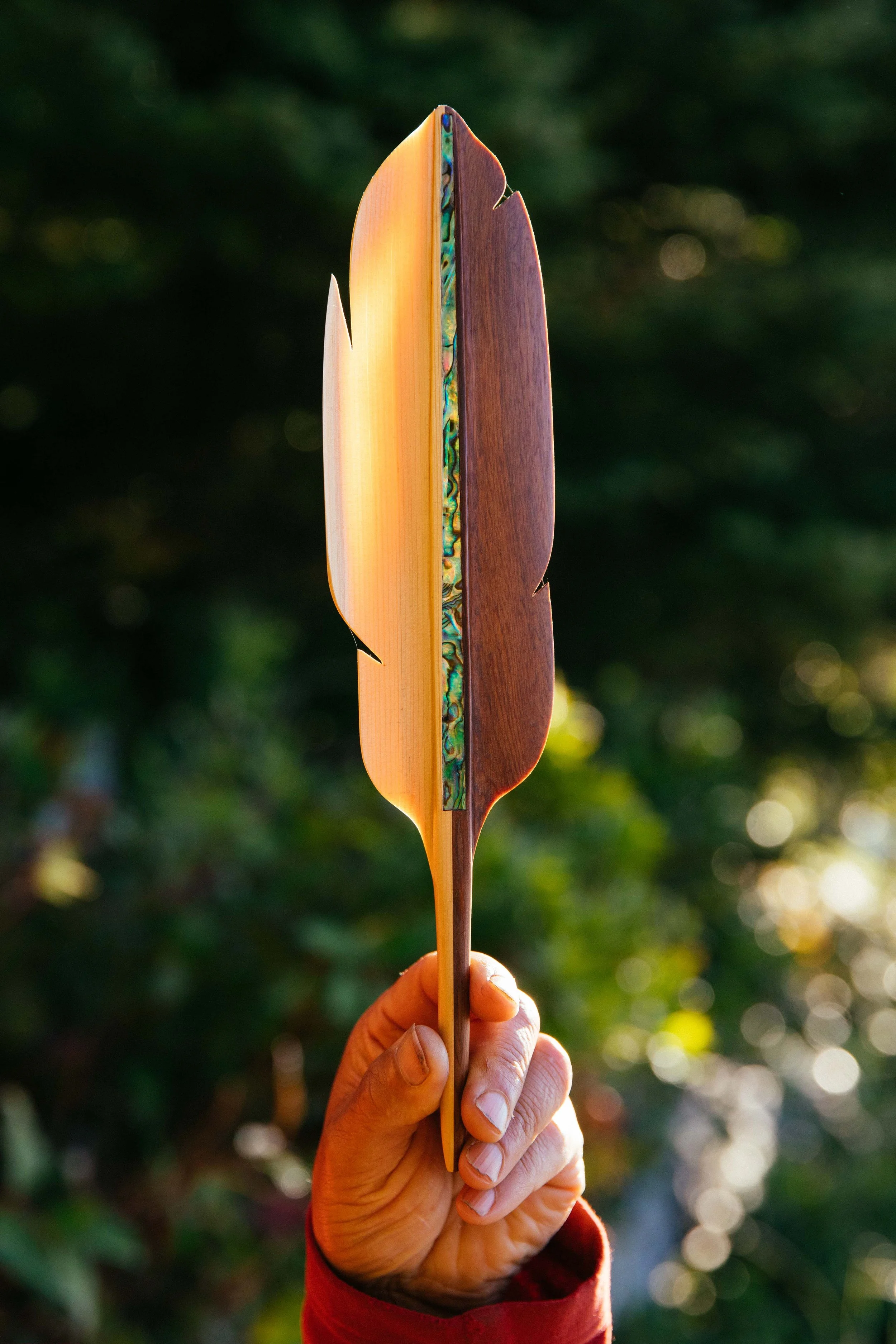
Feather by Feather George. Photo by Jeremy Koreski
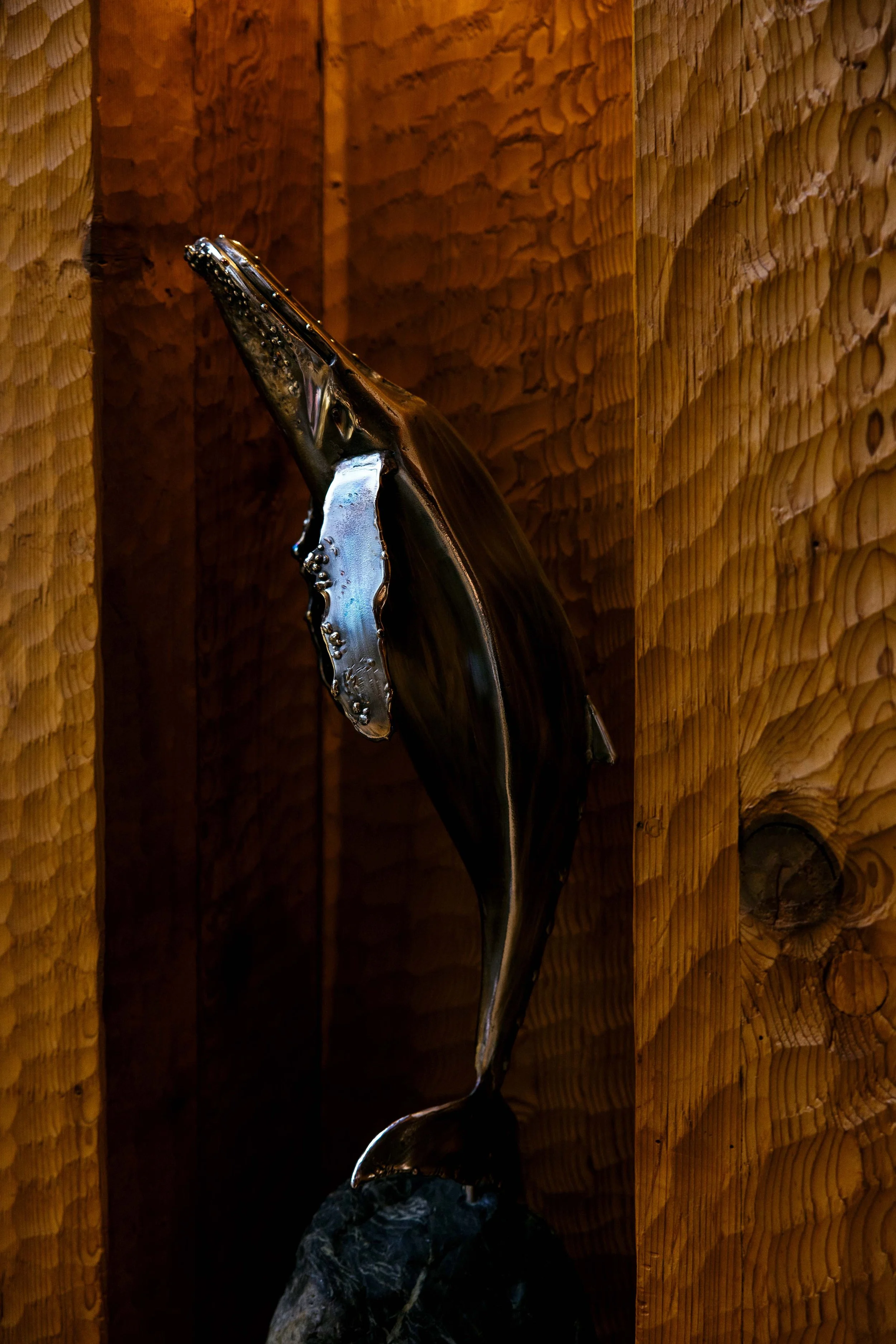
Pacific Poetry by Ian Lowe. Photo by Jeremy Koreski.
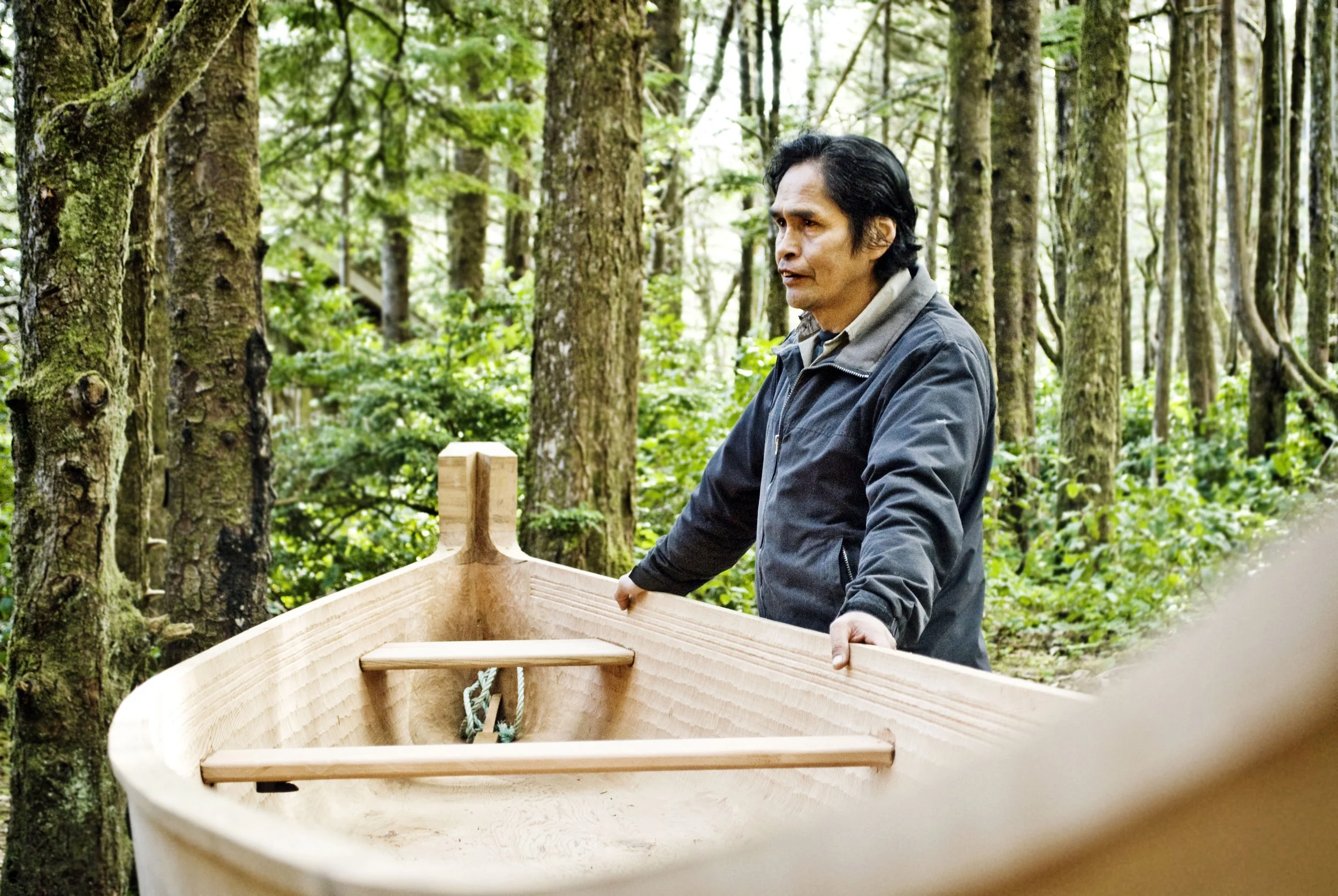
Joe Martin and Canoe. Dane and Dane
R+W: Looking back at your first year open, when business was uncertain, what kept you going? Was there a turning point when it became clear the Inn wouldn’t just survive, but thrive?
CM: What kept me going in the first year, and most especially during the Winter of 1996/1997, was the unwavering belief that if we could just survive this first winter, we would see a successful summer and the future after that would be bright. Yes, there was a definite turning point, and that happened in February 1997 when Alan William Daniels, an iconic business writer for the Vancouver Sun, came to stay with us and wrote the very first, first-person, review of Storm Watching at the Wickaninnish Inn. When his story landed, the phones rang off the wall for weeks afterward, and the one-night deposit we collected back then provided the cash flow we desperately needed to meet payroll and make it through to the busier spring and summer seasons.
“We remain committed to constant improvement, to be better today than yesterday and better tomorrow than today, or as the Japanese would say Kaizan “Change for the better.” At the same time, seeking timeless elements that do not look out of date and have a very long design shelf life is important. ”
R+W: The Inn has always been a family business. How do you navigate being both an innovator and a steward, ensuring the Wickaninnish stays relevant without losing its original heart?
CM: First, we remain committed to constant improvement, to be better today than yesterday and better tomorrow than today, or as the Japanese would say Kaizan “Change for the better.” At the same time, seeking timeless elements that do not look out of date and have a very long design shelf life is important. When change has to be made, the same ethos and level of consideration guide those decisions, ensuring we remain true to our original design and operating principles of providing Rustic Elegance on Nature’s Edge.
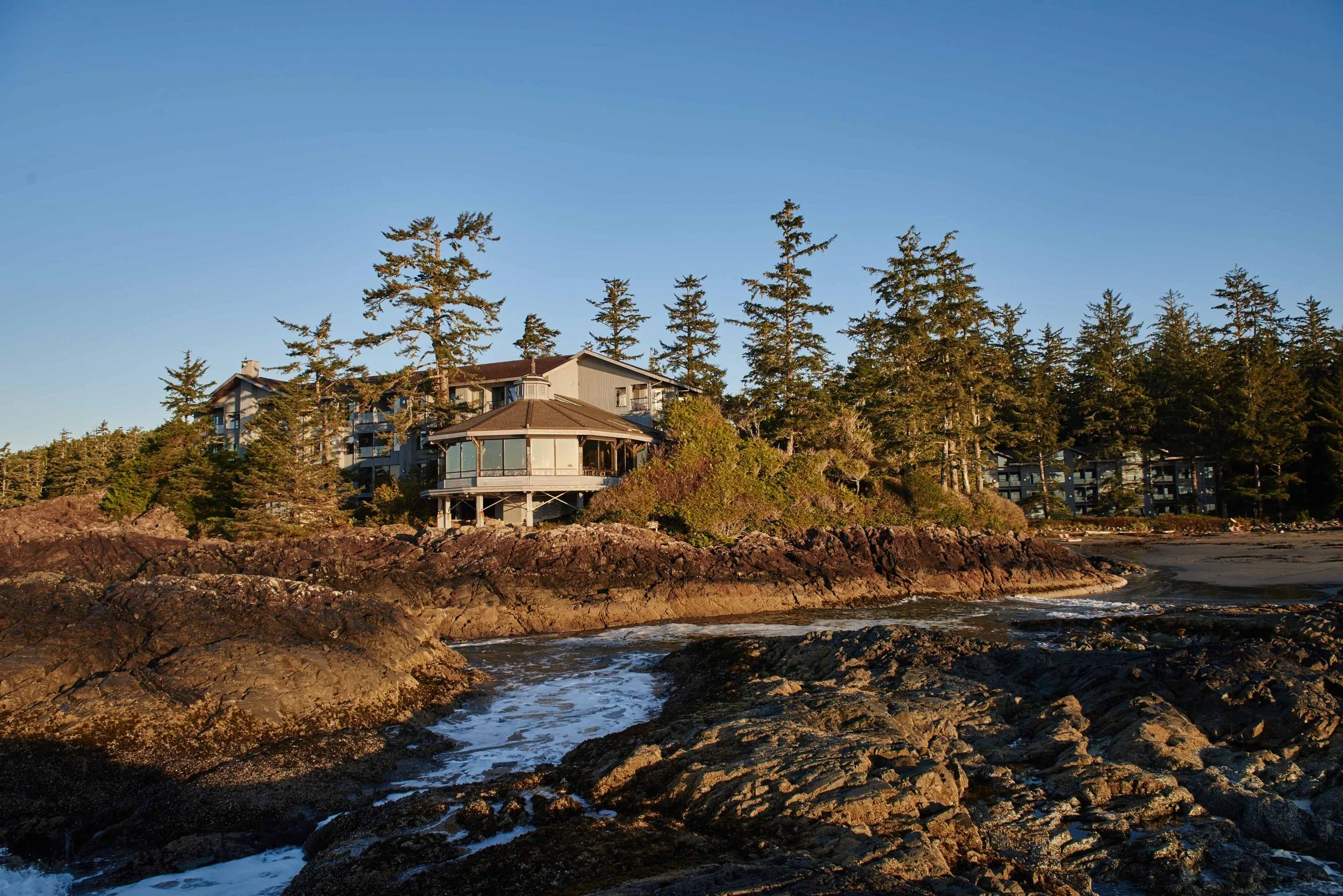
Photo by Simone Mondino
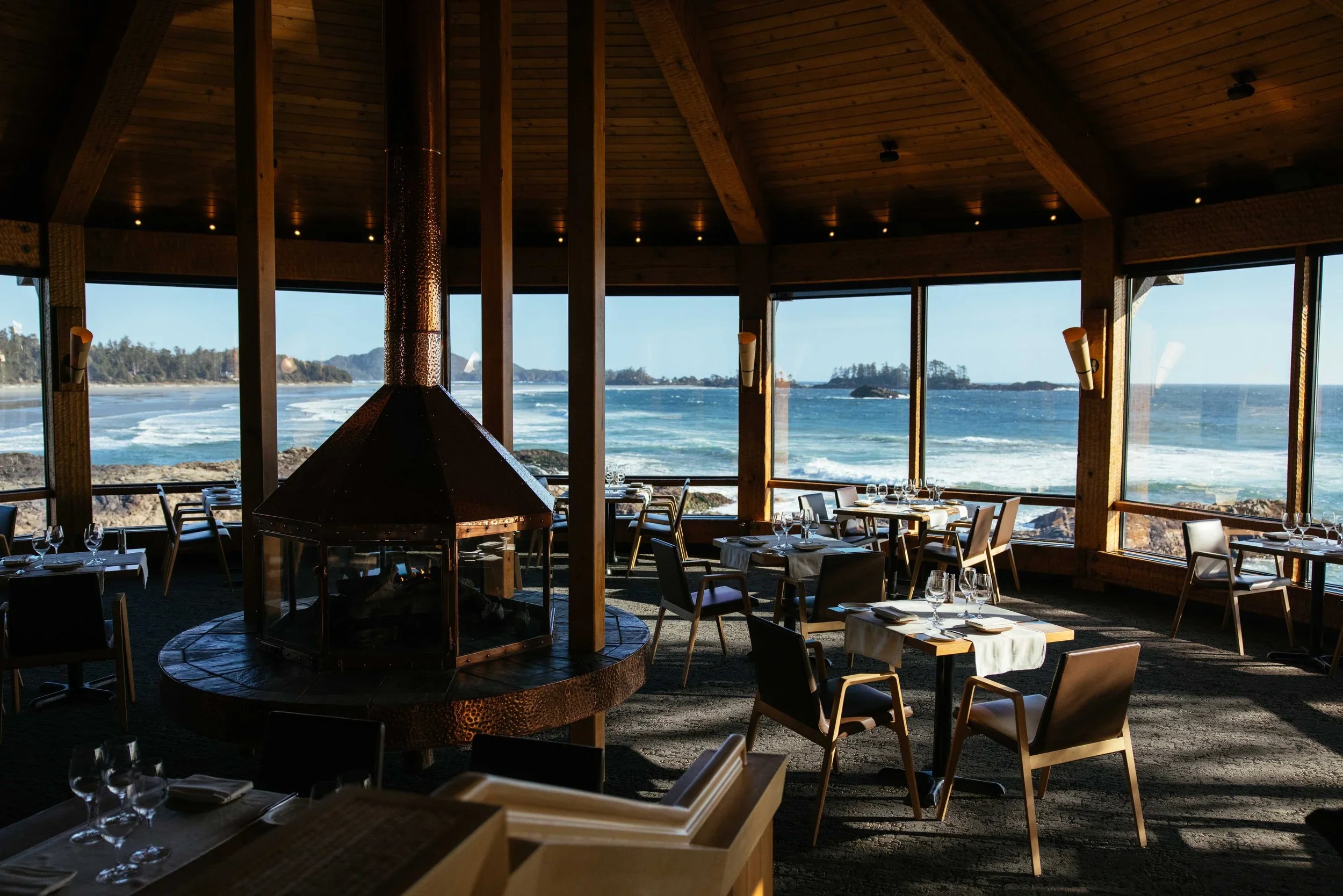
Photo by Jeremy Koreski
R+W: Wickaninnish Inn is widely recognized for its efforts to source local, seasonal ingredients, partner with Indigenous-led fisheries, and innovate around green dining, such as replacing imported seafood and avocados with more responsible, regional choices. How does the Inn continue to balance guest expectations with the need for sustainability in its food program, and what guiding principles inform decisions about environmental impact and supporting the West Coast’s community of farmers, foragers, and producers?
CM: Well, I am happy to say our guests’ expectations have continued to evolve toward our evergreen commitment from day one to offering fresh local elements as a keystone part of our culinary program. We always endeavour to obtain as much local product as close to our kitchen doors as possible and being a founding member of the Tofino Ucluelet Culinary Guild (TUCG), which continues to grow in scope and offerings to all its members. We also have engaged local farmers on the Island to grow specialty items that we would like to provide our guests, so it has and continues to evolve in a very symbiotic way. We love and respect our fishers, farmers, and foragers, who like all our suppliers, we view as partners and members of the wider Wickaninnish Inn team.
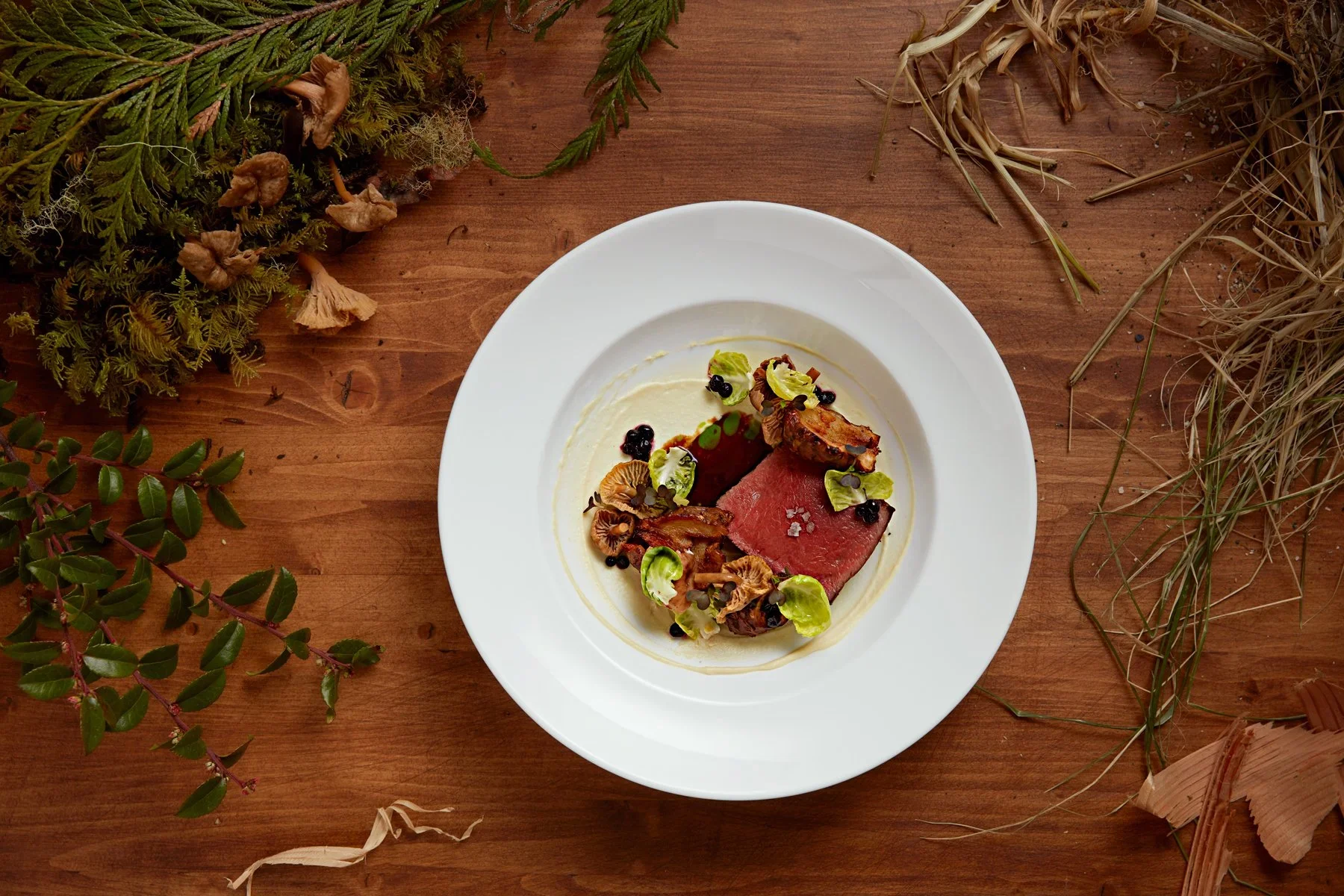
Photo by Makito Inomata.
R+W: Wickaninnish Inn is celebrated for its commitment to sustainability and respectful stewardship. What are you most proud of in terms of the environmental choices woven into the property and the surrounding protected region/coastline within Clayoquot Sound (a UNESCO Biosphere Region) and beside the Pacific Rim National Park Reserve?
CM: Our commitment to using as much recycled wood as possible and maintaining a stock of this wood for future projects, and when not always possible, trying to source from our local First Nations Toquaht sawmill in Barkley Sound, are just two examples of choices I am very proud of. Achieving 3 of the Sustainable Development Goals as set out by the United Nations. Lastly, and probably most impactful to our community, I am most proud of being a founding member of the West Coast Sustainable Tourism Association, whereby our guests contribute 1% of their room revenue to this organization, and we distribute these funds to support projects that assist in ensuring the sustainability of our community, which welcomes over 600,000 visitors annually to our community of 2,500 full-time residents.
“I am most proud of being a founding member of the West Coast Sustainable Tourism Association, whereby our guests contribute 1% of their room revenue to this organization, and we distribute these funds to support projects that assist in ensuring the sustainability of our community, which welcomes over 600,000 visitors annually to our community of 2,500 full-time residents.”
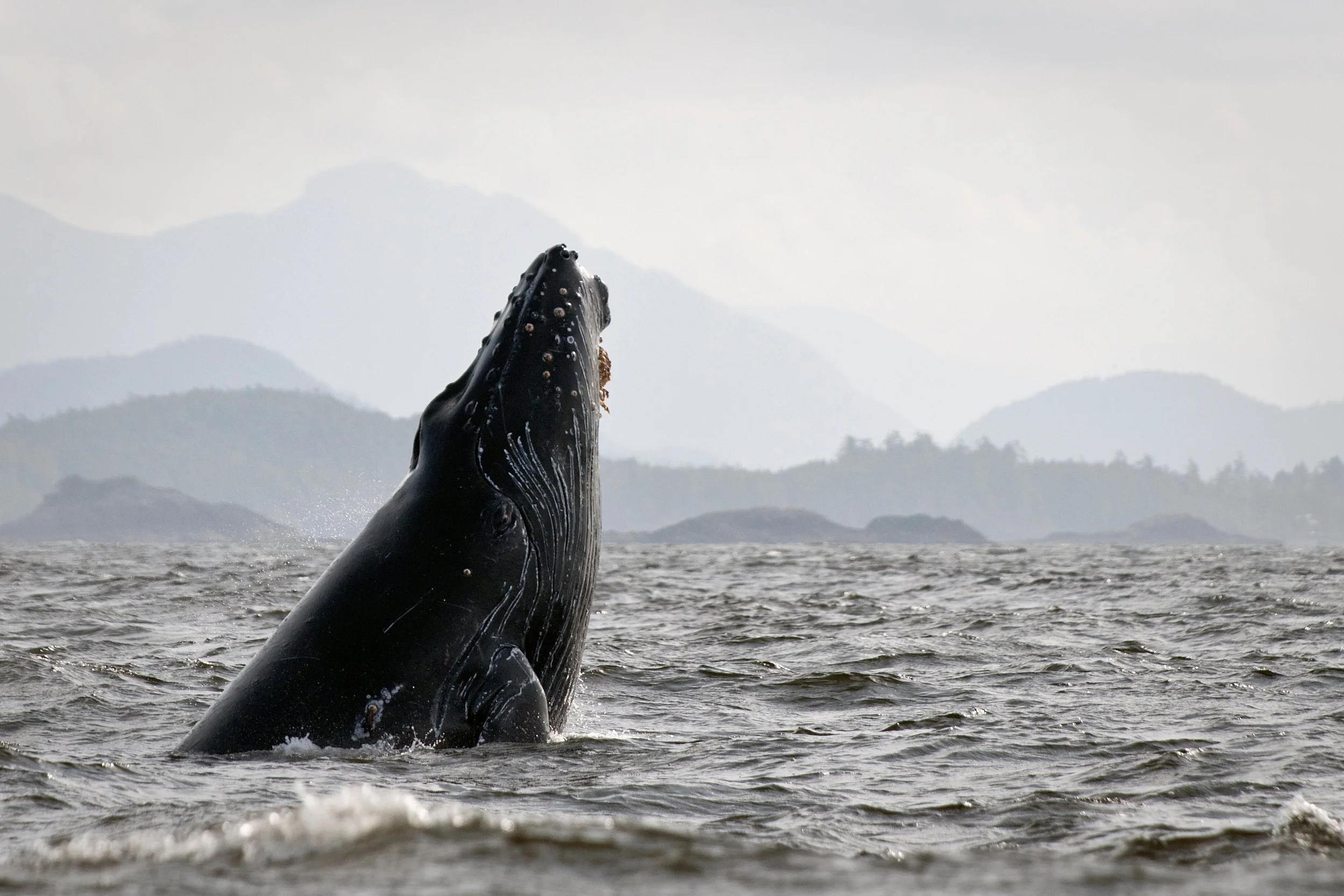
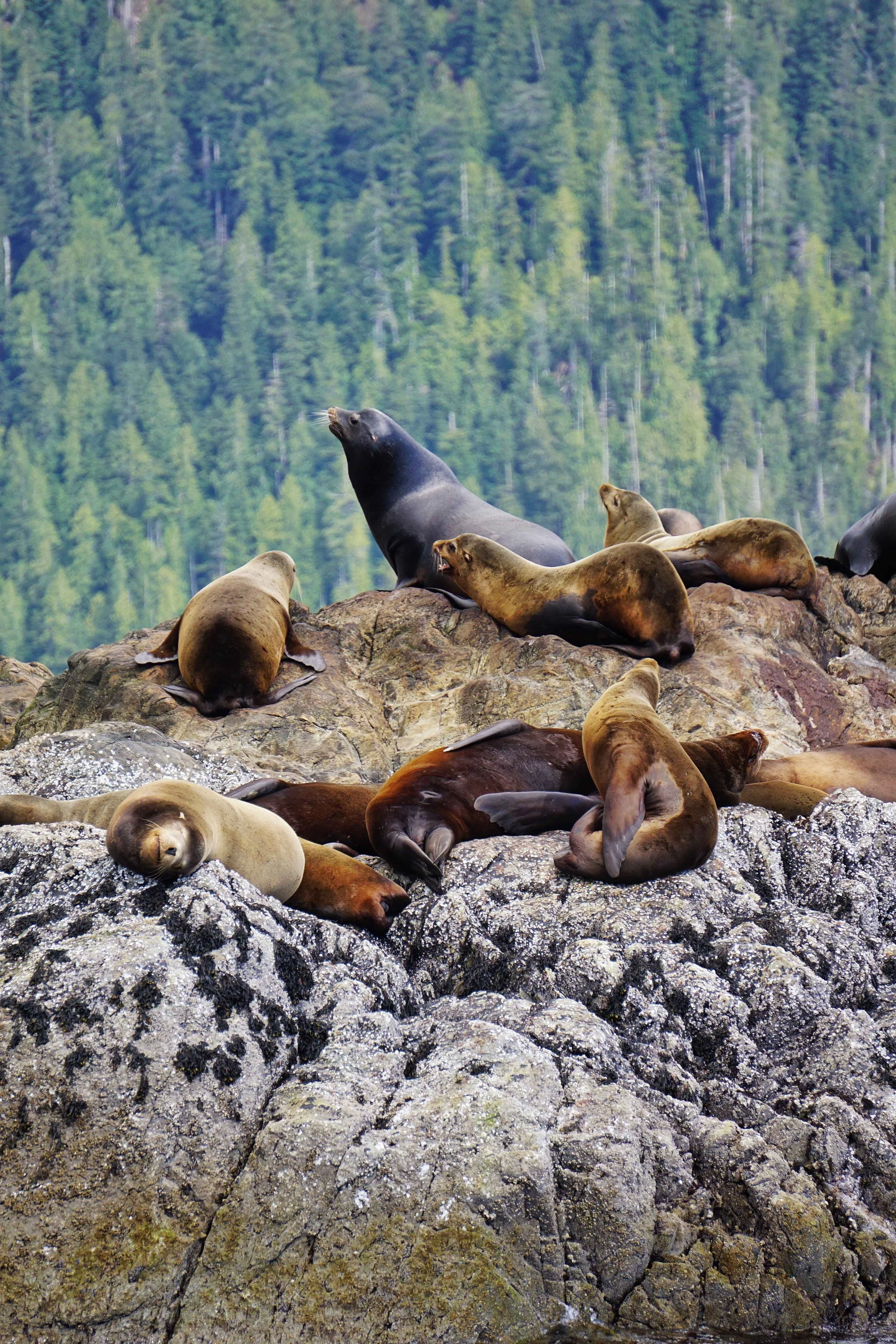
Photo by Izabela Elias
R+W: Clayoquot Sound and the Tofino area are renowned for their exceptionally diverse wildlife, from black bears foraging along the shoreline to migrating grey whales and iconic bald eagles soaring above the rainforest. How does the Wickaninnish Inn encourage respectful wildlife viewing and stewardship among guests, and what role do you believe these close connections to wild nature play in shaping the ongoing ethos of the Inn?
CM: To ensure we treat our amazing range of wildlife with the respect they need to remain safe and wild, our Concierge and front office team only work with established adventure companies that promote and respect the established safe viewing guidelines. Viewing these magnificent creatures in their natural habitat is always an awe-inspiring experience for our guests, even if they have had similar experiences before. These experiences connect our guests directly with the bounty of mother nature and are profoundly impactful in demonstrating and reinforcing how important it is to ensure these and similar wild spaces are sustained for future generations to ensure their grandchildren and great-grandchildren will be able to enjoy these same indelible experiences.
“Viewing these magnificent creatures in their natural habitat is always an awe-inspiring experience for our guests, even if they have had similar experiences before. These experiences connect our guests directly with the bounty of mother nature and are profoundly impactful in demonstrating and reinforcing how important it is to ensure these and similar wild spaces are sustained for future generations to ensure their grandchildren and great-grandchildren will be able to enjoy these same indelible experiences.”
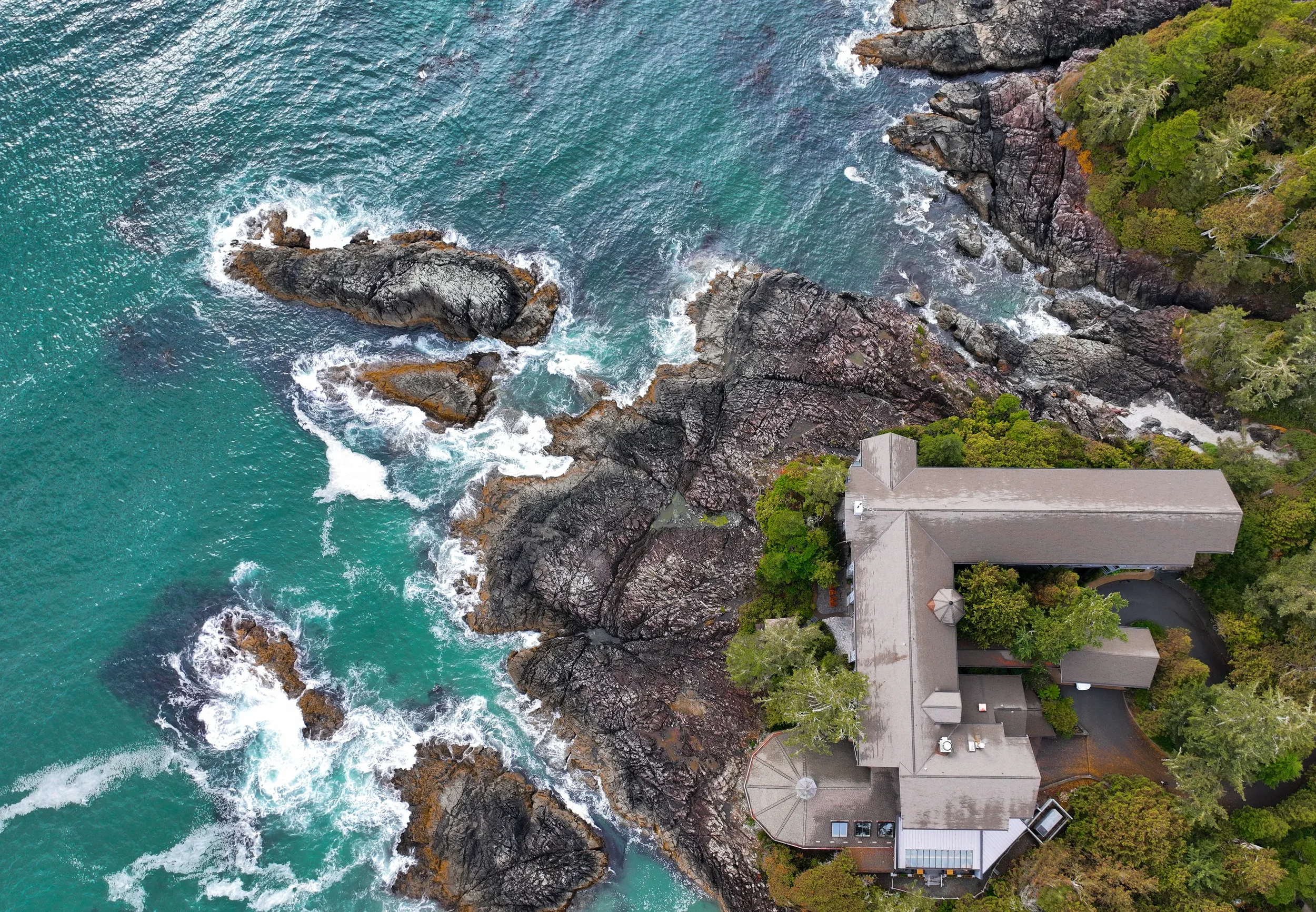
Photo by Bella Chambers
“Having grown up in Tofino, I have seen our town evolve from a sleepy seaside town of fishermen, loggers, and miners to a world-class destination that is now a UNESCO Biosphere Reserve. Along with these changes, the approach to service and entrepreneurship has also evolved to the point there are over 700 business licenses in a town of 2,500 people, and most of these small businesses are service-oriented, whereas back in the day it was close to a 100% resource-based economy.”
R+W: Tofino, once considered remote, is now an in-demand global destination, a transformation the Inn played a major role in sparking. How have you seen the community and sense of hospitality here change, from the years of coming to your family cabin to now?
CM: Having grown up in Tofino, I have seen our town evolve from a sleepy seaside town of fishermen, loggers, and miners to a world-class destination that is now a UNESCO Biosphere Reserve. Along with these changes, the approach to service and entrepreneurship has also evolved to the point there are over 700 business licenses in a town of 2,500 people, and most of these small businesses are service-oriented, whereas back in the day it was close to a 100% resource-based economy. One of the great things about Tofino today is that as a result of our Tourism Economy, we have great restaurants with a range of excellent offerings far beyond what a town of our size would have, and we have an excellent range of accommodations to suit all manner of needs.
“As a planet, we continue to become ever more an urban-based population, and wild places like Clayoquot Sound will be more and more in demand as urban residents seek out destinations that offer solace, direct access to nature, a large measure of natural green space.”
R+W: Looking ahead, what excites you most about the next chapter at the Wickaninnish Inn, both as a business and as part of your family’s legacy on the west coast?
CM: I believe the future of Tofino and the Wickaninnish Inn remain more positive than ever before. As a planet, we continue to become ever more an urban-based population, and wild places like Clayoquot Sound will be more and more in demand as urban residents seek out destinations that offer solace, direct access to nature, a large measure of natural green space, and especially those places that also have plenty of ocean and miles of sandy beach to go with it all.


Room + Wild is the world's first and leading collective and platform for landscape-enhanced accommodation, ecotourism, nature-based destinations, and sustainable luxury travel experiences. We consistently inspire, influence, and spread awareness through our tailored travel guides, curated media content/channels, brand activations, press trips as well as visual and narrative storytelling.
For Room + Wild Naturals, founder Peter Eastwood shares the vision behind Sashwa River of Stars, an off-grid sanctuary in the Greater Kruger. Created as a social enterprise, Sashwa pairs bio-harmonizing safari stays with a non-profit mission: every visit directly funds Koru Camp, empowering local youth to become the next generation of wilderness guardians.