
R+W NATURALS: KATE HANNET
Stewards of the Wild: Foraging Islay with Kate Hannett and The Botanist Gin
Some people understand a place through its architecture, its wildlife, or its history. Others come to know a landscape through its weather patterns, geology, or changing seasons. For Kate Hannett, understanding begins at ground level, among the plants. As one of the foragers behind The Botanist Islay Dry Gin on Scotland’s Isle of Islay, her work is rooted in a close and ongoing relationship with the natural world, one built through observation, patience, and an intimate knowledge of the island’s ecosystems. Every year, she spends months moving across peatlands, coastal grasslands, limestone habitats, wetlands, and woodlands, gathering the twenty-two botanicals that help define The Botanist’s distinctive character.
“As one of the foragers behind The Botanist Islay Dry Gin on Scotland’s Isle of Islay, Kate Hannett’s work is rooted in a close and ongoing relationship with the natural world, one built through observation, patience, and an intimate knowledge of the island’s ecosystems. Every year, she spends months moving across peatlands, coastal grasslands, limestone habitats, wetlands, and woodlands, gathering the twenty-two botanicals that help define The Botanist’s distinctive character.”
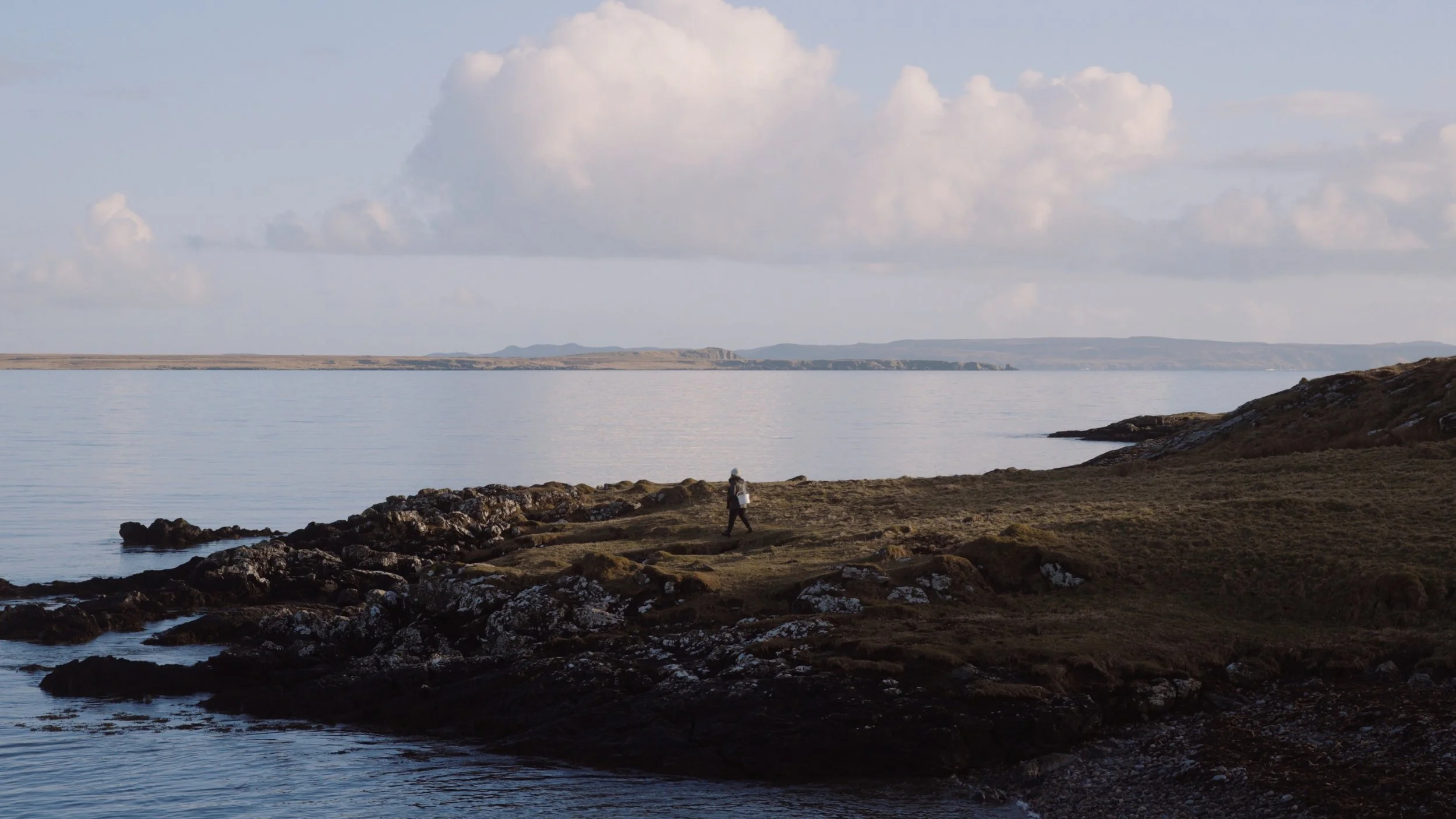
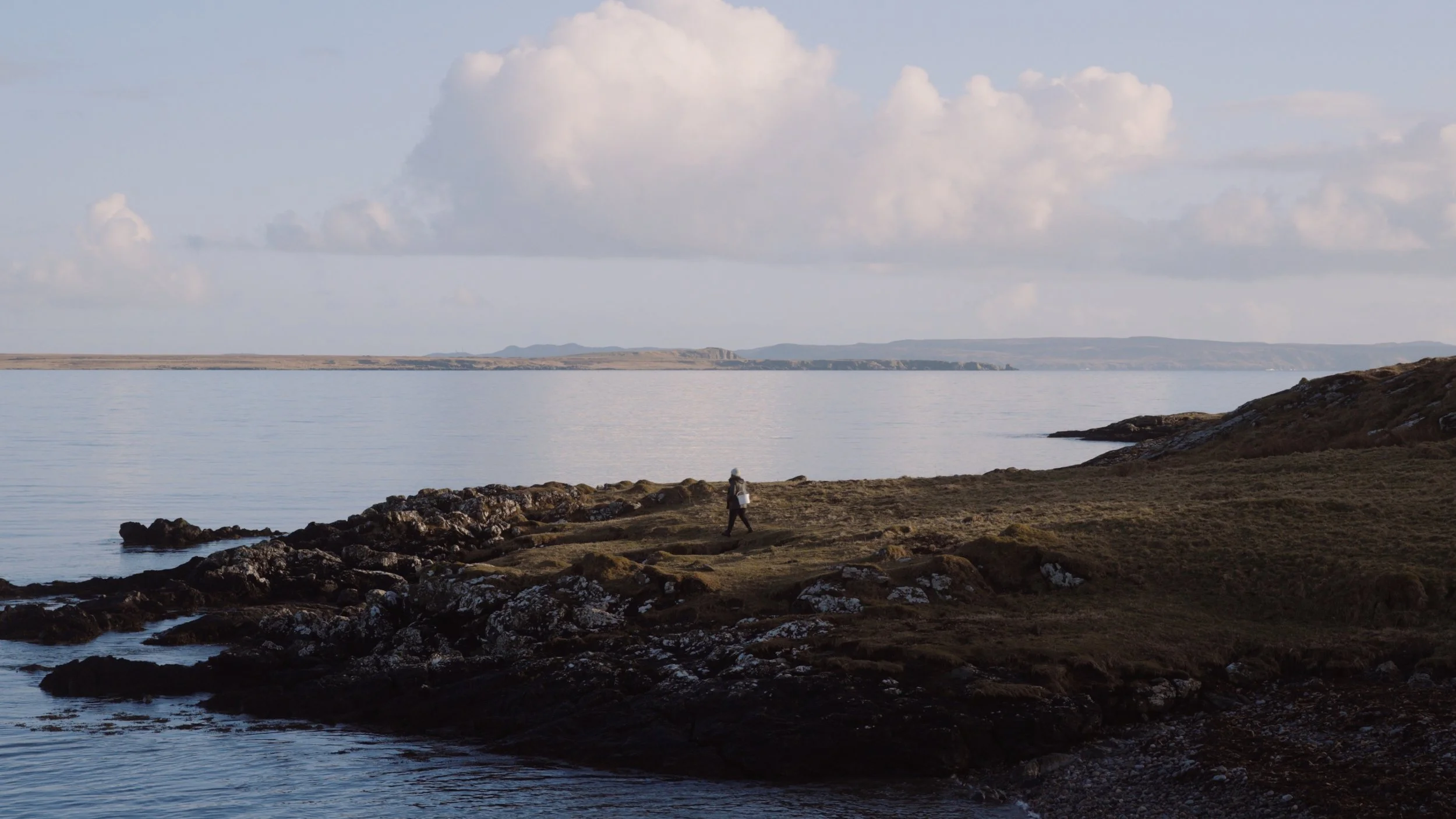
Isle of Islay
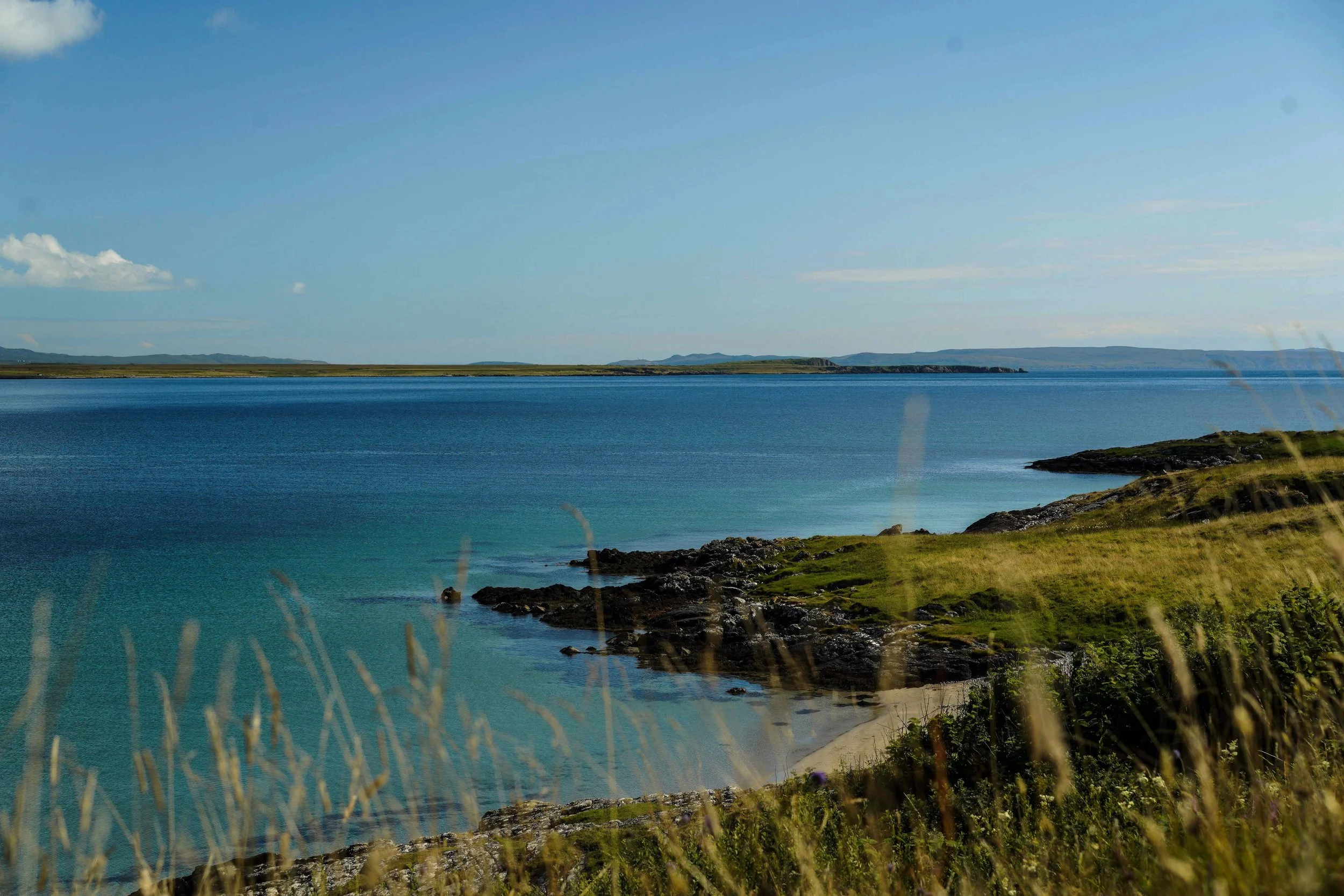
The story of The Botanist is inseparable from Islay itself. Created by Bruichladdich Distillery, a distillery renowned for its commitment to terroir, transparency, and regenerative thinking, The Botanist was conceived as a spirit that could capture the ecological richness of the island in liquid form. At its heart are twenty-two hand-foraged local botanicals gathered across Islay's diverse habitats, from peat bogs and coastal machair to limestone grasslands and ancient woodlands. Aromatic plants such as bog myrtle, heather, tansy, mugwort, meadowsweet, sweet cicely, and Lady's Bedstraw contribute layers of floral, herbal, and earthy complexity that reflect the island's landscape. The distillery's approach extends beyond flavour alone. Through initiatives including The Botanist Foundation, habitat restoration projects, juniper conservation, ecological research, and long-term biodiversity monitoring, stewardship remains central to its philosophy. On an island globally known for whisky, The Botanist offers another way of understanding Islay: through its plants, ecosystems, and the intricate relationships that exist between people and place.
Kate Hannett, Isle of Islay
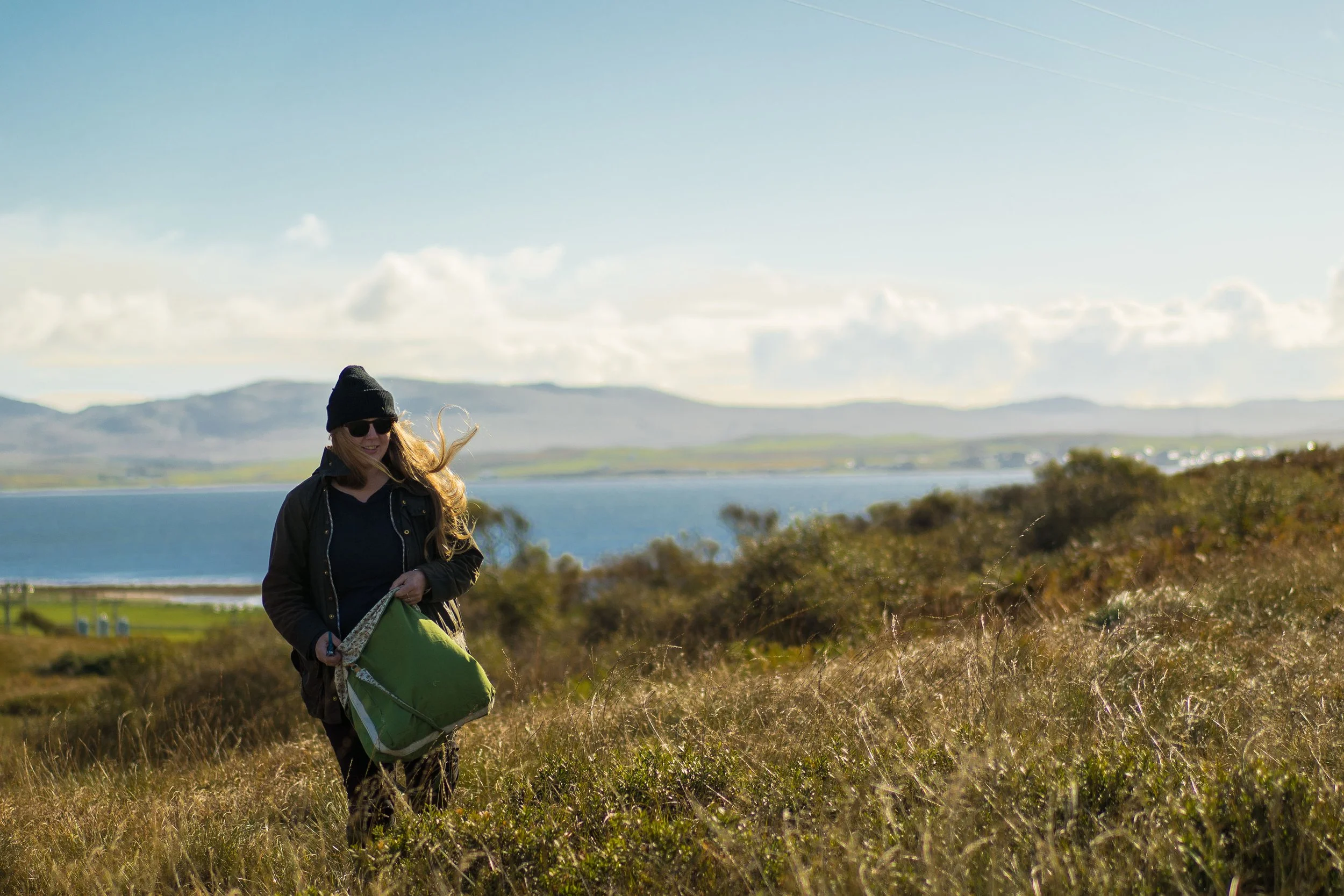
Kate Hannett, Isle of Islay
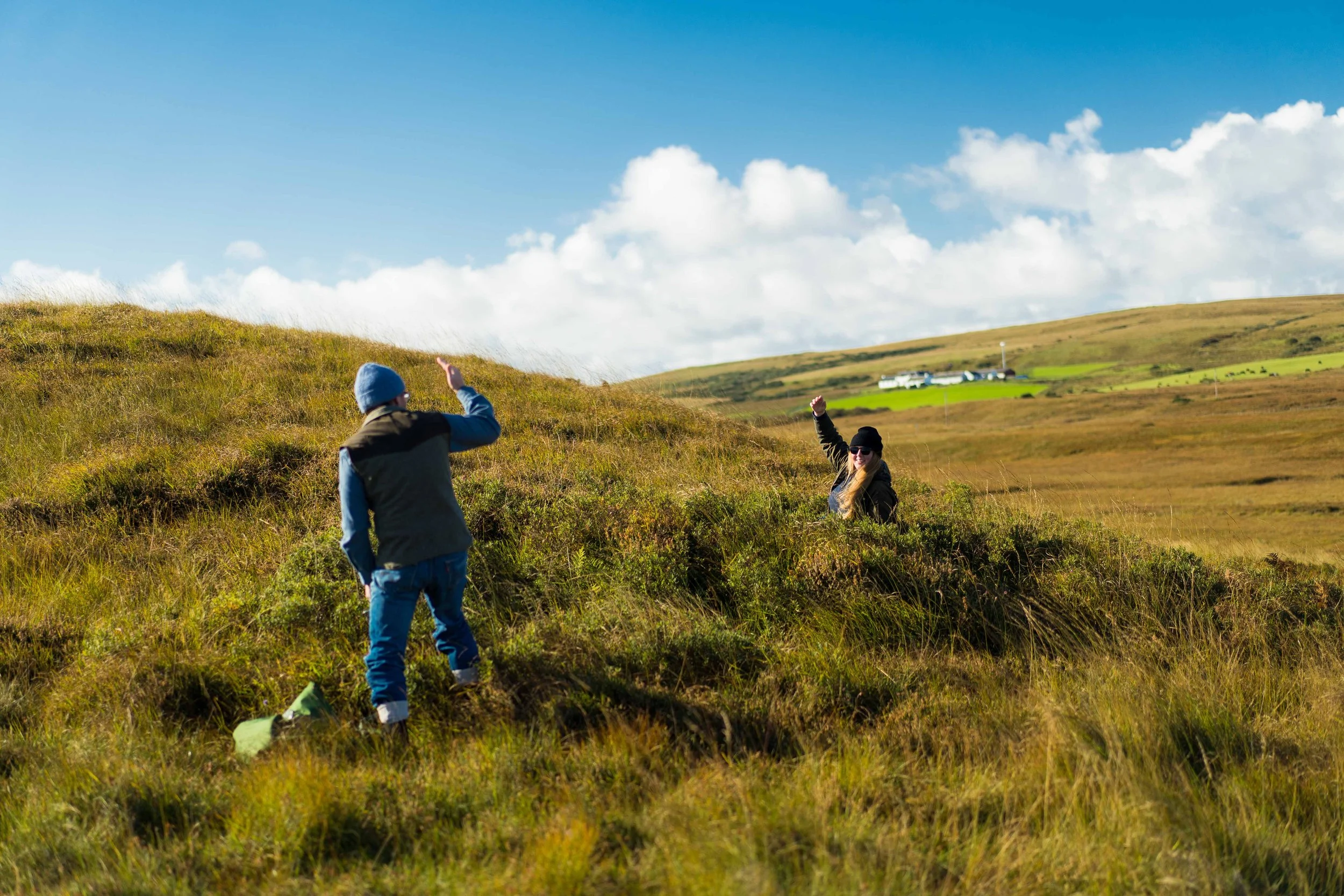
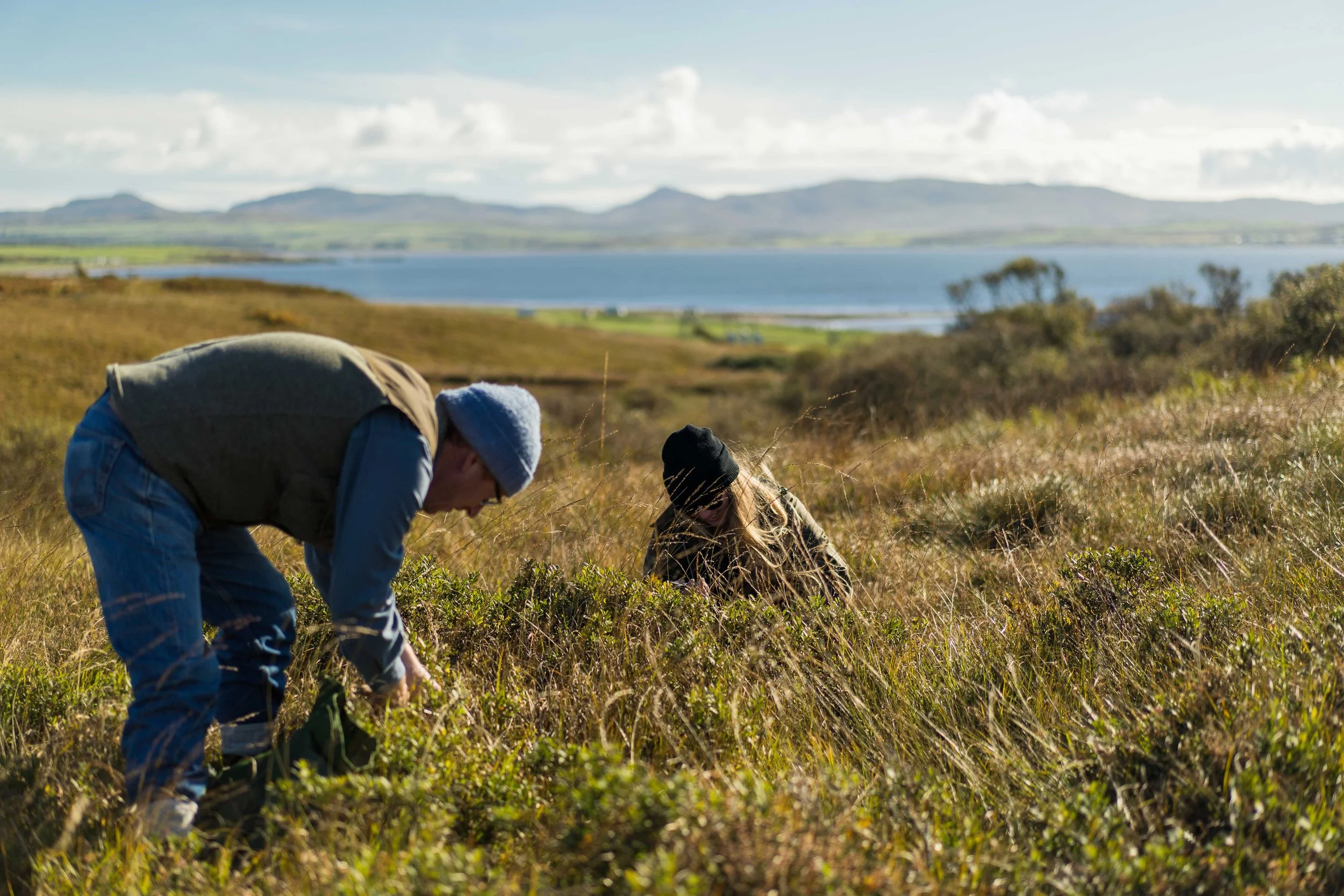
Foraging here is far more than harvesting ingredients. It is a practice of stewardship. Every plant is monitored, mapped, and gathered according to seasonal rhythms that have been shaped over generations. Kate and James Donaldson, her fellow forager, spend as much time observing as collecting, returning repeatedly to plant populations, tracking their health, and ensuring harvesting remains sustainable. Some days are spent entirely checking on flowering cycles, monitoring weather patterns, or recording ecological changes rather than picking anything at all. This long view reflects a deeper understanding that the landscape must always come before the product it helps create.
“Foraging here is far more than harvesting ingredients. It is a practice of stewardship. Every plant is monitored, mapped, and gathered according to seasonal rhythms that have been shaped over generations. Kate and James Donaldson, her fellow forager, spend as much time observing as collecting, returning repeatedly to plant populations, tracking their health, and ensuring harvesting remains sustainable. Some days are spent entirely checking on flowering cycles, monitoring weather patterns, or recording ecological changes rather than picking anything at all. This long view reflects a deeper understanding that the landscape must always come before the product it helps create.”
There is also something profoundly sensory about the work. The island reveals itself through scent as much as sight. The sweet coconut fragrance of gorse flowers carried on warm air. The herbal notes of tansy and mugwort emerging from roadside verges. The vanilla-like aroma of Lady’s Bedstraw growing beside the sea. These scents become a form of navigation, allowing experienced foragers to identify habitats, track seasonal shifts, and understand the subtle relationships between climate, soil, and plant life. Through this process, flavour becomes another way of reading the landscape, translating ecology into something tangible.
What emerges from Kate’s perspective is a reminder that nature is not something distant or abstract. It exists beneath our feet, in the plants we pass every day, in the changing seasons, and in the knowledge held quietly within a landscape. At a time when many people are seeking deeper connections to the natural world, her work offers a different way of paying attention; one rooted in wilderness, observation, care, and curiosity.
In R+W Naturals, we connect with extraordinary people making waves in sustainability, art, design, architecture, gastronomy, wellness, and wildlife — from travel and hospitality industry icons to acclaimed architects, designers, influential artists, forward-thinking musicians, boundary-pushing chefs and visionary explorers. In this edition of R+W Naturals, we speak with Kate about growing up on Islay, the responsibility of foraging, the future of conservation, and how slowing down long enough to notice a single plant can become the beginning of understanding an entire place.
“What emerges from Kate’s perspective is a reminder that nature is not something distant or abstract. It exists beneath our feet, in the plants we pass every day, in the changing seasons, and in the knowledge held quietly within a landscape. At a time when many people are seeking deeper connections to the natural world, her work offers a different way of paying attention; one rooted in wilderness, observation, care, and curiosity. ”
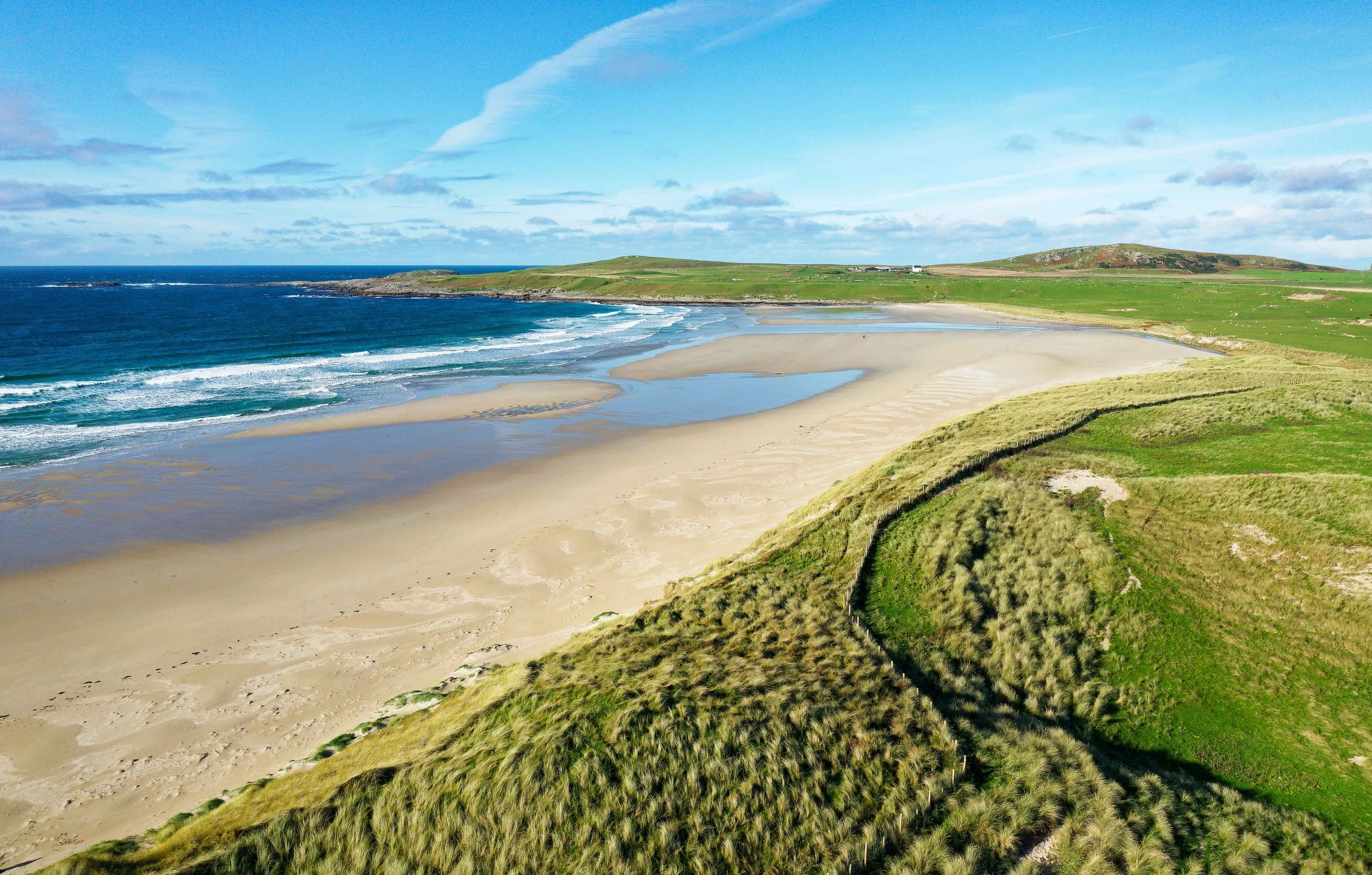
Isle of Islay
R+W: You grew up on the Isle of Islay. How did the island shape your relationship with nature from an early age?
KH: From day one Islay’s natural landscape has always been a part of me. Family photos show me in my carry cot at the bottom of the garden as my parents built our house. Childhood memories are predominantly of being outside, building dens, walking the beaches, digging for worms, building dams in the mud. It was just a part of life to be outside as often as possible. So I was always interested, nose to the ground looking at a bug or a flower or beachcombing for shells and curios. When I was 17, I left Islay to study Geography at university, a desire to further understand and learn about our natural world.
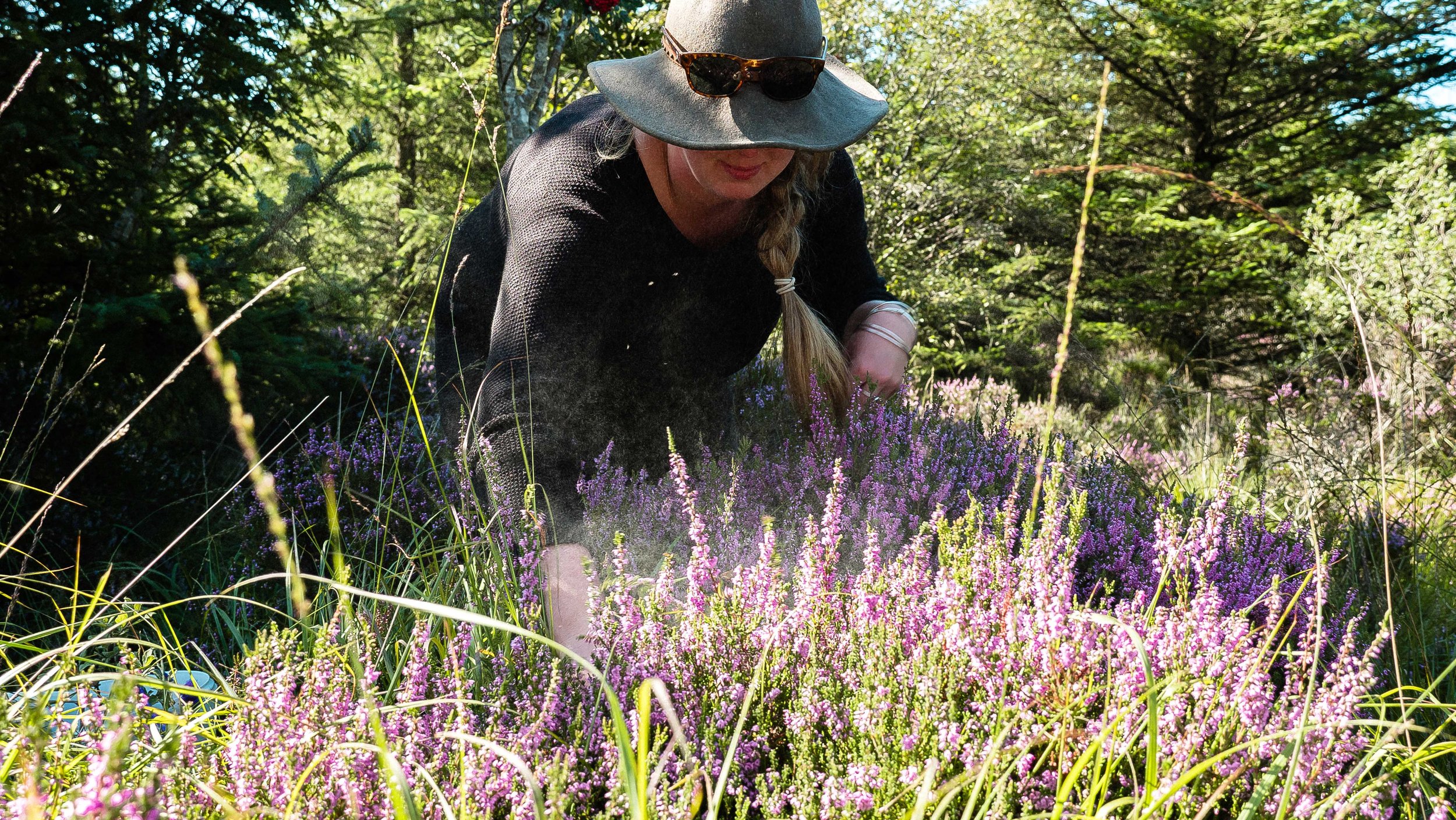
Kate Hannett, Isle of Islay
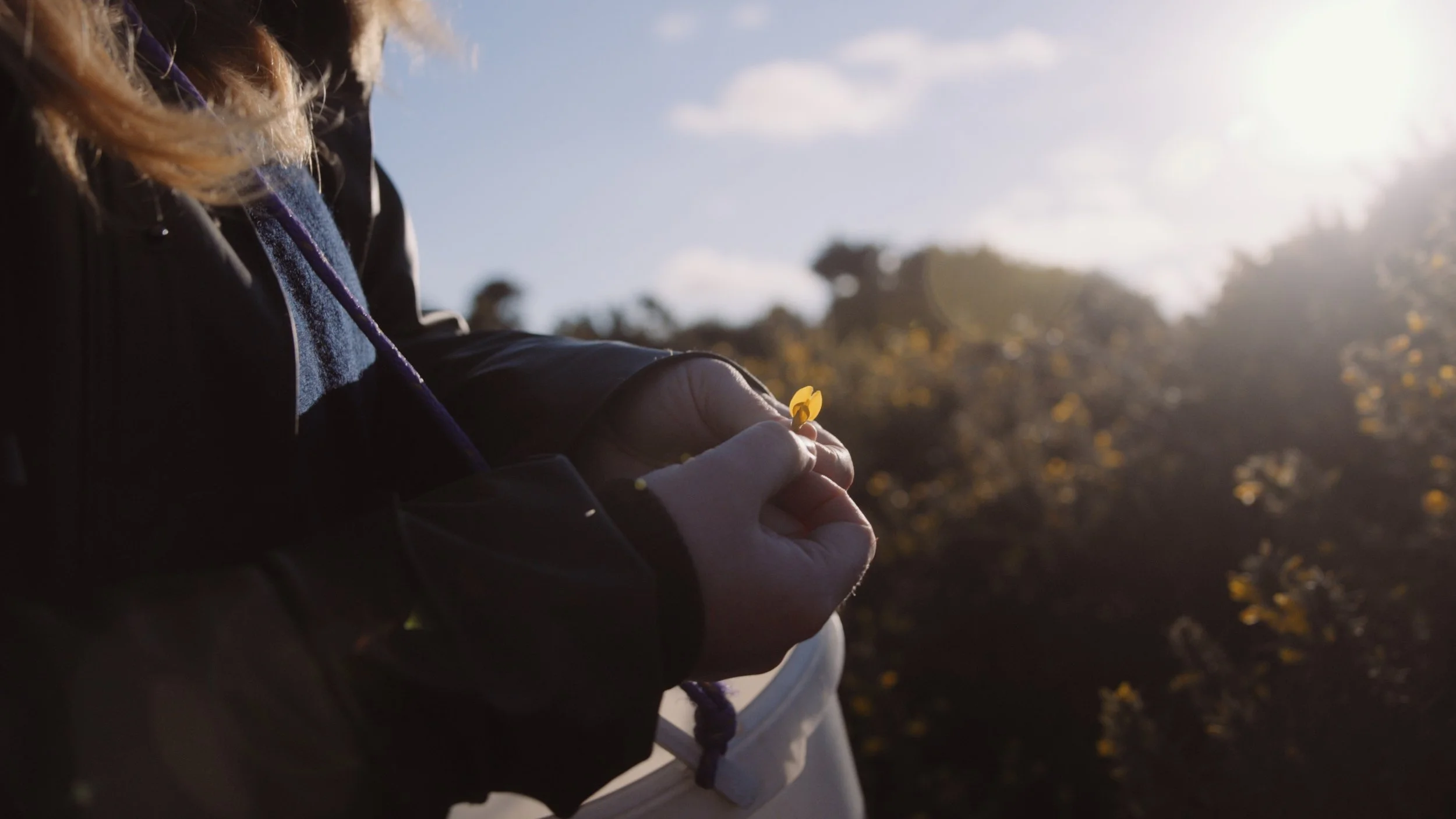
Kate Hannett, Isle of Islay
R+W: Your role with The Botanist Gin is about translating landscape into flavour. How would you describe the taste of Islay?
KH: Everything we do is about finding the best flavour and aroma from the plants we use in The Botanist. When Bruichladdich Distillery took the leap to make gin after more than a century of whisky distilling, any new creation was always going to sing of Islay, it’s a passion instilled in the ethos of all our spirits. The plants we are using are all abundant on Islay, with traditional uses in brewing and distilling, and often medicinal and culinary uses going back centuries from our crofting heritage. They are the taste of Islay. A balance of herbal, floral and sweet scents. From the sweet coconut smells of the gorse flower (Ulex europaeus) to the deep herbal, calming aroma of tansy (Tanacetum vulgare) and mugwort (Artemisia vulgaris). Mixed with the medley of spicy and citrus base botanicals it is a complete and delicious gin.
“Everything we do is about finding the best flavour and aroma from the plants we use in The Botanist. When Bruichladdich Distillery took the leap to make gin after more than a century of whisky distilling, any new creation was always going to sing of Islay, it’s a passion instilled in the ethos of all our spirits. The plants we are using are all abundant on Islay, with traditional uses in brewing and distilling, and often medicinal and culinary uses going back centuries from our crofting heritage. ”
R+W: There’s a sense of stewardship in your work. You are one of only a few people entrusted with foraging the botanicals. How did that responsibility come to you?
KH: Right place, right time. Oh, and being overly enthusiastic. At the inception of The Botanist, there were two botanists, Dr. Richard and Mavis Gulliver, who lived on the island, and were approached by our Master Blender at the time, Jim McEwan. They gathered a number of local botanicals over several years to create the original recipe. They were the inspiration behind our name. Together they had the perfect combination of scientific knowledge and a conservational mindset to choose botanicals plentiful on the island, which held the desired aromatic properties. In 2017 they decided to retire. In the beginning, no one knew that gin would take off like it did. Awards started to come rolling in and production increased. What started as a fun summer project…quickly became a much bigger job, and time had come for the Gulliver’s to leave Islay and move closer to family. So, an ad for ‘professional forager’ was placed in the local paper. James Donaldson, who had a background in botany, took over the role at the time, and spent his first year learning the tells of the plants and how to prepare them for distillation from the Gulliver’s, so generous with their time. Things were still expanding for the gin and so the following year I was asked to become the second forager. I had worked with the distillery for a number of years and this gave me the chance to expand and add my geographical, botanical and island knowledge.
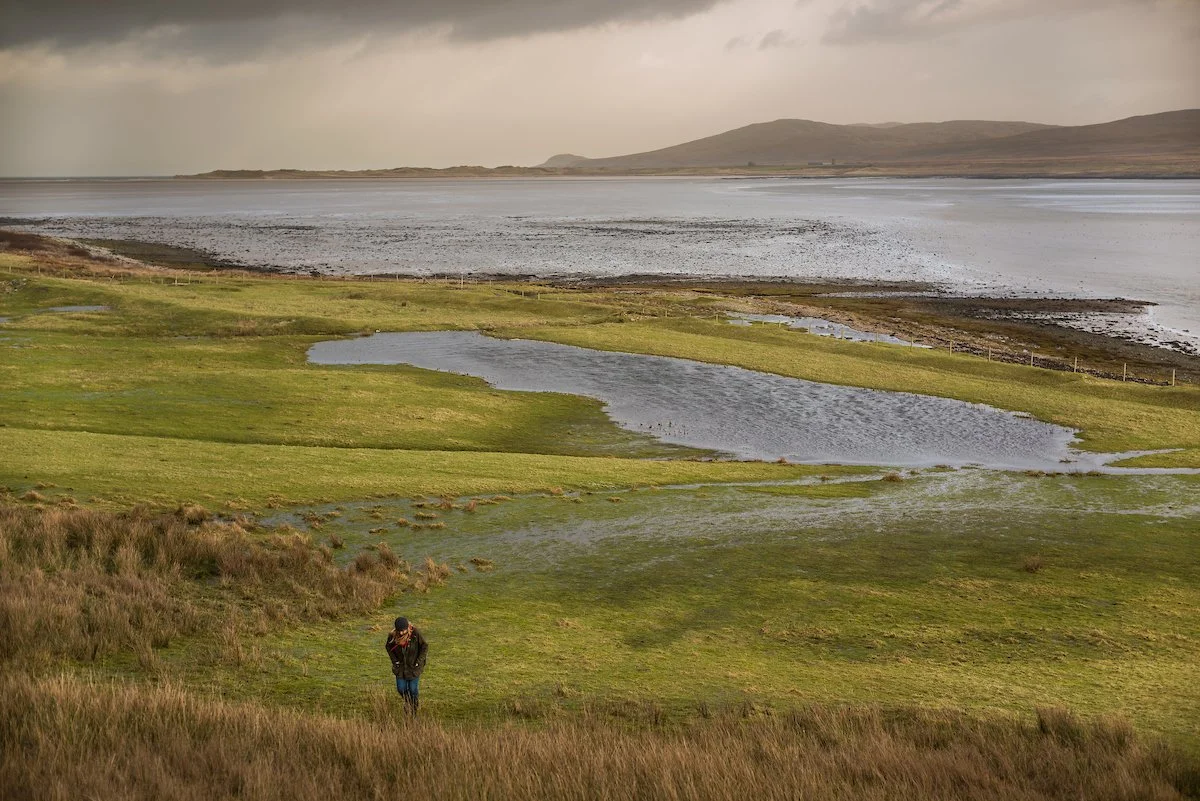
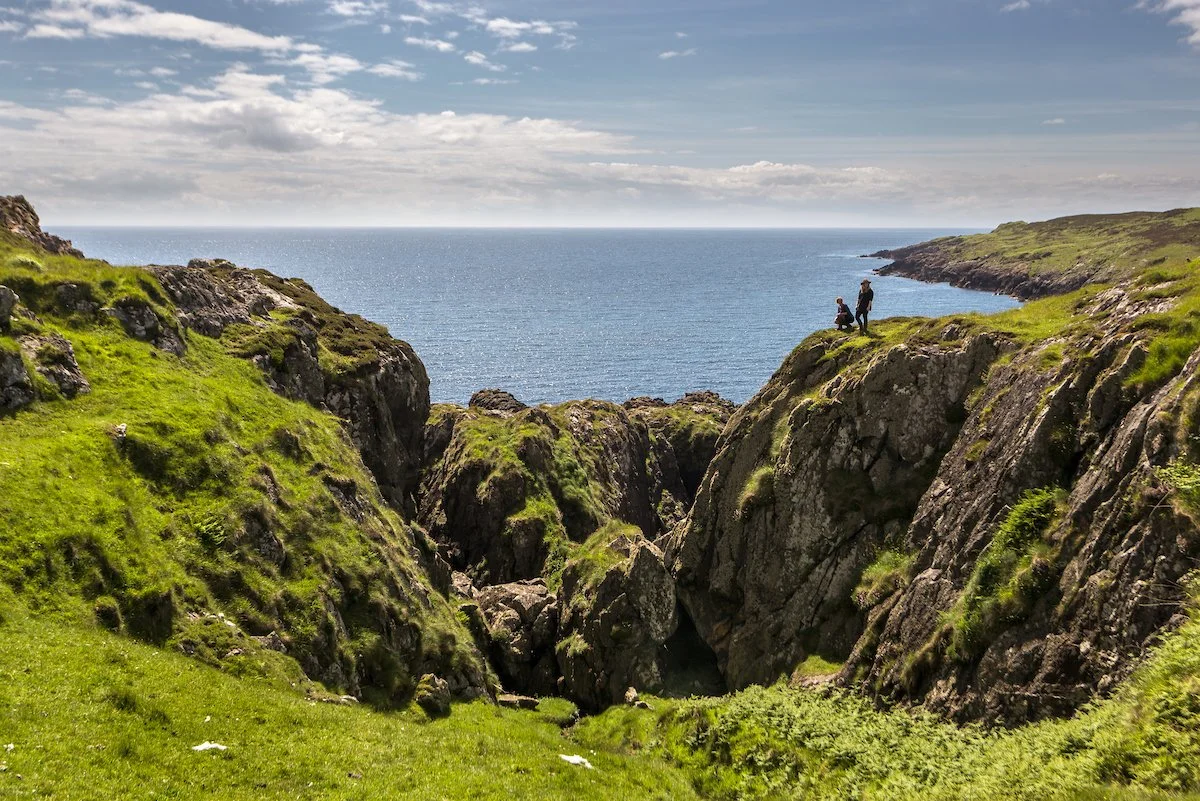
Isle of Islay
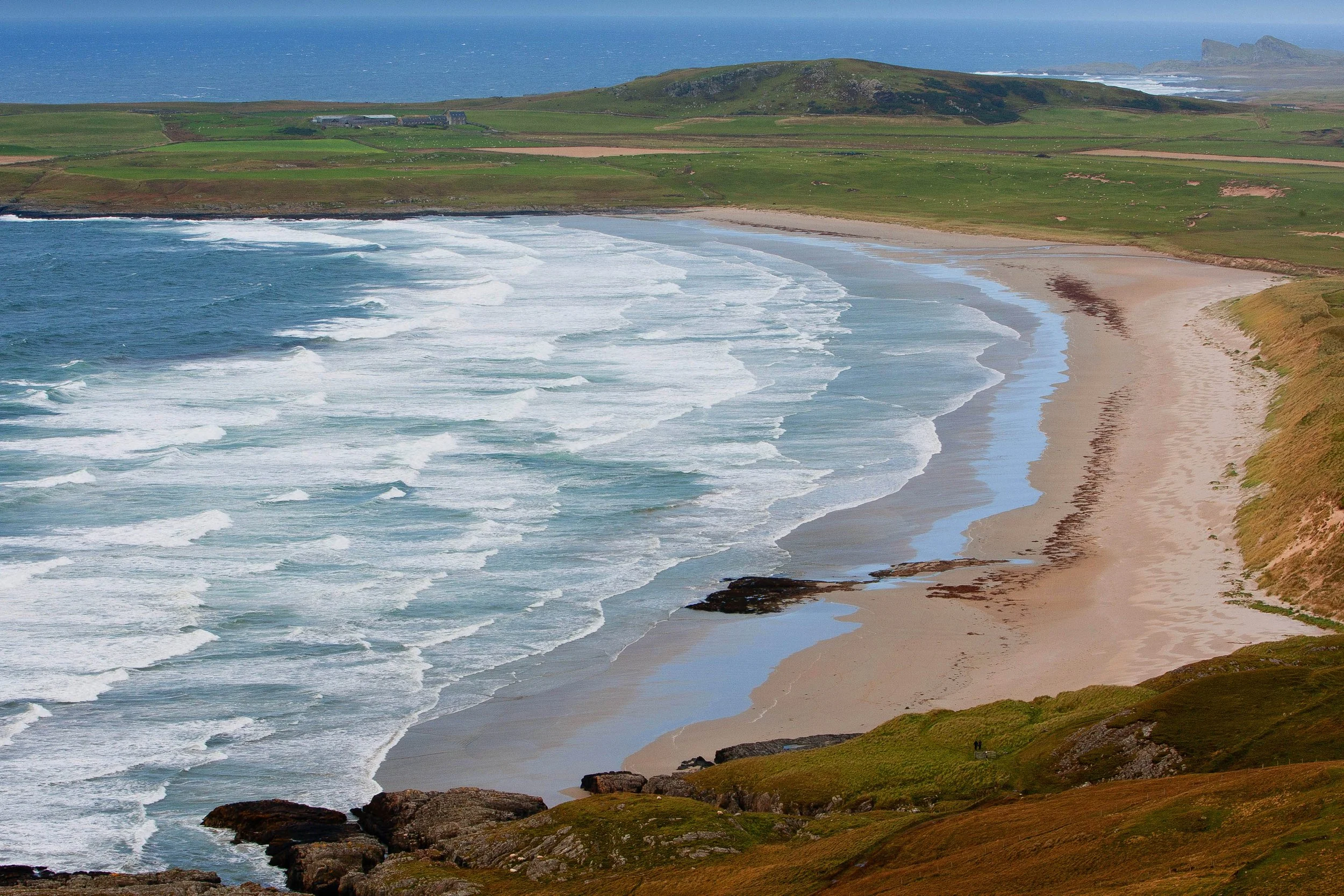
Isle of Islay
R+W: Islay’s geology is among the oldest in Scotland. How do limestone, peat, and coastal conditions shape the plants you work with?
KH: Islay has a very complex, varied and thus world-renowned geological landscape. The underlying geology not only literally shapes the landscape, but it creates a variety of soil types and they in turn naturally affect the plant types we find growing across Islay. One of Scotland’s larger islands, Islay is a jigsaw of different habitats, ideal for finding a variety of plants. From the sheltered heartland of the island, where we have some historically planted woodlands, stretching northeast over limestone, creating very fertile soils where things like sweet cicely (Myrrhis odorata) and meadowsweet (Filipendula ulmaria) are happy. Islay is famous for its peatlands, important to the heritage taste of Islay’s whiskies. Peatbog is an acidic environment, at first glance people might think nothing would grow there. Lots of things grow there! Lots of things are very well adapted to those conditions, like the bog myrtle (Myrica gale) with its eucalypt-like scent and the iconic Scottish ling heather (Calluna vulgaris), both of which are in the gin. All these different habitats afford us the luxury to forage across the whole island to find what we need.
“ Islay has a very complex, varied and thus world-renowned geological landscape. The underlying geology not only literally shapes the landscape, but it creates a variety of soil types and they in turn naturally affect the plant types we find growing across Islay. One of Scotland’s larger islands, Islay is a jigsaw of different habitats, ideal for finding a variety of plants. ”
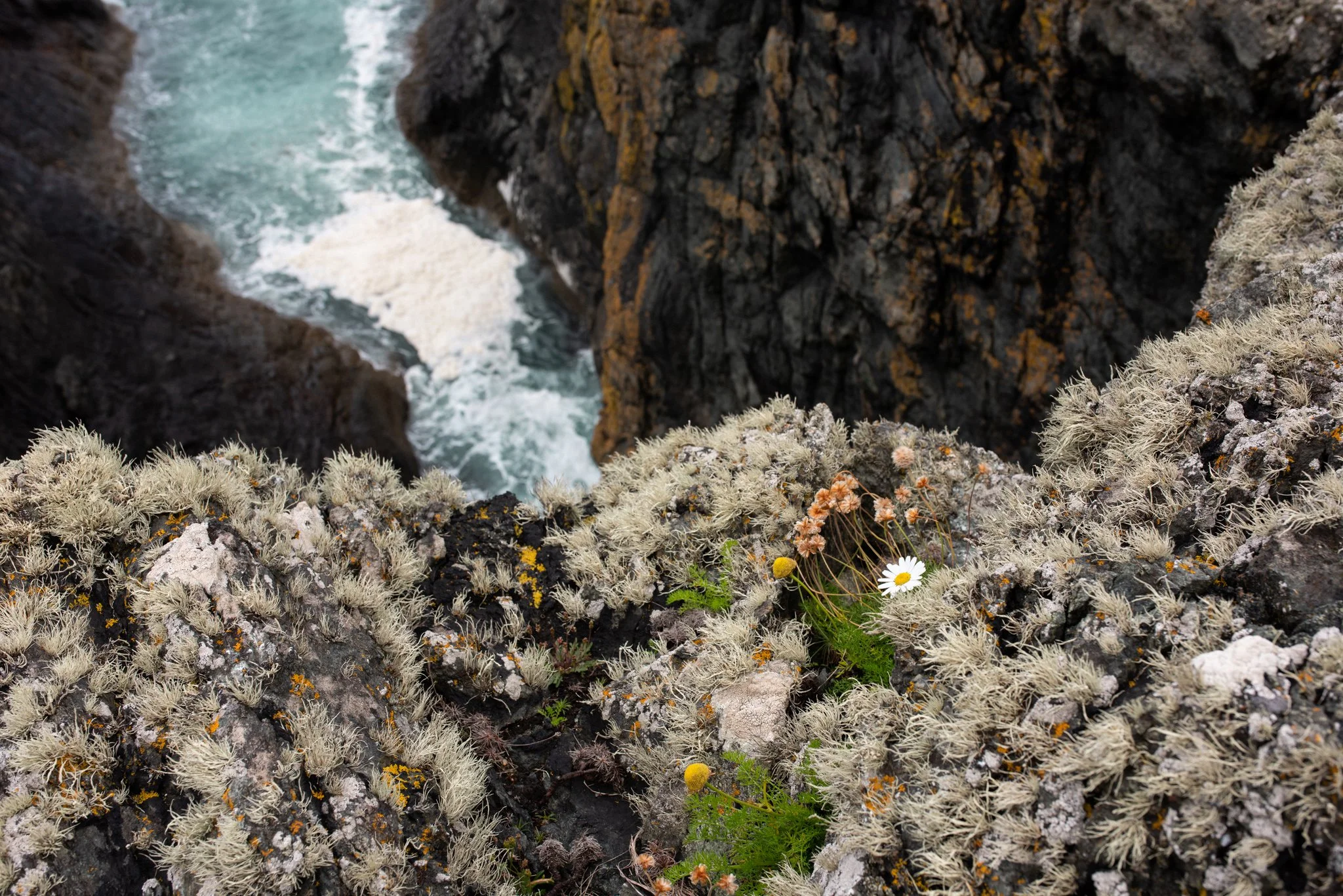
Isle of Islay
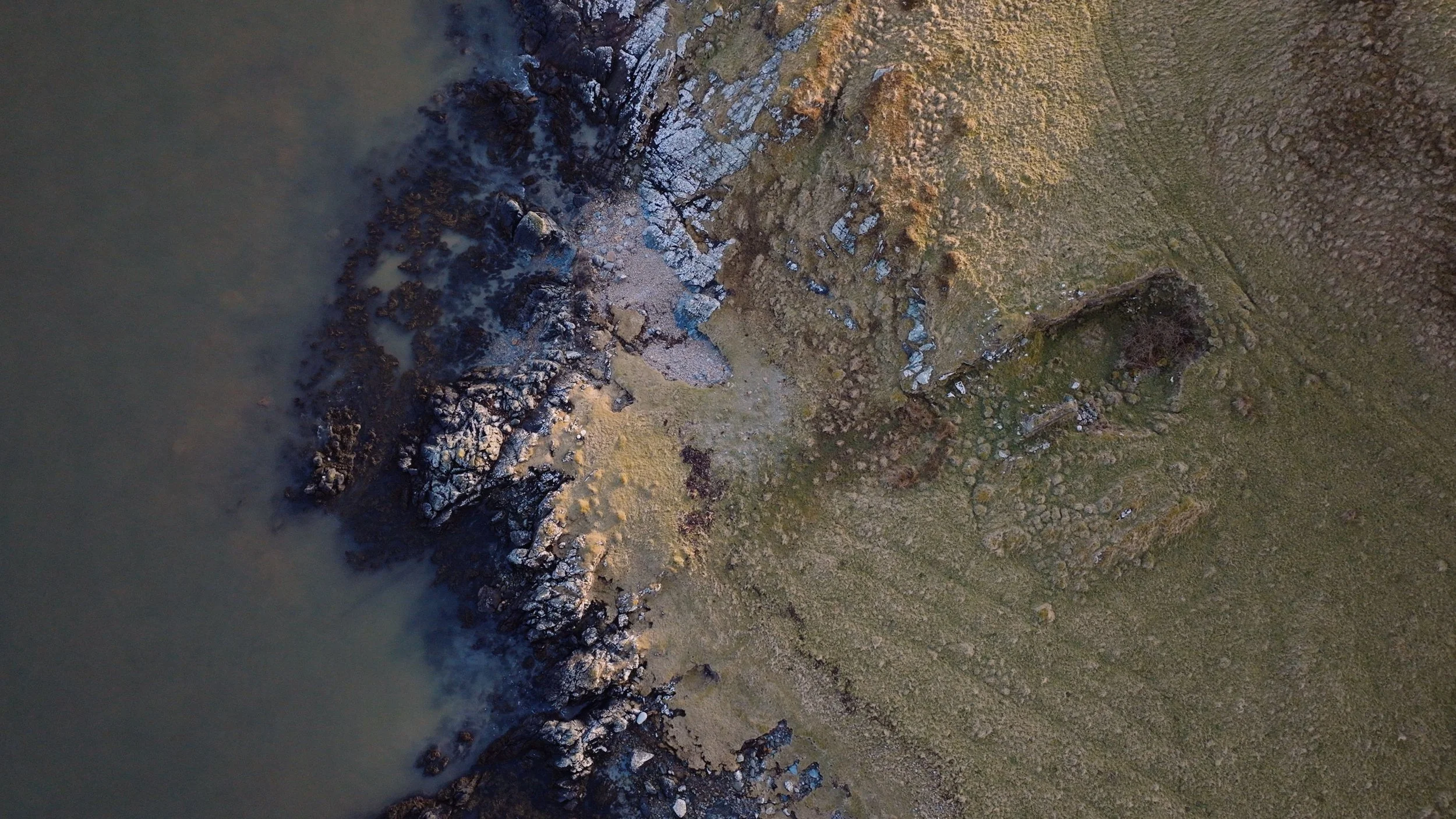
Kate Hannett, Isle of Islay
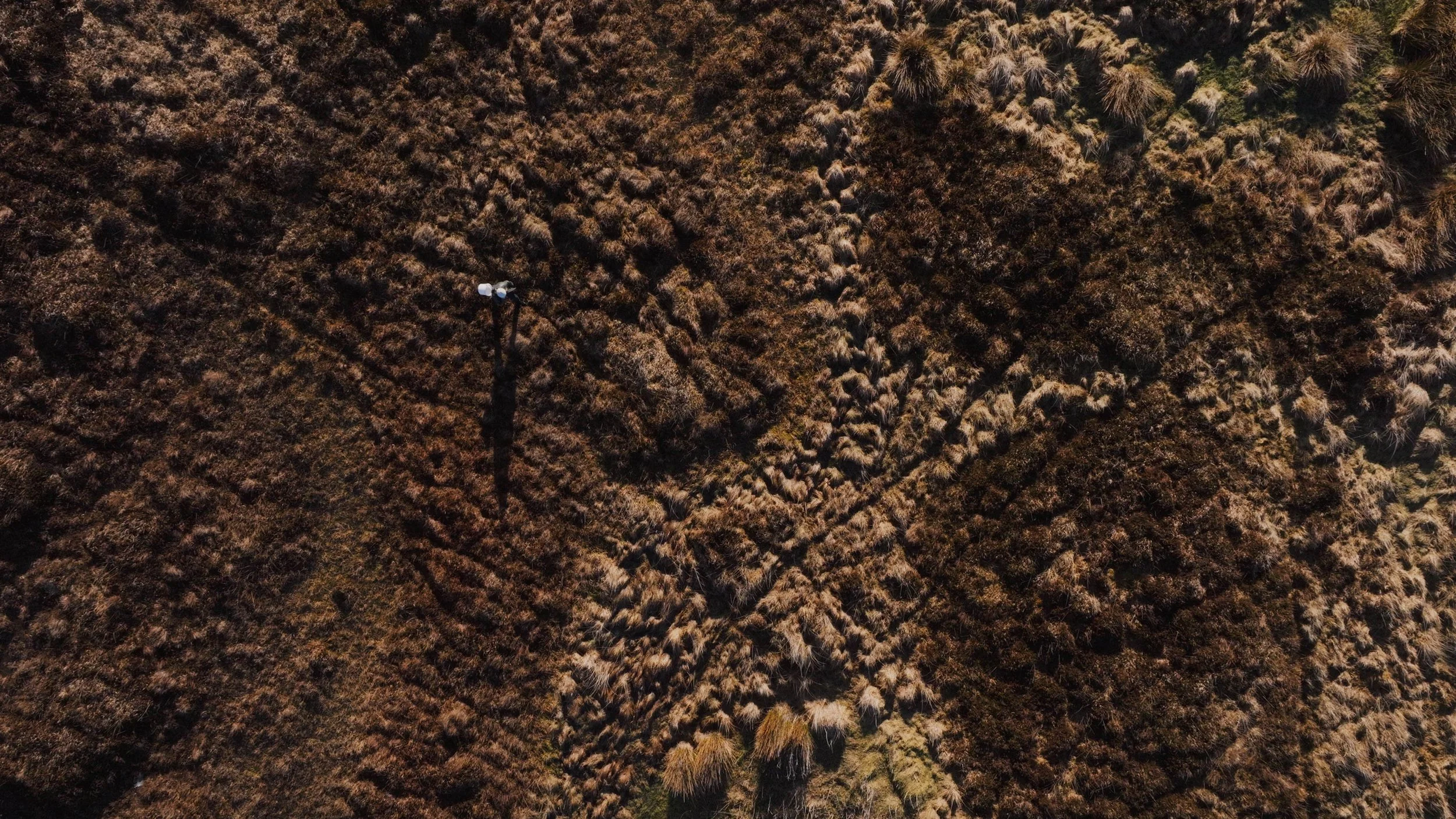
Kate Hannett, Isle of Islay
R+W: The machair ecosystem is unique to this part of the world. What role does it play in your foraging practice?
KH: The machair is a beautiful, unique ecosystem built by the wind and sea depositing calcium-rich shells and sands along with seaweeds, found along some of our low-lying coastline in the west of Scotland and Ireland. It is an important crofting, low intensity farming, a habitat diverse in wildflowers and wildlife. Botanically varied, we carefully forage along the machair coast for Lady’s bedstraw (Galium verum), though we predominantly pick it in other coastal locations on the island. The lady’s bedstraw has a very evocative vanilla, warm hay scent. It is a joy to pick, not only for the scent, but it will be picked on a hot - by Scottish standards - summer’s day by the sea. We always gather sustainably and in areas where we have permission, choosing to pick a little from a lot of places to protect and encourage populations.
“The machair is a beautiful, unique ecosystem built by the wind and sea depositing calcium-rich shells and sands along with seaweeds, found along some of our low-lying coastline in the west of Scotland and Ireland. It is an important crofting, low intensity farming, a habitat diverse in wildflowers and wildlife. ”
R+W: There are 22 botanicals in The Botanist. How do you decide what to harvest, and when each plant is ready?
KH: Each of the 22 has its own little tell when it’s ready. Birch leaves (Betula pubescens) will be tacky with sap, sticking to your fingers as you pick them. The clovers (Trifolium repens and Trifolium pratense), abundant in grasslands across the island, are collected when the temperature is around or over 14°C. That is the temperature when clover starts to produce its sweet nectar and scent. It also happens to be the temperature a lot of their pollinators are happy to be out in, foraging nectar. Seeing the bees about is a sure sign we’re there at the right time. It’s just a case of learning and watching the plants. We can go out some days and we’re not picking, we’re just checking on how the plants are getting on, what stage of ‘readiness’ they are at. Readiness is our creation, the plants are just getting on with what they always do of course, for their benefit not ours.
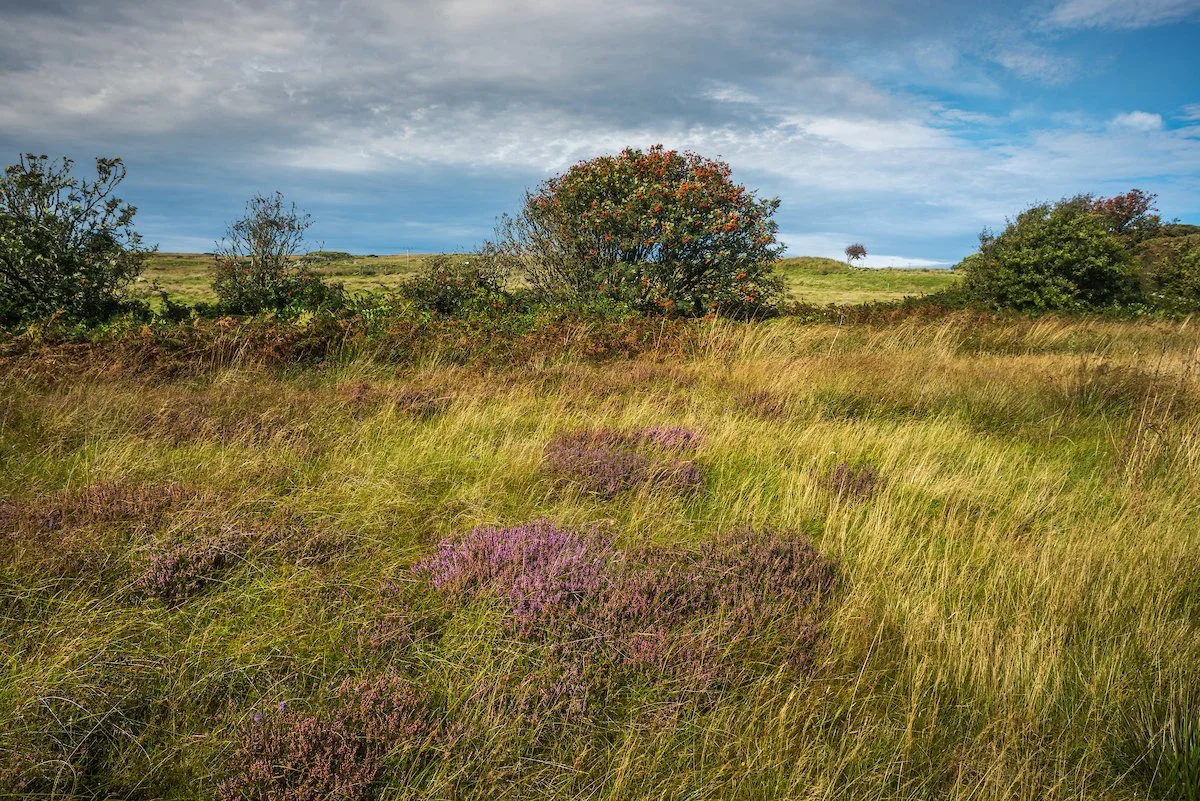
Isle of Islay
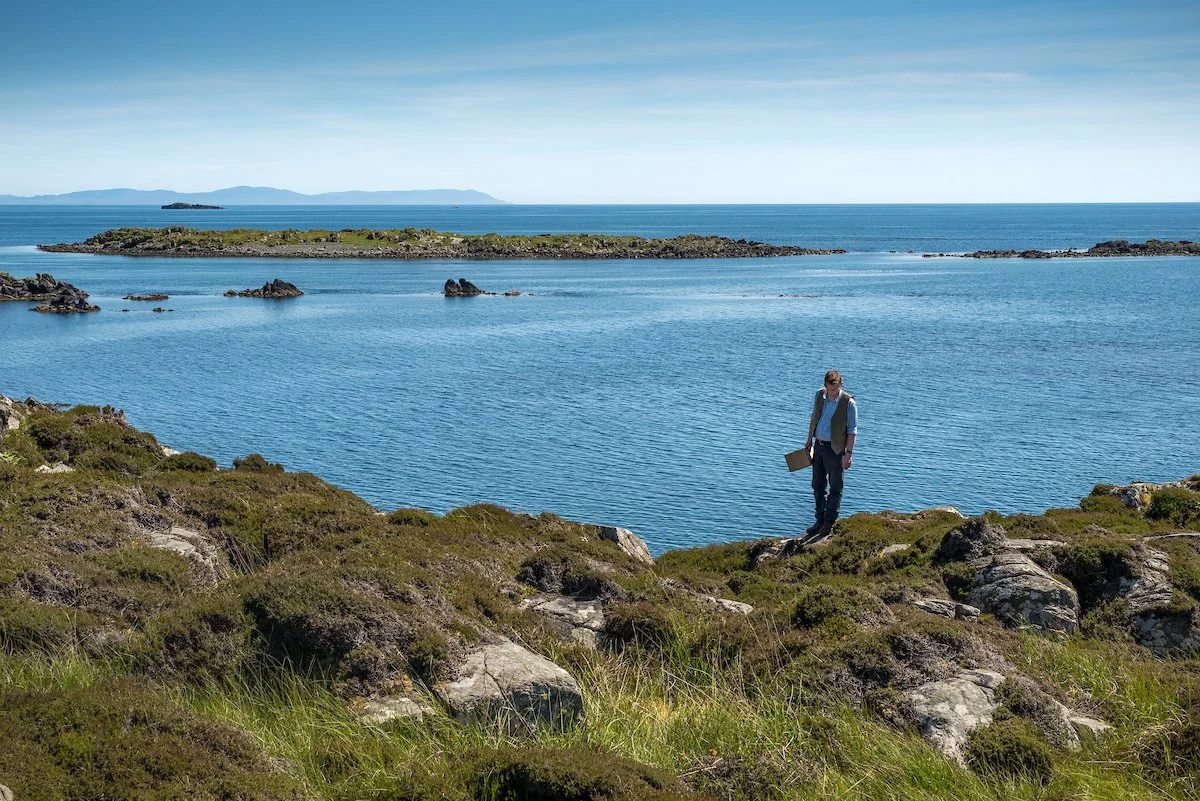
James Donaldson, Isle of Islay
“Seeing the bees about is a sure sign we’re there at the right time. It’s just a case of learning and watching the plants. We can go out some days and we’re not picking, we’re just checking on how the plants are getting on, what stage of ‘readiness’ they are at. Readiness is our creation, the plants are just getting on with what they always do of course, for their benefit not ours.”
R+W: Your season runs from late March to October. What does it mean to work within such a defined natural window? How does the rhythm of the seasons guide your daily life on the island?
KH: It just means we’ve got to be on it. You’ve got to be looking out the window as you drive along, or you have to be out walking and checking on the plants. So, you are naturally in tune with the seasons. Knowing that a change in temperature might mean a plant will be ready to pick. That if it rains the night before you go to pick elderflower (Sambucus nigra), it won’t have the best volume of pollen and so you won’t pick it the next day. That the hawthorn (Crataegus monogyna) will flower due to the day length, regardless of it blowing a gale outside. It’s always on your mind as you move across the island, even when you’re not working.
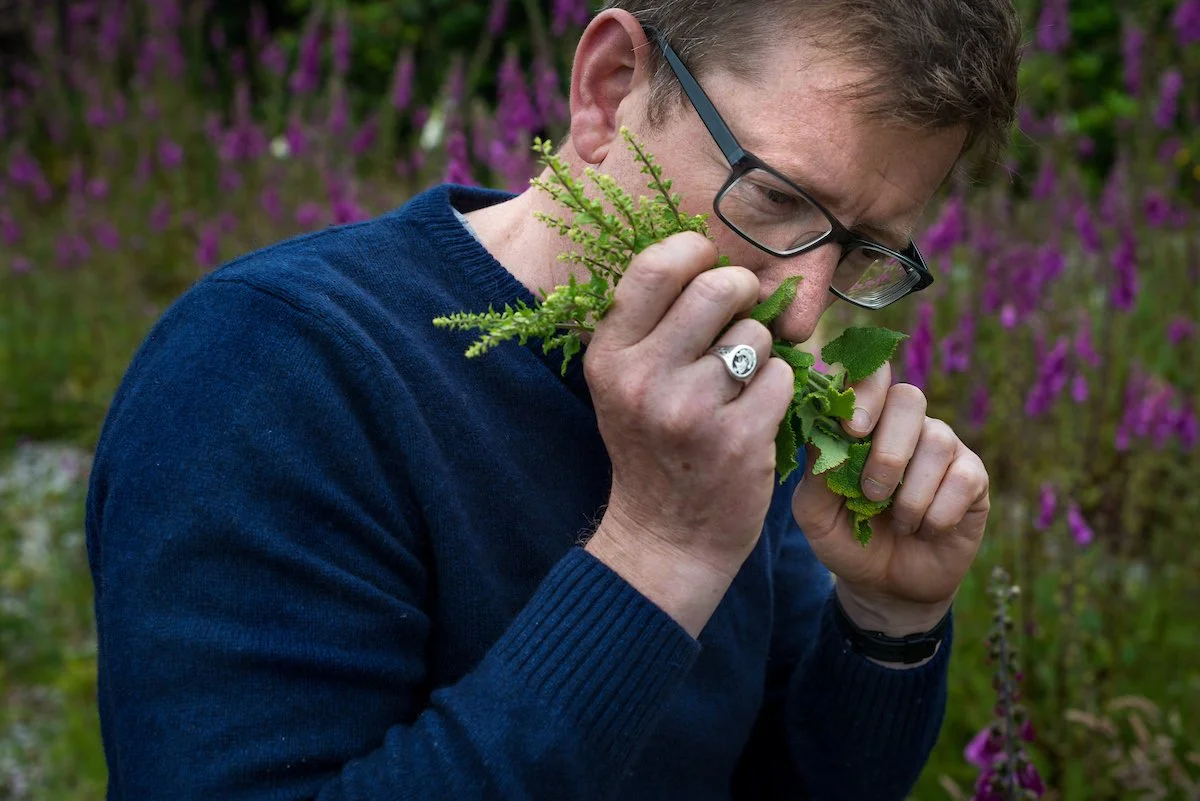
James Donaldson, Isle of Islay
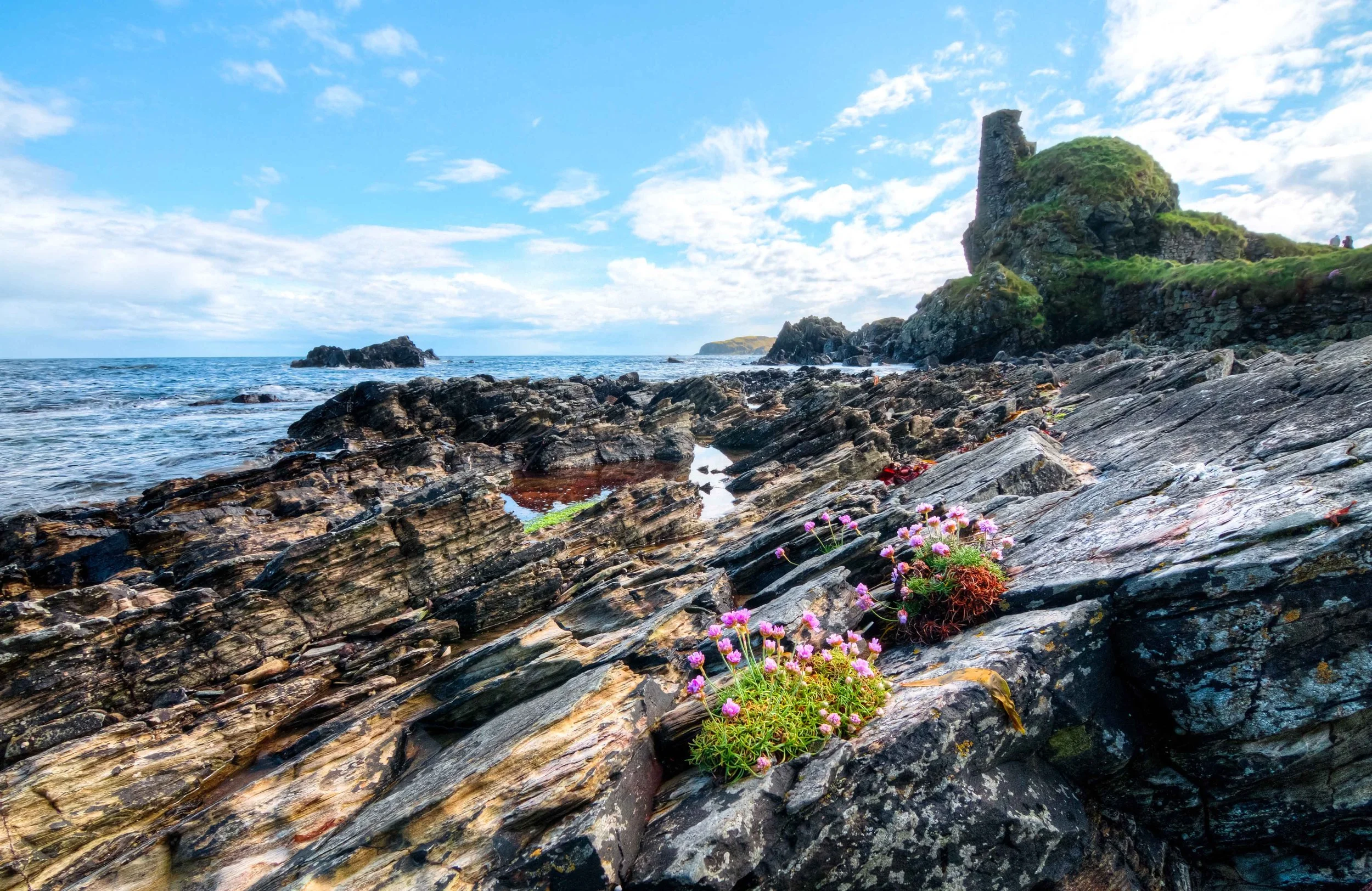
Isle of Islay
R+W: You’ve spoken about sensing plants before seeing them. Can you describe the role of scent in your process?
KH: It’s not just about finding plants and picking them. You get your eye into the familiar habitat and get a sense of where particular plants might grow. Knowing where a little dell is, or rough grassland that might have the plant you’re looking for. We find new populations of plants frequently, but we won’t just pick them there and then. If it is a new spot, we look at it, record it and will revisit it the next year. Even then we might not pick. It is about ensuring we are only taking from self-sustaining populations. Because it is abundant in one area does not mean it is in another. Everything we do is about getting the best taste and aroma from the botanicals. tasting a mint leaf to make sure it is full of aromatic oils, smelling the birch leaves to get the peppery scent.
“Everything we do is about getting the best taste and aroma from the botanicals. tasting a mint leaf to make sure it is full of aromatic oils, smelling the birch leaves to get the peppery scent. ”
Isle of Islay
James Donaldson, Kate Hannett, Isle of Islay
James Donaldson, Kate Hannett, Isle of Islay
R+W: What does a typical day of foraging look like for you, from morning to evening?
KH: It changes all the time, and you have to be agile to the weather. I think our job sounds a lot more romantic than it is in actuality. Of course it’s truly incredible to have the opportunity to be out on the island, wandering and being in nature. But in reality, picking something like meadowsweet means you will likely spend your day, in the heat of summer, in wellington boots, long-sleeves, and thick trousers, stood in a ditch. You’re battling with the midges, a tiny biting fly or the clegs - a larger biting fly. And let’s not get onto ticks. Foragers make a tasty treat.
A big part of the job is education. Within the company, we do a lot of foraging walks and sessions with a variety of people. It’s an important aspect of The Botanist, as it is a huge part of the story that there are a couple of plant geeks that go and hand-pick the Islay botanicals. People often don’t realize this until they are stood in front of us, boots on the ground on Islay – they go back home ambassadors for us and the plants. The most important part to get across for me is that we are doing this low-impact and sustainably. It is also fun to see people get animated at the plant life literally under their feet, when they realise how important it is to everyone’s lives, historically and now.
“A big part of the job is education. Within the company, we do a lot of foraging walks and sessions with a variety of people. It’s an important aspect of The Botanist, as it is a huge part of the story that there are a couple of plant geeks that go and hand-pick the Islay botanicals. People often don’t realize this until they are stood in front of us, boots on the ground on Islay – they go back home ambassadors for us and the plants. The most important part to get across for me is that we are doing this low-impact and sustainably.”
R+W: Once botanicals are gathered, the process continues. Can you walk us through drying, preserving, and preparing them for distillation?
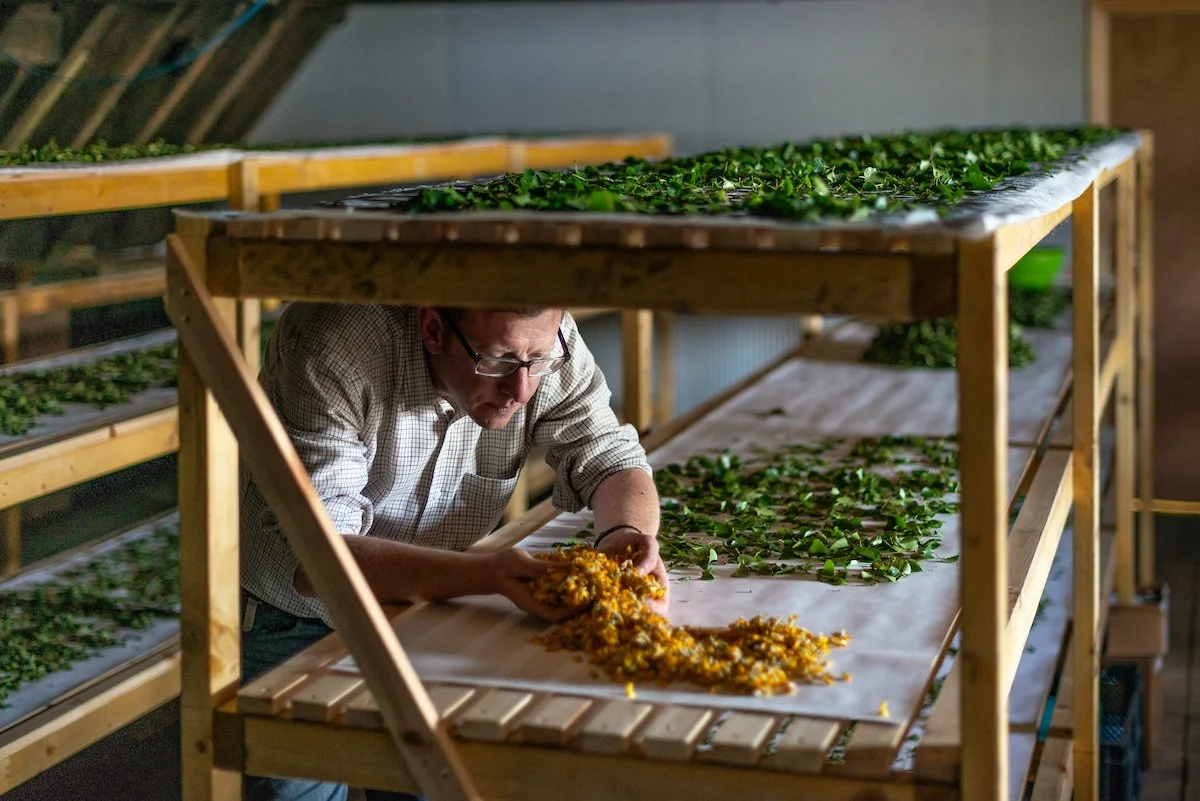
KH: We’re working to a recipe of mainly dried weights. Once the fresh plants are collected, we take them back to the drying room at the distillery, the plants are laid out on long shelves and slowly dried at a low temperature over a few days to a week, to retain their flavours and oils. When we are ready for a distillation the dried material is mixed to the recipe and added to a large cotton bag, like a giant teabag, and added to a special basket in the gin still. Some of the other plants, predominantly flowers, are preserved in a plain alcohol tincture to extract the flavour. That is, we put the fresh flowers into an alcohol and water mix. Each plant type will steep separately for a few weeks to a few months depending on the plant. It’s all very hi-tech… we taste them every so often to ensure everything is all on the right track. In the distillation process, the combination of the dried material, moistened by the wet tinctured material, reactivates the ‘teabag’ in the process, allowing the vapour to extract the full flavour in the distillation.
“Juniper (Juniperus communis) is a big story, vital to the production of gin. While it is one of the most common conifers in the northern hemisphere it is still a vulnerable species in places. We use the best imported juniper in our base botanicals for The Botanist. Juniper does grow on Islay, but in no quantity to make gin. It is no secret that as the twenty-second botanical a single symbolic Islay sprig goes into each distillation. ”
James Donaldson, Isle of Islay
R+W: Juniper plays a key role in gin and is also part of rewilding efforts. What is your relationship with this plant specifically?
KH: Juniper (Juniperus communis) is a big story, vital to the production of gin. While it is one of the most common conifers in the northern hemisphere it is still a vulnerable species in places. We use the best imported juniper in our base botanicals for The Botanist. Juniper does grow on Islay, but in no quantity to make gin. It is no secret that as the twenty-second botanical a single symbolic Islay sprig goes into each distillation. Originally The Botanist was called G21, for the 21 botanicals, though I always think that makes it sound like some sort of international summit. But originally Islay grown juniper wasn’t going to be included. As the gin started to take off it was decided to add the single token sprig. This comes from leftover cuttings we take as part of our reintroduction project, and that single sprig works hard for us to be able to talk about juniper’s plight.
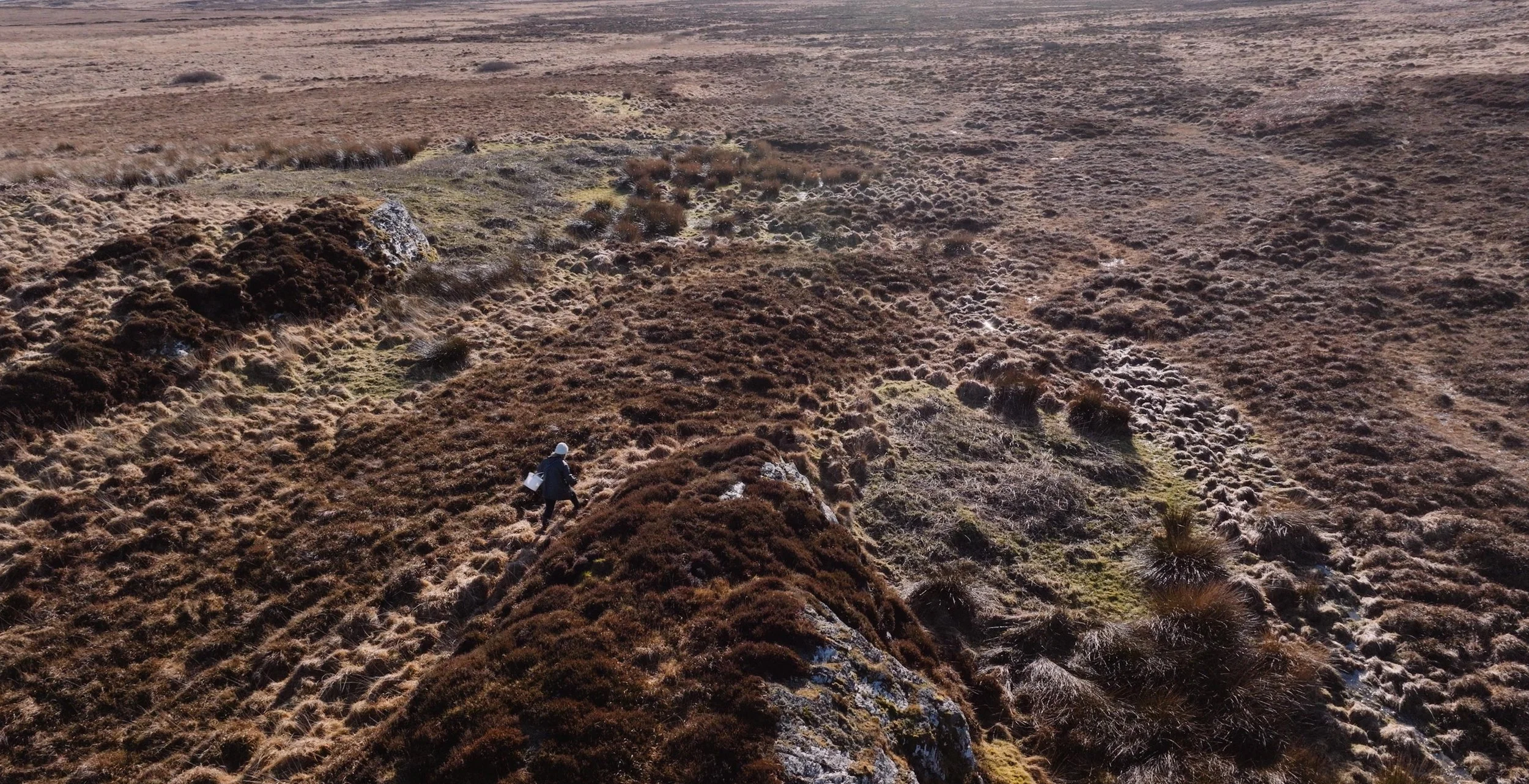
The species is vulnerable on several counts. It can survive in low nutrient soil and thus is slow growing. Excess aerial nitrogen from pollution can cause other plants to grow more vigorously and out compete the slow-growing juniper. The young, fresh shoots of the plant are also a tasty snack to sheep, deer and wild goats here. The juniper on Islay is a subspecies (Juniperus communis spp. nana) that creeps along the ground, as opposed to upright trees. Part of our work through the winter is surveying and recording populations and taking cuttings to propagate for future replanting. Often, we find juniper on ‘edges’ not where it wants to grow but where animals can’t reach it. And there is also a global issue with a fungus-like pathogen that is affecting the species, phytophthora austrocedri. It is not currently present on Islay but is in Scotland. The Botanist Foundation, the charitable arm of the brand, has in recent years part-funded studies into the genetic resistance to this and this research had helped shape governmental level advice.
“The juniper on Islay is a subspecies (Juniperus communis spp. nana) that creeps along the ground, as opposed to upright trees. Part of our work through the winter is surveying and recording populations and taking cuttings to propagate for future replanting. Often, we find juniper on ‘edges’ not where it wants to grow but where animals can’t reach it. And there is also a global issue with a fungus-like pathogen that is affecting the species, phytophthora austrocedri. It is not currently present on Islay but is in Scotland. The Botanist Foundation, the charitable arm of the brand, has in recent years part-funded studies into the genetic resistance to this and this research had helped shape governmental level advice.”
Isle of Islay
R+W: You’ve been digitally mapping plant populations across the island. How does this blend of tradition and technology support your work?
KH: It’s ideal. What we are looking at are plants that the majority aren’t interested in. Some are considered agricultural weeds or so ubiquitous in the landscape that you aren’t noticing them. If we are keeping an eye, we will notice if things start to change. Having things digitally means we can start to feed into the wider picture. With a changing climate and changing agricultural practices we might look back on our notes in 50 years and have ecological insight that others will find useful. It also means all the information isn’t only stored in our fluffy heads.
“For our part, we are very careful how we forage. We take a little from many different places to ensure no single population is overpicked. Some plants we don’t pick until they have gone to flower; that means that plant has put all its energy into producing the flower. If we come and take a few leaves from each plant at that stage, we are not taking away its energy to produce that flower and thus seed. ”
R+W: Sustainability is central to your approach. How do you ensure the land continues to thrive year after year?
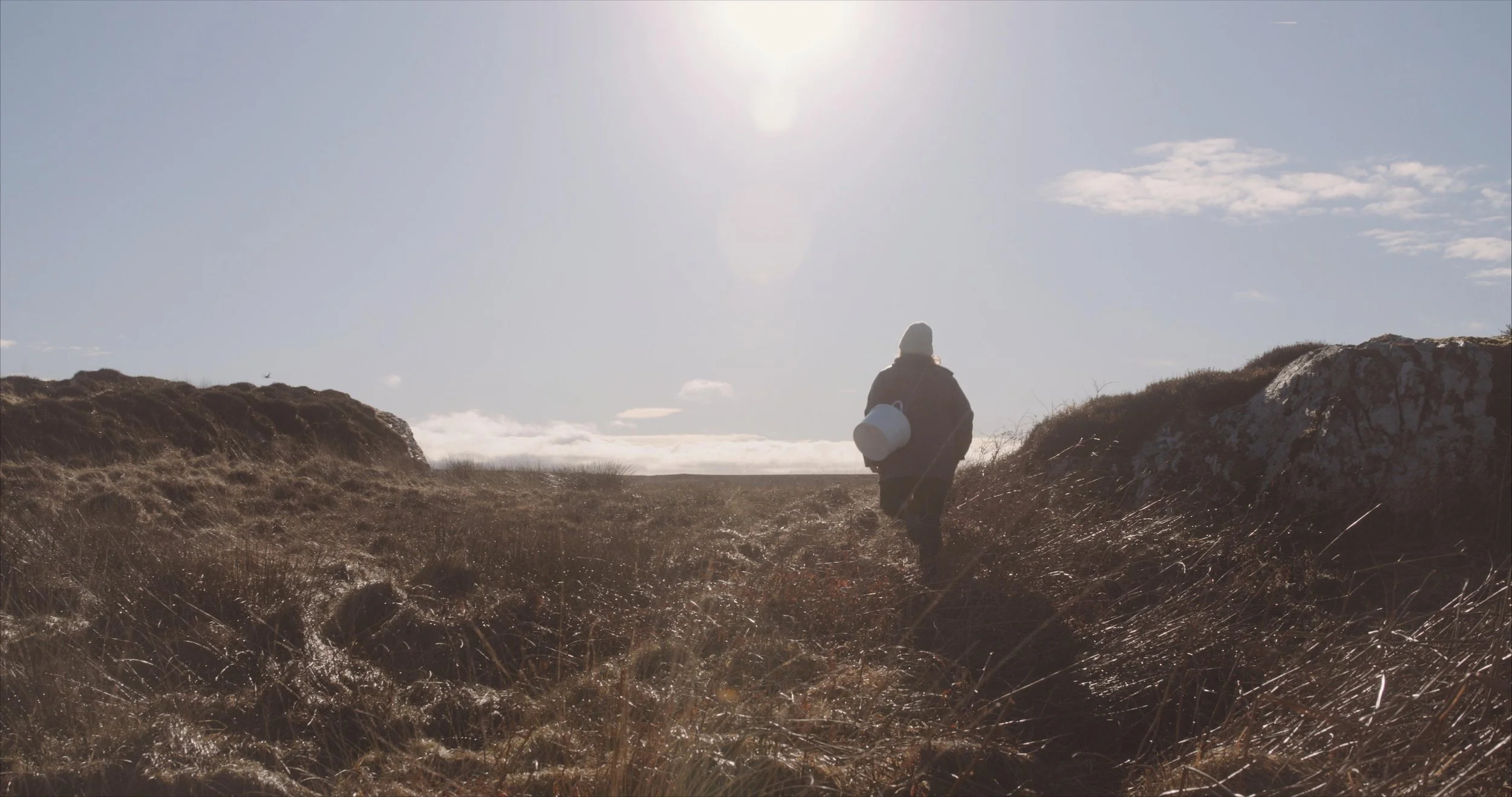
KH: For our part, we are very careful how we forage. We take a little from many different places to ensure no single population is overpicked. Some plants we don’t pick until they have gone to flower; that means that plant has put all its energy into producing the flower. If we come and take a few leaves from each plant at that stage, we are not taking away its energy to produce that flower and thus seed. The seed will spread and germinate and maintain the population. Some of the mint species we can cut the stem of in the field, and it will send up a dose of new shoots in response. If you’ve ever planted mint in your garden, you’ll know it likes to put up shoots and spread! All of the plants that go into the gin are abundant on Islay, but we would never want to take that for granted so we keep a careful eye on all of them. Saying that, some are so plentiful if we find one year that there are no gorse flowers, or no heather, we have bigger problems in the world to think about than gin.
Kate Hannett, Isle of Islay
R+W: There’s a meditative quality to your work. How does foraging shape your sense of presence?
KH: A lot of what we do is repetitive tasks in a nice environment. It relies on muscle memory as well as being alert to the task in hand. Picking gorse flowers for several hours does put you into a state of relaxation, until the plant’s big spikes hit your finger and you swear your way out of it. I’ve been asked what music I listen to when I pick. I don’t. We’re listening to the birds around, the distant sound of a tractor in the field, the sound of the river. You’re also listening to your own thoughts a lot. But that’s between you and the plants.
“Foraging has been around a long time, it is part of our ancestry, that’s why we connect with it, with the flora and wildlife, the weather and the landscape. We’ve just forgotten. I take people out foraging and they say, ‘Oh that was really interesting. I never knew that. I could stay out all day.’ We did know it, we just forgot, the knowledge isn’t passed down generation to generation anymore and foraging fell out of favour for easier alternatives. It could be weeds in the cracks in the pavement or the wild parts of a local park. You just have to start looking. Start noticing. Tune in.”
R+W: There’s growing global interest in foraging. What does foraging mean to you in 2026, beyond trend or novelty? For someone new to foraging, what advice would you offer about beginning in a way that is respectful, intuitive, and connected to place?
KH: Foraging has been around a long time, it is part of our ancestry, that’s why we connect with it, with the flora and wildlife, the weather and the landscape. We’ve just forgotten. I take people out foraging and they say, ‘Oh that was really interesting. I never knew that. I could stay out all day.’ We did know it, we just forgot, the knowledge isn’t passed down generation to generation anymore and foraging fell out of favour for easier alternatives. The best advice I can give, and the best advice I have received, was don’t try and learn it all at once. Get to know one plant and get to know it well. Then get to know others in the same plant family. When you can confidently identify a handful of plants things will start to click and it becomes even more enjoyable. As you gain more knowledge the more wary you might rightfully become which leads to another favourite phrase I was told, ‘never munch on a hunch’. If you are not 100% sure, stop. Go learn some more. One of the best ways is to get out with someone who does know and learn from them. Or perhaps you have a daily walk to work, or with the dog, even a bus journey you do regularly; take note of the plants you see, how they change over the year. It could be weeds in the cracks in the pavement or the wild parts of a local park. You just have to start looking. Start noticing. Tune in.


Room + Wild is the world's first and leading collective and platform for landscape-enhanced accommodation, ecotourism, nature-based destinations, and sustainable luxury travel experiences. We consistently inspire, influence, and spread awareness through our tailored travel guides, curated media content/channels, brand activations, press trips as well as visual and narrative storytelling.
On Scotland’s Isle of Islay, forager Kate Hannett helps shape The Botanist Gin through a deep, seasonal relationship with the land. Working across peat bogs, coastal grasslands, wetlands, and woodlands, she gathers 22 hand-foraged botanicals, including heather, bog myrtle, and meadowsweet, that define the gin’s distinctive flavour. Produced by Bruichladdich Distillery, the spirit reflects a wider philosophy of terroir, sustainability, and biodiversity stewardship. Foraging here is as much about observation as harvesting, with plants carefully monitored and gathered in tune with natural cycles. Together, this approach captures Islay’s ecological richness, translating its landscapes, seasons, and scents into a spirit deeply rooted in place.