
Hotels Rooted in Botanical Discovery
Travel has long been shaped by landscapes, wildlife, and architecture, but some places are best understood through their plants. Across the world, certain gardens, forests, and botanical collections hold centuries of ecological knowledge, cultural history, and medicinal wisdom. Plants influence far more than scenery. They shape local cuisines, traditional healing practices, fragrances, biodiversity, and even the way people experience wellbeing. Increasingly, travelers are seeking destinations where connection to nature begins with the living systems growing underfoot.
The relationship between plants and wellness is both ancient and supported by modern science. Aromatic herbs, flowering species, native trees, and medicinal plants contribute to physical and emotional wellbeing through scent, touch, shade, and biodiversity. Lavender can calm the nervous system, rosemary is associated with focus and memory, while forests rich in phytoncides have been shown to support immune function and reduce stress. Gardens become more than collections of species. They become sensory environments where fragrance, texture, colour, and seasonality invite a slower and more attentive way of experiencing place.
For many hotels, plants have become central to their identity. Some are built within historic gardens, others protect rare ecosystems, cultivate heritage crops, or actively restore endangered species. These properties provide access to living botanical collections, conservation initiatives, regenerative agriculture, and immersive experiences that reveal how deeply plants shape culture and ecology.
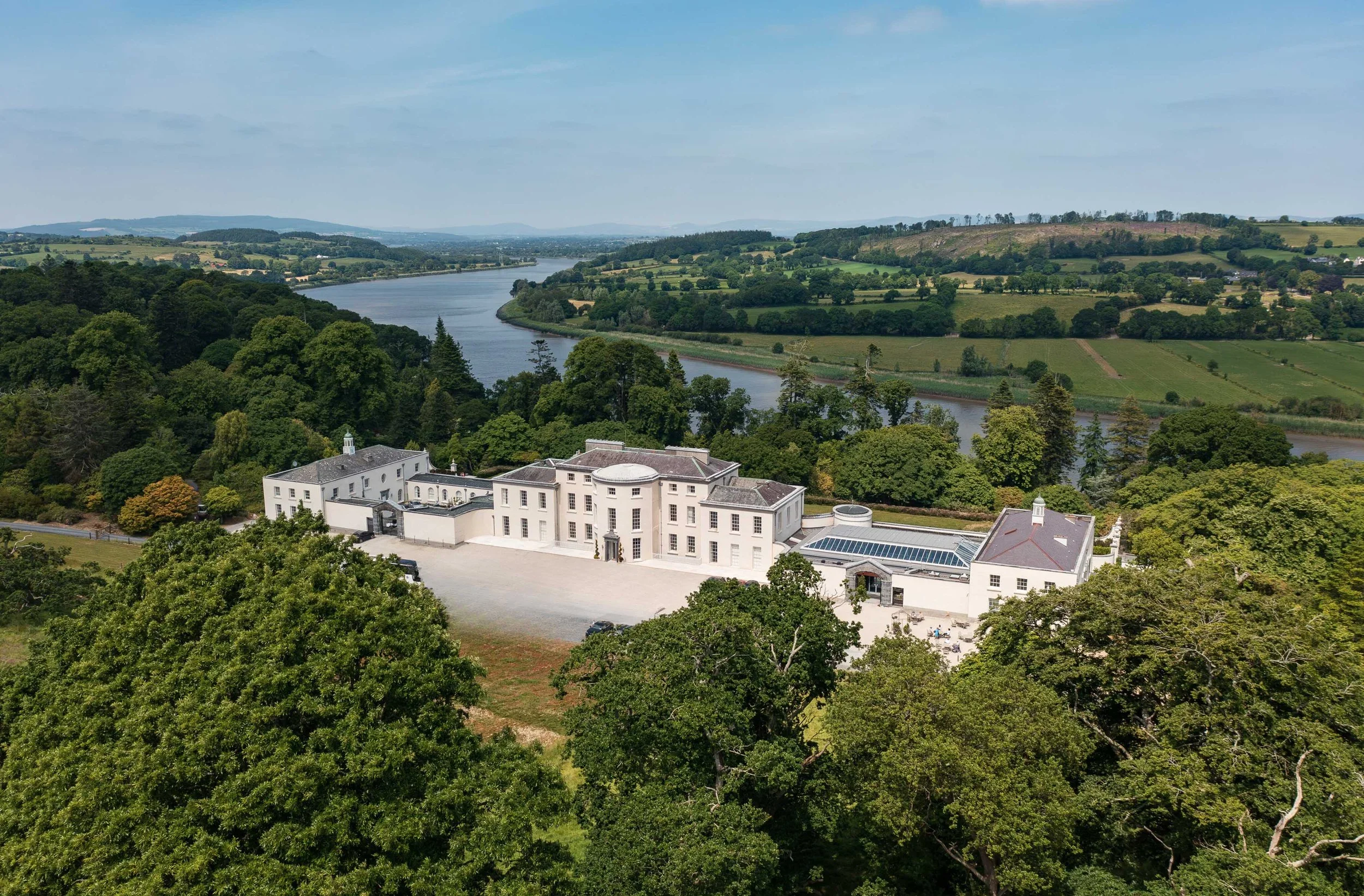
Photo by Mount Congreve Gardens
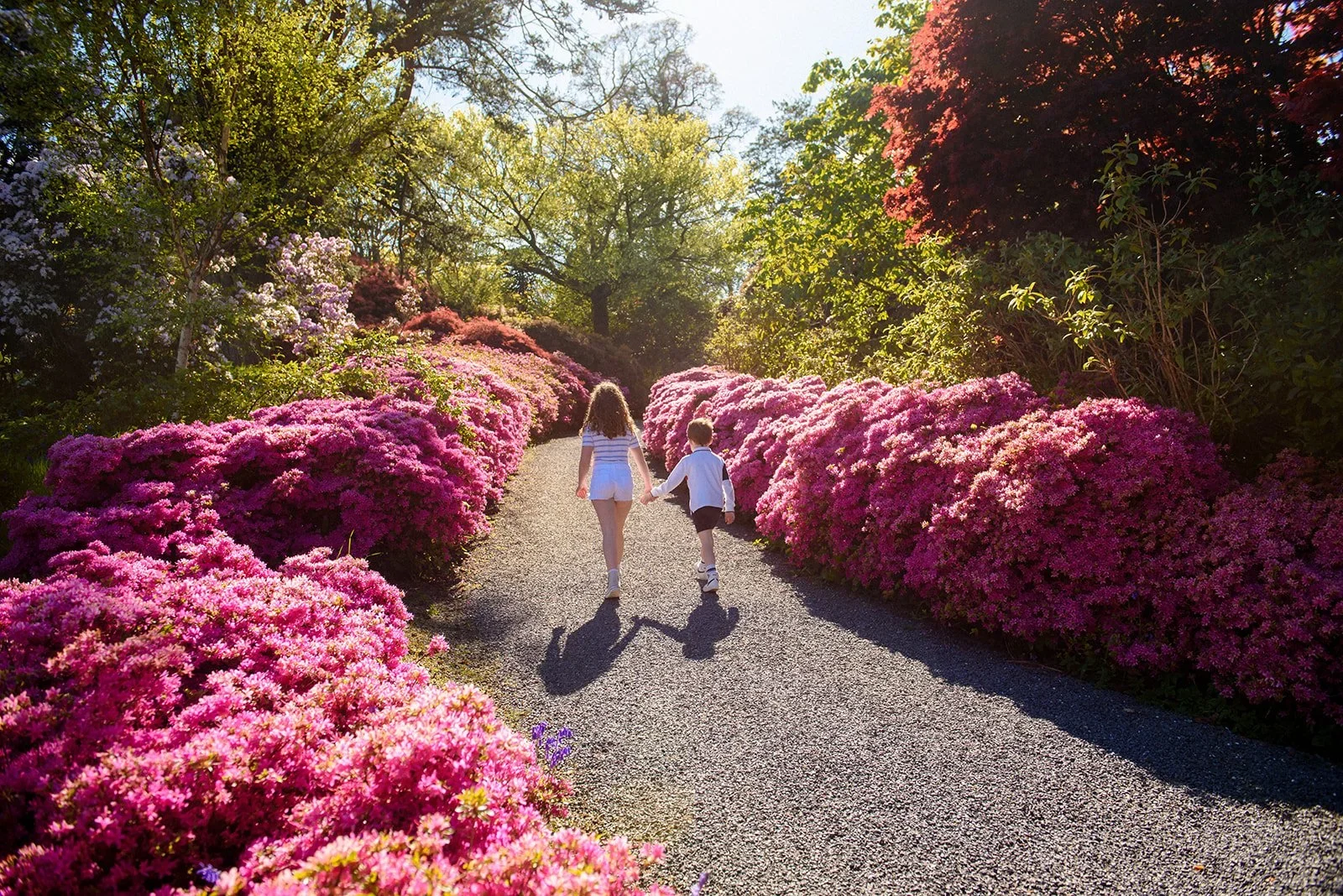
Photo by Mount Congreve Gardens
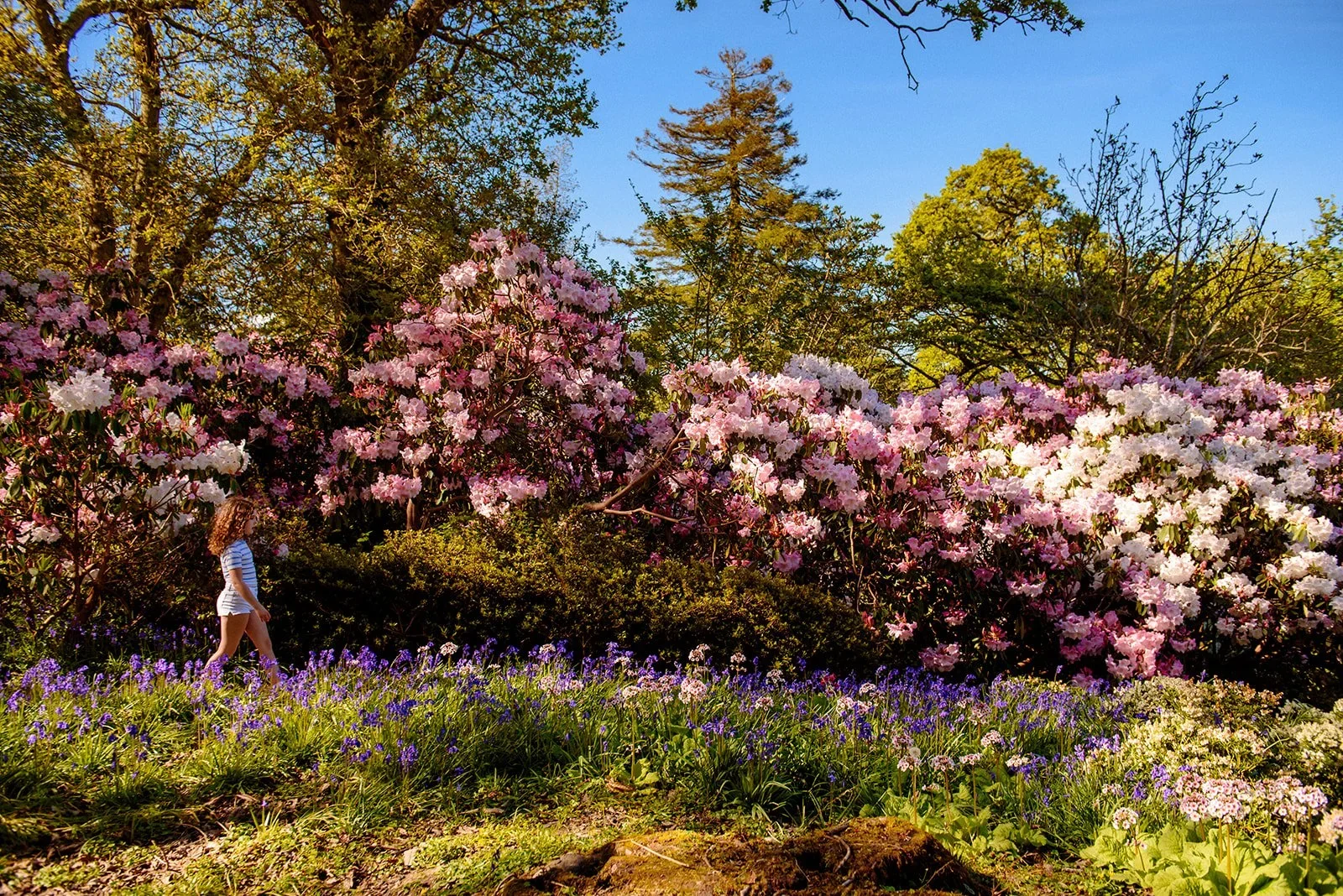
Photo by Mount Congreve Gardens
Mount Congreve Gardens, Ireland
Located in County Waterford in southeast Ireland, Mount Congreve Gardens occupies one of the most significant cultivated landscapes in Europe. Benefiting from Ireland's mild maritime climate, abundant rainfall, and fertile soils, the estate supports an extraordinary collection of plants gathered from around the world, including magnolias, camellias, rhododendrons, azaleas, and rare tree species. Spanning more than seventy acres of intensively planted gardens alongside extensive woodland, the property demonstrates how climate and careful stewardship can create exceptional botanical diversity. Throughout the seasons, flowering displays, changing foliage, and evolving textures transform the landscape into a living archive of horticultural knowledge.
The accommodation and restored estate buildings allow guests to immerse themselves fully in the gardens rather than simply visit them. Architecture remains elegant and understated, providing a quiet backdrop to the surrounding plant collections and historic landscape design. Walking paths lead through woodland gardens, riverfront plantings, formal avenues, and secluded clearings, encouraging a slower pace of discovery. Staying at Mount Congreve offers a rare opportunity to experience one of the world's great gardens after day visitors have left, revealing the profound influence that plants, seasonality, and long-term cultivation can have on both landscape and wellbeing.
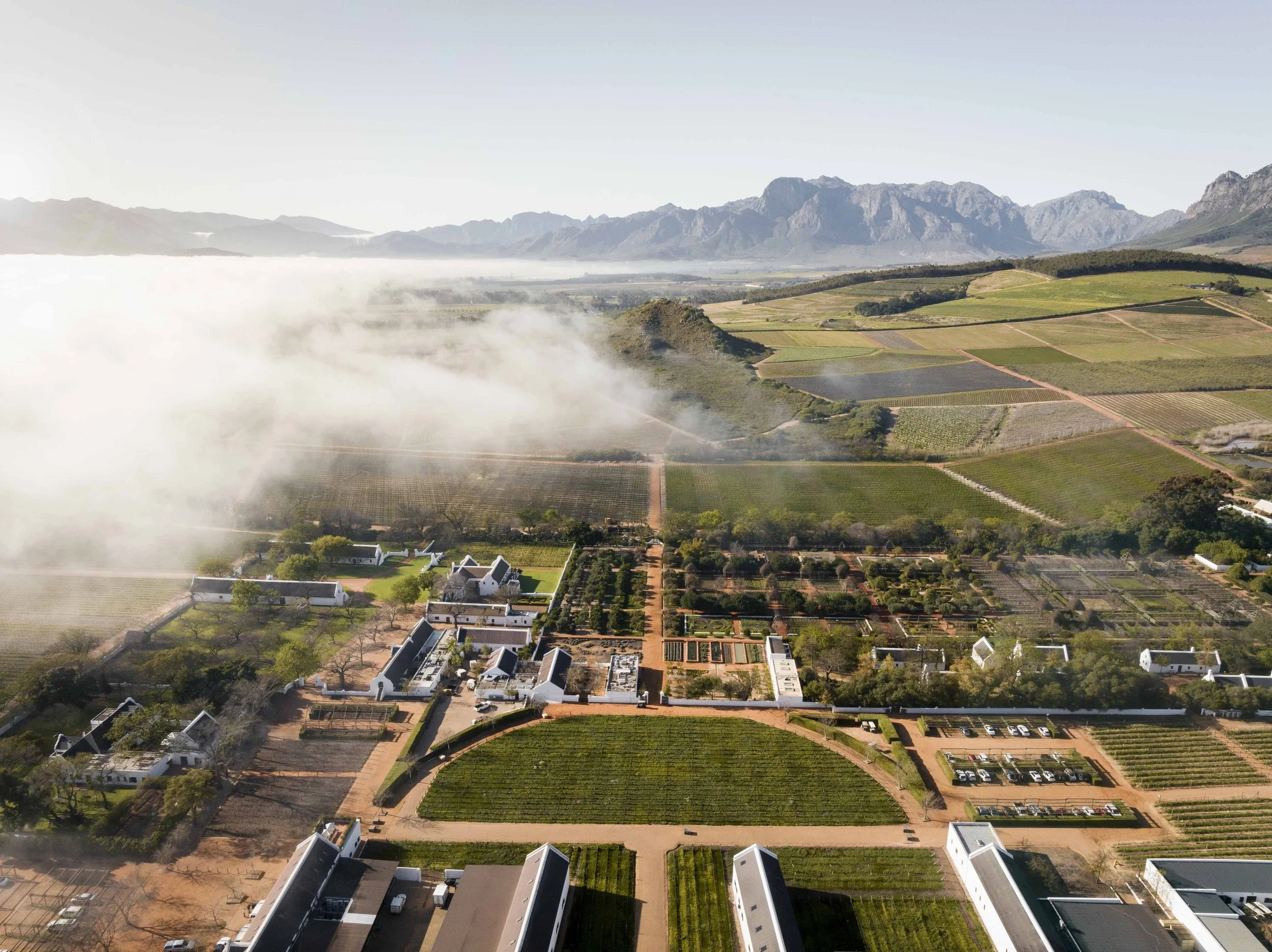
Photo by Babylonstoren
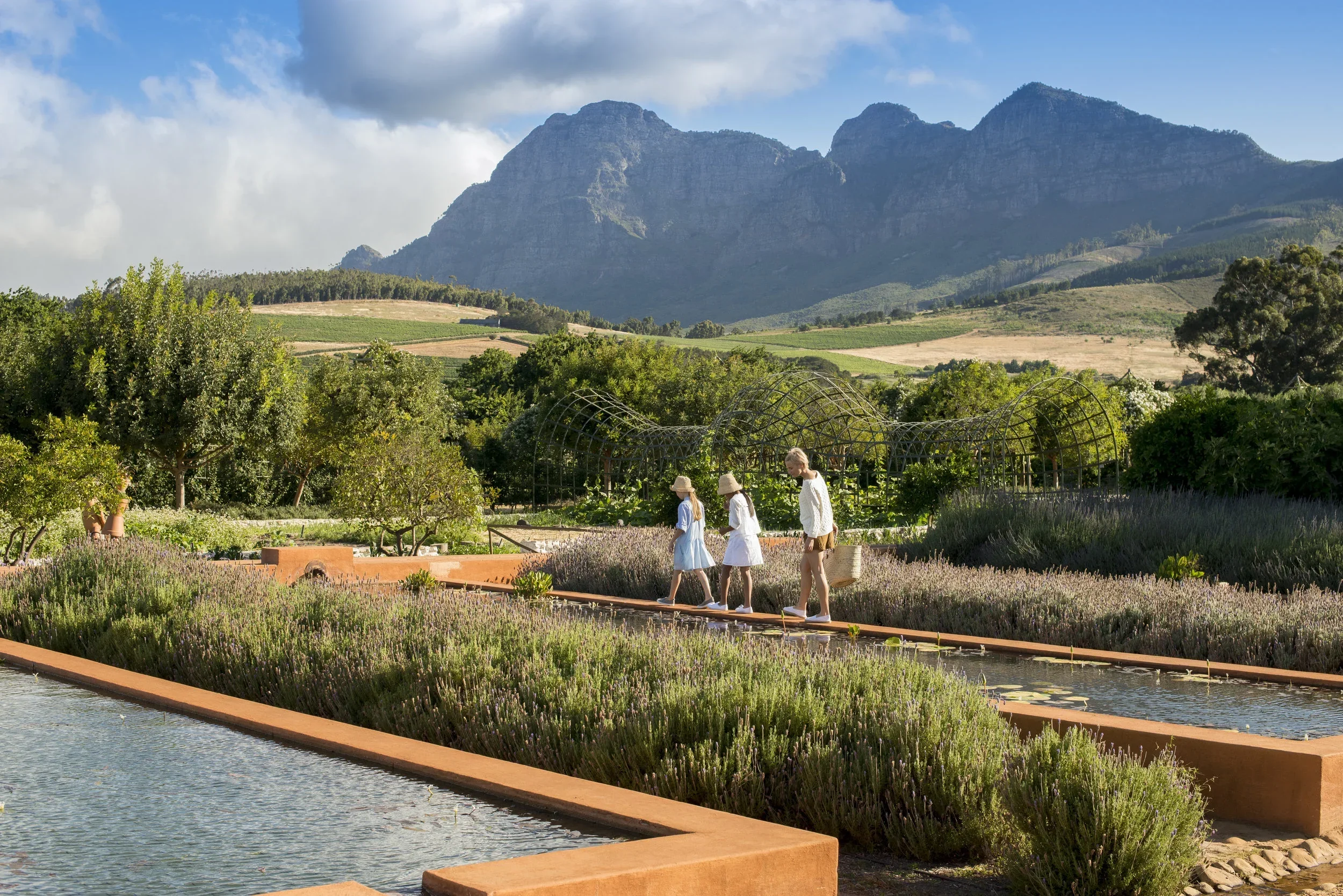
Photo by Babylonstoren
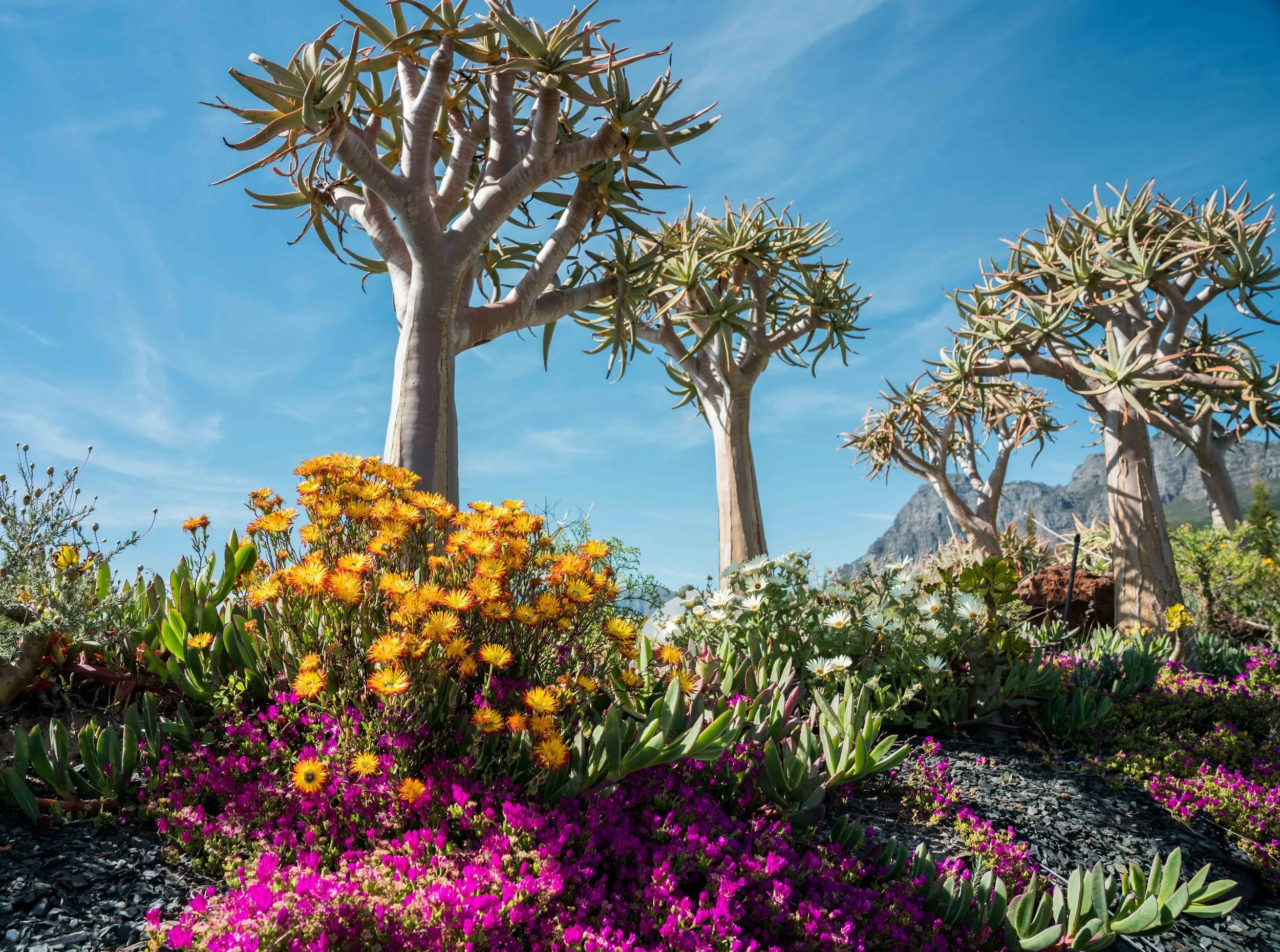
Photo by Babylonstoren
Babylonstoren, South Africa
Nestled within the fertile Cape Winelands of Franschhoek, Babylonstoren is built around one of the most celebrated productive gardens in the world. The landscape benefits from Mediterranean climate conditions, mountain runoff, and exceptionally rich soils that support hundreds of edible and medicinal plant species. At the heart of the estate lies an eight-acre garden inspired by historic Company Gardens, where fruits, vegetables, herbs, flowers, and indigenous plants are cultivated according to seasonal rhythms.
The Cape Dutch architecture reflects the agricultural heritage of the region while contemporary interventions create a refined connection between indoors and outdoors. Guests are invited to engage directly with the landscape through garden tours, harvesting experiences, botanical workshops, and farm-to-table dining. Plants are not decorative additions here. They are the foundation of daily life, shaping everything from cuisine and wellness treatments to the overall rhythm of the estate.
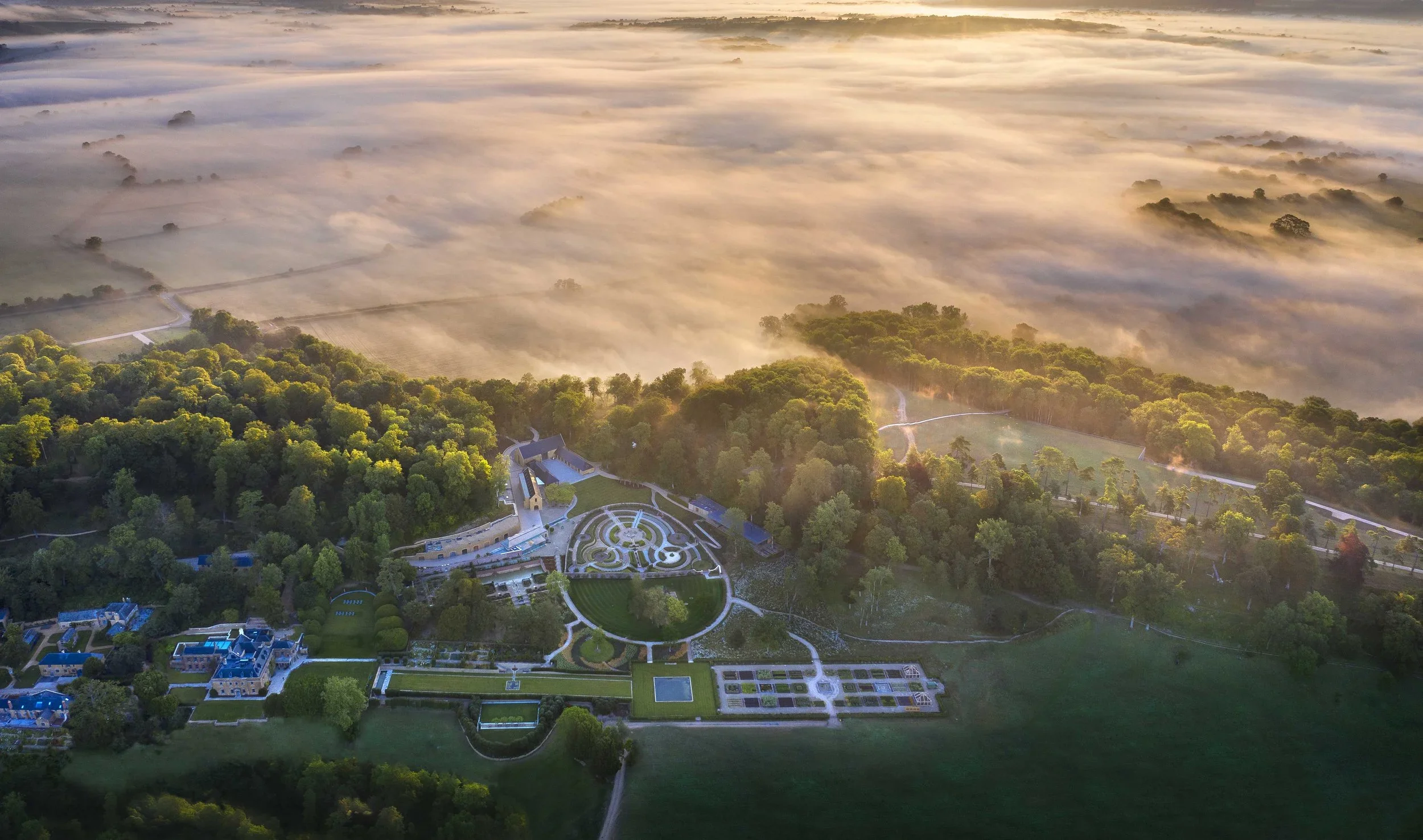
Photo by The Newt
The Newt
The Newt
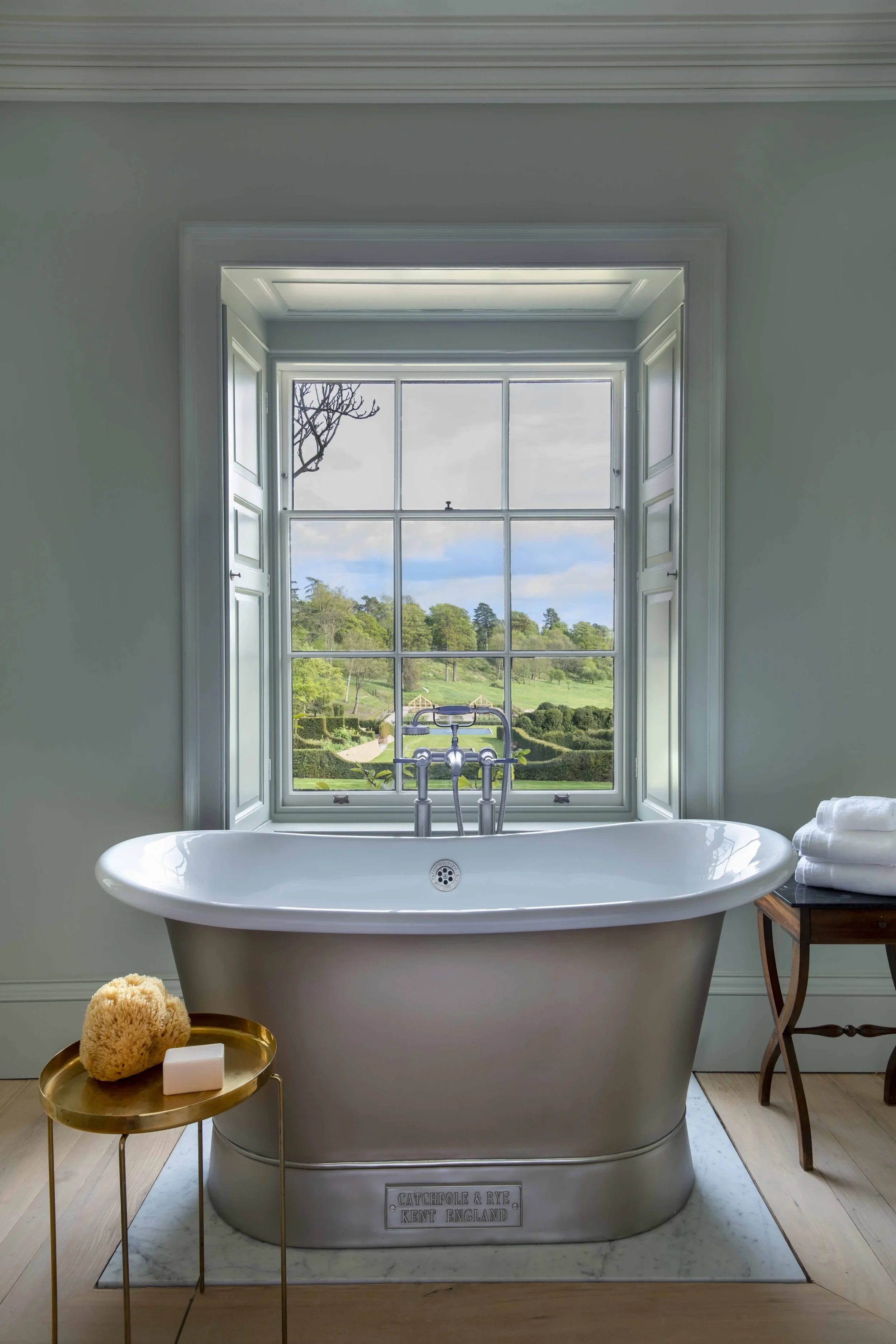
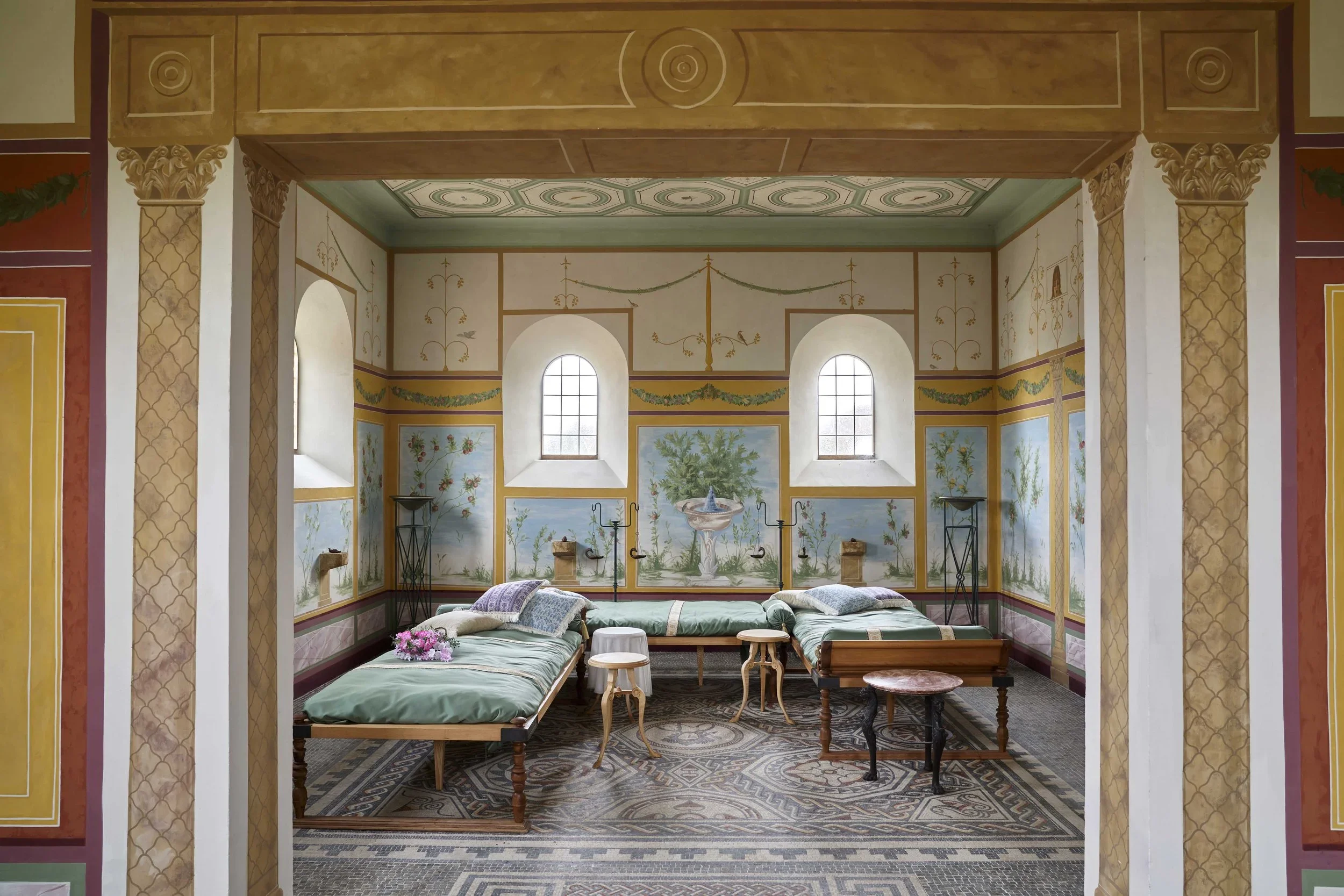
The Newt, England
Set within the rolling countryside of Somerset, The Newt occupies a historic estate where gardens, orchards, woodlands, and farmland are woven into a carefully managed ecological landscape. The property is renowned for its extensive horticultural programme, which includes ornamental gardens, productive orchards, rare plant collections, and habitat restoration projects that support pollinators and local biodiversity.
Architecture balances Georgian heritage with contemporary design, creating spaces that feel deeply rooted in the English landscape tradition. Guests can wander through walled gardens, explore woodland trails, visit cyder orchards, and discover the estate's fascinating Story of Gardening museum, which traces the evolution of gardening over the last 2,000 years through rare objects, tools, manuscripts, and immersive exhibitions. Together with the estate's conservation initiatives and botanical collections, the experience reveals how gardens function as living ecosystems while preserving horticultural knowledge, plant heritage, and biodiversity for future generations.
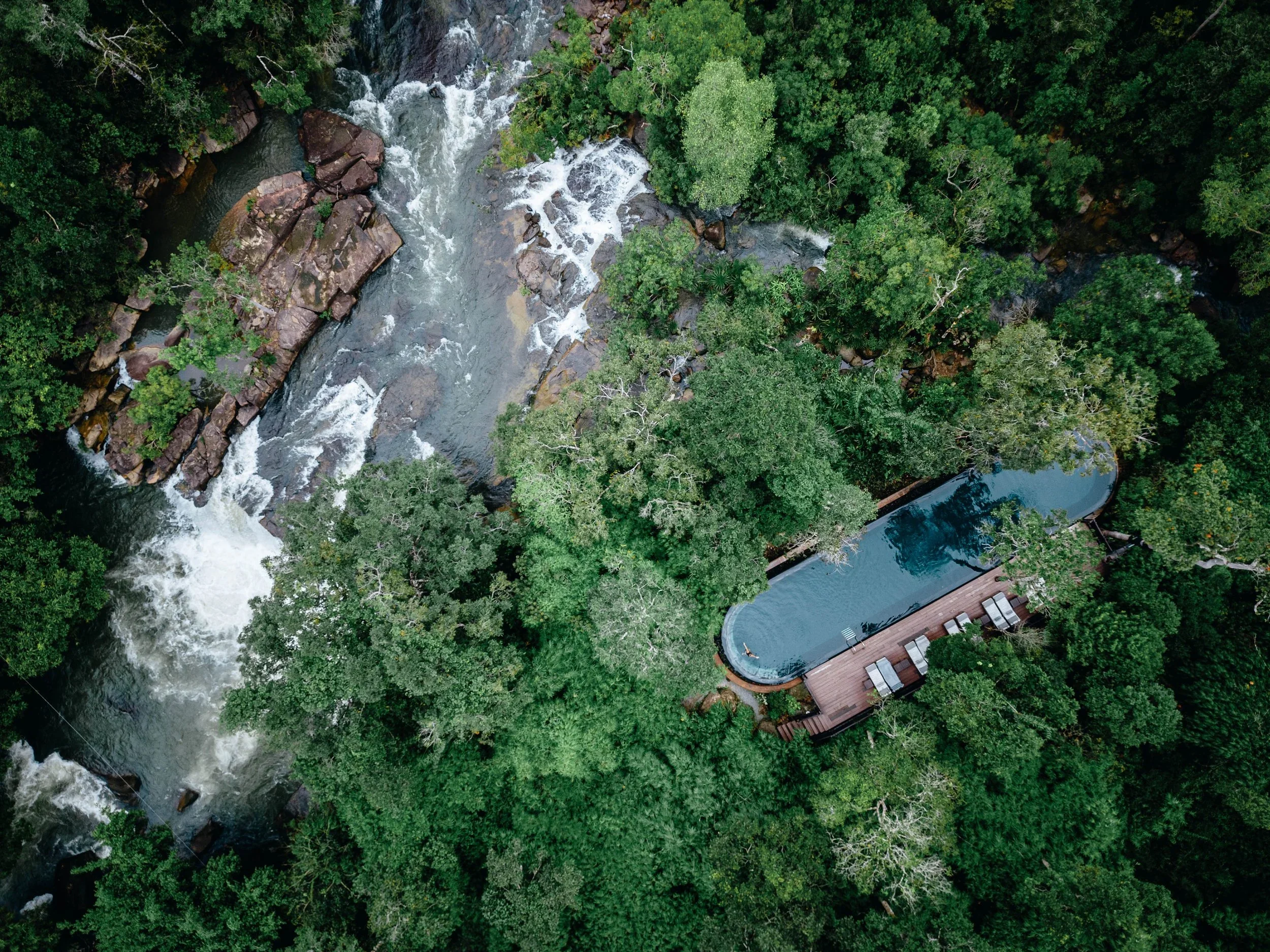
Photo by Elise Hassey
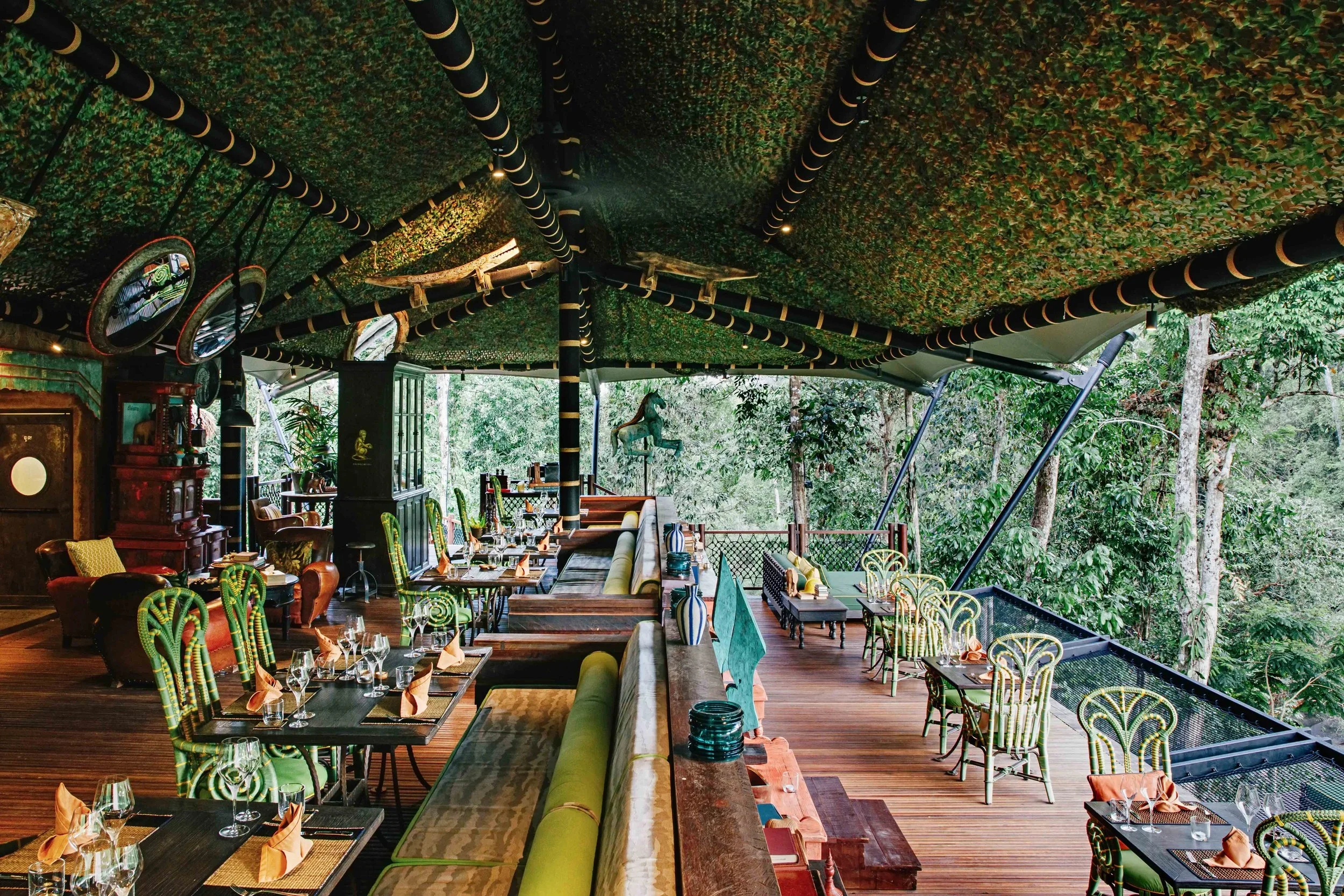
Photo by Elise Hassey
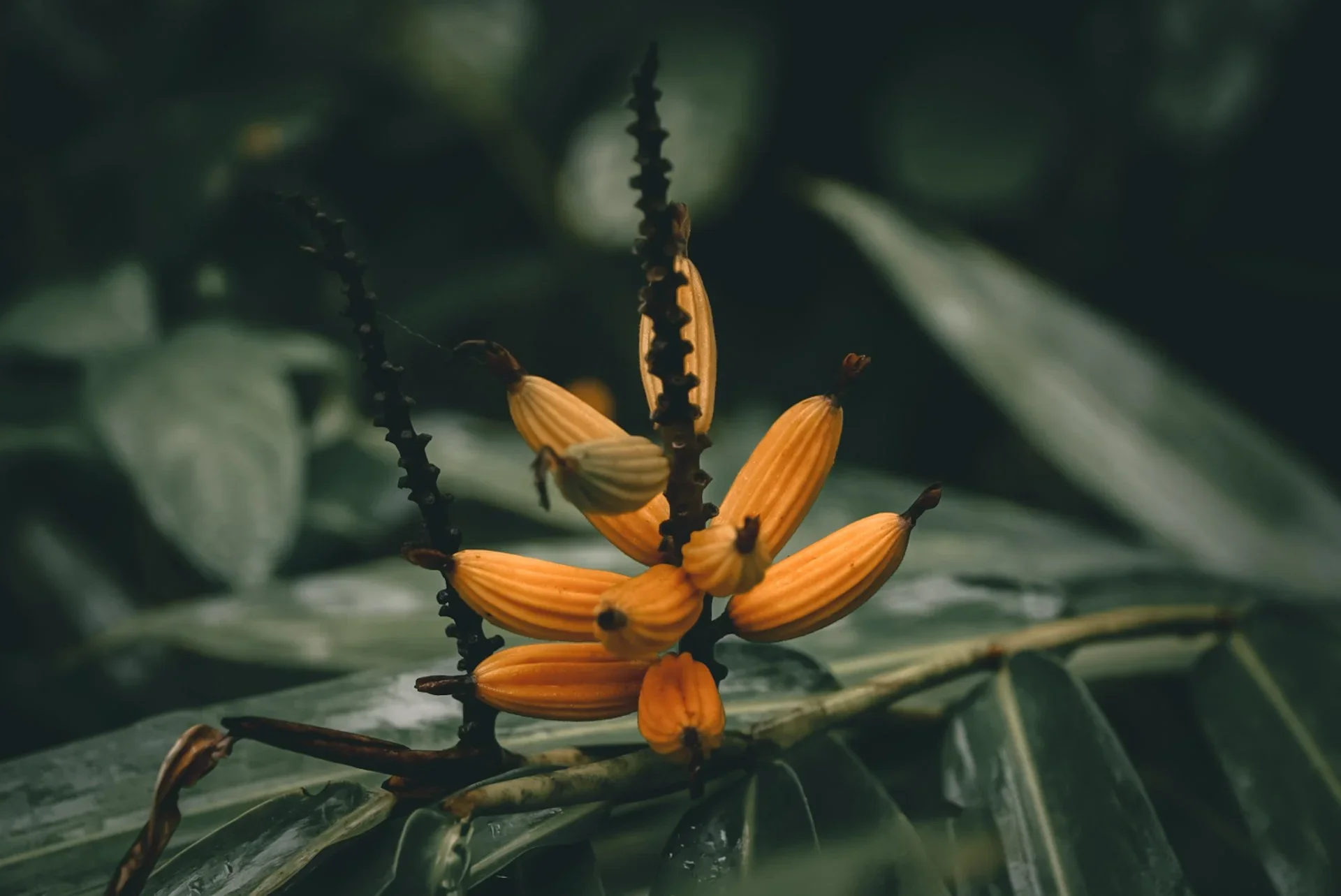
Photo by Elise Hassey
Shinta Mani Wild, Cambodia
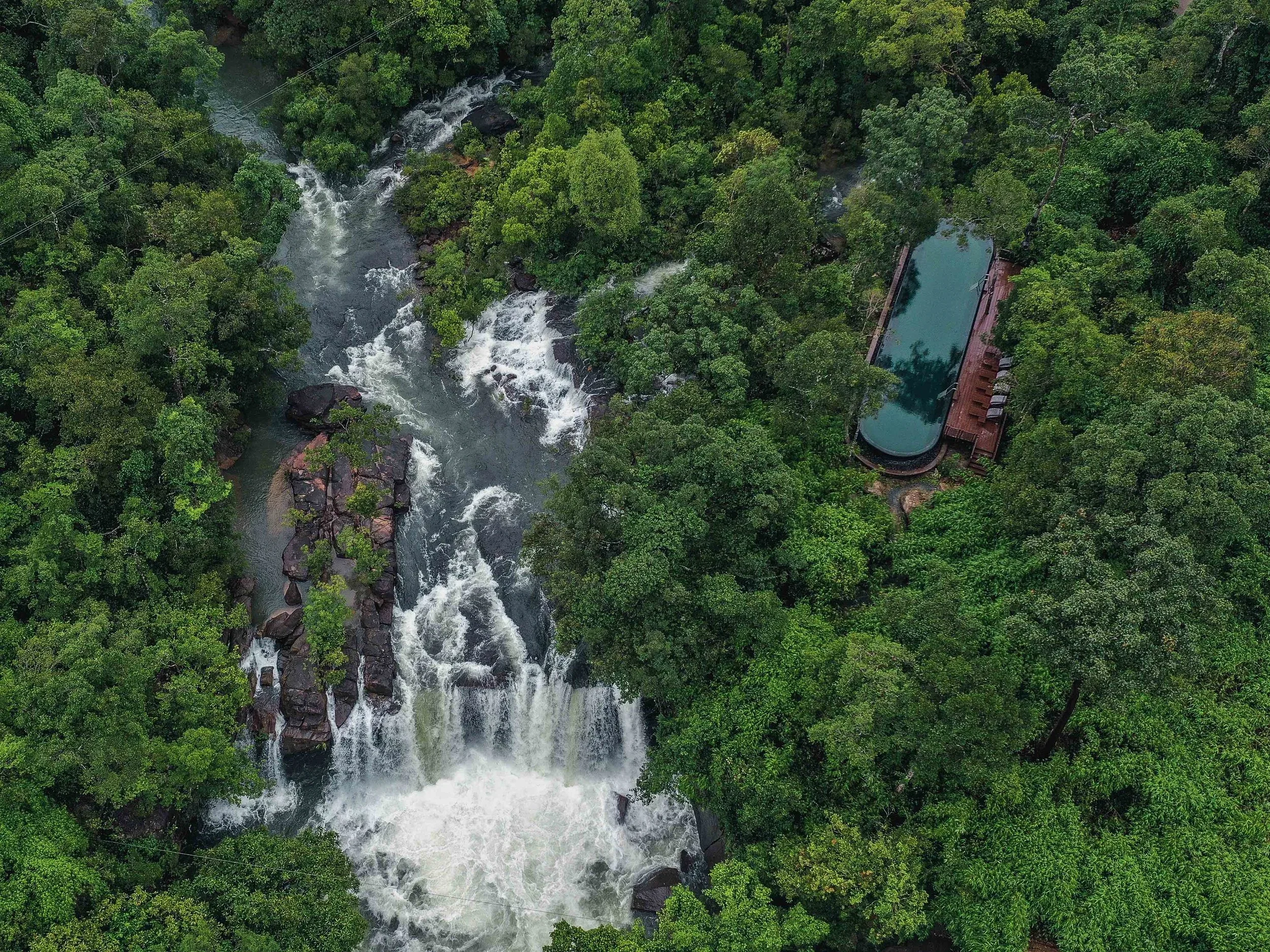
Set within the rainforest corridor connecting the Bokor National Park and Kirirom National Park landscapes, Shinta Mani Wild occupies a region of remarkable botanical richness. The geography is defined by dense tropical forest, waterfalls, river systems, and the Cardamom Mountains, one of Southeast Asia's most important biodiversity hotspots. This rainforest supports thousands of plant species, from towering dipterocarp trees and strangler figs to orchids, ferns, medicinal plants, and rare endemic flora. The property exists within a protected wildlife corridor where conservation and habitat preservation are central to the experience.
Plants shape nearly every aspect of a stay. Elevated tents are woven into the forest canopy, allowing guests to experience the sights, scents, and sounds of the rainforest from within the ecosystem itself. Guided walks introduce medicinal plants, native tree species, and the ecological relationships that sustain one of Asia's last great rainforests. The property's conservation efforts extend beyond hospitality, supporting anti-poaching initiatives and long-term habitat protection. More than a wilderness lodge, Shinta Mani Wild offers an immersive introduction to tropical plant diversity and the critical role intact forests play in supporting both biodiversity and human wellbeing.
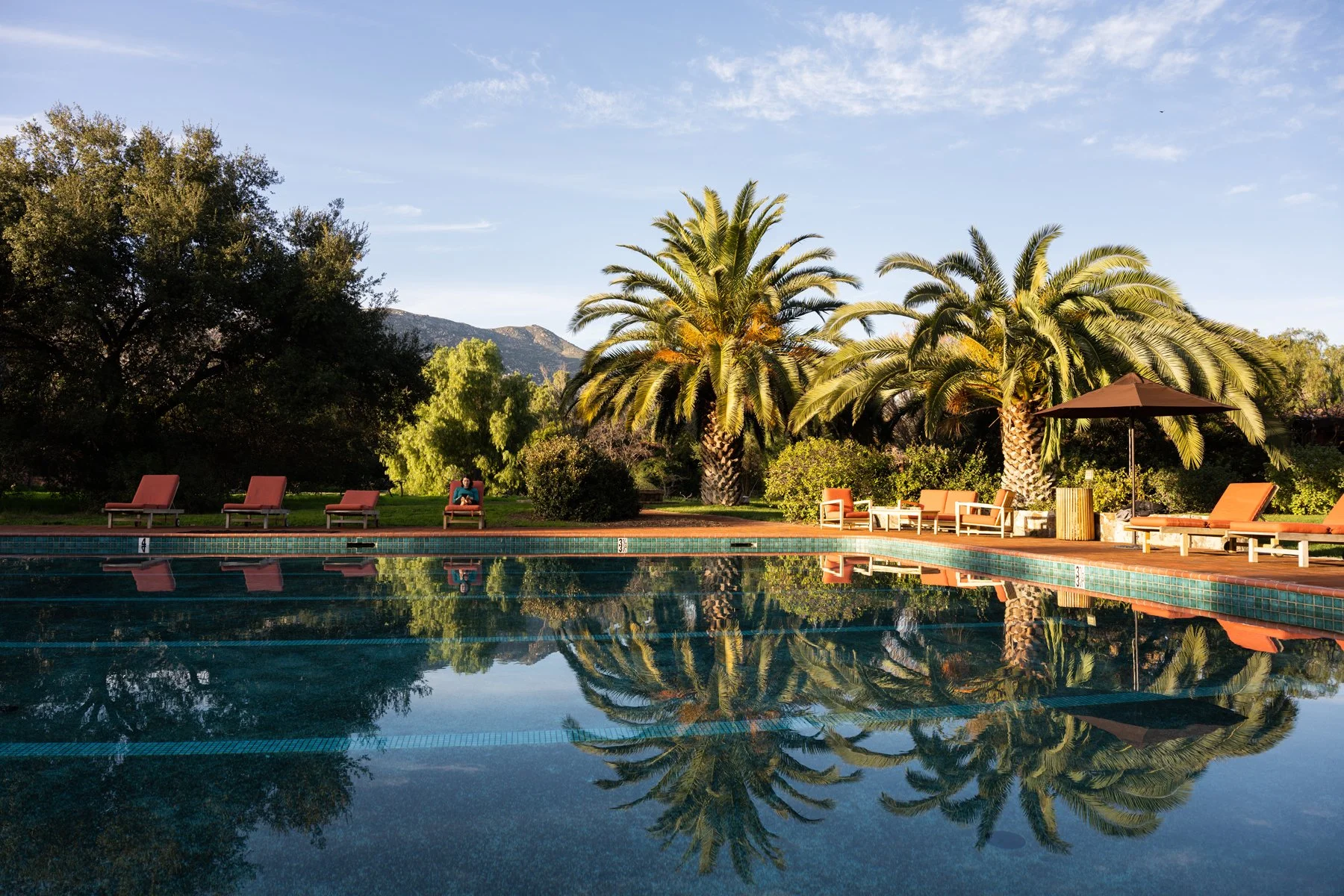
Photo by Rancho La Puerta
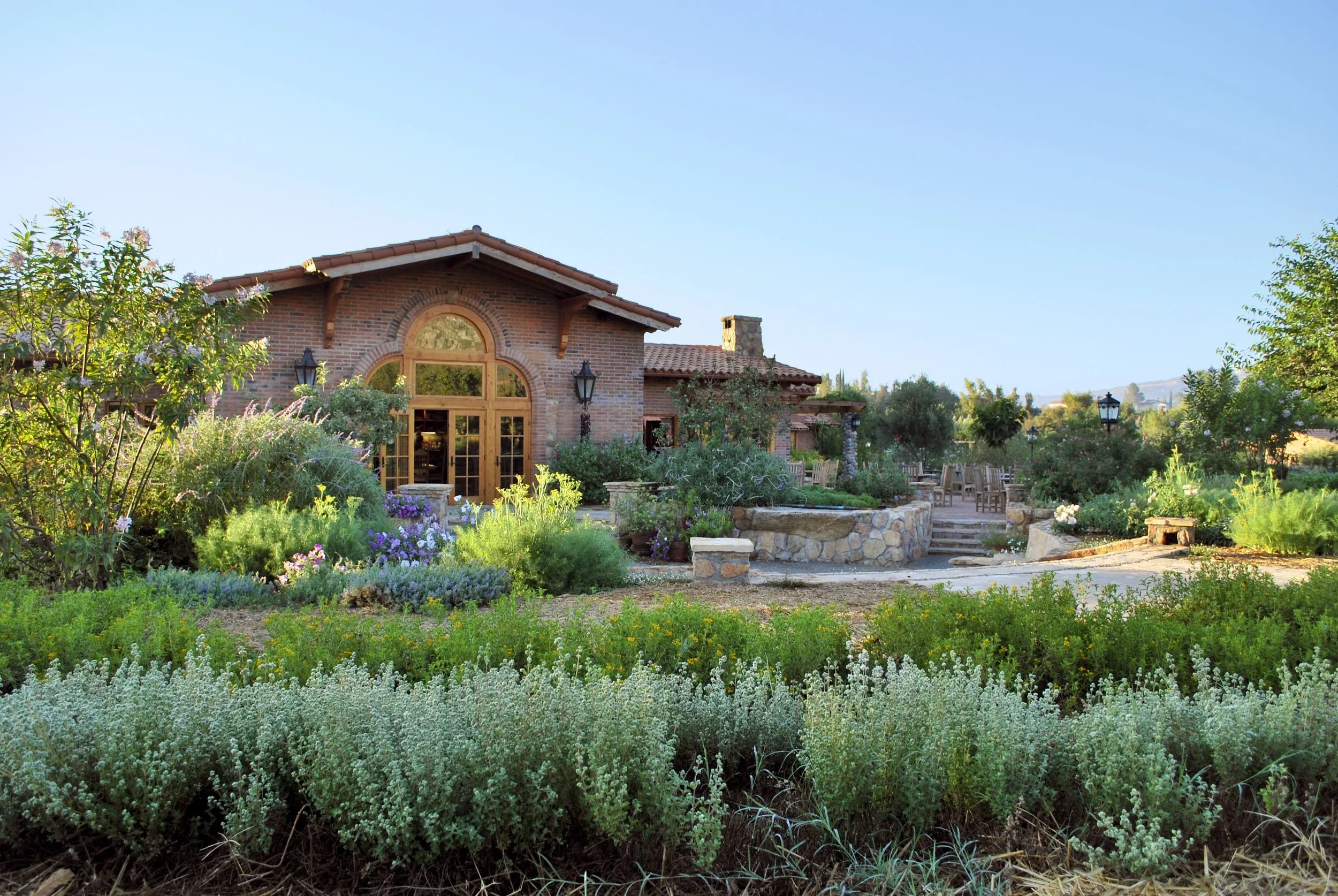
Photo by Rancho La Puerta
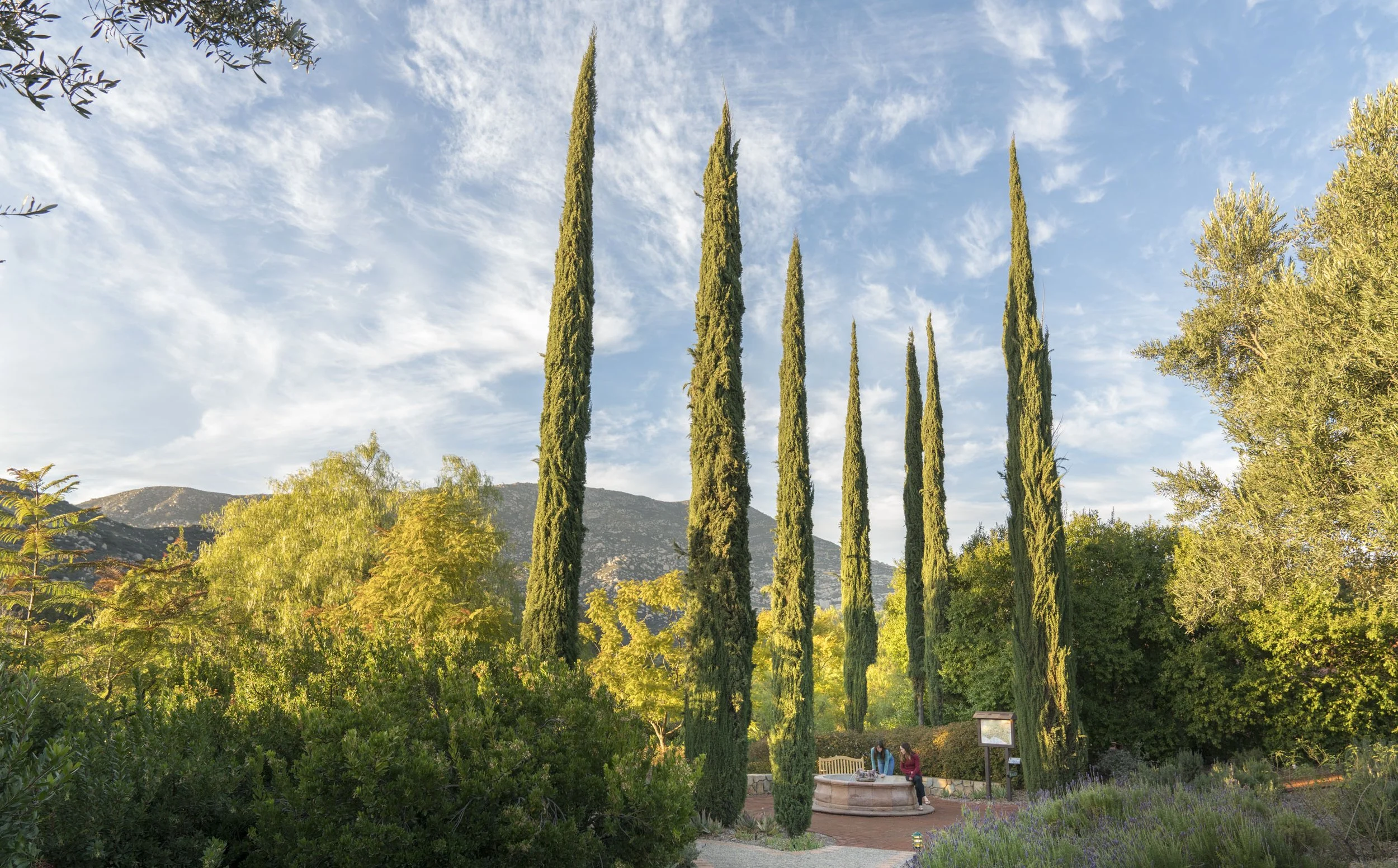
Photo by Rancho La Puerta
Rancho La Puerta, Mexico
Located in the mountains of Baja California near Tecate, Rancho La Puerta occupies a landscape where oak woodlands, chaparral, native grasses, and desert-adapted plants meet fertile valleys shaped by seasonal rainfall. Founded in 1940, the property has long been regarded as a pioneer of wellness travel, with nature, movement, and nutrition forming the foundation of the experience. Across its extensive grounds, gardens, orchards, and cultivated landscapes support a remarkable diversity of edible, aromatic, and medicinal plants that reflect both regional ecology and traditional healing practices.
Plants play an active role in daily life at Rancho La Puerta. Guests can explore herb gardens filled with lavender, rosemary, sage, chamomile, calendula, and other medicinal species that have been used for centuries to support wellbeing. Guided garden walks, cooking classes, and wellness programs reveal how plants influence nutrition, scent, herbal medicine, and holistic health. The property's six-acre organic farm supplies much of the kitchen, while carefully cultivated botanical collections demonstrate the powerful relationship between biodiversity, healing, and human connection to the land. Here, plant discovery becomes an essential part of the wellness journey, offering insight into the ways nature has long supported physical and emotional wellbeing.
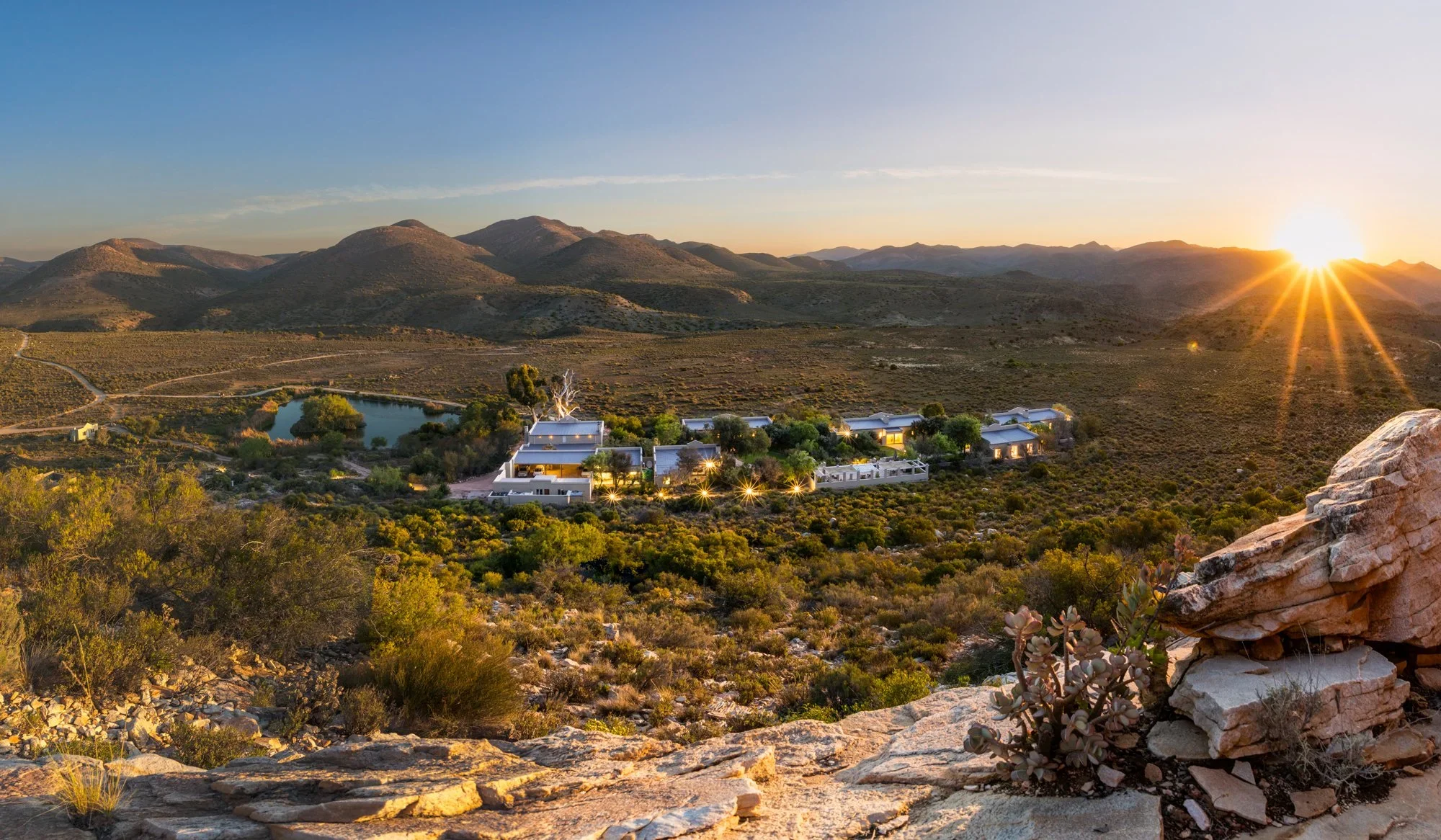
Photo by Sanbona Wildlife Reserve
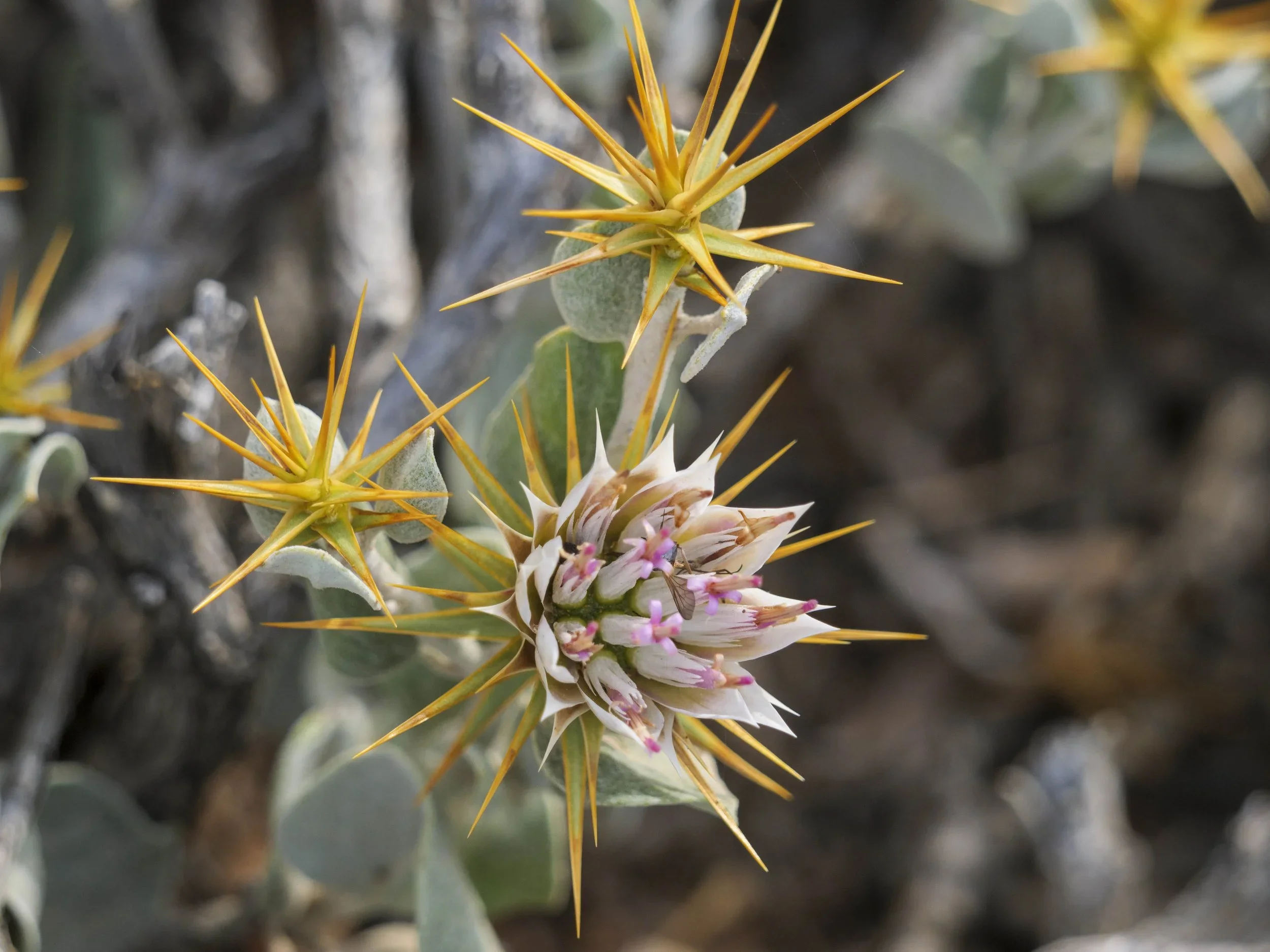
Photo by Sanbona Wildlife Reserve
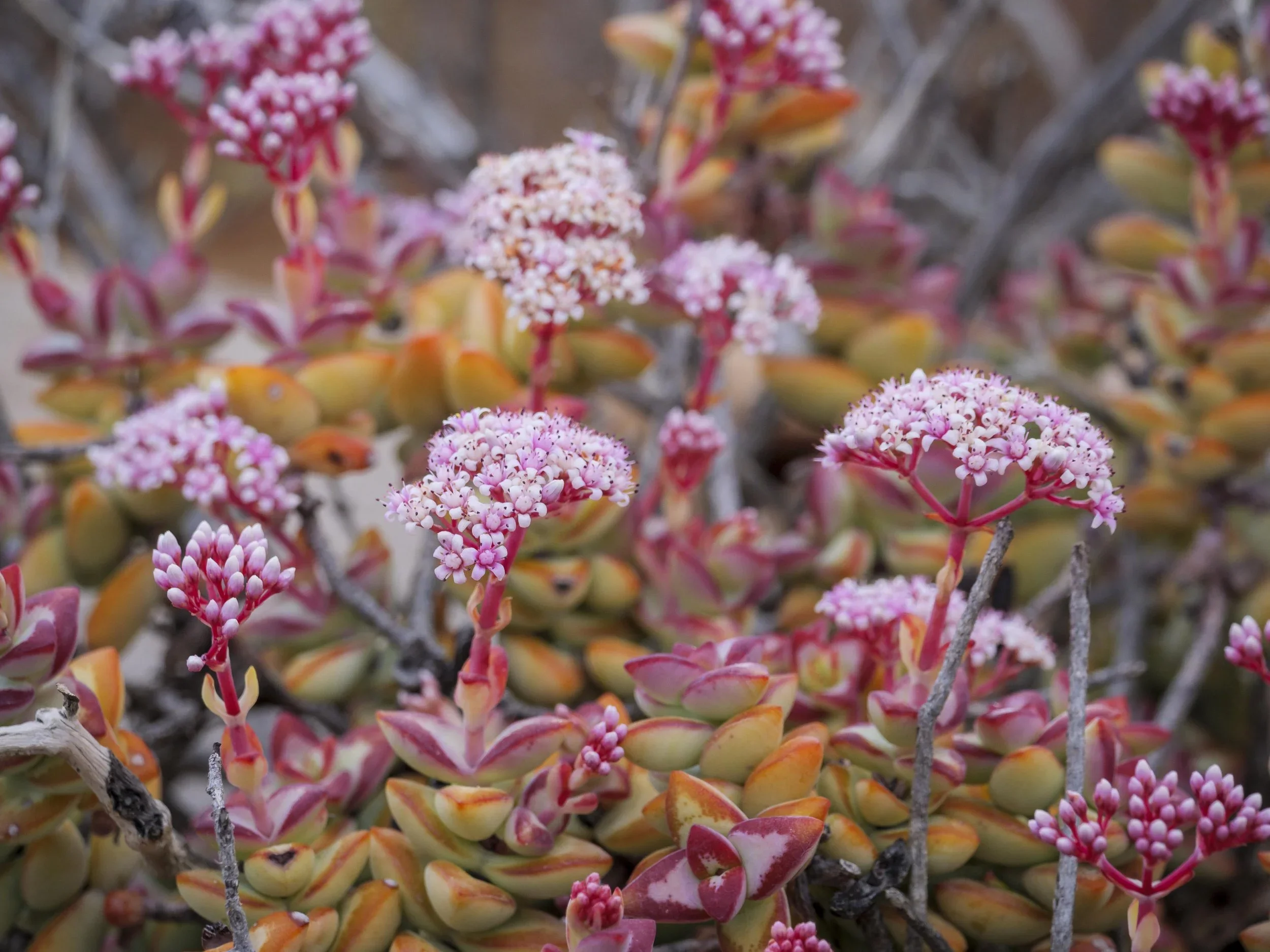
Photo by Sanbona Wildlife Reserve
Sanbona Wildlife Reserve, South Africa
Located within the Little Karoo of South Africa, Sanbona Wildlife Reserve protects one of the world's most botanically significant semi-arid ecosystems. The region forms part of the Succulent Karoo, a global biodiversity hotspot known for its extraordinary concentration of endemic plant species, many of which are found nowhere else on Earth. Rugged mountains, river valleys, and vast plains support a remarkable diversity of succulents, flowering plants, and resilient desert-adapted vegetation.
The reserve's lodges are designed to sit lightly within the landscape, allowing the surrounding ecology to remain the focus. While wildlife attracts many visitors, the plant diversity is equally compelling. Seasonal blooms transform the terrain, revealing a hidden botanical richness that demonstrates how even the driest environments can support extraordinary life.
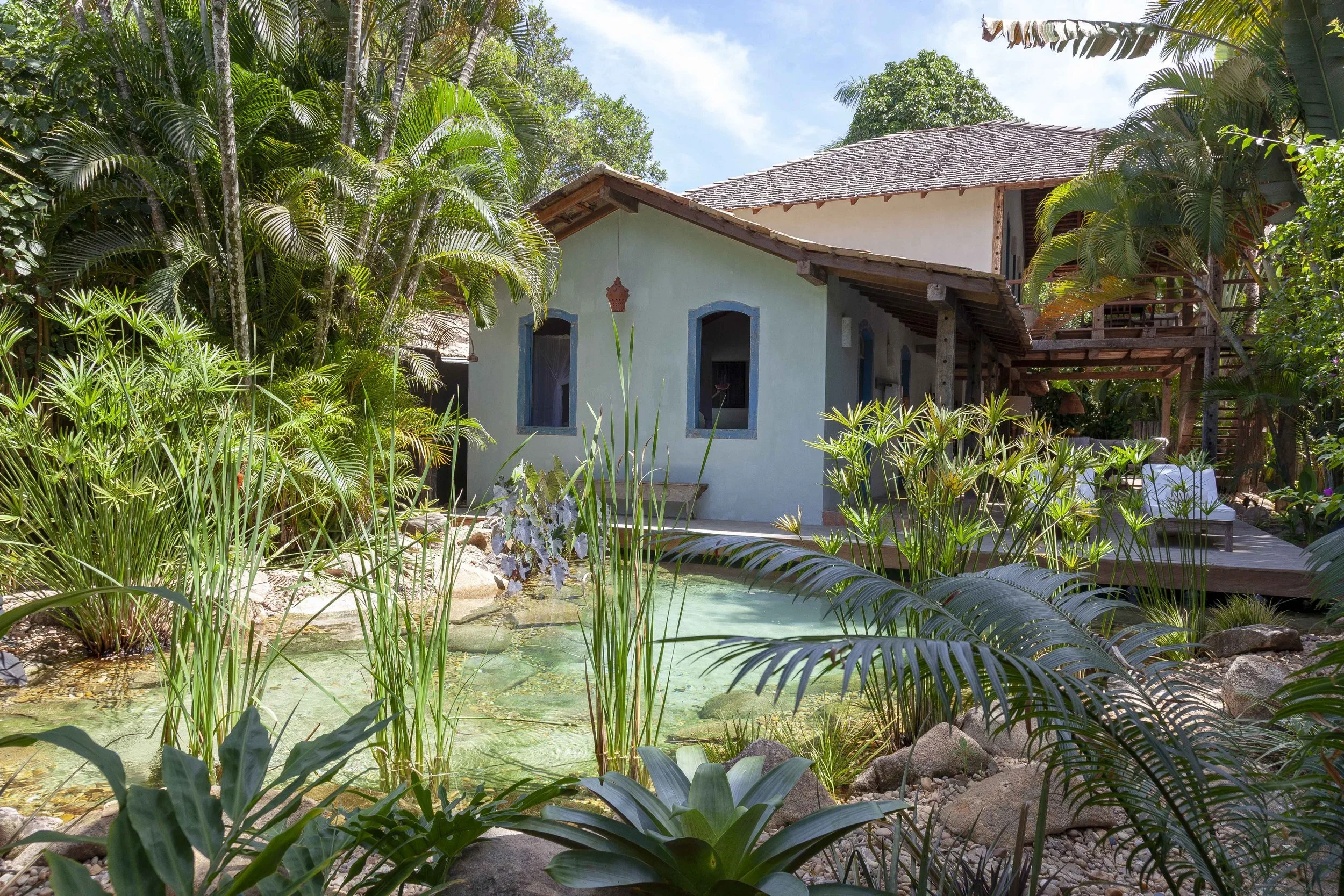
Photo by UXUA Casa Hotel & Spa
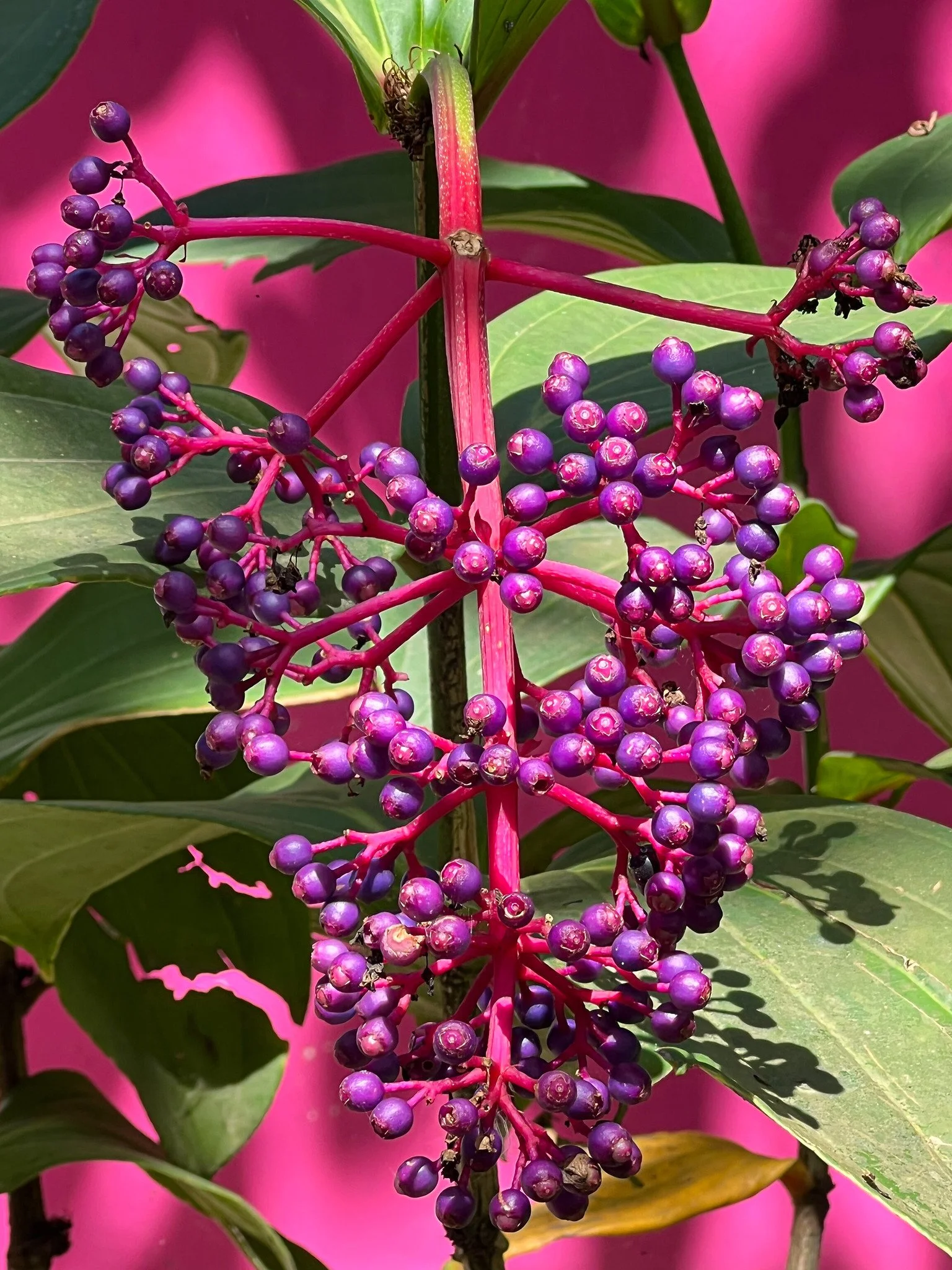
UXUA Casa Hotel & Spa
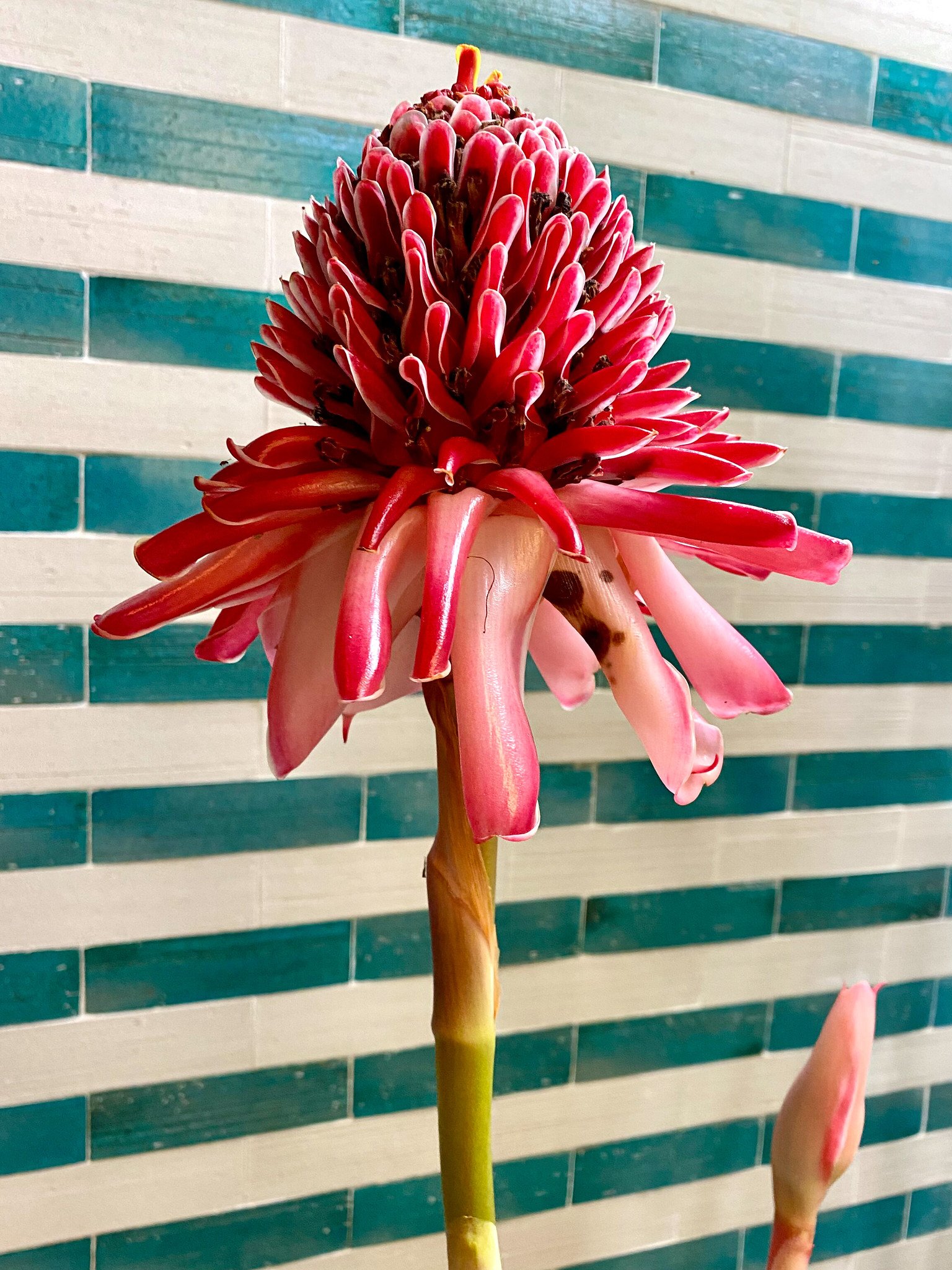
UXUA Casa Hotel & Spa
UXUA Casa Hotel & Spa, Brazil
Set in the coastal village of Trancoso in Bahia, UXUA Casa Hotel & Spa is surrounded by the Atlantic Forest, one of the world's most biodiverse and threatened ecosystems. Native vegetation, tropical gardens, fruit trees, and flowering plants shape the atmosphere of the property, creating a constant dialogue between architecture and nature. The region's plant diversity has long influenced local healing traditions, cuisine, and craftsmanship.
The restored casas combine vernacular Bahian architecture with lush gardens that blur the boundaries between interior and exterior space. Guests encounter medicinal plants, tropical fruits, and native species throughout the property while wellness experiences draw inspiration from the surrounding ecosystem. The result is an immersive botanical experience rooted in one of Brazil's richest natural environments.
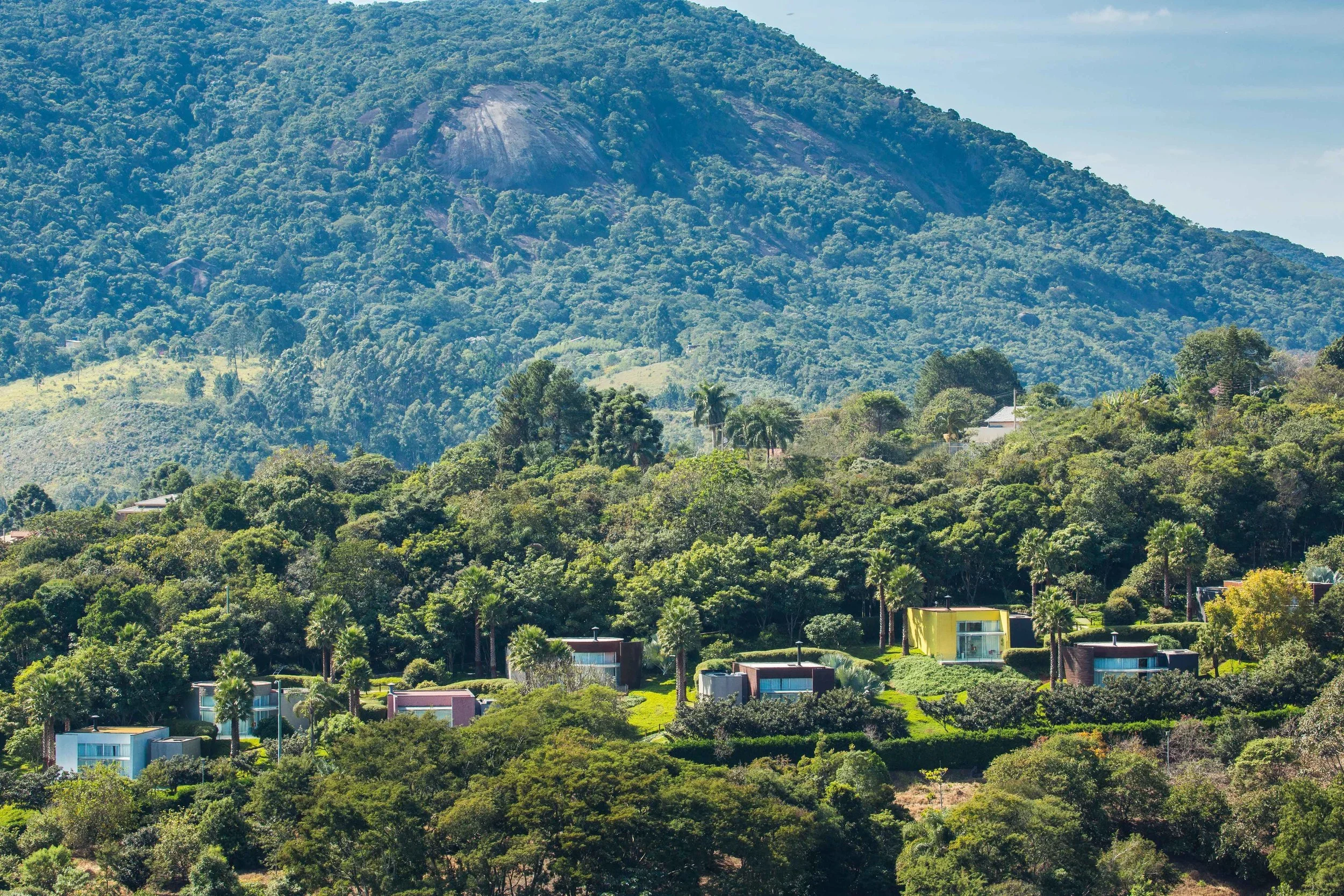
Photo by Unique Garden Hotel & Spa
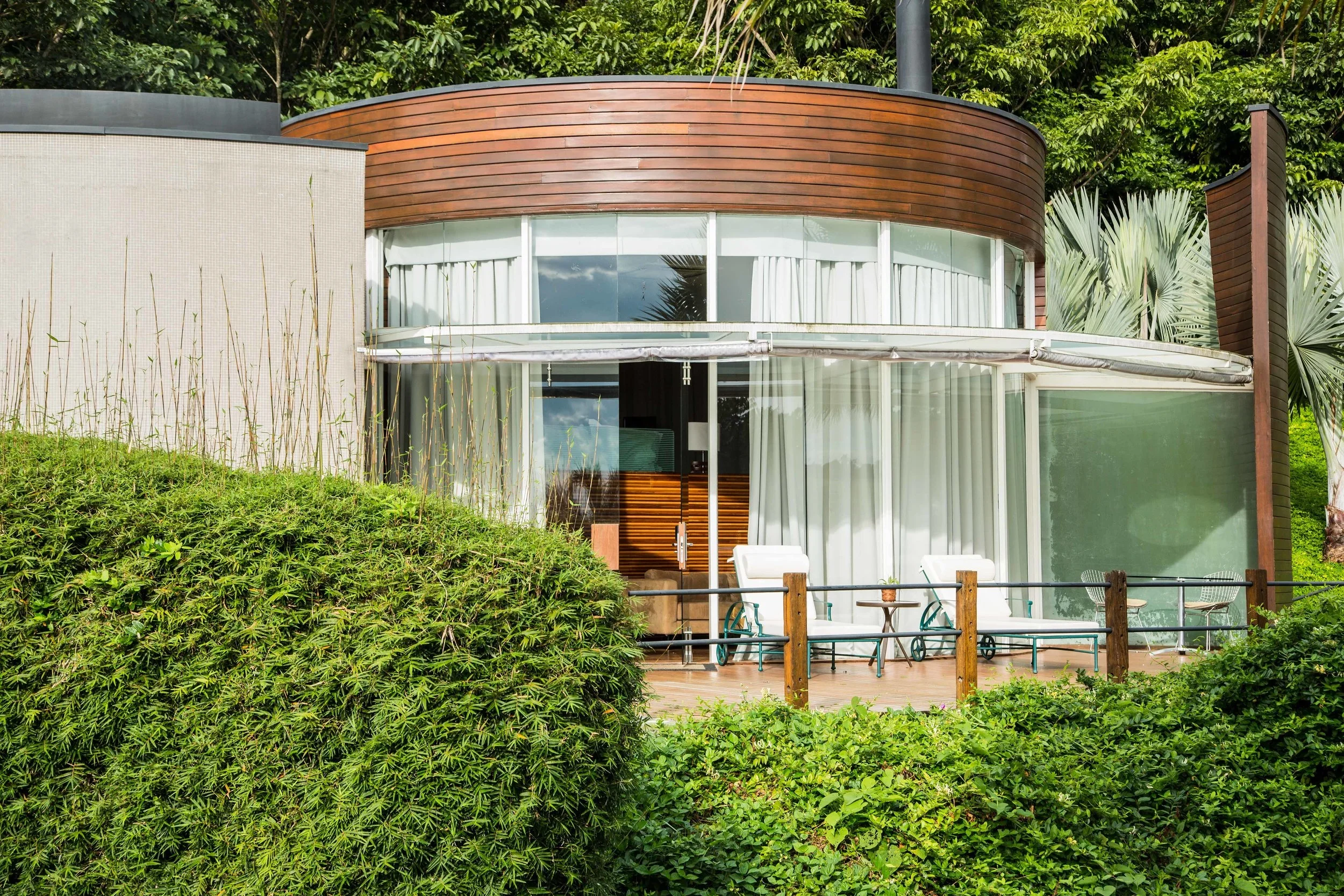
Photo by Unique Garden Hotel & Spa
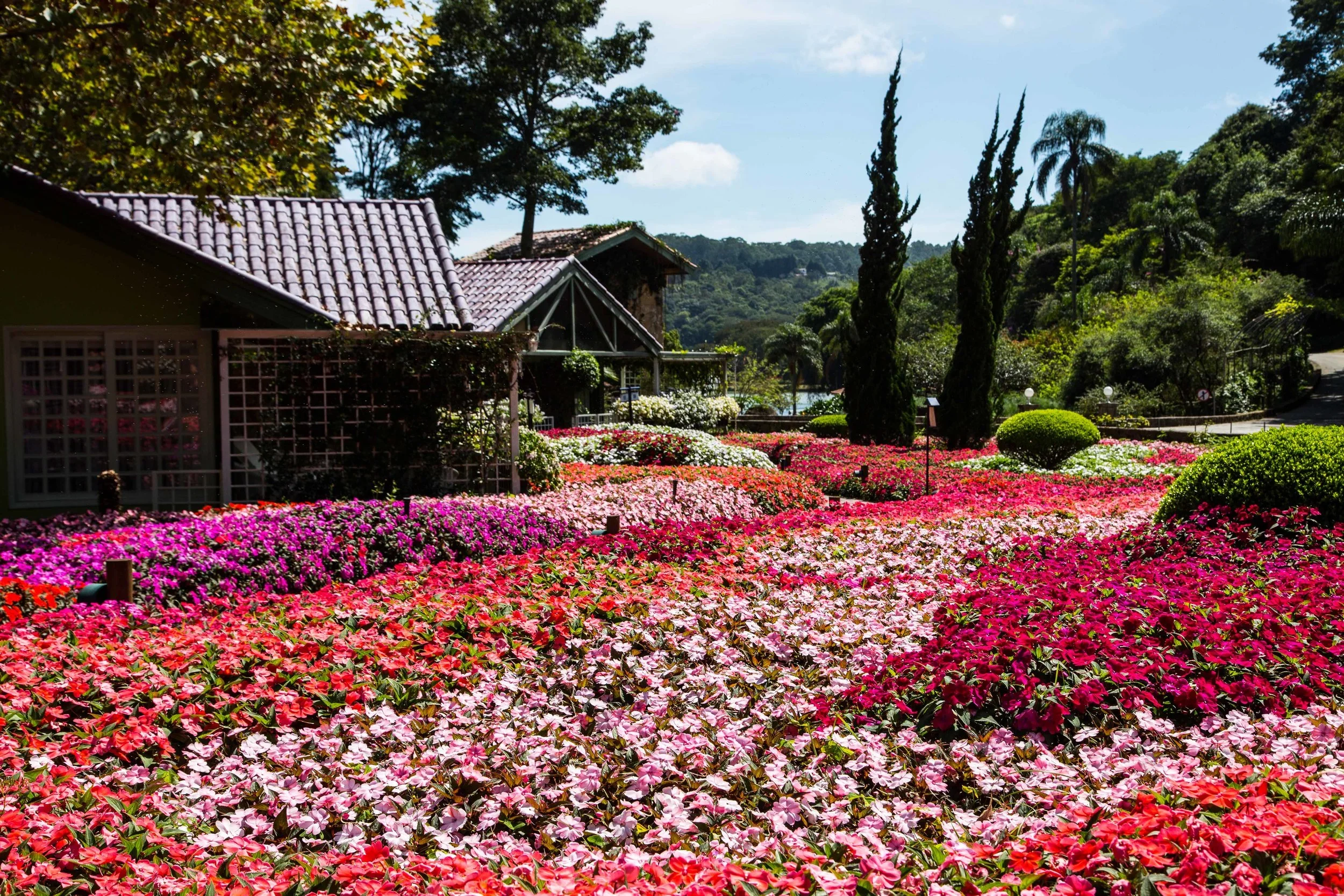
Photo by Unique Garden Hotel & Spa
Unique Garden Hotel & Spa, Brazil
Hidden within the hills outside São Paulo, Unique Garden Hotel & Spa occupies a landscape designed around gardens, forests, and regenerative agriculture. The property spans extensive grounds filled with native and exotic plant species, water features, productive gardens, and ecological restoration projects. Plant life shapes both the visual character and the wellness philosophy of the hotel.
Architecture embraces openness and natural light, allowing gardens to remain visible from nearly every space. Guests can explore orchards, vegetable gardens, forest trails, and sensory landscapes designed to promote relaxation and connection with nature. The experience highlights the role that carefully cultivated environments can play in supporting both biodiversity and personal wellbeing.


Room + Wild is the world's first and leading collective and platform for landscape-enhanced accommodation, ecotourism, nature-based destinations, and sustainable luxury travel experiences. We consistently inspire, influence, and spread awareness through our tailored travel guides, curated media content/channels, brand activations, press trips as well as visual and narrative storytelling.
Plants offer a unique way to experience a destination, shaping local culture, cuisine, wellness traditions, and biodiversity. From historic gardens and ancient forests to botanical hotels and regenerative farms, these landscapes reveal the deep connection between nature and wellbeing. Rich in medicinal plants, fragrant herbs, and rare species, they provide immersive experiences that support conservation, encourage slower travel, and showcase the powerful role plants play in both ecological and human health.