
Forest Bathing: Nature's Original Wellness Retreat
Long before forest bathing became a wellness trend, it was simply a way of being in nature. The practice originates from Japan, where shinrin-yoku, meaning "forest bathing," was formally introduced in the 1980s as a response to increasing urbanization and stress. Unlike hiking, forest bathing encourages slow, mindful immersion in the atmosphere of the forest through sight, scent, sound, and touch. The goal is not to reach a destination but to cultivate a deeper relationship with the living environment surrounding us.
Scientific research has since revealed that forests offer measurable benefits beyond their beauty. Trees release compounds known as phytoncides, natural oils that help protect them from insects and disease. Studies suggest that exposure to these airborne compounds can support immune function, lower cortisol levels, reduce blood pressure, and promote feelings of calm and restoration. Forests also provide cleaner air, cooler temperatures, natural soundscapes, and a rich sensory environment that encourages the nervous system to slow down.
Perhaps no form of accommodation embodies this connection more fully than the treehouse. Elevated among branches, suspended above forest floors, or carefully woven into woodland landscapes, treehouses invite guests to experience the forest from within. Around the world, a growing collection of hotels and retreats have embraced this idea, creating places where architecture, ecology, and wellness converge. These destinations demonstrate how thoughtful design can deepen our connection to forests while offering new perspectives on the landscapes that sustain us.
Photos by Ian Patterson
Photos by Ian Patterson
Photos by Ian Patterson
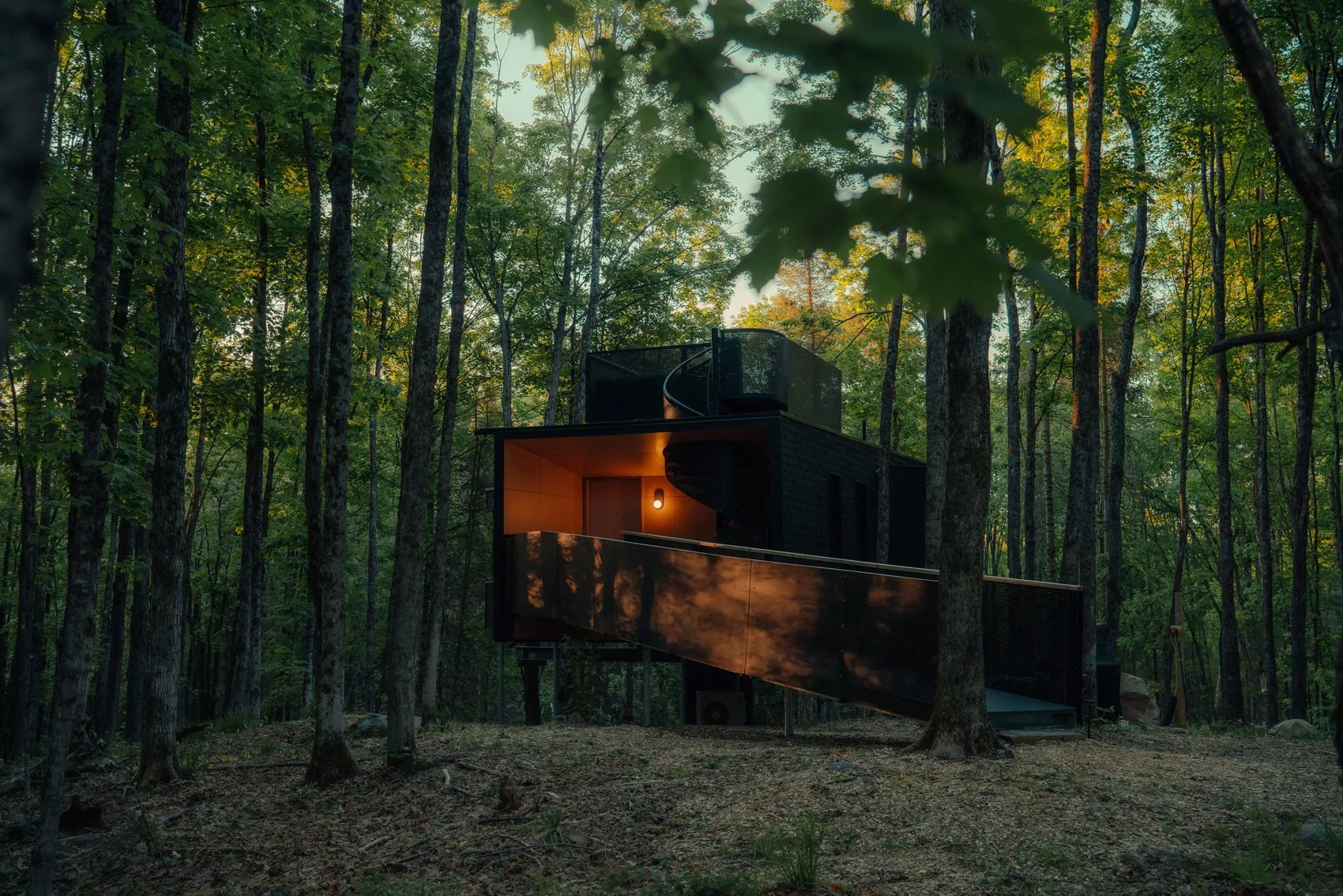
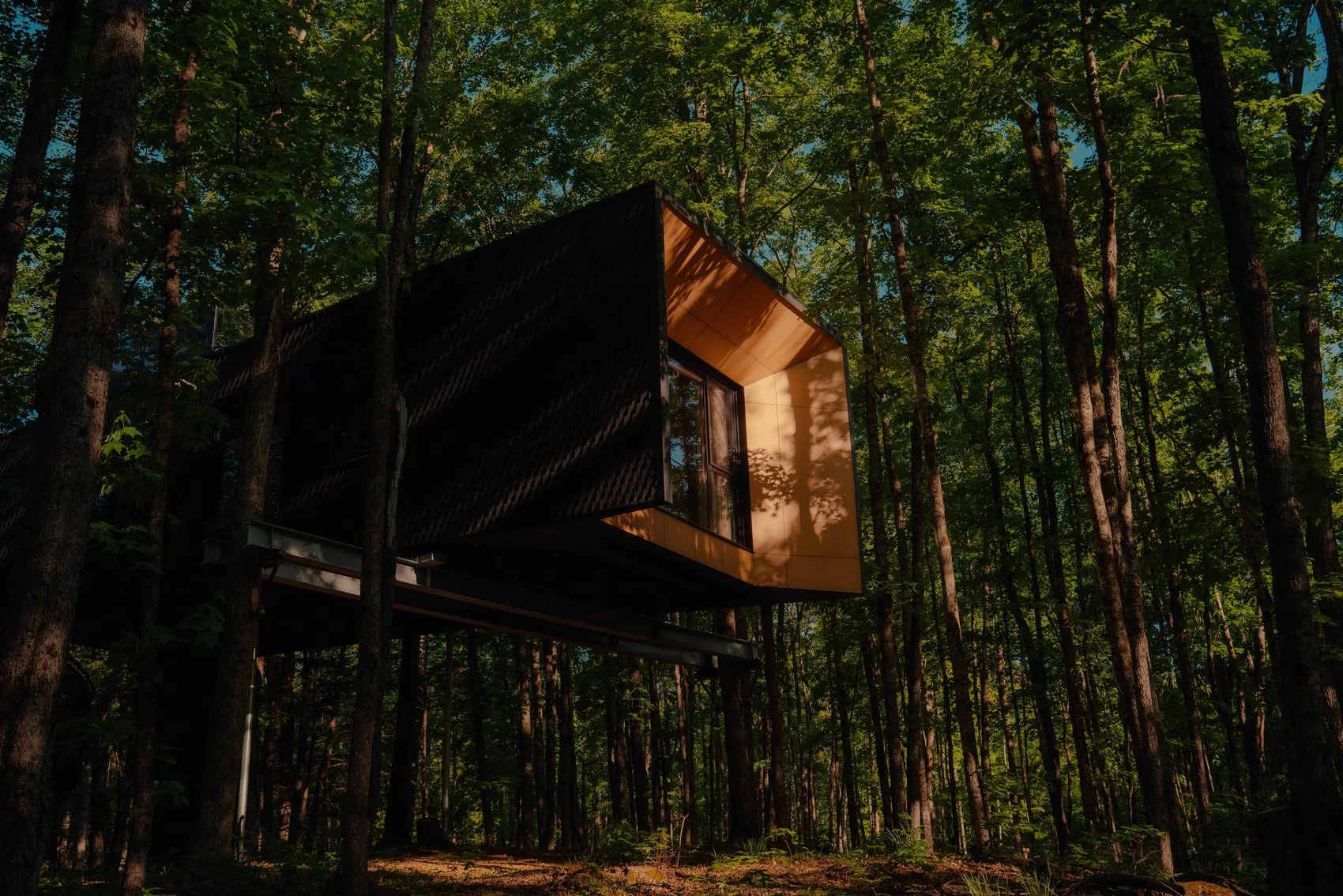
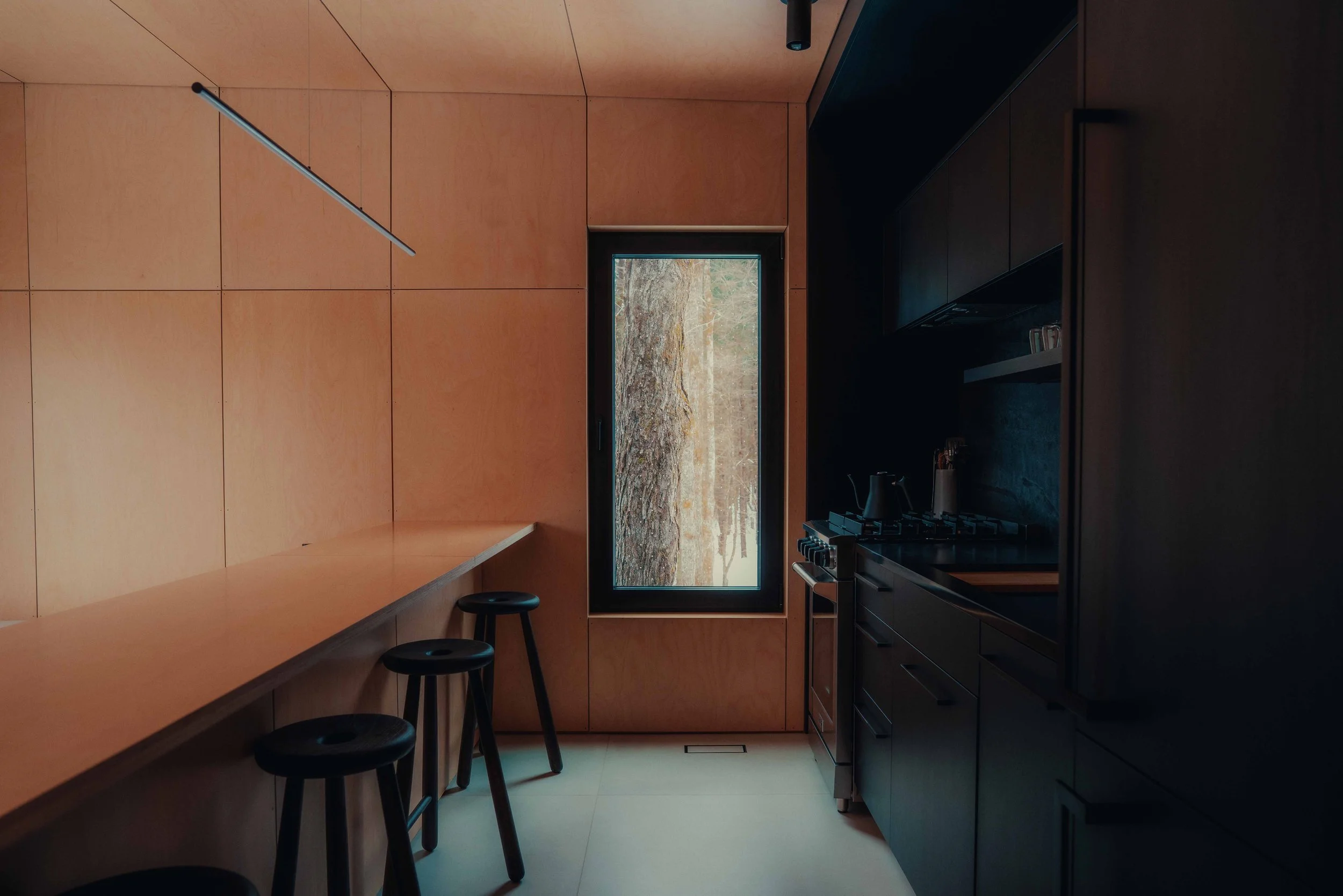
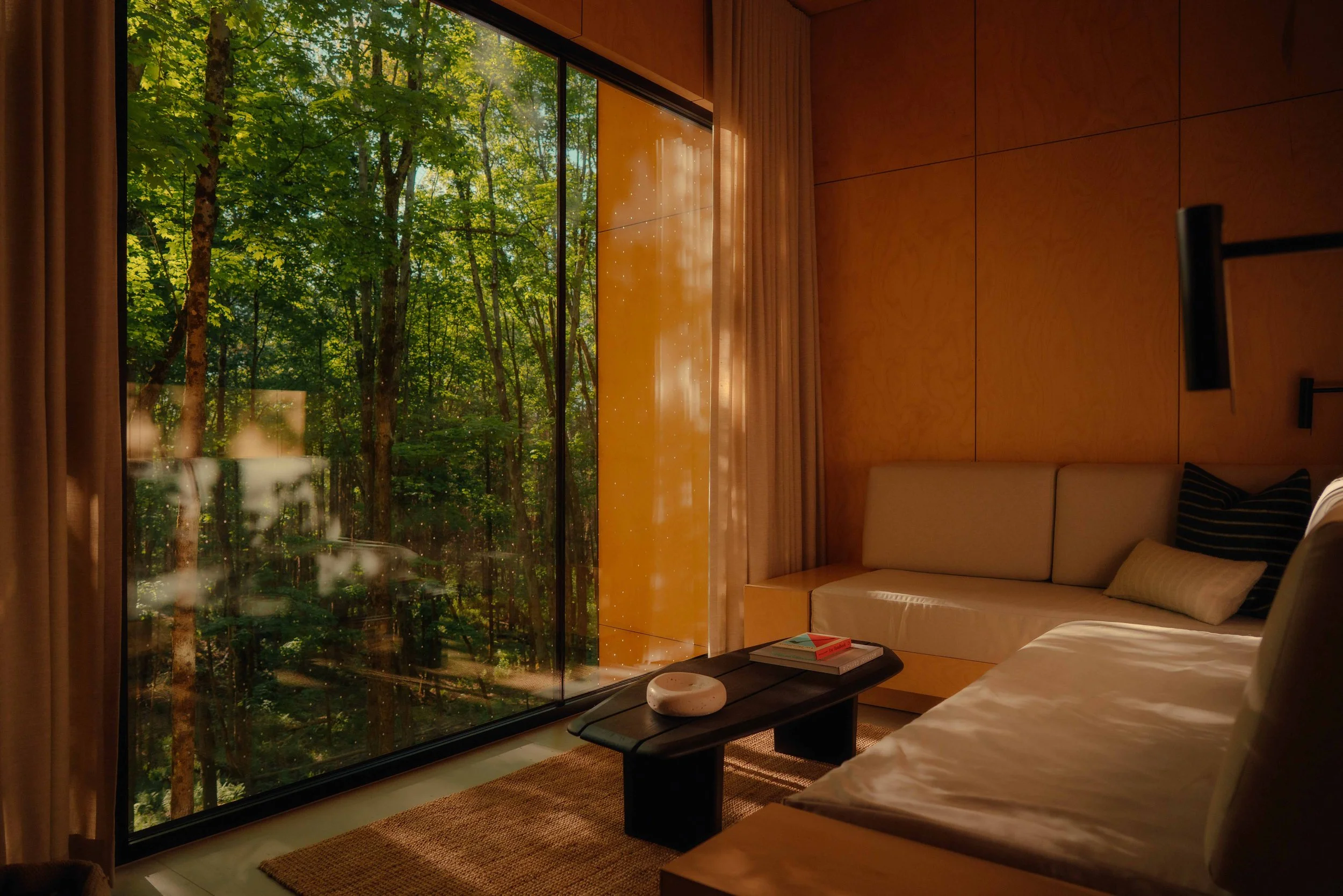
Fort Treehouse CO., Ontario, Canada
Set within the forests of Ontario, Fort Treehouse Co. offers an immersive experience shaped by mature woodlands, changing seasons, and the quiet rhythms of the Canadian landscape. The surrounding geography is defined by mixed forests of maple, pine, cedar, and birch, creating a rich habitat for birds, wildlife, and native plant species. Throughout the year, the forest transforms dramatically, from vibrant autumn foliage to snow-covered winter canopies and lush summer greenery.
The treehouse architecture embraces simplicity and elevation, allowing guests to experience the forest from within the canopy itself. Large windows frame views into the surrounding woodland while natural materials create a strong sense of connection to place. Days unfold through forest walks, wildlife observation, stargazing, and the restorative experience of slowing down among the trees. The result feels less like a hotel stay and more like inhabiting the forest itself.
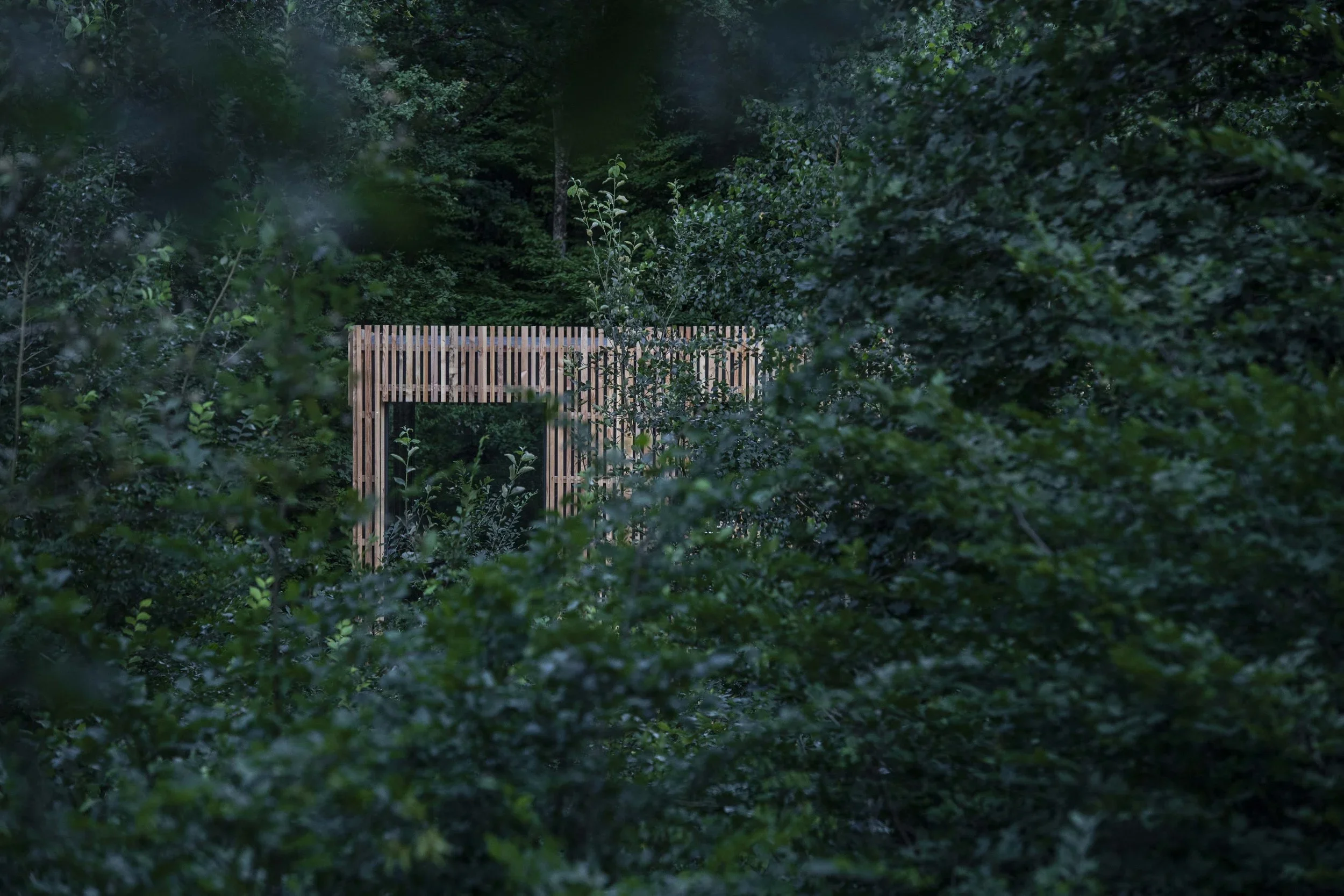
Photo by Loire Valley Lodges
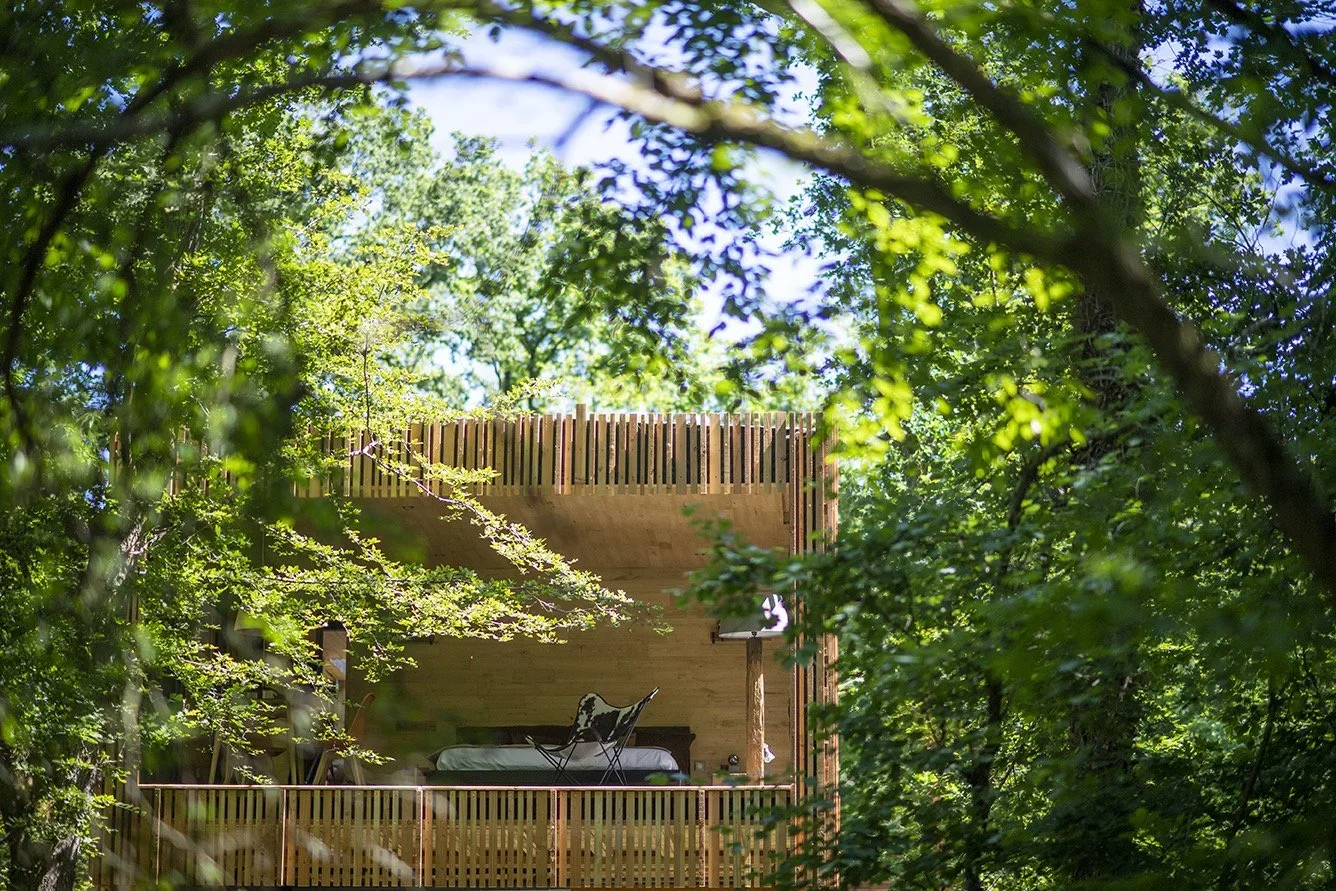
Photo by Loire Valley Lodges
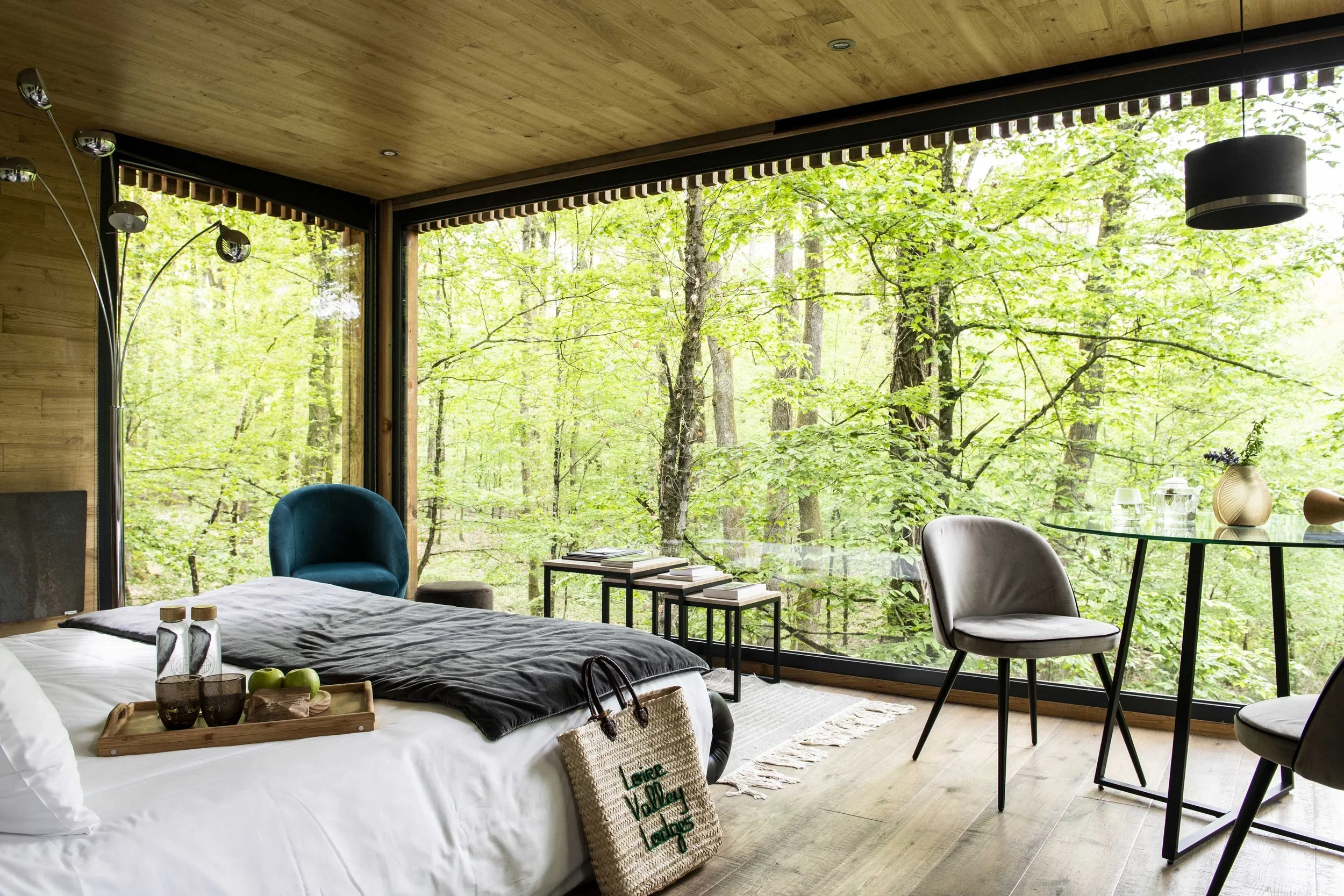
Photo by Loire Valley Lodges
Loire Valley Lodges, France
Located within a private forest in France's Loire Valley, Loire Valley Lodges combines contemporary architecture with one of the country's most celebrated woodland landscapes. Oak, chestnut, pine, and mixed deciduous forests create a rich ecological setting filled with wildlife and seasonal variation.
The elevated lodges are positioned carefully among the trees, allowing guests to experience the forest canopy without compromising the surrounding ecosystem. Art installations, forest trails, and outdoor wellness experiences deepen the connection to nature. The result is a stay where creativity, biodiversity, and forest immersion become inseparable.
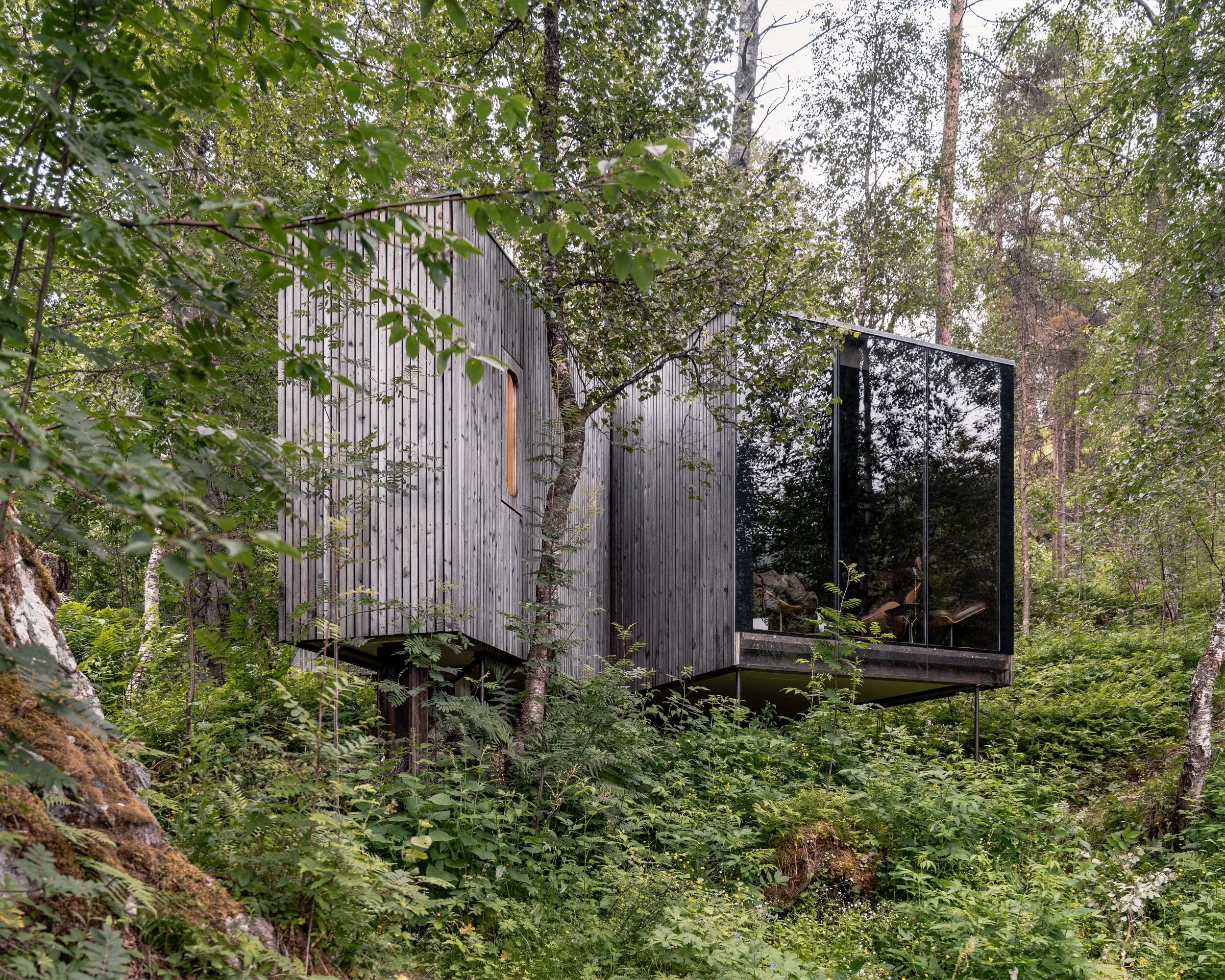
Photos by Andreas Andersson
Photos by Andreas Andersson
Photos by Andreas Andersson
Juvet Landscape Hotel, Norway
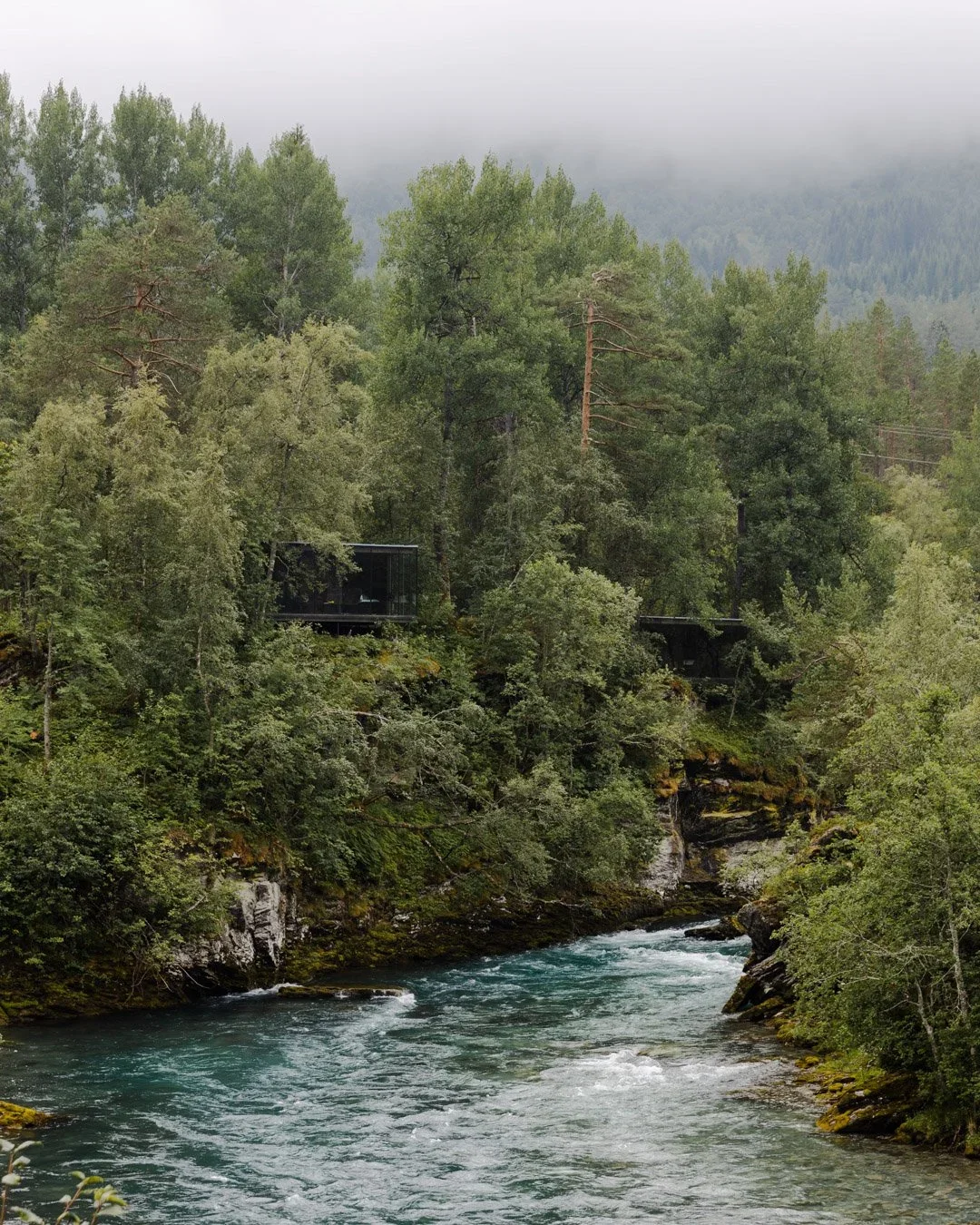
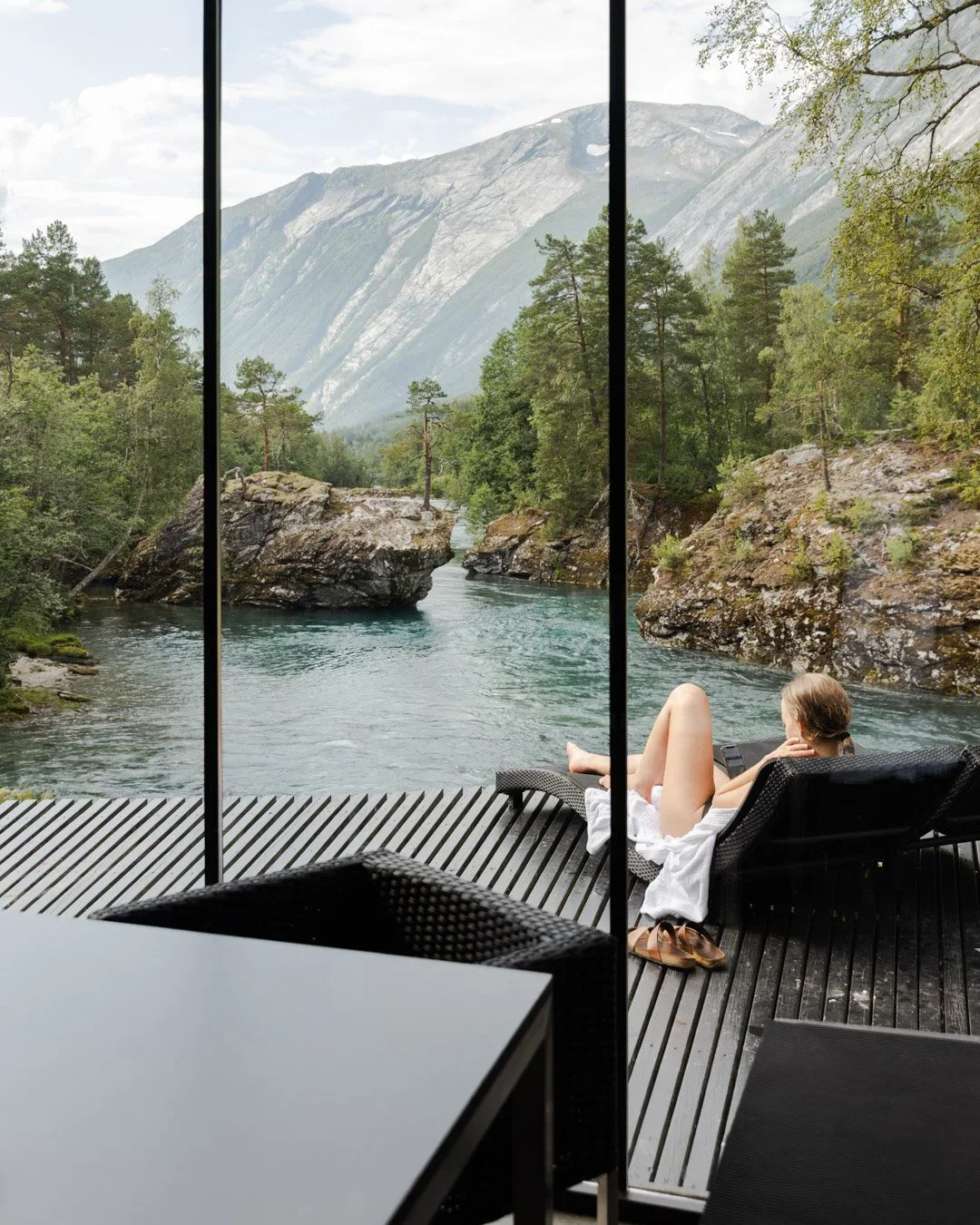
Hidden within a remote valley in western Norway, Juvet Landscape Hotel occupies a landscape shaped by glaciers, mountains, rivers, and dense boreal forest. The property sits beside the Valldøla River, where birch, pine, and spruce forests thrive against a backdrop of dramatic peaks and waterfalls. The surrounding environment feels both wild and elemental, shaped by powerful geological forces and seasonal extremes.
Architecture dissolves into the landscape through minimalist glass structures positioned carefully among trees and rock formations. Each room creates an intimate dialogue with the forest, encouraging guests to observe changing weather, shifting light, and the movement of water through the valley. Forest bathing here extends beyond the trees themselves, becoming an immersive experience of Norway's broader wilderness ecology.
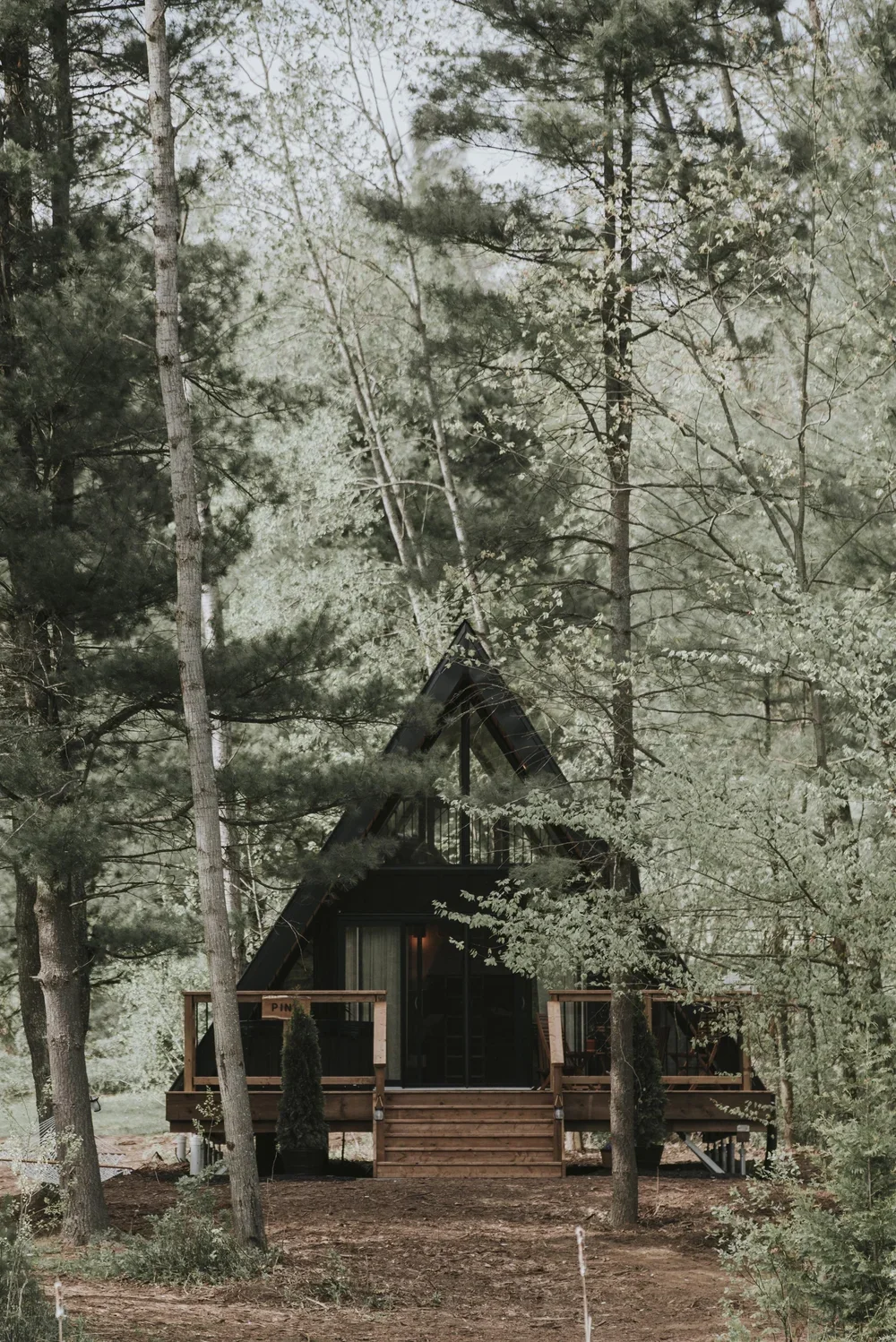
Photo by Szotak Photography
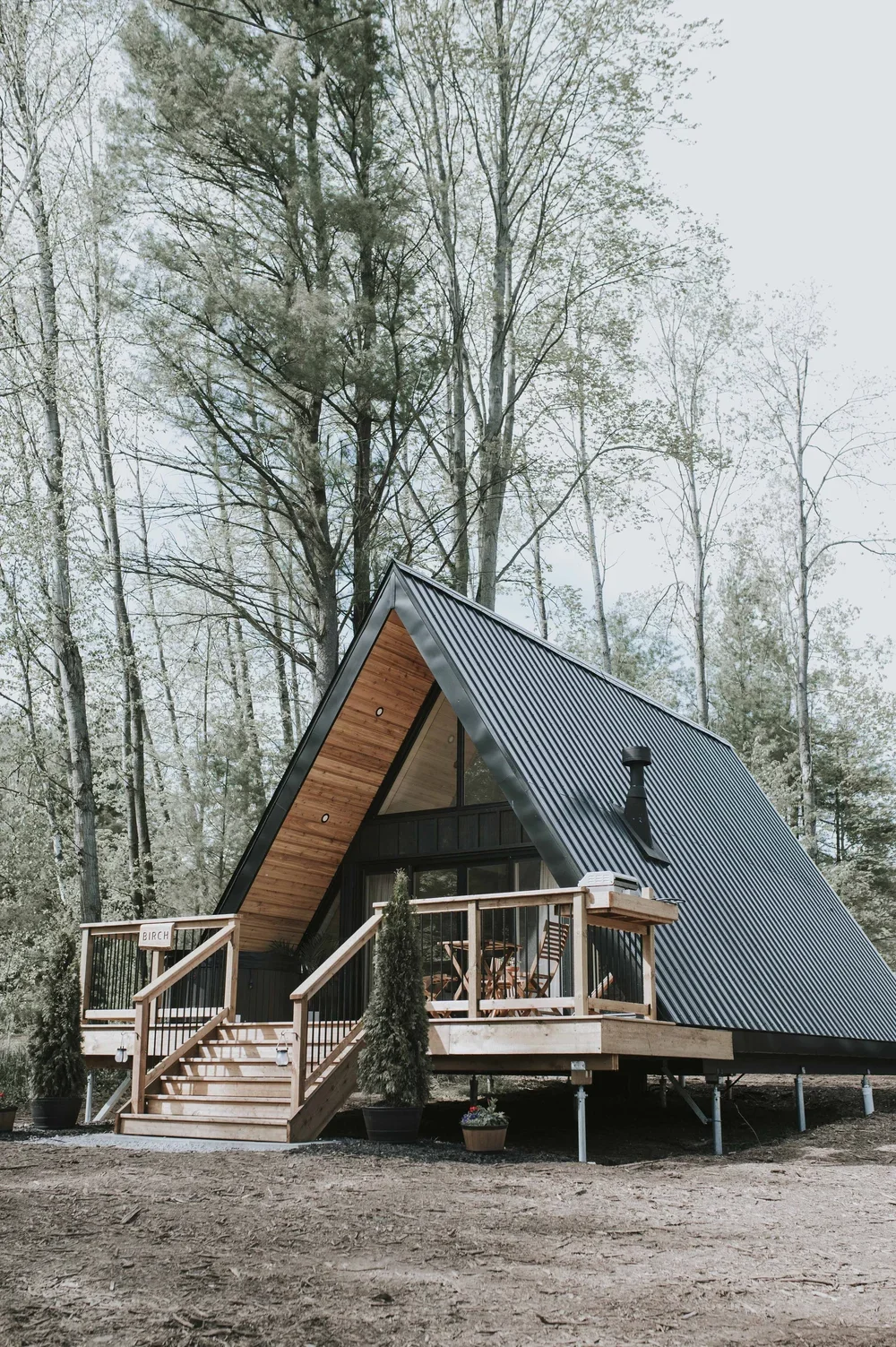
Photo by Szotak Photography
Whispering Springs Wilderness Retreat, Ontario, Canada
Surrounded by forests, wetlands, and rolling countryside in Northumberland County, Whispering Springs offers a Canadian interpretation of forest immersion. The landscape supports a diverse mix of native trees, wildlife habitats, and seasonal ecosystems that change dramatically throughout the year.
Its safari tents and contemporary A-frame cabins create opportunities to experience nature from within the landscape itself. Expansive windows, private outdoor spaces, and direct access to forest trails encourage guests to slow down and engage with their surroundings. Wellness experiences including yoga, sauna, cold plunge, and quiet time in nature complement the restorative qualities of the forest environment.
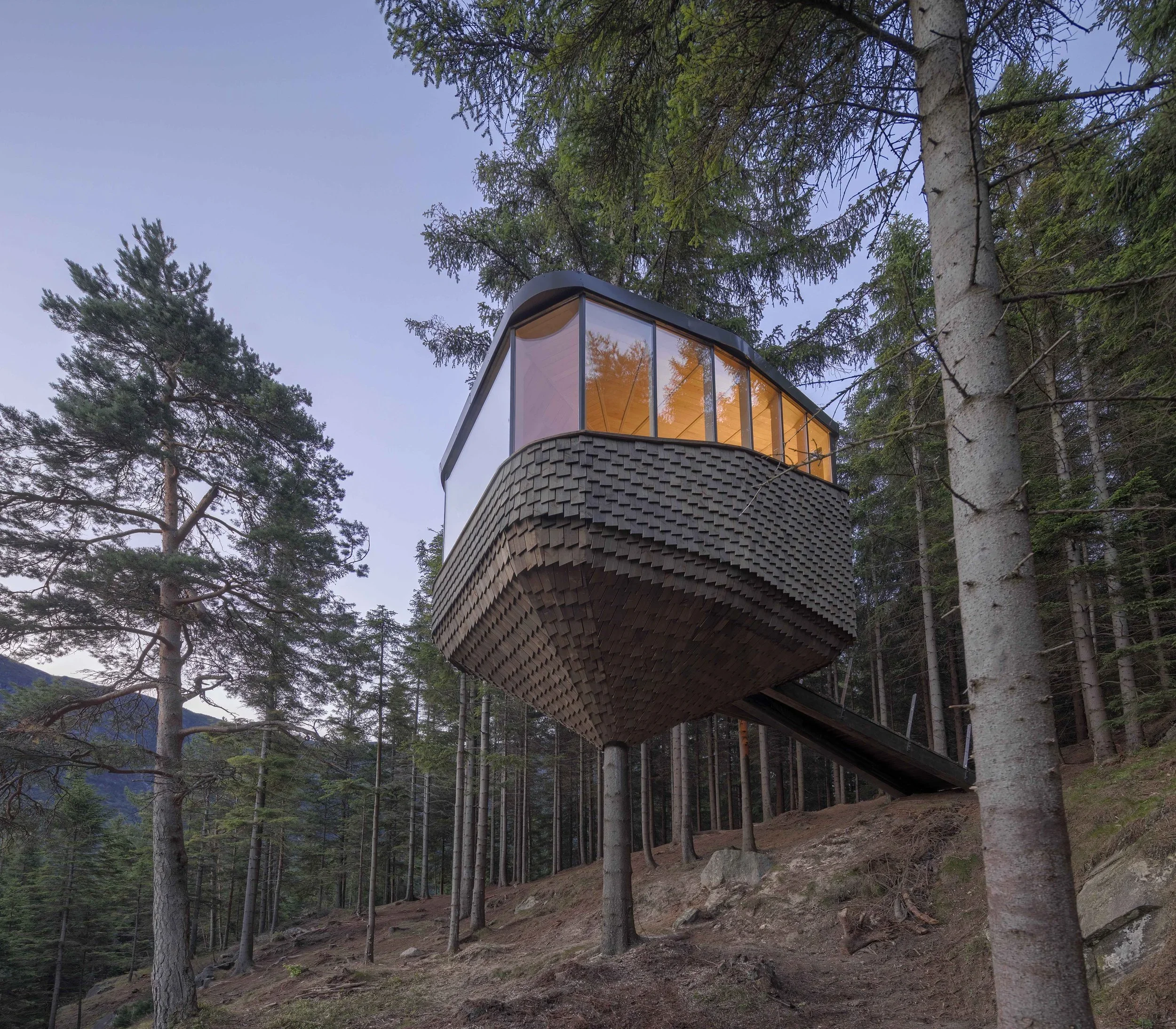
Photo by Sindre Ellingsen
Woodnest, Norway
Woodnest is located within the fjord landscapes of western Norway, where steep mountains descend into deep waters and forests cling to rocky slopes. Pine and birch woodlands cover the terrain, creating a dramatic meeting of forest and fjord that defines the region's character.
The treehouses appear almost suspended within the forest, attached carefully to living trees while offering panoramic views across Hardangerfjord. Interiors remain warm and understated, drawing attention outward toward the landscape. Guests experience both the intimacy of the forest and the vast scale of Norway's geography, creating a powerful contrast between shelter and wilderness.
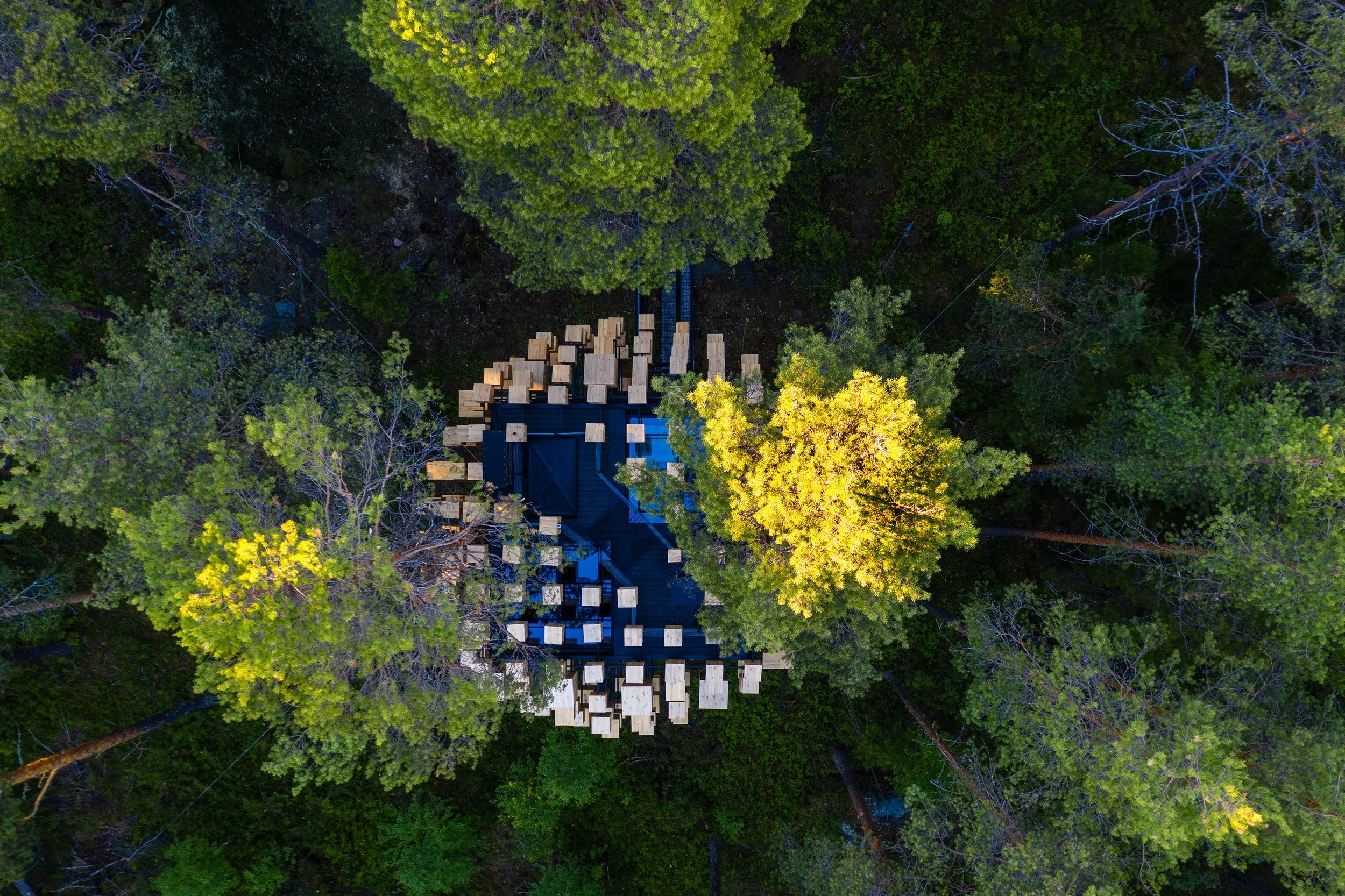
Photo by Mats Engfors
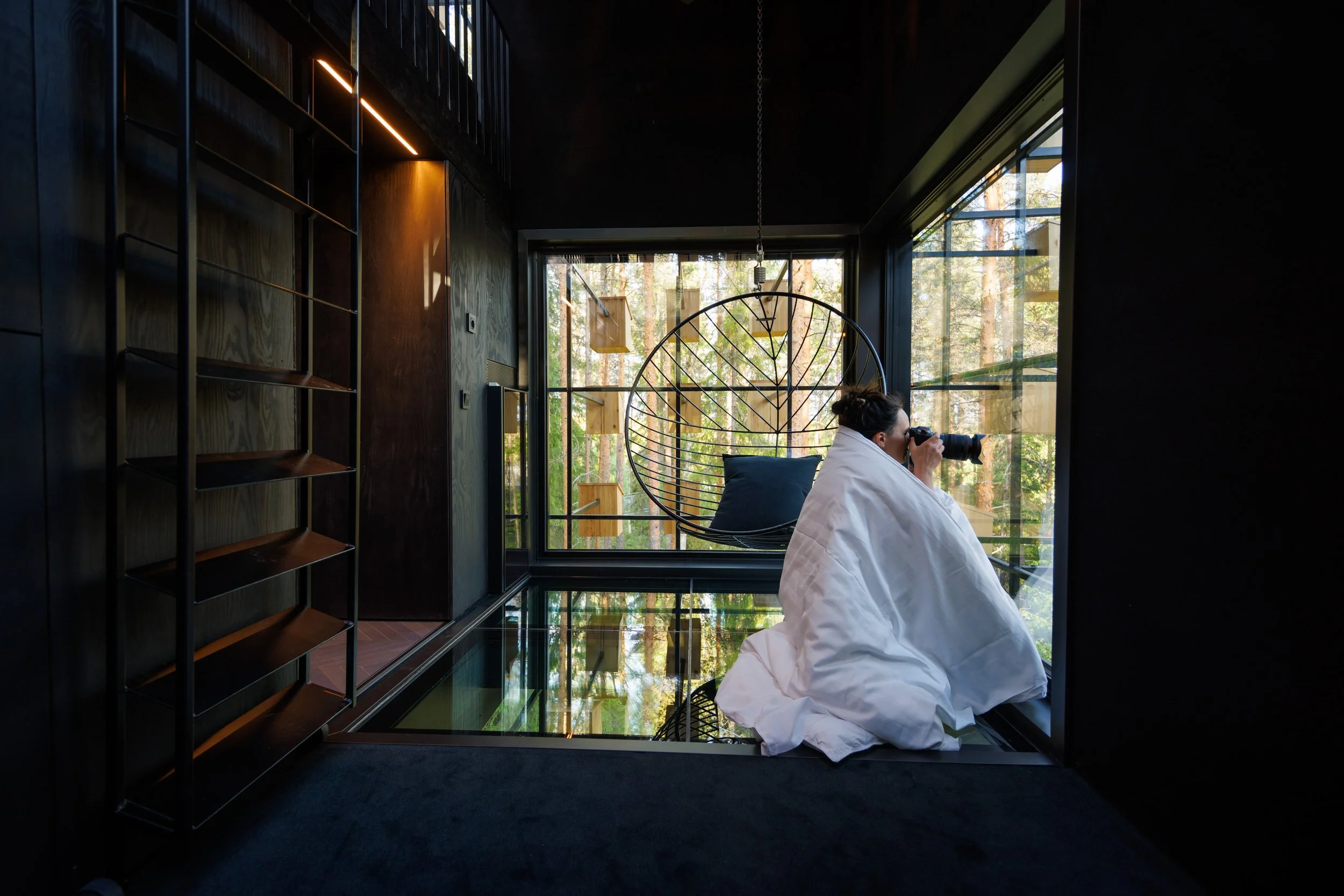
Photo by Mats Engfors
Treehotel, Sweden
Deep within the forests of Swedish Lapland, Treehotel explores the relationship between architecture and woodland in imaginative ways. The surrounding boreal forest consists primarily of pine and spruce, supporting diverse wildlife including moose, reindeer, foxes, and numerous bird species. Long winters and short summers create dramatic seasonal shifts that shape the ecology of the region.
Each treehouse offers a unique interpretation of life among the trees, from mirrored structures that reflect the forest to contemporary cabins suspended high above the ground. Despite their striking forms, the buildings maintain a strong respect for the surrounding environment. Guests experience the forest through changing light, northern skies, and the quiet presence of one of Europe's largest remaining wilderness areas.
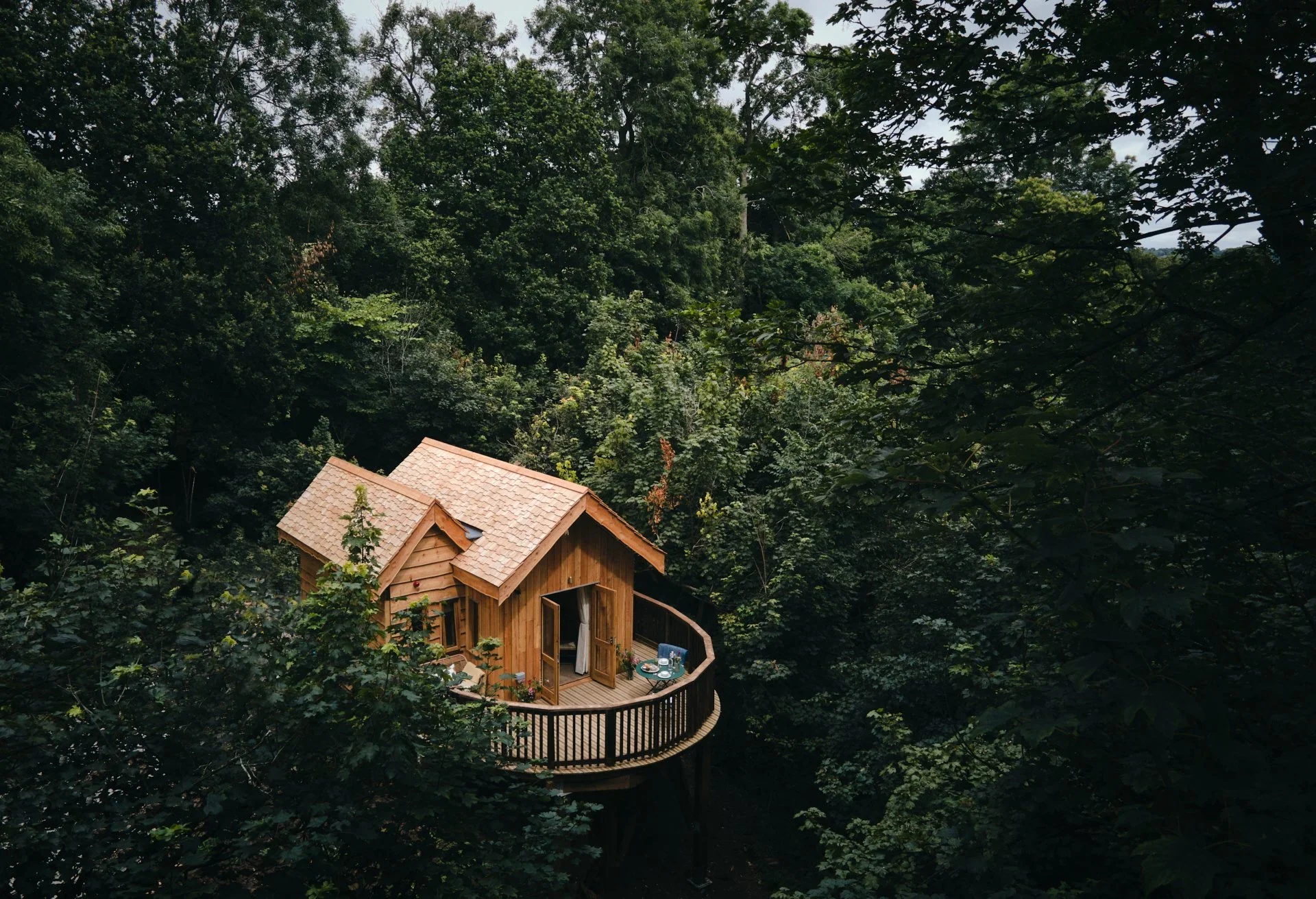
Photo by Wildhive Callow Hall
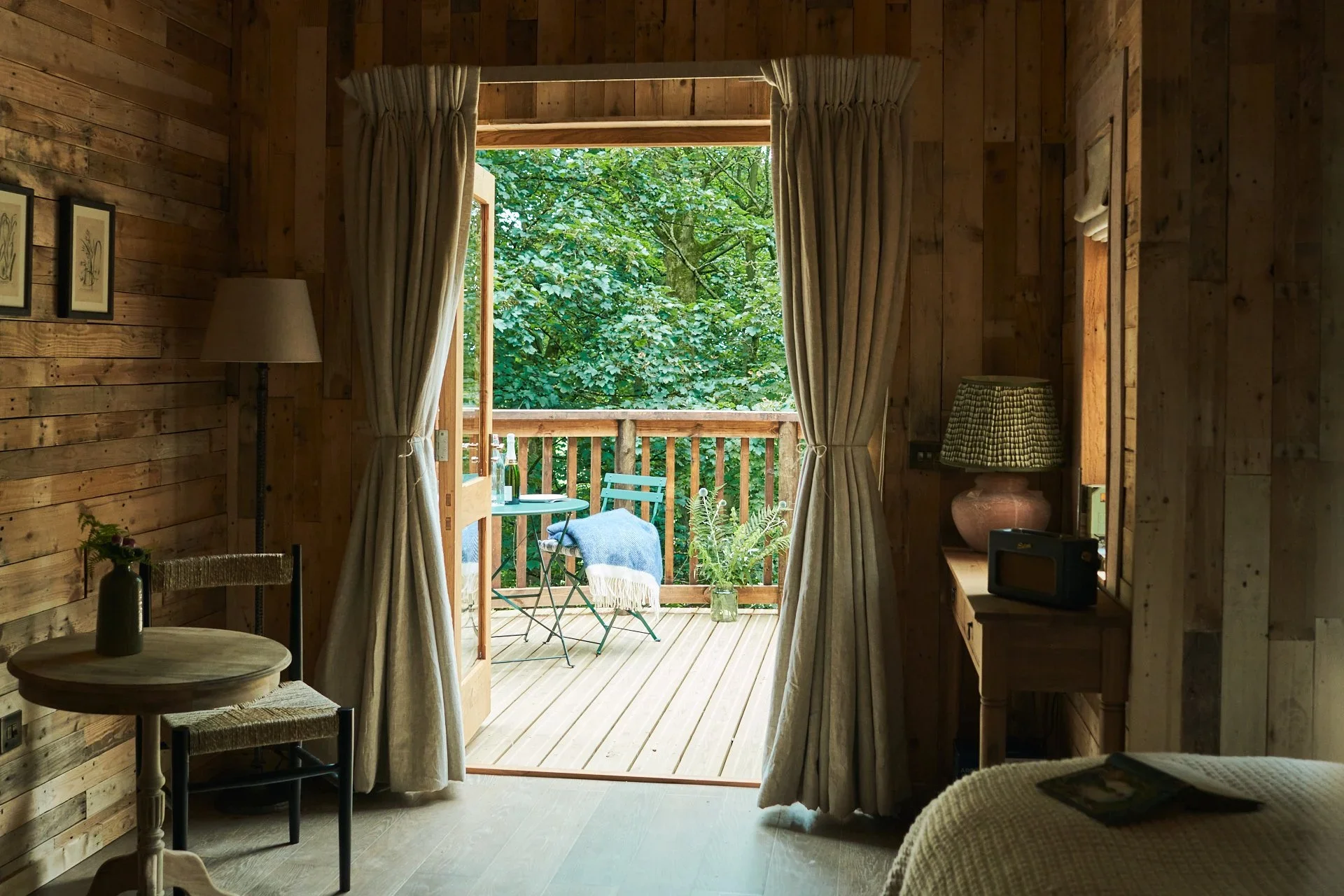
Photo by Wildhive Callow Hall
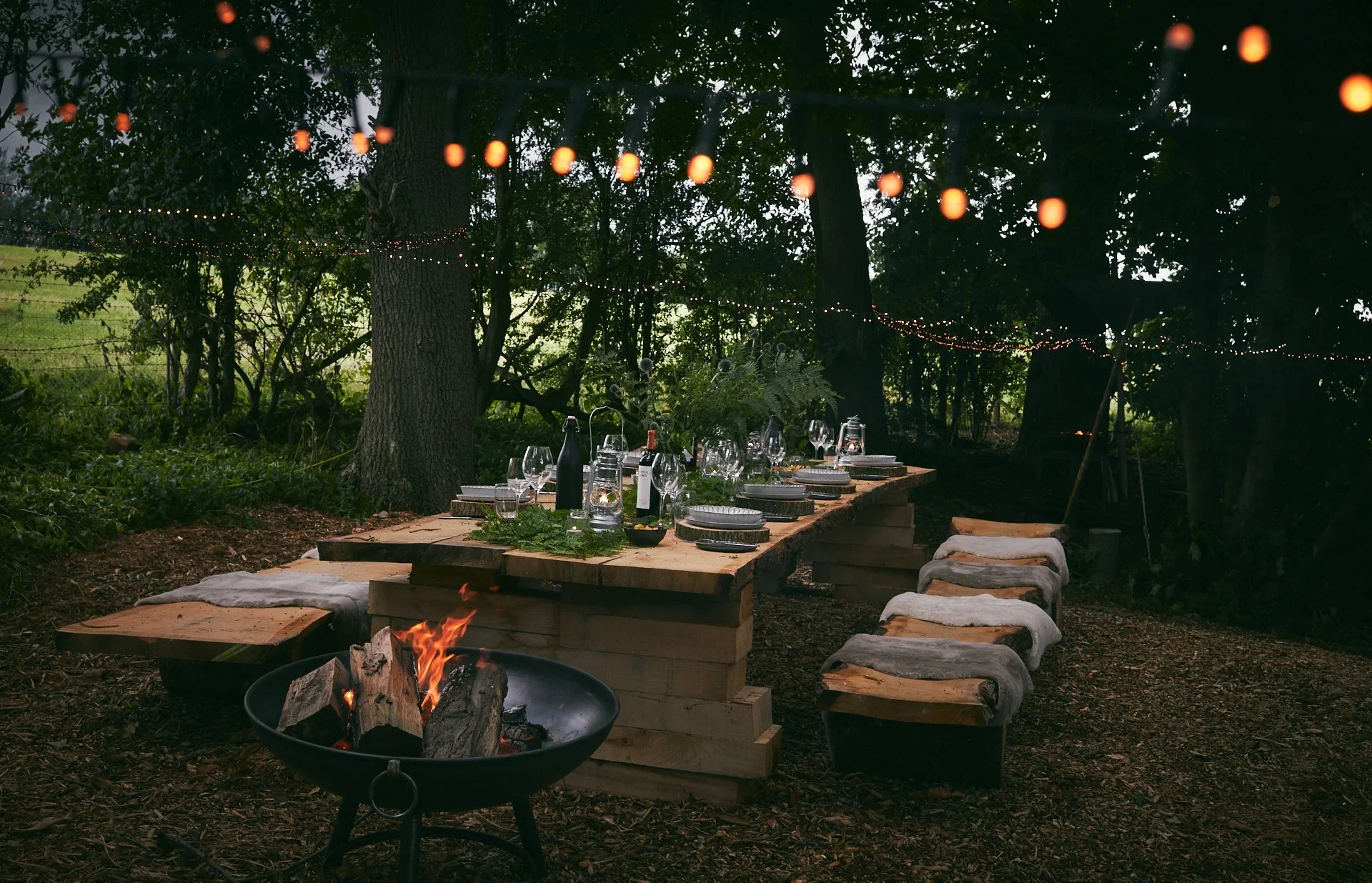
Photo by Wildhive Callow Hall
Wildhive Callow Hall, England
Situated on the edge of the Peak District, Wildhive Callow Hall is surrounded by woodland, meadows, and rolling hills that support rich biodiversity throughout the year. Ancient trees, native wildflowers, and thriving birdlife create an environment that feels deeply connected to the English countryside.
Its woodland treehouses invite guests to slow down and reconnect with nature through simple immersion. Elevated above the forest floor, they provide a unique perspective into the surrounding canopy while maintaining privacy and seclusion. The experience encourages a slower pace of travel where time is measured by birdsong, changing weather, and the subtle rhythms of the forest.
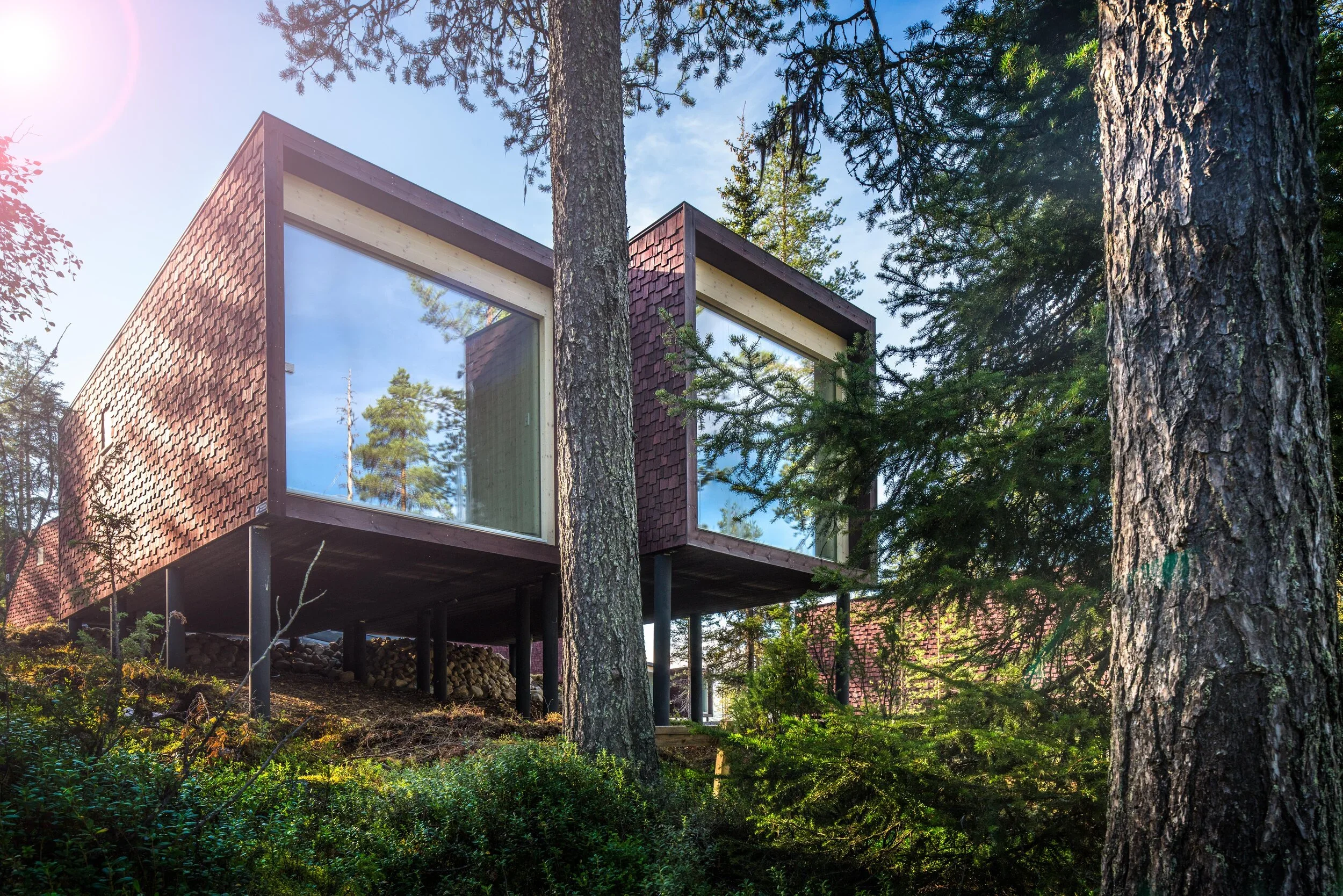
Photo by Arctic TreeHouse Hotel
Arctic TreeHouse Hotel, Finland
Located within the Arctic forests of Finnish Lapland, Arctic TreeHouse Hotel sits among pine woodlands that stretch toward the Arctic Circle. Snow-covered forests dominate much of the year, while summer brings endless daylight and an explosion of green growth across the landscape.
The architecture combines Scandinavian simplicity with panoramic views of the surrounding forest. Large windows frame the northern sky, allowing guests to observe seasonal phenomena from the comfort of their rooms. Whether experiencing the Northern Lights or the midnight sun, the connection to the forest remains central to the experience, grounding guests within one of Europe's most distinctive ecosystems.
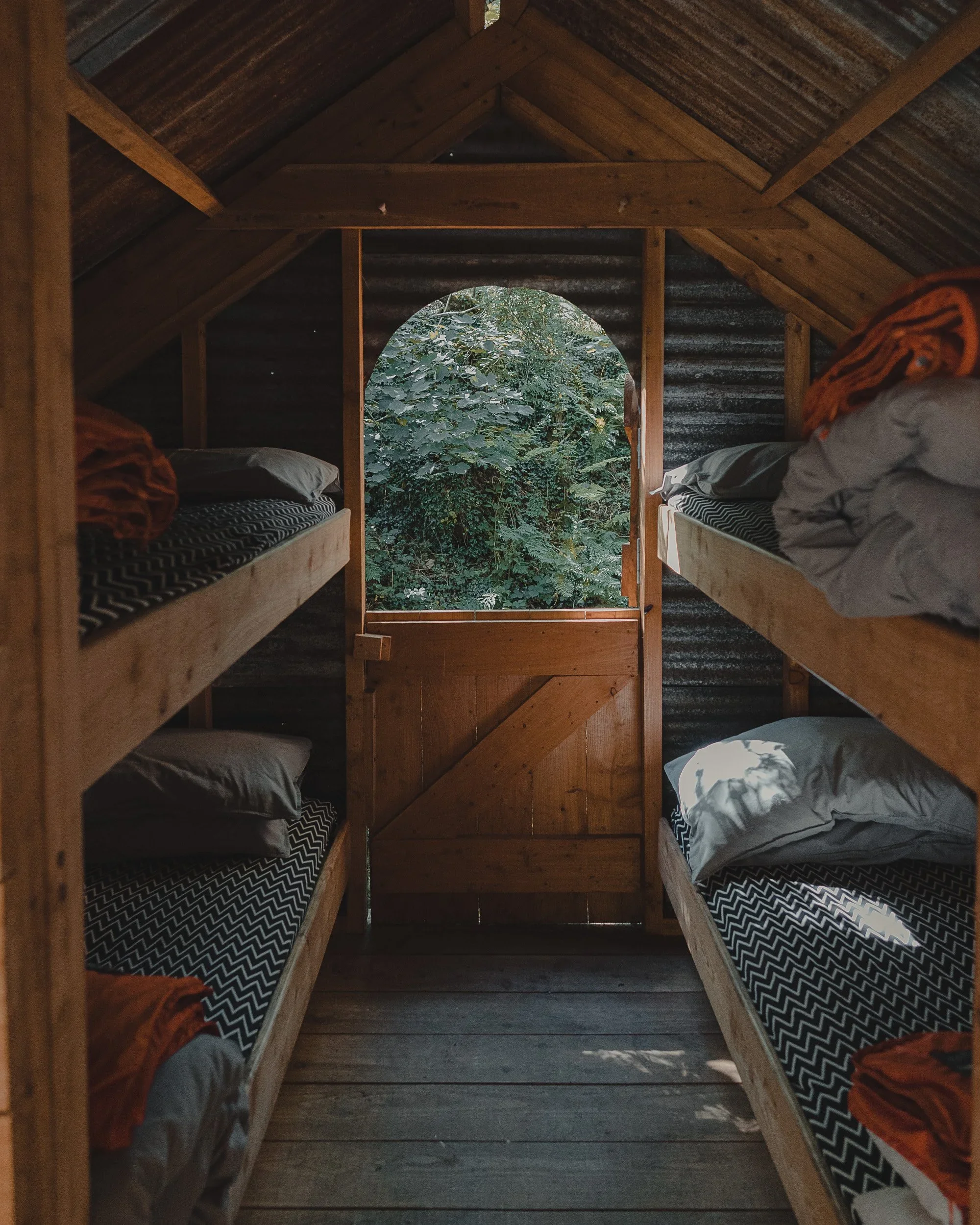
Photo by Cat Vinton, Right to Roam
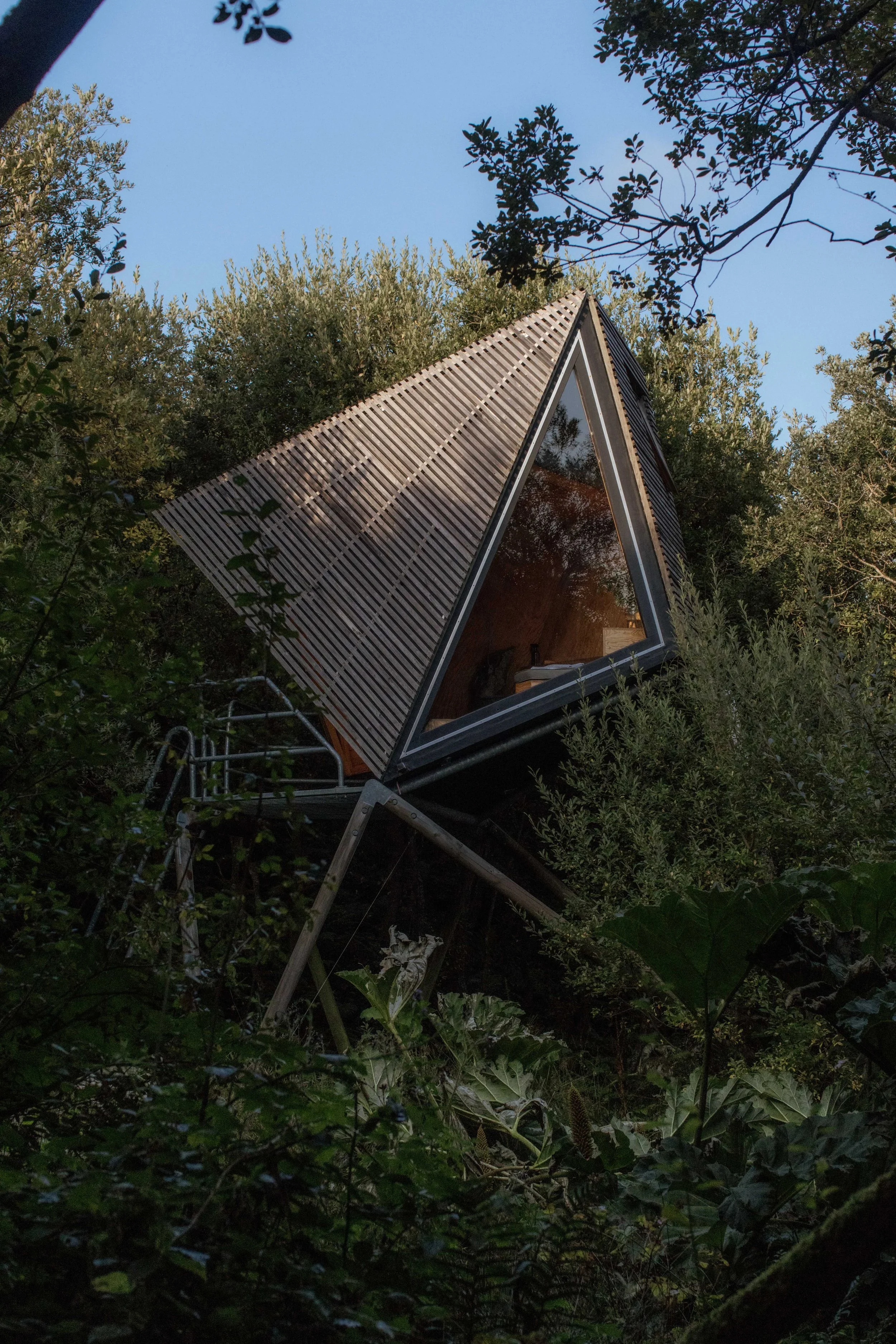
Photo by Cat Vinton, Right to Roam
Kudhva, England
Perched on the rugged coastline of Cornwall, Kudhva occupies a unique landscape where woodland, heathland, and coastal ecosystems converge. The site is shaped by Atlantic winds, rocky terrain, and native vegetation adapted to the region's maritime climate.
Its elevated cabins and treehouse-inspired structures are designed to immerse guests in the surrounding environment. Large openings frame views of both forest and sea, while minimalist interiors encourage attention toward the landscape. Forest bathing takes on a coastal dimension here, where the scent of trees mingles with salt air and the rhythms of the forest meet the energy of the ocean.
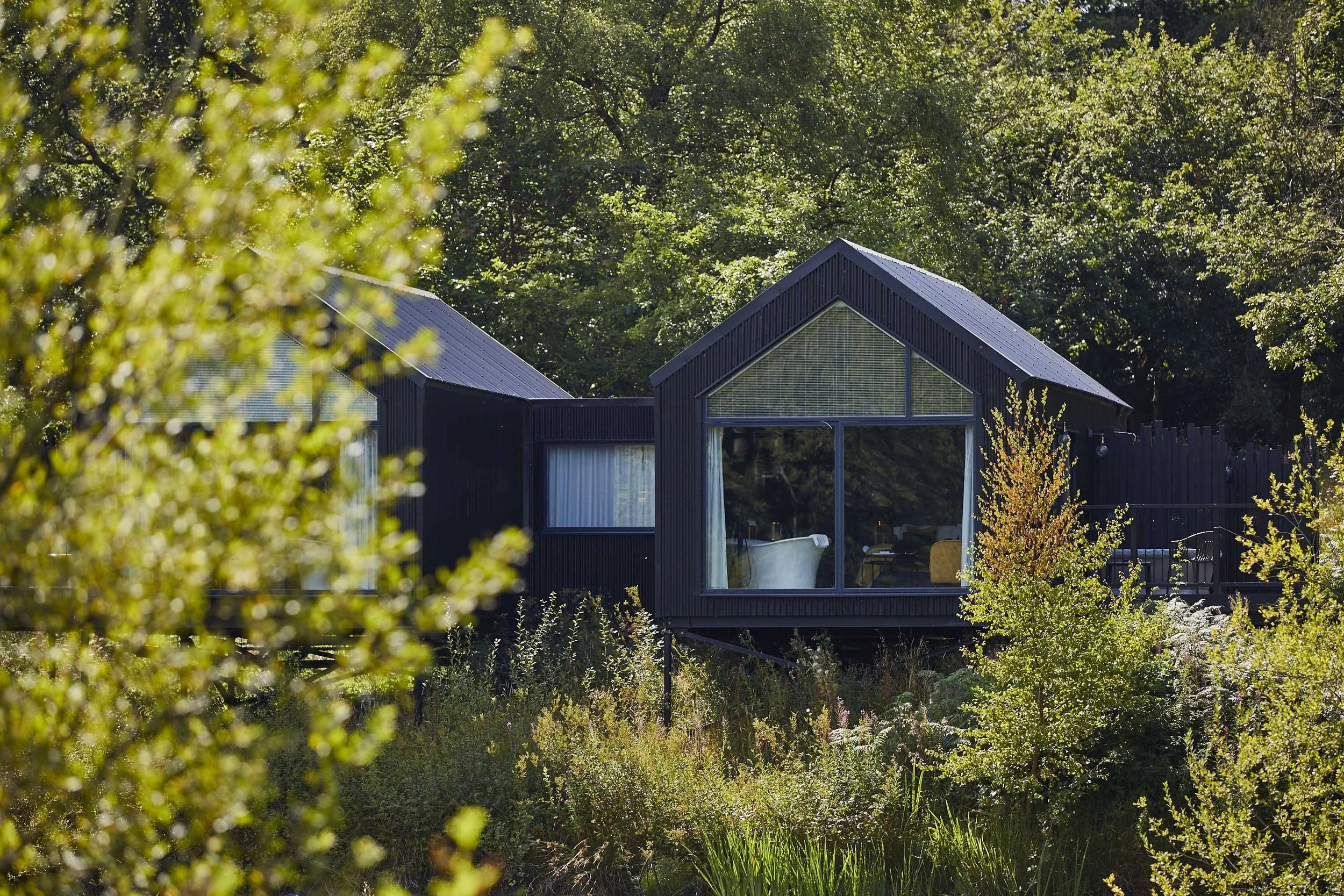
Photo by The Tawny Hotel
The Tawny Hotel, England
Located in the Staffordshire countryside, The Tawny is set within a landscape of ancient woodland, lakes, gardens, and rolling parkland. Mature oak, beech, and cedar trees create a richly textured environment that changes with each season, while winding trails connect guests to the estate's varied ecosystems.
Treehouses and elevated accommodations are carefully integrated into the landscape, allowing guests to experience woodland life without disturbing it. Large windows, outdoor terraces, and secluded settings encourage immersion in the surrounding nature. Forest bathing becomes part of everyday life, whether through early morning walks beneath the canopy or quiet evenings overlooking the trees and water.
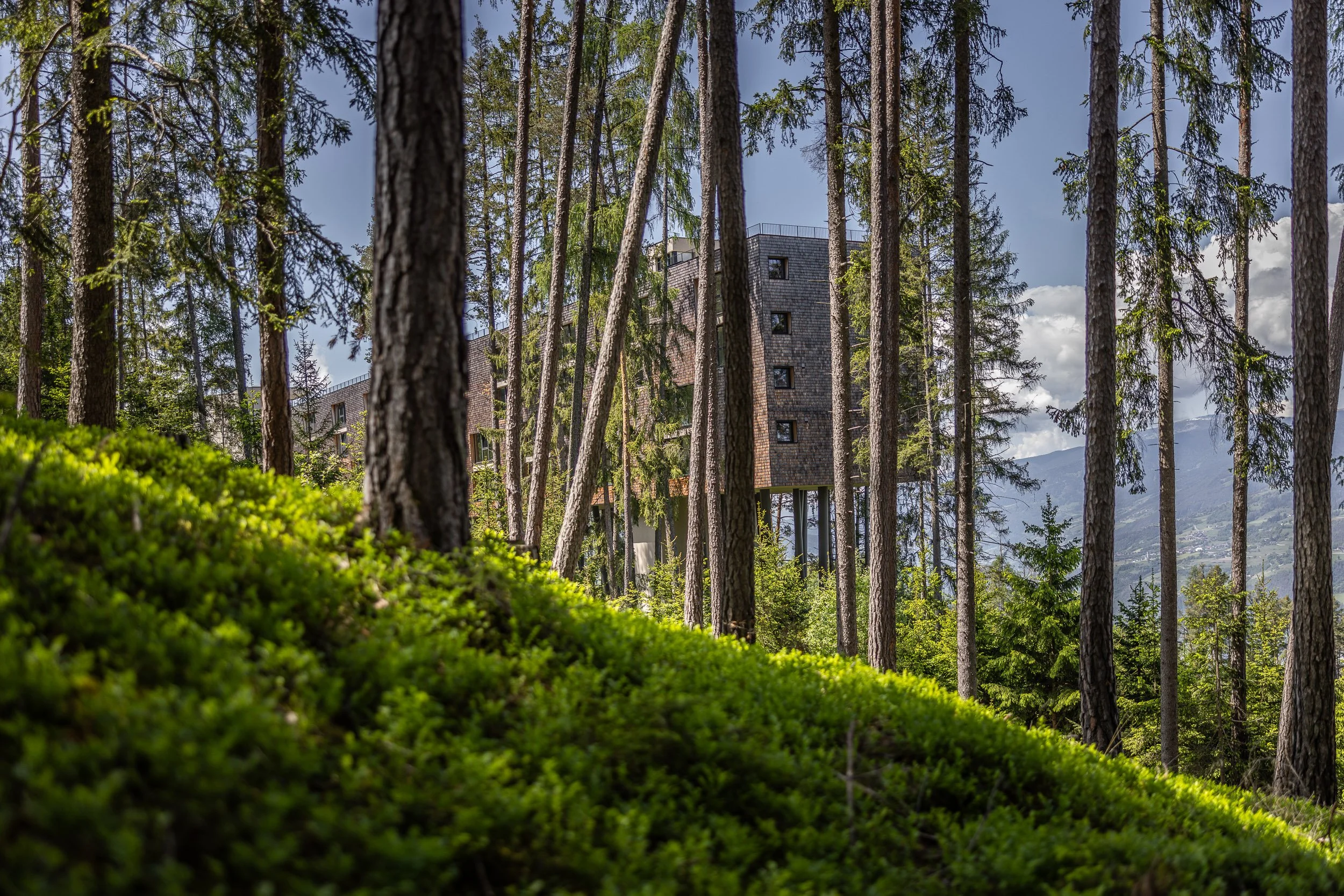
Photo by My Arbor, ©BP
My Arbor, Italy
Set within the forests above Brixen in South Tyrol, My Arbor takes inspiration directly from the trees that surround it. Located on the slopes of Plose Mountain, the hotel is elevated among spruce, pine, and larch forests, offering expansive views across the Dolomites while remaining deeply connected to the woodland landscape below. The region's clean mountain air, extensive trail network, and changing seasons create an ideal setting for forest bathing and slow immersion in nature.
The architecture reflects this relationship with the forest. Designed as a contemporary treehouse hotel, the structure extends outward from the mountainside on stilts, allowing guests to feel suspended within the canopy. Large windows, timber interiors, and forest-facing terraces blur the boundary between indoors and outdoors, while the spa and wellness experiences draw upon the restorative qualities of the surrounding woodland. Here, the forest is not simply a backdrop but an integral part of the experience itself.


Room + Wild is the world's first and leading collective and platform for landscape-enhanced accommodation, ecotourism, nature-based destinations, and sustainable luxury travel experiences. We consistently inspire, influence, and spread awareness through our tailored travel guides, curated media content/channels, brand activations, press trips as well as visual and narrative storytelling.
Forest bathing, or shinrin-yoku, originated in Japan as a practice of mindfully immersing oneself in the forest through sight, scent, sound, and touch. Research suggests that spending time among trees can reduce stress, lower blood pressure, support immune function, and promote overall wellbeing through exposure to natural compounds called phytoncides. Around the world, forest hotels and treehouse retreats are embracing these benefits, offering immersive stays that combine nature, wellness, and design while allowing guests to experience the restorative power of the forest from within the canopy.