
The Wildest Stays: Inside The World’s Most Remote Landscapes
There are still places on Earth where human presence feels temporary. Places so remote, elemental, and ecologically alive that arriving in them feels like crossing into another scale of existence. Here, weather dictates movement, wildlife vastly outnumbers people, and the landscape remains largely untouched by infrastructure. Reaching these places often requires effort: small planes crossing glaciers, boats navigating fjords, hours spent driving through desert, jungle, or volcanic terrain. Yet it is precisely this difficulty that preserves their power. In a world increasingly shaped for convenience, remoteness has become one of the rarest forms of luxury.
The wildest destinations are not defined by isolation alone, but by the way they shift human perspective. In these environments, the elements remain fully in control. Wind, tide, altitude, darkness, silence, and temperature shape daily life. You begin to notice how small you are within the wider systems of nature. Sea lions moving along the Atlantic coast of Patagonia, condors circling high Andean valleys in Peru, glacial winds shaping the peaks of Chilean Patagonia, or the northern lights shifting above Arctic islands in Norway all create the same quiet realization: the world is still far larger, older, and more alive than modern life often allows us to remember. Solitude in these places does not feel empty. It feels inhabited by everything else.
What makes these remote hotels remarkable is not simply their location, but the people willing to build within landscapes that resist ease. These are pioneers of the unknown, individuals who chose to create hospitality at the edge of glaciers, deep within rainforest, across isolated islands, or beneath mountain ranges where nature remains dominant. Building in such places requires patience, resilience, and deep respect for the environment itself. Architecture becomes adaptive rather than imposing, designed to shelter without overpowering the landscape around it. The result is a different kind of travel experience, one shaped not by excess, but by immersion. These hotels invite guests into places that are difficult to reach and almost impossible to imagine until standing within them, surrounded by the raw presence of the natural world.
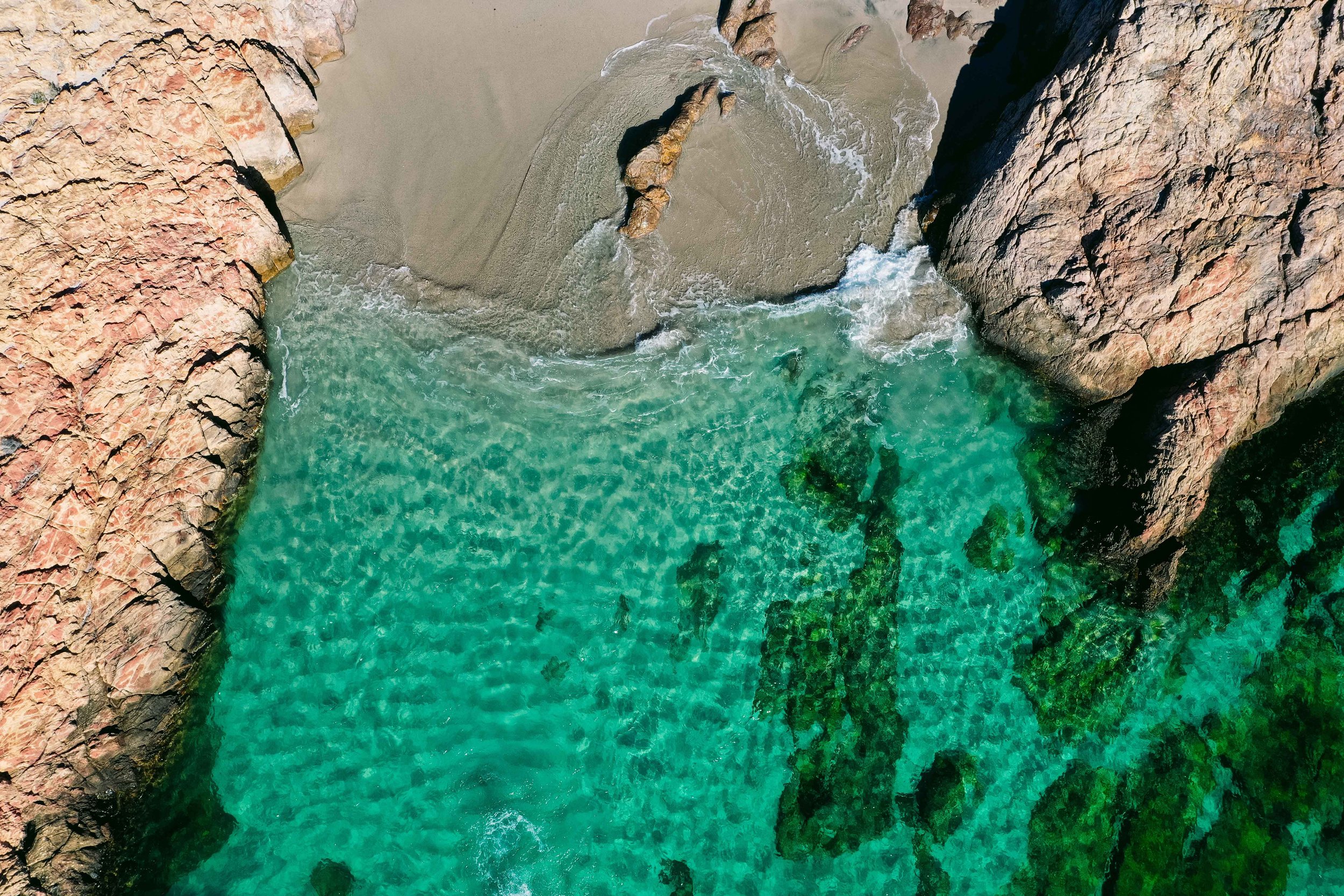
Photo by Jose Ayerza
Jose Ayerza
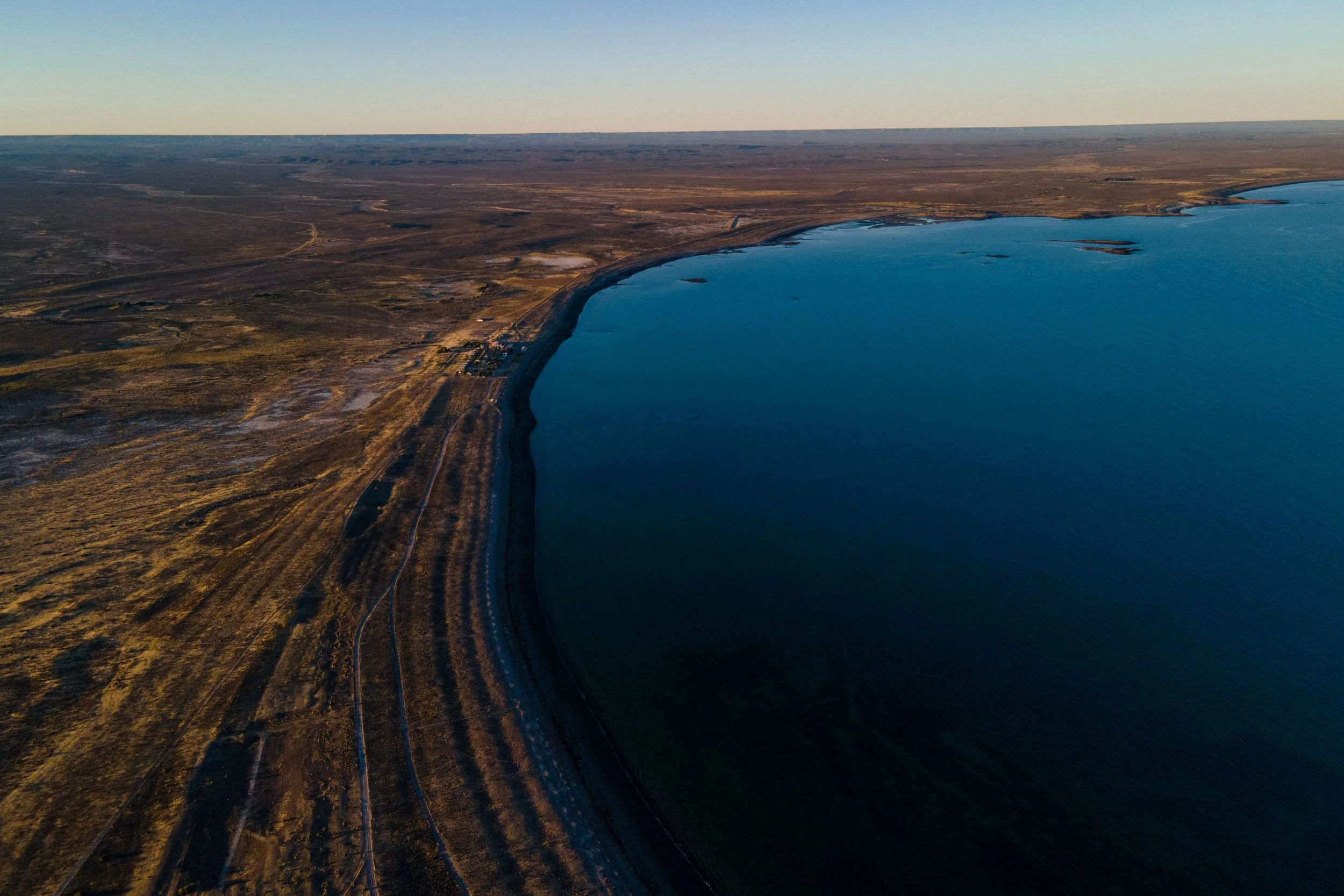
Photo by Bahía Bustamante
BahIa Bustamante
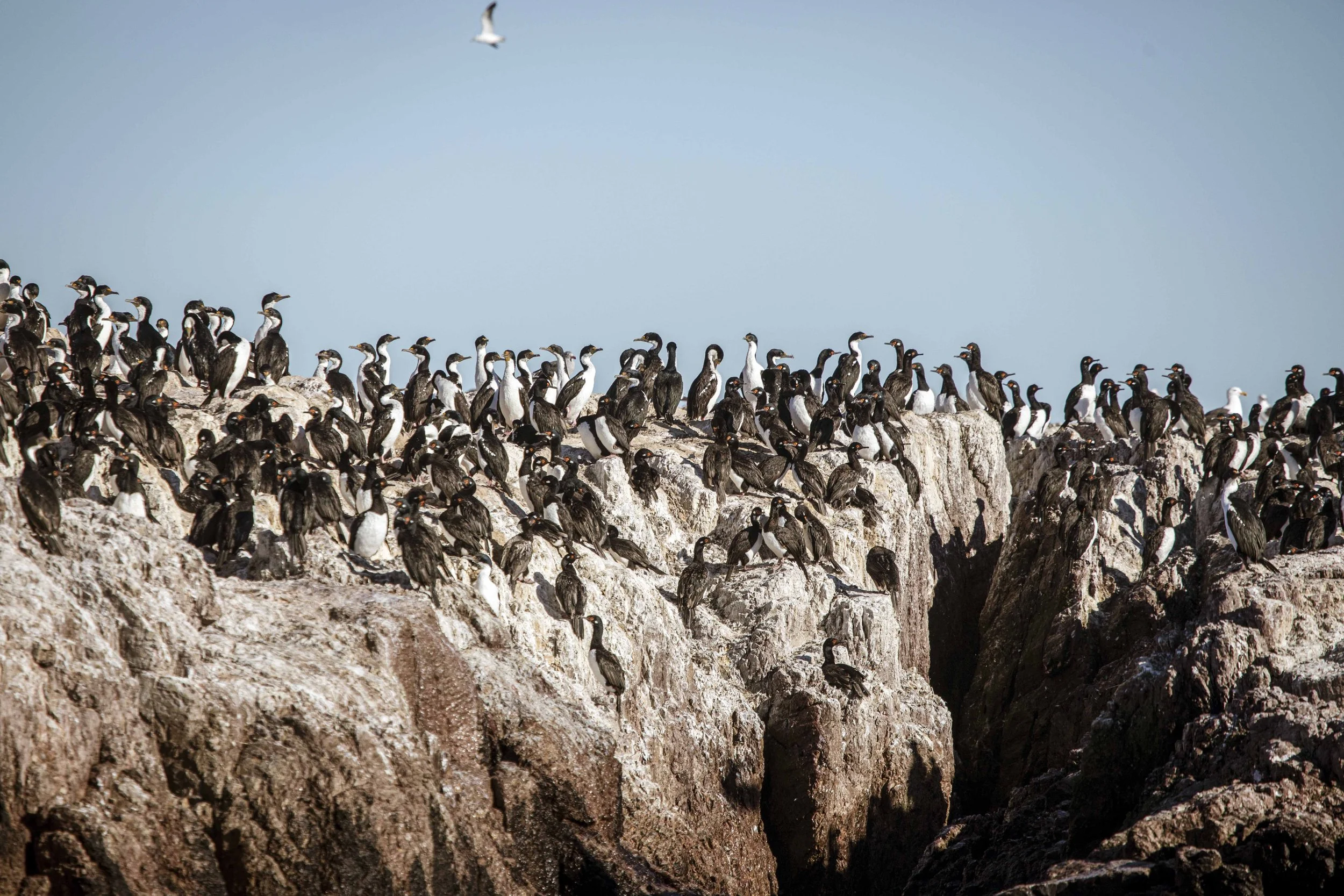
On a remote stretch of Argentina’s Atlantic coast, Bahia Bustamante exists within a landscape where steppe, ocean, and wildlife intersect with almost overwhelming scale. Located inside Patagonia Austral National Park and the UNESCO designated Blue Patagonia Biosphere Reserve, the property is surrounded by more than 60 kilometres of untouched coastline, offshore islands, tidal pools, petrified forest, and immense open sky. Sea lions, Magellanic penguins, guanacos, dolphins, orcas, and countless seabirds move through the region in extraordinary density, creating an experience that often feels closer to a marine safari than a traditional hotel stay. The lodge itself emerged from a former seaweed harvesting village, with simple restored houses that remain deeply connected to the rawness of the landscape rather than separated from it. Days unfold through guided exploration by boat, on foot, or across the steppe, while evenings settle into complete silence broken only by wind and tide. Here, isolation becomes immersive rather than empty, creating a rare sense of being fully surrounded by the natural world.
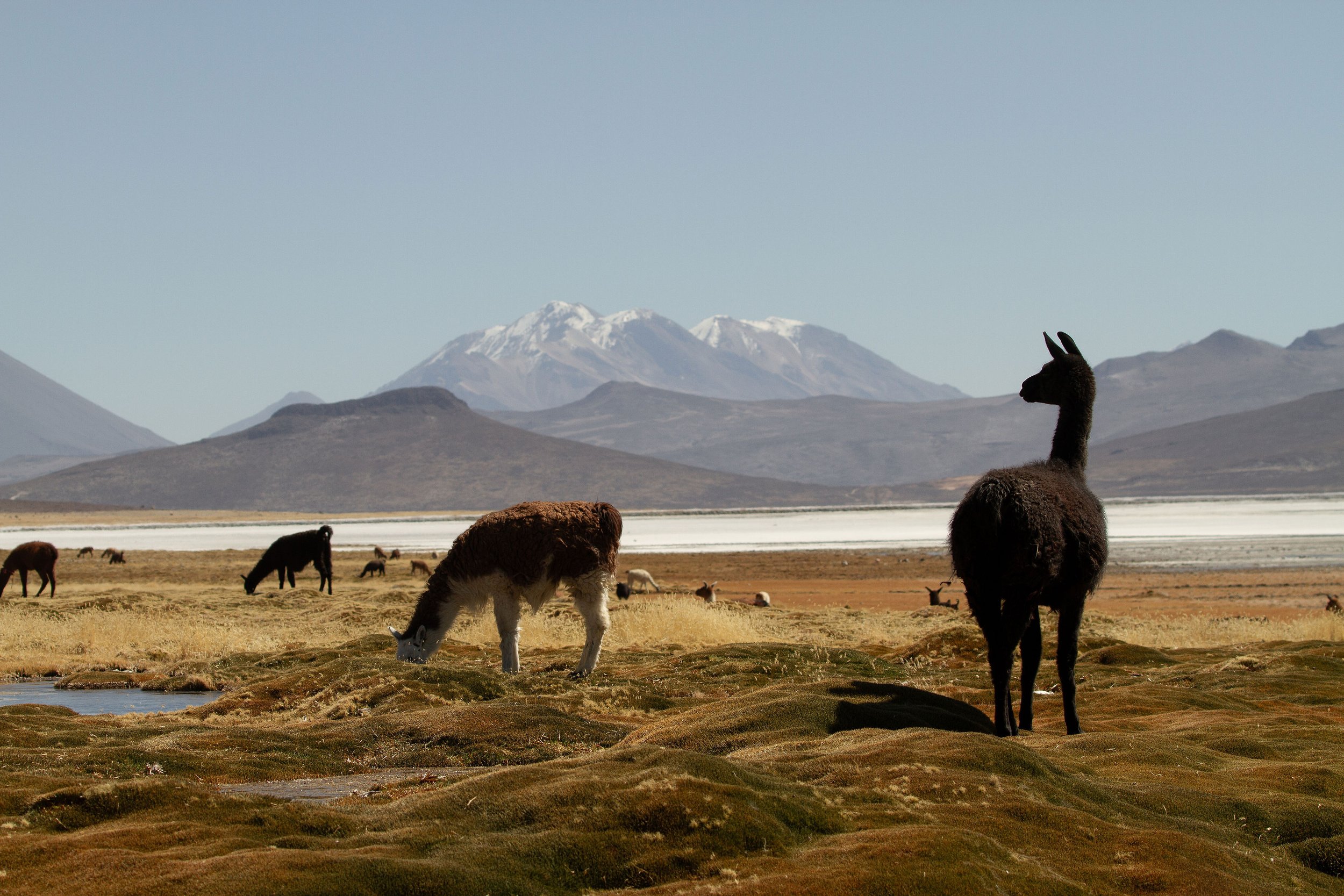
Photo by Andean
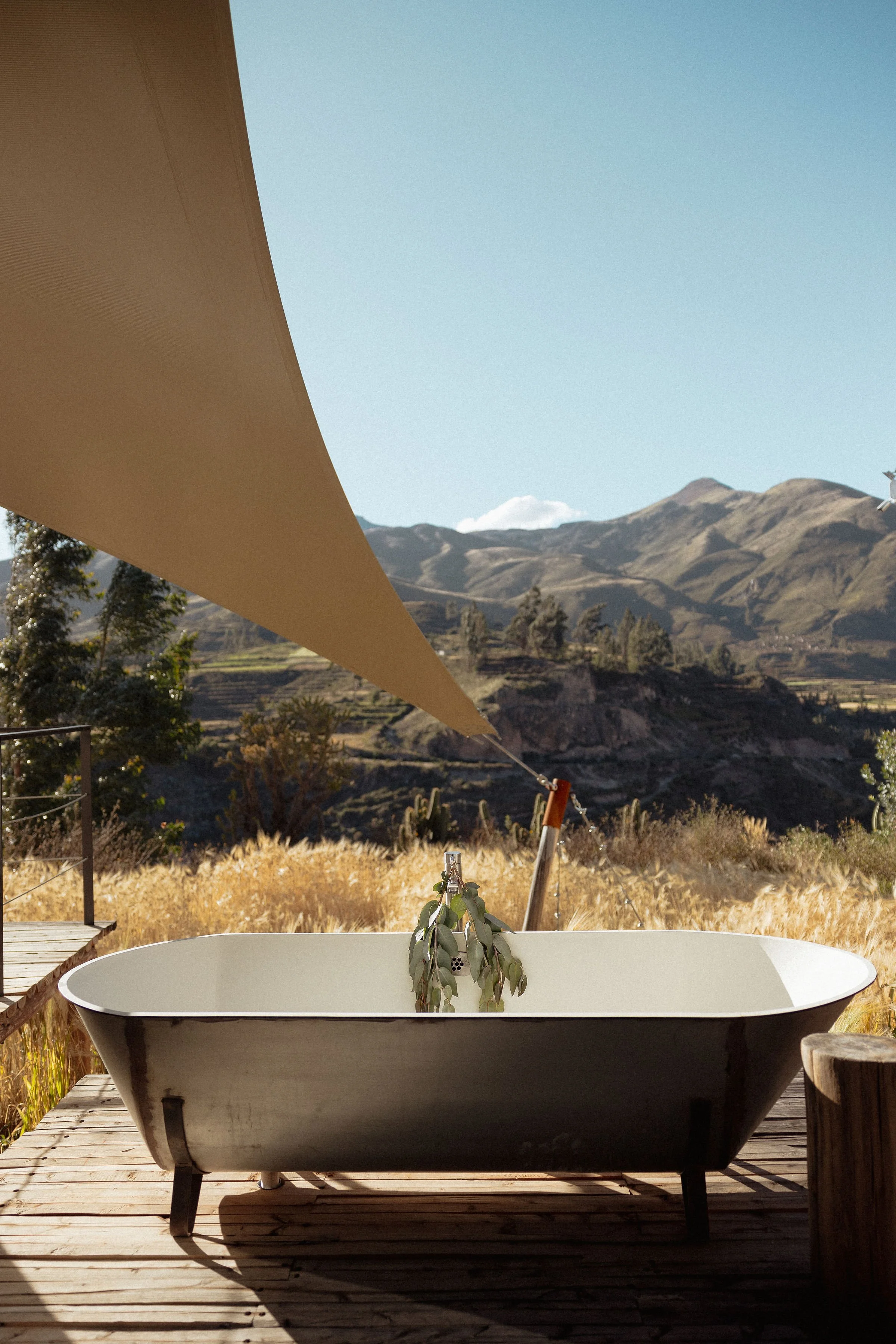
Photo by Andean
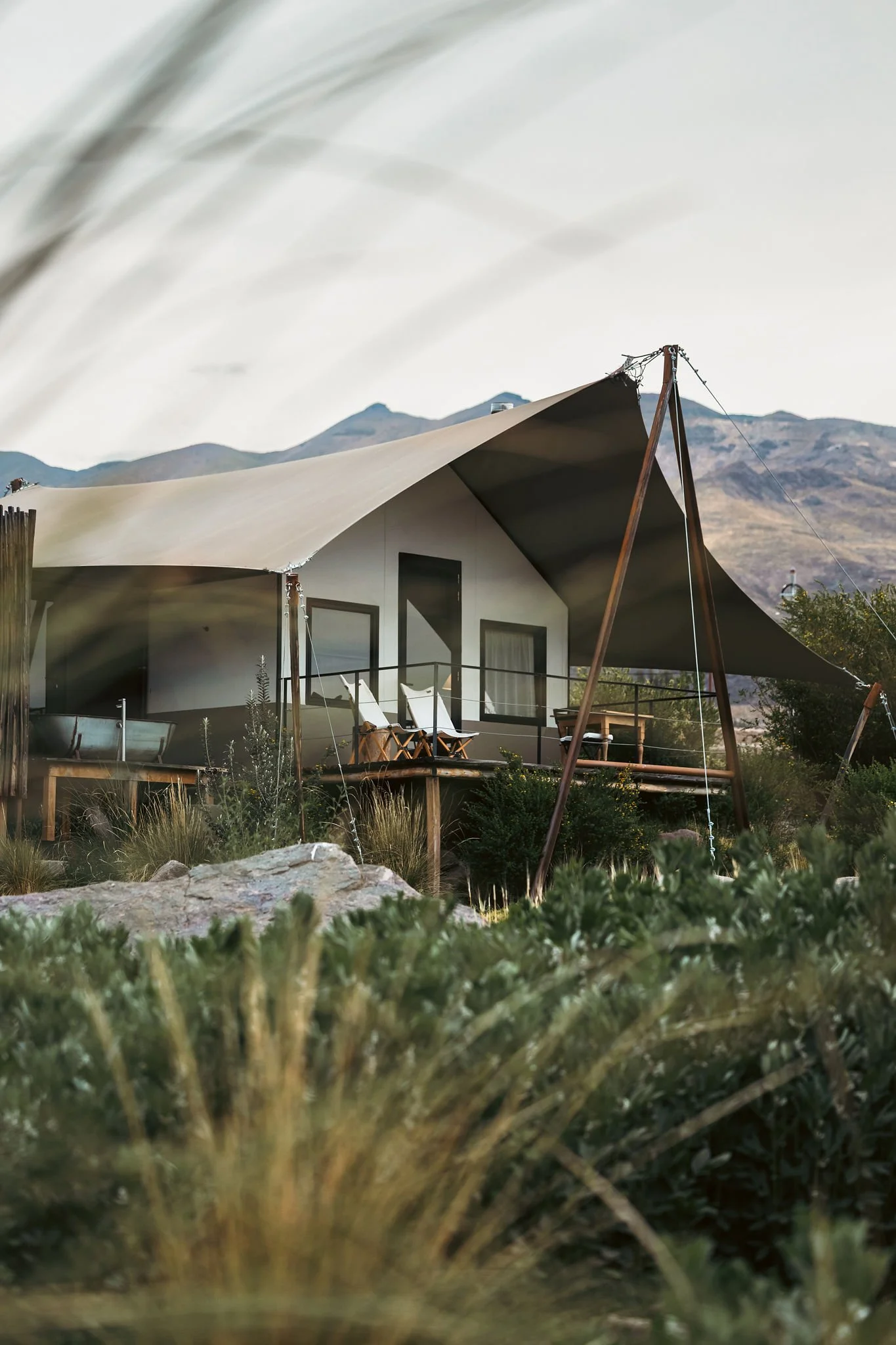
Photo by Andean
Puqio
High within Peru’s Andean landscapes, Puqio sits at the edge of the Colca Valley, surrounded by mountains, volcanic terrain, and vast plateaus shaped by altitude and silence. The geography feels ancient and elemental, where condors circle overhead and terraces carved by pre Incan civilizations continue to define the landscape centuries later. Rather than imposing permanent architecture onto the valley, the camp uses elegant safari style tents and adobe structures designed to blend softly into the terrain, allowing the surrounding geography to remain dominant. Interiors are tactile and restrained, grounded in local materials, woven textures, and warm natural tones that reflect the earth itself. The experience at Puqio is shaped by slowness and immersion: horseback rides across open valleys, encounters with local communities, long walks through archaeological landscapes, and nights where the stars feel impossibly close in the thin mountain air.
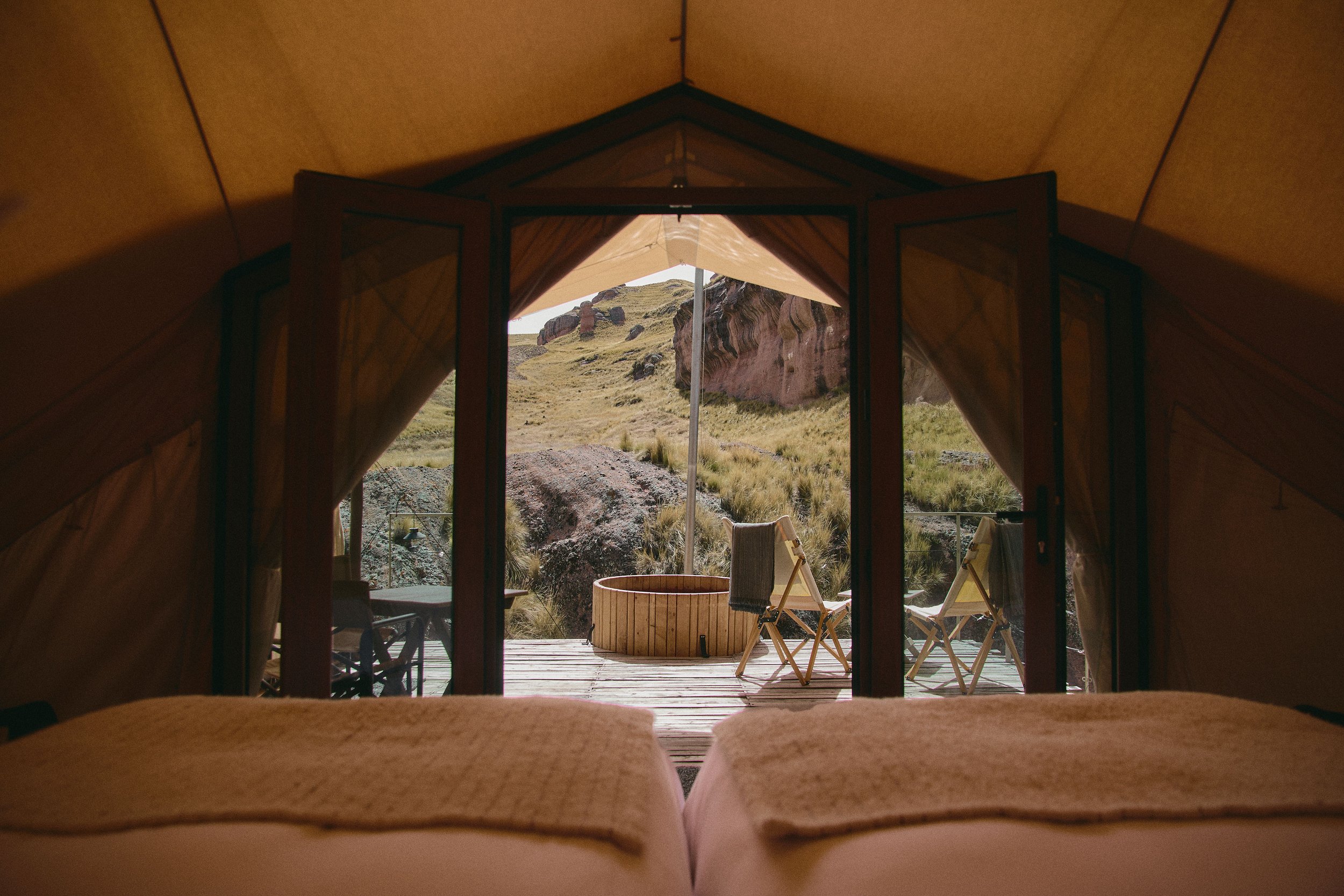
Photo by Andean
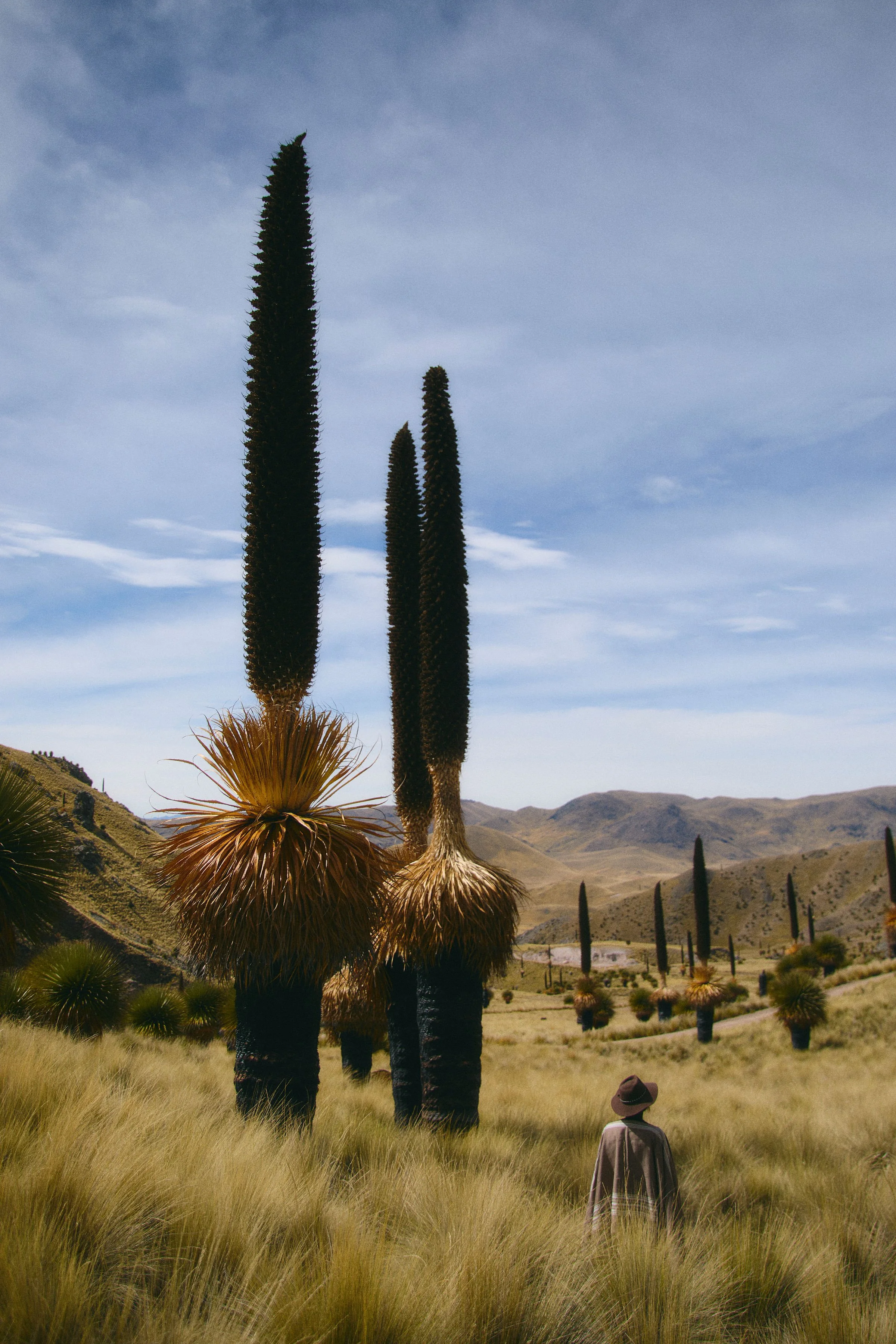
Photo by Andean
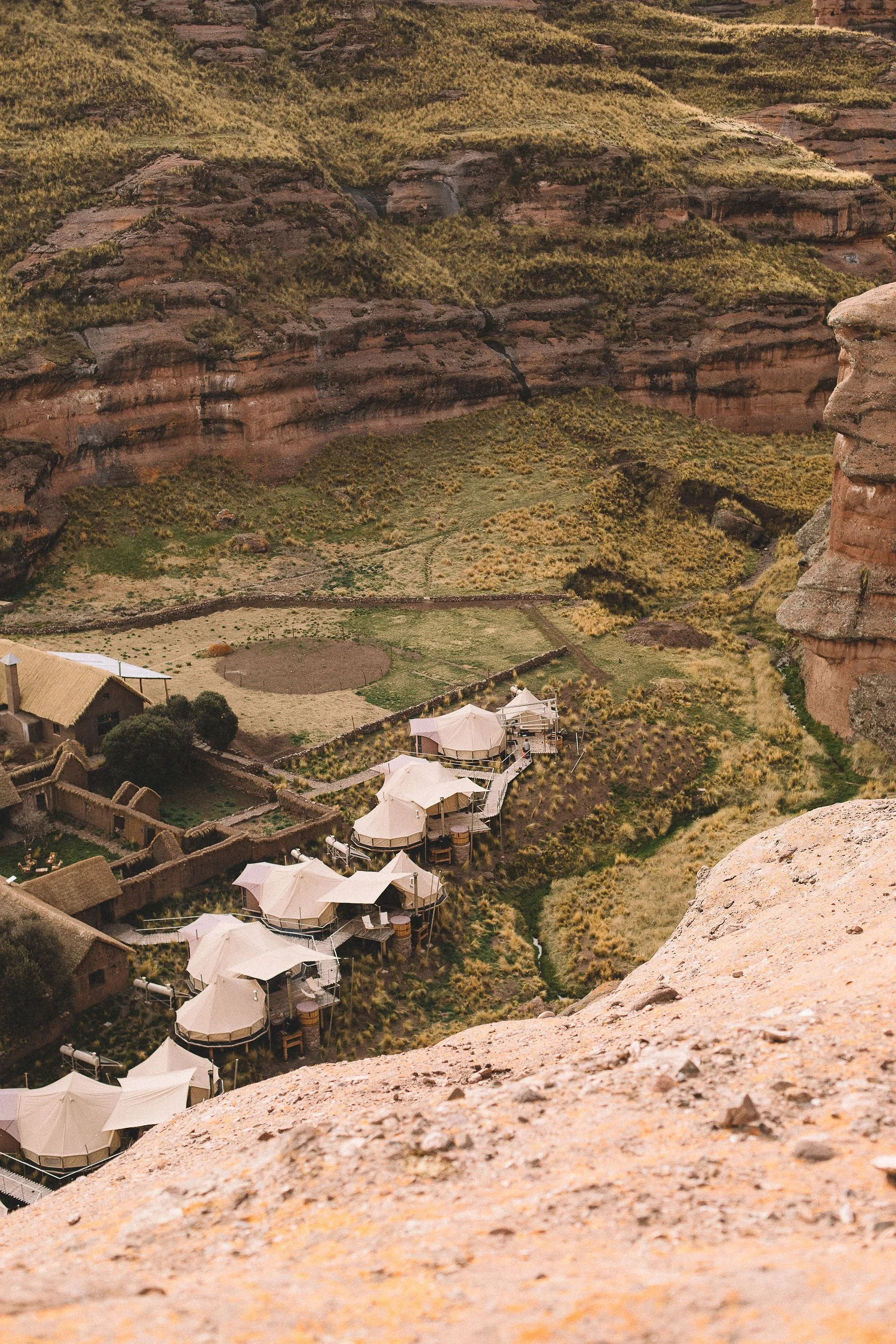
Photo by Andean
Tinajani
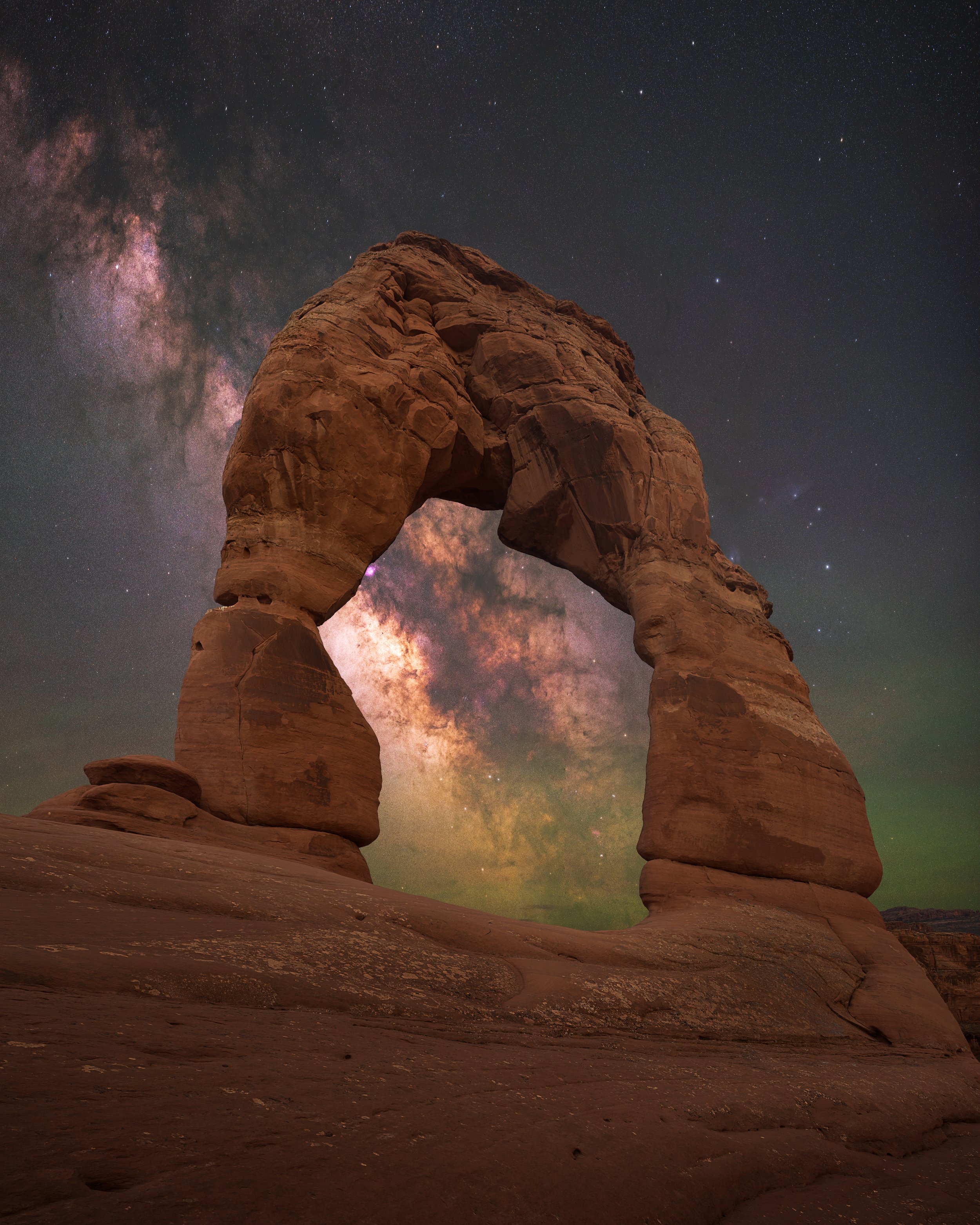
Few places feel as visually surreal as Tinajani, hidden deep within a remote canyon system in southern Peru. Massive red sandstone formations rise dramatically from the earth, sculpted over millennia by wind and water into shapes that feel almost extraterrestrial. The remoteness is profound, with the nearest settlements scattered across vast Andean plains where alpacas, vicuñas, and wild horses move freely through the high altitude landscape. Architecture here remains intentionally minimal and low impact, using canvas structures and simple communal spaces that allow the geological drama of the canyon to remain central to the experience. Exploration becomes deeply physical and sensory, moving on horseback or by foot through valleys where silence feels complete and human presence almost disappears into the scale of the land itself.
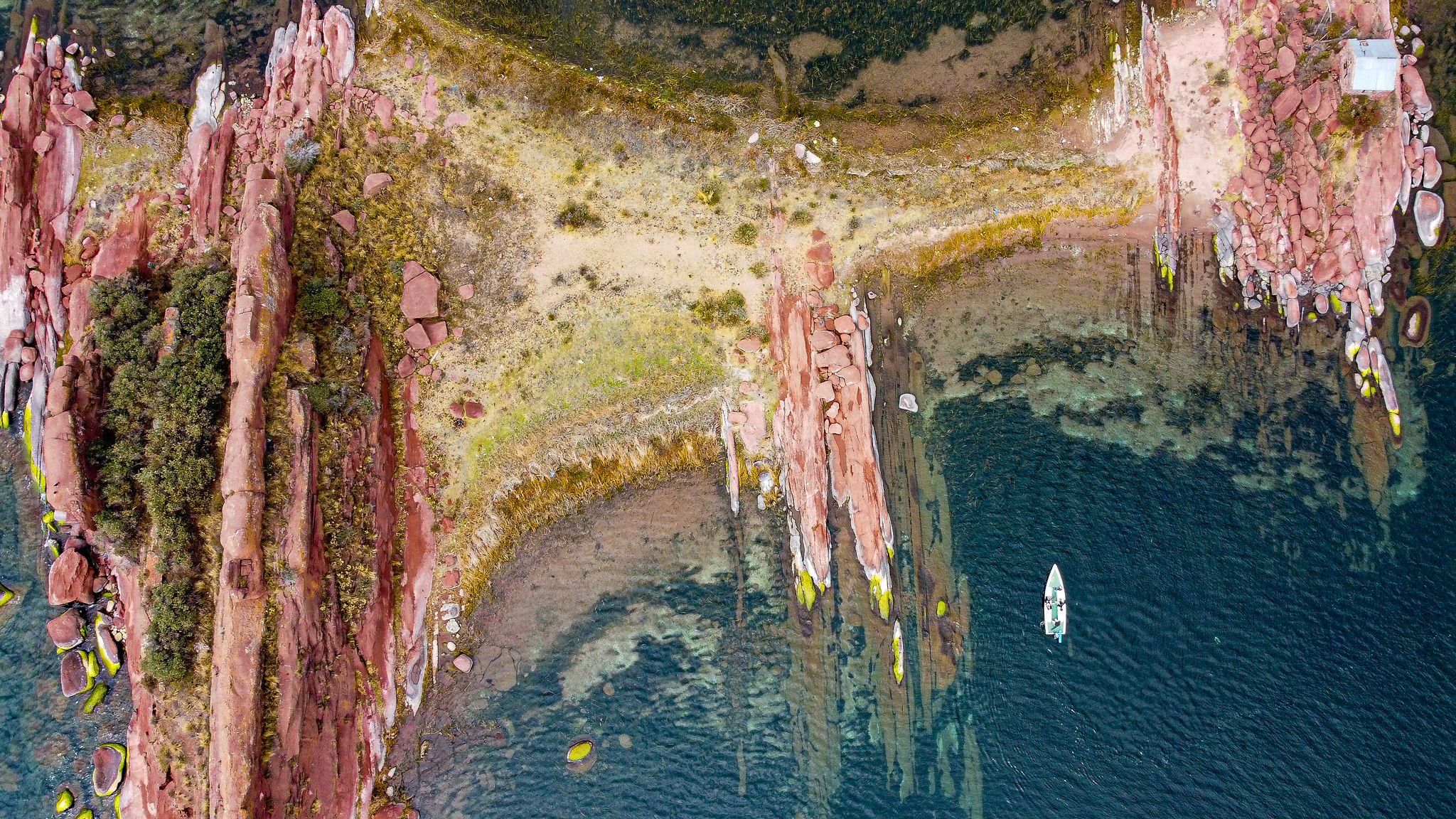
Photo by Andean
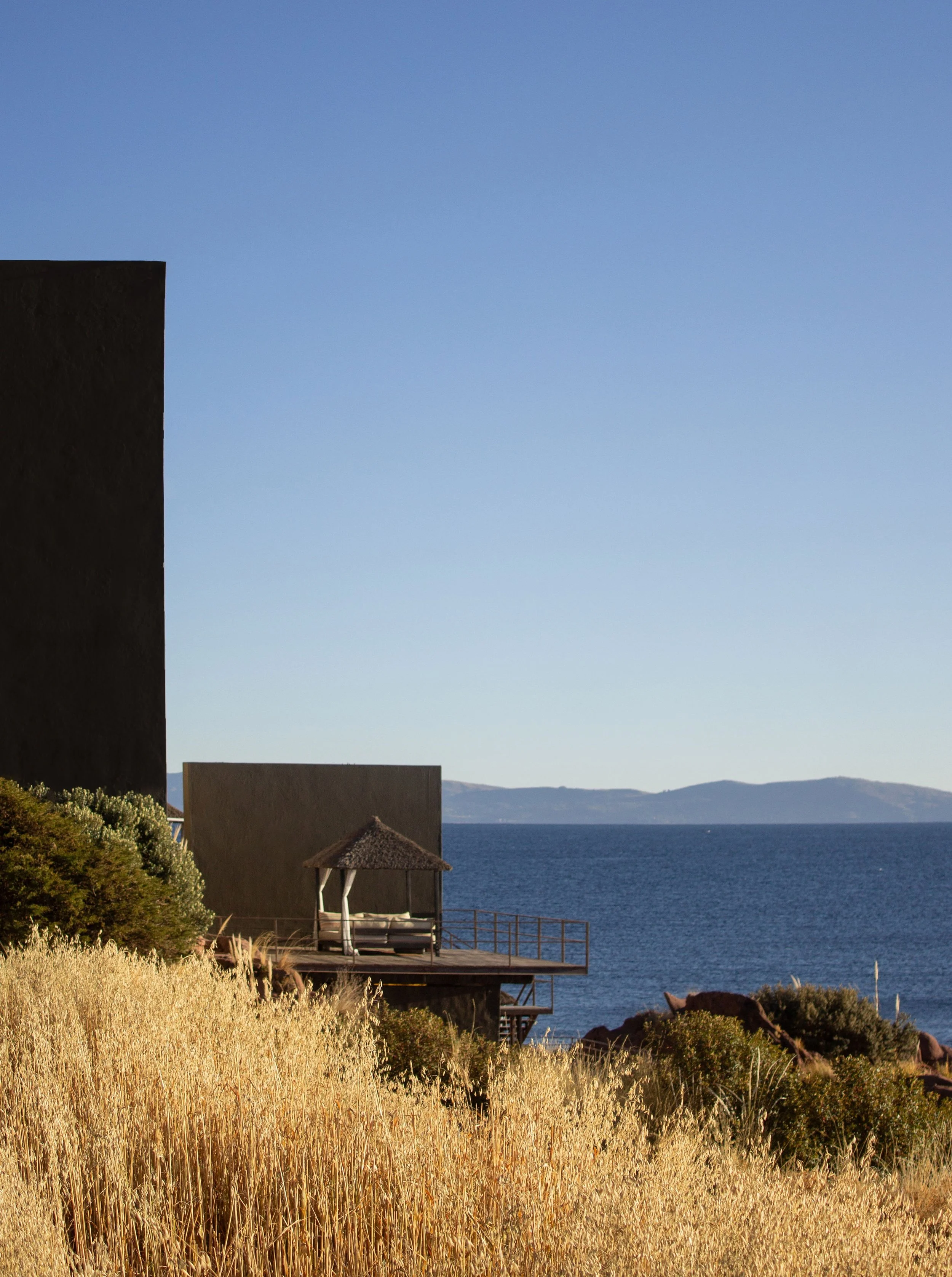
Photo by Andean
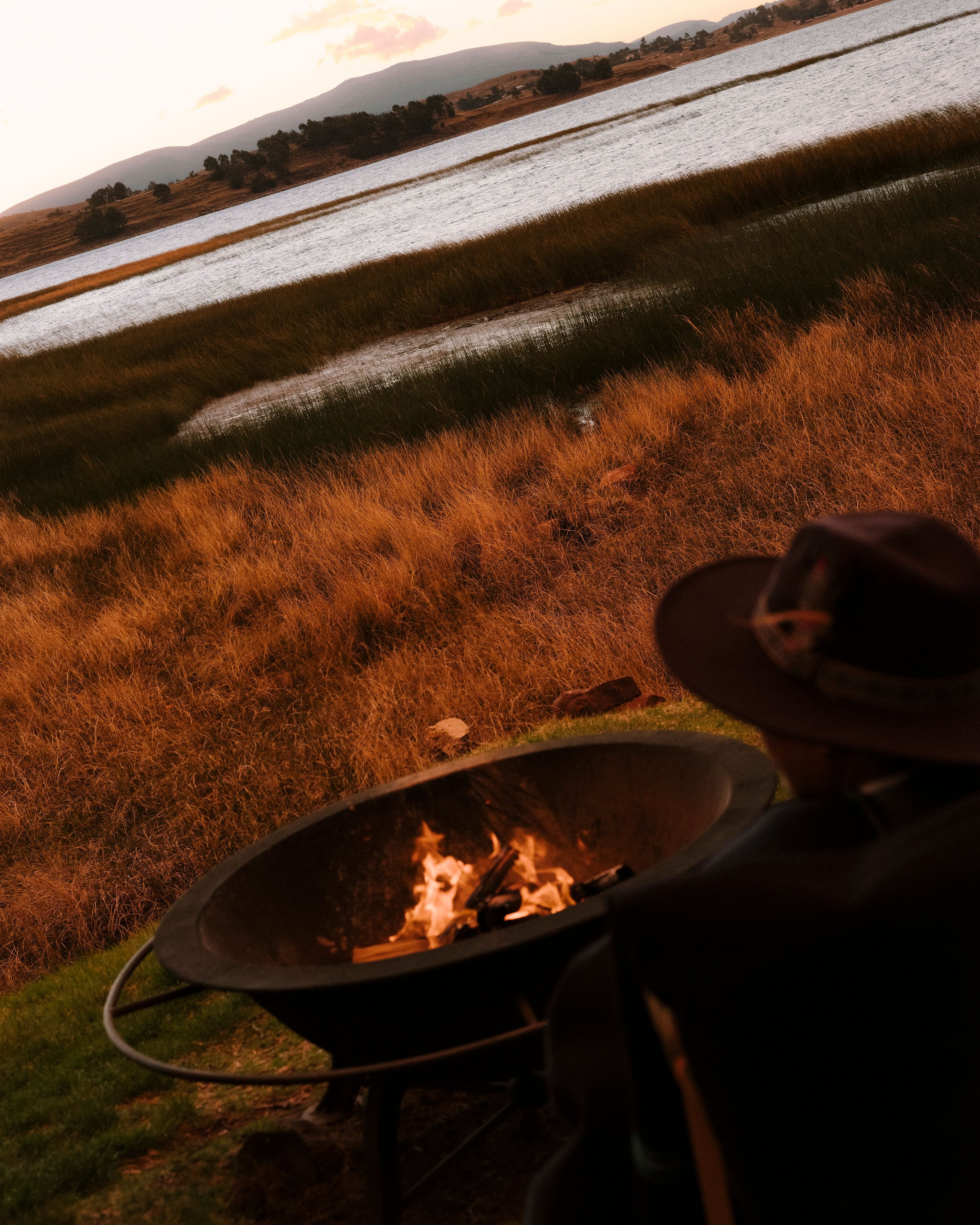
Photo by Andean
Titilaka
Beside the immense waters of Lake Titicaca in the high Peruvian Andes, Titilaka exists within one of South America’s most spiritually and geographically significant landscapes.Considered the birthplace of the sun within Incan cosmology, the lake carries a powerful sense of mythology and scale, where icy blue water stretches toward snow covered mountains and reed filled wetlands alive with flamingos, ibis, and migratory birds. The architecture is intentionally calm and unobtrusive, using clean contemporary forms, natural textures, and expansive windows that keep the surrounding landscape constantly present. Interiors feel warm and grounding against the vastness outside, allowing light, water, and changing weather to shape the atmosphere throughout the day. Exploration moves beyond the lodge through kayaking, boat journeys to remote islands, encounters with Aymara and Quechua communities, and long periods of stillness where the altitude and silence become deeply immersive.
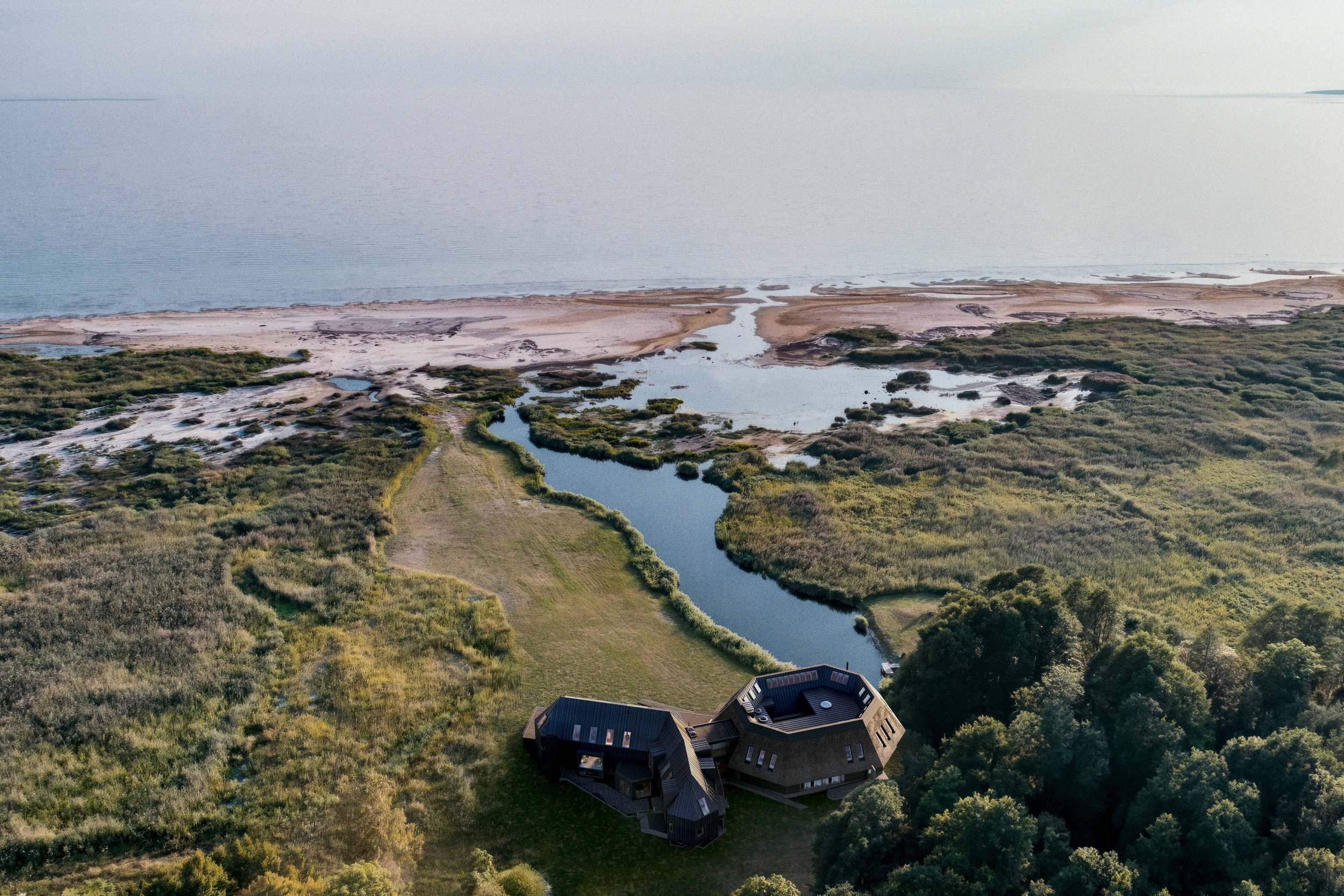
Photo by Eha Retreat
Eha Retreat
On the remote coastline of Estonia, Eha Retreat unfolds within forests, wetlands, and Baltic shoreline where the rhythm of nature remains largely uninterrupted. The region is shaped by long winters, shifting northern light, and deep silence, creating an atmosphere where time itself seems to slow. Designed with strong Nordic restraint, the architecture uses charred timber, expansive glass, and natural materials that dissolve gently into the surrounding forest. Cabins are positioned to maximise solitude and connection to landscape, opening toward trees, sea, and sky rather than toward one another. The experience is rooted in elemental living: cold water immersion, sauna rituals, foraging, forest walks, and nights where darkness becomes part of the sensory experience. Eha feels less like a hotel and more like an invitation to re enter the natural rhythms modern life often removes us from.
These images belong to Explora
These images belong to Explora
Explora El Chaltén
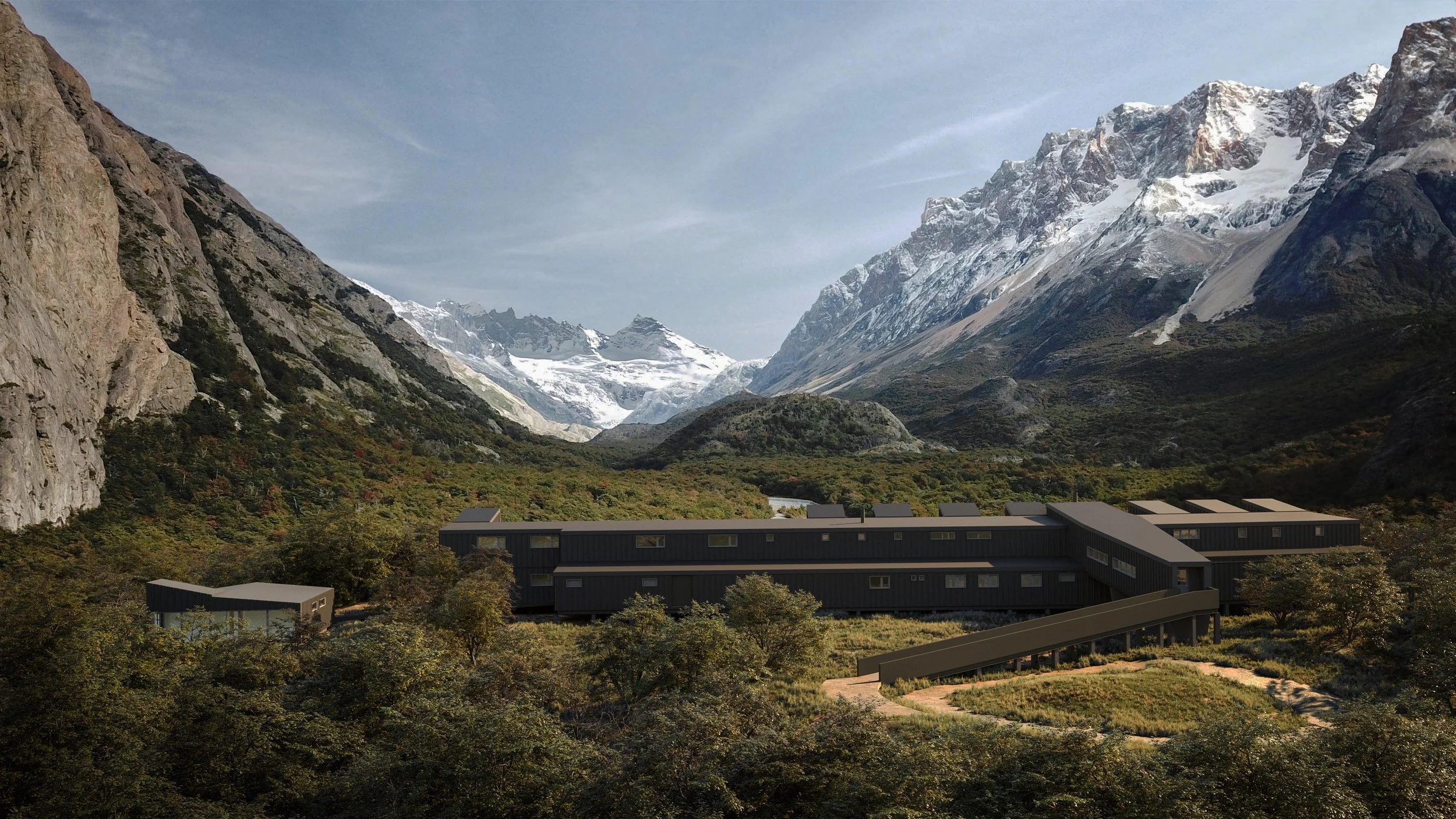
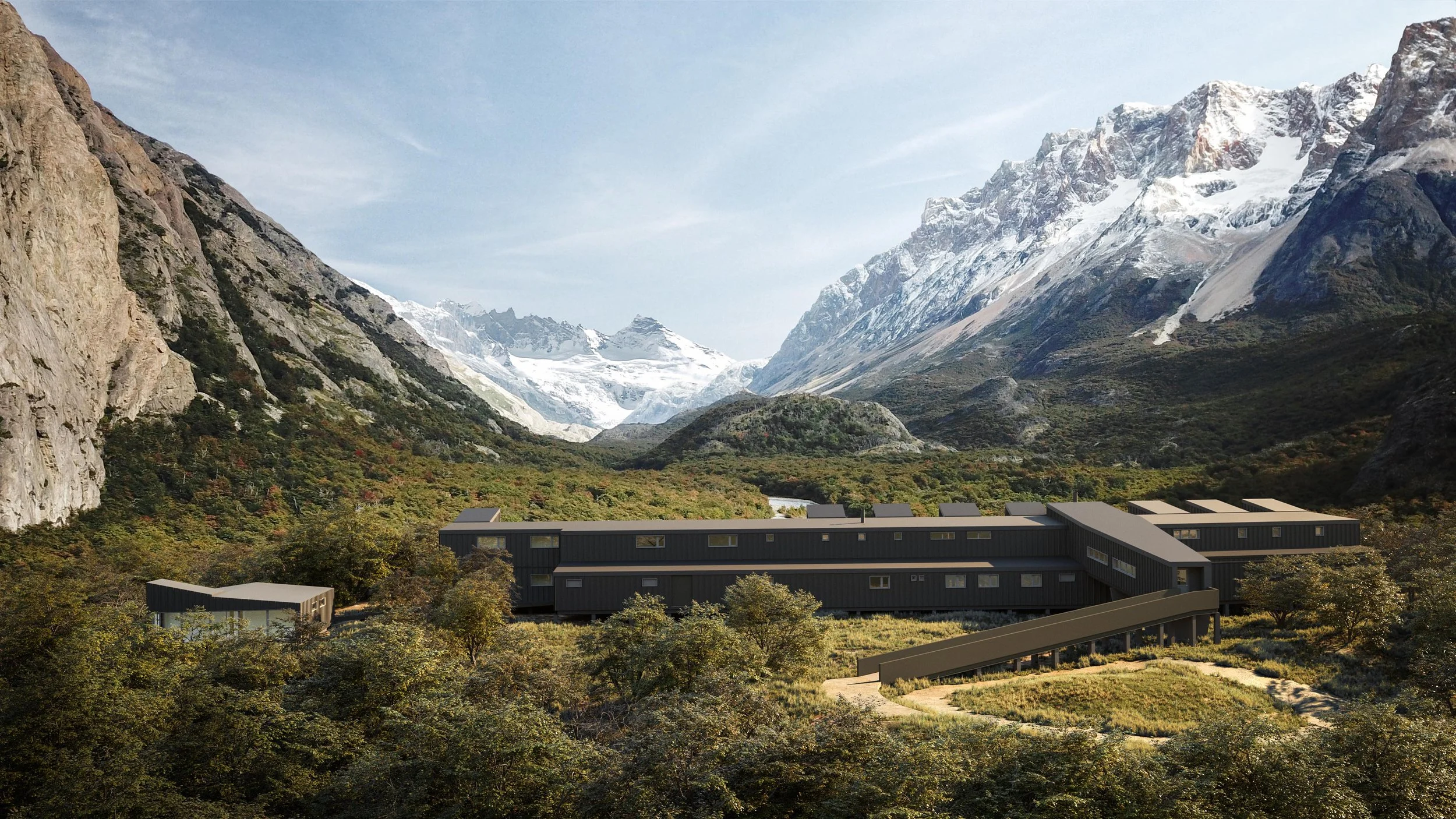
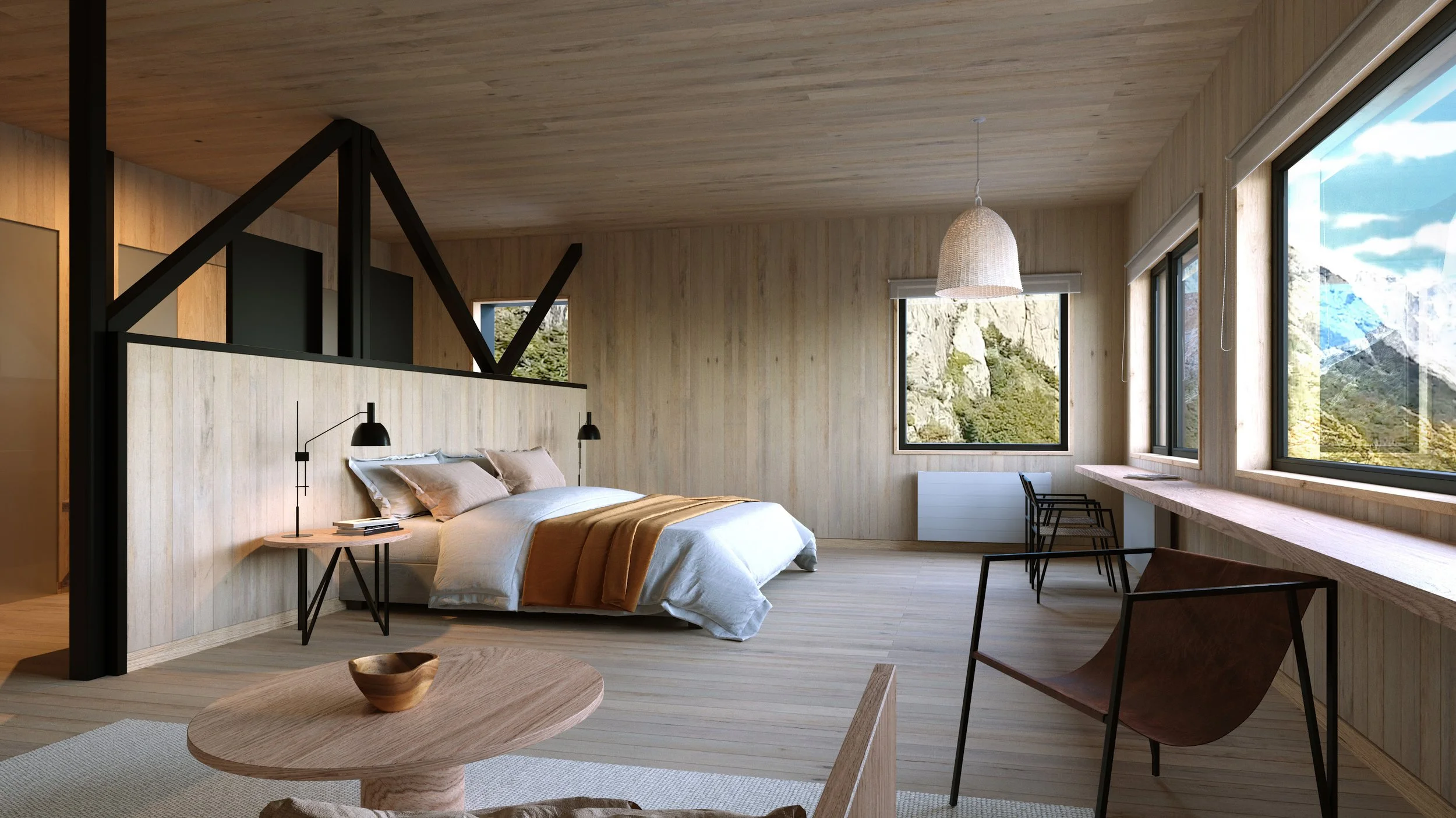
Set within one of the most remote corners of Argentine Patagonia, Explora El Chaltén is surrounded by glaciers, lenga forests, and the granite peaks of Los Huemules Reserve near Mount Fitz Roy. The geography feels immense and untamed, shaped by ice, wind, and rapidly shifting weather systems that dominate daily life. Architecture follows the Explora philosophy of quiet immersion, using timber, dark tones, and expansive glazing to frame the surrounding mountains without competing against them. The lodge acts primarily as a base for exploration, where days revolve around hiking through glacial valleys, crossing rivers, and moving deeper into landscapes where human infrastructure quickly disappears. Even indoors, the wilderness remains present through changing light, weather, and uninterrupted views of Patagonia’s dramatic terrain.
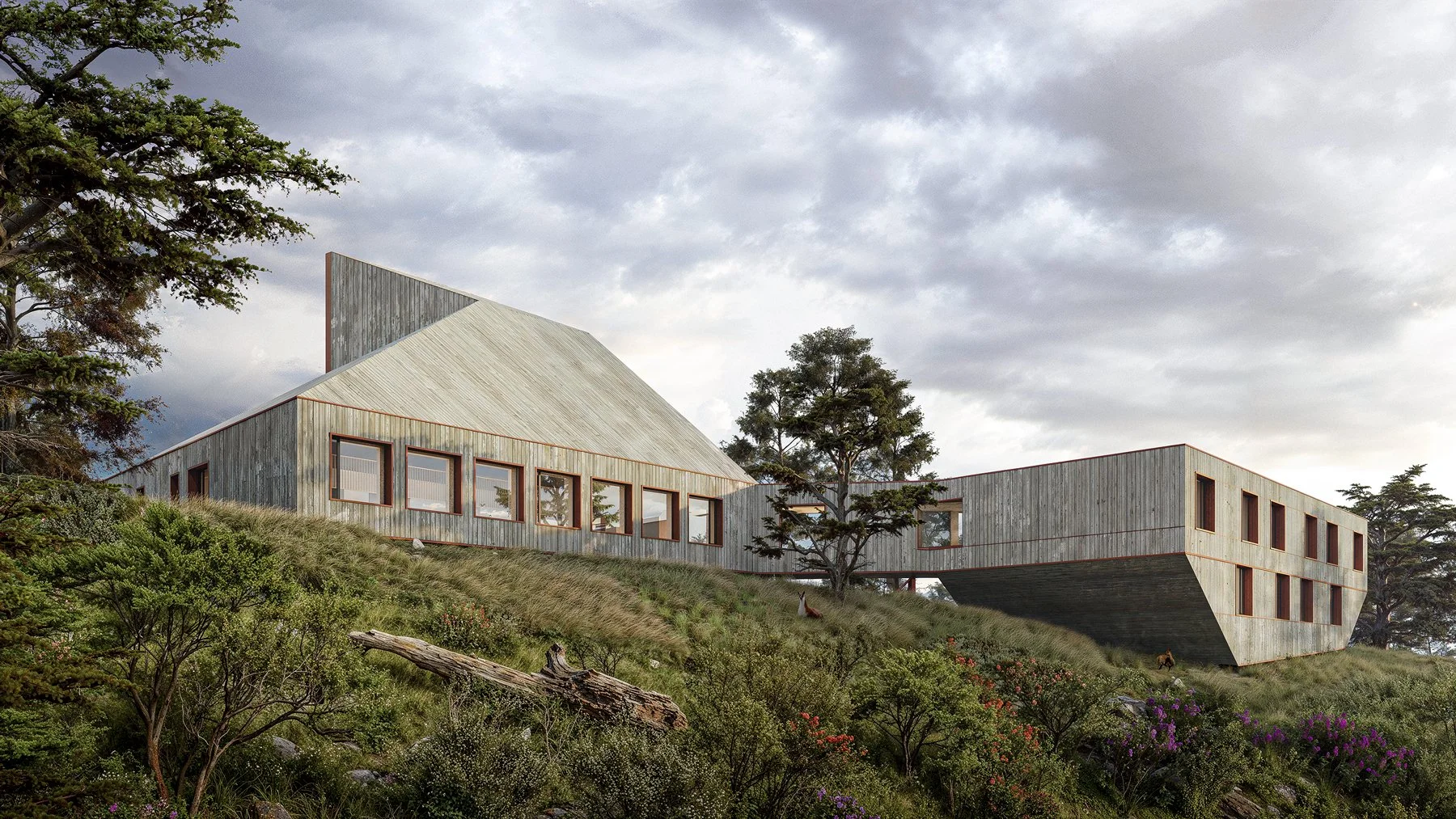
Explora Torres del Paine
Within the vast geography of Torres del Paine National Park, Explora Torres del Paine sits beside Lake Pehoé surrounded by jagged granite peaks, glaciers, turquoise rivers, and open Patagonian steppe. The landscape is defined by extremes: violent winds, sudden sunlight, immense silence, and wildlife moving freely across enormous distances. Designed by Chilean architect Germán del Sol, the lodge embraces simplicity and orientation toward the surrounding scenery, using warm timber interiors and large windows to constantly reconnect guests with the outside environment. Exploration forms the core of the experience, with horseback expeditions, trekking routes, and navigation through valleys where condors, guanacos, foxes, and pumas inhabit the terrain. The sense of exposure to the elements remains constant, making every movement through the park feel deeply alive and unpredictable.
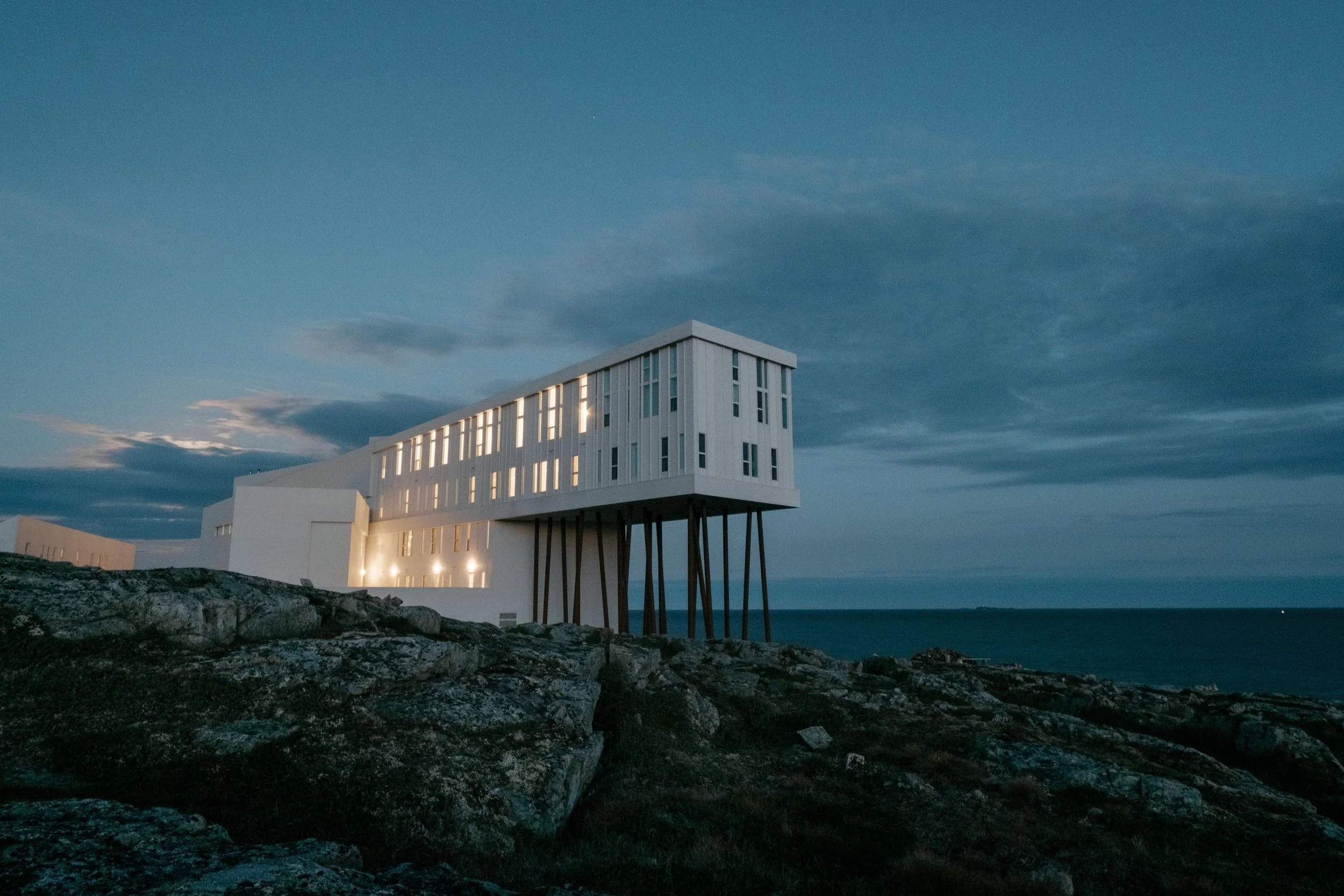
Photo by Fogo Island Inn
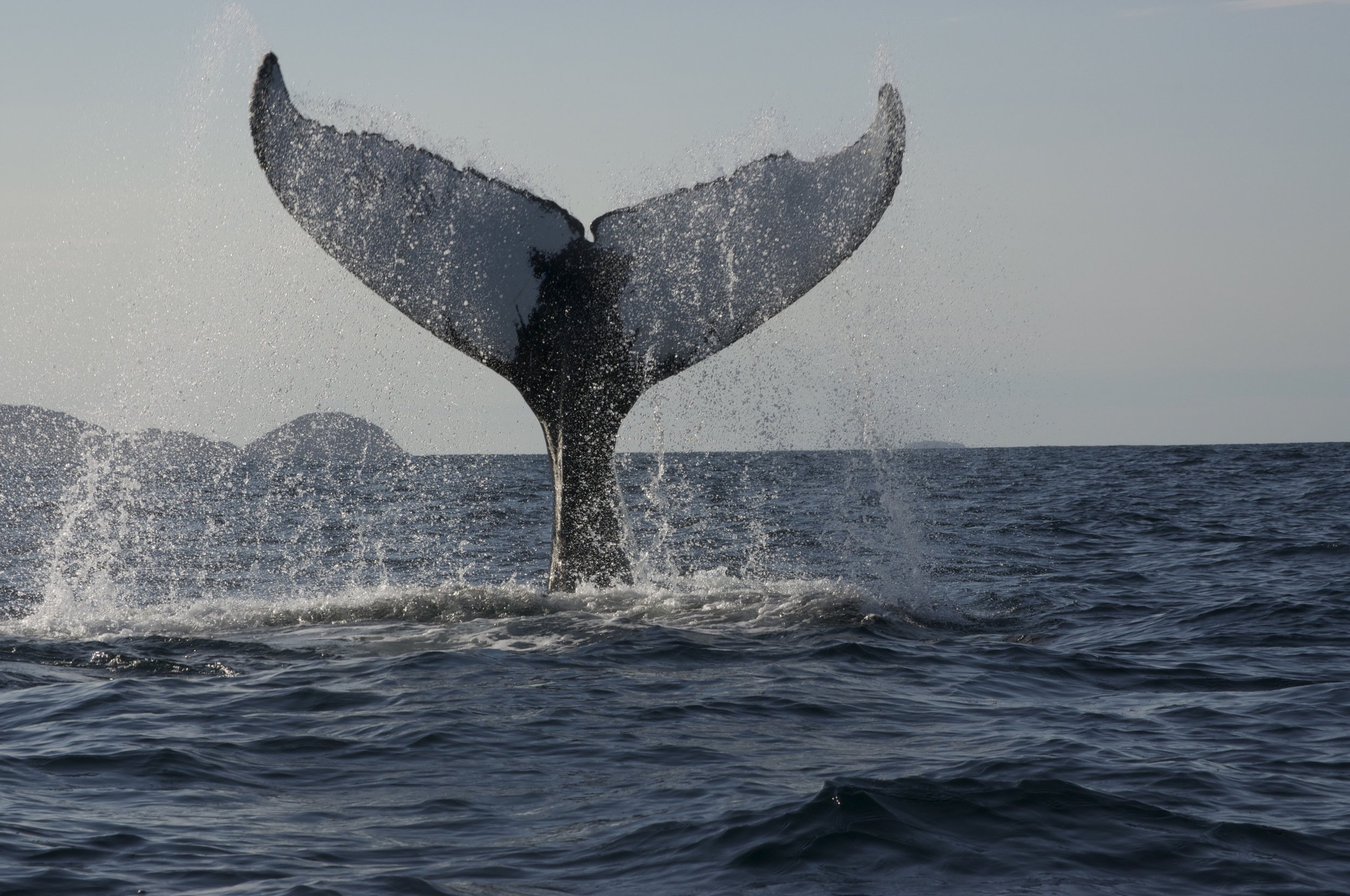
Photo by Fogo Island Inn
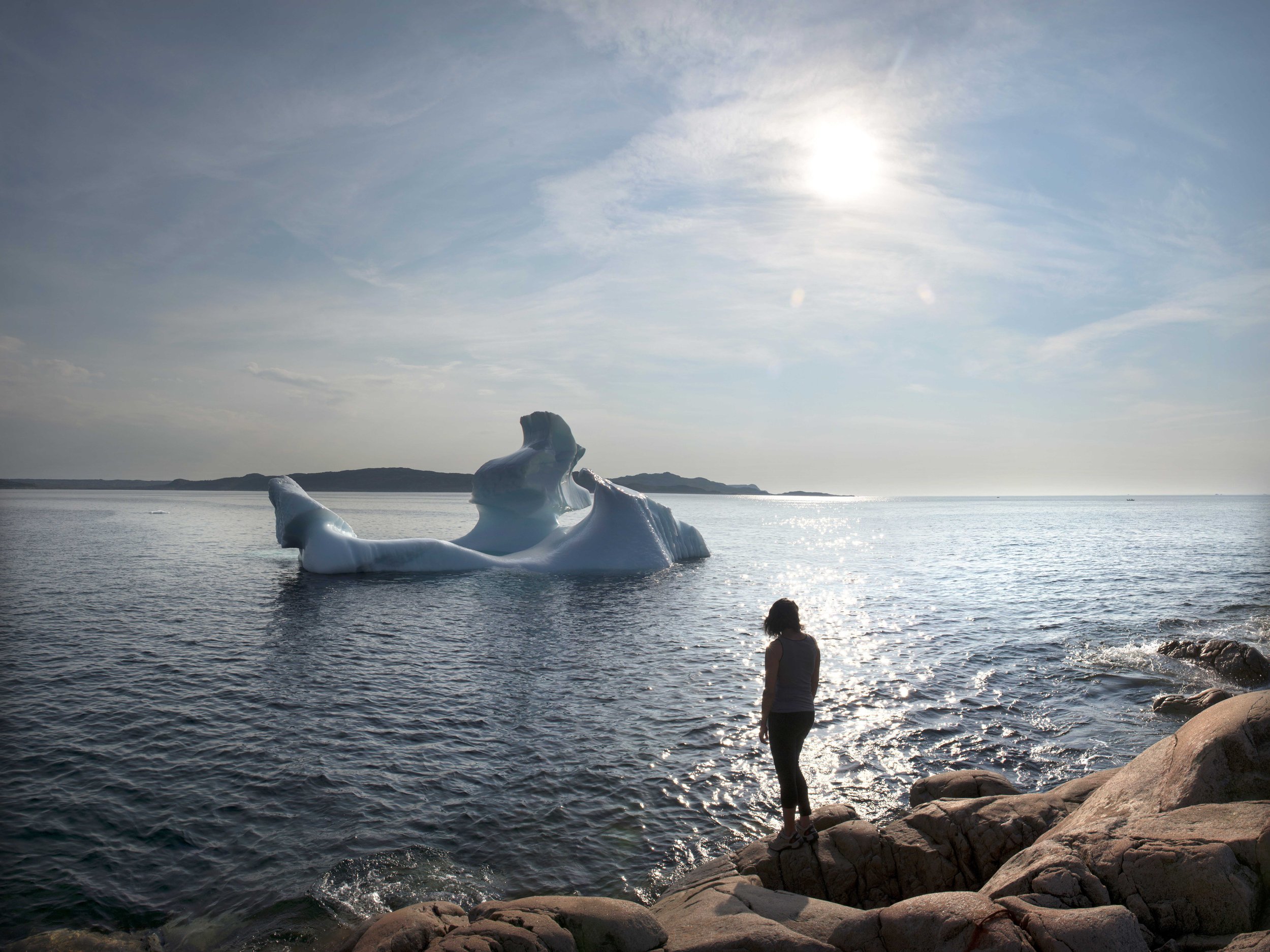
Photo by Fogo Island Inn
Fogo Island Inn
On a small island off the coast of Canada, Fogo Island Inn rises dramatically above the North Atlantic on stilts designed to withstand harsh coastal weather and shifting terrain. The island itself feels shaped entirely by isolation, where fog, icebergs, wind, and sea define both landscape and culture. Designed by Newfoundland born architect Todd Saunders, the architecture balances bold contemporary form with references to traditional fishing structures found throughout the island. Interiors incorporate handcrafted furniture, local textiles, and large panoramic windows that turn the surrounding ocean and sky into the focal point of every space. Beyond architecture, the inn functions as part of a larger social and cultural initiative created by founder Zita Cobb, helping preserve local craft, knowledge, and community life in one of the most remote inhabited places in North America. Staying here feels deeply connected not only to nature, but to the resilience required to live alongside it.
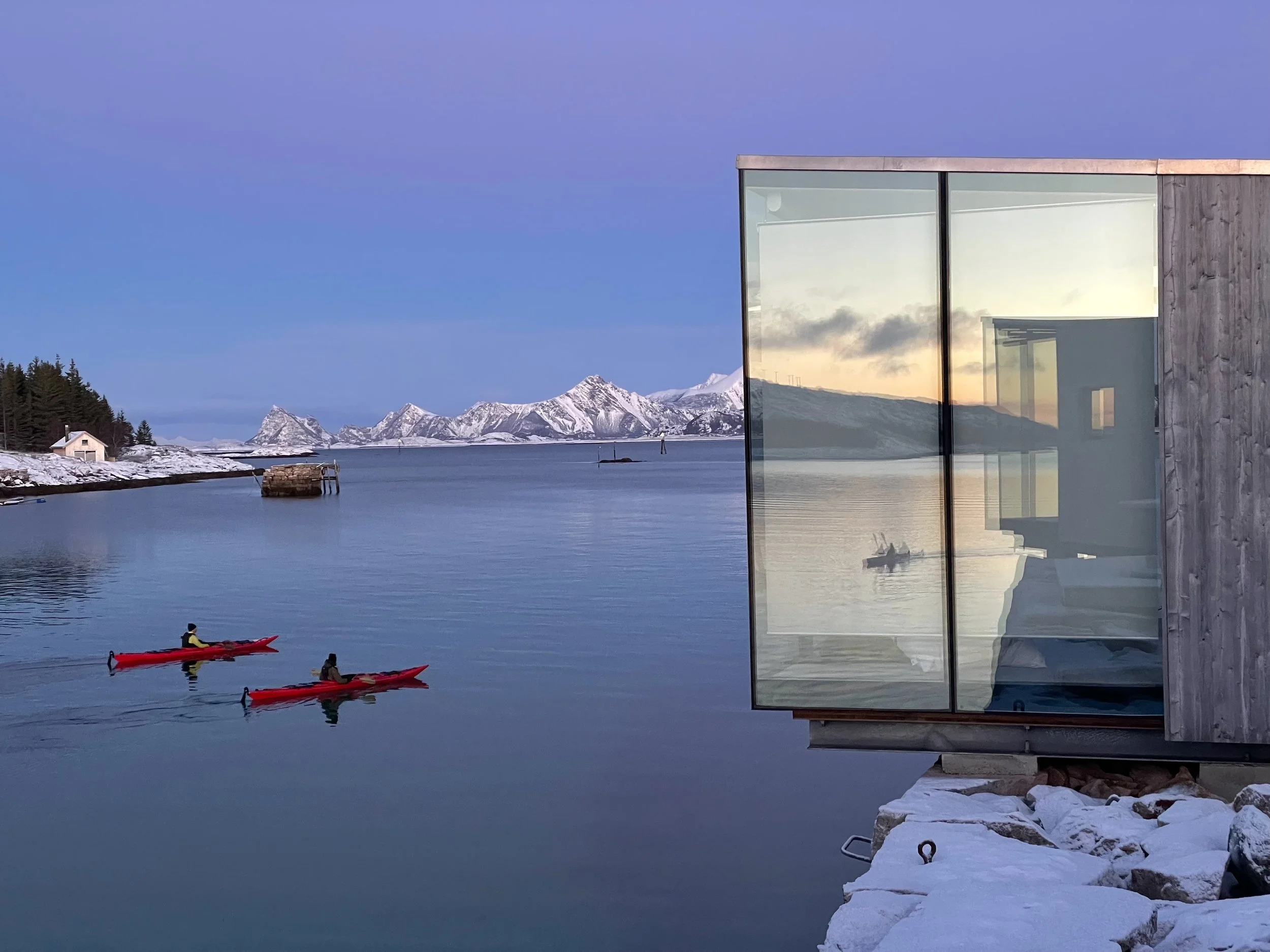
Photo by Lars Ebbesen
Manshausen
Scattered across a small island above the Arctic Circle, Manshausen is surrounded by Norwegian fjords, sharp mountain peaks, icy waters, and dramatic northern light that shifts constantly through the seasons. Originally a historic trading post, the property was reimagined by polar explorer Børge Ousland into a remote retreat centred on simplicity, exploration, and closeness to nature. The architecture, designed by Snorre Stinessen, combines minimal Scandinavian cabins with expansive glass walls suspended directly above the sea, creating the sensation of floating within the landscape itself. Weather shapes every experience here, from kayaking between fjords and cold water swimming to watching storms move across the Arctic horizon. During winter, darkness and northern lights transform the atmosphere completely, while summer brings endless daylight and the surreal feeling of time dissolving into the landscape.
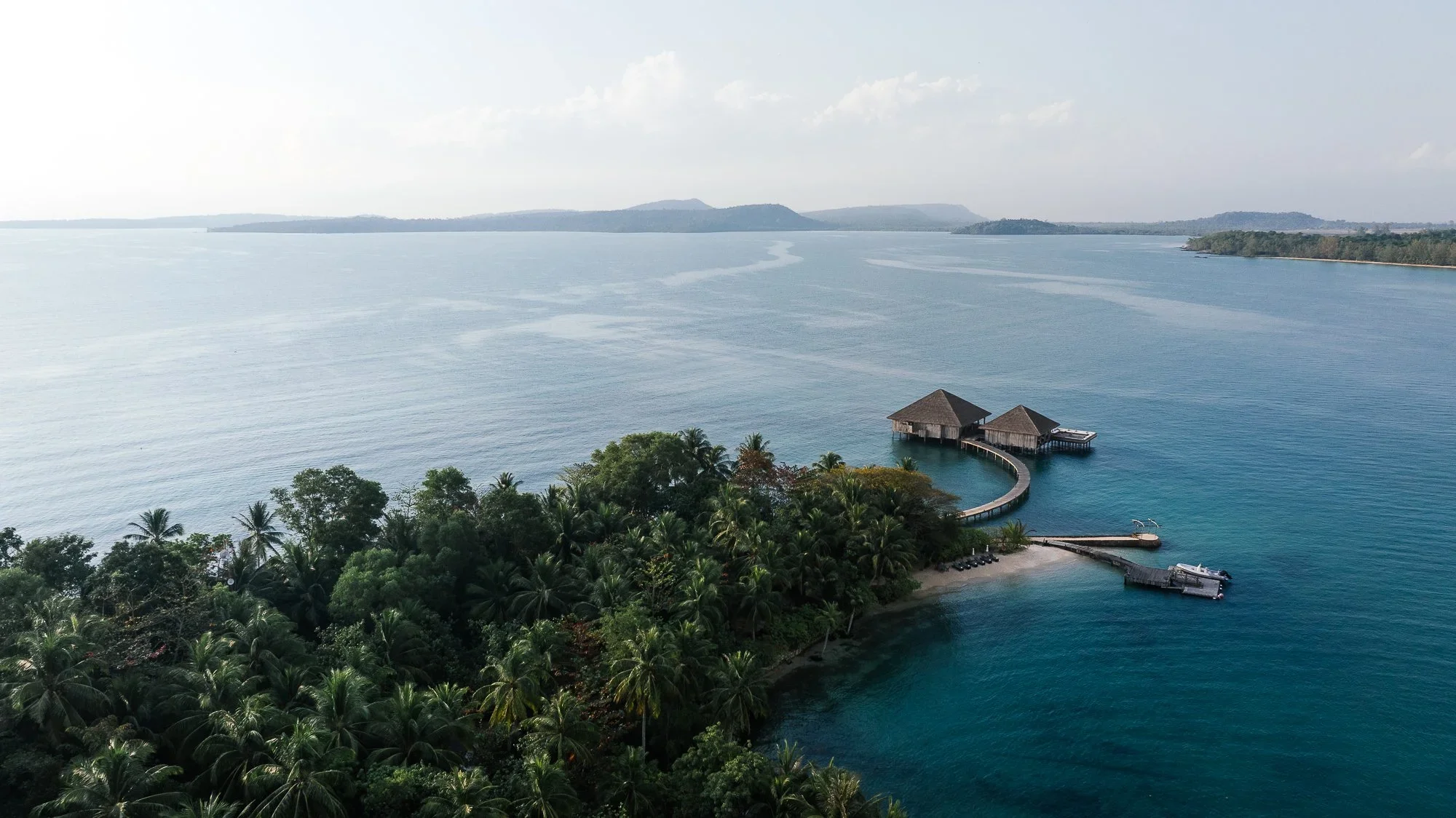
Photo by Song Saa Private Island, Elise Hassey
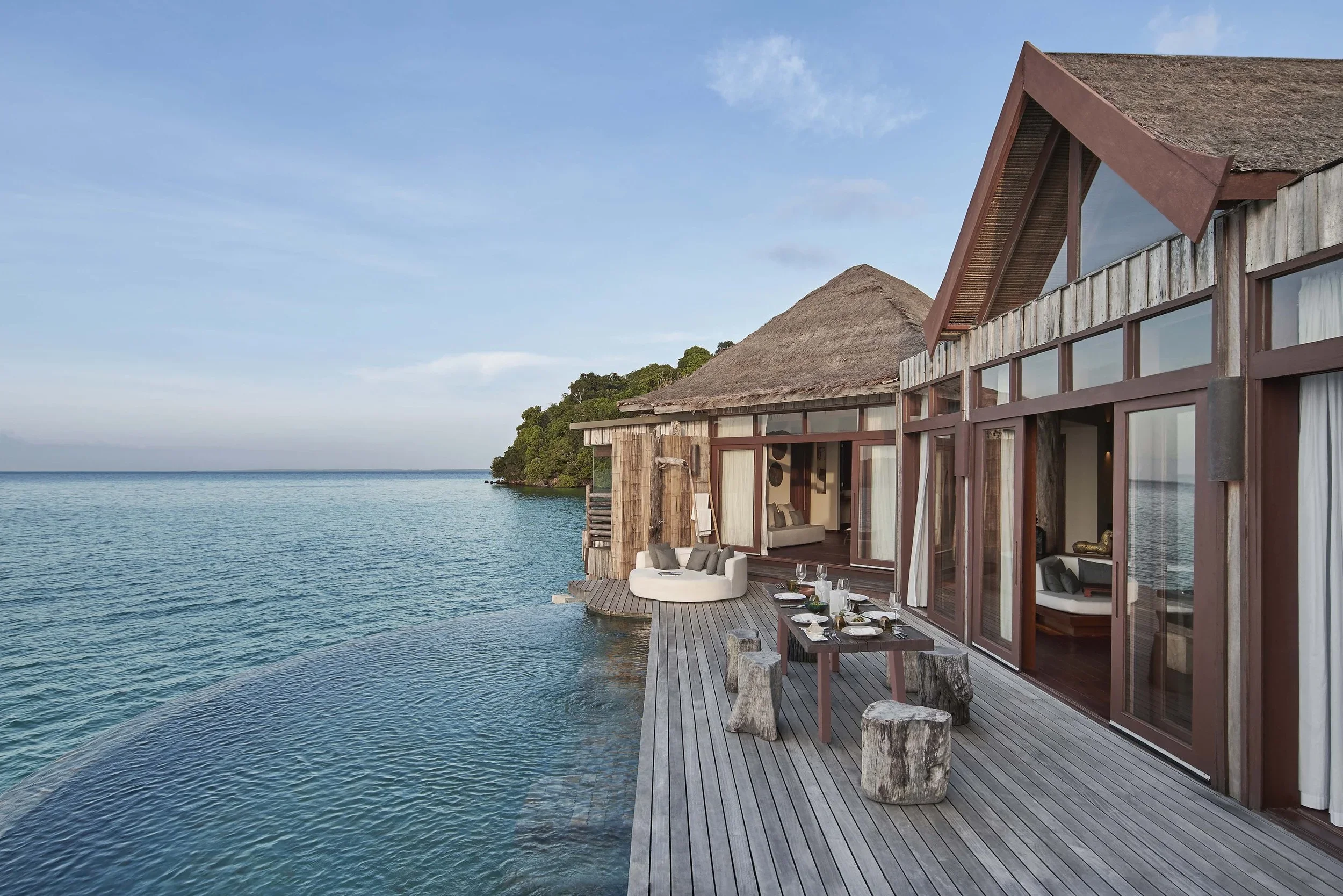
Photo by Song Saa Private Island, Elise Hassey
Song Saa Private Island
Hidden within Cambodia’s Koh Rong Archipelago, Song Saa Private Island occupies two small jungle covered islands connected by a wooden footbridge above protected marine waters. The surrounding geography feels lush and almost prehistoric, where rainforest canopy, coral reefs, mangroves, and bioluminescent sea life create an ecosystem of extraordinary biodiversity. Architecture combines reclaimed timber, driftwood, and natural materials with open air structures designed to blur the line between interior space and tropical environment. Villas extend directly above the sea or disappear into jungle foliage, allowing wildlife, tides, and weather to remain part of daily life. Conservation lies at the centre of the project through marine protection initiatives, reef restoration, and local community partnerships that protect the fragile ecosystems surrounding the islands. Days unfold through snorkelling, kayaking, jungle walks, and long periods of stillness shaped entirely by tide, heat, rain, and the rhythms of the ocean.
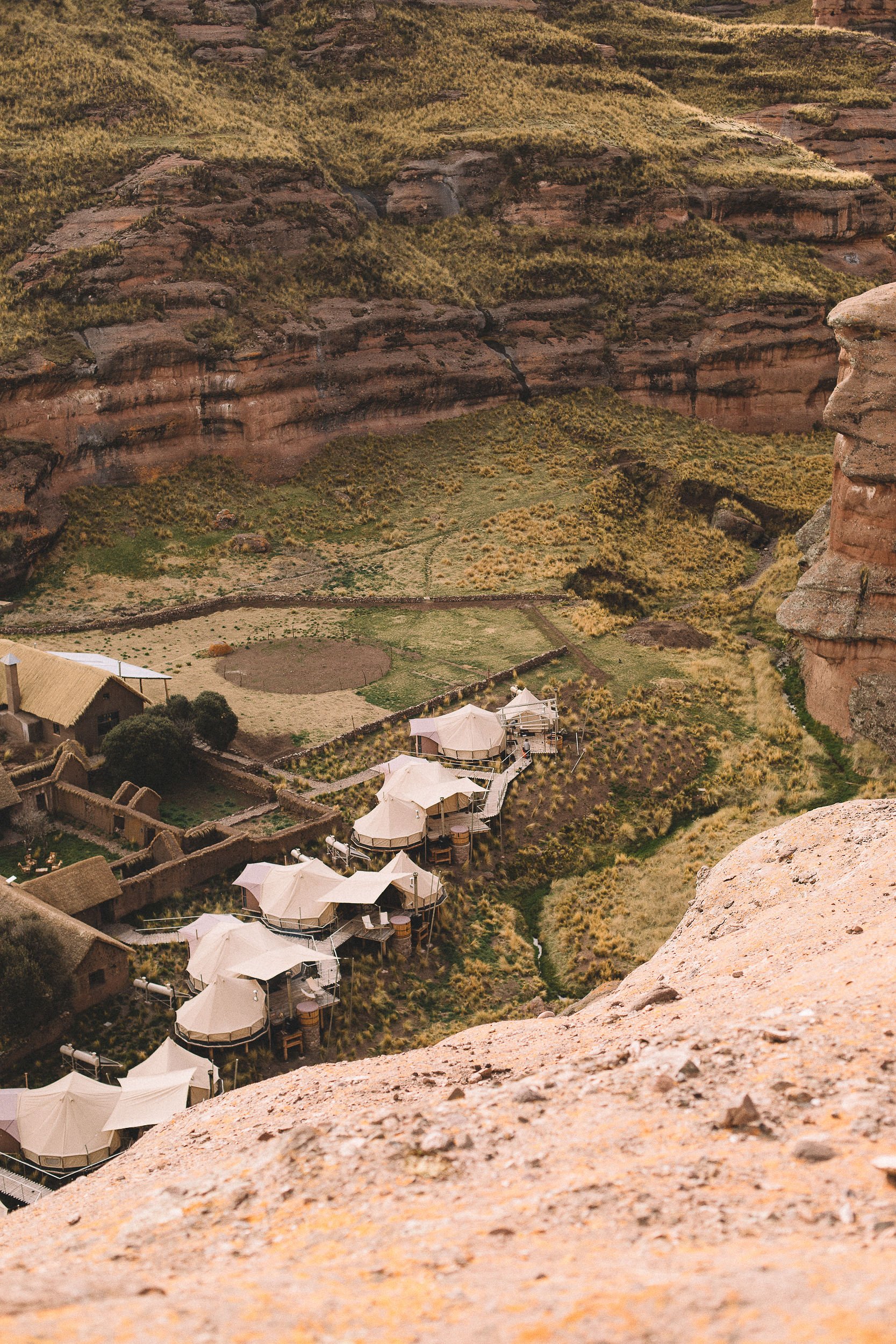
For millennia, human history, culture, and survival have been inextricably linked to the horse, shaping landscapes from the Central Asian steppes to the South American pampas. From the rugged horsemanship of South American gauchos to European classical dressage, equestrian traditions reflect a deep, intuitive partnership between humans and nature. Today, exploring remote destinations on horseback offers an authentic, slow-travel alternative, allowing travelers to connect with local equine heritage while navigating wilderness terrains at a natural pace.