
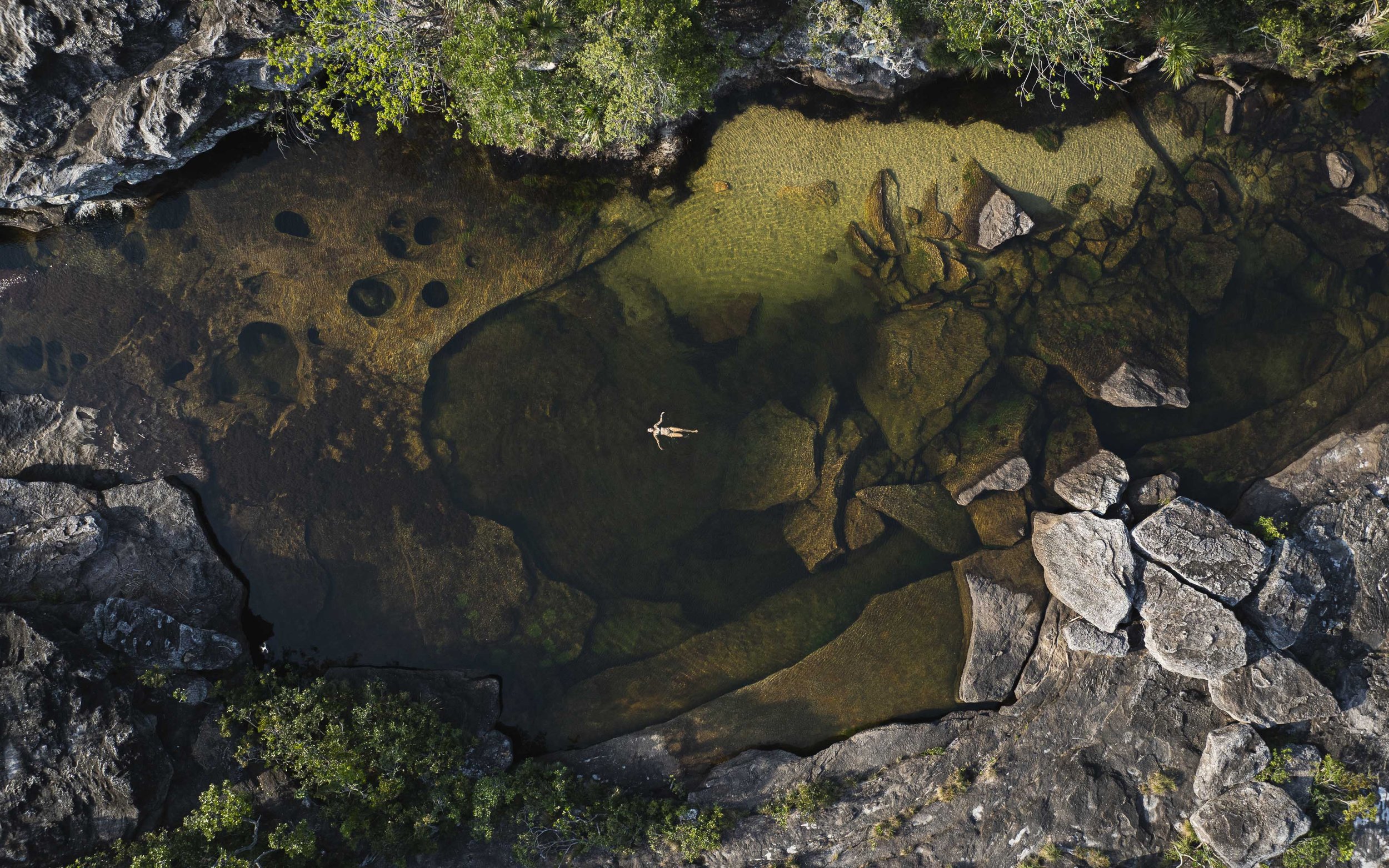
Wild Initiatives: THE WHY BEHIND LANDSCAPE HOTELS
A closer look at the foundations behind landscape hotels, where conservation, culture, and design shape a more regenerative way to travel.
There was a time when sustainability felt specific, almost rare. It belonged to a smaller group of thinkers and builders who were responding directly to land, climate, and community. Today, the word is everywhere, stretched across industries and experiences, often diluted through overuse. What once signaled intention can now feel indistinct. Yet beneath the language, something more grounded continues to take shape.
At Room + Wild, the most meaningful projects have always begun long before the hotel. In many cases, the foundation came first, a reforestation effort, a conservation project, a way of living more closely aligned with place. The hotel followed as a vessel, a way to invite others in. These spaces were never just about staying somewhere beautiful. They became bridges, connecting travelers to something already in motion, led by individuals committed to restoring ecosystems, preserving culture, or rethinking how we live on the land.
Wild Initiatives emerge from this origin as living commitments that shape the entire experience. Across forests, coastlines, and remote terrains, these initiatives take many forms. Some protect endangered species or regenerate native landscapes. Others support local communities, revive traditional practices, or create new systems of stewardship. What unites them is a shift from minimizing impact to actively giving back, allowing each place to evolve with care.
Room + Wild brings together a global network of landscape hotels and nature-led stays where this thinking is embedded into daily life. Here, travel becomes involvement with guests contributing simply by being present, aware, and engaged. Wild Initiatives offer a different model for hospitality, one where design, ecology, and human experience are held in balance, and where every stay carries the potential to support something far beyond itself.
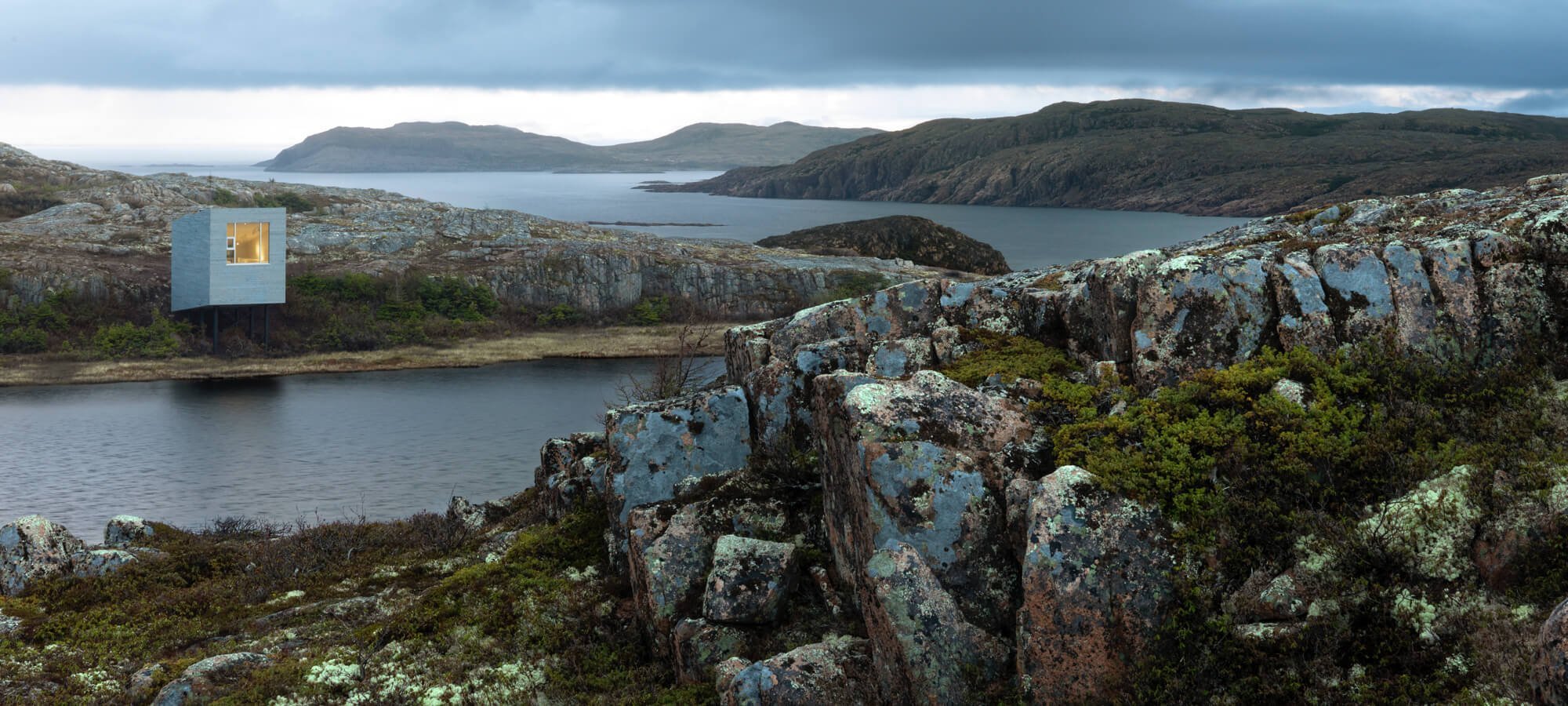
Photo by Fogo Island Inn
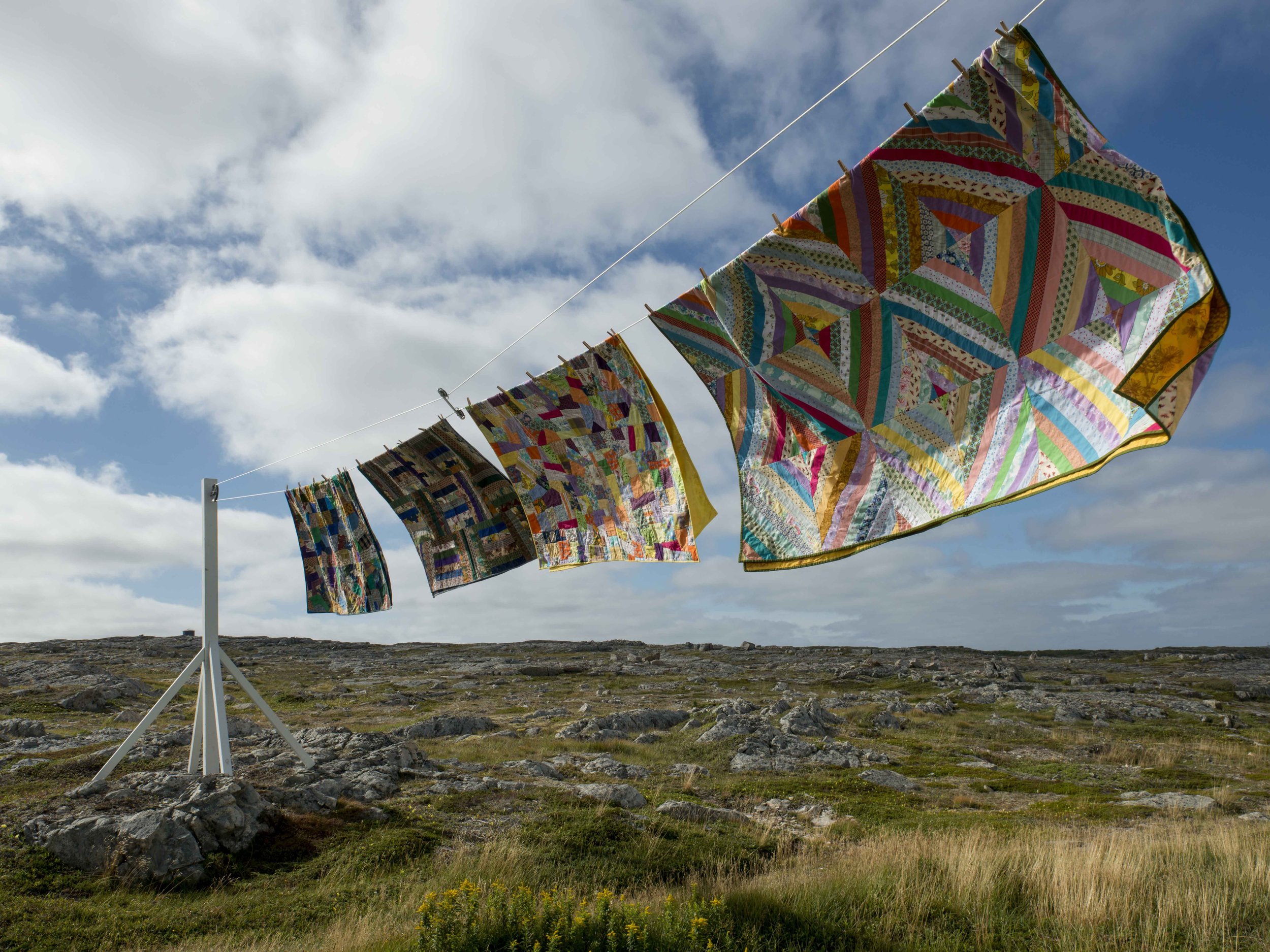
Fogo Island Inn
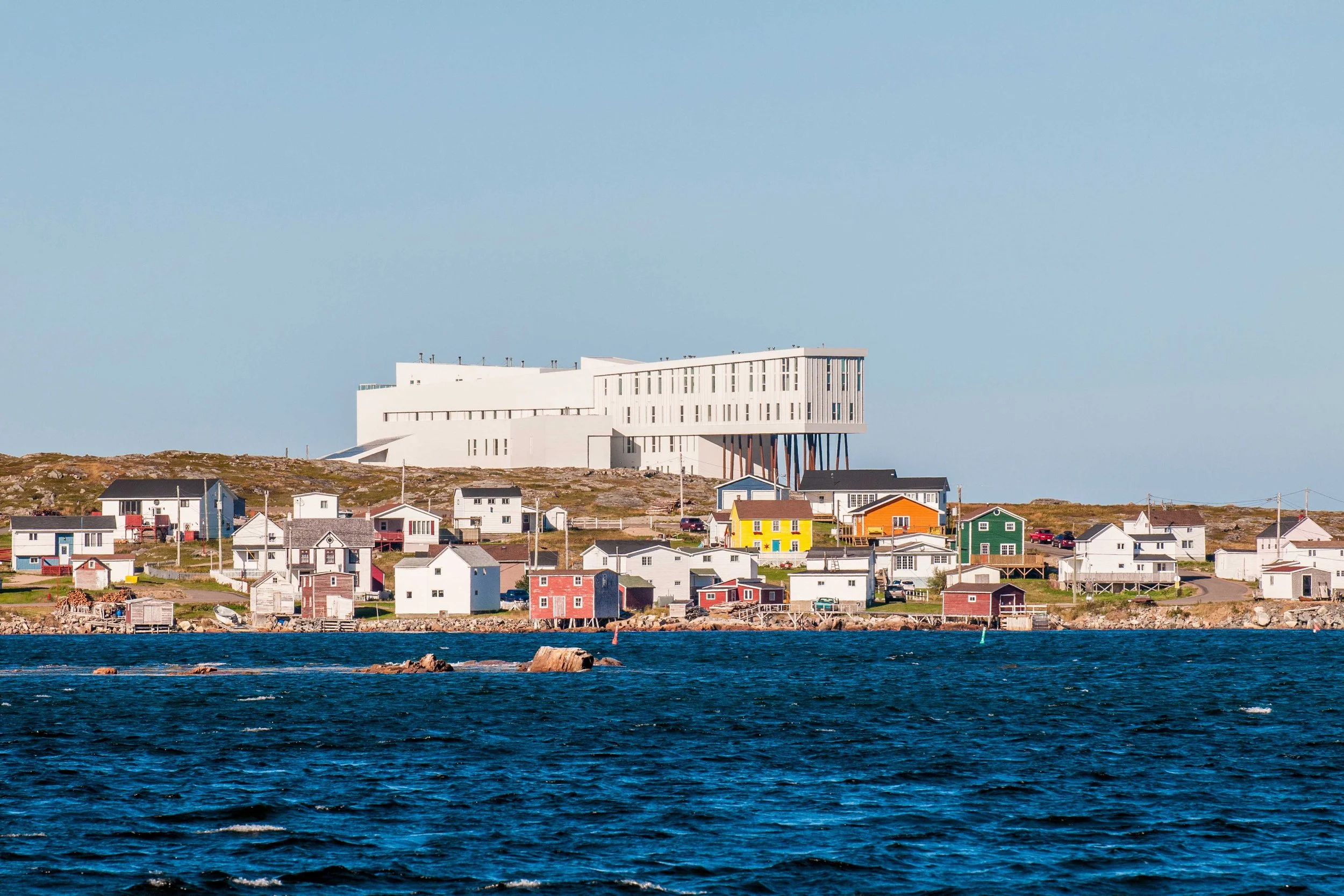
Fogo Island Inn: Shorefast
Shorefast is a Canadian registered charity founded in 2004 by siblings Zita, Alan, and Anthony Cobb to help secure the future of Fogo Island after the collapse of the cod fishery. Rooted in the belief that business should serve place, the organization has built a model of economic and cultural resilience where social enterprises, including Fogo Island Inn, generate long-term benefits for the local community rather than private shareholders. Every operating surplus from the Inn is reinvested into Fogo Island, supporting a future where heritage, livelihoods, and landscape remain deeply connected.
Beyond the Inn, Shorefast has created a network of initiatives that strengthen both community and culture, from contemporary art and heritage restoration to local manufacturing, fisheries, and entrepreneurship. Its philosophy of "economic nutrition," which transparently shows where money flows, offers a new way of measuring tourism's impact. Rather than simply visiting Fogo Island, guests become part of a regenerative model that demonstrates how thoughtful travel can help communities and wild places thrive together.
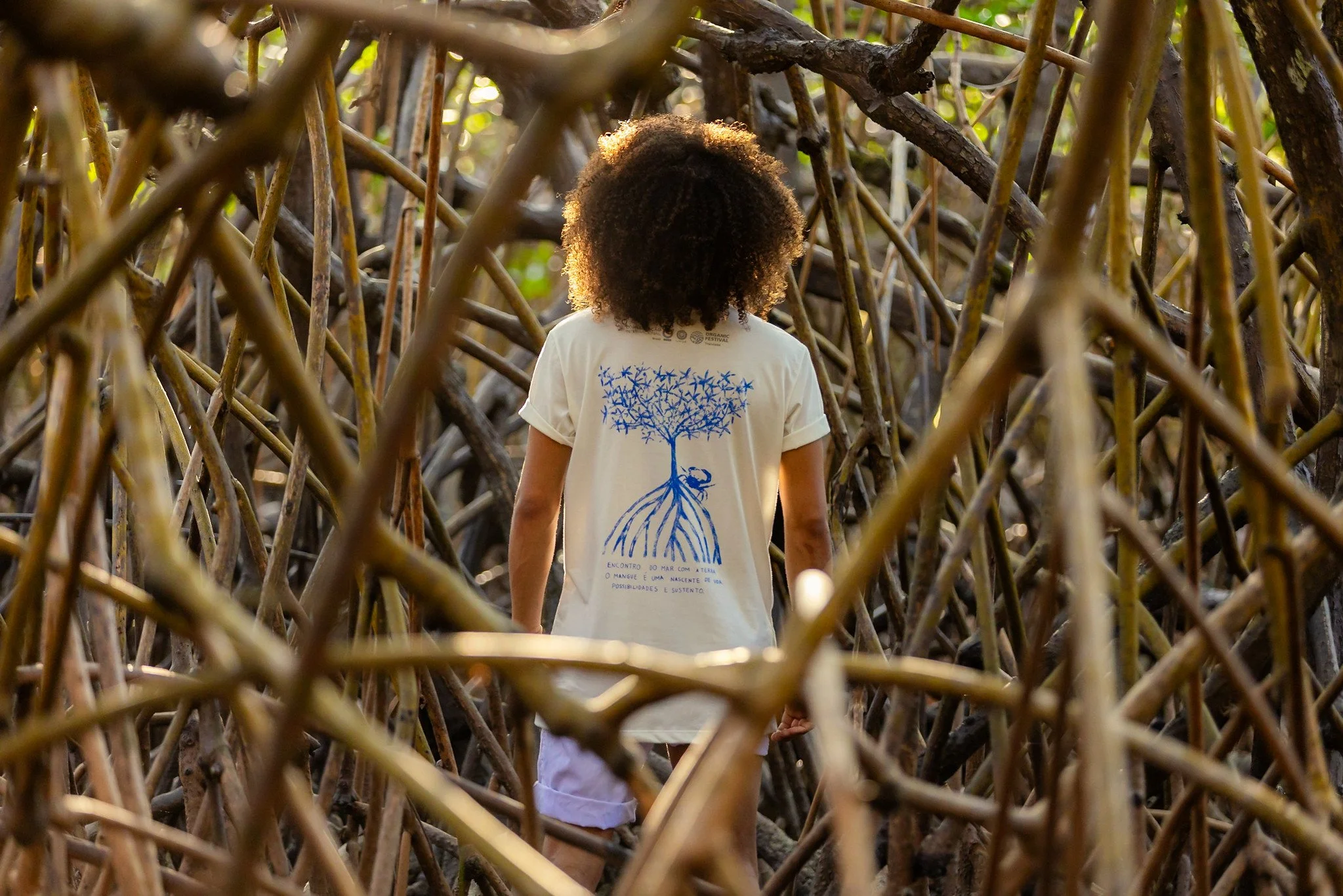
Photo by Bruno Pinheiro
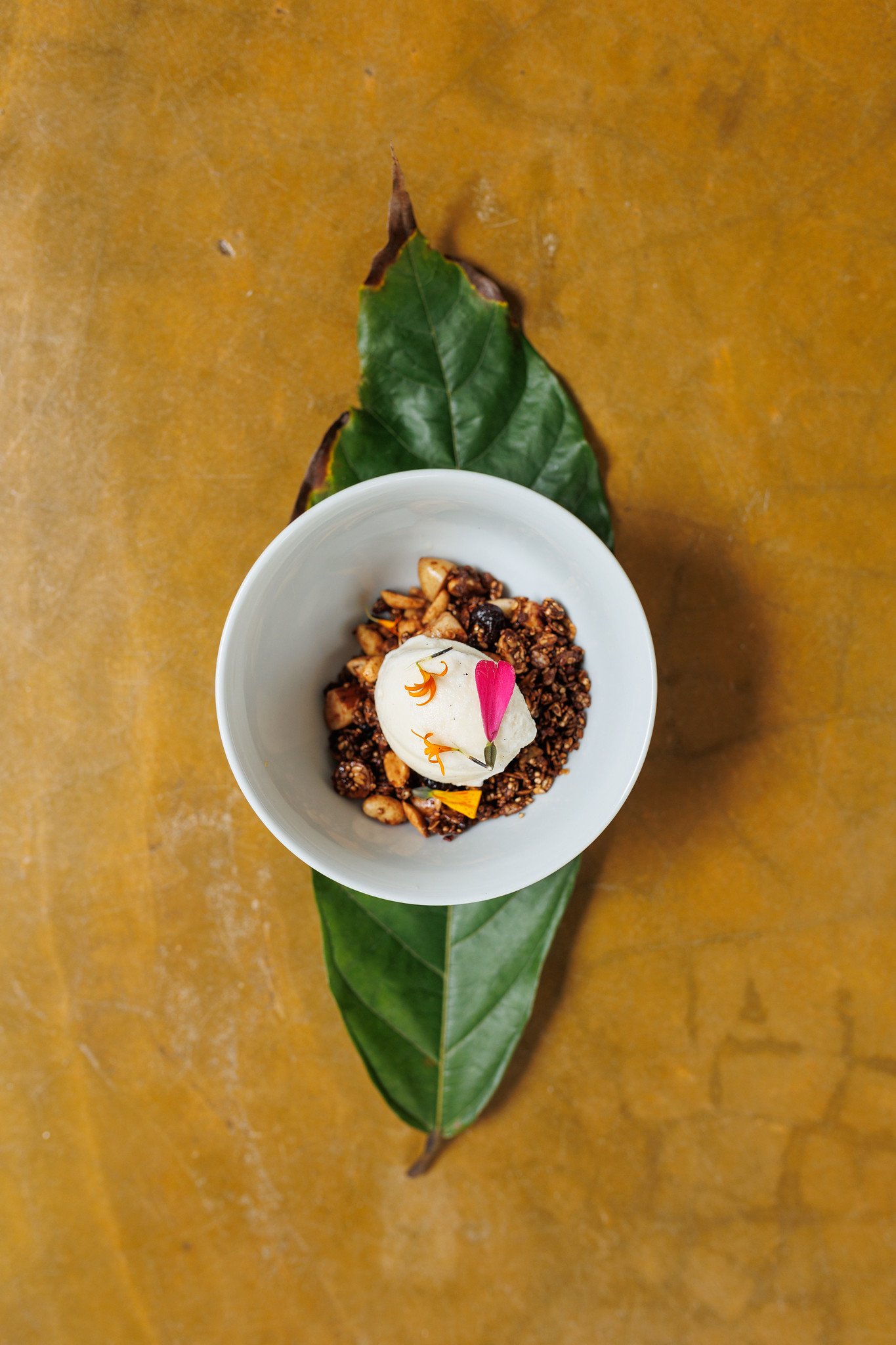
Photo by Nico Ferri
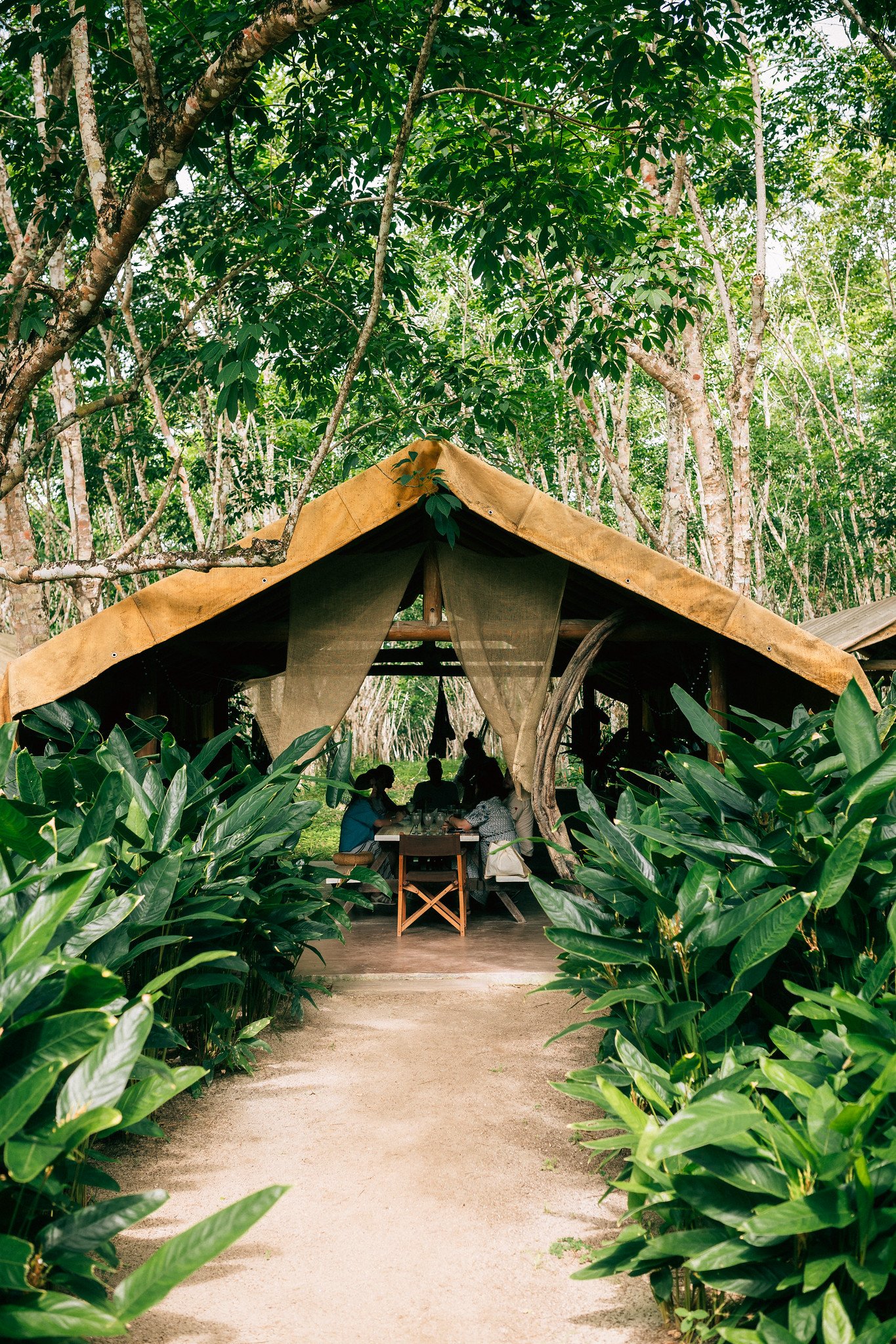
Photo by Nico Ferri
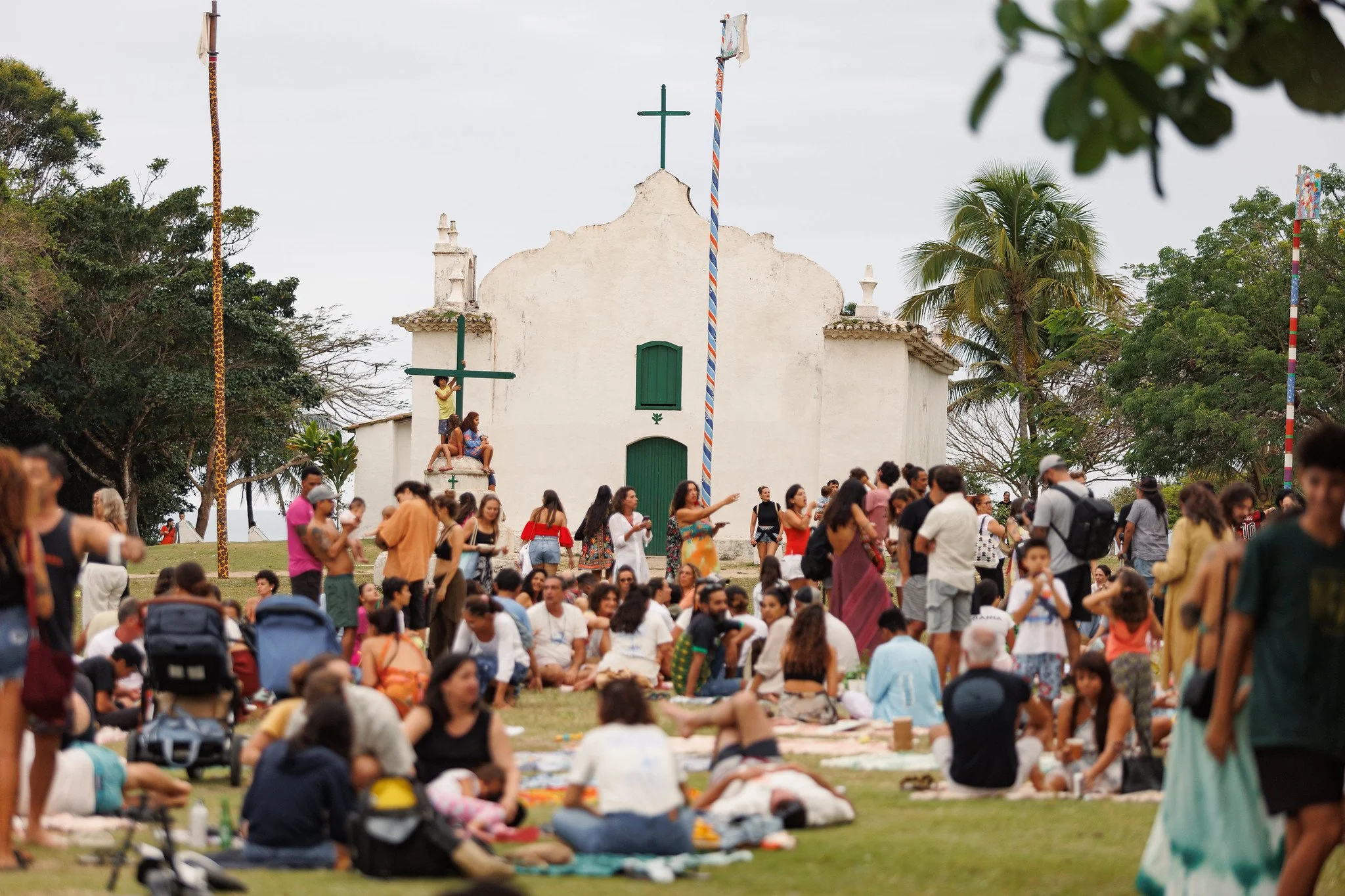
Photo by Nico Ferri
UXUA Casa Hotel & Spa: Organic Festival
The Organic Festival Trancoso is a multi-day celebration held in one of Brazil’s most distinctive coastal villages, bringing together chefs, farmers, artists, and environmental thinkers in a shared exploration of sustainable living. Across five days, the festival unfolds through open-air dinners, talks, workshops, and communal gatherings that connect gastronomy, culture, and conservation in a deeply collaborative setting. Created by UXUA Casa Hotel & Spa, it has become a reference point for regenerative tourism in Latin America, with each edition expanding its network of producers, local communities, and international voices.
At its core, the festival transforms Trancoso into a living kitchen and classroom where the boundaries between guest and local community dissolve. Experiences range from forest-to-table lunches and beach picnics in the Quadrado to intimate dinners led by chefs working directly with native ingredients, alongside conversations about agriculture, biodiversity, and cultural preservation. With strong involvement from local initiatives and conservation partners, the event is designed as a collective reflection on how food systems, tourism, and place can evolve together.
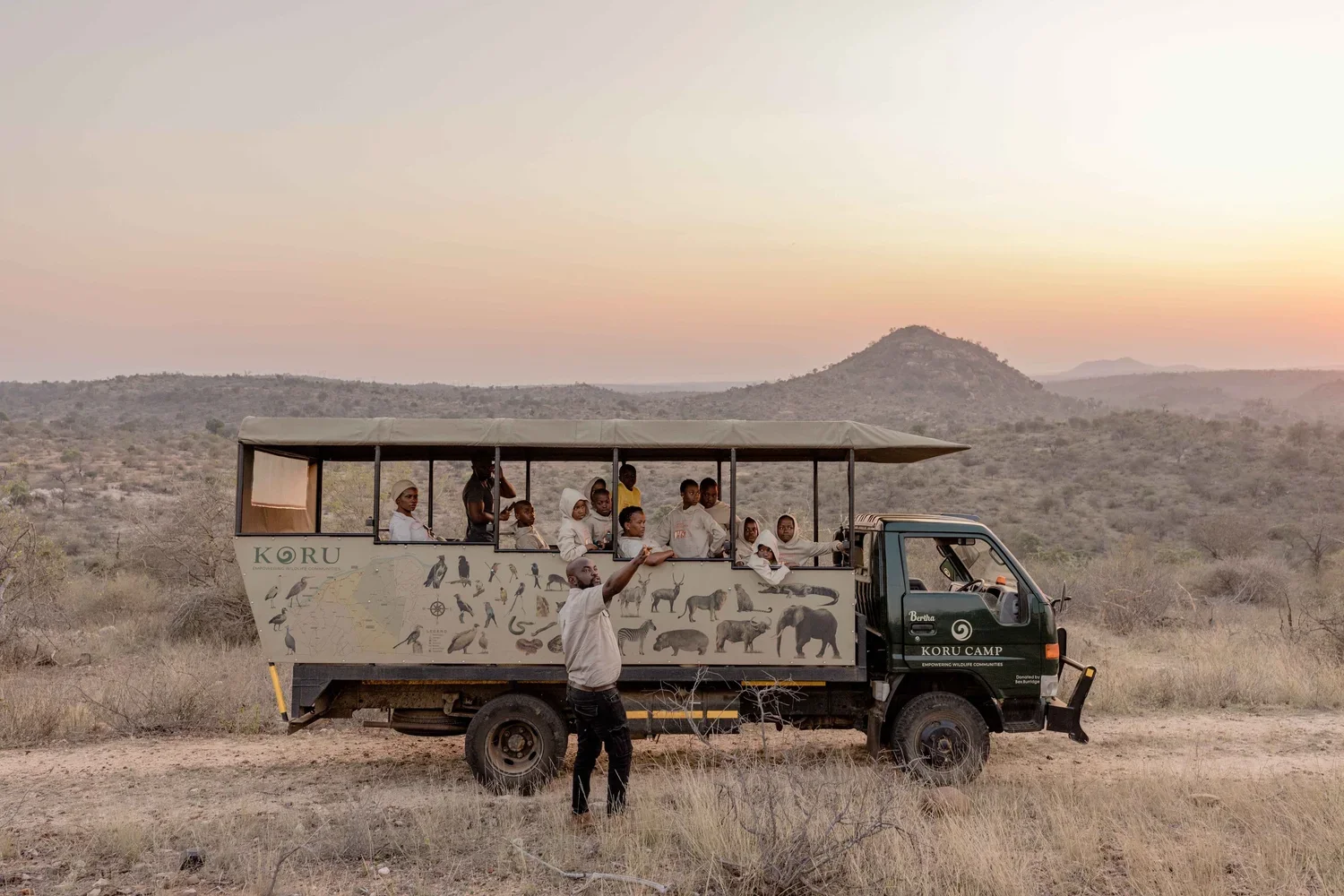
Photo by Koru Camp
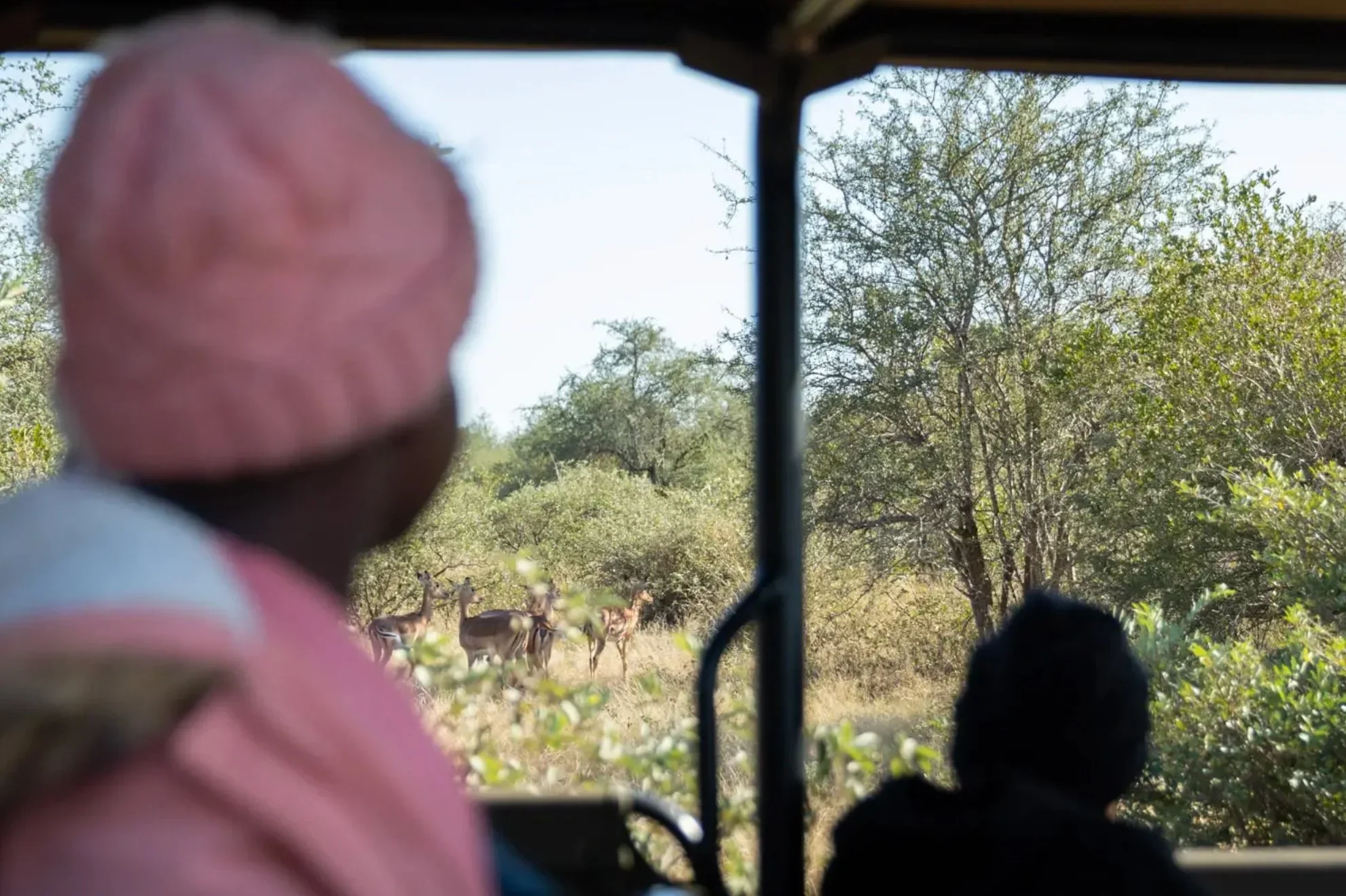
Photo by Koru Camp
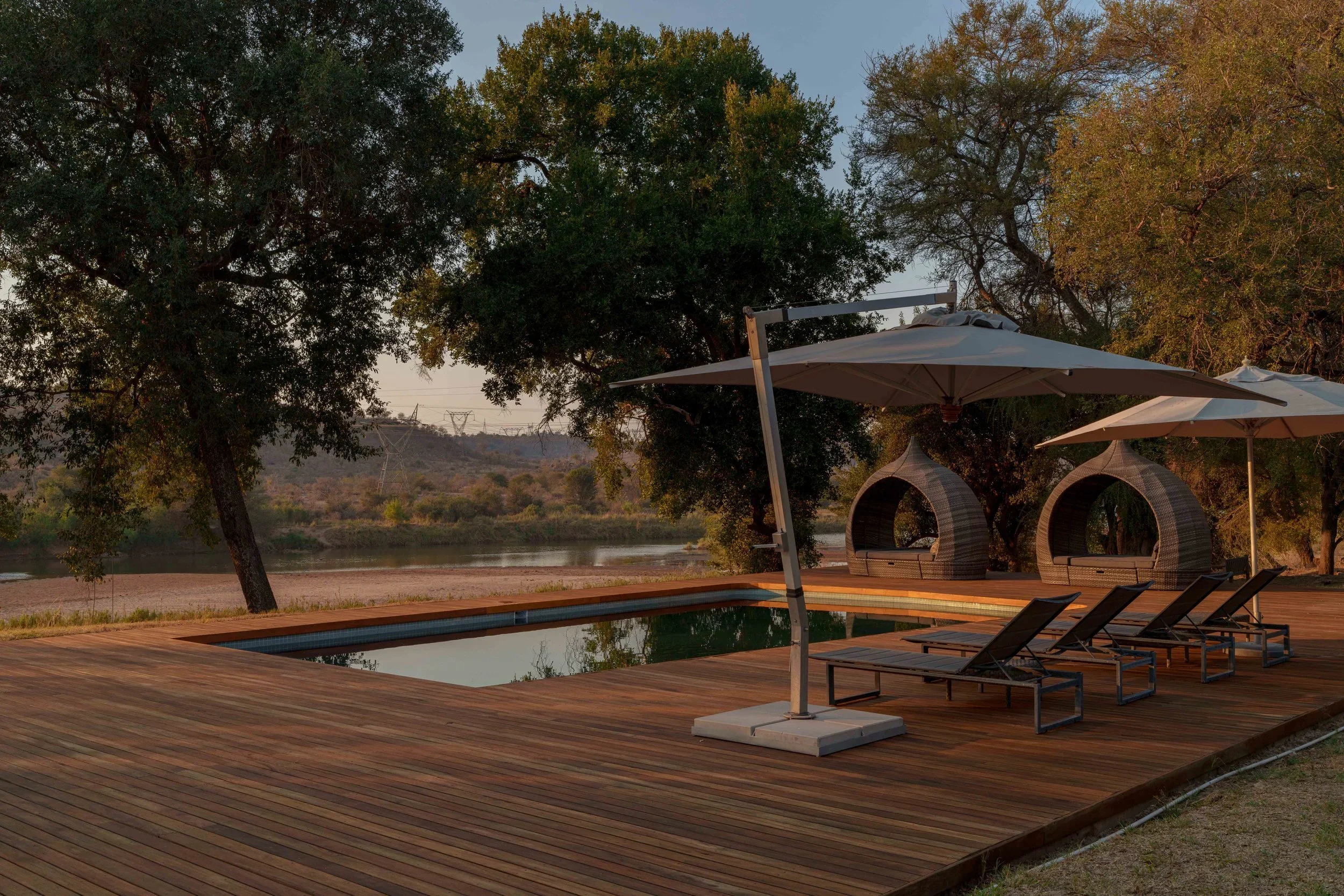
Photo by fat dassie
Sashwa: Koru Camp
Koru Camp is part of the Sashwa social enterprise ecosystem in the Greater Kruger region of South Africa, where the core philosophy of regenerative travel is built into every layer of experience. Established as a community-focused wilderness initiative, it exists to reconnect local communities with the land they live alongside but have historically had limited access to. Profits from Sashwa support Koru Camp directly, funding immersive educational stays that introduce participants to the Greater Kruger ecosystem, conservation practices, and the skills needed for sustainable living, turning access to nature into a pathway for long-term stewardship.
The camp itself is deeply rooted in its environment, operating as an off-grid, low-impact tented experience within a vast private reserve where wildlife moves freely across the Greater Kruger landscape. It is designed not as a traditional safari lodge, but as a place of learning, immersion, and transformation, where time in the bush is used to build connection rather than consumption. Through guided experiences, storytelling, and direct exposure to one of the most biodiverse regions on Earth, Koru Camp becomes a bridge between conservation and community, offering a model of hospitality where impact, education, and nature are inseparable.
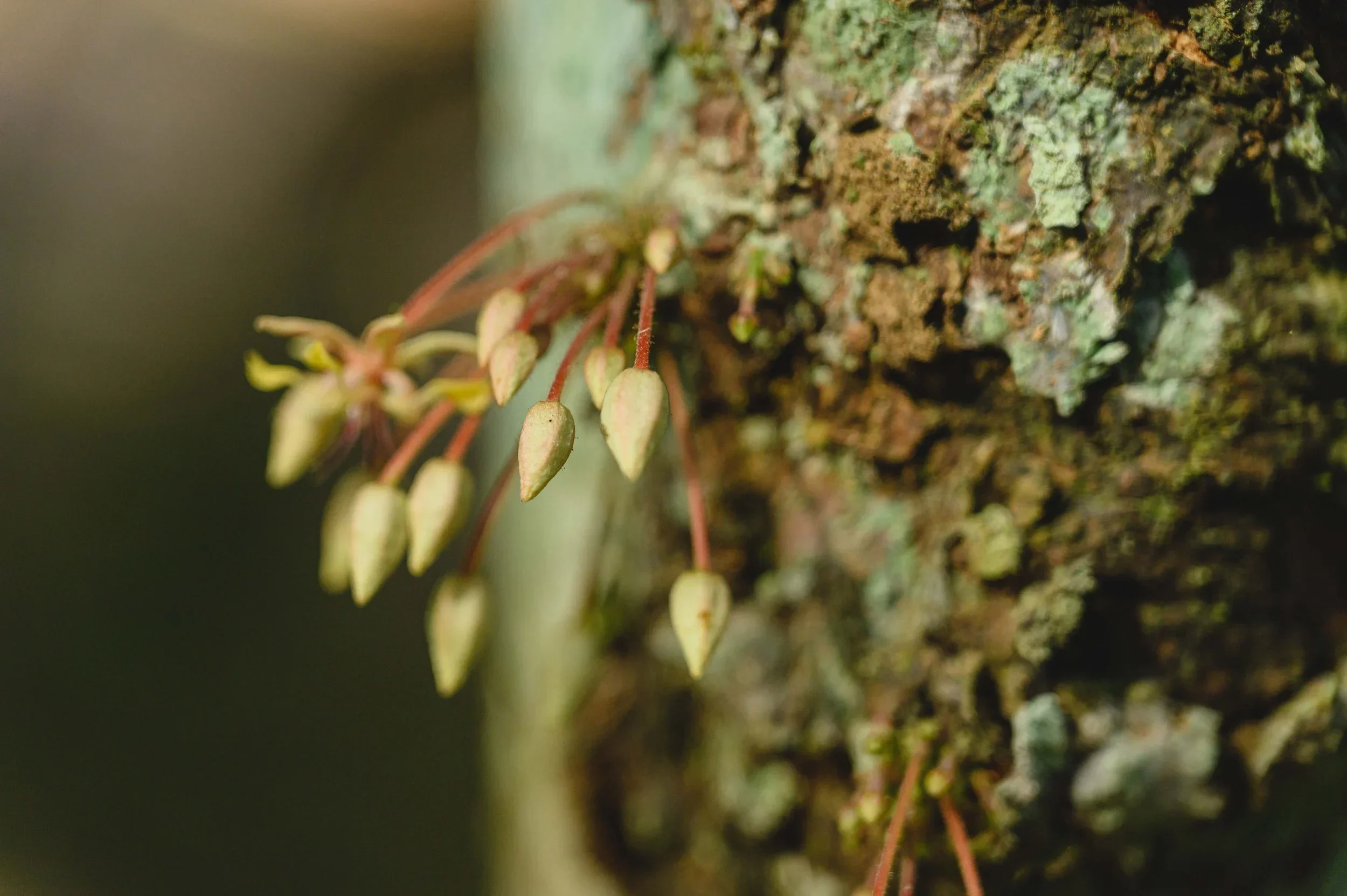
Photo by Rabot Hotel
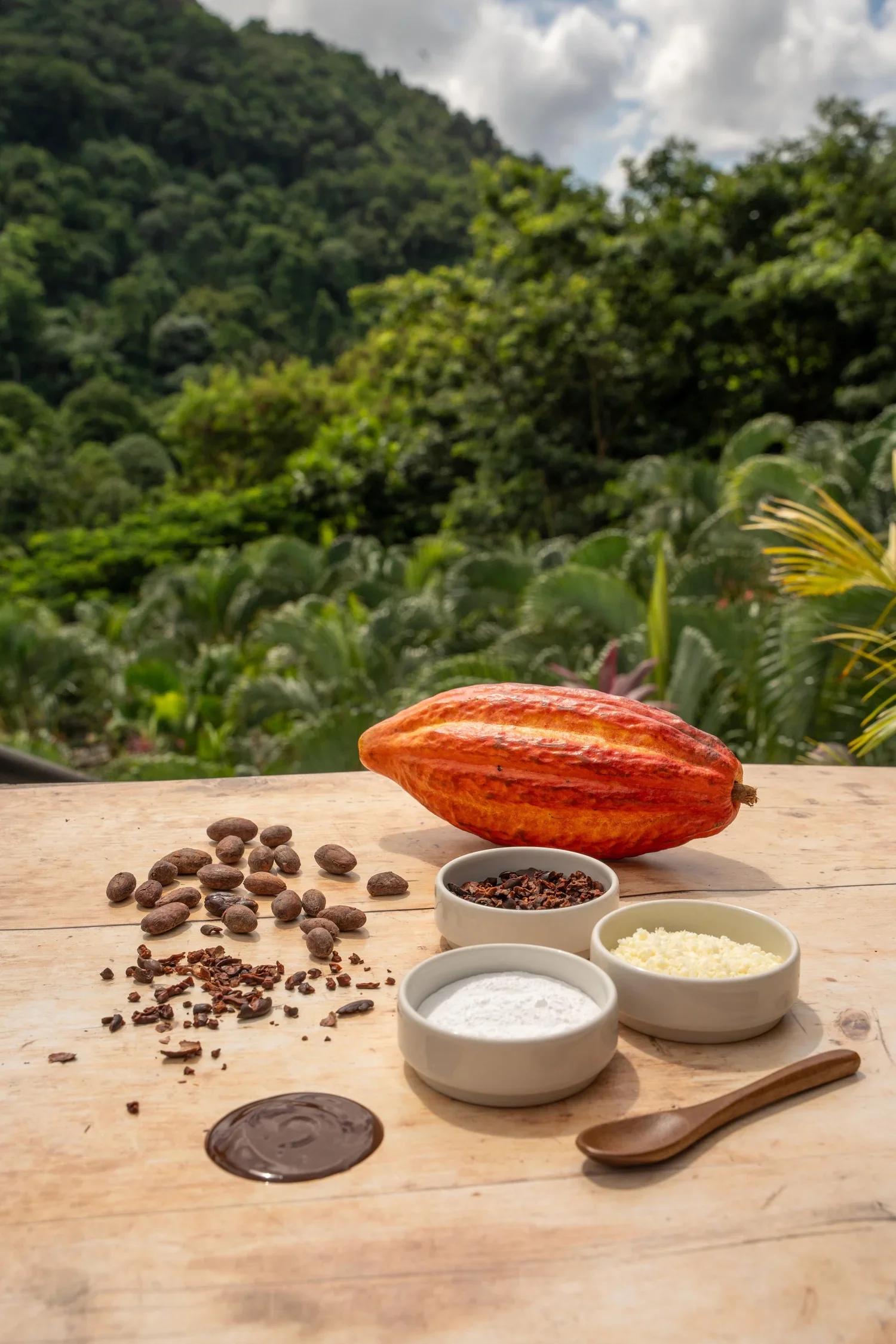
Photo by Rabot Hotel
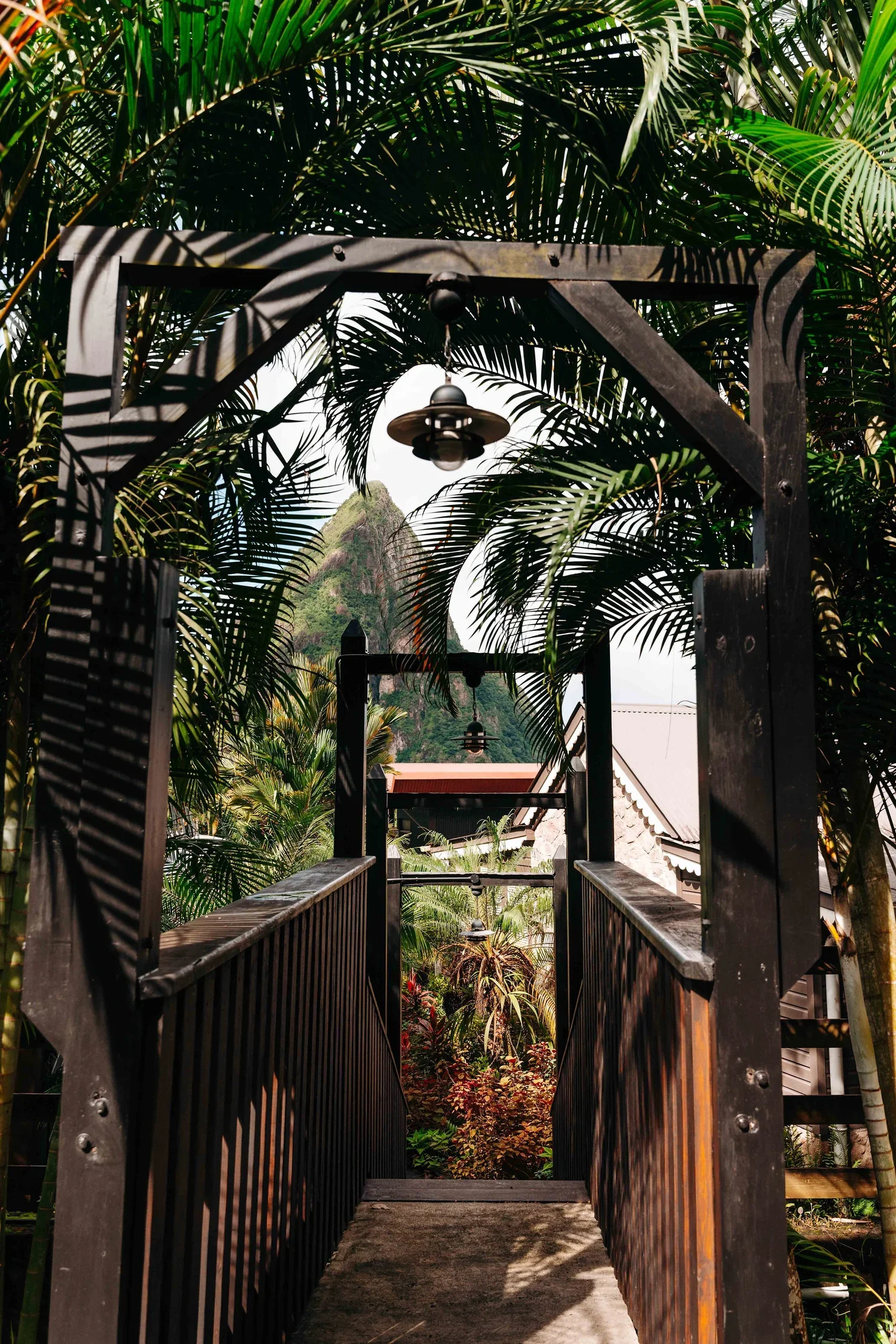
Photo by Rabot Hotel
Rabot Hotel: Growers Programme
Rabot Hotel from Hotel Chocolat sits high in the Soufrière hills of Saint Lucia, within a 140-acre working cacao estate where rainforest, volcanic soil, and the iconic Pitons define the horizon. Once overgrown and underused, the land has been carefully restored into a productive cacao landscape rooted in regenerative farming practices. Today, it is one of the few places in the world where cacao is grown, harvested, and transformed on-site, allowing guests to experience the full journey of chocolate within the same environment that produces it. Open-air lodges are woven into the estate, designed in reclaimed timber, stone, and natural textures that respond to the terrain and climate.
The experience extends far beyond accommodation into a living agricultural system shaped by both innovation and heritage. Guests move through cacao groves, gardens, and rainforest trails, while Project Chocolat reveals the process of turning beans into chocolate through immersive, hands-on experiences. The estate also supports the wider island community through initiatives such as the Island Growers Programme, which shares sustainable farming techniques and strengthens Saint Lucia’s cacao network. Dining, spa rituals, and daily rhythms all draw directly from the land itself, with cacao appearing in both culinary and wellness forms, creating a stay that is deeply tied to place, cultivation, and regeneration.
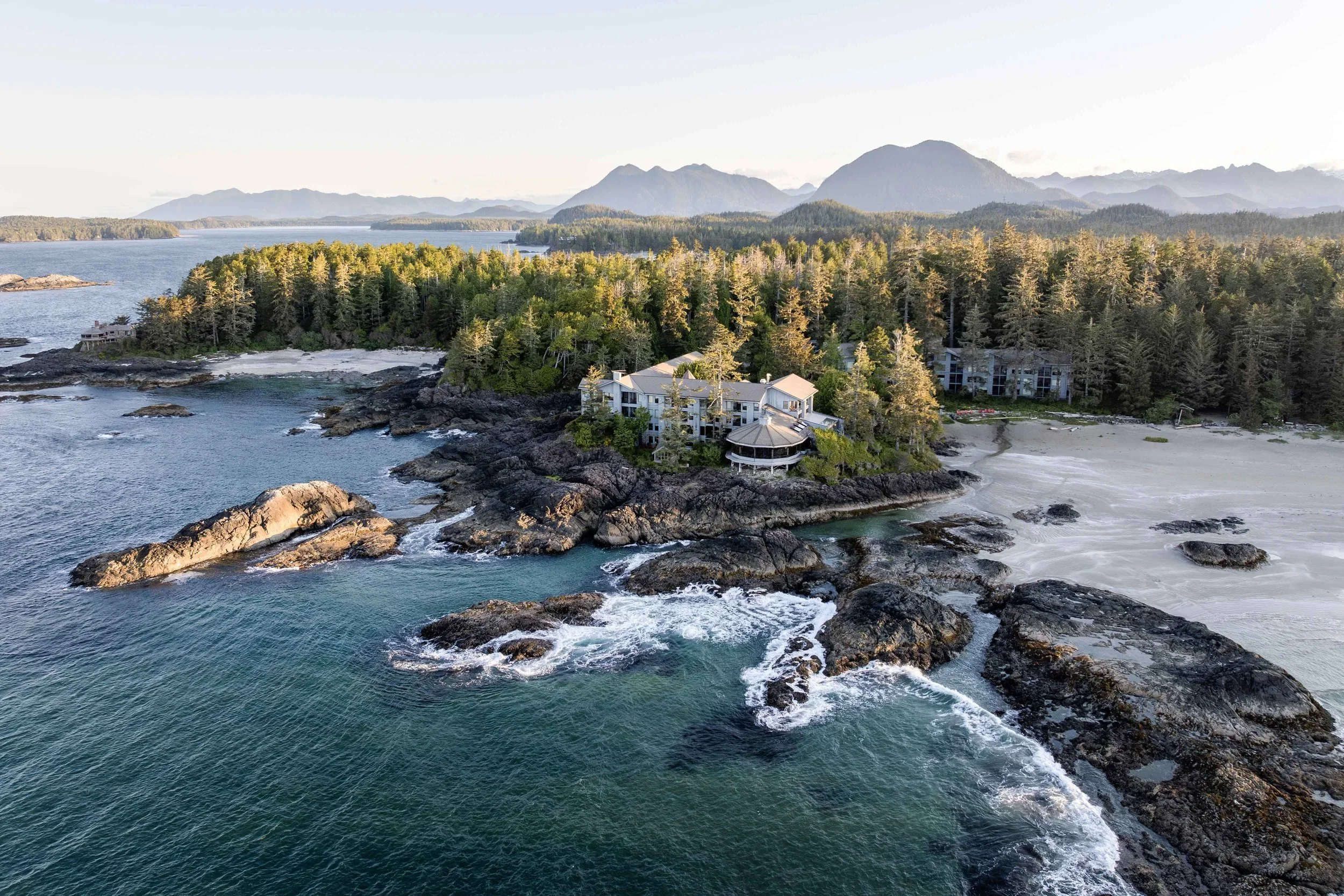
Photo by Marcus Paladino
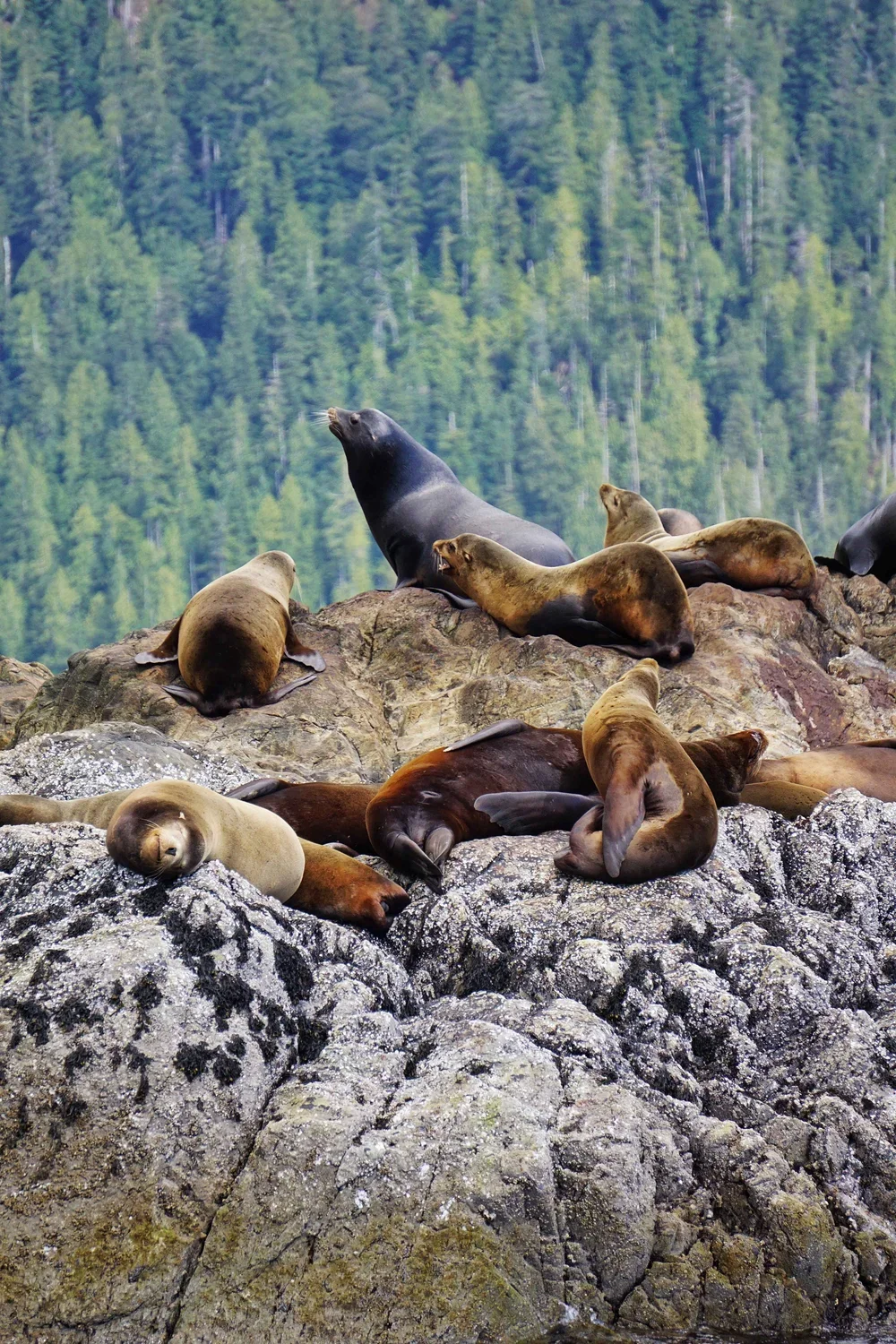
Photo by Izabela Elias
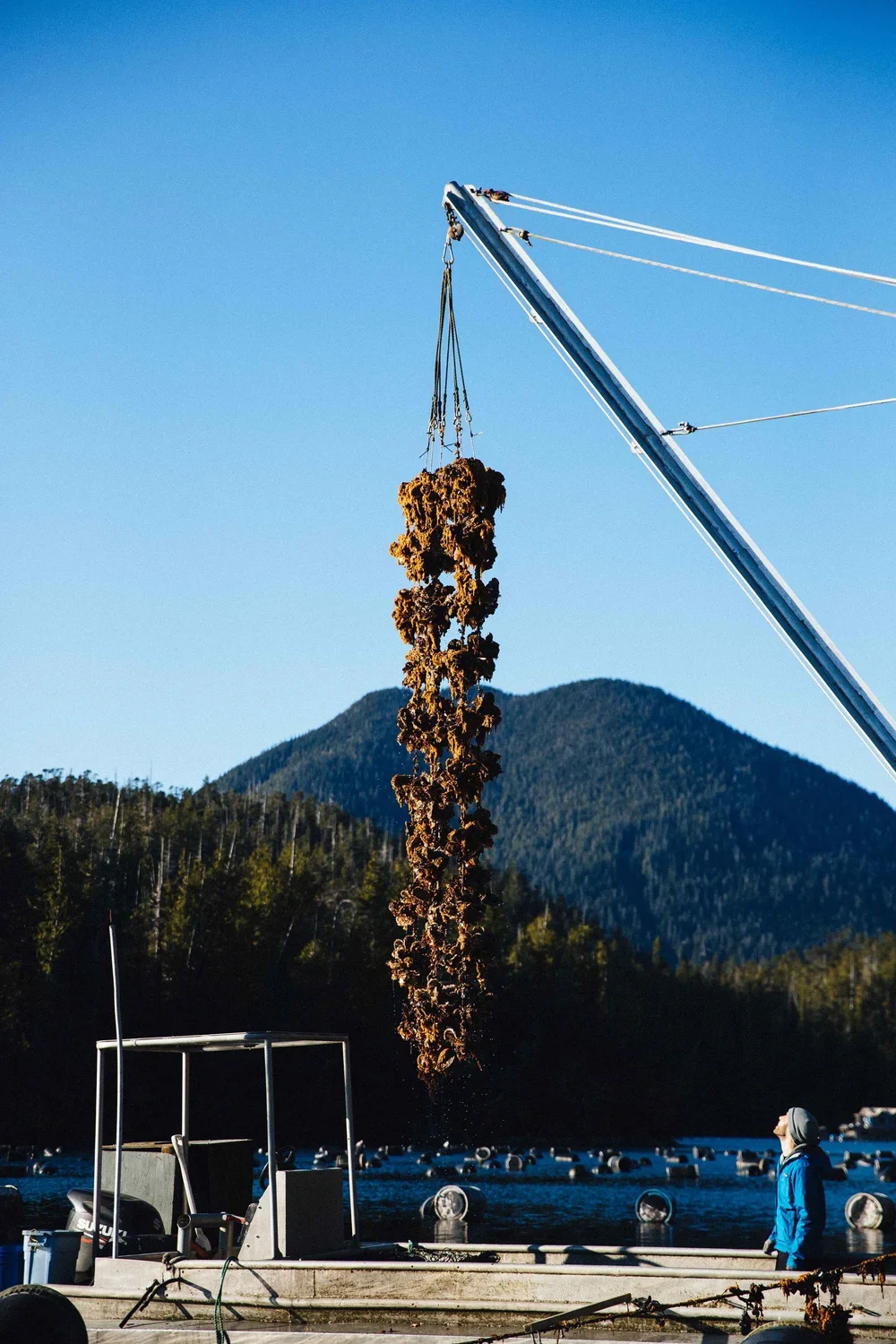
Photo by Jeremy Koreski
THE Wickaninnish Inn
The Wickaninnish Inn sits at the edge of Clayoquot Sound on Vancouver Island, where old-growth rainforest meets the wild Pacific Ocean within a UNESCO Biosphere Reserve. Surrounded by cedar forests, windswept beaches, and the ecological richness of Pacific Rim National Park Reserve, the inn is shaped entirely by its coastal environment and the cultural presence of the Tla-o-qui-aht First Nation. From the earliest days of construction, salvaged timber and locally sourced materials were used to ensure the building belonged to its landscape, creating a sense of place rooted in both nature and craft.
Sustainability here is a guiding philosophy that informs every detail of the guest experience. The inn operates through long-standing commitments to conservation, community partnerships, and low-impact operations, from local sourcing and waste reduction to support for regional education, wildlife protection, and cultural initiatives. Set within one of Canada’s most visited yet carefully protected coastal ecosystems, the Wickaninnish Inn demonstrates how hospitality can exist in direct dialogue with its environment, where every stay contributes to the preservation of Clayoquot Sound’s wild and living landscape.
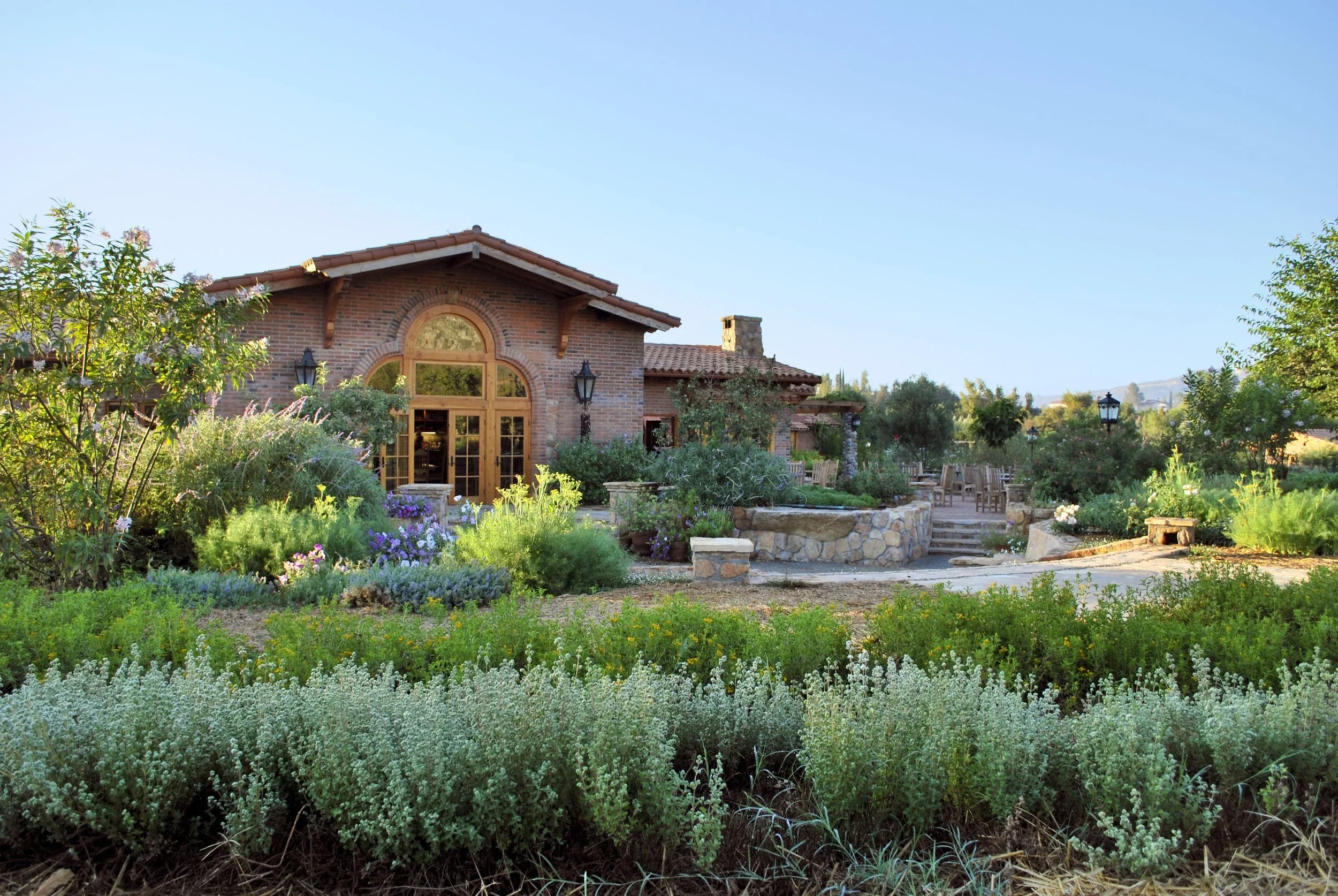
Photo by Rancho La Puerta
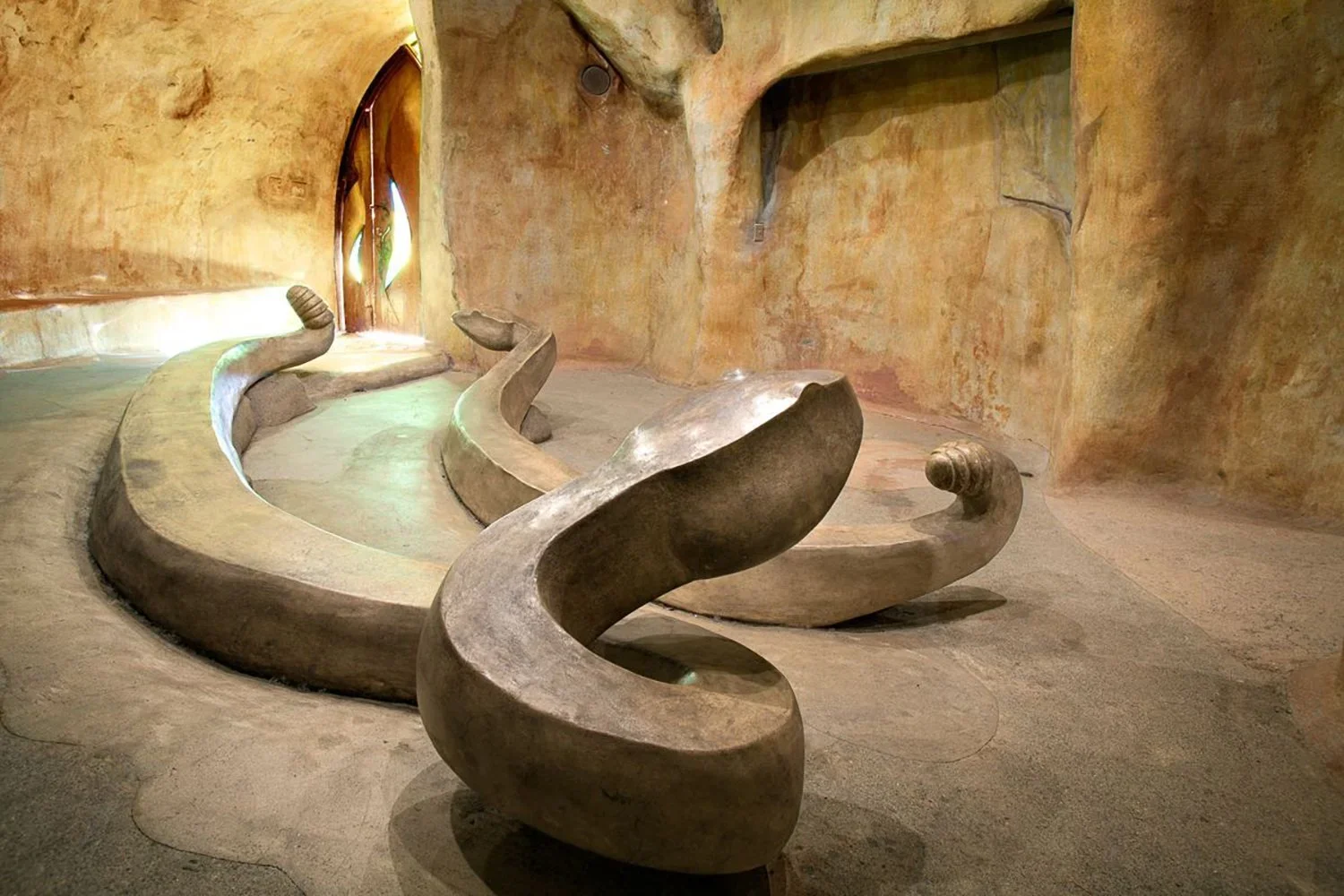
Photo by Rancho La Puerta
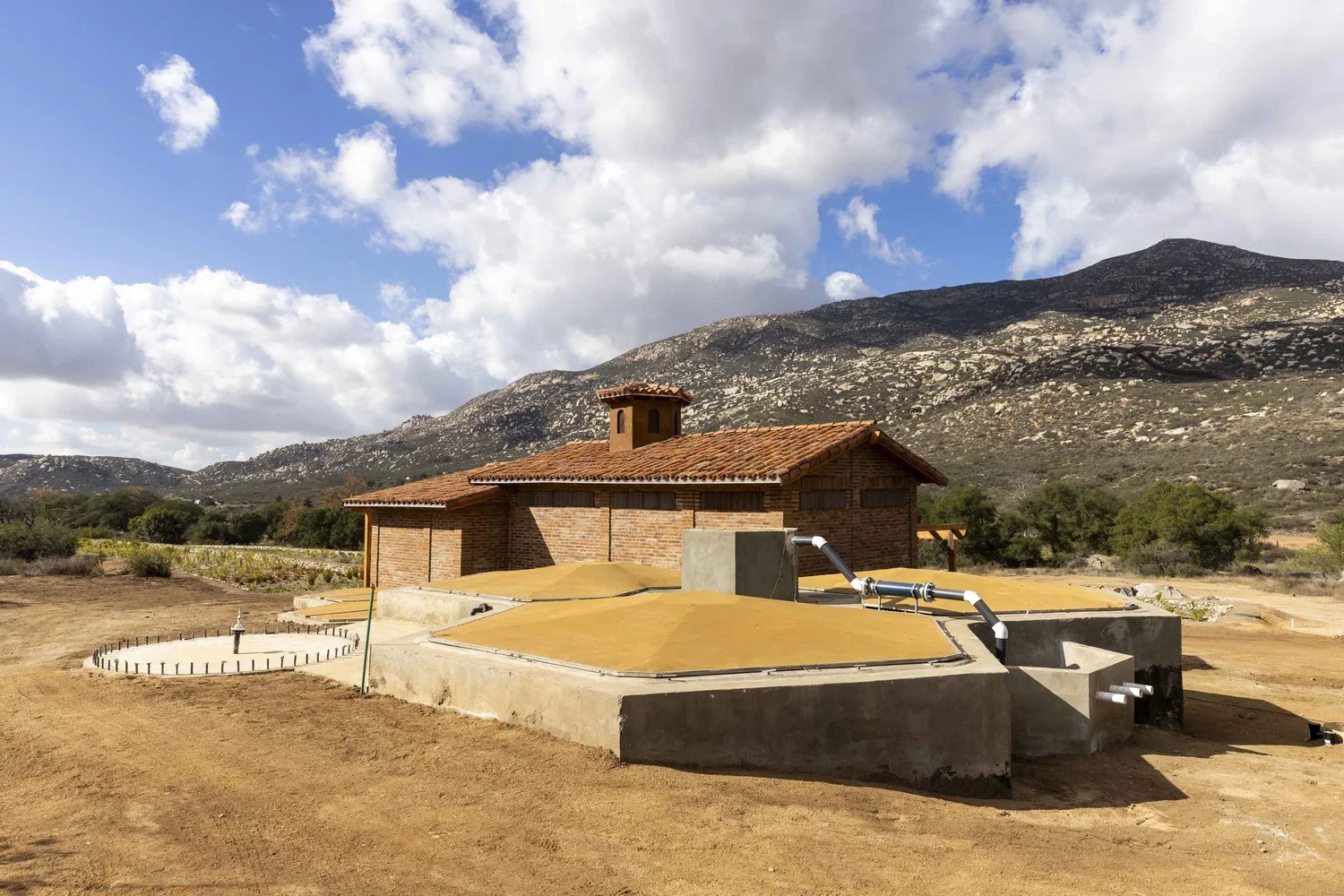
Photo by Rancho La Puerta
Rancho La Puerta: Fundación La Puerta
Fundación La Puerta was founded in the mid-1970s as a long-term initiative linked to Rancho La Puerta in Tecate, Baja California, created to ensure that the benefits of the retreat extend beyond its grounds into the surrounding community. Rooted in the belief that place-based wellbeing must include both people and landscape, the foundation supports environmental conservation, cultural preservation, and educational programs throughout the Tecate River watershed. Its work is deeply connected to the idea that human and natural systems thrive best when they are nurtured together, with local partnerships and long-term stewardship at the core of its mission.
Over nearly five decades, Fundación La Puerta has evolved into a key agent of regional change, funding initiatives that protect native ecosystems, restore river corridors, and expand environmental education for thousands of local children and families. Through programs such as community parks, school-based learning, and large-scale ecological restoration efforts, it has helped shape Tecate into a model for integrated conservation and civic engagement. As Tecate continues to grow and shift, the foundation remains focused on strengthening cultural identity, supporting resilience, and ensuring that the region’s natural and human heritage continues to thrive together.
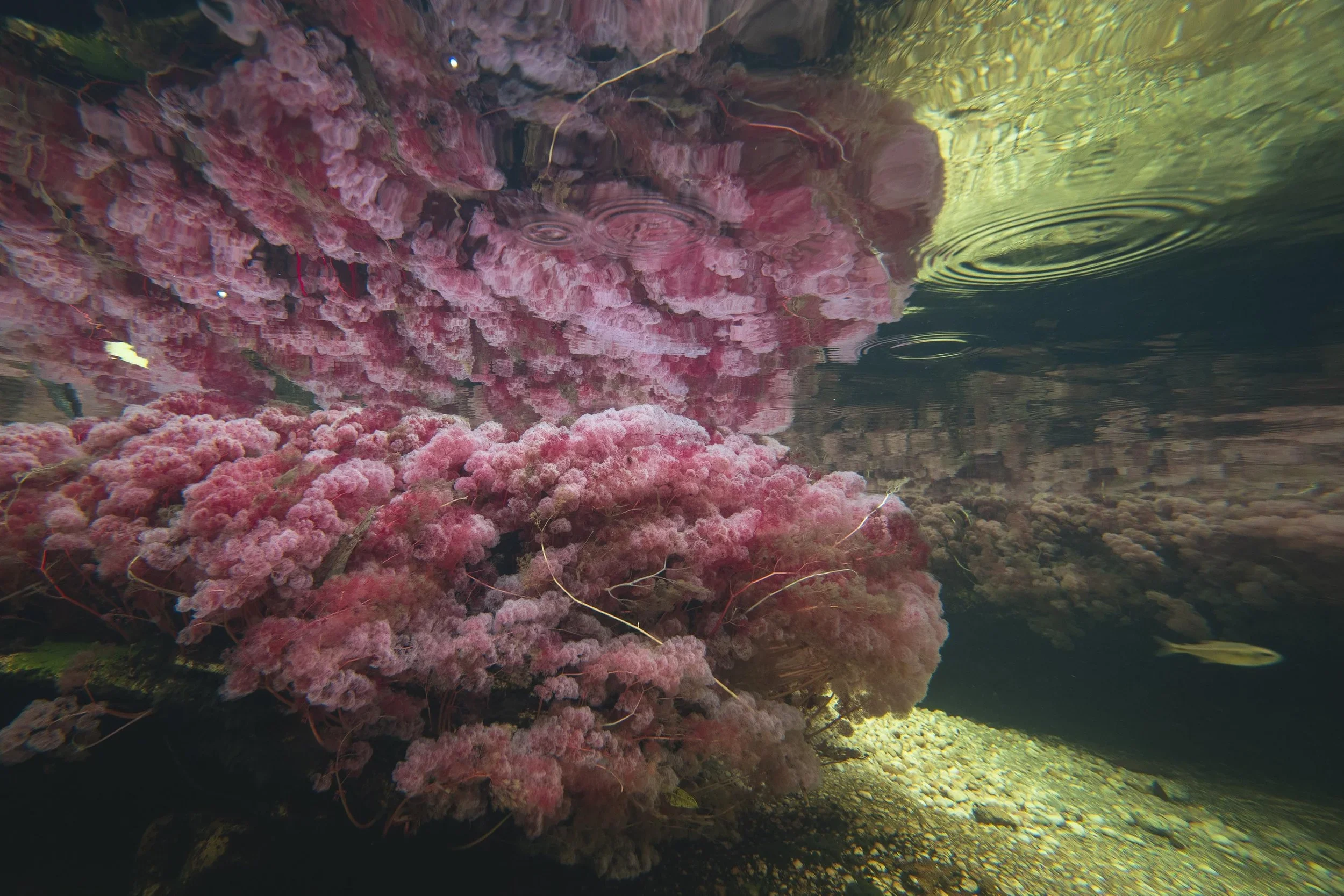
Photo by La Manigua Lodge
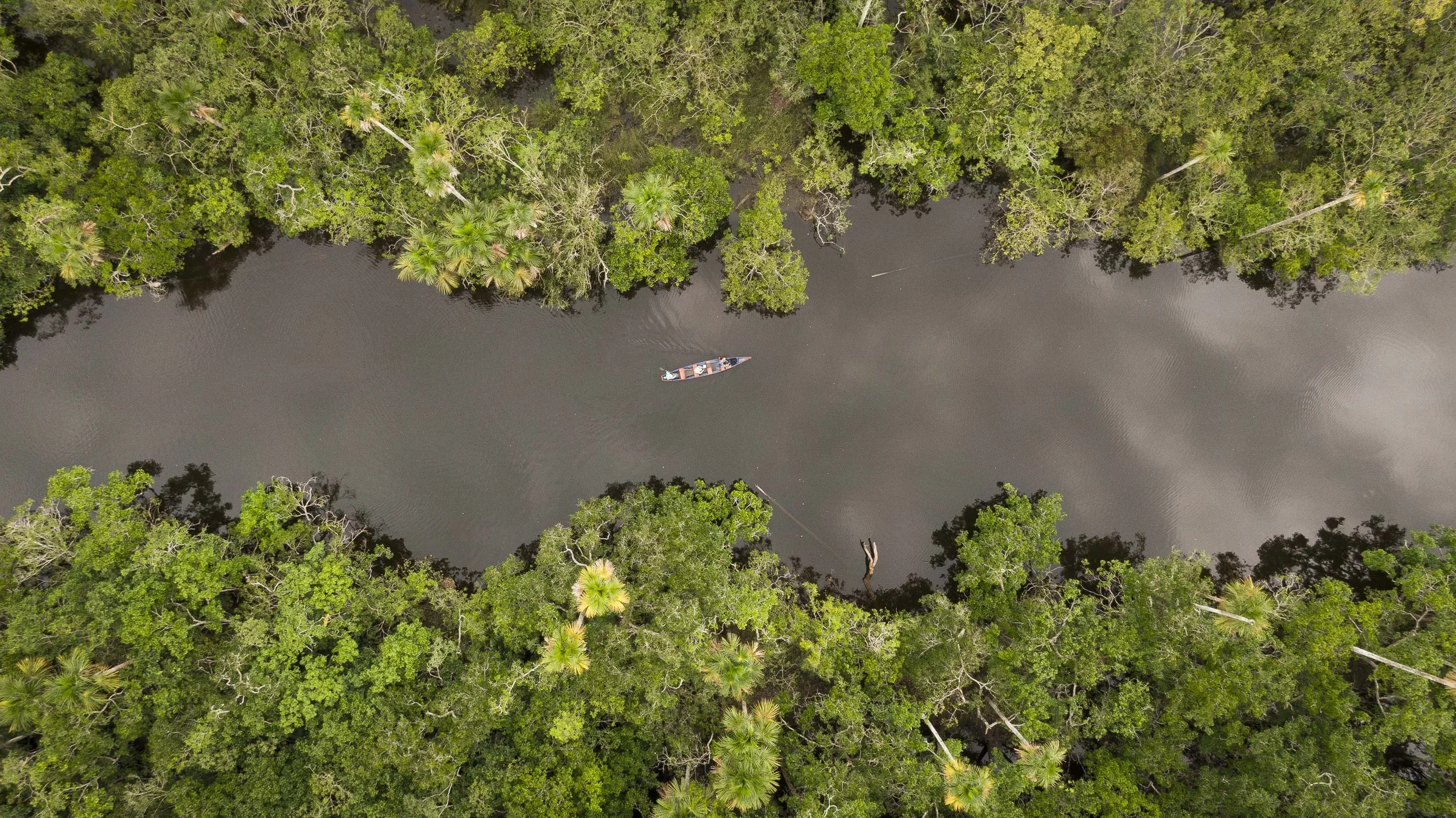
Photo by La Manigua Lodge
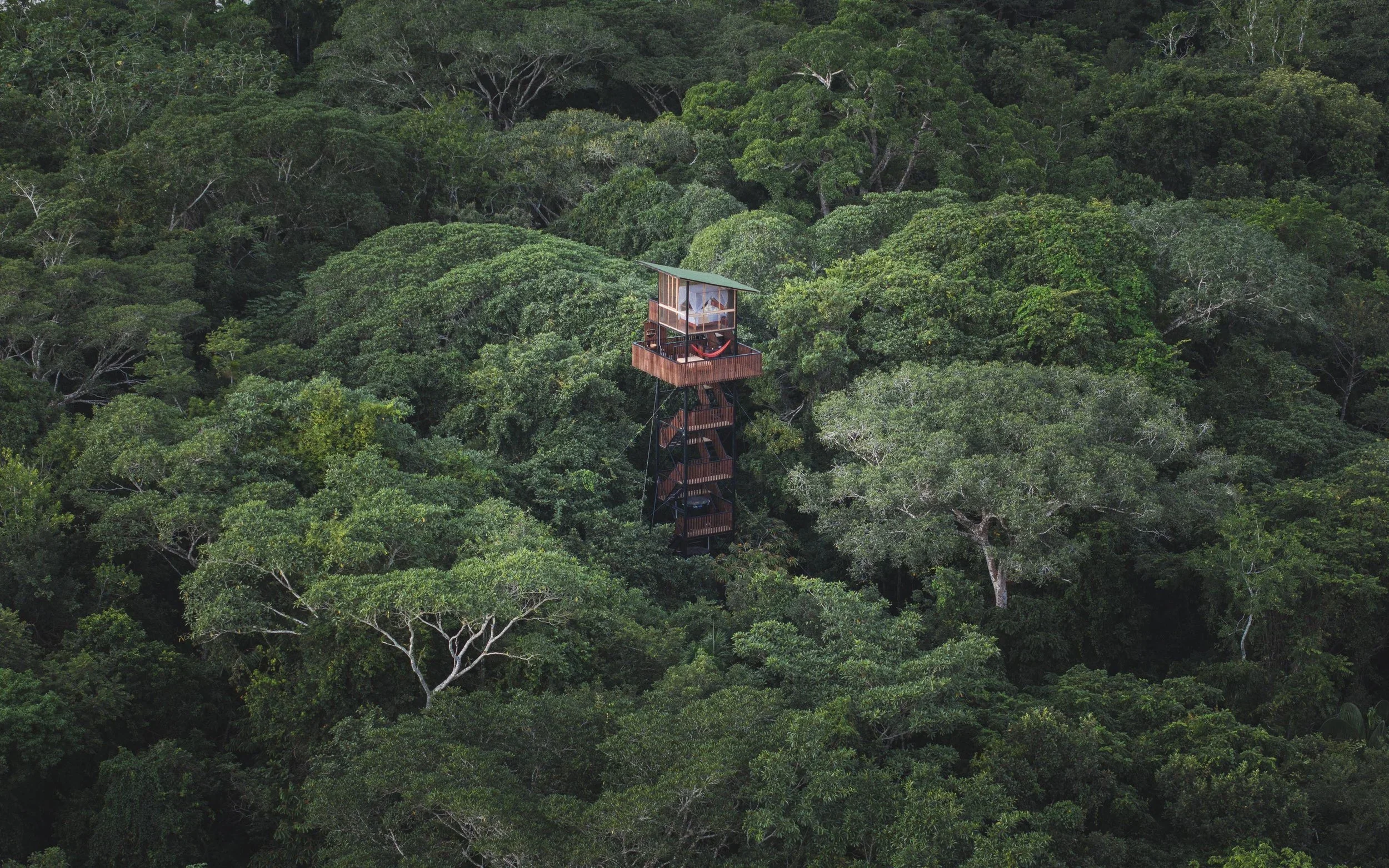
Photo by La Manigua Lodge
La Manigua Lodge
La Manigua Lodge is set deep within the tropical forests of La Serranía de la Macarena in Colombia, where the Amazon, Andes, and Orinoco ecosystems converge into one of the most biodiverse regions on Earth. Surrounded by dense jungle and located along the Guayabero River, the lodge offers immediate access to extraordinary natural landmarks including Caño Cristales, the “River of Five Colors,” where seasonal aquatic plants transform the water into vivid ribbons of red, green, and gold. Elevated structures sit lightly within the forest canopy, designed to respond to seasonal flooding while allowing the surrounding ecosystem to move freely beneath.
At its core, La Manigua is defined by a deep commitment to low-impact living and community-led conservation. The lodge is powered by renewable energy, built using locally sourced materials, and designed to blend into its environment rather than interrupt it. Every stay is closely connected to the surrounding landscape, from river journeys and forest walks to encounters with rare wildlife such as monkeys, macaws, and river dolphins. More than a remote retreat, it is a living expression of how hospitality can support both ecological protection and local livelihoods within one of the world’s most important natural corridors.
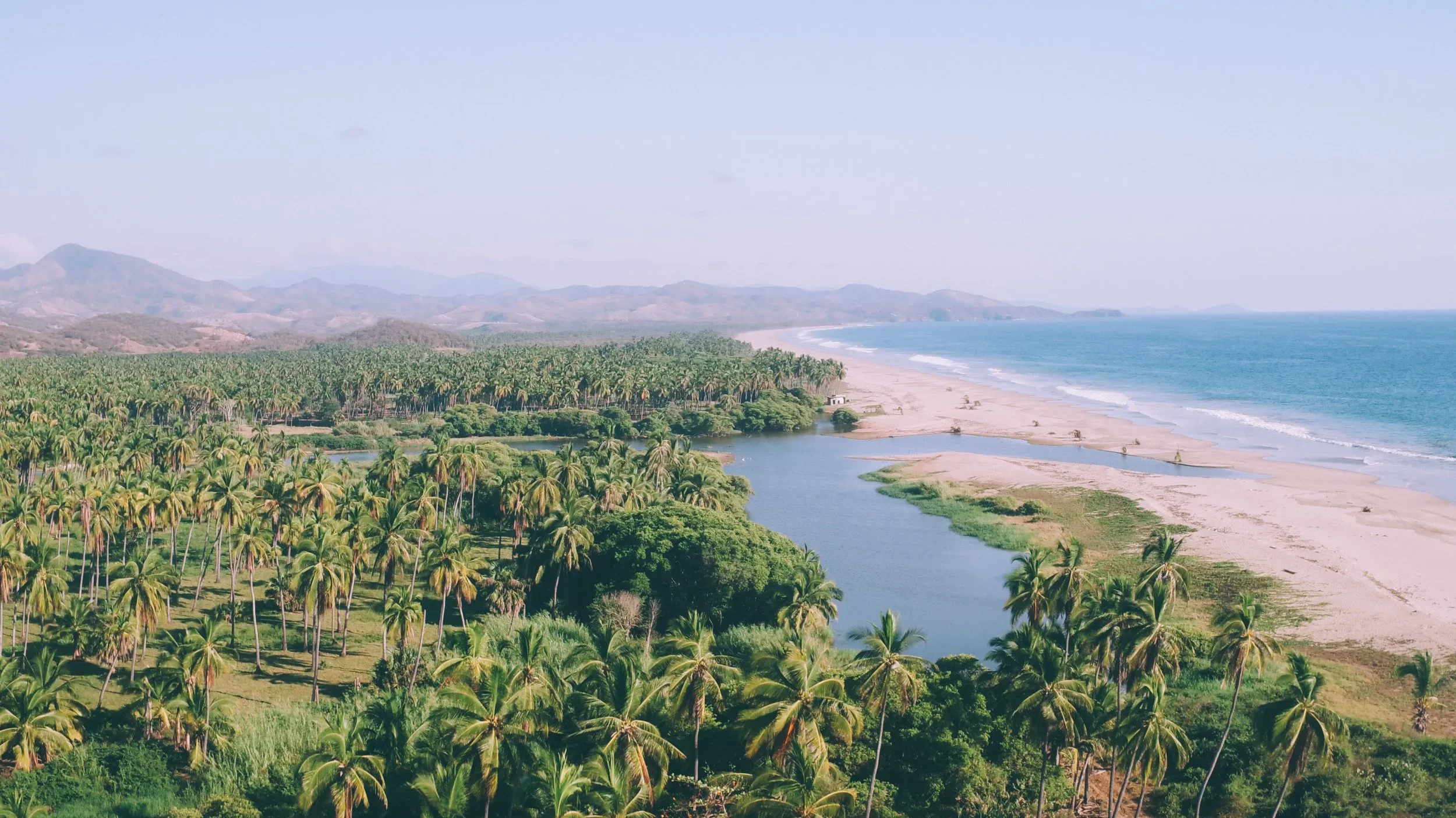
Photo by jaquory lunsford
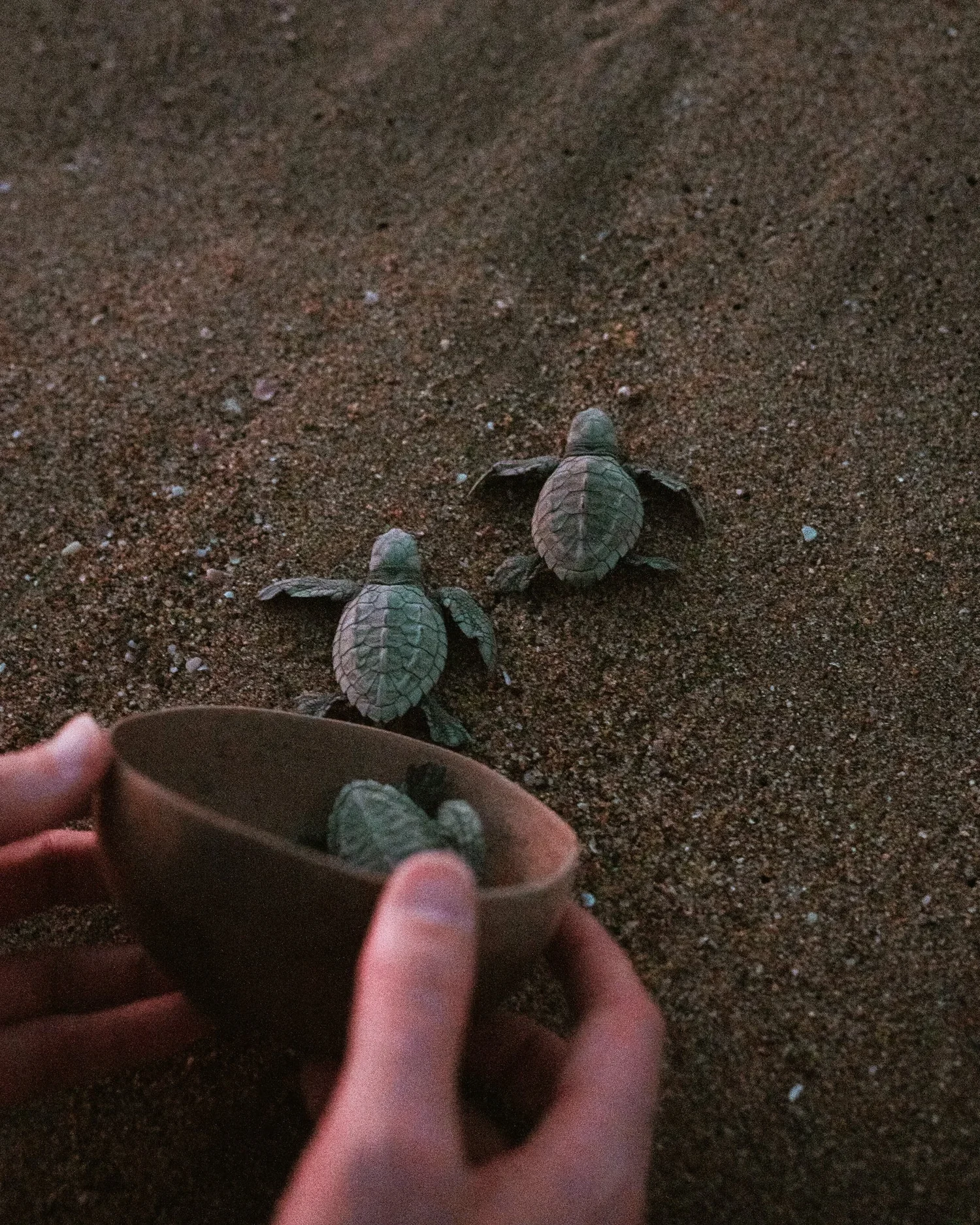
Photo by @hairtieneeded
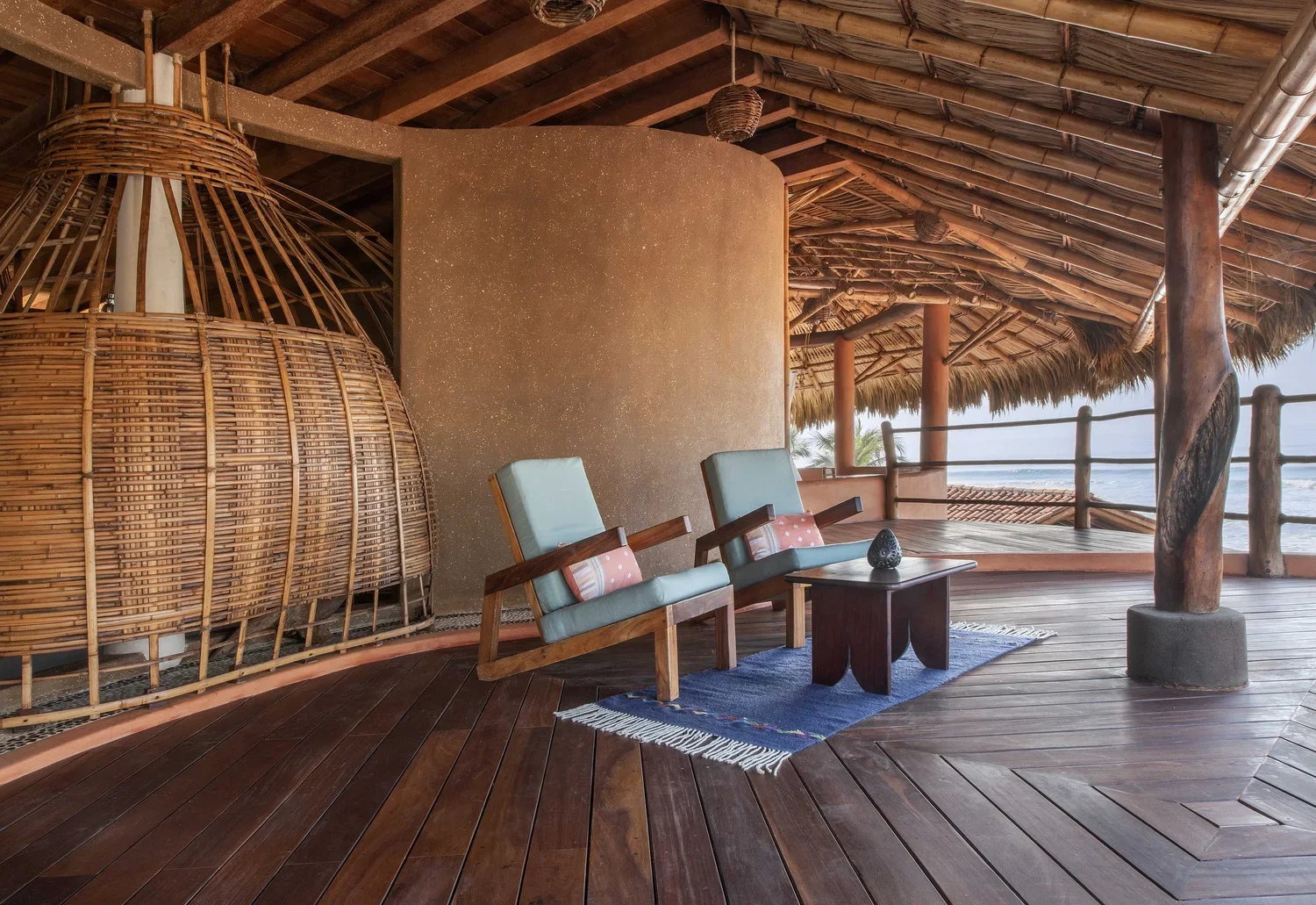
Photo by AVA BLU
Playa Viva: REGENERATIVE TRAVEL
Playa Viva sits on Mexico’s Pacific coast in the small community of Juluchuca, Guerrero, about 40 minutes from Zihuatanejo, where a long stretch of private beach meets tropical forest, estuary, and rolling farmland. The landscape shifts between mangroves, nesting grounds, and jungle, creating a living ecosystem where wildlife is constant and the ocean sets the daily rhythm. Founded by David Leventhal and Sandra Kahn, Playa Viva has become a reference point for regenerative hospitality, where travel is designed not as escape, but as participation in the restoration of land, water, and community.
The architecture and experience are rooted in regenerative design, with bamboo treehouses, casitas, and communal spaces built using natural and locally sourced materials that sit lightly within the landscape. Everything is shaped around immersion in nature, from ocean-facing yoga platforms to permaculture farming and turtle conservation projects that invite guests into active engagement with place. Meals are grown, harvested, and prepared on-site or within nearby community networks, reinforcing a direct relationship between land and table. Playa Viva operates as both hotel and living ecosystem, where hospitality, conservation, and community regeneration are inseparable parts of the same system.
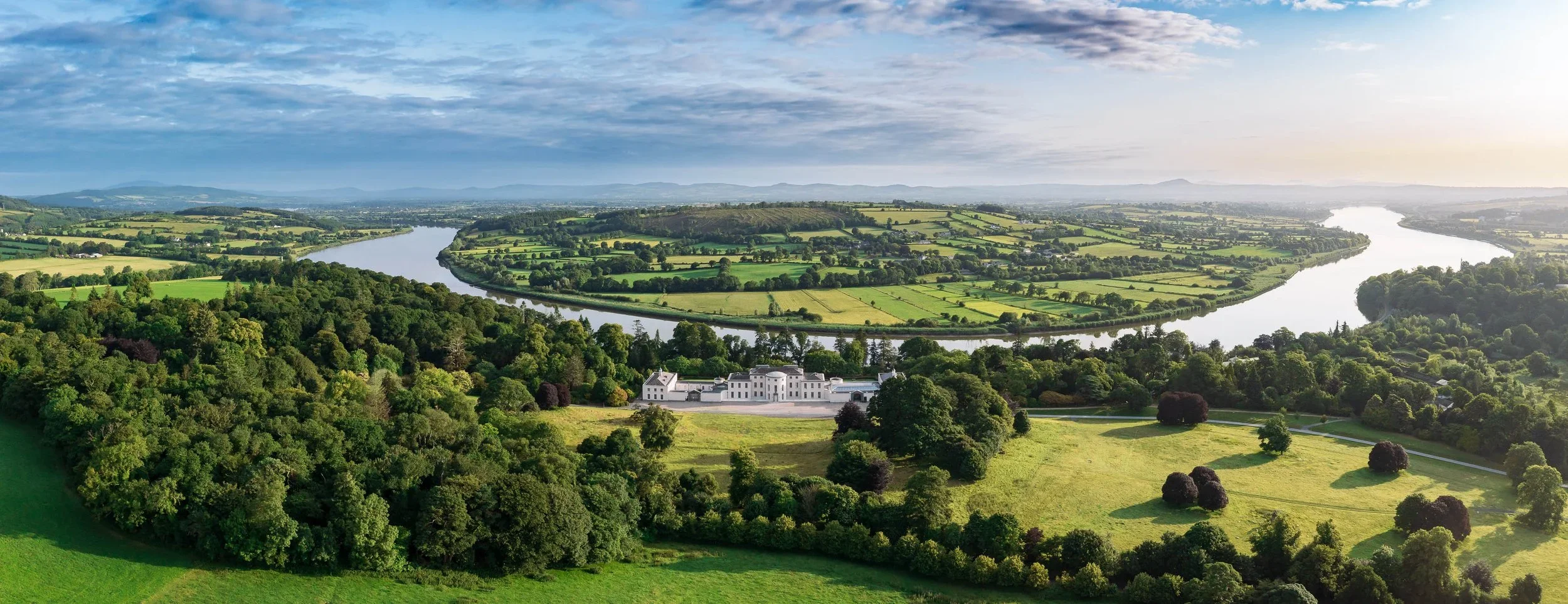
Photo by Mount Congreve Gardens & Country Estate
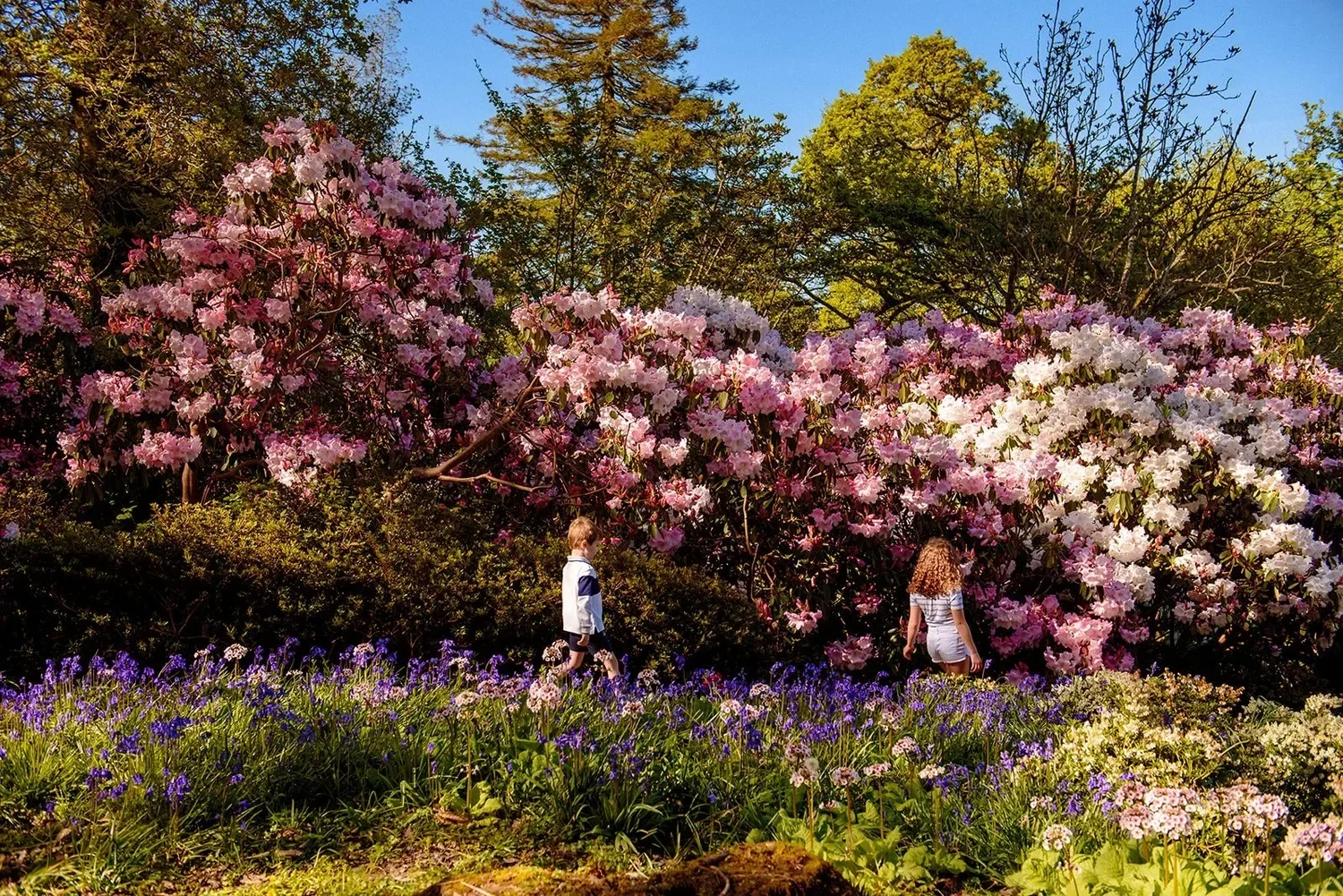
Photo by Mount Congreve Gardens & Country Estate
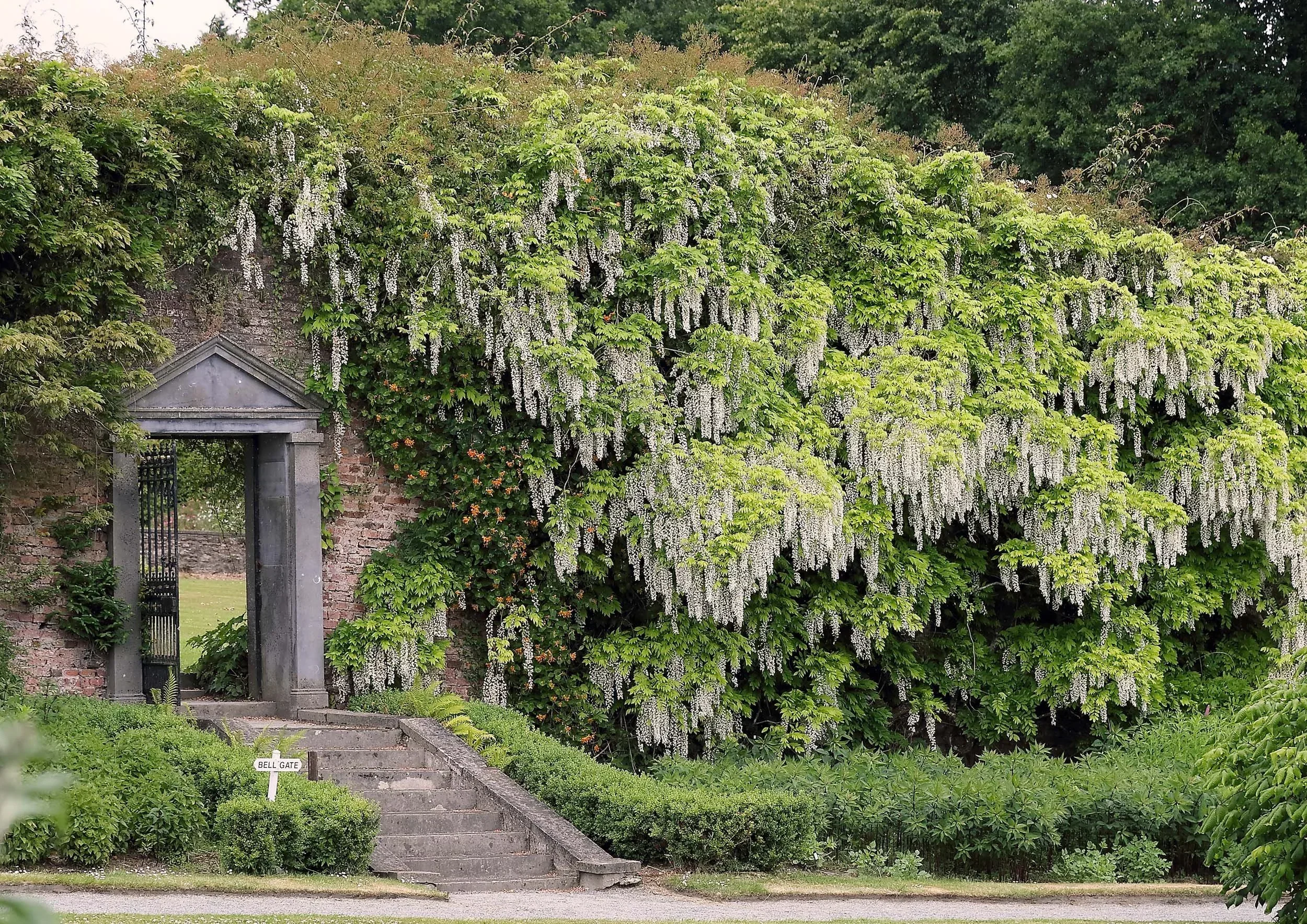
Photo by Mount Congreve Gardens & Country Estate
Mount Congreve Gardens & Country Estate
Mount Congreve is a historic Georgian estate in County Waterford, set within Ireland’s Ancient East and overlooking the River Suir, where 70 acres of woodland gardens and a four-acre walled garden unfold into one of the most significant private plant collections in the world. The estate is defined by centuries of horticultural legacy, with over 3,000 species of trees and shrubs shaping a landscape that moves from structured garden rooms into wild, layered woodland. Recently reimagined as a visitor estate with accommodation, café, and cultural spaces, it remains deeply rooted in its original identity as a place of botanical experimentation and slow landscape design.
At its core, Mount Congreve is a living garden estate where regeneration, conservation, and hospitality intersect. Ancient trees, seasonal blooms, and carefully restored pathways create a rhythm that shifts dramatically through the year, from spring magnolias and summer abundance to autumn colour and winter stillness. Guests stay within restored gate lodges and eco cabins, allowing for early morning and after-hours access to the grounds, when the estate feels most private. Beyond its beauty, Mount Congreve is also a working model of rewilding and ecological stewardship, where wetlands, native planting, and chemical-free horticulture quietly support biodiversity and long-term landscape resilience.


Room + Wild is the world's first and leading collective and platform for landscape-enhanced accommodation, ecotourism, nature-based destinations, and sustainable luxury travel experiences. We consistently inspire, influence, and spread awareness through our tailored travel guides, curated media content/channels, brand activations, press trips as well as visual and narrative storytelling.
Wild Initiatives by Room + Wild look beyond the hotel to highlight the conservation projects, community programs, reforestation efforts, and regenerative practices that shape a place long before guests arrive. From protecting wildlife and restoring ecosystems to preserving cultural traditions and supporting local communities, these initiatives demonstrate how hospitality can actively contribute to the landscapes it inhabits. Together, they offer a more meaningful model of travel, where every stay helps support nature, people, and place.