
Room + Sand Dunes: Hotels at the Edge of Sand and Sea
Sand dunes are among the most dynamic landforms on Earth, shaped by wind, time, and constant movement. Formed as loose sand accumulates across coastlines, deserts, and islands, they create sculptural landscapes of ridges and rolling hills that are continually reshaped by weather and seasonal conditions. Their beauty lies in their impermanence, revealing nature in a state of continuous transformation.
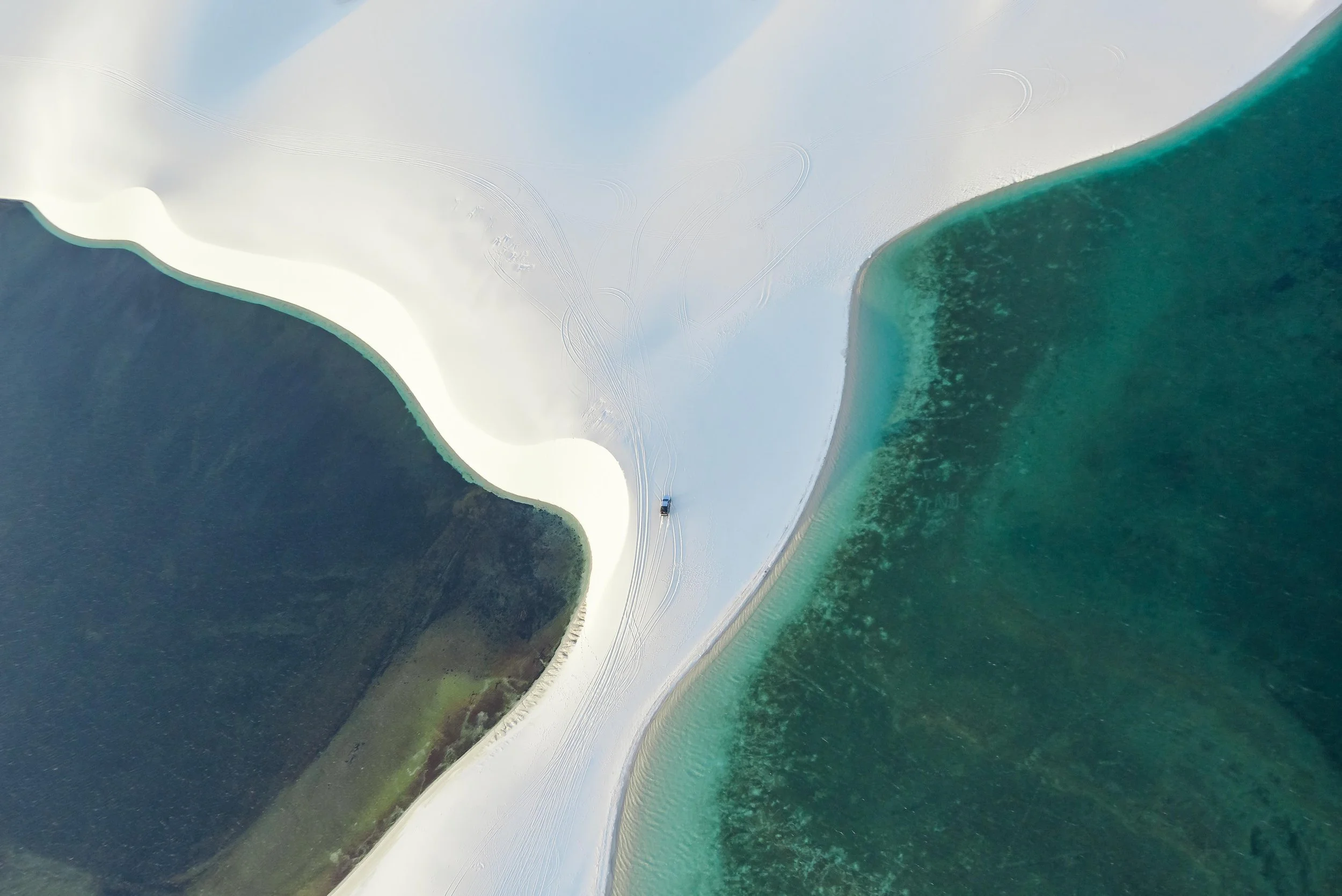
Where dunes meet water, something even more extraordinary emerges. Coastal dune systems can give rise to hidden lagoons, where seasonal rains or groundwater collect between sand ridges to form crystal-clear pools. In places such as Brazil's Lençóis Maranhenses and parts of Namibia, these lagoons create a striking contrast between desert and water, transforming vast dune fields into landscapes that feel almost unreal. The result is a rare environment where sand and water coexist in unexpected harmony.
Across the world, dune landscapes appear as remarkable geographical thresholds, from the lagoon-filled dunes of Lençóis Maranhenses to Namibia's Skeleton Coast and the Atlantic shores of Portugal and Mozambique. Staying within these environments offers a unique opportunity to experience them beyond a day visit. Hotels built among dunes must respond carefully to shifting terrain, strong winds, and fragile ecosystems, creating shelter that works with the landscape. The result is an immersive way to experience some of the planet's most captivating natural environments, where wind, water, and sand remain the defining forces.
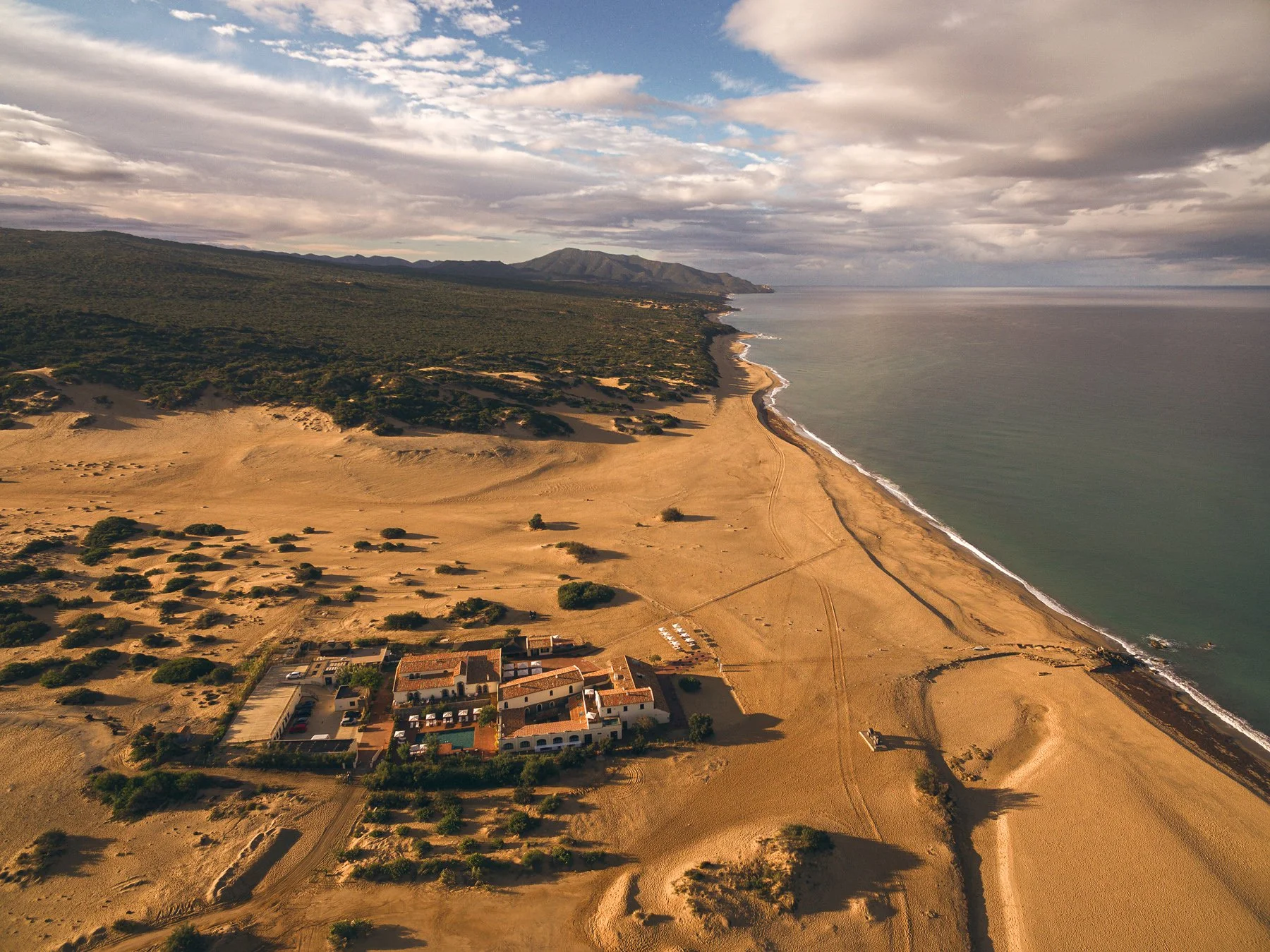
Photo by Mattia Aquila
Le Dune Piscinas, Sardinia, Italy
Le Dune Piscinas sits within one of Europe’s most dramatic dune systems on Sardinia’s southwestern coast, where wind has reclaimed a former mining landscape and returned it to a state of raw natural formation. The dunes here are vast and slow-moving, rising directly from the shoreline in soft, sculpted layers that shift with seasonal winds and coastal storms. The surrounding sea is immediate and uninterrupted, creating a landscape where sand and water exist in constant visual tension.
The hotel is embedded lightly into this environment, allowing the dunes to remain dominant. Architecture is low and restrained, opening outward toward sand and horizon rather than enclosing space. The experience is elemental and quiet, defined by long walks across warm dunes, changing light across the sand surface, and the sense of being held between desert-like terrain and open Mediterranean water.
Photos by Fazenda Moreias
Photos by Fazenda Moreias
Photos by Fazenda Moreias
Fazenda Moreias, Brazil
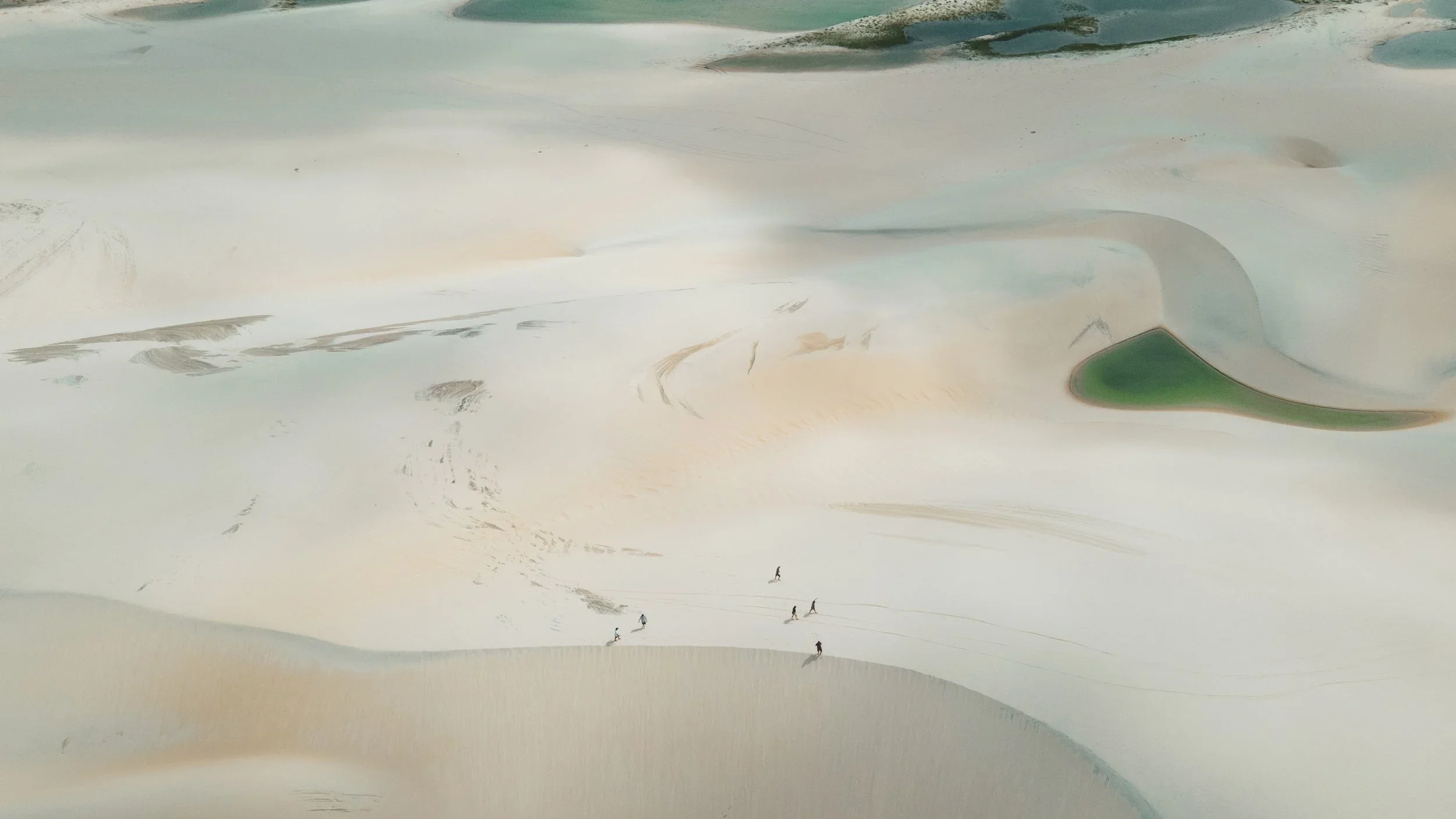
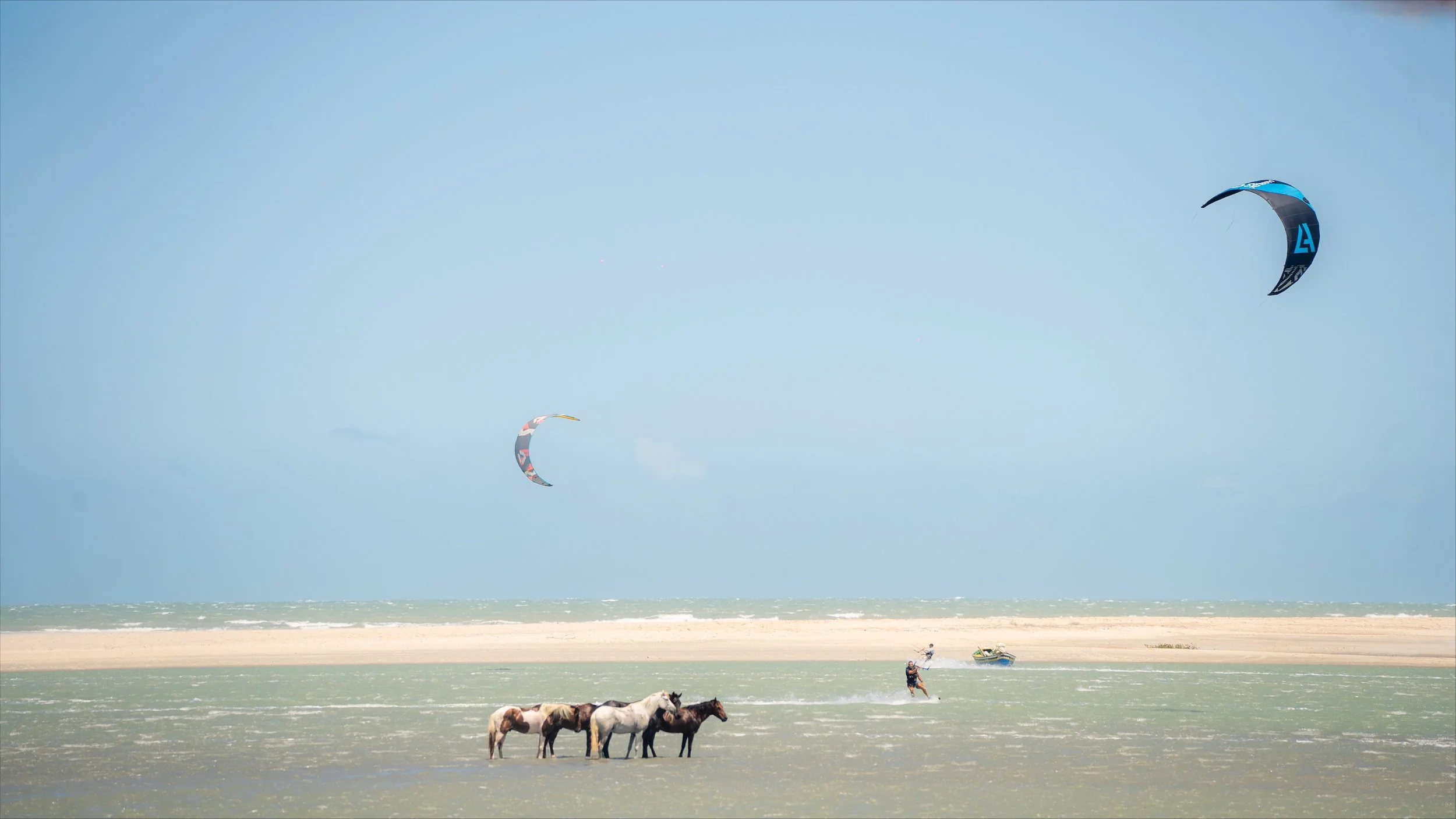
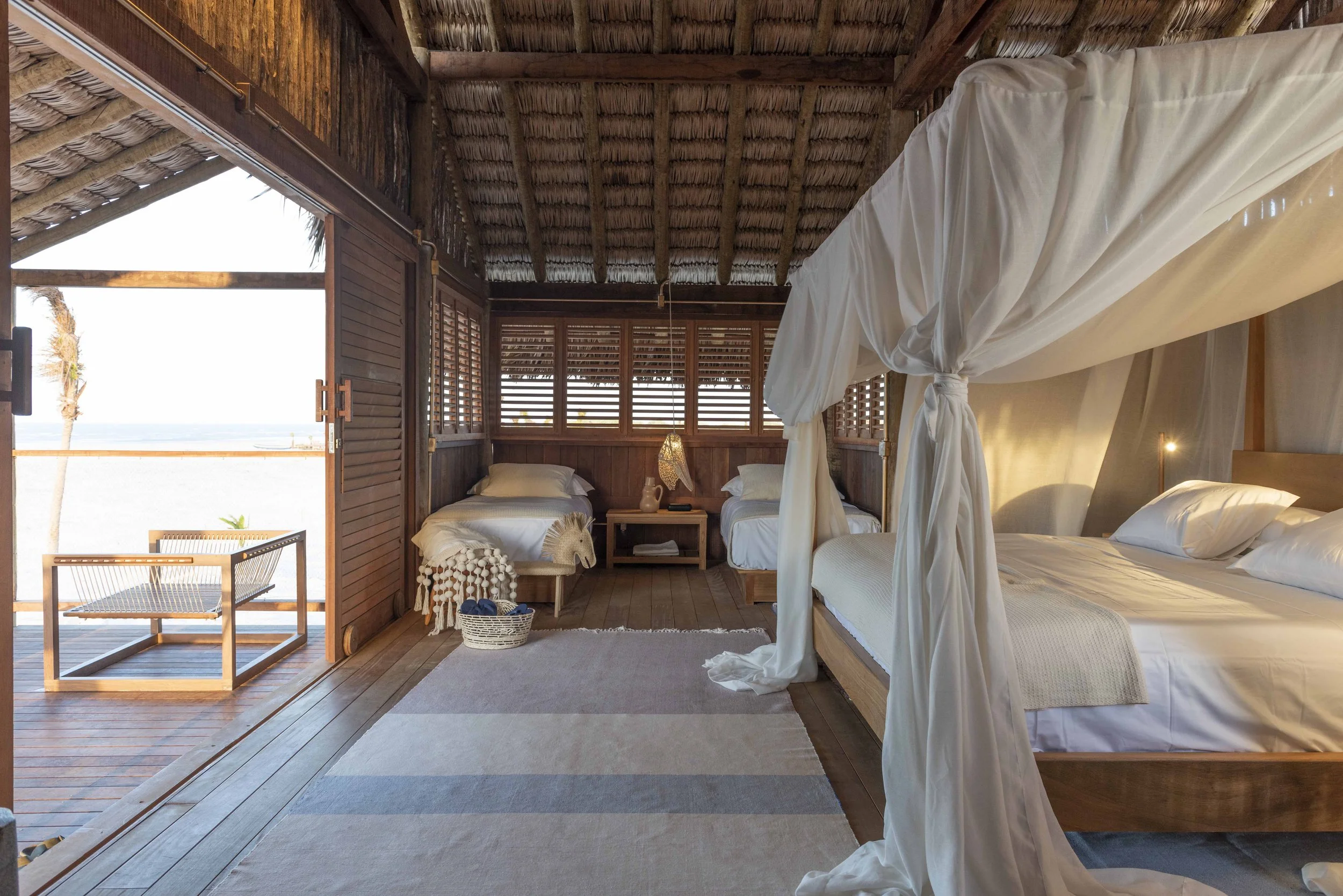
Fazenda Moreias is set along Brazil’s northeastern coast within a landscape shaped by wind-driven dunes and seasonal freshwater systems influenced by tropical rains. The dunes here shift between dry, sculptural forms and water-filled basins depending on rainfall cycles, echoing the wider geomorphology of Brazil’s dune coastlines. Vegetation is sparse but present, softening the transition between sand, lagoon, and Atlantic edge.
The architecture is low-impact and integrated into the terrain, allowing movement between interior space and open sand. Experiences unfold through walking, swimming in natural lagoons, and following the changing contours of the land. The landscape feels both fragile and expansive, where water briefly transforms desert-like sand fields into reflective, almost liquid surfaces.
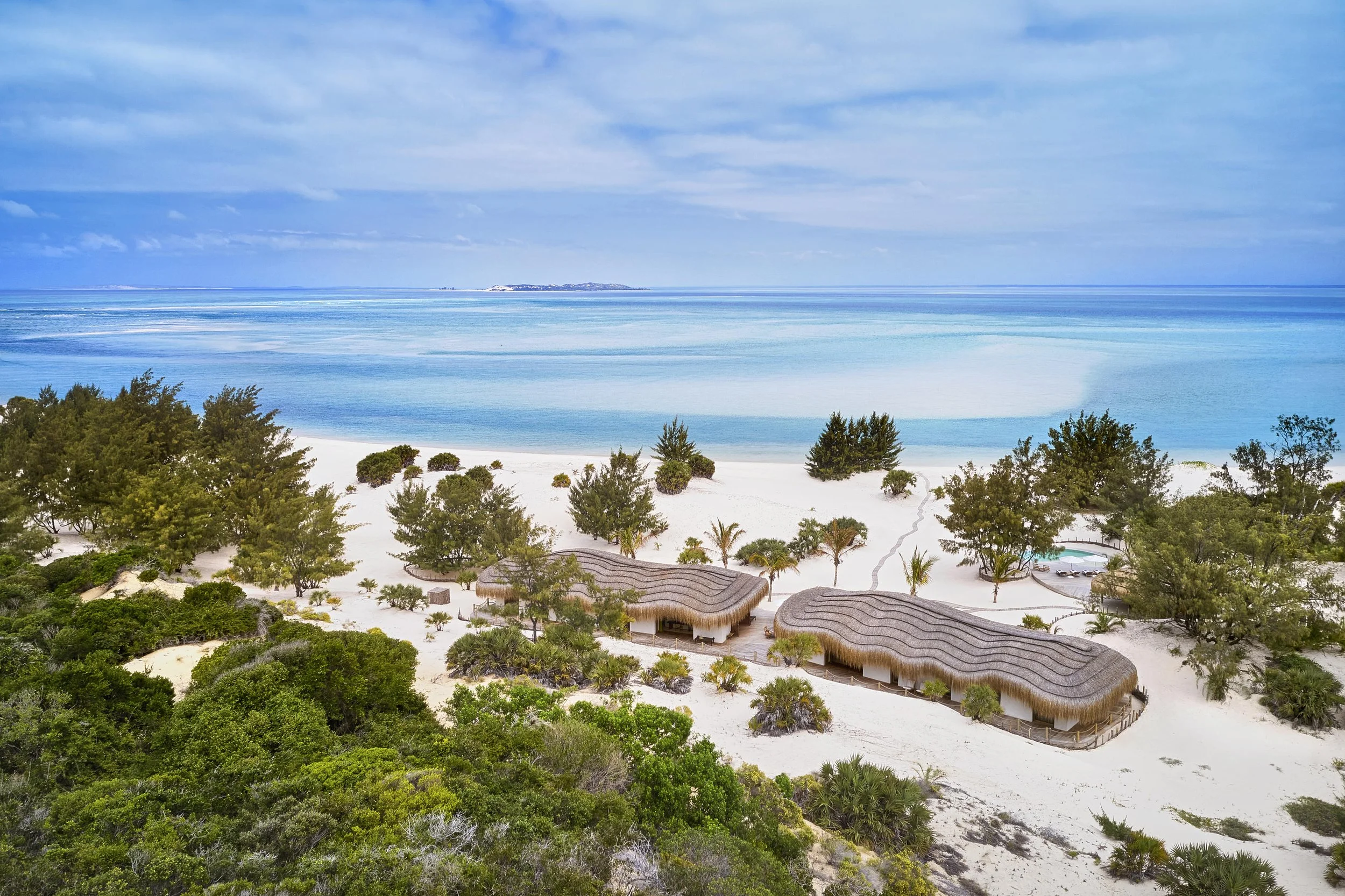
Photo by Kisawa Sanctuary
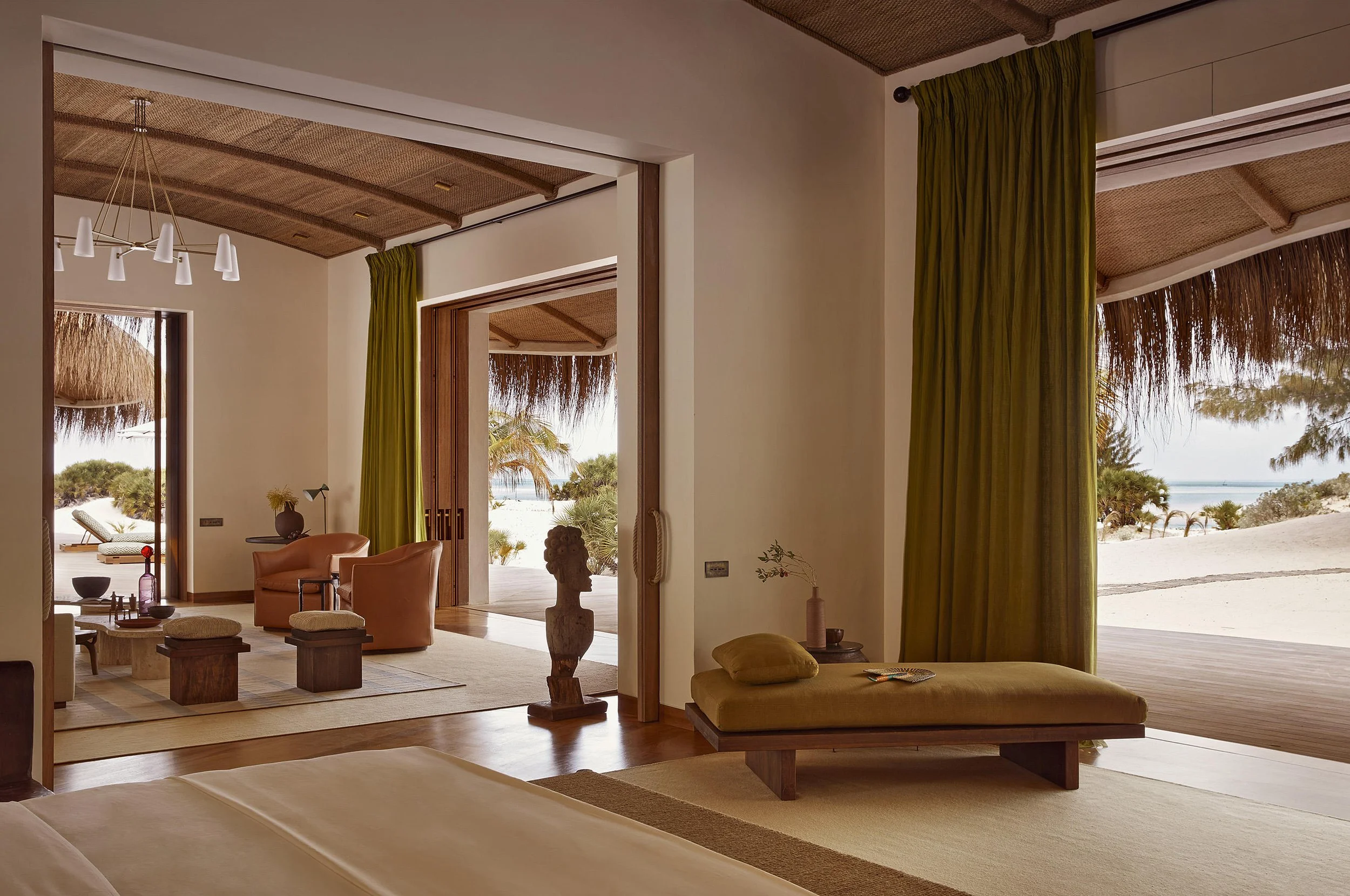
Photo by Kisawa Sanctuary
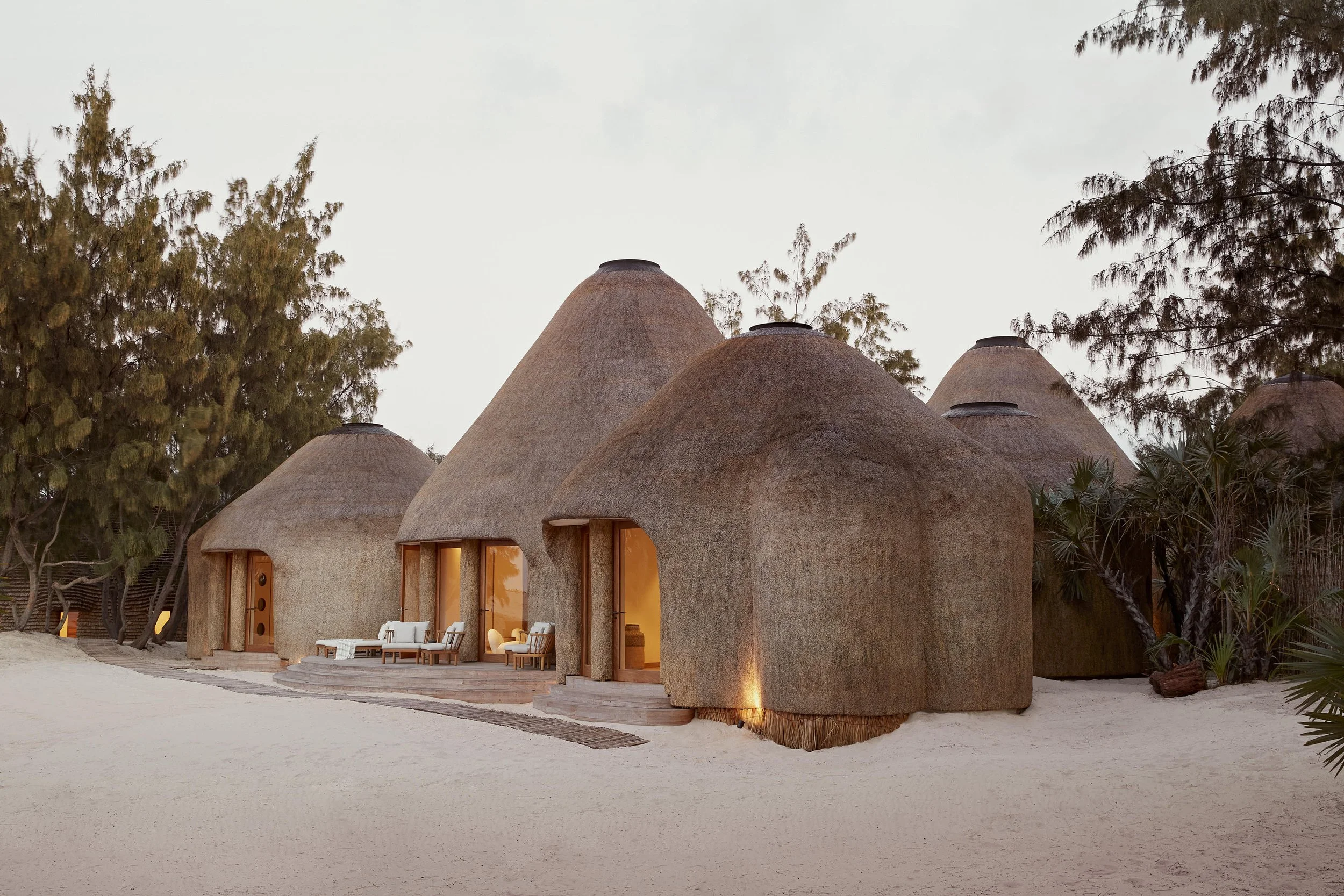
Photo by Kisawa Sanctuary
Kisawa Sanctuary, Mozambique
Kisawa Sanctuary is located on Benguerra Island within Mozambique’s Bazaruto Archipelago, a system of coastal dunes shaped by ocean currents, wind, and long-term sediment movement. The island itself is a living dune formation, stabilized in parts by vegetation and constantly reshaped at its edges by tide and weather. Lagoon waters weave between sandbanks, creating shallow, luminous environments that shift with the ocean’s rhythm.
Architecture is built to merge with this dune ecology, using natural materials and low profiles that follow the contours of sand and vegetation. Movement across the island is slow and tactile, from dune-backed beaches to sheltered lagoons. The experience is defined by water clarity, wind patterns, and the sense that land here is never fully fixed but gently in motion.
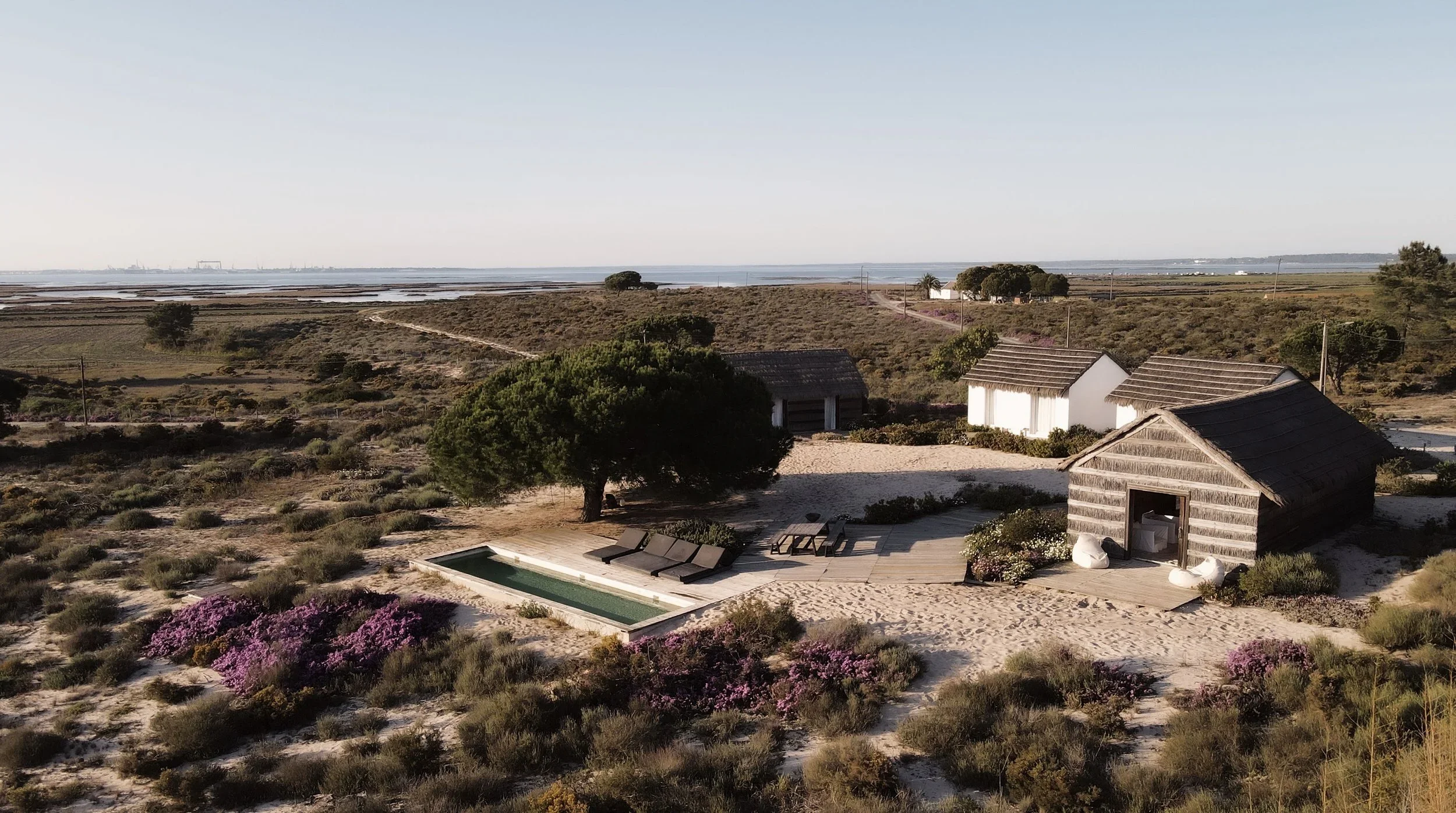
Photo by Silje Kverneland
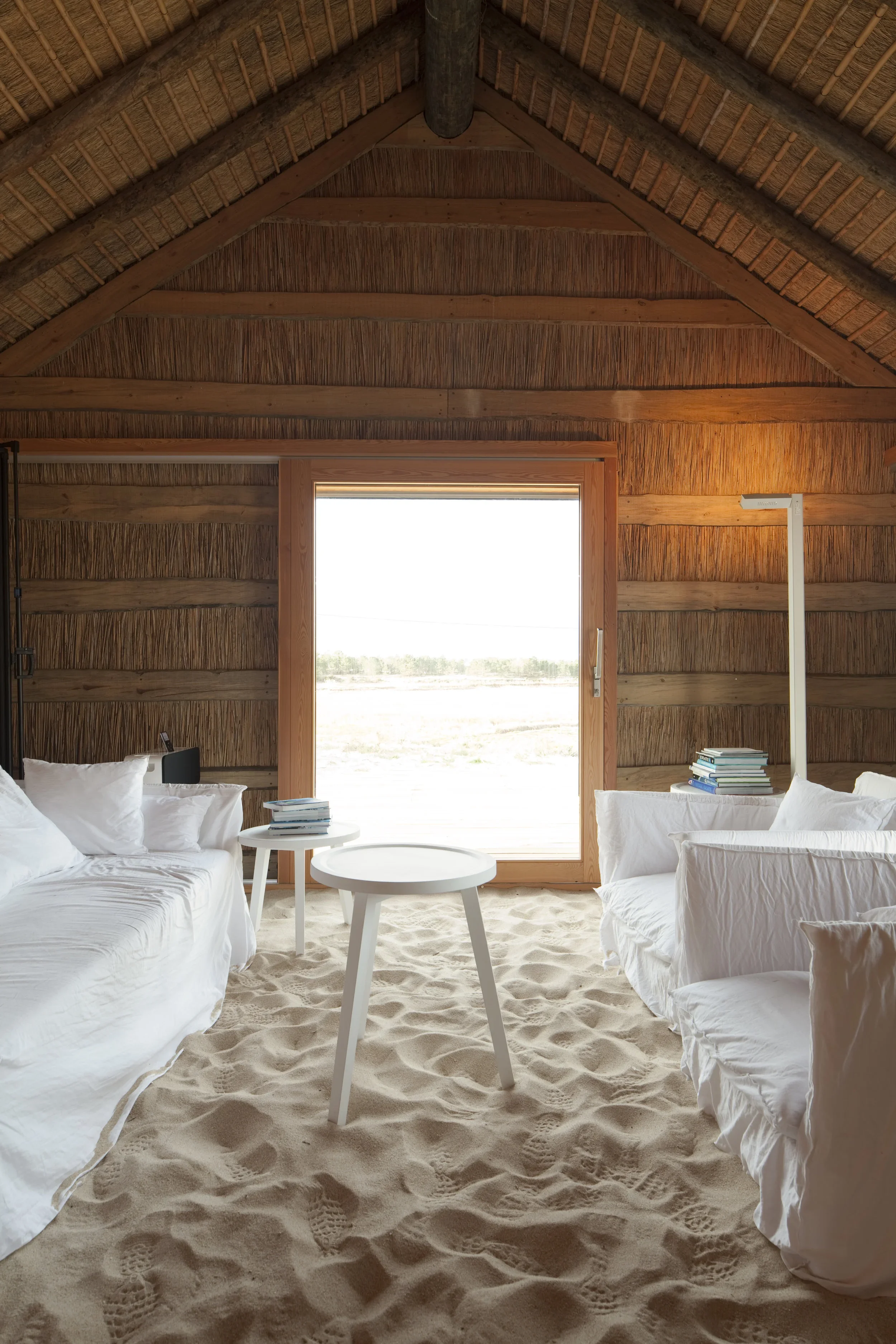
Photo by AIRES MATEUS
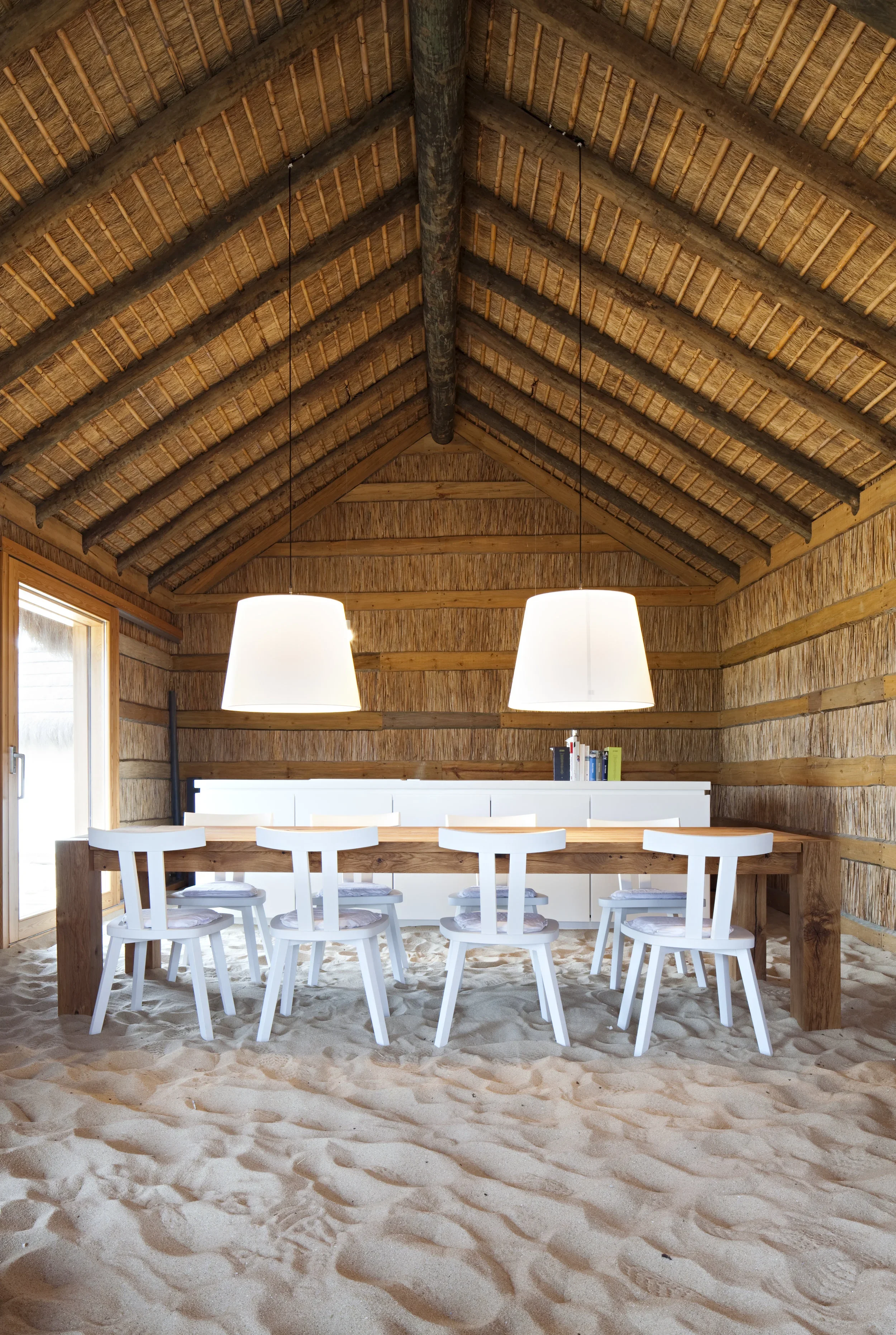
Photo by AIRES MATEUS
Casas Na Areia, Portugal
Casas na Areia sits within the wider dune landscapes of Comporta, where rice fields, pine forests, estuaries, and Atlantic sand systems create one of Portugal’s most distinctive coastal environments. The geography is defined by shifting dunes stabilized by native vegetation, with the nearby Sado Estuary providing an important habitat for migratory birds, dolphins, and wetland ecosystems. Here, the landscape exists in layers, moving from forest to dune, from cultivated land to ocean, creating a rare balance between wildness and human presence.
Created by Silent Living, the architecture embraces radical simplicity and a deep connection to place. The restored fishermen’s cottages retain traditional forms while introducing one unexpected gesture: sand floors that bring the surrounding landscape directly indoors. Natural materials, muted textures, and open living spaces blur the boundary between architecture and environment, allowing guests to experience the dunes not as scenery but as part of everyday life. The experience is slow and sensory, shaped by barefoot mornings, cycling through pine forests, long walks across dune paths, and the ever-present rhythm of the Atlantic coast.
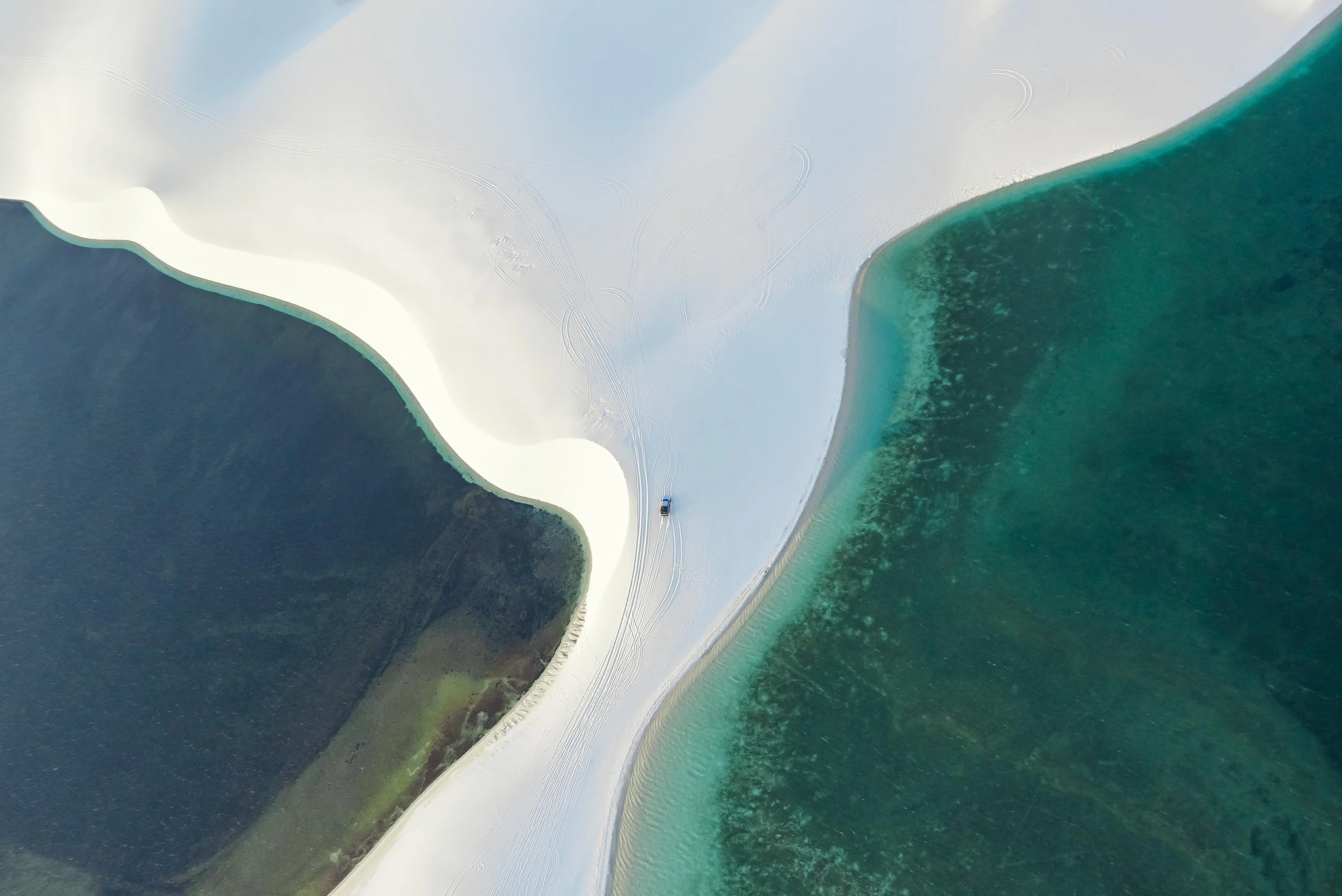
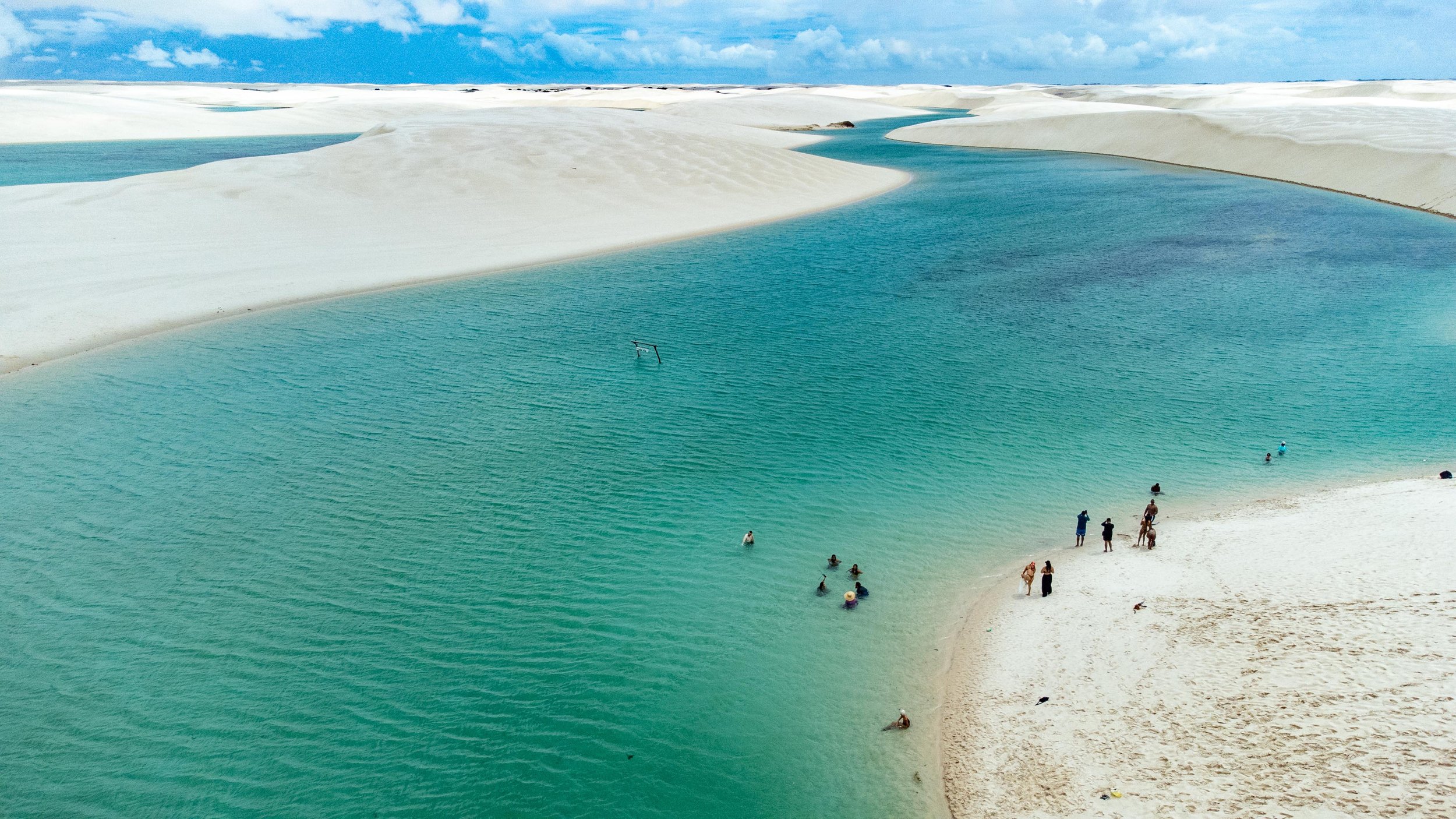
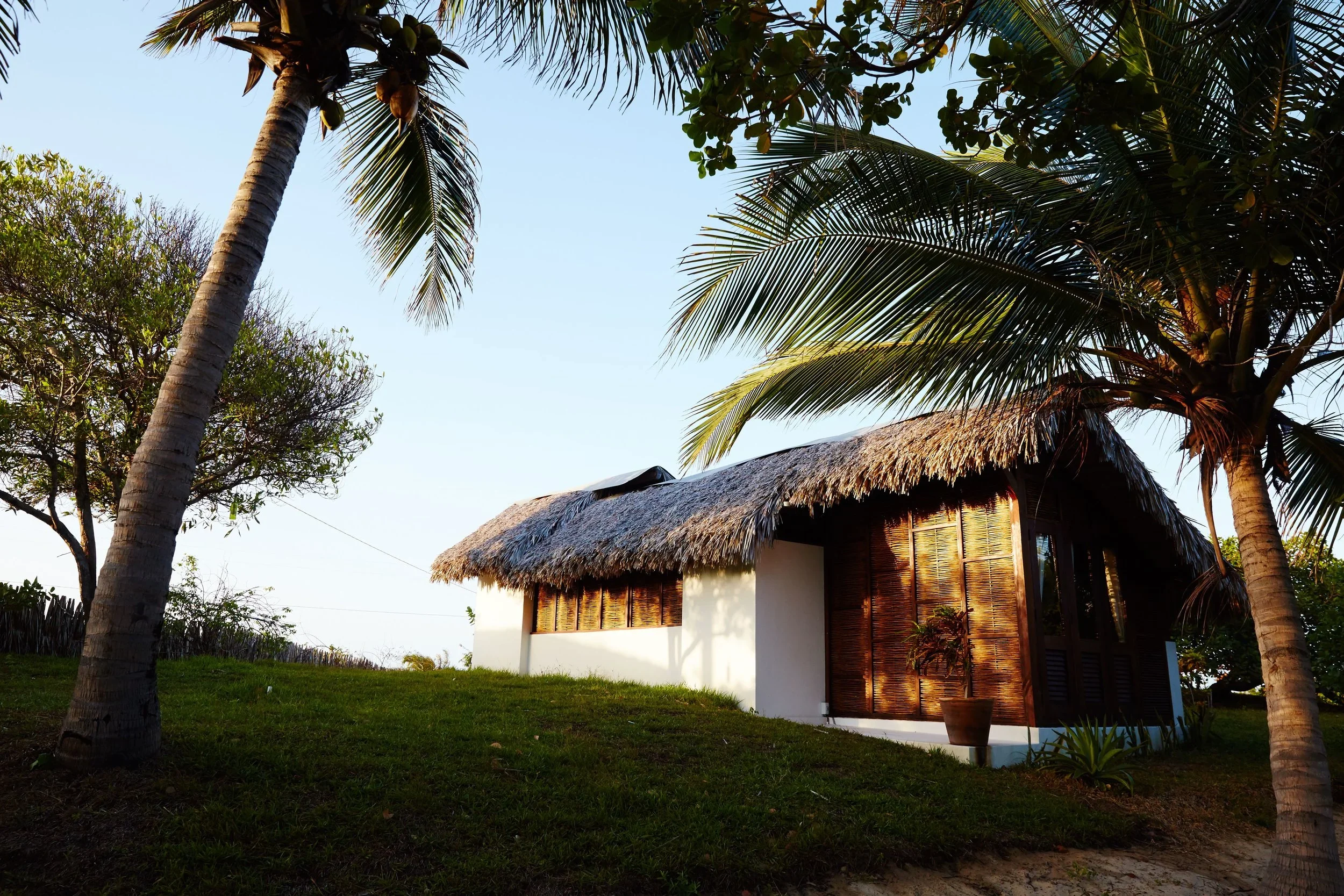
Photo by La Ferme de Georges
La Ferme de Georges, Brazil
La Ferme de Georges is located in the remote village of Atins on the edge of Lençóis Maranhenses National Park in northeastern Brazil. One of the world's most extraordinary landscapes, the park is defined by vast white sand dunes sculpted by wind and punctuated by seasonal freshwater lagoons that appear after the rainy season. During the wet months, rainwater collects between the dunes, forming crystal-clear pools that can persist for months before gradually evaporating, creating a landscape in constant transformation. Few places in the world display such a remarkable relationship between sand and water, where shifting terrain and seasonal cycles continually reshape the environment.
The architecture is understated and deeply connected to its surroundings, drawing inspiration from local building traditions and the relaxed character of Atins. Natural materials, open-air spaces, and lush tropical gardens create a seamless transition between the hotel and the landscape beyond. Guests move easily between the village, the dunes, and the lagoons, spending their days exploring one of Brazil's most iconic natural wonders before returning to a setting that feels intimate, restorative, and deeply rooted in place.
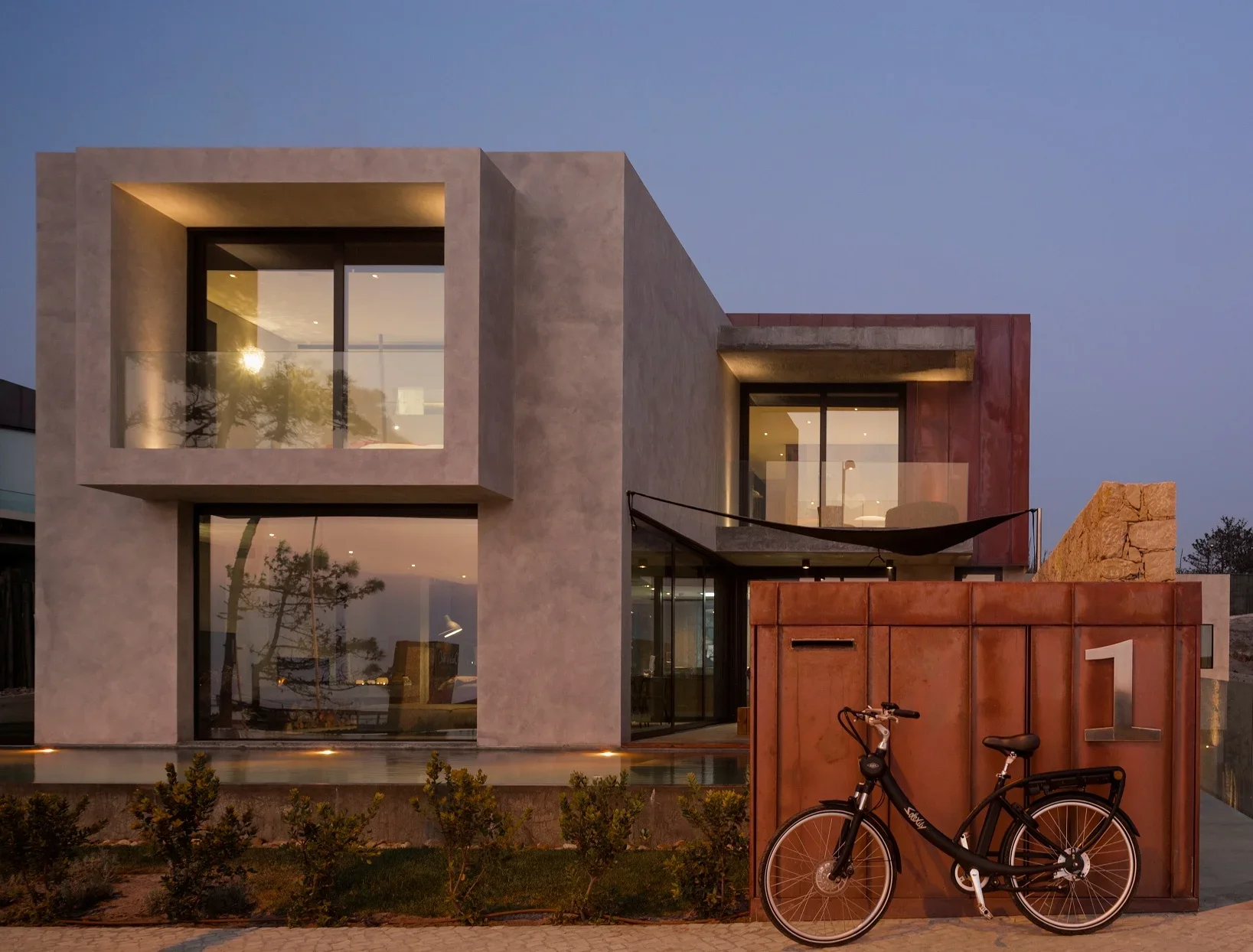
Photo by Areias do Seixo
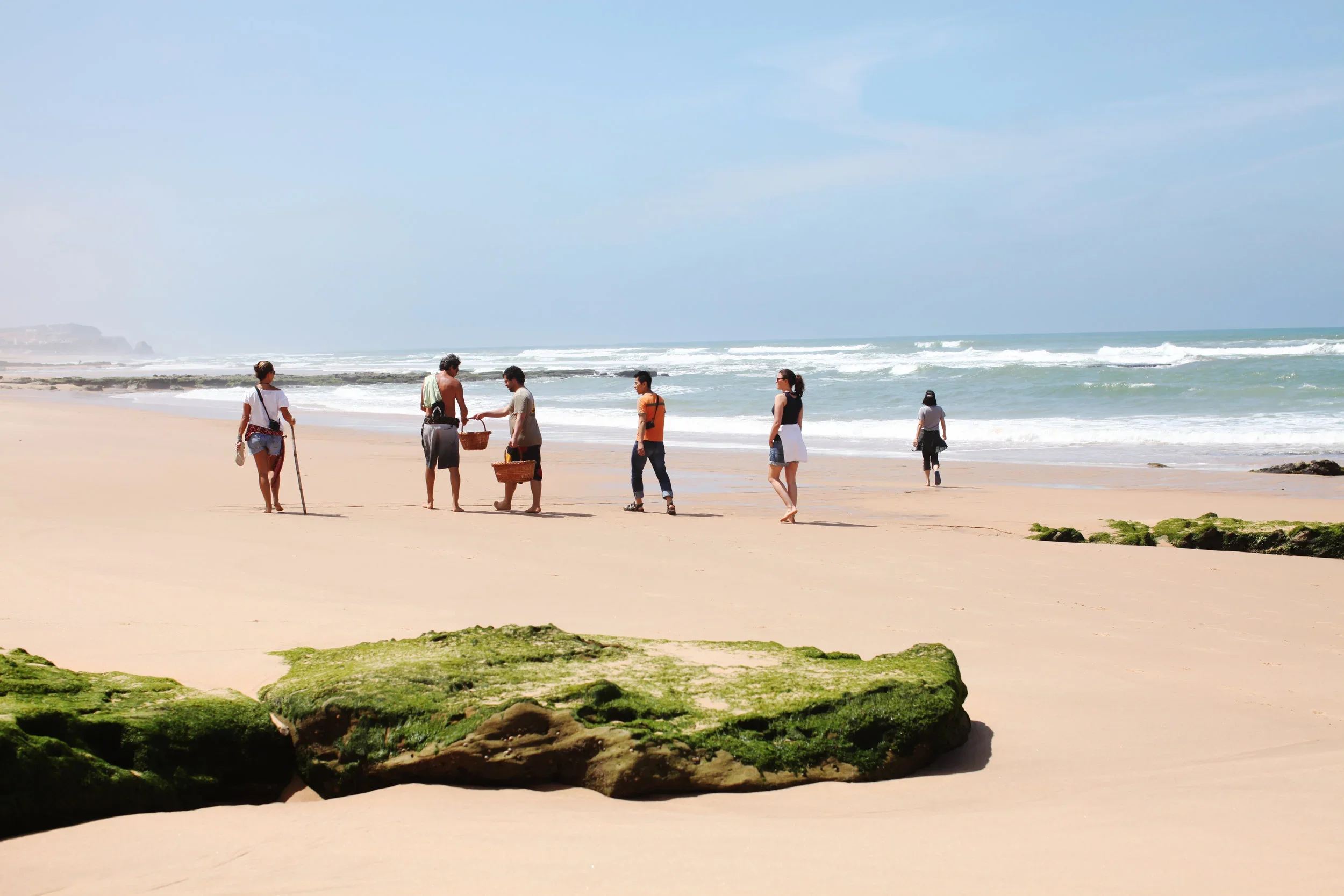
Photo by Areias do Seixo
Areias do Seixo, Portugal
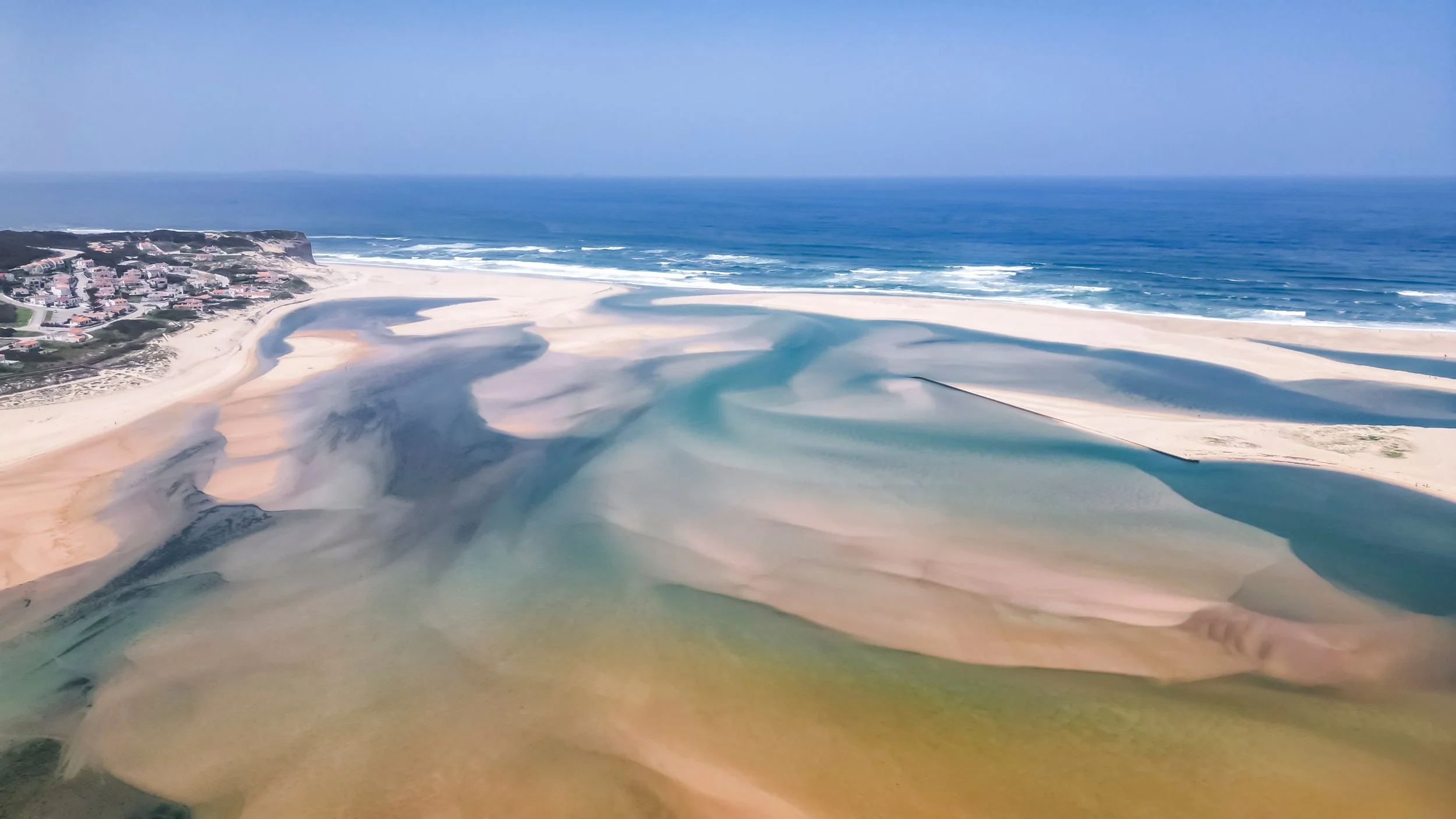
Areias do Seixo is located on Portugal’s Atlantic coast where dunes, pine forests, and ocean currents converge in a constantly shifting landscape. Strong Atlantic winds continuously reshape the sand, forming layered dune systems that transition into forested inland areas. The environment is raw yet softened by vegetation, creating a dynamic edge between land and sea.
The hotel is built with a strong connection to natural materials, opening directly onto dunes and coastal light. Interiors dissolve into exterior landscapes through glass, wood, and stone, allowing wind, scent, and sound to move through space. The experience is elemental and atmospheric, defined by changing weather, ocean proximity, and the slow movement of sand.
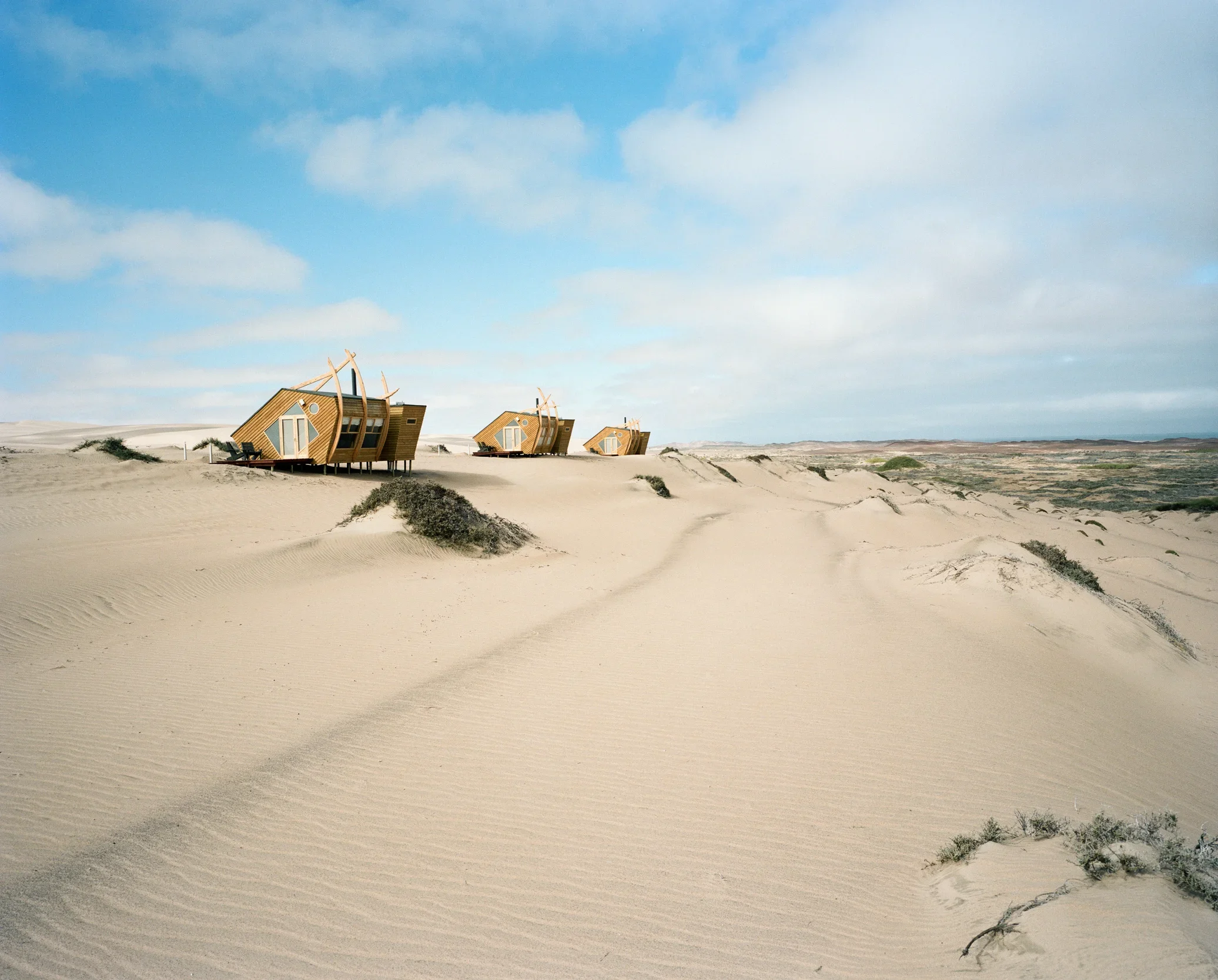
Photo by Micheal Turek
Shipwreck Lodge, Namibia
Shipwreck Lodge is set along Namibia’s Skeleton Coast, where the Namib Desert meets the Atlantic Ocean in one of the most extreme dune environments on Earth. Here, towering dunes descend directly into cold ocean fog, shaped by persistent winds that drive constant sand movement. The landscape is stark, with no vegetation in many areas, emphasizing scale, silence, and erosion.
The architecture reflects the forms of shipwrecks scattered along the coast, blending into the surreal geometry of sand and mist. Guests experience shifting visibility, from dense fog to vast open dune fields. The environment feels otherworldly, where desert and ocean overlap without clear boundary, and landscape is defined by absence as much as presence.
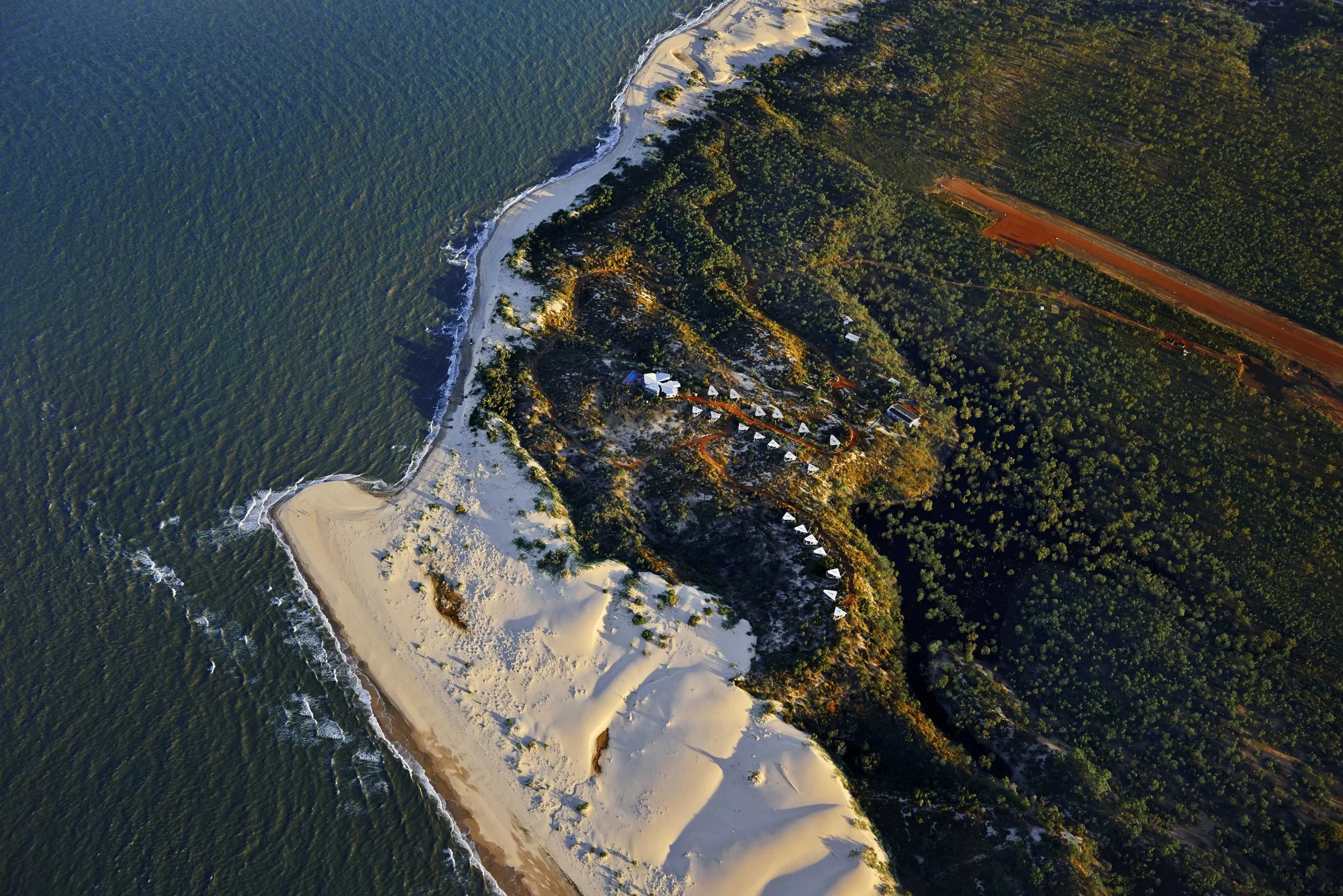
Photo by Berkeley River Lodge
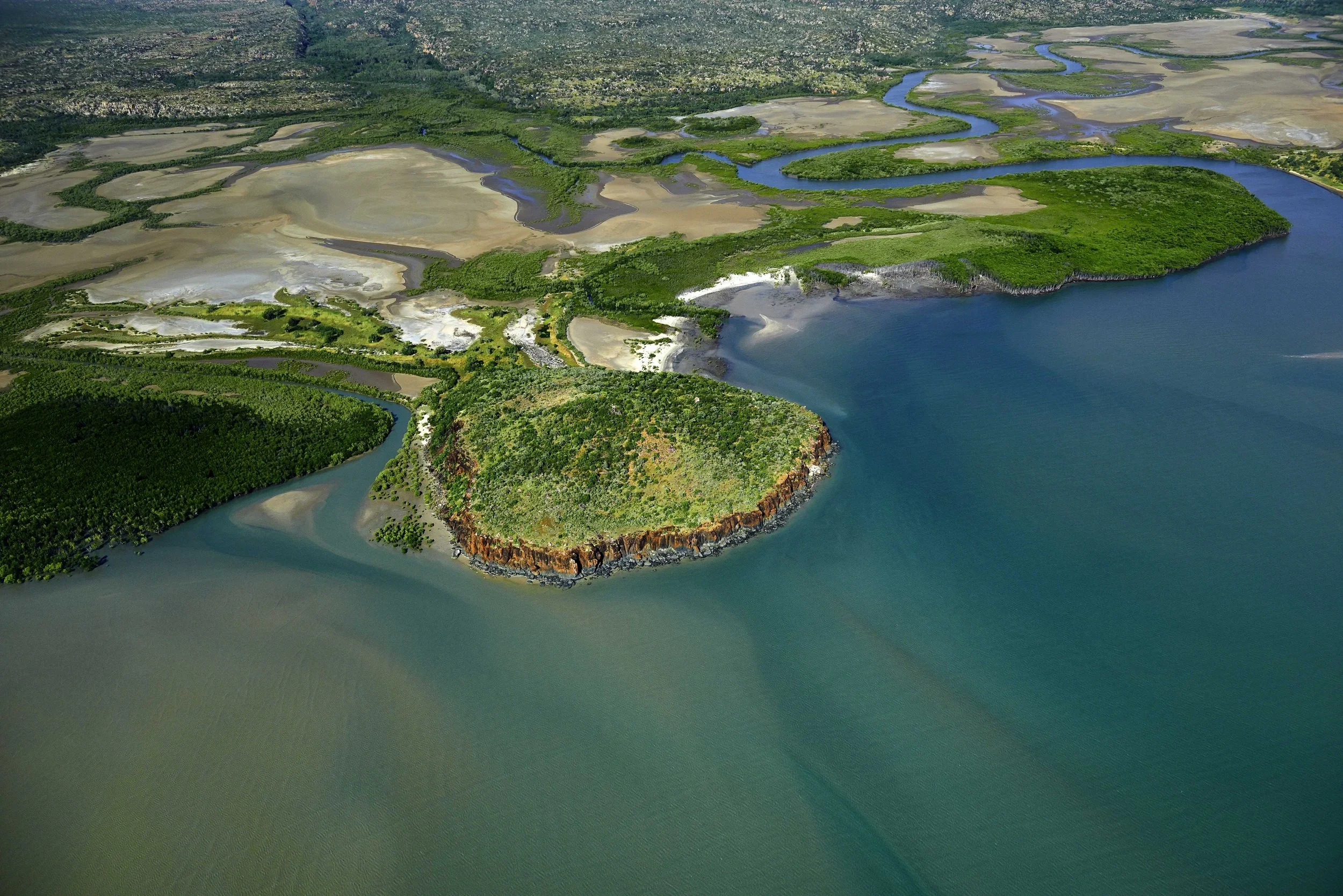
Photo by Berkeley River Lodge
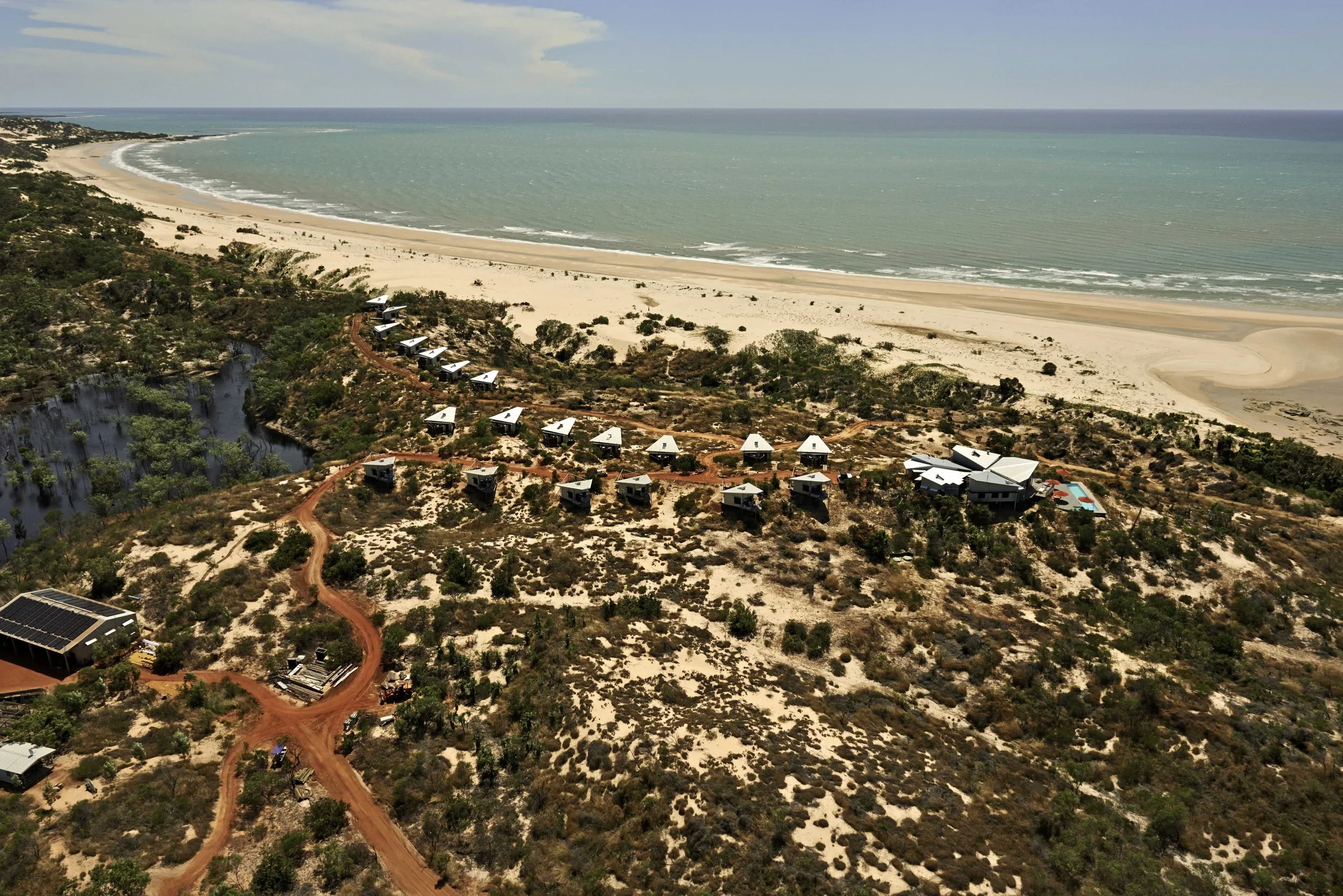
Photo by Berkeley River Lodge
Berkeley River Lodge, Australia
Berkeley River Lodge sits in the remote Kimberley region of Western Australia, where coastal dunes meet river systems, tidal flats, and mangrove ecologies. The dunes here are part of a broader system shaped by monsoonal weather and extreme tidal variation, constantly reshaping the meeting point between land and sea. Sandbanks appear and disappear with seasonal movement of water and sediment.
The lodge is positioned above this shifting terrain, allowing wide views across dune, river, and ocean convergence. Access is limited, reinforcing the sense of isolation and scale. The experience is defined by movement through multiple ecologies at once, where dunes function as transitional landscapes between inland wilderness and the Indian Ocean.
Oasis of Huacachina
Oasis of Huacachina, Peru
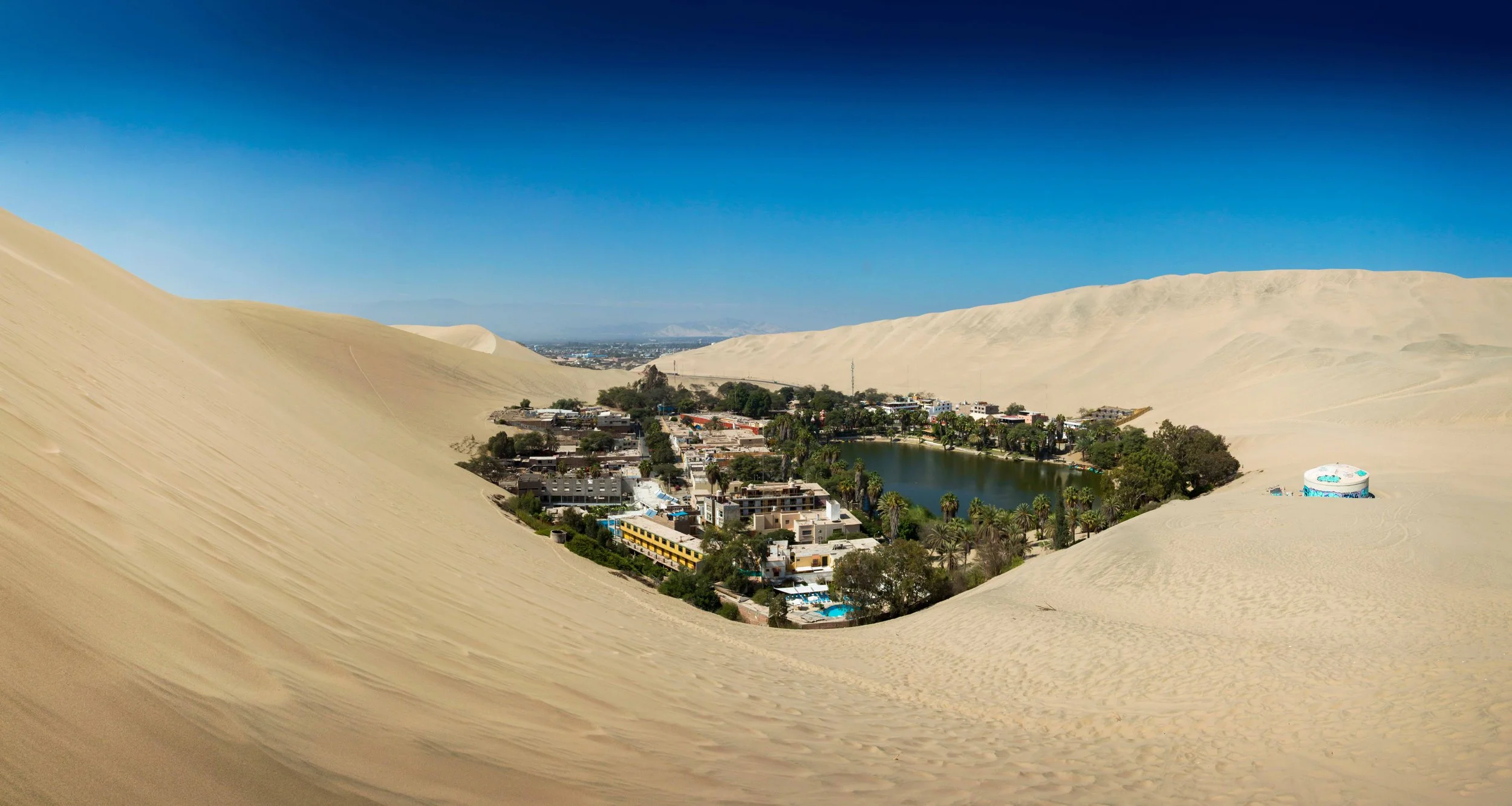
The Oasis of Huacachina sits within the vast desert landscapes of southern Peru, surrounded by towering sand dunes that rise hundreds of metres above a small natural lagoon. Located near the city of Ica, it is one of the world's most remarkable examples of a desert oasis, where groundwater emerging from beneath the sand has sustained vegetation and water in an otherwise arid environment. The contrast is striking: palm trees and reflective water framed by immense golden dunes that shift constantly under the influence of wind and time.
What makes Huacachina so surreal is the scale of its surrounding geography. The lagoon appears almost improbable against the vastness of the desert, creating a landscape where water and sand exist in unexpected balance. At sunrise and sunset, the dunes catch changing light that transforms the terrain into waves of gold and amber, while panoramic views reveal an endless sea of sand extending toward the horizon. It is a place that captures the enduring fascination of dune landscapes, where movement, scarcity, and beauty converge in one of South America's most iconic desert settings.
Room + Wild is the world's first and leading collective and platform for landscape-enhanced accommodation, ecotourism, nature-based destinations, and sustainable luxury travel experiences. We consistently inspire, influence, and spread awareness through our tailored travel guides, curated media content/channels, brand activations, press trips as well as visual and narrative storytelling.
For millennia, human history, culture, and survival have been inextricably linked to the horse, shaping landscapes from the Central Asian steppes to the South American pampas. From the rugged horsemanship of South American gauchos to European classical dressage, equestrian traditions reflect a deep, intuitive partnership between humans and nature. Today, exploring remote destinations on horseback offers an authentic, slow-travel alternative, allowing travelers to connect with local equine heritage while navigating wilderness terrains at a natural pace.